Author: Mei Ling Tan

  • Gasoline prices return to 4-month low

    Gasoline prices return to 4-month low

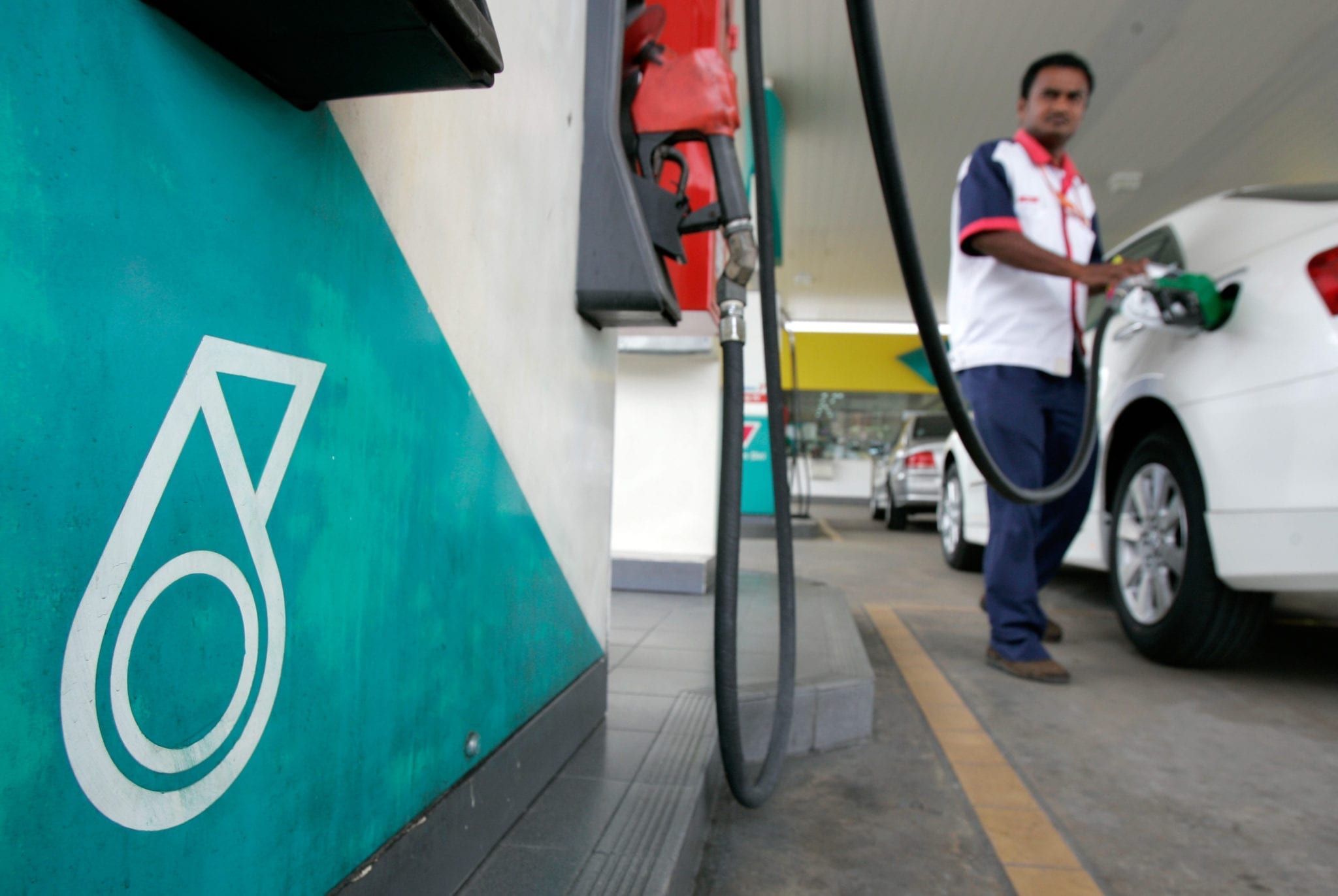
    Gasoline prices on Thursday afternoon plunged to the lowest since Jan. 18 after rising marginally last week.

    The popular fuel RON95 fell 3.02% to VND22,510 ($0.88) per liter. Biofuel E5 RON92 declined by 2.33% to VND21,750.

    Diesel dropped 0.45% to VND19,740, the lowest since Jan. 11.

    Regulators said that prices fluctuated in the last seven days due to weakening U.S. dollar and concerns that the U.S. will keep its interest rate unchanged for a long time. OPEC+ is expected to maintain its policy to limit supply in the upcoming meeting in early June. Global gasoline prices fell 3.2-3.8% in the last seven days.

  • Shein clothes found to contain high levels of toxic chemicals in Korean tests

    Shein clothes found to contain high levels of toxic chemicals in Korean tests

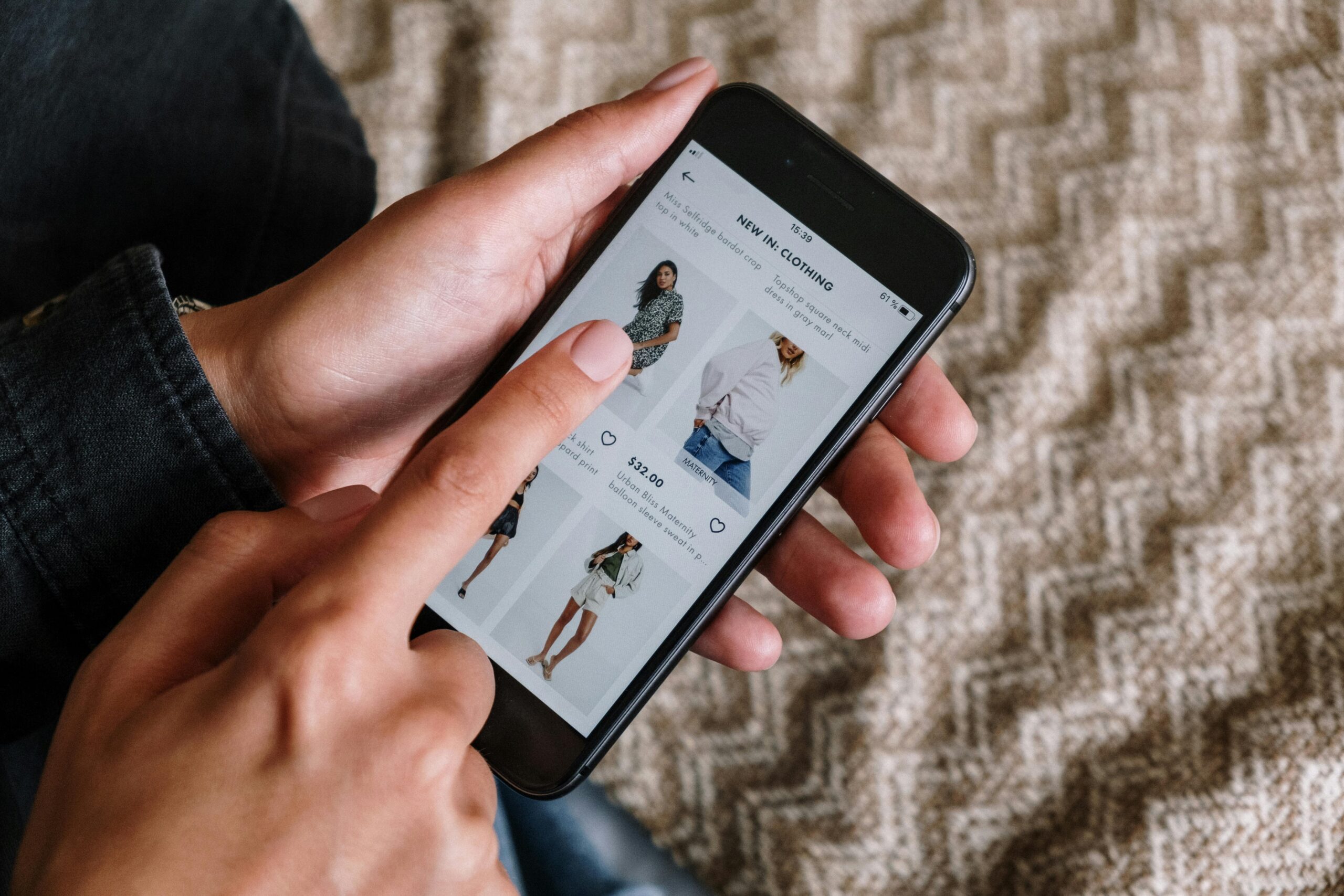
    Clothing purchased from Shein for scientific testing has been found to contain “significant quantities” of potentially dangerous chemicals.

    The investigation found that one pair of shoes contained 428 times the permitted levels of phthalates – the highest observed during the Seoul government tests – and three bags had amounts as high as 153 times the limit.

    Phthalate is a chemical compound used in the production of plastics that is thought to be hazardous to human health. The city has urged the Chinese e-commerce platform to stop selling the products.

    Shein responded that it takes product safety “very seriously” and that the firm has undertaken 400,000 chemical safety tests of products within the past year.

  • Apple accelerates Southeast Asia expansion with Malaysia debut

    Apple accelerates Southeast Asia expansion with Malaysia debut

    Apple will open its first store in Malaysia next month as part of its expansion plans in Southeast Asia.

    Trevor Hill, the mall’s GM, confirmed on LinkedIn that the store will be located at the Exchange TRX shopping centre in Kuala Lumpur and will open its doors to customers on June 22 at 10 a.m.

    This will be Apple’s sixth store in the region, after three in Singapore and two in Thailand.

    According to the New Straits Times, the store will be much bigger than the existing Apple Premium Resellers in the country, such as Machines and Switch. It will also feature activities such as free learning sessions and sections like the Genius Bar, where users can get expert service and support for their products.

    Apple has been accelerating its Asian expansion outside of China, where it has faced rising competition from local players. The company opened its first stores in India last year.

  • Mondelēz opens regional snacks research lab in Singapore

    Mondelēz opens regional snacks research lab in Singapore

    Mondelēz International has inaugurated its US$5 million regional biscuit and baked snacks lab and innovation kitchen in Singapore that will serve its Australasian, Asia Pacific, Middle East, and Africa businesses.

    Chan Ih-Ming, EVP of the Singapore Economic Development Board, opened the facility. Mondelēz says it reaffirms its commitment to innovation and product development across Southeast Asia, Australia, New Zealand, and Japan.

    The lab and innovation kitchen expands on the capabilities of the food manufacturer’s existing Singapore Technical Centre established in 2006.

    In 2018, the company expanded the centre to focus on gum and candy innovation and product development.

    “This expansion further enhances the capabilities of our Singapore Technical Centre and reaffirms our commitment and contribution to the country, which serves as the headquarters for our Asia Pacific, Middle East and Africa business,” said Deepak Iyer, EVP and president of Mondelēz International AMEA.

    “The establishment of the biscuit and baked snacks lab and innovation kitchen marks a significant step in Mondelēz’s commitment to mindful snacking, including developing products that encourage portion balance and mindful indulgence whilst exploring flavour innovation and different product formats.”

  • Apple reveals Beats Solo Buds’ launch date

    Apple reveals Beats Solo Buds’ launch date

    Apple introduced the Beats Solo Buds back in April but failed to provide fans with an actual launch date. Thankfully, that’s no longer the case, as the Cupertino-based giant revealed this week that the Beats Solo Buds will hit shelves on June 20.

    In fact, customers can order the Beats Solo Buds starting on June 18 for $79.99, but the earbuds won’t ship until two days later. It’s also worth mentioning that the earbuds will be available in four colors: Matte Black, Storm Gray, Arctic Purple and Transparent Red. Remember that if you want the Arctic Purple version, you’ll only find those at Apple and Target.

    The Beats Solo Buds have a custom Beats chip inside that makes it much easier to pair them across iOS and Android with just one touch. The earbuds also feature both Apple and Google “find my device” functionality.

    Both buds have a button that allows users to control playback, answer calls and enable Siri, but it can be customized to offer other uses too. The Beats Solo Buds promise to “minimize micro-distortions across the frequency curve” thanks to the dual-layer transducers design.

    As far as battery life goes, Apple says the Beats Solo Buds should provide up to 18 hours of playback, which is hard to believe considering that similar earbuds offer around 6-8 hours of battery life.

    On the downside, the Beats Solo Buds doesn’t come with a charging case. The one that comes with the earbuds doesn’t feature a battery, so you’ll have to charge these the traditional way by plugging a USB-C cable into the case after you place the earbuds inside.

  • With Google Pay going the way of the dodo soon, you need to start withdrawing funds

    With Google Pay going the way of the dodo soon, you need to start withdrawing funds

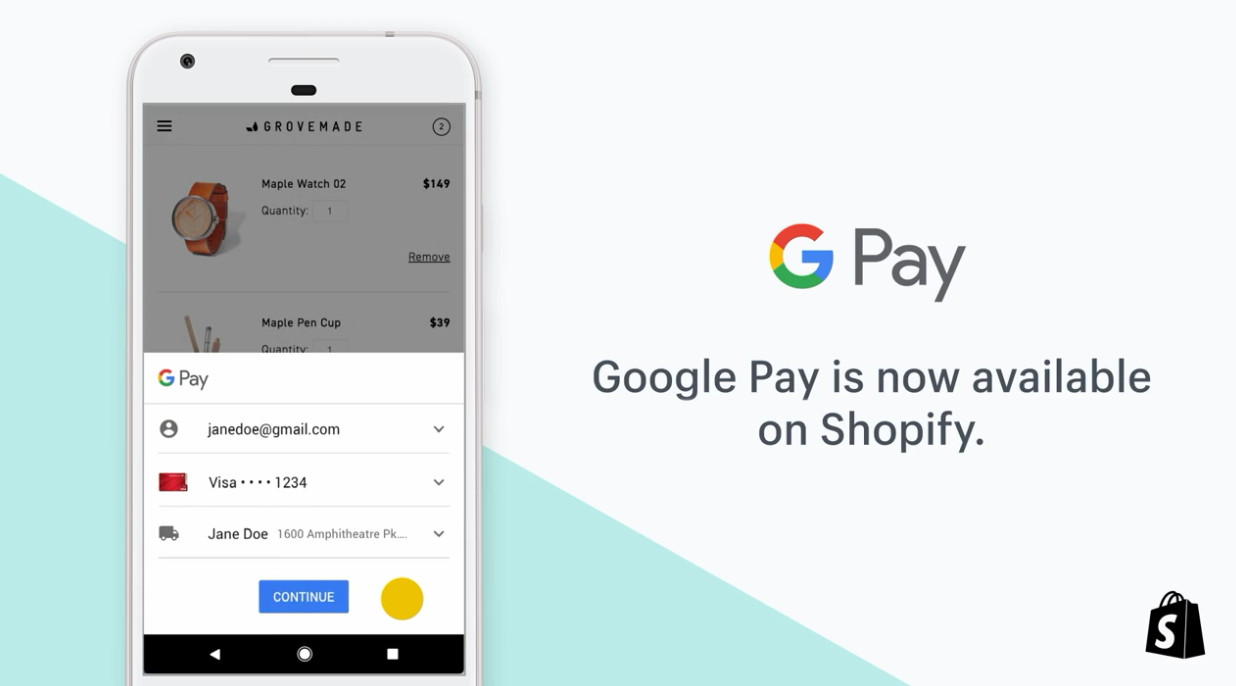
    In late February, Google announced that the Google Pay app was shutting down in the US. The company wants people to transition to Google Wallet, which offers many of Google Pay’s features, including paying at online checkouts and in stores. Google Pay will stop working for US citizens after June 4, so if you have a lot of funds, you might want to start transferring them to your bank account.

    Google Wallet, as the name implies, is more of a digital wallet and can be used to store payment cards and other digital items like your driver’s license and loyalty cards. According to Google, it’s used five more times than Google Pay in the US, but what it did not mention is that Google Wallet doesn’t have Google Pay’s peer-to-peer payment feature.

    If you want to transfer funds from the Google Pay app to your bank account, you should do it by June 4. After that date, you will have to visit the Google Pay website to transfer money out of it.

    Even if that doesn’t sound too much of a hassle to you, you should start withdrawing cash right away if there’s a lot of it in your Google Pay account.

    That’s because currently, you can withdraw up to $5,000 from the app every day if your account is verified. The app has a rolling $20,000 7-day limit, meaning you cannot withdraw more than $20,000 within a 7-day period. If your identity is not verified, the total limit is $700 for seven days.

    Google is informing customers that new daily and weekly caps will apply once the app is sunsetted, per Droid Life. Starting June 4, you will not be able to withdraw more than $200 in any given week. Whether you access the limit in a single transaction or withdraw it over a 7-day period is up to you.

  • AI skills fetch IT engineers 11% higher incomes

    AI skills fetch IT engineers 11% higher incomes

    IT engineers with AI skills earn around 11% higher than those without, a study has found.

    The report by Levels.fyi, a platform that provides salary data in the U.S., shows that AI engineers make 8.57% more at the entry level than non-AI ones. The gap widens to 11.08% at the staff engineer level.

    The median salary for AI engineers in the U.S. was US$300,600 as of March, the highest ever. Some companies pay much more than the median level.

    Self-driving car company Cruise, for example, offers its senior-level AI engineer $450,000, and Amazon pays $427,500.

    “As AI shakes up much of the industry, it also raises the bar for engineering compensation in 2024,” Levels.fyi analyst Alina Kolesnikova said.

    “It’s a testament to where businesses are choosing to invest and where they aim to compete for top talent.”

    A report by professional services firm PwC says U.K. employers are prepared to pay an average 14% wage premium for jobs that require AI skills, with legal and tech sectors seeing the highest premiums of up to 58%.

    This puts the U.K. in second place behind only the U.S., which is prepared to pay on average 25% more for AI skills.

    Companies are making big plans to train the next generation of AI workers.

    J.P. Morgan has invested an unspecified amount in establishing an AI research center at Carnegie Mellon University in the U.S. and Amazon has pledged to educate two million people worldwide on generative AI by 2025.

    In April U.S. tech billionaire Elon Musk said salaries for engineers must be increased to prevent them from being lured away by OpenAI with huge sums.

  • WestJet Cargo launches three new routes

    WestJet Cargo launches three new routes

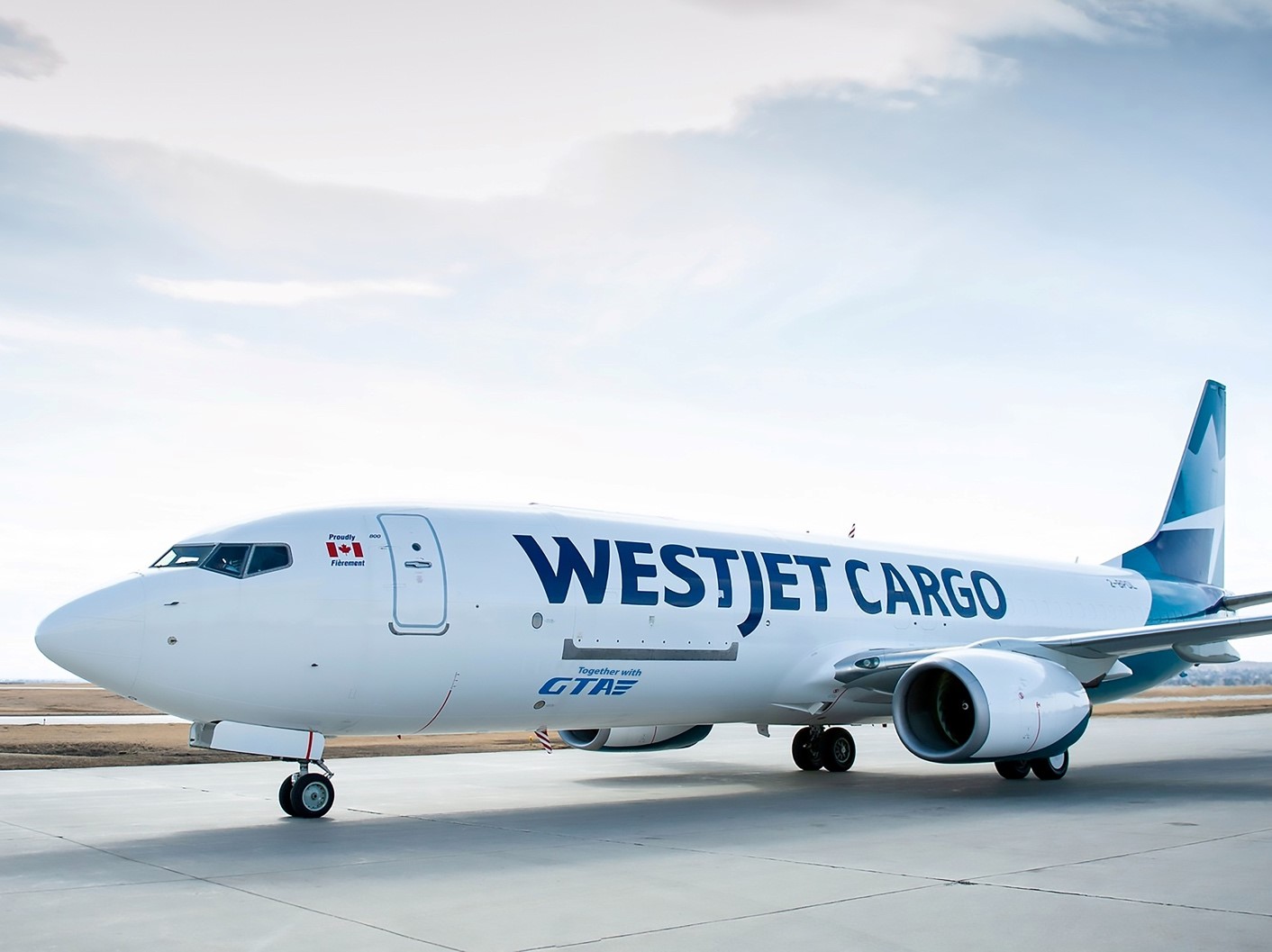
    The Chicago route was opened for cargo sales on May 16th, connects Calgary to the US city three times a week, increasing to daily flights by June 17th and will continue to operate year-round. Operating with 737 aircraft, this route offers cargo capacities of 2,700 kg per flight, focusing on the transportation of perishables. This route addresses increasing demand and marks the opening of WestJet Cargo’s passenger belly network in addition to the weekly freighter that already operates into Chicago.

    Moncton, Canada, was opened for cargo sales on May 17th to meet the growing needs of the Canadian market and will continue to operate year-round. Also utilizing a 737 aircraft, this route links Moncton to Calgary, Edmonton, and Toronto with varying frequencies: up to daily flights to Calgary, 3 to 4 weekly flights to Edmonton, and 3 to 5 weekly flights to Toronto. The primary cargo for this route is live animals and can also accept 2,700 kg per flight of cargo.

    The Calgary to Incheon route, launched on May 18th, operates three days weekly with a 787 Dreamliner, offering a 60 tonnes capacity for all cargo commodities. This route is already highly popular with the WestJet cargo customers!

    “These new routes will significantly enhance our ability to serve the Canadian market by offering greater capacity and more options for our customers,” said Kirsten De Bruijn, Executive Vice President of WestJet Cargo. “We’re delighted to expand our network and provide reliable and efficient cargo services to meet the growing demand.”

  • Imported Thai fruit prices plummet on rising supply

    Imported Thai fruit prices plummet on rising supply

    Mangosteen, mini durian, snake fruit, and rambutan imported from Thailand are 30-40% cheaper than a year ago since supply is high.

    Loan, who runs a shop that sells imported fruits in HCMC, said Thai fruits have never been as cheap as they are this year.

    Mangosteen and langsat are sold at VND55,000-60,000 (US$2.16-2.36) per kilogram, and rambutan at VND45,000-60,000, all 30-40% less than a year ago, she said.

    Lan, a fruit merchant at the city’s Ba Chieu Market, said the prices of premium products such as Thai snake fruit and mini durian are also down 40%.

    Snake fruit sells for VND60,000-70,000 and mini durian for VND60,000-130,000, she said.

    “This year Thai fruits outcompete Vietnamese ones in both quality and price.”

    Many kinds of Thai fruits are being sold in large quantities at wholesale markets in HCMC’s Thu Duc City and Hoc Mon District.

    Thanh, an importer in An Giang Province, said the supply of Thai fruits has doubled from last year due to bountiful harvests, causing their prices to fall sharply.

    The mangosteen, langsat and rambutan from that country are of higher quality this year, while Vietnamese crops have suffered from a poor harvest, he said.

    This year, mangosteen production in Binh Duong Province, one of the main growers, is estimated to have halved from a year ago, according to local farmers.
    Durian production in the Mekong Delta has declined by 20-40% due to prolonged dry weather and scorching temperatures.

    Farmers have also been shifting away from rambutan in recent years due to its low profitability.

    This year, shipping costs have decreased by 20-30% from last year, Thanh said. Many importers have begun to transport fruits from Thailand by road through Cambodia to lower costs, he added.

    In the first four months of 2024, Vietnam imported $643 million worth of fruits and vegetables, which was up 15% year-on-year.

    Thailand accounted for $13.3 million, marking a 5% increase from last year’s period.

  • Dollar slips against dong

    Dollar slips against dong

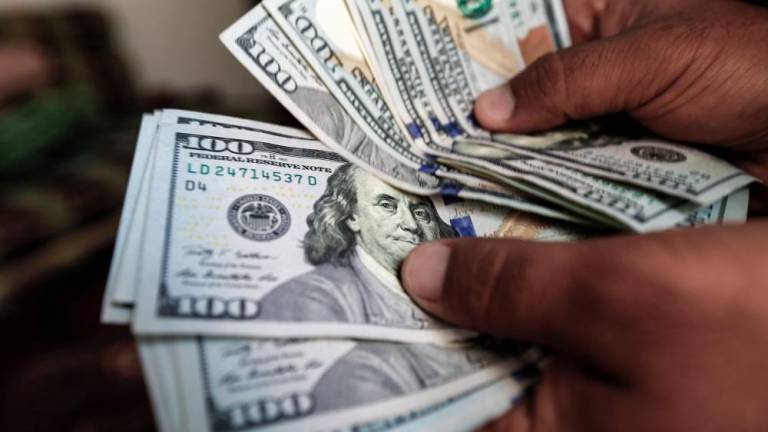
    The U.S. dollar fell against the Vietnamese dong Tuesday morning.

    Vietcombank sold the dollar at VND25,468, down 0.05% from Monday.

    The State Bank of Vietnam kept its reference rate stable at VND24,245.

    The greenback went up 0.27% to VND25,840 on the black market.

    It has increased against the dong by 4.29% since the beginning of the year.

    The dollar waned on Tuesday following a slight pick up in risk appetite, but it held tight ranges against its peers ahead of key inflation data from major economies this week that markets are looking to for guidance on the global interest rate outlook.

    Currency moves were largely subdued in early Asia hours after a quiet overnight session due to holidays in Britain and the United States, but the overall mood was positive with world shares firming.

    The euro was a touch firmer at $1.0860 despite some dovish comments from European Central Bank (ECB) policymakers on Monday and data showing German business morale stagnated in May.

  • Google Home working on a new smart home widget for your device’s home screen

    Google Home working on a new smart home widget for your device’s home screen

    Google is set to make controlling your smart home a whole lot easier with a new “Favorites” widget for the Google Home app on Android. This has been a bit of a secret weapon for Google, teased back in October 2023 and even spotted at I/O 2024. Now, thanks to some digging around in the app’s code by 9to5Google, we have a clearer picture of what to expect.

    The “Favorites” widget aims to streamline your smart home experience by placing your most-used controls right on your home screen. Whether you’re constantly adjusting the thermostat, turning lights on and off, or triggering complex routines, this widget promises to put those commands just a tap away.

    A peek under the hood of version 3.18 of the Android app reveals a sleek and user-friendly design for the widget. It will seamlessly integrate with the existing “Favorites” tab in the Google Home app, allowing for easy synchronization of your preferred controls. Alternatively, you can opt for a standalone widget and personalize it with a unique set of commands

    As you can see in the screenshots above, the widget itself boasts a clean and simple layout reminiscent of the tile-based interface we’re familiar with in the Google Home app. You’ll find handy features like dynamic color theming to match your phone’s aesthetic and a refresh button to ensure you’re always seeing the latest status of your devices. Plus, if you’re truly committed to the smart home life, you can even stretch the widget to occupy your entire home screen.

    This new widget is just one example of how Google is continually enhancing the Google Home app to provide a more convenient and intuitive smart home experience. While we don’t yet have an official release date for the “Favorites” widget, it’s certainly something to look forward to.

  • TikTok’s legal battle against the U.S. ban heats up this September

    TikTok’s legal battle against the U.S. ban heats up this September

    The popular social media platform TikTok is gearing up for a major legal battle this fall that could determine its future in the United States. The US Court of Appeals for the District of Columbia has set a September date for oral arguments in two cases challenging a law that could potentially lead to a ban of the app.

    The legal challenges were triggered by a law that mandates ByteDance, TikTok’s parent company, to sell the app or face a ban due to national security concerns. TikTok, however, has been vocal in its opposition to this law, arguing that divesting from ByteDance is not feasible and that it has already taken steps to address the government’s concerns.

    Earlier this month, TikTok filed a lawsuit asserting that the law is unconstitutional. This move was echoed by a group of TikTok creators who are also challenging the law because it infringes upon their First Amendment rights, as a ban would prevent them from communicating on the platform. Engadget reported that TikTok is reportedly covering the legal fees for the creators in this case.

    Recognizing the urgency of the matter, the appeals court has decided to consolidate both cases and will hear the challenges in September, aligning with TikTok’s request for an expedited schedule. The outcome of this legal battle carries immense weight, as it will not only determine TikTok’s fate in the US but also set a precedent for future cases involving technology, national security, and freedom of speech. This could even lead to a review by the Supreme Court.

    The September showdown is shaping up to be a pivotal moment for TikTok, as the court’s decision will determine whether the app can continue to operate in the US under its current ownership structure. The case has attracted widespread attention due to the platform’s immense popularity and the potential impact a ban would have on its vast user base.

  • Microsoft’s Copilot AI chatbot arrives on Telegram

    Microsoft’s Copilot AI chatbot arrives on Telegram

    Microsoft’s popular AI chatbot, Copilot, is making an impact in the tech world once again by expanding its reach to the messaging app Telegram. This strategic move allows users to integrate AI interactions into their daily conversations seamlessly. Telegram, known for its privacy-centric approach, now hosts the official Copilot bot, complete with a verification checkmark and the username @CopilotOfficialBot

    Accessing Copilot on Telegram is straightforward, requiring users to search for the bot and share their Telegram phone number with Microsoft. This step, while necessary for functionality, might raise some eyebrows among Telegram users who value the app’s strong emphasis on privacy.

    While Copilot for Telegram mirrors many features of its counterparts, it does come with certain constraints. Unlike some other AI chatbots, it currently focuses on text-based interactions and does not support image generation. However, its capabilities are far from limited. Microsoft highlights Copilot’s ability to perform internet searches, provide movie recommendations, generate workout routines, assist with coding tasks, translate conversations, and offer quick facts.

    Users should note that there is a daily limit of 30 conversational turns, which means the user and Copilot can only exchange 30 messages back and forth within a 24-hour period. This limitation aims to manage resource allocation while ensuring fair access for all users.

    This expansion into Telegram aligns with Microsoft’s overall strategy to integrate Copilot into various products and services. The company has already introduced Copilot for business applications, PCs with built-in Copilot functionality, Copilot for Microsoft 365, and a premium version offering access to cutting-edge AI models for a monthly subscription according to Microsoft is not alone in its efforts to bring AI chatbots to messaging platforms. Other companies, such as Meta and Google, have also integrated their AI models into their respective messaging apps. This trend points to AI’s growing importance in shaping how people communicate and access information in the digital age. It will be interesting to see how this move impacts the adoption and evolution of AI chatbots in the future.

  • Industry-First Marketplace Research Reveals only 7% of Australian Shoppers Trust Temu on Product Quality, while Amazon leads for Convenience, Range, and Returns

    Industry-First Marketplace Research Reveals only 7% of Australian Shoppers Trust Temu on Product Quality, while Amazon leads for Convenience, Range, and Returns

    An industry-first study by global ecommerce accelerator, Pattern, has shown that despite their surging popularity, Australian consumers hold negative views on the quality of the products sold on emerging marketplaces Temu and Shein.

    The major Australian marketplace shopper study uncovered Australian consumers’ perceptions of the seven largest marketplace platforms: Amazon, eBay, Catch, Kogan, Temu, MyDeal, and Shein.

    Temu was ranked as the lowest marketplace in perceived product quality at only 7%, followed by Shein, with just 8% of shoppers expressing trust in its product quality. This contrasts with a majority of shoppers saying that they trusted the quality of the products sold on Amazon.

    “Temu and Shein have burst onto the Australian ecommerce landscape, attracting large numbers of younger shoppers. However, these platforms still have to play a lot of catch-up to win over Australian consumers, who didn’t rate them highly for product quality, returns, and convenience,” said Merline McGregor, General Manager of Pattern Australia.

    “With a transparent product rating and review system built into its platform that educates and builds shopper trust, Amazon has become the most trusted marketplace in Australia in relation to the quality of products it sells. This is an area where Amazon leads the sector at 58%, with eBay trailing at 39%, followed by Catch (25%), Kogan (19%) and MyDeal (11%).”

    Marketplaces attract shoppers as cost-of-living pressures bite

    As cost-of-living pressures rise, Australian consumers are increasingly turning to marketplaces to research, compare, and purchase. A large majority of Australians shopped on a marketplace in 2023, with a staggering 94% planning to buy from platforms like Amazon, Catch, and eBay over the coming year.

    “With strained household budgets, marketplaces are attracting an increasing number of shoppers with their easy-to-use price comparison functionalities and sales events. With its globally recognised Prime Day event gaining popularity in Australia, Amazon has become the leading marketplace for value-for-money purchases, attracting 48% shoppers, followed by eBay at 41% and Catch at 27%,” said McGregor.

    Not only are marketplaces attracting higher volumes of shoppers, but they are more likely to secure high income shoppers in 2024. Today, over 80% of $200K earning households shop on Amazon. Even newer marketplaces like Shein attract high income consumers, with 34% of those in the $160-$199k household income bracket buying from the platform in the past 12 months.

    Amazon wins for convenience and returns

    Amazon outperforms all other marketplaces in relation to ease-of-use shopping, with 56% of consumers highlighting it was the most convenient platform to buy from, compared with eBay (46%) and Catch (23%).

    This can be attributed to Amazon’s Prime membership benefits, where shoppers get free, fast shipping and the platform’s advanced search and recommendation algorithms that personalise the shopping experience.

    Given the sophisticated supply chain infrastructure it has established in Australia, 49% of shoppers also said Amazon has the most reliable returns process – significantly more compared to any other single marketplace.

    Brands need to be present on platforms with biggest product ranges

    Just over 60% of Australian shoppers believe Amazon has the widest product range, followed by eBay at 52%. All other platforms lagged – Catch, 20%, Temu, 17%, Kogan 14%, Shein, 11% and MyDeal 8%. Offering the most product variety and options also buys marketplaces the highest web clicks, with Amazon averaging 75.2 million monthly site visits and eBay 50.9 million.

    “It’s no surprise there’s a direct correlation between marketplaces perceived to have the best product ranges and those platforms, like Amazon, that attract the highest volumes of web traffic. Brands need to be present where their shoppers are. While the larger marketplaces may have more competition, they also have the biggest audiences of potential shoppers to target,” concluded McGregor.

    For more information and to download the full report please click here: Australian Marketplace Consumer Trends Report – 2024 

    Research Methodology

    Pattern worked with OnePoll to survey 1,000 Australian consumers. Responses were collected online, and the survey was restricted to adults who had shopped online in the previous 12 months ensuring there was a representative sample of age, gender and location achieved.

    About Pattern Inc

    Pattern is the category leader in global ecommerce and marketplace acceleration. Since 2013, Pattern has profitably grown to more than 1,100 employees operating from 22 global locations – including Melbourne, Sydney and the Gold Coast – to help leading brands achieve accelerated growth on D2C websites and global marketplaces. As well as being one of the largest Amazon sellers in the world, we are also present on Tmall, JD.com, eBay and other marketplaces. ​​We act as the authorised Amazon seller to more than ​2​00 brands​ globally​, buying their stock to sell on the marketplace and taking care of every aspect of their Amazon presence. In 2018, Pattern acquired Practicology, a global digital consultancy and agency with a presence and strong client base in Australia. For more information, visit https://au.pattern.com/ .

    Media Contact

    Corinne Nolte

    Mulberry Marketing Communications

    cnolte@mulberrymc.com
  • Google Messages tests new look for app bar

    Google Messages tests new look for app bar

    Google Messages is currently testing a “flat” design tweak to the app bar at the moment. This test comes after the single-line text field is now widely rolling out.

    The app bar consists of the four-color “G” and Messages logo, the camera shortcut, search, and profile navigation. If it’s in dark mode, it usually has a lighter background than the conversation list. Now, the app bar seems no longer themed differently and has the same background as the message list.

    This makes the status, app bar, and list entirely “flat”. Only the “Start chat” button is different.

    The change doesn’t affect functionality, and it’s only for dark mode. So far, the light mode appears similar. For now, it seems the change is in beta (version 20240521_00_RC00).

    Users on Reddit have also noticed another change in the New conversation list. Google Messages is now showing a different palette for the background in which initials appear when your contacts don’t have a profile photo.