Author: Mei Ling Tan

  • Local car market still sees sluggish sales as Tet nears

    Local car market still sees sluggish sales as Tet nears

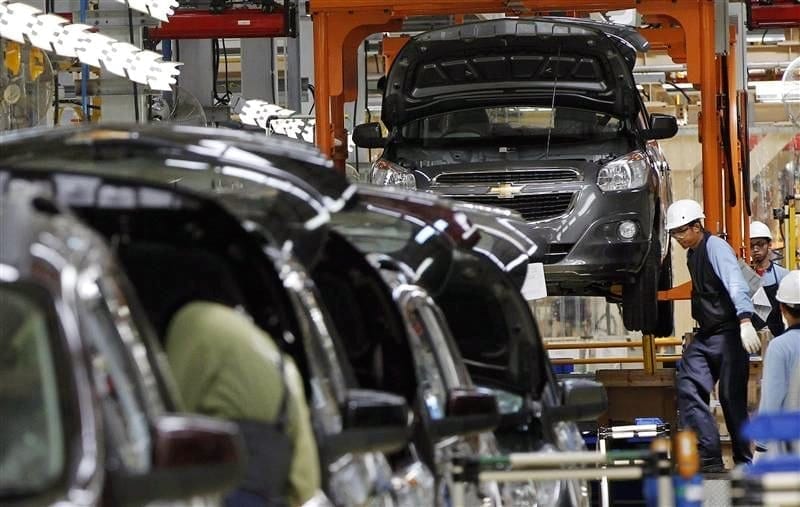
    The domestic auto market in Vietnam is experiencing a decline in car sales due to sluggish customer demand compared to previous years, according to local car experts.

    The experts said the number of customers visiting car dealerships has not increased compared to previous years, despite price reductions and promotions offered by car manufacturers during the peak shopping season.

    According to a car sales staff at Toyota dealerships in the central area of Hanoi, cars priced under VND1 billion (US$40,983) are particularly challenging to sell. They attribute this trend to the difficult economic conditions and the reluctance of people to spend money on purchasing cars.

    Anh Duc, a car salesman in Pham Hung Street, expressed surprise at the low sales, mentioning that in previous years, they could sell hundreds of cars each month at this time, but recently the numbers have not been reaching even half of that.

    Many dealers hope that demand for cars will increase at the end of the year and the market will become boisterous; however, it is so far still quiet. To reduce their inventory and recover some of their costs, dealers may resort to reducing prices and offering discounts or incentives to attract buyers. In some cases, they may even have to sell cars at a loss to move inventory and free up capital.

    Car consumption in Vietnam has experienced a deep decline this year, despite various efforts to stimulate sales such as launching new models, offering discounts, and providing registration fee support and attractive gifts.

    Specifically, Toyota Vietnam has initiated a program starting in December to offer a 50% discount on registration fees for certain car models. In addition to this discount, there is also a 50% reduction in registration fees for domestically assembled cars as part of the general policy. This policy will be in effect until the end of 2023.

    Honda Vietnam has also announced a 50% registration fee discount program for all car models on sale starting from Dec. 5. Additionally, domestically produced and assembled vehicles are still receiving 50% registration fee support from the government.

    As for Hyundai, the Hyundai Stargazer model had a listed price of VND75-685 million ($23,565-$28,073). In November, the price was reduced by up to 130 million, but it still faced difficulties in selling. In December, the price was further reduced by another VND10 million. Furthermore, the high-end diesel version of the Santa Fe model, which was produced in 2022, is being reduced by VND210 million.

    The decrease in car purchasing power compared to the same period in 2022 is a concerning trend, especially considering that car sales were lower than during the period when the market was affected by the Covid-19 pandemic.

    The statistics from the Vietnam Automobile Manufacturers Association (VAMA) indicate a significant decline in car sales, with a 29% decrease in the first 10 months of 2023 compared to the same period last year, equivalent to the absolute number of 70,000 vehicles.

    Among the car manufacturers, Toyota Vietnam seems to be the most affected, with a 42% decrease in sales during the first 10 months of 2023, amounting to nearly 30,300 vehicles. Other brands like Kia, Honda, and Mitsubishi also experienced significant declines, with decreases of 39%, 36%, and 28%, respectively.

    Hyundai is another car company facing challenges, with a sales decrease of approximately 25%, equivalent to more than 16,000 vehicles. These figures suggest that the automotive market in Vietnam is currently facing obstacles and uncertainties.

    Economist Ngo Tri Long said that the selling prices of many car models have reached their lowest level in nearly 10 years in 2023.

    Some businesses and dealers may have hinted at cutting incentives at the end of the year due to anticipated increased demand; however, car discount promotions are still prevalent and becoming even deeper.

    The difficulties are expected to continue into 2024. High inventory levels can also be a challenge for auto businesses. If consumer demand is lower than expected, dealerships and manufacturers may face excess inventory, which can lead to increased costs and reduced profitability, according to industry insiders.
  • Citi organizes Vietnam Digital Leaders Summit 2023

    Citi organizes Vietnam Digital Leaders Summit 2023

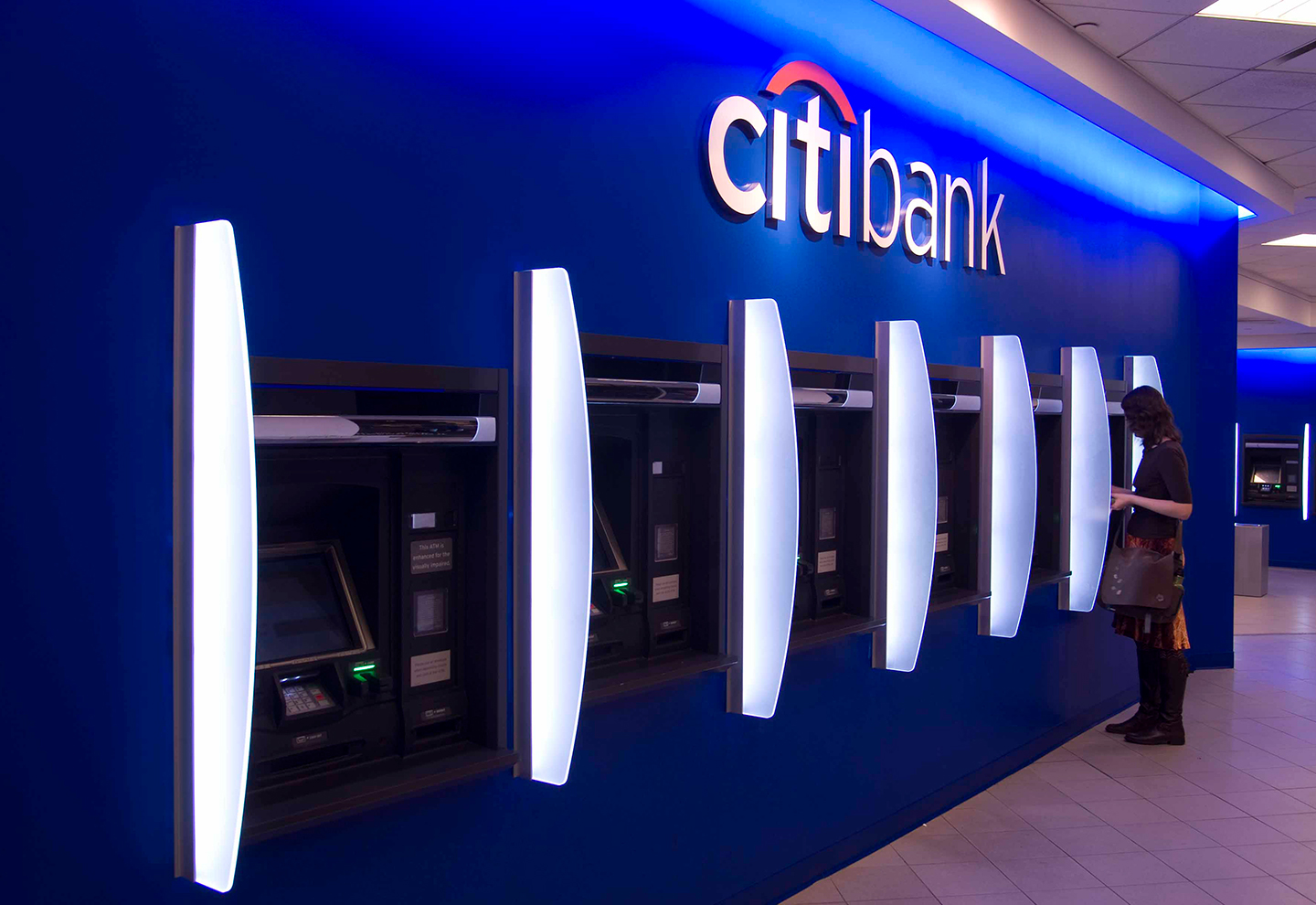
    Citi brought together about 100 leaders in the Vietnam technology landscape, including founders, management teams, and investors, to discuss how the new economy is shaping the future of Vietnam.

    The Vietnam Digital Leaders Summit 2023, hosted by Citi Commercial Bank (CCB) and Citi’s Investment Bank, featured keynote speeches and lively panel discussions covering various topics, from scale-up journeys and macroeconomic challenges to fundraising strategies.

    Speakers and panels also touched on investor perspectives on opportunities in Vietnam and stories on the strategic shift in focus from exponential growth to sustainable profitability. Many speakers addressed the opportunities and pitfalls of harnessing AI throughout the day.

    Shervone Saw, CCB’s Asia Digital Head, highlighted that Citi established its technology industry vertical eight years ago to support the startup ecosystem. The unit supports technology startups from infancy to maturity, offering customized solutions for every step of the journey.

    Citi’s global network powers companies as they expand into new geographies. Citi is a pioneer in the technology industry in Vietnam, witnessing the rapid rise of companies to the unicorn stage.

    At the event, James Perry, APAC Co-Head of TMT Investment Banking, showed that in 2023, private investment into technology companies in Southeast Asia is on track to surpass pre-Covid levels, despite substantial declines from the peak levels in 2021.

    “We understand the importance of having a structured and dedicated approach to support the demands of fast-growing tech firms, particularly in a low-growth and volatile macro-environment. Our goal is to work with clients to form a winning strategy, to achieve new milestones, and to help them deliver their strategic objectives,” said Lin Hsiu-Yi, ASEAN & Singapore Head of Citi Commercial Bank.

    In Vietnam, Citi has supported and served clients for nearly three decades, helping them navigate the opportunities and challenges of rapid growth and international expansion by enabling them to scale faster.

    This flagship event served as a platform for engagement, connection, and exploration of new growth opportunities for clients, investors, industry veterans, and the Citi team.

    “Whether clients are considering expansion, exploring partnerships, or seeking strategic financing, our dedicated team is ready to support their needs and enable their businesses to get into the next phase of growth,” said Ramachandran A.S., Vietnam Citi Country Officer.

  • Nvidia aims to set up a base in Vietnam

    Nvidia aims to set up a base in Vietnam

    Nvidia wishes to establish a base in Vietnam to develop the country’s semiconductor industry as it considers the Vietnamese market an important one, the Vietnamese government said, citing the U.S. chipmaker’s chief executive.

    In his first visit to the Southeast Asian country, Nvidia’s CEO, Jensen Huang, said the company viewed Vietnam as its home and affirmed its plans to set up a center in the country.

    “The base will be for attracting talent from around the world to contribute to the development of Vietnam’s semiconductor ecosystem and digitalization,” the Vietnamese government statement cited Huang after his meeting with Prime Minister Pham Minh Chinh.

    Nvidia, which has already invested $250 million in Vietnam, is set to discuss cooperation deals on semiconductors with Vietnamese tech companies and authorities in a meeting on Monday, Reuters reported on Friday.

    Vietnam, which is home to large chip assembling factories including Intel’s biggest globally, is trying to expand into chip designing and possibly chip-making.

    The chipmaker has already partnered with Vietnam’s leading tech companies to deploy AI in the cloud, automotive and healthcare industries, a document published by the White House in September showed when Washington upgraded diplomatic relations with Vietnam.

  • Indonesia’s GoTo in talks with TikTok over potential e-commerce partnership

    Indonesia’s GoTo in talks with TikTok over potential e-commerce partnership

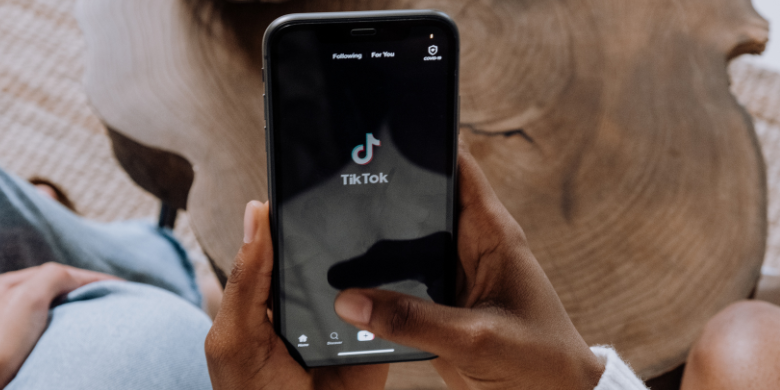
    Indonesia’s biggest tech firm GoTo Gojek Tokopedia said on Friday it was in talks with short video app TikTok over a potential e-commerce partnership in the Southeast Asian country.

    No final deal has been reached, GoTo added in a statement. The company also said the discussions did not include a takeover plan or any sale of more than 50 per cent of its shares to any party.

    Indonesia in October banned online shopping on social media platforms to protect smaller merchants and users’ data, after which TikTok had to close its e-commerce service TikTok Shop. TikTok has 125 million users in the country.

    Indonesia’s small and medium enterprises minister Teten Masduki told Reuters in November that TikTok had spoken to five companies including GoTo, Bukalapak.com and Blibli about possible partnership.

    Bloomberg earlier this week said TikTok had struck an agreement to invest in a unit of GoTo, citing people familiar with the matter.

    Indonesia’s e-commerce market is expected to grow to around $160 billion by 2030 from $62 billion this year, according to a report on Southeast Asia’s internet economy by Google, Singapore state investor Temasek Holdings and consultancy Bain & Co.

  • Deliveroo announces the appointment of Nick Price as General Manager for their Hong Kong operations

    Deliveroo announces the appointment of Nick Price as General Manager for their Hong Kong operations

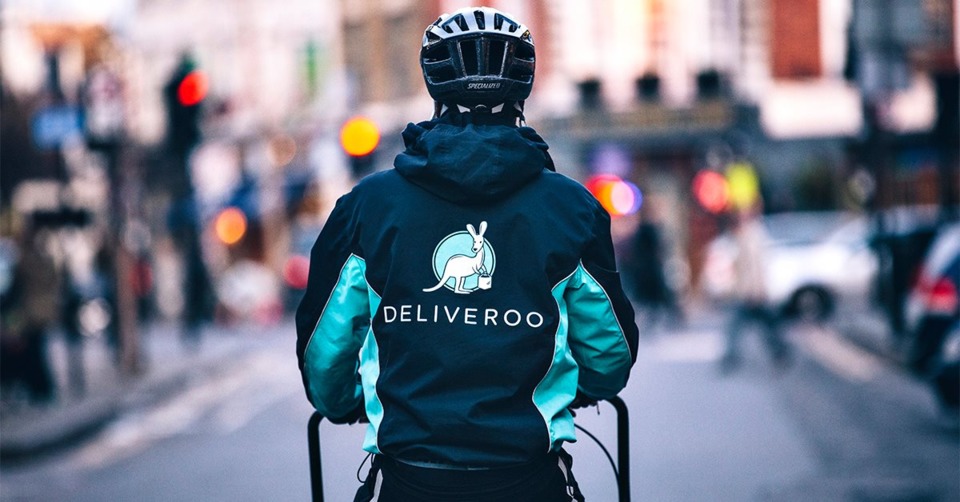
    Deliveroo today announced the appointment of Nick Price as General Manager for Deliveroo’s operations in Hong Kong. In his role, Nick will oversee Deliveroo’s business in Hong Kong, with a focus on growing the business and further establishing Deliveroo in the Hong Kong market.

    Nick joined Deliveroo as Finance and Strategy Director in May 2021, since then, Nick has played a pivotal role in accelerating Deliveroo’s growth in Asia. After stepping into the role of Interim General Manager for Deliveroo Hong Kong in July 2023, Nick assumed responsibility for strategic planning, operations, marketing, commercial development, and staff development, as well as being tasked with building relationships with restaurants, riders and customers.

    Nick Price, General Manager, Deliveroo Hong Kong, said, “Deliveroo has established ourselves as a household name in Hong Kong by delivering Hong Kong people with what they need, helping our merchant partners to grow and enabling our rider partners to have more earning opportunities. I am excited about the journey ahead, and thrilled to work closely with the amazing team to realise our vision.”

    Eric French, Chief Operating Officer, Deliveroo, said, “Nick’s breadth of knowledge about the Hong Kong market and leadership skills have been instrumental to our development and success in Hong Kong. We celebrated our 8th anniversary in Hong Kong in November, and we saw record breaking orders with our anniversary campaigns. 2024 is sure to be an exciting year for Deliveroo Hong Kong with Nick at the helm.”

  • Thai fashion brand Pomelo opens in Cambodia

    Thai fashion brand Pomelo opens in Cambodia

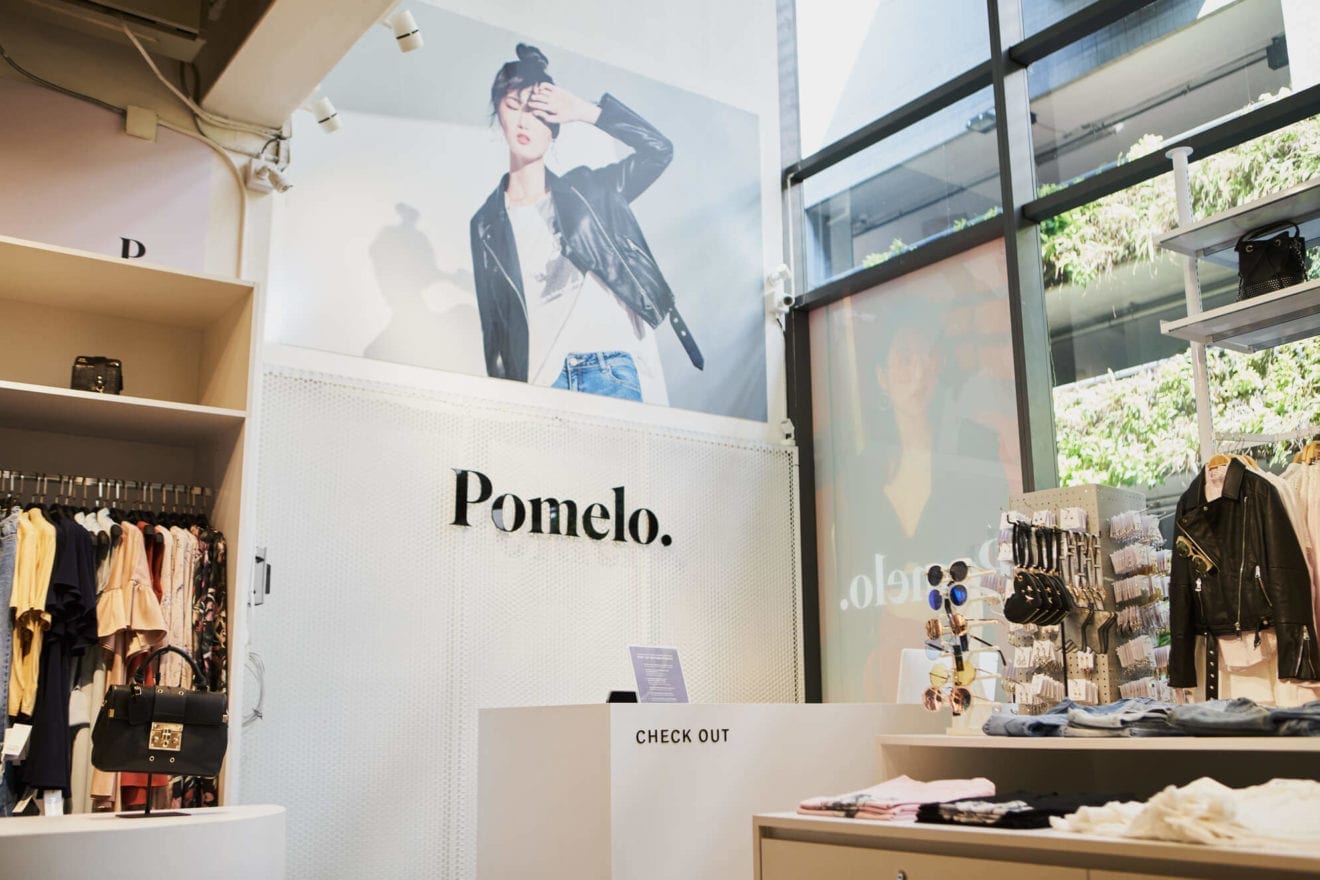
    Thai omnichannel fashion retailer Pomelo will launch in Cambodia in the first quarter of next year with physical stores and an e-commerce platform.

    The company has signed a partnership agreement with local distributor Zando Group to make its Cambodian debut and the launch is also part of a strategy to expand further within Southeast Asia.

    Pomelo, founded in 2013 by David Jou and Casey Liang, has developed from an internet-only fashion firm to a major Southeast Asian omnichannel retailer, with physical stores in Thailand, Singapore, Malaysia, and Indonesia, as well as online shipping to 50 countries.

    The brand opened its first store in Thailand in 2018 with the Tap, Try, Buy concept, which allows customers to order an infinite number of things online without paying anything upfront.

    Due to its growing economy, rising middle class, and increased demand for high-quality products, Cambodia’s retail sector has attracted major foreign labels in recent years.

    MLB, a South Korean streetwear brand, also opened its first physical store in Cambodia earlier this year, in collaboration with Vietnamese distributor Maison Retail Management International (MRMI).

  • Prada looks to double China business in the medium term

    Prada looks to double China business in the medium term

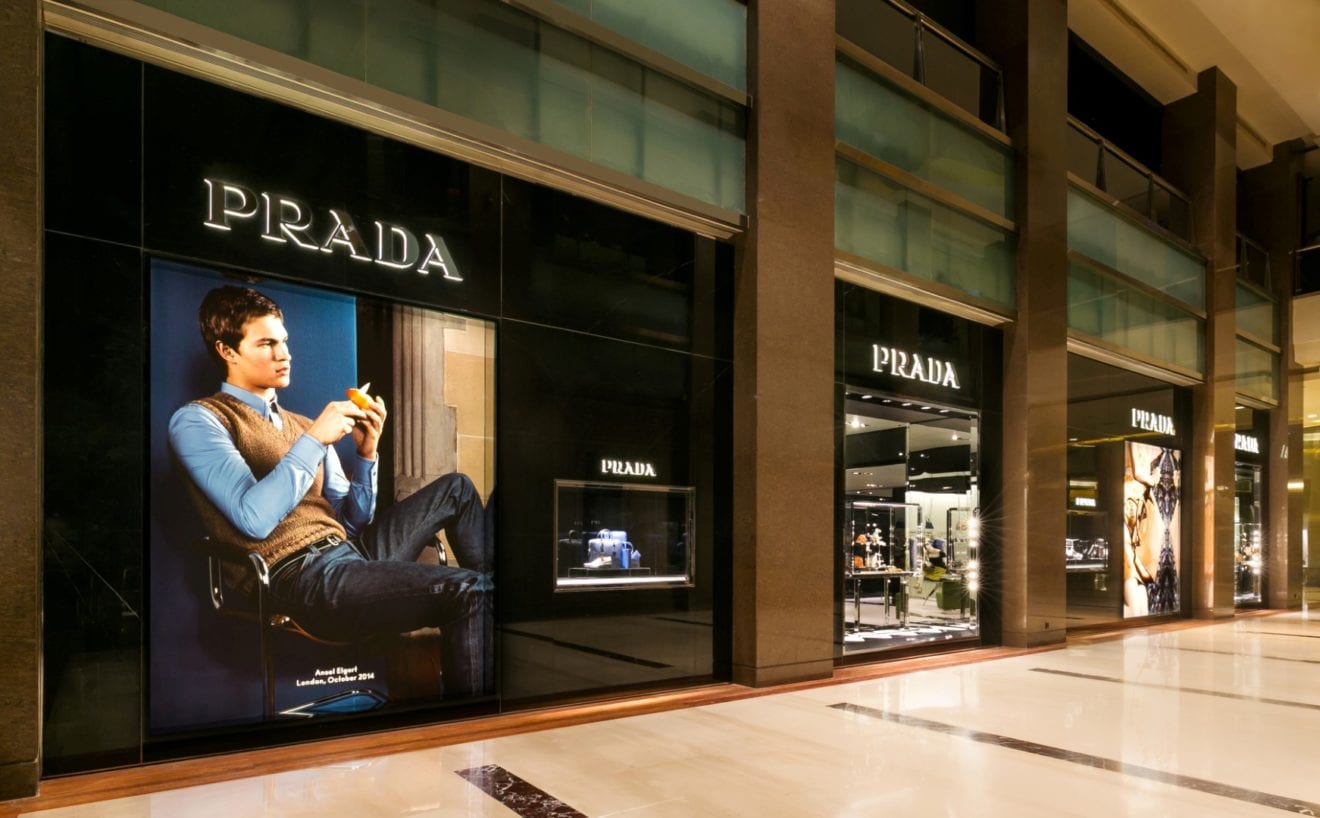
    Prada is looking to double its business in key luxury market China, Chief Executive Gianfranco D’Attis said on Wednesday, even as the country faces slowing growth in luxury demand and significant economic headwinds.

    “We have a lot of ambitions here in China, to double our business in the upcoming mid-term future. And with that comes also increasing our investments,” D’Attis told reporters in Shanghai.

    He did not give an exact timeframe for the ambition but said increased investments would not necessarily mean a major uptick in the number of stores opening across the country.

    “Not only the number of stores is important to us, but the quality of stores, bigger stores with more categories, with more localized products, with more experiences, with more hospitality, more events, more special capsules,” he said.

    D’Attis, a former Dior executive who took the helm at Prada in January, was speaking at a preview of the brand’s Pradasphere II exhibition in Shanghai. This is the second iteration of a concept that first showed in London.

    As well as a deep dive into the brand’s archive and identity, Pradasphere II, which is showing at a museum on Shanghai’s Huangpu River, also includes a Prada-themed cafe and a gift shop in a repurposed train parked alongside the museum.

    According to D’Attis, this likely won’t be the last time fans of the brand in China get to enjoy something like the Prada cafe, which boasts premium Italian coffee. Developing a hospitality concept is on the agenda for the brand worldwide, including in China, he said, possibly in 2024 or 2025.

    The Prada Group, whose brands also include classic English shoemaker Church’s, reported a 10% rise in third-quarter revenues in November, saying a strong performance in Asia and Europe helped to compensate for weakness in the Americas.

    According to consultants Bain, China is forecasted to account for almost 40 percent of global luxury sales by 2030.

    D’Attis is hopeful Chinese consumers will return to traveling and shopping in greater numbers in Europe, but said that wouldn’t necessarily impact sales at home.

    “Because we have such a different offer abroad than the local offer that we have, we believe that there is no cannibalization,” he said.

    “They will continue to spend locally, they will continue to be treated like kings and queens in China and when they travel, they get a different product… than they can find in China. So it’s very complementary.”

    Prada is not alone in remaining optimistic about China’s post-pandemic market. Even as luxury growth slows in the world’s second-largest economy, spooking investors, global brands from Louis Vuitton to Chanel have all recently staged events in cities such as Shanghai and Shenzhen.

  • Christian Louboutin forms joint venture with ABFRL

    Christian Louboutin forms joint venture with ABFRL

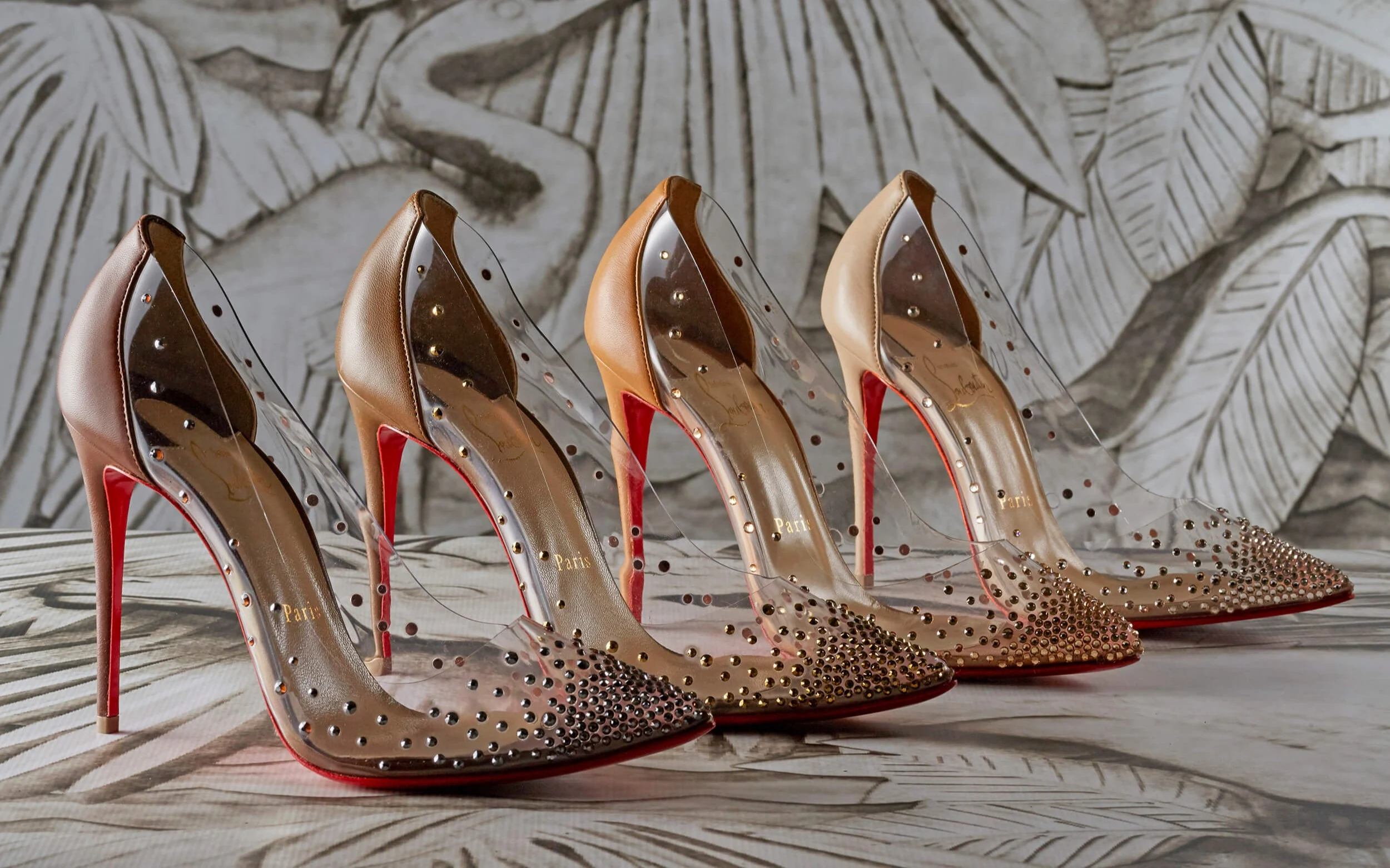
    Christian Louboutin has transferred its current Indian business into a joint venture with Indian fashion brand operator Aditya Birla Fashion and Retail Limited (ABFRL).

    Although the deal’s details have not yet been disclosed, ABFRL said the partners will hold an equal stake. Christian Louboutin’s Group CEO, Alexis Mourot, referred to India as an important market for the business.

    “This partnership reflects our commitment to offering our discerning customers the very best in elegance and style,” said Ashish Dikshit, MD at ABFRL. “It also exemplifies our ambition to develop and shape the future of the luxury market in India.”

    Founded in 2991 in Paris, the French label is known for its signature red-soled shoes. The brand, retailing footwear, leather goods & accessories, and beauty products, has a presence in more than 30 countries.

    Christian Louboutin will join ABFRL’s existing portfolio of international brands, including Ralph Lauren, Hackett London, Ted Baker, Fred Perry, Forever 21, American Eagle, Reebok and Galeries Lafayette.

    Earlier this year, the Indian fashion retail giant acquired a 51 percent stake in TCNS Clothing, which owns ethnic brands W, Aurelia, Wishful, Folksong, and Elleven.

    The country’s luxury market has received an influx of investment in the past few months. SMCP, which owns Sandro, Maje, Claudie Pierlot and Fursac, has recently expanded its reach to India in partnership with retail conglomerate Reliance Brands, betting on the country’s growing luxury market.

    Euromonitor International estimates India’s luxury market to generate US$8.5 billion this year, making it one of the fastest-growing markets in the world.

  • Miracle Coffee opens flagship store in Singapore

    Miracle Coffee opens flagship store in Singapore

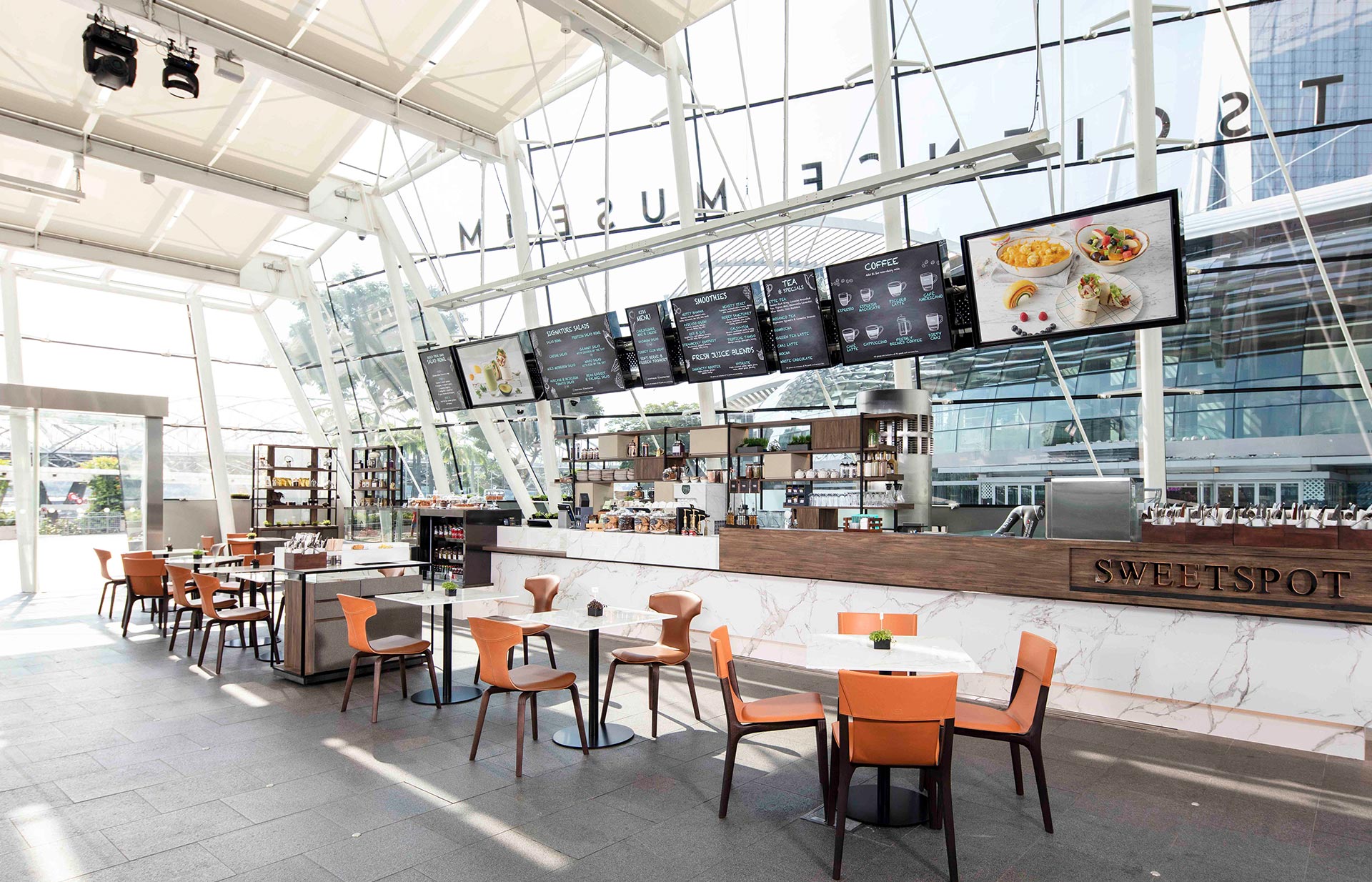
    Miracle Coffee has launched its flagship store in Singapore, succeeding the brand’s pop-up kiosk at the ArtScience Museum in Singapore’s Marina Bay Sands, which opened in September last year.

    The flagship location, created by Singapore firm Parable Studio, includes The Miracle Lab as a sharing platform to promote coffee and innovation conversations.

    Miracle Coffee, founded in 2017 by Singaporean musician JJ Lin, launched its first store in Taipei in 2017 and now has five locations in Taiwan and China.

    With a population of nearly 6 million, Singapore is an important market for foreign coffee brands due to its coffee-drinking culture. In the last 12 years, several coffee brands have arrived in the country, including Luckin Coffee, the South Korean business Compose Coffee, and Kenangan Coffee.

    However, in October, Singapore-based ‘tech-driven’ coffee business Flash Coffee closed all 11 outlets across the city-state, citing the need to “double down” on more promising areas.

  • Disney unveils unified Disney+ plus Hulu app experience in beta stage

    Disney unveils unified Disney+ plus Hulu app experience in beta stage

    As reported last month as a result of Disney acquiring the remaining stake in Hulu from Comcast, Disney announced an upcoming unified streaming experience that combined Disney Plus with Hulu. This one-app experience has arrived now as Hulu content is now available to be streamed from the Disney Plus app on Android, iOS, and Google TV.

    Upon opening the Disney+ app, subscribers to both services will now see a dedicated Hulu tile. Clicking on it opens a Hulu Hub, granting access to the thousands of movies and series from Hulu’s extensive library, seamlessly integrated within the Disney+ interface. This eliminates the need to switch between apps, offering a more fluid and user-friendly experience.

    While today’s launch marks a major milestone, it’s important to remember this is a beta phase, with the official launch scheduled for March 2024. This limited release allows Disney to gauge user feedback and refine the experience before the full-scale rollout. Additionally, parents have ample time to adjust parental controls and ensure their children only access appropriate content.

    Some may wonder if integrating Hulu’s more adult-oriented content conflicts with Disney+’s family-friendly image. However, Disney assures that ensuring a safe and secure family environment remains a top priority. The two-step launch strategy allows for a smooth transition, providing parents time to adjust settings and create individual profiles for each family member.

    Disney believes that Hulu on Disney+ will enhance subscriber engagement and value. By bringing diverse content under one roof, users can discover new titles they may have missed. Joe Earley, President of Direct-to-Consumer at Disney Entertainment, emphasizes the benefit of the Bundle, highlighting its competitive price point and the vast library of content it unlocks.

    It’s an exciting next step for Direct-to-Consumer, but people must managed expectations about what the experience is going to be – Joe Early, President of DTC, Disney

    As exciting as this unified experience sounds, this may not be your cup of tea. If that’s the case, and you prefer your apps to remain separate, this will still be an option for you. This integration is not meant to replace either platform, thus Hulu + Live TV and Premium add-ons will still be accessible within the dedicated Hulu app.

    Disney encourages users to explore the beta version and discover the value that bundling both services offers, and believes access to Disney’s original content, blockbuster films, and Hulu’s rich library will entice standalone subscribers to upgrade and unlock the full potential of the platforms.

  • Land Rover Vietnam builds desirability in luxury

    Land Rover Vietnam builds desirability in luxury

    Land Rover Vietnam has implemented a new strategy to enhance client experience, its General Manager Ruud Poels said at the JLR Retailer Hanoi launch of its first global standard retail destination on Nov. 23.

    As an active player in the automotive industry in Vietnam, we did notice a market cooldown after a period of high growth following Covid-19. However, 2023 so far for Land Rover has been a year of exciting developments.

    Product-wise, we launched the Defender 130 and the new Range Rover Sport, thereby updating our popular Defender and Range Rover brands. We are also delighted that our retailers have been busy in the last 11 months fulfilling deliveries of the new Range Rover for pre-ordering clients and more.

    And we are fully focused on the new global Modern Luxury vision by JLR; the first and probably biggest physical result of which you are seeing here is our new JLR Retailer Hanoi, which took 18 months to finish. This is the first of its kind, not just in Vietnam but in the whole world, for JLR.

    I think that’s the strongest proof that Land Rover is performing well in Vietnam, and that we have confidence in the market despite the past slowdown.

    What solutions have you come up with to adapt to this situation?

    We did not wait for the market to show slowing signs to implement meaningful and exciting changes. We have been prioritizing customer experience design for sustainable development in Vietnam.

    Apart from the Global Pilot Store in Hanoi, behind the scenes, there is a lot more happening with regards to team training and facilitating processes to ensure our retailers will be fully ready to offer Modern Luxury client journey, that is retail as an experience.

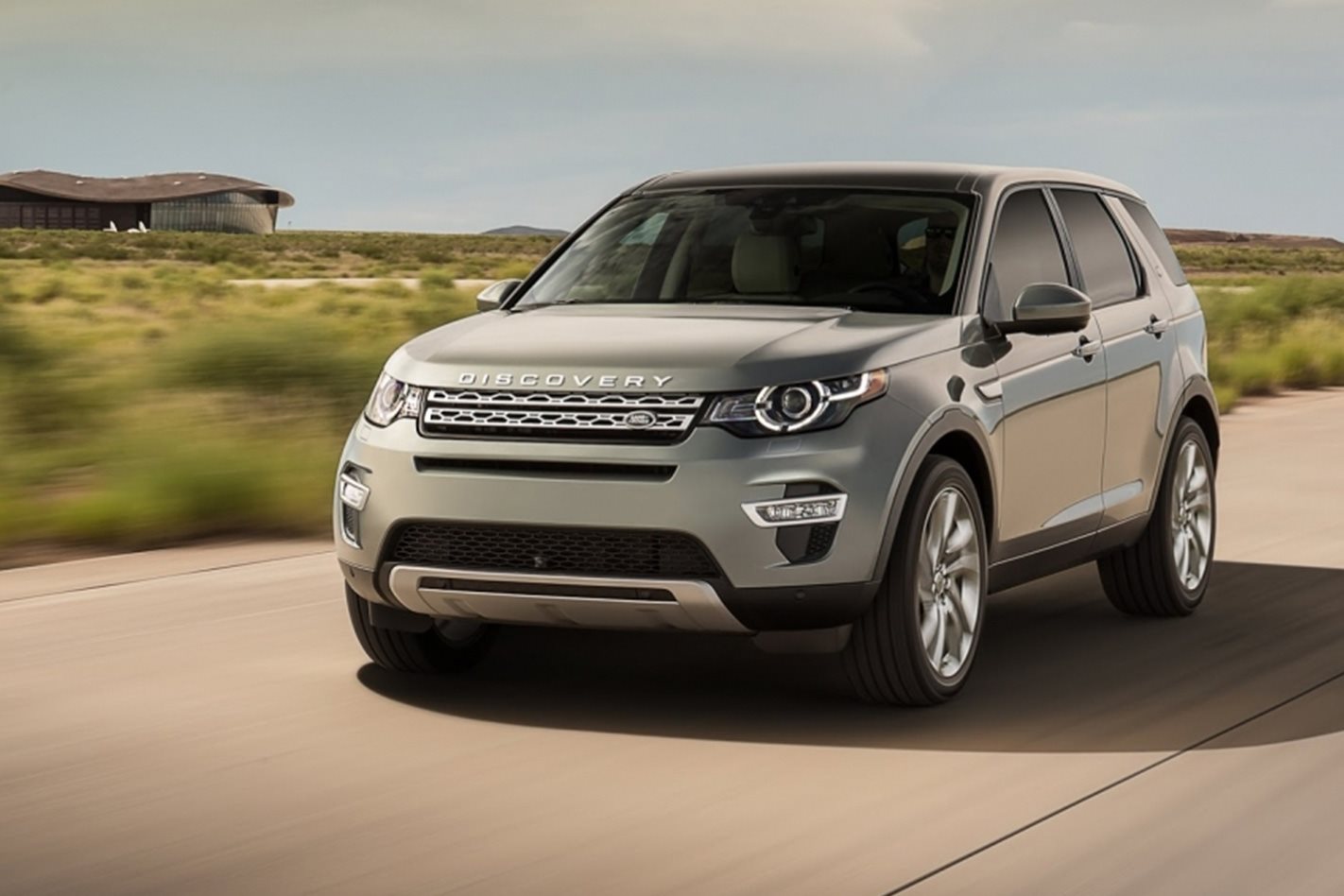
    It will be inspirational, exclusive, and tailored to suit our clients’ needs to make them feel unique. It will be positively memorable at every touchpoint, building emotions in our Range Rover, Defender, and Discovery brands.

    For marketing, we are also transforming how we present ourselves as a House of Brands on all channels and building desirability toward our clients, whether it be their virtual or physical appearance. The after-sales experience is also obviously elevated with this new facility.

    Overall, we put in efforts to transform the client journey to be human-centered and emotionally engaging throughout the business. We have seen client engagement warming up and resulting in revenue recently, which is a welcome indicator that we are heading in the right direction.

    Under the House of Brands approach with JLR, all three of our brands, including Range Rover, Defender, and Discovery, will be uniquely characterized, and clearly differentiated.

    Range Rover is refined for the leaders of life whose leadership leaves a legacy for others to follow; Defender is capable and durable for those who embrace the impossible in their adventures; and Discovery allows people to get out and explore together.

    What would be the main factors that convince Vietnamese people to buy and use Land Rover cars?

    At Land Rover, we offer luxury, as an experience throughout sales and aftersales. It is an inspirational and emotionally engaging experience.

    We have the ability to personalize our products to our clients’ own specific needs and preferences. That’s not limited to the vehicles but applies to the whole journey that clients will have with us, from the first time they interact with our team, for example, to when we actually meet our clients at the showroom, to vehicle collection, vehicle repair, and further.

    We are transforming and reshaping our business to embody the cutting-edge Modern Luxury vision. To build a loyal relationship with our clients, we need to anticipate their evolving needs and proactively provide solutions based on our expertise and commitment. It would be an exclusive and unique experience. That’s how we would love to build desirability.

    When it comes to the vehicles, we pride ourselves on the craftsmanship that’s present inside and out of them. Take the Range Rover SV, for example. That could very well be the first car in which you can find ceramics as a material for the exterior and interior. That kind of innovation cements its place as the original luxury SUV ever by constantly exploring new ideas to express modern luxury.

    Or if you are interested in the iconic Defender, you will appreciate its 75-year heritage of adventures and rescue missions all around the world, and the current generation is the culmination of all that in terms of off-road expertise.

    How do you assess the current trend of electric vehicles, and what are the objectives of Phu Thai Mobility in this field in Vietnam?

    We are excited by EV development in Vietnam. The goal of Land Rover Vietnam undoubtedly aligns with the global strategy and BEV development roadmap of JLR. As shared previously by JLR, you can expect the global debut of the Range Rover BEV in 2024; a Vietnam launch could follow that, depending on production capability and logistics. We know that there is high desirability for the car globally, and we look forward to having it here for pioneering Vietnamese clients.

    Meanwhile, we are fully prepared to take on BEVs ahead of the first Land Rover BEV. You can find DC and AC chargers at our workshops and retailers. Our technicians are also trained by JLR to work on BEVs with special tooling.

    What are your predictions and expectations for Land Rover in Vietnam over the coming decade?

    With Modern Luxury approach in place, we are in the middle of transforming our business from end to end. The new JLR Retailer Hanoi is the first proof of that, after which you will see many more, from products and services offered to clients to how we have become more than a single brand in the automotive market.

    I think JLR sums it up perfectly about what we ultimately want to become: the creator of the world’s most desirable modern luxury automotive brands for the most discerning of clients.

  • Aldi partners with BrewDog for pop-up pub in Sydney

    Aldi partners with BrewDog for pop-up pub in Sydney

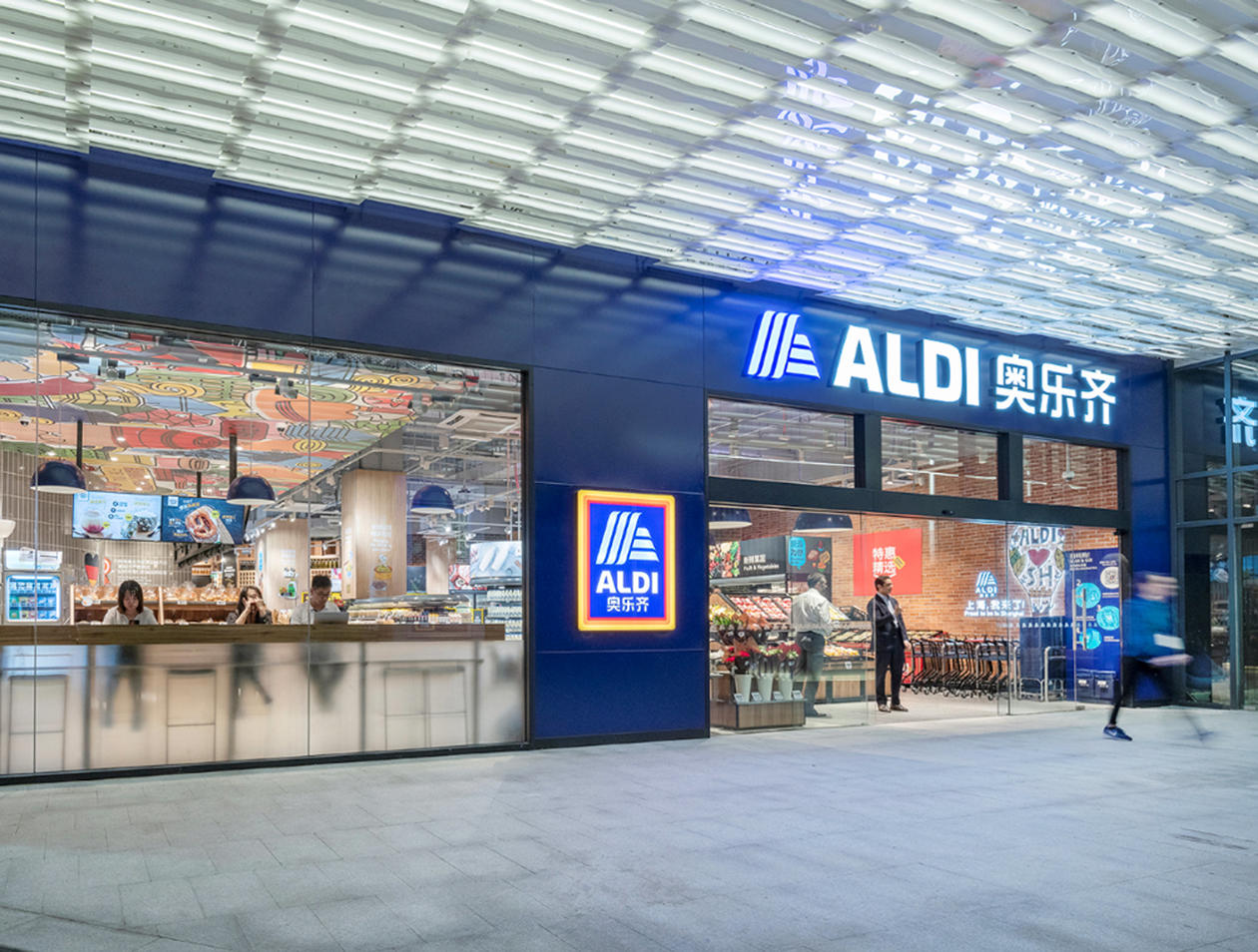
    Aldi Australia has partnered with Scottish craft beer company BrewDog to launch a pop-up pub in Sydney.

    The Special Brews by Aldi pub will open its doors at the Hotel Sweeney’s for one night only on December 13 and will offer a sneak peek at the limited-edition beer on sale at Aldi stores. It will also offer lower-priced craft beers, with the collaboration’s exclusive Ald IPA priced at $3.25 per can.

    Aside from drinks, the pop-up pub will offer custom merchandise and snacks. Customers can collect their punch card at the door and purchase up to three cans of Ald IPA, along with Aldi and BrewDog slinging limited-edition stubby holders and socks.

    “Aussies know Aldi for delivering the best value on everyday groceries, but we’re taking it further by delivering a night out in Sydney for under a tenner this holiday season,” said Paul Handley, buying director at Aldi.

    “We are excited to welcome patrons to this new experience and for Aussies to crack open the new Ald IPA.”

  • Pizza 4P’s opens its first store in Japan

    Pizza 4P’s opens its first store in Japan

    Vietnam-based artisan pizza business Pizza 4P’s has launched its first store in Japan, its second international expansion after Cambodia in 2021.

    Located in Tokyo, the store was designed by architecture firm Studio Dig and features handcrafted tiling with an earthy vibe and soft-form furniture. It’s lighting design and natural fibre cushions also provide a soft accent, symbolising the idea of “Earth to People – Oneness”.

    Following the Japan launch, Pizza 4P’s plans to open its first store in Bengaluru, India. The brand formally announced its debut on social media channels and began recruiting in October.

    Last year, Ho Chi Minh City-headquartered investment fund Mekong Capital sold its stake in the fast-growing pizza company. The business did not say who it sold the shares to or what its return on investment was in the company.

    Pizza 4P’s, headquartered in Ho Chi Minh City, was launched in 2011 by Japanese couple Yosuke and Sanae Masuko, with a single location serving wood-fired gourmet pizzas. It immediately gained a cult following among expats and locals; and by the time Mekong Capital invested in 2018, it had grown to eight locations.

    The company presently operates 39 stores in Vietnam and two in Cambodia. In addition, the company also manages global franchises such as Ippudo and About Life Coffee Brewers.

  • Apple could be forced to use USB-C ports on older iPhone models in India

    Apple could be forced to use USB-C ports on older iPhone models in India

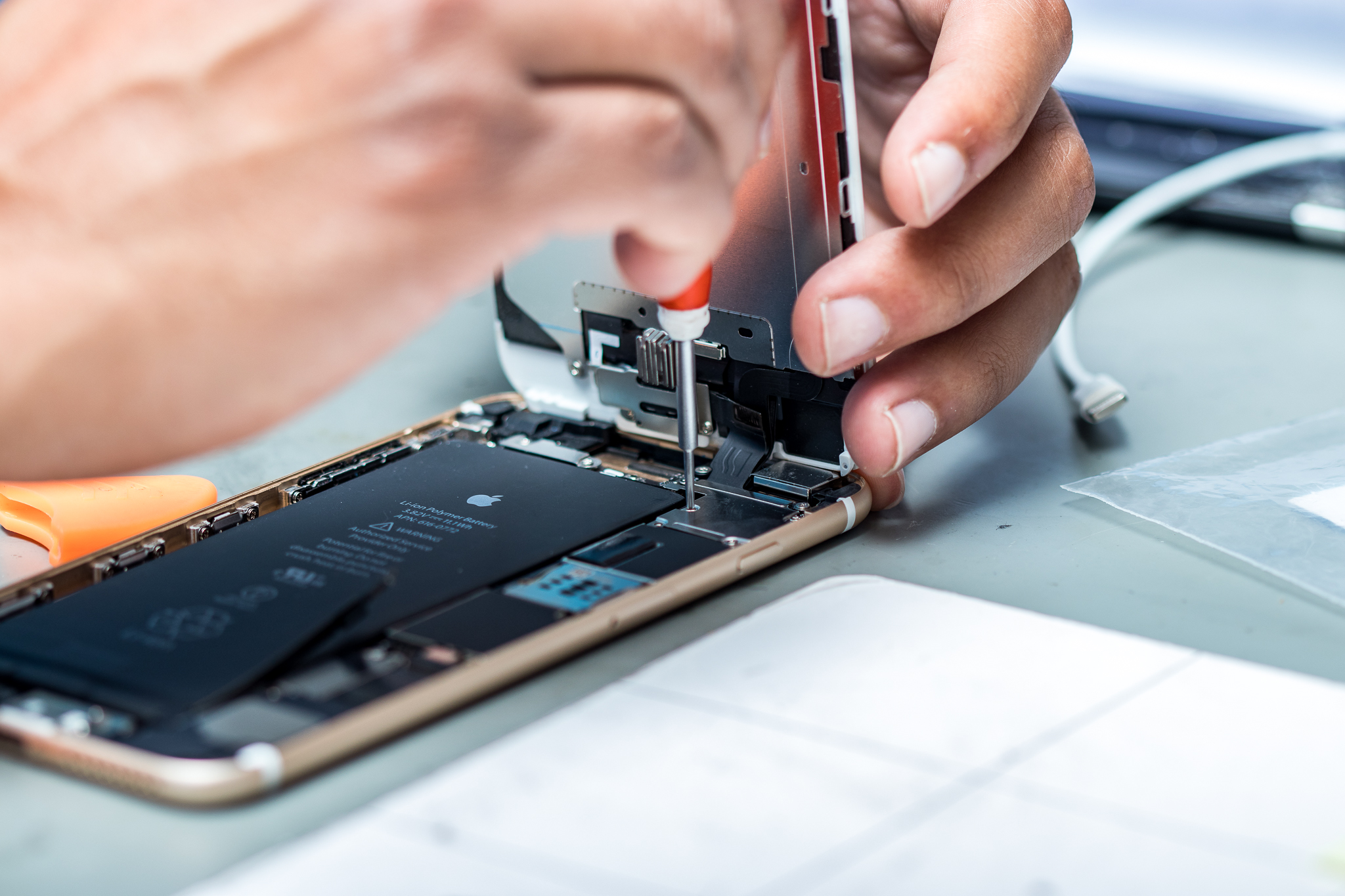
    Just as the EU did with its common charger rule that led Apple to equip the iPhone 15 series with USB-C ports replacing the company’s proprietary Lightning ports, India added a similar rule of its own. But Reuters reports that Apple met with the country’s IT Ministry at the end of last month and during the closed-door meeting, Apple requested that some exemptions be added to the new common charger rules in the country. India’s new rule requires all electronic devices to charge USB-C by June 2025.

    One part of the new rules would force Apple to replace the Lightning port on older iPhone models with a USB-C port and that is the issue that has Apple meeting with India’s IT Ministry. While the EU’s rule change only affected new iPhone models released after the rule takes effect in 2024, Apple decided that instead of having to change things up in the middle of the iPhone 15 release cycle, it would switch to USB-C starting with the release of the 2023 iPhone models last September.

    India’s new rules, on the other hand, must be followed for all electronic devices sold in the country regardless of when a specific device was originally released. This would require Apple to change the charging and data transfer ports on older models it sells in India including the iPhone 14, iPhone 14 Plus, and the iPhone 13. To Apple, this would be a hardship and would probably raise the prices of these models which would be a problem in a developing country like India.

    Since the majority of iPhones sold in India are older models (again, due to India being a developing country), the common charger rule in India could hit Apple hard in India. Apple says that if it must make the changes to older iPhone models, the company won’t meet targets for India’s Production-Linked Incentive scheme (PLI). A pet project of Indian Prime Minister Narendra Modi, PLI gives manufacturers financial incentives for increasing production in India and making investments in the country.

  • Beeper Mini is a new app for iMessage on Android that turns your phone number into a blue bubble

    Beeper Mini is a new app for iMessage on Android that turns your phone number into a blue bubble

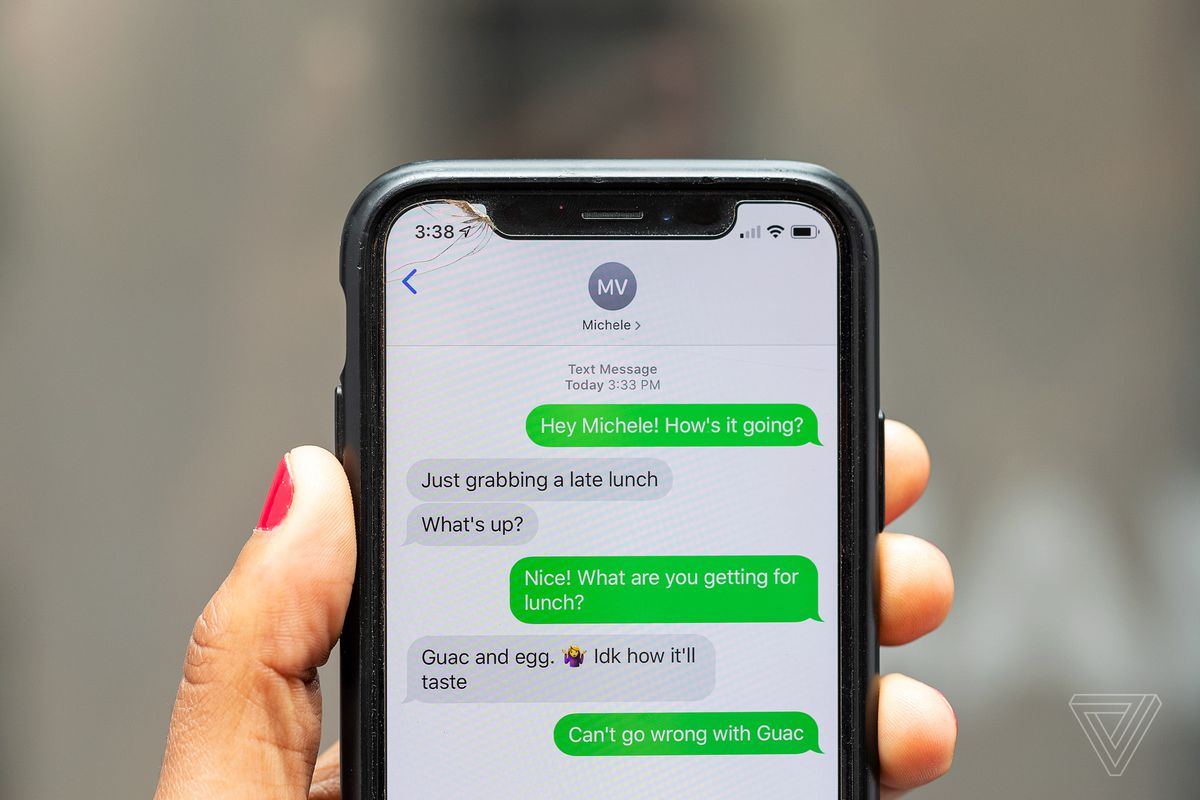
    Blue bubble mania continues with the release of a new app that lets you use iMessage on Android. However, this app differs from the rest in that it allows you to use your actual phone number, instead of an email address, so you can really fool your iPhone friends into thinking you’re part of the same ecosystem.

    Beeper Mini is a new app from the folks at Beeper, the unified chatting app with a mac app companion, which lets you use iMessage, Telegram, Discord, RCS, and others on your Android device. Beeper Mini, however, allows Android users to send and receive only iMessages without having to provide their Apple ID credentials. The app is still in its early stages, but it already supports many of the most important iMessage features, such as group chats, high-resolution media sharing, emoji reactions, voice messages, and more.

    Setting up Beeper Mini is simple. Just download the app from Google Play, tap on “continue with Google” to sign in with Google, grant the app permission to access your SMS conversations and contacts list, and then you’re on your way. Once you’ve finished setting things up, the app will seamlessly pull in your previous SMS conversations with iPhone users and upgrade them to iMessage.

    These conversations will be arranged in a list like most chat apps, though you can pin certain conversations to the top. From the home screen, you can tap on the “New chat” button, swipe right to mark a conversation as unread, or swipe left on a conversation to mute it. From the top bar, you can change your display name and profile picture or access the app’s settings, where you can modify the theme, toggle read receipts, mute sounds, toggle push notifications, or connect your Apple ID — a step that is not completely necessary.

    After the Nothing Chats and Sunbird debacle, you would be one hundred percent justified in questioning the security of this app, and so Beeper has taken several steps to gain the trust of its security-conscious users. The Beeper Mini team published a deep technical dive into how the app works, along with other technical documents and source code shared by the developer.

    It is the opinion of those who know more about code than yours truly, such as Journalist and Android expert Mishaal Rahman, that the app is the first truly successful reverse-engineering of iMessage that doesn’t relay messages from a Mac Mini server farm or that requires you to sign in to your iCloud account.

    In fact, the Beeper Mini team is so sure that their app is air-tight that they’ve even extended an invitation to security researchers to verify all of their claims. Boldly claiming the below and stating that they’re different from those “other apps”.

    Unlike every other attempt to build an Android app like this, Beeper Mini does not use a Mac relay server in a data center. Instead, the app connects directly to Apple servers to send and receive end-to-end encrypted messages. Encryption keys never leave your device. No Apple ID is required. Beeper does not have access to your Apple account.

    Beeper Mini will be free for the first seven days. After the 7-day free trial expires, the app will cost $1.99 per month. Beeper says the monthly cost of the app is so that the team can continue to improve the app by adding new features, and of course, to earn money since the app will be ad-free. This is a small price to pay if having the ability to use iMessage on Android is important to you.

    Beeper Mini can work alongside the Messages app on your Android device. Beeper Mini will only handle iMessage conversations and anything that is not iMessage will continue to come in through your default SMS/RCS app. This means that you might need to use two apps — one for RCS and one for iMessage — on your Android device for now.

    If this is an issue for you, you can always use Beeper Cloud, which is the new name for the original Beeper app. This app can incorporate iMessage, RCS, and many other messaging apps you may be using. However, please note that the cloud app will require you to sign in with your Apple ID and to have access to a Mac or PC for the initial setup. These extra steps are not needed on the Beeper Mini app since it connects directly to the remote network instead of using a server.

    However, Beeper’s product roadmap states that Beeper Mini will continue to expand by adding more iMessage features such as importing past chat history, Facetime audio and video calls, and scheduled messages. Additionally, the app will gain support for Android OS chat bubbles, SMS, WhatsApp, and Signal, plus the other 10 non-encrypted chat networks that are currently supported on the Beeper Cloud app — among other planned features.