Author: Mei Ling Tan

  • Netflix reveals the first mobile games joining its library in 2024

    Netflix reveals the first mobile games joining its library in 2024

    With about two weeks left of 2023, Netflix decided it’s time to share details about what’s coming for those interested in the gaming part of its service. As some of you probably know already, Netflix started offering its subscribers free mobile games two years ago.

    Throughout 2023, the streaming company added no less than 40 games to its ever-expanded library, including Grand Theft Auto Trilogy – The Definitive Edition, Football Manager 24 Mobile and Storyteller.

    Furthermore, Netflix bought a couple of well-known indie developers to help expand its portfolio of mobile games. One such studio is Night School, the developer behind Oxenfree II: Lost Signals, and Boss Fight Entertainment, the studio that made Netflix Stories: Love is Blind.

    By the end of this year, Netflix will have 86 games included with every membership without ads, in-purchases or extra fees. According to Netflix, no less than 90 more games are now in development and are expected to be added to its library in the coming months.

    Four of the games that will join Netflix’s library have been revealed today and they’re quite different: Cozy Grove: Camp Spirit, FashionVerse, Game Dev Tycoon, and Sonic Mania Plus. The latter will be exclusive to Netflix Games and on mobile for the first time.

    More games coming in 2024 include Braid, Anniversary Edition (April 30), Chicken Run: Eggstraction, The Dragon Prince: Xadia, Dumb Ways to Survive, Hades, Harmonium: The Musical, Katana Zero, Money Heist: Ultimate Choice (January 4), Monument Valley 1 & 2, Netflix Stories: Virgin River, Paper Trail, and The Rise of The Golden Idol.

    In more exciting news, Netflix confirmed it’s working to bring a Rebel Moon game developed by Super Evil Megacorp to its library, along with a game set in the universe of Squid Game.

  • Google TV experience gets major performance boosts, new updates

    Google TV experience gets major performance boosts, new updates

    Google improves the TV experience of its users all the time, and this year has been pretty big when it comes to the amount and quality of updates Google TV received. Obviously, there’s always room for improvement, so the Mountain View company is making sure that Google TV users know what to expect in the months to come.

    In a post published on its support website, Google has detailed its future plans regarding the Google TV experience. While some of the changes mentioned have already been rolled out to users, there are quite a lot that are waiting to be greenlit.

    After providing Google TV users with an important update earlier this year that boosted the app’s start-up time and reduced RAM usage, Google has found new ways to enhance your Google TV experience.

    For starters, Google has improved the response speed for many of the features on the home screen, including preloading rows of movies and shows before scrolling, optimizing the way tabs load, and ensuring results load faster when using search.

    Additionally, Google made changes to device setup to reduce the size of preinstalled apps that you don’t use. As a result, your device will have more room for the apps that you actually want to use.

    These optimizations and improvements to memory, speed, and storage are already rolling out to Google TV users.

    But wait, there’s more! The new and improved Live tab introduced back in April is getting a small upgrade. Two new categories will be available on the Live tab channel guide: Recents and Local news. Also, Google TV users will now see channels in a new “Free live news & opinion” row on the For you tab.

    Finally, Google announced it has added 14 new free channels to Google TV, including the Xumo Holiday Movie Channel, DraftKings, and Speedvision.

  • TSMC shows off 2nm chip prototype to Apple

    TSMC shows off 2nm chip prototype to Apple

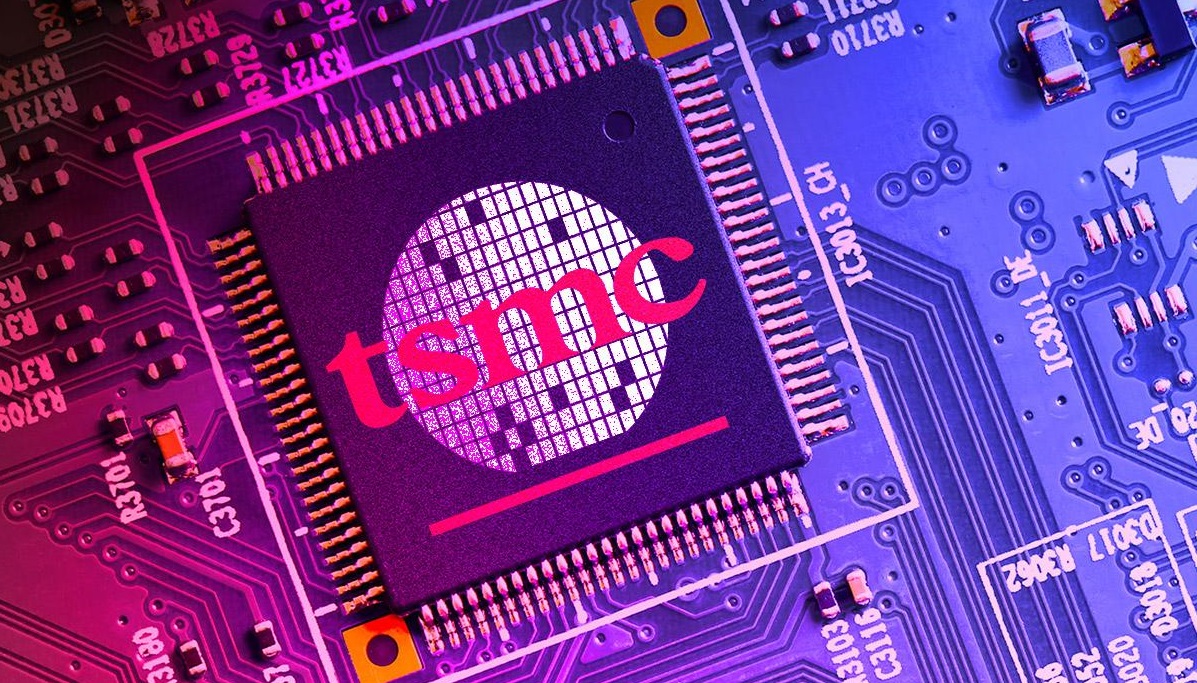
    TSMC is the largest foundry in the world and Apple is its biggest customer. Apple was able to reserve most of TSMC’s initial 3nm production for the A17 Pro chipset which is being used to power the iPhone 15 Pro and iPhone 15 Pro Max. To keep things simple, just remember that as the process node number gets lower, the transistors used by a chip get smaller in size which means that more of them can fit into the small space inside an SoC. The higher a chip’s transistor count, the more powerful and/or energy-efficient it is.

    Looking at the iPhone as an example, the iPhone 11 series was powered by the 7nm A13 Bionic which carried 8.5 billion transistors. The 3nm A17 Pro has 19 billion transistors. And since it takes a few years to build the fabs and order the machinery needed, we’ve known for some time that TSMC is working toward 2nm chip production. Apple has already had a chance to check out 2nm prototypes built on TSMC’s N2 node. The report noted that another huge TSMC customer, NVIDIA, also was able to view the 2nm prototype chip.

    TSMC previously said that it would start 2nm volume production in 2025 and in a statement to The Financial Times, the company said that it is “progressing well and on track for volume production in 2025, and will be the most advanced semiconductor technology in the industry in both density and energy efficiency when it is introduced.” Assuming that there are no delays, the iPhone 17 Pro and iPhone 17 Pro Max could be the first Apple handsets to be powered by a 2nm application processor (AP), possibly the A19 Pro.

    At 2nm, TSMC will debut its new Gate-all-around (GAA) transistors which cover the channel on all four sides reducing current leaks and delivering gains in power efficiency. Samsung Foundry already uses GAA with its 3nm production.

    Speaking of Samsung Foundry, the latest word is that Qualcomm will be switching from TSMC to Samsung to produce the 3nm Snapdragon 8 Gen 5 AP in 2025. Qualcomm left Samsung Foundry in 2022 after the latter reported low yields building the Snapdragon 8 Gen 1. TSMC took over to produce the Snapdragon 8+ Gen 1 and has had the business ever since, although that seems likely to change in 2025. Samsung Foundry’s yield is about 60% for the most basic of 3nm production. The yield is expected to drop when building APs for smartphone.

    At a 60% yield, 40 out of every 100 dies cut from a wafer fails to meet quality control. And since the foundry’s customers are usually responsible for the cost, yield is a major factor when determining which foundry a chip designer does business with.

    Samsung says that it is ready for 2nm production. “We are well-equipped to set up for SF2 mass production by 2025,” Samsung said. “Since we were the first to take the leap and transition to GAA architecture, we are hoping the progress from SF3 to SF2 will be relatively seamless.” While Apple and NVIDIA were able to get a look at their future, TSMC is putting together the final list of its 3nm and 2nm clients according to DigiTimes.

    Intel is also looking to grab some contract business away from TSMC and Samsung Foundry. Intel’s next-gen 18A node (1.8nm) could take process leadership away from the pair and it is offering chip design firms free test production. Intel could shake up the market. Longtime TSMC customer AMD said in July that it would “consider other manufacturing capabilities.”

    Leslie Wu, chief executive of consulting firm RHCC, said that companies looking to manufacture their chip designs using a 2nm node might start having their chip production spread across multiple foundries. With the concern about China invading Taiwan always something to worry about, Wu said, “It’s too risky to rely on TSMC solely.” Yet Apple has been relying solely on TSMC for years.

  • WhatsApp starts rolling out the ability to pin messages

    WhatsApp starts rolling out the ability to pin messages

    Meta has just announced that pinned messages are debuting on its WhatsApp messaging app. The new feature is currently rolling out to users, but it will take some time for everyone to see it in their app.

    An extensive FAQ related to the new feature is now available for users to peruse in order to learn how pinned messages work. The procedure is quite simple on both iOS and Android platforms.

    Android users can tap and hold the message, tap the three-dot icon, choose Pin, and then select the pin duration: 24 hours, 7 days, or 30 days. On the other hand, iPhone users must tap and hold the message, tap More options, then tap Pin and select the pin duration: 24 hours, 7 days, or 30 days.

    To unpin a message before the time runs out, simply tap and hold the message, and choose Unpin. iPhone users will find Unpin in the More options tab after tapping and holding the message. For web and desktop users, head to the message that you want to unpin, click the arrow down icon, and choose Unpin.

    As far as group chats go, WhatsApp mentions that group admins can choose to allow members to pin messages in group chat. This option is available on Android devices by turning Edit group settings on or off in the Group Settings menu.

    On iPhones, the option is available in the Group info / Group Settings / Edit Group Settings / select All members or Only Admins. Remember that when a message is pinned in a group chat, a system message will be shared with everyone on the chat.

  • New iOS 17.3 feature will keep a thief out of your iPhone and your banking apps

    New iOS 17.3 feature will keep a thief out of your iPhone and your banking apps

    Now that Apple released iOS 17.2, the first iOS 17.3 developer beta has been released and includes a new feature that might frustrate iPhone thieves. Stolen Device Protection uses certain tools to prevent criminals from employing a stolen iPhone passcode to have the run of an iPhone that is at a location normally not associated with the owner of the device. If an iPhone is at such a location and Stolen Device Protection is enabled, the handset will require that Face ID or Touch ID be used before allowing certain actions to be made.

    Actions that require either Face ID or Touch ID when an iPhone is in an unusual location include viewing passwords stored on the device and wiping the phone. A one-hour delay will be called for when creating a new Apple ID password. After the hour, Face ID or Touch ID will still be required to change the password. The delay is essentially buying time for the owner to report his phone stolen.

    Apple adds another layer of biometric protection to the iPhone in iOS 17.3; Image Credit Beta Profiles.

    Other actions that require biometric approval when Stolen Device Protection is enabled and an iPhone is away from the user’s usual locations include applying for an Apple Card, turning off Lost Mode, and accessing and using payment methods stored in Safari. If Face ID or Touch ID fails and Stolen Device Protection is enabled, the user cannot use his/her passcode to sign in.

    The following actions will require Face ID or Touch ID when Stolen Device Protection is enabled:

    • Viewing/using passwords or passkeys saved in iCloud Keychain
    • Applying for a new Apple Card
    • Viewing an Apple Card virtual card
    • Turning off Lost Mode
    • Erasing all content and settings
    • Taking certain Apple Cash and Savings actions in Wallet
    • Using payment methods saved in Safari
    • Using your iPhone to set up a new device

    The following actions require Face ID or Touch ID and the final action is delayed by one hour:

    • Changing your Apple ID password
    • Updating select Apple ID account security settings, including adding or removing a trusted device, trusted phone number, Recovery Key, or Recovery Contact
    • Changing your iPhone passcode
    • Adding or removing Face ID or Touch ID
    • Turning off Find My
    • Turning off Stolen Device Protection

    Stolen Device Protection is supposed to prevent a scam that starts when someone makes friends with an iPhone user or spies on one in order to obtain his/her passcode. Sometimes this is done by looking over the shoulder of the iPhone user or by asking to see a photograph and watching as the iPhone user unlocks his handset using his/her passcode.

    The thief then steals the iPhone, enters the purloined passcode, resets the Apple ID password, disables Find My, performs a factory reset, and sells the device. A working iPhone is more valuable in the black market than one that is locked down; the latter device is generally sold for parts. Alternately, the thief could use the passcode to steal passwords for banking and other financial apps, email passwords, and more that are stored in the iCloud Keychain.

    If Apple keeps the new feature in the final version of iOS 17.3, most iPhone users won’t get this feature until sometime early next year. If you installed the first developer beta of iOS 17.3, you can enable Stolen Device Protection by going to Settings > Face ID & Passcode > Stolen Device Protection.

  • Instagram starts testing the ability to control who can see your likes

    Instagram starts testing the ability to control who can see your likes

    Instagram plans to introduce a new privacy feature that will allow users to select who can see their likes on posts and reels. The ability to control who gets to see your likes is meant to boost privacy and, hopefully, improve engagement.

    A couple of screenshots captured from a beta version of Instagram confirm the new feature will offer four different options that users can choose from. Judging from the screenshots, you will only be able to choose one option from the four presented, unless Instagram decides to change things by the time the new feature goes live for everyone.

    However, the four options below offer enough variation to allow users to customize their privacy settings as they see fit:

    • Allow everyone to see likes
    • Allow people that you follow to see likes
    • Allow close friends to see likes
    • Don’t allow anyone to see likes

    Instagram is testing new features all the time. Some never see the light of day, while others go through many iterations that, in some cases, change the way they originally worked.

    Obviously, it’s difficult to say when exactly the ability to control who is going to see your likes on posts and reels will come out, but at least we know Instagram is working on a feature that will actually be helpful to many of its users.

  • Apple attempts to escape EU fine by offering to open its NFC technology for rivals

    Apple attempts to escape EU fine by offering to open its NFC technology for rivals

    In an attempt to avoid a hefty fine and ongoing legal battle with the European Union, Apple is reportedly proposing to open up its near-field communication (NFC) technology, used for tap-and-go payments, to its rivals.

    This move comes after the European Commission launched an antitrust investigation into Apple’s practices surrounding Apple Pay, suspecting that the company was unfairly restricting access to key technology to maintain its dominance in the mobile payment market.

    Despite not holding the majority share of smartphone sales or being the dominant mobile payment service in the EU, Apple Pay has gained significant traction, with over 2,500 banks and more than 250 fintech and challenger banks across Europe using the service.

    Apple’s efforts to address the EU’s concerns come amidst a broader crackdown on the company’s business practices. The EU recently labeled Apple as a “gatekeeper” under the Digital Markets Act (DMA), which empowers the Commission to regulate big tech firms that hold dominant positions in the digital market.

    Earlier this year, Apple acknowledged the possibility of third-party app stores on iPhones but later challenged the EU’s ruling mandating rival app stores. Additionally, it has appealed the inclusion of iMessage in the DMA’s gatekeeper designation, arguing that iMessage’s market share in Europe is too small to warrant regulatory scrutiny, which actually might turn out to be true.

    As Apple navigates these regulatory challenges, it’s clear that the company is facing increasing pressure to address concerns about its competitive practices in the EU. The proposed NFC access could be a step in the right direction. However, it remains to be seen whether it will be enough to appease the Commission and avoid further regulatory scrutiny.

  • Asahi Beverages appoints Amanda Sellers as new group CEO

    Asahi Beverages appoints Amanda Sellers as new group CEO

    Asahi Group Holdings has named Amanda Sellers as the new group CEO of Asahi Beverages, the company’s Oceania business.

    Sellers has been the Group’s interim CEO since June, following the resignation of the previous CEO, Robert Iervasi.

    “The board of Asahi Group Holdings has huge confidence in Amanda’s ability to continue with the impressive growth trajectory of our business in Oceania while also delivering our sustainability commitments and setting us up for long-term success in Australia and New  Zealand,” said Atsushi Katsuki, president and CEO, Asahi Group Holdings.

    Sellers has been working as the CFO for Asahi Beverages for almost five years. She has more than 20 years of experience in the beverages industry and has held senior positions at Treasury Wines, where she served as CFO for Asia and Europe and previously as CFO for Australia and New Zealand.

    With her appointment, Sellers has become the first woman to hold the CEO position of a regional headquarters within the Asahi Group.

    “As interim group CEO over the past six months, I’ve had the pleasure of getting to know our customers and suppliers much better,” said Sellers.

    “I’m confident that through these valued partnerships and the plans we’ve developed together, we’ll grow our businesses and deliver even more  for our consumers.”

  • Google Maps update will allow you to erase all traces of your visits, searches, and more

    Google Maps update will allow you to erase all traces of your visits, searches, and more

    An update from Google is adding some new features to Google Maps which Google discussed today in a newly posted blog. Right now, when you use Google Maps, your Location History is disabled by default. But when you do enable it, your driving activity is stored in the cloud and can be viewed in Google Maps’ Timeline feature. The Timeline feature in Google Maps will help you remember the places you’ve been to. After the update, your activity will be stored on your device although you’ll be able to update it to the cloud as an encrypted backup if you want to; with the encryption, even Google won’t be able to see your Location History.

    But keep in mind that Google is making a huge change in the amount of time that you can store your Location History before it is automatically deleted. Instead of holding this data for 18 months like it used to, Google will delete the information after just three months unless you want to keep the data for a longer period of time. You can even turn off the auto-delete controls if you’d like. These changes will be rolling out to Google Maps on both iOS and Android over the next year.

    Over the next few weeks, Google Maps users on iOS and Android will be able to delete place-related activity from Maps. Here’s how Google explains this: “Say you’re planning a surprise birthday party, and you get directions to a nearby bakery to pick up the cake. Soon, you’ll be able to see all your recent activity on Maps related to the bakery in one central place, and easily delete your searches, directions, visits, and shares with just a few taps. No one will know that you visited the bakery and the party can remain a surprise.

    While removing a location from your Timeline doesn’t get rid of all of the evidence showing that you visited a certain location, with this update you’ll be able to remove all traces of your visit to a specific location.

    When you first open the Google Maps app, there is a blue dot on the map that represents your current location. Pressing on the dot now will allow you to share your location, and even use a shortcut to save your parking spot. But soon you’ll be able to press the blue dot and see if your Location History or Timeline settings are turned on and whether you have given Maps access to your device’s location. This feature will be disseminated over the next few weeks for the iOS and Android versions of Google Maps.

  • Chinese tea chain Heytea expands into the US

    Chinese tea chain Heytea expands into the US

    Chinese tea company Heytea has launched its first store in the US – in the heart of Broadway, New York, – as it continues its rapid international expansion, including into Malaysia, Australia, Canada, and London.

    The brand marked its US debut with a Times Square billboard and chose a location just a 10-minute walk from major New York landmarks.

    Heytea described its US entry as a success after selling 2500 cups at Broadway on opening day.

    “As the initial entry point for Heytea into the US market, New York City holds extraordinary significance for the growth of our brand,” said Yujia Gu, VP of strategy at Heytea.

    “By providing high-quality products and services, we aspire to deliver a joyful brand experience to consumers in NYC and beyond, contributing to the ongoing development of the US tea industry,” he said.

    By expressing their experiences on ‘Teaholics shared photos of the store on social media channels including TikTok and Instagram.

    Gu said the brand plans to keep expanding the tea market in the US.

    Established in 2012 and based in Jiangbianli, Guangdong, Heytea has 3000 stores worldwide.

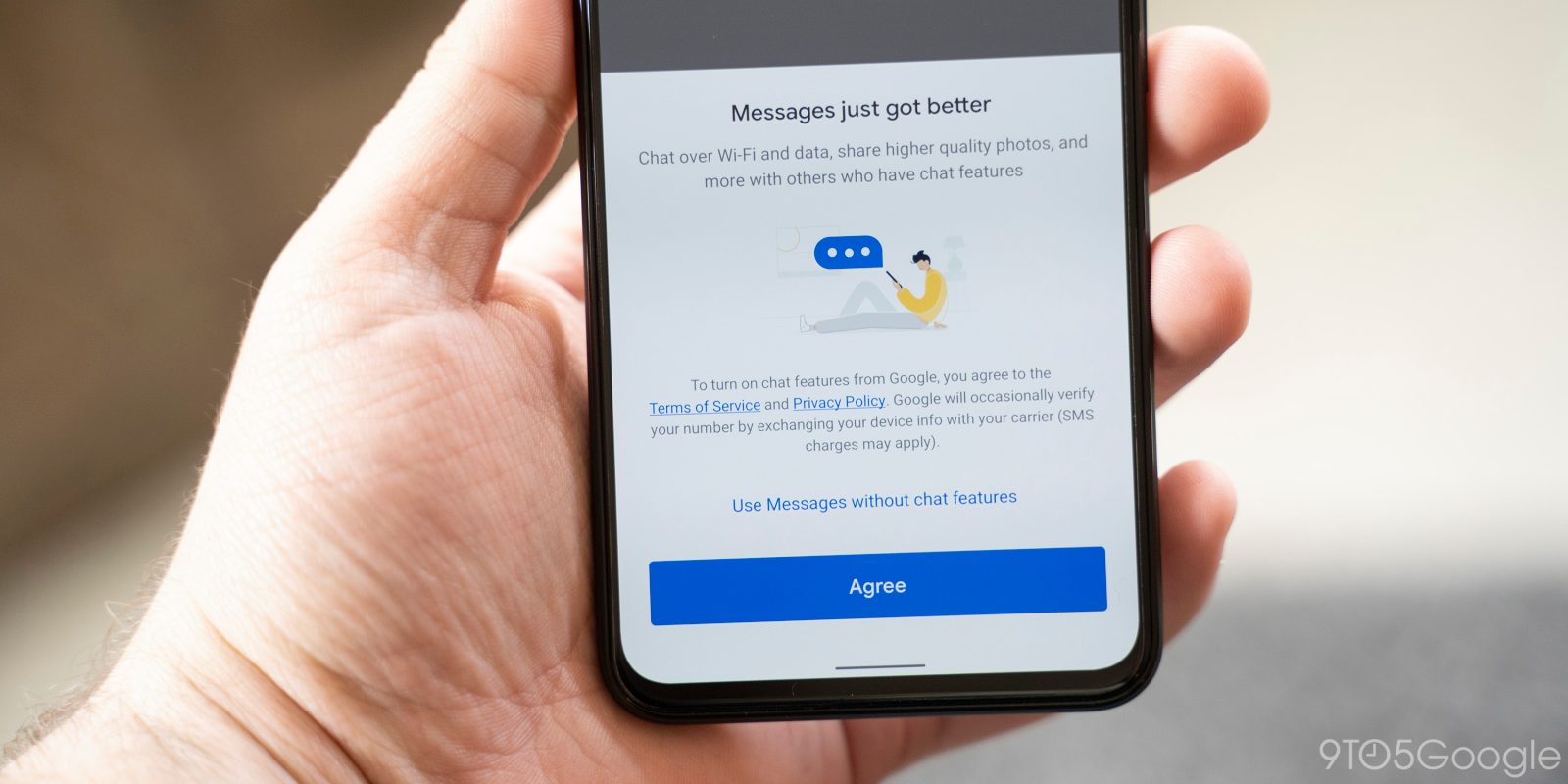
  • Google Messages may soon allow you to edit sent messages

    Google Messages may soon allow you to edit sent messages

    Google Messages has been receiving a flurry of new features lately, making it more competitive with other famous messaging apps. The latest update includes photomoji, screen effects, noise cancellation for audio messages, and animated stickers. These features are currently available to beta users and will likely be rolled out to everyone soon.

    However, even more exciting is the evidence found, courtesy of AssembleDebug from TheSpAndroid, that Google is working on a message editing feature. This feature has been highly requested by users and would be really helpful for fixing of typos or simply making changes to messages after they have been sent.

    The evidence found that Google is working on adding a message editing feature is the existence of several new flags to the beta version of the Google Messages app. These flags were added in the beta releases that were released in the last week of November.

    Furthermore, while digging into the Google Messages APK code, evidence was found that Google is creating a new table in the messages database to store details of edited messages. This table contains columns for the message ID, latest message ID, original RCS message ID, and timestamps for when the message was edited and received.

    Currently, message editing is not a part of the RCS standard. However, Google has added features to RCS before that weren’t part of the standard, such as end-to-end encryption. It’s possible that Google will work to add message editing to the RCS standard in the future.

    Apple’s recent decision to add RCS support to its iMessage application next year, could pave the way for more features like message editing to be added to the standard. This would be very convenient and a major win for users who have been waiting for these features for a long time. Currently, Apple does not plan to support Google’s flavor of RCS messaging, but rather the GSMA universal profile which does not include encryption.

    Unfortunately, there’s no official word on when the message editing feature will be released to the public, but given that there are already hidden flags in the beta version of the application, this could potentially be a planned addition for a future Pixel Feature Drop. My hope is that we get to see this released in the first quarter of 2024.

  • The Apple TV app gets a complete visual revamp

    The Apple TV app gets a complete visual revamp

    Apple TV users rejoice as the app has just received a complete visual revamp to make navigating easier. The new app looks different on all iOS devices, so you’ll benefit from all the changes no matter where you prefer to watch your favorite series and films.

    The most obvious change is the new, simplified interface that features a sidebar to make it easier for users to navigate the app quickly. The new sidebar provides access to Apple TV+ (home of Apple Original series and films), MLS Season Pass (home of Major League Soccer), Store (where users can buy and rent popular movies), and shortcuts to channels and apps viewers already have, including Disney+, Paramount+, and Max.

    In addition to all the shortcuts, the new sidebar introduces the app’s new hub simply called Home, which is basically a unified guide for all the shows, movies, and sport.

    The new hub features a Channels & Apps section, allowing users to browse their subscribed channels or connected apps. Also, sections like New Shows & Movies, Top Charts, Trending, and For You are also available within Home.

    For those owning living room devices, the sidebar features profiles to make it easier to switch between users to better personalization in Up Next and content recommendations across the app.

    Furthermore, the Store tab in the Apple TV app now combines movies and TV shows into one place so that users can easily access everything they wish to buy or rent. The same tab is also home to a new Add Channels & Apps shelf where users can explore popular streaming services

    Finally, Apple announced that starting today, the iTunes Store app on iPhone and iPad, as well as the iTunes Movies and iTunes TV Shows app on Apple TV 4K and Apple TV HD, will redirect users to the Apple TV app.

  • New transmission line proposed to import more electricity from Laos

    New transmission line proposed to import more electricity from Laos

    The Ministry of Industry and Trade has proposed installing another power transmission line to Laos to increase supply.

    It would help ensure energy security for northern Vietnam, especially during the dry season, as no new major power plant is set to go on stream until 2025, Minister of Industry and Trade Nguyen Hong Dien said at a recent meeting.

    Vietnam imports 3,000 megawatts of electricity from Laos through a 220-kilovolt line.

    In October Vietnam Electricity already began laying a 500-kilovolt line strong spanning 45 kilometers to connect the two countries.

    The work, to cost VND1.1trillion ($45.26 million), will be completed by the end of next year when it will increase import capacity to 2,500 MW a year.

    Vietnam signed a deal with Laos in 2019 to buy 3,000 MW until 2025 and 5,000 MW a year in 2026-30.

    In the first 11 months of this year Vietnam’s imports – also from China — accounted for 1.5% of total electricity supply.

  • Levi’s sets date for CEO transition

    Levi’s sets date for CEO transition

    Levi Strauss & Co has named Michelle Gass as president and CEO, effective January 29 next year, replacing Chip Bergh.

    Bergh is set to retire on April 26 next year. He has been elected to serve as executive vice chair of the board until his retirement date, after which he will transition to a senior advisor role until the end of fiscal FY24.

    “It has been an incredible privilege to lead this great company as CEO for the last 12 years. I want to especially thank my team, the board of directors and the family shareholders for all their support through the years,” said Bergh.

    “While I’ve known Michelle for more than a decade, my time working closely with her this past year has given me great confidence that her experience, track record of innovation and impact, and passion for the business will position the company for sustainable, profitable growth and significant shareholder and stakeholder value creation.”

    Gass has been the president of Levi Strauss & Co since January this year. Before that, she held senior positions at Kohl’s and Starbucks.

    “I am honored to be stepping in to lead this iconic brand and company, one that I have deeply admired and respected for many years. Levi’s is more than a denim icon; it’s part of our cultural fabric and an enduring symbol of quality, innovation and progress,” said Gass.

    “I am incredibly excited to lead our amazing team and to reali

  • Apple to move key iPad engineering resources to Vietnam

    Apple to move key iPad engineering resources to Vietnam

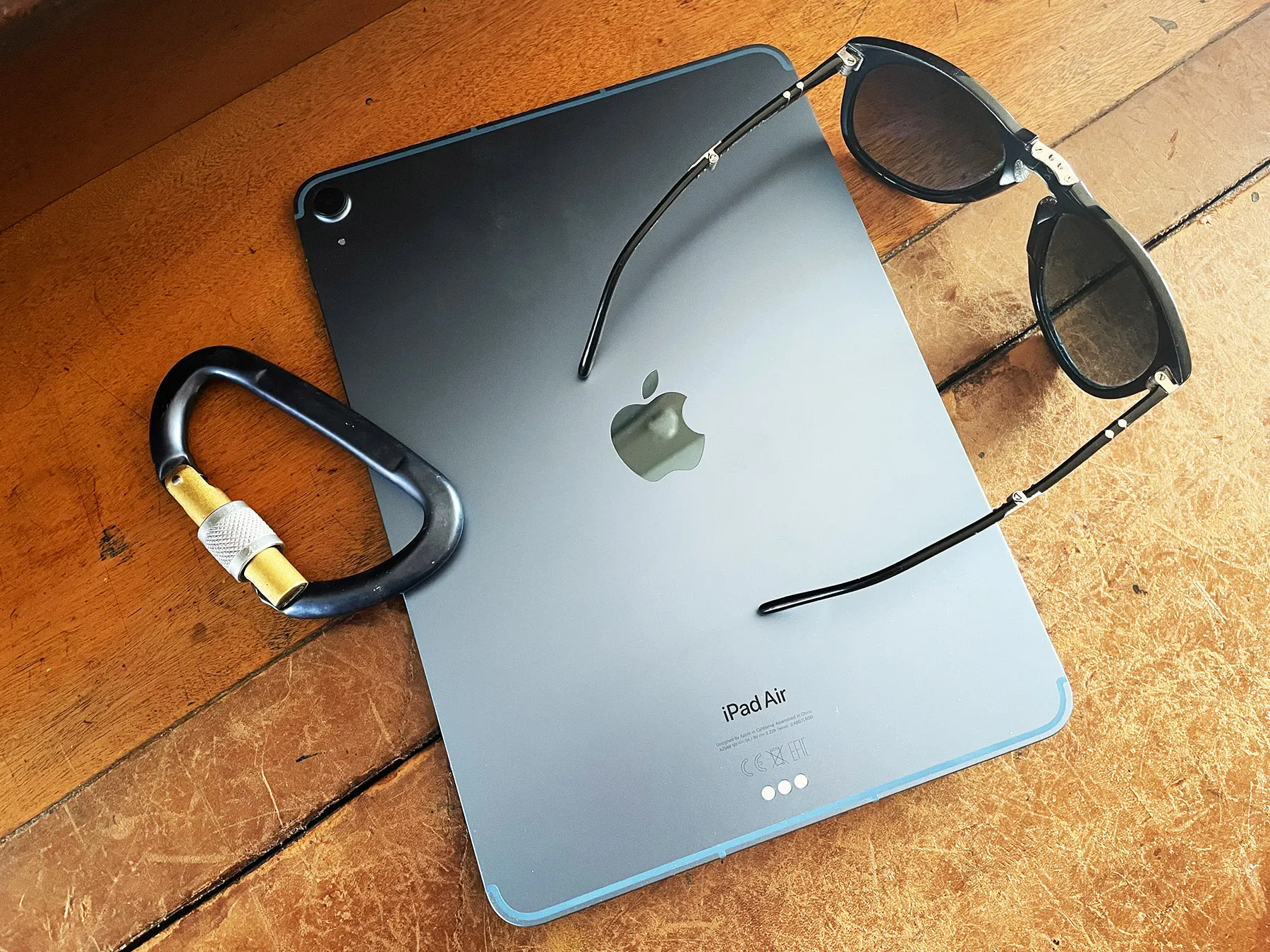
    Apple is allocating product development resources for iPad to Vietnam, Nikkei reported on Friday, citing sources briefed on the matter.

    Apple is working with China’s BYD, a key iPad assembler, to move new product introduction (NPI) resources to Vietnam, the report said, adding that this is the first time the company has shifted NPI resources to Vietnam for such a core device.

    Engineering verification for test production of an iPad model will start around mid-February and the model will be available in the second half of next year, it said.

    Apple and BYD did not immediately respond to Reuters’s request for comment.

    Apple suppliers including Luxshare and Foxconn also invested in the Southeast Asian country earlier this year to further diversify production away from China.