Author: Mei Ling Tan

  • Dollar Rises for Third Consecutive Day Against Dong, Marking Ongoing Currency Trend

    Dollar Rises for Third Consecutive Day Against Dong, Marking Ongoing Currency Trend

    The U.S. dollar continued its upward trend against the Vietnamese dong on Thursday, marking the third consecutive day of gains as global rates surged.

    Dollar Exchange Rates on the Rise

    At Vietcombank, the dollar was listed at VND 26,210, reflecting a 0.23% increase. Meanwhile, the State Bank of Vietnam adjusted its reference rate up by 0.06% to VND 24,962. In parallel, at unofficial exchange points, the dollar climbed 0.08% to VND 26,360.

    This rally comes in the wake of a court ruling that blocked former President Donald Trump from implementing import tariffs on various countries, a decision that created ripples in the currency market. Analysts suggest that this unexpected turn could provide the beleaguered dollar with some much-needed relief amid ongoing trade uncertainties.

    “It’s difficult to predict whether the tariffs will be fully reversed, but if they are, we can certainly expect to see the dollar appreciate,” noted Yunosuke Ikeda, head of macro research at Nomura in Tokyo. He further added that the existing tariffs pose stagflation risks to the U.S. economy, so their potential reversal would bode well for the dollar’s strength.

    In a world where currency fluctuations can feel as unpredictable as a game of chance, one can’t help but wonder what other surprises lie in the global financial arena.

    Questions & Answers

    Why is the U.S. dollar rising against the Vietnamese dong?
    The U.S. dollar has been appreciating due to a surge in global rates and a recent court decision blocking tariffs proposed by Donald Trump, resulting in a more favorable outlook for the dollar.

    What are the new exchange rates for the dollar?
    As of Thursday, the dollar was listed at VND 26,210 at Vietcombank and VND 26,360 at unofficial exchange points.

    What impact do tariffs have on the dollar’s strength?
    Trump’s tariffs have added stagflation pressures to the U.S. economy. A potential reversal of these tariffs could lead to an appreciation of the dollar.

  • End-to-End Agility Is the New Competitive Edge in Retail

    End-to-End Agility Is the New Competitive Edge in Retail

    In today’s unpredictable world, success belongs to those who move first.

    The days of “business as usual” are gone. Trade tensions, economic uncertainties and geopolitical turbulence drive constant market change. A prime example is tariffs, now dominating headlines and global commerce strategies alike. When certainty becomes a moving target, real-time, data-driven decisions become a brand’s strongest asset. 

    Retail today is locked in a cycle of persistent recalibration. Slow, manual analysis and long-term planning have given way to an urgent need for spontaneous sensing, probing and action. In a world shaped by pandemics, trade tensions and unforeseen disruptions, forecasting based on historical trends is insufficient. 

    Real-time intelligence must now anchor every response. Whether manufacturing locally or reaching global markets, brands and retailers face heightened risk. Monitoring competitor moves and consumer developments gives businesses the foresight to anticipate pricing pressures, supply chain stress and demand shifts to enable proactive intervention instead of reactive scrambling.

    Centric Software intrinsically understands that in this new, unpredictable era, agility determines stability. Centric’s AI-driven solutions empower brands and retailers to pivot decisively so that strategies are proactively refined. With Centric Product Lifecycle Management (PLM), teams gain instant access to centralized product data to quickly simulate tariff scenarios, forecast cost implications and modify sourcing strategies to safeguard profitability. Centric’s AI-powered pricing and inventory solution complements this by delivering deep insights into price elasticity, equipping businesses with precise, data-driven pricing strategies to protect margins, even in volatile times. 

    When industry-wide shifts take place abruptly, businesses need oversight into how consumers and competitors are responding. Static reports and spreadsheets are simply too slow to meet the current pace of change. Centric Market Intelligence equips retailers with immediate visibility into critical dynamics: Which SKUs are competitors adjusting during tariff surges? Which product categories are gaining momentum, and which are losing ground? Armed with this knowledge, businesses can efficiently reallocate inventory, reshape assortments and fine-tune pricing strategies before market trends solidify.

    With Centric Product Experience Management (PXM), gain an end-to-end solution that unifies product information management (PIM), digital asset management (DAM), content syndication to e-commerce sites, marketplaces and social media and digital shelf analytics (DSA). It captures live demand signals from digital sales channels and reveals instantly how consumers respond to products. This continuous feedback loop allows brands to quickly revise products, pricing and inventory to personalize customer experiences and increase sell-through. That’s the power of real-time, AI-infused decision-making. 

    This is the Centric Software approach. Shaping the unknown into actionable insights so brands can respond with clarity, confidence and speed. Centric empowers businesses to turn complexity into opportunity, lead with data and act with speed to connect every decision across the product lifecycle. 

    Are you prepared to adapt swiftly and confidently?

    • Stacey Charbin, CMO, Centric Software

    Join Centric Software at NRF Asia 2025 in Singapore (3–5 June, Booth #1007) to explore AI-powered product concept to commercialization solutions used by 18,800+ brands and retailers globally. Experience live demos, learn retail best practices and discover how to turn market shifts into opportunity.

  • Vietnam Seeks 4,000 Workers to Power Two Upcoming Nuclear Plants

    Vietnam Seeks 4,000 Workers to Power Two Upcoming Nuclear Plants

    Nearly 4,000 employees will be needed to operate Vietnam’s two proposed nuclear power plants, set to rise in the central province of Ninh Thuan by 2030. This ambitious initiative aims to bolster the nation’s energy landscape, but it also raises a significant demand for qualified personnel.

    Specialized Training Abroad

    Among the workforce needed, 670 individuals will undergo specialized training overseas to ensure they are well-prepared for the complexities of nuclear energy. The workforce will predominantly consist of engineers and holders of bachelor’s degrees, while the remainder will be equipped with two-year college qualifications. Those chosen for international training will primarily be graduates in relevant disciplines, committed to serving at the plants upon their return.

    Interestingly, the training program is broadening its net by considering first- and second-year university students eager to join post-training. This opens avenues for a fresh wave of talent ready to dive into the world of nuclear energy.

    Collaboration for Expertise

    To cultivate expertise in nuclear plant management and operations, civil servants, experts, and staff from various ministries will provide short-term training and internships. Moreover, around 120 lecturers are anticipated to be enlisted to teach nuclear science to aspiring master’s and doctoral students at local universities.

    In a strategic move, the Vietnamese government has revived plans for the Ninh Thuan nuclear power plants, with the National Assembly giving its enthusiastic endorsement in November. The first of these plants is earmarked to begin generating electricity by 2030, marking a pivotal moment in Vietnam’s energy journey.

    As the nation gears up for this nuclear adventure, it’s not just about numbers; it’s about preparing a workforce that can harness the power of the atom responsibly and effectively. Let’s hope they’re ready for the nuclear future—and maybe even a little fun along the way!

    Questions & Answers

    What is the timeline for the completion of the nuclear plants in Vietnam?
    The first nuclear plant is scheduled to begin generating electricity by 2030.

    How many workers will be needed for the nuclear power plants?
    Vietnam will require nearly 4,000 employees to operate the two planned nuclear facilities.

    What types of degrees will the workforce possess?
    The workforce will include a majority of engineers and individuals with bachelor’s degrees, alongside those with two-year college diplomas.

  • Gold Bar Prices Surge as Global Market Momentum Intensifies

    Gold Bar Prices Surge as Global Market Momentum Intensifies

    Vietnam gold bar prices edged higher Wednesday morning as global bullion prices recovered slightly after falling in the previous session.

    A Slight Uplift in Local Gold Prices

    In a bright turn of events, the price of gold bars from Saigon Jewelry Company climbed by 0.25%, reaching VND118.3 million (approximately US$4,560.52) per tael. Meanwhile, the price for gold rings remained steady at VND114 million per tael, with one tael equivalent to 37.5 grams or 1.2 ounces.

    Global Market Trends at Play

    On the international stage, gold prices enjoyed a modest uptick as investors seized the opportunity to buy on the dip, even as easing U.S.-EU trade tensions constrained further gains. The market now eagerly anticipates the upcoming U.S. core Personal Consumption Expenditures report for hints on future interest rates, as noted by Reuters.

    The spot gold price rose by 0.3% to $3,308.99 an ounce, making a slight recovery after a 1% plunge in the previous session. U.S. gold futures also saw an increase of 0.2%, now valued at $3,308.30.

    Market Analyst Insights

    “Gold’s dip below $3,300 attracted some buyers. However, the overall market sentiment remains upbeat with diminishing U.S.-EU trade tensions, which is limiting gold’s upside potential for the time being,” stated Tim Waterer, chief market analyst at KCM Trade. He also added, “If support holds in the $3,250-$3,280 range, gold could be well-positioned to rally towards $3,400 should risk appetite wane.” It’s almost like waiting to see if the stock market will need its morning coffee!

    Questions & Answers

    What factors contributed to the rise in Vietnam’s gold bar prices?
    Prices increased due to a slight recovery in global bullion prices following a previous decline, as well as local market dynamics.

    What is the current price of a tael of gold in Vietnam?
    As of Wednesday morning, a tael of gold from Saigon Jewelry Company is priced at VND118.3 million, which is about US$4,560.52.

    How are global market trends affecting local gold prices?
    Easing trade tensions between the U.S. and EU have contributed to a generally upbeat market sentiment, somewhat capping potential gains in gold prices.

  • Bangkok’s Suvarnabhumi Airport Stays Open Amid Taxi Drivers’ Protest Warnings

    Bangkok’s Suvarnabhumi Airport Stays Open Amid Taxi Drivers’ Protest Warnings

    Thailand’s Ministry of Transport has affirmed that Bangkok’s Suvarnabhumi Airport will remain operational despite threats from traditional taxi drivers planning to stage a blockade in response to the rising popularity of ride-hailing services.

    Taxi Drivers Voice Their Concerns

    Frustrations among taxi drivers have bubbled to the surface, as they argue that app-based platforms like Grab and Bolt are distorting the market with lower fares and lighter regulations, which they claim seizes a significant portion of their income. On May 21, a crowd of taxi drivers converged near Government House, issuing a stark warning: they would take drastic measures unless the government mandated a ban on these app-based services at the airport.

    In a firm rebuttal, the Department of Land Transport made it clear that any interference with airport access would not be tolerated, stating, “There cannot be any blockage of airports. Any wrongdoers will face legal action,” declared Director-General Chirute Visalachitra, as reported by Bangkok Post.

    Statistics Speak Volumes

    Currently, Suvarnabhumi records about 6,000 traditional metered taxi trips every day, compared to approximately 5,000 rides provided by ride-hailing apps, many of which operate using conventional taxis. Chirute emphasized the need for traditional taxi drivers to embrace the technological shift, saying, “Technology is undeniable. Taxi drivers must adapt.”

    Public Sentiment Shifts

    Tourists and locals have expressed long-standing grievances with traditional taxi services, spotlighting frequent issues such as meter refusals, inflated prices, and confusing routes, as highlighted by Pattaya Mail. One exasperated tourist remarked, “Even when they use the meter, they take the longer way—do they not know about Google Maps?” Another visitor stated that they immediately downloaded the Bolt app upon arriving at the airport, clearly favoring its reliability.

    The tide is turning, with many Thai passengers opting for ride-hailing services due to their perceived dependability, transparent pricing, and enhanced safety.

    And let’s be honest—between the taxi wars and tech transformations, one can’t help but wonder if we’re witnessing the dawn of a vehicular soap opera at Suvarnabhumi!

    Questions & Answers

    Will Suvarnabhumi Airport be affected by the taxi drivers’ protests?
    No, the Ministry of Transport has confirmed that the airport will remain open despite the protest threats.

    What are the main concerns expressed by traditional taxi drivers?
    Drivers are worried that ride-hailing services create an “unfair competition” by offering lower prices and operating under lighter regulations.

    How do passengers feel about traditional taxis compared to ride-hailing services?
    Many passengers prefer ride-hailing services for their reliability and clear pricing, as they have faced frequent issues with traditional taxi services, including inflated fares and longer routes.

  • Thaco Proposes Ambitious $61B Transnational High-Speed Rail Project to Revolutionize Travel

    Thaco Proposes Ambitious $61B Transnational High-Speed Rail Project to Revolutionize Travel

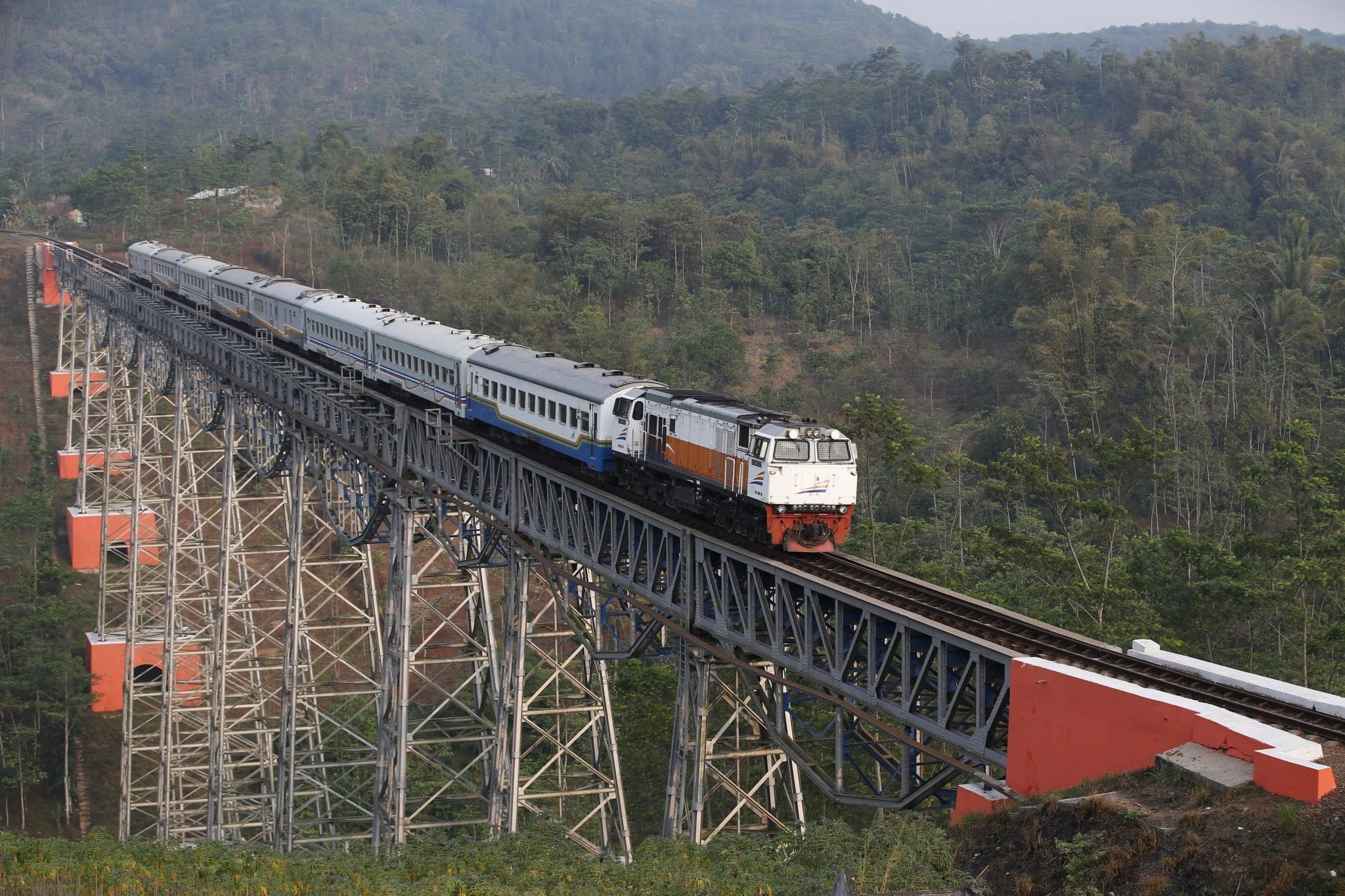
    Thaco is gearing up to revolutionize Vietnam’s transportation landscape with an ambitious high-speed railway project that promises to reshape connections between major cities. The company plans to cover 20% of the project’s costs and seek loans from both domestic and international financial institutions for the remainder, hoping to secure government guarantees and interest coverage for a whopping 30 years. Notably, the estimated costs do not include expenses related to land compensation and resettlement, which the government will manage as a separate undertaking.

    New Ventures in Rail Infrastructure

    To spearhead this monumental infrastructure endeavor, Thaco intends to establish a dedicated company while maintaining a controlling interest, inviting local corporations to invest in this groundbreaking initiative. However, the company has made it clear that stakes or operational rights will not be sold to foreign investors.

    Journey Over Challenging Terrain

    The ambitious project is designed to unfold over seven years, divided into two phases. The first five years will concentrate on notoriously crowded routes connecting Hanoi to Ha Tinh Province and Ho Chi Minh City to Khanh Hoa Province. The subsequent two years will focus on linking these two vital sections, a task complicated by challenging terrain that necessitates extensive surveys and custom technical designs.

    Commitment to Local Expertise

    In a bid to ensure cutting-edge standards, Thaco plans to implement electrified technology and collaborate with firms from Germany, France, Japan, and South Korea. But there’s a twist: while these international partners will provide technology, Thaco is also committed to training local personnel in these advanced disciplines.

    Transforming Vietnam’s Transportation Economy

    With a vision to transform transportation throughout the country, Thaco anticipates this project will significantly boost growth in foundational sectors. Additionally, they seek a 70-year contract to operate the railroad, claiming priority access to land designated for developing urban residential areas for resettlement purposes. In February, Prime Minister Pham Minh Chinh urged Thaco to consider technology transfer for the manufacturing of railway carriages and locomotives as part of the high-speed railway initiative.

    A Route to Connectivity

    The National Assembly has approved a route stretching an impressive 1,541 kilometers from Hanoi to Ho Chi Minh City, traversing 20 provinces and cities. Designed to accommodate speeds of up to 350 kilometers per hour, with a 1.435 m double-track gauge, the rail line will feature 23 passenger and five freight stations. A feasibility study is set to kick off in 2025, with the project completion targeted for 2035.

    Stiff Competition and Big Ambitions

    Thaco isn’t alone in this venture. VinSpeed, backed by Vietnam’s wealthiest individual, Pham Nhat Vuong, also aims to construct the railway. They have offered to cover 20% of the costs while seeking a staggering US$49 billion interest-free loan from the government over 35 years. Like Thaco, VinSpeed has requested government assistance with land acquisition and promises to begin operations within five years after construction starts.

    Thaco’s Evolution

    Founded in 1997 by Tran Ba Duong, Thaco has evolved from a modest automobile manufacturing business into a sprawling conglomerate that spans industrial production, logistics, agriculture, and infrastructure. Its production hub in Quang Nam represents Vietnam’s largest automobile manufacturing facility and stands as a testament to its growth and ambitions.

    As it plunges into major national infrastructure projects, Thaco’s latest venture could very well be a game-changer for Vietnam’s economy—after all, who wouldn’t want to zoom across the country at lightning speed?

    Questions & Answers

    What is Thaco’s strategy for financing the railway project? Thaco plans to contribute 20% of the costs and secure the rest through loans from domestic and international financial institutions, seeking government guarantees and interest coverage.

    How long will the high-speed rail project take to complete? The project is expected to be completed in seven years, divided into two phases focusing on different crowded travel sections and linking them thereafter.

    What other companies are interested in the railway construction? VinSpeed, controlled by Vietnam’s richest man, Pham Nhat Vuong, has also expressed interest and proposed a significant investment plan for the project.

  • Vietnamese Mangosteen in High Demand Despite Price Difference with Thai Variety

    Vietnamese Mangosteen in High Demand Despite Price Difference with Thai Variety

    Vietnamese mangosteen is captivating fruit lovers across Asia, with its unique sweetness and alluring fragrance making it a sought-after choice, even as prices soar 50% higher than its rival, Thai imports. This tropical delight, typically sold in Ho Chi Minh City starting at VND120,000, is drawing eager buyers despite the price tag. In contrast, Thai mangosteen, while available in larger quantities, is more affordable, ranging from VND90,000 to VND100,000.

    Pre-Orders and Harvest Setbacks

    As the main harvesting season approaches in just a month, vendors like Lan Anh from Binh Thanh District have noticed a surge in pre-orders for the coveted local variety. However, this year’s harvest has been delayed, leaving many aspiring farmers in key production regions like Binh Duong and Dong Nai with unripe orchards. Farmers are anticipating significant drops in their yields, potentially by 40% to 70% compared to last year, largely due to unfavorable weather conditions. The wait for the first pickings could stretch an additional two weeks, leaving a taste for sweetness that consumers can’t quite satisfy just yet.

    This curious delay has not dampened enthusiasm; rather, it adds an air of anticipation for what many hope will be a fruitful mangosteen season. Who wouldn’t want to indulge in a fruit that feels as luxurious as it tastes?

    Questions & Answers

    Why is Vietnamese mangosteen more expensive than Thai imports?
    Vietnamese mangosteen tends to be sweeter and more fragrant than its Thai counterparts, justifying its higher price.

    When does the main harvest season for Vietnamese mangosteen begin?
    The main harvest season typically begins next month, although it has been delayed this year.

    What challenges are farmers facing this season?
    Farmers are contending with reduced yields, with estimates indicating a significant drop of 40% to 70% due to unfavorable weather conditions.

  • Vietnam speeds up efforts to overcome durian export challenges amid China’s stricter quality controls.

    Vietnam speeds up efforts to overcome durian export challenges amid China’s stricter quality controls.

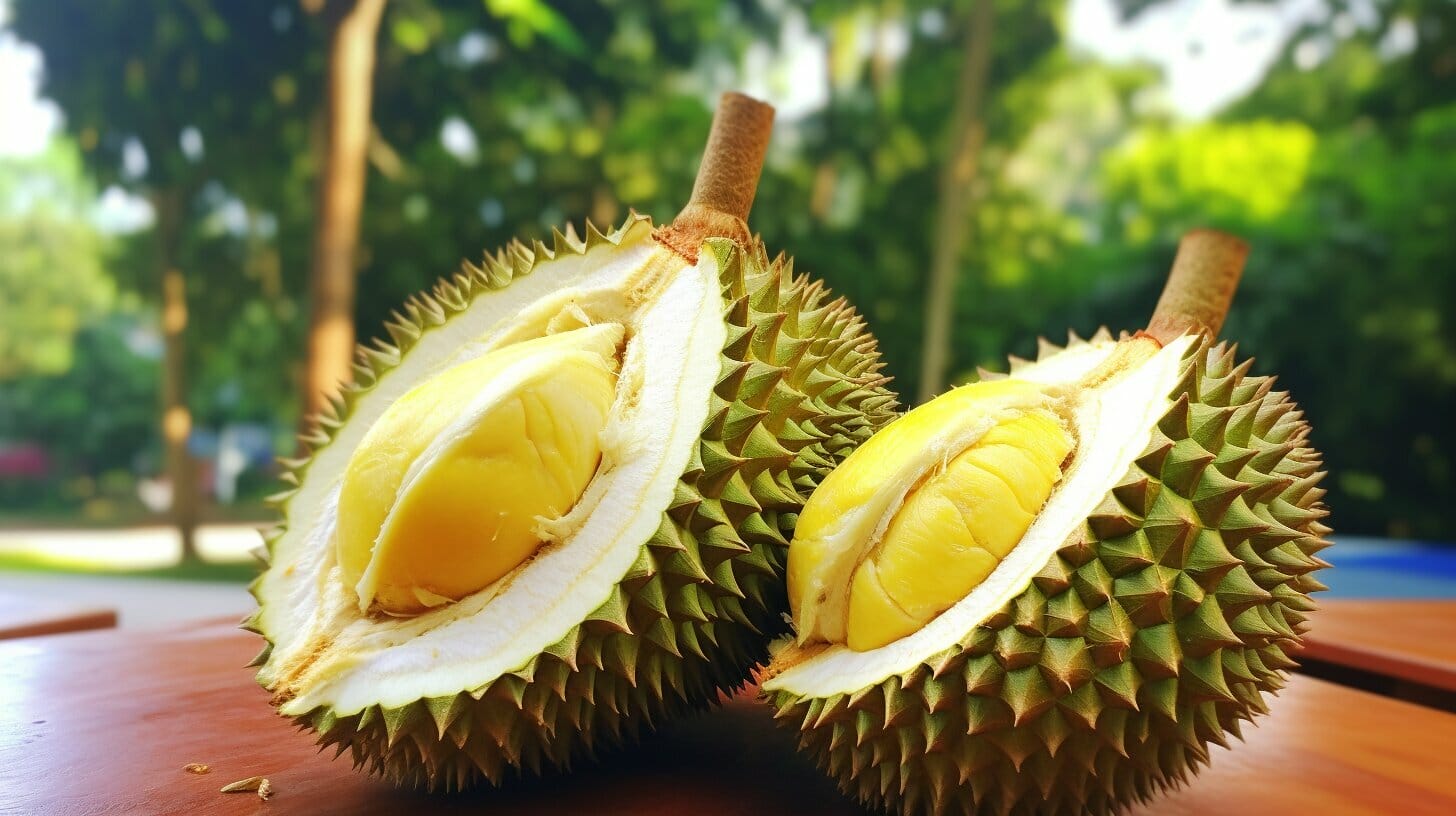
    Vietnam’s durian exporters are currently facing a tough dilemma as they navigate the aftermath of a tremendous growth spurt. With China tightening its quality control measures and facing stiff competition from Thailand, the Philippines, and local Chinese production, the landscape is shifting dramatically. Now, preserving market share and ensuring sustainable growth have become critical imperatives for the industry.

    In a staggering indication of this trend, Vietnam’s durian exports plunged to a mere $130 million in the first four months of 2025, marking a 74% drop compared to the same period last year. China, being the world’s largest durian market, has significantly reduced its imports, creating a ripple effect throughout the industry.

    Nguyen Van Thanh, a trader hailing from the Mekong Delta—an area known for its substantial durian output—noted that this year’s fruits have largely failed to meet China’s stringent inspection criteria. The situation has fueled calls for better compliance and management within the sector.

    General Secretary of the Vietnam Fruit and Vegetable Association, Dang Phuc Nguyen, emphasized the need for establishing new testing labs to satisfy Chinese safety standards, following a successful model observed in Thailand. These facilities would enable local farmers to conduct necessary tests and obtain vital certifications. He stressed that certified orchards would gain priority among traders and businesses, with products undergoing further testing at labs accredited by China.

    To enhance the reputation of Vietnamese produce, Nguyen urged for penalties against fraudulent practices, stating, “Effective control at source will facilitate smoother negotiations with and customs clearance in China.”

    Explaining the complications further, Henry Bui, General Director of the China-approved Hoan Vu Inspection Center, revealed that cadmium found in durians often originates from fertilizers. However, he warned that sample testing isn’t a panacea for contamination; proper oversight of illegal fertilizers is crucial. If soils are significantly compromised, remediation efforts are essential.

    Meanwhile, authorities from the Department of Crop Production and Plant Protection are not sitting idle. They have joined forces with local governments to research and implement solutions. Short-term measures include soil remediation techniques to lower cadmium absorption, using lime to adjust soil pH, and introducing cadmium-absorbing crops as temporary biological solutions. Farmers are also being encouraged to cultivate high-biomass, short-cycle crops, restoring soil health and limiting cultivation during critical periods.

    Long-term strategies focus on the careful application of fertilizers, combined with improved education to ensure farmers utilize the right types and amounts, thereby reducing the buildup of harmful substances. Nguyen Dang Nghia, the former director of the Soils and Fertilizers Institute, is already testing cycle-specific remedial treatments for contaminated soils across different localities in the Mekong Delta.

    Bui also flagged potential hazards from auramine O, an industrial dye used to enhance fruit appearance. While it may not affect the flesh of the fruit, it can contaminate entire storage facilities if not managed correctly. Should it be detected, thorough disinfecting—or in extreme cases, even complete rebuilding of packing spaces—would be necessary.

    “If businesses and testing centers collaborate effectively with farmers, the durian industry can maneuver through these formidable challenges,” Bui posited with hope.

    Looking ahead, Ha Phuc Mich, chairman of the Vietnam Organic Agriculture Association, believes there’s much to learn from Thailand’s systematic approach—encompassing everything from planting zones to soil testing and legal frameworks. “It’s a lesson Vietnam must embrace immediately—not just for durians, but for other vital crops as well. We must address the root causes rather than rely on temporary fixes,” he advised.

    Questions & Answers

    What challenges are Vietnamese durian exporters facing?
    They are dealing with stringent quality checks from China and fierce competition from Thailand and local Chinese production, leading to a steep decline in exports.

    Why did Vietnam’s durian exports drop so significantly?
    In the first four months of 2025, durian exports fell by 74% to $130 million as China, the largest durian market globally, reduced its imports.

    What measures are being taken to improve the situation?
    Authorities are focused on developing new testing labs and implementing soil remediation strategies, while farmers are encouraged to use proper fertilizers and grow specific crops that help restore soil health.


  • CJ Foods Expands Global Footprint with New Mandu Factory in Japan

    CJ Foods Expands Global Footprint with New Mandu Factory in Japan

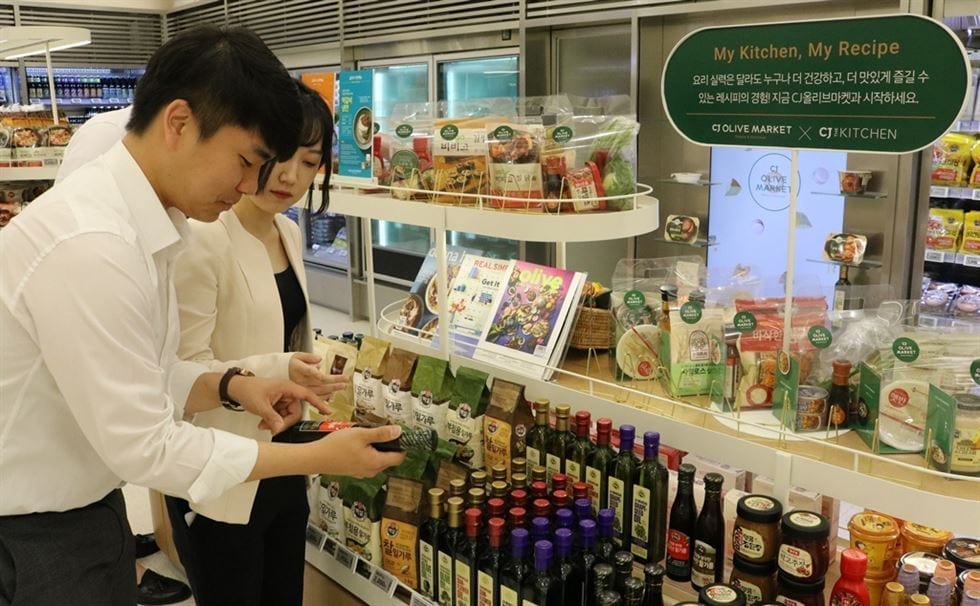
    In an ambitious move to expand its culinary footprint, South Korea’s CJ Foods has announced a significant investment of approximately $73 million (KRW 100 billion) to establish a new mandu (Korean dumpling) factory in Chiba Prefecture, Japan. This state-of-the-art facility will cover 42,000 square meters and is equipped with cutting-edge production lines. Construction is on track to wrap up by July, with production slated to kick off in September.

    Strengthening Its Presence in Japan

    This initiative is designed to enhance CJ Foods’ presence in Japan’s lucrative frozen dumpling market, which boasts an impressive annual value of around $800 million (JPY 114 billion). The factory will be churning out popular items such as bibigo mandu, alongside innovative convenience products aimed at nationwide distribution.

    A Blossoming Market for Korean Cuisine

    Japan is a crucial market for CJ Foods, where beloved offerings like bibigo mandu and gimbap are already available at major retailers such as AEON, Costco, Amazon, and Rakuten. Notably, in 2023, bibigo gimbap sold 2.5 million units in Japan, showcasing the growing appetite for Korean cuisine.

    Global Expansion Plans

    But the excitement doesn’t stop in Japan. CJ Foods is also pushing the envelope with plans for a new factory in Hungary by late 2026 and a grand Asian food complex in South Dakota, USA, set to debut in 2027. Currently, the company operates 20 plants across the United States, four mandu factories in Japan, and production bases in Germany, Vietnam, and Australia.

    This expansion strategy underscores CJ Foods’ mission to elevate its global K-food business by boosting local production capacity and satisfying the surging demand for its delectable offerings. And with this rapid growth, one can’t help but wonder what tasty delights CJ Foods will dream up next!

    Questions & Answers

    • What type of products will the new factory in Japan produce? The factory will produce popular items like bibigo mandu and other convenience products for nationwide distribution.
    • When will production at the new factory begin? Production is expected to start in September, following the completion of construction in July.
    • Where else is CJ Foods expanding aside from Japan? CJ Foods is planning to open a new factory in Hungary by late 2026 and is developing a large Asian food complex in South Dakota, USA, projected to open in 2027.
  • Coffee Exports Surge to $4.2 Billion in Just Five Months!

    Coffee Exports Surge to $4.2 Billion in Just Five Months!

    Vietnam’s coffee exports have made a remarkable leap this year, with the country shipping over 736,000 tons valued at an impressive US$4.2 billion from January to mid-May, as reported by the Department of Customs. While this marks a 5.5% decline in volume year-on-year, the surge in value—up by 56%—can be attributed to rising average prices.

    Domestic Prices Face a Dip

    In an unexpected turn, coffee prices in Vietnam’s Central Highlands experienced a noticeable decline over the weekend, dropping between VND2,500 and VND3,300 (about 9.6 to 13 US cents) per kilogram. As a result, prices now sit at VND122,500 (US$4.82) per kilogram in key provinces like Dak Nong, Dak Lak, and Gia Lai, with Lam Dong posting slightly lower figures at VND122,000.

    Experts in agriculture are looking ahead, predicting that domestic prices may continue their downward trend, potentially settling around VND120,000 per kilogram. This forecast is influenced by a cooling in global market dynamics, as concerns about weather disruptions and trade tensions appear to be subsiding.

    To offset recent market fluctuations, the industry is investing heavily in cultivation and replanting initiatives. This is expected to enhance supply in the near future, bringing fresh optimism to farmers.

    With coffee being such a beloved beverage, will we soon see a “roasted revival” in prices, or is the market on a steady decline? Only time will tell, but one thing’s for sure: coffee lovers and producers alike are watching closely.

    Questions & Answers

    What was the total value of Vietnam’s coffee exports from January to mid-May this year?
    The total value reached US$4.2 billion, despite a decrease in export volume.

    What has caused the recent decline in domestic coffee prices?
    A combination of easing global market conditions and the expectation of increased supply is leading to lower domestic prices.

    What future trends are anticipated for coffee prices in Vietnam?
    Experts predict that prices may drop further to around VND120,000 per kilogram as the market adjusts to better supply conditions.

  • Vietjet Expands Fleet with Exciting Order of 20 Airbus A330neo Wide-Body Aircraft!

    Vietjet Expands Fleet with Exciting Order of 20 Airbus A330neo Wide-Body Aircraft!

    The signing ceremony held on Monday brought together Vietnamese State President Luong Cuong and French President Emmanuel Macron, marking a significant milestone during the latter’s state visit to Vietnam. This pact paves the way for Vietjet to expand its international route network across the Asia-Pacific region, ramping up operations on high-demand routes while laying the groundwork for future long-haul services to Europe.

    Fueling Modernization and Growth

    Vietjet Chairwoman and CEO Nguyen Thi Phuong Thao emphasized that the modern Airbus aircraft, known for their advanced performance and fuel efficiency, play a crucial role in Vietjet’s growth journey. She reaffirmed the airline’s commitment to a long-term investment in a contemporary fleet, aiming to enhance economic and technological ties between Vietnam and France.

    A Leap Forward in Orders

    President Wouter van Wersch of Airbus International proudly announced Vietjet’s rise as one of the globe’s fastest-growing airlines. The latest agreement sees Vietjet doubling its confirmed orders for the A330neo family to a staggering 40 aircraft. In addition, the airline already has an order for 96 single-aisle aircraft from the A320neo family, and currently operates an all-Airbus fleet of 115 planes, including 108 from the A320 family and seven A330-300s.

    A330-900: The Avionics Marvel

    The A330-900, boasting the state-of-the-art Rolls-Royce Trent 7000 engines, poses an impressive maximum range of 13,300 kilometers. With Airbus’s award-winning Airspace cabin design, passengers can expect an elevated flying experience characterized by increased comfort, ample space, and exquisite design features such as larger personal areas, expanded overhead storage, advanced lighting, and top-tier in-flight entertainment and connectivity systems.

    Sustainability Takes Flight

    As of April 2025, the A330 family has secured over 1,800 confirmed orders from more than 130 customers globally. Like all Airbus aircraft, the A330neo is capable of operating on blends of up to 50% sustainable aviation fuel (SAF), with ambitions of achieving 100% SAF capability by 2030, taking sustainability to new heights.

    Expanding Horizons

    Vietjet’s A330 fleet is currently deployed on international routes to Australia, India, and Kazakhstan, offering premium travel options, especially in business class. This significant expansion will empower the airline to reach new destinations and adapt to the evolving travel demands of passengers around the world.

    Questions & Answers

    What recent agreement did Vietjet sign during President Macron’s visit?
    Vietjet signed a significant contract to double its confirmed orders of the A330neo family to 40 aircraft, enhancing its fleet’s capabilities.

    How does the A330-900 enhance passenger experience?
    The A330-900 features the award-winning Airspace cabin, providing an improved flying experience with greater comfort, personal space, and advanced entertainment options.

    What is Vietjet’s commitment towards sustainability?
    Vietjet aims to utilize sustainable aviation fuel, planning to achieve 100% capability by 2030, while currently accommodating blends of up to 50% SAF in their operations.

  • Rakuten Group Unites Five Subsidiaries to Enhance Operational Efficiency

    Rakuten Group Unites Five Subsidiaries to Enhance Operational Efficiency

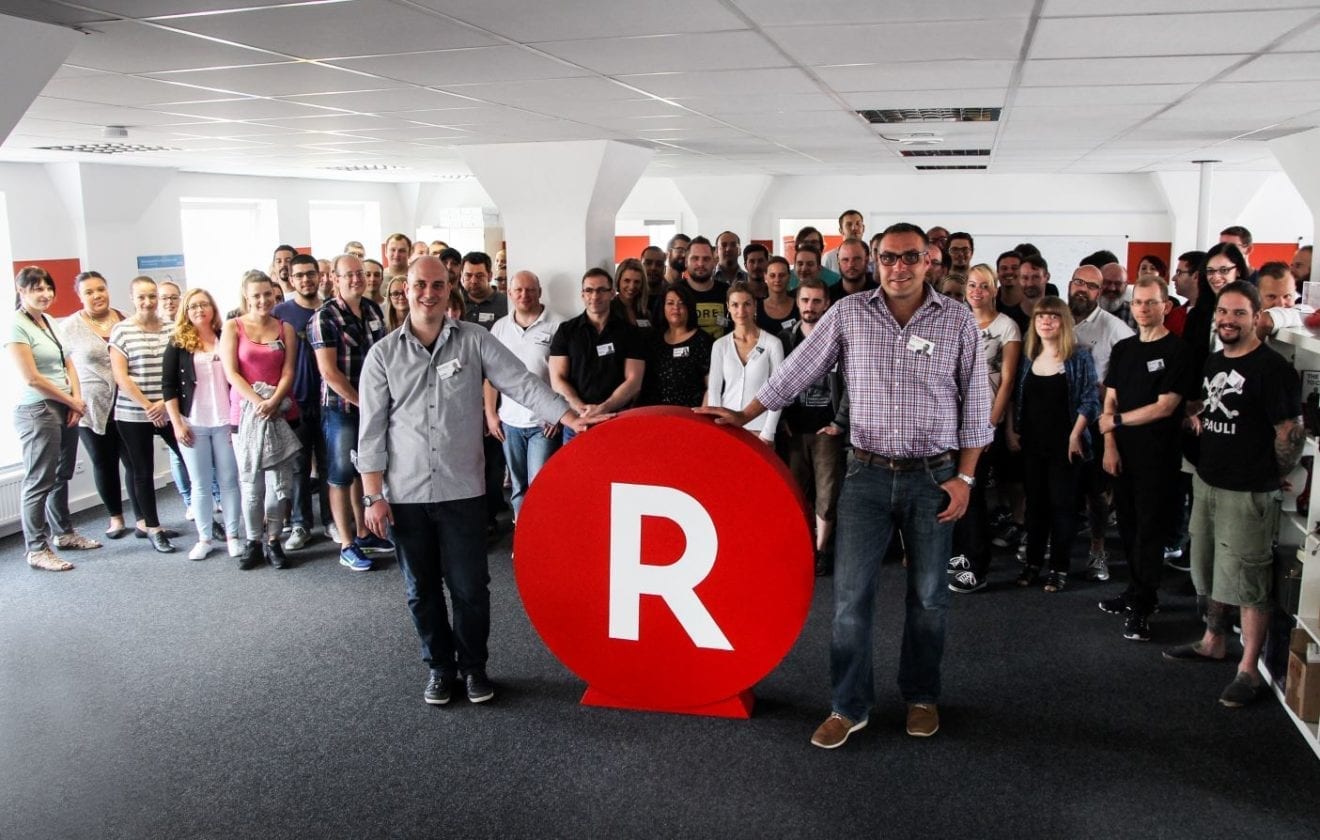
    In a bold strategic move, Rakuten Group, Inc. has announced plans to consolidate five of its wholly-owned subsidiaries—Rakuten Mart, Inc., Rakuten Ticket, Inc., Rakuten Car Inc., Rakuten STAY, Inc., and Monzen Corporation Japan—into its parent company. This consolidation, set to take effect on 1 January 2026, is designed to streamline operations and enhance efficiency.

    A Streamlined Future

    This absorption-type merger will unfold without the need for approval from the general shareholders’ meetings of the involved subsidiaries, a testament to the company’s commitment to agility. The driving force behind this merger is Rakuten’s determination to enhance operational efficiency and cut administrative expenses within the group. With a network spanning over 70 services—including e-commerce, travel, content, mobile, FinTech, and professional sports—Rakuten is doubling down on its mission to fortify the Rakuten Ecosystem.

    Harnessing AI for Efficiency

    Moreover, Rakuten is ramping up the group-wide implementation of artificial intelligence, further aiming to improve its cost management. Following the merger, Rakuten Group, Inc. will emerge as the sole entity, leading to the dissolution of the five subsidiaries. Given that these are wholly-owned subsidiaries, no new shares will be issued, nor will any payments be made. In a convenient twist, none of the merging subsidiaries have issued share subscription rights or bonds with subscription rights, making the transition smooth.

    Staying the Course

    Rakuten has assured stakeholders that the merger will not affect its corporate name, headquarters, representative structure, core business operations, capital, or fiscal year-end. The company remains poised for further internal mergers in the future, promising to keep everyone in the loop as developments arise. So, what’s next for Rakuten? Only time—and perhaps a dash of AI—will tell.

    Questions & Answers

    **What is the purpose of the merger?**
    The merger aims to boost operational efficiency and cut administrative costs, all while strengthening the Rakuten Ecosystem.

    When will the merger take place?
    The consolidation is set to be effective from 1 January 2026.

    Will there be any changes to Rakuten’s corporate structure after the merger?
    No, there will be no changes to the corporate name, headquarters, or core business operations following the merger.

  • Lazada Unveils Ambitious $100 Million Annual Investment to Boost Affiliate Program

    Lazada Unveils Ambitious $100 Million Annual Investment to Boost Affiliate Program

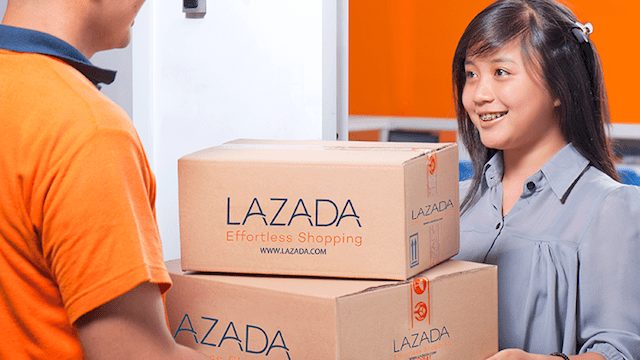
    Lazada is ramping up its efforts in the affiliate marketing sphere, announcing a bold $100 million annual investment into its Lazada Affiliate Programme. This move aims to further establish affiliate marketing as a pivotal growth engine across Southeast Asia’s rapidly evolving eCommerce landscape.

    In 2024, a remarkable 82% of consumers in Southeast Asia are expected to base their purchasing decisions on influencer recommendations, marking a 3% rise from the previous year. This trend underscores the rising significance of affiliate marketing as a key sales driver, contributing about 20% to the region’s online sales—roughly translating to a staggering US$15 billion in Net Merchandise Value.

    The influx of funds is poised to empower both brands and creators by transforming recommendations into tangible revenue. To enhance the user experience and overall performance of the LazAffiliate Programme, Lazada is rolling out an array of updates. These include a revamped affiliate interface, customized storefronts showcasing curated products, and seasonal campaign boosters that offer not just higher commissions but also gamified challenges and attractive bonuses.

    As excitement builds for the upcoming 6.6 sale, affiliates are in for a treat—earning up to 36% commission when promoting brands through store vouchers. A curated list of high-commission products, along with a real-time performance dashboard, will help affiliates hone their strategies and focus on what sells best.

    Lazada is not stopping there; it plans to implement co-developed, performance-based strategies designed to maximize the impact of influencer marketing, turning it into scalable sales. This strategy includes Lazada-funded vouchers and access to an expansive network of influencers, content creators, and key opinion consumers (KOCs).

    Kicking off with the highly anticipated 6.6 Mega Sale, the affiliate programme will feature gamified challenges and a rewarding pool of $100,000 for the top 10 affiliates in the region. Over 80 brands, particularly those in the fashion and beauty sectors, are set to join in on the action.

    Jared Chan, head of regional affiliate at Lazada Group, emphasized that this investment is about unlocking new income opportunities for creators and forging stronger, localized connections between brands and consumers. Notably, the LazAffiliate Programme is open to all, welcoming participants without any minimum follower requirements.

    Questions & Answers

    What is the significance of Lazada’s $100 million investment?
    This investment is aimed at enhancing Lazada’s affiliate marketing program, turning it into a performance-driven growth channel across Southeast Asia, which is crucial for eCommerce success in the region.

    How does Lazada support its affiliates?
    Lazada provides affiliates with a redesigned interface, customized storefronts, and tools like a performance dashboard to help them optimize their strategies. They also offer opportunities for higher commissions and bonuses during promotional campaigns.

    Is there a minimum follower requirement to join the LazAffiliate Programme?
    No, the LazAffiliate Programme is open to everyone, allowing individuals with any follower count to participate and benefit from the growing field of affiliate marketing.

  • Sygnum Bank Welcomes ‘Crypto Dad’ to Its Advisory Team in a Strategic Move

    Sygnum Bank Welcomes ‘Crypto Dad’ to Its Advisory Team in a Strategic Move

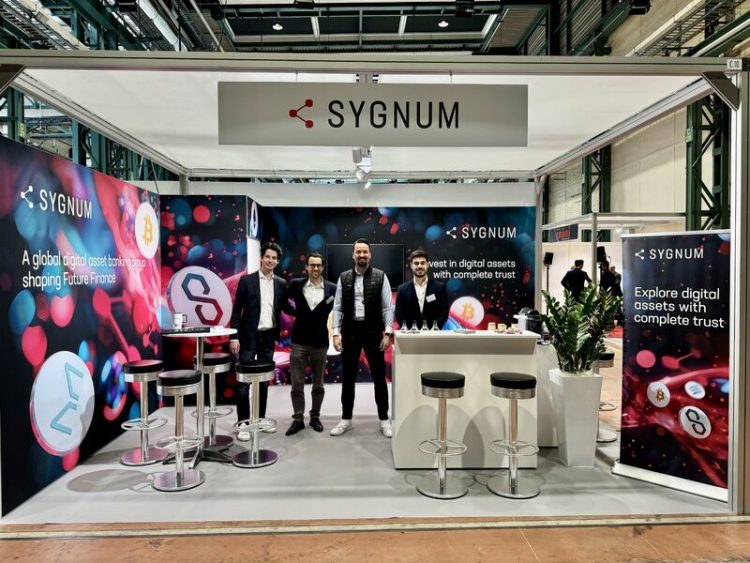
    Swiss crypto bank Sygnum is taking a significant step into the U.S. market with the appointment of J. Christopher Giancarlo, the former Chairman of the U.S. Commodity Futures Trading Commission (CFTC), as Senior Policy Advisor. Known affectionately as “Crypto Dad” for his enthusiastic advocacy of digital assets, Giancarlo brings a wealth of regulatory expertise that could prove invaluable as Sygnum looks to expand its footprint.

    Vision for U.S. Growth

    Giancarlo expressed his excitement about joining Sygnum, stating, “I look forward to contributing my regulatory knowledge, networks, and perspectives to Sygnum’s growth strategy, as well as advancing the group’s mission to build new regulated bridges between the traditional and crypto economies on a global scale.” His role marks a pivotal moment for Sygnum, which has typically adopted a conservative stance toward the U.S.—often regarded as a challenging environment for crypto institutions.

    A Stellar Advisory Team

    Mathias Imbach, Co-Founder and Group CEO of Sygnum, underscored the significance of Giancarlo’s appointment. He highlighted the former regulator’s “deep understanding of regulation, market infrastructure, and public policy, as well as his extensive U.S. network.” Giancarlo’s addition enriches an already impressive advisory council that features noteworthy figures such as Philipp Hildebrand from BlackRock and fintech innovator Alexander Lipton. As the U.S. potentially moves toward a new era of crypto deregulation, Sygnum seems well-positioned to navigate the changing landscape.

    With Giancarlo on board, Sygnum isn’t just dipping its toes into the U.S. market—it’s making a splash! Who knows, we might even see crypto-themed brunches at Wall Street soon!

    Questions & Answers

    Who is J. Christopher Giancarlo? Giancarlo is the former Chairman of the U.S. Commodity Futures Trading Commission, often referred to as “Crypto Dad” for his advocacy of digital assets.

    What is Sygnum Bank’s strategy for entering the U.S. market? With Giancarlo’s appointment, Sygnum aims to leverage his regulatory knowledge and connections to establish a stronger presence in the U.S., navigating the challenging landscape of crypto regulations.

    Why is Giancarlo’s appointment significant? His extensive regulatory experience and network in the U.S. make him a key asset for Sygnum as it seeks to bridge traditional and crypto economies globally, particularly amid potential deregulation in the U.S. market.

  • Fresh Private University Graduates in Singapore Now Enjoy Monthly Salaries Exceeding $2,700

    Fresh Private University Graduates in Singapore Now Enjoy Monthly Salaries Exceeding $2,700

    Recent findings from the Private Education Institution Graduate Employment Survey 2023/2024 reveal that graduates from Parkway College of Nursing and Allied Health and ERC Institute boast the highest median monthly pay, hitting S$4,000. They are closely followed by graduates from the Singapore Institute of Management who earn an average of S$3,600, according to The Business Times.

    Insights By Field of Study

    When dissecting salaries by field of study, information and digital technologies emerge as the frontrunners with a median salary of S$4,080. In contrast, humanities and social sciences graduates are not far behind, averaging S$3,500. Sadly, data for engineering and arts graduates are unavailable due to small sample sizes.

    Survey Scope and Participants

    The survey, conducted from November 2024 to March 2025, gathered insights from approximately 3,500 recent graduates of 27 private institutions, including reputable names like James Cook University, PSB Academy, and the Management Development Institute of Singapore.

    Notably, of those surveyed, about 2,300 were actively engaged in the labor force. SkillsFuture Singapore, the body behind the survey, aims to foster lifelong learning and skills development across the nation.

    Comparison with Autonomous Universities

    For a broader context, fresh graduates from autonomous universities such as Nanyang Technological University and the National University of Singapore launched their careers with a median monthly salary of S$4,500 in 2024. Meanwhile, post-national service polytechnic graduates began at S$3,000, as reported by an earlier joint survey highlighted by The Straits Times.

    Challenging Job Market

    Despite a slight increase in median salaries, job prospects for fresh graduates from private institutions stiffened in 2024, reflecting the challenges of a decelerating economy and muted hiring demand, according to insights from Mothership. Only 46.4% managed to secure full-time roles, a drop from 58.7% in 2023. Part-time or temporary jobs rose to 24.2%, up from 18.9%, while the freelance segment shrank from 5.7% to 4.2%.

    Course Clusters and Employment Rates

    Among the various course clusters, engineering led the way in full-time employment, boasting a rate of 55.3%, followed by sciences at 51.8%. Conversely, graduates from autonomous universities enjoyed significantly higher full-time employment rates at 79.5% compared to 65.2% for their polytechnic peers.

    Valuable Insights for Future Graduates

    Angela Tan, director general for private education at SkillsFuture Singapore, stated that this survey offers essential insights to help prospective students navigate their educational and career choices. She acknowledged the backdrop of global economic uncertainty but highlighted an array of resources and learning opportunities that SkillsFuture provides to empower Singaporeans in achieving their career goals.

    “In today’s complex job environment, informed choices based on industry-relevant skills can make all the difference,” she said, adding a splash of hope amidst the uncertainty.

    Questions & Answers

    What was the median salary for graduates from Parkway College of Nursing and Allied Health and ERC Institute?
    Those graduates earned a median monthly salary of S$4,000, the highest among private institutions.

    What percentage of graduates from private institutions secured full-time employment in 2024?
    Only 46.4% of these graduates landed full-time roles, a notable decrease from the previous year’s 58.7%.

    Why is the Private Education Institution Graduate Employment Survey important?
    The survey provides valuable insights that can guide prospective students in making informed decisions about their educational and career trajectories, particularly in light of current economic challenges.