Author: Mei Ling Tan

  • Gold prices decline slightly

    Gold prices decline slightly

    SJC gold price dropped 0.07% to VND69.75 million (US$2,864.12) per tael on Tuesday morning.

    Gold ring price downed 0.08% to VND57.3 million per tael. A tael equals 37.5 grams or 1.2 ounces.

    Globally, gold prices held near their highest levels in more than a week on Wednesday as comments from U.S. Federal Reserve officials suggested that a recent surge in Treasury yields might reduce the need for more rate hikes, sending the dollar lower.

    Spot gold was up 0.1% at $1,860.97 per ounce by 0136 GMT, having hit its highest level since Sept. 29 on Tuesday. U.S. gold futures held their ground at $1,874.50.

    Bloomberg said Wednesday that a slump in gold prices to a seven-month low in India may stimulate demand in the current festive season, when people traditionally buy more coins and ornaments.

    Strong purchases during the October-December festival period, considered an auspicious time to own and wear gold, may underpin the global market.

  • Airasia Superapp extends partnership with foodpanda to Thailand

    Airasia Superapp extends partnership with foodpanda to Thailand

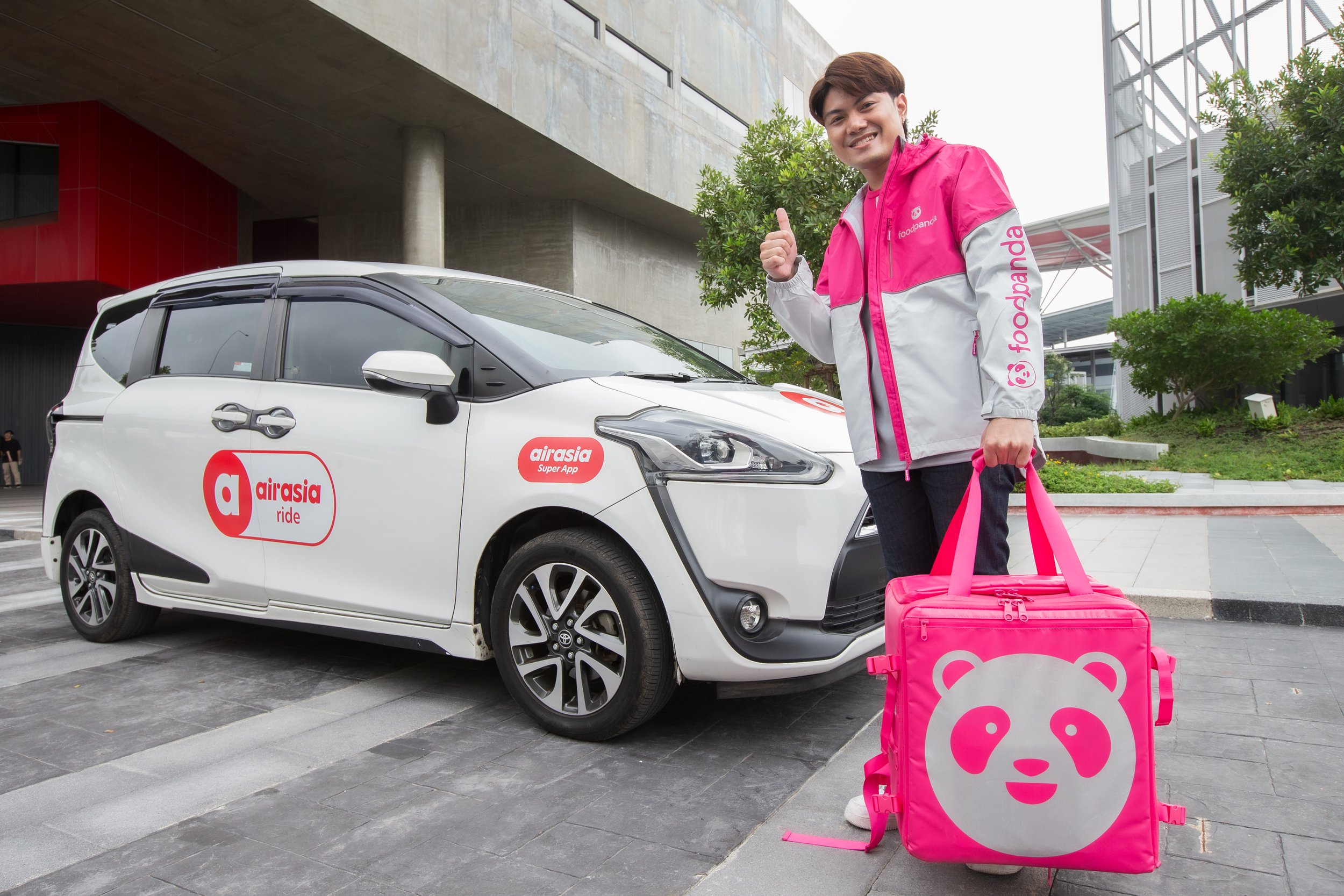
    AirAsia Superapp is extending its partnership with Foodpanda, the region’s food and grocery delivery platform to Thailand, following its initial announcement regarding this collaboration back in May.

    As airasia Superapp focuses on its vision as a one-stop travel platform, providing the market with all things travel, from flights, hotels, ride-hailing, duty-free shopping and even dining experiences, this collaboration with foodpanda Thailand continues to emphasize on the strengths of both platforms.

    Through this collaboration, airasia Superapp users can access foodpanda’s  food delivery services, showcasing a diverse array of delightful menus from restaurant partners nationwide. Irrespective of your location, you can effortlessly order delicious cuisine to savor anytime, anywhere. Concurrently, foodpanda customers will venture beyond food delivery, enjoying access to airasia ride’s budget-friendly and reliable ride-hailing service.

    Whether you’re near or far, traveling becomes hassle-free, further complemented by the option for advance car reservations, streamlining travel planning for Thai customers and foreign tourists. Notably, both services empower users to accumulate airasia points, which can be utilized instead of cash for various purposes, including airfare on airasia and other airlines, hotel accommodations, and other exclusive deals via airasia Superapp.

    Ben-Jie Lim, Head of Partnerships & Global Markets, airasia Superapp, expressed his enthusiasm, stating, “We’re excited to collaborate with a distinguished food delivery service provider in Thailand like foodpanda. This partnership bolsters both applications, introducing users to innovative services catering to diverse needs, and enhancing overall convenience. foodpanda users can seamlessly access ride-hailing services directly through the app, facilitating more convenient and efficient travel within Bangkok, all at an appealing price point. Moreover, for every 15 baht spent on the airasia ride service in foodpanda app, users will earn 1 airasia point, which can be redeemed for a variety of products and services across airasia Superapp.

    Siripa Jungsawat, CEO of foodpanda Thailand, emphasized, “Leveraging over 11 years of expertise in food and grocery delivery services, foodpanda is delighted to join forces with airasia Superapp, an one-stop travel platform in the region. This partnership will strengthen foodpanda to offer a more comprehensive experience to customers. We have 2 main objectives for this partnership. The first is to deliver a complete and seamless service experience to our existing customers of both airasia Superapp and foodpanda. The second is to expand to a new customer base. This partnership will, of course, result in a more comprehensive and sustainable business ecosystem. Apart from foodpanda Thailand, airasia Superapp also collaborated with foodpanda Malaysia earlier in May this year.”

    To celebrate the collaboration, customers of both airasia Superapp and foodpanda can now avail of special promotional offers for ride-hailing and food delivery from both the foodpanda and airasia Superapp platforms starting today.

  • Viber rolls out a new suite of business tools and they’re free

    Viber rolls out a new suite of business tools and they’re free

    Following WhatsApp, Viber announced a new set of business tools for small and medium-sized businesses. In an attempt to turn its app into a “communications hub for a wide range of businesses,” Viber is now rolling out several new features that will be available for free for small and micro businesses.

    Inspired by the company’s successful Viber Business Accounts for enterprise-sized level businesses, the free offering includes new features such as:

    • Public business profiles (Businesses can create a public, searchable business page featuring all essential information. The profile can be shared with customers inside the app or even with people who are not Viber users yet.)
    • 1:1 customer chats (Businesses can respond to customer requests right away over instant messaging.)
    • Discoverability through Viber search (Businesses can find and retain loyal customers on their preferred day-to-day conversations app, where customers can discover local products and services by searching for the business name or category.)
    • Dedicated chat folders (Businesses can conveniently store customer messages separately from personal messages with family and friends. Users will also have easy access to a separate Business Inbox folder for storing their conversations with businesses.)
    • Product catalog (Business owners can effortlessly add new products or services to their business page’s catalog. Customers can explore and inquire about the items by sharing the link to the product directly in the chat.
    According to Viber, these free business-oriented features will be followed soon by more services aimed at medium-to-large business accounts. It’s not clear if these will also be available for free, but it’s unlikely.

    The company’s new self-serve business accounts are only available in Greece and the Philippines for the moment, but they will be launched in additional countries soon.

    Viber also plans to add more useful features like broadcast messages, voice calls, as well as quick and automatic replies for small businesses. More importantly, Viber says that “tailored pricing plans” will be offered based on market feedback to expand the initial set of free self-serve business features.

  • Nespresso creates special blend with Blue Bottle Coffee

    Nespresso creates special blend with Blue Bottle Coffee

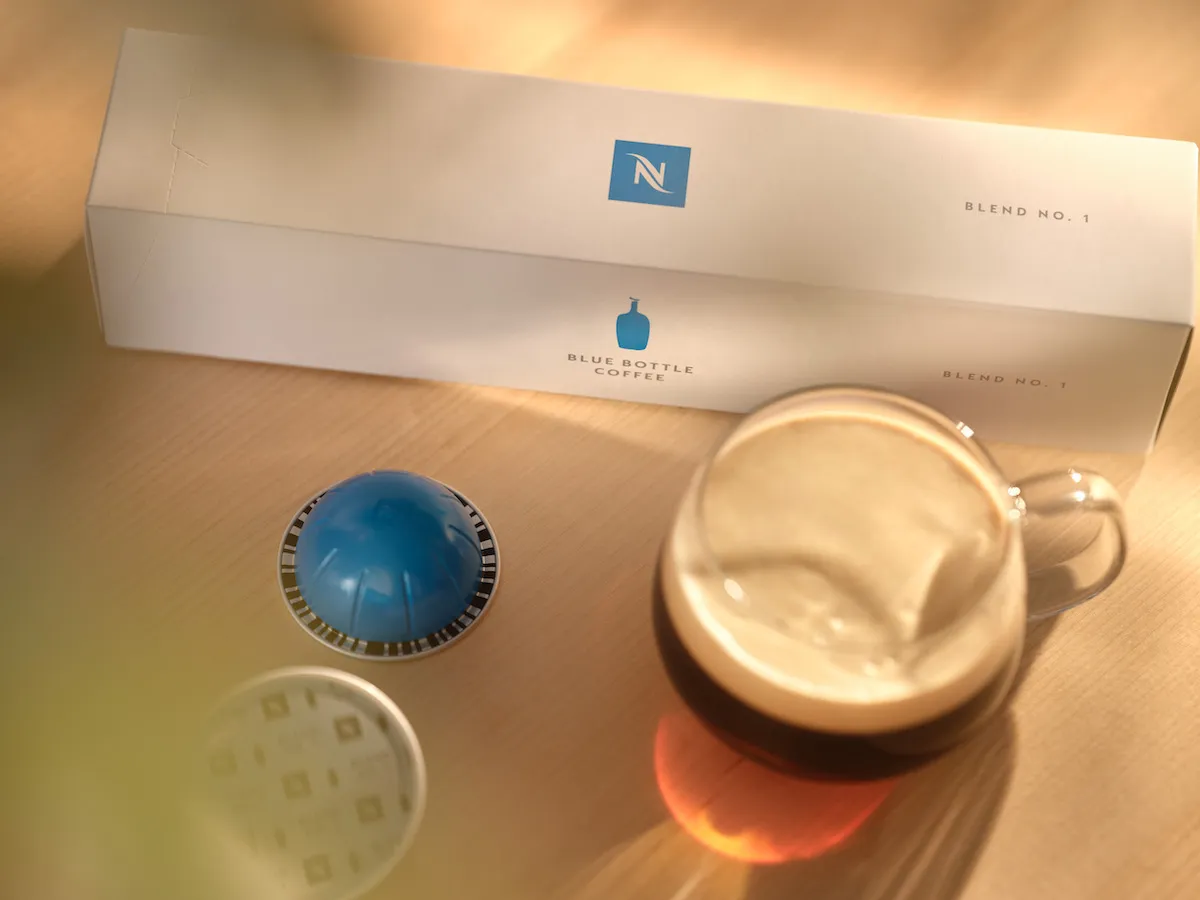
    Nespresso has collaborated with Blue Bottle Coffee in the US to develop Blend No. 1, the first limited-edition capsule combining the specialties of both brands.

    Blend No. 1 is a blend of organically processed coffee from two distinct origins, Ethiopia and Uganda, and is notably light and short-roasted in two splits, separated by origin.

    According to the brands, although Ugandan beans are given more time to develop intensity, Ethiopian beans are roasted lighter to maintain the finer aromatics. This is a delicate combination with aromas of jammy, ripe fruit, sweet caramel, gentle white florals, and a hint of cereal.

    “Symbolic of these two coffee worlds coming together, even more coffee drinkers can now enjoy the quality and exquisite taste of this exceptional creation,” said Alexis Rodriguez, head of coffee development at Nespresso.

    Blend No. 1 is available for Nespresso Vertuo machines and will be available for purchase on October 18 online and at Nespresso locations across the US.

    Nespresso introduced its seasonal limited-edition Pumpkin Spice Cake taste for both Original and Vertuo machines earlier this year.

  • Vietnamese fruit faces tougher competition in China

    Vietnamese fruit faces tougher competition in China

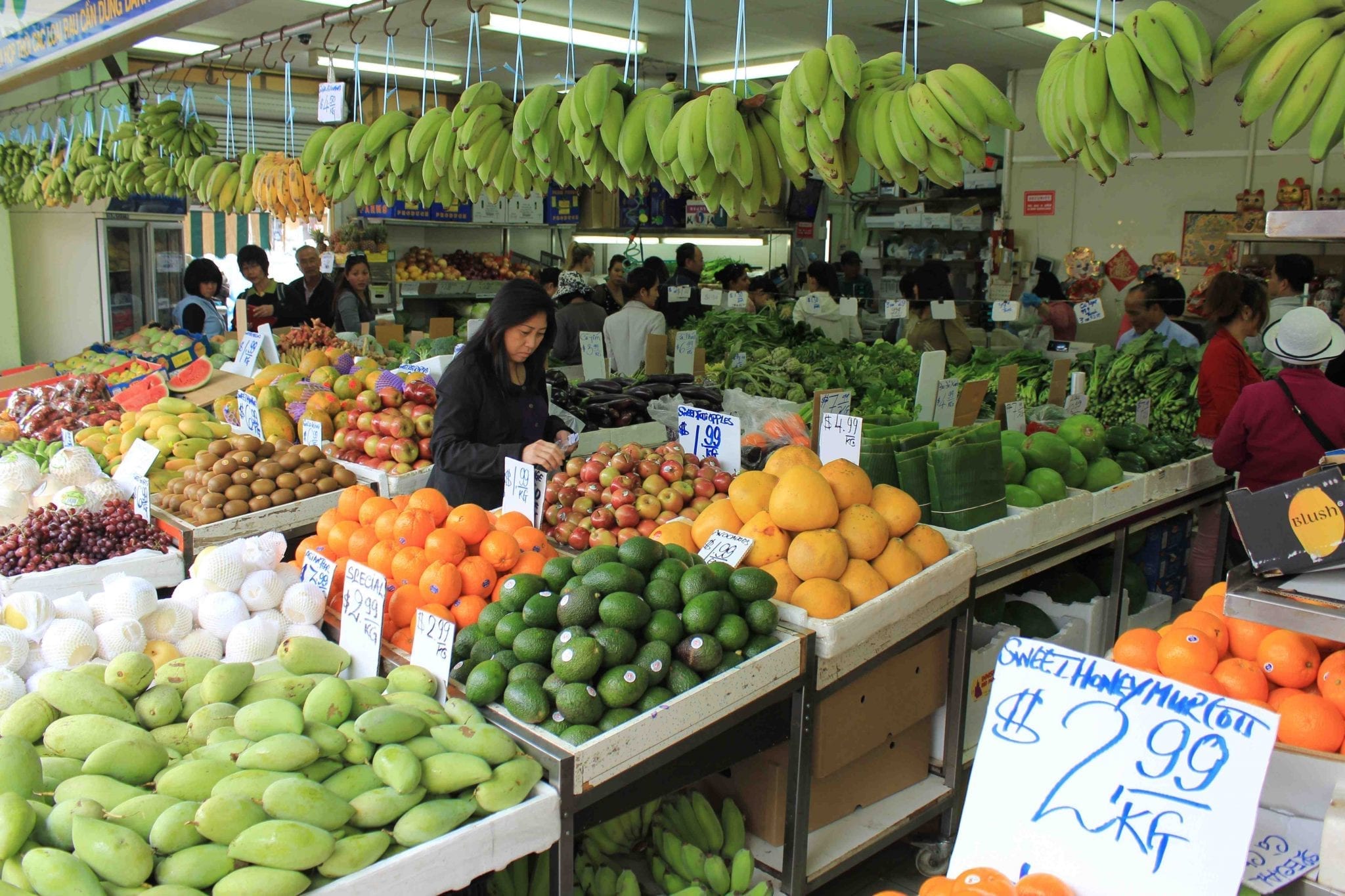
    Vietnam exported less fruit to China as the northern neighbor increased dragon fruit cultivation and allowed official import of passion fruit from Laos and longan from Cambodia.

    Data from Vietnam Customs showed dragon fruit exports to China totaled US$442 million, posting a year-on-year decrease of 4.4%. Specifically, red-fleshed dragon fruit exports fell by 38%.

    Currently, China’s dragon fruit output exceeds Vietnam’s, and its selling price is lower than that of the Vietnamese fruit.

    Passion fruit exports from Vietnam to China dropped 36.5% to $29.5 million.

    Vietnamese fresh passion fruit used to have the leading market share. Recently China has reduced import of the Vietnamese passion fruit because it has grown the fruit, and allowed Laos to export the fruit to the market on official quota since 2022.

    The Chinese agricultural product export news site Produce Report cited data from China Customs showing the country annually supplies 600,000 tons of passion fruit to the market.

    With longan, Vietnam’s annual output of over half a million tons is oversupplied and continuously sold at cheap prices as China has new suppliers from Cambodia.

    Cambodia has exported longan to China on official quota since late 2022. Data from the Cambodian Ministry of Agriculture showed their fresh longan exports to China in the first eight months of the year surpassed 8,100 tons, including 3,250 tons in August alone.

    Vietnam is the 7th largest coconut-producing country in the world, but it has not been allowed to export the fruit to China on official quota.

    Cambodia, a country outside the top 10 with only 17,000 hectares of coconut, and an output of 248,000 tons in 2022, has exported fresh coconuts to China on official quota since September.

    Vietnam’s avocado, mango, and jackfruit are also at risk of competing with other countries for the Chinese market.

    Recently, Venezuela, the 15th biggest avocado producer in the world, was allowed to export the fruit to China on official quota. Meanwhile, Vietnam still has to export avocado to China on unofficial quota at low output values via under the table border trade.

    Malaysia has recently been approved jackfruit exports on official quota to China, just like Thailand and Vietnam.

    The director of a fruit export business in the Mekong Delta province of Long An predicted that the market share and selling prices of Vietnamese dragon fruit, passion fruit, and longan in China will continue to decrease sharply.

    Dang Phuc Nguyen, general secretary of the Vietnam Fruit and Vegetable Association, said Vietnam should re-plan dragon fruit and passion fruit growing areas to control quality and output of the two fruits.

    The country should facilitate negotiations with China to have avocado exported on official quota, and export the fruit to other markets such as Japan, South Korea, and the U.S., he said.

  • UPS to expedite pharma, AOG handling with new acquisition

    UPS to expedite pharma, AOG handling with new acquisition

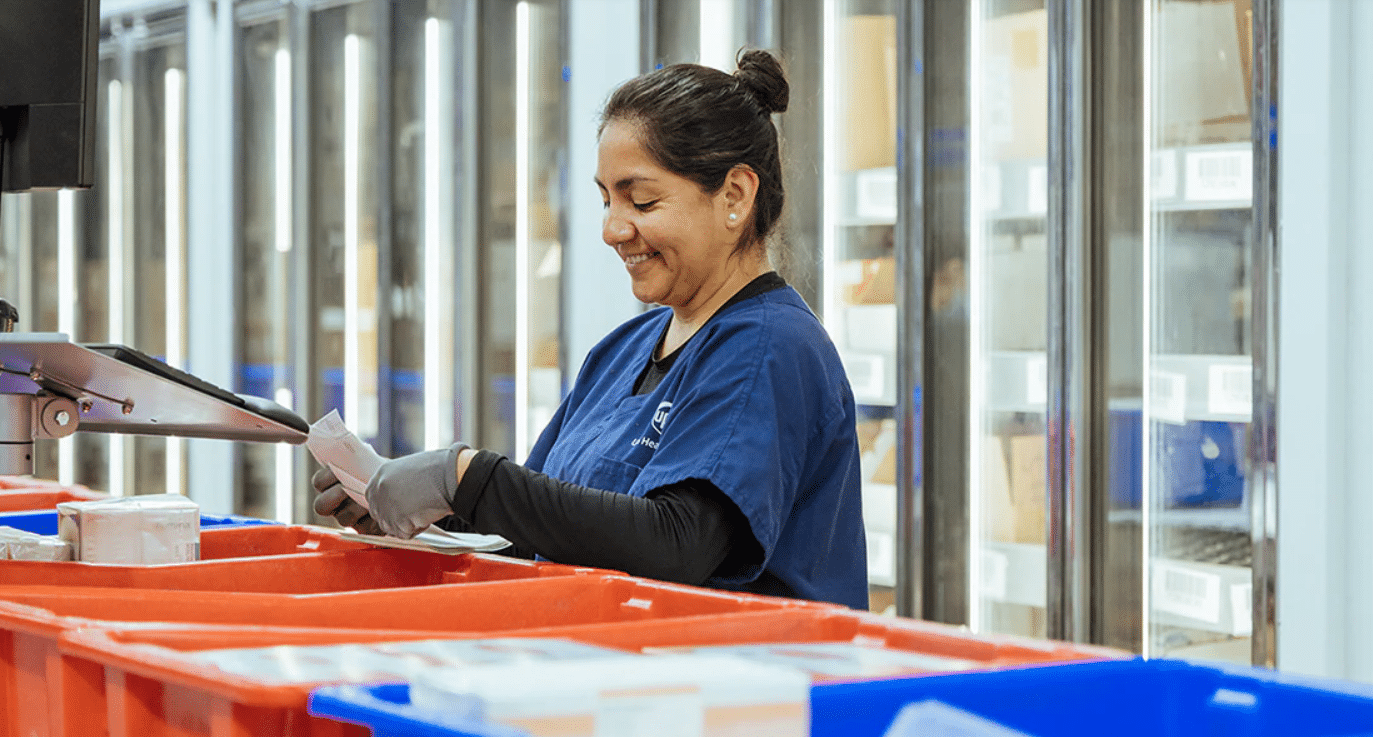
    UPS has entered into an agreement with private equity firm Quad-C Management to acquire MNX Global Logistics (MNX), a time-critical logistics provider with clients in the aerospace, healthcare and pharma industries.

    UPS will look to leverage MNX’s specialist capabilities in airport on ground (AOG) delivery services and temperature-controlled logistics for its healthcare unit and clinical trial logistics subsidiary Marken.

    The company will also offer industry-leading time-critical, temperature-sensitive logistics services together with UPS Express Critical. The transaction is expected to close by year-end, subject to customary regulatory review and approval. UPS has not declared the value and terms of the transaction at the time of writing.

  • How To Choose the Ideal Robot Vacuum for Your Home

    How To Choose the Ideal Robot Vacuum for Your Home

    Robot vacuums have revolutionized the way we maintain our homes by providing the utmost convenience with cleaning chores. However, with their ever-growing market, choosing the model that would perfectly fit your needs is a challenging task.

    To make your hassle easier, we have compiled this guide that outlines all you need to consider before choosing the right robot vacuum for your place.

    1. Suction Power

    To clean the proper way, a robot vacuum needs a strong suction power to collect debris and dust in your rooms. Measured in Pascals (Pa), the suction power is probably the main criteria and you might want to make sure it matches your needs (especially in large homes or for pet owners).

    Typical robot vacuums offer suction power ranging from 600 to 2700 Pa. Seek vacuums with adjustable suction settings to handle various flooring types efficiently, and find the right balance between price and performance when choosing a robot vacuum. Premium brands like Ecovacs offer devices with stronger suction power, usually around between 3000 and 8000 8000Pa. Pa, is particularly effective in homes with carpets, as it can efficiently remove dirt and debris deep within the carpet fibers, which is often challenging for conventional cleaning methods. Robot vacuums are worth the investment for their convenience, automated cleaning processes, and ability to handle various floor types efficiently, saving time for busy homeowners.

    2. Battery Life

    To ensure hassle-free cleaning, you should choose a robot vacuum model with a longer battery life. This is more important if you have a large house. Longer battery life ensures that it covers a larger surface area without recharging it over and over.

    Extended battery life also means reduced energy costs associated with recharging cycles. To decide on what battery life best suits your needs, evaluate your home’s size and estimate the time it will take to clean it.

    3. Customized Cleaning Modes

    Different cleaning modes enhance the robot cleaning vacuum’s adaptability and versatility. This is because different floors, including hardwood, tile, and various carpet types, require distinct cleaning approaches. Robot vacuums designed for multiple floors adjust their cleaning mechanisms, ensuring optimal performance on each surface while minimizing wear on your flooring materials.

    For example, a tile or hardwood floor wouldn’t require a lot of suction but needs mopping. Yet, carpeted floors would require strong suction power to pick up all the dirt and debris within their fibers.

    Customized cleaning modes ensure to tailor all your varying cleaning needs. They are basically setting presets for the robot vacuum cleaner that change by the press of a single button. As such, when your vacuum is cleaning different surfaces, it adjusts its settings based on the mode, and cleans the surface accordingly.

    So, for example, if you want to clean specific spots or want to pick up dirt along walls and edges, the robot vacuum’s spot and edge cleaning modes will allow you to do it.

    4. Navigational Technology

    Though all robot vacuum cleaners have navigational technology, some have more advanced versions of it—and that’s what you should consider getting. This means that the robot uses laser mapping or lidar technology to map out the room, helping it avoid collisions with walls and furniture and move seamlessly to every corner of the room.

    Advanced navigational features will also help the vacuum get to difficult-to-reach areas which would’ve been a challenging task with traditional vacuum cleaners, like the underside of your racks and sofas.

    And the best part? Advanced navigational technology often also consists of a cliff sensor that prevents your smart vacuum from falling off the stairs. This way, you’re not ending up with a broken vacuum, just because you used it on the first floor or a loft.

    5. Dustbin Capacity


    You need to take care of the dustbin capacity before buying the robot sweeper especially if you are cleaning a large home. A large bin would ensure that you’re not emptying the dustbin every few hours because it’s full and the cleaner has stopped picking up more dirt.

    An alternative option if you don’t find a vacuum cleaner with a large capacity is choosing one that has a self-emptying feature. Such robot vacuums move back to their dock once their dustbin is full. Then, they move the dust from their built-in bin to the bin in the dock. And finally, they go back to cleaning your house.

    The end result here is the same: you wouldn’t be emptying the bin yourself every few hours.

    6. Noise Levels

    Different models of smart vacuums have different noise levels. While some are as loud as traditional vacuums which may cause damage to ears, most have silent cleaning modes. Make sure to read reviews of the vacuum you’re eyeing to ensure it isn’t going to be too loud for you.

    It is a good idea to buy a floor vacuum robot that offers silent modes if you are planning to use it at night when everyone is asleep or if you have kids or pets that are easily disturbed by loud noises.

    7. Scheduling and Controlling Options


    One of the most important features to consider before choosing an ideal auto-cleaning vacuum is examining its scheduling and controlling options. Check if it allows app or voice integration since it would make your work a lot easier.

    You can control your robot sweeper with its app, asking it to start or stop cleaning while sitting anywhere. Then, app integration also allows you to schedule cleaning at a specific time during the day or the week, eliminating the need for commanding it every time you need to clean the house.

    Voice integration is another lifesaver technology that allows the robot to be controlled with voice. You wouldn’t even have to program it using the app to get the work done. All you need to do is connect them with smart home assistants and you are good to go.

  • Doritos launches limited-edition coriander flavour

    Doritos launches limited-edition coriander flavour

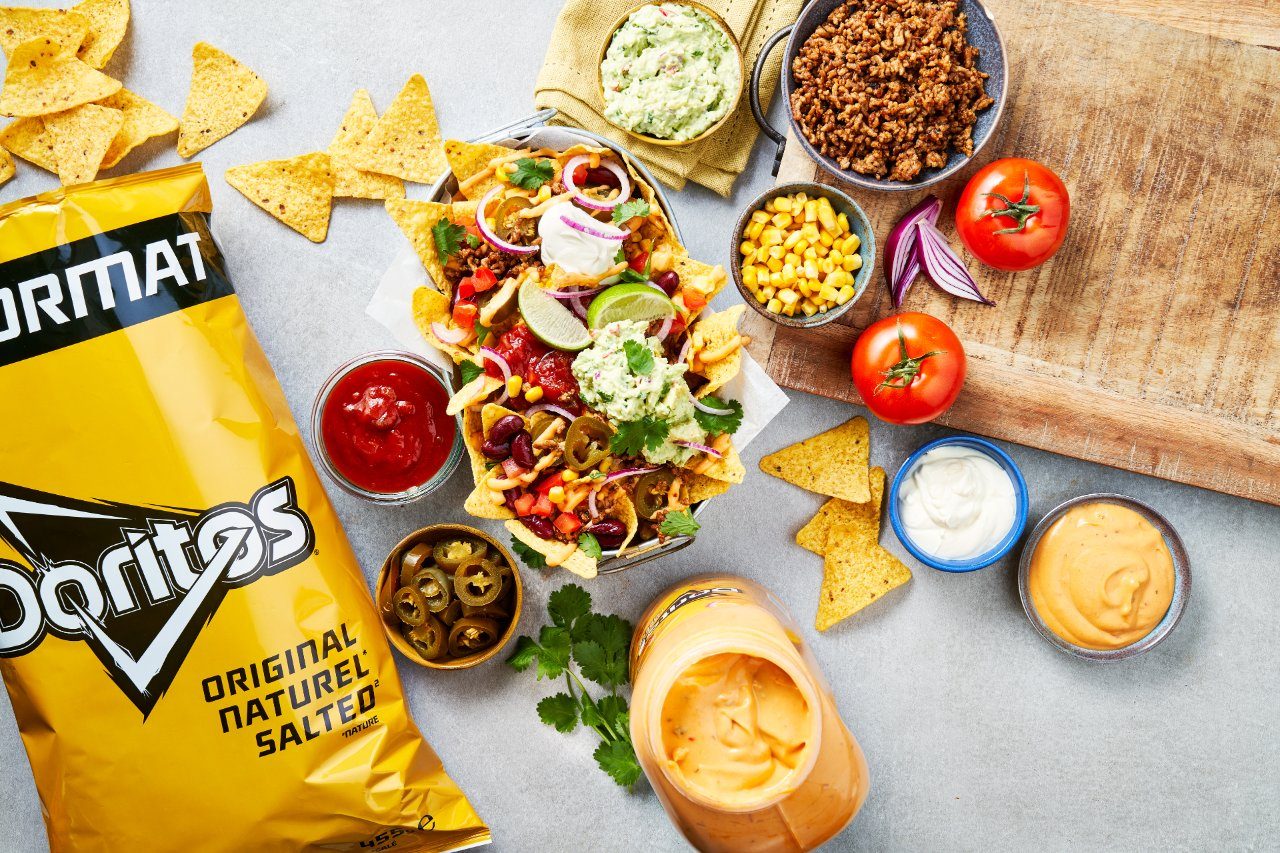
    Pepsico has launched Doritos Coriander, a new limited-edition flavour of its popular corn chips brand.

    “We’re excited to see the reaction of chip lovers from across the country as they try our super-limited-edition Doritos Coriander,” said Vandita Pandey, chief marketing officer at Pepsico.

    “With the taste of coriander being one of Australia’s most divisive flavours we want to boldly launch the flavour in chip form and see if coriander really does taste like soap.”

    Packs of the new Doritos Coriander will be exclusively available through a gateway hosted on Doritos’ Instagram page.

    The company urges the public to share in the comments why they love or hate coriander to have the chance to win a pack of the new Doritos flavour. The competition is open from October 5 to October 17.

  • Instagram tests Stories with multiple audience lists

    Instagram tests Stories with multiple audience lists

    Instagram’s Stories is one of the standout features on the social media platform. Data shows that more than 500 million people engage with Stories daily, and a whopping 85% of all Instagram users post a Story every single day. Considering the platform boasts over 2.3 billion active users, that’s quite a substantial number, don’t you think? It’s understandable if you’re not keen on having your Story visible to everyone, especially after seeing these staggering figures. The good news is there might be a solution on the horizon.

    Instagram is currently testing the capability to share Stories with multiple audience lists. The goal is to allow you to share Stories with smaller, more specific groups, providing better control over who gets to see your Stories. Adam Mosseri, Instagram’s head, shared details about testing this new feature on his Instagram broadcast channel.

    Previously, Instagram introduced the Close Friends feature, allowing you to share Stories exclusively with a select group of your closest friends, keeping them hidden from the wider audience. To use the Close Friends feature, you first need to specify who you want in your Close Friends list. You have complete control over this list since no one can request to be added.

    The new feature being tested goes beyond the Close Friends concept, enabling users to create multiple lists, not just one for close friends. For instance, you can have a list exclusively for your classmates, another for your co-workers, or one for family members. This way, you have the power to decide who sees what, emphasizing the importance of privacy (after all, not everyone wants to share their moments with over 2.3 billion people, right?).

    A recent report revealed that Meta used public Facebook and Instagram posts to train parts of its new Meta AI virtual assistant. If this raises concerns, using features like Close Friends or the upcoming one being tested might be a wise choice. The new AI assistant is already rolling out to WhatsApp, Instagram, and Facebook.

  • VinFast revenues jump on EV sales to Vietnam affiliate

    VinFast revenues jump on EV sales to Vietnam affiliate

    Vietnamese electric car maker VinFast said on Thursday its third-quarter revenue more than doubled with the largest share of its sales going to an affiliate company owned by its founder.

    About 60% of VinFast’s deliveries, or more than 6,000 vehicles, went to Green SM (GSM), a Vietnam-based taxi operator and leasing provider 95% owned by VinFast’s founder, Pham Nhat Vuong, executives said on a call with analysts.

    VinFast had not provided that breakdown in its published earnings.

    For the past two quarters GSM has accounted for about two-thirds of VinFast’s sales.

    VinFast recorded US$343 in revenue for the three months ended Sept. 30, up 159% on the year. Its net loss widened 33.7% to US$623.

    The company aims to hit break even within two years and run its factory in Vietnam at full capacity by then. The factory in Haiphong has the capacity to produce 250,000 electric vehicles (EVs) per year but has been running far short of that.

    GSM launched Vietnam’s first pure EV taxi service earlier this year with a target of starting with 600 VinFast EVs. It also operates a ride service with VinFast electric scooters, executives said.

    It was not immediately clear how many of the 13,000 vehicles GSM has bought from VinFast over the past two quarters would go into its fleet or how many it would hold to lease to customers.

    VinFast Chief Executive Le Thi Thu Thuy said VinFast planned to expand its partnership with GSM to include Indonesia and India, where it is setting up smaller-scale factories that will assemble vehicles shipped in parts from Vietnam.

    “For VinFast, GSM is a very good partner,” she told analysts. “There have been an overwhelming number of questions over GSM.”

    Executives said VinFast expected to have its first U.S. franchise dealership open by the end of the year and was considering proposals from 27 dealers to sell its vehicles, including a second model, the VF 9, it expects to launch this year.

    VinFast, which was formed in 2017 and began making EVs in 2021, plans to set up kit assembly plants in both India and Indonesia to take advantage of EV incentives on offer in those markets, Thuy said.

    VinFast has entered the market at a time when EV prices are under pressure, led by cuts at market leader Tesla (TSLA.O)and a range of Chinese companies.

    VinFast, backed by Vingroup, Vietnam’s largest conglomerate, was listed on the Nasdaq in August after a merger with a blank-check company.

    Shares in VinFast were up 4.5% at US$8.4 each by 1410 GMT.

    The company, which ended the quarter with US$130 million in cash, said it expected to receive around US$1.2 billion in grants from its parent company, its founder Vuong, and two key shareholders in the next six months.

  • Indonesia bans e-commerce transactions on social media

    Indonesia bans e-commerce transactions on social media

    Indonesia has banned e-commerce transactions on social media platforms, the trade minister said on Wednesday, in a blow to short video app TikTok, which is doubling down on Southeast Asia’s biggest economy to boost its e-commerce business.

    The government said the move, which takes effect immediately, is aimed at protecting offline merchants and marketplaces, adding that predatory pricing on social media platforms is threatening small and medium-sized enterprises.

    The move comes just three months after TikTok pledged to invest billion of dollars in Southeast Asia, mainly in Indonesia, over the next few years in a major push to build its e-commerce platform TikTok Shop.

    TikTok, owned by China’s ByteDance, has US$125 million active monthly users in Indonesia and has been looking to translate the large user base into a major e-commerce revenue source.

    A TikTok Indonesia spokesperson said it would pursue a constructive path forward and was “deeply concerned” with the announcement, “particularly how it would impact the livelihoods of the 6 million” local sellers active on TikTok Shop.

    Indonesia Trade Minister Zulkifli Hasan on Wednesday told reporters that the regulation is intended to ensure “fair and just” business competition, adding that it was also intended to ensure data protection of users.

    He warned of letting social media become an e-commerce platform, shop, and bank all at the same time.

    The new regulation also requires e-commerce platforms in Indonesia to set a minimum price of $100 for certain items that are directly purchased from abroad, according to the regulation document reviewed by Reuters, and that all products offered should meet local standards.

    Zulkifli said TikTok had one week to comply with the regulation or face the threat of closure. Indonesia Deputy Trade Minister Jerry Sambuaga earlier this month named TikTok’s live streaming features as an example of people selling goods on social media.

    Research firm BMI said TikTok would be the only business affected by the transaction ban and the move was unlikely to harm the digital marketplace industry’s growth.

    Indonesia’s e-commerce market is dominated by the likes of homegrown tech firm GoTo’s Tokopedia, Sea’s Shopee and Chinese e-commerce giant Alibaba’s Lazada.

    E-commerce transactions in Indonesia amounted to nearly $52 billion last year and of that, 5 per cent took place on TikTok, according to data from consultancy Momentum Works.

    Indonesia is among the few markets where TikTok has launched TikTok Shop, as it seeks to leverage its large user base in the country.

    Its 125 million active monthly users in Indonesia is almost on par with its user figures for Europe and behind US users of more than 150 million. TikTok launched an online shopping service in the United States earlier this month.

    Reactions from retailers were mixed.

    Fahmi Ridho, a vendor selling clothes on TikTok, said the platform was a way for stores to recover from the blow dealt by the Covid-19 pandemic.

    “Sales don’t have to be necessarily through (brick and mortar) shops, you can do it online or wherever. … Everything will still have a portion,” he said.

    But Edri, who goes by one name only and sells clothes at a major wholesale market in Jakarta, agreed with the regulation and stressed that there should be limits on items sold online.

  • Uniqlo to open Rome flagship store at the Galleria Alberto Sordi

    Uniqlo to open Rome flagship store at the Galleria Alberto Sordi

    Uniqlo will open its first store in Rome’s Galleria Alberto Sordi on Via del Corso, a key boulevard in the city’s historical heart, in the spring of next year.

    The new store will feature clothing labels for women, men, and children and have a total sales floor area of more than 1300sqm divided across three floors. Following the opening of its first location in Milan’s Piazza Cordusio in September 2019, this will be Uniqlo’s second store in the country.

    “It is an honour for us to open in the capital of Italy, a city with such a strong cultural heritage, and increase our presence in the Italian market with a store in the Galleria Alberto Sordi, an important retail location that first opened 100 years ago,” said Mark Barnatovic, Uniqlo Italy COO.

    “We look forward to offering our Uniqlo LifeWear, apparel that is created from our Japanese values of quality, simplicity, and longevity and helps improve people’s daily lives, to Uniqlo fans and customers in Italy as well as visitors from abroad.”

    Uniqlo has also increased its presence in India, opening its first store in Mumbai in July, bringing the brand’s total store count in the nation to 11.

  • Eximbank names new acting CEO

    Eximbank names new acting CEO

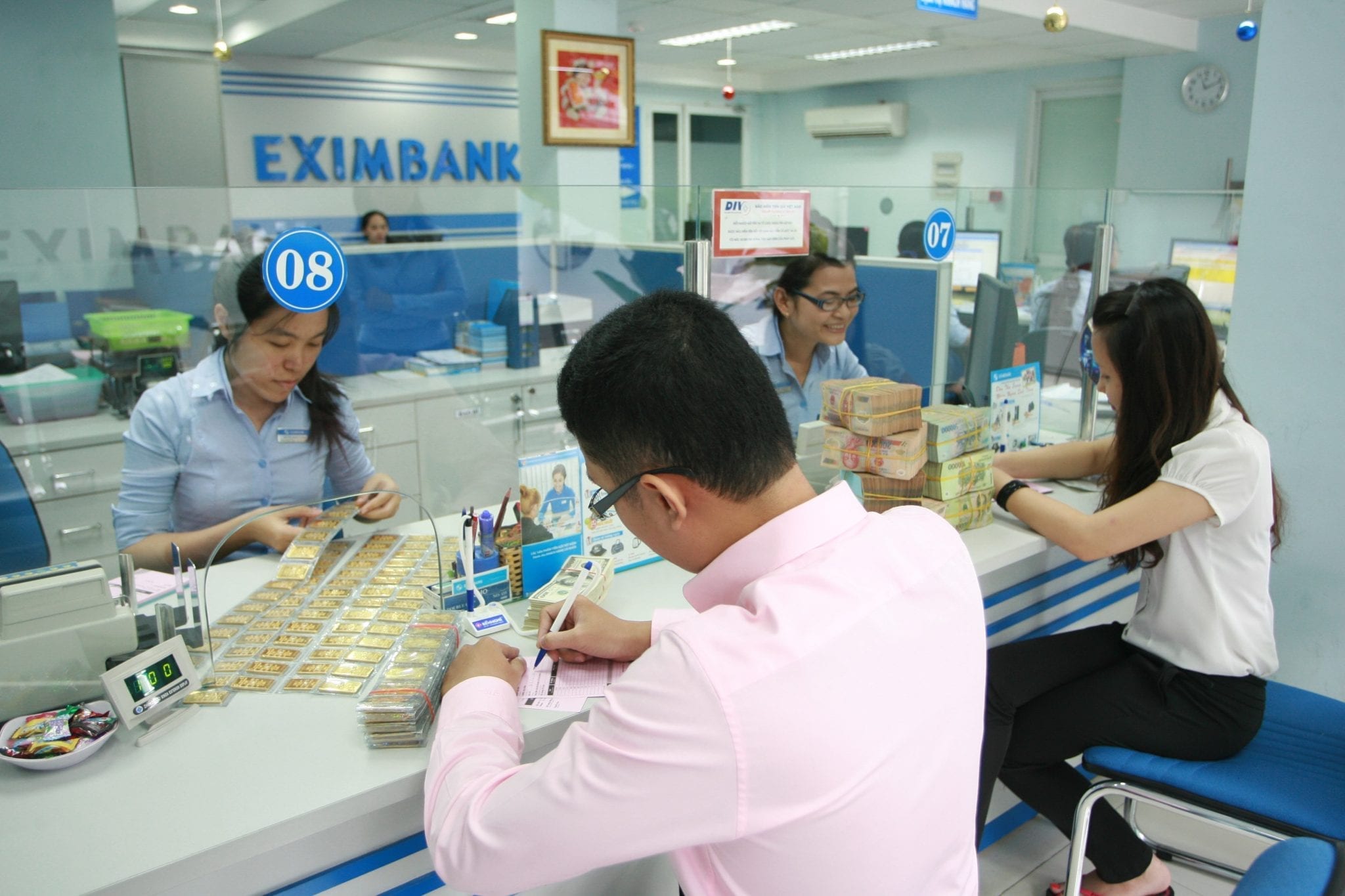
    Lender Eximbank has appointed Nguyen Hoang Hai as acting CEO for a year to replace Tran Tan Loc who resigned Monday.

    Hai, 45, who has worked for ABBank and EVN Finance, had become deputy CEO of Eximbank in early August.

    Loc remains a director.

    Also on Tuesday the bank dismissed another deputy CEO, Pham Quang Dung.

    Last month it had appointed Nguyen Canh Anh as a director. He too has worked for EVN Finance in the past.

    It has been a game of musical chairs for the Eximbank leadership in recent years.

    Do Ha Phuong became its chairwoman in June in place of Luong Thi Cam Tu, who had only taken over in February 2022.

  • China grows more dragon fruit, reduces imports from Vietnam

    China grows more dragon fruit, reduces imports from Vietnam

    China is expanding the cultivation of red-fleshed dragon fruit, which sells at lower prices than imports from Vietnam.

    Last year, it said it grew the fruit on 67,000 hectares and produced 1.6 million tons, which exceeded Vietnam’s output.

    The People’s Daily newspaper reported that farmers in Cixi in Zhejiang Province in eastern China worked all night to pollinate dragon fruit, ensuring a bumper crop artificially.

    Chinese news site Produce Report said July-August is the peak season for the fruit, and in Guangxi, the largest producer in the country, dragon fruit prices have dropped to record lows.

    Red-fleshed dragon fruit is selling at some seven renminbi (nearly US$1) per kilogram and white-fleshed dragon fruit imported from Vietnam at around nine renminbi in Nanning, the capital of Guangxi.

    The local produce has also flooded markets in other Chinese localities, and mostly costs less than the Vietnamese imports.

    With the jump in domestic production, imports from Vietnam are falling.

    According to data from China Customs, 206,000 tons had been imported in the first half of this year, mostly from Vietnam, for 1.37 billion renminbi ($187 million), a year-on-year decrease of 50.4% and 42.9% and the lowest levels in nearly a decade.

    In August, Vietnam’s dragon fruit exports were down 20.5% year-on-year and 34% from July to $40.6 million. Exports in the first eight months declined 4.4% year-on-year to $442 million. In the first eight months, red-fleshed dragon fruit exports to China dropped by 36.5%.

    The director of a dragon fruit export company in the central Binh Thuan Province said while dragon fruit has always been a key export item with annual shipments exceeding $1 billion, they have been sluggish this year.

    Nguyen Dinh Tung, general director of Vina T&T Export-Import Service Trading Company, said exporting dragon fruit to China is not as lucrative as before. The U.S., Canada and Mexico have also started growing the fruit, causing Vietnam’s exports to them to shrink.

    Dang Phuc Nguyen, general secretary of the Vietnam Fruit and Vegetable Association, said the dragon fruit supply chain faces two challenges.

    Farmers overuse pesticides, whose residues exceed prescribed levels and fail to not meet food safety regulations in some countries, he said.

    After harvest, the fruit needs to be preserved properly to ensure quality, but Vietnam has limited technology for this, and could only preserve it for less than 60 days, making exports by sea to distant countries difficult, he said.

    Businesses need to persuade research institutions to create better preservation technologies, he added.

    Experts have called on authorities in dragon fruit-growing areas not to expand the area under the fruit, but to replace existing plants to improve productivity and quality.

    “Bedsides, processing facilities need to research into using dragon fruit in cosmetic products such as facial masks and skin creams for both domestic consumption and export like South American countries have done,” Nguyen said.

  • Siam Piwat commits to using 100 per cent renewable energy by 2030

    Siam Piwat commits to using 100 per cent renewable energy by 2030

    Retail developer Siam Piwat Group has pledged to target net-zero greenhouse gas emissions by 2050, starting with a commitment to using 100 percent renewable energy by 2030.

    Siam Piwat – the owner and operator of Siam Paragon, Siam Center, and Siam Discovery, and a joint venture partner of IconSiam and Siam Premium Outlets Bangkok – says it wants to “lead the charge” in developing a smart ecosystem across its properties.

    As part of its net-zero journey, the company will sign a memorandum of understanding with world-class companies on sustainability by early next year as it works to reinforce its leadership in world-class sustainable destination development.

    “Siam Piwat has long been recognised by various world-class brands for centring its business on sustainable concepts and practices,” said Naratipe Ruttapradid, COO of Siam Piwat Co.

    “Guided by the vision to benefit society at large and elevate the quality of life for all, we strive to use our business as a platform of opportunities, for developing individual capabilities, and to ensure that all parties involved grow and succeed with us. We also prioritise environmental conservation everywhere we operate and promote resource efficiency and reutilisation.”

    Siam Piwat will develop partnerships with government bodies, universities, suppliers, local authorities and tenants to connect its business to people, society, and the environment as it accelerates projects that will power the business with clean energy. It anticipates this will push forward the Siam Piwat 360° Waste Journey to Zero Waste waste management program, and help develop the Bangkok commercial district of Pathumwan into a model of a smart eco-district.

    Naratipe said Siam Piwat wants to become Thailand’s first retail property developer to collaborate with the world’s premier brands and organisations on sustainability in pursuit of the United Nations’ sustainability goals and meet new global standard of business practice.

    Siam Piwat continues to be as committed as ever to leveraging its capabilities and business networks to create an urban model for environmental revitalisation and to drive the adoption of renewable energy and 360° waste management.

    Associate Professor, Dr Singh Intrachooto, a consultant and expert in the field of sustainability, has been a key driver and co-developer of Siam Piwat’s sustainability initiatives and eco-projects for more than a decade. He said Siam Piwat has long been a pioneer in championing sustainability and is now embracing new eco initiatives across its operations.

    Among the green initiatives that Singh has worked with Siam Piwat to develop are eco-projects aimed at transforming shopping centres into learning centres on sustainability, and Kheo Siam, a book explaining environmental issues in Thailand and worldwide, eco-trends, and Siam Piwat’s approaches to environmental management.

    He also played a pivotal role in advancing eco-community development and bringing to life Ecotopia at Siam Discovery – Asia’s first and largest eco-lifestyle retail hub. This initiative was born from Siam Piwat CEO Chadatip Chutrakul’s vision to empower communities and producers of eco-friendly product at all levels.

    “I can say with confidence that Siam Piwat has robust and concrete environmental practices that meet and often endeavour to surpass internationally accepted standards,” said Singh.

    Clean power towards net-zero

    Siam Piwat has incorporated environmental management into its business operations, starting with energy conservation and energy efficiency enhancement. For example, it has replaced lighting with LED bulbs to save energy and it uses AI-powered environmental control systems within its buildings.

    The company has expanded its use of clean energy – as can be seen from the installation of rooftop solar panels at IconSiam which produce more than 1 million kWh annually and reduce greenhouse gas emissions by about 550 tCO2e per year. Siam Piwat also collaborated with Gunkul Engineering to develop and install a rooftop solar PV system covering more than 20,000sqm at Siam Premium Outlets Bangkok, generating more than 4.8 million kWh of electricity annually and reducing greenhouse gas emissions by approximately 4300 tCO2e per year.

    Working with partners, Siam Piwat has installed electric vehicle charging stations to serve customers of its shopping centres.

    All these initiatives form part of Siam Piwat’s efforts to lower greenhouse gas emissions and contribute to the creation of a low-carbon society.

    Currently, the company is collaborating with several leading clean energy organisations in Thailand – including SCG Cleanergy, a subsidiary of the Siam Cement, and B.Grimm Power – to procure renewable energy, with the goal of enabling every shopping centre under Siam Piwat Group to successfully transition towards renewable energy and reduce its reliance on electricity generated from fossil fuels. The target is to increase the use of renewable energy compared to the total electricity consumption across all areas under Siam Piwat’s direct management to 30 per cent by 2026 and to achieve 100 per cent renewable energy in all areas by 2030.

    Meeting waste management challenges

    Meanwhile, Siam Piwat is working to address Thailand’s waste management challenges by promoting the optimisation of resource efficiency by way of circular economy through the Siam Piwat 360° Waste Journey to Zero Waste. This program aims to promote efficient waste management through setting up a Recycle Collection Center in collaboration with various partners to collect and sort cleaned waste for recycling to be repurposed or upcycled for added value.

    Some of the upcycled products are also available for sale in Ecotopia, the group’s retailer of green products inside Siam Discovery. Siam Piwat’s goal is to divert 50 per cent of its waste from landfill by 2030.

    Aware of Thailand’s growing volume of electronic waste (e-waste), Siam Piwat has partnered with Synnex’s Trusted by Synnex E-Waste program to set up collection points for e-waste in Siam Paragon.

    Strategy for the development of Pathumwan as a smart model

    Along with a focus on its own properties, Siam Piwat is working to involve various communities in the Pathumwan business community in the heart of Bangkok to help create a world-leading smart ecosystem.

    To this end, the company is collaborating with Associate Profesor Niramon Serisakul, director of the Urban Design and Development Center, Center of Excellence in Urban Strategies (UddC-CEUS) at the Faculty of Architecture, Chulalongkorn University.

    “Pathumwan is the epicentre of shopping destinations for Thai and international visitors of all ages,” said Niramon. “It offers a diverse range of shopping centres, department stores, and community malls – both vertical and horizontal – catering to every individual’s lifestyle.

    “The area is home to educational institutions, tutoring schools, offices, mixed-use buildings, and more, so Siam Piwat’s role as a leader in elevating Pathumwan into a smart eco-district will enhance its competitive edge and enable it to maintain its position as a premier creative economic district and a driver of Thailand’s economy.”

    Siam Piwat’s key mission is to advance sustainability in order to enable Thailand to achieve its sustainable development goals and create a better world for all.