Author: Mei Ling Tan

  • Jollibee Singapore opens first drive-thru store

    Jollibee Singapore opens first drive-thru store

    Jollibee Singapore has opened its 20th location in Singapore – and its first in the city to feature a drive-thru service – at Caltex Jurong Spring station.

    “This milestone coincides with our 10th anniversary in Singapore, during which time we have expanded from a single outlet in Lucky Plaza to 20 stores across the country, growing our consumer base from serving primarily Filipinos, to now serving the mainstream Singaporean market who comprise the predominant majority of our customers today,” said Dennis Flores, president of Jollibee Europe, Middle East, Asia and Australia.

    The launch of Singapore’s first drive-thru restaurant follows the recent opening of a Jollibee store in neighbouring Malaysia, its 10th in the country, located at the Kuala Lumpur International Airport.

    Jollibee launched 38 locations internationally in the first half of 2023, with 23 of them located outside of the Philippines.

    Last month, Jollibee Foods Corporation (JFC) completed the acquisition of a 60 per cent stake in Jollibee Hong Kong’s master franchisee Meko Holdings Limited, which is valued at US$16.08 million.

  • iPhone 15 sales top $42M on opening day

    iPhone 15 sales top $42M on opening day

    Sales of the newly released iPhone model surpassed the VND1-trillion (US$42 million) mark for a second year in a row, despite the economic downturn.

    The iPhone 15 came to Vietnam on Sept. 29, the first time the country was included in Apple’s second round of sales a week after starting in markets like the U.S., India, Singapore, Japan, and Thailand.

    Most Vietnamese retailers said sales were “much better than expected” in what has been a gloomy year for the phone market.

    The Gioi Di Dong sold more than 15,000 for worth VND500 billion, accounting for nearly 50% of the market.

    Other retailers such as FPT Shop, CellPhoneS, ShopDunk, and Hoang Ha Mobile reported sales of 2,000-7,000 each.

    In all, according to statistics from an importer, on Sept. 29 alone, 35,000 iPhone 15s worth more than VND1 trillion were delivered to customers. The phones were sold out within hours.

    FPT Shop did not disclose revenues for the full day, but merely said over 5,000 devices worth VND150 billion were delivered just after midnight.

    CellphoneS delivered 1,500 phones in the first two hours.

    The most popular variant, also the most expensive, has been the Pro Max, which accounted for 50-70% of sales.

    But their sales were 10-20% from last year due to the smaller supply but also because consumers have started to pay more attention to the two regular versions with their eye-catching colors and nearly similar features, according to a CellPhoneS executive.

    Most retailers sold out the 15 Pro and 15 Pro Max in natural titanium color.

    Users only have a choice between blue and black for the 1 TB version. Meanwhile, the 15 and 15 Plus had better sales than their predecessors though the most popular color, pink, is also in short supply.

    Overall, sales on the first day were lower than last year, when the iPhone 14 fetched VND1.5 trillion.

    A Hoang Ha Mobile executive said the number of devices allocated to the country by Apple was not as high as last year.

    The color options were also low, leading to the most popular models soon selling out, he said.

    Retailers still have iPhone 15 devices in stock, mostly the regular versions and less popular colors like black.

  • Analysts expect property market to recover early next year

    Analysts expect property market to recover early next year

    The property market has overcome its most difficult period and will recover from early 2024, analysts concur.

    Speaking at the first-ever Autumn Real Estate Forum in Hanoi recently, Can Van Luc, chief economist at state lender BIDV and a member of the National Financial and Monetary Policy Advisory Council, said: “There are more opportunities [now] for the real estate market than challenges because it has overcome the most difficult period.”

    The central bank has reduced policy interest rates four times this year, leading to lower lending interest rates, and policies have been launched to support businesses and individuals such as debt restructuring and preferential credit for social housing, he said.

    He said that tax breaks have also helped companies overcome cash flow and liquidity difficulties. Tax exemptions, reductions and extensions this year are estimated to be worth VND200 trillion (nearly US$8.5 billion), he said. “These are unprecedented policies for businesses, including those in the real estate sector.”

    A lot of corporate bonds will fall due in March 2024, but the situation is under control, seems to be the consensus among analysts.

    Meanwhile, inflation and interest rates tend to gradually decrease, creating conditions for the central bank to loosen monetary policy.

    By August inflation was at 4.6% and the overnight interest rate had decreased to nearly the level of the beginning of 2021.

    The property sector also ranked second in attracting FDI with its US$2 billion accounting for nearly 10% of total inflows.

    Nguyen Van Dinh, president of the Vietnam Association of Realtors, said the market has improved.

    A number of new projects put properties on sale in the second quarter and there were 3,700 successful transactions, while there had almost been no new supply in the first quarter and only around 1,000 transactions, Dinh said.

    Between July and August there were another 5,000 transactions, 70% in the apartment segment. Supply is gradually increasing again mainly from 300 old projects.

    Many investors have restructured their products, lowering prices to attract buyers.

    Dinh said: “In the beginning of this year many developers and investors stopped launchingproducts because they were afraid no one would buy. But since the third quarter their confidence has returned.”

    Experts said the signs indicate the market would start recovering at the beginning of 2024. Luc forecast the economy to grow at nearly 6% in the third quarter and 7.5% in the fourth quarter, and the property market will perform better from the beginning of next year.

    He believed early 2024 would be a favorable time to make investment decisions as interest rates and land and housing prices are decreasing.

    Economist Dinh Trong Thinh said the market would see clear changes from the end of the first quarter and the beginning of the second quarter of 2024 when there is stronger supply of social housing.

    He said developers and buyers would focus on affordable housing rather than luxury projects like apartments, villas and resorts to ensure cash flow.

    Since the end of 2022 over 400 social housing projects have been under way. One of them, a project to build one million social and workers’ housing units is expected to contribute to the market’s recovery.

    According to the Vietnam Real Estate Research Institute, the market will make a V-shaped recovery starting in the middle of the second quarter of 2024.

    The supply of apartments is expected to soar by 20-25% annually during the recovery period in 2024-26.

    In Hanoi and Ho Chi Minh City, apartment supply during the period will be 70,000-85,000 units a year, equivalent to pre-pandemic levels.

    Experts admitted however that the market would continue to face challenges until 2030 since there is no national strategy for the housing market with a long-term vision.

    They said long-term challenges include overlaps in policies and legal mechanisms, a resource shortage, inflation and high interest rates, and modest quality of planning, infrastructure, market information, and human resources.


  • AirAsia’s First Airline Partnership Expands its Presence in Indonesia

    AirAsia’s First Airline Partnership Expands its Presence in Indonesia

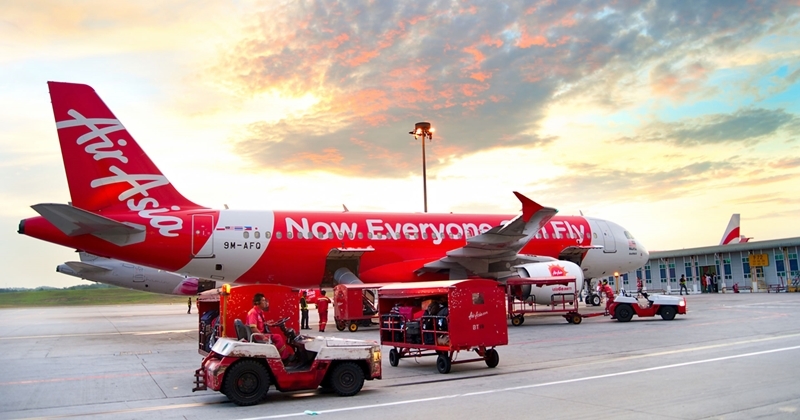
    AirAsia is joining the growing ranks of airlines partnering to expand their reach in Southeast Asia with a deal in the large Indonesian market.

    The discounter signed a memorandum of understanding at the end of September with Garuda Indonesia-subsidiary Citilink to establish its first-ever interline partnership. The tie-up could launch in the first quarter. The pact aims to expand connectivity between third- and fourth-tier destinations in Indonesia served by Citilink and international points in AirAsia’s network. And it comes just three months after Citilink agreed to sell flights via AirAsia’s Superapp.

    In addition to the passenger airlines’ tie-up, AirAsia-parent Capital A’s Teleport Everywhere logistics firm also plans to partner with Garuda Cargo on air freight.

    The pacts come amid a wave of new airline partnerships in Southeast Asia. Singapore Airlines has led the charge with, since April 2022, new or expanded tie-ups with Garuda, Thai Airways International, United Airlines, Vietnam Airlines, and Virgin Australia. Almost all of them focus on feeding travelers into Singapore’s global network. And Thai, in addition to its Singapore Airlines pact, has unveiled plans for a commercial partnership with Turkish Airlines.

    Partnerships are viewed by most airlines as a low-cost way to expand one’s network. The range in depth from a basic interline agreement that simply facilitates traveler connections to a codeshare where airlines place their own flight number on a flight operated by their partner and sell it as theirs, and a joint venture where two or more carriers operate as essentially one in a given market. The pacts also vary in cost and complexity — and potential financial benefit — in the same order: interline, codeshare, and joint venture.

    The new AirAsia-Citilink pact is the most basic when it comes to partnerships. The airlines only plan an interline agreement where “travelers would be able to check through baggage from origin to destination, on a single boarding pass, for seamless transfer through integrated services.” They did not say whether it could be a precursor to a deeper partnership in the future.

    The tie-up links Indonesia’s second-largest domestic airline by seats, Citilink, with the country’s largest international airline, Indonesia AirAsia, by seats, according to Cirium Diio schedules.

    In its statement on the planned partnership, AirAsia said the interline would include the full “breadth” of its international routes and not only ones to and from Indonesia. That means destinations like Ho Chi Minh City, Hong Kong, Seoul, and Tokyo are to be included.

    The focus on Indonesia makes a lot of sense. The country is the largest in Southeast Asia both in terms of population with more than 275 million people, and gross domestic product. And, owing to the country’s archipelago geography, most people have to fly — or take notoriously dangerous ferries — to get where they are going.

    That’s why many airlines want a bigger piece of the Indonesian pie, including AirAsia and Singapore Airlines.

    Of course, the opportunity in Indonesia is not new. AirAsia, in fact, tried to tap it with its own local subsidiary, Indonesia AirAsia. That airline continues to fly but, in terms of seats, is a small player in a crowded market that also includes Batik Air, Garuda, Malindo, and Lion Air.

    In addition to its home carrier in Malaysia, AirAsia has operating subsidiaries in Indonesia, the Philippines, and Thailand, as well as ties to the longhaul low-cost brand AirAsia X. It sold its Indian subsidiary, AirAsia India, to the Tata Group which owns Air India, last year. And AirAsia’s newest local airline, AirAsia Cambodia, plans to begin revenue flights in November.

    AirAsia aims to fully recover to pre-pandemic capacity levels by the end of the year.

  • Dutch competition regulator rejects Apple’s objections to $53 million in fines

    Dutch competition regulator rejects Apple’s objections to $53 million in fines

    Apple may be the favorite phone brand in the Netherlands, but the Dutch regulators lately think little of the iPhone makers.

    The Cupertino giant has faced rejection from the Dutch competition regulator ACM (Authority for Consumers and Markets). Apple objected to fines that currently add up to $53 million, but the Dutch ACM is adamant on the issue.

    Internally, this “objection-rejection” thing has been known from July 13, 2023, when ACM decided to say “No!” to Apple’s objections, but it has only now been published.

    Apple is ready to take this to court: “We disagree with the ACM’s original order, which degrades investment incentives and is not in the best interests of our users’ privacy or data security. As the ACM has denied our administrative appeal, we will appeal to the Netherlands courts”, Apple told Reuters.

    The ACM vs. Apple beef in the Netherlands is a long-standing dispute over… dating apps in the App Store. The problem Dutch authorities saw in the way Apple was conducting its business was due to it not allowing alternative payment systems for Dutch dating apps. That’s all they wanted – an alternative payment system to be allowed on the App Store, because Dutch people were not happy with the commission fee that the App Store takes on purchases.

    The ACM says that Apple has now complied with “most of its demands”, but there’s an additional – undisclosed one – that they haven’t complied with.

    It’s still unknown what’s the character of that final order that Apple failed to comply with, but the ACM regulator has promised to publish details should it win in court.

  • Thaco H1 profit falls as auto market remains listless

    Thaco H1 profit falls as auto market remains listless

    Automaker Thaco Group reported first half profits of VND1.076 trillion (US$45.6 million), or less than a quarter of last year’s figure, amid an auto market slump.

    Its profit margin of 2.1% was a fifth of the rate in the first half last year, the company said in a financial report it sent to the Hanoi Stock Exchange.

    The car market has been sluggish since the last quarter of 2022. Thaco Group recently slashed the prices of many models it manufactures and distributes by hundreds of millions of dong (VND100 million = $4,114) to stimulate demand.

    Thaco Group still has a sales target of over 120,000 vehicles for this year, including 96,000 passenger cars, 23,500 trucks and 1,500 buses and mini buses.

    According to statistics from the Vietnam Automobile Manufacturers Association, Thaco sold some 58,000 cars in the first eight months of this year, down 40% year-on-year and only 48.3% of its target.

  • Bonanza for sweet potato farmers as prices double

    Bonanza for sweet potato farmers as prices double

    Sweet-potato growers in the Central Highlands are enjoying a windfall as prices have doubled from last year to VND15,000–20,000 ($0.61-0.82) per kilogram on higher demand and declining output.

    Hoa, a farmer in Kon Tum who has three hectares of land, said last week he harvested 12 tons of Le Can sweet potato on one hectare, and, at VND18,000 per kilogram for type 1 quality and VND13,000 for type 2, made a profit of VND100 million.

    “I have two hectares left to harvest in a month. If prices stay this high, the harvest this year will benefit my family greatly.”

    Luong, who has been growing Japanese sweet potato for 10 years in Gia Lai, said though her yield was below expectations, she would still harvest 40 tons on her two hectares of land. Thanks to the higher prices, her profits this year might reach VND400 million.

    Thanh Mai, a trader who buys Central Highlands sweet potatoes, said when prices were VND8,000–10,000, farmers either made losses or low profits, but this year prices have doubled.

    They fetch farmers VND80–100 million profits per hectare, rising to VND100–200 million in the case of Japanese sweet potato, she said.

    She said most growers in the Central Highlands are getting high prices of VND14,000-20,000 per kilogram. This year the sweet potato is also of higher quality, he added.

    Traders said demand is higher in both the domestic and export markets, but supply is low since farmers are planting less than before.

    >General Secretary of the Vietnam Fruit and Vegetable Association Dang Phuc Nguyen, said China’s new quarantine requirement for Vietnamese sweet potatoes since late last year has driven up their prices.

    The first batch of sweet potatoes was exported to China at the end of April.

    According to its Department of Agriculture and Rural Development, Gia Lai Province has around 5,000 ha under sweet potato.

    Dak Lak has 10,000 ha. Its output is estimated at nearly 300,000 tons this year, with growing zones with area codes allotted accounting for 50,000 tons. Farmers have completed around 50% of the harvest.

  • Mercedes-Benz Unveils New MBUX-Based In-Car Payment Tech

    Mercedes-Benz Unveils New MBUX-Based In-Car Payment Tech

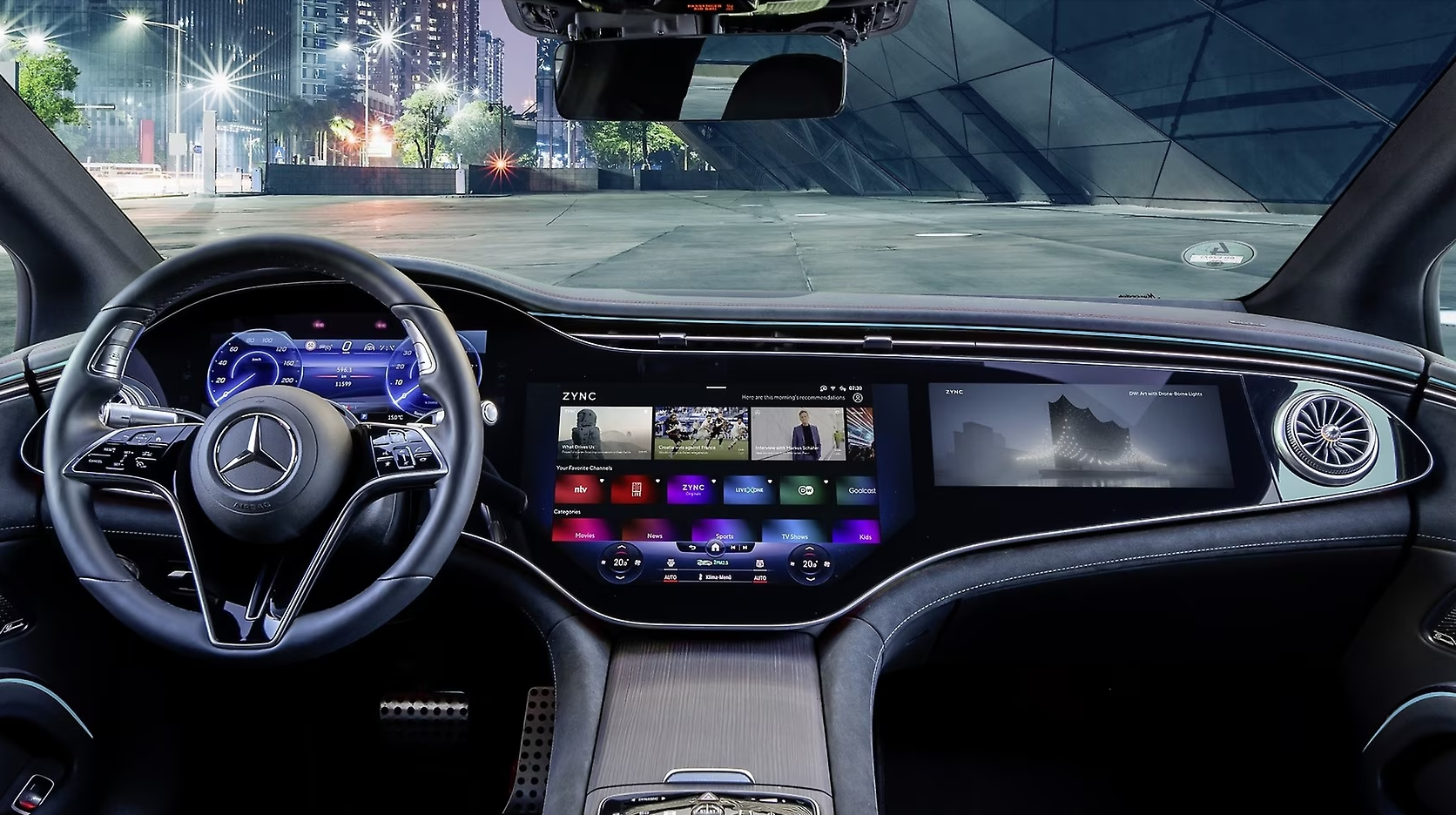
    Mercedes-Benz has introduced a new feature in Germany that allows customers to initiate digital payments via the MBUX system using fingerprint authentication. The company has tied up with Mastercard to offer the embedded payment service which for now will be useable across 3,600 service stations in the country. The tech uses a dedicated Mercedes Pay+ app to offer the service and uses the fingerprint sensor built into the MBUX system to authenticate payments.

    When a driver arrives at a connected service station and turns off the engine, the Mercedes me Fuel & Pay service will automatically activate on the MBUX infotainment system where the driver can then select the appropriate gas pump. Before refueling, the system calculates the maximum total amount based on the current fuel price and the tank’s current fuel level.

    Upon refueling, the driver can view the amount of fuel added and the invoice amount on the MBUX display. Payment is automatically processed, allowing the driver to leave the gas station without visiting the checkout area. The invoice is subsequently sent to the customer via email.

    “With Mercedes pay+, we are making everyday life easier for our customers. From now on, they can pay their fuel bill directly from their car using their fingerprint –, securely, and conveniently,” said Franz Reiner, Chairman of the Board of Mercedes-Benz Mobility AG.

    Customers with Mastercard and Visa credit or debit cards issued in Germany can utilise native in-car payments by registering their card in the Mercedes me user account and activating Mercedes pay+ via the MBUX infotainment system. The use of fingerprint payments from the car is expected to expand to other vehicle-related services and European markets in the near future.

  • Vietnam probes wind towers imported from China, weighs anti-dumping tax

    Vietnam probes wind towers imported from China, weighs anti-dumping tax

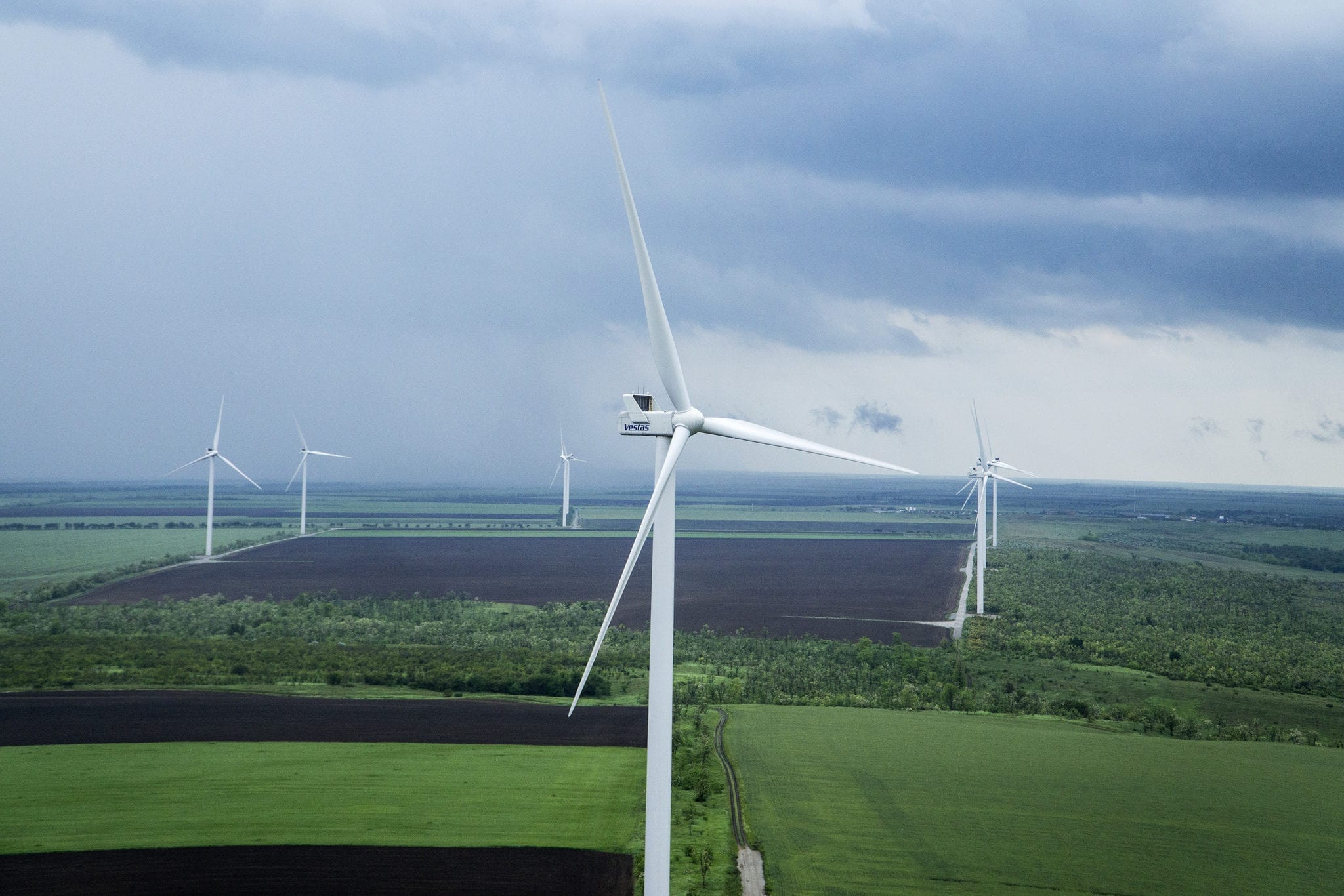
    Vietnam’s industry ministry has launched an investigation that could lead to anti-dumping duties on wind towers originally from China, following a complaint by domestic producers, the government said on Saturday.

    Producers in Vietnam have claimed that dumping of Chinese-origin towers has caused “significant damage” to them, the government said in a statement, without elaborating.

    “In case of necessity, based on preliminary investigation results, the trade ministry can apply temporary anti-dumping measures to prevent dumping activities that hurt domestic manufacturing,” the statement added.

    The government gave no timeline for completing the investigation.

    Neither Vietnamese customs nor the statistics office provide data on wind tower imports.

    According to the trade ministry, local producers were proposing an anti-dumping tax rate of 97%.

    Wind towers imported to Vietnam currently enjoy a most-favored nation (MFN) tariff of 3%.

    Vietnam is looking to boost wind energy as it begins the transition to becoming carbon-neutral by mid-century, aiming for wind, most of it onshore, to account for 18.5% of the total power mix by 2030.

    The Chinese embassy in Hanoi did not immediately respond to a request for comment outside of business hours.

  • Tahi seeks to expand into Australian market

    Tahi seeks to expand into Australian market

    New Zealand-based skincare oil brand Tahi is seeking to expand into the Australian market.

    Tahi’s products, which make use of plant extracts found in native New Zealand forests, are currently sold through stockists Blackbird Goods in Hastings, Infinite / Definite in Christchurch Central, and Wander & Sons in Dunedin.

    Tea and Tonic and Matakana also serve as stockists for the skincare brand.

    “I just researched what those plants had been used for in the past by Māori and others and why, and experimented with them myself – how they felt together, how they smelled together, and the mixture of different things that can benefit people’s skin,” said Jackie Lee, founder of Tahi.

    Lee added that she envisions collaborating with experts to develop blends on a more scientific level as she intends to expand the company’s footprint.

  • Apple and Microsoft discussed selling Bing to Apple in 2020

    Apple and Microsoft discussed selling Bing to Apple in 2020

    You might already know that Google pays Apple some obscene amount of money to have Google’s search engine be the default option on the iPhone. But according to Bloomberg, in 2020 Apple and Microsoft held talks to discuss the possibility of Apple acquiring Microsoft’s Bing search engine. Apple’s Services VP Eddy Cue represented the Cupertino-based company in the talks. Bloomberg called the talks “exploratory” and said that they “never reached an advanced stage.”

    The talks with Microsoft stalled had much to do with the large amount of money Apple was receiving and still receives from Google each year. We’ve seen estimates of this payment ranging from $4 billion to as much as $20 billion. The DOJ believes the actual range is $4 billion to $7 billion annually. Apple did not want to lose this cash flow. Considering that Google is not in the business of giving away money, you can imagine how much the company and its parent Alphabet must make from being the default search engine on the iPhone.

    However, some of the reasons Apple had for not acquiring Bing had nothing to do with the big check Apple receives from Google every year. While it was the main reason, Apple was also said to be concerned that Bing could not compete with Google Search in quality and capabilities.

    Interestingly, when Microsoft first added Generative AI feature ChatGPT to Bing, there were rumors that Samsung would drop Google as its default search engine for the Galaxy line of handsets and replace Bing. Google has been the default search engine on Galaxy handsets since the first Galaxy S device was released in 2010. A month after this rumor started spreading, it was reported that Samsung decided to suspend an internal review dealing with this possible change.

    Google’s deal with Apple for its search engine has become part of the testimony heard during the trial now underway between the Justice Department and Google over antitrust issues. Microsoft VP Jon Tinter said under oath that in 2016 Microsoft CEO Satya Nadella met with his counterpart at Apple, Tim Cook, to discuss Bing replacing Google everywhere on iOS. Since Bing was much smaller than Google Search, Tinder said on the stand that Microsoft would have “had to offer Apple a far larger percentage of the revenue than Google.”

    As a result, a deal with Apple to replace Google Search with Bing would have resulted in a multi-billion loss for Microsoft. Executives at Microsoft met with the company’s Board to try and figure out how they could explain to stockholders why it was in the company’s best interest to take a hit on such a deal.

    Under oath, Tinder told the court, “In the short term, it would have been highly negative. We told the board we are considering making a multi-billion negative investment to support this. It was all around trying to make them confident that we could make the switch.” Two years later, in 2018, Microsoft and Apple discussed using Bing instead of Google on iPhone units outside of the U.S. But once again, nothing came of it. And after another two years had gone by, the aforementioned exploratory talks between the two tech giants about Apple acquiring Bing started and quickly ended.

    Even though Microsoft seems to acknowledge that Apple will never buy Bing, another Microsoft executive, Mikhail Parakhin, in charge of ads and web services at Microsoft, said that Apple makes more money from Bing than Bing does if only because keeping Bing around keeps Google worried enough to continue cutting those big checks to Apple. The guys in Redmond still continue to speak to Apple about replacing Google with Bing, with the last conversation taking place in 2021.

    From time to time, there have been reports about Apple developing its own search engine, and last November, designer Tom Hyoos shared on Twitter his design concept for an Apple search engine called ViewPoint.

    The DOJ vs. Google trial started on September 11th and will run for a total of 10 weeks. U.S. District Judge Amit Mehta is presiding over the trial and after a break in November, more papers will be filed with the court; the judge is expected to make a ruling early next year. If the judge rules against Google, another trial will be held to determine what penalties Google should face. The company might be required to break up some of its search-related businesses along with other business units that generate advertising revenue for the company.

  • Indonesia proceeds with ban on e-commerce transactions via social media

    Indonesia proceeds with ban on e-commerce transactions via social media

    Indonesia has banned e-commerce transactions on social media platforms, the trade minister said on Wednesday, in a move intended to protect traditional retail and which will mostly impact short video platform TikTok and its shopping platform.

    The government says the move is aimed at protecting offline merchants and marketplaces in Southeast Asia’s biggest economy, adding that predatory pricing on social media platforms is threatening small and medium-sized enterprises.

    Trade Minister Zulkifli Hasan told reporters the regulation, which takes effect immediately, is intended to ensure “fair and just” business competition, adding it was intended also to ensure data protection of users.

    He warned of letting social media become an e-commerce platform, shop, and bank simultaneously.

    The regulation also requires e-commerce platforms in Indonesia to set a minimum price of $100 for certain items directly purchased from abroad, according to the regulation document reviewed by Reuters, and all products offered should meet local standards.

    Zulfikli did not mention TikTok, although his deputy Jerry Sambuaga named TikTok’s “live” features as an example of people selling goods on social media.

    BMI, a unit of Fitch Solutions, said earlier on Wednesday that TikTok will be the only business affected by the transaction ban because its model relies on social e-commerce, although “it will not harm the digital marketplace industry’s growth.”

    A TikTok Indonesia spokesperson did not immediately respond to a request for comment on Wednesday. On Monday the spokesperson said the government should consider “the livelihood of more than six million” local sellers active on TikTok Shop.

    The company said its app had 325 million Southeast Asian users that were active every month, and 125 million of them were in Indonesia – on a par with its user figures for Europe and not too far behind the US, where it has 150 million.

    According to data from consultancy Momentum Works, Indonesia, with a population of more than 270 million, accounted for nearly $52 billion worth of e-commerce transactions last year. Of that, 5 percent took place on TikTok, principally through live-streaming, it said.

    Chinese tech company ByteDance owns TikTok.

  • South Korea sees retail sales grow in August

    South Korea sees retail sales grow in August

    South Korea’s retail sales grew 3.3 percent year over year in August on the back of higher sales in convenience stores super super market (SSM) operators, and online cosmetics and food retailers.

    The Ministry of Trade, Industry, and Energy (MOTIE) surveyed 13 brick-and-mortar retailers and 12 online retailers and saw a 7.6 percent increase in convenience stores sales due to close proximity, small purchase shopping, and increased outdoor activities during the summer holiday season.

    SSM operators reported a 3.2 percent increase due to higher demand for fresh/prepared food products and processed food products, however, flagging a sales decline in daily necessities.

    Overall online sales during the month increased 8.1 percent, thanks to sales in cosmetics and food, which grew 14.1 percent and 13.0 percent, respectively. Online home/living sector grew 8.7 percent, while online services sold jumped 13.3 percent.

    Overall brick-and-mortar hypermarket sales fell 8.4 percent as home/living and food sales dropped 12.8 percent and 7.9 percent, respectively, due to slow demand for gift sets, and fresh and processed food products.

    Total department store sales 4.9 percent as food products, foreign designer labels and men’s clothing sold declined.

    The data also noted a 2 percent decrease in fashion/clothing sales and 5.6 percent decline in sports sales as consumers cut purchases of non-essential items amid lower consumer sentiment.

  • Indonesian cafe chain Kenangan Coffee enters Singapore

    Indonesian cafe chain Kenangan Coffee enters Singapore

    F&B unicorn Kopi Kenangan, known as Kenangan Coffee outside Indonesia, has expanded its footprint into Singapore, opening its first store at Raffles City Shopping Centre.

    The Singapore expansion follows Kenangan Coffee’s international debut last year in Malaysia, where it currently has more than 20 stores.

    “The profound love that Singaporeans have for coffee, from kopitiams to contemporary cafes, inspired Kenangan Coffee’s leap into this vibrant market,” said Edward Tirtanata, group CEO and co-founder of Kenangan Coffee. “The city’s diversity and its global F&B prominence make our expansion here a pivotal milestone.”

    The company said it plans to expand its presence to other Southeast Asian countries before expanding globally.

    “…We aspire to be the most-loved consumer brand in Southeast Asia, and Singapore will be a key foothold in helping us achieve this mission,” said James Prananto, co-CEO and co-founder of Kenangan Coffee.

    Kopi Kenangan became the first F&B unicorn in Southeast Asia early last year after raising US$96 million in a Series C funding round, which valued the company at more than $1 billion. The coffee chain, founded in 2017 by Tirtanatam, Prananto, and Cynthia Chaerunnisa, has more than 900 stores across Malaysia, Singapore and Indonesia.

  • Maison Kitsune opens first store in Vietnam

    Maison Kitsune opens first store in Vietnam

    Luxury fashion house Maison Kitsune has opened its first physical presence in Vietnam in conjunction with local distributor Tam Son International.

    The store, located on Trang Tien, one of Hanoi’s busiest streets, combines French and Japanese influences, as well as Vietnamese fine arts and local cultural identity.

    The store features a stone-paved facade and a warm colour tone running throughout, with four interconnected sections divided by wooden walls inspired by wicker art, furniture, and ceiling lighting, trying to commemorate Vietnamese heritage and workmanship.

    According to the firm, Maison Kitsune’s store setting captures the essence of the “Paris – Tokyo meets” lifestyle. Kitsune’s signature is light oak, herringbone floors, and marble counters, which highlight the brand’s minimalist design philosophy.

    Created in 2002 by Gildas Loaëc and Masaya Kuroki, Maison Kitsune offers a variety of brands, including Art de Vivre, integrating a fashion brand (Maison Kitsune), music label (Kitsune Musique), and coffee shops (Cafe Kitsune).

    The company operates in several countries and territories, including Thailand, Hong Kong, Japan, and the United States. In 2021, the brand made its debut in Beijing, China.