Author: Mei Ling Tan

  • Czech Skoda cars launched in Vietnam

    Czech Skoda cars launched in Vietnam

    Automobile distributor Thanh Cong launched two Skoda models with prices from VND1-1.4 billion (US$42,300-59,300) on Saturday.

    Before the Thanh Cong Viet Hung automobile plant in northern Quang NinhAutomobile distributor Thanh Cong launched two Skoda models with prices from VND1-1.4 billion (US$42,300-59,300) on Saturday.
    Before the Thanh Cong Viet Hung automobile plant in northern Quang Ninh Province comes into operation, Skoda cars will be imported from Europe.

    The imported models are the C-segment SUV branded Karoq priced at VND1-1.09 billion, and the D-segment SUV branded Kodiaq priced at VND1.19-1.41 billion.

    Then Thanh Cong will distribute C and D-segment sedans.
    After 2025, electric car models such as Enyaq iV and Vision 7S will be distributed in Vietnam.

    Covering an area of 36.5 hectares and boasting a capacity of some 120,000 vehicles per year, the Skoda automobile plant in Quang Ninh will assemble B-segment cars. This is the first Skoda factory in Southeast Asia.

    Skoda will also build a distribution system with four large dealers in four major cities first, and open 30 more dealers across Vietnam in the next five years.

    Currently, Thanh Cong distributes Hyundai, Nissan and Skoda cars. Province comes into operation, Skoda cars will be imported from Europe.

    The imported models are the C-segment SUV branded Karoq priced at VND1-1.09 billion, and the D-segment SUV branded Kodiaq priced at VND1.19-1.41 billion.

    Then Thanh Cong will distribute C and D-segment sedans.
     

  • Boucheron opens giant Ginza flagship store

    Boucheron opens giant Ginza flagship store

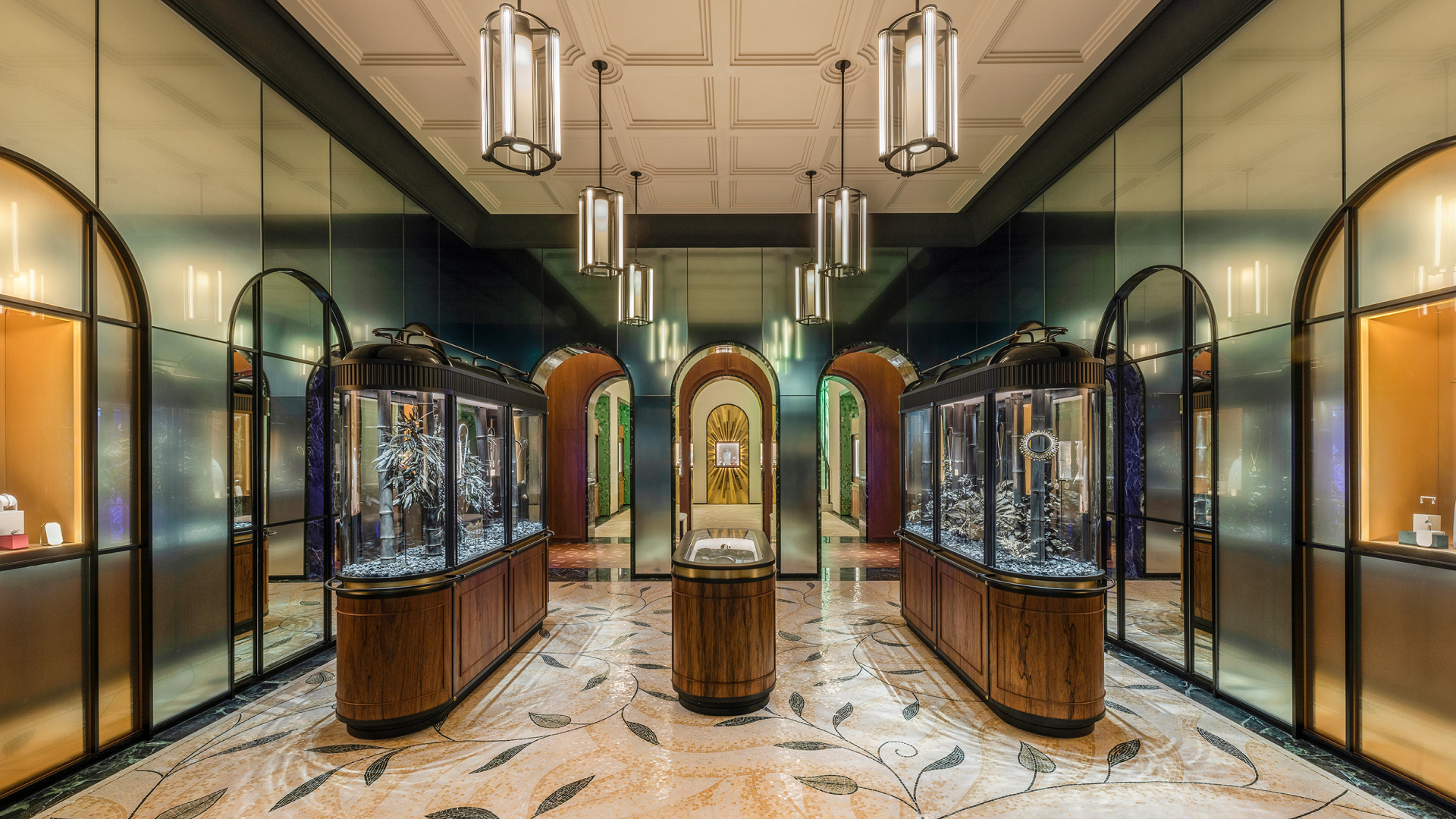
    Maison Boucheron has opened its second largest store in the world – in Tokyo’s Ginza shopping district – following on from the launch of the brand’s first in Paris, France.

    ‘From Paris to Tokyo: a cutting-edge and creative journey’ is the brand’s slogan for the new location. Spanning four floors, the store features more than 1000sqm and is designed as a combination of French and Japanese culture. This boutique is described as a bit of Paris in the heart of Japan’s metropolis.

    “Complementary to our strong existing network of 17 boutiques, the opening of our new Ginza flagship – the largest one after our historic boutique 26 Place Vendome – marks a major shift in our Japanese business,” said Helene Poulit-Duquesne, CEO de la Maison.

    “It will undeniably contribute to brand awareness and to the reputation of the Maison in Japan, which we have rigorously built over past years.”

    The architectural patterns of the Jardin d’Hiver are featured on the store facade. According to the brand, this facade is transparent throughout the day, revealing the four floors of the Ginza Boutique. By night, a larger-than-life forest is exhibited on the building’s face, changing by the hour and the four seasons.

    The maison has created an interactive experience called “The Wishing Tree” in conjunction with Random Studio. Every couple will have the option to write their wish in this forest dedicated to marriage, which will be turned into an animation of sounds and light by technology.

    Since 1973, The Maison has continued to strengthen its presence in Japan, with 17 stores in the country, including the new flagship store.

  • Fashion giant Decjuba plots Asia expansion with first store in Singapore

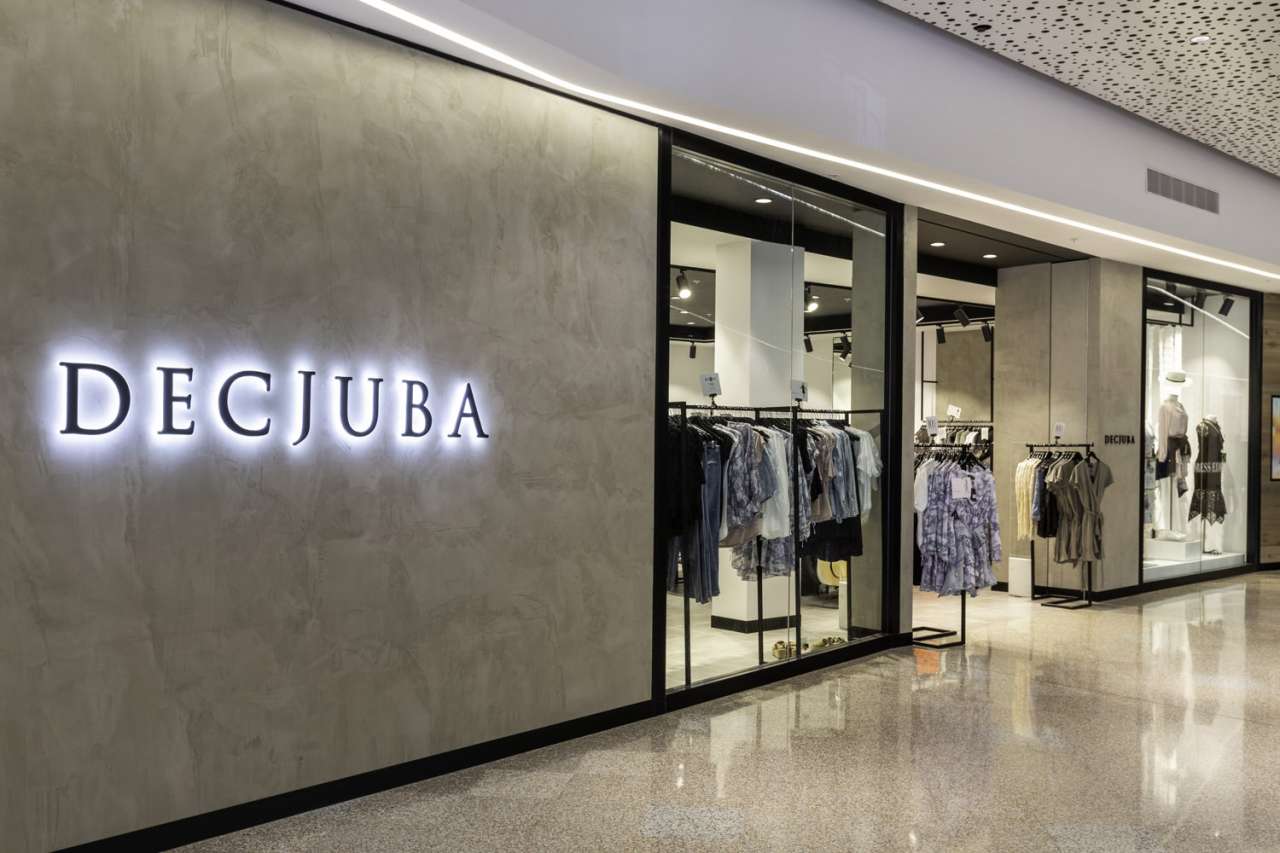
    Fashion giant Decjuba plots Asia expansion with first store in Singapore

    Fashion retailer Decjuba is working on establishing a physical store in Singapore later next year and expanding into selling menswear and beauty products.

    “We continue to look around the world, and we don’t see another brand doing what we are doing as well as we do it,” said Tania Austin, owner and CEO at Decjuba.

    The upcoming location in Singapore will be Decjuva’s first brick-and-mortar store in Asia. The company decided to set it up after it witnessed growth in its international e-commerce operations, which now share 20 percent of the group’s total sales.

    “I thought for a long time we didn’t need to have physical stores abroad. But every time I go into a good shopping centre I’m like, ‘It is that experience piece that we are seeing consumers come back to.’ They enjoy it. There’s definitely a demand for it,” said Austin.

    Austin said that the opening of the store in Singapore in late 2024 is now Decjuva’s “No 1 focus” for the company’s expansion plans in Asia.

    According to the report, the company will also start selling products under the Decjuba Kids brand in eight new D-luxe concept stores this month.

    In addition, Decjuba has partnered with Melbourne-based menswear brand Mr Simple, to offer its first men’s undergarments, which will be available online and in 15 Decjuba’s larger stores.

    In addition, the company will launch a pop-up store at Melbourne’s Southland shopping centre in October this year. The company will also launch Decjuba Beauty, which will offer 34 beauty products for lips, nails, cheeks and eyes, in the same month.

    Decjuva took 12 months to develop the beauty brand, with the company working with an Australian for some of the products.

    “We are not a beauty retailer or a skin retailer. So this is really about the Grab and Go handbag essentials that you are popping in as an extension of the Decjuba brand,” said Austin.

    Decjuba is in the final stage of construction of its new head office in Cremorne, a suburb in Melbourne, scheduled for opening early next year.

  • Unilever hires consultants to sell ‘non-core’ beauty portfolio

    Unilever hires consultants to sell ‘non-core’ beauty portfolio

    Unilever has hired Morgan Stanley and Evercore to sell a portfolio of non-core beauty and personal care brands as the company struggles with the impact of inflation.

    The portfolio includes Q-Tips, Impulse, Caress, TIGI, Timotei, Monsavon, St Ives, Zwitsal, Ponds, Brut, Moussel, Alberto Balsam and Matey.

    Two years ago, Unilever hired Credit Suisse to divest Elida Beauty portfolio but later scrapped its plan as other companies cherry-picked brands from the portfolio and did not satisfy the multinational FMCG company’s expectations.

    Now the plan has been revived under the leadership of new CEO Hein Schumacher, who focuses on streamlining the business due to inflation, Reuters said in an exclusive report.

    The report noted that Elida Beauty booked revenue of about $760 million in FY22, according to sources of the newswire.

    Morgan Stanley and Evercore have already reached out to potential buyers to measure interest for the portfolio, which could be a multibillion-dollar deal, the sources said.

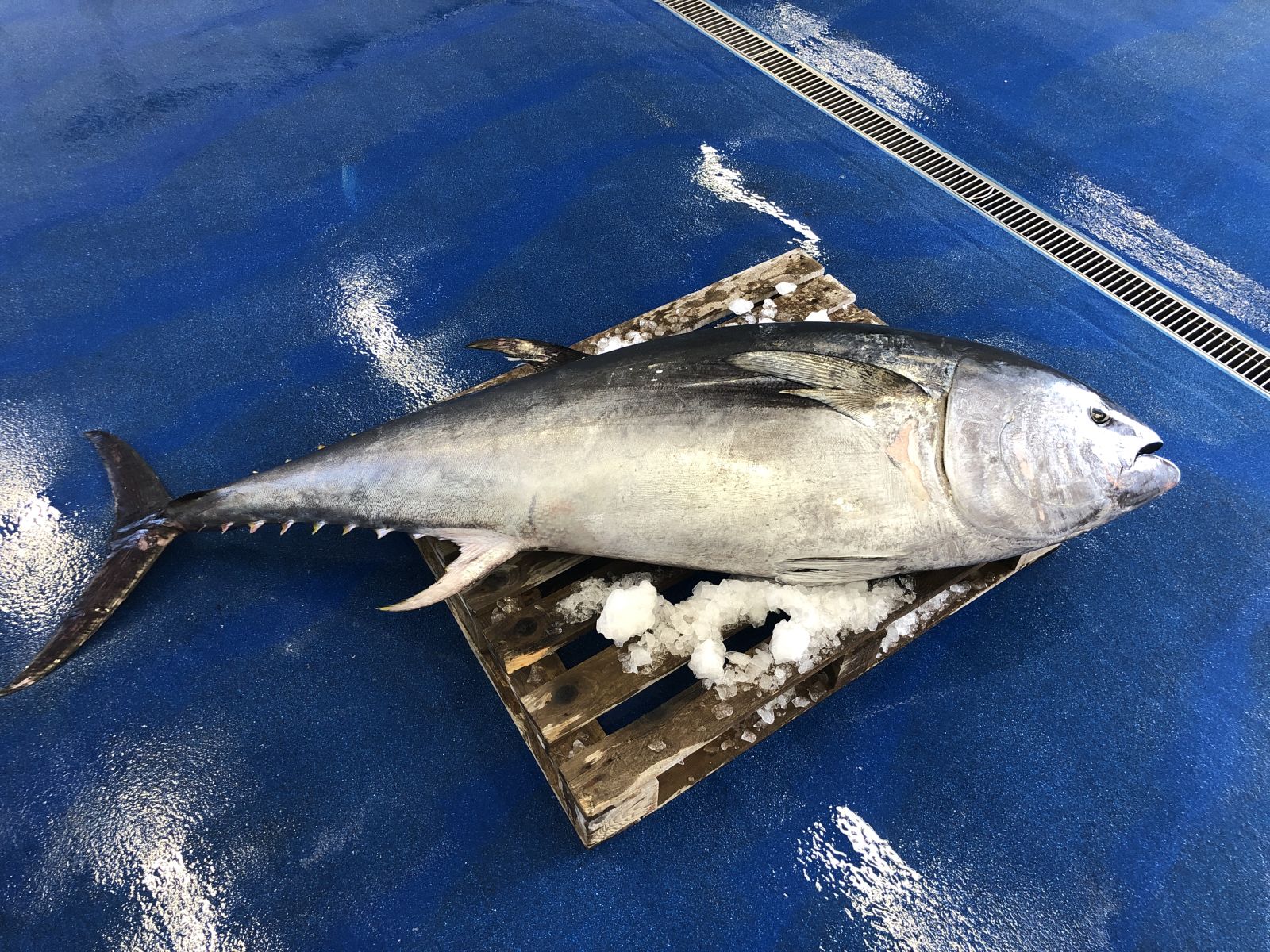
  • Tuna exports rise to year’s highest levels

    Tuna exports rise to year’s highest levels

    Tuna exports rose to US$87 million in August, the highest for the year though 5% down year-on-year, according to the Vietnam Association of Seafood Exporters and Producers.

    VASEP said there were some changes in the export patterns in August.

    After declining steadily, exports to the U.S. increased by 2% bolstered by a 24% jump in shipments of canned tuna.

    But exports for the year-to-date were 45% down from 2022 at US$208 million.

    Exports to the EU saw a 37% surge, including a 45-fold rise in shipments to Italy. Smaller markets like Thailand and the Philippines also bought more tuna.

    Shipments to members of the CPTPP trade deal like Japan, Canada and Mexico fell by 53%, 49% and 14%.

    Exports for the year have been worth $545 million, down 25% from the same period last year.

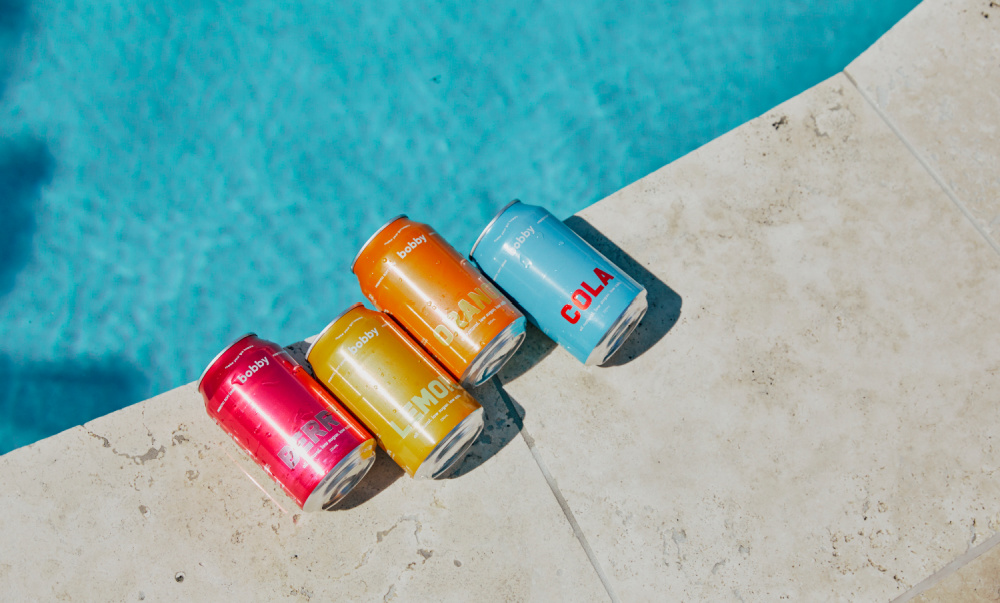
  • Bobby launches low-calorie prebiotic soft drinks

    Bobby launches low-calorie prebiotic soft drinks

    Beverage company Bobby has launched low-calorie and low-sugar soft drinks in different flavors, added with prebiotics.

    The company claims each can contain 32 to 40 calories and that the beverage may aid digestion and boost good gut bacteria with the added prebiotics.

    “Our mission is to redefine what soft drink is to everyday Australians by offering a truly exceptional and enjoyable beverage that doesn’t compromise on health or taste,” said Kristian Johannsen, founder and MD at Bobby.

    Johannsen added that Bobby supports environmentally friendly practices, such as using recycled aluminum cans and cardboard slabs.

    “We’re here to make a difference in taste and sustainability. With each sip of Bobby, our customers can indulge guilt-free, knowing they are contributing to a company that genuinely cares about the impact it makes.”

    Bobby drinks are sold in Doctor Bobby, Vanilla Cola, and Lemon Lime flavors. Lemon Lime is exclusive to 7-Eleven, while Vanilla Cola and Doctor Bobby are available nationwide at 7-Eleven, independent retailers, and online.

  • Fruit, vegetable exports historical high

    Fruit, vegetable exports historical high

    Fruit and vegetable exports in the first three quarters are worth an estimated US$4.1 billion, 24% more than in full-year 2022, Vinafruit said, citing customs data.

    Vinafruit, or the Vietnam Fruits and Vegetable Association, said durian, banana and dragon fruit were the main contributors to the increase, with durian in the lead after climbing into the billion-dollar export club.

    China has been by far the biggest importer, buying $2.3 billion worth of fruits and vegetables from Vietnam in the first eight months of the year, a 134% increase year-on-year and accounting for a 64% share.

    The next three biggest importers have been the U.S. ($168 million, 6% down in the same period), South Korea ($148 million, up 18%), and Japan ($123 million, up 6%).

    Durian exports increased 20-fold this year. Unlike the Thai and Philippine varieties, Vietnamese durian can be harvested even in the so-called off-season, and their exports fetch higher prices as a result.

    China also bought bananas and jackfruit from Vietnam at higher prices and is considering buying fresh coconuts through official quotas.

    The U.S. recently allowed imports husked coconut from Vietnam.

    According to the Ministry of Agriculture and Rural Development, Vietnam plans to both export more items and to more markets, including passion fruit to the U.S. and Australia; grapefruit to Japan, Korea, Australia, and India; durian to India; and citrus fruits, coconut and durian to China.

  • Bundaberg expands range with new Campfire rum

    Bundaberg expands range with new Campfire rum

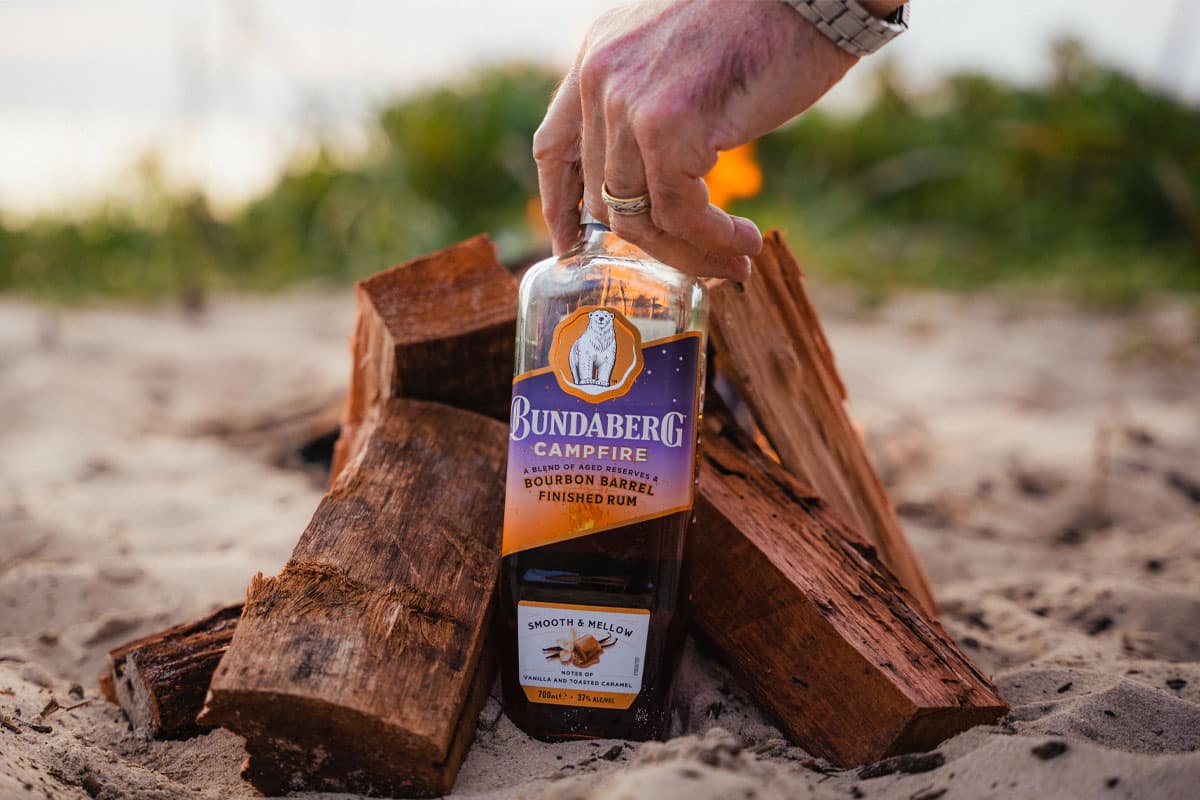
    Australian distillery Bundaberg Rum is expanding its liquor range with the launch of Bundaberg Campfire.

    Bundaberg Campfire has an ABV of 37 per cent and is made from aged reserves, combined with rum, and aged in bourbon barrels. It boasts a mellow profile and a blend of toasted caramel and vanilla notes, complemented by burnt sugar and toffee aromas.

    Sarah Watson, blending and innovation manager, Bundaberg Rum, said the brand understands customers who seek fresh innovations within the dark spirits category, and the new drink addresses this demand.

    “This is a subtle blend for us, made smooth and mellow thanks to the influence of lightly charred Bourbon barrels,” she added.

    “We’re excited to introduce a product that introduces Bundy fans and Bourbon enthusiasts to a fresh and intriguing flavor profile.”

    Bundaberg Campfire is sold at an RRP of $55 for a 700ml bottle in major retail outlets and will join the brand’s permanent range of products.

  • Gasoline prices soar to new heights in 2023

    Gasoline prices soar to new heights in 2023

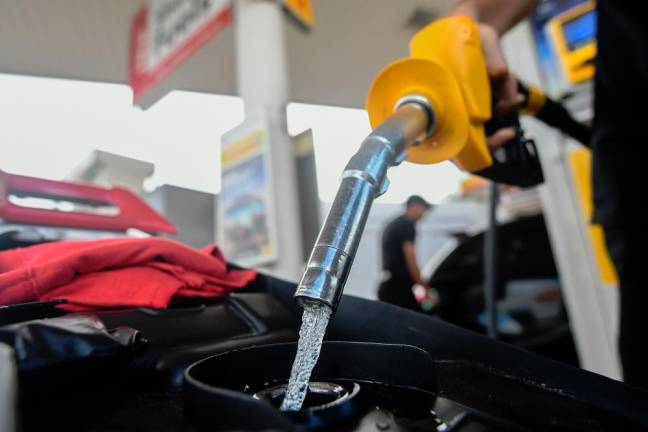
    Gasoline prices on Thursday rose to another new peak this year while diesel prices continued to climb.

    The popular gasoline RON95 went up 3.5% to VND25,740 ($1.06) per liter. This was its seventh increase in the last two months.

    RON95 has risen by around 10% since the beginning of the year.

    Biofuel RON92 rose 3.07% to VND24,190.

    Diesel went up 2.34% VND23,590.

    Authorities said that global prices have been rising in the last 10 days due to increasing demand as OPEC+ countries limited their supply.

    RON92 went up 4.7% to $107.95 per barrel, while RON95 rose 4.6% to $114.02. Oils increased by 1.8%-3.4% per barrel.

  • Qatar Airways Cargo links with Xiamen Airlines

    Qatar Airways Cargo links with Xiamen Airlines

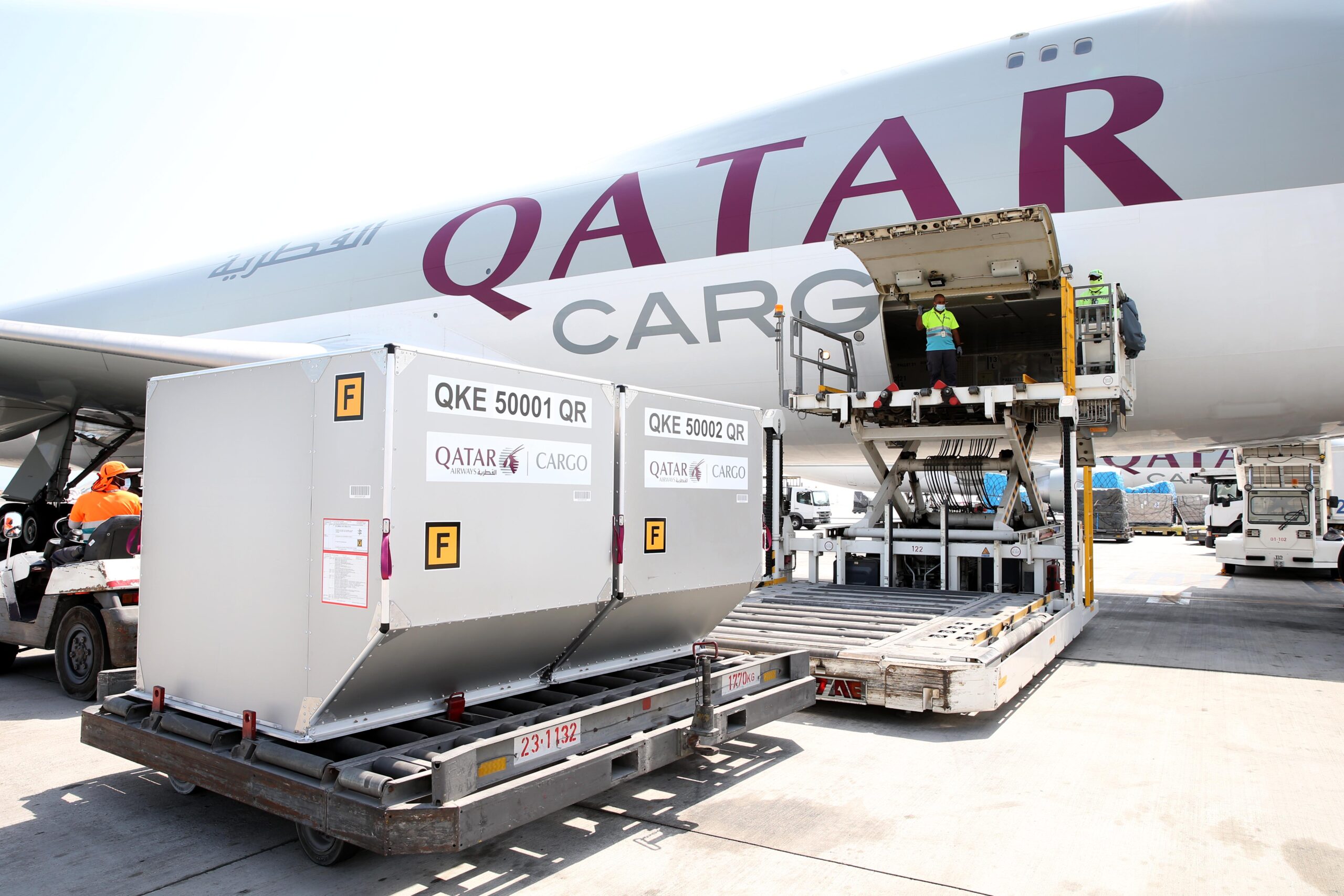
    Qatar Airways Cargo will offer additional capacity to/from China on the belly space of Boeing widebody jets with a new tie-up with fellow Skyteam member Xiamen Airlines.

    Under the agreement, Xiamen Airlines will launch daily flights on 20 October between Beijing’s Daxing International Airport (PKX) to Doha’s Hamad International Airport (DOH). The Chinese carrier will also launch two weekly flights from Xiamen (XMN), one of China’s special economic zones, to Doha, starting 31 October.

    This is the first time that the Chinese carrier will operate non-stop passenger flights to Qatar.

    A B787-9 will operate the new direct services from PKX to DOH, whilst the XMN-DOH return service will be operated by a B787-8, with more than 100 tonnes of capacity on both flights. Qatar Airways Cargo now serves 9 destinations in China, offering over 2,800 tonnes of cargo capacity each week.

  • Capital A increases its presence in Cambodia

    Capital A increases its presence in Cambodia

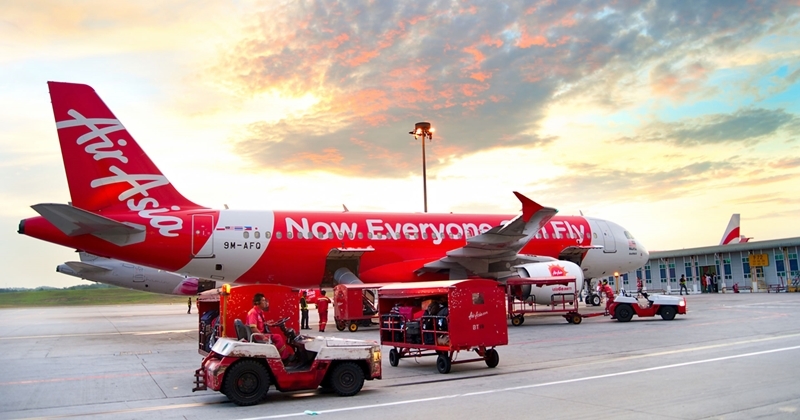
    Capital A, the entity behind the AirAsia Aviation Group of airlines, remains committed to a November 2023 launch of AirAsia Cambodia (Phnom Penh). It comes as Capital A steps up its involvement in the Cambodian market and takes a 60% stake in a local ground services company called ADE Cambodia.

    In late 2022, ch-aviation reported that Capital A had set up a joint venture company, AirAsia (Cambodia) Co., Ltd, to facilitate its entry into Cambodia with the AirAsia brand. The start-up is a 51/49 joint venture with the hospitality group Sivilai Asia.

    This week, Capital A announced another joint venture agreement with Sivilai Asia. A September 20 Bursa Malaysia filing said the principal activities of ADE Cambodia will be engineering maintenance services, component and warehouse services, engineering support services, and digital and innovation services to aircraft, including repair and maintenance of aircraft and/or engines, consultancy, and training. Capital A says ADE Cambodia will support its local low-cost carrier.

    “This will create an opportunity for ADE to establish its operation in Cambodia,” the filing reads, noting that ADE will also hunt for business from other airlines flying into the country. “The objective is to optimize utilization of ADE’s assets at maximum capacity to reach utmost productivity […] enabling Capital A to capitalize on cost-saving opportunities and potentially capture surpluses from new revenue streams generated.”

    Capital A is making the USD1.2 million investment via its subsidiary, Asia Digital Engineering Sdn Bhd, a Malaysia-based business principally engaged in aircraft maintenance, repair, and overhaul. Sivilai Asia is a Cambodia-based incorporated in early 2022. Its core business is providing consulting services to the hospitality industry.

    The Capital A investment, which is funded from internal cash reserves and not subject to approval from Capital A shareholders, is expected to be finalized by the end of 2023.

  • Supercuts plans foray into India, eyes 100 stores initially

    Supercuts plans foray into India, eyes 100 stores initially

    Regis Corporation is set to bring its hair salon chain Supercuts to the Indian market via a master franchise agreement with Ravissant Style Private Limited, a subsidiary of Ravishing Style.

    Ravishing Style, an existing franchisee of Supercuts locations in the US, plans to open at least 100 salons in India within the first five years. The company also eyes further expansion through exclusive sub-franchising rights across Northern and Western India.

    Neeru Jain Wadhwa, CEO, and Alok Wadhwa, president of Ravishing Style said Supercuts will offer a “differentiated customer experience”, with a comprehensive salon experience including expert haircuts, masterful colouring, highlights, hair spa treatments, rejuvenating facials, nail services, professional makeup application, and exclusive Indian bridal services.

    Matthew Doctor, president and CEO of Regis Corporation, described the agreement as an important milestone in the company’s growth strategy.

    “India, a market full of long-term growth potential, is primed to experience the first large-scale, US-based salon brand in the country,” Doctor added.

    Regis Corporation is a leader in the haircare industry, franchising or owning 4863 locations as of June 30. Aside from Supercuts, which currently has more than 2000 stores across the US, the company’s brands include SmartStyle, Cost Cutters, Roosters and First Choice Haircutters.

  • Delivery Hero could sell part of Asian business for $1 billion

    Delivery Hero is in advanced talks on a partial sale of its Asia business, the Wirtschaftswoche business magazine reported, saying Singapore’s Grab could pay a little more than US$1.07 billion.

    The Berlin-based company could sell its activities under the Foodpanda brand in Singapore, Cambodia, Malaysia, Myanmar, the Philippines and Thailand, according to Wirtschaftswoche, which cited sources familiar with the matter.

    Investors in the online takeaway food company welcomed the report, lifting its shares as much as 13.5 per cent.

    Delivery Hero and Grab did not immediately reply to emailed requests for comment.

    Delivery Hero has been focusing on reaching profitability while maintaining growth as investor confidence in the company started to wane after a pandemic-driven boost.

    The group has said that it reached an adjusted profit before interest, tax, depreciation and amortisation (EBITDA) in the first six months of the year, although it did not quantify it, after a loss of US$343.6 million in the same period a year earlier.

    Last month, CEO Niklas Oestberg said that Asia was the segment where the company saw the most opportunity to invest.

    Singapore internet firm Grab posted $567 million in revenue in the quarter that ended June 30 and expects to break even on an adjusted core earnings basis in the current quarter. Grab makes most of its sales from its food delivery business and has recently seen strong growth in its ride-share business.

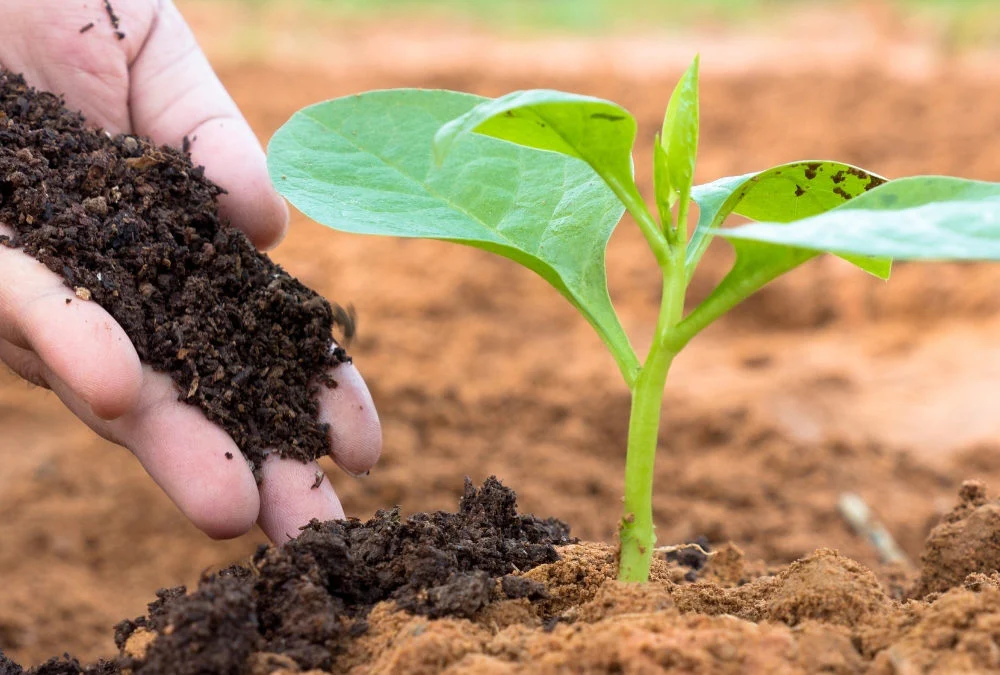
  • Fertilizer imports reach two-year high in August

    Fertilizer imports reach two-year high in August

    According to the General Department of Customs, Vietnam’s fertilizer import volume reached the highest in more than two years in August, while prices fell over the previous year.

    In August, Vietnam imported more than 472,283 tonnes of fertilizer worth $159 million, up 54% over July in volume and 85% in value. This was the highest import volume since July 2021.

    The fertilizer prices reached $338 a tonne last month, up 19% on-month, but down 26% year-on-year.

    Ending August, fertilizer imports rose 13% to 2.5 million tonnes, but the import value fell 19% year-on-year to $833 million.

    The average price of imported fertilizer was estimated at $347 per tonne, a 25% decrease from last year.

    China is the country’s biggest fertilizer provider so far this year, accounting for roughly half of all imported fertilizer with more than 1.2 million tonnes, valued at $375 million, up 15% on-year in volume and 14% in value.

    It was followed by Japan, with more than 225,000 tonnes of imported fertilizer and worth $21 million.

  • WhatsApp announces better online shopping experience

    WhatsApp announces better online shopping experience

    WhatsApp is trying to create new experiences in addition to the basic chat experience that everyone knows and loves. Businesses and business-oriented features have been the focus of WhatsApp’s development strategy for quite some time, but few projects have materialized in actual features that users can take advantage of.

    Early this week, WhatsApp announced Flows, a new purchase service that allows users to buy products and services directly within the app. Either is a train ticket, a meal or an appointment booking, Flows is supposed to make the purchasing experience in WhatsApp as simple and snappy as possible.

    WhatsApp promised to make Flows available to businesses around the world, at least those that use the WhatsApp Business Platform, in the coming weeks. Flows will allow businesses to provide WhatsApp users with menus and customizable forms that support their needs.

    In addition, WhatsApp announced that it’s making it easier to complete a purchase directly in the chat. First, users in India will be able to add items to their car and send a payment using one of the various supported methods like UPI apps, debit and credit cards, and more. To make the purchase experience safe and simple, WhatsApp is working with partners like Razorpay and PayUu.

    Finally, WhatsApp is introducing a verification process, which will provide Meta Verified statuses to businesses that successfully demonstrate their authenticity. Those businesses will receive a verified badge, enhanced account support and impersonation protection, WhatsApp says.

    Furthermore, Meta Verified will offer some additional premium features for interested businesses, including the ability to create a custom WhatsApp page discoverable via a web search and multi-device support.

    WhatsApp will start testing the Meta Verified feature with small businesses using the WhatsApp Business app very soon, so this won’t be available to businesses on the WhatsApp Business Platform yet.