Author: Mei Ling Tan

  • Refilled’s vending machines encourage users to bring their own bottles

    Refilled’s vending machines encourage users to bring their own bottles

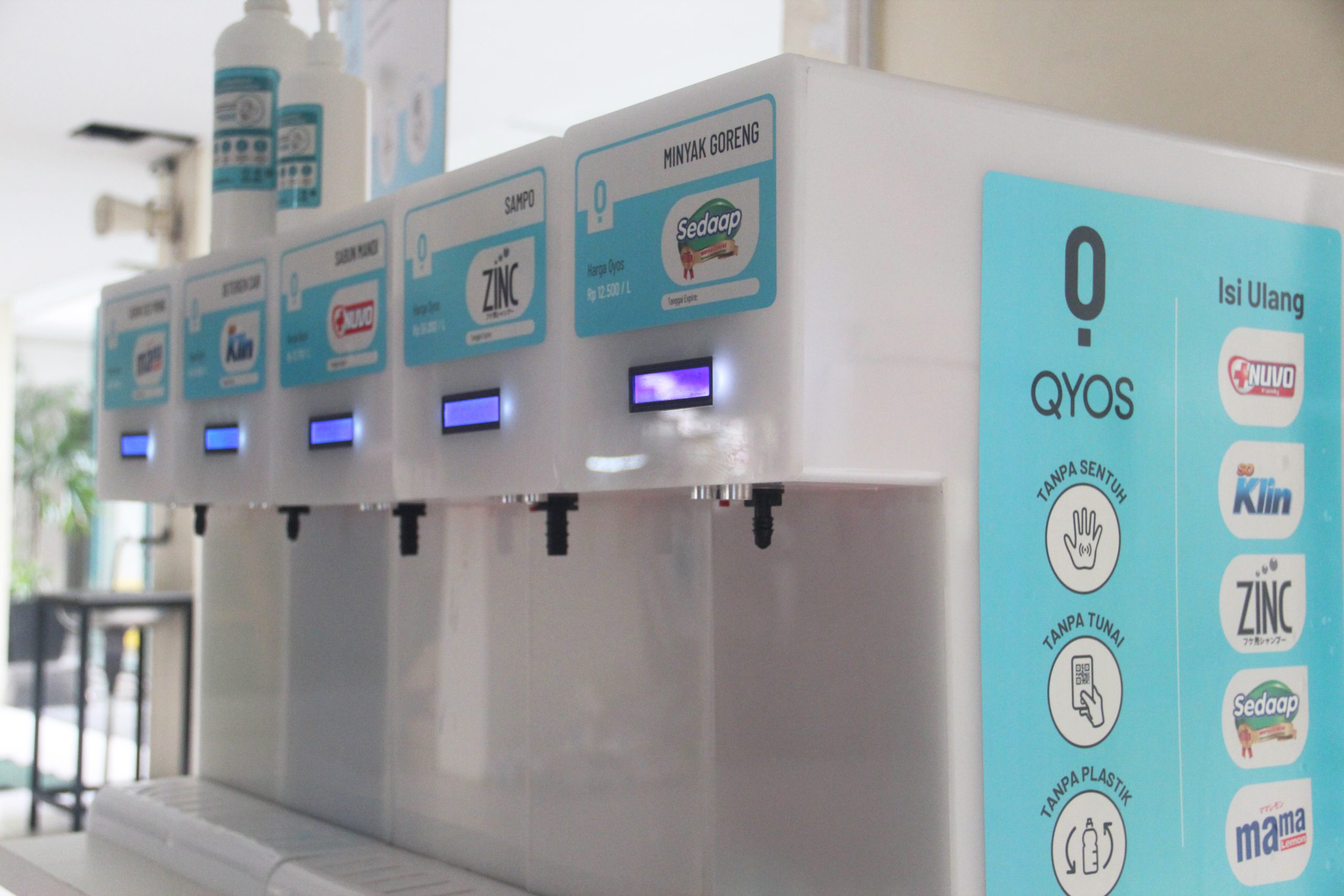
    A new climate tech start-up has introduced a unique vending machine technology that promotes the idea of BYO (bring-your-own) bottles to buy their drinks rather than marketing drinks in bottles that add more to landfills.

    Refilled aims to eliminate the colossal single-use plastic bottle waste caused by the vending industry by replacing them with its new BYO bottle system. The company hopes to capitalize on the dominant trend of reusable bottles, a market now worth $14bn, by giving people more flavor variety and nutritional options than just plain water on tap.

    It also tracks the number of bottles saved in real-time as its reusable bottles are equipped with QR codes that can be scanned at the Refiller and used to pay for drinks, with no card, phone or cash required.

    Already, Refilled has secured orders from the University of Technology Sydney and The University of Sydney Union (USU) who are looking to deploy their machines within their premises and provide students with more sustainable flavored drink alternatives at a price more affordable than a standard bottle of water.

    Research indicates that more than 891 billion single-use plastic bottles are produced worldwide every year but only less than 20 percent are recycled. Vending machines have been singled out as a major source of plastic pollution.

    Refilled stated that it is on track to build and install 100 of its vending machines (called ‘Refillers’) by 2024, eliminating upwards of one million single-use plastic bottles from becoming waste yearly. A single Refilled vending machine can stock 10x more beverages than a typical vending machine, dramatically reducing waste and delivery emissions caused by frequent deliveries and restocking traditional beverages.

    To date, Refilled has raised $600k through angel investors and Melt Ventures an impact VC Fund. Refilled is seeking an additional $3m in its next funding round.

    “Refilled is transforming the ordinary, everyday act of drinking water into climate action,” Refilled founder and CEO, Ryan Nelson, said. “Most people have good intentions and want to do good for the planet, but not everyone can afford to buy an electric vehicle or install solar panels.

    “Armed with just a reusable bottle and a couple of bucks, our Refillers offer an affordable, achievable way to eliminate plastic pollution,” Nelson added. “If we can replace even a fraction of drinks vending machines, which are an outrageous source of plastic waste, we will stop millions of plastic bottles going to landfill.”

    University of Sydney Union President, Naz Sharifi, said that the union remains committed to a sustainable future for its members, permeating everything they provide.

    “From our events, retail and products to our student programs and facilities, ss part of our ongoing efforts to expand our sustainable practices and to reduce the usage of single-use plastic bottles, we are thrilled to be partnering with Refilled, who share our social, environmental, and ecological aspirations,” Sharifi said. “This will allow our members access to filling stations in key locations around campus.”

    Anna Chavez GM Commercial Operations , ActivateUTS / University of Technology Sydney, is also proud to partner with UTS Alumni and founder Ryan Nelson, homing Refilled’ s prototype in ActivateUTS Student engagement ‘Hideout’ space, empowering students to eliminate thousands of single-use plastic bottles in its first year alone.

    “Students loved the newly launched machine, at our recent Orientation Day, offering an easy-to-use interface, paired with a cost effective and convenient product,” Chavez said. “We believe the right commercial decisions can meet the needs of the business, consumer and drive a positive change towards a more sustainable world, and Refilled is a great example of this.”

  • Chupa Chups x Chatime launch lolly-inspired boba drinks

    Chupa Chups x Chatime launch lolly-inspired boba drinks

    Chupa Chups has partnered with boba franchise Chatime to launch drinks based on the lolly brand’s best-selling flavors: Grape and Strawberry & Cream.

    Dubbed “The Tea That Pops”, the lolly-based boba beverages are available in Chatime T-breweries nationwide from September 19 until October 31.

    “It’s not just a drink; it’s a whole vibe!” expressed Marta Ballesteros, global licensing manager for Perfetti Van Melle, the parent company of Chupa Chups.

    “I hope our Australian fans are all set to dive into a world of forever fun flavor and will give the sweetest launch of the season a go!”

    The Grape Chupa Tea is a green tea base with grape jellies to add an “extra pop”, while the Strawberries & Cream Chupa Tea is a milky tea with a strawberry-vanilla flavor and a dollop of creamy mousse.

    According to Gabi Bishop, senior brand manager at Chatime, the collaboration aims to demonstrate the company’s commitment to innovation.

    “Our exciting partnership with Chupa Chups not only introduces a delicious new range of limited-edition teas to our customers but also energizes our vibrant breweries with a fun and playful campaign,” concluded Bishop.

    “We can’t wait to share it with our industry peers and tea enthusiasts!”

    The Grape Chupa Tea is priced at $7.50 for a regular size and $8.35 for a large, while the Strawberries & Cream Chupa Tea is available for $8.10 for a regular and $8.95 for a large.

    Asembl, a leading brand extension agency representing Perfetti Van Melle, brokered the partnership.

  • Foxconn workers earn more building the Mate 60 Pro than the iPhone 15 line

    Foxconn workers earn more building the Mate 60 Pro than the iPhone 15 line

    The Huawei Mate 60 Pro is getting a serious look from U.S. government officials who are trying to figure out how Huawei and SMIC (China’s largest foundry) created 7nm Kirin 9000S 5G chipsets in the face of U.S. sanctions. Huawei is not allowed to be shipped any cutting-edge chips made by any chip foundry that uses American technology to produce chips.

    As a result, Huawei’s flagship Mate 50 series and P60 series used Qualcomm’s Snapdragon 8+ Gen 1 application processor after the company obtained a license to import the components. However, Qualcomm was forced to tweak these chips so that they would not work with 5G networks. But out of nowhere, the Mate 60 Pro uses chips produced by SMIC using its second-gen 7nm process node and these chips support 5G.

    The other phone under intense scrutiny, but for a different reason, is the iPhone 15. Apple just unveiled the four new models in the series and worldwide phone buyers are taking a hard look at the new handsets to see which models they want to buy. They also want to see the new USB-C port on the devices.

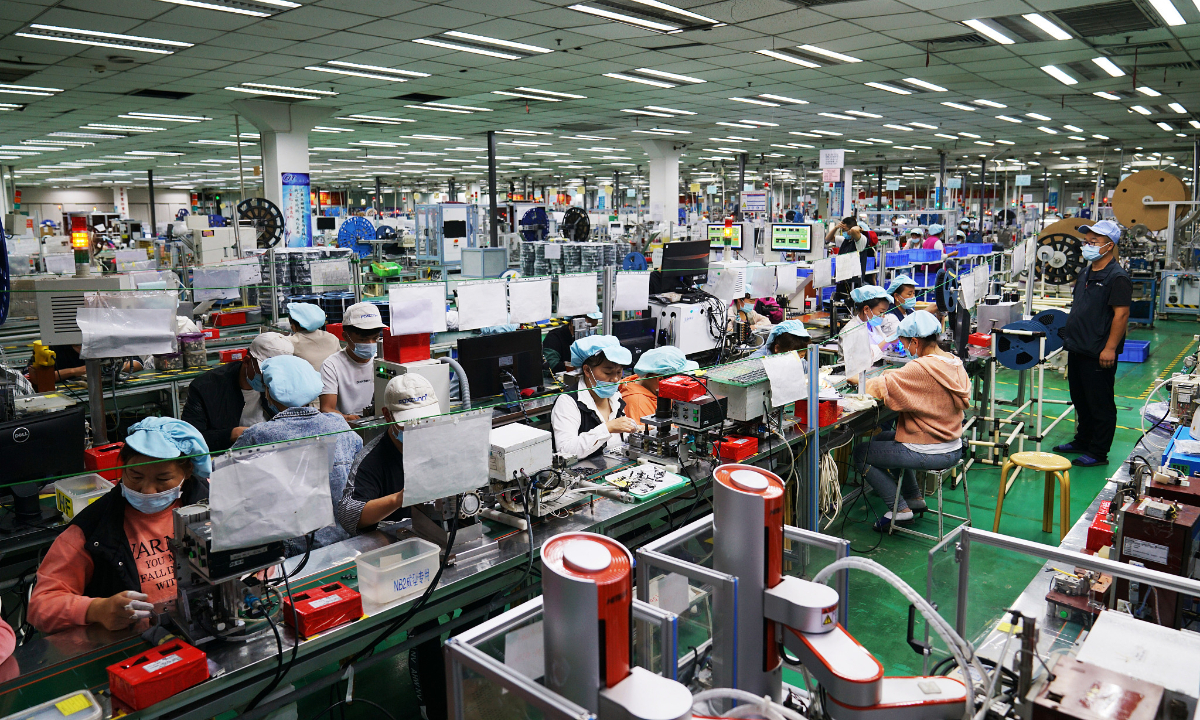
    Interestingly, in China, both the Mate 60 Pro and iPhone are assembled by the same contract manufacturer, Foxconn. And the Foxconn unit that assembles Huawei phones is paying its workers more than the unit that assembles the iPhone.

    Two recruitment agents told SCMP that Foxconn’s FIH division, a subsidiary that used to be known as Foxconn International Holdings, was offering new workers last week 26 yuan an hour ($3.60) to help assemble the Mate 60 Pro at the Foxconn factory in Shenzhen’s Longhua district. Meanwhile, workers helping to assemble the iPhone at Foxconn’s integrated Digital Product Business Group (iDPBG) are making 21 yuan an hour ($2.88), or 19.2% less than those building the Mate 60 Pro.

    A recruitment agent with the surname Xu in Shenzhen said, “The new hires will know what phone they are making after the factory allocates them to different teams based on current demand, but these days they have a higher chance of making handsets for Huawei.” The agent went on to say that those making the iPhone make less than those working for Foxconn’s FIH unit because the iPhone production unit offers more welfare benefits for workers.

    In Zhengzhou, home to the largest iPhone factory in the world, Foxconn is offering workers a peak signing bonus of 6,480 yuan ($888.35). Meanwhile, this year could be one of the toughest launches for the iPhone in China. Not only did the introduction of the Huawei Mate 60 Pro unleash a wave of nationalistic pride in the country, but the CCP banned the iPhone from being used in government offices citing security issues with the phone.

    Just the other day, reliable analyst Ming-Chi Kuo pointed out that Apple doesn’t market the iPhone to those working in government offices and stated that people in China who buy Huawei phones do not buy the iPhone. As a result, he didn’t change his estimate of iPhone shipments for the rest of this year.

  • McDonald’s Korea launches voice-guided kiosks, a first in Asia

    McDonald’s Korea launches voice-guided kiosks, a first in Asia

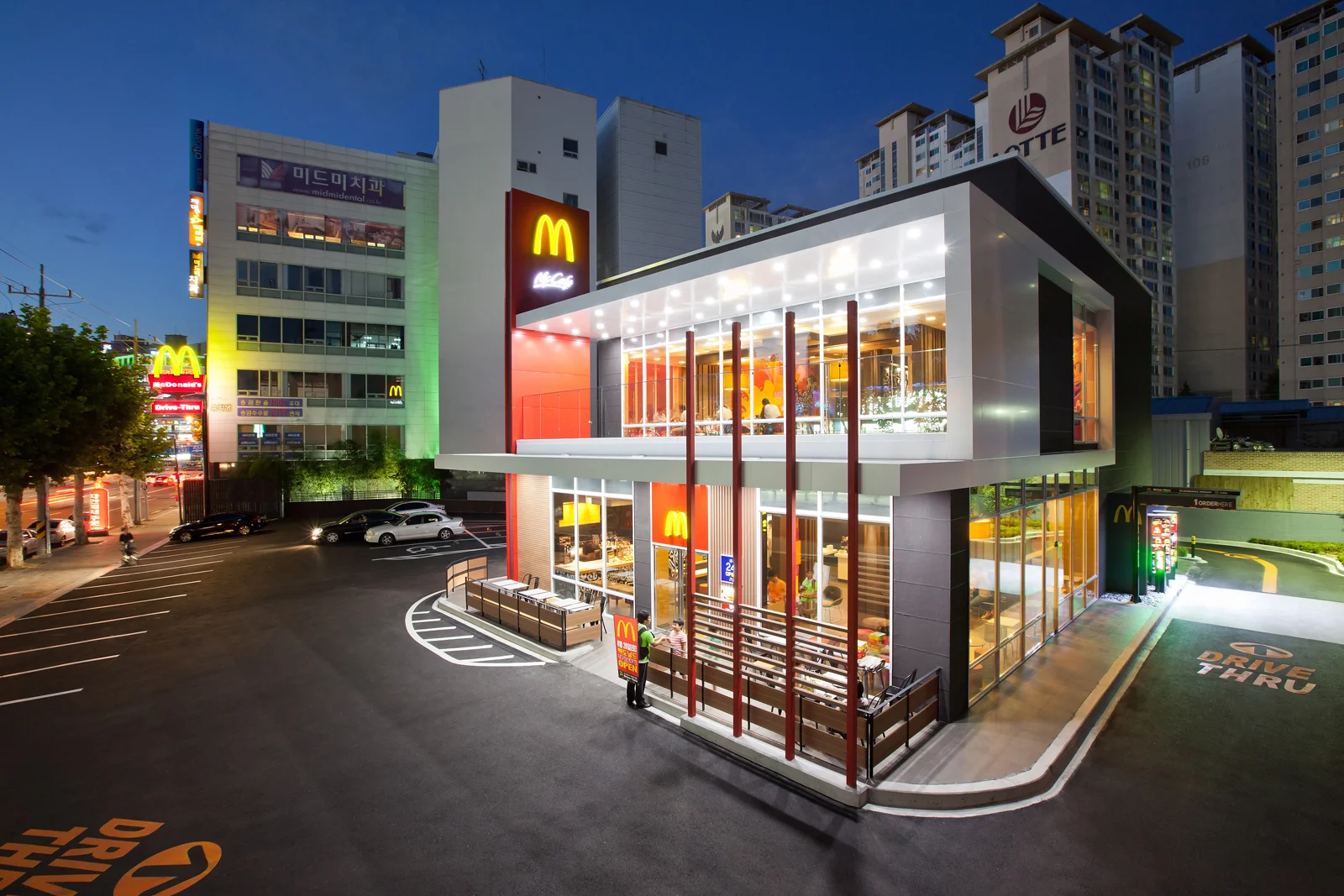
    McDonald’s Korea has introduced voice-guided self-service kiosks at some of its Seoul locations, making it the first fast-food chain in South Korea to do so. They did this to make it easier for visually impaired customers to order.

    These special kiosks, equipped with voice guidance software and touch pads, were first installed at 15 McDonald’s stores near centers that assist visually impaired individuals and schools for the blind. People with vision problems can plug in their own earphones to hear instructions and menus, even in noisy environments.

    This move by McDonald’s in South Korea is the second of its kind, with the first being in the United States. It’s also a groundbreaking step for fast-food restaurants in South Korea. McDonald’s Korea plans to extend this service to all of its stores in the country.

    A company representative emphasized their commitment to meeting the needs of visually impaired customers, noting that they had been working on this service for a long time.

  • Reliance Retail’s Hamleys opens first store in Italy

    Reliance Retail’s Hamleys opens first store in Italy

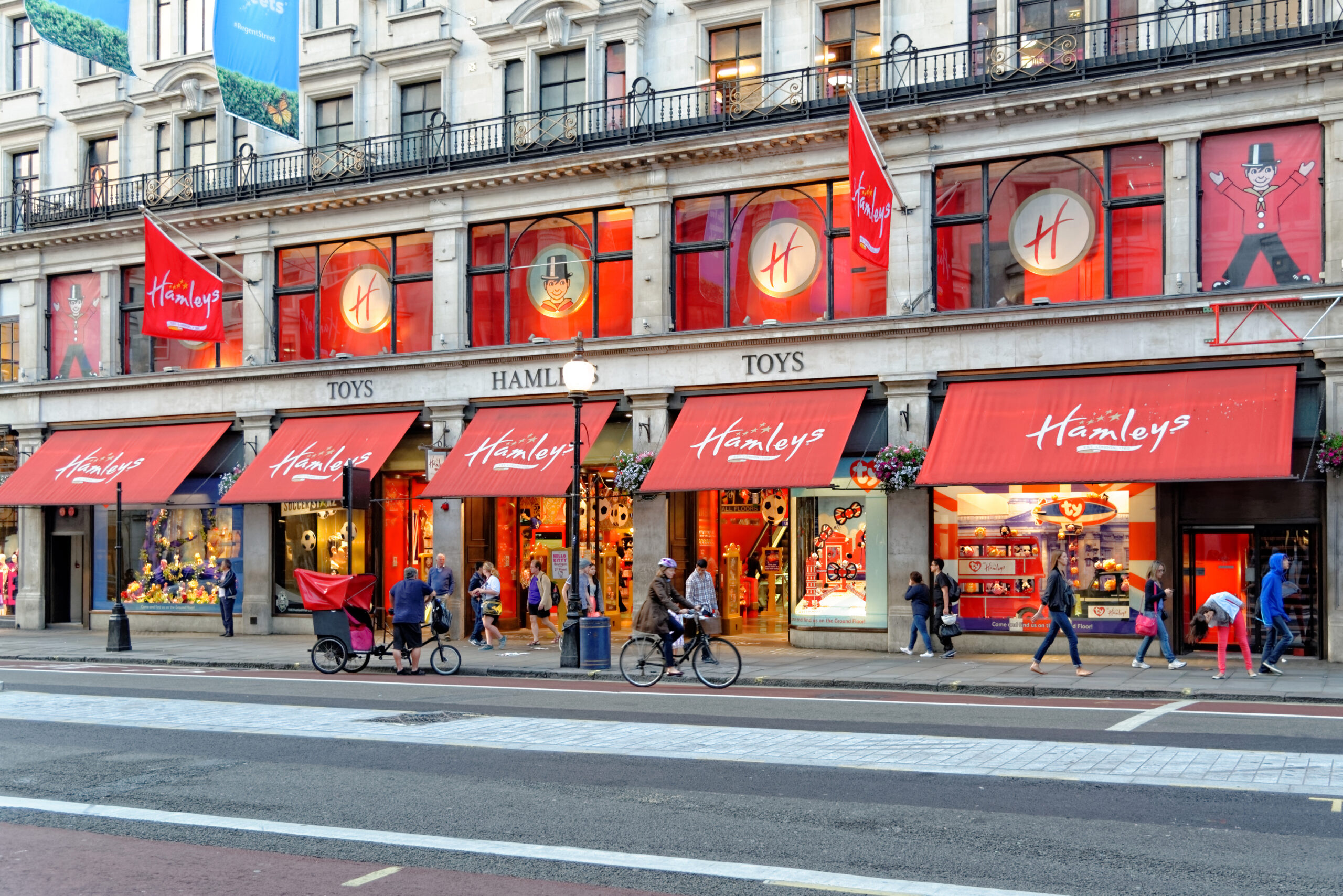
    Reliance Retail’s Hamleys has opened its first exclusive retail store in Milan, Italy, in partnership with Giochi Preziosi.

    The new 13,300 sq ft toy store is located at Corso Vittorio Emanuele II in Central Milan. Giochi Preziosi secured the exclusive right to operate Hamleys stores in Italy.

    “The finest toy shop in the world is all set to bring its theatrical magic to Italy! We are excited to spread smiles with our expansion and are proud to partner with the Giochi Preziosi Group,” said Sumeet Yadav, CEO at Hamleys Global.

    “The new store launch is timed perfectly with a refreshed store design concept, and we’re eager to weave new unparalleled experiences for children and families.”

    The company will also launch a flagship store in Rome following the opening of the store in Milan, which sells curated toys from popular brands such as Lego, Nerf, and Barbie.

    In addition, Build-A-Bear Workshop said it will open its first location, which will also be operated by Giochi Preziosi, at the new Hamleys store in Milan.

    Build-A-Bear allows its customers to create their custom soft toys.

    “We are thrilled to bring Build-A-Bear to Milan and in a beautiful and historic shopping gallery, where we can serve even more guests from around the world, and be part of creating special memories for them,” said Chris Hurt, COO at Build-A-Bear.

  • Shein pledges an additional $85 million to support its ESG roadmap

    Shein pledges an additional $85 million to support its ESG roadmap

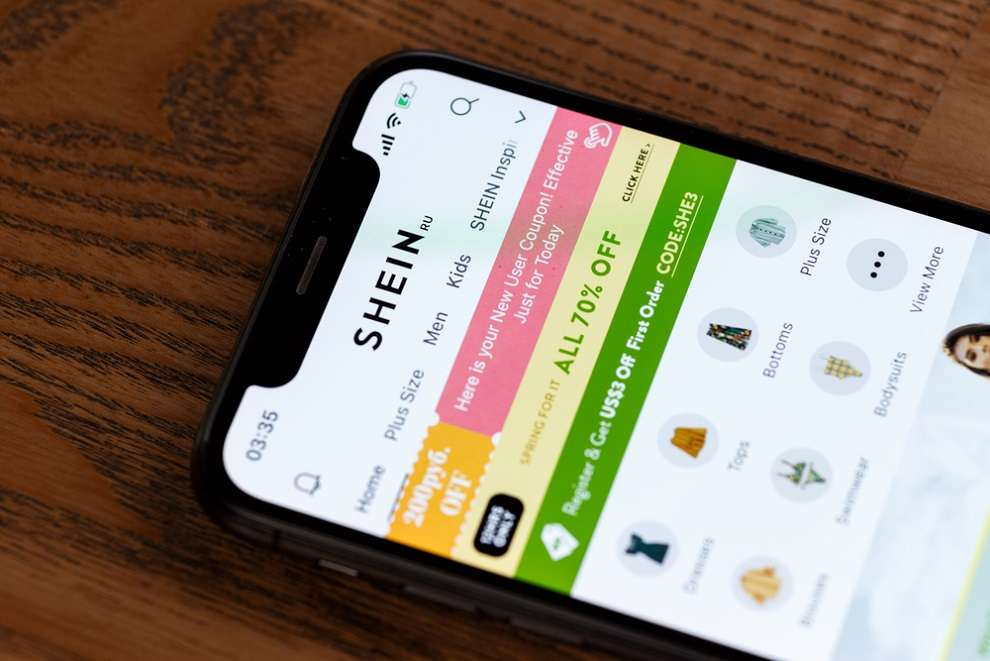
    China’s Shein has allocated an additional US$85 million over five years for its Global Community Empowerment Commitment.

    The fund will bring the company’s ESG roadmap pledge to $155 million, following the $70 million committed last April. The strategy, dubbed ‘EvoluShein’, consists of nine environmental and social priorities organized under three strategic pillars – People, Planet and Process.

    According to the company, while the $70 million commitment will be used to fund the company’s manufacturing supplier community, $50 million and $35 million will be used to support ‘aspiring designers’ and women, young people, and the underprivileged, respectively.

    “This fund will support these communities to grow alongside Shein, towards a more equitable future,” said Molly Miao, COO at Shein.

    Shein, which sells goods in more than 150 countries, is headquartered in Singapore but manufactures most of its products in China.

    Last month, US states asked the Securities and Exchange Commission to audit the chain for the use of forced labor ahead of its potential IPO.

  • Aussie sunscreen brand Ultra Violette debuts in the Middle East

    Aussie sunscreen brand Ultra Violette debuts in the Middle East

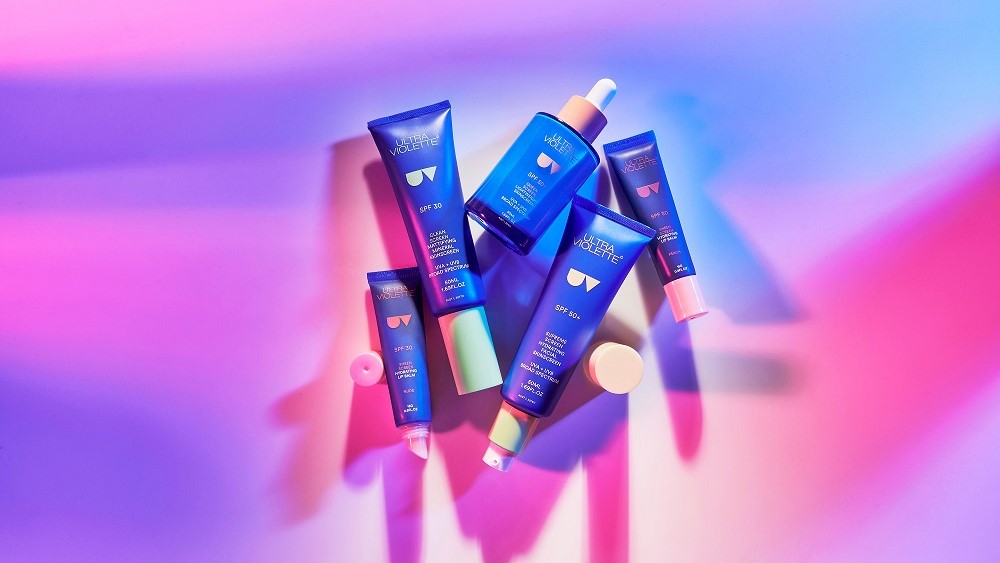
    Australian sunscreen brand Ultra Violette is set to expand its global presence with a launch in the Middle East through retail giant Sephora.

    The expansion marks a significant milestone for the brand, reaching 25 countries and more than 250 stores worldwide, including Australia, New Zealand, the UK, Europe, Southeast Asia, and now the Middle East.

    Ultra Violette’s debut in the Middle East will see its full range available in 89 brick-and-mortar Sephora stores across five countries, including a brand fixture in the retailer’s highest-volume store, the Dubai Mall.

    Founded by Ava Mathews and Bec Jefferd in 2019, the brand aims to redefine sunscreens with a collection designed for those who dislike using traditional SPF products.

    Its Skinscreens range combines innovative textures, skin-enhancing ingredients, and compatibility with other skincare and makeup products, which, in turn, garnered the brand a “cult following”.

    Earlier this year, the company expanded its presence in Europe and with products available in more than 450 Sephora stores across multiple countries, including France, Spain, Italy, Poland, the Czech Republic, Portugal, Greece, Germany, and Switzerland.

    Ultra Violette initially partnered with Sephora ANZ in 2020, and the collaboration has helped grow the brand significantly since.

    “Our ultimate goal is to bring Ultra Violette to as many faces in as many countries as possible worldwide,” said Mathews.

    “The Sephora global team has been incredibly supportive in championing an Australian brand, and we are thrilled to expand within their network in the Middle East, with Sephora being the number one prestige beauty retailer globally.”

    In addition to Sephora, Ultra Violette’s products are available in major beauty and luxury retailers worldwide, including SpaceNK, Harrods, Liberty, Cult Beauty, and David Jones.

  • Google makes a small change to the Android version of the YouTube app

    Google makes a small change to the Android version of the YouTube app

    Google likes to fool around with YouTube like a person who can’t stop scratching an itch. Unlike changes made to Google Maps that are helpful, some of the changes made to YouTube appear to be done for no real reason. Recently, the web version of the video stream moved from square corners to rounded corners on the thumbnails and the video player, and the feedback from YouTube users was not exactly favorable.

    Now it appears that YouTube is making the same change to videos on the YouTube Android app. The result is a more blinding white light in the background which might lead some users to turn on Dark theme. Open the YouTube app on Android and tap the profile picture in the upper right corner. Next, tap on Settings > General > Appearance. A popup box will ask you to choose from using the device theme, Light theme, or Dark theme. Make your choice.

    Since the rounded corners extend to the video player on the web and not just the thumbnails, we can assume that this will be the case for the Android app as well. Right now, the new look hasn’t been pushed out to many Android devices and it has yet to appear on my Pixel 6 Pro using Android 14 Beta 5.3.

    On the YouTube website, the rounded corners do not appear when you are watching a video in full screen or in Theater mode. But once you return to Default view, they do return. Now we don’t know exactly when Google plans to roll this out more widely to Android users and whether it will follow through by rounding the corners on the iOS YouTube app.

  • Electronic retailer Mobile World grows revenues in Indonesia

    Electronic retailer Mobile World grows revenues in Indonesia

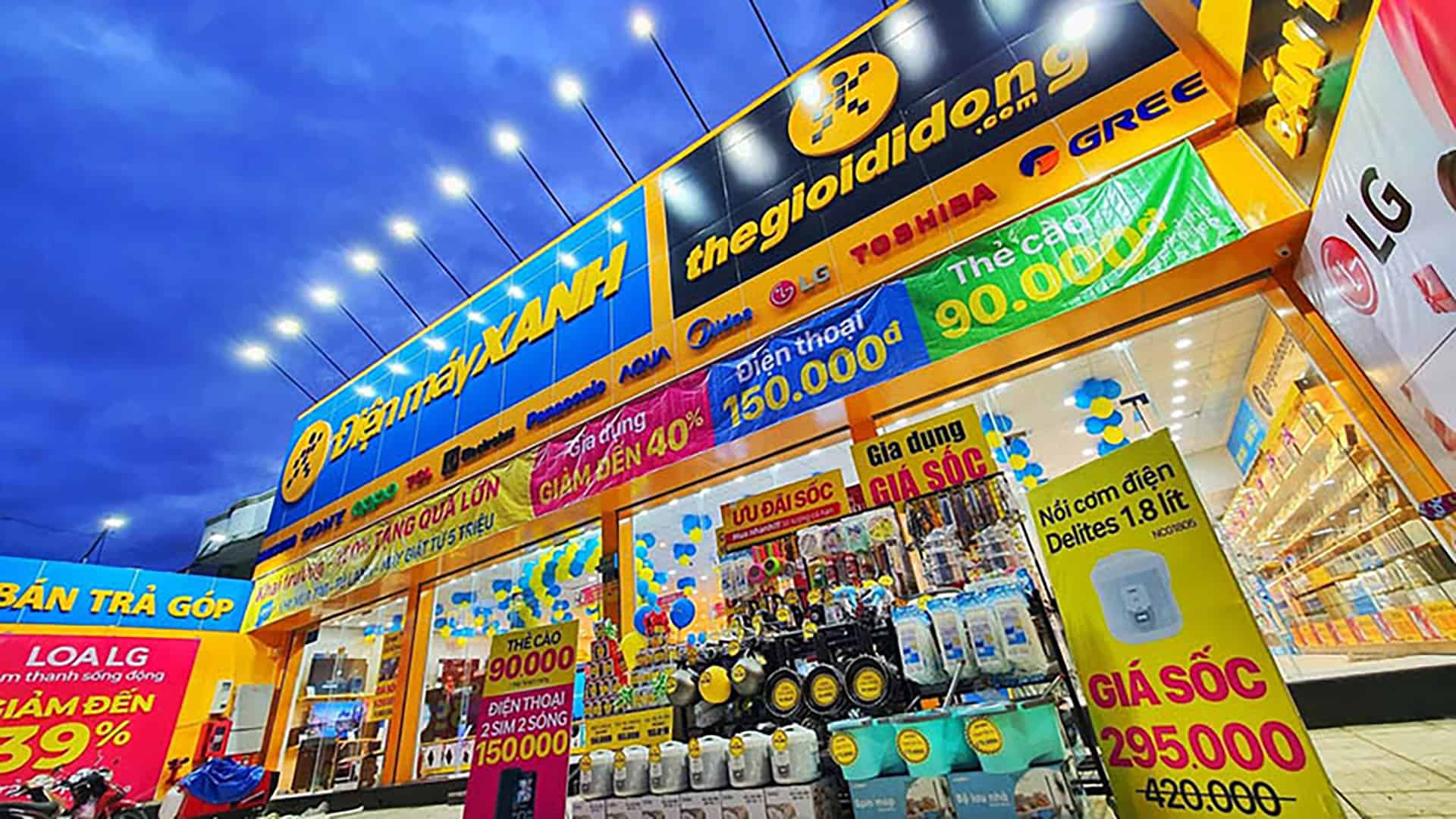
    Erablue, the electronics retail chain of The Gioi Di Dong (Mobile World ) in Indonesia, has increased its monthly sales to VND30 billion from VND17.5 billion (US$0.7 million) in the latter part of 2022.

    With five stores, it reported monthly revenues of VND25 billion ($1.05 million) in the first half of this year.

    The VND5 billion ($0.2 million) per store represents higher sales than in Vietnam, Doan Van Hieu Em, CEO of two of the country’s leading electronics retailers, The Gioi Di Dong and Dien May Xanh, said. The latter also sells home appliances.

    While the amount is only equivalent to 0.5% of that of a Dien May Xanh store, it is enough to achieve positive EBITDA (earnings before interest, tax, depreciation, and amortization), he noted.

    Erablue is a joint venture between The Gioi Di Dong and Erafone Artha Retailindo, a subsidiary of Indonesia’s largest technology product retailer.

    It opened its first store in Jarkata late last year before expanding to Tangerang, an area considered a new economic driver.

    Erablue, which opened its sixth store this month, targets 25 more by the end of this year, halving the plan it made at the beginning of the year.

    Em said it is very hard to find showroom-sized properties in Indonesia, and the joint venture has to rent five to seven adjacent buildings and turn them into a big enough place for an Erablue store.

    But the potential of Indonesia’s electronics market is double or even triple that of Vietnam, he added.

    The Vietnamese electronics retailer has determined that sales and after-sales services, especially delivery and installation, will be a strong point of Erablue stores.

  • Ford recalls over 3,200 Everest, Explorer cars for multiple problems

    Ford recalls over 3,200 Everest, Explorer cars for multiple problems

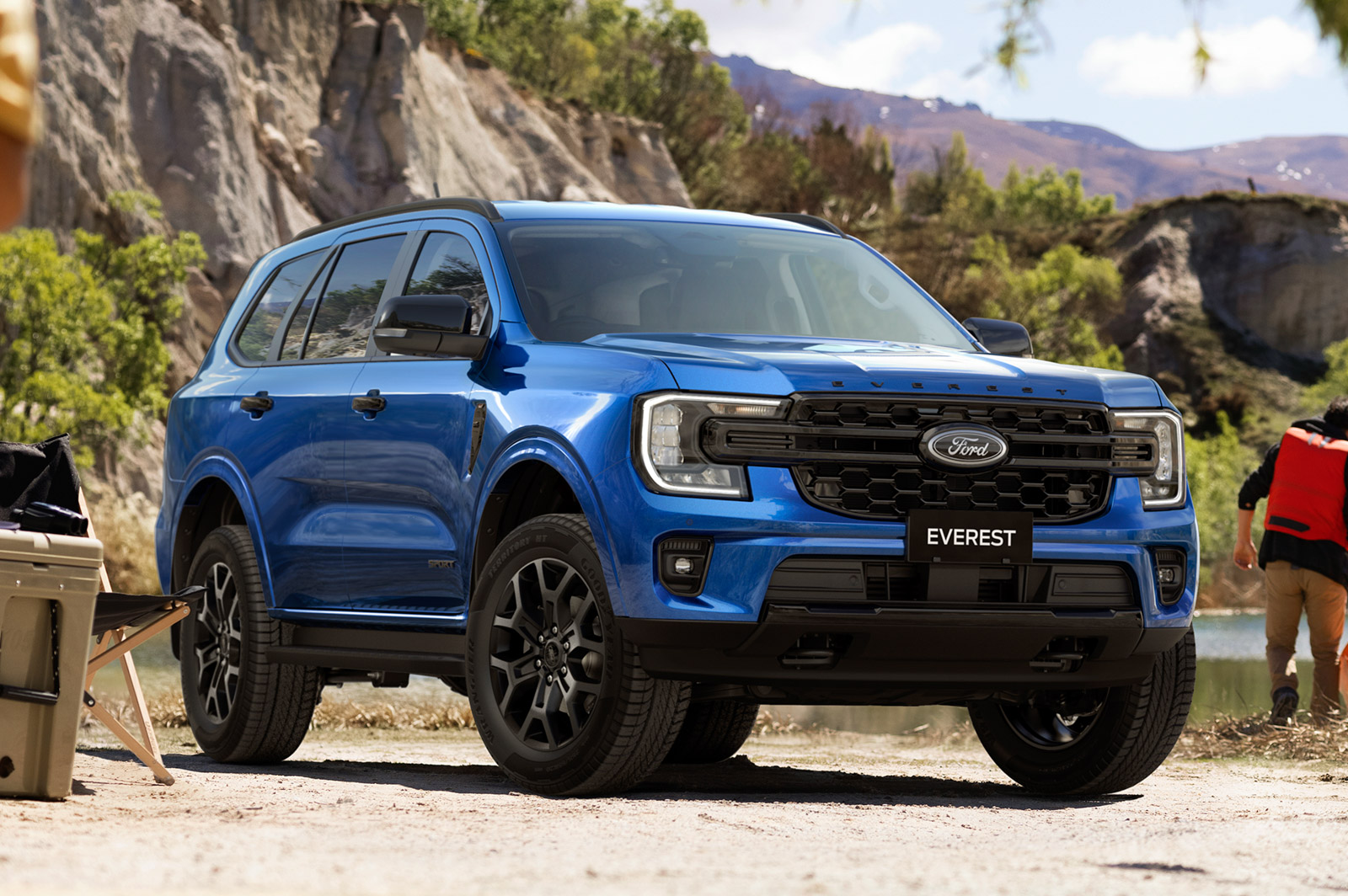
    Ford is recalling more than 3,200 Everest and Explorer SUVs to fix a battery fault, incorrectly installed exhaust filters, and faulty camera control software.

    In the case of the Everest, 1,256 cars manufactured between Nov. 24, 2021, and Feb. 3, 2023, have a low-battery charge fault, which could cause the transmission to engage “park” while moving at low speeds.

    Due to a software problem, if the battery level drops below a critical threshold, the transmission may shift into park when the vehicle is traveling at below six kilometers per hour.

    This may cause a sudden stop without the rear brake lamps illuminating, increasing the risk of an accident.

    Two cars manufactured between May 19, 2022, and June 28, 2023, are also being recalled because their diesel particulate filter has not been correctly fitted in the exhaust system to filter soot out of the exhaust gases to ensure that the vehicle complies with emission standards.

    The incorrectly fitted filter also leads to more frequent exhaust gas regeneration, resulting in reduced fuel efficiency and oil life, and non-compliance with emissions regulations.

    The Everest, Ford’s top-priced SUV, will see 1,967 recalled because of a failure in the 360-degree camera system, causing a loss of rear camera image while in reverse.

    A loss of video frames in the image processing module occurs during re-initialization or when the cameras enter sleep mode during the re-initialization process. This causes a blue image or a full blue or black screen.

    The Everest began to be recalled on Aug. 31 and the Explorer on Sept. 5.

  • Techcombank chairman’s daughter buys 82 mln TCB shares

    Techcombank chairman’s daughter buys 82 mln TCB shares

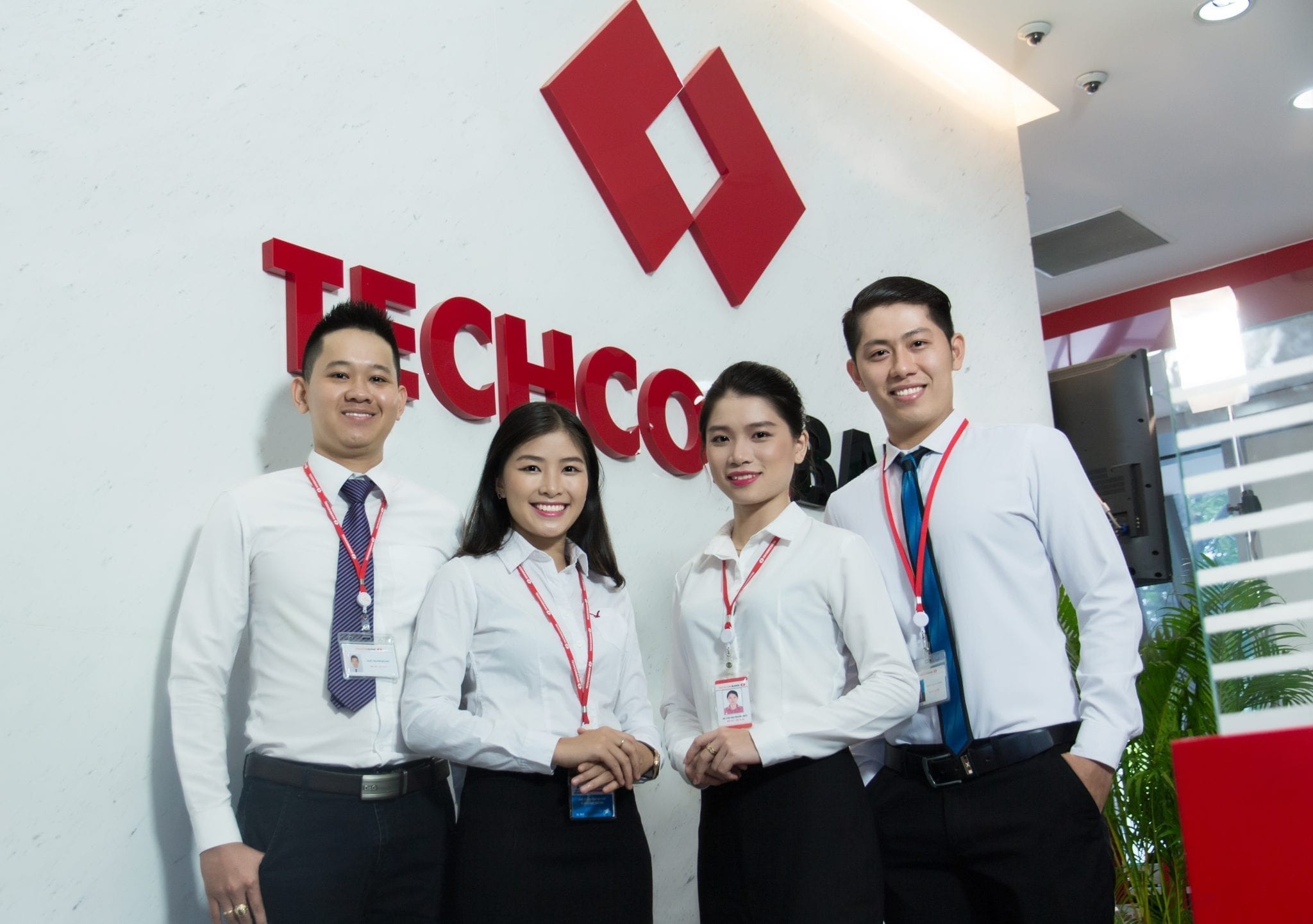
    Ho Thuy Anh, daughter of Techcombank (TCB) chairman Ho Hung Anh, has bought 82 million TCB shares worth at least US$110.1 million.
    The transaction, completed between Sept. 5-8, will increase her stakes in Vietnam’s largest private bank from 0.64% to 2.97%.

    As of the end of June, the chairman Hung Anh held 39.3 million TCB shares, or 1.1% stake in the lender. His family currently holds 621 million TCB shares, a 17.7% stake.

    In the four-day period Sep5-8, a total of 83.3 million TCB shares changed hands in put-through transactions at two trading sessions on Sept. 5 and Sept. 8.

    Specifically, the Sept. 5 session saw 37.5 million TCB shares worth VND1.2 trillion (US$50.8 million) traded, and the Sept. 8 session saw 45.8 million shares change hands worth a total VND1.53 trillion.

    Currently, the market price of TCB shares has been fluctuating around VND35,000 per share, 27% higher than the beginning of this year.

    The bank’s profit was VND11.3 trillion in the first half of this year, a year-on-year decline of 20%, mainly due to difficulties accessing corporate bonds and real projects’ struggles attaining credit.

    After being the second-biggest profit maker among commercial banks in Vietnam for years, Techcombank fell to fifth place in profit rankings in the first six months of this year.

  • Lender Sacombank eyes Bamboo Airways investment

    Lender Sacombank eyes Bamboo Airways investment

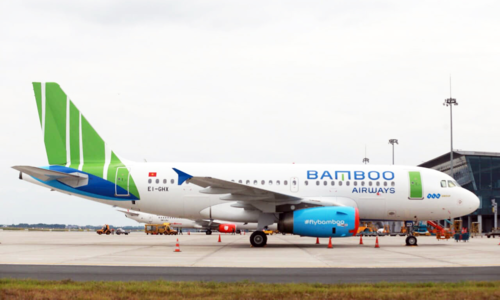
    Sacombank, a major creditor of Bamboo Airways, is seeking approval from economic regulators to invest in the local carrier.< Phan Dinh Tue, a Bamboo Airways board member, said at an unusual meeting on Friday that acombank is a credit institution supporting Bamboo Airways with capital. Hence, Sacombank is genuinely interested in the restructuring process of the airline and is expecting it to grow. Tue said Sacombank had expressed interest in providing more capital for Bamboo Airways. But being a credit institution, Sacombank’s move considered an outside-industry investment. That is why the bank is speeding up the processes to have regulators’ consent before the investment is possible. Bamboo Airways approved items related to the board’s new structure and changes to the company’s charter and the board’s operating regulations. The company also issued management regulations and directions to select strategic shareholders. Bamboo Airways’ general meeting of shareholders also agreed with Board Chairman Le Thai Sam’s recommendation on helping the board organize and review the company’s capital holdings, raise-reduced charter capital to serve the airline’s restructuring goal and mobilize capital from strategic shareholders. The goal is to expand the company’s flight network, and the quality of services. Bamboo Airways’ board now has five members: Le Thai Sam, Le Ba Nguyen, Nguyen Ngoc Trong, Phan Dinh Tue and Le Thi Truc Quynh. After dismissing three members, Bamboo Airways' supervisory board also elected three new people: Nguyen Thi Hong Cam, Pham Van Phung and Nguyen Dang Khoa. The number of company’s legal representatives was also reduced from three to two, including the board’s chairman and the director.

  • Korean Air mandates e-AWBs for general cargo starting January

    Korean Air mandates e-AWBs for general cargo starting January

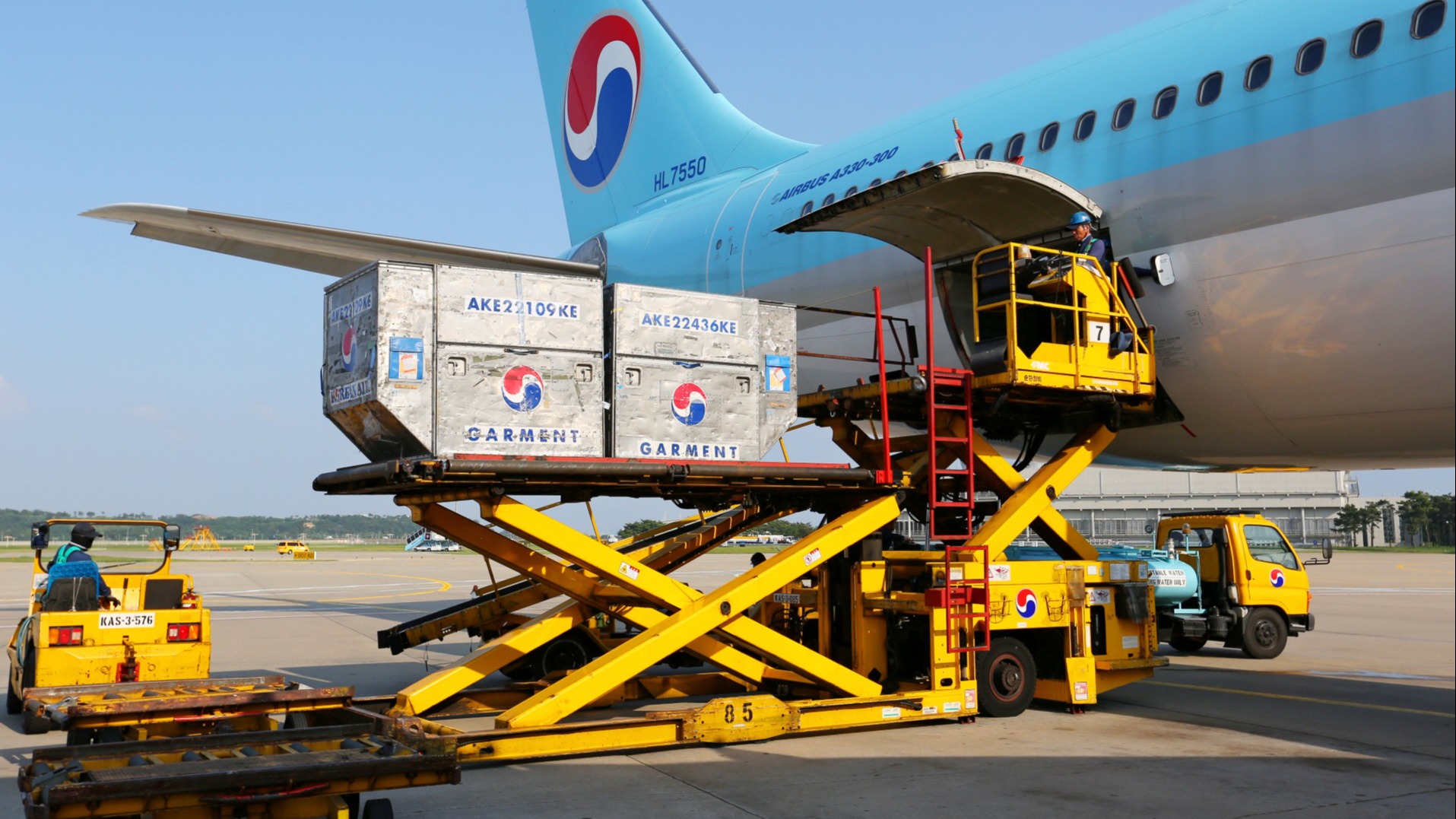
    Korean Air will begin its full-scale digital transition to electronic air waybill (e-AWB) to replace conventional paper documents and will apply to general cargo departing from Korea bound for North America, Europe, Japan and other select markets.

    The airline said the paperless transition will streamline the entire process from reservations to final delivery and enhance data quality and accuracy. It will also enable the airline to practice its ESG initiatives.

    Korean Air held consultations and completed trial operations with all stakeholders, cargo clients and forwarders to prepare for the transition. The airline will mandate e-AWB for Korea-outbound cargo starting January next year, with plans to include all loaded cargo departing from global stations in due course.

  • UBS Job Cuts Hit US Investment Bankers

    UBS Job Cuts Hit US Investment Bankers

    The reorganization of UBS investment banking is proceeding. It’s eliminated some duplicate US staffing, but the big cutback is looming.

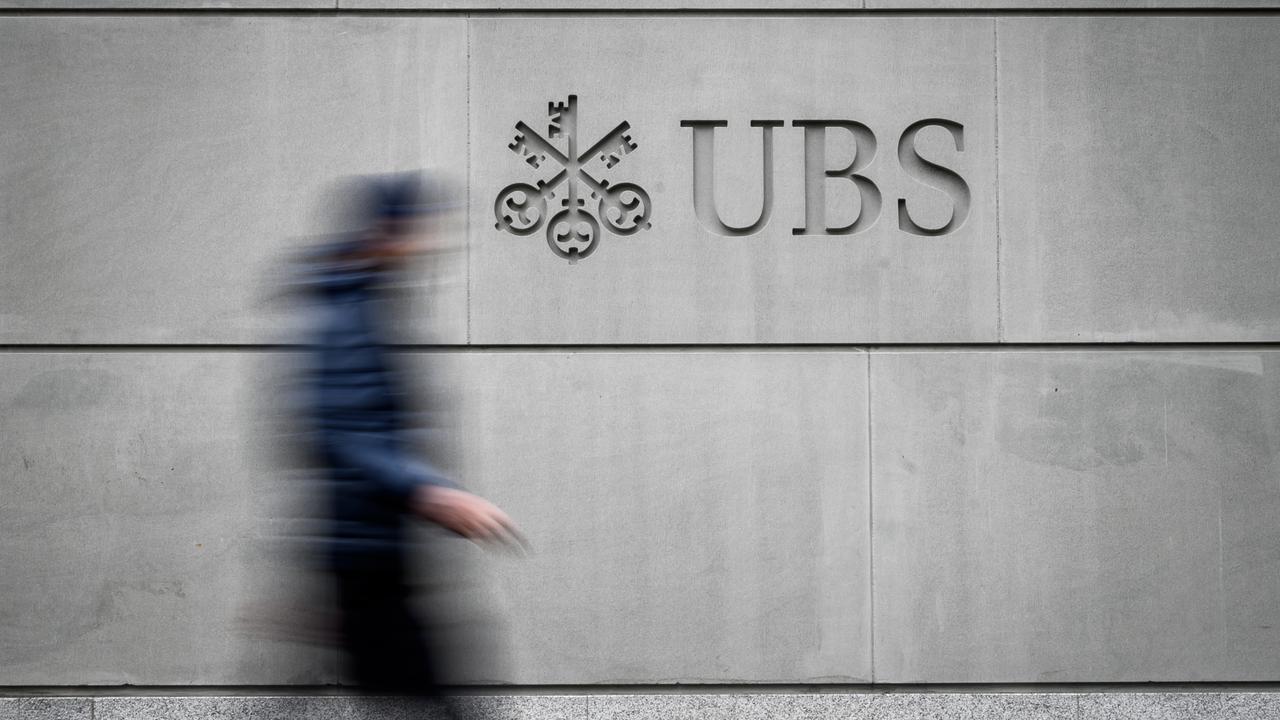
    According to a Bloomberg report, UBS has eliminated about a dozen investment banking jobs in the US in connection with the integration of Credit Suisse. The bank declined to comment to the news outlet on the matter.

    According to the sources who asked not to be named, many of the affected positions are in overlapping areas. No names were given.

    If the report is true, the reorganization of traditional investment banking with corporate advisory and capital market transactions is proceeding. UBS is trying to combine the best of both banking worlds, but when it comes to Credit Suisse trading, UBS will show little mercy and will wind up the unit.

    At the same time, numerous UBS investment bankers in New York are about to move, with the entire team decamping to the former Credit Suisse offices at 11 Madison Avenue.

  • Poor training makes up to 200,000 IT engineers unemployable

    Poor training makes up to 200,000 IT engineers unemployable

    A gap between IT engineers’ skill levels and market requirements is making 150,000-200,000 of them unemployable every year, a report by IT jobs platform TopDev warns.

    The recently published “Vietnamese IT market report in 2023” on TopDev says most recruiters look for three types of developers: back end, full-stack (who will build the interface), and front end.

    The top five skills that are sought are java script, Java, PHP, C# or .NET, and Python.

    TopDev says by 2025 Vietnam will need close to 700,000 IT engineers. The country has around 530,000 now. The number of new IT graduates is increasing steadily, but do not meet the job market’s demands.

    Of more than 57,000 graduating annually only 30% have the required skills and expertise required by companies, and the rest need additional training by employers for three to six months.

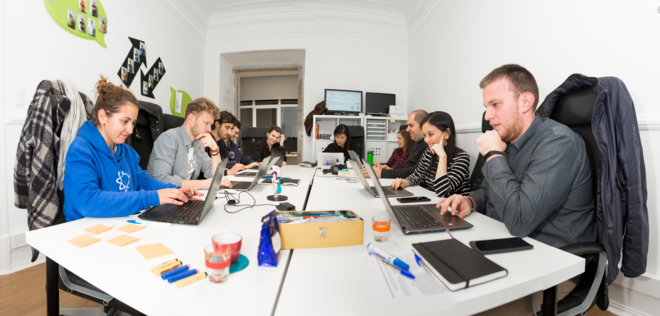
    A long-term supervisor at a company based in the Quang Trung Software City in HCMC said recently that the market has few experienced developers and an excess of “freshers.”

    Between inadequate training in schools and a shortage of experienced people, quality candidates are always scarce and desirable.

    Nguyen Thi Thu Phuong, the Hanoi director of recruitment for Adecco Vietnam, said firms intensified their search for experts in the year’s first half. Vietnam saw a 35% decrease in the number of vacancies in IT jobs in the same period in 2022.

    Despite the economic downturn, the average salary of IT personnel has increased since 2022, albeit marginally, according to TopDev.

    More than 70% of new hires earn US$600-1,000 a month, and the salaries go up to $1,100-1,500 for mid-level jobs and $1,100-2,000 at the top level, with 10% getting around $2,500.

    Information and communication technology is one of the fastest-growing industries in Vietnam. Its revenues have risen from less than $103 billion in 2018 to $136.15 billion in 2021.

    In the 2021 Global Innovation Index, Vietnam ranked 44th out of 132 economies.

    According to Tran Thi Nguyet Oanh, HSBC Vietnam’s head of human resources, plenty of future jobs are linked to IT fields like artificial intelligence (AI) and machine learning, information security and financial technology.

    TopDev recommends that developers should improve their understanding of new technologies such as cybersecurity, DevOps, AI, and machine learning, and cloud computing and soft skills such as critical thinking, communication, time management, and foreign languages.