Author: Mei Ling Tan

  • Freshwater Farm launches Indigenous-inspired products

    Freshwater Farm launches Indigenous-inspired products

    Freshwater Farm, the family-run bath and body care company, has launched limited-edition products designed by an Indigenous artist to commemorate a partnership with the Indigenous Literacy Foundation (ILF).

    Worimi artist Brittney Paulson made the limited edition packaging designs. The artwork is present on six items, including the body bars, hand washes, and 1L body washes from Freshwater Farm with Lemon Myrtle and Rosewater.

    Paulson added that this is her second time working with Freshwater Farm to produce these special items that honor her background.

    Freshwater Farm will donate 50 cents for every limited edition product purchased to the ILF, up to $50,000, which will be used to provide 5000 books to children in isolated Indigenous communities.

    “The farm where we grow many of the plants which are used in our products is based on Worimi Country on the NSW Mid North Coast,” said Freshwater Farm GM Al Hutcherson.

    “This is the second year running where we’ve donated to the Indigenous Literacy Foundation, to acknowledge the Worimi Aboriginal Community as the Traditional Owners of the land that Freshwater Farm is on.”

    The Indigenous Literacy Foundation (ILF) is a national non-profit organization that works with Aboriginal and Torres Strait Islander remote communities in Australia.

    The products are available for purchase through the brand’s website, as well as in-store and online at Woolworths.

  • Vietnam Airlines to buy 50 Boeing 737 Max jets

    Vietnam Airlines to buy 50 Boeing 737 Max jets

    Vietnam Airlines is set to sign a US$10-billion deal with U.S. aviation giant Boeing to buy 50 737 Max narrow-body aircraft.

    The signing is set for Monday during U.S. President Joe Biden’s state visit to Vietnam, an anonymous source told VnExpress.

    The deal is part of Vietnam Airlines’ plan to renew its fleet, in which many aircraft are over 10 years old.

    Four years ago the state-owned carrier received approval from the Civil Aviation Authority of Vietnam to buy 50 narrow-body aircraft from Boeing or its European competitor, Airbus.

    Vietnam Airlines and other carriers in the country do not currently use any Boeing narrow-body aircraft.

    Vietnam Airlines’ 90-jet fleet is made up of the narrow-body Airbus A321 and wide-body Boeing 783 Dreamliner.

    The Boeing 737 Max can carry between 210 and 230 passengers and has a range of around 3,000 kilometers.

    Budget airline Vietjet signed a deal with Boeing in 2016 to buy 100 737 Max aircraft during former U.S. President Barrack Obama’s visit.

    It then signed a similar deal in 2018.

    Industry insiders say buying new jets is not easy now since Boeing and Airbus have full orders booked for until 2030.

  • Belgium toasts its beer riches with new visitor centre

    Belgium toasts its beer riches with new visitor centre

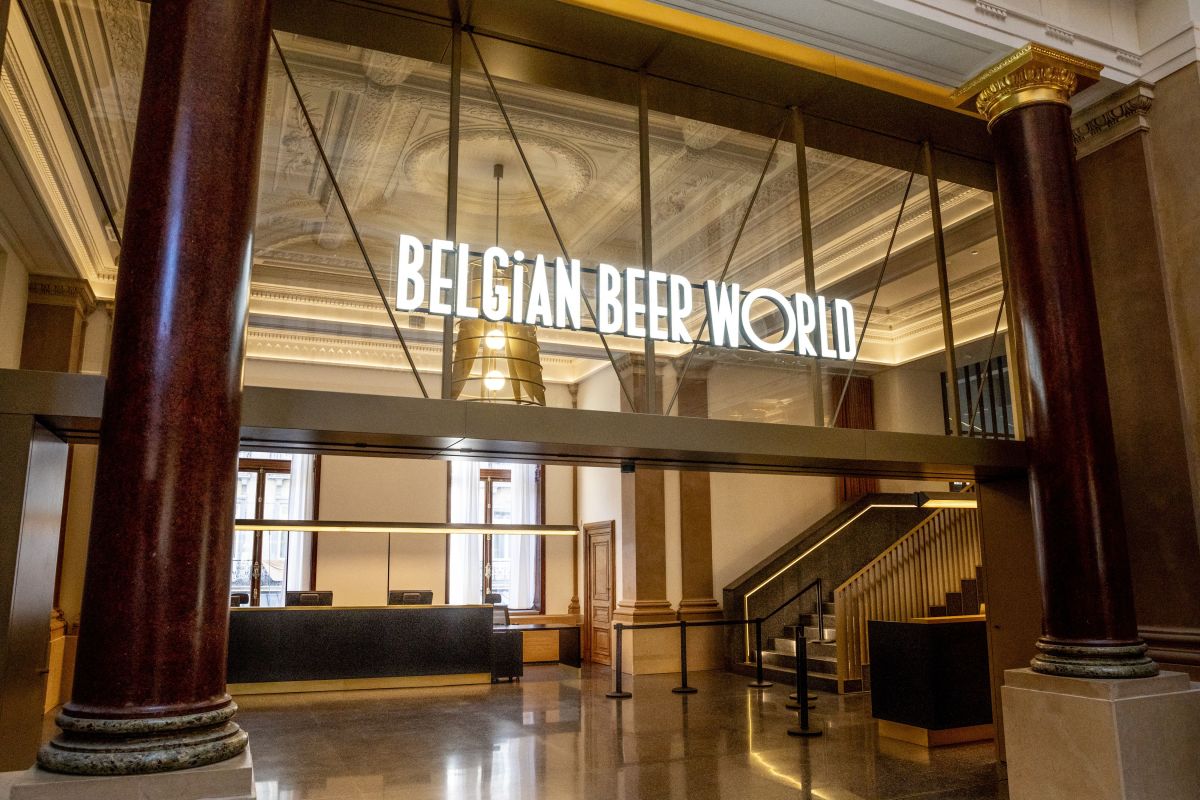
    Belgium is promoting its centuries of beer-making and 430 breweries with a new visitor centre in Brussels that recounts the history of Belgian production and aims to show what is unique about the country’s beer and beer culture.

    Belgian Beer World will open on Saturday in the neoclassical former Brussels Stock Exchange, renovated at a cost of $96.25 million.

    Visitors will learn about “Belgitude” – Belgian identity – and what distinguishes Belgian beer from others – such as the four different fermentation methods and the culture of each beer having its own branded glass.

    “In Belgium there’s more to it than the liquid in the glass,” said Krishan Maudgal, director of the Belgian Brewers Association.

    Belgium produces some 1,600 beers, and its beer culture secured a place on the UNESCO global list of traditions worthy of preservation in 2016.

    The new center shows production in the Middle Ages, when beer was a safe alternative to contaminated water, and hops were introduced as a preservative, and up to the modern day. The tour ends with a beer, suggested by a virtual barman, in the building’s rooftop terrace bar.

    Brussels already has a beer museum, but is unassuming, with old brewing equipment and some insight into beer-making.

    “It’s very typical of Belgium. We are too modest. We are someone who says ‘maybe it’s not necessary’,” said Brussels city Mayor Philippe Close, adding Dublin and Amsterdam were active in promoting their beer cultures.

    He said the center expected to welcome 300,000 visitors in its first year, with adult tickets costing 17 euros.

  • Sorbent undergoes brand refresh across all media

    Sorbent undergoes brand refresh across all media

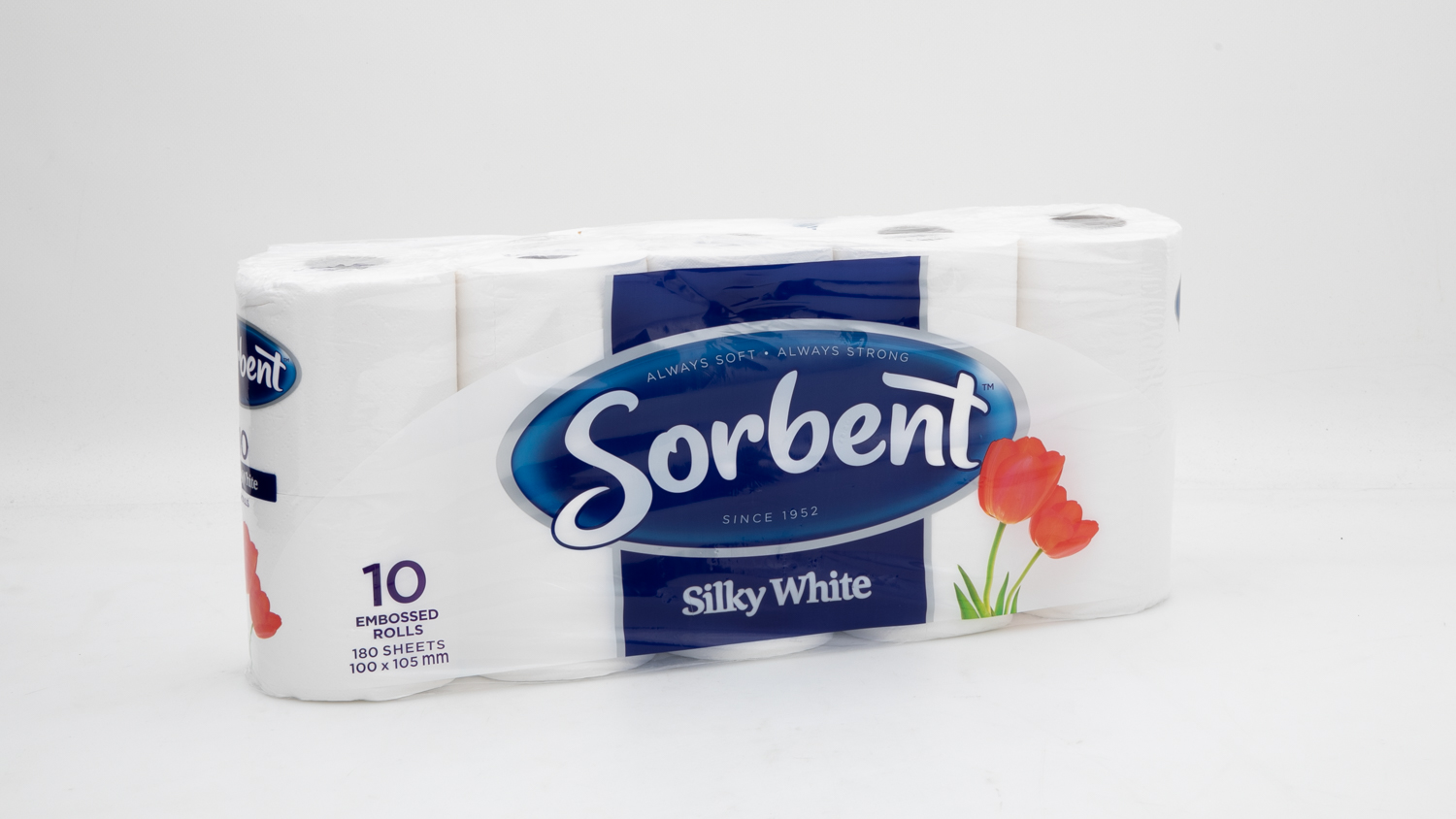
    Australian tissue brand Sorbent has undergone a brand refresh across all product lines, packaging, and communications.

    The brand said it needed to “pivot” from a commodity product to a branded experience that reflected its Australian heritage and offered a unique attitude and point of view that would resonate across all mediums.

    Daniel Coleman, the head of marketing at Sorbent, said after talking to consumers, it was clear that Sorbent packaging needed a refresh.

    “The update will breathe new life into our range, and we look forward to seeing it roll out onto shelves and into Australia’s bathrooms.”

    The new brand system celebrates the company’s “proud history” with the introduction of a new character asset – ‘Sunny’ the Cockatoo.

    The design also boasts revitalized colour systems along with a portfolio architecture system that enhances product and benefits navigation.

    The company partnered with The Edison Agency to develop its brand identity strategy, design system, and portfolio architecture strategy to rejuvenate its portfolio.

  • Google Maps now allows users to find their favorite places faster using emojis

    Google Maps now allows users to find their favorite places faster using emojis

    With the Google Maps app, you can tap the Saved tab on the bottom of the screen to create lists of places where you want to go or your favorite places. Just the other day Google posted on its Google Maps’ X account that thanks to a new update to the app “you can customize your saved places with emojis to help you find your fav spots faster.” The emoji are the same ones available in messages so you can use a food emoji, a sports emoji, or any emoji you wish to symbolize a place that you’ve saved.

    To add an emoji, open Google Maps and press the Saved tab at the bottom of the screen. This won’t work with the default lists that come with Google Maps such as “Want to go,” “Favorites,” “Travel plans,” “Labeled,” and “Starred places.” You’ll have to create your own list or edit an existing one you created. In a video shared by Google on X, a new list named “Fav Coffee Spots” is created. Select an emoji for the list, which in this case is a cup of coffee, and add a description. Now, add the spots you want to add to the list.

    Once you’ve filled out the list, when you see one of these spots on Google Maps and are close to the location, you’ll see the name of the place with the chosen emoji next to it. If you zoom out on the map, you’ll see only the emoji. We assume that Google made this change because, unlike a pin stuck in a map, an emoji can convey more information to the user. Using emojis, you’ll be able to quickly determine if a certain spot on a map is one of your favorite coffee houses, a favorite ice cream parlor, or a burger joint you visit often without having to tap on the location.

    With so many emojis to choose from, the user can use them to find his/her favorite spots faster on Google Maps.
  • My Porsche App Now Integrated With Apple CarPlay

    My Porsche App Now Integrated With Apple CarPlay

    Porsche has expanded the functionality of the My Porsche App by integrating it with Apple CarPlay. This added functionality has established Porsche as the first automotive manufacturer to integrate vehicle functions into the CarPlay experience.

    The My Porsche App serves as a centralized hub for the digital management and control of vehicles. With this update, users can now access a range of vehicle functions directly within CarPlay. The integration brings features like real-time battery charge status, climate control adjustments, audio settings, such as sound profiles and radio station selection,  and ambient lighting adjustments. and seamless navigation input.

    Additionally, these functions can be combined into preset “wellness modes,” such as “relax,” “warm-up,” and “refresh,” accessible via quick actions within CarPlay. Furthermore, users can control various vehicle functions using Siri while driving their Porsche.

    Moreover, the My Porsche App integrates with third-party platforms like Apple Music, enabling users to access their associated apps directly through the Porsche Communication Management system.

    The updated app also displays images of the specific Porsche model within the CarPlay interface.

    To get started with this the user has to only do a quick QR code scan displayed on the PCM. As the new features get developed within the Carplay, the customers will get updates to their My Porsche App. The updated functionality has debuted in the new Porsche Cayenne, which is available now and will be rolled out to other Porsche model lines.

    “We are excited to further improve the My Porsche App and use the capabilities of Apple CarPlay to deliver a truly enhanced customer experience,” says Mattias Ulbrich, CEO of Porsche Digital and CIO of Porsche AG. “Technology and digitization are crucial factors for the enduring fascination of our brand – now and in the next 75 years.”

  • Your PayPal credit and debit cards will now support Apple Pay

    Your PayPal credit and debit cards will now support Apple Pay

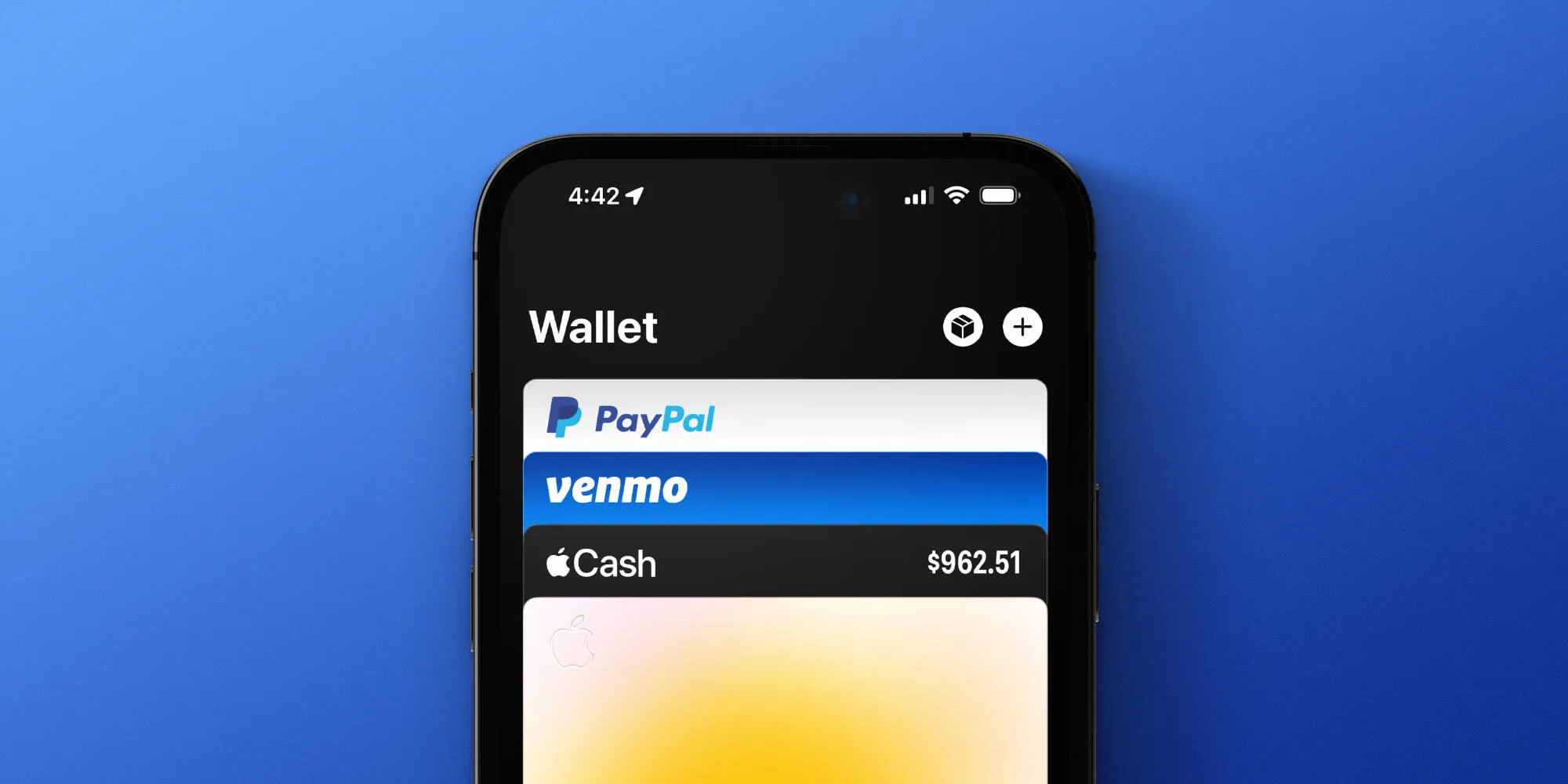
    If you have a PayPal debit or credit card, starting today you can add them to your Apple Wallet app where they can be selected for use with the Apple Pay mobile payment service. There are two ways that you can accomplish this. Number one, you can open the iOS PayPal app and find the banner on the app’s homepage that screams, “Pay with your iPhone.” Tapping this will take you to the Apple Wallet app from where you can add your PayPal debit or credit cards.

    The second way to add your PayPal cards to your Apple Wallet is to open the app and press the plus icon in the upper right corner of the display. Follow the directions to add your PayPal credit card, debit card, or both to your Wallet app. Once listed in the app, you can choose either one to handle the transactions that you pay using Apple Pay. Once again, we would like to inform you that Apple keeps .15% of the value of each transaction which means that the tech giant keeps 15 cents out of every $100 rung up using Apple Pay.

    Venmo, which PayPal owns, is also supposed to add Apple Pay support to its Venmo credit and debit cards although this has yet to occur. All of this is taking place as Apple recently started a promotion for its Apple Pay service by releasing two 30-second videos and two shorter 15-second versions of the same ads.

    According to one analyst, Apple could generate as much as $4 billion in revenue from Apple Pay this year. Last month we told you that Apple Pay is the fifth-most widely used payment method worldwide after PayPal, Visa, Mastercard, and American Express.

    PayPal’s move to support Apple Pay was belated, especially compared to all of the other banking and financial services cards that have added Apple Pay support over the years. Perhaps, as the number one method of payment globally, the company was skeptical about how its business could be improved by allowing the cards to be used with Apple Pay. It’s fair to say that with today’s announcement, whatever concern was stopping PayPal from adding Apple Pay support in the past has now been overcome.

  • WhatsApp HD video support starts rolling out to everyone

    WhatsApp HD video support starts rolling out to everyone

    Meta’s Mark Zuckerberg teased last month the imminent arrival of one of WhatsApp’s most requested features, the ability to share HD videos. Although some Android and iOS users got the feature last month, the global rollout has only just begun.

    Today, WhatsApp officially confirmed that it had started to roll out HD video support on its messaging app. With this addition, WhatsApp users can finally send both photos and videos in high-definition format, although the feature needs some refinement.

    For example, no toggle would allow you to set WhatsApp to send all pictures and videos you want to share in HD format by default. You have to select this option every time you share a media file with one of your contacts, which is a bit annoying, but it’s better than not having the feature at all.

    If you’ve been sharing videos until now, you’ll notice that the resolution has been upgraded from 476 x 848 to 718 x 1280 pixels. Yes, you still can’t share videos in their original resolution, which more often than not is higher than 720p. Still, this is a considerable upgrade over the previous quality, especially since the size of an HD video is almost doubled.

    Meanwhile, WhatsApp is currently testing multi-account support, but we won’t know when it drops until it’s already here. However, if you’re running a beta version of the app, you’re probably already using it on your Android phone.

  • Singapore’s Crazy Rich Money Launderers

    Singapore’s Crazy Rich Money Launderers

    If anyone thought that Credit Suisse’s collapse would prove fatal to the Swiss finance hub should take a look at what is going on in the city-state right now.

    Singapore and its financial hub have been in the throngs of an unbelievably large money laundering scandal since the middle of August. It relates to billions of dollars in criminal proceeds that Chinese businesspeople shamelessly used to flaunt a flagrant lifestyle with luxury cars and property by using and washing cryptocurrencies.

    This all happened over the course of a few years until ten suspects were arrested by authorities last month, some of whom had been previously listed as wanted in China.

    The case is beginning to make larger waves this week. It is coming to light that more people are involved than previously thought while the volume of money laundered is reaching almost $1.5 billion. Most of the proceeds are from illegal gambling junkets in Asia that were reinvested in any luxury imaginable.

    A line of banks has been involved including Singapore’s domestic institutions DBS, OCBC, and UOB. Internationally, Citi and Deutsche Bank have been caught up in it as well and all are working closely with authorities in the city-state. At this point, all remain innocent until proven otherwise. Other banks, including the Swiss, are working to figure out internally whether the case involves a selected number of people or whether this is a large-scale scheme that could involve them as well, as a number of them have indicated.

    It is actually remarkable that all of this didn’t happen much earlier given Singapore’s reputation of having the strongest rules worldwide when it comes to the prevention of money laundering and other financial crime. Ostensibly, there is a big gap between what the authorities indicate and reality. This is also not something that has just come up now.

    Singapore was heavily involved in the large-scale 1MDB scandal when billions of funds were siphoned out of the Malaysian government development fund called 1Malaysia Development Berhad (1MDB, image above) through a number of banks –including Swiss ones. That case led to the factual end of the large Ticino-based Banca della Svizzera Italiana (BSI) and Falcon Private Bank in Switzerland.

    If that was enough, Singapore has also been in the middle of other nefarious schemes, including that of Germany’s Wirecard debacle as well as the criminal activities of commodities trader Hin Leong Trading.

    All this indicates that these are not isolated instances and finance professionals in Singapore are now in agreement that the finance hub has become a victim of its own success.

    Much of this is linked with efforts in recent years to be highly attractive to foreign investors, assets, and high-net-worth individuals with their family offices. Even though this was all done in parallel with more stringent AML rules, it still created an ideal environment for Chinese VIPs, institutions, and money to make their way here.

    That led to a massive influx of individuals, particularly following the pandemic and the introduction of a more stringent compliance regulatory framework in China. This has led to massive price inflation that is proving even more problematic for its citizens, particularly regarding the levels of property rents.

    That put the city-state on a risky path that is starting to have consequences and is beginning to hurt its reputation. Many wealthy individuals who have moved here in recent years fear that the case will damage Singapore’s reputation.

    The scale of the current scandal is incomparable. Authorities have confiscated more than 100 properties worth well over $500 million. Other impounded assets include Bentleys and Rolls Royces, whiskey collections, Hermes handbags, and Patek Philippe watches.

    Most of the money is allegedly from illegal gambling rackets in the Philippines and China. Authorities are accusing one of those arrested of buying an apartment in 2019 on Orchard Road, one of the city’s main shopping streets, for over $15 million. It was a so-called good-class bungalow or a two-floor 1,400 sq.m villa in one of the best areas in a highly built-up urban area in what is an extremely densely populated city.

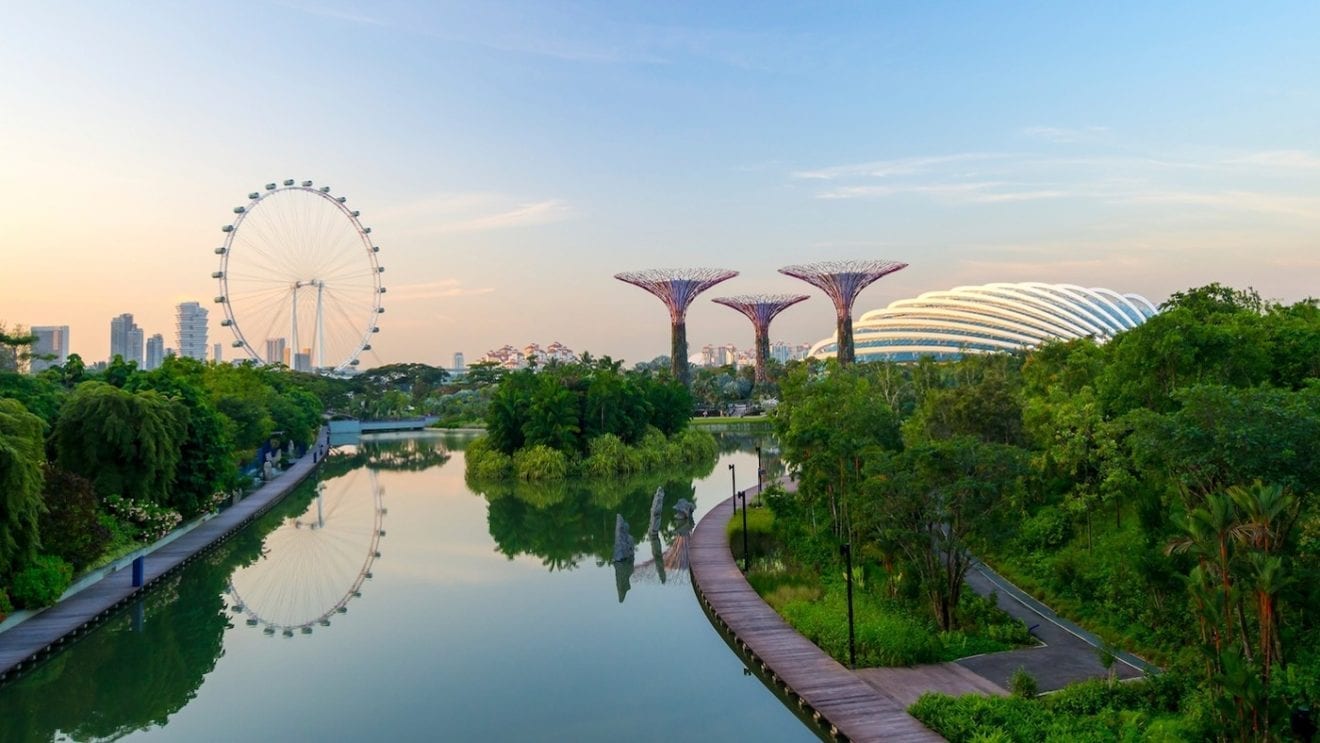
    Another favorite spot for those who were recently arrested was Sentosa. Seven properties have been frozen on the quasi island-condominium complex for the high net worth, which is also a tourist spot with a golf course and several amusement parks, including Universal Studios. It also has a large marina where you can see any number of luxury yachts berthed, some of them from Caribbean tax havens.

    The scandal poses numerous problems for Singapore. The government is intent on keeping the different ethnicities in the city-state in harmony and this doesn’t help. Shameless displays of wealth and privilege, particularly if they are linked with crime, could easily breed resentment. On the other hand, the case could also raise suspicions about other high-net-worth families that have settled down here in recent years.

    It is likely a coincidence that the internationally renowned head of the Monetary Authority of Singapore (MAS), Ravi Menon, announced his decision to retire at the end of 2023 this week. At the same time, the affair sheds a dark light on a body that had been trying to be the global poster child when it came to fighting financial crime.

    Given that, it is somewhat surprising that Menon, who has served in a public capacity for 36 years and was elected for another two-year term just seven months ago, is throwing in the towel now.

    There are many indications that Singapore will be dealing with the case for an extended period of time. Further developments could continue to erode the city’s attractiveness and reputation. Dubai is likely to be a clear beneficiary of that, as it has been experiencing a boom since the start of the Ukraine war given that it does not uphold the current Western sanctions regime against Russia.

    This means that it is an ideal time for Switzerland to focus on developing its financial sector with a certain confidence, particularly given the collapse of Credit Suisse earlier this year and the subsequent creation of a new, stronger UBS.

  • Nespresso unveils limited-edition Pumpkin Spice Cake flavour

    Nespresso unveils limited-edition Pumpkin Spice Cake flavour

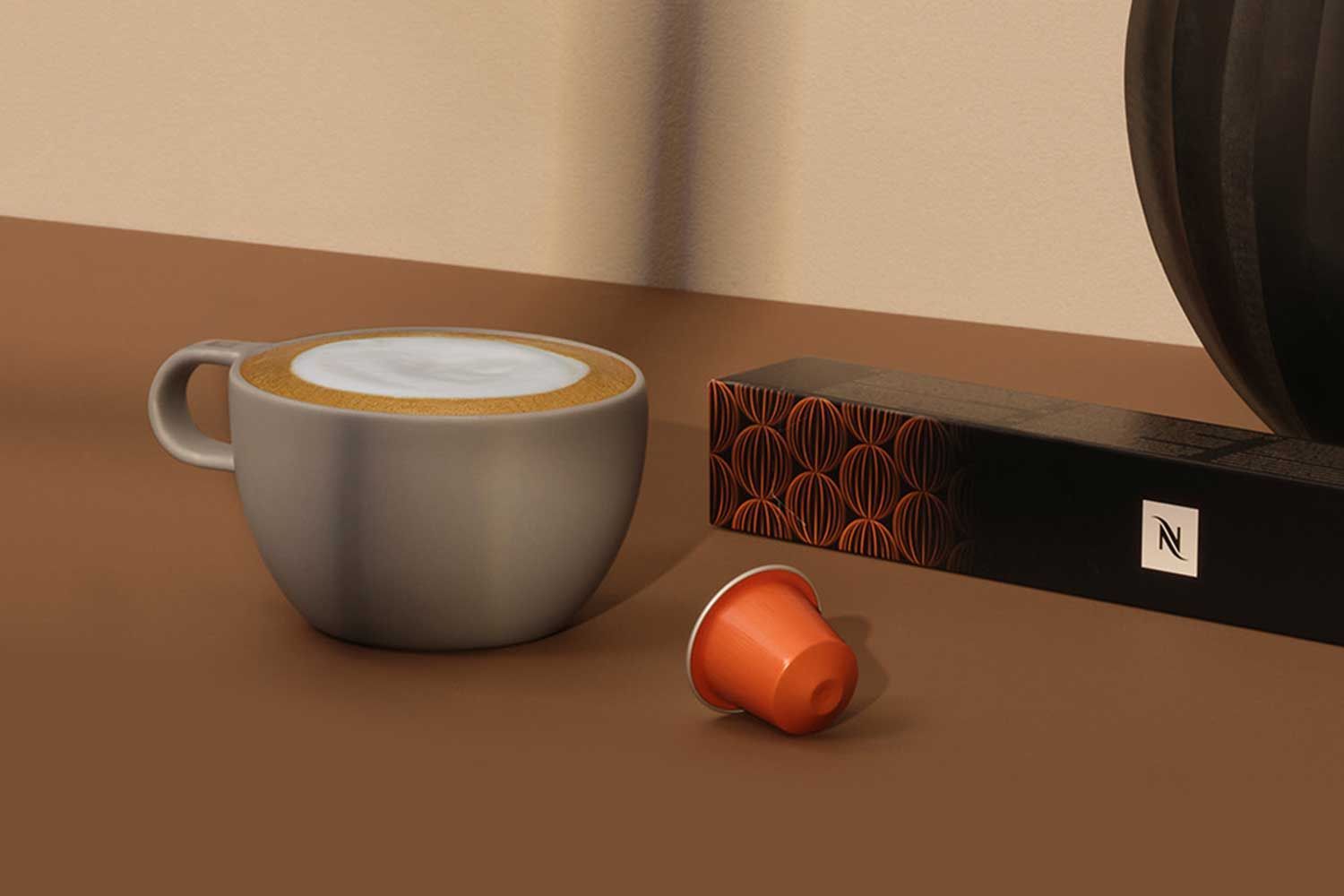
    Nespresso New Zealand has launched a seasonal limited-edition Pumpkin Spice Cake flavour for both Original and Vertuo machines.

    This limited-edition coffee boasts warm spice notes such as cloves, cinnamon, and cardamom. It is made from an Arabica blend of Latin American and African coffees and combines a sweet pumpkin flavour.

    With milk, the spice notes are softened for a sweeter and smoother coffee with buttery biscuit notes.

    The product is available online and at Nespresso Boutiques for $17.00 per sleeve of 10 Vertuo capsules and $14.00 per sleeve of 10 Original capsules.

  • The Berry Tea Shop launches equity crowdfunding to scale business

    The Berry Tea Shop launches equity crowdfunding to scale business

    Craft tea retailer The Berry Tea Shop has launched an equity crowdfunding campaign via Birchal as it seeks to scale the business and expand its product portfolio.

    The money raised will be used primarily to secure a new warehouse, venture into wholesale, scale marketing efforts, and introduce new products – including developing a ready-to-drink range.

    Founded in 2010 by Cliff and Paulina Collier, The Berry Tea Shop offers a selection of more than 48 varieties of loose-leaf tea, tea wares and accessories and includes a cafe.

    The company reported a revenue of $1.3 million last year, and online sales growth of 60 per cent yearly from 2019 to 2022.

    At the same time, its retail space grew 20 per cent in the same period.

    “We see the same potential in tea that was once seen in craft beer and specialty coffee,” said Paulina.

    “This equity crowdfunding campaign is a stepping stone to turn tea into the next big craft beverage movement.”

  • L’Oreal names Adrien Koskas GM for consumer products

    L’Oreal names Adrien Koskas GM for consumer products

    Cosmetics giant L’Oreal has named Adrien Koskas as GM for the consumer products division (CPD) of its South Asia-Pacific, Middle East and North Africa regions (SAPMENA).

    Koskas will report directly to Vismay Sharma, president of SAPMENA, based in Singapore, in his new role.

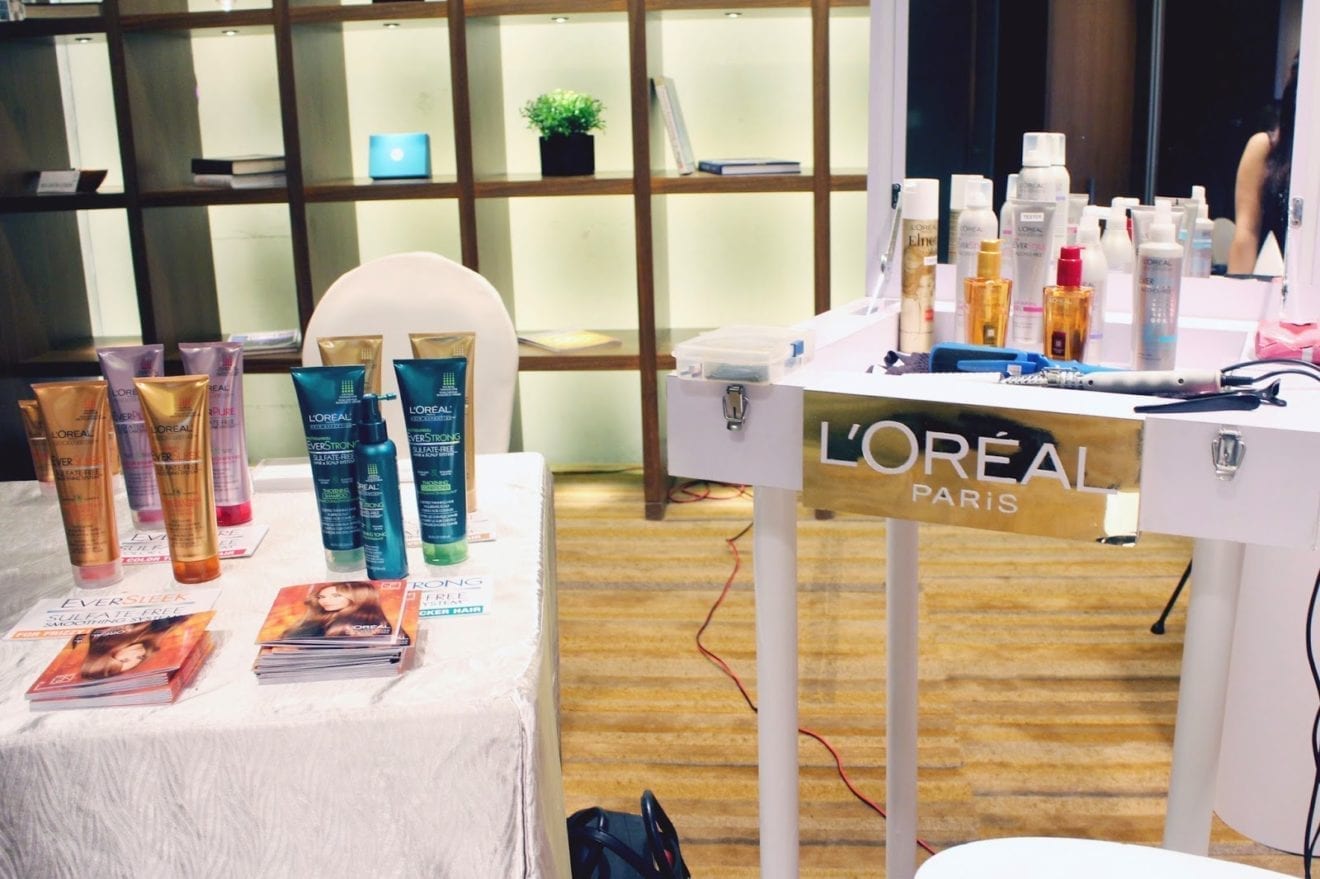
    L’Oreal’s CPD houses four of the company’s major brands: L’Oreal Paris, Maybelline New York, Garnier, and NYX Professional Make-Up.

    Described as a “pioneering brand builder,” Koskas brings extensive experience in global leadership and marketing to his new role, with an 18-year career at L’Oreal.

    He previously served as the global brand president of Garnier since 2019, where he achieved record growth and launched Green Beauty, the flagship brand for the group’s sustainability commitment.

    Koskas has also held various leadership positions in France, Brazil, and the UK, including serving as GM, CPD for L’Oreal UK & Ireland.

    “With 3 billion people, SAPMENA is a highly strategic region full of opportunities and new ways to engage with young, digital and beauty-savvy consumers who represent many cultures and beauty aspirations,” said Koskas on his new appointment.

    “It is also the perfect environment to embrace cutting-edge innovations in many fields to deliver our high growth ambition.”

    Koskas succeeds Manashi Guha, who takes on a new role as MD, CPD for L’Oreal UK & Ireland.

  • 7-Eleven opens its first store in Laos

    7-Eleven opens its first store in Laos

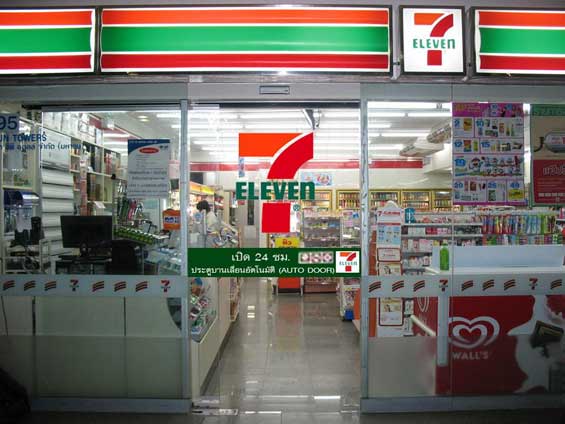
    In a press release, CP ALL Laos, a master franchisee of 7-Eleven International, which is a joint venture between 7-Eleven, Inc. and Seven-Eleven Japan, opened its first 7-Eleven store in Laos. The store is located in the capital city of Vientiane.

    “CP ALL Laos is excited to serve the community of Vientiane as it experiences significant economic growth and surge in tourism following the opening of the Laos-China Railway high-speed train,” according to the release.

    The store features 7-Eleven’s signature retail model and serves a variety of internationally-popular products and beverages–including bean-to-cup coffee and Slurpee and Big Gulp drinks. Customers can enjoy hamburgers, toasted sandwiches and freshly baked bread. CP ALL Laos is looking into opportunities to offer Laotian meals.

    “With its thriving economy and growing population, Laos offers an excellent environment for 7‑Eleven’s first retail venture in the region,” said 7-Eleven International Co-CEOs Shin Abe and Ken Wakabayashi. “Our entrance into the country brings Laotian customers a one-stop-shop solution with quality fresh food and convenience needs, via a store format not currently prevalent in the market. The store opening in Laos marks the 20th country and region for 7-Eleven. We are excited to continue providing citizens and tourists with world-class convenience.”

    Meanwhile, in China’s Guangdong province, WeChat Pay announced that its palm payment service is now available at over 1,500 7-Eleven convenience stores. Currently, users wanting to use the payment method can activate it on WeChat’s digital payment devices in offline 7-Eleven stores. Once activated, users will be able to pay by simply placing their palms above a palm-reading device in the participating stores.

    Panera Bread began testing Amazon’s palm-scanning technology in two locations earlier this year. The identification technology, dubbed Amazon One, is already used in dozens of Amazon-owned Whole Foods locations, Amazon Go stores and some stadiums and arenas.

  • Indonesian coffee brand Fore Coffee opens first store in Singapore

    Indonesian coffee brand Fore Coffee opens first store in Singapore

    Fore Coffee, the herald of Indonesian coffee culture, is proud to announce its highly anticipated entry into the Singaporean coffee scene – launching its first store in Singapore on November 9, 2023, at Bugis Junction. With a journey spanning over five years of unwavering commitment to excellence, Fore Coffee has risen to prominence as a prominent player in Indonesia’s coffee landscape, boasting an impressive network of 150 stores across the nation by September 2023.

    Fore Coffee, as the torchbearer of Indonesian coffee culture in Singapore, offers not just a cup of coffee, but a gateway to an inspiring everyday life. Founded in 2018, Fore Coffee has emerged as a powerhouse in Indonesia’s coffee industry, marked by its dedication to quality and innovation. The brand’s success lies in its adept use of cutting-edge technology, from tools to its mobile app, combined with skillful bean blending techniques.

    With a resolute commitment to sourcing highly curated coffee beans directly from Indonesian farmers in regions like Aceh Gayo, Toraja, West Java, and Bali, Fore Coffee’s beans undergo a meticulous roasting and preparation process before being expertly crafted by their baristas. This commitment to authenticity extends to their signature coffee blends that promise to redefine Singapore’s coffee culture in the ‘Indonesian way.’

    Fore Coffee’s narrative is one of craftsmanship, tradition, and community spirit. With a reverence for Indonesian soil, the brand meticulously curates exceptional coffee beans that honor the flavors unique to each region. This journey embodies sustainability and supports local farming communities. The brand’s skilled baristas harness the potential of Indonesian coffee beans to craft flavours that are truly unique. Every cup reflects a commitment to excellence, sustainability, and elevating the coffee experience to an art form.

    Fore Coffee’s business journey has been marked by profitability since 2021 in Indonesia, even amidst pandemic challenges. The brand has successfully expanded into tier 2 and tier 3 cities, showcasing resilience and adaptability. Backed by an impressive funding from renowned investors including East Ventures, SMDV, Pavilion Capital, Agaeti Venture Capital, Insignia Ventures Partners, and several angel investors, Fore Coffee’s growth is fueled by its exceptional performance.

    Vico Lomar, Co-Founder & CEO, Fore Coffee said, “Fore Coffee’s brand positioning and menu reflect its role as an ambassador of Indonesian coffee culture in Singapore. The brand’s signature coffee blends, crafted with a deep understanding of the discerning Singaporean palate, redefine the local coffee landscape through an Indonesian lens.”

    The Singaporean coffee market presents a compelling opportunity for Fore Coffee’s entry. According to research conducted in June 2023 in collaboration with Redseer, a strategy consultant, the Singapore coffee market is projected to grow at a CAGR of 5%, reaching 1,286 USD million by 2027. Singaporeans’ strong affinity for coffee, averaging 6-7 cups per week, aligns perfectly with Fore Coffee’s mission. The brand recognizes the mature coffee market in Singapore, combined with a love for Indonesian beans, particularly Arabica. With an understanding of local preferences and a commitment to innovation, Fore Coffee is poised to flourish in Singapore’s coffee landscape.

    Fore Coffee’s expansion into Singapore is centred around its exceptional signature beverages. From the beloved Gula Aren Latte to the Pandan Latte and innovative Butterscotch Sea-Salt Latte, these creations are meticulously curated to resonate with local preferences.

    Drawing insights from Flavor Group Discussions (FGDs), Fore Coffee is tailoring a selection of 16 key SKUs to capture the essence of Singaporean coffee culture. By adhering to local nutritions preferences, Fore Coffee empowers individuals to enjoy their drinks consciously, promoting healthier individual choices with varying sugar levels and diary options. Fore Coffee’s irresistible coffee offerings start at just S$4.5, ensuring affordability and accessibility for coffee enthusiasts across Singapore.

  • AirAsia resumes direct flights to Kota Kinabalu from Hangzhou

    AirAsia resumes direct flights to Kota Kinabalu from Hangzhou

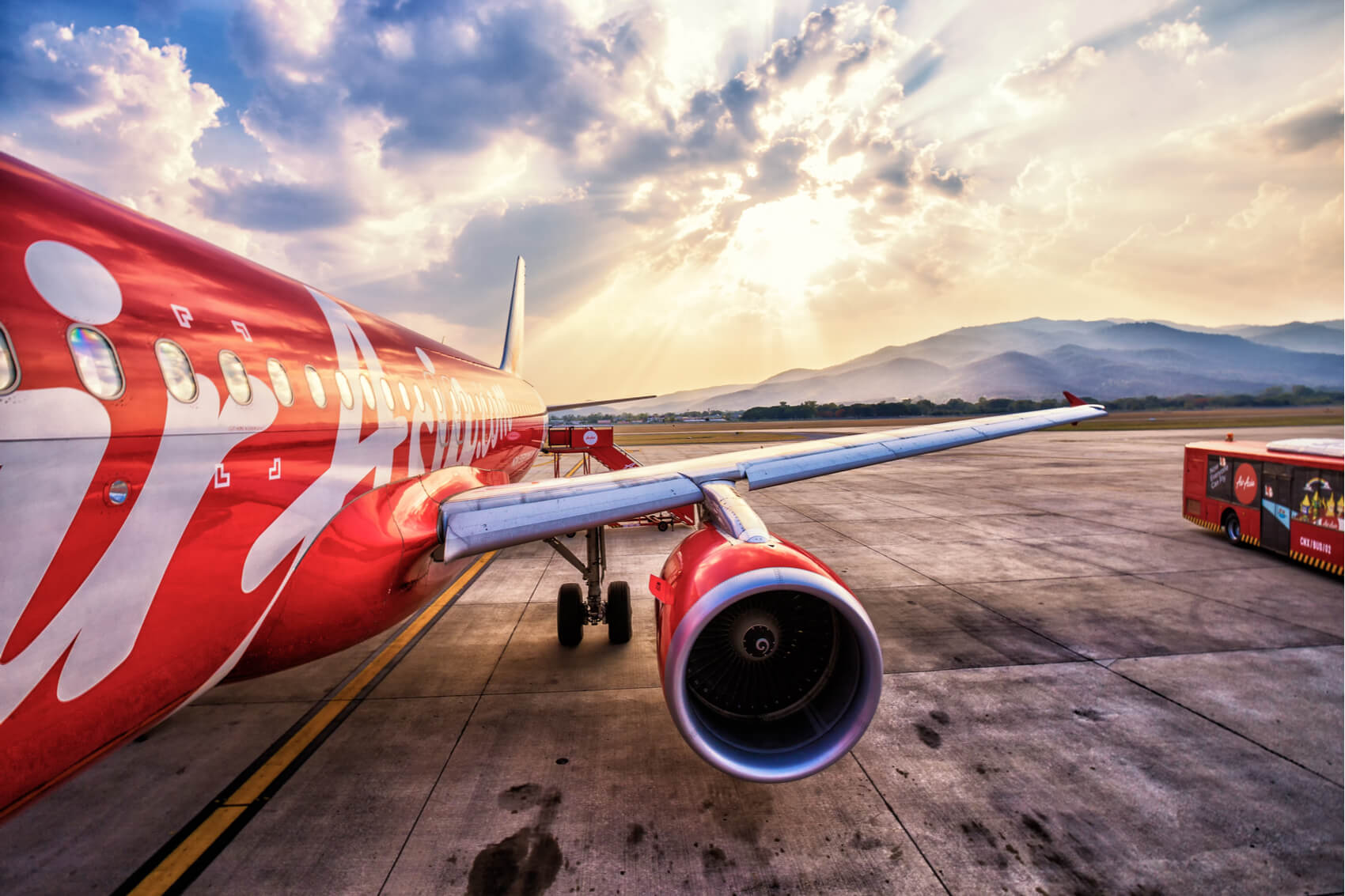
    AirAsia celebrated yet another direct international flight into Kota Kinabalu this week, from Hangzhou China, marking the first flight for this route by the airline after a 3 year-long hiatus.

    AirAsia has now restored its direct international flight from Hangzhou, China, to Kota Kinabalu, Malaysia, for the first time in three years.

    This service restoration becomes the latest development in the carrier’s progressive network renewal, and has been made amid continued pent-up demand.

    The renewed service, operating with a thrice-weekly frequency throughout September 2023, is set to provide AirAsia guests with increased travel options.

    Whether you are an adventure seeker or a culture enthusiast, this route is your gateway to discovering the hidden gems of both Hangzhou and Kota Kinabalu.

    Recognizing the growing demand for this connectivity, AirAsia will further enhance the frequency to seven times weekly from October 2023 to March 2024, ensuring more convenience and ease for guests traveling between these two vibrant cities during the peak travel period.

    To celebrate this significant milestone, passengers aboard flight AK1575 from Hangzhou to Kota Kinabalu were given a heartfelt welcome by AirAsia’s dedicated team and Pn Noredah Othman, CEO of Sabah Tourism Board.

    The surprise and delight of the guests was palpable, setting the tone for an unforgettable journey ahead.

    AirAsia Malaysia CEO, Riad Asmat, expressed his excitement about the resumption of the Kota Kinabalu to Hangzhou route, emphasizing the airline’s commitment to contributing to Sabah’s flourishing tourism industry.

    He stated, “We’ve always strived to uphold our commitment to contribute to Sabah’s booming tourism industry through our expanding network of flights in Asia and beyond, and this new route is a clear testament to that.”

    “Sabah and China are two of our key markets, and we’re confident that our vast connectivity will enable affordable travel for our trusted guests as we continue to grow our fleet and network to cater to growing demand.”

    Coinciding with the resumption of this popular route, AirAsia is extending a limited-time promotional offer for travelers. AirAsia guests can now enjoy an incredible 20% discount on all seats and all flights to various destinations.

    This special offer is valid for bookings made between September 4th and September 10th, 2023, with travel dates available from October 11th, 2023, to March 31st, 2024. Don’t miss this fantastic opportunity to explore the world at unbeatable prices.

    Kota Kinabalu stands as AirAsia’s second-largest hub, boasting connections to 9 domestic and 10 international destinations, with a remarkable 268 weekly frequencies – and the list continues to grow.

    AirAsia Malaysia (AK) currently operates 20 routes to/from Greater China, providing over 156 weekly flights from Kuala Lumpur to various Chinese cities.

    Additionally, AirAsia X Malaysia (D7) operates five routes to/from China, with over 30 flights weekly from Kuala Lumpur to Chengdu (Tianfu), Beijing (Daxing), Shanghai, Hangzhou, and Taipei.