Author: Mei Ling Tan

  • Googles Largest Global Store Debuts in Tokyo: A Fusion of Retail, Tech Experience, and Customer Service

    Googles Largest Global Store Debuts in Tokyo: A Fusion of Retail, Tech Experience, and Customer Service

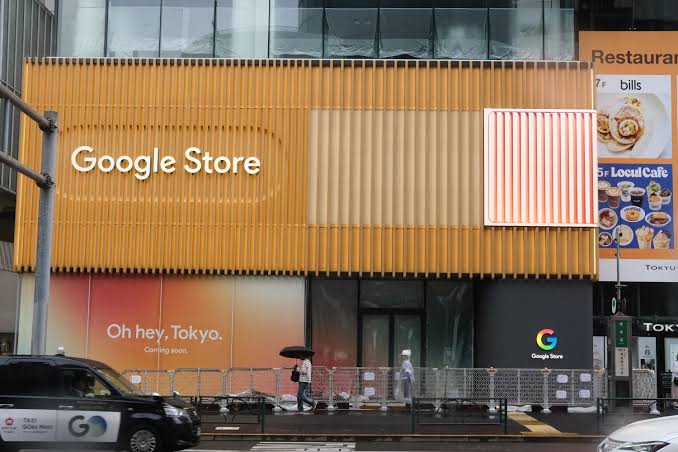
    Google has launched its first direct-to-consumer store outside of the United States, situated in Tokyo. Marrying product sales, hands-on experiences, and customer service, this concept provides a comprehensive retail experience for both potential customers and tech enthusiasts alike.

    Google’s Innovations on Display

    The location, known as Google Store Omotesando, opened its doors on August 13th at Tokyu Plaza Omotesando ‘Omokado’. The establishment is Google’s 11th store worldwide and stands out as its most significant. Spanning three floors, it serves as a platform to showcase Google’s latest hardware devices. The store features the Pixel 11 series smartphone, Pixel Watch, Fitbit wearables, Google Home devices, and other related accessories.

    Google Store Omotesando’s design transcends traditional retail boundaries by offering customers the chance to directly interact with Google’s innovative technology and AI capabilities. The store’s second floor comprises the Pixel Studio, an interactive area that allows visitors to delve into an array of AI-powered experiences. One of the store’s distinguishing features is Project Genie, a research prototype capable of generating 3D virtual worlds from textual prompts.

    The new outlet also functions as a pick-up point for online purchases made through Google Store, thereby bridging the gap between physical and online retail experiences.

    A Milestone for Google in Japan

    The opening of the store coincides with the 25th anniversary of Google’s operations in Japan. Google first ventured overseas in 2001, setting up its inaugural office in Tokyo. This latest addition to its global retail presence underscores the significance of the Japanese market in Google’s ongoing growth strategy.

    Questions & Answers

    What is unique about the new Google Store in Tokyo?
    The store merges product sales, hands-on experiences, and customer service. It also allows visitors to interact with Google’s technology and AI capabilities.

    What products are available in the Google Store Omotesando?
    The store showcases Google’s newest hardware, including the Pixel 11 series smartphone, Pixel Watch, Fitbit wearables, and Google Home devices and accessories.

    What milestone does the opening of Google’s Tokyo store represent?
    The opening marks the 25th anniversary of Google’s operations in Japan, illustrating the importance of the Japanese market to the company.

  • Indonesia Welcomes First Miniso Friends Store featuring Unique Collectibles and IP-Exclusive Products

    Indonesia Welcomes First Miniso Friends Store featuring Unique Collectibles and IP-Exclusive Products

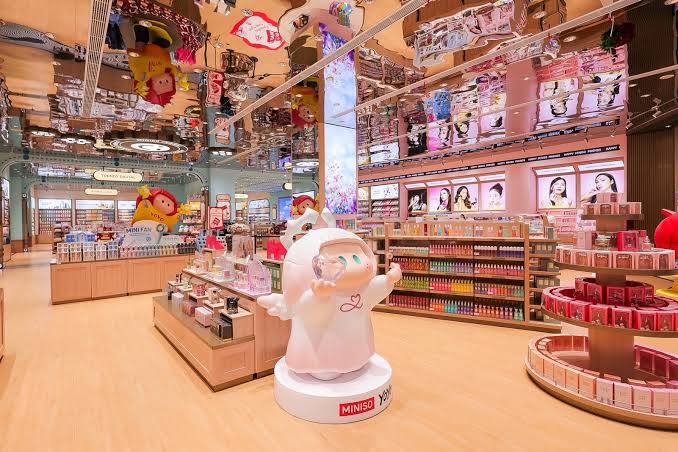
    Miniso, a renowned global retailer, has unveiled its inaugural Miniso Friends shop in Indonesia, located at Summarecon Mall Bekasi. The store marks the debut of their larger, more expanded retail concept in the Greater Jakarta region.

    The establishment is spread across approximately 1500sqm, occupying both the Ground Floor and Basement 1 of the shopping mall. The Ground Floor features a wide array of collectibles, such as blind boxes, plush toys, and licensed merchandise. Conversely, the basement level provides a more comprehensive collection of lifestyle, home, and everyday products.

    Miniso reports that about 60% of the store’s offerings are exclusive, first-launch, or limited-edition intellectual property (IP) products. The introductory collection includes an exciting array of products such as the One Piece 3.0, Persona, and the Sanrio Racing blind box series. Additionally, the shop carries merchandised products featuring esteemed brands like Sanrio, Disney, Harry Potter, and Spider-Man.

    Interactive Experiences and IP-Led Retailing

    Miniso’s new retail concept expertly blends retail with interactive experiences. This allows the company to showcase its burgeoning portfolio of licensed and collectible items in a more spacious setting. The opening also coincided with a YoYo-themed exhibition held at the mall’s central atrium, titled ‘YoYo’s Holiday Fun Starts at Miniso’. This initiative marked the character’s first significant introduction to the Indonesian market and continued until August 23rd.

    The recent unveiling in Indonesia comes as Miniso continues to expand its larger-format concepts across Asia. In addition to the Indonesian store, the company also recently brought its premium retail concept to Macau with the opening of its first Miniso Land store. This move cemented the retailer’s commitment to growing its IP-led retail network throughout the region.

    Questions & Answers

    What is the new retail concept introduced by Miniso?
    Miniso’s new retail concept integrates retail with interactive experiences, offering a more spacious area to display its increasing portfolio of licensed and collectible items.

    What is the percentage of exclusive, first-launch, or limited-edition IP products in the new store?
    Around 60% of the new store’s offerings are exclusive, first-launch, or limited-edition intellectual property (IP) products.

    What are some of the brands featured in the inaugural collection of the Miniso Friends store in Indonesia?
    The introductory collection includes a wide variety of products featuring globally recognized brands like Sanrio, Disney, Harry Potter, and Spider-Man.

  • Ferrero Boosts US Breakfast Presence with Purely Elizabeth Acquisition

    Ferrero Boosts US Breakfast Presence with Purely Elizabeth Acquisition

    The Ferrero Group, an international confectionery company, has confirmed its plans to acquire Purely Elizabeth, a wellness brand from the U.S. that has gained significant recognition in the health-conscious food sector. The move by Ferrero is aimed to further solidify their standing in the American breakfast market.

    The collaboration with Purely Elizabeth will allow Ferrero to extend its consumer reach through a blend of continued product innovation, enhanced operational abilities, and wider distribution. These initiatives will guide the next growth stage of the Purely Elizabeth brand.

    Implications for Ferrero’s U.S. Market Presence

    Giovanni Ferrero, president of Ferrero International SA, expressed his satisfaction with this addition to Ferrero’s expanding U.S. portfolio, citing Purely Elizabeth’s impressive range of high-quality, palatable products.

    He further asserted that this deal amplifies Ferrero’s recent acquisition of WK Kellogg Co, strengthening both its influence in American breakfast consumption and its foothold in the health-centered food market.

    Purely Elizabeth, established in 2009, has witnessed its sales more than double in the last two years. This success has been primarily fueled by its innovative collection of granola, oatmeal, and cereals, and its venture into the rapidly expanding protein market.

    Elizabeth Stein, founder and CEO of Purely Elizabeth, expressed her pride in the brand’s evolution over the past 17 years. She emphasized that partnering with Ferrero is the result of finding a collaborator who recognizes the unique essence of the Purely Elizabeth brand and shares a mutual commitment to quality, innovation, and sustainable growth.

    Upon merging, Purely Elizabeth will operate as an independent brand within the Ferrero Group. Stein will maintain her position alongside the current leadership team.

    Aligning with Consumer Preferences

    Lapo Civiletti, president of Ferrero Ice Cream and WK Kellogg Co, praised Purely Elizabeth’s knack for creating premium products that align with changing consumer preferences. He emphasized that this makes it a perfect addition to Ferrero’s portfolio and aligns with the company’s strategy of investing in high-growth categories.

    Civiletti emphasized Ferrero’s anticipation to support the continued growth of Purely Elizabeth while preserving the entrepreneurial spirit that has contributed to its success.

    The finalization of this transaction is anticipated in the following months, pending customary closing conditions and regulatory approvals.

    Questions & Answers

    What does the acquisition of Purely Elizabeth mean for the Ferrero Group?
    The acquisition allows Ferrero to strengthen its presence in the American breakfast market and expand its reach within the health-conscious food sector, aligning with evolving consumer preferences.

    What will happen to Purely Elizabeth post-acquisition?
    Purely Elizabeth will operate as an independent brand within the Ferrero Group. The current CEO, Elizabeth Stein, will continue in her role alongside the existing leadership team.

    What makes Purely Elizabeth a good fit for Ferrero’s portfolio?
    Purely Elizabeth’s ability to stay in tune with changing consumer tastes through its premium product range makes it a complementary addition to Ferrero’s portfolio. It aligns with Ferrero’s strategy of investing in high-growth categories.

  • Decoding the Future of Adult Beverages: Upcoming Trends Tailoring Consumer Choices

    Decoding the Future of Adult Beverages: Upcoming Trends Tailoring Consumer Choices

    The consumer preferences in the alcohol sector are shifting as individuals become more deliberate in their alcohol consumption habits, according to recent studies. Factors such as moderation, social occasions, value, convenience, and brand trust are major influences on customer behavior and the variety of products in the category.

    Changes in Consumption Habits

    There is a rising trend of moderation in alcohol consumption as customers are becoming more mindful of their spending and alcohol intake. In fact, total beverage alcohol (TBA) volumes in the 15 largest markets, including Australia, the US, Canada, Mexico, Brazil, France, Germany, Italy, Spain, the UK, South Africa, China, India, Japan, and Taiwan, saw a 3% decline last year after a 2% drop in 2024. It appears that consumers are opting to drink less per occasion, with the average number of alcoholic beverages consumed dropping from 4.4 in March 2024 to 3.9 in March this year. Despite this, global consumption volume remains more than 30% above the levels recorded in 2000.

    These figures suggest that this trend of moderation is becoming a permanent fixture in customer behavior, rather than a temporary or trend-driven phenomenon. However, this pattern varies across different generations. For instance, only the boomer generation has shown a decrease in participation, frequency and intensity of alcohol consumption, driven by factors such as cost, fewer social occasions, and a desire for moderation. On the other hand, the proportion of Gen Z individuals in the drinking population has risen from 13% to 17%, with above-average participation noted in India and the US.

    Catering to Evolving Preferences

    Social occasions continue to be a significant driver of alcohol consumption, with 35% of consumers citing them as their main reason for drinking. Moreover, 52% of consumers prioritize flavor when choosing ready-to-drink (RTD) beverages. Over the past decade, product innovation has contributed to over half of the growth in beverage alcohol retail value, enhancing the demand for products like canned cocktails, hard seltzers, flavored malt beverages, and no- or low-alcohol products.

    Trust in a brand also plays a crucial role in consumers’ willingness to experiment with new products. A staggering 77% of global consumers are more likely to trust a new product if it comes from a brand they are familiar with.

    The beer category, encompassing both traditional beer and other beer-related products, has seen its share of total alcohol servings increase from approximately 46% in 2019 to over 50% in 2026, a trend projected to continue until 2035. Demand for social experiences, convenience, affordability, and new formats has led to beer alone increasing its share from around 44% to 47%.

    Questions & Answers

    What factors are influencing consumer behavior in the alcohol category?
    Factors such as moderation, social occasions, value, convenience, and trust in the brand are some of the key influences on consumer behavior in the alcohol category.

    How has alcohol consumption changed across different generations?
    While the boomer generation has shown a decrease in alcohol consumption due to factors like cost and a preference for moderation, the Gen Z population has seen a rise in alcohol consumption, with particularly high participation in India and the US.

    What role does brand trust play in the alcohol category?
    Brand trust significantly influences a consumer’s willingness to try new products. Around 77% of global consumers are more likely to trust a new product if it comes from a brand they are familiar with.

  • MilkLab Unveils New Lactose-Free Milk at Woolworths: A Revolution in Dairy Digestibility and Taste

    MilkLab Unveils New Lactose-Free Milk at Woolworths: A Revolution in Dairy Digestibility and Taste

    MilkLab, a subsidiary of Noumi, has launched a new reformulated lactose-free milk at Woolworths in response to increasing consumer preference for lighter, easily digestible dairy options.

    Advanced Filtration for Healthier Milk

    MilkLab’s innovative product uses ultrafiltration technology, which processes milk through fine membranes. This concentrates the milk’s natural protein and fat content while lowering the levels of lactose sugar. The end product contains 9 grams of sugar per serving, marking a 25 per cent reduction compared to the average 12 grams found in conventional dairy milk. Beyond simply reducing sugar, this process also enhances the milk’s texture and its ability to produce foam in hot coffee.

    Natalie Latimore, MilkLab’s head of marketing, emphasizes the brand’s commitment to continuous product development, “Innovation at MilkLab is more than just getting it ‘good enough’. Rather, we strive for perfection. MilkLab’s success depends on close collaboration with roasters, baristas, and our retail partners. This ensures that by the time our product reaches the consumer’s cup or shopping cart, it has been refined to the highest standard.”

    Long-term Development for Superior Lactose-free Milk

    The new lactose-free milk is the culmination of a three-year development process involving 12 rounds of trial formulations. The process included consumer testing in conjunction with Deakin University and validation testing in association with commercial coffee roasters.

    MilkLab’s Lactose-Free 1L milk is now available in a long-life format at Woolworths stores and is also being supplied to commercial cafes throughout the country.

    In other company news, Noumi, MilkLab’s parent company, transitioned to private ownership last month following an agreement with its largest shareholder to purchase all remaining shares.

    Questions & Answers

    What is unique about MilkLab’s lactose-free milk?
    MilkLab’s lactose-free milk uses ultrafiltration technology to concentrate natural protein and fat while reducing lactose sugar, providing a healthier, easily digestible dairy option.

    How much sugar does MilkLab’s lactose-free milk contain?
    MilkLab’s lactose-free milk contains 9 grams of sugar per serving, which is 25 per cent less than the average 12 grams found in standard dairy milk.

    Where is MilkLab’s Lactose-Free 1L milk available?
    MilkLab’s Lactose-Free 1L milk is currently available in Woolworths stores in a long-life format and is also being distributed to commercial cafes nationwide.

  • Indian Investment Data Shows 50:50 Equity-Debt Portfolios Offer Better Risk-Adjusted Returns over 100% Equity

    Indian Investment Data Shows 50:50 Equity-Debt Portfolios Offer Better Risk-Adjusted Returns over 100% Equity

    Indian investors seeking optimal portfolio strategies should look beyond absolute returns, as new data suggests a balanced approach offers better risk-adjusted performance. A 20-year analysis, using India’s Nifty 100 TRI for equity and the CRISIL Short Term Bond Fund Index for fixed income, indicates that while all-equity portfolios yielded higher overall gains, a 50:50 blend of equity and debt provided more stable returns relative to the volatility experienced.

    The study, compiled from UTI Mutual Fund data, highlights that purely equity-focused portfolios, though delivering greater long-term returns (e.g., ₹1 lakh growing to ₹10.5 lakh over 20 years), also carried significantly higher risk. For instance, over a one-year period, a 100% equity portfolio saw a 3.6% loss, while a 50:50 balanced portfolio gained 1.1%, and fixed income returned 5.8%.

    Volatility Versus Absolute Returns

    When comparing absolute returns, the 100% equity portfolio consistently outperformed over longer durations. Over 20 years, it recorded a 12.5% Compound Annual Growth Rate (CAGR), compared to 10.9% for the 50:50 balanced portfolio and 7.2% for 100% fixed income. This trend held true for 10-year, 5-year, and 3-year periods as well, where equity maintained its lead.

    However, volatility tells a different story. Measured by standard deviation, the equity portfolio exhibited substantially greater fluctuations. Over two decades, its standard deviation was 20.9%, dwarfing the 10.3% of the 50:50 portfolio and the mere 3.2% of the fixed income portfolio. This indicates that while equity offered higher potential gains, it also came with considerable unpredictability.

    Understanding Risk-Adjusted Performance

    To provide a clearer picture for investors, the analysis introduced risk-adjusted returns, calculated by dividing the CAGR by the annualised standard deviation. This metric reveals how much return a portfolio generated for the level of risk it undertook. On this front, the 50:50 balanced and 100% fixed income portfolios consistently surpassed the 100% equity option across all timeframes.

    For example, over 20 years, the 100% equity portfolio had a risk-adjusted return of 0.60, while the 50:50 balanced portfolio achieved 1.0, and fixed income reached 2.2. This signifies that for every unit of risk taken, the diversified and fixed income portfolios delivered more return. This insight is crucial for long-term investors, emphasising that a higher absolute return doesn’t necessarily equate to a more efficient or less volatile investment journey.

    Questions & Answers

    What is the key finding regarding 100% equity portfolios in India?
    The data shows that 100% equity portfolios delivered higher absolute returns over longer periods (up to 20 years) but also carried significantly higher volatility and lower risk-adjusted returns compared to balanced or fixed-income portfolios.

    How did a 50:50 balanced portfolio perform in terms of risk-adjusted returns?
    A 50:50 balanced portfolio consistently showed higher risk-adjusted returns than a 100% equity portfolio across all periods, indicating that it generated more return relative to the volatility recorded.

    What indices were used to represent equity and fixed income in the analysis?
    The Nifty 100 TRI was used to represent equity, and the CRISIL Short Term Bond Fund Index was used to represent fixed income or debt in the Indian market analysis.

  • Ombak KLCC Mall to Ignite Kuala Lumpur Retail Scene with Grand Opening

    Ombak KLCC Mall to Ignite Kuala Lumpur Retail Scene with Grand Opening

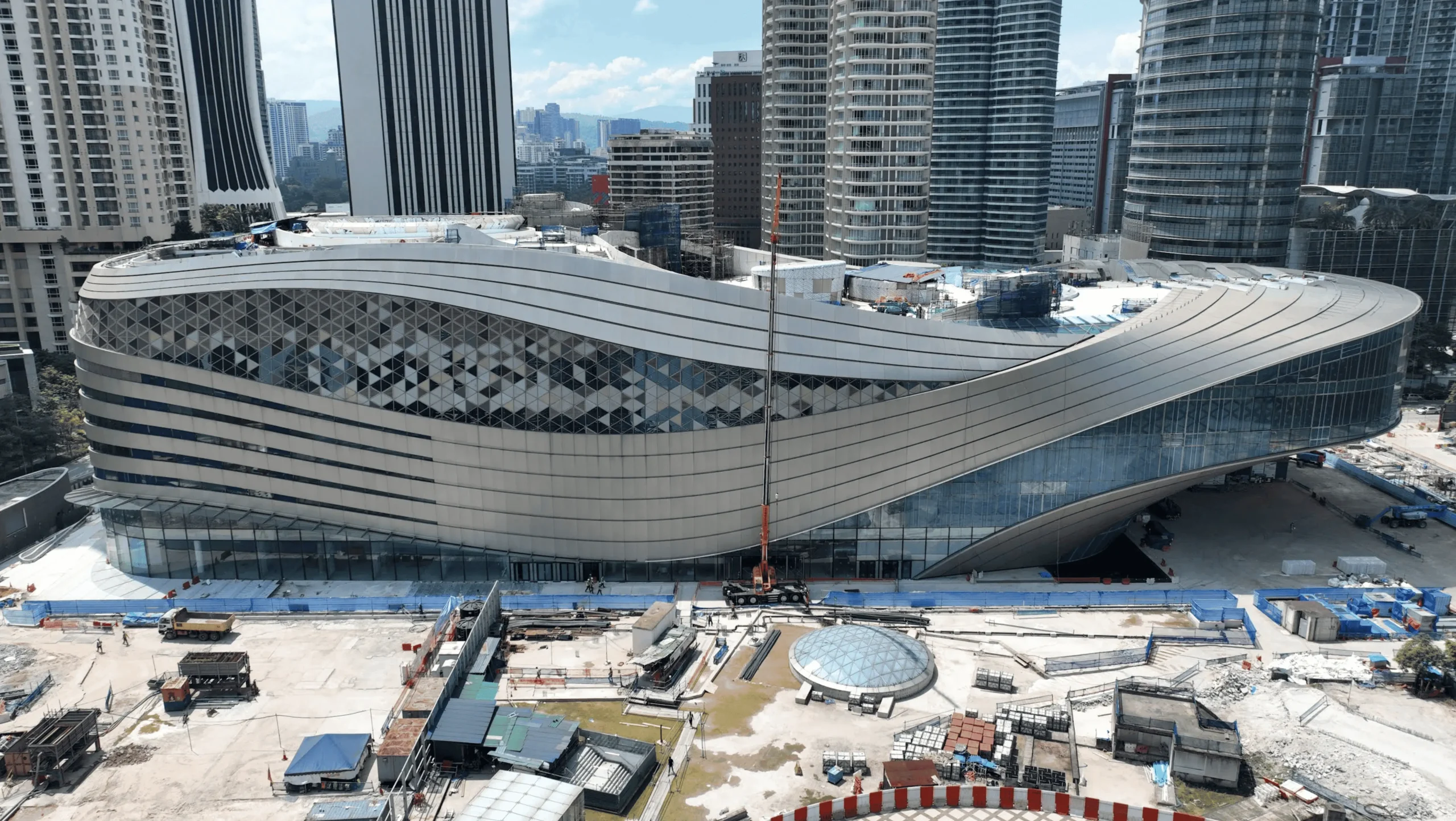
    The retail market of Kuala Lumpur is poised to welcome another addition. Ombak KLCC, a new shopping complex, is slated to commence operations from August 21 in the KLCC precinct.

    The project, sprawled across 420,000 square feet, will serve as a host for approximately 120 retail and food & beverage outlets. The tenant composition is diverse, accommodating a range of sectors from coffee and dining to lifestyle, technology, and convenience.

    Moreover, the mall is set to be the fresh location for Galeri Petronas, which will be transitioning from its current position in Suria KLCC. The gallery will open in separate stages, marking a phased transition.

    More than just retail

    Apart from the retail component, Ombak KLCC has a broader appeal with additional features planned to enhance the overall visitor experience. A rooftop garden and open-air plaza have been incorporated in the design, purposed for staging events and facilitating leisure activities. The shopping center is also connected to the wider KLCC precinct, ensuring seamless access to KLCC Park and nearby public transportation links.

    Ombak KLCC is also preparing for a grand inauguration by lining up some significant pop-up attractions. Both Nintendo Pop-Up Store and Pokémon Center Pop-Up Store are slated to be operational from September 12 until the end of the year.

    Questions & Answers

    What is the expected date of Ombak KLCC’s opening?
    Ombak KLCC is scheduled to open on August 21.

    What kind of tenants will Ombak KLCC house?
    Ombak KLCC will house a mixture of retail and food & beverage outlets spanning various sectors like coffee, dining, lifestyle, technology, and convenience.

    What are some special features of Ombak KLCC?
    Apart from retail stores, Ombak KLCC features a rooftop garden and an open-air plaza designed for events and leisure activities. It is also linked to the wider KLCC precinct, including KLCC Park and nearby public transport connections.

  • New Home for Luxury: Van Cleef & Arpels Unveils Stunning Alexandra House Boutique in Hong Kong

    New Home for Luxury: Van Cleef & Arpels Unveils Stunning Alexandra House Boutique in Hong Kong

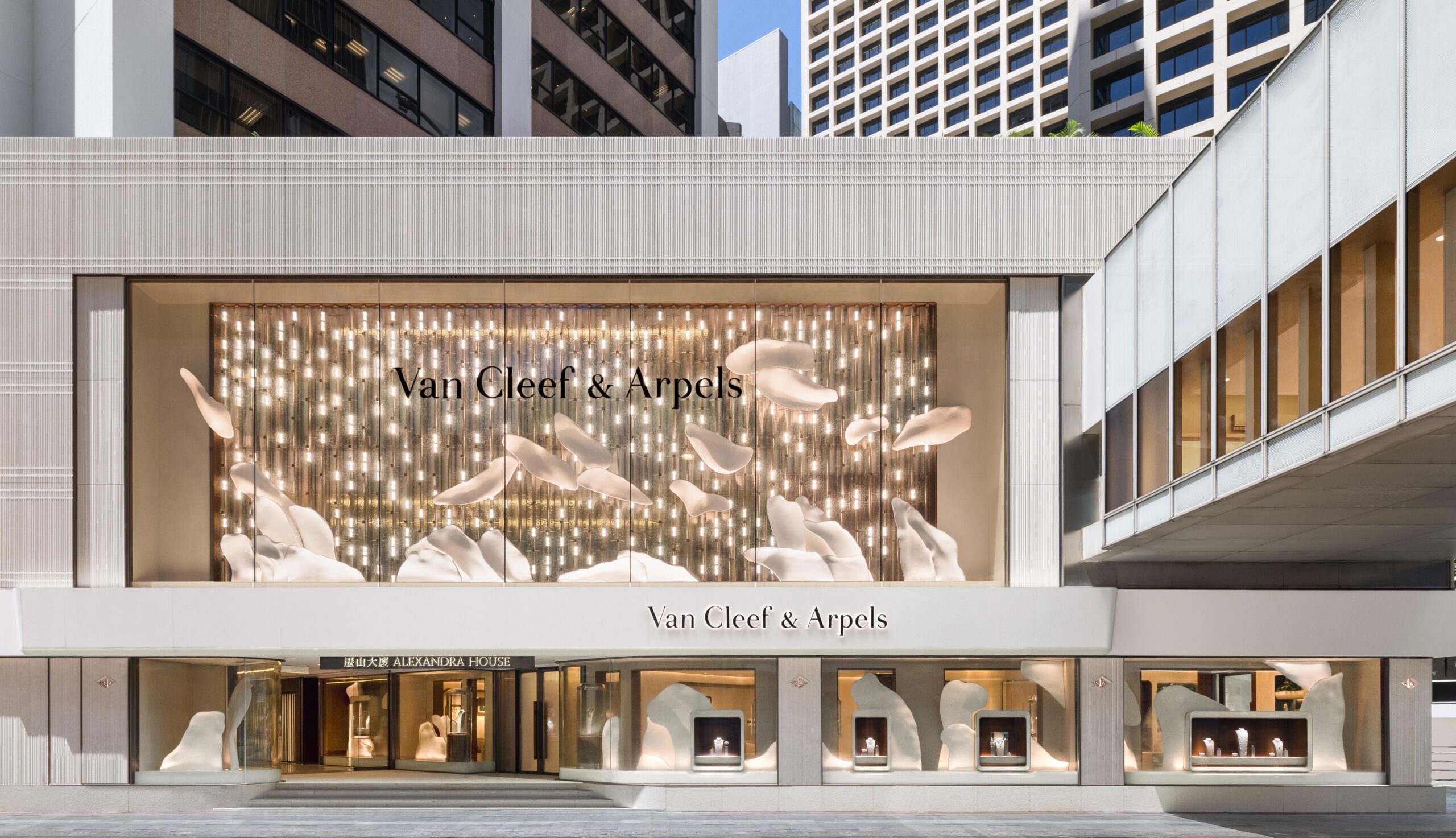
    Van Cleef & Arpels, a luxury French jewelry, watch, and perfume company, has recently relocated its Hong Kong boutique from Landmark Prince’s to Alexandra House. The new two-story space spans an expansive 564 square meters and is a marvelous blend of nature and architecture, designed by the acclaimed Studio Jouin Manku.

    The Interior Design

    Upon entering the boutique, visitors are welcomed by an oak-paneled circular room on the ground floor. The centerpiece is a grand staircase, masterfully crafted from light limestone and oak. Display cases and glass columns feature the maison’s exquisite High Jewelry, Jewelry, and Watchmaking collections. A dedicated heritage room, which will host four exhibitions each year, is also located on the ground floor.

    The upper floor houses salons dedicated to watchmaking, fragrance, and private appointments. The watchmaking salon boasts a relaxing palette of midnight blue, beige, and wood tones. The fragrance salon, inspired by traditional perfume organs, showcases the Collection Extraordinaire in alcoves.

    Unique Features of the Boutique

    Unique to this boutique is a tea ceremony space, featuring rose-coloured stone derived from locally sourced mineral powder. This innovative element is a result of research conducted in collaboration with L’École, School of Jewellery Arts, in Hong Kong.

    A well-crafted event space at the foot of the central staircase is designed to host a variety of occasions. The ceiling of the event space showcases a pattern inspired by the white petal motifs on the boutique’s façade, and is hand-embroidered entirely by French artisans.

    Van Cleef & Arpels has been a fixture in Hong Kong since 1981 when Jacques Arpels initiated the opening of the brand’s first boutiques in the city.

    Questions & Answers

    When did Van Cleef & Arpels first establish its presence in Hong Kong?
    Van Cleef & Arpels first entered the Hong Kong market in 1981.

    What are some unique design elements of the new boutique?
    Some unique design elements include a tea ceremony space featuring locally sourced rose-coloured stone, a heritage room for exhibitions, and the ceiling of the event space which showcases a white petal motif hand-embroidered by French artisans.

    Which collections are showcased in the new boutique?
    The new boutique showcases the maison’s High Jewelry, Jewelry, and Watchmaking collections, as well as the Collection Extraordinaire in the fragrance salon.

  • JD.com Forecasts Rise in Home Appliance Sales in H2 Despite First Revenue Drop in Over a Decade

    JD.com Forecasts Rise in Home Appliance Sales in H2 Despite First Revenue Drop in Over a Decade

    JD.com, a prominent marketplace for consumer electronics in China, forecasted an uptick in home-appliance sales for the second half of the year during their recently held quarterly review. This projection was made despite their first reported decrease in quarterly income in over a decade.

    The CEO of the company, Sandy Xu, addressed the downturn in revenue from electronic and home appliances during a conference call with analysts. She attributed the decline to an elevated comparison base from the previous year and escalated raw material costs. However, she noted that there was a resurgence in momentum entering into June.

    Expectations for Growth

    As she peered into the coming months, Xu expressed her confidence in the potential growth of the consumer electronics category, even as its continually rising prices may continue to impact consumer demand adversely. She postulated that this growth will be “meaningful” and is partly due to the easing of the challenging year-on-year comparison.

    However, the impact of these predictions was somewhat dampened as US-listed shares of the company saw a decrease of 3.5 per cent in trading during the GMT 1342 time slot.

    The Uphill Task of Rejuvenating Consumer Spending

    Despite the setbacks, JD.com exceeded estimated quarterly revenue projections, with the annual 618 shopping festival playing a significant role. The festival, one of the country’s largest online retail events, ran for more days than previous years, offering retailers and brands additional time to vie for consumer spending via deep discounts and promotional campaigns.

    However, total revenues still saw a dip of 2.9 per cent, settling at 346.4 billion yuan (US$51.37 billion) in the quarter ending in June. This underlines the ongoing struggle to rejuvenate consumer spending in China. This struggle is exacerbated by consumer apprehension concerning job security and the prolonged downturn in China’s property sector, which has weakened consumer confidence.

    The company reported a net profit for the quarter of 7.1 billion yuan, a notable improvement compared to last year’s 6.2 billion yuan in the same period. The non-GAAP net profit for the quarter was 8.9 billion yuan, showing an impressive 20 per cent increase from the second quarter of 2025.

    Questions & Answers

    What factors were attributed to the recent dip in JD.com’s revenues?
    The decline in revenues was attributed to an elevated comparison base from the previous year and increased raw material costs.

    What is the company’s projection for the second half of the year?
    JD.com predicts an increase in home-appliance sales during the second half of the year.

    How does JD.com plan to rejuvenate consumer spending?
    One strategy is through extended online retail events like the annual 618 shopping festival which offers deep discounts and promotional campaigns to consumers.

  • DFI Secures Exclusive Franchisee Rights for GNC Health Products in Singapore

    DFI Secures Exclusive Franchisee Rights for GNC Health Products in Singapore

    DFI Retail Group is set to become the sole wholesaler, distributor, and franchisee of GNC’s wellness and health products in Singapore. This move represents an extension of the existing strategic partnership between the two firms.

    DFI will employ its resources in sales, marketing, distribution, and logistics to facilitate the availability of GNC’s scientifically-supported health and wellness products through the Guardian Singapore network. This expansion is a continuation of a 20-year-long alliance between the two companies, previously established in Hong Kong. Here, GNC’s products were made available through independent outlets and DFI’s health and beauty chain, Mannings. This development also signifies the conclusion of a drawn-out legal dispute between GNC’s US parent company and its former partner in Singapore.

    Curtis Liu, CEO for health & beauty at DFI, expressed his enthusiasm about the venture. He highlighted DFI’s deep market knowledge and extensive retail network as significant factors enabling them to bring GNC’s leading sports nutrition and health supplements back to Singapore. Customers will now have access to a handpicked range of credible, scientifically-proven health solutions via Guardian, Mannings, and exclusive GNC stores.

    Having established its presence in Singapore in 1997, GNC recently received a positive ruling from the Singapore Court of Appeal which reinforced GNC’s rights to fully assume former store leases. This decision paves the way for GNC to regain an independent store presence in Singapore. The company is currently working on the assignment of the pertinent store leases.

    From the fourth quarter of this year, customers in Singapore will be able to purchase GNC’s products, including vitamins, minerals, and sports nutrition, through both physical and online stores of Guardian, as well as GNC’s standalone stores.

    Cheri Mullen, Chief Global Franchise and Wholesale Officer at GNC, expressed her anticipation to reinstate GNC’s store presence in Singapore. She emphasized their commitment to rebuilding and fortifying their market presence while maintaining the delivery of high-quality, innovative, and science-backed wellness solutions, as per customer expectations.

    As a part of the expanded cooperation, DFI will also become GNC’s exclusive franchisee in Macau.

    Questions & Answers

    What will be the role of DFI Retail Group in the partnership with GNC?
    DFI will serve as the exclusive wholesaler, distributor, and franchisee of GNC’s health and wellness products in Singapore. It will provide sales, marketing, distribution, and logistics services for GNC products through the Guardian Singapore network.

    What does the collaboration between DFI and GNC mean for customers in Singapore?
    Customers in Singapore will gain access to a wide range of GNC’s health and wellness products, including vitamins, minerals, and sports nutrition, through Guardian’s physical and online stores, as well as GNC’s standalone stores starting the fourth quarter of this year.

    What recent legal decision has allowed GNC to expand its presence in Singapore?
    The Singapore Court of Appeal recently upheld and enforced GNC’s rights to assume former store leases in full, enabling GNC to regain an independent store presence in Singapore.

  • Revolutionizing Bangkok Commute: Single Ticket Policy Caps Electric Rail Fares at $1.36 for 2027 Launch

    Revolutionizing Bangkok Commute: Single Ticket Policy Caps Electric Rail Fares at $1.36 for 2027 Launch

    Thailand has announced its intention to implement a common-ticket policy for electric rail services in Bangkok and the surrounding provinces. This initiative, which is expected to commence next year, will cap fares at 45 baht (US$1.36) per journey to streamline the public transportation system. Additionally, an initial cost of no more than 17 baht will be instituted, which will not be re-imposed if travelers switch to another line, as stated by Deputy Transport Minister Siripong Angkasakulkiat at a recent official gathering.

    Unifying Public Transportation

    The aim of the new fare bracket is to render Bangkok’s disjointed urban rail network more user-friendly. At present, passengers are required to negotiate separate ticketing systems, fare structures, and payment methods when moving between lines. The current SkyTrain fares can amount to as much as 65 baht, depending on the route, as per the Bangkok Mass Transit System’s data.

    The common-ticket policy’s legal and administrative procedures are projected to be finalized by November 2026. System testing is set to commence in December, leading up to the introduction of the common-ticket measure on January 1, 2027.

    Growth of the BTS SkyTrain

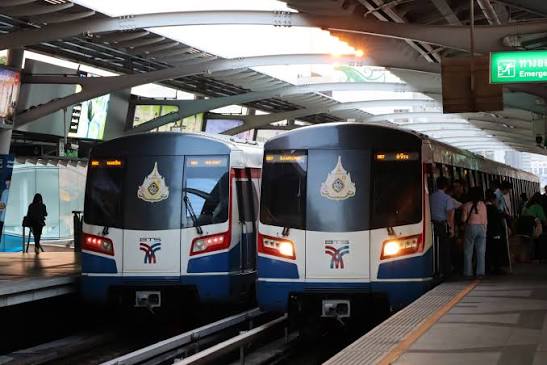
    The BTS SkyTrain, which began operations in December 1999 as Bangkok’s premier mass-transit rail system, has seen substantial upgrades since its inception. The original core network has expanded significantly to include approximately 68 kilometers of lines and 60 stations.

    In the last year, the BTS SkyTrain noted a 5.6% increase in ridership from 2024, recording a total of 205.4 million journeys.

    Questions & Answers

    What is the proposed common-ticket policy in Thailand?
    The common-ticket policy is a projected initiative by the Thai government to cap fares at 45 baht per trip for electric rail services in Bangkok and surrounding provinces. An initial charge of up to 17 baht will be imposed, which will not be repeated if passengers switch lines during their journey.

    Why is this policy being introduced?
    The policy aims to simplify navigation of Bangkok’s urban rail network, which currently requires passengers to negotiate separate ticketing systems, fare structures, and payment methods while transferring between lines.

    When is the common-ticket policy expected to be implemented?
    The common-ticket policy is expected to take effect on January 1, 2027, with system testing set to begin in December 2026.

  • Affordable Canadian Lobsters Conquer Vietnamese Market with Freshness and Flavor

    Affordable Canadian Lobsters Conquer Vietnamese Market with Freshness and Flavor

    Canadian lobsters are increasingly gaining favor among Vietnamese consumers, primarily due to their affordability compared to Australian lobsters and some local varieties. Hoa, a HCMC resident and a frequent seafood consumer, shared her recent preference for Canadian lobsters, citing their reasonable pricing, freshness, and high quality.

    Canadian Lobsters: A Budget-Friendly Option

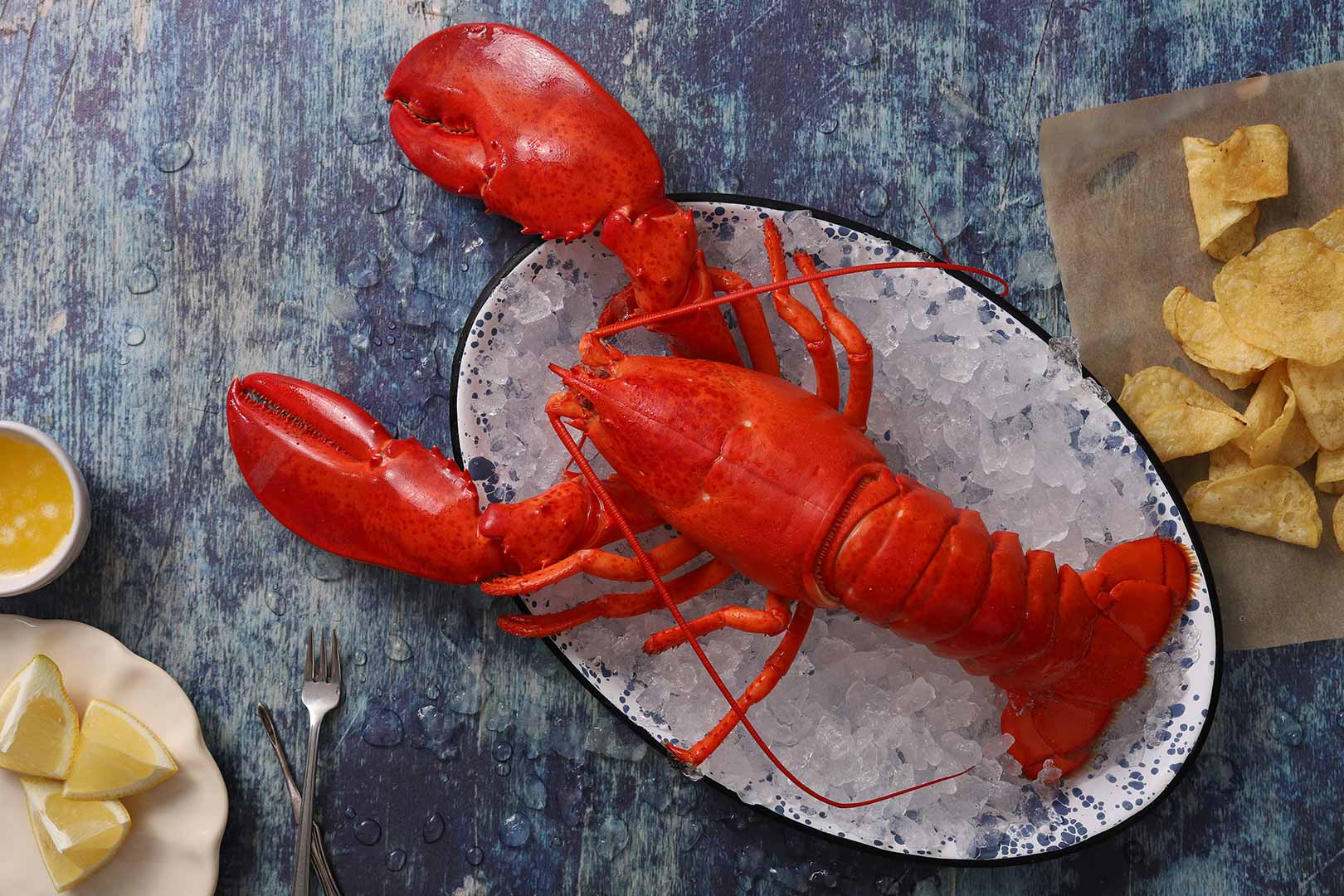
    Seafood markets in HCMC offer Canadian lobsters, each weighing between 500 and 600 grams, at prices ranging from VND950,000 to VND1.1 million per kilogram (equivalent to US$36-42 per kilogram). Larger lobsters, weighing one kilogram or more, are priced around VND1.3-1.4 million per kilogram. These prices reflect a decrease of 5-10% compared to the previous year.

    In comparison, Australian lobsters are priced at VND3.5 million per kilogram, Vietnamese spiny lobsters near VND3 million, and local rock lobsters around VND1.5 million. The attractive pricing of Canadian lobsters has led to a surge in their imports. Data from Vietnam Customs indicates that Vietnam imported seafood worth approximately $34 million from Canada in the first seven months of the year, marking an increase of 42% compared to the same period last year. Lobsters accounted for almost 60-65% of this total import value.

    Rising Demand for Canadian Lobsters

    Canadian lobsters are not only gaining popularity due to their affordability, but also their versatility and accessibility. An increasing number of businesses, supermarkets, and online platforms are offering these lobsters, further widening their consumer base. Many restaurants and eateries now include Canadian lobsters in their seafood platters, making it possible for groups and families to enjoy lobsters without excessive expenditure.

    Tran Van Truong, CEO of seafood chain Hai San Hoang Gia, pinpoints price as a key factor driving the growing demand for Canadian lobsters. He reported a double-digit year-on-year increase in his company’s imports of Canadian lobsters for the first seven months of this year. Truong also highlighted the seasonal advantage of Canadian lobsters, which are abundantly available from July to September. While these lobsters may not match the quality of Vietnamese lobsters, they have a robust supply chain and exhibit good survival rates, ensuring minimal losses during transport and storage.

    Additional factors contributing to the lower prices of Canadian lobsters include import tariffs. Canadian lobsters that fulfill the Comprehensive and Progressive Agreement for Trans-Pacific Partnership requirements attract a 0% tariff when imported into Vietnam.

    Canada, the world’s largest lobster exporter, recorded the highest export of any fisheries items in 2025 at 79,380 tons of lobsters valued at $3.01 billion, according to Fisheries and Oceans Canada.

    Questions & Answers

    Why are Canadian lobsters becoming popular in Vietnam?
    Their popularity is largely attributed to their affordability compared to other varieties. They’re also versatile and increasingly accessible through various outlets, including online platforms.

    What factors contribute to the lower price of Canadian lobsters?
    Factors include a robust supply chain, good survival rates which minimize losses during transport and storage, and a favorable import tariff of 0% when they meet the Comprehensive and Progressive Agreement for Trans-Pacific Partnership requirements.

    How does the quality of Canadian lobsters compare to other varieties?
    While the quality of Canadian lobsters may not match that of Vietnamese lobsters, they offer a satisfying taste and texture, making them a value-for-money choice among consumers.

  • Singapore’s Sentosa Cove: Once a Luxury Haven, Now a Hotspot for Residential Resale Losses

    Singapore’s Sentosa Cove: Once a Luxury Haven, Now a Hotspot for Residential Resale Losses

    Over the past three years, approximately 64.5% of residential resale transactions in Singapore’s exclusive Sentosa Cove district have resulted in losses, according to data from local real estate platform, Mogul.sg. This figure marks a rise from the 62.8% recorded between March 2020 and April 2023. The lackluster performance of this affluent enclave, once hailed as a haven for the wealthy, has been attributed to diminished demand from both foreign and local buyers.

    Performance of Property Types and Loss Analysis

    The study found that landed properties fared marginally better than condominiums, with around half of the resales since 2023 yielding a profit. The average loss on unprofitable resales decreased by 18% to S$1.28 million (US$1 million), however, the gross gains on profitable sales also dipped significantly, approximately 62%, to S$655,590. These figures do not account for additional costs such as stamp duties, property taxes, legal fees or agent commissions.

    Property consulting firms Cushman & Wakefield and Newmark similarly noted a trend towards loss-making resales in the area.

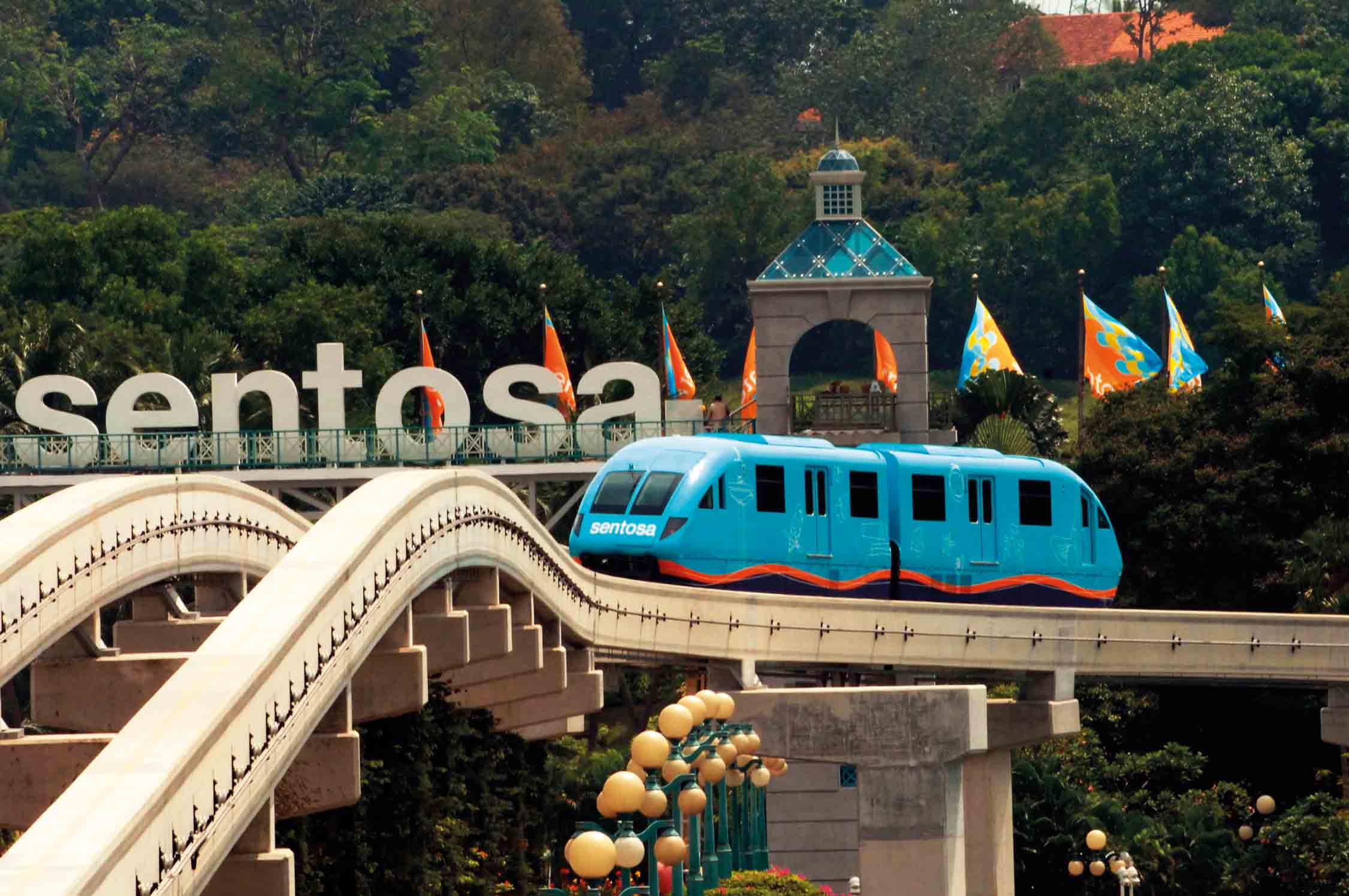
    Located on the eastern end of the 5-square-kilometer Sentosa Island, Sentosa Cove was transformed from a military outpost into a leisure and tourism hub in the 1970s. The enclave, which was developed primarily on reclaimed land and consists of five man-made islands (namely Coral, Paradise, Treasure, Sandy, and Pearl), was initially conceived as a high-end residential hotspot for affluent foreigners.

    Once marketed as Singapore’s answer to Monte Carlo or Dubai’s Palm Jumeirah, the enclave used to enjoy robust sales, driving up property prices. This was partly due to exemptions from mainland property restrictions and the unique provision allowing foreigners to purchase landed homes, albeit with government approval.

    Declining Demand and Current Challenges

    Since the 2008 global financial crisis and subsequent increases in Singapore’s additional buyer’s stamp duty, demand for properties in the enclave has dwindled. The tax, imposed on top of the standard buyer’s stamp duty, was raised to 60% in April 2023 for most foreign buyers, contributing to the decline in demand.

    Nicholas Mak, chief research officer of Mogul.sg, attributed the waning interest in Sentosa Cove to several factors. These include a halt in new residential developments, limited accessibility, and harsh coastal conditions. Moreover, no residential land parcels in Sentosa Cove have been sold since 2008.

    Further compounding the issue is a stipulation preventing foreign owners from leasing out their standalone homes. Consequently, several properties have been left vacant for extended periods, as their owners reside abroad or occupy other residences on the mainland.

    The lack of amenities such as shopping malls, wet markets, and hawker centers has also been identified as a reason for the enclave’s lack of appeal among Singaporeans.

    Questions & Answers

    What is the current state of residential resale transactions in Sentosa Cove?
    Approximately 64.5% of residential resale transactions in Sentosa Cove have resulted in losses over the past three years.

    What factors are contributing to the declining demand for properties in Sentosa Cove?
    The declining demand can be attributed to several factors including increased buyer’s stamp duty for foreign buyers, lack of new developments, limited accessibility, and harsh coastal conditions.

    How has the rule that prevents foreign owners from renting out their standalone homes impacted the Sentosa Cove property market?
    This rule has resulted in numerous properties being left vacant for extended periods, thereby reducing the attractiveness and vibrancy of the enclave.

  • China-ASEAN Trade Rockets to $643B in H1 2026 Bolstered by Growing Supply Chain Integration

    China-ASEAN Trade Rockets to $643B in H1 2026 Bolstered by Growing Supply Chain Integration

    In the first half of 2026, trade between China and the Association of Southeast Asian Nations (ASEAN) reached an impressive 4.34 trillion yuan (US$643.2 billion), marking an 18.2% increase from the same period the previous year. With an upswing of 24.5%, intermediate goods trade, including parts, components, and production inputs, accounted for roughly two-thirds of the total trade, amounting to around 2.86 trillion yuan.

    Integration of Chinese and ASEAN Industrial and Value Chains

    The General Administration of Customs of China (GACC) spokesperson, Lyu Daliang, attributed the steady growth in intermediate goods trade to the deepening integration and connectivity between Chinese and ASEAN industrial and value chains.

    In parallel, the latest statistics from Nanning Customs revealed that trade between China’s Guangxi Zhuang Autonomous Region and ASEAN reached 248.21 billion yuan in the first seven months of 2026 – a 2.5% increase year-on-year. This represented a new record for the period. Of note is the fact that trade with Vietnam increased by 3.3% to 183.71 billion yuan.

    Freight trains between Guangxi and Vietnam now operate daily, up from three services a week. These trains carry electronics and machinery southbound and transport tropical fruits like durians and mangosteens northbound.

    Boosting Trade through the Regional Comprehensive Economic Partnership

    The Regional Comprehensive Economic Partnership (RCEP), a 15-member trade agreement involving China, Japan, the Republic of Korea, Australia, New Zealand, and 10 ASEAN countries, has been a crucial framework supporting regional trade.

    All 15 signatories have fully implemented the RCEP since June 2023. The agreement’s rules of origin stipulate that materials originating in one member country and used in production in another member country are considered originating materials of the latter.

    The head of the Institute of International Market Research under China’s Ministry of Commerce, Xu Yingming, stated that the RCEP and the China-ASEAN Free Trade Area have reduced transaction costs and facilitated the closer integration of regional industrial chains.

    An ever-expanding China-ASEAN transport network continues to facilitate the smooth movement of resources while driving a surge in trade. The China-Laos Railway, which began operations in December 2021, recorded 17.17 billion yuan in import-export cargo value in the first half of 2026, a year-on-year increase of 33.8%.

    Questions & Answers

    What was the total value of China-ASEAN trade in the first half of 2026?
    The total value of China-ASEAN trade reached 4.34 trillion yuan (US$643.2 billion) in the first half of 2026.

    How has the Regional Comprehensive Economic Partnership (RCEP) impacted regional trade?
    The RCEP has significantly reduced transaction costs and facilitated a closer integration of regional industrial chains, thereby boosting regional trade.

    What has been the impact of the China-Laos Railway on trade?
    The China-Laos Railway has facilitated the smooth movement of resources and driven a surge in trade, recording 17.17 billion yuan in import-export cargo value in the first half of 2026.

  • ZUS Coffee Brews Buzz with Potential $245M IPO, Bolstering Malaysias Coffee Industry

    ZUS Coffee Brews Buzz with Potential $245M IPO, Bolstering Malaysias Coffee Industry

    ZUS Coffee, Malaysia’s largest coffee chain, is reportedly considering an initial public offering (IPO) for its Malaysia business that could generate a minimum of RM1 billion (US$245 million). Zuspresso, the brand’s owner, is teaming up with financial advisors to potentially launch the IPO as early as mid-2027. The valuation of the project could reach RM4 billion. However, the magnitude and timing of this venture are still under negotiation.

    Rapid Growth to Market Dominance

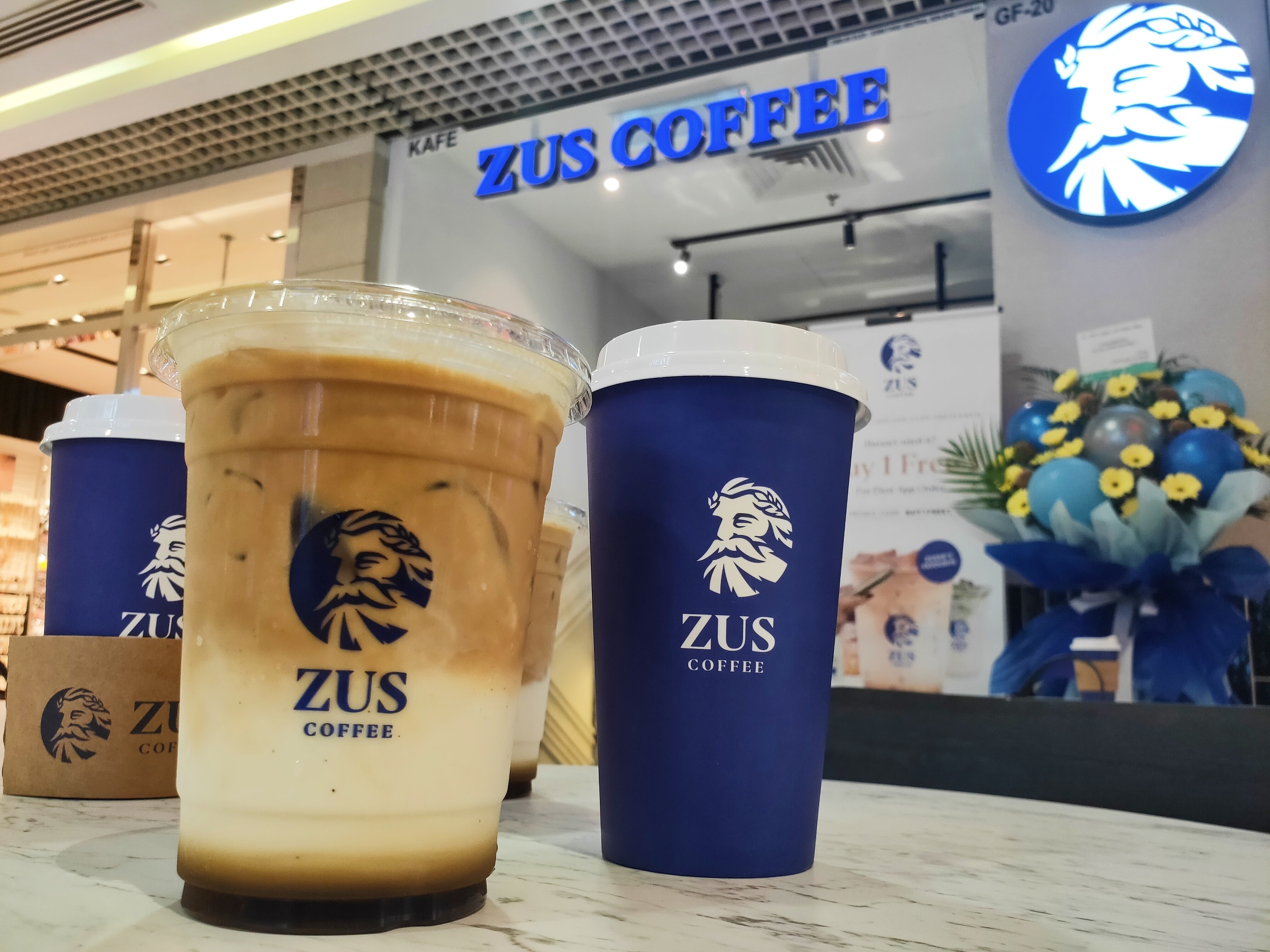
    ZUS Coffee, which began as a small kiosk in 2019, rapidly grew into Malaysia’s largest chain by store count by 2024, overtaking Starbucks. The company targeted the mid-priced segment of the coffee market, which was relatively underserved at the time of its inception. A standout feature of ZUS Coffee’s business model is its technological approach, featuring an app that allows customers to pre-order and collect their purchases in-store. This app also provides valuable insights into customers’ preferences, facilitating data-driven product development.

    Expansion Plans

    Currently, ZUS Coffee operates over 1,000 stores globally, the majority of which are in Malaysia. The company has also expanded into other markets such as Singapore, Brunei, the Philippines, Thailand, and Indonesia. Earlier this year, ZUS Coffee announced its ambitious plan to expand its network to 1,300 outlets by the end of 2026. This expansion includes adding 200 more stores in Malaysia.

    Questions & Answers

    What is the projected value of ZUS Coffee’s IPO?
    The IPO could potentially value ZUS Coffee’s business at RM4 billion.

    What sets ZUS Coffee’s business model apart?
    ZUS Coffee utilizes a tech-driven business model, featuring an app that allows customers to place orders in advance and collect them at stores. The app also provides the company with valuable customer preference data, supporting data-led product development.

    What are ZUS Coffee’s expansion plans?
    ZUS Coffee intends to grow its network to 1,300 outlets by the end of 2026, with an additional 200 stores planned in Malaysia.