Author: Mei Ling Tan

  • Nestlé Targets GLP-1 Drug Users with AI-Driven Nutritional Products, Expands Asia Offerings

    Nestlé Targets GLP-1 Drug Users with AI-Driven Nutritional Products, Expands Asia Offerings

    Nestlé is strategically adapting to the growing market of GLP-1 weight-loss drug users, turning a potential threat to packaged food sales into a new business avenue. The company is employing artificial intelligence and advanced nutritional science to create products designed for millions of consumers globally who use medications such as Ozempic and Wegovy.

    The rapid uptake of drugs from pharmaceutical giants like Novo Nordisk and Eli Lilly has raised concerns among investors about a potential long-term decrease in demand for traditional packaged foods, snacks, and beverages. However, Nestlé views this shift as an opportunity to cater to the specific needs of these consumers, particularly in managing the side effects of rapid weight loss.

    Addressing Side Effects With Targeted Nutrition

    Chief technology officer Stefan Palzer noted that Nestlé is well-positioned to serve this emerging market. The company is using AI and other technologies to analyse clinical research, pinpoint optimal nutrient combinations, and develop products specifically for GLP-1 users. Presentation materials highlighted side effects such as muscle loss and the reduction of facial fat, known as “Ozempic face,” indicating areas where Nestlé’s products can offer support.

    With an estimated 16 million Americans currently using GLP-1 medicines, a number expected to grow significantly, Nestlé’s response includes accelerating research and product development through AI. Its scientists are focusing on the consequences of rapid weight loss, developing items to help consumers manage muscle health, hydration, and overall nutritional intake.

    For example, Nestlé has incorporated collagen protein into products under its Vital Proteins brand to address concerns about skin, hair, and nail health. The company has also patented combinations of proprietary ingredients aimed at reducing the increased hunger some consumers experience after discontinuing GLP-1 treatments. In the United States, Nestlé introduced Boost Advanced Nutrition Shake, containing 35g of protein for muscle health. Crucially for the Asian market, Nestlé has launched Milo PRO High Protein, a higher-protein version of its popular malt drink, in Asia and Australia.

    AI’s Role in Product Innovation

    Artificial intelligence is becoming integral to Nestlé’s product development cycle. The company has created internal systems to sift through scientific literature, simulate consumer behaviour, identify market trends, and assist product developers in navigating a vast database of approximately 120,000 recipes.

    One such tool, an internal platform named Food Genie, helps scientists and developers predict product performance and identify opportunities for reformulation. Palzer explained that AI thrives on data, which a large company like Nestlé possesses in abundance. Nestlé is experimenting with AI-driven consumer simulations to forecast how shoppers will react to new products and health claims before they reach retail shelves. The company is also using AI to monitor social media for emerging consumer trends, helping to distinguish fleeting fads from lasting market shifts.

    Despite Nestlé’s efforts, some nutrition experts, such as Amanda Avery, associate professor in nutrition and dietetics at the University of Nottingham, question the significant advantages of specialized products over whole, fresh foods. Avery pointed out that meat, fish, eggs, dairy, beans, nuts, and pulses remain relatively inexpensive sources of protein and nutrients. However, she acknowledged that marketing often influences consumer choices, suggesting that Nestlé’s targeted products are likely to find a receptive audience.


  • Australian Luxury Eyewear Brand Valley Eyewear Collapses, Assets Ordered for Urgent Sale

    Australian Luxury Eyewear Brand Valley Eyewear Collapses, Assets Ordered for Urgent Sale

    Valley Eyewear, an Australian luxury sunglasses brand based in Gold Coast, has been placed into liquidation following a Federal Court order. The court has appointed Worrells’ James Robba and Jason Bettles as liquidators, instructing them to proceed with an urgent sale of the business and its assets.

    These assets include approximately $600,000 worth of stock, optical equipment, intellectual property, customer databases, and digital and social media holdings. The company is permitted to continue trading until August 24, which has been set as the deadline for expressions of interest from potential buyers.

    Court Order Follows Internal Dispute

    Founded in 2011 by Michael Crawley, Tenielle Crawley, and Matthew Grippo, Valley Eyewear achieved significant international reach, selling in over 20 countries and maintaining more than 100 Australian stockists, alongside numerous overseas retail points. The brand gained recognition through endorsements by celebrities such as Chris Hemsworth and Margot Robbie.

    The collapse also impacts House of Valley, a related entity established to operate Valley Eyewear’s Burleigh Heads store and optometrist, which opened in 2024. The liquidation decision comes after a court battle between the company’s founders, with the Crawleys filing an order against the companies and Grippo. Financial records reportedly indicate that Valley Eyewear had outstanding debts to various suppliers, banks, utilities, and email service providers.

    Liquidators Seek Buyer For Remaining Assets

    The liquidators will provide further details to creditors, employees, and other stakeholders as their investigation progresses. The urgent sale aims to salvage value from the business, which had built a strong reputation in the eyewear market since its inception.

  • Vietnam’s Top Students Choose South Korea over West for Higher Education

    Vietnam’s Top Students Choose South Korea over West for Higher Education

    Elite students from Vietnam are increasingly choosing South Korean universities for their higher education, often prioritizing them over institutions in the United States and Europe. This shift reflects growing interest in advanced technology fields and strong industry connections available in South Korea.

    South Korea has become the leading destination for Vietnamese international students, with 75,198 enrolled last year. This figure surpassed China’s 74,820 students for the first time, according to the Korean Educational Development Institute. The trend is moving beyond language training, with degree programs now accounting for 51 percent of student visas issued to Vietnamese nationals, exceeding language-training visas.

    Rising Interest in Korean Technology

    The appeal of South Korea’s higher education system is particularly strong among science and engineering students. Hoang Huong Giang, who scored first nationwide in Vietnam’s university entrance exam and a perfect 1,600 on the SAT, has chosen to study computer science at KAIST. She cited South Korea’s advanced science and technology and its close ties with industry as key attractions.

    Similarly, Pham Hai Long, a graduate of Hanoi’s National Economics University, received a Global Korea Scholarship (GKS) to attend KAIST’s Graduate School of Global Digital Innovation. He prioritized South Korea due to its significant investments in cutting-edge technologies and the presence of global companies like Samsung and LG. Students are also beginning their preparation earlier, with many now studying for the Test of Proficiency in Korean (TOPIK) during their first or second year of high school.

    Universities and Government Attract Talent

    South Korean universities are actively recruiting gifted students from Vietnam to address domestic talent shortages, particularly in science and engineering. Professors from Seoul National University’s College of Engineering visited Hanoi University of Science and Technology (HUST) to host admissions information sessions. Major Korean universities, including Konkuk, Sungkyunkwan, Chung-Ang, and Hanyang, are also partnering with study-abroad agencies to offer scholarships to outstanding Vietnamese students.

    The Korean government supports these efforts through its Education Center in Hanoi, which provides Korean-language courses at prominent Vietnamese science and engineering universities. This initiative aims to strengthen educational cooperation and foster closer ties between the two nations.

    Retaining Talent Remains a Challenge

    Despite the success in attracting Vietnamese students, South Korea faces challenges in retaining them after graduation. Nguyen Linh, a KAIST computer science graduate and GKS recipient, returned to Vietnam to join Microsoft Vietnam due to difficulties with Korean language skills, residency status, and employment opportunities in South Korea. She noted that peers studying in English-speaking countries found corporate internships more accessible.

    This situation highlights the need for South Korea to improve conditions for highly talented foreign graduates to settle in the country. Other nations have implemented strategies to address this. Singapore’s National University of Singapore (NUS) and Nanyang Technological University (NTU) offer scholarships requiring graduates to work for local companies for three years. France has established the University of Science and Technology of Hanoi (USTH) to facilitate direct progression to master’s and doctoral programs in France. Japan has significantly eased permanent residency requirements for skilled professionals, reducing the eligibility period for some technical talent from 10 years to just one year, leading to a substantial increase in Vietnamese professionals in Japan.

  • Korea’s Chief Trade Negotiator Dismissed Amid Escalating US Tariff Pressure

    Korea’s Chief Trade Negotiator Dismissed Amid Escalating US Tariff Pressure

    South Korea’s chief trade negotiator, Yeo Han-koo, has been dismissed from his role. The Ministry of Personnel Management notified Yeo of his dismissal on Friday, according to officials. This decision occurs amid heightened pressure from the United States regarding tariffs and other bilateral trade issues.

    A Ministry of Trade, Industry and Energy official confirmed the dismissal but did not provide a specific reason. Despite speculation linking his departure to tariff negotiations between Seoul and Washington, a government official speaking to Yonhap News Agency stated that the dismissal was unrelated to these talks. Yeo himself addressed rumors of personal misconduct, calling them unfounded and threatening legal action against false reports.

    Mounting US Pressure

    The dismissal happens at a critical juncture for bilateral trade relations. The United States is pressing Seoul to accelerate its investment commitments under a prior tariff agreement. Also, there is an ongoing dispute concerning fines imposed on the US-listed e-commerce giant Coupang for a personal data breach.

    Just days before Yeo’s dismissal, on Thursday, US President Donald Trump signed a proclamation imposing new tariffs. These included a 15 percent levy on drones and their components imported from Korea, among other items. Yeo had previously served as trade minister under the Moon Jae-in administration and was reappointed in May 2025 by the Lee Jae Myung administration, playing a key role in trade discussions with Washington.

  • Court Overturns Permit Revocation for Villar’s SIPCOR Power Firm

    Court Overturns Permit Revocation for Villar’s SIPCOR Power Firm

    The Philippine Court of Appeals has reversed the Energy Regulatory Commission’s (ERC) 2025 decision that revoked the operating permits of S.I. Power Corporation (SIPCOR). The court found that the ERC denied SIPCOR procedural due process when it ordered the power generator to halt its operations on Siquijor island.

    However, the appellate court’s July 24 ruling does not absolve SIPCOR of responsibility for the operational failures that caused Siquijor’s power crisis. It also does not automatically authorize the company to resume operations. The court stated that while the power situation in Siquijor required swift action, due process cannot be sacrificed for expediency.

    Procedural Flaws Cited

    The Court of Appeals found that the ERC used a fact-finding investigation to revoke SIPCOR’s operating authorities without formally notifying the company that its permits were at risk. The court noted that the ERC never issued the required show-cause order, which should have specified the alleged violations, their legal basis, and potential penalties.

    The ERC’s proceedings, which included a public hearing in July 2025 following prolonged outages in Siquijor that disrupted businesses and tourism, were consistently framed as fact-finding. The court also highlighted that the ERC relied on documents submitted after the July hearing, such as a letter from the energy secretary and an audit report, without giving SIPCOR an opportunity to contest them.

    The appellate court questioned the implementation of the shutdown. The ERC had already issued provisional operating authorities to a replacement generator before its decision against SIPCOR was promulgated. SIPCOR was then ordered to cease operations on August 29, 2025, just hours after being served the decision, despite ERC rules typically allowing 15 days before a decision becomes final.

    Uncertainty For SIPCOR’s Future Operations

    The Court of Appeals decision essentially voids the ERC’s permit revocation, but it does not guarantee SIPCOR’s immediate return to Siquijor’s power grid. The ERC may still pursue further legal action, including seeking reconsideration from the appellate court or elevating the case to the Supreme Court.

    SIPCOR itself acknowledged this uncertainty in a disclosure to the Philippine Stock Exchange (PSE) by Premiere Island Power REIT (PREIT). PREIT, which owns and leases assets to SIPCOR, stated that SIPCOR is awaiting further developments before attempting to resume operations. Trading in PREIT shares was subsequently halted following the disclosure. SIPCOR is wholly owned by Prime Asset Ventures Inc., the infrastructure arm of the Villar family, and was a significant source of rental income for PREIT before its operations were suspended.

  • Pacific Bluefin Tuna Quota Sees 25% Increase

    Pacific Bluefin Tuna Quota Sees 25% Increase

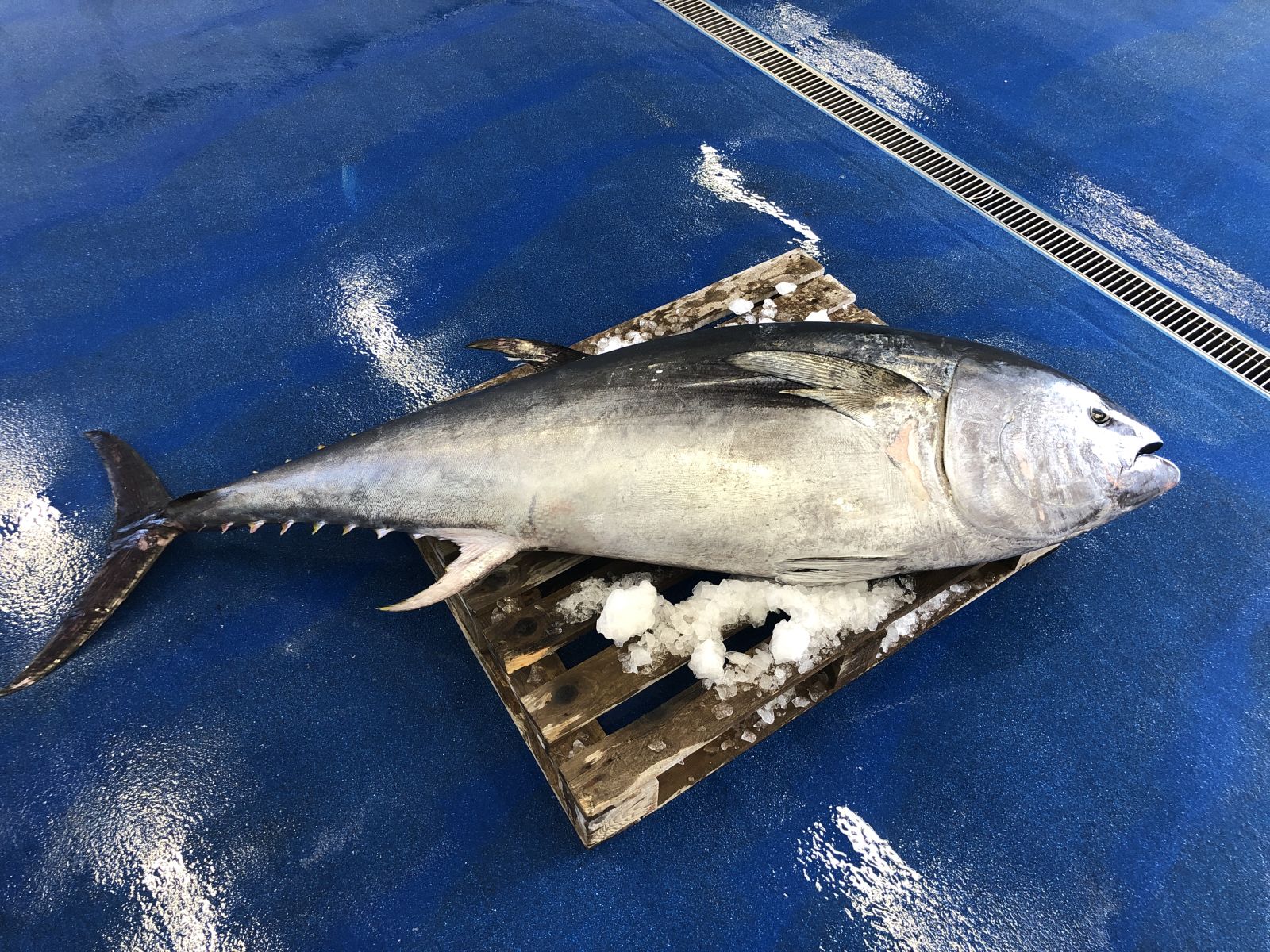
    International delegates have approved a 25% increase in the catch quota for Pacific bluefin tuna weighing at least 30 kilograms. This agreement, reached during an online conference on Tuesday, August 18, 2026, will primarily affect fishing in the Central and Western Pacific regions.

    The decision follows Japan’s persistent efforts to expand the quota, a proposal that faced initial resistance from Mexico. After bilateral discussions, Mexico eventually endorsed the plan, paving the way for the new limits.

    Quota Adjustments Detailed

    Under the new agreement, the annual quota for large bluefin tuna in the Central and Western Pacific will rise to 14,836 tons for fiscal years 2027 and 2028. This marks a significant increase from the current 11,869 tons. Conversely, the quota for smaller tuna, weighing less than 30 kilograms, will see a 6% reduction, settling at 4,823 tons.

    The Eastern Pacific, an area closer to Mexico, will also experience a minor increase in its catch quota, moving from 7,581 tons to 7,740 tons. These changes reflect a delicate balance between sustainable fishing practices and the economic demands of the fishing industry.

    Impact on Asian Markets and Retail

    Japanese fishers have reported robust catches in their operating areas, often facing challenges in adhering to previous quota caps. The expanded limit addresses their calls for greater flexibility, which previously led to scaling back operations or releasing perfectly good catches to comply with regulations. This adjustment could lead to more stable supply chains and potentially impact prices for tuna in Japanese and other Asian retail and food service markets, where bluefin tuna is a highly sought-after delicacy.

    The agreement underscores the ongoing efforts to manage global fish stocks, balancing conservation with economic realities for countries reliant on the seafood industry.

  • K-Beauty Retail Sector in South Korea Undergoes Rapid Transformation

    K-Beauty Retail Sector in South Korea Undergoes Rapid Transformation

    South Korea’s K-beauty retail sector is currently undergoing a swift transformation, moving away from its traditional reliance on heavy discounting towards new and diverse sales channels, including pharmacies. This shift signals a broader evolution in how beauty products are distributed and purchased across the country.

    New Retail Channels Emerge

    The established model of beauty retail, which frequently featured steep price reductions and promotions, is being re-evaluated. Retailers are now exploring alternative strategies to reach consumers and differentiate their offerings. Pharmacies, traditionally not primary points of sale for cosmetic products, are emerging as a significant new frontier for K-beauty brands. This expansion into health-focused retail spaces suggests a potential alignment with consumer demand for efficacious and scientifically backed beauty solutions, or simply a strategic move to increase accessibility and visibility.

    Adapting To Market Dynamics

    The rapid changes in the K-beauty market indicate a need for brands and retailers to adapt quickly to evolving consumer preferences and competitive pressures. By diversifying their sales points beyond conventional beauty stores and online platforms, companies can tap into new customer segments and enhance convenience. This strategic pivot underscores a dynamic retail environment where innovation in distribution is key to maintaining market relevance and growth.

    Questions & Answers

    What is the primary change occurring in South Korea’s K-beauty retail sector?
    The K-beauty retail sector in South Korea is rapidly changing, shifting away from its traditional reliance on heavy discounts and expanding into new sales channels, including pharmacies.

    Which new sales channel is gaining prominence for K-beauty products?
    Pharmacies are emerging as a significant new retail channel for K-beauty brands, indicating a diversification of distribution strategies.

    What does this shift signify for K-beauty retailers and brands?
    This transformation suggests that K-beauty retailers and brands are adapting to evolving consumer preferences and market dynamics by exploring new ways to reach customers and maintain relevance.

  • Fire Engulfs Cars at Kuala Lumpur’s KL Gateway Mall

    Fire Engulfs Cars at Kuala Lumpur’s KL Gateway Mall

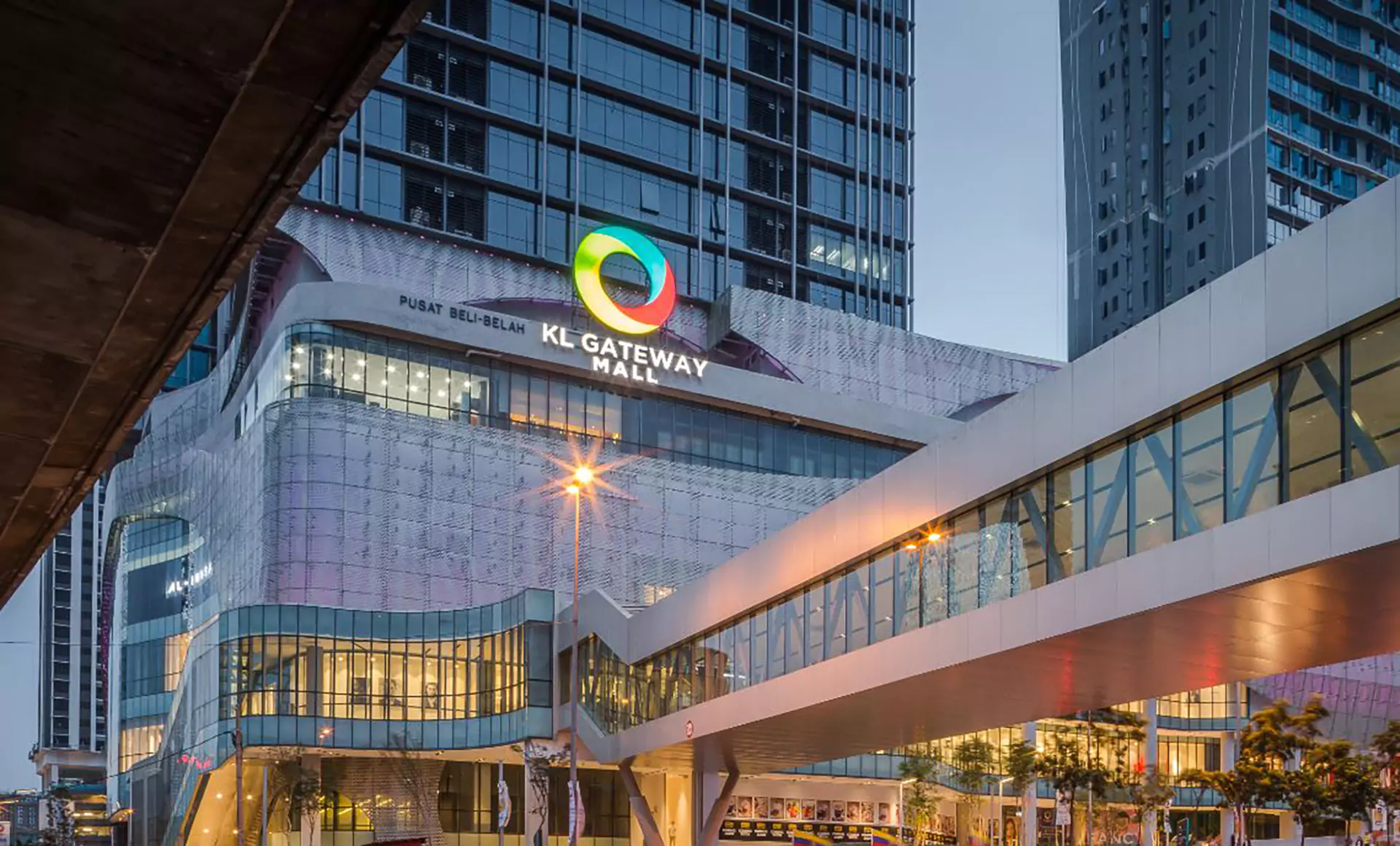
    Kuala Lumpur’s KL Gateway Mall experienced a fire in its parking facility on August 17, 2026. The blaze, which originated on the P1 level of the basement parking, led to significant damage to two vehicles.

    City officials confirmed that a BMW was completely destroyed by the fire, while a Perodua Axia sustained partial damage. Emergency services were promptly on the scene to manage the situation.

    Emergency Response And Cause

    The Kuala Lumpur Fire and Rescue Department was alerted to the incident around 12:43 AM. A team from the Pantai fire station, along with assistance from Seputeh, was dispatched to the mall.

    Firefighters successfully extinguished the blaze using water from their trucks, bringing the situation under control by 1:33 AM. Investigations are currently underway to determine the exact cause of the fire, though no injuries were reported from the incident.

    Impact On Mall Operations

    While the fire was contained to the basement parking area and quickly put out, such incidents can cause temporary disruptions for mall operators and visitors. The immediate aftermath often involves assessment of structural integrity, clearing smoke, and ensuring safety protocols are maintained.

    KL Gateway Mall, a mixed-development complex featuring retail, residences, and offices, is a significant urban hub in Kuala Lumpur. Mall management is expected to cooperate fully with authorities during the investigation and remediation process.

    Questions & Answers

    When and where did the fire occur?
    The fire took place on August 17, 2026, in the basement parking lot (P1 level) of KL Gateway Mall in Kuala Lumpur, Malaysia.

    What was the extent of the damage caused by the fire?
    A BMW vehicle was completely destroyed, and a Perodua Axia suffered partial damage. Fortunately, no injuries were reported as a result of the incident.

    Which authorities responded to the fire?
    The Kuala Lumpur Fire and Rescue Department, with teams from the Pantai and Seputeh fire stations, responded to the alarm and successfully extinguished the blaze.

  • Resintech Subsidiary Secures RM41 Million for Hostel and Retail Project in Selangor

    Resintech Subsidiary Secures RM41 Million for Hostel and Retail Project in Selangor

    Johan Panglima (M) Sdn Bhd, a subsidiary of Malaysia-based plastic pipe and fitting manufacturer Resintech Bhd, has secured financing totaling RM41 million from Alliance Islamic Bank Bhd. These funds are designated for the redemption of land and to partially finance a new hostel and retail complex in Selangor.

    The financing facilities, structured as commodity murabahah term financing, will cover 80 percent of the construction expenses for the planned development. The project includes a total of 158 hostel units, four retail shops, a canteen, and various other communal amenities.

    Project Details and Financial Impact

    According to a filing with Bursa Malaysia, the financing specifically targets the redemption of four land parcels situated in Mukim Telok Panglima Garang, located in Kuala Langat, Selangor. The new development will contribute to the local retail and accommodation landscape with its blend of commercial and residential facilities.

    Resintech stated that the acceptance of these facilities is expected to increase the group’s gearing ratio for the financial year ending March 31, 2027 (FY2027). The company also clarified that the financing does not involve the issuance of new ordinary shares, therefore having no impact on its issued share capital or the shareholdings of its directors and major shareholders.

    Board Approves Financing Terms

    Resintech’s board of directors has evaluated the terms of the financing and concluded that its acceptance is in the best interest of the Resintech group. The company confirmed that no directors, major shareholders, or any connected persons have a direct or indirect interest in these facilities.

    Furthermore, the financing arrangements are not subject to the approval of Resintech’s shareholders or any regulatory authorities. The project represents a strategic move for the subsidiary into the real estate development sector, leveraging the current market for both student accommodation and local retail services.

    Questions & Answers

    What is the purpose of the RM41 million financing secured by Resintech’s subsidiary?
    The financing is intended to redeem four parcels of land in Selangor and to part-finance 80 percent of the construction cost for a new hostel and retail development.

    What will the proposed development by Johan Panglima (M) Sdn Bhd include?
    The development will feature 158 hostel units, four retail shops, a canteen, and other associated facilities.

    How will this financing impact Resintech Bhd’s financial position?
    Resintech expects the financing facilities to increase the group’s gearing ratio for the financial year ending March 31, 2027. It will not affect the company’s issued share capital or shareholder structures.

  • Burger Revolution: Global Brands and Local Hotspots Lock Horns in Chinas Fast-Food Boom

    Burger Revolution: Global Brands and Local Hotspots Lock Horns in Chinas Fast-Food Boom

    The fast-food landscape in China is witnessing a dramatic shift as the burger market, once a niche segment ruled by Western giants like McDonald’s and KFC, is now attracting everyone from multinational restaurant chains to local hotpot outlets and coffee brands. The humble burger has become a hot commodity among budget-conscious consumers and smaller households, making it a fierce point of competition in the nation’s fast-food sector.

    China’s Growing Appetite for Burgers

    Yum China’s innovative Pizza Hut Burger Bar concept, offering a burger counter within an existing Pizza Hut restaurant, quickly expanded to over 200 locations within six months. By the end of 2026, the company plans to have 500-600 such outlets, accounting for roughly 10% of the total Pizza Hut store network.

    This burger boom mirrors broader changes in China’s consumption trends. Smaller household sizes and economic uncertainty are causing consumers to opt for low-cost, portable meals, consequently transforming burgers from a niche Western import into one of the most competitive segments in China’s restaurant market.

    As a result, brands are racing to capitalize on this trend. Last month, hotpot chain Haidilao diversified into the burger market with Huanxianbao, or “Fresh Burger,” a chain offering burgers along with pizza, pasta, and fried chicken. Similarly, coffee chain M Stand has begun to introduce burger-focused outlets in certain cities.

    The Economics of Burgers

    China’s Western fast-food market, valued at 499.65 billion yuan (US$74.1 billion) in 2025, is expected to reach 587.09 billion yuan by 2027. According to a survey, burgers were the top preference among consumers, with 55% of respondents selecting them. The burger category, worth $18.4 billion in 2025, is projected to grow by 8.7% annually through 2035.

    Burgers offer a value-for-money choice as consumers remain cautious about their spending. They provide a less costly alternative to full-service restaurant meals while still satisfying as a substantial meal, making them a popular choice among students and single-person households.

    Burgers also align with demographic changes, with rising numbers of smaller families, single-person households, and young urban workers driving demand for convenient individual meals. Pizza Hut, for instance, added burgers to its menu in 2024 and by 2025, burgers accounted for a considerable share of the company’s sales.

    The burger trend is not only bringing in domestic chains like Tasiting but also international brands. Notably, when U.S. chain Five Guys launched in Beijing, customers were willing to wait over two hours to be served. Wendy’s also announced plans to enter China and open up to 1,000 franchised restaurants over the next decade.

    Questions & Answers

    Why are burgers becoming popular in China?
    Economic uncertainty and smaller household sizes have led to a preference for low-cost, portable meals like burgers. These changes in consumption habits are turning burgers from a niche Western import into a highly competitive segment of China’s restaurant market.

    Who are the major players in China’s fast-food burger market?
    While Western giants like McDonald’s, KFC, and Burger King initially dominated the market, local brands like Haidilao and international brands like Five Guys are now entering the fray.

    What does the rising popularity of burgers represent?
    The growing demand for burgers reflects broader shifts in China’s consumer behavior, such as the preference for lower-cost, convenient meals that offer good value for money. It also aligns with demographic changes, including the rise in single-person households and small families.

  • Cosco Shipping Sets Sights on Southeast Asia: Plans Expansion in Vietnam and Indonesia Amid Growing Trade Demand

    Cosco Shipping Sets Sights on Southeast Asia: Plans Expansion in Vietnam and Indonesia Amid Growing Trade Demand

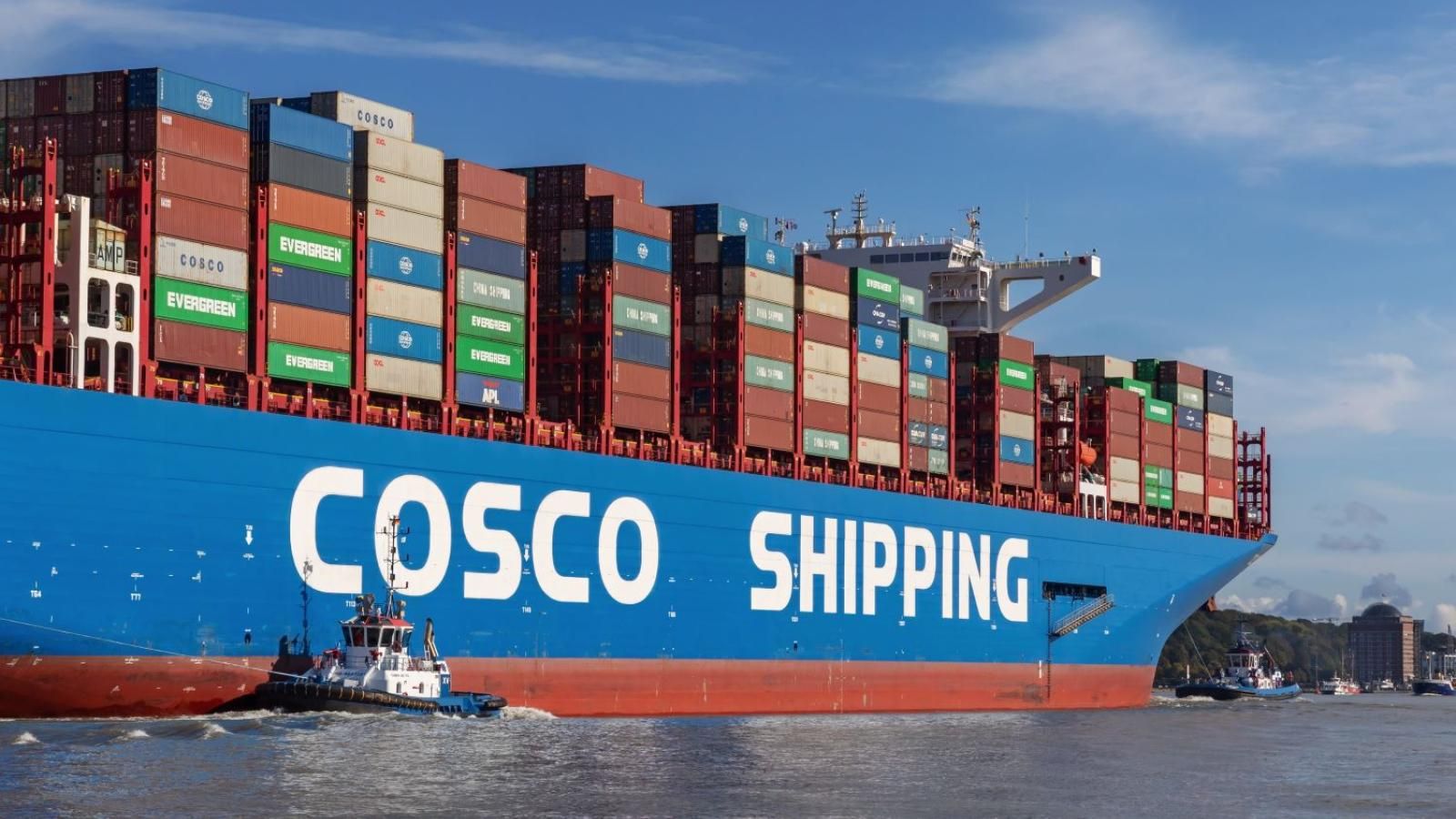
    Cosco Shipping International (Singapore) is setting sights on increased investment in Vietnam, Malaysia, and Indonesia within the next three to five years, in anticipation of a surge in Southeast Asian trade. The firm’s president, Jiang Kai, expresses a robust sense of assurance in the potential of the Southeast Asian market.

    Cosco Shipping International, the logistic subsidiary of the Chinese state-owned maritime behemoth China Cosco Shipping Corporation, is currently listed in Singapore. The company generates its consolidated revenue primarily from its operations in Singapore and Malaysia, with the city-state contributing to approximately 87% of the total. The firm also has a vested interest in logistical enterprises in Indonesia and Vietnam, along with a share in a dry-bulk shipping associate that operates throughout the region. These affiliated firms provide about one-fourth of the group’s pre-tax profit, as witnessed in the latest financial results for the first half of 2026.

    Resilience Amid Global Trade Uncertainties

    Global trade has witnessed a few turbulent years, with factors such as U.S. tariffs and geopolitical instabilities in Ukraine and Iran causing disruptions in shipping routes and supply chains. However, manufacturing activities continue to show resilience in Southeast Asia, notes Jiang. There is also an observed revival in the region’s dry-bulk shipping market, which deals in the transportation of industrial raw materials like coal and iron ore, as manufacturing activities gain traction.

    The demand for specialized cargo shipping, catering to industrial machinery, vehicles, and new energy equipment, is also on the rise, mirroring the region’s progression. “The expansion in Southeast Asia’s shipping industry has resulted in a steady surge in logistics demand,” says Jiang. He adds that many Chinese manufacturing firms, when exploring overseas markets, often consider Southeast Asia as a preferred manufacturing base, a trend that spells long-term benefits for Cosco.

    In the first half of the year, Cosco Shipping International recorded a 6% rise in revenue to SGD96.8 million (US$76 million), propelled by increased contributions from logistics, ship repair, and marine engineering. The company is also expanding its footprint in Singapore. One of its prominent ongoing projects is the Jurong Island Logistics Hub Phase II.

    This project, the company’s most significant investment in Singapore, promises enhanced integrated logistics services and is projected to be completed in the fourth quarter of this year.

    Questions & Answers

    What is Cosco Shipping International’s plan over the next three to five years?
    They are planning to increase investment in Vietnam, Malaysia, and Indonesia in anticipation of a surge in Southeast Asian trade.

    What is the primary source of Cosco Shipping International’s consolidated revenue?
    The majority of the company’s consolidated revenue comes from operations in Singapore and Malaysia, with Singapore contributing about 87%.

    What trends are observed in the Southeast Asian dry-bulk shipping market?
    There is a recovery observed in Southeast Asia’s dry-bulk shipping market, with increasing demand for the transportation of industrial inputs such as coal and iron ore, as manufacturing activity strengthens.

  • Singapore’s Rubber King Dynasty Sells Prime District Plot for $453M, Paving Way for Residential Development

    Singapore’s Rubber King Dynasty Sells Prime District Plot for $453M, Paving Way for Residential Development

    A piece of land in Singapore, associated with the family of the city’s late “rubber king,” Lee Kong Chian, has been sold for S$578 million (US$453 million). The 18,860-square-meter property, located at 8 Thomson Lane, was sold bearing a 105-year leasehold tenure. Currently, the site is earmarked for hotel use under the Urban Redevelopment Authority’s Master Plan 2025. However, the selling party, Chequers Properties, has allegedly secured preliminary approval to transform the site into a residential development.

    Details of the Purchase

    The buyer of the property is a joint venture spearheaded by Sustained Land, a residential developer based in Singapore and created by magnate Douglas Ong. The venture also includes the construction firm Kay Lim Realty. The plot is situated in Singapore’s prime District 11, in close proximity to the Singapore Polo Club, United Square’s retail outlets, the Novena medical cluster, and various educational institutions such as St Joseph’s Institution International and CHIJ Secondary (Toa Payoh). Additionally, it is near the Toa Payoh MRT station and the future Mount Pleasant MRT station.

    Previously, the site was the location of a historic country bungalow that later evolved into a hotel and resort before becoming the campus of EtonHouse International School, which shut its doors in 2023.

    Late ‘Rubber King’ and his Legacy

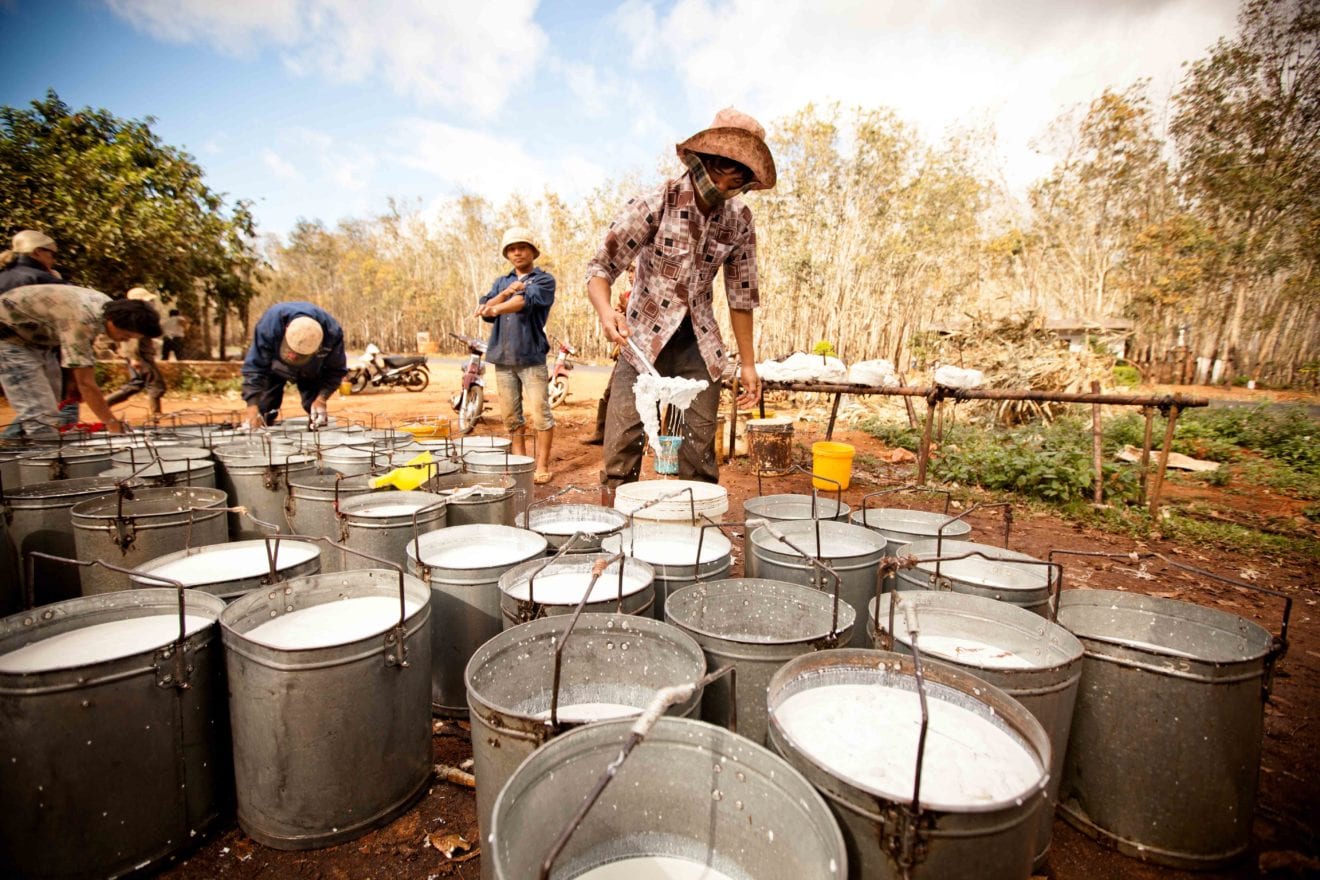
    The late Lee Kong Chian, famously known as the “rubber king,” founded Lee Rubber Company, a small rubber smokehouse that he developed into a multi-million dollar empire. His pursuits later expanded into the banking sector, where he led the merger of three banks, forming OCBC Bank in 1932, which now stands as Southeast Asia’s second-largest bank in terms of assets.

    Earlier this year, one of Lee’s grandsons reportedly purchased a bungalow on Barker Road for S$43.2 million. Another grandson bought two vertically stacked units at the Seven Palms Sentosa Cove condominium, totaling S$23.9 million, not long before that. The Lee family was listed as the 11th richest family in Singapore, with an estimated net worth of US$7.75 billion, by Forbes in September of last year.

    Questions & Answers

    What is the significance of the site sold?
    The site sold by the Lee family, located at 8 Thomson Lane, is of great historical significance as it housed a historic country bungalow that was later transformed into a hotel and resort before becoming an international school campus.

    Who are the buyers of the property?
    The land was purchased by a joint venture led by Singapore-based residential developer Sustained Land, owned by business tycoon Douglas Ong, and also includes construction firm Kay Lim Realty.

    What was Lee Kong Chian known for?
    Lee Kong Chian was known as the “rubber king” for founding the Lee Rubber Company, which turned into a multi-million dollar business. He later expanded his business into the banking sector and led the merger forming OCBC Bank.

  • Thailand Struggles with Lowest Economic Growth Amid Southeast Asian Titans: Rising Energy Prices Blamed

    Thailand Struggles with Lowest Economic Growth Amid Southeast Asian Titans: Rising Energy Prices Blamed

    Thailand’s economy, one of the six largest in Southeast Asia, experienced sluggish growth in the second quarter, trailing behind its regional counterparts. The meager 1.9% growth rate, as compared to the first quarter’s 2.8% expansion, was largely influenced by surging energy prices that counterbalanced the benefits of increased investment and government stimulus.

    The National Economic and Social Development Council revealed these figures, highlighting Thailand’s struggle to keep pace with the rest of the ASEAN economies. Regional frontrunners included Vietnam with an impressive 8.39% growth, followed by Singapore (5.9%), Malaysia (5.8%), and Indonesia (5.29%). The Philippines also outperformed Thailand, reporting a growth of 2.3%.

    Government Initiatives and External Factors Impact Growth

    Despite the Thai government’s attempts to bolster the economy with 400 billion baht in emergency loans, facilitating cash handouts and energy-transition projects, economic growth remained stagnant. The country’s prime minister, Anutin Charnvirakul, has been grappling with this economic slowdown amidst a complex interplay of domestic and international factors.

    Being heavily dependent on the Middle East for its oil and gas needs, Thailand’s economy has been significantly impacted by disruptions in supply chains stemming from the Iran war. This external pressure has been further compounded by weakened domestic demand and a dip in tourism, two of Thailand’s main GDP contributors. Increased energy costs have put a strain on household spending and business activities, resulting in subdued economic activity throughout the second quarter.

    Future Projections and Comparative Analysis

    Predictions from the National Economic and Social Development Council indicate a slight improvement in the economy, with an expected growth range of 2% to 2.5% in 2026. The Bank of Thailand shares a similar sentiment, stating that the economy hit its lowest point in the second quarter and is likely to rebound in the third, thanks to easing Middle East tensions and the implementation of government stimulus measures.

    In comparison, other Southeast Asian economies have set more ambitious targets. Vietnam is eyeing a 10% GDP growth this year, while Singapore has revised its forecast to 4.5%-5.5%, surged by a strong second-quarter performance.

    Questions & Answers

    What factors contributed to Thailand’s slow economic growth in the second quarter?
    Higher energy prices, disruptions in oil and gas supply from the Middle East, and decreased domestic demand and tourism have contributed to Thailand’s slow growth.

    What measures has the Thai government taken to boost the economy?
    The government has initiated an emergency borrowing of 400 billion baht to fund cash handouts and energy-transition projects.

    What are the growth projections for Thailand’s economy in 2026?
    The National Economic and Social Development Council predicts that the economy will grow between 2% to 2.5% in 2026.

  • South Koreans Bid Farewell to Dog Meat Tradition Ahead of Nationwide Ban

    South Koreans Bid Farewell to Dog Meat Tradition Ahead of Nationwide Ban

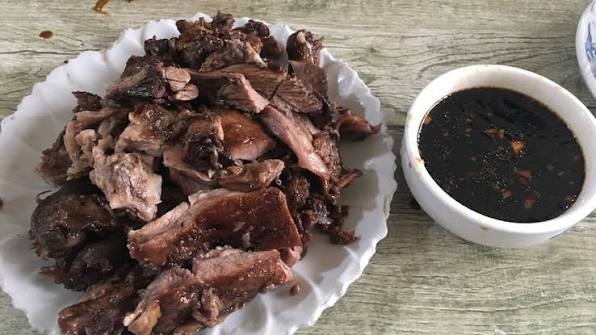
    Historically, the three warmest days of summer were the busiest times for South Korea’s dog meat eateries, with customers seeking traditional foods reputed to boost stamina during the intense heat. However, on the third of the hottest days, known as “boknal,” in 2026, a sense of finality was felt. This marked the last boknal before the total ban on breeding, slaughtering, and selling dogs for meat, which is set to be fully implemented in February 2027.

    At the Moran Market in Seongnam, once the country’s most prominent center for dog meat, lunch-goers continued to flock to the alleys filled with restaurants. Yet, many of these eateries have transitioned to serving other options like black goat stew, and the majority of customers who still ordered “bosintang” or dog meat stew, were predominantly elderly.

    Changing Times

    Kim Yong-book, the head of the Moran Market Merchants’ Association, lamented the decline. Kim, who has been working in the area near Seoul for over 40 years, described it as now being “a town of old people.” The ban marks a significant shift in South Korean culture, reflecting changing attitudes towards animal welfare as pet ownership increases.

    A 2024 survey showed that over 90% of 2,000 respondents had no intention of eating dog meat in the future, and over 80% supported the ban. Almost 95% stated they hadn’t eaten dog meat in the preceding year.

    The ban’s implementation will impact over 5,600 businesses, according to government data. However, officials have noted that most dog farms had already ceased operations in anticipation of the upcoming 2027 deadline.

    The Uncertain Road Ahead

    While some, like restaurant owner and former merchants’ association chairman Lee Kang-chun, agree with the ban considering South Korea’s global image and evolving societal attitudes, they also feel a sense of melancholy. Lee finds it particularly distressing when elderly customers, who believe the dish restores strength, leave his restaurant disappointed after traveling long distances only to find no dog meat available.

    Despite increasing supply costs and dwindling profits, Lee continues to serve the dish primarily for his loyal customers. He believes the authorities should provide more assistance to elderly vendors transitioning to new business models. Many Moran Market restaurants have switched to serving black goat stew, marketed as a health food, but owners report that the transition has been challenging and the new dish hasn’t compensated for the lost dog meat sales.

    Questions & Answers

    What is behind the shift away from dog meat consumption in South Korea?
    The shift away from dog meat consumption in South Korea is largely due to changing attitudes towards animal welfare and an increase in pet ownership.

    When will the ban on breeding, slaughtering, and selling dogs for meat be fully enforced?
    The ban will be fully enforced from February 2027.

    What is the impact of the ban on dog meat-related businesses in South Korea?
    Over 5,600 businesses are expected to be affected by the ban, with most dog farms already having ceased operations ahead of the 2027 deadline.

  • Shein’s Hong Kong IPO Slashes Valuation to $25 Billion amid E-commerce Regulatory Challenges

    Shein’s Hong Kong IPO Slashes Valuation to $25 Billion amid E-commerce Regulatory Challenges

    Online fast-fashion retailer Shein is expected to have a company valuation of roughly $25 billion in its upcoming Hong Kong initial public offering (IPO), a significant decrease from its earlier valuation of approximately $100 billion four years ago. This change comes amid a slowdown in the company’s growth.

    Sources familiar with the situation have indicated that the current valuation of Shein, a company that made its name selling affordable clothing such as $5 dresses and $10 jeans, potentially lies between $25 billion and $28 billion. This represents a decrease from the initially projected valuation of $30 billion to $40 billion earlier this month.

    The Impact of Market Changes

    This reduction in valuation can be attributed to significant shifts in Shein’s most prominent markets, including an increased crackdown on e-commerce platforms selling inexpensive Chinese-manufactured goods. This has negatively affected the company’s growth prospects.

    Shein, which was established in China in 2012 and now sells to customers in approximately 160 countries, is poised to launch its eagerly-anticipated IPO this week.

    The company is reportedly planning to issue up to 8% of its total shares in the IPO. Should the company be valued at $25 billion, this would equate to an offering size of up to $2 billion.

    Economic Factors and Valuation

    Shein’s net income in 2025 stood at $2.06 billion, indicating that a $25 billion valuation would result in investors valuing the company at around 12 times its earnings.

    However, several factors have led to a decrease in Shein’s valuation. Slower growth, increased trade costs, tighter regulatory scrutiny, and heightened competition have all contributed to a decrease in investor appetite for the company.

    Shein’s net revenue saw a growth rate of 41.1% in 2023 and 20.7% in 2024. However, growth slowed dramatically to just 8% last year, resulting in total revenue of $41.8 billion. In the first quarter of this year, revenue growth was a mere 1.1% due to the impact of US customs duties and tariffs implemented in May last year.

    Questions & Answers

    What is the expected valuation of Shein in its upcoming Hong Kong IPO?
    The expected valuation of Shein in its upcoming Hong Kong IPO is around $25 billion.

    What factors have contributed to a decrease in Shein’s valuation?
    Factors such as slower growth, higher trade costs, increased regulatory scrutiny, and intensified competition have contributed to a decreased valuation.

    What was Shein’s net income in 2025, and what does this mean for its valuation?
    Shein’s net income in 2025 was $2.06 billion. If the company is valued at $25 billion, this would mean investors value Shein at around 12 times its earnings.