Author: Mei Ling Tan

  • New Zealand’s Epic Brewing enters liquidation

    New Zealand’s Epic Brewing enters liquidation

    Auckland craft beer brewer Epic Brewing Company has gone into liquidation. Companies Office records show the business was placed into liquidation by a special resolution of shareholders on Tuesday.

    Damien Grant and Adam Botterill of Waterstone Insolvency were appointed liquidators.

    Owner Luke Nicholas developed the Epic brand in 2005 while working as head brewer for the Steam Brewing Company, the brewing arm of the Cock and Bull pubs in Auckland in Hamilton.

    In 2007 Nicholas and a silent partner bought the Epic brand from the Cock and Bull and continued to use its brewing facility and supply its four pubs.

    Epic Brewing Company have been pushing boundaries and winning awards for more than a decade. (Video first published in November 2019)

    The brewery developed a reputation for producing beers that were big on flavor and aroma – brews like Hop Zombie and Armageddon became cult classics among craft beer drinkers for their use of highly sought-after US hops.

    With the launch of Epic Blue in 2019, the company became one of New Zealand’s first craft brewers to produce a low-carb beer.

    The day’s talking point and stories you don’t want to miss, delivered to your inbox

    According to its website, Epic has 15 employees and operates a taproom in Onehunga.

    The first liquidator’s report is due on August 1.

  • 7-Eleven continues regional expansion with Dalyellup store opening

    7-Eleven continues regional expansion with Dalyellup store opening

    After opening four new stores in 2021, including its first regional store in Busselton, 7-Eleven will continue to invest in the state, with seven new stores on the horizon for 2022.

    Sine opening its first store in WA in 2014, the company has invested $47 million across the State, and according to Nick Maddox, 7-Eleven Area Lead – WA, will invest a further $6 million in new stores in 2022.

    “Approximately 45 additional West Australians have joined our team in 2021, and we hope to have about 100 new roles available as our network continues to grow in 2022.”

    Maddox said the company was incredibly excited to have opened their first regional store in Busselton and plan to grow its regional network by adding a new store in Treendale early next year.

    7-Eleven is continuing to look for the right locations to bring its offer to new communities in metropolitan and regional Western Australia.

    Maddox said they are interested in sites in both established suburbs and growth corridors positioned within reach of customers along busy commuter routes, immersed within residential precincts along connecting roads, local shopping, and community centres.

    “Our preferred sites provide convenient access for passing traffic and suitable room for vehicle movement and easy customer parking. We’re continuing to work with landlords and developers in Western Australia to secure locations to serve our local communities.”

    The pace of 7-Eleven’s growth means there’s potential for people who want a career in retail and to accelerate their progression, stated Maddox.

    “For people looking to make a career path in a new industry, our career development and network growth provide support and opportunity.

    “We’re looking for talented people with the right capabilities who might be interested in leadership. We invest in giving our people the skills they need to take advantage of the opportunities our growth provides.”

  • AirAsia Doubles Passengers In 2Q And Powers Capital A Growth

    AirAsia Doubles Passengers In 2Q And Powers Capital A Growth

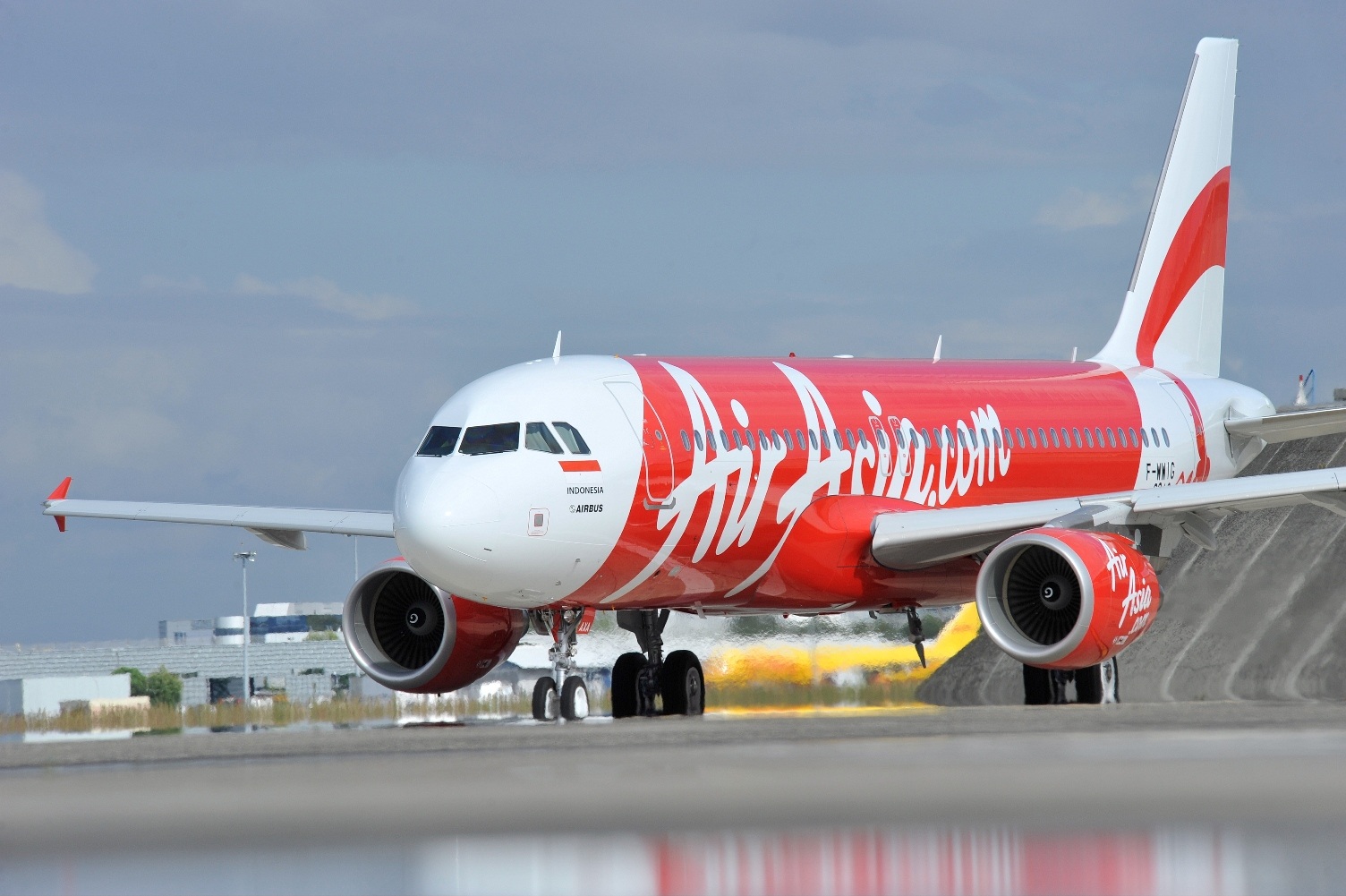
    Today Malaysia’s Capital A Berhad (Capital A) announced its operating statistics for the second quarter of its financial year 2023. The announcement details the performance of Capital A’s aviation, digital, logistics and aviation services segments from April 1st to June 30th, 2023 (2Q2023).

    With the operating segments so closely interconnected, a strong performance in Aviation drives equally strong performances throughout the Capital A group. That was certainly the case in 2Q when the four consolidated airlines virtually doubled the passengers carried in the same quarter last year.

    AirAsia Malaysia, AirAsia Thailand, AirAsia Indonesia and AirAsia Philippines carried 14.2 million passengers in 2Q, compared to 7.2 million in 2Q 2022. Across the aviation group, 16.2 million seats were available, and this capacity management resulted in a load factor of 88%, up from 82% last year.

    The consolidated AirAsia airlines operated 146 of their 166 activated aircraft and have now recovered to 73% of capacity and 74% of passengers carried compared to the pre-pandemic first half of 2019. The group operated 88,900 flight stages with an average length of 1,165 kilometers (724 miles) and, at the end of the quarter, was operating 146 aircraft from its total fleet of 210 aircraft.

    In terms of individual airlines and their share of group passenger traffic, AirAsia Malaysia (MAA) led the way with 6.45 million at a load factor of 87%, followed by AirAsia Thailand (TAA) with 4.64 million at 89%, AirAsia Philippines (PAA) with 1.63 million at 91% and AirAsia Indonesia (IAA) with 1.52 million at 84%.

    MAA used 66 aircraft to fly 40,385 stages, TAA used 44 to fly 28,475, PAA used 15 to fly 9,921, and IAA used 21 to fly 10,119. IAA had the longest average stage length of 1,433 kilometers (890 miles), followed by MAA, TAA and PAA with 908 kilometers (564 miles).

    Summarising the quarter, Capital A said the domestic performance was incredibly strong and the international market remained buoyant with favorable load factors. It added that more aircraft have now been allocated to international routes in response to the strong resurgence in demand.

    Capital A has three businesses in its Aviation services segment: Asia Digital Engineering (ADE), Santan and Ground Team Red (GTR), which each supply services to the operating airlines and external customers. ADE is the maintenance, repair and overhaul provider in the region.

    In 2Q, it completed 22 base maintenance checks, up from 12 in the same period last year, which was made possible by adding two additional maintenance lines in Senai, Malaysia. Its line maintenance activities grew by 179% year-on-year, with 98% performed on narrowbody aircraft and just 2% on widebodies.

    Santan is the group’s inflight service provider, selling 4.8 million units in 2Q, up 189% YoY. Among those, 98% were perishable and non-perishable food and beverage items, with the balance from sales of duty-free and merchandise products. Capital A said the surge in demand was directly attributable to the increase in flight frequencies and the higher number of passengers carried by the group’s airlines.

    GTR is the group’s affiliated ground handling services company, and in 2Q, it managed 37,000 flights, of which 94% were AirAsia branded, and handled 5.7 million passengers. GTR also managed 16,787 tonnes of cargo, up 39% YoY due to the increased belly hold capacity as more flights operated on domestic and international routes.

  • Brazil’s postal service inks deal with Shopee to sell products to Asia

    Brazil’s postal service inks deal with Shopee to sell products to Asia

    Brazil’s postal service Correios said on Wednesday it has signed an agreement with Singaporean shopping app Shopee to boost exports of Brazilian products to Southeast Asian markets.

    Shopee, owned by Southeast Asian tech giant Sea, signed a memorandum of understanding with Correios, along with the Brazilian Agency for the Promotion of Exports and Investments (ApexBrasil).

    The deal aims to help small and medium companies from Brazil export to countries like Indonesia, Malaysia, the Philippines, Singapore, Taiwan, Vietnam and Thailand.

    The trade bloc known as the Association of Southeast Asian Nations (ASEAN) is a key partner for the Brazilian economy, with a trade flow of $16.6 billion in the first half of 2022, up 21.3% compared to the same period in 2021, according to the latest data from ApexBrasil.

    The agreement will offer training for companies, as well as “support for strategic and adequate operation on the Shopee platform” and assistance from Correios with shipping and distribution logistics, Brazil’s postal service said in a statement, adding it expects exports to start this year.With the agreement, companies “with good products and a huge potential” will gain the know-how and access to these markets needed start the export process, said Eduardo Terra, president of the Brazilian Society of Retail and Consumption.

    The move follows last year’s announcement from Shopee that it had opened five new distribution centers in Brazil. The app has become one of the country’s most-downloaded e-commerce apps since its launch there in 2019, drawing users to its low-cost marketplace.

  • Techcombank redefines Vietnam’s banking landscape through digital innovation

    Techcombank redefines Vietnam’s banking landscape through digital innovation

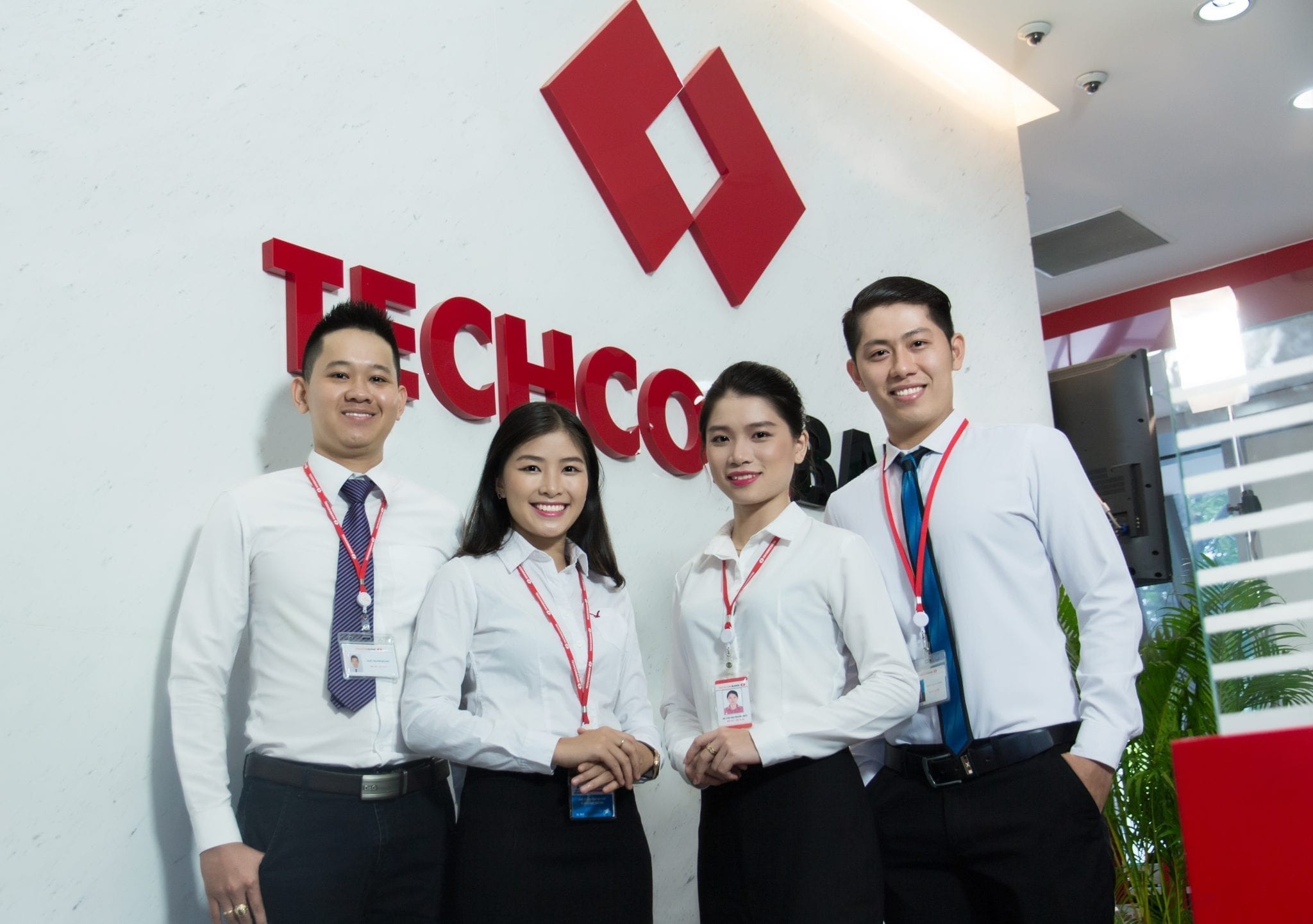
    Technological and Commercial Joint Stock Bank (Techcombank) is redefining banking services by using digital corporate identity and setting innovation benchmarks.

    The bank ended H1 with 12.2 million customers, adding around 1.4 million new customers during the period, with 45.3% acquired digitally and 43.8% through ecosystem partners.

    It set a record for customer acquisition in the first half of the year, with even more than across the whole of 2022.

    The number of retail customer transactions through e-banking channels grew to 499.7 million during Q2, up 16.4% quarter on quarter, while total transaction value amounted to about VND2.3 quadrillion, up 6.8% in comparison with the previous quarter.

    Techcombank also launched a new merchant proposition, extending integrated and customized digital offerings to Vietnamese households and micro-SMEs.

    The bank was one of the first in the market to launch an instant notification application for multi-cashiers and owners. This solution significantly removes transaction bottlenecks and allows businesses to optimize efficiency.

    Techcombank’s relentless pursuit of customer-centricity has yielded remarkable results.

    Today, more than 90% of the bank’s retail transactions are conducted digitally, marking a 40% surge in new digital customers in 2022.

    The remarkable retention rate of 88% further affirms Techcombank’s triumphant adaptation to the digital age.

    Techcombank’s unwavering commitment to digitalization extends far beyond the corporate banking sphere. The bank has successfully broadened its reach, providing basic accounts to millions of customers.

    In a mere two years, its active digital customer base has skyrocketed from 2 million to nearly 5.3 million, Pranav Seth, chief digital officer of Techcombank, underscored the potential of digitalization to democratize access to banking services, at the Singapore Regional Business Forum (SRBF), held on July 7 in Hanoi.

    Seth said that by seamlessly integrating the bank’s digital corporate identity with lending capabilities, they had unlocked unparalleled support for businesses participating in the digital economy.

    “This integration has propelled Techcombank to trailblazer status in the digital economy, enabling it to provide critical financial assistance to enterprises navigating this transformative landscape,” he said.

    As Techcombank continues to leverage digitalization to enhance services and expand its market presence, it stands as an unparalleled exemplar for other banks navigating the treacherous waters of the digital economy.

    The bank’s success underscores the transformative potential of digitalization, offering a tantalizing glimpse into the future of banking in an increasingly interconnected and digital world.

    During the SRBF, Techcombank unveiled two pivotal partnerships that promise to reshape Vietnam’s banking landscape. The first was a strategic alliance with the esteemed Singapore Business Federation, aimed at fostering cooperation between Vietnamese and Singaporean businesses.

    The second was an audacious collaboration with global titans Kyriba, Deloitte Vietnam, and PWC, targeting the pioneering of revolutionary payment and treasury management solutions in Vietnam.

    On July 24, Techcombank announced its financial results, which showed steady performance during the second quarter in an environment that remains challenging.

    The bank continued to outperform the market in credit and deposit growth, while NPL and CAR stayed at healthy levels.

    The result shows increases in CASA balances, and the ratio improved to nearly 35% at the end of the period.

    Beyond the normalization of interest rates and aggressive customer acquisition strategies, CASA is expected to further benefit from the targeted propositions that are being developed in corporate as well as retail banking.

    Besides, its funding position remained robust, with a regulatory loan-to-deposit ratio of 80.4% on June 30 and a short-term funding to medium- and long-term loan ratio of 31.6%.

    Techcombank achieved PBT of VND11.3 trillion and TOI of VND18.6 trillion, broadly stable versus Q1.

    Total assets grew 17.4% year on year to VND732.5 trillion in H1.

  • Gold prices decline

    Gold prices decline

    SJC gold price fell 0.22% to VND67.1 million ($2,833.91) per tael Wednesday morning.

    Gold ring price gained 0.09% to VND57.05 million per tael. A tael equals 37.5 grams or 1.2 ounces.

    Globally gold struggled for momentum on Wednesday as traders refrained from making big bets ahead of the U.S. Federal Reserve’s policy decision due later in the day.

    Spot gold inched 0.1% lower to $1,963.59 per ounce, while U.S. gold futures edged 0.1% higher to $1,965.30.

    “Broader markets are looking for an extended rate pause through the rest of the year, while Fed officials could push back by leaving the door open for one more hike in September or November,” said Yeap Jun Rong, a market strategist at IG.

    While most traders see rates holding in the 5.25%-5.5% range in 2023, 35% see a chance for another 25 basis-point hike in November, according to CME’s Fedwatch tool.

  • Motorbike taxi driving unsustainable for laid off workers

    Motorbike taxi driving unsustainable for laid off workers

    More than a few workers made unemployed by increasing layoffs in Vietnam recently have become motorcycle taxi drivers only to realize it’s not a lasting solution.

    After starting his workday at 5 a.m., at 10 a.m. Le Van Manh had completed only one trip, which made him VND40,000 (around $1.7) in cash.

    Manh started working as a motorbike taxi driver four months ago, after two years suffering from his old factory’s unstable business performances.

    “The factory started layoffs, forced us to work overtime, and cut down on our salaries,” he said.

    His income as a factory worker used to be around VND20 million, but was reduced to only half that starting last year. Not being able to get by with that income, he quit his job and turned to ride-hailing applications, hoping for better financial rewards.

    Manh spent around 12 hours a day on the road after his career turning point. Things went smoothly at first, as he was able to earn between VND400,000 and VND500,000 a day during the first two months working as a motorbike taxi driver.

    But the number of drivers has increased over the recent months, and Manh now has to share his customer pool with his new “colleagues,” and thus, earn a lower income of only VND300,000, or even VND100,000 sometimes, per day.

    “I can only complete around 10 trips a day now, compared to over 20 trips a day before,” he said.

    According to data published by the General Statistics Office of Vietnam, more than 149,000 workers lost their jobs in Q1 this year, 13% higher than the previous quarter. Of these laid off workers, most worked in companies in the FDI sector based at industrial areas in and around the provinces of Dong Nai, Binh Duong, Bac Ninh, Bac Giang.

    The Private Sector Development Research Board projected that the layoff wave could continue in this year’s second half, due to both external and internal challenges for businesses.

    Not requiring any educational background or specific skill sets, motorbike taxi drivers are the first career choice for many laid off workers to make a new living.

    Hoang Van Trieu, a former truck driver at a Binh Duong-based wood warehouse, started working as a full-time motorcycle taxi driver three months ago, after becoming unemployed when his company went bankrupt. Having expected that the new occupation would help him cover his living expenses, he got depressed after a while.

    “I spend about 10 to 11 hours a day, in exchange for between VND300,000 and VND400,000,” he said. “I cannot get by if I maintain this as my full-time job.”

    He is now trying to look around for other career opportunities. The best scenario he can think of is being able to find an office job, which allows him to leave at around 4 p.m. or 5 p.m., so that he can hit the road and start the second “working shift” of his day as a motorcycle taxi driver until before midnight.

    Ride-hailing applications, of which the most popular in Vietnam are Grab, Gojek, and Be, were once considered a life saver for those that were looking for another occupation, including laid off workers looking for career chances or fresh graduates waiting for a job after finishing school.

    The Vietnam General Confederation of Labor estimated in 2021 that there were over 200,000 partner drivers working with Grab, which rose from around 175,000 in 2018. Of these, around 26% graduated from a higher educational institution or equivalent.

    Gojek reported that the platform surpassed 200,000 drivers in mid-2021, while Be announced that the number of its partner drivers surpassed 100,000 at the beginning of the same year.

    Drivers’ daily income was as high as between VND500,000 and VND600,000 at that time.

    However, things have become harder for drivers recently. The supply of drivers increased and the fees taken out by the applications rose and currently range between 30% and 39% of the amount charged to customers. All of these mean it has become harder for drivers to maintain their income.

    Nguyen Dinh Vuong, former worker at a Hanoi-based leather company, decided to return to his hometown after months of suffering from this “high cost, low reward” job. He spent around 12 hours working a day to get between VND300,000 and VND400,000 in return. With this income, he did not have much left after paying his bills.

    “Motorcycle taxi drivers in Hanoi have to work at least 12 hours to earn enough to get by,” he said. “The cost of living in my hometown Thanh Hoa is lower, so I spend less, and don’t have to work that hard.”

    According to him, many former industrial workers, who were laid off due to the downfall in the orders, are trying their best to get by, in the hope of an economic recovery that will lead to improved business performances and thus, higher demand for labor.

    Dr. Huynh Thanh Dien, an economic expert, made a prediction aligning with this hope. He projected that the labor market would soon retrieve a state of stability and temporary motorcycle taxi drivers would soon be able to return to their occupations.

    He also warned that partner drivers for ride-hailing applications should not be considered a long-term career goal, as the job cannot provide a stable income in the long run. Instead, it should be treated as a temporary “cover” occupation only while the economy follows its natural rhythm and proceeds on its way to recovery.

    In the meantime, these people have no other choices than optimistically enduring.

    “The economy can’t be gloomy forever,” Manh said. “As I heard from the news, the situation is predicted to become better in 2024, so I will try to get by and wait until then.”

  • JD Logistics joins forces with Geopost

    JD Logistics joins forces with Geopost

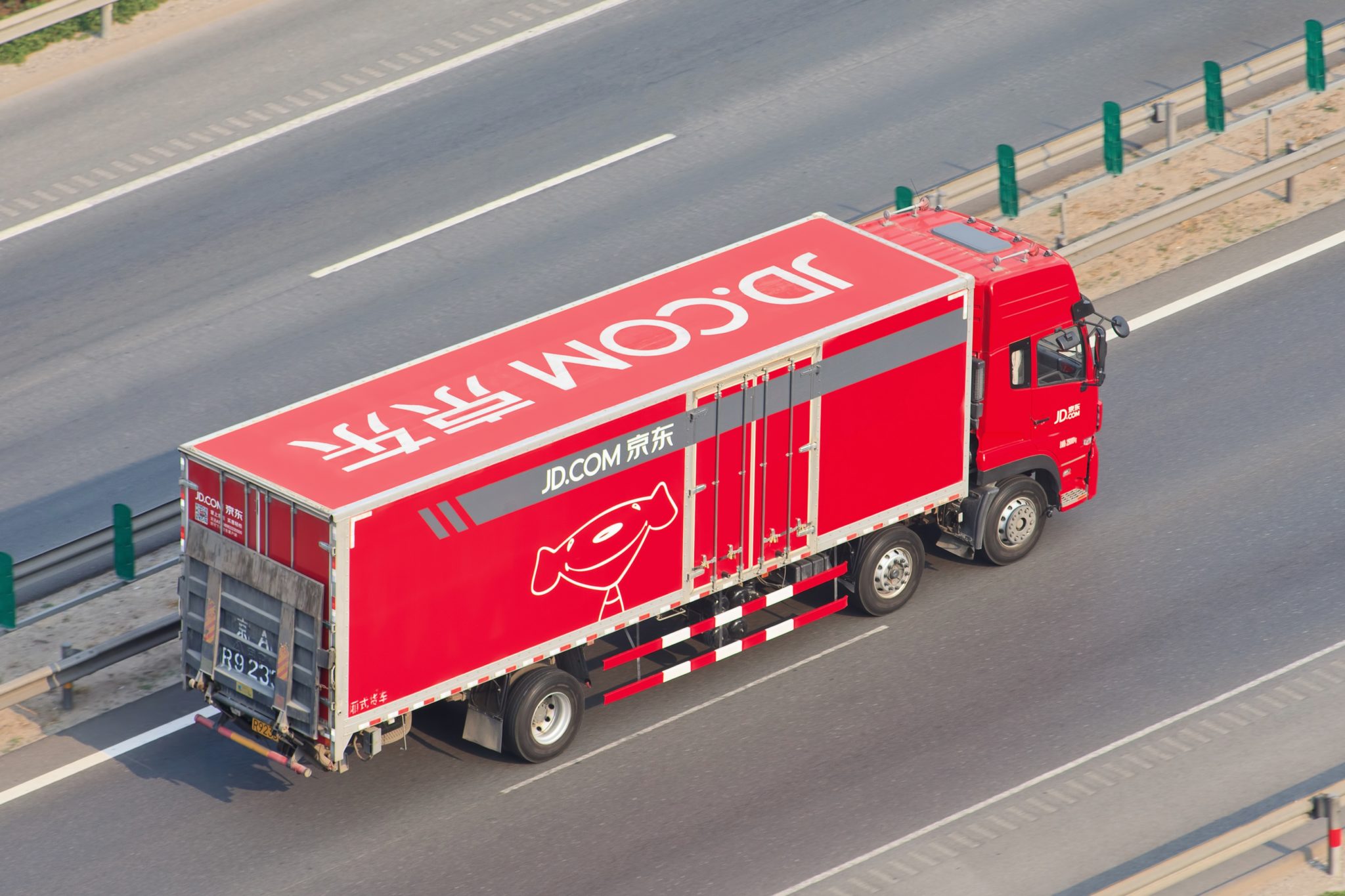
    JD Logistics and French delivery service Geopost have formed a strategic partnership aimed at strengthening their capabilities by leveraging their warehousing network and delivery capabilities.

    The partnership is expected to enhance international express services between China and Europe, which will see the two companies establish direct-to-consumer (C2C) and business-to-consumer (B2C) shipping solutions, whilst ensuring end-to-end shipment tracking and delivery through a convenient “one-stop” express delivery service.

    Services will include doorstep delivery, dedicated customer support, and digital tracking capabilities throughout the entire logistics process, with global reverse logistics services integrated into the service.

    These services are expected to benefit shippers of individual parcels as well as businesses, small and medium-sized merchants, and direct-to-consumer (DTC) operations, which can offer competitive pricing and faster deliveries by 1-2 days.

    This collaboration allows JD Logistics to enhance its integrated warehousing and delivery services in Europe. This means parcels originating from JDL’s overseas warehouses in Europe can now offer same-day delivery service, surpassing industry standards, in key countries including Germany, The Netherlands, France, the UK, Spain, and Poland.

    The two organisations also plan to develop competitive FBA (fulfillment by Amazon) service capabilities in the European to help merchants increase efficiency and lower costs.

  • Changi to strengthen SEA and China network in H2

    Changi to strengthen SEA and China network in H2

    Changi Airport is looking to strengthen its connectivity to more points in Southeast Asia and China in the second half of the year as the airport regained more than 80 percent of capacity in the month of June.

    On a quarterly basis, Changi Airport saw 14.6 million passenger movements from April to June 2023, which was 87 percent of what was registered for the second quarter of 2019. Meanwhile, airfreight throughput from April to June 2023 totalled 418,000 tonnes, sliding 10.8 percent year-on-year.

    Changi said air cargo demand remained weak due to softening demand amid inflationary pressures. In Q2, Changi’s top five air cargo markets comprised Australia, China, Hong Kong, India and US with India emerging on the top 5 for two consecutive quarters since the start of 2023.

    In June, the airport’s passenger movements crossed the 5-million mark for the first time since January 2020, or 88 percent of the baseline passenger numbers back in June 2019, before the pandemic. Air cargo volumes stood at 135,000 tonnes for the month, representing a year-on-year decline of 17 percent.

    Regaining more than 80 percent of its capacity before Covid, the airport said it plans to strengthen connectivity to more points in Southeast Asia and China in the second half of the year. As of 1 July, 99 airlines operate over 6,300 weekly scheduled flights at Changi Airport, connecting Singapore to 148 cities in 49 countries and territories worldwide.

  • ChatGPT app for Android is now officially available on the Play Store

    ChatGPT app for Android is now officially available on the Play Store

    Chat GPT, the revolutionary AI-powered chatbot, has been making headlines in the tech world for its ability to simulate human-like conversations through the use of its advanced language model. Although initially the most popular way to use the tool was via its official website, it soon became obvious that its users wanted to take Chat GPT with them on the go with the convenience of just launching a mobile app rather than a browser.

    This became half a reality when OpenAI, the AI research company that developed Chat GPT, released an app for iOS devices. When the iOS version was released, OpenAI promised that an app for Android was soon to follow.
    Two months later, OpenAI followed its promise and opened pre-registrations for Android users interested in installing the app. Once registered, the app was to install on your phone automatically once it was available.

    Fortunately, we didn’t have to wait long as the app is now fully available on the Google Play Store with its listing stating that “This official app is free, syncs your history across devices, and brings you the newest model improvements from OpenAI. With ChatGPT in your pocket.” This is great news for those that already use Chat GPT on their desktops and would like to have their chat history available everywhere.

    Just as with the iOS app, ChatGPT Plus subscribers will have exclusive access to the next-gen GPT-4 language model, early access to features, and faster response times. Free subscribers, however, will be using OpenAI’s standard GPT-3.5 language model.
    In addition to the new official app, Android and iOS users alike have the option to utilize the ChatGPT chatbot through the Bing app, which now offers a Bing Chat widget that can be conveniently added to their mobile device’s home screen. Your move Google.
  • No special consumption tax on online games

    No special consumption tax on online games

    The government has rejected a proposal by the Ministry of Finance to slap a special consumption tax on online games and sought more scientific data to tax sugary drinks.

    But in a recent decision, it instructed its agencies to use other legal means to limit playing time.

    Earlier this year the ministry had suggested imposing the tax on online games as a means to dissuade people from playing them, saying they have negative impacts on players’ health and society.

    But industry insiders and experts criticized the proposal, saying gaming has the potential to become a new industry.

    The tax would decrease the competitiveness of Vietnamese game producers and cause them to move overseas, they said.

    The ministry had also proposed taxing sugary drinks since they cause obesity, but the government has asked for more scientific data to back that claim.

    It also tasked the ministry with studying the possibility of taxing e-cigarettes to ensure Vietnam’s international commitments would not be breached.

  • Hong Kong burger chain Honbo launches in Singapore

    Hong Kong burger chain Honbo launches in Singapore

    Anew hipster burger joint is coming to Singapore at the end of July 2023. Called Honbo, it was founded in 2017 by former doctor Michael Chan, who named his eatery after the Cantonese name for hamburgers (‘hon bo bao’). The brand has since expanded to six outlets in its native Hong Kong.

    It specialises in gourmet American-style smashed burgers, with handmade patties and potato milk buns made with a recipe developed in collaboration with famed French baker Eric Kayser.

    The opening date for Honbo’s Singapore outlet is still unconfirmed, though its rep tells 8days.sg that it is estimated to be end-July. The dine-in eatery is located at Chijmes.

    Honbo boasts brisket-and-chuck burger patties made with USDA prime-grade beef from Holstein and Angus cattle reared in Wisconsin. Both breeds are known for their marbling; prime beef has the highest marbling score and is more flavourful compared to beef with a lower USDA grade.

    The patties are ground in-house daily and, upon order, smashed on hot griddles and cooked to medium-rare doneness.

    The patties are then wedged between pillowy potato milk buns made with hand-mashed potatoes. The proprietary Eric Kayser-developed bun is unique to Honbo, who patented the recipe in Hong Kong.

    The burgers are garnished with “sustainably sourced greens, pickles cured in-house from Japanese cucumber and specialty sauces hand-crafted in its very own kitchen, using a closely guarded secret recipe created by the team”.

    The local menu has not been finalised, though Honbu is expected to serve its signatures including the Honbo Burger, modelled after an “old-school fast food-style” cheeseburger. Two beef patties, each weighing about 56g, are layered with two slices of cheddar.

    “The Honbu Burger is paired with our house sauce, a lot of raw onions, pickles, and no lettuce. The raw onions and pickles help cut through the greasiness, and you can really taste the crust and the meatiness. It gives the burger double the crust and double the beef grease, but it is still less juicy than the Cheese Burger, ” says founder Michael Chan (interestingly, the man was a doctor before he became an F&B entrepreneur).

    For big eaters, this burger comes in variations like Honbo 1.5 (three patties) and Honbo 2.0 (four patties), plus a Gold Standard burger with two 113g beef patties, two slices of cheese, a hash of bacon and pickles, onions and lettuce drizzled with house-made sauce.

    Prices start from S$18 for an a la carte burger, with sides offered like fries, sweet potato fries and buffalo wings.

    Beefless options are available too, like a Grilled Chicken Burger with teriyaki sauce-glazed sous vide organic chicken, a Scallop Burger with “extra-large sashimi-grade Hokkaido scallops” and wasabi pico de gallo. There is also a Soft Shell Crab Burger, with a whole fried soft shell crab coated in vodka-infused batter and served with ginger coleslaw. Wash down your burger with beverages like classic lemonade and Apple Pie Iced Tea, described as “apple pie in a glass”.

  • Gap appoints Chris Blakeslee president and CEO of Athleta

    Gap appoints Chris Blakeslee president and CEO of Athleta

    Gap announced that it is appointing Chris Blakeslee as the new President and CEO of Athleta, joining the company August 7. In this role, Blakeslee will drive strategic growth for the portfolio’s nearly $1.5 billion1 women’s active and lifestyle brand, and certified B Corporation, building on the foundation of Athleta’s product innovation and its mission to ignite a community of active, healthy, confident women and girls who empower each other to reach their true potential through the ‘Power of She.

    Blakeslee brings broad expertise in the apparel retail and wholesale industries, holding roles across marketing, sales, product portfolio management, operations, and supply chain, serving most recently as President of sister companies Alo Yoga and Bella+Canvas since 2017. In that time, Alo Yoga grew to over $1 billion in sales in 2022, nearly doubling its year-over-year growth.

    “A true brand champion, Chris is known for driving results in high-growth businesses through the blend of creativity and operational rigor,” said Bob Martin, Executive Chairman and Interim CEO, Gap Inc. “Chris is a strong, decisive leader and proven business driver across multiple industries, including active apparel and wellness – one of the fastest and most aspirational retail sectors – making him well suited to guide Athleta into long-term, sustainable growth rooted in delivering high-quality performance product and a rich omni shopping experience.”

    “I’m thrilled to join the Gap Inc. team and to lead Athleta – a brand I’ve long admired. I see incredible runway for the brand to capitalize on its unique, purpose-led positioning and performance product innovation, leveraging its assets across marketing, stores, product and community to deliver consistent growth,” said Blakeslee. “There is something really captivating about the ‘Power of She’ when it comes to engaging women and girls in all aspects of life, and I can’t wait to jump in with the teams to harness this in a way that will further serve customers’ wants and needs.”

    Blakeslee joins a strong and dedicated Athleta leadership team, including Chief Creative Officer, Julia Leach, who was appointed in May to clearly and consistently articulate the brand voice and vision across all its touch points.

  • Fintech startup GIMO completes $17M fund-raising round

    Fintech startup GIMO completes $17M fund-raising round

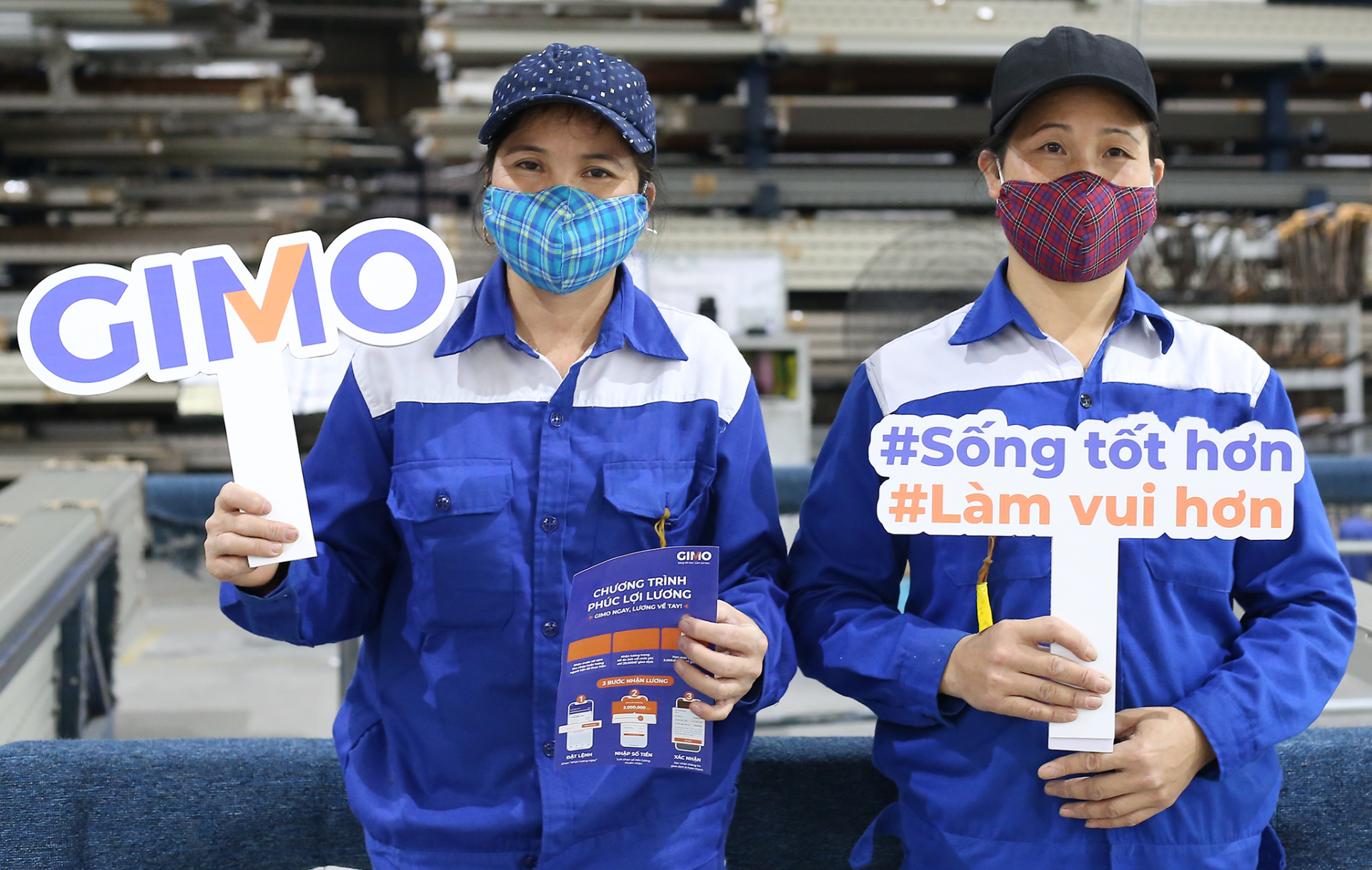
    Vietnam-based fintech startup GIMO, which seeks to provide flexible salary payments to blue-collar workers, has completed its Series A funding round, raising $17.1 million.

    The final closing, comprised of a mixture of equity and debt financing, is led by venture fund TNB Aura, with participation from the company’s existing backers including Integra Partners, Resolution Ventures, Blauwpark Partners, ThinkZone Ventures, and Y Combinator, according to a press release of the company.

    “We look forward to working closely with the GIMO team in breaking down barriers to financial inclusion for millions of blue-collar workers across Vietnam,” said Charles Wong, founding partner of TNB Aura.

    GIMO offers near-instant payroll to blue-collar workers whenever they need it.

    It allows employees to access their earned salary via a mobile app integrated with the company’s payroll system. Users can also keep track of their workdays and daily earnings.

    GIMO currently serves 500,000 workers from medium to large-sized multinational manufacturing companies across Vietnam.

    Despite the economic slowdown in 2023, the company has demonstrated a solid growth rate of 15% and is on track to reach 2.5 million underbanked employees by 2025.

    The funding will be used to develop its products, increase customer experience, and establish strategic partnerships.

    Research by professional services firm KPMG in 2022 showed that an average user draws their earned pay two to three times per month, almost simulating bi-weekly and weekly pay.

    A flexible pay cycle takes the burden off blue-collar workers’ shoulders by helping them pay for financial emergencies and everyday bills.

  • Catfish export decline slows down

    Catfish export decline slows down

    According to the Vietnam Association of Seafood Exporters and Producers, the decline in pangasius fish exports has started to reverse.

    Exports to mainland China and Hong were worth US$48 million in June, down 15% from the same period last year. They had declined by 66% and 30% in April and May.

    Similarly exports to the U.S. last month were down by only 51% to $23 million compared to 66% and 53% in April and May.

    In the first half of the year, overall exports were 38% lower at $885 million due to weak demand in major export markets such as China, the U.S. and Europe due to high inflation.

    The prospects of higher demand for pangasius in the U.S. and China in the second half are still uncertain due to the slow economic recovery and large inventories in those markets, SSI Securities Corporation said.

    But Vietnamese exporters will start to see profits improve thanks to lower input and transport costs.