Author: Mei Ling Tan

  • Meme coin Pepe craze causes thousand-dollar losses

    Meme coin Pepe craze causes thousand-dollar losses

    Thanh Nam from Binh Duong Province sold half his Bitcoin for US$5,000 to buy the hot meme coin Pepe at its peak.

    But he was recently only able to sell the coin for a total of $2,000.

    When the Pepe coin price hit $0.000004 on May 5 (bringing its market capitalization to $1.63 billion), Nam’s initial investment could have returned $7,000.

    But he wanted more, so he decided to wait.

    However, Pepe’s price plummeted to $0.0000017 only one week later. Nam then sold his tokens at a loss of $3,000

    “If I had waited more, I would have lost even more”, he said.

    Nam is just one of many who joined the Pepe craze recently.

    According to crypto price tracking website CoinMarketCap, Pepe’s price spiked after its launch in mid-April. It peaked on May 5, then lost most of its value afterwards.

    Meme coins are still widely considered a joke in cryptocurrency, however popular they get.

    Pepe was built on the BRC-20 standard of Bitcoin, different from many other meme coins which use Ethereum’s ERC-20.

    On its project homepage, Pepe’s developer said: “$PEPE is a meme coin with no intrinsic value or expectation of financial return. There is no formal team or roadmap. The coin is completely useless and for entertainment purposes only.”

    Despite such disclaimers, new meme coins like Pepe still attract lots of investment.

    Kyle Doane, who is in charge of transaction review at digital asset management company Arca, said that quite a few people sold parts of their top coins like Bitcoin and Ethereum to join the Pepe frenzy.

    When Pepe peaked on May 5, both those coins’ value dropped by 10%, a considerable value reduction after four straight months of growth.

    Joe Rotunda, director of enforcement at the Texas Securities Commission, said that when the hype surrounding a meme coin goes away, most people who invested in the coin suffer significant losses.

    Even when one gains from a meme coin, obtaining the profit is not easy.

    Merav Ozair, fintech expert at Cornell University, said he saw many who hit million-dollar jackpots investing in meme coins unable to withdraw their profits.

    Meme coins like Dogecoin and Shiba Inu, which are still highly valuable, are the exceptions, not the rule.

    Experts suggest that if investors want to try their luck with meme coins, they should only invest a small amount, and be ready to lose it all.
  • CIMB Thai, Positive Thinking Company partner to establish software development center

    CIMB Thai, Positive Thinking Company partner to establish software development center

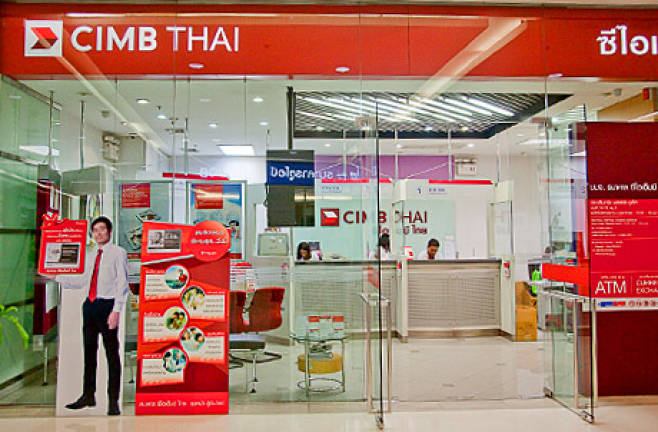
    CIMB Thai Bank and Positive Thinking Company, a leading technology company in Asia-Pacific, have announced to establish an expert software development center for CIMB Thai in Hanoi.

    The Vietnam Software Development Center in Hanoi is expected to add powerful engineering expert resources and accelerate the digital journey of CIMB Thai, a member of CIMB Group.

    “With the vision of becoming a digital-led bank with ASEAN reach, we look forward to the collaboration to help accelerate our ambitious digital evolution roadmap aimed at offering customers a best-in-class digital banking experience,” said Paul Wong Chee Kin, President & CEO of CIMB Thai.

    “The Vietnam Software Development Center in Hanoi will be the latest highlight in our fast-moving digital journey, joining existing digital hubs in Bangkok and Chiang Mai as a collective engine of excellence that will support our long-term digital aspirations.-

    The partnership will scale up digital resources and drive products and services across CIMB Thai’s offerings.

    Pieter van Diermen, CEO of Positive Thinking Company APAC, a member of Collaboration Betters The World (CBTW) Group, said the strategic tech partnership would help CIMB Thai set up their first software development center in Vietnam, through the distinctive Build Operate Transfer (BOT) model of Positive Thinking Company.

    “During our 20 years of experience in building custom software and product development centers in Vietnam, we have witnessed the local market grow an ever more talented pool of highly motivated and well-rounded software engineers,” said Pieter van Diermen.

    “The Vietnam Software Development Center will be a powerful addition to the current expert engineering teams of CIMB Thai and will make remarkable contributions to its inspiring digital journey.”

    The Vietnam Software Development Center kicks off with a team based in Hanoi. The team is working closely with the CIMB’s engineering teams in Thailand to deploy new features and enhancements on the CIMB Thai mobile banking application as well as other digital touchpoints.

    With an average of 55,000 new engineers graduating each year, Vietnam’s software development sector is flourishing and becoming a major player in the worldwide software product engineering market.

    Vietnam is also predicted to become the second-largest digital economy in Southeast Asia by 2025.

    Through its scalable and cost-effective BOT model, Positive Thinking Company has established more than 15 software development centers in Vietnam to assist its global clients in accelerating their product roadmaps and digital transformation journeys.

    Positive Thinking Company is a founding partner of Collaboration Betters The World, a global tech group and ecosystem with a global team of 4,000 tech talents. Its core expertises in APAC include software product engineering (developing web and mobile apps, enterprise apps, platforms & eCommerce) and the unique Build Operate Transfer (BOT) Model (building custom software and product development centers on behalf of global clients such as Atlassian, National Australia Bank, and many more).

    CIMB Thai Bank Public Company Limited is driven by its vision to be a digital-led bank with ASEAN reach delivering wealth management, treasury, consumer banking, corporate banking and ASEAN-related products and services.

    CIMB Group is a leading focused ASEAN bank and one of the region’s foremost corporate advisors. The group is headquartered in Kuala Lumpur, Malaysia, and offers consumer banking, commercial banking, investment banking, Islamic banking and asset management products and services.

    The bank had around 33,000 staff and over 20 million customers as of the end of December 2022.

  • Bank deposit interest rates continue to fall

    Bank deposit interest rates continue to fall

    Many banks have cut deposit interest rates this month, bringing the average rate to below 9.

    The rate is half a percentage point lower than at the start of this year for terms of less than six months, and one point lower for longer tenors.

    Some banks offered nearly 10% earlier this year.

    As of May 15 more than half the banks offered rates of up to 7-8%, and the rest, slightly higher.

    After a period of rapid growth at the end of 2022, deposit interest rates began to plateau at the beginning of this year as liquidity became abundant, even excessive, according to analysts, especially compared to the end of October last year when a run occurred on Saigon Commercial Bank (SCB).

    Besides, bank lending has eased off, meaning funds mobilization is not an urgent need for them.

    Deposits of less than six months carry a maximum interest rate of 5.5%.

    Banks that offer the highest rates, ranging from 8.5% to 8.9%, include SeABank, ABBank, VietABank, HDBank, and VietBank.

  • Sabeco to install rooftop solar panels at 9 breweries

    Sabeco to install rooftop solar panels at 9 breweries

    Sabeco has partnered with SP Group, a leading utilities group in the Asia Pacific, for the second phase of its rooftop solar energy system installation and operation.

    Saigon Beer-Alcohol-Beverage Corporation (Sabeco) and SP Group signed a Memorandum of Understanding on Thursday to carry out rooftop solar energy system installation and operation with a maximum output of 10.44 MWp (Megawatt-peak) at nine Sabeco’s breweries.

    This will bring the number of Sabeco breweries adopting solar energy by the end of 2023 to 17.

    “This partnership demonstrates our commitment to facilitating the clean energy transition of manufacturing facilities. Leveraging our comprehensive range of sustainable energy solutions, we look forward to supporting Sabeco towards their energy efficiency goals and co-creating a more sustainable future for Vietnam,” Brandon Chia, Managing Director, Sustainable Energy Solutions (Southeast Asia & Australia), SP Group, said.

    The first phase kickstarted in 2020, receiving VND107 billion ($4,7 million) investment from Sabeco with a maximum output of 9 MWp at Cu Chi, Dak Lak, Phu Yen, Quy Nhon, Song Lam, Khanh Hoa, Can Tho, Soc Trang and Ben Tre breweries.

    Under the new MoU, SP has been commissioned to install and operate the rooftop solar panels at nine breweries in Lam Dong, Ha Tinh, Ha Noi, Tay Do, Vinh Long, Nguyen Chi Thanh, Bac Lieu, and Quang Ngai, and expand the system in Cu Chi.

    The installment is scheduled to be completed and operational by the end of Q3. The system of 17 breweries is estimated to provide almost 23% of electricity consumed at the breweries, or 25 million kWh, equivalent to a reduction of 18,000 tons of CO2 emitted annually.

    “The company has sought to implement initiatives and solutions that support sustainable business over the past few years. We have already embarked on various ESG (Environment, Society and Governance) initiatives through our 4C corporate social responsibility pillars (Consumption, Conservation, Culture and Country). We also have implemented Best Brewery Awards to encourage our breweries to embed sustainability mindset,” Bennett Neo, General Director of Sabeco, said.

    Apart from energy usage, Sabeco has implemented other initiatives to mitigate environmental impacts. The company reduced waste used per liter of beer from 5 liters in 2018 to below 3 liters in 2022.

    Sabeco has embarked on plant-based biomass fuel (rice hulls, sawdust, cashew shell, and leaves) usage instead of using fossil fuel-powered boiler, applying the CIP wastewater treatment system; using sustainable packaging (downgauged cans, lightweighted carton boxes and bottles) and reusing beer glasses and cans.

    Sabeco also promotes other sustainability initiatives which focus on local communities where it operates. The recent project “Light up the Rural”, a part of the three-year strategic partnership between Sabeco and the Central Committee of the Ho Chi Minh Communist Youth Union, has constructed 34km of street lighting that uses solar power in 34 rural areas in 34 provinces across the country.

    This initiative aims to improve socio-economic infrastructure to more than 210,000 households. The project will be expanded in 2023 with more than 39 km of solar street lights to be installed.

    Sabeco operates 26 breweries, 11 member trading companies and a network of hundreds of thousands of selling points across the country.

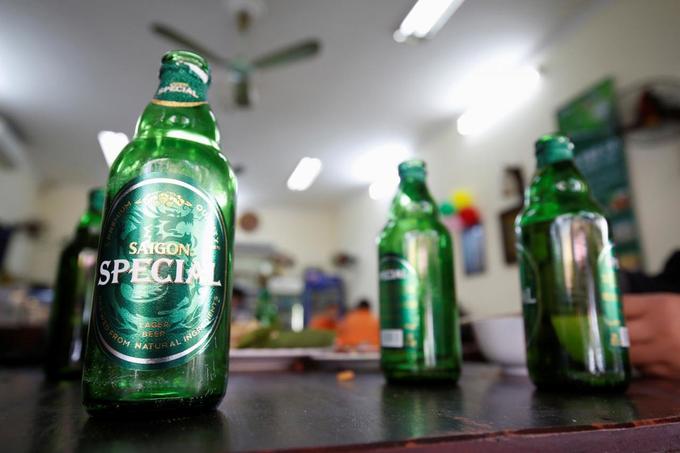
    Sabeco has a wide portfolio of beer brands that are beloved by the people of Vietnam, which includes Bia Lac Viet, Bia Saigon Chill, Bia 333, Bia Saigon Special, Bia Saigon Export, Bia Saigon Lager and Bia Saigon Gold.

  • BNP Paribas Bags Credit Suisse Specialist Team

    BNP Paribas Bags Credit Suisse Specialist Team

    The revolving door at Credit Suisse keeps spinning, as the Swiss bank loses a team of specialists to BNP Paribas.

    BNP Paribas is strengthening its equities team in London by hiring Credit Suisse’s event-driven team. Susan Stryker Marinello, an event-driven specialist for the EMEA region at the Swiss bank, and risk arbitrage traders Andy Martin and Simon Scott are joining the French bank.

    Before their stint at Credit Suisse, the team of specialists previously worked together at Citi.

    The hiring of the unit is an important step following BNP Paribas’ acquisition of Exane in 2021, the sources added. As part of that acquisition, BNP Paribas brought equity trading, research, and derivatives activities in-house after a 17-year partnership with Exane. It said the new hires are part of BNP’s expansion into cash equities following Exane’s return.

    Neither Credit Suisse nor BNP Paribas had any comment.

  • Starbucks Coffee Korea seeks new ventures amid sales slowdown

    Starbucks Coffee Korea seeks new ventures amid sales slowdown

    Starbucks Coffee Korea, which experienced a slowdown in sales growth last year, is seeking new ventures to secure a fresh growth engine.

    The company held a board meeting in late March and revised its articles of association to include 65 additional business purposes, according to industry sources.

    Among the newly added business purposes are electric vehicle charging services, construction, property development and supply, real estate leasing and management, and the operation of golf courses and ski resorts.

    Regarding electric vehicle charging, Starbucks collaborated with Mercedes-Benz Korea to open a charging station at its its The Bukhan riverR outlet in January.

    The company has also expanded its business scope to include lunch box and prepared meal manufacturing, wholesale of processed foods related to its existing business, as well as industrial robot manufacturing and biologic agent manufacturing.

    Furthermore, various types of franchise businesses have been introduced. As of late March, Starbucks Coffee Korea operated all of its 1,813 stores under direct management.

    This photo by Mercedes-Benz Korea shows a electric vehicle charging station at Starbucks Coffee Korea’s The Bukhan riverR outlet.

    This initiative aims to explore diverse new businesses in response to the sales growth slowdown.

    In the previous year, Starbucks Coffee Korea recorded sales of 2.59 trillion won (US$1.94 billion), representing an 8.7 percent increase yearly.

    This growth rate was more than 50 percent lower than the average annual sales growth rate observed from 2012 to 2021.

    The company’s operating profits in 2022 decreased by 48.8 percent to 122.4 billion won, with estimated net profits of 99.3 billion won, down 51.7 percent year on year.

    The poor performance of the previous year can be partly attributed to the recall of giveaway picnic bags due to the detection of harmful substances.

    According to the company, the one-off recall-related expense amounted to 44.4 billion won, which accounted for 38 percent of the decline in its operating profits.

  • Aldi to open its first Townsville store

    Aldi to open its first Townsville store

    Aldi has announced a new lease agreement with Dexus to see Townsville’s first Aldi arrive at the Willows Shopping Centre later this year.

    The new 2,252sqm store will offer North Queenslanders the full Aldi experience, providing shoppers with award-winning grocery products at low prices and Special Buys together with fresh fruit, vegetables, and bread delivered daily.

    Ryan Wheelhouse, Willows Centre Manager, said the Townsville community looks forward to having its Aldi open later this year.

    “We know the community have been excited about this announcement and the great value Aldi offers across its grocery range, including its famous Special Buys. The store will open later this year and will be next to TK Maxx, making Willows the only centre north of south-east Queensland to house all three supermarket chains under the one roof.”

    Dexus’s Head of Retail Leasing, Eddie Giraldo said that Aldi will bring a new affordable, quality supermarket offering to Willows where customers can continue to enjoy the convenience of having everything they need under one roof. We are committed to delivering the best retail experiences in Townsville.

    “After much anticipation and popular demand from the Townville community, we are delighted to be working with Aldi to bring them to North Queensland,” he said.

    Aldi will join Woolworths, Coles, Big W, Rebel, JB Hi-Fi, TK Maxx, Cotton On Mega and Best & Less and 130 specialty retailers making Willows Townsville the home of the biggest brands.

  • Google Drive will soon get its own Spam folder just like Gmail

    Google Drive will soon get its own Spam folder just like Gmail

    In an effort to enhance user experience and fortify its security measures, Google announced a new update to Google Drive that those that have been plagued by spam will surely appreciate. This update will introduce a new spam folder within Google Drive, which will work similarly to what we have now with Gmail.

    Unfortunately, spam and malicious attempts are becoming more common in today’s digital world. In fact, according to Google, it is constantly blocking spam from our email inboxes at a rate of 15 billion unwanted messages daily. Thankfully, these same protections are now being expanded to Google Drive, one of the latest targets spammers and scammers alike have gravitated towards.

    To separate legit Google Drive files from potential spam, Google will be adding a new view or folder within the application that will let you sort through and classify them as needed. If an uninvited file finds its way into your spam folder, you’ll be automatically unsubscribed from it, effectively halting any subsequent notifications, such as comments, shares, or mobile push alerts. Once you’ve opted out, the file will be inaccessible from any location in Drive except for the new spam folder, which will live in the left sidebar.

    Just like Gmail’s spam folder, Google Drive will automatically scan and reroute files that are highly likely to be unwanted to the spam folder. However, users remain under control and can always manually move files back and forth between their My Drive and Spam folder. Once a file has been in your spam folder for over 30 days, it will be automatically deleted from your Drive.
    This update to Google Drive will be available to all Google google accounts, including personal ones, starting on May 24th, 2023. The new Spam folder will be visible on Android, iOS, Drive for Desktop, and the Drive homepage on the web. Note though, that it will undergo an extended two-week rollout starting on the launch date.
  • Shrimp prices plummet on stubbornly low global demand

    Shrimp prices plummet on stubbornly low global demand

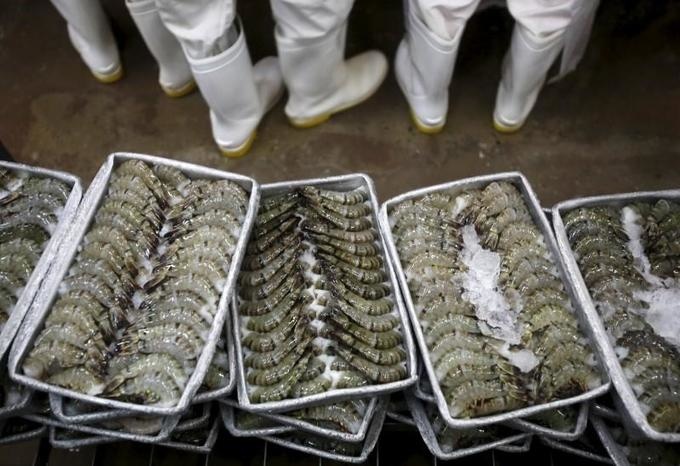
    Shrimp prices have fallen by up to 30% within a month, and threaten to cause losses to southern farmers.

    In the Mekong Delta provinces of Tien Giang and Ca Mau, the prices of shrimp sized 100 to a kilogram have declined by a third from four weeks ago to VND70,000-80,000 (US$3-3.41).

    Larger ones, sized 30 to a kilogram, are priced at VND108,000, down 20%.

    Minh, a farmer in Ca Mau, said with prices dropping by 20-30%, he is not earning profits.

    “I have been trying to cut expenses, but at these prices I might record a loss.”

    Trong in Tien Giang Province faces potential losses of hundreds of millions of dong (VND100 million = $4,260).

    Other farmers are saying on online forums that they had been expecting prices to rise for weeks and are hit by the decline.

    The fall has been caused by lower demand in major export markets while supply has been rising in Vietnam, the Ministry of Agriculture and Rural Development said in a recent report.

    Rising inflation has caused a drop in consumption in the E.U. and the U.S., two main export markets, the Vietnam Association of Seafood Exporters and Producers said.

    Exports to China fell by 40% year-on-year in the first quarter to $54 million, according to Vietnam Customs.

  • WhatsApp introduces new Chat Lock feature for those sensitive conversations

    WhatsApp introduces new Chat Lock feature for those sensitive conversations

    WhatsApp has announced a new feature called “Chat Lock” that adds an extra layer of privacy to its users’ most private chats. This feature allows users to lock a chat thread so that it can only be viewed after once again entering the device’s password or fingerprint.

    WhatsApp touts this feature as a tool to make sure its users are able to keep their private talks private, even if the smartphone in question is passed around or someone is able to get into it without permission. This also works with notifications, making sure that any notifications from a locked chat does not show a preview of what is being said.

    With WhatsApp Chat Lock, you can make sure that your private talks stay private even if someone gets into your device without your permission. Whether you share sensitive information, talk about personal things, or have private conversations, this new tool gives you the power to keep your privacy at its highest level.

    The announcement is accompanied by a video highlighting how the feature works and how it can be convenient in family settings where the phone could be borrowed several times by others to either take a photo or participate in a video chat. In it, you see the main character escape several scenarios where his private conversation could have been made public, only to be saved by the existence of this feature.

    Locked chats can be accessed via the “Locked chats” folder, which can only be accessed by authenticating via the same method you use to unlock your phone. Locked chats will also be expanded in the coming months with new features such as extending the lock to companion devices and the ability to apply a different password to your locked chat folder than the one being used to unlock the device.

    The latter helps when you want to give access to your phone to someone else by sharing your device pin, but still want to keep specific WhatsApp chats private. Currently, you are able to lock the entire WhatsApp application with your chosen authentication method, but this takes it one step further by targeting specific conversations. The feature is rolling out in the latest version of the app.
  • More Barclays Bankers Decamp for UBS

    More Barclays Bankers Decamp for UBS

    For the second time in weeks, Barclays bankers are leaving for UBS. Six investment bankers in the US are on the move.

    UBS appears to have found rich poaching grounds at Barclays, as it is hiring half a dozen investment bankers specializing in technology, media, and telecom companies,  citing sources familiar.

    According to the sources, Richard Hardegree, Laurence Braham, Ozzie Ramos, Richard Casavechia, Neil Meyer, Jason Williams, and Ken Tittle are those departing for UBS locations in New York, San Francisco, and Chicago.

    The recent departures follow three more in April, when it was announced Marco Valla, Jeff Hinton, and Kurt Anthony are joining the UBS banking team in New York, with Valla appointed co-head of global banking alongside Javier Oficialdegui.

    Although UBS wants to reduce its investment banking to 25 percent or less of risk-weighted assets as part of its new structure with the merger with Credit Suisse, it wants to stay active in certain sectors. The recent hires appear to confirm that.

    Neither bank commented to Bloomberg about the departures, first reported by Reuters.

  • Coles launches Southern Style Hot Roast Chicken

    Coles launches Southern Style Hot Roast Chicken

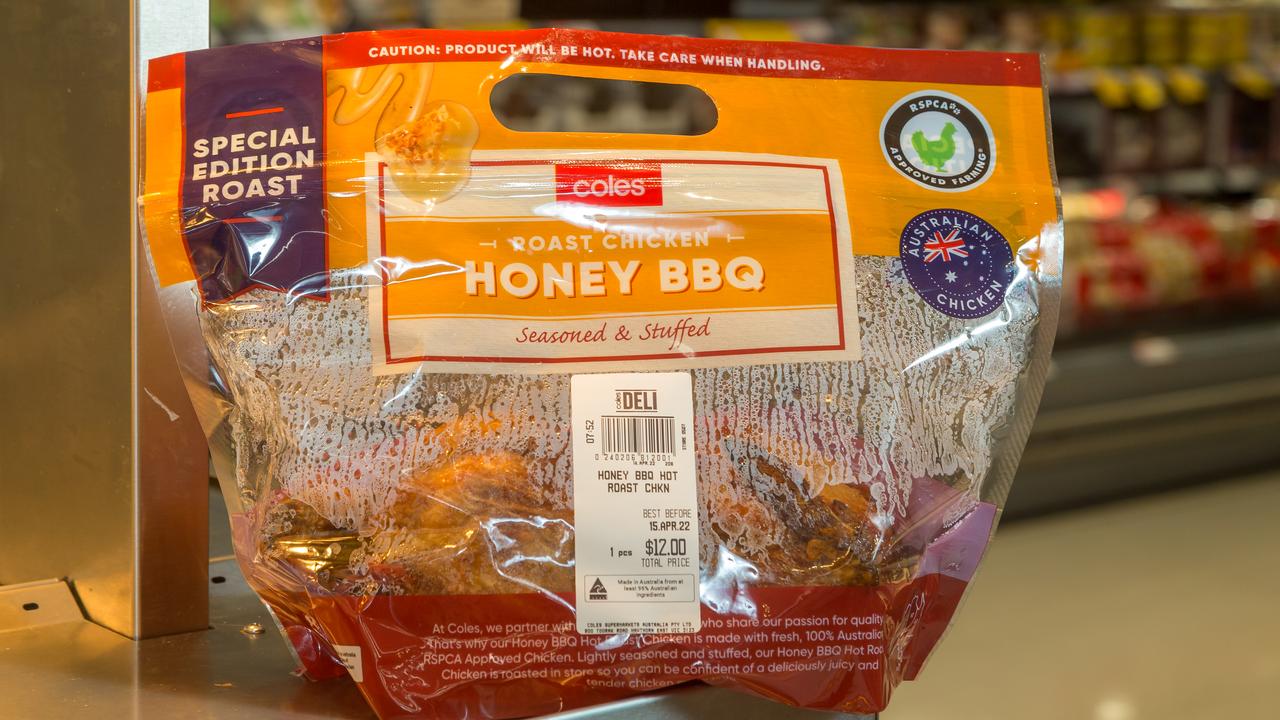
    Coles has announced a major new flavor for its famous hot roast chickens – and it’s sure to be a hit with KFC fans. For the first time, the supermarket giant will release a Southern Style version of the family favorite.

    Coles tells 7Life it “wanted to create a tasty and tangy flavor” to build on its “best-selling” roast chooks.

    “As the weather is cooling down, Aussies want comforting and hearty meals that are easy to prepare but won’t break the bank,” a spokesman said.

    “With a smokey buttermilk marinade and herby stuffing, our Southern Style hot roast chicken is delicious when paired with traditional BBQ-style sides or even a simple green salad and potatoes.”

    The new flavour adds to the existing range of Southern Style products, which includes the Southern Fried Chicken Portions.

    They are prepared with a buttermilk marinade, complete with a “flavor-packed” Southern-inspired stuffing including onion, garlic and a secret blend of herbs and spices.

    The Southern Style inspired Hot Roast Chicken, $13, is now available at all Coles stores nationwide.

  • FamilyMart Malaysia to open 300 halal-certified stores

    FamilyMart Malaysia to open 300 halal-certified stores

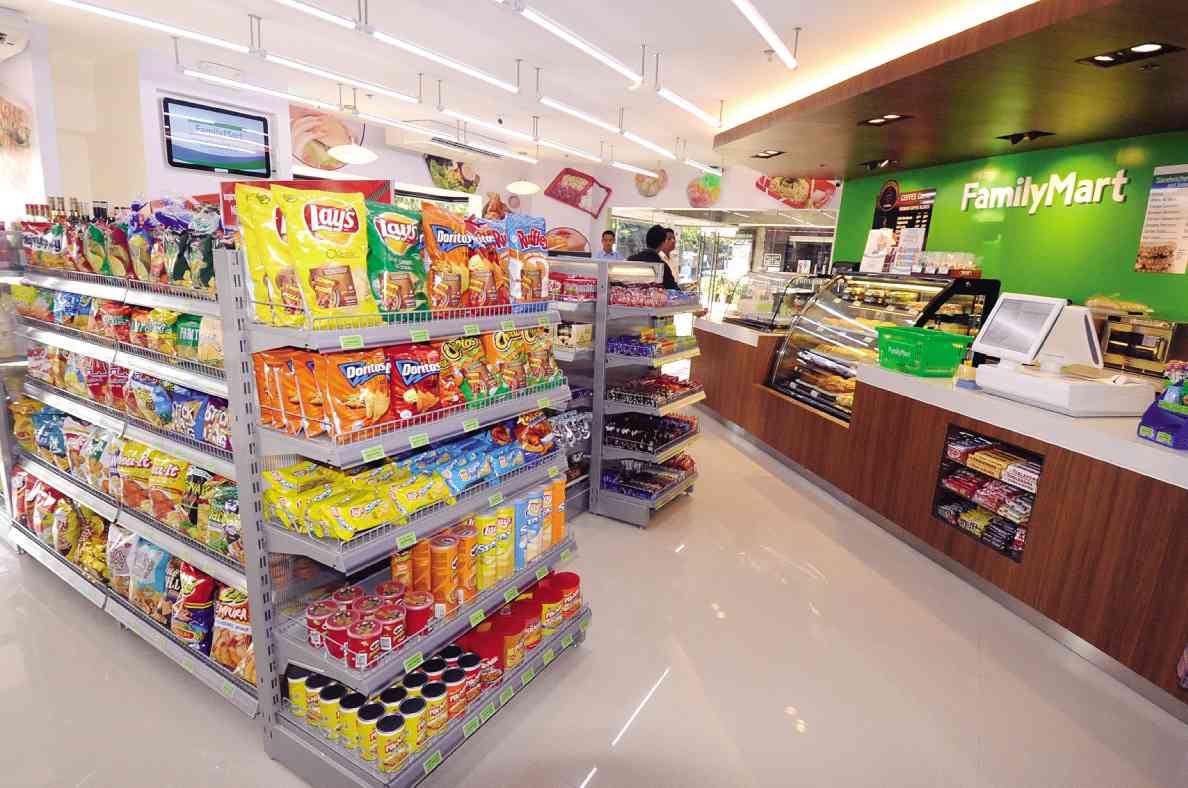
    In a statement shared today (May 10) by FamilyMart Malaysia, the convenience store chain announced that its FamiCafé in Menara U, Shah Alam, has obtained halal certification from Jabatan Kemajuan Islam Malaysia (JAKIM).

    This makes it the first convenience store café in Malaysia to receive this certification. Based on a check on the Halal Malaysia Official Portal, other convenience store cafés such as 7 Café and emart24, are not halal-certified by JAKIM.

    According to the statement, the halal certification aligns with FamilyMart Malaysia’s ongoing effort to ensure that its customers have total peace of mind while shopping and dining at its premises.

    It also added that other FamilyMart Malaysia stores will undergo halal audits in stages as guided by JAKIM, and that the process has already begun at two other stores.

    Subsequently, as a result of the certification, it stated that all new FamiCafés will automatically adopt the layout guided by JAKIM while existing ones will be converted to incorporate the changes required.

    The company aims to have the FamiCafés in 300 stores halal-certified by 2025 with the halal-certified concept serving café beverages and ready-to-eat food prepared in-store.

    There are currently 16 FamiCafés in Malaysia, with an overall target of 50 planned by the end of 2023.

    “We are very excited to be the first convenience store café in Malaysia to be halal-certified as part of our continuous improvement to enhance customer experience and provide value to them.”

    “Our journey to obtain halal certification in our stores is the next step in providing greater assurance and confidence for customers to shop and dine with us,” it shared.

    FamilyMart Malaysia’s central kitchen, operated by QL Kitchen, has been certified halal by JAKIM since 2019. As of April 30, 2023, 172 FamilyMart branded food products have been registered halal on JAKIM’s official halal portal.

    Meanwhile, in alignment with the announcement, FamilyMart Malaysia has also shared that it has stopped the sale of alcohol from all stores to provide an added assurance for all Muslim customers.

    In addition to the halal certification, FamilyMart stated that the team is expanding to the east coast of Peninsular Malaysia and that the company is currently securing identified locations to meet the demands of its fans in the region.

    It plans to open 20 stores by the end of 2023 and expansion is already underway in various parts of Kuantan, Pahang.

  • Victoria’s Secret launches a World Tour – its new ‘catwalk show’

    Victoria’s Secret launches a World Tour – its new ‘catwalk show’

    It was December 2018 when the last Victoria’s Secret Fashion Show aired on CBS. A year earlier, the show garnered a billion viewers worldwide, but its size and success had blinkered the company to both the cultural shifts being brought about by a born-online generation that demanded to see itself reflected in advertising and the upstart competitors who were building inclusion into their business plans. Rihanna’s debut Savage Fenty show in the fall of 2018 made Victoria’s Secret’s reliance on an impossibly narrow conception of beauty—all razzle-dazzle push-up bras, highly exercised abs, and angel wings, along with the occasional culturally appropriative headpiece or another accessory—seem out of touch. Then there was its owner’s entanglements with alleged sex offender Jeffrey Epstein. On an earnings call in November 2019, it was official: The Fashion Show was canceled.

    In the years since, the company has undertaken a sweeping, ambitious rebrand, removing the architects of the original Fashion Show; swapping the Angels for a VS Collective that includes Megan Rapinoe, Priyanka Chopra Jonas, and Paloma Elsesser; and expanding its size range and developing the kind of products it had long neglected to make—nursing bras and mastectomy bras, for instance—because they didn’t fit its male-driven definition of “sexy.” Leslie H. Wexner, the founder of Victoria’s Secret parent company L Brands, also stepped down as Chairman and CEO, and sold his majority stake. Today, Victoria’s Secret remains the leader in the U.S. for the intimates category and on a rolling 12 month basis the brand experienced slight growth in 2022 compared to 2021.

    Now, in its biggest and most visible move yet, the brand is reinventing its annual show, producing a feature-length documentary film set to premiere in September. Though it’s a fairly radical rethink, the company is billing it as every bit as spectacular as the Victoria’s Secret Fashion Shows of old—there might even be wings.

    “There’s no need to explain ourselves anymore,” said Raul Martinez, EVP, head creative director of Victoria’s Secret, who is spearheading the project. “We’ve evolved and we’ve moved on, but it’s not that we’re leaving anything behind. We’re touching both the storytelling, which is about our advocacy and celebrating female voices, but also that full-on, fashion entertainment experience, because that was quite iconic.”

    Dubbed “Victoria’s Secret World Tour,” the new show will bring together a cast of international women creators from four cities across the globe. The “VS 20” includes filmmakers, musicians, artists, and other creatives, with a quartet of fashion designers at its center. Using Victoria’s Secret resources, London’s Supriya Lele, Lagos’s Bubu Ogisi, Tokyo’s Jenny Fax, and Bogota’s Melissa Valdes will each produce collections, the behind-the-scenes makings of which will be captured in the doc. All four narratives will come together with a filmed fashion show featuring a fifth segment of Victoria’s Secret-designed pieces.

    Margot Bowman, the London-based director that’s been trailing Supriya Lele and her team, avoided the Victoria’s Secret Runway Show in her youth. “I didn’t aspire to that experience because I knew I was excluded from it,” she said. “I was an overweight kid. But I still remember the images; for better or worse they were iconic images, powerful images. And for me, I see this as an opportunity to create a new set of images that more people can find themselves in.”

    The company was the subject of a Matt Tyrnauer documentary Angels and Demons last year that investigated its former owner’s ties to Jeffrey Epstein. And a book penned by former Business of Fashion journalists, Selling Sexy: Victoria’s Secret and the Unravelling of an American Retail Icon that is scheduled for an early 2024 release, seems poised to keep the brand’s problematic history in the news cycle. Then there’s the fact that new rivals have emerged as the company has been reimagining itself. Kim Kardashian launched Skims in 2019. It’s now valued at over $3 billion, and thanks to her influence it’s sparked a shapewear craze on the runways. Lizzo launched the rival brand Yitty last year with a tagline about “self-love and radical inner-confidence” that exemplifies how the lingerie industry is changing.

    When Victoria’s Secret announced on an earnings in March that it would be investing in a new version of its Fashion Show, the pop star took to Twitter: “This is a win for inclusivity for inclusivity’s sake,” she wrote. “But if brands start doing this only because they’ve received backlash, what happens when the ‘trends’ change again? Do the CEOs of these companies value true inclusivity? Or do they just value money?”

    Convincing people of Victoria’s Secret’s new agenda of female empowerment is where the VS20 comes in. Supriya Lele, who brings her Indian heritage to bear on her draped designs, sees synergies between her own brand and Victoria’s Secret. The VS Collective member Paloma Elsesser, whose voice can be heard in the teaser video released today, has walked Lele’s London runway. “That was one of the reasons why I felt that I can identify with some aspects of this now—previously maybe less so—but now I feel their language is becoming more and more modern,” she said. “And after meeting with the team, I understood that this was a big decision to really push this female-centered point of view forward and I felt that was a really great opportunity.” (The company won’t be commercializing Lele or the other designers’ collections, rather the World Tour is a showcase of their talents.)

    The Victoria’s Secret call took Lagos’s Bubu Ogisi by complete surprise. “To be honest, I kind of ignored it,” said the designer with a laugh. “My pieces are not really that fixated on lingerie, so I was a bit confused. But for this World Tour they’re experimenting, and the core element in my work is experimentation. So I thought, okay, it would be an amazing idea to confront how they normally create and how we can edit, modify, or change that structure.” Ogisi’s work showcases artisanal crafts from across Africa. “With this collection,” she explained, “everything is fixated on the idea of Yoruba and Edo mythology. Each person is going to be a divine being, a supreme higher entity, a quote/unquote goddess.”

    Note that Ogisi said goddess, not “sex goddess.” So, will the Victoria’s Secret World Tour be sexy? “Yes, absolutely,” said Martinez, but with a caveat. “We are looking at it through a female lens.”

    The main difference between the Victoria’s Secret Fashion Shows of old and the World Tour of 2023 would seem to be that women won’t just be objects for the delectation of viewers, they’ll be subjects too—the makers, each one with a different point of view about what’s sexy. “Obviously, there’s been a huge shift in representation, but I still think it’s rare to see women on screen presented in a recognizable way, especially in the framework of fashion,” observed Bowman, the director of the London portion of the documentary. “I just want people to watch it and be like, wow, there’s so many different ways that you can be a woman.”

  • Vietnam’s vegetable, fruit exports likely to hit $4B this year

    Vietnam’s vegetable, fruit exports likely to hit $4B this year

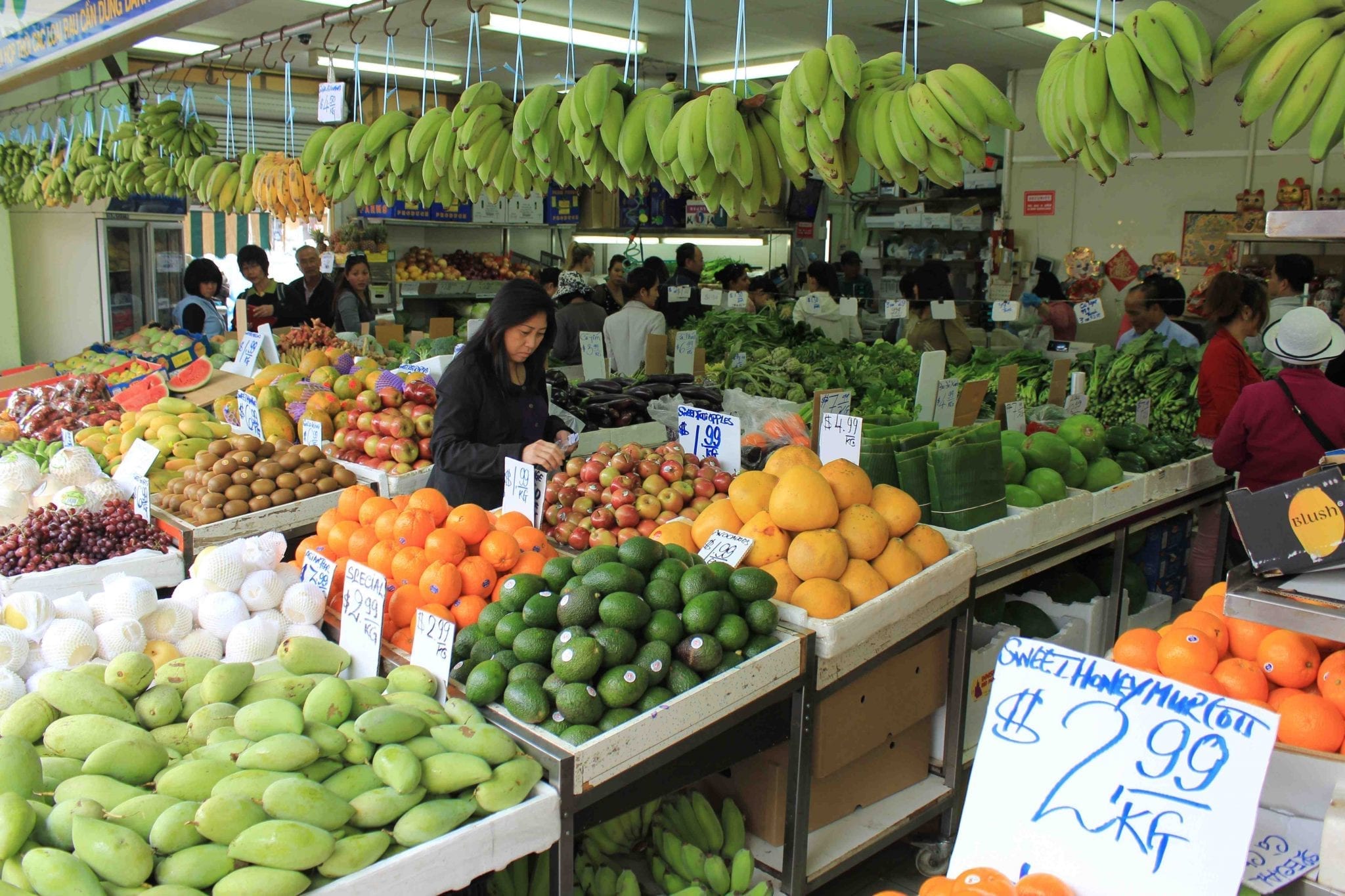
    As one of the few sectors reporting export turnover increase in the first quarter of 2023, Vietnam’s vegetable and fruit sector has a bright outlook to earn $4 billion in export revenue this year.

    Vietnam exported nearly $1 billion worth of fruits and vegetables in Q1, up 8% from a year earlier, with the Chinese market recording an impressive growth of 23%.

    Dang Phuc Nguyen, Secretary General of the Vietnam Fruit Association (Vinafruit), attributed the result to the signing of protocols on exports of durian, sweet potato and banana to China through official channels.

    The export of pomelo to the U.S., and passion fruit to New Zealand was also a driver for the overall growth of the sector.

    Durian was a big contributor to the impressive export results in the first months of this year. The export turnover of this fruit is expected to hit $1 billion, helping the sector’s total figure to $4 billion this year, up 20% year-on-year, said Nguyen.

    The implementation of free trade agreements is also an important driving force helping fruit and vegetable exports to increase sharply in the first months and make an important contribution to boosting the sector’s exports throughout the year.

    Good demand for fruit imports in China can help raise total fruit and vegetable exports in Q2 by 10% or higher, Nguyen noted, predicting that the revenue can reach about $2 billion in the first half of 2023.

    Vinafruit has proposed the Ministry of Industry and Trade (MoIT) and other ministries and agencies, especially the Vietnam Trade Office in China, study and negotiate for the signing of more protocols for several officially-exported products such as dragon fruit, mango, watermelon, jackfruit and rambutan, together with the opening of markets for other fruits such as green-skinned pomelo, fresh coconut, avocado, lemon, pineapple and star apple.

    Besides China, it is also necessary to step up trade promotion activities in other markets such as the U.S., China, the Republic of Korea and Australia, said Nguyen.

    According to the Vinafruit Secretary General, the greatest difficulty at present is that there are not many planting area and packing facility codes to meet the requirements of the Chinese market. Currently, there are only 246 planting area and nearly 100 packing facility codes granted, much lower than the respective 20,000 and 2,000 of Thailand.

    With an area of nearly 110,000 hectares, and an output of around 1 million tonnes per year, there will be a bottleneck in durian exports to China, if no more planting area code is granted this year.

    He also suggested the MoIT and other ministries and sectors to call on investment and advanced technologies for processors to improve the export value, and gain a firmer foothold in such choosy markets as the U.S. and the EU.

    Vietnam Trade Offices abroad were advised to regularly organize Vietnamese fruit festivals to introduce the fruits to people in their host countries and international visitors.

    Vietnam earned nearly $3.4 billion from vegetable and fruit exports last year.