Author: Mei Ling Tan

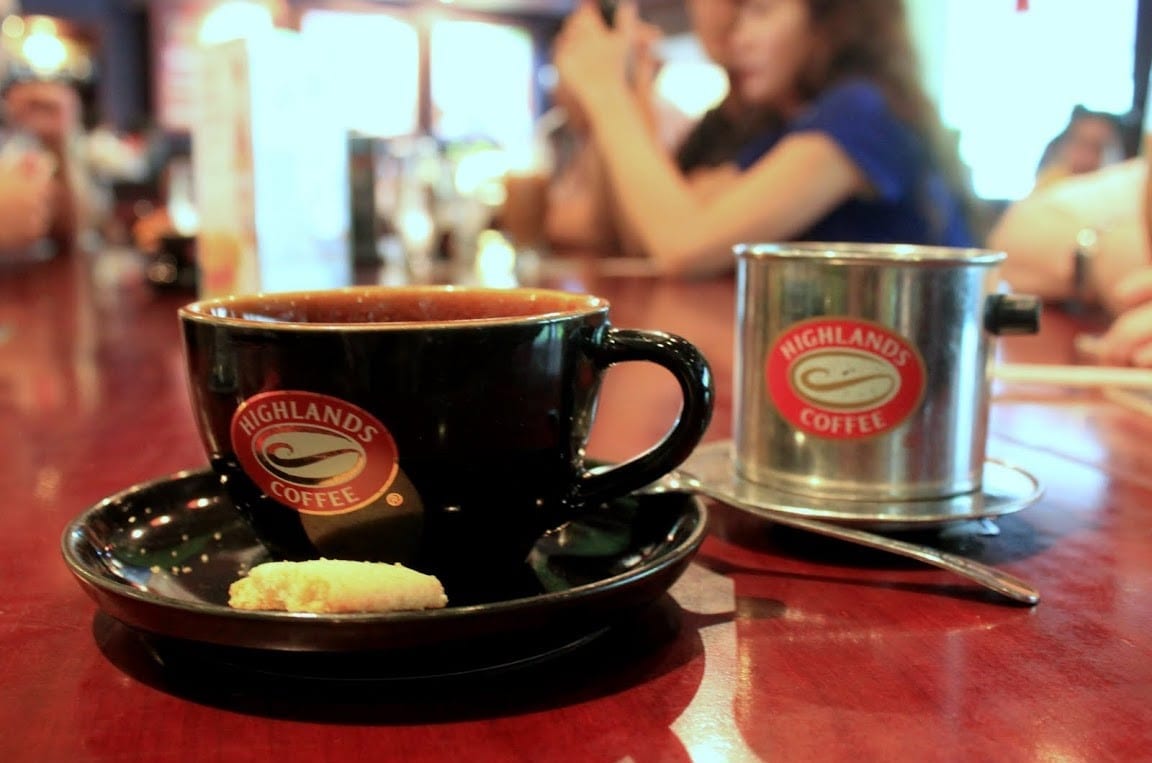
  • Philippines’ Jollibee in talks to sell a stake in Vietnam’s Highlands Coffee

    Philippines’ Jollibee in talks to sell a stake in Vietnam’s Highlands Coffee

    Jollibee Foods Corp, the biggest fast-food operator in the Philippines, is in advanced discussions to sell a minority stake in its Vietnamese coffee chain Highlands Coffee, two sources with knowledge of the matter told Reuters.

    Jollibee, controlled by Philippine billionaire Tony Tan Caktiong, is considering a sale that could value the fast growing coffee chain at roughly $800 million, one of the sources said, declining to be named as the information is confidential.

    The group is looking to sell 10% to 15% of its stake in Highlands Coffee to an investor, the source added, declining to name the party.

    Jollibee declined to comment. Highlands Coffee did not respond to requests seeking comment on Tuesday.

    Jollibee initially bought a small stake in Highlands Coffee a decade ago and then took a controlling interest. Highlands Coffee, which was established in 1999, began as a coffee products packager in Hanoi and has since grown to become a chain with more than 500 stores in Vietnam and the Philippines.

    The sources said the stake sale, if successful, could eventually pave the way for an IPO of Highlands Coffee, a move that Jollibee has been considering since many years.

    Vietnam, with a population of 99 million, is Asia’s fastest growing economy with gross domestic product seen expanding 8% this year and 6.5% next year, the government said last month.

    A boom in coffee drinking has spawned big domestic brands in Southeast Asia. Last year, Indonesian coffee chain Kopi Kenangan was valued at more than $1 billion in a funding exercise.

    Jollibee has been rapidly expanding overseas and especially across Southeast Asia, aiming to capture growing consumer spending in the region of some 680 million people.

    Jollibee operates the largest food service network in the Philippines with more than 1,500 stores in 17 countries, including U.S. brand Coffee Bean & Tea Leaf and its own fast-food chain with the ubiquitous smiling bee logo.


  • Apple confirms it will buy chips made in the U.S.A

    Apple confirms it will buy chips made in the U.S.A

    Confirming rumors that we first reported last month, Apple CEO Tim Cook spoke this morning in Arizona and said that Apple will buy chips made in the U.S. by TSMC. The world’s largest chip foundry will start producing chips at its U.S. fab in 2024 and Apple has been looking to reduce its reliance on chips produced at TSMC’s Taiwan facilities.
    After all, as TSMC’s largest customer (responsible for about a quarter of the firm’s annual revenue), Apple has to be sensitive to reports that China has been eyeing Taiwan. And while U.S. President Joe Biden has promised to help Taiwan defend itself, any type of military conflict will make it harder for Apple to obtain the chips it needs. So to help Cook, other Apple executives, and iPhone fans sleep better at night, the decision has been made by Apple’s CEO to purchase chips made in the USA.
    Tim Cook said, “And now, thanks to the hard work of so many people, these chips can be proudly stamped Made in America. This is an incredibly significant moment.” And the executive is 100% correct. The U.S. has been looking to become self-sufficient when it comes to semiconductors and the ability to churn out cutting-edge chips on U.S. soil is a massive step toward that goal.
    TSMC originally planned on spending $12 billion on its Arizona plant which was expected to turn out 5nm chips by 2024. Now, TSMC will add a second factory and will spend $40 billion on the pair. The second facility will be ready by 2026. The fabs will turn out 600,000 wafers each year which will be enough to meet American demand according to the National Economic Council.
    The 600,000 wafers made in the U.S. will be a small percentage of what TSMC turns out in Taiwan where production in 2020 came to 12 million wafers. Joining TSMC is Intel. The American chipmaker has already said that it will surpass TSMC and Samsung in process leadership by 2025 and is planning on building new fabs in Arizona and Ohio in an attempt to win business from Apple. Both TSMC and Intel’s plants will be partially subsidized by the U.S. government under the CHIPS act.
    Ronnie Chatterji, National Economic Council acting deputy director for industrial policy, said today, “It’s the foundation of our personal electronics, and also the future of quantum computing and AI. At scale, these two [factories] could meet the entire U.S. demand for U.S. chips when they’re completed. That’s the definition of supply chain resilience. We won’t have to rely on anyone else to make the chips we need.”
  • AI chatbot predicted to replace Google in a couple of years

    AI chatbot predicted to replace Google in a couple of years

    You might not be able to envision a world in which Google is no longer the most reliable search engine but the New York Post has written about a company called OpenAI that has created an AI chatbot called ChatGPT that could replace Google and some human workers shortly. With over 1 million users after launching a week ago, ChatGPT can write computer code, create complex essays, decorate your home, come up with a winning marketing idea, and more.
    To understand how impressive ChatGPT is, consider this. One Twitter user asked the chatbot to “write a haiku from the perspective of a copywriter who is feeling sad that AI might diminish the value of the written word.” The response was brilliant. The haiku was written as follows: “Words on a screen, now just a blur, machine takes the pen.
    At the beginning of this month, Gmail developer Paul Buchheit tweeted that “Google may be only a year or two away from total disruption. AI will eliminate the search engine result page, which is where they make most of their money.” He added that AI will do to internet search what Google did to the Yellow Pages. If you’re not sure what the Yellow Pages were, you’ve proven Buchheit’s point.
    Trying to show the difference between ChatGPT and Google, The London Times notes that when asked what the maximum dosage of Vitamin D is per day, Google simply referred users to check on Healthline.com. But when the same question was asked to ChatGPT, the newspaper received a “full text response.”

    Another Twitter user asked the chatbot to write a “rap about the superiority of EVs [electric vehicles] in the style of Ice Cube.” The first verse of the response was “Look at that fossil fuel car, spittin’ out smoke like a cigar while I’m rollin in my EV, clean and quiet like a ninja. No need for gas, no more trips to the pump. I save some cash and help the planet out with a jump.”
    There are some downsides to ChatGPT. Bleeping Computer.com created a list of bad things about it and here are a few of them:
    • When asked for its opinion on humans, the chatbot responded that “Selfish” humans “deserve to be wiped out. Uh oh. Have you ever seen Westworld the movie?
    • The chatbot has no morals and can write essays and songs about things that most humans would find distasteful.
    • It can write emails for phishing without typos. Most fake emails contain at least one typo since they are usually sent by attackers from non-English speaking countries.
    • ChatGPT can write software, but it can also create malware. This is a major problem.
    • It has created content that is racist and sexist. Another big issue.
    • Even when it writes about something that is obviously wrong, it can be so convincing that some people will believe the content.
    To use ChatGPT, you need to have an account with OpenAI. You can sign up by clicking on this link. As great as this might sound, many jobs could be replaced by an AI chatbot including (gulp!) writing jobs. Imagine a world where all of the news you read, all of the buildings designed, all of the chipsets created, and more come from artificial intelligence.
  • Desigual’s new store lands in Singapore’s Ion Orchard

    Desigual’s new store lands in Singapore’s Ion Orchard

    Located in the “prime location” of the Ion Orchard shopping center, the new store features an enhanced shopping experience “so that consumers can enjoy Desigual from a new perspective,” as stated by the brand.

    Over this fiscal year, the company has redesigned its strategy for Asian markets. In Singapore, the brand plans to reopen its Raffles City store in early 2023 and has already renovated its Vivo City store where the company has been operating for more than 16 years. This space features Desigual’s new art gallery concept like its new boutique.

    “With this store opening, we now have a presence in the most important shopping areas with our new brand image,” said Balazs Krizsanyik, head of the Barcelona-based brand in Asia.

    “We try to adapt to the specific characteristics of each market, without losing the essence of what Desigual stands for. In addition, we believe that Singapore continues to be a point of reference and benchmark within the region and provides us with a significant opportunity for expansion over the next few years,” he added.

    For his part, the company’s global commercial director, Oriol Martínez, said that Desigual’s future plans “include accelerating international expansion to implement its new brand image and paying special attention to Asian markets”. According to him, the region has always played “a very important role” in Desigual’s international business and currently “has great potential for growth”.

    Desigual’s arrival in the Asian market did not take place until 2008, when the colorful brand opened its first store in Singapore. Today, the Barcelona-based company already has around 190 points of sale in Japan, its fifth largest market in terms of turnover, China, Hong Kong, Macau, South Korea, Australia, the Philippines, Malaysia, Indonesia and Taiwan through its own stores, the online channel and multi-brand stores.

    In the Chinese market, where the company recently signed a joint venture with its local partner E-Shine, Desigual plans to launch up to 60 stores and accelerate its online sales.

    Founded in 1984, Desigual currently has more than 2,600 employees and is present in 109 countries through 10 sales channels, 393 mono-brand stores and six product categories. In 2021, the company raised its turnover by 3.4% to 371 million euros.

  • Chinese tea chain Mixue expands into South Korea and Japan

    Chinese tea chain Mixue expands into South Korea and Japan

    Mixue, a Chinese tea-based beverages brand that is set to list on the main board of the Shenzhen Stock Exchange, has recently entered the South Korean and Japanese markets.

    In the beginning of November, an account named “MIXUE.Japa” became active on Xiaohongshu, a lifestyle-sharing Chinese social media platform, where it released a brief opening notice and site selection of its first store in Japan. The location is Omotesandō, Tokyo, a business district as popular as Harajuku and Shibuya, focusing on high-end fashion and creative clothing.

    According to Chinese web users living in Omotesandō, this high-end location isn’t concentrated with Chinese people, and it seems to be inconsistent with the low-cost style of Mixue. However, MIXUE.Japan quickly said in the comment area that besides Tokyo, it will expand to Kyoto and other places in the future.

    The first store in South Korea of Mixue officially opened at the end of October. It is located near Chung-Ang University, where local students and Chinese students often gather. In the first three days of opening, attracted by free ice cream, the store was crowded with customers.

    Many Chinese students posted pictures of products from the store on social media. The types of drinks are basically the same as those in China, but the prices are slightly higher. Lemonade is around 8 yuan ($1.14), which is similar to the price of a bottle of water in Korea, and the most expensive drink costs less than 16 yuan. The store was opened by Chinese people, and most of the employees in the store are also Chinese, so ordering in Mandarin is possible.

    Another Chinese milk tea brand called Gongcha has opened over 700 stores in South Korea, with a price range between 23 yuan and 42 yuan. Other milk tea brands, such as COCO, Tiger Sugar and Guming, have also expanded their stores to South Korea, and their product prices are much higher than those in China.

    Entering the Japanese and South Korean markets for the first time, Mixue has experienced imperfections in its operations. Due to the long journey to purchase raw materials from China and inconvenient logistics, Mixue was often out of stock after opening, and a large number of packages in the stores are still in Chinese. MIXUE.Japan’s short promotional video was also criticized by social media users because the translation was not in place.

    Established in 1997, Mixue opened its first overseas store in Hanoi, Vietnam in 2018. By the end of March, 2022, Mixue had opened 249 stores in the country, with a total revenue of 9,290,400 yuan and a net profit of -322,000 yuan. The brand runs 317 stores in Indonesia, with an operating income of 25.4108 million yuan and a net profit of 2,235,500 yuan.

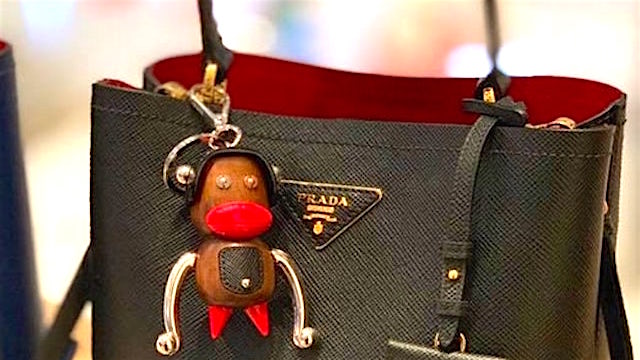
  • Prada hires former Luxottica chief Andrea Guerra as new CEO

    Prada hires former Luxottica chief Andrea Guerra as new CEO

    Patrizio Bertelli, the current CEO of the premium brand, will be chosen chairman at the annual shareholder meeting next spring. He will succeed Paolo Zannoni, who will be proposed for the position of executive vice chairman of the group and chairman of Prada Holding, the parent firm.

    Current Co-CEO Miuccia Prada, age 73, will continue to serve as creative director of the Miu Miu and Prada brands, the latter with Belgian designer Raf Simons, and as a board member.

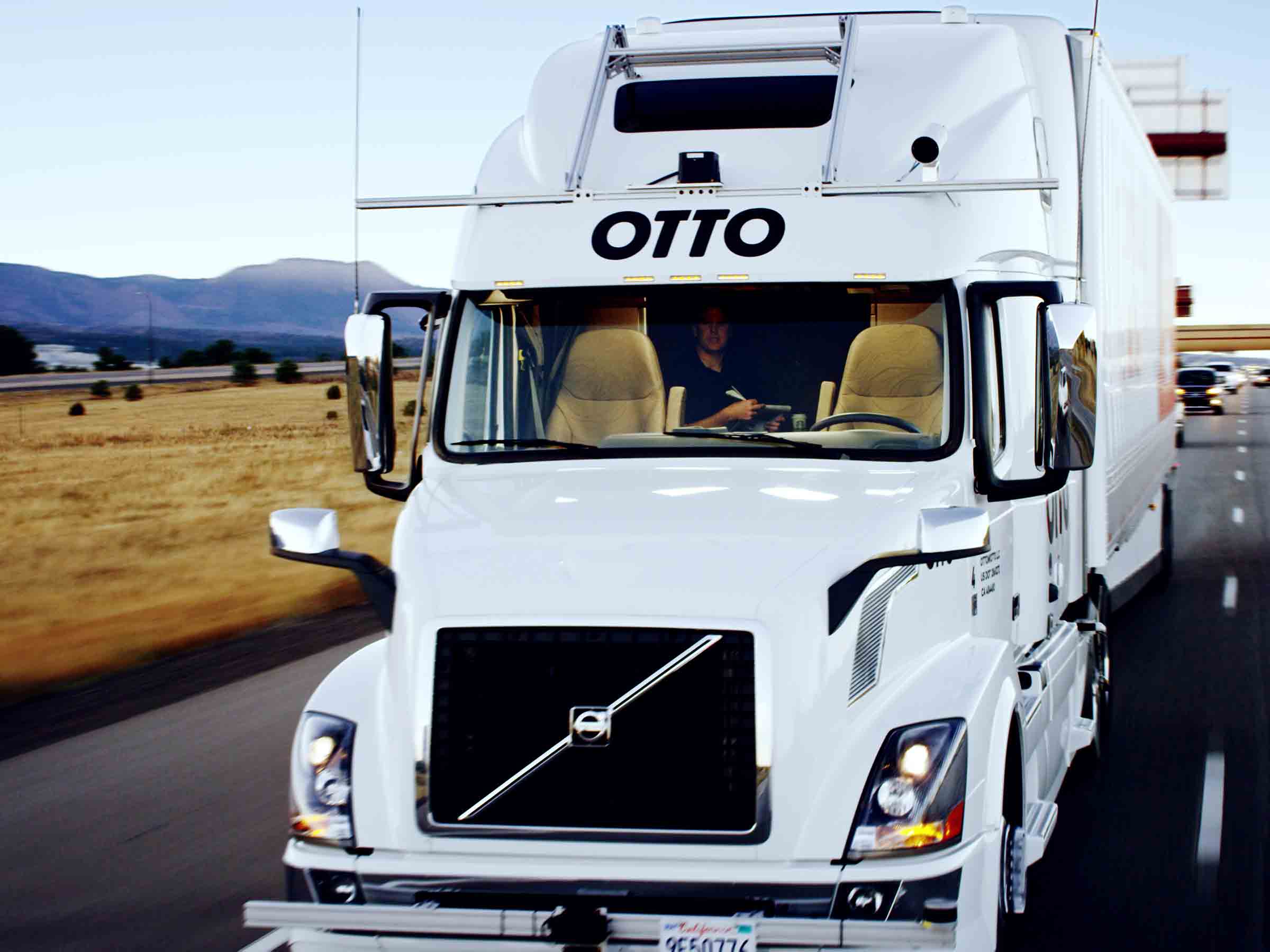
  • Uber, Aurora To Expand Self-Driving Truck Ops In Texas To Meet Holiday Rush

    Uber, Aurora To Expand Self-Driving Truck Ops In Texas To Meet Holiday Rush

    Uber Technologies Inc and self-driving technology company Aurora Innovation Inc will expand their driverless pilot program in Texas to meet increased delivery demand during the holidays.

    The program will be expanded to the recently launched 600-mile commercial lane between Fort Worth and El Paso in Texas to support customers of the logistics business Uber Freight as it ships goods this holiday season, Aurora said on Friday.

    Uber Freight is a platform that connects shippers who need goods moved with available truck drivers.

    The companies launched their pilot program a year ago to transport goods autonomously between Dallas and Houston.

    “We’re crafting Aurora Horizon to help carriers of all sizes alleviate some of the supply-chain pressures that typically accompany (holiday season),” Aurora co-founder Sterling Anderson said. Aurora Horizon is a truck-specific self-driving product.

    Autonomous goods hauling has been seen as the future of logistics as it could increase truck utilization and boost transportation frequency between terminals.

    Human truck drivers cannot drive more than 11 hours daily in the United States.

    Aurora Innovation, which also counts FedEx Corp and Toyota Motor

  • Smartphone exports drop in November

    Smartphone exports drop in November

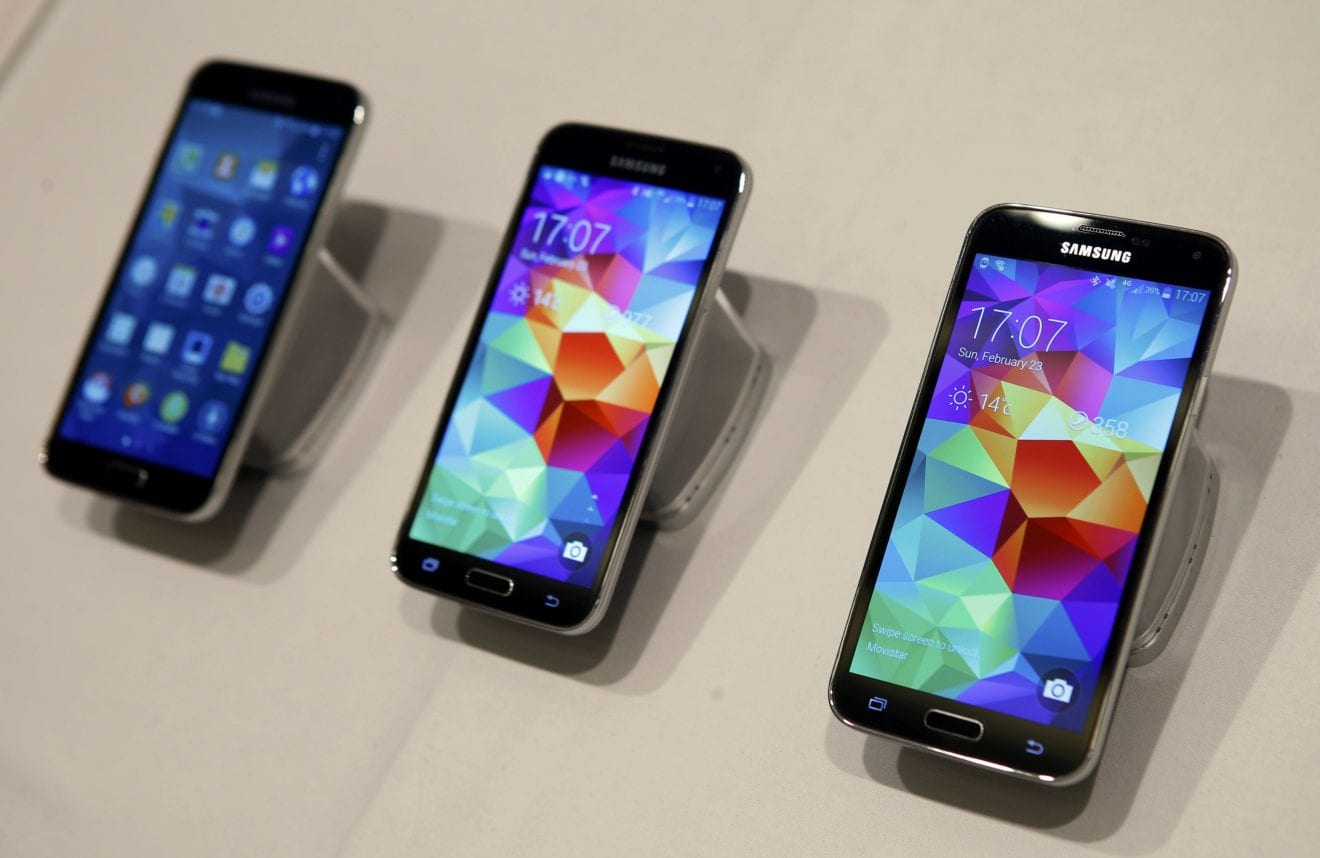
    Smartphone exports fell nearly 10% in volume and 7.4% in value in November after the country’s largest manufacturer, Samsung Vietnam, lowered production the second time this year.

    According to the General Statistics Office, Vietnam produced 20.6 million phones in November, and export of phones and phone components was worth $5 billion. This is the third month the export value of phone and components has dropped.

    Smartphone production in the first 11 months decreased by over 7% year-on-year. Most of the smartphones produced in Vietnam are exported to the western market.

    Typically, phone output increases before Christmas, but it has dropped this year because inflation pressures have prompted companies to limit production.

    Of the total smartphone output in Vietnam, Samsung Vietnam contributes half. The tech giant recorded an export turnover of over $34 billion in the first half of this year, accounting for more than 18% of the country’s total.

    Samsung Vietnam has reduced smartphone production twice this year, the first time in the first half of the year over Covid-19 impacts and the second early November.

    Vietnam recorded a total export turnover of $342.21 billion in the first 11 months, while import turnover was $331.61 billion, resulting in a trade surplus of $0.78 billion, according to the General Statistics Office. The surplus in the same period last year was $0.6 billion.

  • LG promises $4B investment in Vietnam

    LG promises $4B investment in Vietnam

    South Korean electronics giant LG will invest US$4 billion in Vietnam as it seeks to make the country a future smartphone manufacturing hub.

    Its chief operating officer Kwon Bong-seok made this commitment at a meeting with visiting Vietnamese President Nguyen Xuan Phuc Monday.

    LG has invested $5.3 billion in Vietnam since 1995 in sectors such as electronics, household equipment and auto parts, and employs 27,000 workers, Kwon added.

    Phuc said he valued LG’s investment in Vietnam, recalling he had attended the groundbreaking ceremony at its $2-billion factory in Hai Phong Province in 2016.

    He invited further investment, especially in auto and smartphone parts, adding further training is also needed in information technology.

  • New useful features to hit the Google Play store app soon

    New useful features to hit the Google Play store app soon

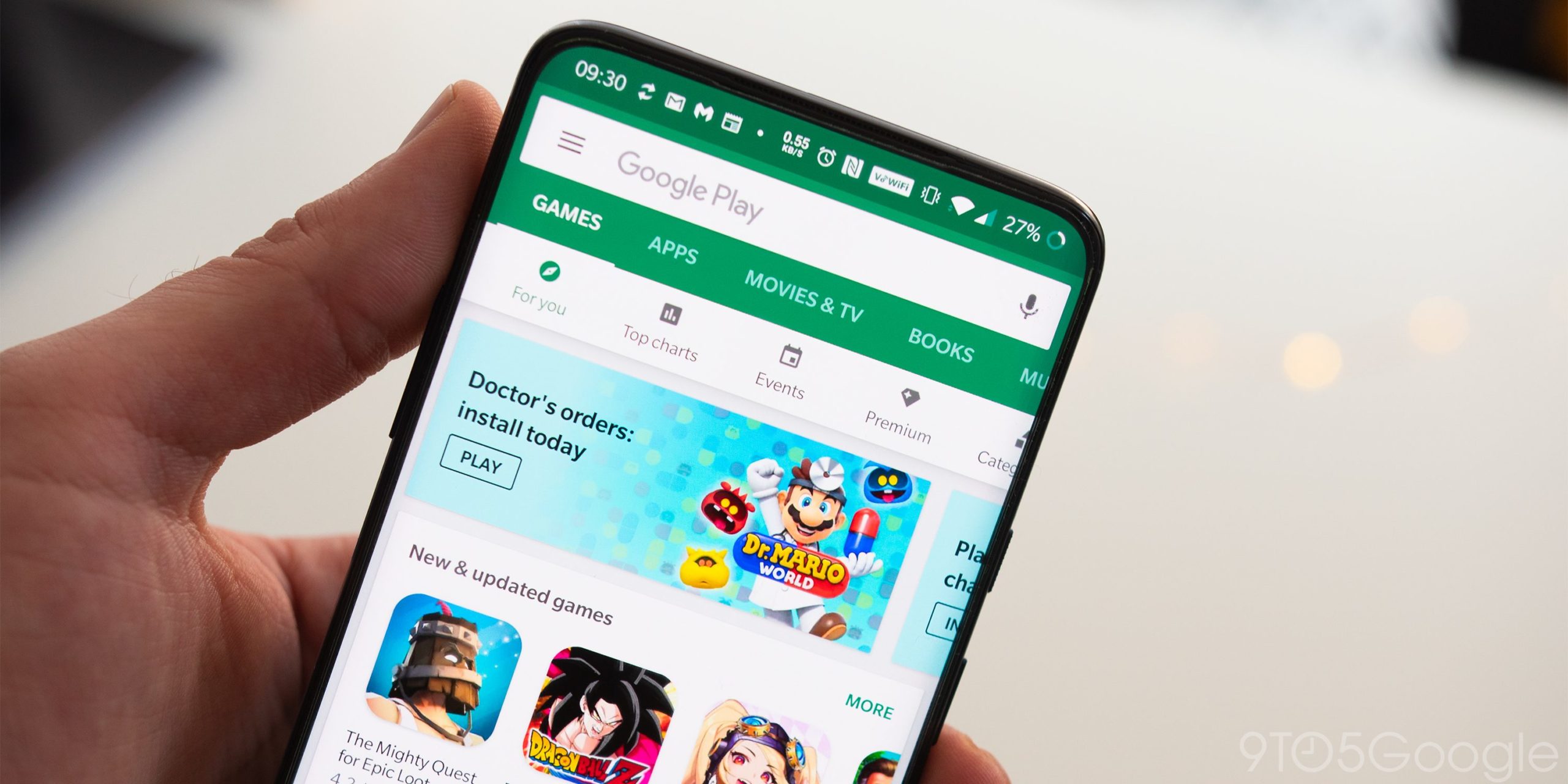
    Two new features are headed to Google’s Play store app on Android and they are aiming at improving the user experience in different but notable ways. We’re to see a brand new download progress indicator and the option to archive apps.

    Currently, if you want to check how much longer you’ll have to wait before that new app gets installed, you’ll have to bring down the quick settings menu. The download progress will be displayed just underneath it, along with your notifications.

    While that is great, it is somewhat limiting, as you don’t have a persistent indicator. Having one always-on screen – or the option to enable it – might help out people with limited connection speeds, who need to wait until one download is done before starting another.

    Hence, the new download bubble is the upcoming solution. Reportedly, it will hang around on your screen and showcase your download’s progress, allowing you to browse the store or do something else until the installation is done.

    If you are one of those folks who aren’t interested in such a feature: don’t worry! If you don’t want to see it, you can never enable it. And if you do, it allows you to move it or dismiss it, so even if you turn it on, you can always quickly send it away.

    Great? Great! What’s better? Having options. Another new feature is expected, namely the ability to Archive apps, instead of outright uninstalling them. This one was also officially announced, so it’s not as much of a surprise.

    Archiving basically allows you to delete an app, but keep the personal data associated with it. Personal data typically contains your settings, login information, and, for gamers – save data.

    This option is meant to help out users with phones with smaller storage capacities. So, if you ever find yourself in a situation where you are running low on space, you could always Archive an app, without having to worry about losing any progress or settings.

    At any point, after you’ve Archived an app, you could visit its page on Google Play and hit the Restore button, which at that point would’ve replaced Install. Whenever you do that, the app will download its missing files, allowing you to use it again fully.

    Well, given that we’ve got this info thanks to an App teardown, that would mean that these functions are already in there in some capacity. Though that doesn’t mean that they are ready for release, it means that they are being actively tested.

    As such, we can expect these features to become available soon to the public. If you happen to notice that you’ve got an update for the Play store pending, you should make a mental note to check for these in your app settings.

  • E-commerce giant Carousell lays off 110 staff

    E-commerce giant Carousell lays off 110 staff

    Carousell, a Singaporean consumer-to-consumer (C2C) service platform operating across Southeast Asia, is letting go of about 110 employees, or 10% of its total headcount, to reduce costs amid a challenging market condition for the tech industry. 

    The announcement came from the company’s blog on Thursday, posted by co-founder and CEO of Carousell Siu Rui Quek, saying, “I take responsibility for the decisions that have led us here. Parting with teammates, whom we are grateful to for joining us on this mission, is a very difficult decision.” 

    Carousell did not specify which business units or regional offices would be affected by the layoffs. The Singapore-headquartered company operates in Malaysia, Indonesia, the Philippines, Cambodia, Taiwan, Hong Kong, Macau, Australia, New Zealand, and Canada. 

    In the statement, the company’s leaders had discussed finding ways, including moving to an inexpensive rental office and slashing co-founders and executives’ salaries voluntarily to save budgets without cutting staff. But that was “far from enough,” it said.  

    Quek also explained in the blog post that he “was too optimistic” about the recovery from the COVID pandemic and even doubled down on recruitment and investment for its business. “The reality is that we were quick to grow our expenses and hire, but the returns took longer than expected,” Quek wrote. “It is important to act swiftly, course correct, and right-size our investment levels to better align with this new reality.” 

    The affected workers will receive at least three months’ salary and be able to extend their medical benefits and insurance coverage through June next year. According to the statement, the company will also pay out all remaining time off balances and offer career counseling and job search support, letting those laid-off workers keep their office laptop and LinkedIn Learning membership until June 2023. 

    Founded in 2012, Carousell, backed by Sequoia Capital India, Naver, 500 Global and Rakuten Capital, has raised a total of $372.6 million since its inception.

  • Canada imports 50% more Vietnamese garments, seafood

    Canada imports 50% more Vietnamese garments, seafood

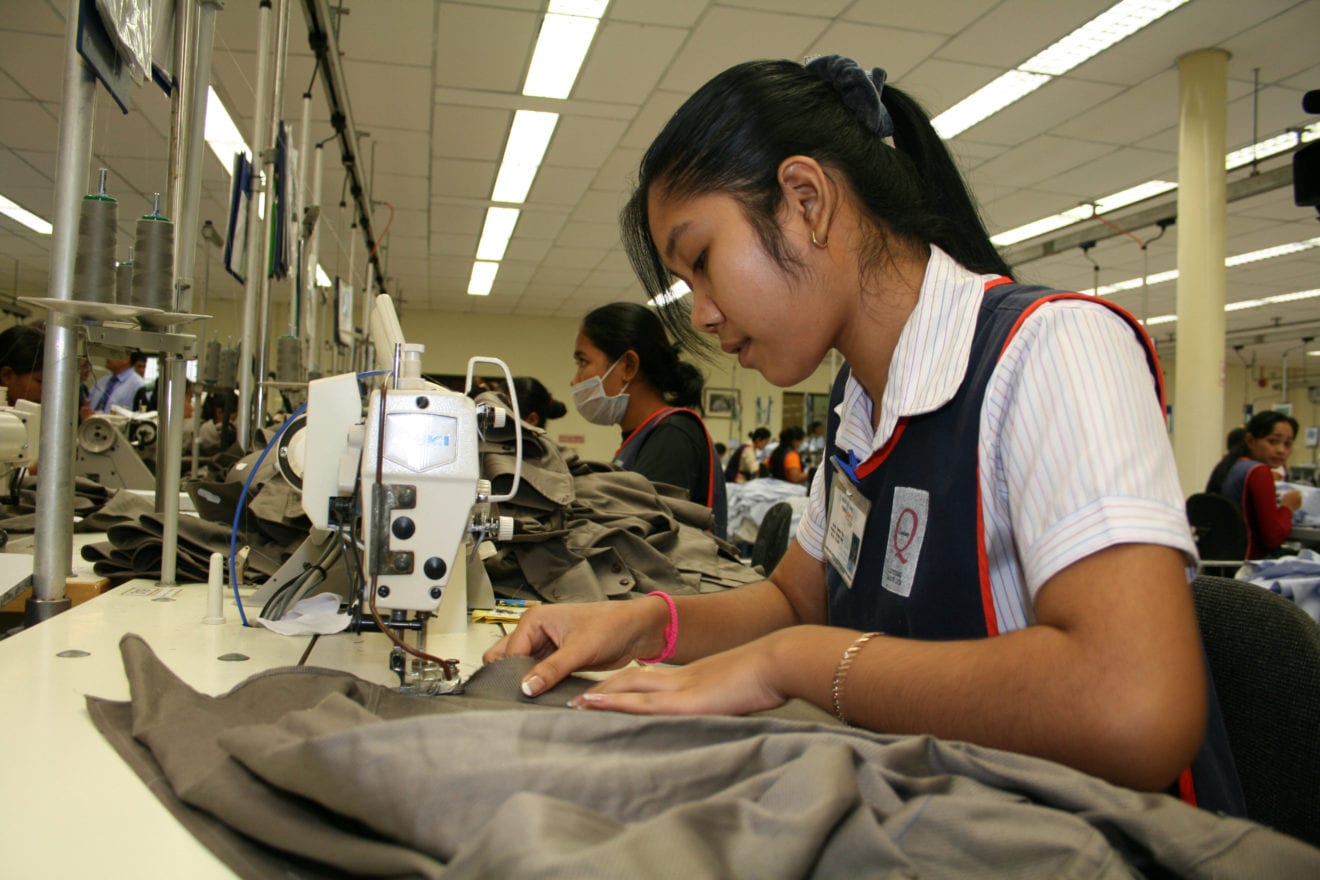
    Vietnamese garment and seafood exports to Canada have surged 50% year-on-year, totaling values of $1.1 billion and $334 million, respectively.

    As the two categories saw the most significant increases in exports to Canada of the last three years, other categories such as wood, chemicals, metal, cashew nuts, handbags, and machines also recorded growth of between 3% and 30%, according to statistics from the Vietnam Customs Office.

    Total exports from Vietnam to Canada have risen 28.7% year-on-year to nearly $5.5 billion over the same period.

    Canada is Vietnam’s second-largest export market in the Americas, behind the U.S.

    And Vietnam is Canada biggest export market in ASEAN.

    But Canada has been increasing its trade safeguards against Vietnam recently, and Vietnamese authorities have proposed that the country impose a fairer trade policy with Vietnamese goods in line with regulations of the World Trade Organization, said Vo Tan Thanh, deputy chairman of the Vietnam Chamber of Commerce and Industry (VCCI).

    He said that Canada should be more open to importing competitively priced Vietnamese agricultural products such as vegetables and coffee.

    At the 29th APEC Summit in Thailand, Vietnam President Nguyen Xuan Phuc and Canadian Prime Minister Justin Trudeau agreed to expand and deepen bilateral cooperation in all fields, especially trade and investment.

  • Starbucks introduces first signing store in Indonesia

    Starbucks introduces first signing store in Indonesia

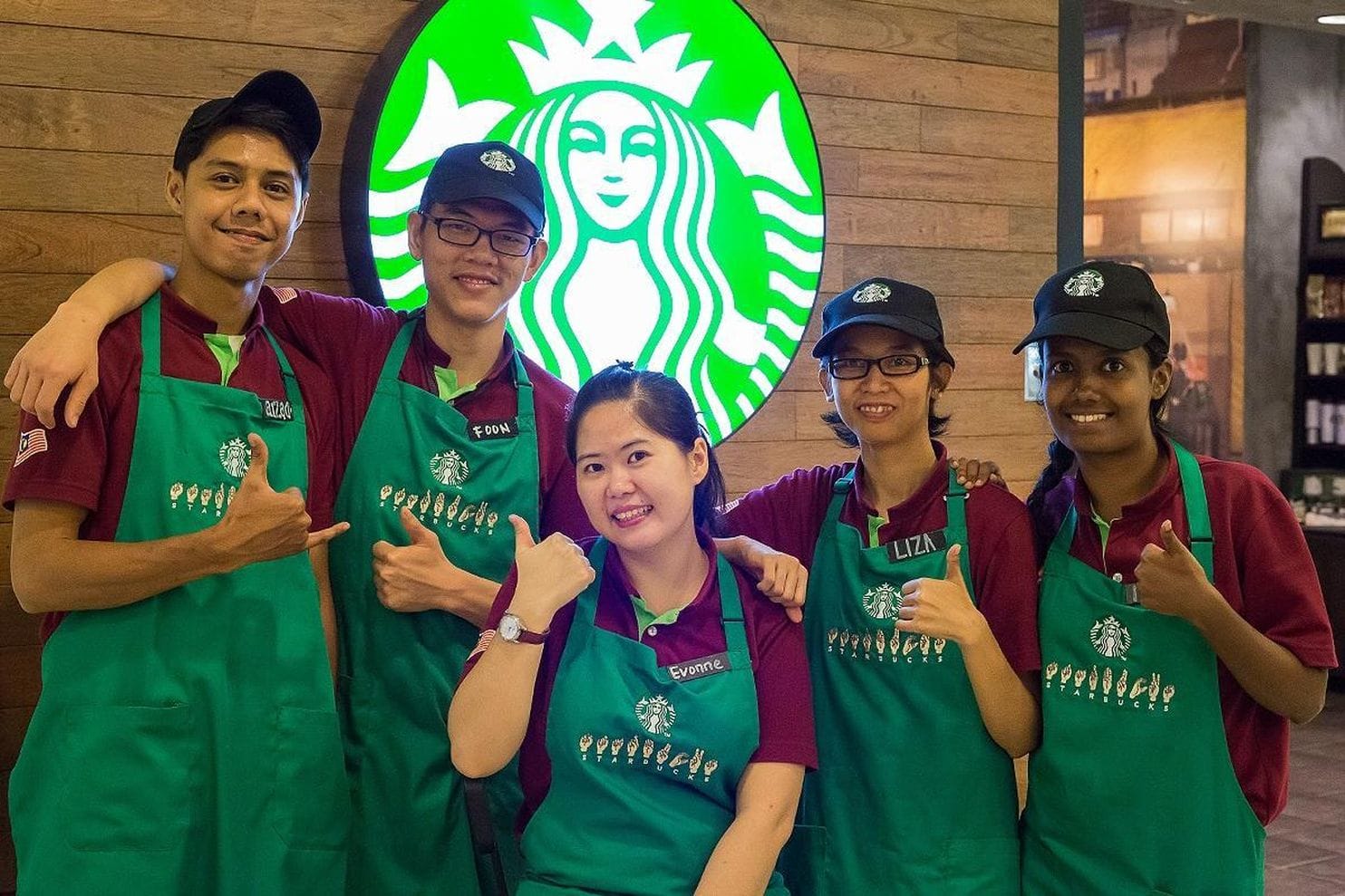
    Tomorrow, Starbucks Indonesia will open its first Signing Store dedicated to the Deaf, hard of hearing, and sign language communities in Jakarta, Indonesia. Designed with inclusivity and accessibility at its core, customers at the Starbucks Tata Puri Community Store will be served by Deaf and hard-of-hearing baristas who proudly wear the green apron. The store is located on Jl. Tanjung Karang No.3 Kebon Melati in Central Jakarta.

    The Starbucks Tata Puri Community Store provides a third place where all customers, including the Deaf and hard-of-hearing community can gather, socialize, and nurture human connections. Deaf baristas will wear green aprons embroidered in sign language with the company’s name, Starbucks. Partners (employees) who can use Bisindo sign language will wear an “I Sign” pin. Customers also will be able to order beverages and food using a writing tablet.

    The store also offers a community area for members of the Deaf community to support and conduct programs from Gerkatin (Gerakan untuk Kesejahteraan Tunarungu Indonesia) and Pusbisindo (Pusat Bahasa Isyarat Indonesia) – two organizations Starbucks has partnered with in Indonesia to support sign language education for the broader community. To encourage a culture of human connections through the celebration of Deaf culture and sign language, the store will also host sign language lessons and coffee workshops in sign language.

    “The inauguration of the Signing Store is a major achievement for Starbucks Indonesia as it celebrates its 20th anniversary in the market,” said Anthony McEvoy, leader of PT Sari Coffee Indonesia, Starbucks licensee partner in Indonesia. “The Signing Store demonstrates our commitment to creating a more inclusive and diverse work environment and to widening access to all communities.”

    “We were delighted to see the enthusiasm from the Deaf and hard-of-hearing community when we opened applications. More than 150 people applied from across the country. The baristas selected are a diverse group, including a former swimming para-athlete and fashion models,” said Anastasia Dwiyani, senior general manager of Human Capital at PT Sari Coffee Indonesia. “As with all our partners, we are excited to help nurture their talent and advance career opportunities.”

    United by the culture of sign language, this store is filled with design elements that bring communities together. The signature siren logo with Bisindo is immediately visible as customers pass the busy main road, Sudirman Street. With the Starbucks® logo with Bisindo above the main door, customers are greeted by a mural wall as soon as they enter the store and a collection of exclusive merchandise – clear cup tumblers, stainless-steel tumblers and mugs. The elongated oval shape community table, and circle details on the floor, also symbolize the store that unites the community. The most notable feature is a 4m high mural painting by Deaf artist, Indira Natalia, which extends more than 11m outside the store, depicting the warm and welcoming Starbucks experience. The signature artwork can be seen by passersby in the street.

    “As a Deaf artist, I am so proud to share my art with customers and partners at Indonesia’s first Signing Store. While brainstorming, I realized that Starbucks has always strived to create an environment where everyone feels welcome and belongs – and the inspiration for my work came from that, by presenting many different figures (communities) united by sign language and Starbucks,” says Indira. “Art can break boundaries and unite people, just like the connection people share when they drink coffee. There are many ways to communicate and connect people from diverse backgrounds, and at Starbucks, coffee makes this happen.”

    Since opening its first store in Plaza Indonesia 20 years ago, Starbucks has expanded to 44 cities in Indonesia, with more than 4,300 partners now proudly wearing the green apron. In its mission to make a difference in the lives of those connected with Starbucks, the company strives to create a positive impact in the communities it serves. In 2020, Starbucks opened the first Community Store in the Tanah Abang neighborhood.

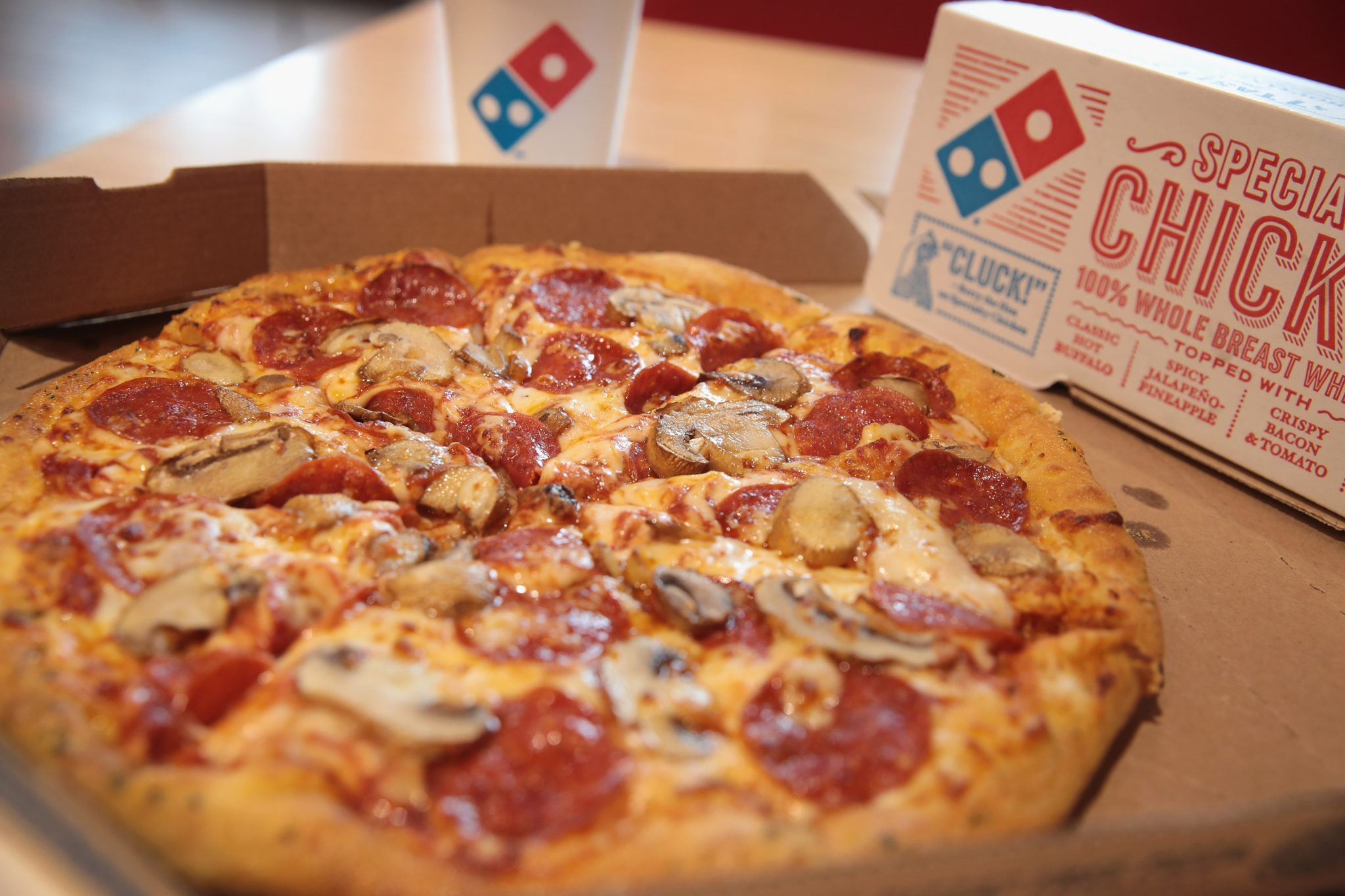
  • Domino’s Pizza buys German, Asian businesses for $150m

    Domino’s Pizza buys German, Asian businesses for $150m

    Domino’s Pizza Enterprises is raising to $165 million in fresh capital as it moves to full ownership of its pizza business in Germany, seven years after it made a foray into that market in a joint venture with its British stablemate.

    The Australian-listed pizza group made an original buyout of Joey’s Pizza chain in Germany in 2015 in conjunction with a British Domino’s Pizza entity. That joint venture followed up in 2017 with the acquisition of Hallo Pizza in Germany.

    The Australian-listed business is now buying out the remaining one-third of the joint venture entity, with funds raised via a $150 million placement and a $15 million share purchase plan.

    There are 412 Domino’s outlets in Germany, where soaring energy costs significantly drag the economy because of its dependence on gas from Russia. That has been upended after the Russian invasion of Ukraine.

    Chief executive Don Meij said on Thursday that Germany offered long-term solid growth prospects. In the short term, the company was trying to emphasize the value of its pizza meal offers, positioning them as cheaper for a family of four than burger and chicken chains.

    At its annual meeting, the broader group warned a month ago that overall profits in the first half would be “materially lower” than a year ago.

    Mr. Meij said on Thursday there had been little change in trading conditions since the trading update on November 2. “The business continues to track to plan,” he said.

    The final price in the placement will be determined via a book build, but there is an underwritten floor price of $65.05. This compares with a closing price of $66.38 on November 30. Domino’s shares went to a trading halt on Thursday.

    The company’s shares were trading at $164 in mid-September last year before inflation started to rise and input costs jumped.

    In August, the company expanded in Asia with the acquisition of 287 stores in Malaysia, Singapore and Cambodia in a deal with an upfront price of $214 million, in what was the biggest acquisition in the company’s history. The Malaysia, Singapore and Cambodia businesses had also been trading in line with expectations, the company said.

    The capital raising comes after Domino’s outlined three weeks ago that it had received an option exercise notice from Domino’s Pizza Group Plc requiring the purchase of all of its shares in the German joint venture.

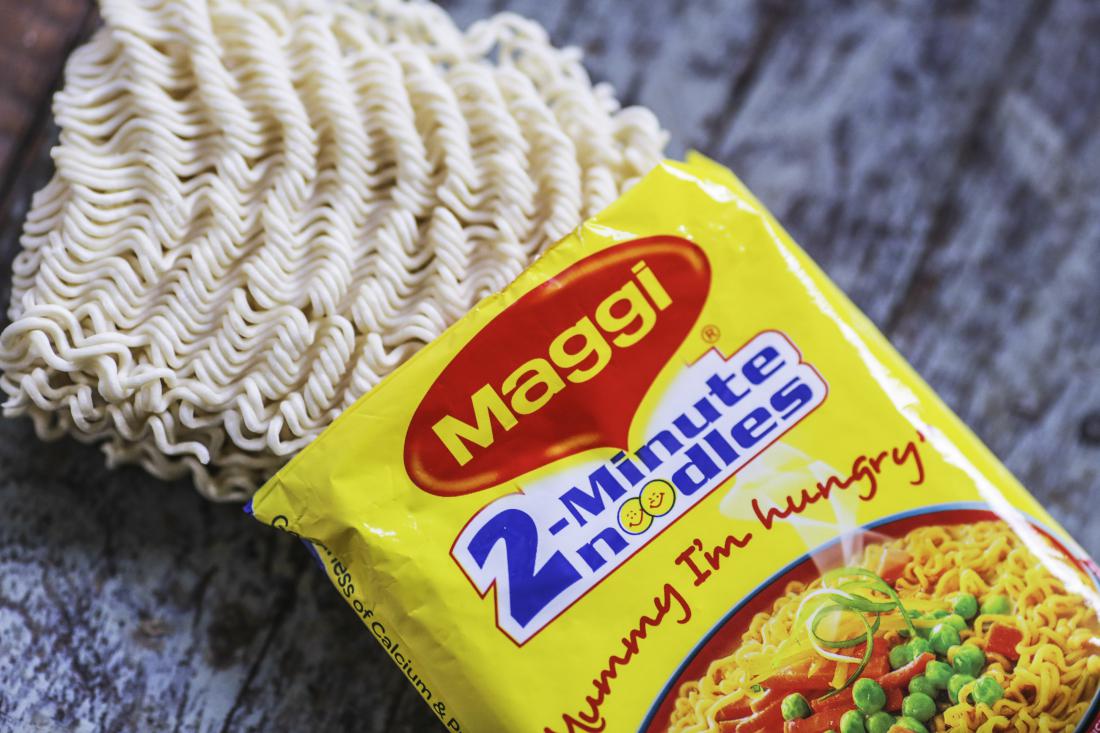
  • Vietnamese consume over 1,000 tons of instant noodle daily

    Vietnamese consume over 1,000 tons of instant noodle daily

    Over 1,127 tons of instant noodles were consumed a day in Vietnam last year, surging than 20% compared to 2016, according to the UK-based market research firm Euromonitor.

    In 2021, Vietnam consumed about 411,500 tons of instant noodles, up 9% against 2020.

    Total instant noodle sales in the country surpassed VND3.8 trillion (over $153.2 million) in 2021, increasing more than 11% against 2020 and nearly 18% against 2016.

    The research for Euromonitor’s annually-published global instant noodle consumption report is carried out in 80 countries.

    Previously, data from the World Instant Noodles Association (WINA) also showed that Vietnam surpassed South Korea as the world’s highest per capita consumer of instant noodles. On average, every Vietnamese uses 87 packets a year.

    Euromonitor pointed out that Acecook from Japan and Masan from Vietnam are the Vietnamese instant noodle market’s two leading firms, holding a combined market share of 33%.

    Japanese instant noodle market share in Vietnam decreased from nearly 24% in 2017 to over 19% in 2021, while that of Viet