Author: Mei Ling Tan

  • Vietnam plans to extend VAT cut until end-June 2024

    Vietnam plans to extend VAT cut until end-June 2024

    The Vietnamese government said on Tuesday it plans to extend a reduction in value added tax (VAT) until the end of June next year to boost domestic consumption and production as the global economy remains sluggish.

    The cut in VAT to 8% from 10%, which still needs parliament’s approval, has been in place since July and is set to expire by the end of this year. The next session of parliament is scheduled to begin next week.

    The 8% VAT rate is not applicable to services and products like banking, finance, telecommunications and real estate, the government said in a statement.

    The tax cut, which is expected to boost domestic consumption, would reduce the government’s budget revenue by 25 trillion dong ($1.02 billion), the statement added.

    Vietnam’s economic growth rose 5.33% in the third quarter, higher than 4.05% in the previous one, official data showed.

    Headline inflation continued the sharp upward increase that started in June, official data showed. September’s consumer price index rose 3.7% in September against the same period last year.

    While economic growth picked up in the July-September period thanks to a gradual recovery in exports, domestic consumption remained subdued and credit growth continued to be slow reflecting weak private domestic investment and investor confidence, the World Bank said in its latest report.

    Retail sales in the domestic market with a population of nearly 100 million, rose 9.7% in the first nine months of this year from a year earlier, according to the General Statistics Office.


  • Samsung’s Latest Foldable Smartphone Range The Coolest Yet

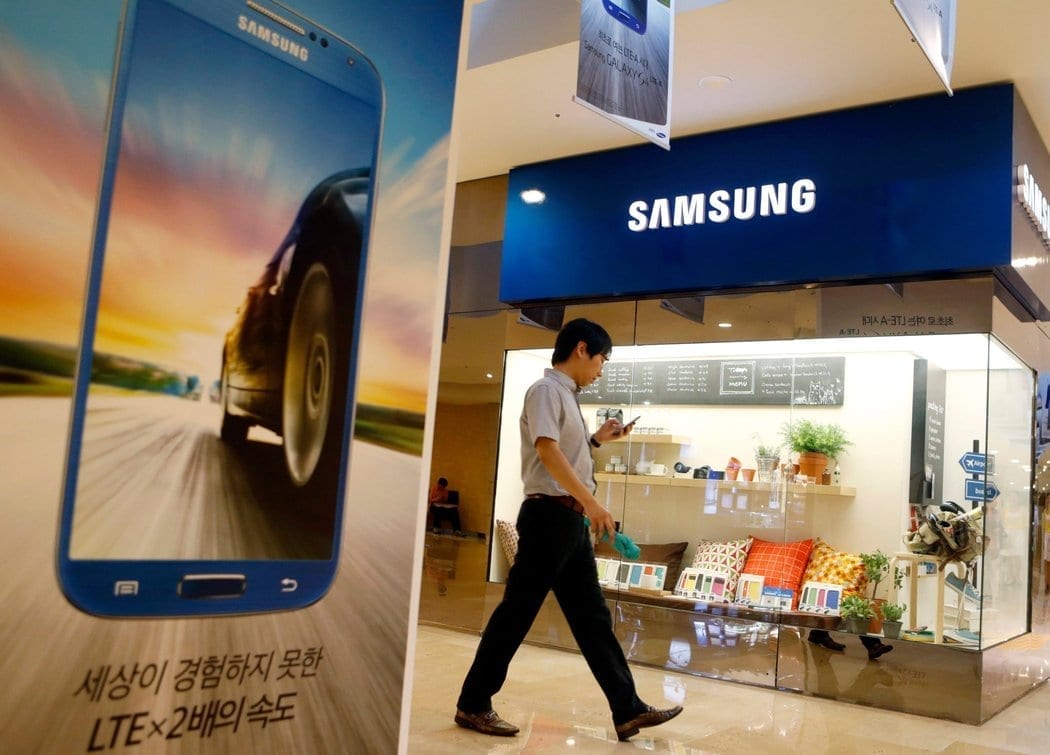
    Samsung’s Latest Foldable Smartphone Range The Coolest Yet

    Before the smartphone boom, foldable cell phones were the pinnacle of mobile advancements. The devices had gone from clunky, brick-like objects to slick, streamlined handsets that could fit in any pocket. A lot of experts have predicted that the smartphone industry would follow the same trajectory, and it could finally be happening.

    Samsung has been leading the way with its foldable devices for some time now, and the fifth generation could be knocking on the door of mainstream adoption. These are the company’s coolest flip phones yet, and they are likely to attract countless new users.

    Samsung Finally Hitting the Right Notes With its Foldables

    Samsung first released the Galaxy Z Fold in 2019 and the Galaxy Z Flip in 2020. Since then, it has invested a lot of resources in developing these innovative smartphones. The folding concept allows for a compact device that can open and provide users with a lot more screen space. Smartphone screens have gradually increased in size over the years, with many users clearly valuing screen space. The Z Flip offers the best of both worlds in that it fits anywhere but expands to give users a great display.

    <iframe width=”560″ height=”315″ src=”https://www.youtube.com/embed/WuljKartv2U?si=D8AJ6QM4_3vEqO3o” title=”YouTube video player” frameborder=”0″ allow=”accelerometer; autoplay; clipboard-write; encrypted-media; gyroscope; picture-in-picture; web-share” allowfullscreen></iframe>

    There are various aspects of the new Z Flip that could make it a trailblazer for foldable smartphones. For instance, the Flex Window on the front now has a 3.4-inch display, harking back to the early days of smartphones and the iconic Blackberry Classic screen. Not only will this fill some older users with nostalgia, but it also acts as a convenient way of interacting with the phone in its folded state. It comes with a variety of modes that help users organize their working days, and the performance is high quality thanks to the Qualcomm Snapdragon 8 Gen 2 system-on-chip.

    A Good Time to Buy Shares in Samsung?

    With the company continuing to thrive at the top end of the smartphone market, shares in technology companies still affect the weighting of the S&P 500. People who are interested in buying can check the ES futures chart for accurate information about stock prices in the S&P 500, and by setting parameters on this, they can figure out the best times to buy and sell. While Samsung isn’t listed in the S&P 500, other phone producers are, with Apple being one of the most notable examples.

    <iframe width=”560″ height=”315″ src=”https://www.youtube.com/embed/dEphyWRPzpI?si=iq4LLTiKmThJw4AO” title=”YouTube video player” frameborder=”0″ allow=”accelerometer; autoplay; clipboard-write; encrypted-media; gyroscope; picture-in-picture; web-share” allowfullscreen></iframe>

    Experts back Samsung shares as great long and short-term holds, and now is a good time to jump on them. This is because the price recently dropped after the company reported a 96 percent drop in profit earlier this year. This was due to an oversupply of memory chips, leading to Samsung’s inventory values being slashed. This drop is likely to even out soon, though, and investors are keeping a close eye on the Korean tech giant’s reports. The general sentiment is that now is a good time to get back in and buy up shares of the company, as it is likely to bounce back over the next year.

    The era of the foldable smartphone could soon be on the horizon, with Samsung leading the way. These devices have been knocking on the door of the mainstream for some time, and they could soon become ubiquitous thanks to cool offerings like the Galaxy Z Flip 5.

  • Google Chat’s smart replies feature expands to groups and spaces

    Google Chat’s smart replies feature expands to groups and spaces

    Smart replies have been added to Google Chat a long time ago, but they were only available for direct messages. However, that’s about to change, as Google has just announced Chat’s smart replies will expand to group messages and spaces on the web.

    Powered by Google’s machine learning, smart replies are the perfect tool to respond quickly to a message when you’re on the move, or you just want to avoid typing long messages.

    According to Google, the new feature is available now for all users, including Google Workspace customers and users with personal Google Accounts. There’s no need to change your Google Chat app, as the feature will appear automatically.

    Once it’s been added to your Chat app, you will be able to select one of three response options that pop up in a chat or customize your reply before sending it.

    It’s important to add that Google Chat’s smart replies are only available in English, French, Portuguese, and Spanish. Those who want to turn off smart replies for whatever reason can do so by clicking Settings and unchecking the Smart Reply box.

  • Samsung TV Plus adds new channels

    Samsung TV Plus adds new channels

    Samsung TV Plus might become very popular among customers as streaming services continue to increase their prices once or twice per year. Samsung’s free TV service currently offers more than 2,000 channels in two dozen countries, but its biggest advantage is that it’s available on all Samsung TVs.

    Samsung has already added a bunch of new channels to its TV service this month, but the company is not done yet. Starting this week, three new channels from Blue Ant Media will be available on Samsung TV Plus.

    Homeful, HauntTV and Love Pets have been added to Samsung TV Plus in several markets. For example, Homeful is now available in the United States, Canada, Australia, New Zealand, Mexico, and Brazil.

    After being initially introduced in Canada, Australia, New Zealand, and the UK earlier this year, HauntTV is now available for Samsung TV Plus users in the United States.

    As far as Love Pets goes, the channel focusing on pets is now available to all Samsung TV Plus users in the UK, Denmark, Finland, Norway, Sweden, and the Netherlands.

  • WhatsApp announces passkeys support for Android users

    WhatsApp announces passkeys support for Android users

    Last week, Google announced that passkeys would become the default authentication method for its users on personal accounts. Within that announcement, Google also stated that passkeys support is growing, listing a few of the companies that had already enabled them on their apps and websites, with a mention of WhatsApp as one of the ones that would be adding compatibility soon.

    This confirmed earlier reports that WhatsApp had already tested this functionality with its beta users and would be tied to Google’s Password Manager. Today, WhatsApp finally announced that passkeys support is now official for its Android users who can now use their device’s screen lock method to unlock their accounts, such as their face, fingerprint, or device pin.

    Previously, WhatsApp had implemented an optional two-step verification pin and a fingerprint lock feature that users could set to trigger automatically after a set length of time. This type of authentication is not being removed from the app, but rather joined now by passkeys, offering an additional layer of security.

    Although passkeys support has now been made public by the company, it appears that the feature is not yet live on the latest stable version of the app (v2.23.20.76). However, it is definitely working in the latest beta (v2.23.21.12) for those enrolled in the WhatsApp beta program.

    The signup process is quick and straightforward as it is using the screen lock method that you already use on your phone. Additionally, through this signup process, you learn that your newly created passkey is indeed being stored in Google’s Password Manager, which makes it possible to use on other devices where you are signed in to your Google account. It is unclear at this time if an app update is forthcoming for the stable version of the app, or if the feature will be rolled out in stages via a server push.

  • Google Wallet now rolling out option to digitize physical cards

    Google Wallet now rolling out option to digitize physical cards

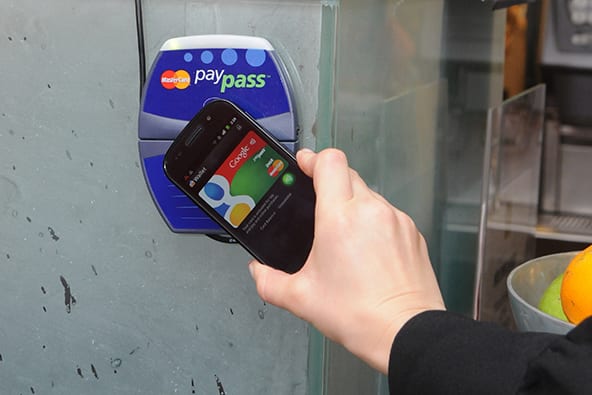
    Google Wallet is finally rolling out a previously announced feature that lets you digitize your physical passes, like transit passes, gym memberships cards, parking passes, and library cards. The feature is currently only available on Pixel phones, but will hopefully be rolled out to other Android devices in the future.

    This feature was originally teased by Google back in June, among a list of “coming soon” features for Google Wallet, as a way to save passes from an image. This opened up the possibility of digitizing a number of items you couldn’t before, however, it isn’t to be confused with the ability to digitize ID cards, or the option to use a QR code to pay on phones without NFC that rolled out in some countries.

    It is important to note that this method of adding passes requires a photo of the physical pass (or screenshot), and for it to contain a barcode or QR code. For example, I was able to add my gym membership card, but only because I was able to capture a screenshot of it from the gym’s app and this screenshot contains the QR code I usually scan to gain entrance. You will receive an error explaining the issue if you attempt to add an image that does not contain the aforementioned requirements.

    According to Android Central, this feature is just now rolling out to Pixel devices after getting pushed back to become part of the September 2023 Pixel feature drop. This means it might take a while to reach all Pixel users as so far it has only been spotted on the Pixel 8 series and the Pixel Fold.

    Additionally, there is one more design element that is making its way to Pixels as part of this update. This minor design tweak adds a toggle to enable or disable “Success animations,” which appear after completing a transaction. These fun little animations were themed and, according to some, a time-waster when trying to purchase something quickly. Thankfully, Google now allows us to completely disable them within Google Wallet’s settings.

    The new feature is a convenient way to keep all of your passes in one place and a more secure way to carry your passes. You no longer have to worry about losing physical passes or have to fumble to through different apps in order to use them.

  • UBS Axes More Investment Bankers in Hong Kong

    UBS Axes More Investment Bankers in Hong Kong

    Switzerland’s UBS has reportedly offloaded more investment bankers in Hong Kong amid a slowdown in China.

    UBS has cut about 7 percent of its global banking unit in Asia, according to a report citing unnamed sources, mainly related to China-focused roles based in Hong Kong. This has affected about two dozen investment bankers, including several managing directors.

    The cuts were initially planned for September but were postponed due to the Credit Suisse takeover. The final number of job losses in this current round of cuts has yet to be decided. In 2022, UBS axed half a dozen China-focused staff in Hong Kong.

  • Construction steel sales reach year-high in September

    Construction steel sales reach year-high in September

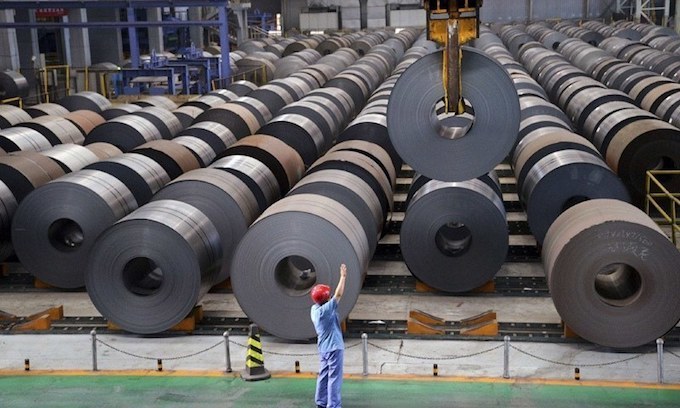
    Construction steel sales hit 958,500 tons in September, the highest in nine months, and posting positive growth for the first time this year.

    Sales went up 9% from August and 4% year-on-year, according to the Vietnam Steel Association.

    Industry leader Hoa Phat Group posted its biggest sales last month since the beginning of the year.

    The company saw construction steel sales rising 15% from August to 352,000 tons.

    Vnsteel saw sales rising 8% from August to 265,000 tons.The increase in construction steel demand came thanks to major infrastructure projects being developed such as North-South highways and airport upgrades.

    Steel prices have been steady throughout September and at the lowest level since 2020, which stimulated demand.
    But overall, the steel industry is still seeing low demand, the VSA said. In the first nine months 7.7 million tons of construction steel were sold, down 20% year-on-year. Exports fell 13% in the same period.

    Prices are set to remain at current levels until the end of the year, according to a KB Vietnam Securities forecast.
    A hike in domestic demand is expected early next year as property projects see difficulties in acquiring permits will be resolved, it added.

  • Catfish exports to China plummet

    Catfish exports to China plummet

    Pangasius exports to China in the first eight months of this year fell 28%to US$406 million, according to the Vietnam Association of Seafood Exporters and Producers.

    Since September Chinese demand for the fish has not increased much even as it has stepped up imports from Norway, South Korea, Australia, and Chile.

    The director of a pangasius export company in southern An Giang Province said that demand from Chinese hotels and restaurants for catfish is low now.

    Chinese consumers prefer fresh seafood over frozen products.

    Besides difficulties in exporting, Vietnamese pangasius firms are also facing high input and farming costs.

    According to data from catfish exporters, farmers’ production costs are now VND26,500-27,000 (over US$1.1) per kilogram while their selling price is VND300-500 lower.

    The average export price is $2.5-2.6 per kilogram, down from $3.2 a year ago.

    “We are trying to sustain production, but this year profits have dropped sharply,” the export company director said.

    According to VASEP, demand for Vietnamese pangasius will increase again in the fourth quarter, the peak season in China.

  • Novotel Saigon Centre Hotel owner reports biggest ever loss

    Novotel Saigon Centre Hotel owner reports biggest ever loss

    Thien Phuc International Hotel Company, which owns the four-star Novotel Saigon Centre Hotel in HCMC, has reported its biggest ever half-yearly loss of VND369.6 billion (US$15.4 million).

    The loss for the year’s first half was 50% higher year-on-year, according to its earnings report.

    It had racked up full-year losses of VND786 billion in 2021 and VND783 billion in 2022.

    At the end of H1 2023 Thien Phuc had total liabilities of VND8.695 trillion, including VND6.4 trillion in corporate bonds it had issued.Thien Phuc used to belong to Que Huong Liberty Corporation, one of the largest hotel operators in the city.

    In 2016, Que Huong Liberty sold its entire holding in Thien Phuc to Saigon Green View Investment Corporation.

  • Power shortage in Vietnam looms until 2050

    Power shortage in Vietnam looms until 2050

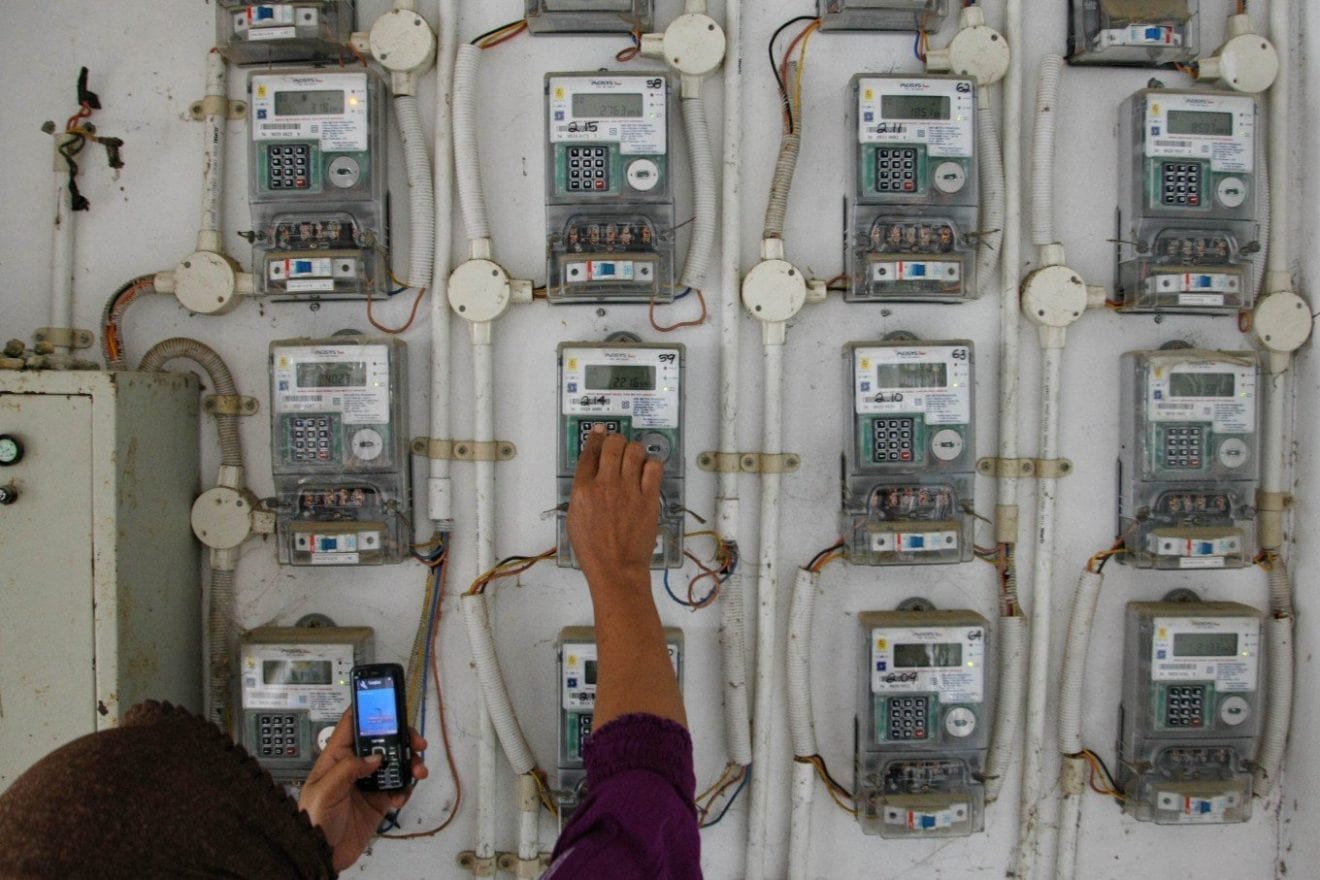
    With the construction of many large power plants stalling or slowing and the dependence on imports for energy increasing, electricity shortages are possible until 2050, lawmakers fear.

    According to a report on energy development in 2016-21 done recently by a supervisory team form the National Assembly Standing Committee, Vietnam’s primary energy resources are increasingly depleting with hydropower being fully tapped and oil and gas output in some major fields decreasing rapidly.

    Generation varies between regions with some power projects like Na Duong II, Quynh Lap I, Cam Pha III, Ca Voi Xanh, LNG Thi Vai, and LNG Son My slow to be completed, and some others grinding to a halt. The delays led to shortages in the north in May and June.

    A World Bank report published in August estimated Vietnam’s losses due to the electricity shortages at US$1.4 billion, or 0.3% of GDP.
    Experts warn about continuing shortages in the north since no new plants are going on stream in the next two years.
    The risk of power shortages, especially in 2024-25, was also flagged by Vietnam Electricity (EVN) in a recent report to the Ministry of Industry and Trade.
    It expected there would be “basically enough electricity” in 2024, but said in 2025 the north could face a shortage of 6.8 billion kWh during the peak dry season in May-July. But a slew of new plants is scheduled to go on stream at the end of 2025.
    Besides facilitating the construction of power plants and undertaking grid works to transmit electricity to the north, EVN also plans to step up power purchases from Laos.

    Also according to the report, investment in power plants and power grids in 2016-21 was inadequate. The grid connection and power transmission capacities did not meet the needs of renewable energy plants in the central region.

    Power generation is insufficient in the north and a stable and efficient linkage with Southeast Asia has yet to be set up.
    According to the report, annual electricity output and imports increased 50.8% between 2015 and 2020 to 247 billion kilowatt-hours. Consumption also rose 50% to nearly 217 billion kilowatt-hours.

  • Skechers granted an injunction against Dockers for alleged patent infringement

    Skechers granted an injunction against Dockers for alleged patent infringement

    In August, Skechers sued nonslip shoemaker Laforst Shoes over the alleged infringement of the slip-in-heel design. These shoe styles were the subject of high-profile Super Bowl ads earlier this year featuring Martha Stewart and Snoop Dogg, and Skechers says it’s sold millions of pairs of the hands-free shoe.

    On October 5, the Düsseldorf Regional Court in Germany found that Dockers had infringed on one of Skechers’ heel pillow designs, per the Skechers release.

    In a news release on the ruling, Skechers President Michael Greenberg said the company would “continue to aggressively police and enforce” its proprietary rights for the sneaker design.

    “While the ruling can be appealed, we are very pleased that the German court in the first instance acknowledged Skechers’ rights and immediately stopped the sale of the offending shoe style throughout the European Union,” Greenberg said. “Skechers invests tremendous resources into product development to introduce fresh, unique, and exciting footwear to its customers year in and year out.

    While Skechers always prefers to compete in the marketplace rather than the courtroom, the Company has no choice but to seek legal recourse when competitors infringe on our intellectual property rights.”

    Skechers’ legal complaint against Laforst is ongoing, though court documents show the parties have engaged in settlement discussions. As of Sept. 26, a judge in the United States District Court Central District of California gave Skechers 30 days to finalize its settlement with Laforst.

    In April, Skechers settled a patent dispute with French luxury brand Hermès over its Massage Fit sole.

  • Flash Coffee ceases operations in Singapore

    Flash Coffee ceases operations in Singapore

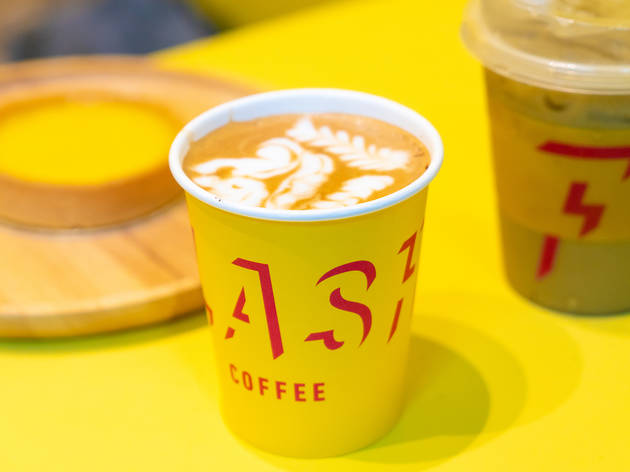
    Flash Coffee has shut its Singapore operations to focus on other markets, the company told CNA on Friday (Oct 13) in response to queries about its business here.

    The Singapore-based coffee chain had 11 outlets in Singapore, including one at Jurong Point where a sign on Thursday said employees were “on strike” over late salary payouts.

    “Contrary to reports, our staff in Singapore are not on ‘strike’,” the company said.

    “We ceased operations at our 11 stores, and consequently, our baristas are not required to report to work.”

    Flash Coffee said that to build a profitable and sustainable business, it decided to “further consolidate our future efforts and to double down on our most promising markets”.

    “To facilitate this renewed focus, we ceased operations in Singapore yesterday, comprising 11 stores out of our (around) 200 global stores,” it added.

    A search on the Accounting and Corporate Regulatory Authority (ACRA) portal showed that the company’s status was “in liquidation – creditors’ voluntary winding up”.

    Launched in 2020, Flash Coffee, with its iconic yellow storefront, also operates in Asian markets such as Indonesia, Thailand and Hong Kong.

    In 2021, it had almost 30 outlets in Singapore.

    Flash Coffee, a non-unionized company, said it is “proactively assisting” affected team members.

    “Most of our Singapore head office staff have been offered roles in other markets or with our regional team. Additionally, we are actively trying to connect our baristas with opportunities in other coffee chains,” it added.

    A union said on Friday night that Flash Coffee’s employees affected by the sudden closure of the outlets are owed outstanding salaries and Central Provident Fund (CPF) contributions. They also had prevailing leave entitlements.

    Salaries owed to workers comprise the balance of 75 per cent of their September salaries, as well as wages for work done until Oct 12. It also includes the encashment of remaining leave days, said the Food, Drinks and Allied Workers’ Union (FDAWU).

    “The workers engaged by the union shared that there were no explicit plans to put up any coordinated action following companies’ sharing of the situation at hand,” the FDAWU added.

    The union also said it is assisting affected members with salary-related claims and will provide job assistance support.

    CNA has contacted Flash Coffee to ask about the outstanding salaries owed to workers.

  • Duck Donuts opens its first Thailand store in Bangkok

    Duck Donuts opens its first Thailand store in Bangkok

    Pennsylvania-based Duck Donuts has opened its first store in Thailand in partnership with local franchisee The Great Restaurant Group Co.

    Located at the Siam Discovery shopping centre in Bangkok, the outlet is the first of 10 Duck Donuts stores The Great Restaurant Group Co. plans to open across Thailand by the end of 2028. “Bringing Duck Donuts to Bangkok is a momentous occasion for us.

    We’re excited to introduce our made-to-order donuts to the vibrant city of Bangkok and offer the local community a delightful, customizable experience. We believe in the power of sweet moments, and we can’t wait to create memorable experiences for our guests in Thailand,” said Betsy Hamm, CEO, Duck Donuts.

    Thailand is Duck Donuts’ third market entry in 2023, following its debut in Egypt and Qatar in February and August, respectively.

    Founded in North Carolina in 2007, the bakery café chain currently operates 131 stores across the US, alongside two stores in each of Canada and Puerto Rico and a single site in Saudi Arabia.

    Further international expansion is also on the cards, with Duck Donuts planning to open first stores in Pakistan and Curacao in 2024, alongside franchise agreements to enter the UK, Australia, the Bahamas and Iraq.

  • Vietnamese billionaire’s taxi firm to expand to Laos

    Vietnamese billionaire’s taxi firm to expand to Laos

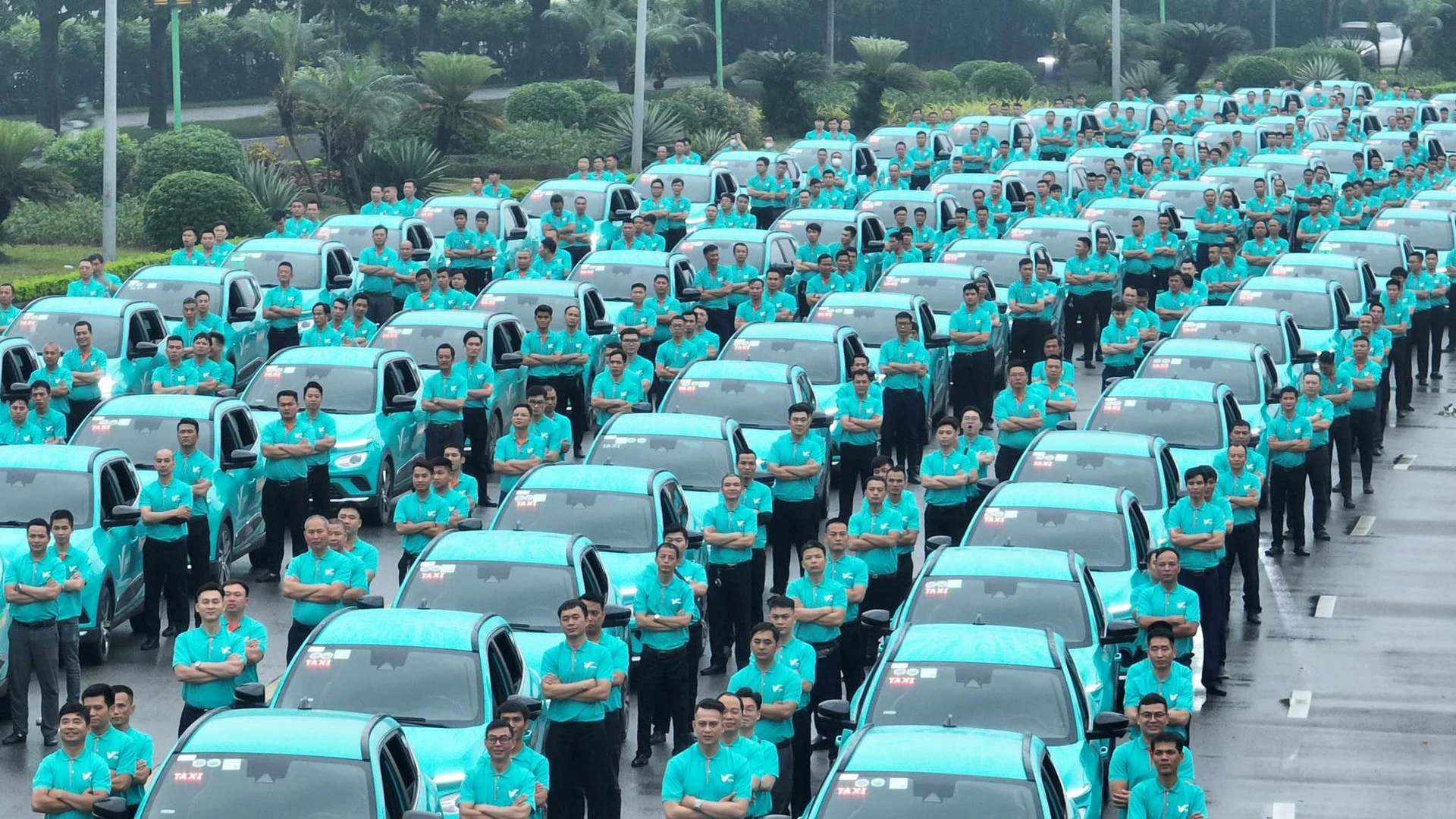
    GSM, an exclusively all-electric taxi company owned by Vietnam’s richest man Pham Nhat Vuong, plans to open services in Laos this year.

    The company, which uses only VinFast electric vehicles, aims to ship 150 electric cars to Laos first, and then increase the number to 1,000 by the end of the year. The cars will be the VF 5 Plus and VF e34 models.

    It will eventually sell and lease VinFast electric cars, similar to its services in Vietnam.

    “This is the first step in GSM’s plan to go overseas, giving it a place in the regional and global markets, is to help introduce electric vehicles to users,” GSM CEO Nguyen Van Thanh wrote on his personal social media page.

    GSM was established in March by Vingroup chairman Pham Nhat Vuong, who owns a 95% stake. It offers taxi and motorbike ride-hailing services.

    The company has partnered with ride-hailing Be Group to incorporate VinFast vehicles in the taxi service.

    GSM is the largest buyer of VinFast cars, according to a report VinFast sent to the U.S. Securities and Exchange Commission in the second quarter.

    GSM had received 7,100 electric cars from VinFast by the end of the second quarter. It had earlier signed a deal with VinFast to buy 200,000 electric bikes and 30,000 electric cars.