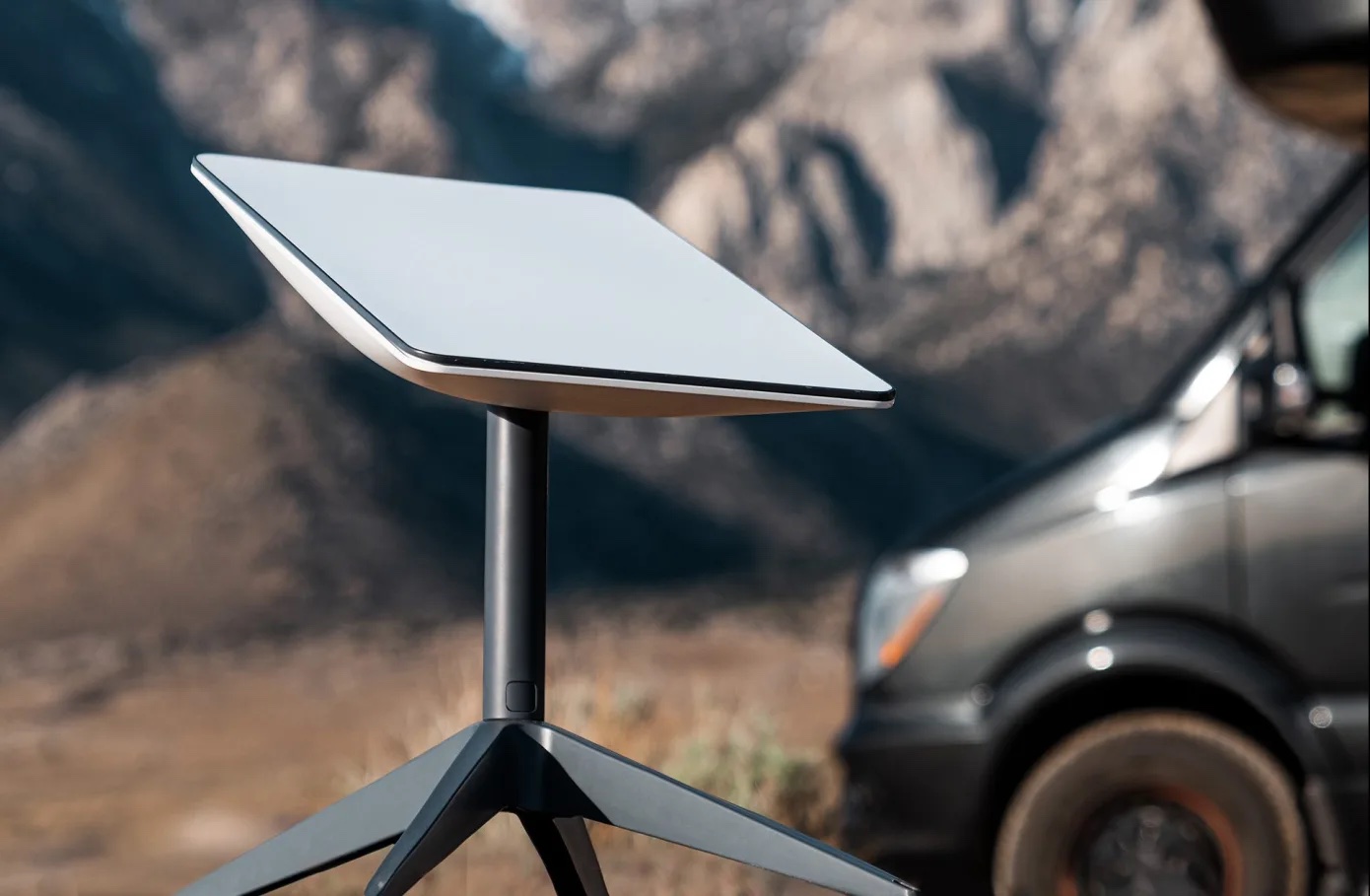
KDDI announced it will begin offering Starlink connectivity to its enterprise and civil government customers later this year as part of a deal recently completed.
Starlink began offering service two years ago, and this summer it introduced its maritime service, which provides high-speed, low-latency internet while at sea.
Under the agreement, the Japanese telecom giant will act as “authorized Starlink integrator,” enhancing the company’s ability to deliver best-in-class network service to its customers who require stable, reliable connectivity in rural and remote areas, even during events such as natural disasters.
KDDI has been conducting technical demonstrations of Starlink in Japan since 2021, which have proven the service’s quality and performance, including for use in mobile backhaul.
“Starlink’s unmatched performance is a great fit for our persistent endeavor to bring the urban mobile experience to rural customers,” said Makoto Takahashi, president of KDDI. “With Japan having more than 16,000 mountains and 6,000 islands, Starlink’s industry-leading satellite constellation is uniquely suited to provide Japanese enterprises with reliable, sustainable internet connectivity, even in times of natural disaster.”
“We’re excited to provide a new dimension of connectivity to KDDI’s customers that require reliable, high-speed, low-latency internet on land and at sea,” said SpaceX Vice President of Starlink Sales, Jonathan Hofeller. “Having recently launched Starlink in the country, we look forward to offering a powerful solution that we’ve seen provide critical connectivity in the over 40 countries Starlink is available in.”
British automaker McLaren opened its first official Vietnamese showroom in HCMC on Thursday. The McLaren HCM reseller, located at the Deutsches Haus building in HCMC’s District 1, is invested and run by S&S Group. With an authorized reseller in Vietnam, McLaren said it would deliver the newest supercars for the Vietnamese elite class.
At the opening ceremony for the showroom, Charlotte Dickson, head of Asia Pacific at McLaren, said Vietnam is the firm’s 41st market.
Nguyen Thuy Huong, co-founder of S&S, said HCMC was chosen as the location for McLaren’s first showroom as it is deemed an ideal destination with much potential for brand development.
Through its authorized reseller, McLaren is expected to introduce to the Vietnamese market with several types of supercars, including the 765LT. Besides the showroom, S&S Group would also provide car repair and maintenance services.
McLaren, founded in 2010, is a subsidiary owned by the wider McLaren Group. Its headquarters and manual assembly plant are in Woking, Surrey County, England.
Besides the main product of supercars, the company also makes sports cars with more affordable price tags.
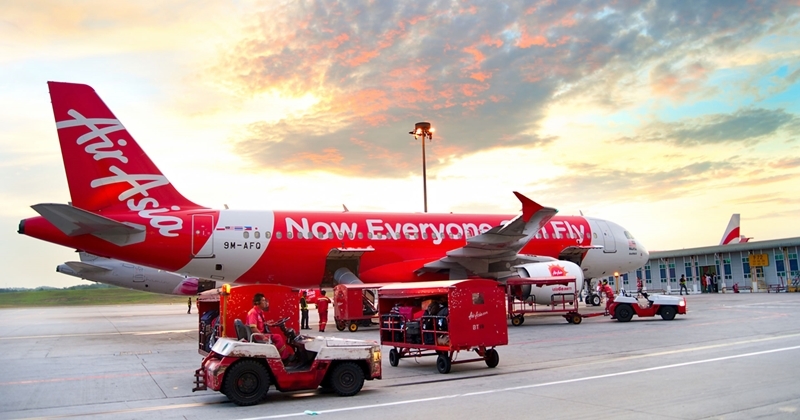
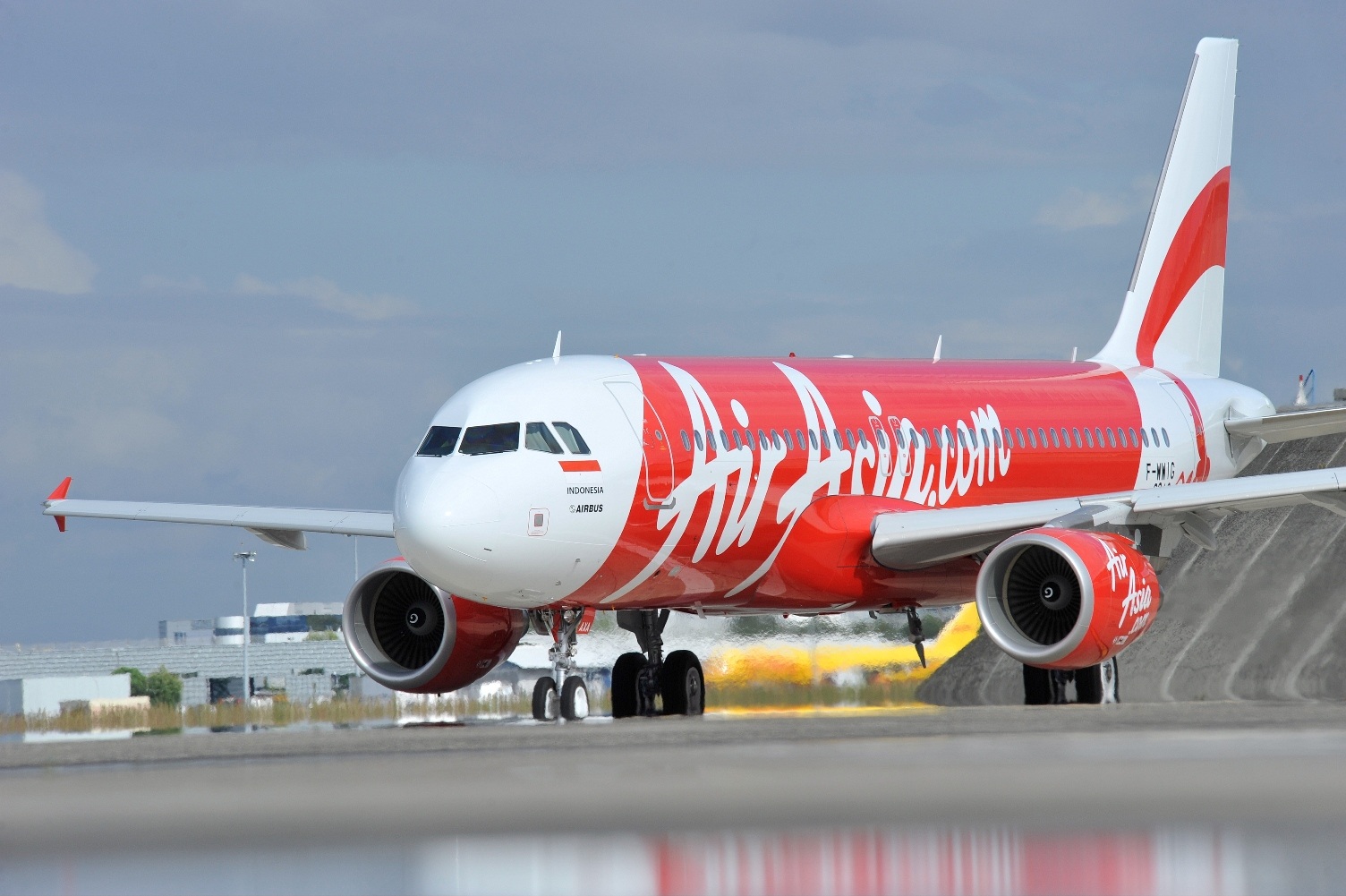
Thai AirAsia has unveiled plans to launch flights from Don Mueang (DMK) Airport in Bangkok to Dhaka, the capital of Bangladesh, as well as to the city of Lucknow in northern India.
The airline will operate four flights per week to Dhaka commencing 24 November, and thrice weekly to Lucknow from 4 December 2022.
Promotional fares for the Don Mueang-Dhaka flights start from 3,590 THB per trip for AirAsia members, while the Don Mueang-Lucknow flights are available from 3,290 THB per trip. The special fares can be booked up to 16 October 2022 for travel between Don Mueang-Dhaka from 24 November 2022 and 25 March 2023, and Don Mueang-Lucknow from 4 December 2022 to 25 March 2022, via the airasia Super App.
“The travel appetite has improved since COVID19 restrictions were relaxed. The South Asian markets have grown rapidly in the recent period and AirAsia now operates six routes to the region, flying Don Mueang to Kolkata, Kochi, Jaipur, Bangalore and Chennai in India and to Maldives. All of the routes have been well received, especially by Indian travelers who have been connecting across Thailand.
Data from the Tourism Authority of Thailand show the fast growing number of tourists from India and South Asia have so far visited Thailand this year and the inflow is expected to continue into 2023,” said Santisuk Klongchaiya, Chief Executive Officer of AirAsia Thailand. “Dhaka and Lucknow are new and exciting destinations AirAsia will be flying direct to for the first time with these additions. On top of attracting tourists to Thailand, the unique and magnificent architecture of these two cities should make them another popular aspiration for avid Thai travelers looking for a once-in-a-lifetime experience.”
Coffee may be a major casualty of a hotter planet. Even if currently declared commitments to reduce emissions are met, our new research suggests coffee production will still rapidly decline in countries accounting for 75% of the world’s Arabica coffee supply.
Arabica coffee is one of two main plant species we harvest coffee beans from. The plant evolved in the high-altitude tropics of Ethiopia, and is hypersensitive to changes in the climate.
Our research shows there are global warming thresholds beyond which Arabica coffee production plummets. This isn’t just bad news for coffee lovers – coffee is a multi-billion dollar industry supporting millions of farmers, most in developing countries.
If we manage to keep global warming below 2℃ this century, then producers responsible for most global Arabica supply will have more time to adapt. If we don’t, we could see crashes in Arabica productivity, interruptions to supply, and price hikes on our daily cup.
Most of our Arabica is grown in the tropics, throughout Latin America, Central and East Africa and parts of Asia. Brazil, Colombia and Ethiopia are the world’s top three producers of Arabica, and the crop has crucial social and economic importance elsewhere, too.
Millions of farmers, mostly in the developing world, depend on productive Arabica for their livelihood. If coffee productivity declines, the economic consequences for farmers, some of which do not earn a living income as it is, are dire.
Arabica coffee is typically most productive in cool high elevation tropical areas with a local annual temperature of 18-23℃. Higher temperatures and drier conditions invariably lead to declines in yield.
Last year, for example, one of the worst droughts in Brazil’s history saw coffee production there drop by around one-third, with global coffee prices spiking as a result.
Previous research has focused on how changes in temperature and rainfall affect coffee yields. While important, temperature and rainfall aren’t the best indicators of global Arabica coffee productivity. Instead, we found that it’s more effective to measure how dry and hot the air is, which we can do using “Vapour Pressure Deficit”.
Vapour pressure deficit tells us how much water gets sucked out of a plant. Think of when you walk outside on a hot, dry day and your lips dry and crack – the moisture is being sucked out of you because outside, the vapour pressure deficit is high. It’s the same for plants.
We built scientific models based on climate data that was linked to decades of coffee productivity data across the most important Arabica producing countries. We found once vapour pressure deficit gets to a critical point, then Arabica coffee yields fall sharply.
This critical point, we found, is 0.82 kilopascals (a unit of pressure, calculated from temperature and humidity). After this point, Arabica yields start falling fast – a loss of around 400 kilograms per hectare, which is 50% lower than the long-term global average.
Vapour pressure deficit thresholds have already been exceeded in Kenya, Mexico and Tanzania.
Unabated global warming will see the world’s coffee producing powerhouses at risk. If global warming temperatures increase from 2℃ to 3℃, then Peru, Honduras, Venezuela, Ethiopia, Nicaragua, Colombia and Brazil – together accounting for 81% of global supply – are much more likely to pass the vapour pressure deficit threshold.
While there are ways farmers and the coffee industry can adapt, the viability of applying these on a global scale is highly uncertain.
For example, irrigating coffee crops could be an option, but this costs money – money many coffee farmers in developing countries don’t have. What’s more, it may not always be effective as high vapour pressure deficits can still inflict damage, even in well-watered conditions.
Another option could be switching to other coffee species. But again, this is fraught. For example, robusta coffee (Coffea canephora) – the other main species of production coffee – is also sensitive to temperature rises. Others, such as Coffea stenophylla and Coffea liberica could be tested, but their production viability at large scales under climate change is unknown.
There is only so much adapting we can do. Our research provides further impetus, if we needed any, to cut net global greenhouse gas emissions.
Limiting global warming in accordance with the Paris Agreement is our best option to ensure we can all keep enjoying coffee. More importantly, keeping global warming below 2℃ is the best way to ensure the millions of vulnerable farmers who grow coffee globally have a livelihood that supports them and their families well into the future.
By scaling back its exposure to assets like commercial paper, the company improves its credibility.
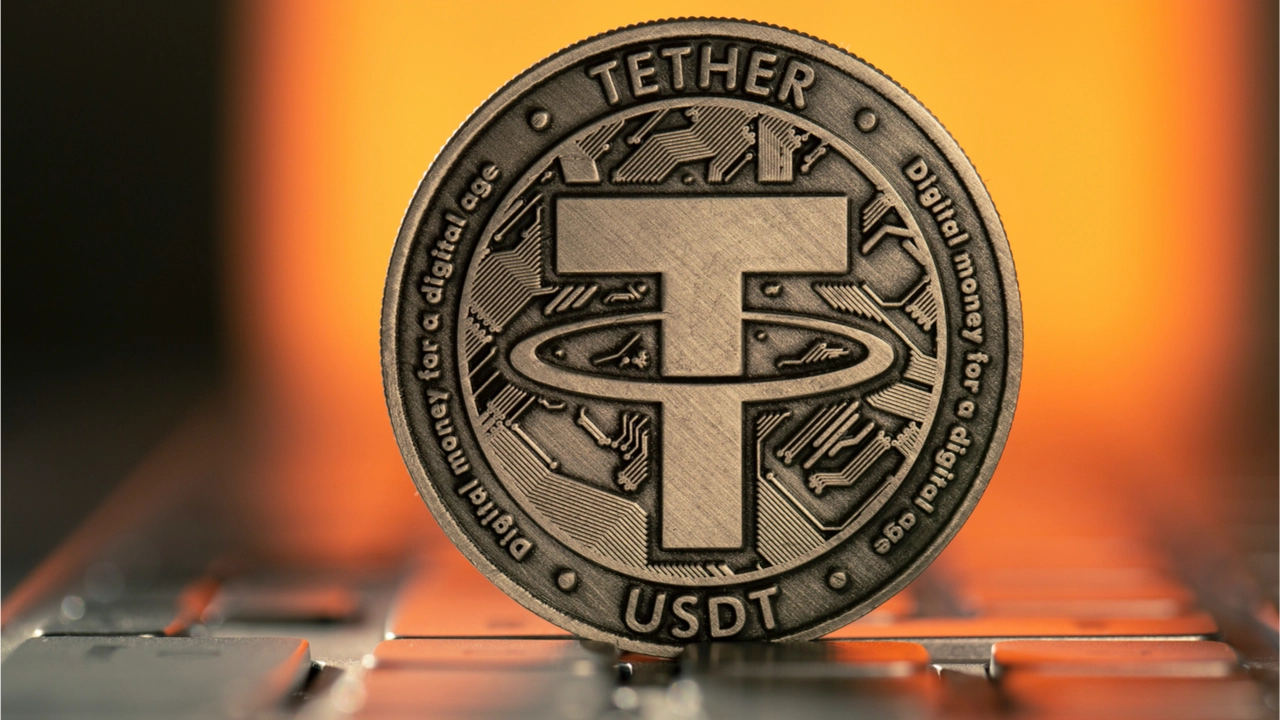
The controversial Tether Holdings completely removed the commercial paper from its reserves. The world’s largest stablecoin issuer reported in a blog post that it has replaced those positions with US government bonds, the majority of its reserves now consisting of Treasury bills, according to the company.
The stablecoin issuer has long been embroiled in controversy over the status of the reserves used to back the supply of the stablecoin USDT, of which Tether is the issuer. issues. The world’s most traded cryptocurrency has been repeatedly criticized by regulators for not making it clear enough how the reserves backing stablecoin are composed.
Commercial paper is unsecured, short-term debt issued by a company and is considered less secure and liquid than Treasury bills. Tether previously announced plans to reduce these holdings and has been doing so gradually this year.
Unlike commercial paper, T-bills are short-term government debt instruments. According to the largest US bank, JP Morgan, Tether and its stablecoin competitors’ share of the T-bill market exceeds that of Warren Buffett’s Berkshire Hathaway holding company.
According to the blog post, Tether believes removing commercial paper from its reserves will boost confidence in the stablecoin industry. The TerraUSD stablecoin price debacle and the collapse of the Terra Luna ecosystem have taken a second toll on confidence in cryptocurrencies this year.
Singtel has announced the deployment of Singapore’s greenest radio cell, the Ericsson AIR 3268, to its 5G network. This is part of Singtel’s ongoing sustainability and decarbonization measures towards achieving net-zero emissions by 2050 and paves the way for more such radio cells to be deployed across the country to augment its nationwide 5G coverage.
The AIR 3268 radio is expected to save up to 18% more energy and weigh approximately 40% less than earlier generations of 5G radios. At just 12kg, its proportions simplify upgrades and make new site acquisitions and installations easy on towers, rooftops, poles and walls – even in challenging locations. It also makes a 5G site 76% lighter than a 4G site that typically requires multiple radios while providing the same network capacity. This further reduces Singtel’s overall 5G network energy consumption, up to 58% lower than 4G today.
The AIR 3268 is designed to provide real-time channel estimation and ultra-precise beamforming – or elimination of undesirable noise interference – to accelerate 5G mid-band spectrum deployment and boost capacity, coverage and connectivity speeds, thus enhancing mobile experiences for customers.
Anna Yip, chief executive officer, Consumer Singapore, Singtel, said, “We are always looking for ways to deliver Singapore’s greenest 5G network while further reducing our carbon footprint. By integrating energy-efficient technologies into our operations and infrastructure, we aim to build a better, more sustainable future as we continue to deliver the best network performance and user experience to consumers and enterprises through our 5G solutions and services. With an optimized network, even end-users will be able to conserve energy on their mobile devices, making them part of the movement of building a better future together.”
Martin Wiktorin, head of Ericsson Singapore and Philippines, noted, “Sustainability and energy efficiency are a priority for us at Ericsson. Deploying our energy-efficient AIR 3268 radio as part of Singtel’s 5G network is a significant step in our larger sustainability plan, which is focused on breaking the energy curve by activating energy-saving software, building 5G with precision and operating the site infrastructure intelligently. This will serve to manage mobile traffic growth while reducing energy consumption.”
Deployment Simplicity and Improved Energy Efficiency
Singtel 5G is a greener technology with higher data transfer rates compared to any previous wireless technology generation, working on a wide spectrum of 100 MHz, which provides cell capacity comparable to four Singtel 4G bands combined.
The deployment of the AIR 3268, the lightest and smallest Massive MIMO (multiple-input and multiple-output) in the industry, is another step in Singtel’s energy-saving improvements as it explores smart and sustainable mobile technologies that optimize power and energy utilization in its operations.
The Finance Ministry said online platforms including Facebook and Google have paid VND5.59 trillion (US$231.6 million) in taxes from 2018 to August this year.
In a report sent to the National Assembly, the ministry said the tax was paid by cross-border and e-commerce platforms, with Facebook and Google contributing the most, at VND2.099 trillion and VND2.115 trillion, respectively.
They were followed by Microsoft with VND714 billion.
Last year’s collection of VND1.591 trillion was 39% more than in 2020.
From the beginning of 2018 until the end of this August, tax authorities collected VND1.082 trillion in taxes from organizations and individuals earning income from doing business online, including VND261 billion collected last year and almost VND521 billion in the first eight months of this year.
The ministry launched an electronic portal and a mobile application (eTax Mobile) in March for foreign suppliers to declare, register and pay taxes.
So far, there have been nearly 70,000 transactions made through the portal and app, with more than VND308 billion of tax collected.
Of this, $22.2 million was paid by 30 major foreign suppliers including Microsoft, Facebook, Netflix, Samsung, TikTok and eBay.
In order to manage and avoid tax revenue losses in the digital platform business, the finance ministry is working to complete relevant legislation.
At the end of August, the ministry submitted amendments to Decree 126 issued in 2020, stipulating that e-commerce platforms have to provide information, declare and paying taxes on behalf of sellers.
The ministry also proposed amending a number of special regulations to ensure a consistent legal basis for the management of e-commerce platforms.
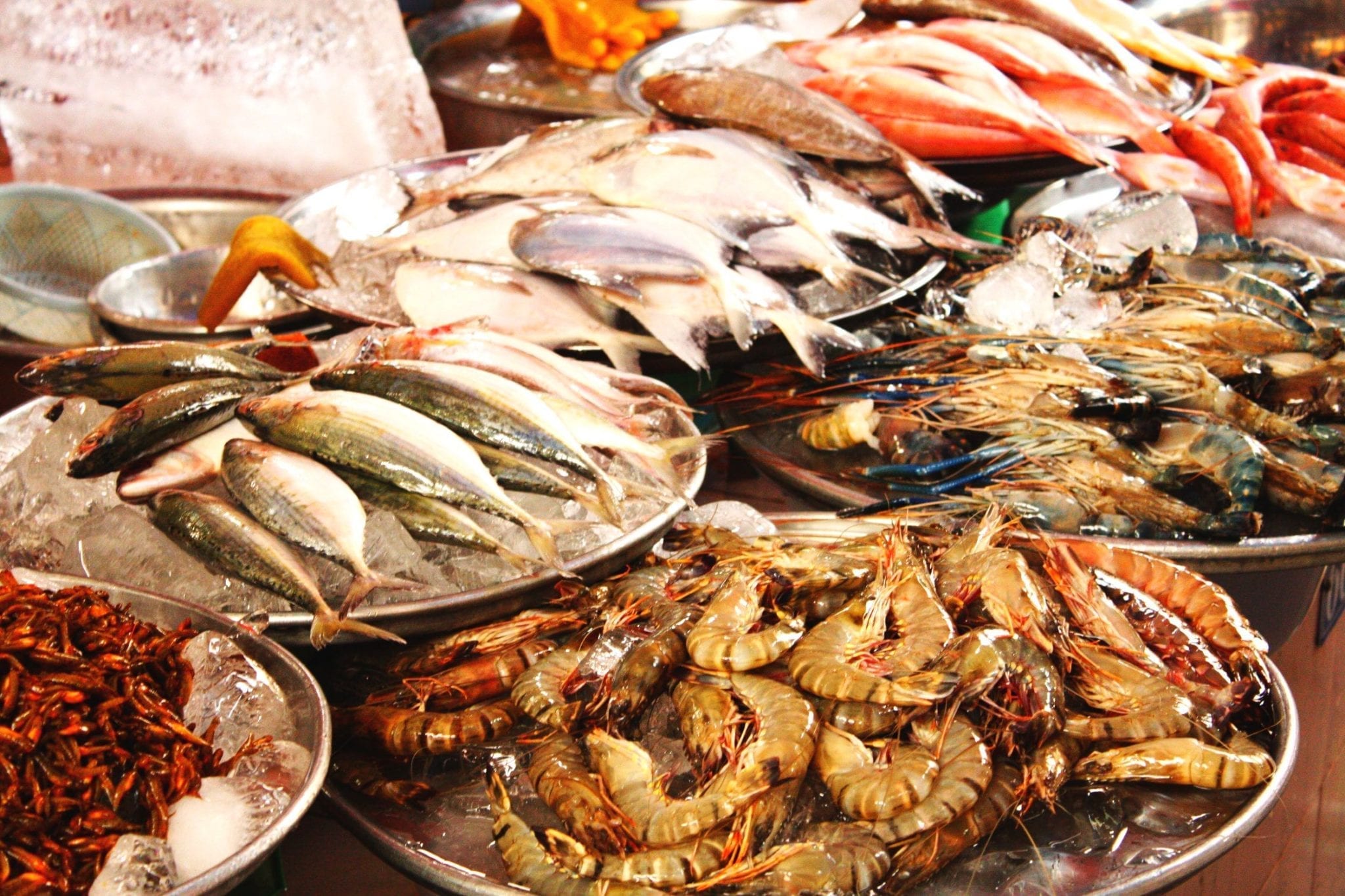
Vietnam’s tra fish exports to Southeast Asia exceeded US$152 million in the first nine months of this year, a year-on-year increase of over 83%.
Higher transport costs due to rising fuel prices caused exporters to opt for closer destinations, the Vietnam Association of Seafood Exporters and Producers (VASEP) said, adding that Thailand, Singapore, Malaysia, and the Philippines are the biggest markets for Vietnamese tra fish among the ASEAN nations.
Shipments to Thailand, Singapore, Malaysia, and the Philippines increased by 81%, 56%, 114%, and 92%.
Exports to Laos, Cambodia, Myanmar, and Indonesia rose by two to four times.
ASEAN countries would import more tra fish and become fish and become than the EU soon, VASEP predicted.
Overall tra fish exports were worth nearly US$1.97 billion in the first nine months, up 83.3%, according to the General Department of Vietnam Customs.
Its biggest markets were the U.S., China and the EU.
Vietnamese spent millions of dollars buying iPhone 14 smartphones when it was launched on Oct. 14.
The manager of an electronic retail store estimated more than 55,000 phones, mostly the most expensive version, Pro Max, were sold. “The total revenues were over VND1.5 trillion (US$63.8 million).”
Many distributors reported record sales. FPT Shop sold 5,000 iPhone 14s right in the early morning on Oct. 14, and a total of over 14,000 worth VND400 billion ($17 million) during the day. It has yet to deliver to over 5,000 buyers.
The Gioi Di Dong said it has delivered some 12,000 phones, mainly iPhone 14 Pro Max 128 GB and 256 GB to pre-ordered customers. Many other distributors and e-commerce platforms also reported sales of hundreds of billions of dong. Of the four versions of the phone, Pro Max accounted for some 80% of sales.
Business insiders said the current shortage of Pro and 14 Pro Max versions would continue at least until the end of October. The Gioi Di Dong has to deliver over 20,000 phones yet, and others also have thousands of unfulfilled pre-orders. People looking to buy the Pro Max have to place pre-orders and wait until November for delivery.
But the two least expensive variants, iPhone 14 and iPhone 14 Plus, are available at most stores.
Retailers required iPhone 14 buyers to unseal and activate the phone right at the shop to prevent them from reselling at higher prices. However, many iPhone 14 Pros were indeed resold at VND1-2 million higher than the official price, and Pro Maxs at a VND4 million premium.
According to statistics released by the Ministry of Industry and Trade, Vietnam spent over US$1.2 billion importing iPhones last year.
Tesla sold 83,135 China-made vehicles wholesale in September 2022, smashing its record of monthly sales in China, the China Passenger Car Association reported. The number marks an 8 per cent increase from August 2022 and outpaced more than the 5 per cent month-over-month growth of all wholesale electric vehicle sales in China, according to CPCA data. It set a record for Tesla’s Shanghai factory since production began in December 2019, and topped the prior sales record of 78,906 in June, as the U.S. carmaker continues to invest in China production.
Globally, Tesla, last week said it delivered 343,830 electric vehicles in the third quarter, a record for the world’s most valuable automaker, but less than the 359,162 analysts on average had expected, according to Refinitiv. Tesla quickened its China deliveries after suspending most production at the Shanghai plant in July for an upgrade, which aimed to bring the factory’s weekly output to around 22,000 units compared with levels of around 17,000 in June, Reuters previously reported.
The plant, which manufactures Model 3s and Model Ys, reopened on April 19, 2022, after a COVID lockdown, but only resumed full production in mid-June. Production accelerated despite heatwaves and COVID curbs that hit its suppliers in the southwest region of the country.
China’s BYD continued to lead the domestic EV market with 200,973 wholesale sales in September, a nearly 15 per cent jump from August, as CPCA said higher oil prices and government subsidies continue to encourage more consumers to choose electric vehicles.
Ikano Retail has recorded its highest turnover yet for the financial year to August 31, reaching US$1 billion across the five markets in which it operates Ikea stores – Malaysia, Singapore, Thailand, the Philippines and Mexico, equivalent to 41.2 per cent year-on-year growth.
The increased sales were driven by the return of visitors to physical stores after two years of Covid-19 disruptions. CEO of Ikano Retail, Christian Roejkjaer, said there were 113 million visits to the group’s stores and shopping centres.
In Malaysia, where the group operates four shopping centres, the company recorded $361.8 million in sales. Meanwhile, in the Philippines, where earlier this year it opened the world’s largest Ikea store in Pasay City, turnover reached $113.6 million.
Sales in Singapore and Thailand reached $255.4 million and $276.6 million respectively.
“Our shelves were not fully stocked as we would have liked it and our costs went way up,” said Roejkjaer. “Still, we are leading our markets for affordable, quality home furnishing solutions – and our customers appreciate that.’’
The retailer is also accelerating its expansion plan after the easing of Covid-19 restrictions, planning to open its first compact city-centre concept store in Thailand later this year at The Emsphere, along with its third Mexico store.
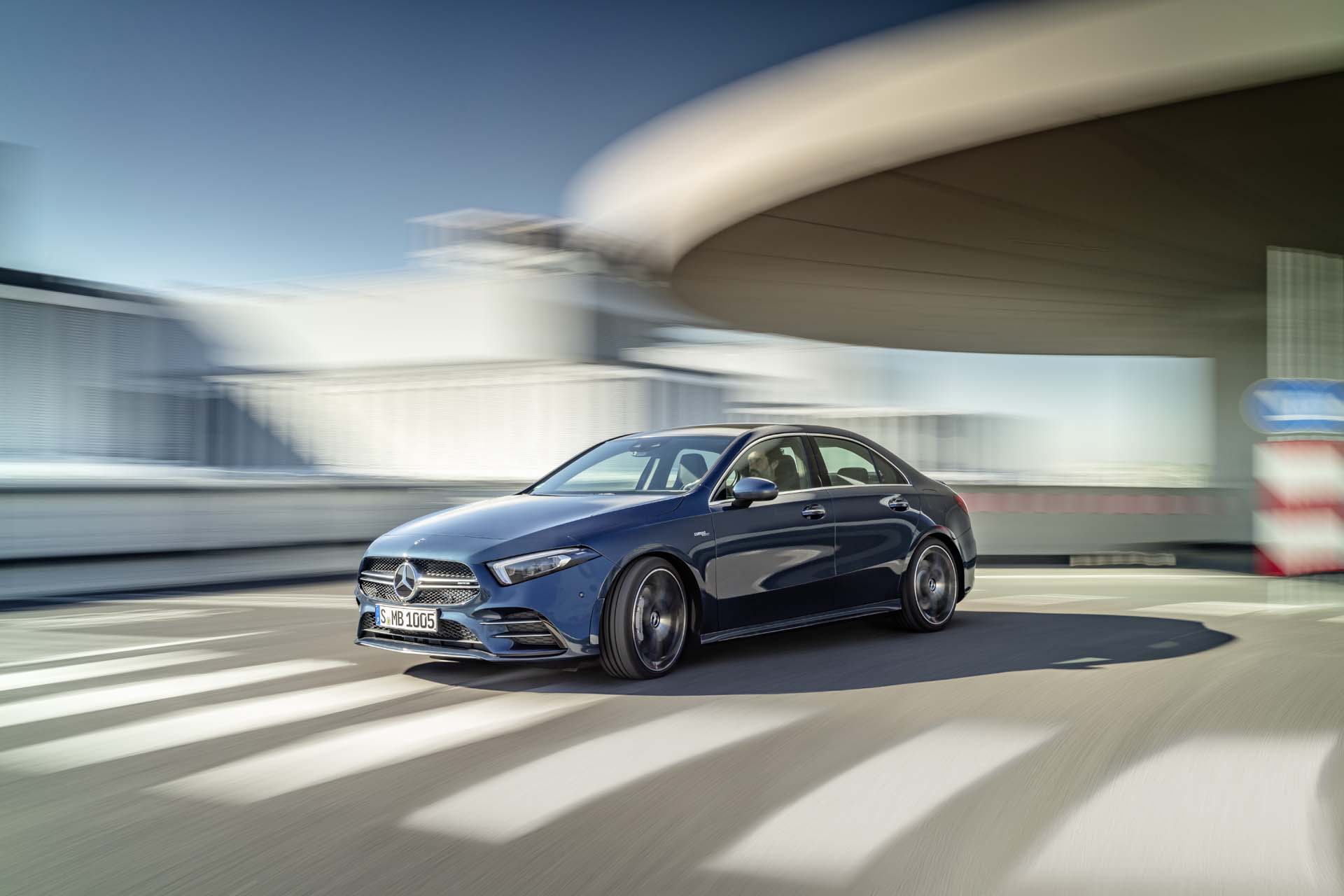
Hang Xanh Motors Service Joint Stock Company, a major Mercedes-Benz car dealer, reported pre-tax profits of more than VND240 billion (US$10 million) in the first nine months, exceeding its full-year target.
Consolidated revenues were up 50 percent year-on-year at VND5.17 trillion. In the third quarter they rose 2.7 times to VND2 trillion ($83.1 million).
Haxaco’s short-term debts increased by more than 60% to VND563 billion, while long-term debts, mainly in the form of convertible bonds, were around VND180 billion.
Vietnam has three authorized Mercedes-Benz dealers, Andu and Vietnam Star being the others, and Haxaco has the largest market share.
It has five sales agents in Ho Chi Minh City, Hanoi and Can Tho.
FedEx Express, a subsidiary of FedEx Corp., has announced it is establishing a direct commercial presence in Cambodia, to meet the country’s growing international shipping demands.
With a direct presence in the country, businesses in Cambodia gain greater access to a wider portfolio of FedEx shipping solutions, while the local service provider continues to provide the local infrastructure for ground operations. Local customers will have access to a range of FedEx digital tools that makes shipping easier and more efficient through the FedEx website. This includes opening a new account, tracking shipment status in real time, creating shipping air waybills, scheduling courier pickups, and managing billing. Additionally, FedEx will now have dedicated Sales and Customer Service team members on ground to interact and provide enhanced logistics expertise to help local businesses grow their cross-border trade.
Economic recovery in Cambodia is gathering speed with exports up 20% over the same period last year, reaching USD $27 billion during the first half of 2022.
“FedEx continues to enhance its presence and services in emerging Southeast Asia markets like Cambodia to support the growth of small and medium sized enterprises (SMEs). Southeast Asia is one of the world’s fastest growing regions and its young and increasingly urbanized population is estimated to grow by 140 million new consumers by 2030,” said Kawal Preet, president of the Asia Pacific, Middle East, and Africa, FedEx Express. “Many of Cambodia’s biggest trading partners are located beyond the Asia region, in North America and Europe3 making a network like ours essential to provide greater access to international markets. As Cambodia’s stature in global trade continues to grow, its businesses need a more comprehensive range of services to help fuel the local economy.”
“Expanding our direct presence in Cambodia enables us to be closer to our customers and deliver greater support for their international shipping needs. With a dedicated FedEx support team offering logistics expertise and access to an extended portfolio of time-definite international shipping services, we’re making shipping easier for Cambodian customers as they look to export to more international markets,” said Hardy Diec, managing director, FedEx Express Indochina.
FedEx has been facilitating trade in Cambodia since 1994, offering international shipping solutions and connectivity through local service provider TSP Express. FedEx supports Cambodia’s coordinated efforts outlined in its Industrial Development Policy 2015 – 2025 to build an efficient transportation network to drive the country’s future economic growth. The FedEx direct presence in the country will help local businesses trade with ease and expand their reach to over 220 countries and territories that FedEx serves.
AirAsia has enhanced its facial recognition system, FACES, by integrating it with Malaysia Airports EZPaz technology at Kuala Lumpur International Airport (KLIA2), offering an end-to-end contactless journey for passengers.
FACES is now available across key customer touchpoints including mobile enrolment, check-in counter, pre-security check and boarding, for select domestic travel in the start-up phase. Passengers who have enrolled for FACES via the airasia Super App can now travel seamlessly from arrival at the airport, departure gate to the flight, without having to present their boarding pass after self-check-in.
In addition to making the journey through the airport more seamless with contactless document checks and significantly less queuing time, FACES also increases operational efficiencies, safety and security for the airline.
AirAsia Malaysia, CEO, Riad Asmat, who will be speaking at the upcoming FTE APEX Asia Expo in Singapore on 9-10 November, commented: “As we are back painting the skies red, it is more important than ever for AirAsia to be focusing on implementing digital innovations that take the hassle out of air travel, providing a more seamless and efficient customer experience. It is also an opportune time for our facial recognition system to take centre stage following the government’s recent announcement of face masks no longer mandatory at public places and in flight.
“As a digital and contactless procedure, which includes online check-in anywhere, anytime in the world with a click of a button, FACES is a definitive game-changer and a revolutionary enhancement to help restore confidence in air travel. From today, the new technology is available on selected flights from our main hub in klia2 as a start, and there are myriad of opportunities for us to expand FACES at other touchpoints such as self bag drop at the airport, payment features on our airasia Super App and many others across our airline and digital businesses.
“Delivering the best value, choice and innovation has always been in our DNA and we are thrilled to join forces with Malaysia Airports to make the airport future-ready at a time where demand for air travel is rapidly returning to pre-pandemic levels. We look forward to deploying our contactless FACES technologies in every airport we operate to in the near future to make flying more convenient, efficient and seamless than ever before.”
Enrolment for FACES can be done on the airasia Super App with a passport or a National identification card and a one-time verification process at dedicated airport counters W15 and W16 at KLIA2. Alternatively, guests can also enrol for FACES at the same counters.
Brace yourselves – ads are coming…to Netflix. The streaming platform has formally bid farewell to its ‘no ads’ policy and announced today its first ad-supported plan in an official blogpost.
The ‘Basic with Ads’ (as if Netflix could have devised a more unappealing name) plan will cost US users just $6.99 per month, a full $3 less than the current entry-level option, and will be available in the beginning of November.
According to Netflix, the ‘Basic with Ads’ plan will bring the best of what Netflix has to offer, at a much lower price tag. Naturally, however, there are a number of caveats.
As indicated by the name, users will have to stomach a barrage of ads both before and during their favorite Netflix titles. The ads are going to be between 15 and 30 seconds in length, with an average total ad time of about 4-5 minutes per hour.
For reference, this means that users could be forced to watch up to 20 ads in the span of a single episode of a TV show.
However, this is not the only downside of Netflix’s new subscription plan. Because of legal reasons, a number of titles will not be available at launch and users will not have the option to watch any content offline.
In a nutshell, you will be getting a decidedly less pleasant viewing experience, a smaller library to choose from and the detriment of always having to rely on a stable network connection. Quite a steep price to pay in order to save $3.
At the very least, the video quality will remain in line with what users would find on the standard Netflix ‘Basic’ plan (i.e. up to 720p or HD). Lastly, the new subscription tier will not affect existing plans.
The ‘Basic with Ads’ plan will launch on November 3 at 9 am PT and will be available in 12 countries.