Author: Mei Ling Tan

  • WinMart Vietnam parent plans 720 new stores by Christmas

    WinMart Vietnam parent plans 720 new stores by Christmas

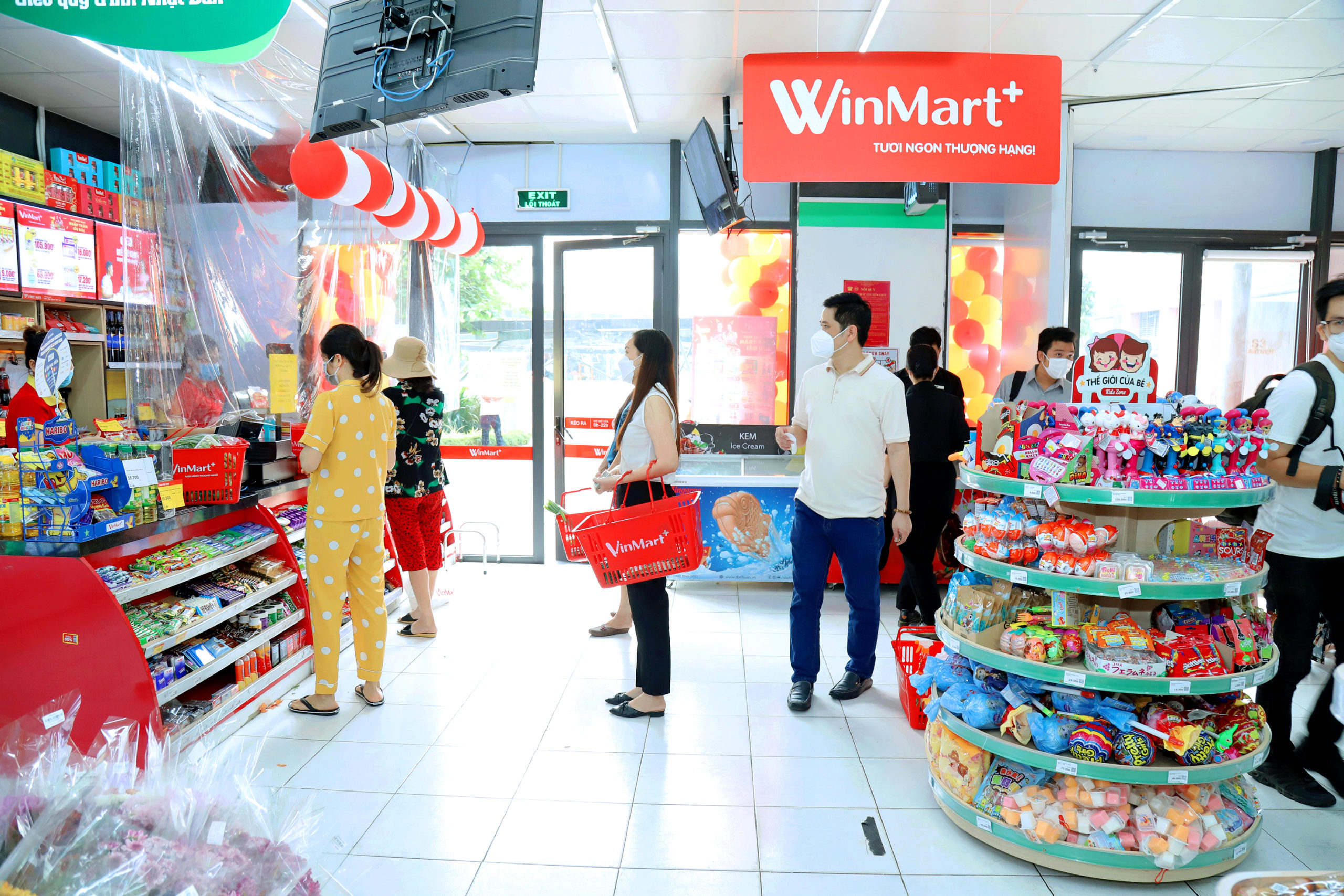
    Vietnamese supermarket and minimart operator, WinCommerce, says it will boost its WinMart store network by 720 more stores this year.

    The plan includes 700 new WinMart+ stores – a hybrid minimart or convenience store format – and more than 20 WinMart supermarkets and hypermarkets. Deputy GM of operations at WinMart+, Nguyen Van Quy, told local media the company is on track with its expansion plan with more than 300 new stores opened already this year.

    With the retail market now in a post-Covid era, the Masan Group-owned retailer is also shifting its focus on developing a multi-utility business model and franchised stores, which it expects to become a retail trend in the near future.

    The company said it will work closely with local suppliers and producers to create a closed-loop supply chain and provide goods to customers quickly and affordably.

  • Nestle launches Milo flavoured KitKat

    Nestle launches Milo flavoured KitKat

    It’s official, the KitKat team is launching its biggest collaboration ever with the NEW KitKat packed with MILO – an iconic pairing bringing KitKat and MILO together for the ultimate Aussie break.

    Set to satisfy all chocolate-lovers, KitKat packed with MILO combines the classic crisp wafer and smooth milk chocolate Australians know and love, with a delicious MILO choc-malt fudge filling. The new range will be available in three mouth-watering formats for your break – block, bar and chunky – each boasting a memorable MILO flavour.

    Nestlé Head of Marketing (Confectionery), Joyce Tan said: “We’re beyond thrilled and proud to announce KitKat’s biggest ever collaboration with KitKat packed with MILO.”

    “We know KitKat lovers are passionate about how they eat their KitKat and similarly, MILO fans have unique ways of enjoying their hot or cold MILO. So now, we can’t wait to see how Aussies enjoy their KitKat packed with MILO!”

    KitKat packed with MILO is available from late July available in three formats: KitKat packed with MILO Block (170g, RRP $5.00), KitKat packed with MILO Bar (45g, RRP $2.00) and KitKat Chunky packed with MILO (47g, RRP $2.00. You can also pre-order now at www.kitkat.com.au/milo

  • Slendier unveils Instant Soybean Noodles range

    Slendier unveils Instant Soybean Noodles range

    Health-food company Slendier has launched Instant Noodles made from soybean and “authentic” seasoning.

    Available online and in Woolworths (RRP $5.25), the low-carb, low-calorie, vegan meal alternative is promoted as the “most nutritionally rich” instant noodles on the market. The product is claimed to be free from oils, chemicals and artificial flavours.

    Slendier Managing Director Erica Hughes says the new range has a host of health benefits compared with other instant noodles and is perfect as a guilt-free snack or meal on the run.

    “There’s no denying regular instant noodle products are a quick and easy solution for many Aussies, but they’re often packed with sodium and have little nutritional value,” she says.

    “At Slendier, we identified a gap in the market to offer people the same convenience, without the nasties.

    “Not only are Slendier’s instant noodles great tasting, but the range has twice as much protein, half as much fat and a third less calories when compared to other instant noodles on the supermarket shelves.”

    Slendier’s noodles are available in the flavours of Masala, Tom Yum and (soon-to-be-released) Vegetable Ramen.

    The flavour, according to Slendier, comes from “real” vegetables that have been washed, dried and ground into a fine powder – one that’s low in salt and entirely plant-based.

    “Paired with Slendier’s innovative nonfried soybean noodles,” says the brand, “it requires no cooking and can be ready in just four minutes.”

    BACKED BY A NUTRITIONIST

    Nutritionist Jacqueline Alwill says the product hits the mark for a filling yet healthy food solution.

    “As a nutritionist, I’m always on the lookout for simple, nourishing, convenient alternatives for meals and snacks and Slendier Instant Noodles definitely tick the box,” she says.

    “They’re high in protein, yet lower in calories, carbs and fats than a traditional instant noodle.

    “Using soybean noodles, Slendier Instant Noodles deliver close to 30g protein and 12g fibre per serve, two important macronutrients to support our body’s growth and repair, gut health and of course to help keep appetite at bay.

    “They’re delicious and ready within four minutes – a perfect snack or meal option for anyone wanting to maximise time and of course great nutrition in their day.”

  • Yamaha Dealerships To Be Converted To Blue Square Format By 2025

    Yamaha Dealerships To Be Converted To Blue Square Format By 2025

    India Yamaha Motor is rapidly expanding its Blue Square dealership chain, a new premium dealership which will eventually have all Yamaha products under one roof. Currently, Yamaha offers the Aerox 155 and the R15 V4 MotoGP colour option models exclusively at the Blue Square dealerships. Apart from Yamaha’s motorcycle and scooter range, these Blue Square dealerships also have official Yamaha merchandise, including riding gear, apparel and accessories. ‘Blue Square’ is designed to define the legacy of Yamaha’s role in global motorsports with ‘Blue’ characterising the brand’s racing DNA and ‘Square’ defining an entry into the world of Yamaha, an official statement said.

    Eishin Chihana, Chairman, Yamaha Motor India Group of Companies said, “Through these Blue Square showrooms, we want every customer to attain a sense of belonging to Yamaha’s rich heritage in international motorsports. These premium outlets will enable our customers to interact with the brand, acquire product information, and check out the range of Yamaha accessories and apparels, providing them with a unique buying and ownership experience.”

    In total, the premium Blue Square showroom footprint across India stands at over 70 outlets, with showrooms in Tamil Nadu, Karnataka, West Bengal, Jharkhand, Orissa, Assam, Madhya Pradesh, Telangana, Andhra Pradesh, Maharashtra, Jammu & Kashmir, Chhattisgarh, Bihar, Delhi, and other North-Eastern States. The showrooms also serve as a platform for customers to be a part of Blue Streaks rider community, through which they can engage with fellow Yamaha riders and experience their Yamaha machines together.

  • Tuna exports jump by 56 percent in H1

    Tuna exports jump by 56 percent in H1

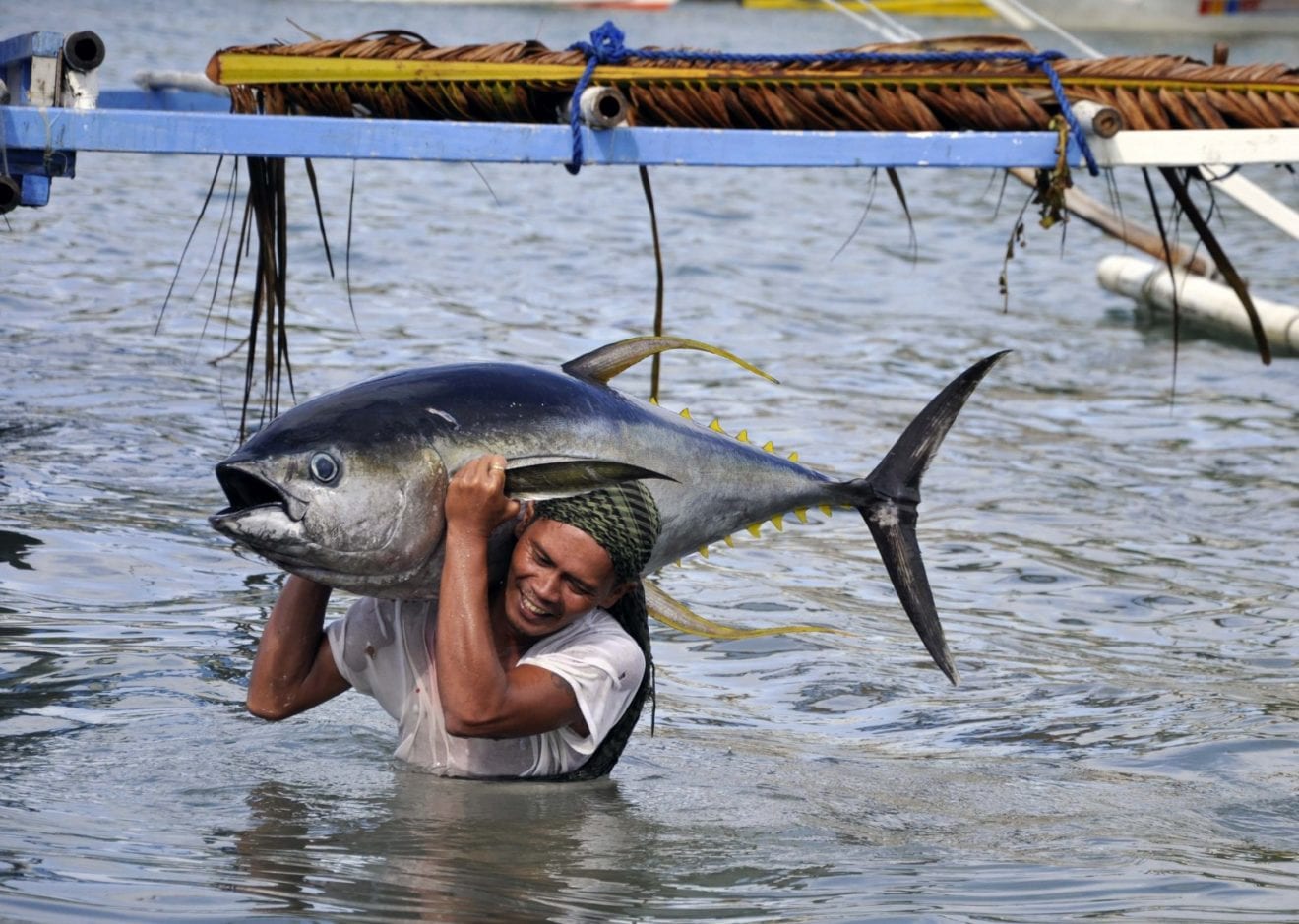
    Tuna exports in the first six months were worth US$553 million, a 56 percent rise year-on-year, according to data from the Vietnam Association of Seafood Exporters and Producers.

    Exports to the U.S. all but doubled thanks to higher demand, especially for canned tuna.

    Exports to members of the Comprehensive and Progressive Agreement for Trans-Pacific Partnership (CPTPP) also rose sharply, especially to Canada (up 68 percent), Japan (up 26 percent) and Mexico (up 30 percent).

    The EU market grew the slowest at 7 percent.

    The association expected high growth for tuna export in the second half of the year, with export rising 45 percent from 2021 to $1.1 billion.

    It warned rising fuel prices, which have kept fishing boats on shore, would affect supply.

  • Gold prices see historic one-day drop

    Gold prices see historic one-day drop

    Vietnam’s gold prices saw one of the deepest daily plunges in their history, going down by VND4 million ($170) a tael Monday.

    The Saigon Jewelry Company (SJC) sold its gold at VND64 million Monday afternoon, down almost 6 percent from the weekend. A tael equals 37.5 grams or 1.2 ounces.

    The gold prices were down on dollar appreciation, with investors selling assets, including gold, to buy the greenback, said chairman Tran Thanh Hai of SJC Phu Tho.

    Strong selling pressure following an announcement by the central bank on looking at the possibility of reducing SJC’s monopoly on gold saw people sell gold bullion and stockpile on gold jewelry.

    Currently, a tael of gold bullion and jewelry in Vietnam costs VND17.5 and VND5 million more than global prices, respectively.

    Hai expected prices to fall further the next few days, tracking drops in the London and Chicago exchanges.

    “Prices may fall below the $1,700 threshold [per ounce],” he added.

    Spot gold rose 0.9 percent to $1,722.88 an ounce by 10:34 a.m. Monday in London. Prices dipped below $1,700 last week for the first time since August. The Bloomberg Dollar Spot Index slipped 0.5 percent after hitting a record last week. Silver, platinum and palladium all advanced.

  • AWS Cloud WAN, New Serverless Analytics Have Universal Access

    AWS Cloud WAN, New Serverless Analytics Have Universal Access

    Amazon Web Services (AWS), the world’s most comprehensive and broadly adopted cloud offering, has announced several services for general availability.

    The AWS Cloud WAN is a new managed wide area network (WAN) service that connects on-premises data centers, colocation facilities, branch offices and cloud resources to simplify operating a global network. Using a central management dashboard built into AWS Cloud WAN, customers can define their network configuration, view the health of their global network and automate routine configuration and security tasks.As a result, enterprises can now use AWS Cloud WAN to simplify the way they build, manage and monitor their networks using a single dashboard with minimal complexity.

    With just a few clicks, teams can quickly and easily apply a policy that requires network traffic from branch offices to be routed through a specific network firewall before reaching cloud resources running in an AWS Region. AWS Cloud WAN also integrates with leading SD-WAN, network appliances and independent software vendors to make it easier for customers to connect their on-premises SD-WAN devices to AWS.

    David Brown, Vice President of Amazon EC2 at AWS said, “As the edge of the cloud continues to be pushed outward, and more customers move their applications to AWS to become more agile, reduce complexity and save money, they need an easier way to evolve their networks to support a modern, distributed model that allows them to reach their customers and end users globally with high performance.”

    Additionally, with the new serverless offerings for Amazon EMR, Amazon MSK and Amazon Redshift, AWS offers the broadest set of serverless analytics capabilities in the cloud, making it even easier for customers to lower costs, expand analytics to more users and maximize their data’s value.

    • Enabling customers to run big data applications and petabyte-scale data analytics faster, Amazon EMR Serverless lets customers specify the framework they want to run and automatically provisions, manages and scales the necessary computation and memory resources as workload demands change.
    • Analyzing real-time data streams from IoT devices, website clickstreams, database logs and many other sources, Amazon MSK Serverless provisions, manages and scales clusters automatically, so customers no longer have to worry about capacity planning or unpredictable streaming workloads.
    • Collectively processing more than two exabytes of data with Amazon Redshift every day, Amazon Redshift Serverless now makes it even easier to get insights from data quickly without the need to manage data warehouse infrastructure.

    Other serverless analytics offerings from AWS include Amazon QuickSight for business intelligence and AWS Glue for data integration.

    Swami Sivasubramanian, Vice President of Database, Analytics and Machine Learning at AWS noted, “With these new serverless options, customers can run even the most variable and intermittent analytics workloads and expand the use of analytics throughout their organizations without worrying about provisioning or scaling capacity—or incurring excess cost.”

  • HSBC Accelerates Strategy to Resist Break-up Call

    HSBC Accelerates Strategy to Resist Break-up Call

    HSBC is reportedly prepared to defend against Ping An’s proposal to break up the bank, with plans to announce a further acceleration of its strategy to shift resources to Asia.

    HSBC will defend against Ping An’s proposal to explore strategic options like a spinoff of the Asia business, according to a report citing unnamed sources.

    The British lender will argue in the upcoming earnings announcement on August 1 that the bank’s future is dependent on its global network of clients and services. HSBC will also outline its plan to accelerate its strategy to exit non-core businesses and further the shift towards Asia.

    This follows travel by HSBC CEO Noel Quinn to Hong Kong a few days ago to undergo a seven-day hotel quarantine followed by a board meeting in the regional office.

    On exiting non-core markets, the report highlights the possibility of business departures from more unprofitable clients in markets like France and Germany. The bank could also accelerate its exit from Turkey, Armenia, Greece and Oman where it is in talks to merge the latter business with local lender Sohar International Bank.

    During the earnings announcement next month, the bank may not mention Ping An by name or allude to the breakup calls.

    HSBC announced in February last year that the bank would commit 50 percent of capital allocation to Asia in the medium to long-term, up from 42 percent at the time.

  • EU Looking to Lock Switzerland Out

    EU Looking to Lock Switzerland Out

    High inflation in the EU area and geopolitical uncertainties are some reasons why Europeans move assets to Switzerland. Yet as the country drifts further away from Brussels, going after these clients could become more complicated.

    Swiss banks are not allowed to proactively solicit clients in Europe unless they have a branch in the respective market.

    However, for many institutions, such as private banks and independent wealth managers, a second branch in Italy or France is, economically speaking, not worthwhile and does not fit with the business models of these institutions.

    The EU countries who have adopted this protectionist stance, do so in favor of their own banks. By contrast, Germany has made a special concession, allowing banks from third countries – such as Switzerland – a so-called exemption.

    The condition for this deal is that financial institutions adhere to certain regulations and are well supervised in their home country. It is precisely this special arrangement, of key importance to several Swiss private banks, that is under threat, as the Neue Zuercher Zeitung.

    The reason being that the EU wants to further harmonize its banking supervision. So far, only Europe’s large financial houses are monitored uniformly, while smaller houses are subject to national supervision; this explains the different practices in Germany and Italy, for example, with regard to banks from third countries.

    The EU project is now aimed at standardization, which would ban special regulations for individual countries. The driving force behind this development is France, which is primarily against the predominance of Anglo-Saxon banks on its own turf.

    Although Switzerland plays only a secondary role in the French market, if such a procedure is rolled out in other countries, it would be a harsh verdict for many Swiss private banks.

    After all, business with German clients is still lucrative and growing strongly. Estimates by the international consulting firm Boston Consulting Group (BCG) suggest that clients from the EU region and Great Britain have a good 1,000 billion Swiss francs managed by Swiss financial institutions, which employs 20,000 people at local banks and generates tax revenues of around 1.5 billion francs, as the Swiss Bankers Association (SBA) recently calculated.

    The prospect of Switzerland obtaining an exclusive arrangement with the EU is also unlikely. Ultimately, any agreement depends on political willingness within the EU and after Switzerland broke off its discussions to forge an over-arching treaty the EU last year, this willingness is not great.

    Although Germany, Spain and Holland were successful in getting France to omit article 21c – which is responsible for stifling foreign banks – from the plan, observers agree that sooner or later the Paris-based European Banking Authority will bring it back to the agenda.

  • Lululemon eyes massive growth in China

    Lululemon eyes massive growth in China

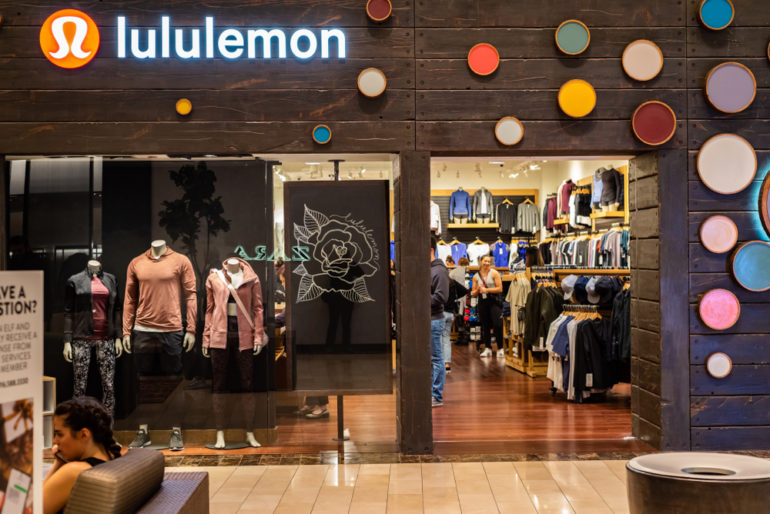
    Lululemon is on track to make China its second-largest market by 2026 through an extensive store expansion in the country, according to China Daily.

    The athleisure apparel brand said it aims to increase its store number in the country – currently 71 – to 220 over the next five years. These stores include flagship stores and community-based stores.

    “Our new goal is to quadruple our international business again by 2026,” Calvin McDonald, CEO of Lululemon, told China Daily in an exclusive interview. “The Chinese mainland will be a big part of that opportunity as we continue to invest in the market, in stores, in digital and build a community.”

    The China lockdowns caused nearly a third of Lululemon’s stores to temporarily close for a period of time. Lululemon aims to open the majority of its 40 new stores in Mainland China where it has achieved a cumulative annual growth rate of 60 per cent during the past three years.

    The retailer also forecasts its digital expansion will double the company’s revenue in five years after it tripled between 2018 and 2021.

  • Hypebeast opens its first Hypegolf store in Japan

    Hypebeast opens its first Hypegolf store in Japan

    Lifestyle brand Hypebeast has collaborated with Jun Co, an apparel and lifestyle creation company, to launch the first Hypegolf store in Sarugaku-Cho Shibuya-ku, Tokyo, Japan.

    With nearly 50 years of experience in the field of golf, Jun Co claims it was intrigued by the Hypebeast’s fresh viewpoint and cutting-edge capacity to convey a respect for traditional golf, through the introduction of Hypegolf’s Instagram.

    The Hypegolf Japan store, according to Hypebeast, is situated in the centre of Daikanyama and acts as a hub for learning about golf through the company’s cultural perspective.

    The store has two floors and has about 85sqm of retail space. It offers a variety of golf accessories from top sportswear and lifestyle companies like Hookedgolf, Cavy, No 33, and The Original Tee Pick, as well as the unisex Hypegolf line.

    Hypebeast says the location is a retail platform for up-and-coming golf brands that do not yet have a physical presence in Japan, providing an opportunity to display all aspects of the game.

    This will be also the home of the first Hypebeans cafe in Japan, which is a result of the friendship between Hypebeast’s founder and CEO Kevin Ma, and world-renowned barista Hiroshi Sawada.

    “Complementing our well-established Hypegolf online community and e-commerce platform, we want to bridge our online cultural hub with an immersive offline experience to discover the joy of golf at our newest Hypegolf and Hypebeans location in Japan,” said Kevin Ma, CEO and founder of Hypebeast.

  • Burberry held back by China lockdowns and US weakness

    Burberry held back by China lockdowns and US weakness

    Luxury brand Burberry was hurt by lockdowns in its biggest market China and an abrupt reversal in fortunes in the Americas, limiting its first-quarter sales rise to 1 per cent.

    The British brand, known for its red, black and camel check and TB monogram, saw comparable sales in mainland China plunge 35 per cent as Covid-19 lockdowns disrupted stores and distribution.

    All its stores were open by the end of June, Chief Financial Officer Julie Brown said, and the company was “encouraged” by how they were performing, but testing requirements were holding back the return of some shoppers.

    Luxury rival Richemont also felt the shortfall in mainland China, where its sales were 37 per cent lower for the quarter.

    Outside China, Burberry reported a 16 per cent rise in comparable store sales, with Europe up 47 per cent, helped by store ranges tailored to local demand rather than to still absent tourists from Asia.

    But the Americas, Burberry’s best performing region last year, went into reverse, with comparable store sales down 4 per cent.

    Brown said leather bags and outerwear were selling well, but “sneakers and slides – the shoe business – and the small leather goods category (were) somewhat weaker.”

    “I think this is largely because people have changed from staying in and wearing casual wear to be going out a lot more now than they were before,” she said.

    Shares in Burberry, which are down 20 per cent over the last 12 months, fell 7 per cent in early deals on Friday.

    Brown said Burberry was facing increases in transportation, commodity and labour costs, but it was managing them by focusing on procurement efficiencies.

    “We’re also very conscious of the pressure on the people and communities,” she said. “But in terms of business overall, we’ve not seen a major pressure on younger consumers at this point in time.”

    Burberry said its medium-term target of high-single digit revenue growth and 20% margins was unchanged.

  • Lululemon eyes massive growth in China

    Lululemon eyes massive growth in China

    Lululemon is on track to make China its second-largest market by 2026 through an extensive store expansion in the country, according to China Daily.

    The athleisure apparel brand said it aims to increase its store number in the country – currently 71 – to 220 over the next five years. These stores include flagship stores and community-based stores.

    “Our new goal is to quadruple our international business again by 2026,” Calvin McDonald, CEO of Lululemon, told China Daily in an exclusive interview. “The Chinese mainland will be a big part of that opportunity as we continue to invest in the market, in stores, in digital and build a community.”

    According to MarketBeat, the China lockdowns caused nearly a third of Lululemon’s stores to temporarily close for a period of time. Lululemon aims to open the majority of its 40 new stores in Mainland China where it has achieved a cumulative annual growth rate of 60 per cent during the past three years.

    The retailer also forecasts its digital expansion will double the company’s revenue in five years after it tripled between 2018 and 2021.

  • Taiwan Weighs Foxconn Fine For China Chip Investment

    Taiwan Weighs Foxconn Fine For China Chip Investment

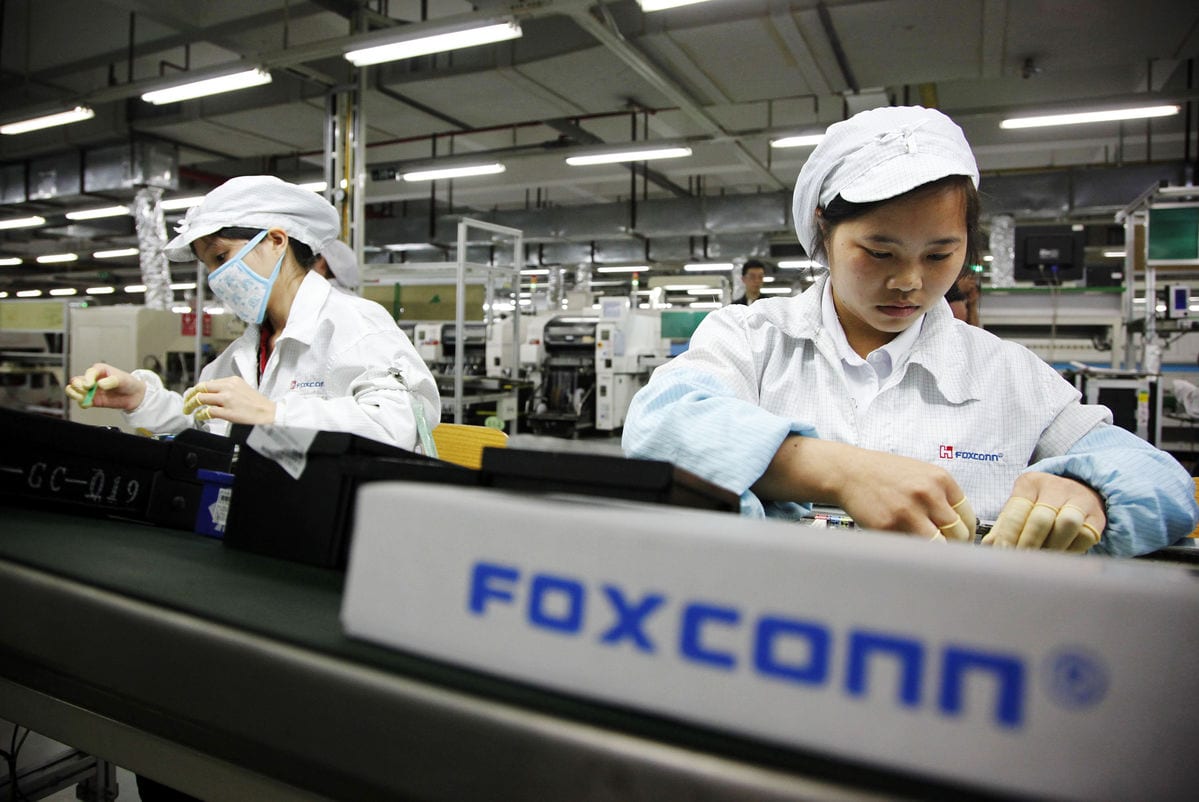
    Taiwan’s government is considering fining tech giant Foxconn up to T$25 million ($835,600) over its investment in a Chinese chip conglomerate without first getting regulatory approval, two sources briefed on the matter said on Friday.

    Foxconn, the world’s largest contract electronics maker, said this week it has become a shareholder in embattled Chinese chip conglomerate Tsinghua Unigroup via a 5.38 billion yuan ($797 million) investment by a subsidiary.

    The investment comes as Taiwan turns a wary eye on China’s ambition to boost its semiconductor industry and has proposed new laws to prevent what it says is China stealing its chip technology.

    Foxconn did not seek prior approval from the Taiwan government before the investment was made and authorities believe it has violated a law governing the island’s relations with China, a person familiar with the matter told Reuters.

    Regulators are weighing whether to hand Foxconn the “maximum” fine possible, which is $T25 million, due to the large size of the Chinese investment, the person added,

    Foxconn referred to an earlier filing on the stock exchange, saying it will deliver the documents to the Economy Ministry’s Investment Commission in the near future.

    A second source said Foxconn could be given a fine of between T$50,000 and T$20 million for investing without approval, adding that regulators will scrutinise the investment and deliver a decision after they receive the company’s application.

    “There’s a chance that an approval will be given. If not, Hon Hai will have to withdraw the investment,” the person said, referring to Foxconn’s formal name, Hon Hai Precision Industry Co Ltd.

    Taiwanese law states the government can prohibit investment in China “based on the consideration of national security and industry development.” Those violating the law could be fined repeatedly until corrections are made.

    Foxconn, best known for assembling Apple Inc’s iPhone, is keen to make auto chips in particular as it expands into the electric vehicle market. The company has been seeking to acquire chip plants globally as a worldwide chip shortage rattles producers of goods from cars to electronics.

    Taipei prohibits companies from building their most advanced foundries in China to ensure they do not offshore their best technology.

    Originating as a branch of China’s prestigious Tsinghua University, Tsinghua Unigroup emerged in the previous decade as a would-be domestic champion for China’s laggard chip industry.

    But the company fell into debt under former chairman Zhao Weiguo, prompting it to default on a number of bond payments in late 2020 end eventually face bankruptcy.

    The conglomerate has yet to produce any global leaders in the semiconductor sector.

  • Apple Music introduces new, exclusive live features

    Apple Music introduces new, exclusive live features

    Music streaming services like Spotify, YouTube Music, Deezer, TIDAL are often adding new features to try to improve their offering further. Apple Music is no exception, so if you’re considering the service, you’ll be happy to know that it’s getting new, exclusive live features.

    Called Apple Music Sessions, these exclusive live releases will feature some of the world’s most famous artists, as well as emerging artists. More importantly, Apple Music users will be able to listen to these exclusive live releases in Spatial Audio.

    All Apple Music Sessions are recorded out of Apple Music’s studios around the world. Interesting enough, these are also filmed, which makes the combination of Spatial Audio tracks and companion live performance music videos more appealing.

    If you’re already paying for Apple Music, then you’ll want to know that Apple Music Sessions is already available with releases from Carrie Underwood and Tenille Townes, recorded out of Apple Music’s new studios in Nashville, Tennessee.