Author: Mei Ling Tan

  • 5G Connections In APAC To Reach 400 Million In 2025

    5G Connections In APAC To Reach 400 Million In 2025

    A study published by a global organization of telecom operators suggests that in the next three years, 5G connections in Asia Pacific will soar to 400 million, four times higher than this year’s level.

    In its “Mobile Economy Asia Pacific 2022”, GSMA also indicated that the regional mobile network coverage today has reached 96% of the population. Of this, 1.2 billion users now have access to mobile internet services. This shows a penetration rate of just below 45% of the population. And among the reasons for this usage gap are the digital divide, the income gap and online safety issues.

    It meanwhile predicts a continuous acceleration of 5G’s momentum across the region as commercial 5G services are now accessible across 14 markets. This is due to the economic improvement following pandemic lows, as well as the increasing sales in 5G handsets and overall marketing efforts. Commercial 5G services are also expected to expand to other markets, including India and Vietnam in the coming years.

    The study also shows that the mobile ecosystem continues to propel the regional economy, as technologies and services brought in 5% of GDP, which is tantamount to 770 billion dollars of economic value added. The industry also supported nearly 8.8 million jobs in 2021, and enabled financial contributions to the public sector.

    According to the study, “The mobile industry continues to deliver social impact across Asia Pacific, primarily by providing the connectivity that enables the growth of small businesses and digital transformation of enterprises, and granting access to life-enhancing services and tools for citizens.”

    And amid the continuous deployments of 5G networks, the technology’s ability to empower next-generation offerings—cloud services, artificial intelligence, internet of things and edge computing—will boost digital economic development and innovation.

  • Vietnam gold prices hit 4-month low

    Vietnam gold prices hit 4-month low

    Gold prices in Vietnam have plunged to a four-month low as global rates tumbled amid the surge of the U.S. dollar.

    The Saigon Jewelry Company (SJC) sold its gold at VND67.95 million ($2,897.03) per tael Friday afternoon, down 0.37 percent from Thursday. A tael equals 37.5 grams or 1.2 ounces.

    Owner of a jewelry store in Ho Chi Minh City’s District 8, who asked not be identified, said that there has been little demand in recent days.

    “Only a few customers show up each day. There are less buyers than sellers as global rates drop.”

    Global gold price now stands at $1,704 per ounce, lowest since April 2021, as analysts said that investors are more interested in the gaining USD which is now at the highest in two decades.

  • Banks hike mortgage interest rates

    Banks hike mortgage interest rates

    Several banks have increased mortgage interest rates by up to 1 percentage point amid credit tightening.

    In mid-June Vietcombank hiked its from 9.2 percent to 9.8 percent for the first three years.

    At least three other banks have increased its rates.

    United Overseas Bank has raised its rate from 6.49 percent to 7.69 percent.

    Vietnam International Bank has adjusted its rate up by 0.2 percentage points since last month to 8.7 percent.

    Bank managements said the pressure of rising deposit interest rates and tightened credit has forced them to hike loan interest rates.

    Trinh Bang Vu, head of retail lending at Shinhan Bank, said since there is little room left for lending this year and the State Bank of Vietnam has not increased quotas, banks have to be selective in their loans.

    Some lenders like Orient Commercial Bank have not yet increased their mortgage rates, but expect to do so by 0.1-0.2 percentage points in the next few months.

    SSI Securities analysts expect home loan interests to continue to rise even if new credit growth quotas are announced.

    KB Securities analysts forecast a 0.4-0.7 percentage point increase in rates this year due to inflation.

  • Airfares soar on summertime travel demand, fuel price hikes

    Airfares soar on summertime travel demand, fuel price hikes

    Flight tickets to domestic destinations have become pricier than holiday fares, with rising global fuel prices adding fuel to high summer travel demand.

    For the past two weeks, Hoang Viet, who lives in Hanoi’s Ha Dong District, has been checking flight ticket prices constantly so he can fly to Ho Chi Minh City and visit his relatives.

    However, he hasn’t been able to find fares that he can afford.

    “If my family flies this month, it will take at least VND10 million ($426.35) for three people,” he said.

    A round trip between Hanoi and HCMC costs VND3.4-6.2 million for economy class, with the lowest price range offered by budget airlines like Vietjet. The low prices are usually for flights that leave or arrive very early in the morning or late at night. The base fares for Vietjet and Vietravel do not include check-in baggage.

    The higher fares on the route are charged by Vietnam Airlines.

    Current ticket prices are already higher than the VND2.5-4 million range during the Lunar New Year holiday earlier this year.

    Summertime travel demand has hiked fares to popular travel destinations including coastal towns. For example, a round trip between Hanoi and Nha Trang in the central coast costs VND3-6.7 million for the latter half of July.

    A round trip between Hanoi and Quy Nhon costs around VND2.7-5 million; while one between the capital city and Con Dao Island off the southern coast in the last week of July can cost as high as VND10 million.

    Ticket prices will tend to drop in August, industry insiders said.

    Tickets for international trips have also become expensive this summer. For the latter half of this month, a Hanoi-Bangkok round trip starts at VND5.5 million, and a Hanoi-Singapore round trip at VND5.3 million. Before the pandemic, passengers could easily purchase tickets for similar flights starting at VND3 million.

    Direct flights from Vietnam to Europe in September and October are also expensive, with a HCMC-Frankfurt trip starting at VND24 million, and a Hanoi-Paris trip starting at VND40 million.

    A representative for Vietravel Airlines said the high prices were necessary to cover costs.

    “Summertime is considered a time to make up for periods of low travel demand from August to November. It is simply a matter of revenue management and making sure our operations are stable,” the rep said.

    Despite a quick recovery by domestic aviation and ongoing high prices, some carriers still want price ceilings expanded, saying the current ones are no longer appropriate. This is needed also because of rising world fuel prices, they argue.

    A Vietnam Airlines representative said current price ceilings were based on fuel costing around $80 a barrel, but actual prices are at around $140 a barrel.

    A Bamboo Airways rep said the aviation industry should not be held back by price ceilings and it was better to allow the market to decide prices.

  • VinFast stops accepting orders for gasoline cars

    VinFast stops accepting orders for gasoline cars

    Automaker VinFast has stopped accepting new orders for gasoline-powered cars four months earlier than announced as it seeks to become a major global player in electronic vehicles.

    It has received a huge number of orders for its Lux SUV and sedan and Fadil hatchback, and plans to keep the production line going until it fulfills them, it said in a statement Friday.

    It said it would continue to service them for another 10 years to ensure the cars can be maintained through their life cycle.

    The country’s first indigenous automaker announced in January it would completely transition to electric vehicles this year and is eyeing the U.S. and Europe as its first global markets.

    It has so far received 73,000 orders for electric vehicles.

    It started delivering them at the end of last year and had sold over 2,200 VF e34 cars by the end of June.

    VinFast plans to have 150,000 charging stations around the country by this year.

  • World’s first Nike Style store opens in Seoul

    World’s first Nike Style store opens in Seoul

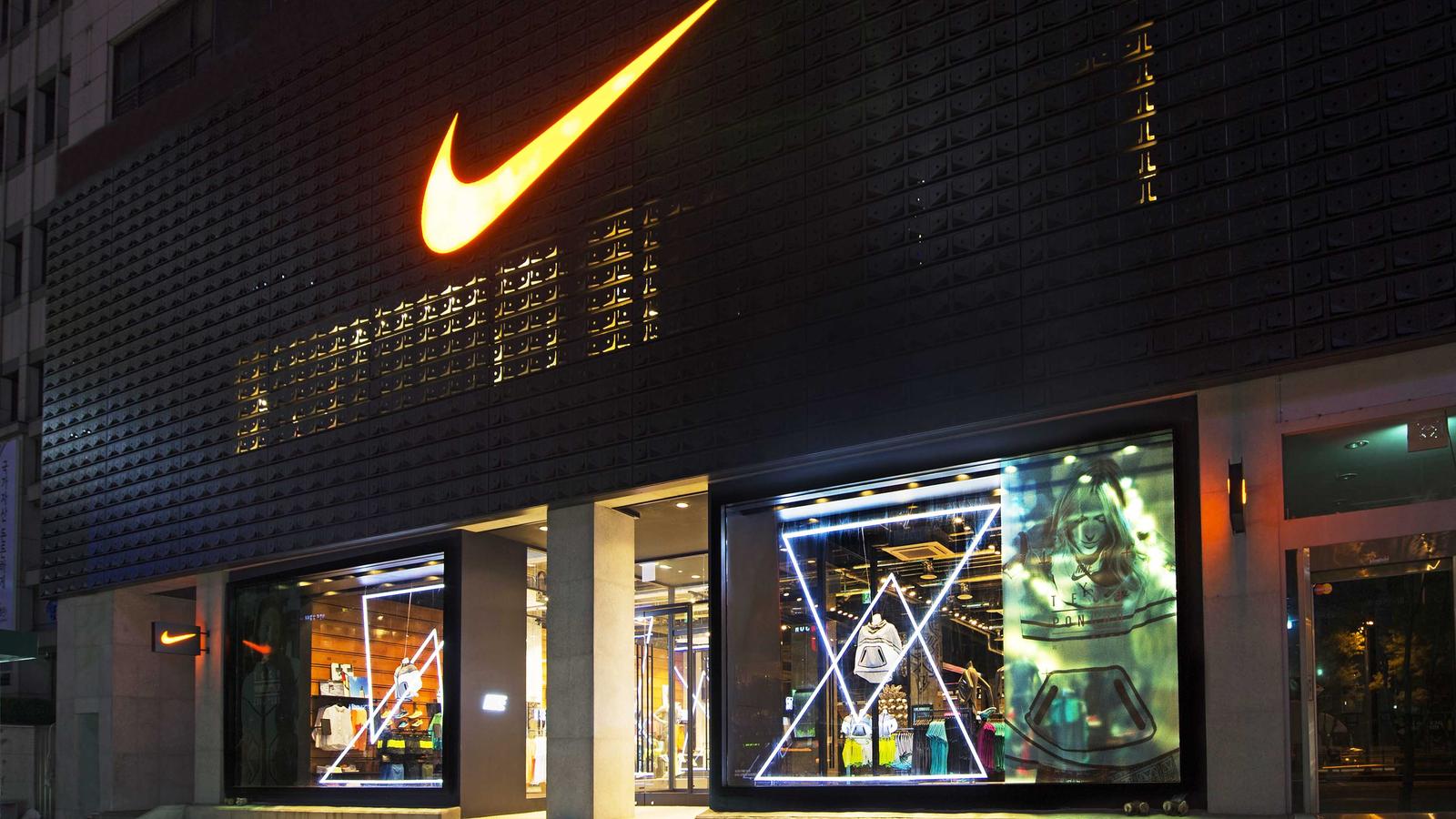
    Nike has introduced its latest retail concept, Nike Style, with the first store opened in South Korea, to be followed by more across multiple international markets.

    The Nike Style concept store is located in the bustling Hongdae neighbourhood, which is known for its art and fashion culture. Gender-agnostic zones are featured throughout the store for fleece, tops, footwear, accessories, and other style-led collections. The new retail concept is expected to “expand the definition of sport” that blurs the line between physical and digital.

    The store houses a content studio with customisable backdrops for local creatives, product experts and shoppers to create content for social media. Customers can scan QR codes for AR experiences related to product innovation and even the surrounding art installations. The store also offers Nike By You workshops and Snkrs Lounge events for its members.

    “The Hongdae neighbourhood holds a strong relationship with the sneaker and neighbourhood-retail community,” the company said in a statement. “With the Style retail concept, Nike helps broaden the aperture of sports retail culture by continuing to blend physical and digital experiences.”

    A second Nike Style store is set to open its doors in Shanghai later this year, with the concept to be expanded into other countries in the future. Nike Style is the latest Nike’s concept, following the House of Innovation, Nike Live and recently Nike Rise.

    The launch of Nike Style in Seoul follows the opening of a 24,000sqft Nike Rise store in Seoul last year, the first of its kind in South Korea.

  • Thai 7-Eleven operator CP All appoints new CEO

    Thai 7-Eleven operator CP All appoints new CEO

    Thai retailer CP All has appointed Yuthasak Phoomsurakul as its new CEO of operations, overseeing the company’s network of more than 11,000 7-Eleven stores.

    Phoomsurakul started his career with the company as the deputy MD of marketing and product management in 2007.

    He has also held several key leadership roles in companies such as Big C Supercenter, B2S Company, Amarin Printing Company and Publishing Public Company over the years.

    “I am extremely grateful and honoured to have been trusted by the board of directors to be appointed as CEO,” said Phoomsurakul. “In continuation of our corporate philosophy, customers and employees are the heart of our business operations.”

    In his new role, he says he will work to grow the company sustainably bringing innovation and integrating the business both offline and online.

  • Netflix partners with Microsoft for upcoming ad-supported plan

    Netflix partners with Microsoft for upcoming ad-supported plan

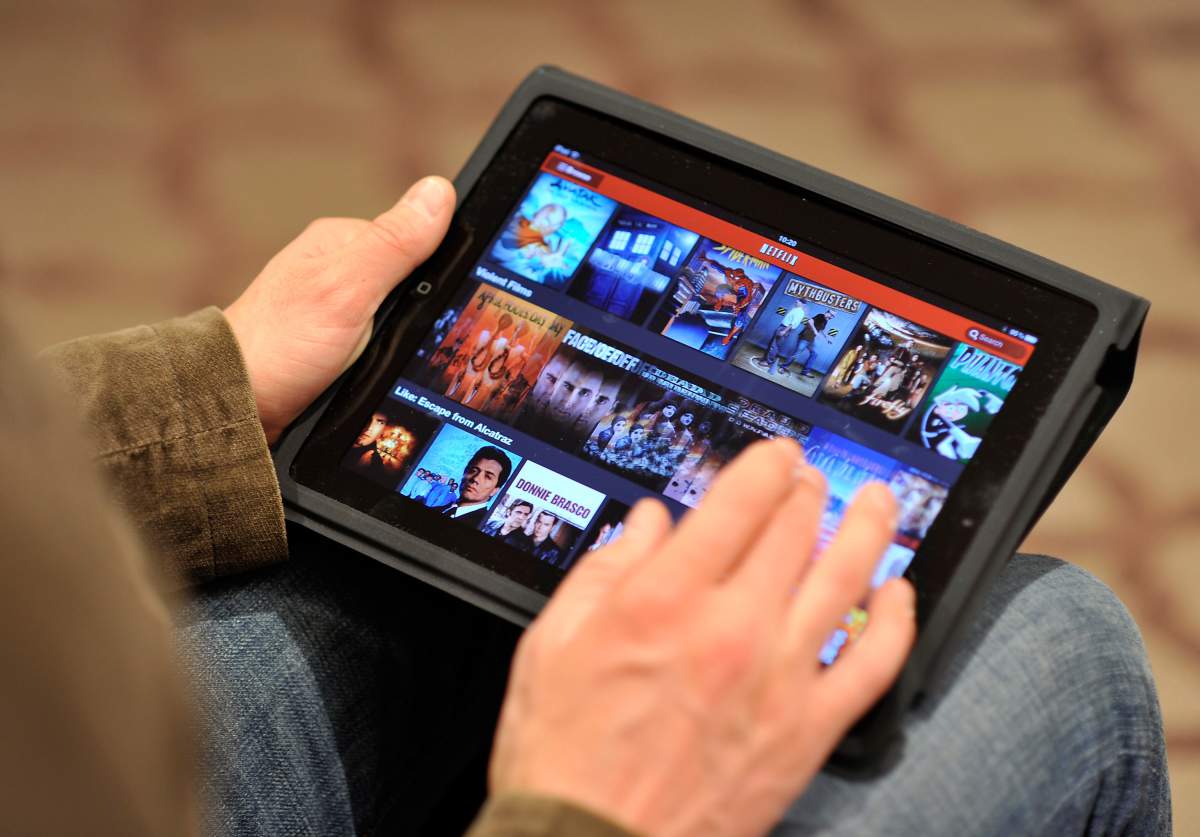
    After it teased the upcoming launch of an ad-supported subscription plan, Netflix has now revealed that it picked Microsoft to help make that happen. Under the agreement, all ads served on Netflix will be exclusively available through the Microsoft platform.

    “It’s very early days and we have much to work through. But our long-term goal is clear. More choice for consumers and a premium, better-than-linear TV brand experience for advertisers. We’re excited to work with Microsoft as we bring this new service to life,” said Netflix COO Greg Peters.

    Netflix has been making headlines lately with announcement involving layoffs, after the streaming giant reported losses in the previous quarter. Early this year, Netflix reported a loss of 200,000 subscribers, but that feels extremely negligible compared to the service’s subscriber base of over 221 million.

    The recent subscriber base decline doesn’t really justify so many layoffs, but perhaps Netflix is afraid that will become a trend. That said, the launch of a new ad-supported plan will certainly increase its customer base.

    However, it remains to be seen if the company will manage to turn those casual consumers into paying customers following the launch of the ad-supported plan later this year.

  • Bayer Vietnam launches positive energy campaign

    Bayer Vietnam launches positive energy campaign

    Berocca Performance Mango, a brand of Consumer Health Bayer, has launched a campaign to affirm its commitment to raising awareness and comprehensively improving the health of consumers.

    The “Strengthen Energy to Radiate Positivity” campaign was kicked off by the Positive Energy Trip event and 2PM Turns on Positivity MV.

    Following the opening event, a series of online and offline activities radiating positive energy to the community will be organized. This campaign affirms Bayer’s focus on supporting consumers to practice self-care for a healthy life, thereby bringing long-term benefits for the community with the vision “Health for All, Hunger for None.”

    The Positive Energy Trip took place on July 9 at Vietnam National University dormitory in HCMC’s Thu Duc City with the participation of popular celebrities including Isaac, the brand ambassador, Jun Pham, Mlee, Lien Binh Phat, and up to 1,000 young and dynamic participants.

    At the event, singer Isaacfor the first time, performed the campaign’s theme song – “2PM Turns on Positivity” – and interacted with fans and other guests to share his positive life experiences. The vibrant tune of the song together with flashmob performance brought joyful moments to all participants.

    The importance of mental health is increasingly recognized in society today. According to World Health Organization (WHO) data, in the first year of the Covid-19 pandemic, the global prevalence of anxiety and depression increased by a massive 25 percent, meaning in every four individuals, one can be suffering from stress, fatigue or mental depression.

    Physical fatigue and mental breakdown heavily affect the quality of life of each person and of surrounding people too. Thus, taking care of physical health and fueling the mind with positive energy every day is vital to stay happy, optimistic, and productivity, to perform better in school and work, to create more values in life, and thereby spreading positivity to everyone.

    Isaac said: “Initially, I was not very conscious about recharging during work, especially the time after 2 p.m. when I used to get mentally and physically exhausted. Thanks to this campaign by Berocca Performance Mango of Bayer, I have been paying more attention to my health and am more conscious about practicing self-care. It is an honor to collaborate with the brand in advocating self-care practice and radiating positive energy to the audience. I hope that this meaningful campaign as well as my new MVcanhelp to boost up energy level in every audience and inspire them to embrace a healthy lifestyle”.

    Luigi Isabelo Dejos, head of Consumer Health Division at Bayer Vietnam, said: “While managing our busy day-to-day schedules, we need not just physical energy to keep our body function properly, but also positive energy to lift our mood and keep us stay productive and motivated.

    “Launching the event with the participation from energetic KOLs, Berocca Performance Mango wishes to underline the role of positive energy in life, encourage everyone to take care of both physical and mental health, and radiate good vibes throughout the community,” he added.

    During the campaign period, Berocca Performance Mango will provide consumers many promotions at drugstores nationwide and on e-commerce sites.

    For updated information, follow https://www.facebook.com/BeroccaVN.

    This product is not medicine and not intended to diagnose treat cure or prevent any disease.

  • Fuel price cuts fail to drag prices down

    Fuel price cuts fail to drag prices down

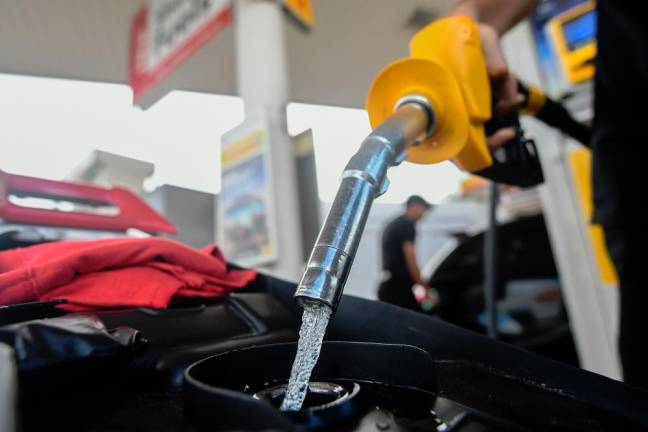
    Gasoline prices may have fallen by 10 percent on Monday, but to many people’s chagrin this has not had a knock-on effect on other prices.

    Three days after fuel prices fell, Hanh, owner of a chicken pho restaurant in Hanoi, has yet to adjust prices downward. A bowl of pho still costs VND40,000-60,000 ($1.71-2.56), up VND5,000-10,000 from June.

    He blamed it on the high costs of other items, especially chicken. “A kilogram of chicken still costs me VND110,000-120,000, and so I cannot lower my prices.”

    In HCMC too, food stalls have yet to cut prices after having raised them earlier to cope with higher fuel and other costs.

    Gasoline prices have only fallen by 10 percent after a 35 per cent hike since mid-April, eateries pointed out, adding they therefore have to wait for further fuel price cuts before reducing their prices.

    Prices of fresh foods at traditional markets are also unchanged. Hoa, a vegetable seller in HCMC’s Binh Thanh District, said prices are unlikely to fall since heavy rains have affected supply.

    A butcher in HCMC’s Go Vap District, also called Hoa, said he could not cut pork prices further since he is already selling at cost.

    “Prices of pig of the hoof will probably increase in the next few days, and so retail pork prices are unlikely to fall. Animal feed costs have risen significantly in the first half of this year.”

    Nguyen, a butcher in a market in Hanoi, said, “Due to bad weather, low demand and higher costs, I suffer losses most of the time.”

    Gasoline only accounts for 20 percent of fresh food prices, while labor input costs are rising, Hoang, a wholesaler in HCMC, said.

    Truong Chi Thien, director of egg producer Vinh Thanh Dat, said the costs of animal feed, labor and packaging have risen by 20-40 percent from last year.

    “Egg prices will only decline if input costs fall.”

    Dinh Trong Thinh, a lecturer at the Academy of Finance, said there would be a lag between changes in gasoline prices and those of other goods.

    Despite two recent cuts, gasoline prices remain at nearly VND30,000 a liter, up 25 percent from last year, and so it is understandable that producers, suppliers and retailers have yet to cut prices, he added.

  • Co-working gains ground post-Covid

    Co-working gains ground post-Covid

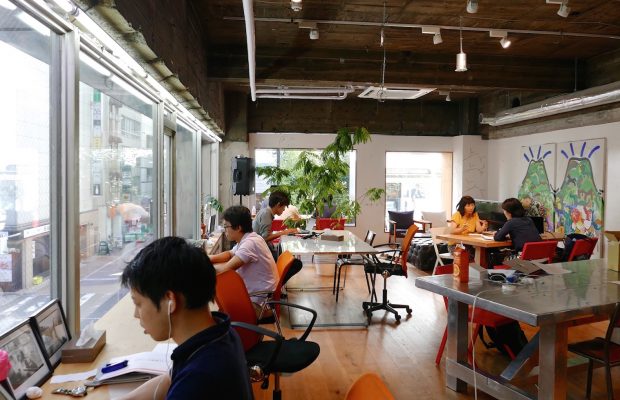
    Co-working spaces are becoming extremely popular in the post-Covid era and boast an average occupancy rate of 80 percent.

    The country has 179 co-working spaces concentrated in Hanoi, HCMC and Da Nang, according to corporate service provider Acclime Vietnam and property consultancy Knight Frank Vietnam.

    Alex Crane, managing director of Knight Frank, attributed growth to high demand for grade A and B offices with companies being set up or resuming business after the pandemic.

    In the first six months 76,233 companies were incorporated, up 13.6 percent from the same period last year.

    “Flexible workspace is not only an effective tool for corporate tenants but also a key promoter of growth of Vietnamese start-ups,” Crane said.

    The Vietnamese start-up spirit is one of the driving factors of growth along with the expansion by multinational companies in the country, he added.

    Vietnam ranks among the top 20 Asian markets in terms of co-working space, according to Acclime.

    Some prominent players in the market include local names such as Dreamplex, UPGen, CirCO, and Toong and global players like Regus, The Executive Center and WeWork.

    U.S.-based WeWork, operator of 4.16 million square meters of space globally, said its revenues in Vietnam rose by 40 percent in the first quarter.

    “Vietnam remains our most dynamic market in Southeast Asia,” WeWork director for Southeast Asia and Australia, Balder Tol, said.

  • Understanding Modern Retail Through the Gen Z Filter

    Understanding Modern Retail Through the Gen Z Filter

    Over the past decade retailers faced the challenge of managing their own digital transformation, while simultaneously scrambling to serve the needs of a younger and increasingly online-savvy audience – generally accepted as being digitally native. Today, brands are additionally tested to plan and accommodate for the increasing buying power of the emerging 11-24 age group of shoppers, colloquially known as ‘Gen Z’ or ‘Zoomers’.

    Generation Omnichannel

    Perhaps a more fitting nickname for Gen Z or Zoomers, would be ‘Generation Omnichannel’, as this is the first truly omnichannel generation to both physical and online stores and social media platforms in equal measure. This group are prepared to shop wherever suits them best, and in a more impulsive and immediate way.

    According to a recent article in Vogue, Zoomers are 56% more likely to have shopped for fashion in-store over the last three months and 38% more likely to have shopped online in the same timeframe. They are willing to shop across all channels and have an appetite for higher-quality items in an effort to stay on trend with cultural developments.

    This awareness of cultural trends is leading to some key generational spending indicators too; not to mention the fact that Gen Z consumers are more conscious about the planet and the future. They believe that the generations before them represented overconsumption, capitalism, and materialism, meaning they are more likely to associate themselves (and their wallets) with brands that match their own core values, such as sustainability, environmentalism, and equality.

    At the same time, Gen Z has been called the most critical consumer group of all, with a fundamentally different view of shopping and consumption to previous generations. They are the latest to enter the workforce and will have strong purchasing power over the next decade, meaning brands have to earn their loyalty before they become loyal shoppers.

    Furthermore, Zoomers’ frequency of shopping for new items is being disrupted by the second-hand, preloved, vintage market – a market that Zoomers are 27% more likely to shop. In Australia, preloved and vintage platforms, such as Depop & Vinted, are arguably slowing the cycle of new purchases and redefining the concept of the customer journey and what it really means to be ‘new’.

    Embracing New & All Forms of Payments

    According to PayPal, 22% of Zoomers have used buy-now, pay-later (BNPL) solutions such as Klarna and Afterpay since the start of the pandemic to buy more expensive, higher-quality products.

    Since the beginning of the pandemic, 123% more Zoomers have used BNPL than previously, representing the strongest uptake of any generation – and during April 2021, 33% of Gen Z respondents said they were likely to use BNPL solutions in the future too.

    Furthermore, Gen Z has continued to embrace mobile payment options such as mobile apps and e-wallets, including Apple and Android Pay, faster than any other consumer spending group. This expectation to be able to pay now, or later, with a device or platform is something that permeates Gen Z spending habits enormously, meaning traditional payment and Point-of-Sale (POS) technologies need to be modernised in order to offer these different payment options.

    A Window to the Future

    The pandemic and the associate rise in online activity grew usage and acceptance of eCommerce amongst consumers, regardless of generational status. If we glance into the future, beyond the Gen Z age group, Generation Alpha and subsequent cohorts will likely prove to be even more digitally-savvy – thus, the cycle of retail reinvention will likely have to start anew in another 20 years or so.

    The key to success for brands confronted by this continual sequence of progressiveness is to be agile and nimble enough to not only introduce different digital and in-store commerce options but have the capabilities to support these with the native omnichannel capabilities needed to deliver against the demanding expectations of these new generational groups.

    Gen Z is the emerging cultural and economic powerhouse in today’s retail landscape and it will continue to drive cultural change and retail spending habits on so many levels over the next two decades.

    While the full force of their dollars may not have hit retailers just yet, the race to meet the future expectations of Gen Z consumers is very much underway. The success of brands over the next two decades will not only be established by understanding what, how and from who Zoomers are likely to buy, but also on a retailer’s abilities to execute frictionless omnichannel experiences by having the right technology in place at within stores and supply chains.

    Written by Richard Wright, Managing Director, SEA, at Manhattan Associates

    For more information on how your brand can better serve customers in an omnichannel environment, please visit: www.manh.com/en-sg


  • Growing loyalty in a disloyal age through a frictionless customer experience

    Growing loyalty in a disloyal age through a frictionless customer experience

    Brand loyalty in the retail sector is on life support. In a fragmented omnichannel environment, comparison shopping, household budgetary pressures and online price transparency are driving declines in customer loyalty – and leading to tighter margins in the retail sector.

    As traditional retailers struggle to find a competitive edge in such a market, brick-and-mortar stores need to review their processes to deliver greater value and exceptional experience. In an in-store environment, this is leading to brands adopting contactless payment to create hassle-free checkout experiences, along with elevating their stores to offer more ‘experiential retailing.’

    Consumers are more digitally savvy than ever and place a high value on immediacy and quality of service. As a result, a retailers’ workforce needs to be equipped with the means to fulfill different orders with greater efficiency as store associates are now required to do more logistics related tasks, along with offering higher levels of in-store customer service.

    While there have been significant advances in delivering on the customer experience online, the pressure is on for retail stores themselves to meet growing customer expectations. This is not an easy process given that traditionally retail stores have been unstructured environments. Salespeople have had to balance competing demands, handling operational tasks while interacting with customers and immediately responding to their requests. These competing demands can result in inaccurate orders, inefficient bundling, and other errors that drive up labour costs, while employee satisfaction can also suffer if staff feel like they are being pulled in too many different directions at once.

    Meeting online customer service standards offline

    Repeat business remains a critical barometer of success, but like many aspects of the modern retail equation, achieving this means overcoming challenges. Customer loyalty programs matter less, while a high-quality, consistent experience matters more. Loyalty is a cross-channel concept, as customers who shop across all a retailer’s channels are more engaged, creating a more beneficial buyer-seller relationship.

    The modern shopper has access to real-time information and comparison expertise at every step of the journey online. Online retailers compete for customers through offering competitive product pricing and a seamless shopping experience. Customers now want an in-store and offline experience that meets the same standards of excellence they have already typically experienced online. This may mean in-store retail staff having to return an online purchase without hassle for a customer in-store, or sourcing stock in another store and organising delivery to the customer’s home; in-store shoppers expect service excellence at every stage of the buying journey.

    The challenge with trying to match the effortless online customer experience in-store is that many retailers still perceive the customer journey to be linear, which is no longer the case.

    Customers move between online and in-store, browse for goods across social platforms, may direct message for price comparison and email for detailed communication. Shoppers often do not buy where they browse, they may return elsewhere than where they bought and if they change their mind there is an expectation that a store associate will help resolve their issue without any hassle.

    As consumers are shopping on all channels, retailers must focus on delivering an excellent total shopper experience, ensuring that they service their customer how, when and where they are, be that in-store, curbside, or the comfort of their home.

    Built to match the realities of the shop floor

    Retail workers are at the frontline of customer service today and require enterprise level information at their fingertips. After all, every shopper interaction is an opportunity to build a positive impression and support a sale, or conversely create a negative perception and lose business. In such an environment, retail workers need to be supported by the right tools to resolve customer issues, address queries and offer a seamless retail experience.

    New retail-specific mobile technologies can drive efficiency and productivity in store operations and improve the customer experience. Compact, but durable handheld mobile computers, like the Honeywell CT30 XP or EDA5S mobile computers, make salespeople appear more approachable and work in tandem with other devices, enabling users to not only communicate and confirm work easily, but also view pictures of products and inventory locations, type on a keyboard, or scan barcodes.

    How retail stores can transform to meet the needs of an omnichannel world

    The competitive demands of today’s retail environment require in-store processes be optimised and expanded to meet customer needs. Just as Distribution Centres traded paper-based, word-of-mouth and other manual workflows for voice technology decades ago, forces are aligning for retail stores to make the same shift. Retail stores can now support ship-from-store and click-and-collect services – key customer experience differentiators that can also help limit shipping costs as online order volumes grow.

    Proven voice picking technologies allow retailers to empower store associates to fulfill these key logistic roles transforming a traditional a brick-and-mortar store into a modern, flexible fulfilment centre that can meet the demands of omnichannel customers. These technologies present a ‘hands-free, eyes up’ mode of working that can support the demands of a range of in-store workflows, such as order fulfillment, gap scanning, shelf replenishment, inventory management, and more.

    What should also not be overlooked by retailers in such an environment is that customers visiting for in-store pickup provide valuable boosts in foot traffic and opportunities for additional sales.

    Greater operational visibility is required

    Today, retailers need to empower and connect their workers through unified connected communications along with having greater visibility over their operations and workflows. Through these insights, management can analyse how long certain tasks take, leading to better understanding of retail workflows and workforce performance.

    Operational visibility data can fuel labour models to build staffing requirements, determining how much labour is necessary to provide high levels of customer service during peak times and to fulfil online orders from the store. Ultimately, this fuels data-driven decisions to avoid overstaffing while ensuring on-time, accurate order fulfillment and an optimal customer service and checkout experience.

    Empower staff to meet the needs of the omnichannel customer

    Retail stores have transformed from sites that purely existed to make a purchase into something far more complex. Stores now must fulfill several roles along the customer purchasing journey – from being a customer service site, to acting as a returns-facility, to picking and shipping online orders and offering click-and-collect buying options.

    To meet the needs of customers in an omnichannel world, where customers expect the same hassle-free shopping experience that they get online in an instore setting, retailers need to ensure that their staff are properly equipped with the right technologies, systems and knowledge.

    Written by: Vikas Wadhwa, APAC Retail Leader, APACI at Honeywell

    To learn more about how your retail store can meet the challenges of operating in an omnichannel environment, please visit: https://sps.honeywell.com/au/en/industries/retail


     

  • Coles increases price of its own brand milk

    Coles increases price of its own brand milk

    Mr Forbes, who is a dairy farmer based at Gloucester on the Mid North Coast of New South Wales, said farmers had been facing higher input prices, including for items such as diesel and fertiliser.

    “It means our profit margins have been reduced,” he said.

    “I think we were probably in a stronger position even last year … we’re certainly chasing that inflation at the moment.”

    He said floods and wet weather had also impacted farmers.

    “I think milk on the north coast is back over 20 percent at the moment to what it was last year, and we had a flood year last year as well,” he said.

    “Production throughout the whole country is being suppressed, I think we’ll see June figures probably in excess of 10 per cent, that the Australian production will be down across all states.

    “So there’s a real shortage of milk there now and huge demand for that milk.”

    Ben Geard, from Geard Family Farms in southern Tasmania is a Coles supplier, and said the jump in the price of Coles milk “was bound to happen”.

    “Milk prices for farmers have seen quite a considerable increase this year so, it was probably only inevitable that Coles and other processors are going to try to recoup their costs,” he said.

    “It’s not great for customers although milk has been undervalued for quite a while when you compare it to some of the other staples — water, soft drink, and that sort of thing.

    “We were at a dollar a litre there for some time and that ended nearly two years ago.”

    Mr Geard said “that was a good thing”.

    “$1.60 I still think that’s still pretty reasonable for a litre of milk,” he said.

    “It’s not good these prices just increasing for 12 months.”

    Mr Geard said prices needed to remain competitive with other industries if dairy farmers were going to stay in the industry.

    He said it cost a considerable amount to produce a litre of milk, with fertiliser increasing by 30–40 per cent.

    “We’ve got to use a lot of fertiliser on the grass and this time of year we’re feeling a lot of grain in the dairy to make sure we’ve got milk through the winter,” he said.

    “As good as the prices are this year there’s definitely a lot of payments going out as well.”

  • Guinness drops a weather-sensitive promo

    Guinness drops a weather-sensitive promo

    Winter and Guinness go hand in hand, which is why the brand is celebrating Australia’s coldest month of the year with a unique, weather-moderated giveaway.

    To encourage drinkers into the pub to enjoy a stout at its prime, GUINNESS has launched GUINNESS WEATHER, allowing punters to redeem a free pint of Guinness Draught as soon as the temperature drops to ideal consumption conditions.

    Winter is the best season for enjoying a Guinness, however a lesser known fact is the optimum temperature to pour a pint of the black stuff is between five and seven degrees, so when the temperature drops to five and seven degrees outside, the promotion activates.

    “Everyone thinks about Guinness on St Patrick’s Day but the campaign aims to remind drinkers that winter is the best time to enjoy a Guinness, and a great time to get people together enjoying a pint in their local pubs,” said connections director Ed Stening.

    “We wanted to give people a reason to look forward to a cold snap, with a chance to enjoy a Guinness at its best,” said Paul Swann, Thinkerbell executive creative tinker.

    Guinness lovers can check out the website housing an official Guinness Digital Thermometer which gauges the temperature on the border of NSW and Victoria. A free Guinness is not far with the promotion’s Pub Finder tool, which locates the closest participating venue. The promotion is now live and will run throughout July or until keg stocks last.

    The promotion is supported by a multi-channel campaign running across outdoor, radio, PR, digital channels, and media partnerships.