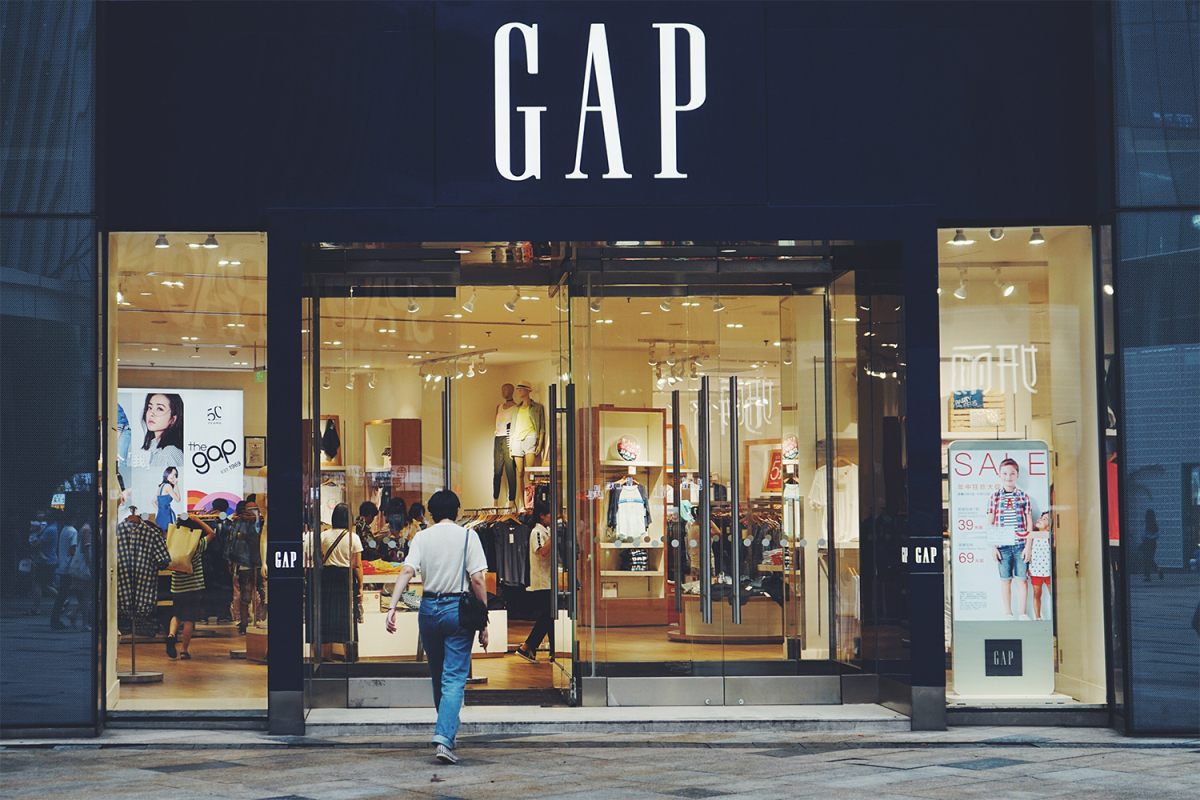
Gap shares slid more than 18% Friday after the company slashed its sales outlook for the first quarter of fiscal 2022, citing what it called “execution challenges” its Old Navy business, and announced the CEO of that division, Nancy Green, will leave her post this week.
Gap is now projecting low- to mid-teens declines compared with the prior year, adjusted from an earlier forecast that called for mid- to high-single-digit declines.
Chief Executive Sonia Syngal will work closely with the Old Navy team as it searches externally for Green’s successor, the company said Thursday evening.
News of Green’s abrupt departure comes as Gap struggles to weather continued logistics disruptions and rising inflation that threatens to curtail consumer spending.
A snarled supply chain has been particularly hard on its Old Navy division, which targets a lower-income consumer, the company said when it reported quarterly results in early March. Delayed shipments have meant the retailer hasn’t had enough merchandise on hand to meet shopper demand in some instances.
In its fiscal fourth quarter, same-store sales at Old Navy were flat compared with 2019 levels.
Gap said Thursday that it has also taken a “more aggressive approach” to balancing its merchandise assortment at Old Navy, which has resulted in higher promotional levels. It didn’t further clarify the issue, but more markdowns are likely weighing on the retailer’s profits.
Gap said it will provide an updated fiscal 2022 outlook when it reports quarterly results on May 26.
“As we look to seize Old Navy’s potential, particularly amidst the macroeconomic dynamics facing our industry, we believe now is the right time to bring in a new leader,” Syngal said, regarding Green’s departure.
She added that the company is looking for someone with the “operational rigor and creative vision” to execute on the retailer’s plan.
Gap’s stock is down about 35% year to date including Friday’s declines.
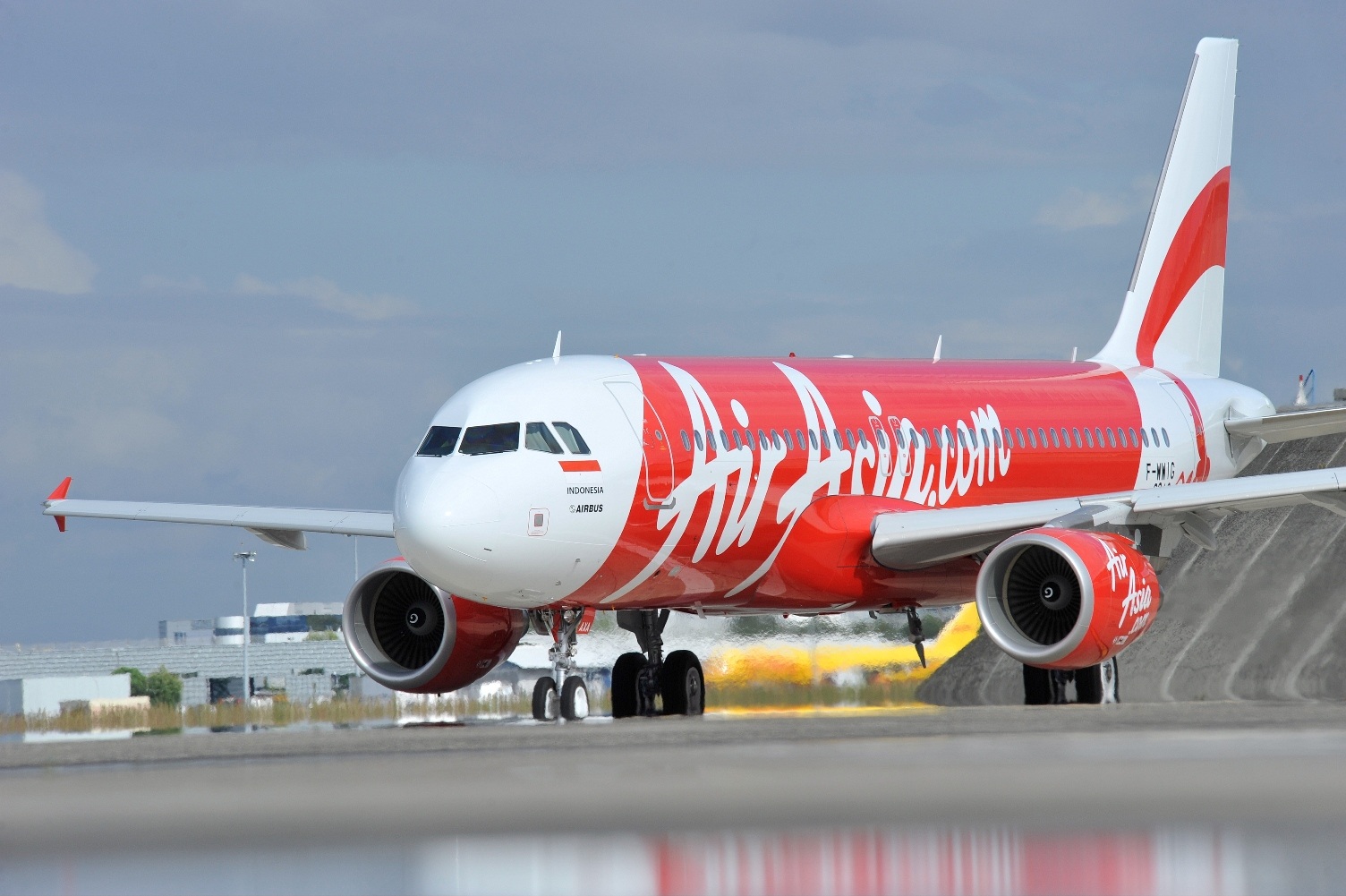
Malaysia-based multinational low-cost airline AirAsia has expanded its portfolio by including two new businesses set to launch in the Philippines’ capital, Manila, by the end of 2022.
AirAsia Super App will soon operate a ride hailing and food delivery service after it already secured a franchise from the Land Transportation Franchising and Regulatory Board (LTFRB) for its ride-hailing service.
The app officially launched in the Philippines in April 2021 and expanded its services to other Asian markets, including Malaysia, Indonesia, Singapore, and Thailand.
The platform offers a full suite of services and comes with an integrated rewards programme and a mobile app. It offers affordable flight and hotel bookings, ecommerce capabilities, food and parcel delivery, ride hailing, financial and health services, as well as on-demand education, among others.
The super app AirAsia aims to boost digitalisation in the APAC region while setting the tone for a cashless economy and catering to the underbanked population category.
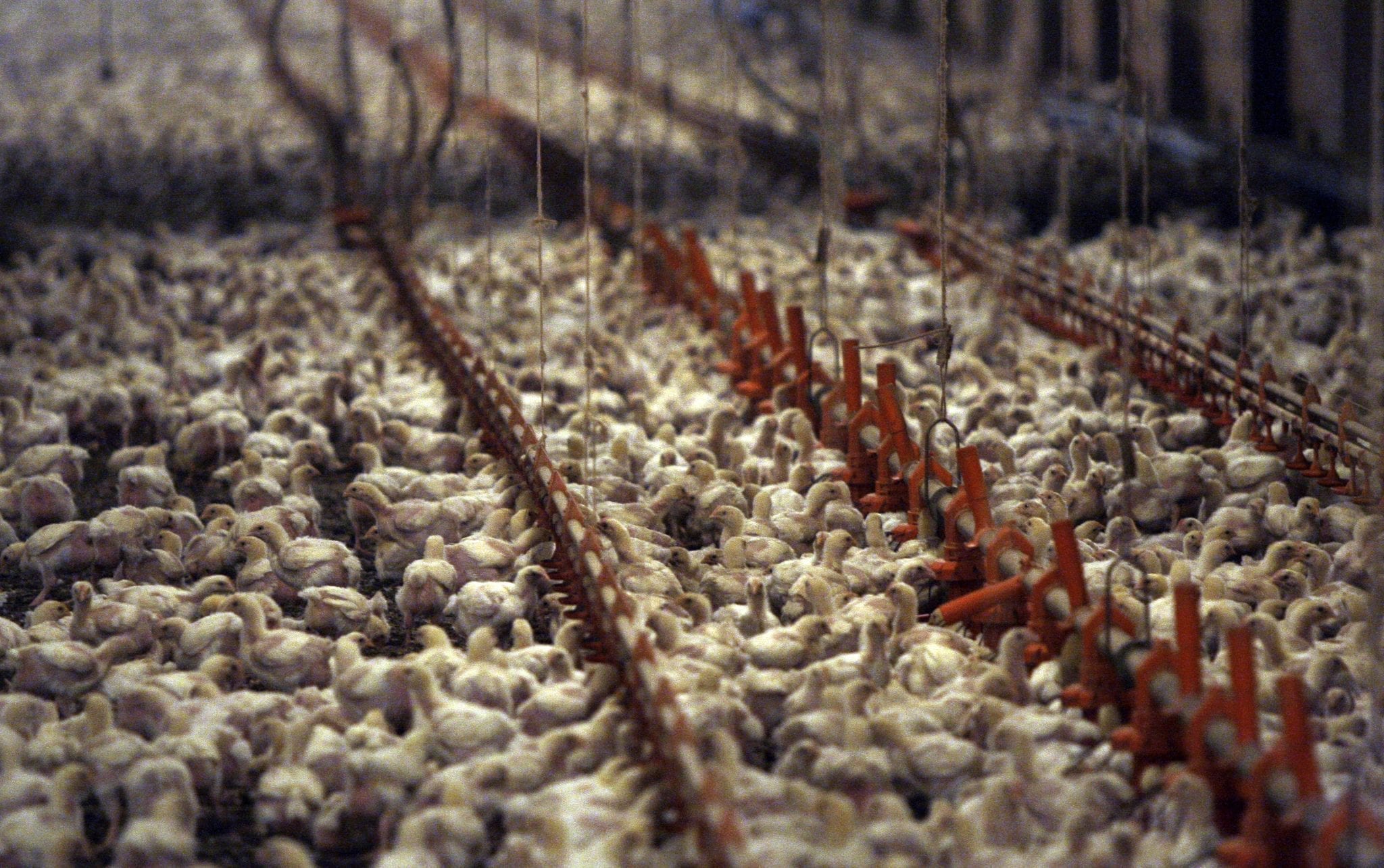
Restaurants across Australia and New Zealand are being encouraged to sign on to a new set of standards that aims to provide better welfare for chickens raised for meat.
The New Zealand Society for the Prevention of Cruelty to Animals (SPCE) has established The Better Chicken Commitment, a set of welfare standards prohibiting the use of abnormally fast-growing poultry breeds killed at just six weeks old in favour of healthier breeds that grow naturally. It also ensures that the chickens have more space, natural lights, enrichments, and “less suffering” at slaughter.
SPCE consulted the non-profit global organisation, World Animal Protection (WAP), in developing the new chicken welfare standards, together with Animals Aotearoa and The Humane League, and is supported by nine national and global animal welfare organisations.
Rochelle Flood, campaigns manager for WAP in Australia and New Zealand, said this is a huge opportunity for the region to step up and raise the bar for chicken welfare.
“Right now, millions of chickens are suffering from chronic pain and organ failure, often unable to move freely, collapsing under the weight of their unnaturally large bodies,” she said
“Compassionate consumers deserve a higher welfare choice at the checkout, and it’s time for the industry to align with consumer expectations.”
Australian leakproof apparel pioneer Modibodi has been bought by Swedish hygiene and health company Essity in a deal worth $140 million.
Essity, which owns the Tena brand of disposable incontinence products, says the acquisition will strengthen its position in the leakproof apparel market which it describes as the fastest-growing segment in the intimate hygiene category.
“Modibodi has the qualities we are looking for with leading market positions, strong brand and sustainability credentials as well as excellent digital marketing and e-commerce capabilities,” said Magnus Groth, president and CEO at Essity.
Modibodi was founded by its CEO Kristy Chong nine years ago and has a strong market presence in Australia, New Zealand and the UK. Last year’s sales were around $56.7 million, representing on-year growth of 18 per cent. EBITDA was $5.6 million.
In a statement issued by Essity, Chong said that as a global leader in hygiene and health, the Swedish company “can provide the expertise and capital to take the brand forward during its next phase of growth, and achieve even greater impact”.
The deal was one of two acquisitions in the category confirmed by Essity overnight on Friday. The company will also purchase an 80-per-cent stake in Knix, a Canadian e-commerce startup that designs and sells leakproof underwear, swimwear, bras and other apparel. That deal was valued at A$459 million The founder and CEO of Knix, Joanna Griffiths, will retain the balance of the shares and continue as president.
Strong growth projected in leakproof market
Essity expects the leakproof apparel market to grow by more than 20 per cent in each of the next five years and Modibodi will join the company’s existing brands in the sector, including Libresse, Bodyform, Saba and Tom Organic.
Founded five years ago, after being sun off by FMCG giant SCA, publicly listed Essity also sells single-use products such as tissue paper and baby diapers, along with solutions for compression therapy, orthopaedics and wound care.
The company has 46,000 employees worldwide and reported net sales of $18 billion in 2019. Its name is a compression of the words essentials and necessity.
Modibodi’s range includes leakproof apparel for periods and incontinence including underwear, swimwear, activewear and maternity wear. It sells online in a direct-to-consumer business model, as well as through retailers, both online and offline. The Sydney-headquartered company has 45 employees.
Essity said it expects to finalise the deal during the second half of this year.
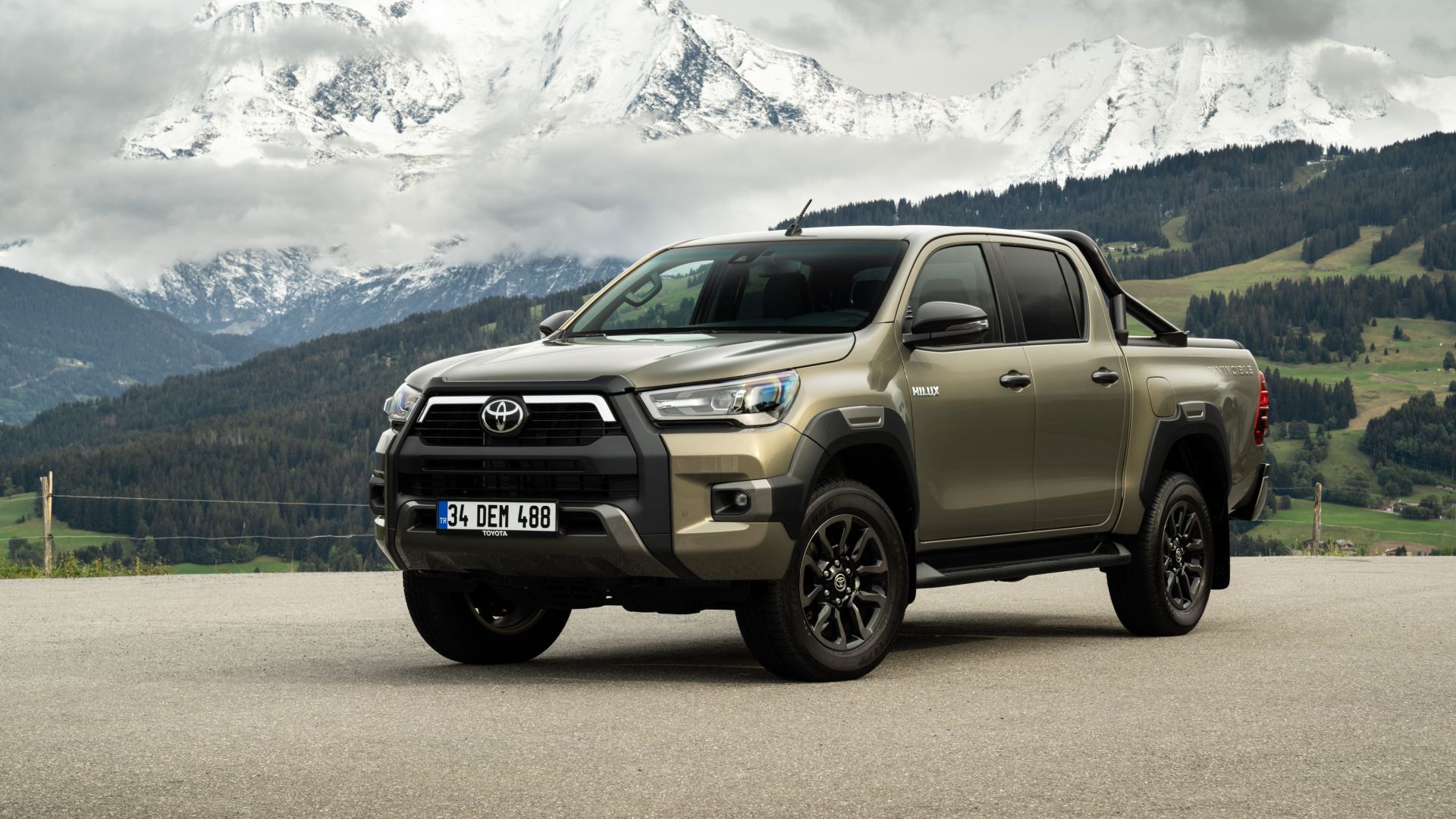
Toyota has called a halt to the import of its 2022 Hilux pickup into Vietnam over a lack of diesel supply meeting Euro 5 standards.
Using low-quality diesel could damage the Hilux’s engine, and supply of Euro 5 diesel (DO-V) outside Ho Chi Minh City and Hanoi is limited, a spokesperson for the Japanese automaker said.
It is unclear when Toyota plans to sell the vehicle again.
Many dealers have stopped accepting deposits for the truck, while some have scheduled delivery for the beginning of 2023.
In the first five months only 10 units were sold, all 2021 models with engines that only meet Euro 4 standards.
The Hilux is imported from Thailand.
There are around 1,100 gas stations, or only 6.5 percent of the total number, that supply DO-V in Vietnam, according to the Vietnam Petroleum Association.
In 2011 the government had instructed that by 2022 all vehicles assembled in and imported into Vietnam must meet the Level 5 emission standards (equivalent to the Euro 5 standards).
Gasoline prices fell by 10 percent Monday to their lowest levels in two months after an environment tax cut. The price of the popular RON 95 gasoline was reduced by VND3,090 to VND29,670 a liter, and that of biofuel E5 RON 92 by VND3,110 to VND27,780 (US$1 = VND23,350).
The prices of other fuels like kerosene and diesel also fell by 4.2-11.4 percent.
The biggest drop in prices this year pushed them to their lowest levels since May 11.
Normally, authorities make gasoline price adjustments in the afternoon of the 1st, 11th and 21st of a month, but this time it was adjusted at midnight Sunday following a cut in the environment tax.
The tax, originally VND4,000 per liter and cut to VND2,000 in April, was brought down to VND1,000 by the Standing Committee of the National Assembly.
The Ministry of Finance has also proposed cuts to excise and value-added tax on gasoline to bring prices down further. They are expected to be approved in the next session of the National Assembly in October.
But industry insiders have called for the cuts to be made sooner, saying rising fuel costs have been one of the biggest stumbling blocks to their recovery after Covid-19.
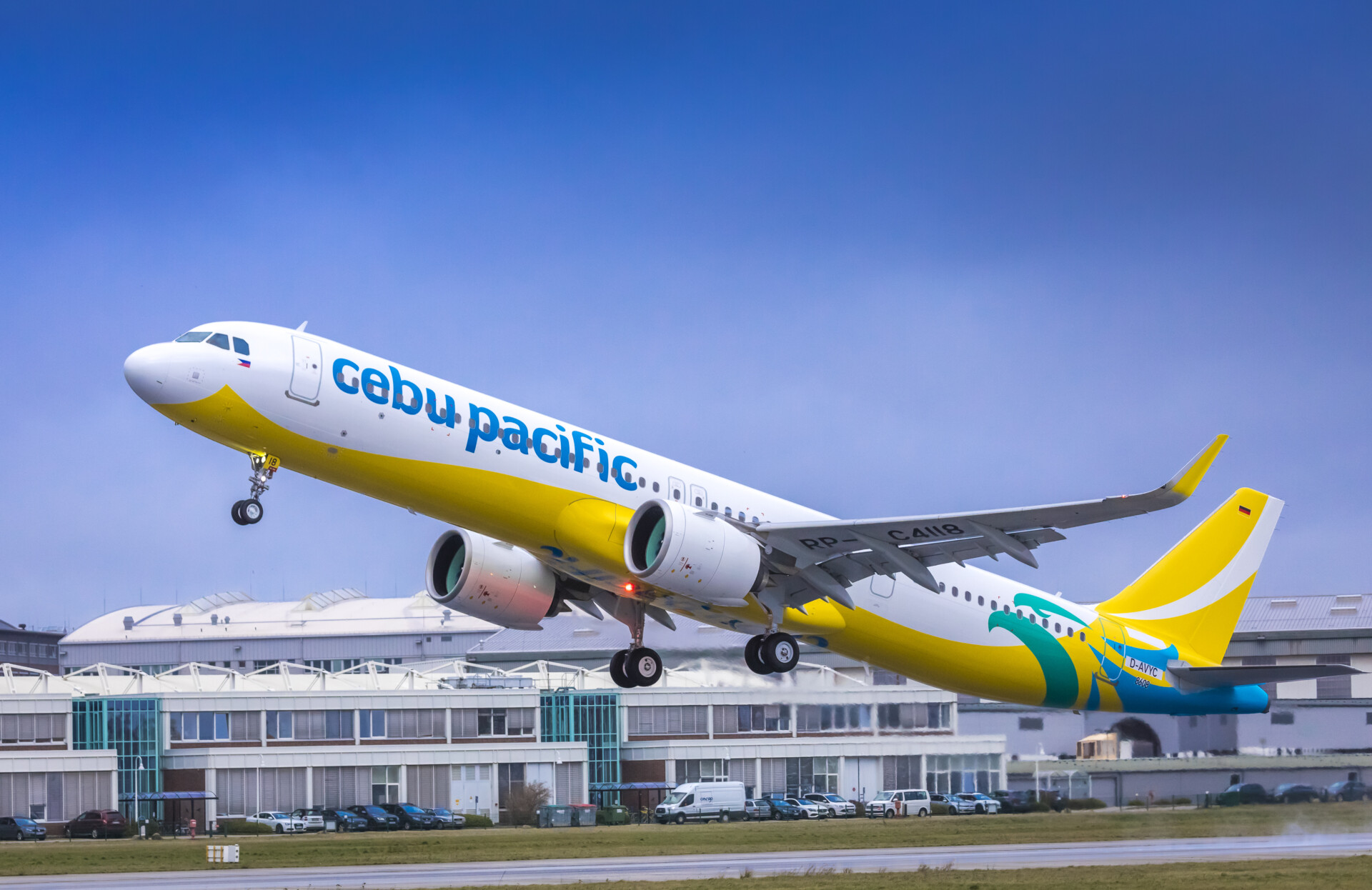
Cebu Pacific announced its 7.7 seat sale on Wednesday.
In an advisory, the budget airline said travelers can avail of a P188 one-way base fare for domestic flights.
The booking period is from July 7 to July 11, 2022, with a travel period from September 1, 2022 to January 31, 2023.
Alongside the domestic flight sales, Cebu Pacific is also offering a special international seat sale for as low as P499 one-way base fare for the same travel period.
“This includes flights to South Korea, Singapore, Hong Kong, Taipei, Hanoi, Ho Chi Minh, Bangkok, among others,” the airline said.
Vo Quang Phuc of Quang Nam Province has left his vessels ashore for the last two weeks even though it is the main fishing season now.
His two vessels typically make 16 trips a year, but this year they have only done four, and all of them resulted in losses, with diesel prices double that of last year.
The 43-year-old man works as a porter for VND300,000 ($12.84) a day, but he does not get called very often and still has a VND1.7 billion debt on one of his boats.
He has not received any government support to cope with rising fuel costs, and in his village, only the elders work as fishermen. Most of the younger generation have dumped the vocation for other jobs with more stable income.
“We fishermen are facing great difficulties.”
Phuc’s vessels are among 45,800 nationwide, roughly half the country’s fishing fleet, that have stopped operating this year over high fuel costs.
Diesel costs have nearly doubled year-on-year to around VND30,000 per liter. With fishing vessels consuming about 330 million liters per month, fisherfolk’s incomes have been severely impacted, the Ministry of Labor, Invalids and Social Affairs said in a recent report.
Hoang Van Minh from the central province of Quang Binh is one of them, docking his fishing vessel for two months now.
Minh has seen an increase of 30 percent in fuel costs, while the catch is less than previous years, which means he loses money on all of his fishing trips.
Half of the vessels in his village have stopped operating, and only one in 10 report some profit, he added.
Minh works as a wood worker for VND300,000 a day.
His son needs VND1.5 million soon to pay for his tuition and Minh does not know how he can afford that.
Quang Binh has 1,200 offshore fishing vessels, of which 350 of not being used.
The number of unused vessels will rise further as fuel costs rise faster than catch prices, said Le Ngoc Linh, head of the province’s seafood department.
Some fishermen are even selling their vessels to make ends meet.
Pham Van Suc in Quang Nam sold his offshore vessel recently and bought a smaller boat to transport people in Da Nang City.
“Many of my customers are fishermen who are now going into the city every day to work as gardeners. They only return to their ships at night to protect them.”
The Swiss bank could be considering ending the co-management of its global wealth unit as it places its potential leader into position for the future.
UBS is currently evaluating whether to promote Iqbal Khan as the sole head of the global wealth management business.
The current co-head of the wealth management business, Tom Naratil, may keep his current role as head of the UBS business in the Americas, the news service said, citing people with knowledge of the matter.
The step could also serve to position Khan as current UBS chief executive Ralph Hamers’ successor, although no final decision has been made yet, it said.
Given that Hamers has only run UBS for two years, the management change is unlikely to be imminent, the report added. Khan came to UBS from Credit Suisse in 2019, where he ran that bank’s international wealth management business.
Naratil originally started working for PaineWebber in 1983, a US brokerage purchased by UBS in 2000. He was previously the UBS chief financial officer and chief operating officer in Zurich before returning to manage the US wealth business in 2016.
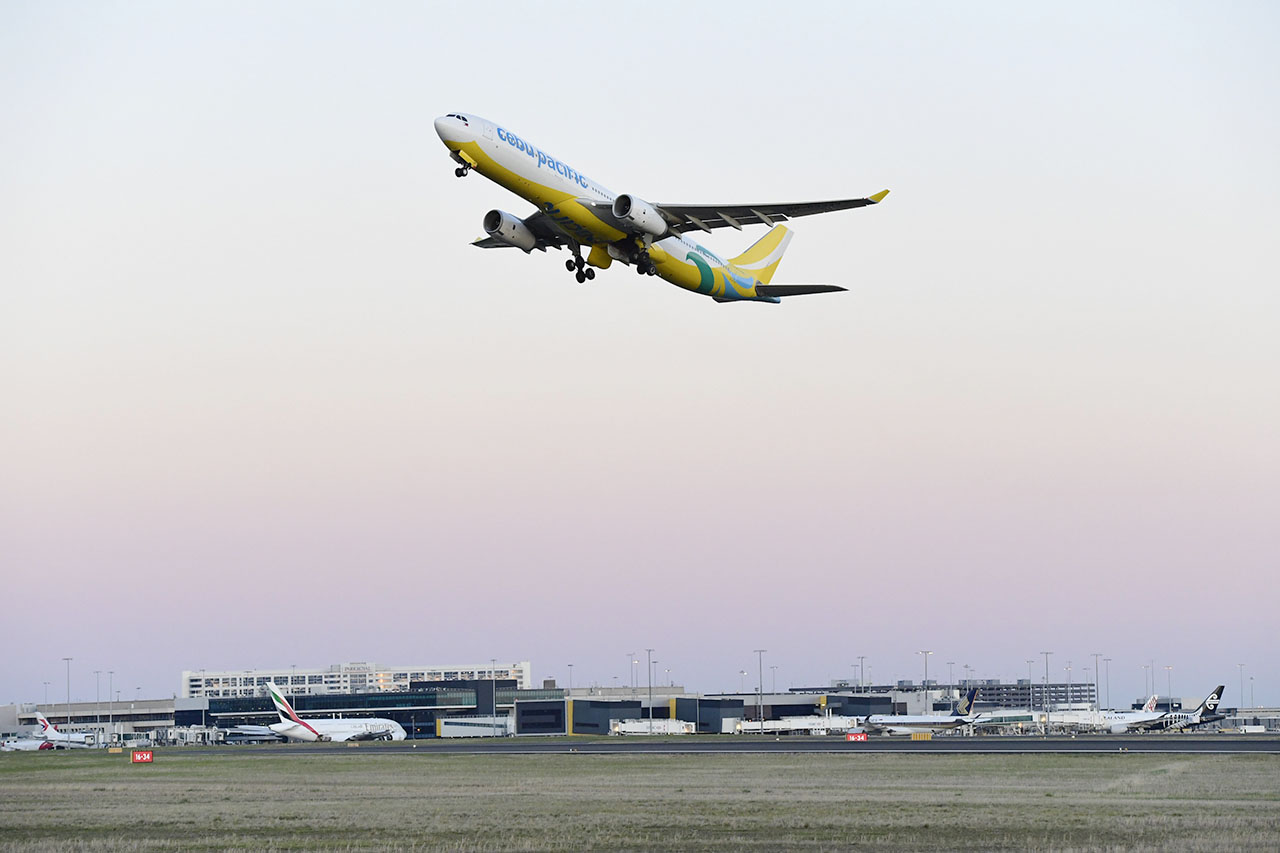
Budget carrier Cebu Pacific said on Sunday it has expanded its Asia Pacific footprint with the resumption of its flights to Australia.
With the easing of travel restrictions in the Philippines and Australia, Cebu Pacific has resumed its thrice weekly flights between Manila and Sydney.
“With this route resumption, we are pleased to fly once again to and from this destination after more than two years. We know that many are excited to visit Sydney’s attractions like the Sydney Opera House, Harbour Bridge, Bondi beach, Taronga Zoo and many more,” said Xander Lao, Chief Commercial Officer at Cebu Pacific.
He added: “This also allows Filipinos to reunite with friends and family. We will continue working on boosting seamless connections across our network to address demand.”
Sydney requires arriving tourists to present printed copies of their Covid-19 Vaccination Certificate upon check-in. Travelers must also complete and submit their Digital Passenger Declaration form at least 72 hours before departure.
Coming home, boosted Filipinos no longer need to take a Covid test pre-departure.
As countries continue to reduce Covid-19 measures, Cebu Pacific plans to revitalize its international network. Its domestic network has already been restored to 100 percent of its pre-pandemic capacity.
Last month, the airline announced that it will ramp up its flights to Singapore from Manila and Cebu.
In an advisory, Cebu Pacific said it will double the daily frequency of its Manila-Singapore operations starting July 1, while its thrice weekly Cebu-Singapore route will reopen on July 15.
“We are delighted to continue ramping-up our international flight frequencies, not only in Manila, but also in Cebu. We know majority of the traveling public have been looking forward to travel internationally again, especially since a lot of countries have eased their restrictions. We continue to work towards the expansion of our international network while we maintain operating over 100 percent of our pre-pandemic domestic capacity,” Lao said.
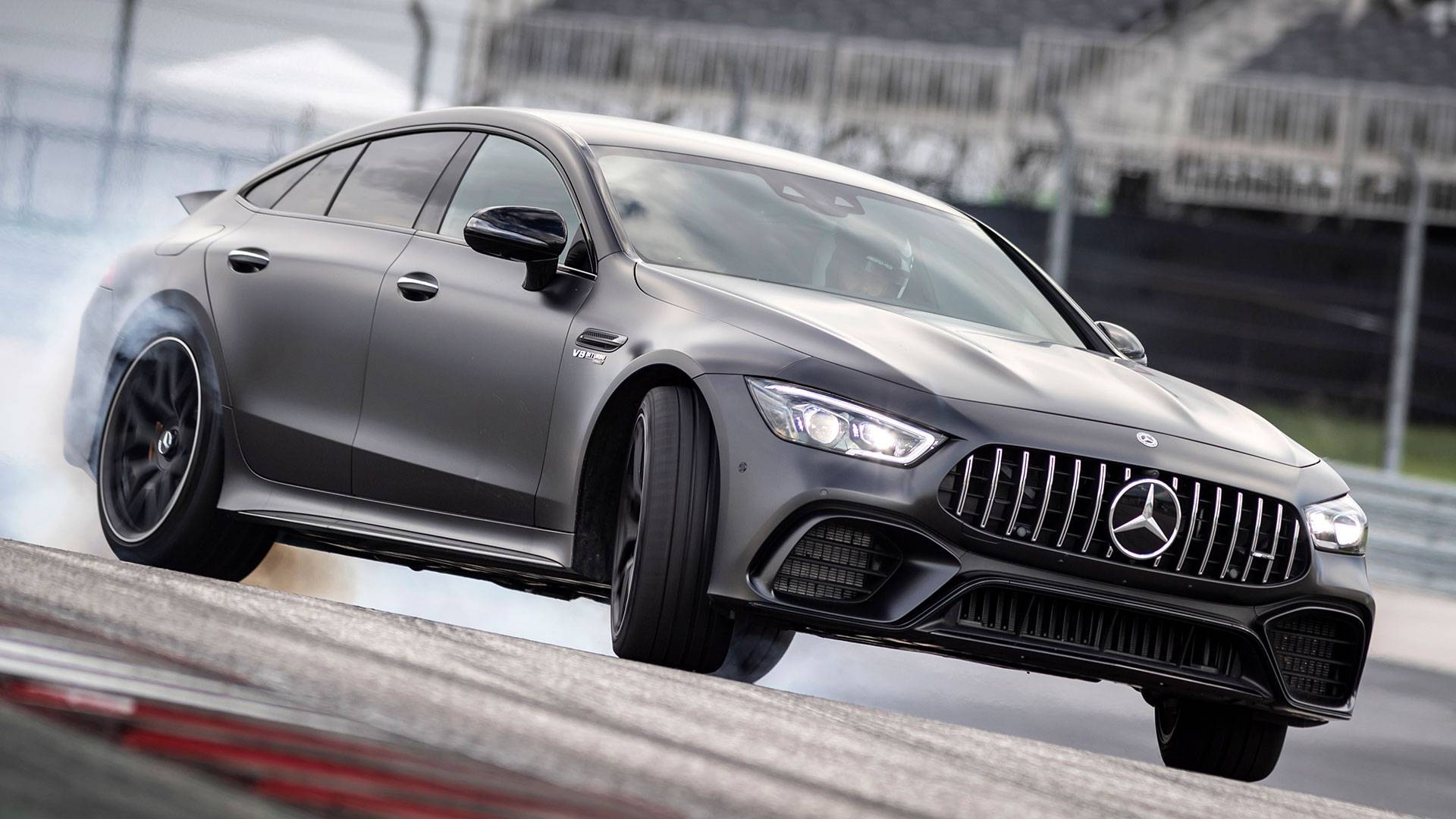
Mercedes-Benz is still feeling the effects of the global semiconductor shortage that hit the auto industry as well as supply chain constraints. As per a report by PTI, the carmaker is not expecting the situation to improve in 2022 while also saying that it was hard to predict how it would change in the future.
Speaking to PTI, Martin Schwenk, Managing Director and CEO of Mercedes-Benz India said that the company was dealing with not just semiconductor shortages but also with congestion in shipping. He added that the company was facing significant supply constraints placing a limit on the number of cars it could produce and deliver causing longer waiting period for its customers. Schwenk also revealed that the global economic uncertainties and go-political tensions seemed to have worsened over the past few months with a lot of questions being raised across markets regarding the economic situations in the short-to-medium terms.
Schwenk however said that while the brand was facing uncertainty over its production levels, the global economic uncertainties and geopolitical crisis was yet to affect consumer sentiment in India. The carmaker said that it has over 5,000 pending orders on its hands currently in the country with the number of bookings continuing to increase.
He however said that the company in the past few months had been forced to hiked prices on several occasions owing to rising input costs and the company was continuing to monitor topics such as inflation and pricing.
Mercedes has some big launches lined up for India in the coming months including its all-electric flagship, the EQS luxury sedan and the EQB electric SUV. The carmaker at the start of the year had revealed its plans to launch 10 new models in India in 2022 which has till now included the new Mercedes-Maybach S-Class and the new-gen C-Class.
Sportswear giant Nike has collaborated with GMG to launch a new-generation store at Vivo City in Singapore. According to Nike, the 5900sqft store is intended to bring customers closer to sports and closer together. It has a wide selection of innovative gear, sporting essentials, and seasonal offerings for men, women, and children. Nike says customers can take advantage of styling expert sessions with store athletes, who can help customers of all ages choose appropriate apparel and footwear for
According to Nike, the 5900sqft store is intended to bring customers closer to sports and closer together. It has a wide selection of innovative gear, sporting essentials, and seasonal offerings for men, women, and children.
Nike says customers can take advantage of styling expert sessions with store athletes, who can help customers of all ages choose appropriate apparel and footwear for running, training, playing basketball, or simply living an active lifestyle.
In addition, the Vivo City store offers a buy-online, pick-up-in-store service, and plans to organise community events.
“In our commitment to bringing consumers closer to sport, we are reintroducing our VivoCity store that is fitted to offer athletes of all sports and expert levels some of the most innovative Nike products and services today,” said Carl Masterman, GMG senior VP retail, SEA – sports.
“At VivoCity, fit is our focus – and our store athletes are on hand to ensure shoppers are equipped with the best fit for their sport of choice or lifestyle needs. The personal touch is extended also to our … community events for like-minded athletes that will be unveiled in the coming months.”
Looking outside her Beijing coffee shop where seven other nearby cafes including a Starbucks compete for customers, Huang Ying is simply glad to still be in business.
In the 17 years since opening her cafe in the trendy 798 Art Zone district, making money has gotten harder – even before the coronavirus. Rent and labour costs have increased while rival after rival waded into a market that has failed to live up to expectations.
“Our profit can’t compare with the old days,” she said. “I raised prices by 10% in 2017 but that has done little to offset the jump in costs.”
As a coffee market, China exerts a magnetic pull for Western brands keen to emulate the success of Starbucks Corp which has over 4,400 stores in China and is still expanding. Since last year, Canada’s Tim Hortons has opened about 60 stores in China while Italy’s Lavazza and Sweden’s Wayne’s Coffee have also made forays into the market.
Much of the optimism about China’s coffee market potential stems from just how little its consumers drink – just 5.4 cups per capita last year, compared to 341 in the United States and 591 in Western Europe, according to consultancy Euromonitor.
Chinese coffee consumption is growing at an estimated rate of around 5% annually, but coffee shop proprietors like Huang say it is more important to take note of the huge jump in outlets and cut-throat pricing.
Store openings of specialist coffee and tea shops surged 50% in 2018 and 2019, and China now has some 18,350 stores, more than triple the number in 2014, according to Euromonitor. Coffee is also now sold at many convenience stores and fast-food restaurants.
And while a regular-sized latte costs around 30 yuan ($4.24) in China, it can be as cheap as 4.5 yuan ($0.60) at some places with the use of discount vouchers.
This year’s admission by delivery-focused and coupon-reliant Luckin Coffee that it fabricated $310 million in sales underscores how the coffee opportunity in China has been exaggerated, analysts said.
“Luckin’s fraud proved that even though coffee in China is almost free, the Chinese still don’t drink much of it,” said Beijing-based independent analyst Keso Hong.
Tea is China’s main source of caffeine and outside of China’s biggest cities, buying a branded caffeinated drink to get through the day is not part of everyday life.
Bubble tea, which contains tapioca pearls, is also giving coffee a run for its money. Food delivery giant Meituan Dianping received 210 million orders for bubble tea in 2018, “far more than” coffee, it has said without elaborating.
Like Luckin, other domestic chains are struggling to fulfil big dreams.
Coffee Box, which focuses on coffee deliveries and raised some $56 million in funding, has shut or suspended business at dozens of its stores. Grey Box, which offers speciality coffee, said in 2018 it wanted 12 stores in Beijing by end of that year, but has just four. Bruno Caffe has closed most stores and only two remain.
Among western firms, Britain’s Costa Coffee, which is owned by Coca-Cola, has 300 China stores according to its website, despite earlier ambitions to have had 2,500 by 2018.
Starbucks, the first big Western brand in the market and now with 20 years in China under its belt, appears to be the only resounding success, having carefully cultivated its image as a premium cafe for young professionals. Some estimates put the U.S. giant’s share of China’s coffee market at as much as 80%.
Just this week, Starbucks expanded its Chinese ordering services to multiple Alibaba apps.
The newcomers have, however, wisely decided not to go it alone.
Lavazza has formed a venture with Yum China, the owner of KFC restaurants in China. Restaurant Brands International’s Tim Hortons said last year it wanted 1,500 stores in China and has gained backing from Tencent Holdings. Wayne’s Coffee signed a 15-year deal with a Chinese master franchisee.
The chains did not respond to requests for comment on their prospects.
But even teaming up with a partner is no guarantee of success given the extreme competition, analysts said.
“Undoubtedly the coffee market in China will continue to grow and consumers are becoming more habitual coffee drinkers but it is still a hard market to win,” said Ben Cavender at China Market Research.
British luxury fashion house Burberry is the latest luxury brand to withdraw from Hong Kong’s famous shopping street Canton Road.
The closure of the three-storey store came after Burberry shut its prominent Russell Street flagship last year, highlighting its struggles in a market still heavily impacted by Covid-19 restrictions.
Canton Road is known as a hub for luxury brands and is home to the giant Harbour City shopping mall. The street was a common destination for Mainland tourists before the advent of Covid-19 and the closure of the border with the mainland. The Burberry Canton Road flagship opened in 2011 and was reported by WWD to have a monthly rent of US$1.12 million.
The luxury retailer currently has 10 stores across the territory.
Prior to Burberry, several luxury brands shut stores along the Canton Road retail strip due to the lack of tourists including Valentino, Tiffany & Co, and Coach. Earlier this year, Hong Kong introduced its strictest Covid-19 measures due to the spread of the Omicron variant, resulting in widespread retail and foodservice closures.
The high-end iPhone 13 Pro Max was Apple’s top-selling smartphone in Vietnam in the first half of the year, according to data from retailers.
At FPT Shop, the 128-GB version has been topping sales for months, beating out the iPhone 11 and cheaper Android devices like the Samsung Galaxy A12 and A22.
CellphoneS and Minh Tuan Mobile reported similar results.
At The Gioi Di Dong, no Apple device made it to the top 10 list in terms of number of units sold, but iPhone 13 Pro Max (128 GB and 256 GB version) topped in revenues due to their high price tags.
“Despite having the highest price, the 13 Pro Max beat other Apple smartphones in sales,” Nguyen Lac Huy, media representative of Cellphone S, said. “It was followed by the iPhone 11 after its price drop in late June.”
The iPhone 13 Pro Max was launched last September, and pre-orders for it accounted for 70 percent of all Apple sales then. It also dominated the high-end smartphone segment (prices of VND20 million ($857) and higher).
Its closest competitor was the iPhone 11, which had a price tag of VND10.5 million.
Retailers expect sales of the 13 Pro Max to keep rising thanks to the price adjustment at the end of June, which brought it down to VND27 million.
“Buying the most high-end model is common among Vietnamese,” Nguyen Huu Phuc, head of sales at Minh Tuan Mobile, said.
“Meanwhile, retailers also offered various promotions on the device, and so the iPhone 13 Pro Max always accounted for a large proportion of sales.”
Huy of CellphoneS said the iPhone 13 Pro Max “will definitely retain its best-selling position” until new products are launched.