Author: Mei Ling Tan

  • Celcom-Digi Merger Granted Clearance By Malaysian Authorities

    Celcom-Digi Merger Granted Clearance By Malaysian Authorities

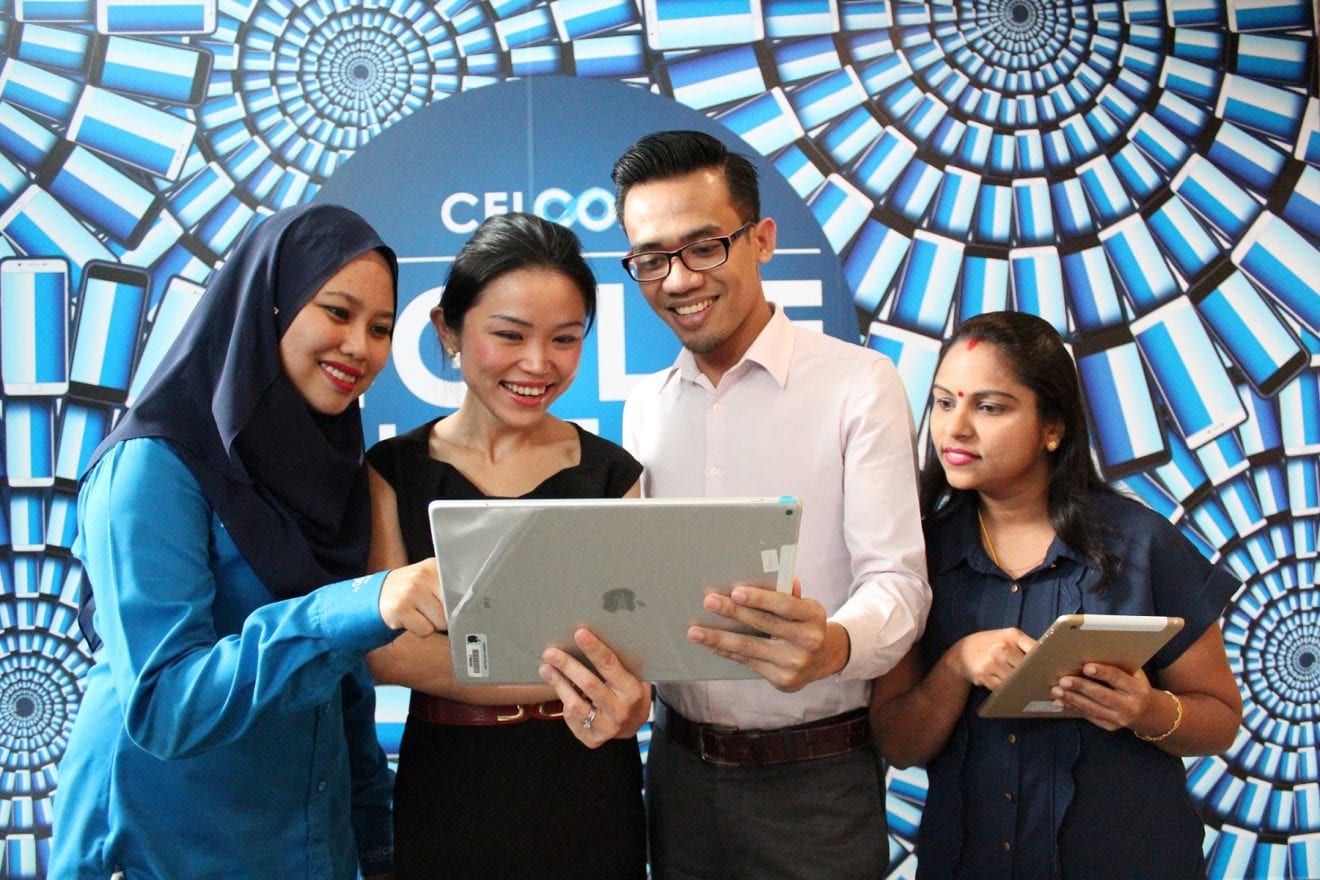
    Malaysia’s communications regulator has given Celcom and Digi the greenlight to advance on their proposed joint venture.

    According to a statement released by Digi, Telenor Group’s Malaysian subsidiary, the two major telecom operators have “received a Notice of No Objection from the Malaysian Communications and Multimedia Commission (MCMC)” to go ahead with the proposal.

    The notice came a year after Celcom and Digi submitted the merger application to the government. With it, both companies are now moving forward to deliver improved network quality and coverage. The merged companies are expecting to invest in network expansion to back the increasing demand for data and digitalization.

    Furthermore, Digi and Celcom are now planning to boost 5G capabilities.

    Chairman of Axiata, Tan Sri Shahril Ridza Ridzuan, was quoted in the statement as saying, “We thank the MCMC for their approval and guidance to reach this significant milestone. We reiterate our commitment to ensure that the proposed merger delivers benefits to the nation as a whole. It is aimed at combining the best of Celcom and Digi so that our customers and community have good options in accessing solutions to participate more equitably in this digital era.”

    Meanwhile, Digi’s Chair of the Board of Directors, Haakon Bruaset Kjoel, added,  “Today brings us a step closer to creating a strong Malaysian company with the combined scale, experience, network, and innovation leadership to drive Malaysia’s digital growth in the coming years. Together, Celcom and Digi will bring better innovations to meet our customers’ growing digital needs and for all participating in the digital economy to capture new growth opportunities in a fast-changing world. We will now focus on completing the remaining necessary steps to conclude this transaction and work on delivering a seamless integration programme to bring the vision and value of the merged entity to reality for the benefit of many.”

    The completion of the merger will now be determined by the decision of the Securities Commission, Bursa Malaysia, by both Axiata and Digi shareholders, and other customary terms and conditions. The new merged company will then be named Celcom Digi Berhad and will continue to be listed on Bursa Malaysia.

  • Vietnamese fork out less for pork

    Vietnamese fork out less for pork

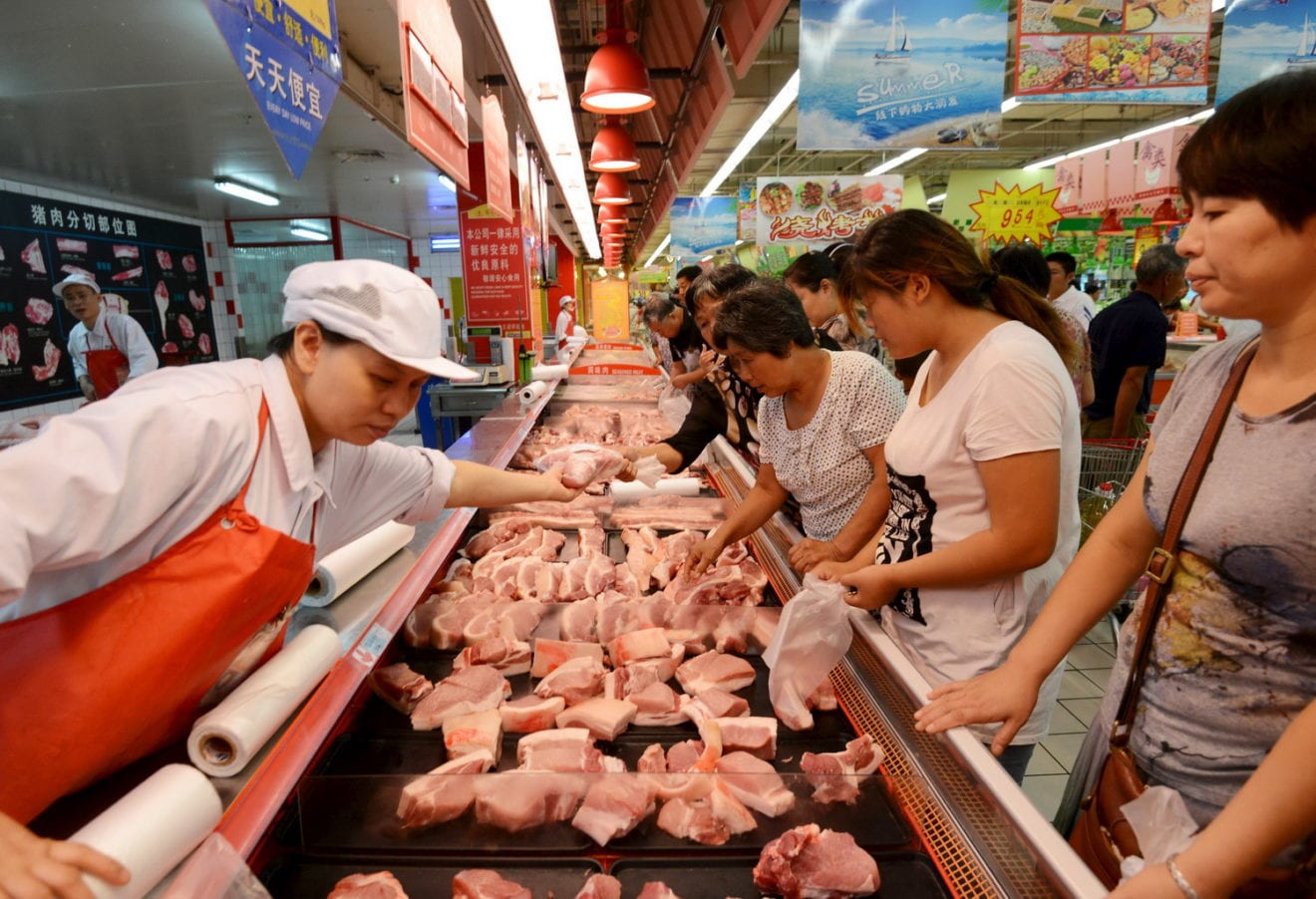
    Vietnamese families have been consuming less pork in recent months as prices increased, switching to other sources of protein like chicken and eggs.

    Ngoc Thao from HCMC, 32, said that one kilogram of bacon now costs between VND150,000-180,000 ($6.43-7.72), depending on whether it is purchased at a traditional wet market or a supermarket.

    Cheaper cuts of pork, such as cutlet and thigh, range from VND100,000-130,000 per kilogram, which is twice or thrice the price of chicken.

    “The prices of vegetables, spices and many other things have skyrocketed, but my salary remains unchanged, so I must cut back on my spending on expensive stuff,” she said, sighing.

    “Now our family has meat only for one or two meals per week.”

    A survey of livestock farms at the end of June found that the price of live pigs had crossed VND60,000 per kg, a slight increase from previous days.

    The majority of farmers said the price has increased because the cost of animal feed has increased. Prices of new born pigs have also increased by 20 percent compared to two months ago.

    According to the Organization for Economic Cooperation and Development (OECD), the majority of Vietnamese people have been eating less pork, like Thao’s family.

    From 2016-2018, Vietnam had one of the highest average pork consumption rates in the world at 30-31 kg per person per year. However, during the first two years of the pandemic, this fell to 26 kg.

    Data from Ipsos, a multinational market research firm based in France, showed similar results by compiling statistics on the entire supply of cattle and poultry farms in 10 key livestock provinces and cities, in conjunction with official import and export volume, quotas, and meat products.

    It calculated that each Vietnamese person used to consume about 30 kg of pork per year, but by 2021, this had dropped to 23.5 kg.

    According to Phong Quach, director of Ipsos Vietnam, per capita meat consumption in Vietnam has been increasing as living standards improve, and consumers have more meat sources to choose from.

    He said there were three reasons why pork was no longer the top priority.

    First, the African swine fever got people worried and also severely impacted global supply.

    Second, the price of pork kept rising sharply, albeit intermittently, as input costs like that of logistics rose significantly.

    Third, people were cutting back on spending in the post-Covid period and seeking cheaper animal protein sources than pork.

    For several years now, per capita consumption of poultry (primarily chicken) has increased rapidly – from 12 kg in 2016 to 20 kg now.

    Seafood has surpassed pork as the most important source of protein for Vietnamese people, accounting for per capita consumption of 29 kg per year.

    Per capita consumption of beef, which is more expensive than other meat, has increased slightly from 4.3 kg to 5 kg per year.

    The VNDirect Securities Company said in a meat industry analysis published at the end of May: “We believe that demand for meat is likely to increase when kids are on their summer break while restaurants and industrial kitchens continue to consume at the same rate as the first quarter of this year.”

    Quach said the fact that some local pig farms have sold their complete stock after the African swine fever outbreak will further decrease supply and increase prices in the coming months.

    The price of live pigs for slaughter is expected to remain at above VND60,000 per kg, higher than the VND51,000-54,000 range recorded between October 2021 and April 2022.

    The pressure to balance spending amidst rising prices makes short-term consumption recovery difficult, market observers say. But they add that despite the current situation, the pork market has a lot of room for future growth.

    According to the CEO of a publicly traded food company, the pork market is worth about $10 billion, but 90 percent of the products sold are unbranded.

    Meanwhile, consumers are becoming more health-conscious, and demand for branded, traceable meat products will rise once the price storm passes.

    According to the OECD, each Vietnamese person will consume approximately 27.7 kg of pork by 2023, a 7 percent increase over last year.

    By 2029, this figure could rise to 32.7 kg, higher than the pre-pandemic period, and surpass South Korea and China to take the lead in global per capita consumption.
  • TikTok comes clean and admits China

    TikTok comes clean and admits China

    There might be something fishy about China’s ByteDance’s short-form video app TikTok’s data security practices after all, suggests a new Bloomberg report.
    Former US President Donald Trump deemed TikTok a security risk and tried to ban it. He wanted the parent company ByteDance to sell TikTok’s US business. President Joe Biden revoked the ban in June 2021.
    Responding to those nine senators, TikTok Chief Executive Officer Shou Zi Chew admitted in a letter that some China-based employees can access information from US users, including public videos and comments. He added that none of that data is shared with the Chinese government and is subject to tough security controls.

    Chew also said that TikTok has limited links to ByteDance and the information that non-US-based employees are able to access is non-sensitive in nature and this sharing helps ensure global interoperability.

    This led to more criticism from US lawmakers about TikTok’s data-sharing protocols.
    TikTok says it’s working with the US government to strengthen security around consumer data, especially the information that the Committee on Foreign Investment (CFIUS) defines as protected.
    Under an effort called “Project Texas,’ the social media company is making moves to address lawmakers’ concerns. This includes physically storing information about US customers on US servers owned by Oracle. TikTok is also shifting its platform to the American software company’s cloud infrastructure.

    Currently, 100 percent of US traffic is routed to Oracle Corp, but that data is backed up to the company’s own data centers in the US and Singapore. TikTok intends to fully migrate to Oracle’s US servers in the future and delete the information from its own systems.

    According to app intelligence company SensorTower, TikTok has been downloaded 321.6 million times in the US.
  • VinShop aims for success as store connection platform

    VinShop aims for success as store connection platform

    VinShop is expected to soon become a successful store connection platform in Vietnam, with a business strategy similar to Tokopedia in Indonesia.

    Tokopedia’s success lesson

    Founded in 2009, Tokopedia is one of Indonesia’s tech unicorns. According to CB Insights (U.S.), Tokopedia’s value reached $7 billion as of June 2020, becoming the third largest unicorn in Southeast Asia, behind Grab (Singapore) and Gojek (Indonesia).

    Tokopedia was developed as a shopping platform where any business could easily arrange and sell its products.

    William Tanuwijaya, co-founder of Tokopedia, said that the company’s business model is similar to Alibaba’s as it combines Toko (shop) and encyclopedia.

    In 2018, Tokopedia launched the Mitra Tokopedia app for warungs – small family-owned businesses that usually cater to a neighborhood.

    Mitra Tokopedia has recorded one million downloads in the island nation that has two million warungs.

    Mitra Tokopedia has gained popularity and is now present in more than 20 major cities, including Bandung, Yogyakarta, Banda Aceh, Medan, Palembang, and Pekanbaru. This is due to its capacity to connect grocery store owners directly with suppliers and ease retail operations.

    Research from PT Visa Worldwide shows that more than 90 percent of Indonesia’s transactions are conducted in cash. Therefore, tech unicorns like Tokopedia are pioneers in promoting online shopping.

    According to experts, grocery stores still have several advantages over supermarket systems and e-commerce, particularly in Asia. They are friendly, close to homes and convenient.

    Tokopedia, Warung Pintar in Indonesia, StoreKing in India, and Alibaba with LST have all shaken hands with traditional retailers.

    VinShop’s potential

    Tokopedia’s success in Indonesia inspired One Mount Group to develop its VinShop platform.

    One year after its launch, VinShop has connected more than 100,000 traditional grocery stores. However, this figure is still modest compared to the market potential.

    According to Nielsen, Vietnam has 1.4 million grocery stores in operation. Kantar Worldpanel, the world’s leading consulting and market research company, said that traditional retail channels, including markets and grocery stores, still meet 85 percent of consumer demand. The advantage of the grocery store business model is convenience, right in the small alley, good service, easy to travel, and low cost.

    VinShop has helped 10,000 Vietnamese grocers become real business people by using technology and financial solutions from this digital platform. Data from VinShop shows that the platform has covered up to 80 percent of the core market in Hanoi and Ho Chi Minh City.

    Several small businesses said that they can earn a lot thanks to VinShop’s benefits, such as the abundance of products from suppliers themselves, transparent pricing, more than 100 promotions each month, and VinShop’s loyalty programs.

  • Finance ministry proposes tax cuts on gasoline

    Finance ministry proposes tax cuts on gasoline

    The Ministry of Finance has apprised the government of its plan to reduce special consumption tax and value-added tax on gasoline to bring its prices down.

    The plan was announced Thursday by a ministry official without disclosing further details.

    Currently special consumption tax is at 8-10 percent and value-added tax is at 10 percent.

    Gasoline prices rose to an all-time high of VND32,870 ($1.41) per liter last Tuesday.

    VND/literVietnam’s gasoline pricesRON 95E5 RON 92Dec 25 2022Jan 11 2022Jan 21 2022Feb 11 2022Feb 21 2022Jan 3 2022Nov 3 2022Mar 21 2022Jan 4 2022Dec 4 2022Apr 21 2022Apr 5 2022Nov 5 2022May 23 2022Jun 1 2022Jun 13 2022Jun 21 202220k22.5k25k27.5k30k32.5k35kApr 21 2022● E5 RON 92: 27 130

    Prices have surged by 65-70 percent since the end of 2021, burdening both consumers and businesses.

    Earlier this month, the ministry had considered halving the environment tax on fuel, but critics said a cut of VND500-1,000 is too little to have an effect and called for reduction in other taxes.

    Taxes and fees account for 35 percent of gasoline prices.

  • Pi miners anxiously await monetization

    Pi miners anxiously await monetization

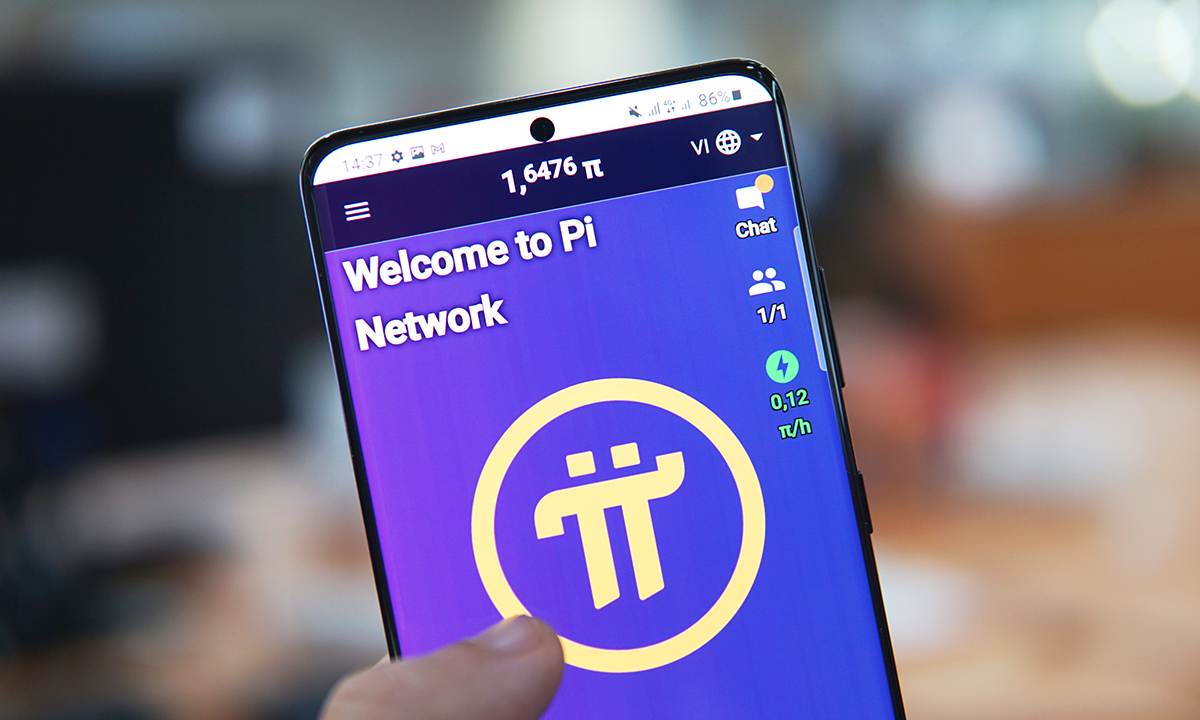
    Vietnamese people are expecting good money from cryptocurrency Pi following developer’s promise of a mainnet launch on June 28.

    The system is making steady progress towards transiting to launch by around Pi2 Day – June 28, the development team announced on the Pi Network app last Tuesday.

    Since Monday night, Pi miners in Vietnam have started to wait for the transition. Many claimed to be business owners and said they will accept the token as a payment method as soon as the coin can be exchanged.

    Pi and other cryptocurrencies are not legal tender in Vietnam, Dao Minh Tu, the deputy governor of the State Bank of Vietnam, has said.

    Huynh Tan of HCMC said he has signed in the app to earn rewards every day for the last three years.

    “I have joined the project since its beta stage. Now it is about to enter the mainnet stage, so I hope to be able to exchange Pi for money or something.”

    He said prices of thousands dollars is “very unlikely” as there are 100 billion tokens, but the ‘consensus price’ may be of any number.

    A poll on a Pi group found 75 percent of nearly 3,400 users believing in a ‘consensus price’ of US$6,700.

    “What will you buy first once each Pi token is worth thousands of dollars?”, a member asked on a Pi group with 100,000 members and attracted over 300 comments.

    Many said they intended to buy a house, a car or give away the money after selling the token.

    But investors will have to wait until developers allow them to transfer the token.

    Last year, Pi announced it had entered mainnet, but that will be split into two phases: closed and open network — the former allows user-to-user transactions, and the latter allows exchanging with other cryptocurrencies.

    Doubts

    Meanwhile, many are skeptical about the developer’s pledges.

    “There is no certainty in the statement, just a general announcement of mainnet launch around the Pi2 Day. They did the same thing last year, but there has yet been any development,” Anh Minh, a Pi miner said.

    Pi Network also made no announcement on its social media accounts on June 28 — an unusual move as most crypto projects constantly provide users new information during key phases.

    Over the last six months, the project has reduced mining rate, required users to lock up part of their token, and started the KYC (know-your-customer) process.

    Some users were allowed to exchange the token internally, but only as a demo.

    Up to date, the token cannot be exchanged with other cryptocurrencies, and mostly remain worthless.

  • Google to boost sound quality in Google Meet, merge Duo

    Google to boost sound quality in Google Meet, merge Duo

    There are changes coming to Google Meet that will boost the sound quality of calls by introducing stereo separation. The guys at 9To5Google have found some strings of code related to binaural audio, and the aforementioned stereo separation in the latest version of the Google Meet and Gmail applications.

    Simply put, this means grabbing two separate audio channels and treating them individually. Google Meet will be able to get different audio channels for different people speaking during a meeting, and then blast them separately into the left and right speaker of the person listening.

    This will help people understand who’s speaking much more effectively, and intuitively – normally these conference call apps just use a mono audio channel, which makes everyone come through the same speakers.

    A couple of days ago, Google announced that it will be merging Google Duo with Google Meet, or more specifically – integrating some Google Duo features into Meet. There are again strings of code that show this is happening.

    With these changes in place, Google Meet will be able to carry out 1-to-1 calls the way Google Duo does, with the call tied to a phone number or Google account.

  • Samsung starts building 3nm smartphone chips in Korea

    Samsung starts building 3nm smartphone chips in Korea

    We’re slowly moving toward the size limitations of our Universe but before we reach that Planck volume, there’s still some wiggle room. This means smaller, faster, and more efficient chips in our smartphones of tomorrow.

    Let’s leave quantum physics behind, and go straight to the news (feel free to discuss Planck constants in the comment section below). After TSMC published its roadmap, shedding light on when we can expect 3nm and 2nm chips, now Samsung has announced the production start of its 3nm semiconductor chips in Hwaseong factory in South Korea.

    Samsung is moving to a new architecture, swapping FinFET (fin field-effect transistor) for GAA (Gate All Around). And if you’re worried that more physics is coming your way, just breathe. GAA offers several advantages over FinFET – the main one being higher power efficiency.

    Another new technology involved in Samsung’s 3nm manufacturing node is the nanosheet transistor manufacturing. It replaces the nanowire technology, again boosting efficiency and also performance in this case. Using nanosheets gives the ability to very easily adjust this efficiency and performance parameters by simply altering the size of the nanosheet.

    Samsung is quoting some impressive numbers, comparing the new 3nm node with the old 5nm manufacturing process. The new chips should come with 23% improved performance, a 45% reduction in power usage, and an area reduction of 16%, and this is just the first generation of 3nm silicon.

    The second generation will bring a hefty 50% increase in power efficiency, 30% better performance, and 35% less area. Here’s a little inspirational quote from Dr. Siyoung Choi, President and Head of Foundry Business at Samsung Electronics:

    “Samsung has grown rapidly as we continue to demonstrate leadership in applying next-generation technologies to manufacturing, such as foundry industry’s first High-K Metal Gate, FinFET, as well as EUV. We seek to continue this leadership with the world’s first 3nm process with the MBCFETTM. We will continue active innovation in competitive technology development and build processes that help expedite achieving maturity of technology.”

    The Korean company is also working to allow clients to design their chips faster and easier. Samsung’s SAFE ((Samsung Advanced Foundry Ecosystem) will be taking care of partners who want to design their 3nm chips using the new technology.
    The first 3nm smartphone processor leaving the factory will most likely be the next generation Exynos 2300 (S5E9935 codename Quadra). The jump to GAA and 3nm could rehabilitate the Exynos processors, which are not very popular among smartphone enthusiasts, and are lagging behind their Qualcomm counterparts. Samsung teamed up with AMD to try and turn things around (the Exynos 2200 is armed with the new Xclipse GPU based on AMD RDNA 2 architecture) but this partnership has yielded mixed results so far.
    With TSMC hiking the prices of its manufacturing processes, it’s also very interesting to see how would Samsung play its cards on that front. If the new 3nm node turns out to be cheaper at Samsung’s factories, it can swing the pendulum once again. On the other hand, don’t expect the next Galaxy S23 with Exynos onboard to be cheaper than the Qualcomm variant, as it won’t make any marketing sense.
  • Nectar of the dogs expands into Southeast Asia

    Nectar of the dogs expands into Southeast Asia

    Australian pet supplement brand Nectar Of The Dogs – which launched in the Australian market in 2021– is now expanding to meet the needs of overseas dog owners. Through a partnership with Asia Pet World, Nectar Of The Dogs is now available for online purchase and distribution globally, with pet owners in Singapore able to purchase the products in store.

    The partnership marks a dramatic milestone for the Sydney based start-up, which until now has been available to purchase only within Australia. Partnering with Asia Petworld means Nectar Of The Dogs can now reach the distributor’s network of over 500,000 households, and will be stocked on the shelves of Singpet Superstore – Singapore’s largest pet store.

    Partnering with natural health experts, veterinarians, food technologists and dog lovers, Nectar’s range of medicinal water supplements are made in Australia with high-quality, human-grade, plant-based ingredients. Nectar’s formulations are aimed to assist pet parents with the top health concerns for today’s dogs, including joints, immune system, calming the nervous system, and supporting skin health, gut and digestive system. The five products from Nectar’s range will be available to dog owners throughout Singapore.

    The growth of the brand represents rising demand for high quality, natural supplements for dogs, not just in the Australian market. Formulated in Australia by a team of food technologists and complementary health experts, Nectar Of The Dogs offers human grade, plant-based supplements that dogs find delicious.

    “We’re experts in supplements for dogs and people,” shares Nectar of the Dogs Founder, Gabriel Perera. “With Nectar, we’ve created a range of products that we wanted for our own dogs, with each ingredient painstakingly formulated to deliver maximum benefit, based on clinical evidence in dogs that tastes amazing.”

    More than just a healthy dog supplement brand, plant-based and Australian-made Nectar is better for the planet. All of Nectar’s formulas are carefully packaged in recyclable and compostable packaging, avoiding any single-use plastics.

  • 7-Eleven brings Peanuts x FDMTL collectibles to Singapore

    7-Eleven brings Peanuts x FDMTL collectibles to Singapore

    TS x FDMTL collectible bags and merchandise. From 6 July, fans can get their hands on the limited edition fashion collectibles crossover with PEANUTS x FDMTL. FDMTL is a world-class, Japan made, indigo based brand.

    Peanuts fans can look forward to a full range of premium quality bags in the latest Shop and Earn stamps programme at 7-Eleven. There are eight limited-edition premium Fashion Bags featuring characters from the Peanuts comics. Customers can earn a stamp with every $5 spent at 7-Eleven; collect eight stamps and top up $8.90 in cash to redeem a blind box of PEANUTS X FDMTL collectible bag.

    Stamp issuance begins on 6 July and ends 30 August at all 7-Eleven stores. Redemption ends 6 September, or while stocks last.

  • Pandora Thailand distributor plans to expand food, and beverage sections

    Pandora Thailand distributor plans to expand food, and beverage sections

    Tanachira Retail Corporation Co, the importer and distributor of lifestyle fashion brands including Harnn, Marimekko and Pandora, is eyeing the acquisition of health lifestyle food & beverage operators to help reduce business risks and sustain the company’s long-term sales growth.

    Tanapong Chirapanidchakul, Tanachira’s chief executive, said the company is exploring opportunities to acquire food and beverage firms and is seeking know-how to support its expansion into the sector.

    “Our overall business suffered a lot from the Covid-19 crisis, with sales in 2021 plunging by 50% from a year before,” said Mr Tanapong. “Whenever the economy is in a bad condition, people generally opt to spend their money on food rather than luxury products, which will be the first items to be cut.”

    According to Mr Tanapong, the company moved into the food and beverage business several weeks ago when it invested 5 million baht to open the world’s first Marimekko pop-up café in Bangkok’s Central Embassy mall.

    The company plans to open two more permanent cafes in the city next year. It expects Marimekko to account for 25% of total sales, up from 16% now, once two more pop-up cafés open next year. There are currently 10 Marimekko lifestyle stores in Thailand.

    According to Mr Tanapong, the company is now looking to expand the Marimekko shop at the Lotte Department Store in Vietnam’s capital city Hanoi this year.

    Tanachira is also scheduled to open a Cath Kidston cafe in CentralWorld in December this year.

    The company aims to have a total of five cafes under the Marimekko and Cath Kidston brands in Thailand next year.

    In addition, Mr Tanapong said the company intends to ramp up its online business this year. Before the pandemic, Cath Kidston was the only brand that sold its products online, but all brands are now available on the internet, contributing 12% of the company’s sales in the first half of this year. The company’s target is for online business to account for 15% of its sales in 2022, and double to 30% over the next three years.

    Moreover, Mr Tanapong said the company plans to open three new Pandora branches this year. The company expects its sales to reach 1.15 billion baht this year and 1.4 billion baht in 2023. Of the total, 50% of sales will come from Pandora, 20% from Marimekko, and the remaining 30% from other brands.

  • Nestle buys New Zealand honey brand

    Nestle buys New Zealand honey brand

    Nestlé has added to its portfolio of health-focused assets with the acquisition of New Zealand business The Better Health Company.

    Financial terms were not disclosed. The Better Health Company (TBHC) is the company behind the supplement brand Go Healthy, as well as Egmont Manuka honey.

    Nestlé acquired the business from China asset-management firm CDH Investments and TBHC’s founding shareholders. CDH Investments first backed TBHC in 2016 when it became its majority investor.

    Demand for gold as an investment has grown at an average annual rate of 15% since 2001, but what impact is an ever-sharper focus on sustainable investing having on this most robust of asset classes? Invesco’s Christopher Mellor discusses the efforts being made to ensure ethical and environmental provenance for those looking to incorporate responsible gold into their investment mix.

    Gold has always been a popular investment – and why not? Long viewed as a good hedge against inflation and economic turmoil, the metal’s price has often tracked counter to market swings.

    Yet amid the continued enthusiasm for the precious metal, investors are also increasingly conscious about its provenance, with investment strategies intrinsically linked to environmental, social and governance (ESG) goals. Traditionally, investors could only gain exposure to gold by physically buying bars and coins, entailing delivery, storage and insurance costs. A recent development is the rise of gold exchange-traded commodities (ETCs), which remove the costs of physical ownership, but also present potential issues around ensuring environmental and ethical merits.

    The deal is the latest acquisition made by the world’s largest food company as it looks to take on more businesses centred on health and wellness.

    Paul Bruhn, the head of the Oceania business for Nestlé’s Health arm, said the Go Healthy and Egmont brands “complement our global portfolio of active lifestyle and health-and-wellness nutrition brands very well”.

    The transaction also includes a manufacturing facility in Auckland for minerals and supplements.

    Jennifer Chappell, the CEO of Nestlé’s business in New Zealand, said: “This will strengthen our presence not just in New Zealand, but more broadly across the region, with the Go Healthy brand which is already present in Australia, China, Singapore, South Korea and Vietnam, and the globally-known Egmont brand.”

    Last month, the Swiss food giant snapped up Brazil-based health foods and supplements business Puravida.

    In February, Nestlé made an acquisition in the area of “nutrition products” with a majority stake in US-based Orgain, a supplier of protein powders, snack bars and shakes.

    Last year, the group snapped up the vitamins and supplement brands of US-based The Bountiful Company in a deal valued at US$5.75bn. That transaction included the Nature’s Bounty, Solgar, Osteo Bi-Flex and Puritan’s Pride lines, as well as Bountiful’s private-label business.

    In May last year, we reported on a document issued among Nestlé executives the publication said stated more than 60% of the company’s mainstream food and drinks could not be considered healthy under a “recognised definition of health”.

    According to the FT, the presentation excluded from its analysis products in sectors such as infant formula, pet food, coffee and medical nutrition. In response, Nestlé issued a statement to say it is “working on a company-wide project to update its pioneering nutrition and health strategy”.

  • India’s Lenskart buys Owndays

    India’s Lenskart buys Owndays

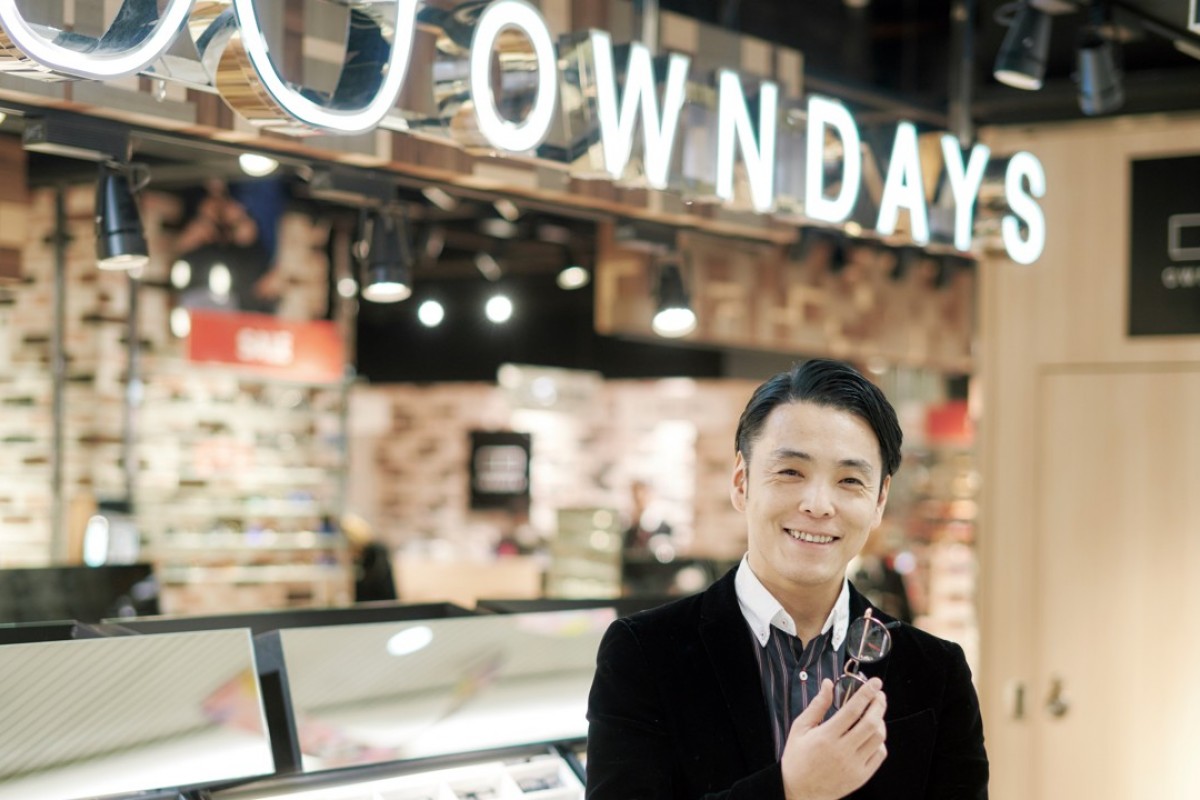
    India’s largest eyewear retailer Lenskart is buying an approximately 75% stake in Japanese eyewear chain Owndays.

    Lenskart will acquire all the shares held by a joint venture between an investment company affiliated with LVMH Moet Hennessy Louis Vuitton and a fund affiliated with Mitsui & co.

    The value of the deal is yet unknown.

    Owndays has around 460 stores in 13 countries and regions. Lenskart  has about 1,100 stores in India, Singapore, and other countries.

    “Under the deal terms, Owndays management will retain their stakes in the company. The management structure and store names will remain unchanged,” the report noted.

  • Waze and Netflix team up for new, adventurous driving experience

    Waze and Netflix team up for new, adventurous driving experience

    Waze users rejoice! Despite the fact that you’re bound to get one new driving experience each month, June is a bit more generous. So, for the second time this month, if you’re using Waze, you’re getting a brand-new driving experience inspired by Netflix’s movie The Sea Beast.

    Thanks to a new partnership with Netflix, Waze users will be getting a taste of the service’s newest movie before it arrives on July 8. The new driving experience features the movie’s protagonists: Maisie, a precocious stowaway, and Blue, a little beast with a massive mischief streak.

    The unlikely duo will help Waze users navigate every turn and even entertain them with their friendship. But that’s not all! New Beasts will be available for the driving experience as users choose between three new Moods: Blue, Red and Yellow. Also, your vehicle’s icon can be swapped for a Lifeboat to follow the movie’s theme.

    Make sure to download the latest Waze driving experience and tap the “Turn on Sea Beast Mode” banner to activate it. Keep in mind that this one is available globally, but only in English and for a limited time.

  • Uber Launches Robot Food Delivery In California

    Uber Launches Robot Food Delivery In California

    Uber Technologies on Monday said it launched pilot food delivery services with autonomous vehicles in two California cities, and said it was adding electric vehicle charging stations into its global driver app.

    The announcements are part of Uber’s annual product event where the ride-hail and food delivery company showcases the latest updates to its app.

    Uber announced one food delivery service using autonomous cars, and a separate pilot using sidewalk robots. Both services are available to Uber Eats users in Santa Monica and West Hollywood in California, and consumers will have the ability to opt out of the programs.

    The autonomous car pilot is in collaboration with Motional, the self-driving joint venture of Hyundai Motor Co and Aptiv PLC, and was initially announced in December. It launched on Monday, Uber and Motional said.

    Uber said the sidewalk robots are provided by Serve Robotics, a spin-off of delivery company Postmates, which Uber acquired in 2020.

    The vehicles in both services are actively monitored by human operators, Uber said, adding that “it will be some time before this technology is operated at scale.”

    Self-driving companies have repeatedly pushed out timelines to provide truly driverless trips at scale, with only a few limited fully autonomous programs available across the U.S.

    Uber on Monday also said it was launching a map of electric vehicle charging stations in its driver app in the U.S. this summer, and later worldwide, in an effort to promote drivers switching to a battery-powered vehicle.

    Uber, which aims to have only electric vehicles on its platform in the United States, Canada and Europe by 2030, said charging was one of drivers’ biggest obstacles to switching to EVs.

    The company also said it was launching an option this summer to rent party and coach buses, and passenger vans through its U.S. app in collaboration with rental service US Coachways.