Author: Mei Ling Tan

  • Instagram removes some of its Daily Limit notifications time options

    Instagram removes some of its Daily Limit notifications time options

    It seems like Meta is less keen on helping you keep on top of your social media usage, and more specifically, on Instagram. The company has quietly updated its “Daily Limit” feature, which was designed to let you receive a notification if you spend too much time on the app. Now, instead of adding more control to the feature, Meta has decided to reduce the time options for these notifications.

    The Daily Limit notification feature was introduced back in 2018, and it allowed you to receive notifications on your Instagram usage after spending as little as 10 minutes per day on the app. It seems that Meta now thinks 10 minutes is just too little time to spend on Instagram and has now raised this limit to 30 minutes.

    The setting interface has also been slightly redesigned, and it now shows the longer time options first in the list (the three hours one). Despite that though, you can still have a full-screen reminder to leave the app after 10 minutes through the “Take a Break” feature, but we can’t help but think that Instagram has made it harder for users to monitor their app usage and the time they spend on the social network.

    The company has stated in a tweet that this little update is aimed at making the Daily Limit option less confusing for users, but this change does come after Meta’s Q4 2021 report. In the report, the company revealed it wasn’t making as much money and as consequence, its share value dropped significantly.

    The thing is, spending more time on Instagram gives more opportunities to be targeted with advertisements. iOS users do have a workaround with iPhone’s Screen Time feature that allows you to set limits for any app anyways.

    We reported recently about Meta’s Q4 2021 earnings report and the subsequent decline in Meta shares’ value, which seems to be continuing to go down and is now (at the time of writing) hit around $206.16. At the beginning of this month, the drop was quite significant and Meta dropped by a whopping $73.95 and was at $249.05.

    For reference, on February 2, before the big drop in stock value, the company’s shares were $323. It seems for less than a month, Meta’s shares’ value dropped by more than $100.

    Meta’s report on revenue indicated that Apple’s App Tracking Transparency (a feature that lets iOS users opt-out of third-party tracking for targeted ads), alongside other factors, had the company lose some money and caused it to reshape the way its ad tech worked, at least for iPhone and iPad users.

    On the other hand, many of you may know that Meta is the new name for Facebook the company, and the company rebranded in October. It seems the company considers the metaverse to be the future of social media. The metaverse, for those of you who don’t know, is basically a virtual reality world where you can interact with others with avatars that represent you.

    Despite the rebranding though, it seems Facebook has been struggling recently. Not long ago, there was a whistleblower named Frances Haugen who shared some concerning facts about how Facebook and Instagram chose profit over the safety of their users. Among the things the whistleblower disclosed, were some documents indicating the company was aware of how Instagram could impact young users’ mental health negatively but chose to ignore it.

    Since then, Instagram got the “Take a Break” feature aimed at helping teenagers (or anyone really) to reduce their time on Instagram.
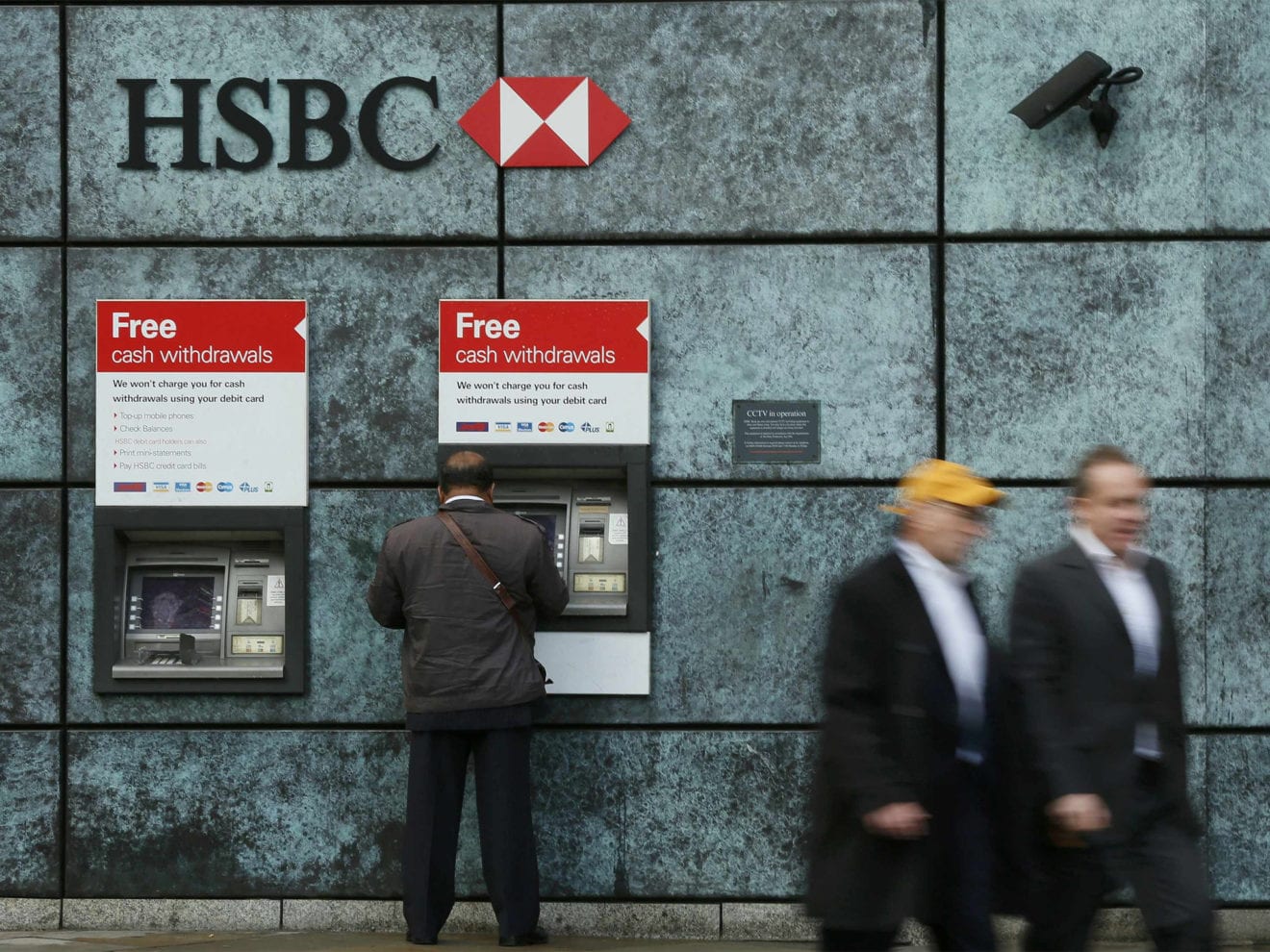
  • HSBC More Than Doubles Profit

    HSBC More Than Doubles Profit

    HSBC more than doubled its profit in 2021, despite flat revenues and costs, driven by a significant improvement in expected credit losses. HSBC reported $14.7 billion in profit after tax for 2021, according to its latest results, marking a 141 percent increase compared to 2020. Revenue ($49.6 billion, down 2 percent) and operating expenses ($32.1 billion, up 1 percent) stayed flat but the bank saw a significant improvement in expected credit losses (ECL) with a net release of $900 million compared to an $8.8 billion charge last year.

    The global economic recovery supported our 2021 financial performance, as the release of expected credit losses resulted in an improvement in the profitability of the Group and all global businesses, said HSBC group chief executive Noel Quinn.

    Our interest-rate sensitive business lines continued to be adversely impacted by low-interest rates, but our net interest margin remained broadly stable during 2021 and the outlook is now significantly more positive.

    In addition to better ECLs, the bank also highlighted a higher share of profit from its associates as a key driver of the positive results in 2021, increasing 11 percent to $29.5 billion. HSBC’s principal associates include Bank of Communications and the Saudi British Bank.

    The bank was profitable across all regions, most notably in Europe where its U.K. business posted a pre-tax profit of $3.5 billion compared to a $4.2 billion loss in the previous year.

    But pre-tax profit in Asia dipped 5 percent to $12.2 billion with a material decrease in Hong Kong from $8.2 billion in 2020 to $5.9 billion in 2021.

    While the bank observes «good business momentum» coming into 2022 in most areas, with expectations of mid-single-digit lending growth, Asia may continue to see headwinds.

    The bank expects weaker performance for Asia in the first quarter, specifically within the region’s wealth unit.

  • HSBC Switzerland Turns Profits and Cuts Jobs

    HSBC Switzerland Turns Profits and Cuts Jobs

    HSBC’s turned a profit in 2021. Planned job cuts are not expected to affect the client business.

    The Swiss subsidiary of British financial group HSBC reported a pre-tax profit of $44 million last year, more than reversing the previous year’s loss of $16 million, according to the bank’s annual report.

    The wealth & personal banking division posted a pre-tax profit of 46 million dollars, with commercial banking chipping in a further 10 million.

    Locally, the unit sees itself well positioned to benefit from rising interest rates. The roughly 100 Swiss job cuts announced in February will mainly affect IT and back-office functions, as positions are relocated to more cost-effective sites.

  • B2B e-commerce platform Buy2Sell reaches 1 mln hits

    B2B e-commerce platform Buy2Sell reaches 1 mln hits

    According to statistics for Buy2Sell’s Google Analytics in 2021, the platform recorded over half a million visits and 140,000 registered users.

    In 2020, the platform reached about 400,000 visits and 56,000 registered users. In two years, it has recorded one million hits and more than 200,000 registered users.

    According to Buy2Sell’s importation data for the second semester of 2021, Buy2Sell Vietnam imported more than $22 million of goods through their global network of suppliers. These goods are destined for large local buyers using the platform. The most popular items are wine, nutritional food and cosmetics.

    “We are in a growth phase. Our revenue stream provides Buy2Sell steady capital. Currently, we have received interesting offers from large investors. However, we are very humble right now in speaking about evaluation. Our focus is to deliver value, quality of service, brand influence in the community and efficiency. E-commerce is our primary goal,” Harry Morant, Buy2Sell CEO, shared.

    While most people use Google and other search engines to locate products, businesses did not have the same capabilities in the past. However, this is changing thanks to the increasing number of B2B eCommerce marketplace platforms. Now more than ever most businesses, large or small, heavily rely on B2B E-commerce marketplaces.Buy2Sell was established in 2015 and belongs to the group LLHP PTE LTD, Singapore.

    Vietnam stands to benefit as the B2B E-commerce market with the highest growth rate in Southeast Asia, reaching $13.2 billion in 2020, and is expected to grow at a CAGR of 43 percent by 2025. Buy2Sell plans to build a faster and more user-friendly platform and expand its sales, marketing, and technology teams to drive rapid growth.

  • Vietnam gold prices climb to new record

    Vietnam gold prices climb to new record

    Vietnam gold prices rose to a new high Tuesday on the back of global rates soaring because of rising international tensions over the Ukraine situation.

    The Saigon Jewelry Company (SJC) was selling its gold at VND63.85 million ($2,798) per tael at 3 p.m., up 1.03 percent from Monday. A tael equals 37.5 grams or 1.2 ounces. It then fell to VND63.6 million at the time of publishing.

    DOJI sold its gold at VND63.65 million, up 0.71 percent.

    In the global market, gold rose 0.2 percent to a near nine-month high of $1,909.33 per ounce, as tensions intensified in Eastern Europe intensified after Russia ordered troops into breakaway regions of eastern Ukraine, supporting demand for safe-haven bullion.

    “With the situation deteriorating seemingly by the day in Eastern Europe, there is very little reason to be negative on gold at the moment,” said Jeffrey Halley, a senior market analyst at OANDA.

  • Deliveroo’s “Share of Stomach” Survey Reveals Pandemic Impact

    Deliveroo’s “Share of Stomach” Survey Reveals Pandemic Impact

    Deliveroo, Hong Kong’s leading food delivery company, today announced its first-ever Share of Stomach report for Hong Kong, following its initial launch last year in the UK. The poll examines the city’s growing interest in food delivery that has persisted throughout the pandemic, with the goal of providing Deliveroo restaurant partners with consumer data to help them make strategic and informed business decisions. After two years in lockdown, the Share of Stomach report found that mental and physical health (both at 70%) are at the top of the list of concerns for Hong Kongers, leading to increasing appetite for food delivery among consumers.

    With the city grappling with social distancing measures and dine-in restrictions for the larger part of two years, 71% of respondents agree that the food they eat plays an important role in their mental health, followed by 65% who say they wish to take control of their nutrition levels, reflecting that the pandemic has seemed to play a role in influencing more people to adapt to eting at home.

    Deliveroo has seen a surge in ordering frequency in the city, as more than half of Hong Kongers (55%) said that they have ordered more or a lot more food delivery and takeaway over the past year. With no signs of delivery slowing down, pickup and delivery options are becoming essential to restaurants’ business and operation planning, which presents more opportunities for restaurants to beef up their delivery options and help consumers set the table at home. With new habits and routines forming, 60% of Hong Kongers now see food delivery as a necessity, claiming that their primary reason for food delivery is staying indoors. However, consumers also stated that specific cravings for certain foods (53%) – prompt them to also opt for delivery rather than cooking at home or dining out. In other words, to restaurants, making food available to customers at their moments of “craving” is key to their business growth.

    When it comes to ordering food online, Hong Kongers put their tastebuds before all else, with 38% marking flavour and taste as the most important factor when choosing their delivery. Other key considerations when opting for takeaway included caring about specific dietary requirements being met (30%) and knowing that the food had been prepared with expertise (26%). However, social media buzz was among the lowest motivators, with just 20% of respondents citing that it was important to them. Among those who cared the most about the expertise from chefs were professionals and working adults, with more than a third (34%) marking it as the number one driving force for ordering delivery. With many hungry Hong Kongers placing a high value on food quality and expertise, restaurants should place greater emphasis on quality ingredients and recipes to remain competitive in the city’s market and win over not only the tastebuds but the hearts of their customers.

    Other emerging dietary preferences in Hong Kong included:

    • Physical health (34%) was the obvious and most important decision factor in selecting a vegan diet, with 37% of those surveyed describing themselves as veggie, vegan, or flexitarian or pescatarian.
    • Families in Hong Kong (60%) were the largest group adopting vegan diet in the previous one to two years, with many of the younger child-free respondents indicating that they had ‘always’ been vegan.
    • Nearly half of individual respondents (49%) reported having dietary restrictions.

    With more customers paying additional attention to their diets, restaurants across Hong Kong would be wise to revamp their menus on a regular basis and ensure that patrons have a wide variety of options that cater to the emerging dietary needs.

    Among the three markets surveyed which include the UK, France and Hong Kong, Hong Kong was home to the keenest amateur cooks, with over half (51%) of the city’s respondents agreeing or strongly agreeing that they considered cooking to be a hobby of theirs. Given that the pandemic had created more room in their schedules, 52% of Hong Kongers cited that they have more free time. Compared to just last year, over 43% of respondents also noted that they are more likely to cook for themselves, suggesting the potential growth for the local on-demand grocery market.

    Andrew Hui, General Manager, Deliveroo Hong Kong, said: “Food delivery has undoubtedly increased as a result of the epidemic, social distancing measures not only have impacted the F&B industry but also have influenced Hong Kongers to choose to dine in at home, as they prioritise their health and wellbeing. As the city’s leading provider of online food delivery services, we are committed to helping our restaurant partners to understand the latest behaviours coming from consumers. With these insights, we can help maximise business opportunities for restaurants amidst the pandemic and provide consumers with more food choices to be delivered at their door with ease.”

  • Carsome Unveils Southeast Asia’s Largest State-of-the-Art Car

    Carsome Unveils Southeast Asia’s Largest State-of-the-Art Car

    Southeast Asia’s largest car e-commerce platform, Carsome, officially launched Carsome Certified Lab, the largest car refurbishment facility in the region.

    Spanning over 185,000 square feet, the fully-functional Lab is a state-of-the-art facility that transforms a pre-owned car to be as good as new. It is able to refurbish up to 2,000 Carsome Certified cars per month, an unprecedented scale across Southeast Asia.

    Carsome Certified CEO Mei Han said that Carsome Certified Lab plays an integral part in supporting the company’s pursuit of delivering peace of mind to consumers. “Carsome Certified exists to give consumers the options of pre-owned cars that are more superior. All our cars go through world-class refurbishment at Carsome Certified Lab, so that our customers can choose their dream car from our largest selection of best-in-class, quality-assured cars. This is our continuous effort in eliminating consumer and industry pain points,” Mei added.

    Carsome relentlessly refurbishes each Carsome Certified car, which are carefully selected through a stringent 175-point inspection to ensure that it is free from fire, flood and major accident damages. The bulk of the investment is spent on mechanical and general repair, body and paint, as well as car detailing.

    The works in Carsome Certified Lab cover all parts of the car, including internal, external, engine, transmission, suspension, steering, electrical and electronic. Each process is performed by skilled and experienced technical specialists while adhering to global safety standards. All these efforts ensure that all Carsome Certified cars are safe, comfortable and look as good as new.

    Carsome plans to open additional Carsome Certified Labs in the next 12 months across Malaysia, Indonesia and Thailand to continue offering the widest and largest selection of pre-owned cars for consumers to choose from.

    The company currently lists more than 1,000 cars on its website, where it offers a hassle-free, digital experience to consumers who wish to buy a quality car. Consumers can expect to browse for cars online with 360o view, purchase one with minimal paperwork and have their cars home-delivered for maximum convenience.

    All Carsome Certified cars come with the Carsome Promise, which ensures that the cars have passed a stringent 175-point inspection and includes a one-year warranty, five-day money-back guarantee, and fixed price with no hidden fees.

  • Hellmann responds to the global eCommerce boom: Easy eComm

    Hellmann responds to the global eCommerce boom: Easy eComm

    Hellmann Worldwide Logistics introduces a new cost-effective and seamless solution facilitating order fulfillment for international businesses who wish to enter the US market without the need for a domestic fulfillment center or storefront presence. The new Easy eComm model, which is slated to launch this month, serves as a turn-key solution that makes it possible for businesses to fulfill their customer’s online purchases in the US, swiftly and cost-efficiently.

    Operating as a virtual order fulfillment center, this market entry solution developed by Hellmann requires no capital investment or local distribution center set-up for customers. It utilizes the new informal “Type 86” customs entry that enables importing of merchandise valued up to USD 800. In this way, the new solution allows manufacturers of fashion apparel and fast-moving consumer goods to leverage the global freight forwarder’s gateway and warehouse network to expand their reach to a customer base of over 320 million US consumers.

    The Easy eComm solution is ideal for online merchants of lower-value goods to test the US market space without the need for local presence. The model employs a three-phased approach that makes it possible for new importers to scale their business gradually, with Hellmann’s established team of experts managing the implementation of each phase of the US market entry strategy. Launching with international fulfillment from the point of origin and returns logistics in phase one, the inbound journey continues with the set-up of an international returns consolidation center in phase two. It culminates with the establishment of a full-fledged US distribution center in phase three. The Easy eComm implementation process is designed to activate US market fulfillment in just a few weeks, with the ability to reach full deployment of in-market operations within twelve months of inception.

    “Our Easy eComm Solution enables international businesses to easily reach US customers. As part of the full-service offering, we handle the entire process and provide customized solutions – from the consolidation of the goods in the country of origin to door-to-door delivery in the USA. By providing our local expertise and infrastructure, we support our customers to successfully implement and evolve their business plan in the US market,” says Patrick Oestreich, Chief Commercial Officer, Hellmann Worldwide Logistics.

    “We are here to welcome new companies to the US. Our team is looking forward to assisting them in their transition into the US market, and we will work very closely with each business to understand where Hellmann as a partner can further support their journey to reaching this US customer base,” adds Peter Huewel, Regional CEO North America, Hellmann Worldwide Logistics.

  • Italy’s OVS launches in Cambodia

    Italy’s OVS launches in Cambodia

    The Italian-Cambodian Business Association (ICBA) is pleased to officially announce the launch of a new initiative called “Italy in Cambodia”– Everything Authentically Italian in Cambodia”.

    It is a non-for-profit program aiming to promote and celebrate Italian excellence and the 100% Made by Italy in Cambodia through an online platform.

    The initiative, which has received the endorsement of the Italian Embassy in Bangkok and the European Chamber of Commerce in Cambodia (Eurocham), wants to boost on-line shopping and digital consumption.

    Says Luisa Gentile, Creator and Director of the program “As a long- term Italian ex-pat, I have always been proud of the excellence of the Italians in the world and their ability to innovate without losing sight of tradition. With Italy in Cambodia, we will put our small but vibrant community of Italian professionals and entrepreneurs in Cambodia under the spotlight, albeit a “virtual” one.

    We will provide our on-line readers special promotions and deals to introduce the Italian lifestyle, food, culture, and products, help them to virtually meet and find Italian professionals and entrepreneurs who made Cambodia their home and, above all, make them discover and experience the true spirit of Italy in Cambodia.

    Our ultimate goal is to become the most trusted source online for everything genuinely Italian in the Kingdom of Wonder, addressing both the local community, international travelers, business investors, and anyone who loves Italy or wants to be connected with Italy while in Cambodia.”

    Says about the initiative Aurelio Flacco, Chairman of ICBA and Honorary Consul of Italy in Phnom Penh “Operating digitally is the key way to stay in business, through mandated shutdowns and restricted activity. ICBA aims to support the Italian businesses already established in Cambodia –through this newly created on-line platform, Italy in Cambodia.

    Our final goal is to help, particularly the small and medium-sized Italian companies, to grow and reach new customers online and, eventually, support them and their local staff, to thrive in these difficult times.“

    The registration to Italy in Cambodia is free of charge and is open to all Italian professionals or entrepreneurs residents in Cambodia.

  • Jollibee to enter Scotland

    Jollibee to enter Scotland

    International fast-food chain Jollibee has announced that it will open its first Scottish restaurant in Edinburgh and its second store in Glasgow.

    The company will open its Edinburgh store next Thursday in Princes Street with the second store opening a month later in Glasgow.

    The restaurant will serve halal meat to cater to all communities in both cities. In the last 18 months, overall UK sales rose by 417%.

    Jollibee was originally founded in 1978 and has more than 1,500 stores across 17 countries, including the USA, Canada, Spain, Italy, Philippines, Singapore, Vietnam, UAE, and the UK in England and Wales.

    The first Jollibee in the UK opened in London in 2018 and has since added another eight locations to the map including Cardiff, Newcastle, Liverpool, Leeds, and Leicester Square in London’s West End.

    Ernesto Tanmantiong, chief executive at Jollibee Group, said: “This is an important moment for us as we introduce Jollibee to Scotland with not one, but two restaurants launching within a month, showing our commitment to expand in Europe.

    “We are looking forward to serving our Scottish customer’s delicious food in a joyful restaurant experience. We know there are many in Scotland who have waited a long time for Jollibee to arrive and we’re excited to see the local communities experience Jollibee for the first time.”

  • Filipino retailer plans IPO debut next month to expand footprint

    Filipino retailer plans IPO debut next month to expand footprint

    Balai Ni Fruitas, which operates a chain of bakeries and juice shops, is planning a P309.38-million initial public offering (IPO) next month to fund its expansion plans and for potential acquisitions.

    According to the Securities and Exchange Commission (SEC), the subsidiary of Fruitas Holdings, Inc. filed its registration statement on Feb. 17.

    Balai will be offering as much as 325 million primary common shares. Meanwhile, its parent firm, Fruitas Holdings, will be selling 50 million secondary common shares, along with an overallotment option of up to 37.5 million common shares.

    IPO shares will be priced up to 75 centavos apiece. According to its prospectus dated Dec. 27, 2021, the final price will be set on March 7.

    “The Company will not receive any proceeds from the offer of the secondary shares and option shares,” Balai said.

    Balai may raise up to P243.8 million in gross proceeds from the sale of 325 million primary common shares. The company may net up to P220.4 million from its IPO.

    “The Company intends to use the net proceeds from the Offer for the store network expansion, commissary set-up and potential acquisition opportunities of the Company,” Balai said.

    Majority or 81.8% of its proceeds worth P180.4 million will be used for its store network expansion. The company aims to open 120 new owned stores in Metro Manila and “selected urban areas” across the country until the end of next year.

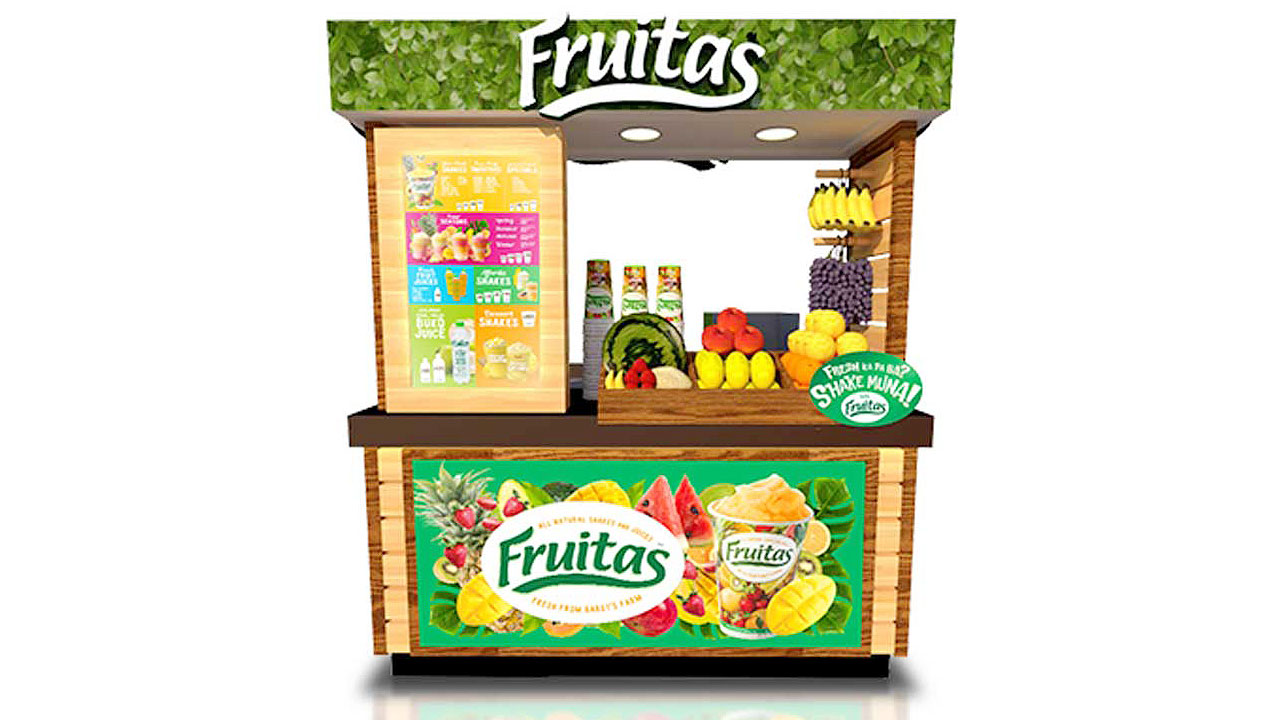
    The company owns bakery chain Balai Pandesal, Buko ni Fruitas, and Fruitas House of Desserts. Buko ni Fruitas offers fresh coconut drinks, while Fruitas House of Dessert serves fruit shakes and desserts.

    “Vast majority of the stores to be opened from 2022-2023 are anticipated to carry the Balai Pandesal brand. Moreover, the Company also expects to expand the footprint of its other existing brands and future acquisitions which will depend on, among others, market opportunities and commercial considerations,” Balai said.

    Balai plans to allocate P20 million for its plans to set up commissaries in 2022, while another P20 million will be used to acquire other baked goods brands.

    “The Company’s potential target acquisitions will be geared towards broadening its baked goods product offering and/or adding sales channels. The Company is still in the early stages of evaluating these options and there are no definitive agreements signed,” Balai said.

    In a statement in December, Fruitas Holdings President and Chief Executive Officer Lester C. Yu said it decided to take Balai public due to the “significant growth prospects of the bakery sector.”

    Balai plans to conduct its offer period from March 16 to 22, while its tentative listing date at the small, medium, and emerging board of the Philippine Stock Exchange is set on March 30. The company has yet to decide on its stock symbol.

    The company tapped First Metro Investment Corp. as the transaction’s issue manager, bookrunner, and underwriter.

  • AirAsia prepares regional routes to spur intra-Asean travel

    AirAsia prepares regional routes to spur intra-Asean travel

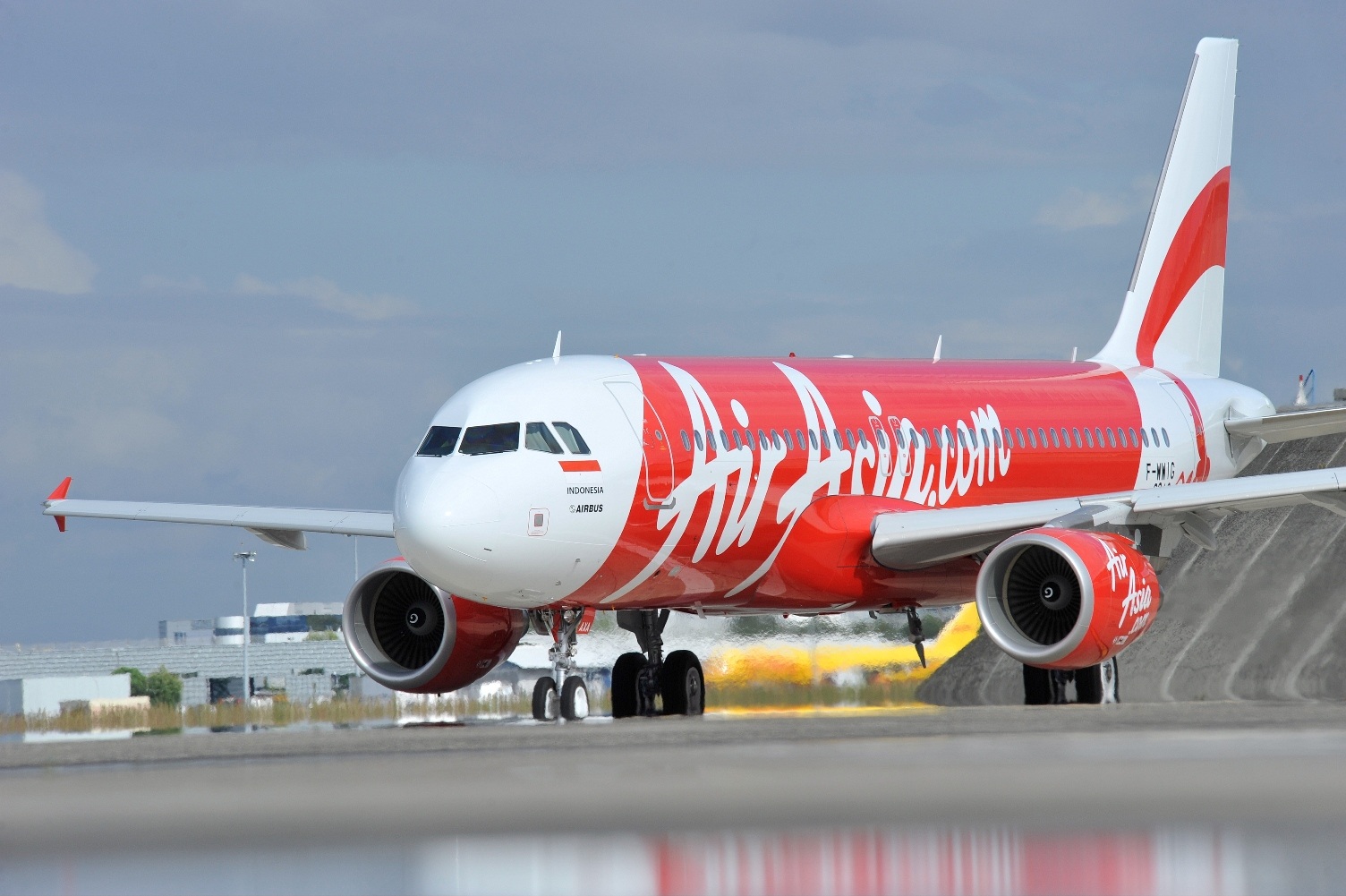
    AirAsia aims to spur intra-Asean travel with new regional routes, while Thai AirAsia hopes the Red War football match in July will drive demand from neighbors to Thailand.

    The company is working on new destinations in Thailand, Indonesia, and Malaysia to replace the Chinese market, said Tony Fernandes, chief executive of Capital A, formerly AirAsia Group, which also owns Thai AirAsia via the AirAsia Aviation Group.

    He said he already discussed with Thailand’s ministers regarding new international routes besides well-known destinations, such as Jakarta to Hua-Hin.

    However, the implementation in Thailand will largely depend on Covid-19 tests and other travel regulations which remain the most critical obstacle for the industry.

    Tassapon Bijleveld, executive chairman of Asia Aviation, the majority shareholder of Thai AirAsia (TAA), said the airline is preparing bundle packages for Manchester United and Liverpool football tournaments which combine match tickets and airline tickets.

    The game will attract a number of sports fans, particularly from neighboring countries as the viral situation should have subsided by July.

    He said every country in Southeast Asia has to cooperate to ensure seamless tourism which can help offset the lack of travelers from China, Japan, and South Korea who might resume international travel in the second half.

    TAA plans to operate international flights to Singapore, Malaysia, and Vietnam next month with a target of 70-80% load factor in order to avoid losses.

    He said travel regulations are the main concern for the airline as travel demand could not strongly rebound despite the reopening, so mandatory RT-PCR tests must be removed by the first half.

    “We have to get back to the real world. The government must be brave because the current viral situation is not that severe compared to the previous waves as more Thais are already inoculated,” Mr Tassapon said.

    Capital A also focuses on the growth of airasia Super App, its travel and lifestyle platform, which officially launched in Thailand on Monday.

    Varut Vutipongsatorn, country head of airasia Super App (Thailand), said it has built the foundation for the platform over the past year. This year it will expand business throughout the country, starting with the Northeast.

    The goals in Thailand are to add 1-2 new services each year, increasing air travel bookings as well as bundle packages between air tickets and hotels by 20 times and 40 times, respectively, within 2026.

    This year, food delivery will expand its service nationwide, while door-to-door delivery within each province under airasia Xpress and a ride-hailing taxi service will start from March.

  • Nvidia’s CEO Believes Autonomous Vehicles Will Be All Over The World

    Nvidia’s CEO Believes Autonomous Vehicles Will Be All Over The World

    Nvidia’s founder and CEO Jensen Huang have revealed in a wide-ranging interview that autonomous vehicles will be prevalent all over the world. He believes 2022 is the inflection point for the development of autonomous vehicles and their adoption and by 2025, Nvidia will also be deploying its software at scale. By 2025, Nvidia will start monetizing its software by gathering licensing with revenue-sharing agreements with car companies.

    “I am certain that we will have autonomous vehicles all over the world. They all have their operating domains. And some of that is just within the boundaries of a very large warehouse. They call them AMRs, autonomous moving robots. You could have them inside walled factories, and so they could be moving goods and inventory around,” Huang told the Venturebeat.

    The Nvidia CEO’s comments come on the sidelines of its failed attempt to acquire ARM from SoftBank after the proposed deal faced universal negative pushback from regulatory authorities across the world. ARM, which designs chipsets and licenses its designs to countless companies across the world, is perhaps the last fabless and neutral chip design firm in the world. Its importance is so crucial because its designs are used nearly in everything from connected cars, autonomous cars, smartphones, tablets, PCs, IoT products to wearables.

    Huang believed that the failed ARM bid hadn’t impacted Nvidia one bit and from a long-term perspective he believed its autonomous division would be one of its biggest businesses. He added that Nvidia would continue to use ARM’s designs thanks to its 20-year license and it would utilize it across its product portfolio with new CPU designs already in development.

    “This will be a big year for us. And then next year, it’ll be even bigger next year. And in 2025, that’s when we deploy our own software where we do revenue sharing with the car companies. And so if the license was $10,000, we shared 50-50. If it’s a subscription base of $1,000 or $100 a month, we share 50-50. I think I’m pretty certain now that autonomous vehicles will be one of our largest businesses,” he added.

    Recently, Nvidia announced a wide-ranging deal with Jaguar Land Rover where it will be helping the iconic British automakers to develop autonomous cars and unique in-car experiences. The deal also entails Jaguar Land Rover leveraging Nvidia’s server-grade DGX GPUs.

  • Rice profits up around 15 pct

    Rice profits up around 15 pct

    Major rice producers and exporters saw their after-tax profits last year increase around 15 percent against the previous year thanks to stronger domestic and overseas sales with higher export prices.

    Loc Troi Group JSC reaped the biggest-ever revenues of over VND10.2 trillion ($443.4 million) and after-tax profits of more than VND420 billion, up 36 percent and 14 percent, respectively.

    Vietnam National Seed Group JSC (Vinaseed) made revenues of over VND1.93 trillion and after-tax profits of more than VND225 billion, posting respective year-on-year rises of 18 percent and 16 percent.

    Both net revenues and after-tax profits of Trung An Hi-tech Farming JSC increased 15 percent to VND3.12 trillion and over VND100 billion.

    Vietnam exported over 6.2 million tons of rice totaling nearly $3.3 billion last year, according to the General Department of Vietnam Customs.

    The average export price of Vietnamese rice rose 5.5 percent against 2020 to $526.8 per ton in 2021, according to the Ministry of Agriculture and Rural Development.

    Loc Troi exported over 80,000 tons of rice worth over VND1 trillion, quadrupling in both volume and value against 2020. Vinaseed exported 60 tons of premium fragrant rice to the U.K. for the first time.

    Domestic sales also increased last year, partly due to social distancing measures imposed to curb Covid-19. Hoa Sen Rice told VnExpress its sales surged 45 percent in 2021.

    The Vietnam Food Association predicted Vietnam, which exported 505,700 tons of rice worth $246 million in January, would export over 6 million tons of rice this year. However, a sharp increase in prices of agricultural materials, especially fertilizers, will increase input costs and lowers farmer incomes.

  • WhatsApp for iOS has a redesigned voice call UI in the works

    WhatsApp for iOS has a redesigned voice call UI in the works

    WhatsApp has been working quite hard on improving the user experience in the app amidst all its rising rivals such as Signal and Telegram. Now, the app is working on a redesigned user interface for voice calls for iPhones, a feature that’s currently rolling out to WhatsApp beta testers on iOS.

    For a while now, WhatsApp has been working to improve the voice call experience, and now, the beta version 22.5.0.70 is showing a revamped user interface that should be coming to the app.

    Keep in mind that, as this is beta, the feature may change as it undergoes development before its official global release. With that being said, let’s explore what WhatsApp is working on to make your voice call experience on its app a better one.

    Here’s an image from version 22.5.0.70 (beta of WhatsApp for iOS), which shows the improved interface for group calls. It seems that real-time voice waveforms are going to come to calls. The app has recently rolled out similar waveforms for audio messages.

    This change will help you see who is currently talking, and also could be useful to determine who needs to mute their microphone (yeah, we all know those group call situations when someone has left their mic on and therefore distracts you from whatever the speaker is saying).

    On top of that, WhatsApp will be getting wallpapers for voice calls; however, they are not currently editable with this beta.

    Earlier, WhatsApp started working on a redesigned voice call interface that should look more modern and neatly organized. It is still under development, and at least at first glimpse, looks quite familiar to the current one. The point of this redesign is to make the UI more user-friendly and modern. On the other hand, there will be some more UI tweaks that are not visible in the screenshot below that could make their way to the official release.

    WhatsApp has been working hard to make its chat app as good as it could be, and as feature-rich as it could get for the best user experience. The app will soon be getting indicators for end-to-end encryption (as you may probably know, WhatsApp messages are end-to-end encrypted for a few years).

    With an update coming sometime in the future, the app will be getting new visuals to assure you that everything you say stays between you and the people you’re chatting with.

    Additionally, recently we reported on the fact that WhatsApp could finally be getting a dedicated iPad app. WhatsApp CEO Will Cathcart recently hinted at a possible WhatsApp for iPad release and the company seems to be working on it.

    The thing is that the data encrypted on WhatsApp wasn’t allowing for the company to safely sync it across multiple devices so far. However, as data encryption technology evolves, WhatsApp is working to make an iPad app a reality.

    “Our web and our desktop apps now have that. If I have multi-device on, I can turn my phone off or lose my network connection and still get messages on my desktop. That would be really important for a tablet app, to be able to use the app even if your phone isn’t on. So the underlying technology is there.”, stated Cathcart, giving some hope to users who have been wanting an iPad WhatsApp app.

    The beta version of multi-device support that was created last year allows users to link up to four devices at a time to their account. However, the downside of this feature was that it needed your phone to be connected to the internet the whole time for it to work. Last fall, WhatsApp introduced a new multi-device beta for iOS that can work without your iPhone connected to the internet.