Author: Mei Ling Tan

  • AliExpress Unveils New Winter Sports Gear Trends

    AliExpress Unveils New Winter Sports Gear Trends

    The global winter sports gear market continues to boom in 2022 thanks to the thrilling Beijing 2022 Winter Olympics and the rising popularity of winter sports around the world. Sales data from AliExpress, a global retail online marketplace under the Alibaba Group, shows a growing demand for winter sports products particularly for the winter sports equipment and gear categories.

    Strong Demand for Fashionable and Tech Infused Winter Sports Products

    According to sales data, 2022 is set to be a milestone for the winter sports gear market. AliExpress recorded a 60% increase in sales of winter sports gear in Q4 2021 year-over-year, with a growing number of customers looking for trendier and more fashionable ski outfits, goggles and helmets.

    Ski products with tech features such as heated ski gloves have been catching AliExpress customer interest since they create a more enjoyable experience for winter sports lovers. The sales of heated ski gloves on AliExpress in Q4 2021 increased by 780 times year-over-year.

    Best-selling winter sports gear on AliExpress include ski helmets, snowboard sets, ski pants, ski gloves and ski goggles. In particular, the sales of ski helmets on AliExpress in Q4 2021 saw a 1500% increase year-over-year.

    Russia, US, South Korea, France, and Spain Markets Lead Winter Sports Gear Sales 

    The top five markets purchasing winter sports gear on AliExpress include Russia, US, South Korea, France and Spain. In addition, with AliExpress operating in over 200 countries and regions around the globe, customers in Iceland, Chile and other remote areas are able to get their winter sports gear on AliExpress thanks to its well-established logistics ecosystem.

    Cost-performance of ski equipment has particularly been advantageous for French and Spanish customers. In particular, the sales volume of ski goggles and ski gloves in Spain increased 100% and 53% year-over-year respectively. In France, customers are opting for a two-layer ski jacket, resulting in a 72% growth year-over-year for this item.

    In Asia, an increasing number of South Korea customers are purchasing ski gloves and two-layer ski jackets on AliExpress for their ski adventures.

    Elevated E-commerce Experience with Upgraded Logistics Infrastructure

    AliExpress is committed to providing a faster and more efficient cross-border delivery experience with its robust cross-border e-commerce ecosystem consisting of seven domestic selection warehouses in China, nine automated sorting centers in China, overseas warehouses and a weekly average of over 80 chartered flights.

    In partnership with Cainiao, AliExpress currently offers delivery in 10 working days for selected cross-border orders made in Spain and France, 12 working days for Brazil and five working days for South Korea.

    Since 2020, AliExpress and Cainiao have also actively developed overseas warehouses to enhance the capacity and efficiency of cross-border logistics networks. Local shipping in Spain and France can be delivered in three days and seven days for the rest of Europe.

    A network of over 20,000 self-pickup service points has been launched in Spain, France, Poland and Russia, combining AliExpress-branded lockers powered and operated by Cainiao, as well as collection points powered by local partners.

  • Halo Food Co acquires The Healthy Mummy for $17 million

    Halo Food Co acquires The Healthy Mummy for $17 million

    Global online health and fitness platform, The Healthy Mummy has been acquired for $17 million by Halo Food Co.

    The brand offers mums a range of health and wellness programs that include exercises, supplements information, recipes, and merchandise. It was founded by Rhian Allen in 2010 and operates in the UK, the US and Australia.

    The business boasts more than 86,000 digital subscribers hence the acquisition will add sizeable cross-brand sales to Halo Food Co’s profit mix.

    Halo Food Co is a product development company in Australia and New Zealand. The ASX-listed company’s manufacturing capabilities will aid The Healthy Mummy product profile to expand and develop in order to scale the business further.

    “To say we are a customer-centric business is an understatement and I have and will always strive to make every customer and mum happy with what we offer and do as a business,” said Rhian Allen, founder of The Healthy Mummy.

    “Partnering with Halo Food Co was something I feel very happy about as I firmly believe that the Halo team will help to further my own vision and belief of ‘customer first’ and will allow us to serve you better with incredible product innovation and an even wider range of products,” she added.

    “The business is a natural fit to the existing Halo business, increasing the lifetime value of customers to the group and adding high margin digital distribution channels and cross-sell capability that would otherwise take years to establish organically,” Halo CEO, Danny Rotman said.

    Since last year, the e-commerce company has started selling its products at physical retail stores including Priceline Pharmacies.

  • Spicy sauce marketed as Australia’s first locally made sriracha

    Spicy sauce marketed as Australia’s first locally made sriracha

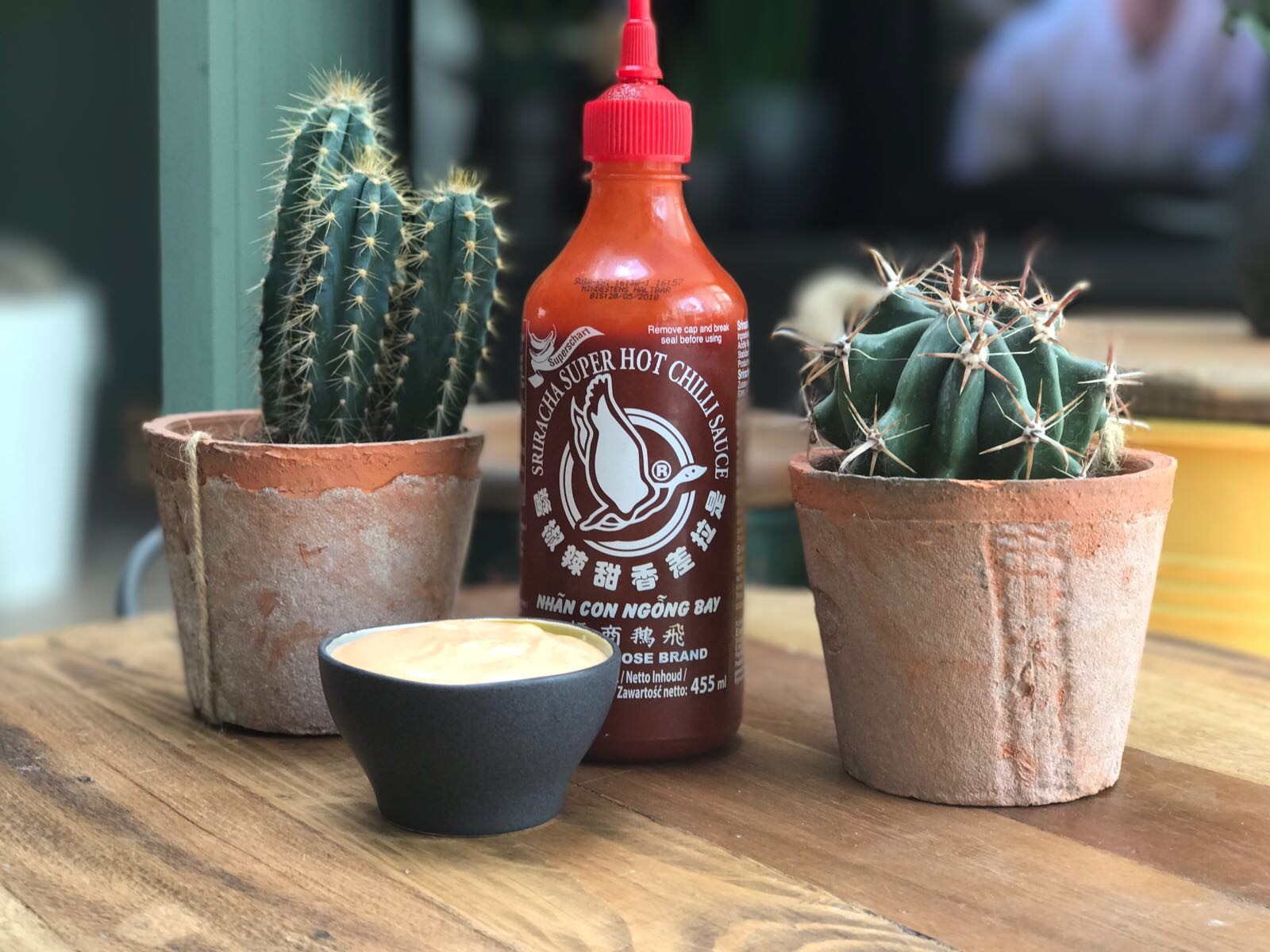
    Sir Racha hot sauce has added a new twist to its range, introducing a mildly punchy sauce that the company says is the first of its kind to be made in Australia.

    The original hot sauce is made from sun-ripened Australian jalapenos fermented with onion and garlic to distinguish natural sugars. It is then blended with vinegar to give it a “sour-y tang”. The sauce offers 2.6 calories, zero grams of fat and only 23mg of sodium per serve.

    Eric Robinson, hot sauce development officer at Sir Racha, said that there is nothing better than a sauce you can use liberally on everything. “It’s sweet, salty, sour and has that little bit of punch. With no added sugar, it really is a pantry staple.”

    Sir Racha is a healthy, all-natural product that supports Australian farmers & families.

  • A2 Milk profit halves on China slowdown but sees sales pick-up

    A2 Milk profit halves on China slowdown but sees sales pick-up

    New Zealand’s A2 Milk said on Monday its first-half profit halved as sales of its infant milk formula product continued to fall in China, but forecast second-half revenue to be significantly higher than a year ago.

    The firm reported a first-half net profit after tax of NZ$56.1 million ($37.54 million), down from NZ$120 million a year ago.

    The hit to its Chinese market stems from coronavirus-induced supply disruptions to its “daigou” channel, a reseller network where people outside China buy A2’s products and ship them to Chinese consumers informally.

    That, along with contracting market share in China owing to declining birth rates, has caused A2 Milk shares to plunge more than 60 percent from pre-Covid-19 levels, reportedly making it a target for Canadian dairy firm Saputo Inc.

    A2 said it expects sales of its Chinese label and English label infant milk formula products to pick up in the second half of the year, with inventory levels expected to improve, driving revenue growth.

    However, it said it does not expect this sales growth to translate into higher profit, as it plans to spend more on its expansion strategy and it is also battling rising costs.

  • Thailand Approves Incentives To Promote EV Shift

    Thailand Approves Incentives To Promote EV Shift

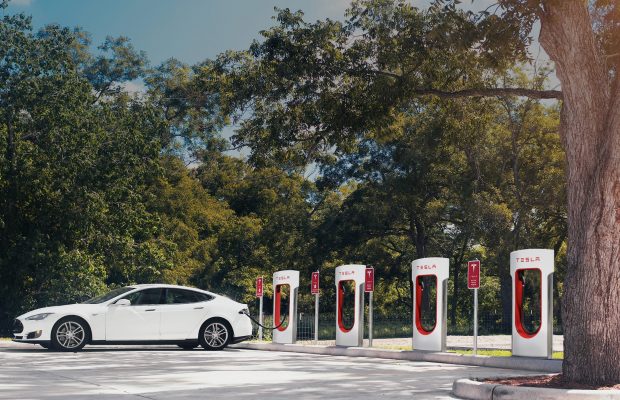
    Thailand’s cabinet on Tuesday approved a package of incentives including tax cuts and subsidies to promote a shift to electric vehicles (EVs) in Southeast Asia’s major auto production base, a government spokesperson said.

    The package for 2022-2025 is in line with a zero-emission vehicle policy plus a goal to ensure 30 per cent of Thailand’s total auto production are EVs by 2030, Thanakorn Wangboonkongchana told a news conference.

    In the first two years, the measures will focus on encouraging widespread domestic use of EVs by providing tax breaks and subsidies for imported models and those made locally, he said.

    In the last years of the package, the support will mainly be on promoting domestically produced EVs, while canceling some benefits for imported models, Thanakorn said.

    “This is to encourage operators to accelerate the production of electric vehicles in the country to meet increasing demand,” he said.

    Thailand last year produced 1.7 million regular vehicles, for firms that include Toyota, Honda, and Mitsubishi.

    Thanakorn did not give further details on the incentives, which he said would need to be worked out with the energy ministry.

    According to earlier media reports, the package will help reduce the price of each EV by between 70,000 baht ($2,165) and 150,000 baht ($4,638).

  • TSMC To Expand New Japan Chip Factory, Denso Takes Stake

    TSMC To Expand New Japan Chip Factory, Denso Takes Stake

    Taiwan Semiconductor Manufacturing Co (TSMC) said on Tuesday that the chip plant it is building in Japan with Sony Group will expand, with an extra $1.6 billion in spending, while auto supplier Denso Corp will take a 10% stake. TSMC, which is the world’s largest contract chipmaker, announced the $7 billion factories in southern Japan in November and construction is scheduled to start this year, with production beginning by the end of 2024. That announcement was welcomed by the Japanese government which wants TSMC to build plants to supply essential chips to Japan’s electronic device makers and auto companies as trade friction between the United States and China threatens to disrupt supply chains and demand for the component grows.

    TSMC said in a statement on Tuesday that to meet market demand, it had decided to enhance the plant’s capabilities and increase monthly production capacity to 55,000 12-inch wafers, putting the new total cost at around $8.6 billion. It was originally due to have a monthly production capacity of 45,000 12-inch wafers. The company, which is also a major Apple supplier and produces some of the world’s most advanced semiconductors, said that Denso would invest $350 million for a more than 10% equity stake in the Japanese plant.

    Automakers have been particularly badly hit by the global chip shortage, which have seen some production lines halted. “Through this partnership, we contribute to the stable supply of semiconductors over the medium to long term and thus to the automotive industry,” Denso’s CEO Koji Arima was quoted as saying in the TSMC statement.

    Taiwan, home to chip makers such as TSMC, has become front and center of efforts to resolve the chip shortage. TSMC last year pledged to spend $100 billion over the next three years to expand chip capacity and is building a $12 billion chip fabrication plant in the U.S. state of Arizona.

  • Tesla Software Updates Allow Quick Fixes

    Tesla Software Updates Allow Quick Fixes

    Tesla Inc’s ability to quickly issue safety patches via remote software updates is an approach other automakers eye enviously, but that also carries risk as cars become more like rolling computers. Investors have awarded Tesla’s leadership on in-car software with a market value of $905 billion that dwarfs traditional carmakers, many of which are now scrambling to roll out their own ability to offer over-the-air software updates. However, Tesla’s risk-friendly culture and its desire to quickly release cutting-edge technology have also put it on a collision course with U.S. safety regulators, which have launched a string of recalls and investigations into the carmaker in recent months. The latest included the opening of a formal probe on Thursday into reports of unexpected brake activation.

    “There’s definitely the mindset that you can fix fast so you can take a higher risk,” Florian Rohde, a former Tesla validation manager who is now a consultant, said about the electric carmaker’s ability to issue remote updates. That behavior was illustrated earlier this month when the National Highway Traffic Safety Administration (NHTSA) ordered Tesla to issue a recall to prevent some of its vehicles from making “rolling stops” instead of coming to a complete halt at some intersections. That feature violated state laws and was a safety risk, the agency said.

    Tesla Chief Executive Elon Musk, who has a long history of clashing with U.S. safety officials, denied there was a safety issue with the function. “The car simply slowed to 2 mph & continued forward if a clear view with no cars or pedestrians,” Musk wrote on Twitter.

    But the carmaker nevertheless issued a software update to disable the function. NHTSA officials on Thursday said they would push for recalls if they feel safety risks may exist in any vehicles.

    Tesla has said it develops almost all its software to allow for regular over-the-air updates. The carmaker has issued software updates that control vehicle performance, braking, battery charging and infotainment functions.

    Tesla has led the auto industry in over-the-air recall updates. While nearly all recalls issued by NHTSA since 2020 required physical fixes, seven of Tesla’s 19 recalls since January 2020, or 37%, were addressed with over-the-air software updates, an analysis of public data showed.

    Unlike traditional recalls that require a trip to the dealership, remote updates are cheaper and can ensure that all vehicles receive the required fix. Traditional recalls have shown an average compliance rate of around 70%, with that rate falling to less than 50% for older cars, according to NHTSA data.

    With other automakers racing to offer the same upgrades as Tesla, safety experts are concerned wider over-the-air updates could open the door to carmakers lowering their safety thresholds by rushing out immature updates.

    “Over-the-air software updates come with promise and they come with peril,” said William Wallace, manager of safety policy at Consumer Reports. “Companies need to be really responsible.”

    The dispute over Tesla recalls comes as the automaker faces increasing scrutiny by several U.S. agencies over its conduct and CEO Elon Musk’s personal behavior. Musk’s attorney on Thursday accused the U.S. Securities and Exchange Commission of an “endless” investigation to punish him for criticism of the U.S. government.

    Tesla did not respond to a request for comment, but it has criticized the agency for “anachronistic regulations”. Analysts wonder whether the company’s fast-moving, technology-centered culture could lead to issues.

    “The problem is, when you try to apply the Silicon Valley mindset to automobiles, it’s a very different situation,” said Guidehouse Insights analyst Sam Abuelsamid, a former automotive software engineer. He added Tesla should do more internal testing before releasing updates.

    But the software shift also raises new challenges for regulators, with some experts questioning whether NHTSA has the expertise to validate modern technology.

    “I haven’t seen any evidence that NHTSA has people with the experience and expertise to deal with software issues right now,” said Don Slavik, a Colorado-based lawyer who has served as a consultant in automotive technology lawsuits, including many against Tesla.

    NHTSA’s recent investigations into Tesla have centered around the carmaker’s driver assistance system Autopilot and what Tesla calls its Full Self-Driving (Beta) software – technology that allows about 60,000 Tesla users in the United States to test the company’s autonomous technology on public roads.

    While the aggressive approach allows Tesla to deploy software updates faster than the competition, “it puts untrained drivers in the position of having to compensate for potential software defects,” said Philip Koopman, a Carnegie Mellon University professor working on autonomous vehicle safety.

    Safety advocates warn Tesla vehicles potentially affect everyone on public roads.

    “A two-ton vehicle is not the same as a desktop computer or your laptop crashing,” Consumer Reports’ Wallace said. “Automakers and their suppliers need to treat software that relates to safety like it’s a life-and-death issue.”

  • Czech Car Production Falls 11% In January As Chip Shortage Weighs

    Czech Car Production Falls 11% In January As Chip Shortage Weighs

    Czech passenger car production fell by 11.4% year-on-year to 92,657 vehicles in January, posting its lowest result for that month since 2010 as the chip shortage continued to weigh, the Czech Automotive Industry Association (AutoSAP) said on its website on Thursday.

    AutoSAP said, though, it expected the situation to stabilize in 2022 and show a rebound in full-year figures.

  • Skype now supports emergency calls in the US

    Skype now supports emergency calls in the US

    Skype has received a new update. Currently, the most recent version of Skype is 8.80, and along with some bug fixes and stability improvements, Microsoft has introduced a few new features and modifications to Skype.

    Along with a bunch of smaller improvements to the platform, Microsoft has added the ability to call 911 in the US using Skype. Not only that, but Skype can now also share your location with emergency operators. The share location option is disabled by default, but you may activate it in the app’s privacy settings if you like.

    Let’s hope Skype doesn’t end up like Microsoft Teams. Last year, a bug in the Teams app rendered users unable to call emergency services due to the software interfering with the OS’s ability to choose a telephony client, blocking the call altogether.

    A Pixel user had reported that when they tried to call 911, their phone froze, and the call was unsuccessful; only because the user had access to a landline did they manage to get help. Good thing Microsoft and Google issued a fix for the problem caused by Microsoft in Android 10 and later.

    Along with the ability to make emergency calls, Skype now also offers various reactions during calls if you are on Windows, Mac, Linux, or Web. Also, with the latest update, you can zoom in on a shared screen during a meeting on computers and mobile devices. So, now you can better express yourself in a video call, and you will no longer need to squint your eyes in order to see what is presented during a meeting. Microsoft has also increased the time limit on voice messages from 2 minutes to 5 minutes.

  • Google quietly adds new information to mobile Play Store app listings

    Google quietly adds new information to mobile Play Store app listings

    Google has added in the listing of each app the version of Android required to download said app on a mobile device. Previously, this information was only posted on the web version of the Play Store but it can now be easily found on an Android phone.

    Let’s look at some random apps. The Chess-Play and Learn app has been downloaded more than 10 million times and has a 4.7-star rating. If you look at the listing on your phone, go to the “About this game” listing and tap the arrow on the right side of the screen to open a page that goes into great detail about the app.

    Now scroll down to the bottom and you’ll see a heading titled “Game info.” Look for an entry called Android OS which shows the required version of Android needed to install this game, which happens to be Android 5.0 in this example. That means that anyone who wants to install this game must be using a phone running Android 5.0 or higher.

    One last example. Let’s look at CNN. Go to the Play Store and search for the CNN app (which has over 50 million downloads and a 4.5-star rating). When you see the listing for it, find the “About this app” heading and tap on the arrow at the right of the screen. That takes you to the About this app page.

    Scroll down to the App info section and look for the Android OS entry. There you will see that to install the CNN app on your Android phone, it needs to run Android 6.0 and up. Those who use the play.google.com website have probably seen the Requires Android entry on the listing of an app in the web version of the Play Store.

    Why Google decided to add this information to the mobile Google Play Store is unknown since any app that has a minimum requirement newer than the Android version you are currently using should not appear on your screen. For example, using the CNN app once again, since it requires that the user own a phone running Android 6.0 or higher, phones that are running Android 5.0 or lower will not see the CNN listing on the Play Store app.

    The update including this change was just disseminated on Friday and is version 29.2.13. We are not sure how many Android users would go through the trouble of looking up this information since it is not necessary, but perhaps Google has something under its sleeve that we are not privy to.

    Earlier in the week we told you that Google has released a new app icon installation feature to 14 games in the Play Store and in the process borrowed the circular progress bar used with iOS. For example, if you install an app on iOS 15.3.1 from the App Store, a circular progress bar shows you the pace at which the app you chose to download is being downloaded and installed on your iPhone. While the new Android app icon installation feature is not exactly the same, you are sure to spot the similarities.

    When you install an app from the Play Store, a circular progress bar circles the icon of the app you are downloading on the home screen. When finished, the progress bar around the icon starts anew for the installation of the app. When that is finished, you are left with the icon of the app on the home screen of your Android device. You can open the Google Play Store listing of the app at anytime if you decided not to download the app before it is finished installing on your device.

  • Snapchat introduces live location sharing

    Snapchat introduces live location sharing

    Snapchat’s been enjoying a streak of big updates lately, announcing the introduction of ads to Snapchat stories, creating a Snapchat Tinder, and the list goes on. The latest addition is undoubtedly more safety-oriented: yesterday, Snapchat announced it was bringing live location sharing to the platform.

    Sharing your location a single time for a friend can make it easier to find each other and meet up, and Snapchat’s already had that for a few years.

    But being able to continuously share your location in real-time means a second pair of eyes on you if you’re at a strange party late at night, or in any risky situation away from home. It also works with Snapchat in the background and your phone locked, which means someone else may be able to take action if you’re not home at an agreed-upon time, even if you’re unable to access your phone.

    The “live location” feature is off by default but can be toggled on for a set period of fifteen minutes to several hours. Users will be only able to share their location with friends on the platform, and both friends would have to opt into the live location sharing to enjoy the feature.

    Snapchat’s “live location” update is being developed in a partnership with a nonprofit youth program called “It’s On Us,” which aims to put an end to sexual assault on U.S. college campuses. While the feature will be introduced in a later update, Snapchat has already implemented an in-app informational text about bystander awareness.

    With already 250 million active users on the Snapchat app per month, the company has been increasing its efforts to maintain a safe platform for everyone—especially teens, who are often targeted. One of Snapchat’s current projects is the development of an update that will limit and better choose friend recommendations for teens on the app, to prevent them from being targeted by dealers of illegal substances.

    Along with these features, Snapchat has also announced it is bringing additional parental control features sometime later this year.

  • Gas stations still unable to supply normal volumes

    Gas stations still unable to supply normal volumes

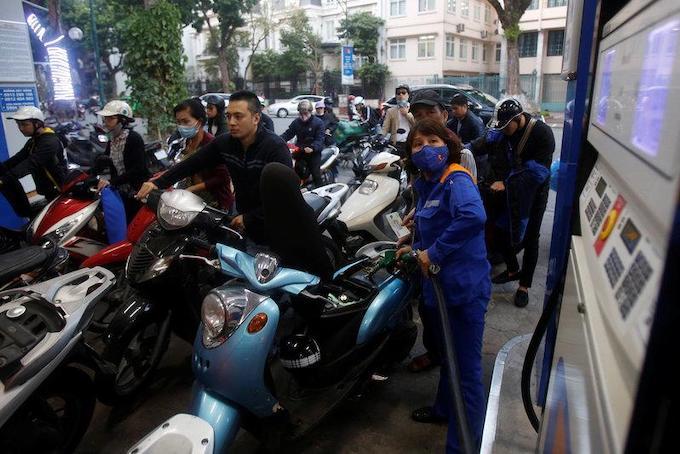
    Many gasoline stations in Ho Chi Minh City continue to face a shortage of stocks. In the last two days, a gas station in Thanh Xuan Ward in HCMC’s District 12 claimed to completely run out one time and had been rationing sales the rest of the time. Its employees said supply has been in small quantities at a time.

    Many gas stations on national road 1A in District 12 have put up signs saying they are out of fuel and re waiting for tankers to bring stocks.

    A number of stations in districts like Go Vap and 7 and Thu Duc City have also put up such signs frequently.

    Le Van My, general director of Hoc Mon Trading Joint Stock Company, which owns 11 gas stations and 21 retail agents in the city, said supply is low now.

    Each of the gas stations used to be allocated 5,000-10,000 liters a day, but are now getting only 1,000-2,000 liters, and sometimes as low as 700 liters.

    Tran Duy Dong, director of the Ministry of Industry and Trade’s domestic market department said: “This week and next week, key enterprises will receive bigger volumes of imports, making up for the reduced supply by Nghi Son Refinery. In around 10 days, market demand and supply will be balanced”.

    Nghi Son has been provided with short-term financing to resume operations, but crude oil has not arrived yet and so it is still operating at 55-60 percent of capacity, he revealed.

    On March 15, it will return to full capacity, he said.

    It will take major suppliers another 30-45 days to receive imported fuel.

    The Dung Quat Oil Refinery has increased its capacity from 103 percent to 105 percent since the Lunar New Year holiday in early February. The ministry wants it to operate at the maximum capacity possible.

    By Feb. 1, more than 205,000 cubic meters of imported gasoline and diesel had landed in Vietnamese ports.

    More are on the way. Petrolimex will get 180,000 cubic meters this month, PVOil, 66,000 cubic meters and Hong Duc, 80,000 cubic meters.

    Though Dong expects supply and demand to be balanced in the next 10 days, distributors expect the shortage to continue because it is still difficult for Vietnamese oil refineries to operate normally when the import of crude oil is slow and there is a global shortage due to the Ukraine crisis.

    In the domestic market, not only gas stations but also distributors and importers have suffered severe losses.

    My said his company racks up losses of several hundred million dong (VND100 million = $4,300) a day.

  • Crab prices plunge over border trade jam

    Crab prices plunge over border trade jam

    Crab meat prices have dropped by nearly half as traders at the northern border gates with China limit purchases over export difficulties.

    The export of goods through border gates in the northern province of Lang Son has remained sluggish with many trucks having to turn around because of long customs clearance time after China tightened regulations over what it says are Covid-19 concerns.

    With China being a major buyer, the current situation has caused seafood prices in Vietnam to fall sharply.

    Bui Chi Lam, a crab-raising household in the southern province of Ca Mau, said that the selling price of top-tier crabs at the farm was just VND600,000 ($26.28) per kg , down 50 percent compared to the Lunar New Year season early this month. He has noticed a drastic fall in the number of traders looking to buy seafood.

    “Normally, when supply decreases, prices will increase. But the impact of border gate closures has caused crab prices to plummet,” Lam said, adding that crab farmers are forced to rely exclusively on domestic consumption.

    The price of regular crab meat at the farm is just VND300,000 per kg.

    Thanh, another crab farmer in Ca Mau, said prices of the crustacean will drop further if domestic consumption was low.

    Apart from crab meat, shrimp prices have also fallen to around VND150,000-200,000 per kg, depending on the variety.

    Hoa, a seafood trader in the southern region, said that prices have decreased by 10-45 percent compared to the Lunar New Year period, but purchasing power remains low.

    “I have temporarily stopped exporting and am only selling to domestic traders,” Hoa said.

    A survey of several seafood stores and markets in HCMC found that the price of grade 1 crab at stores was VND800,000 per kg and that of regular crab around half that.

    As for shrimp, though supply was lower compared to the same period last year, prices have also dropped by VND50,000 per kilo in the past two days to VND200,000 per kg (about 30 shrimps per kg).

    Hoa said both difficulties at the China border and lower purchasing power back home were major factors in the sharp drop in prices.

    Over the past week, more than 2,000 trucks of goods have been stuck at Lang Son border gates because of slow customs clearance.

    The delay in clearing container trucks at the border has been happening since the end of last year. During the Lunar New Year holiday from Jan. 19-Feb. 6, the issue was partly resolved thanks to intervention from senior officials, but it has resurfaced since.

    China was Vietnam’s second-largest export market for agricultural, forestry and fishery produce behind the U.S., with a turnover of $8.4 billion in the first 11 months of last year, accounting for 19.2 percent of Vietnam’s total agricultural exports.

    On February 17, China suspended trade through the Kim Thanh Border Gate in Vietnam’s Lao Cai Province after discovering Covid-19 cases on its side, leaving 350 container trucks stranded.

    With Chinese authorities placing the Hekou Yao Autonomous County under a lockdown, it is unclear when the trucks can cross the border.

    Four other border gates in the province: Huu Nghi International, Dong Dang, Tan Thanh and Chi Ma International Railway Stations have begun clearing goods again.

    However, China is continuing to strengthen pandemic prevention and quality control measures, so it takes 40-50 minutes to clear a truck. With a clearance capacity of 5-69 vehicles per day, the border trade congestion look set to continue.

  • Mobile World to expand into Indonesia this year

    Mobile World to expand into Indonesia this year

    Mobile World is all set to enter Indonesia, its second overseas foray after setting up shop in Cambodia five years ago.

    “We are trying our best to open our first Indonesian store this year,” CEO Doan Van Hieu Em told shareholders last weekend.

    Vietnam’s biggest electronics retailer opened a BigPhone smartphone store in Cambodia’s Phnom Penh in 2017. Three years later it changed the name to Bluetronics and expanded to selling other electronics products too.

    By the end of last year it had 50 stores in the neighboring country and revenues of nearly VND500 billion ($21.9 million), or 0.4 percent of overall sales.

    The company had earlier been eyeing Laos and Myanmar, but it is unclear now if they are still in its plans.

    Mobile World targets growth in post-tax profits of 30 percent this year to VND6.35 trillion.

  • Vietnam largest bullion market in Southeast Asia

    Vietnam largest bullion market in Southeast Asia

    Vietnam was Southeast Asia’s largest gold bullion and coin market last year and among the top 10 globally.

    The demand in the country exceeded 31.1 metric tons compared to 28.7 tons in Thailand and 19.8 tons in Indonesia, according to the World Gold Council.

    If the jewelry was included, it went up to 43 tons, the second-highest behind Indonesia’s 46.8 tons.

    Vietnam was the fourth largest market in Asia for bullion and coins behind India, Sri Lanka, and China, and the eighth largest in the world.

    Gold continued to be the top asset class for 72 percent of Vietnamese investors, the WGC said citing a study of 2,000 investors last year.0

    The outlook for the precious metal is positive with 81 percent of investors who previously invested in gold saying they would consider doing so again.

    To put that in perspective, the rates are 72 percent for Chinese and 67 percent for Indians, with the global figure standing at 45 percent.

    There is strong support for gold market liberalization in Vietnam, with 76 percent saying they should be allowed to open a gold investment account at banks to formalize the gold market.

    Fifty-five percent called for setting up a gold exchange or trading platform authorized by the State Bank of Vietnam.

    Vietnam’s gold prices are now near the all-time high of VND63.5 million (US$2,787) per tael of 37.5 grams recorded on Jan. 25. A tael equals 37.5 grams or 1.2 ounces.

    On Feb. 16 it cost VND62.9 million, VND11.6 million higher than global prices.