Author: Mei Ling Tan

  • World Trade Center replaces its access cards with a virtual employee badge in Apple Wallet

    World Trade Center replaces its access cards with a virtual employee badge in Apple Wallet

    Following the integration of ID cards and driver’s licenses into Apple Wallet, it looks that the next thing to find its way into Apple Wallet will be workplace authorization cards.

    Customers and employees who visit the 7 World Trade Center will now be able to use an employee badge stored in their Apple Wallet app to access the building and all of its amenities. This was announced by Silverstein Properties, the company that owns the trade center.

    With their virtual badges, employees and customers will be able to use office buildings, tenant floors, fitness centers, and amenity spaces only by using their iPhone or Apple Watch.

    According to Silverstein Properties, integrating employee badges in Apple Wallet will bring:

    • Seamless Setup: Employees and tenants won’t wait to receive physical authorization cards. Instead, they can add their employee badge directly to their Apple Wallet after an initial setup through Silverstein’s Inspire app. After that, they will have clearance to the areas inside the building.
    • Unlocking doors more easily: After adding the badge to Apple Wallet, users only need to hold their iPhone or Apple Watch near the door’s lock to unlock the door. If Express Mode is enabled, users won’t even need to unlock their devices to use their badge. Also, the feature can be used in Power Reserve mode, so the tenants may access areas even when their iPhones are low on battery.
    • More security and privacy: Because the employee badge is saved on the tenant’s personal devices rather than a cloud server, the authorization to the building is also safeguarded by the privacy and security features built into Apple’s devices. Also, if a tenant loses their iPhone or Apple Watch, they can use the Find My app to locate and block their device.
    • Easier management of the office space: With the use of virtual badges, Silverstein can control who and at what time has clearance to various parts of the building. In its statement, Silverstein gave an example of how one company could lease an office suite on Monday and Tuesday, and then another company could use the same office suite on Wednesday through Friday.

    The new virtual employee badge will be first implemented at the 7 World Trade Center, and after that, the new technology will be expanded to other Silverstein offices in New York, Philadelphia, and Los Angeles.

  • Apple News is launching its first daily local newsletter

    Apple News is launching its first daily local newsletter

    Apple News has begun sending out its first daily local newsletter, and the first to receive its own Apple News bulletin is the San Francisco Bay Area. Up until now, Apple News offered regional news but didn’t have a dedicated newsletter. The bulletin includes a variety of local news across topics such as sports, politics, and dining. The news comes from various publications like the San Francisco Chronicle, SF Gate, Eater San Francisco, KQED, and the Oaklandside.

    By using actual people to curate articles rather than algorithms, Apple News is making sure that the newsletter will only include relevant news, not clickbait or news without much value.

    The daily newsletter is currently available only in the Bay Area and is published at the end of the day. Apple News is planning to release local newsletters in other regions as well.

    Apple News offers local news in 11 parts of the country. Some of these parts are New York, Houston, Los Angeles, San Diego, Miami, and Washington, DC.

  • Google VPN now available on iPhone

    Google VPN now available on iPhone

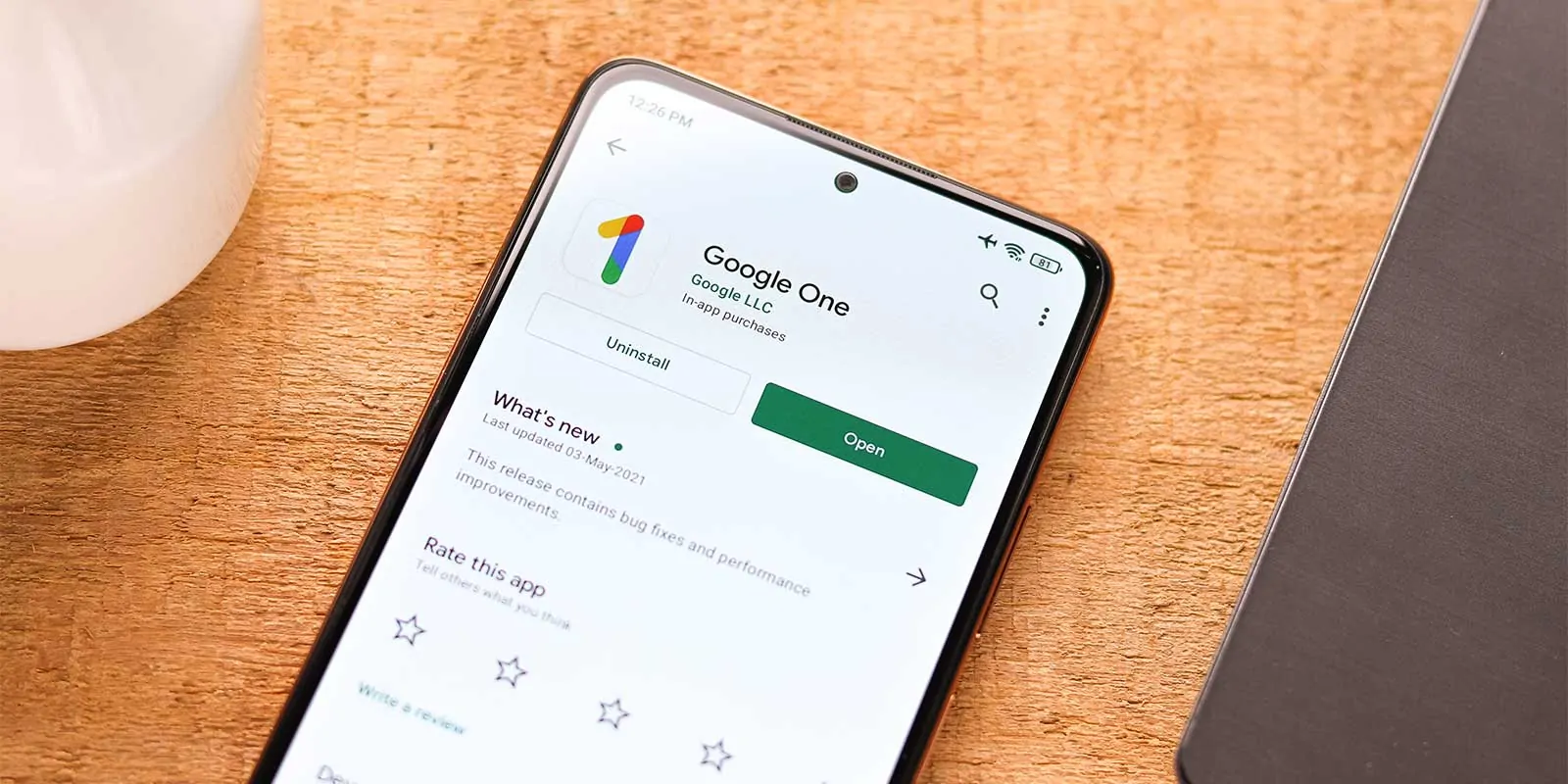
    Google’s VPN feature, part of the Google One service, just received three new features on Android. The new features are:

    • Safe Disconnect enables you to use the internet only when the VPN is active.
    • App Bypass allows you to choose specific apps to use a standard connection rather than the VPN.
    • Snooze allows you to disable your VPN temporarily.

    In addition to these new features, Google has also made its VPN service available on iOS, which means that users can now use Google’s VPN on an iPhone as well. But sadly, the new features mentioned above may not be accessible on an iPhone at this time.

    According to Google’s blog post, privacy and security are ‘always core to everything’ Google makes. In this regard, Google’s VPN utilizes ‘advanced’ built-in security, which prevents anybody from linking you to your browsing activity.

    Google also stated that its VPN service has a ‘full certification’ from the Internet of Secure Things Alliance, and because it is an open-source service, it has been audited by an independent party. So, if you have any doubts about whether you can trust Google with your “private” internet browsing, you can even see the report from the audit.

    Google’s VPN service is available only in 18 countries. Some of them are the US, Canada, the UK, Germany, Spain, Italy, France.

    You can use Google’s VPN on your Android phone or your iPhone by subscribing to Google One’s Premium subscription plan, which costs $9.99 per month or $99.99 per year.

  • Longer Instagram Reels could soon be a thing

    Longer Instagram Reels could soon be a thing

    According to a new leak, Instagram could be working on allowing users to create longer Reels than is currently possible. Alessandro Paluzzi, a popular tipster and reverse engineer on Twitter who has released many a juicy preview of upcoming app updates, has discovered that the Meta-owned platform is preparing to introduce a 90-second limit on Instagram Reels, to replace the current 60-second cap on publications.

    While it’s not a guarantee, Paluzzi has been right many times before, and using his skills as a mobile developer to reverse-engineering the Instagram app allows him to see strings of code from upcoming updates that are invisible to the rest of us.

    Instagram Reels, giving users the ability to create short-form video clips, launched back in 2020. It was modeled after TikTok, which was already exponentially growing in popularity just for this reason. After Instagram Reels took off immediately, YouTube decided to copy the platform and create its own version of TikTok, which it called YouTube Shorts.

    Although Shorts are still a beta feature on YouTube, they have already become massively popular with the top creators, who are using them to capture viewers’ attention on upcoming videos, advertise their merch, make announcements, or post quick updates on how their lives are going.

    And now, Instagram seems to be paving the way for another possible change to short-form video style by raising the upper limit to video length, which is still at 60 seconds for YouTube Shorts.

    While some people are getting excited at the prospect of adding even more material to their Reels, other have expressed concern that this won’t help users succeed on the platform, because people’s attention spans are only getting shorter—not longer.

    Remember, from back in the day when YouTube became popular, the algorithms have been favoring increasingly shorter and shorter videos. TikTok’s most popular posts are under a minute long, as are the relatively new YouTube Shorts. Do you think 90-second Reels will take off, or nah? Do let us know in the comments!

  • Singtel partners with Microsoft their first public MEC solution in Asia

    Singtel partners with Microsoft their first public MEC solution in Asia

    Singtel will launch the first Microsoft Azure Edge Zones integrated with Singtel’s 5G network, delivering multi-access edge compute (MEC) for enterprises in Asia. The solution combines the speed, hyperconnectivity, and high bandwidth of Singtel’s 5G network with Microsoft Azure services, enabling developers to deploy and manage mission-critical applications that require high throughput and low latency. It will boost business capabilities in areas such as metaverse-based real-time simulations, and live video analytics in a multi-tenant environment. Customers will be able to use their existing Azure subscriptions.

    Bill Chang, chief executive officer, group enterprise at Singtel said, “This collaboration is a key milestone for edge computing in Asia. We’re always looking for ways to support enterprises in leveraging the potential of 5G for digital transformation to drive innovation for the benefit of consumers, business users and entire industries. This solution enables enterprises to streamline the integration of 5G and MEC into business operations, facilitate the development of new solutions, and scale and transform their business.”

    In addition to running low-latency applications at the edge using Singtel’s 5G network, the solution has the potential to transform operations in sectors such as public safety, urban planning, healthcare, banking, civil service, transportation and logistics. It also offers public sector customers high security and better performance for end-users, enabling new intelligent edge scenarios.

    Customers can leverage these capabilities, only paying for the amount of compute and storage they use for the duration which they use it, replicating the cloud consumption model at the network edge and saving on additional operational overhead.

    Dr. Yousef Khalidi, corporate vice president Azure for operators, Microsoft said, “With Azure for operators, Singtel empowers its customers to unlock business value at the network edge. The integration of Azure compute services with Singtel’s 5G network will enable enterprises and developers to provide low-latency applications across industries such as public sector and healthcare.”

    The solution will be publicly available in the second half of 2022 for Azure customers in Singapore through the Azure portal to rapidly develop, test and deploy 5G applications such as autonomous guided vehicles, drones, robotics and virtual, augmented or mixed reality, at the edge of Singtel’s 5G network. Government agencies and enterprises of all sizes that have built their business applications and operations on Microsoft Azure’s plug-and-play cloud computing service can conveniently leverage the benefits of 5G and MEC as well.

  • UBS Nabs Deutsche Bank Wealth Manager

    UBS Nabs Deutsche Bank Wealth Manager

    UBS Europe is adding a senior client advisor from Deutsche Bank to its wealth management team in Hamburg, catering to its growing client base there.

    Switzerland’s biggest bank is hiring Joerg Wilke as a senior client advisor for the rich and super-rich based in Hamburg, effective immediately, according to an article in Private Banking Magazin.

    Wilke, who advised high-net-worth individuals at Deutsche Bank for more than twenty years, joins the Hamburg branch of UBS Europe.

  • UBS Sets New Goals After Strong Performance

    UBS Sets New Goals After Strong Performance

    Switzerland’s biggest bank posts its best results in 15 years and lays down new environment, social, and governance goals.

    UBS reports net profit for the fourth quarter of $1.3 billion, up 17 percent from the same quarter in the previous year, the bank says in its earnings report Tuesday. Results were supported by favorable market conditions, enabling inflows of net new asset-generating fees within the bank’s global wealth management.

    For the financial year, 2021 net profit came to $7.5 billion, up from $6.6 billion in the previous year. Operating profit also rose for the full year, up 16 percent to $9.5 billion. This was after it took a $740 million hit due to litigation costs with France.

    Throughout the year the bank increased its sustainability efforts and impact investments to $251 billion from $141 billion. The bank will continue its focus on the environment, social, and governance (ESG) aspirations with a series of new goals.

    These include cutting CO2 emissions within its own operations to net-zero by 2025 as well as investing $235 billion in net-zero aligned assets by 2030. Separately the bank will allocate $400 billion to sustainability-focused assets.

    Philanthropy also features in its strategy with $1 billion of donations aimed at reaching 25 million beneficiaries by 2025.

    After exceeding its CET1 capital ratio target in 2021, the bank raised its CET1 capital guidance to 15 to 18 percent from 13 percent previously.

    The bank has proposed a dividend of $0.5 per share from $0.37 the year before. UBS’s share buybacks will also nearly double in 2022 from 2.6 billion in 2021.

    UBS is in better shape than ever. For the second year in a row, we achieved our targets, remained disciplined in our costs and saw strong contributions from all regions and divisions, Ralph Hamers, UBS’ group CEO, said in the statement.

  • UBS Puts Itself Under Pressure To Build on Strong Results

    UBS Puts Itself Under Pressure To Build on Strong Results

    After last year’s strong financial results Switzerland’s largest bank will struggle to outdo its previous performance as market conditions turn and markets get off to a bad start in 2022. 

    UBS’s financial results for the financial year 2021 exceeded expectations by far, even considering the large provisions it had to make for various legal cases, including its ongoing lawsuit in France.

    Several factors which influenced last year’s business are likely to do so again in 2022. There is also the threat of a slowdown in business activity, as top management acknowledged on Tuesday.

    1. Higher Return for Shareholders

    The proposed dividend of 50 cents per share for 2021 is significantly higher than the 37 cents paid in 2020. This underscores the bank’s intention to let shareholders participate in its success. Continued share buybacks, which the bank also announced on Tuesday, will additionally contribute to an earnings squeeze in the future.

    2. Investment in Technology

    Aware of the fact that banks are now more like IT companies or platforms, UBS is not only expanding its digital offering (see point 6), but it also intends to focus more on technology. It has set itself the goal to invest around 10 percent of its earnings in technology in the future. However, doing so will merely allow it to catch up with its competitors.

    3. The French Legal Sword of Damocles

    The good result is clouded by high provisions for the court case in France. This is mainly reflected in the fourth quarter 2021 figures in global wealth management (GWM) and in the Swiss unit (personal & corporate banking). The latest provisions were booked in these two units.

    The court in Paris is demanding a total payment of 1.8 billion euros, which UBS is again appealing. In the fourth quarter of 2021, the bank set aside 650 million euros, bringing the total amount of provisions to 1.1 billion euros. The outcome of the proceedings are still open and likely to impact the bank’s share performance to some extent in the current year.

    4. A Bouquet of New Targets

    Against the backdrop of good performance and taking into account that CEO Ralph Hamers had not formulated any new targets since taking office in the fall of 2020, UBS has set out business and ESG ambitions for the first time and adjusted its financial targets.

    The changes appear to be relatively modest. It’s therefore unsurprising that top management expressed confidence Tuesday morning in achieving these targets this year or, depending on the definition, «over the cycle» market conditions permitting and the strategic plan can continue to be successfully implemented.

    5. Major savings still ahead

    The favorable results don’t obscure the fact that UBS and its employees still face enormous cost-cutting efforts. By 2023, the bank aims to save a total of 1 billion dollars by streamlining structures, exiting additional markets and by increasing automation and simplifying processes.

    Last year, UBS saved 200 million dollars, with the figure set to double to 400 million dollars, and a further 400 million in 2023. This is the only way UBS will be able to realize its growth plans (see point seven).

    6. Digital Offering

    With its recent acquisition of California-based digital wealth manager Wealthfront, UBS has reaffirmed its intention to target younger, less affluent clients abroad. As Hamers explained on Tuesday, this was just the beginning.

    The bank also wants to target similar clientele in Asia, namely China, a spokesman emphasized. Furthermore, the bank is seeking additional partnerships (joint ventures) in other countries for further expansion, as is already the case with Sumitomo (for wealth management) in Japan and with Banco do Brasil (in investment banking).

    7. Outlook: Trees Don’t Grow To The Sky

    UBS’s good performance last year cannot necessarily be used as a blueprint for 2022 , even if many investors are currently convinced that it will be. On Tuesday morning, UBS shares gained more than 6 percent on the stock market.

    At the same time, a bank spokesman acknowledged that client activity had been very subdued in the first month of this year, with the level of optimism among clientele falling in recent surveys. In fact, some clients may be looking for bargain entry prices after recent turmoil in financial markets. Still, the proportion of cash in portfolios is still quite high at 23 percent.

    In Asia, growth is likely to be more subdued in 2022 than it already is, as seen by the sharp decline in Lombard loans, while costs in this extremely competitive market remain high. The cost/income ratio (CIR) already increased slightly last year, and unless the rigorous cost-cutting measures in the group are fully implemented, it will probably be difficult to reduce the CIR.

    Against this background, it isn’t surprising the new growth target for pre-tax profit in global wealth management (GWM) of 10 to 15 percent has been set relatively cautiously.

    Several central banks have ushered in a new era in the financial markets with their now more restrictive monetary policies. Under these premises, stock market appreciation and thus growth in customer portfolios is likely to be more leisurely.

  • YouTube for Android gets new look in fullscreen mode

    YouTube for Android gets new look in fullscreen mode

    The YouTube app for Android is receiving a new look starting today when videos are viewed in fullscreen. If you turn your phone into landscape mode while viewing a YouTube video and press pause, you’ll notice something new. On the bottom of the left side of the display, there are thin outlines of new icons that allow you to like the video, dislike it, comment about the video, add it to a playlist, or share it with someone else.

    On the bottom right of the fullscreen view is an icon showing multiple videos in fullscreen mode alongside the words: “More Videos, Tap to see all.” When you tap on it, a carousel surfaces to show other videos that you might find interesting. The video timeline is moved a little higher and the three-dot settings icon on the upper right corner is turned into the gear icon used to represent the settings menu on several other apps (although that change was made for both the landscape and portrait modes of YouTube).

    Lastly, tapping on the small upside-down pointer, triangle, or chevron (whatever you want to call it) next to the title of a video will bring up the description of it with the number of likes, the number of views, and the date that the video was first posted on YouTube. This is where some videos will have a written description and some will be broken down by chapters making them easier to navigate.

    The new fullscreen UI for YouTube has been rolling out today from Google to Android users while iOS users will have to wait for the new look UI.

  • Vegan food platform VEats launches in Sydney

    Vegan food platform VEats launches in Sydney

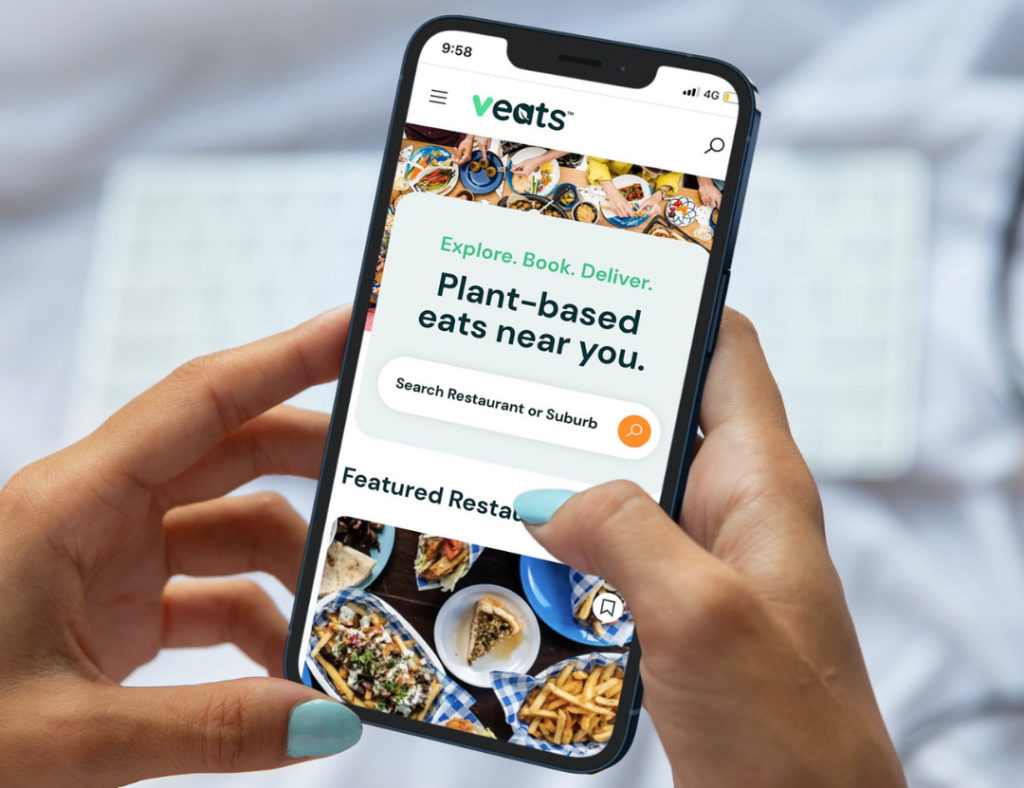
    Founded by Australian duo Lara Young and Susan McCarthy, VEats is a new plant-based platform focussed on helping consumers looking for convenient plant-based options in the country. They describe the digital solution as a “first-of-its-kind” for the market, enabling users to explore all businesses with animal-free food options within a designated city. Whilst a user finds a restaurant they want to go to on the site, tables can be booked at restaurants, food can be ordered for delivery and takeaways can be queued.

    The Australian-based VEats platform is currently being piloted, with a Sydney-first rollout. Coordinating the launch to happen as part of Veganuary, the founding team is thinking on an international scale. U.K. expansion is in the planning stage, with Brighton and London as first targets. Bamford Capital is on board as an equity partner and business advisor for domestic and global ambitions.

    Young and McCarthy have more than three decades of combined business and marketing expertise. The two have worked together before, they created a joint digital marketing agency. VEats is being launched alongside as something of a passion project, particularly for Young.

    “Having grown up as a meat-eater all my life, it never crossed my mind that there was another way of living,” she explained in a press statement. “At the age of 36 I was overweight, overworked, managing being a wife, a mother of three, running two businesses, and everything else life had to throw at me. Food was always there to comfort me.

    “Being a massive foodie, I had to learn about a whole new way of eating. The journey wasn’t easy and I spent hours and days researching restaurants, checking menus, calling ahead to get them to accommodate me, and trying to veganise food through other delivery platforms. I knew that if it was hard for me, it would be hard for anyone trying to make the transition to plant-based eating. That’s when I had the idea for VEats.”

    Young and McCarthy say they have 600 businesses listed on the VEats platform already, spanning the breadth of Sydney. Included are fully plant-based companies, as well as any offering three or more animal-free food options. The two are confident that as Veganuary comes to a close, more than 50 directory inclusions will offer table booking and delivery options. Sydney was selected for the pilot launch due to its plethora of vegan hubs. Newtown has become synonymous with plant-based eating, with its ‘vegan mile’ reportedly growing by the week.

    Confirmed restaurant partners include KoshariKorner, Gigi Pizzeria and recently-opened Flave. Meal delivery service Just Add Vegan has linked up as well. In a coup for the founders, Australia’s leading online ordering platform Order Up! has come on board. It will give directory-listed businesses cost-effective access to ordering and pick-up functionalities. “We are proud to be partnering with the team at VEats to help make plant-based eating easy and accessible in your everyday life,” Clive Thorpe, CCO of Order Up! said in a statement.

    Australia is making strides to become a leading producer of animal-free products. Wide Open Agriculture is a perfect example of a domestic company seeking to disrupt the status quo. In this case, the dairy industry, which is the country’s fourth largest sector. Having bagged $20 million at the end of last year to ramp up production of plant milk, it represents a significant consumer mindset shift.

    Fellow Australian brand ProForm Foods received in the region of $5 million last year, from Harvest Road. With new facilities completed, expansion of a Sydney location is planned, alongside global distribution.

    It’s not all positive news, however. Australia’s meat industry has taken umbrage at the rise in popularity of animal-free foods. It claims that consumers are confused by packaging and are accidentally buying and eating plant-based meats. Supported by a survey paid for by various meat, seafood and poultry companies.

  • Royal Enfield Classic 350 Launched In Australia, New Zealand

    Royal Enfield Classic 350 Launched In Australia, New Zealand

    Royal Enfield is expanding the presence of the new Classic 350 across the world, and the Asia Pacific region, and has now launched the all-new Classic 350 in Australia and New Zealand. The new model will be available in four variants, the Halcyon, Classic Signals, Classic Dark and Classic Chrome, each offering unique color options and styling options. In recent days, the Classic 350 has been launched in the UK, and the Philippines, and now the company has launched its most popular model in Australia and New Zealand.

    Pricing for the 2022 Royal Enfield Classic 350 range will start at AUD 7,990 (approximately ₹ 4.21 lakh) in Australia for the Halcyon series. The Signals series has been priced at AUD 8,290 (approximately ₹ 4.37 lakh), while the Dark Series and Chrome Series will be priced at AUD 8,690 (approximately ₹ 4.58 lakh) and AUD 8,790 (approximately ₹ 4.63 lakh) respectively.

    The all-new Classic 350 is the second model to be based on the same platform as the Meteor 350, with the two models sharing quite a few components, including the new J-series Royal Enfield 350 cc single-cylinder engine. The new-generation Classic 350 was launched in India last year, and gets a complete makeover, with a new, more modern engine, new chassis, updated suspension, new wheels, and brakes.

    The 349 cc, the single-cylinder engine makes 20.2 bhp at 6,100 rpm, and 27 Nm at 4,000 rpm. The compression ratio has changed to 9.5:1 on the new 350 cc SOHC engine from 8.5:1 on the UCE 350 engine. The cam gears have been replaced with a timing chain, along with the SOHC system, which results in less noise and more efficient valve timings. The chain primary drive has been replaced with gear primary drive, which reduces transmission losses, and the primary balancer shaft reduces vibrations on the engine.

    The legacy of the Classic dates back to 1948 with the Royal Enfield Model G2, the first to have swinging arm rear suspension on a full production motorcycle. The Model G2 served as a strong design inspiration for the hugely popular Classic 500 and Classic 350 launched in 2008. The Classic 350, in fact, went on to become the highest-selling Royal Enfield model since then, accounting for 70-80 percent of the brand’s sales over the past decade or so. Even now, the Classic 350 accounts for 60-70 percent of the brand’s overall sales, but so far, these numbers have been limited to the domestic market of India.

    In the 12 years since the modern Royal Enfield Classic was first launched, it has built a legacy of its own, selling over 3 million (30 lakh) motorcycles. The Classic has also emerged as the motorcycle that redefined the middleweight motorcycling space and spawned the revival of Royal Enfield. And this time around, with the new Classic 350, Royal Enfield is positioning it as a global product, hoping to repeat some of its commercial success around the world.

  • Apple to celebrate Valentine’s Day with new health features

    Apple to celebrate Valentine’s Day with new health features

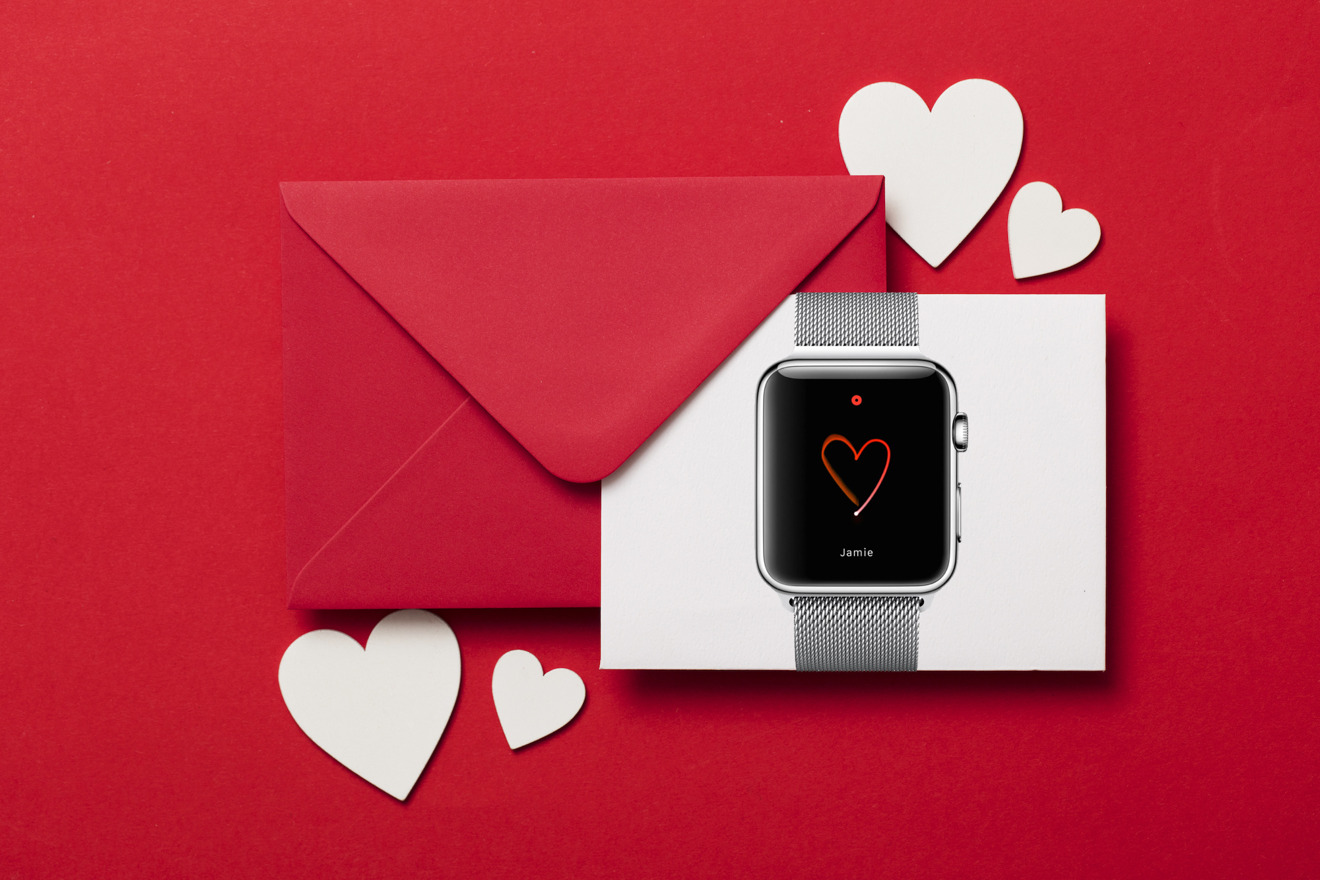
    Valentine’s Day may be on February 14th, but American Heart Month is set to last the entire month—and Apple is greeting it with a few aces up its sleeve.

    Needless to say, all of Apple’s Heart Month specials are health-related, and the Apple Watch in particular is getting a few new limited-time features to encourage users to get up and moving—all with the goal of having a healthier body and mind.

    For starters, if you complete Apple’s new Health Month Activity Challenge on Valentine’s Day, you will win a custom iMessage sticker coupled with an exclusive award. The challenge isn’t daunting by any means; it’s just 30 minutes of exercise to complete Apple’s activity ring that wins you these prizes.

    Apart from that, all month long, Apple will be including a special featured set of 30-minute workouts on Apple Fitness+. The “Time to Walk” experience, which was unveiled at around the same time last year, is receiving a new episode featuring Georges St-Pierre, a former Canadian mixed martial arts champion.

    To make use of these additions, you’d need an Apple+ membership—which comes with a free trial for three months, then costs $9.99 a month afterward.

    “We’re strong believers at Apple that if you can empower people with information about their health, you can change the trajectory of their well-being,” stated Jeff Williams, Apple’s chief operating officer.

    “Keeping your heart healthy requires a holistic approach — something we’ve focused on since the first generation of Apple Watch with the inclusion of activity and workout apps, in addition to heart rate. Today, people of all ages can use our products and services to learn more about staying healthy, work toward their personal goals, and have a lot of fun along the way.”

    Along with the Apple Watch-exclusive features, Apple is also going to be offering new custom compilations across Apple Fitness+, the App Store, Apple TV, Apple Podcasts, and Apple Books, according to Apple’s newsroom post.

    You’ve got to give it to Apple for giving users’ health some extra attention this month; both physical and mental health have been difficult to maintain in light of recent events, and this may just make things just a tad easier.

  • New feature begins rolling out for YouTube Music called “Recommended radios”

    New feature begins rolling out for YouTube Music called “Recommended radios”

    YouTube Music is rolling out a feature called “Recommended radios.” Instead of radio stations created from a single song, the new feature creates a station from multiple songs and artists and recommends it to users. You can press the home tab button and scroll about halfway down the page to find the new “Recommend radios” carousel if it has already hit your phone. There are 10 stations shown with the carousel and they update every time you refresh the feed.

    Each station mentions up to three songs that provided the inspiration for that particular station. Each station is named after the title of a band or the genre that the station covers. And the name of the decade associated with the music is often included.

    With the mobile version of YouTube Music, tapping on one of the stations will bring up the playlist page (as opposed to auto-playing the station when you click on it with the desktop version). A Reddit user who goes by the handle of “Fuyou_lilienthal_yu” said, “This tab was just there when I scrolled down on the app. It seems to be like the Mixes except it gives you a specific theme like “Sangatsu no Phantasia, Deep cuts” and then having a playlist with probably SnP’s entire discography.”

    He adds, “Other playlists seem to be stuff like XXX Discovery radio where it’s full of presumably similar songs as the source artist. There doesn’t seem to be a limit to how many songs are allowed on a single radio, the first one in the list was something like “Gen Hoshino Radio” or whatever and it had a seemingly endless scroll of music…All in all it seems cool, more ways for them to help you to listen to music the better.”

    The YouTube Music app is available for both iOS and Android, and the new feature started rolling out this past weekend although not everyone has it yet. For example, we have yet to see it on our Pixel 6 Pro running Android 12.

  • Google fixes the issue of Android Auto not displaying messages

    Google fixes the issue of Android Auto not displaying messages

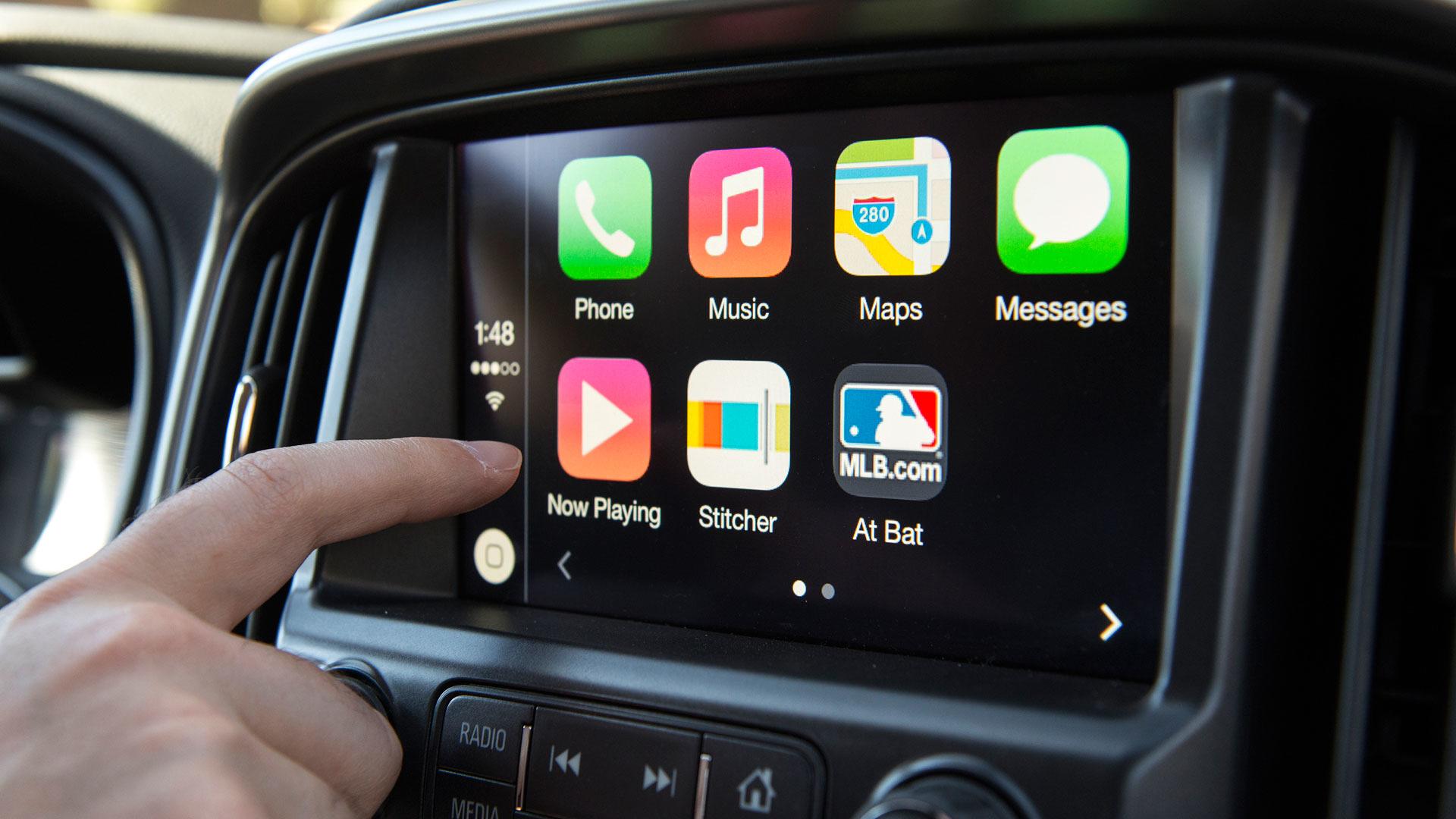
    Google has fixed an issue preventing Android Auto from displaying messages on a car’s screen. To receive the fix, you need to update your Android Auto and Messages app to the latest versions. Google did not explain what the cause of the problem was.

    Google’s fix comes in response to several customer complaints on Android Auto’s support page. Several users reported that after updating their phones to Android 12, their cars stopped showing the received messages.

    A user shared in a post: “For the past three weeks, Android Auto has stopped showing new text or other messages. If music is playing and a new message comes in, the music is turned down briefly as if to allow the new message notification to sound, but no sound and no message comes to the auto display, even though new messages have arrived on the phone.”

    Not showing received messages isn’t the only issue Android Auto users have encountered recently. As we previously reported, users who had updated their Android Auto app encountered a problem with Google Maps not appearing on their cars’ screens when they had their phones connected to their vehicles. Although the issue has been reported, it still remains for Google to roll out a fix for that problem too.

  • WhatsApp’s unlimited Google Drive backups may be coming to an end

    WhatsApp’s unlimited Google Drive backups may be coming to an end

    So far, WhatsApp has been offering unlimited storage on Google Drive for WhatsApp backups. The company offers backup options to iCloud as well (for iPhone users), there, it has been limited to whatever storage tier the iPhone user has. Now, something similar might be happening for Android users.

    The popular chat app seems to be planning a change regarding backups on Android phones. Lines in the code of the app point to the fact that WhatsApp may be losing its unlimited Google Drive storage option for backups. This news comes after the info that WhatsApp could be letting you manage the size of your backup in the near future.

    The code was first discovered by WABetaInfo, and it is a hidden code that references Google Drive limits.

    Keep in mind that the date on which this will happen is still unknown, so for now, you can still benefit from unlimited storage on Google Drive. The thing is that the arrangement with Google allowed WhatsApp backups to now count against the users’ Google Drive storage.

    However, WhatsApp seems to be planning to include a storage limit, but the exact limits the app will impose are not yet clear. Hopefully, the backup storage for WhatsApp won’t count towards the 15GB limit for the free tier (but this is, at this point in time, unconfirmed).

    This information comes after WABetaInfo discovered an upcoming WhatsApp feature that will allow you to manage your WhatsApp backup size on Android. This feature will allow you to customize what items get backed up, and exclude certain types of files from the backup. Files you might be able to exclude are photos, documents, and videos.

    Judging by that, it seems WhatsApp is really in the works of imposing backup limitations for Android users of the app. With the ability to manage your Google Drive backup, WhatsApp will be giving you options to save some storage space (if your chat backups are getting too big).

    All that being said, WhatsApp ditching unlimited Google Drive storage shouldn’t come as a surprise, after the fact that Google abandoned unlimited Google Photos backups last year. It seems the Mountain View tech giant is pushing for paid storage plans, and this seems to be reflected in the WhatsApp backup limitations that are currently in the works as well.

    A few months ago, WABetaInfo showcased the feature (currently under development) that will enable you to have tighter control on what gets backed up to Google Drive from the app itself.

    As you can see in the image below, the app will be offering ways for you to modify what gets backed up to Google Drive and what to exclude (probably in order to save space from your Google Drive storage).

    The feature seen above could be included in a future update of WhatsApp, and it definitely should if WhatsApp will be limiting the backup storage. Both of these two features don’t have an official release date yet, but we’ll make sure to inform you if they go official.

    For now, as we mentioned above, WhatsApp backups still don’t count against your Google Drive storage quota because of an agreement between WhatsApp and Google.WhatsApp has been getting loads of updates and planning lots of new features for its interface and users. Recently, we reported on the fact iPad users might finally be getting a WhatsApp app designed specifically for the iPad. Another useful feature that might be coming soon will be the ability to easily transfer chats from Android to iOS.