Author: Mei Ling Tan

  • Vingroup reports first-ever loss

    Vingroup reports first-ever loss

    Vingroup made after-tax losses of over VND7.5 trillion ($326 million) in 2021, its first-ever loss, citing funding for the pandemic fight and heavier investments in electric car development.

    Vietnam’s biggest private conglomerate’s net revenues stood at VND125.306 trillion last year, up 13 percent over 2020.

    Vingroup said some of its businesses, including real estate for rent, resort, and entertainment, were greatly affected by the prolonged social distancing campaigns in many localities. Vincom Retail, the retail real estate arm of conglomerate Vingroup, spent up to VND2.115 trillion assisting tenants, which also affected total revenues.

    Last year, the group sponsored Covid-19 prevention and other activities to the tune of VND6.099 trillion. It also decided to stop producing gasoline-powered cars from the end of 2022 to focus resources on electric vehicles.

    By the end of 2021, the group’s total assets were valued at VND427.3 trillion ($18.87 billion), up 1 percent from the beginning of the year.

    Recently the group adjusted its orientation, redefining three focus groups of activities, namely technology and industry, trade and service, and social charity.

  • Restaurant Brands sales exceed $1 billion, despite Covid-19 impact

    Restaurant Brands sales exceed $1 billion, despite Covid-19 impact

    Restaurant Brands NZ Limited reported a 19.7% increase in sales for the year ended 31 December 2021, making total sales of NZ$1.06 billion in 2021. While same-store deals stayed strong in the period, nearly NZ$100 million of the rise in annual sales came from the extra 8 months of trading from the California acquisition.

    The Group released sales numbers for Q4 FY21 on Thursday, reporting total sales of NZ$284 million for the period (+5.5% on pcp). All regions posted positive same-store growth despite the present COVID-19 impact.

    The Group faced COVID-19 impact strongly despite several government curbs, challenging trading atmosphere and altering consumer habits. Subsequently, RBD’s annual sales numbers surpassed NZ$1 billion, setting a robust footing for further growth in sales in all its 4 regions.

    RBD-owned store numbers increased by 11 in Q4 compared to the same period in the previous year to 359. This was majorly due to the purchase of 5 KFC stores in Sydney in early 2021as well as the present construction of new Taco Bell shops in Australia and NZ.

    Restaurant Brands is due to announce its year-end trading results on 28 February 2022.

  • Nestlé pledges to improve sustainable farming practices, end child labour

    Nestlé pledges to improve sustainable farming practices, end child labour

    Nestlé today announced a new plan to tackle child labor risks in cocoa production. At the center is an innovative income accelerator program, which aims to improve the livelihoods of cocoa-farming families, while also advancing regenerative agriculture practices and gender equality. A cash incentive will be paid directly to cocoa-farming households for certain activities such as enrollment of children in school and pruning among several others. Nestlé’s new plan also supports the company’s work to transform its global sourcing of cocoa to achieve full traceability and segregation for its cocoa products. As Nestlé continues to expand its cocoa sustainability efforts, the company plans to invest a total of CHF 1.3 billion by 2030, more than tripling its current annual investment.

    The income accelerator program (pdf, 11Mb) offers a novel approach to help support farmers and their families in their transition to more sustainable cocoa farming. The incentives will encourage behaviors and agricultural practices that are designed to steadily build social and economic resilience over time. With Nestlé’s new approach, cocoa-farming families will now be rewarded not only for the quantity and quality of cocoa beans they produce but also for the benefits they provide to the environment and local communities. These incentives are on top of the premium introduced by the governments of Côte d’Ivoire and Ghana that Nestlé pays and the premiums Nestlé offers for certified cocoa. This cocoa is independently audited against the Rainforest Alliance Sustainable Agriculture Standard, promoting the social, economic and environmental well-being of farmers and local communities.

    Cocoa-farming communities face immense challenges, including widespread rural poverty, increasing climate risks and a lack of access to financial services and basic infrastructure like water, health care and education. These complex factors contribute to the risk of child labor on family farms. Together with partners, including governments, and building on a promising pilot program, Nestlé’s new initiative sharpens focus on these root causes of child labor.

    “Our goal is to have an additional tangible, positive impact on a growing number of cocoa-farming families, especially in areas where poverty is widespread and resources are scarce, and to help close the living income gap they face over time,” said Mark Schneider, Nestlé CEO. “Building on our longstanding efforts to source cocoa sustainably, we will continue to help children go to school, empower women, improve farming methods and facilitate financial resources. We believe that, together with governments, NGOs and others in the cocoa industry, we can help improve the lives of cocoa-farming families and give children the chance to learn and grow in the safe and healthy environment they deserve.”

    Creating cash incentives to grow income substantially

    The program rewards practices that increase crop productivity and help secure additional sources of income, which aim to close the gap to living income and help protect children. By engaging in these practices, families can additionally earn up to CHF 500 annually for the first two years of the program. The higher incentive at the start will help accelerate the implementation of good agricultural practices to build future impact. This incentive will then be leveled at CHF 250 thereafter as the program starts delivering tangible results. It is not paid based on the volume of cocoa sold and is inclusive to provide smaller farmers meaningful support, leaving no one behind. In a departure from normal practice, the program also offers financial incentives for the farmer’s spouse, who is typically responsible for household expenses and childcare. By dividing the payments between the farmer and the spouse, the program helps empower women and improve gender equality. Examples of practices that Nestlé is incentivizing include:

    • School enrollment for all children in the household ages 6-16;
    • Implementing good agricultural practices, such as pruning, which increase crop productivity;
    • Performing agroforestry activities to increase climate resilience, like planting shade trees;
    • Generating diversified incomes, for example through growing other crops, raising livestock such as chickens, beekeeping or processing other products like cassava.

    Payments will be delivered via a secure mobile service transfer that will ensure traceability directly from Nestlé suppliers to the intended recipient. Because cash flow throughout the year is often a challenge, cash incentives will be distributed when they are needed most. Based on feedback from farmers, this includes the back-to-school period and before the rainy season. Third parties, including International Cocoa Initiative and Rainforest Alliance, will work with Nestlé to monitor participation.

    Helping farmers implement sustainable, scalable practices

    Building on the positive results of an initial pilot in 2020 with 1,000 farmers in Côte d’Ivoire, in 2022 Nestlé will expand the program to include 10,000 families in the country, before extending it to Ghana in 2024. It will then assess the results of that test phase and adapt where necessary, before moving to reach all cocoa-farming families in its global cocoa supply chain by 2030.

    Nestlé will help ensure farmers have the resources, training and social and financial structures to make lasting changes by:

    • Enhancing the existing monitoring and remediation system to help identify, prevent and address child labor risk and increase school enrollment;
    • Offering families training through the Gender Action Learning System and on household financial planning and entrepreneurship;
    • Organizing and training local groups to perform pruning and other beneficial agricultural tasks within a given cooperative each year;
    • Providing income diversification opportunities for farmers and their spouses;
    • Helping set up Village Savings and Loans Associations (VSLA), focused on women, to encourage savings and provide loans for small business opportunities.

    Feedback and input from farmers and farmer cooperatives, as well as ongoing data collection and evaluation by third parties, will be used to inform, modify and improve the program as it scales up to more communities. In addition, independent oversight will be provided by a multistakeholder strategic advisory committee managed by IDH-The Sustainable Trade Initiative, a leading foundation that works to improve the sustainability of international supply chains.

    Tracing all cocoa from origin to factory

    As part of the program, Nestlé will transform the global sourcing of cocoa to achieve full traceability and segregation of its cocoa products from origin to factory. This new effort will help transform the supply chain of Nestlé and the broader industry. Nestlé will introduce a range of products with cocoa sourced from this innovative program, offering consumers the opportunity to support the improvement of the families’ livelihoods and the protection of children. This will start with a selection of KitKat products in 2023.

    “Our actions can help catalyze change on an important topic that is so close to our hearts. They will drive accountability and transparency across the industry, at a time when customers, employees and communities increasingly expect companies to deliver on their shared values,” said Magdi Batato, Executive Vice President and Head of Operations. “By increasing traceability at scale, we will help build consumer trust in our products and respond to the growing demand for responsibly and sustainably sourced cocoa.”

    Today’s announcement builds on Nestle’s longstanding efforts to tackle child labor risks in cocoa production. The company has invested in sustainability through the Nestlé Cocoa Plan since 2009. Through a robust monitoring and remediation system (pdf, 3Mb) instituted since 2012, 149,443 children have been assisted to protect them against the risk of child labor, and 53

  • Ferns N Petals Reaches Another Touchpoint by Flowering Out in Malaysia

    Ferns N Petals Reaches Another Touchpoint by Flowering Out in Malaysia

    Ferns N Petals is India’s gifting brand that is taking mighty strides forward. After 28 years and marking a presence in 10+ countries, this renowned gifting brand is now operational in Malaysia too.

    From a single store in 1994 in Delhi (India), Ferns N Petals has now tapped into a global pool of customers because of its variety of gifting solutions. The customer can order flower bouquets to the budget-friendly gift items such as personalised cushions and indoor plants. All in all, it is a multi-category gifting brand attracting millions of customers.

    Other than India and Malaysia, the company is fully operational both online and offline in the UAE, Qatar, Singapore, Saudi Arabia, Philippines, etc. It is also providing its customers with multiple delivery options to provide a hassle-free experience. Moreover, their customer reviews say a lot about their impeccable services.

    Doesn’t matter whether you are in Kuala Lumpur, Johor Bahru, Putrajaya or Shah Alam, you can easily get the gift of your choice delivered to any part of the country, or even internationally” says a spokesperson of the company.

    Though there are many biggies in the field, Ferns N Petals has been able to maintain its position by anticipating the needs of its customers in the beginning stage. When COVID hit and almost all businesses took a backseat, the company came up with the concept of ‘Experiential Gifting’ with its virtual gifts. People were able to send their wishes while maintaining social distancing.

    With each passing day, the company is adding new categories and gift options such as premium gifts, balloon decoration services and seasonal/occasional gift hampers.

  • Public Bank Vietnam launches Visa cards

    Public Bank Vietnam launches Visa cards

    Public Bank Vietnam Limited has announced its cooperation with global payment technology company Visa to launch international debit and credit payment cards. Public Bank Vietnam’s latest offering is integrated with the convenience of contactless payment features and secured 3D Secure 2.0 authentication technology. The bank’s credit card range includes Public Bank Vietnam Visa Classic, Public Bank Vietnam Visa Gold, Public Bank Vietnam Visa Platinum and Public Bank Vietnam Visa Signature with premium privileges to suit the preference of customers both in the mass and affluent market segment.

    Apart from the convenience of hassle free payments when making purchases with a preferential interest-free period up to 51 days, all new Public Bank Vietnam Visa cardholders will enjoy benefits like unlimited cashback for customer spending within the same month for Gold level and higher.

    Public Bank Vietnam Visa Signature also provides customers with premium privileges like a complimentary airport lounge during travel, global insurance coverage for cardholders and family and preferential foreign transactions. In addition, cardholders will also enjoy a classy lifestyle with 6 percent cashback on dining and groceries spending and unlimited cashback on other spending.

    During the launch of the brand-new Visa cards, Public Bank Vietnam is also launching a promotional program, new Visa cardholders will enjoy free card issuance and first year annual fee for all credit card classes and many other attractive promotions.

    Chee Keng Eng, General Director of Public Bank Vietnam said: “Public Bank Group’s collaboration with Visa dates way back and we are glad that today this long rooted relationship will be further extended to Vietnam through the launching of the all new Public Bank Vietnam Visa Credit and Debit Cards. Through our network of 30 branches in all major cities and provinces of Vietnam, we are committed to not only bringing the best features and deals to our customers, but also being there to support when the need arises at all times.”

    “Visa is constantly striving to improve services in order to assist our banking clients and partners to provide a variety of innovative, secured and diversified offerings, product and service portfolios, and comprehensive solutions to customers,” said Dang Tuyet Dung, Visa Country Manager for Vietnam and Laos.

    Public Bank Vietnam is a fully-owned foreign bank of Public Bank Berhad (Malaysia), one of the top-tier banks in Malaysia reputed for its strong financial performance and consistent prudent management, with presence across Asia Pacific including Hong Kong, China, Cambodia, Laos, Sri Lanka and Vietnam.

    Established on March 25, 1992, Public Bank Vietnam, formerly known as VID Public Bank, was one of the first joint venture banks in Vietnam. Operating 30 branches and transaction bureaus, the bank has expanded its network to all major cities and provinces in Vietnam.

  • Steelmaker Hoa Phat reports 2.5-fold jump in profits

    Steelmaker Hoa Phat reports 2.5-fold jump in profits

    Vietnam’s biggest steelmaker Hoa Phat Group said post-tax profits were up 2.5 times last year to VND34.52 trillion ($1.52 billion).
    The company sold 8.8 million tons of steel during the year, a 35 percent increase.

    It accounted for nearly a third (32.6 percent) of the construction steel market.

    Exports doubled to 2.6 million tons even as the domestic market was hurt by the Covid-19 pandemic.

    The company’s other businesses maintained their leading positions in the market. It topped in terms of Australian beef production and was the leader in the northern chicken egg market.

    The company is working on some major projects this year such as its second steel manufacturing plant and a new port in the central province of Quang Ngai.

    It is also building a container manufacturing plant in the southern province of Ba Ria

  • Brewer Sabeco profits fall to lowest level since Thai acquisition

    Brewer Sabeco profits fall to lowest level since Thai acquisition

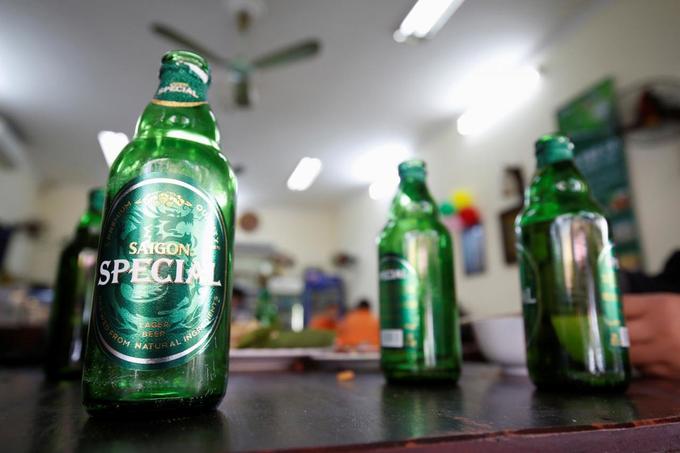
    Vietnam’s largest brewer Sabeco said after-tax profit fell by over VND1 trillion (US$443 million) last year to VND3.93 trillion, the lowest since it was acquired by a Thai billionaire.
    Its revenues were VND26.37 trillion, a decline of 6 percent. Thaibev owned by Charoen Sirivadhanabhakdi acquired the company in late 2017.

    The firm blamed the Covid-19 outbreaks and subsequent restrictions in many provinces and cities across the country for the decline in performance.

    The firm has undistributed profits of over VND13.66 trillion.

    Vietnamese consumed 1.3 liters of beer per capita in 2020, according to the General Statistics Office. The country has a population of over 98.5 million.

  • Apple reports 11% gain in iPhone sales, 24% hike in Services during fiscal Q1 2022

    Apple reports 11% gain in iPhone sales, 24% hike in Services during fiscal Q1 2022

    Apple got fiscal 2022 off to a great start as the tech giant reported its earnings for the fiscal first quarter of 2022. Apple set a record during the three months from October through December by reporting revenue of $123.9 billion which easily topped Wall Street estimates of $118.66 billion, and was 11% higher than the top line of $111.4 billion recorded during the same period last year.

    Apple iPhone sales rose 11% on an annual basis during the first fiscal quarter of 2022

    Let’s go right to the device that everyone wants to know about, the iPhone. The surging smartphone took in $76.63 billion which surpassed Wall Street’s guess of $68.34 billion. During the same quarter last year, Apple reported $65.60 billion in handset sales giving the company a 9% increase year-over-year.

    The iPhone 13 Pro series offers 120Hz ProMotion displays, upgraded cameras, much-improved battery life, and more. This is the second generation of iPhone models that support 5G connectivity.

    The iPhone continued to have a strong quarter to kick off fiscal 2022 – Apple reports 11% gain in iPhone sales, 24% hike in Services during fiscal Q1 2022
    The iPhone continued to have a strong quarter to kick off fiscal 2022
    Even though the pandemic continues, fewer people are being told to work from home and schools are open. As a result, iPad revenue declined 14.10% in the quarter to $7.25 billion from $8.44 billion during the first fiscal quarter of 2021. Wall Street expected Apple to report $8.18 billion in tablet revenue so this was one area that was a failure for Apple in Wall Street’s eyes.

    Wearables, Home and Accessories, the business segment that includes the Apple Watch and the AirPods, took in $14.70 billion in the quarter vs. $12.97 billion last year. That works out to an increase of 13.34% year-over-year. Later this year, we could see Apple introduce three new timepieces including a rugged model and add a sequel to the AirPods Pro.

    What was Apple’s strongest business segment last quarter?

    Apple’s Services unit, which includes a wide variety of offerings including the App Store, Apple Pay, Apple Music, Apple TV+, Apple Care+, Apple News, and more, saw revenue rise from $15.75 billion last year to $19.52 billion this year. That figure topped Wall Street forecasts of $18.61 billion. For the year, Services gross rose a tremendous 24% which shows how Apple expects to continue making money even when iPhone sales turn south permanently, something that might not happen for years and years to come.

    Sales rose in all segments except for Japan. In the U.S., Apple took in $51.50 billion vs. $46.31 billion last year. In Greater China, revenue was $25.78 billion ($21.31 billion in 2021) and rose in Europe to $29.75 billion vs. $27.31 billion during the fiscal first quarter of 2021.

    Apple’s total net income for the fiscal first quarter of 2022 rose 20.41% on an annual basis to $34.63 billion or $2.11 per share. Last year’s figures were $28.76 billion and $1.70 a share, respectively.

    CEO Tim Cook says that the chip and supply chain shortages for the upcoming March quarter will be less than what Apple experienced during the December quarter. Cook stated, “This quarter’s record results were made possible by our most innovative lineup of products and services ever. We are gratified to see the response from customers around the world at a time when staying connected has never been more important.”

    He added, “We are doing all we can to help build a better world — making progress toward our goal of becoming carbon neutral across our supply chain and products by 2030, and pushing forward with our work in education and racial equity and justice.”

    On Wall Street, Apple concluded the regular trading session by declining 47 cents or .29% to $159.22. After the earnings report was released, the stock soared $7.89 or 4.96% to $167.11.

    Luca Maestri, Apple’s CFO, said, “The very strong customer response to our recent launch of new products and services drove double-digit growth in revenue and earnings, and helped set an all-time high for our installed base of active devices. These record operating results allowed us to return nearly $27 billion to
    our shareholders during the quarter, as we maintain our target of reaching a net cash neutral position over time.”

  • Fuel distributors seek foreign supply amid refinery production trim

    Fuel distributors seek foreign supply amid refinery production trim

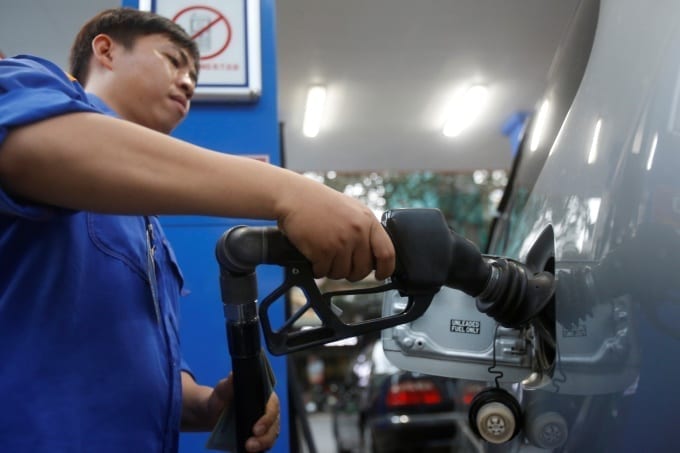
    Vietnamese fuel distributors are negotiating with foreign suppliers to ensure adequate inventory for the holiday after the country’s biggest refinery cease imports due to cash shortage.
    PVOil, the second-biggest fuel distributor in Vietnam behind Petrolimex, has secured a deal with a foreign supplier to import more gasoline amid the expected shortage.

    The supplier gave an acceptable price with reasonable delivery time, said Cao Hoai Duong, company chairman, without revealing details of the supplier and price.

    The fact that Nghi Son Oil Refinery has cut down its production from 105 percent to 80 percent due to insufficient funds is urging fuel distributors to scramble for solutions to have enough inventory for the upcoming nine-day Tet holiday, which begins Saturday.

    “The imports, together with our backup inventory, is enough for PVOil to cover the expected market shortage before, during and after Tet,” Duong said.

    An anonymous director of a central distributor said the company has finally been able to secure a deal with a supplier and will have enough inventory for the holiday.

    A media representative of leading distributor Petrolimex did not say whether it would import more as the company is still receiving the agreed amount of inventory from Nghi Son.

    “In whatever scenario we will strive to ensure there would be sufficient inventory to distribute to the market.”

    Nghi Son said that it had to cut production because state-owned energy giant Petrovietnam has not approved import contracts and therefore it has to cancel two crude oil imports this month.

    Therefore the factory might have to shut down in mid-February.

    However, Petrovietnam stated Wednesday that the factory canceled the two shipments and that it had nothing to do with the approval of import contracts.

    Matters concerning the contracts are part of Nghi Son’s restructuring plan, which is under negotiation, the statement read.

    Nghi Son Oil Refinery has a capacity of 200,000 crude oil barrels a day, or 10 million tons a year, twice that of Vietnam’s other refinery Dung Quat Oil Refinery in Quang Ngai Province.

    State-owned fuel company Petrovietnam has a 25.1 percent stake in the plant, while the rest are owned by three foreign firms: Kuwait Petroleum International (35.1 percent and Japanese companies Idemitsu Kosan (35.1 percent) and Mitsui Chemicals (4.7 percent).

  • Apple to further enhance Face ID with iOS 15.4 update

    Apple to further enhance Face ID with iOS 15.4 update

    Following the release of iOS 15.3 update, Apple has kicked off a new set of beta trials for the next version of its operating system – iOS 15.4. The first beta is now rolling out to developers via an over-the-air update, but without a changelog, it’s impossible to say what’s included without spending several hours with 15.4 beta 1.

    Apple to further enhance Face ID with iOS 15.4 update, here’s what to expect
    Luckily, YouTuber Brandon Butch has already found a couple of interesting improvements that are now being tested by Apple via the iOS 15.4 beta 1 build. The most important one is Face ID support while wearing a mask, a feature that makes perfect sense in these troubled times.

    According to the screenshot above, “Face ID is most accurate when it’s set up for full-face recognition only. To use Face ID while wearing a mask, iPhone can recognize the unique features around the eye to authenticate.” There’s also a new toggle in iOS 15.4 that lets iPhone users enable “Face ID With a Mask” via the Settings / Face ID menu.

    But that’s not all the interesting stuff people using iOS 15.4 beta 1 have found. 9to5mac reports that Apple added even more improvements to Face ID recognition by allowing iPhone users to wear glasses and a mask at the same time.

    Using Face ID while wearing a mask works best when it’s set up to recognize each pair of glasses you wear regularly. Face ID with a mask doesn’t support sunglasses.

    While the feature still doesn’t work with sunglasses, it remains incredibly useful for those who wear regular glasses and a mask at the same time.

  • Behind e-commerce giant Lazada’s success in pandemic-hit year

    Behind e-commerce giant Lazada’s success in pandemic-hit year

    In light of its proud achievements in 2021, Lazada Vietnam expects more breakthroughs in 2022 to bring more value for their customers and partners.
    Lazada hit impressive milestones in 2021, with remarkable profits, site traffic and record number of orders and new sellers on the platform, and step-by-step attracted consumers and partners across the country.

    Looking back on a breakthrough year, Lazada Vietnam’s leaders shared their experiences in surviving the pandemic, thereby continuously creating more value for customers, users as well as business partners.

    An amazing digital migration

    The pandemic has posed many challenges, but it has also pushed businesses to adapt the digital transformation. Ladaza Vietnam’s CEO described this amazing “digital migration” of Vietnamese businesses as an “astonishing wave”.

    Since October 2021, the number of new sellers joining the platform has increased by about 30 percent per month. According to the recent report: “E-commerce in 2021: Adapting and quickly overcoming obstacles from Covid-19”, in the first 11 months of the year, sellers from non-urban areas accounted for 40 percent of all new merchants on Lazada.

    The percentage of new sellers from Hanoi and Ho Chi Minh City also increased by 29 percent and 31 percent, respectively. Fast-moving consumer goods (FMCG) recorded the highest increase, followed by fashion, home furniture and electronics. James Dong, CEO of Lazada Vietnam and Thailand, believes this is a good sign for Vietnam’s fastest growing momentum.

    James Dong, general director of Lazada Vietnam and Thailand. Photo by Lazada Vietnam
    James Dong, CEO of Lazada Vietnam and Thailand. Photo by Lazada Vietnam

    To support sellers, Lazada has shortened the listing process, and integrated business management solutions with real-time charts. The platform has also implemented marketing, promoting transportation process, ensuring on-time, non-contact, non-cash delivery to reduce risks of Covid-19 contamination for buyers and sellers.

    During the peak of the pandemic in HCMC, Lazada shortened the sales registration process to three hours for fresh food suppliers, and reduced the delivery time. These solutions helped reduce the risk of spreading infections, stabilizing food prices, and meeting urgent consumption needs.

    Moreover, Lazada’s “three Easy” (3Es) strategy including “Easy to buy – Easy to sell – Easy to deliver” has yielded achievements. “The benefit and safety of customers and business partners are always the top priority of the platform,” according to the CEO.

    “The practical test” for the supply chain

    Vu Duc Thinh, Chief Logistics Officer of Lazada Vietnam, described the supply chain situation during the epidemic as “terrible”. For more than four months, transportation, sales, and trading activities were almost frozen. The flow of raw materials, goods production, distribution and transportation were all interrupted.

    “Without goods, sellers fail to conduct business. Without duct tape, sellers can’t pack their goods. Even after tackling those difficulties, if shipping units shut down, buyers won’t receive the goods,” Thinh explained.

    Overcoming obstacles, Thinh and the Lazada Vietnam logistics team made several efforts to adapt in order to maintain operations and maintain item flow. Epidemic-prevention solutions at working sites were quickly deployed to ensure the safety of employees and customers.

    Vu Duc Thinh, logistics director of Lazada Vietnam,
    Vu Duc Thinh, Chief Logistics Officer of Lazada Vietnam. Photo by Lazada Vietnam

    “We all work from 5 a.m. to 11 p.m. every day. At the end of the day, we usually evaluated the effectiveness of our work and make adjustment for the next day,” said Thinh.

    Looking back at 2021, Thinh is proud that Lazada is one of the few e-Commerce platforms in Vietnam to maintain its supply chain during the pandemic. The logistics system completed the target from the beginning of the year. Some indicators exceeded expectations. Efforts to ensure smooth operations not only helped business remain stable, but also meet the increasing demand of consumers. That contributed to maintaining growth for Lazada, ensuring jobs and stable income for all staff.

    “The ability to adapt with a long-term vision for sustainable development is Lazada’s strength. Lazada has focused on technology and logistics since the early days of development and the importance of this strategy is proved,” Thinh stated.

    Besides logistics, Lazada has carried out many marketing activities to help the community overcome the challenges in the past year.

    Nguyen Thi Thuy Hang, Chief Marketing Officer of Lazada Vietnam, said the marketing team always set their KPIs as the peace of mind, optimism and comfort of users and the community. Lazada has flexibly approached and interacted with customers via many activities.

    By offering discount vouchers, Lazada has encouraged shopping. For loyal customers, the platform has provided the “Voucher club” package with many benefits like collecting vouchers with a total value of up to VND850,000 and VND50,000 a month.

    Nguyen Thi Thuy Hang, marketing director of Lazada Vietnam
    Nguyen Thi Thuy Hang, Chief Marketing Officer of Lazada Vietnam. Photo by Lazada Vietnam

    “Incentives can solve cost-related problems, but it needs more factors to really share with the community,” said Hang. That is why in 2021, Lazada’s shoppertainment (shopping and entertainment) activities were heavily invested. Hundreds of livestream episodes were performed every day with diverse content, meeting entertainment needs via LazCook, LazMusic, LazGetfit, LazLearn, LazHome, LazPlay…

    According to statistics from Lazada Vietnam, during the peak days of its Shopping Festivals, the platform created more than 400 livestream episodes per day, attracting a 5-6 times increase in viewership compared to weekdays. SuperShow, a music festival, also reached tens of millions of views on its platforms.

    Total orders during the Nov. 11 shopping festival nearly doubled. Customer numbers increased 1.5 times over the same period last year. On the 12.12 Super sale day, sales from LazLive increased seven times. The SuperShow hit 26 million views, contributing to a 20-fold increase in sales.

    “Technology is expected to be the key to enhancing the user experience. This year, we will apply more modern technologies, accompanying users in the shopping experience on the Lazada platform,” Hang shared.

    “The best person is not necessarily the most suitable one”

    In terms of recruitment and training human resources, Van Thi Hong Hanh, Chief People Officer of Lazada Vietnam, said the success of Lazada last year was thanks to its young, adaptive, proactive and creative staff.

    This platform set out a competency framework consisting of seven criteria as the foundation for personnel, recruitment, training and career development decisions and plans. The criteria include problem-solving ability; creativity and improvisation; communication – coordination; business knowledge; management capacity – group leadership; corporate culture creation; awareness – change management.

    Van Thi Hong Hanh, human resources director of Lazada Vietnam
    Van Thi Hong Hanh, Chief People Officer of Lazada Vietnam. Photo by Lazada Vietnam

    During the pandemic, Lazada has implemented the “Covid Care 2.0” program, ensuring the health of both employees and the community. Working from home, getting fully vaccinated, providing protection kits, and supporting Covid-19 infected employees were quickly implemented. Many programs were also implemented to motivate, connect and honor outstanding individuals and groups.

    In 2021, Lazada’s workforce rose by 20 percent in comparison to 2020. According to HR Asia magazine, Lazada was named “Asia’s Best Place to Work” for three years in a row due to a range of policies and initiatives with a people-centric strategy. In addition, at Best Choice Awards 2021, the platform was named “eCommerce platform of the year”.

    “What makes Lazada so outstanding is that we don’t get distracted by short-term financial goals or transient statistics. Instead, we always strive for long-term, more sustainable growth by constantly improving the customer experience and extending our brand partners and sellers,” James Dong emphasizes.


  • Watsons opens first Qatar store at Doha Festival City

    Watsons opens first Qatar store at Doha Festival City

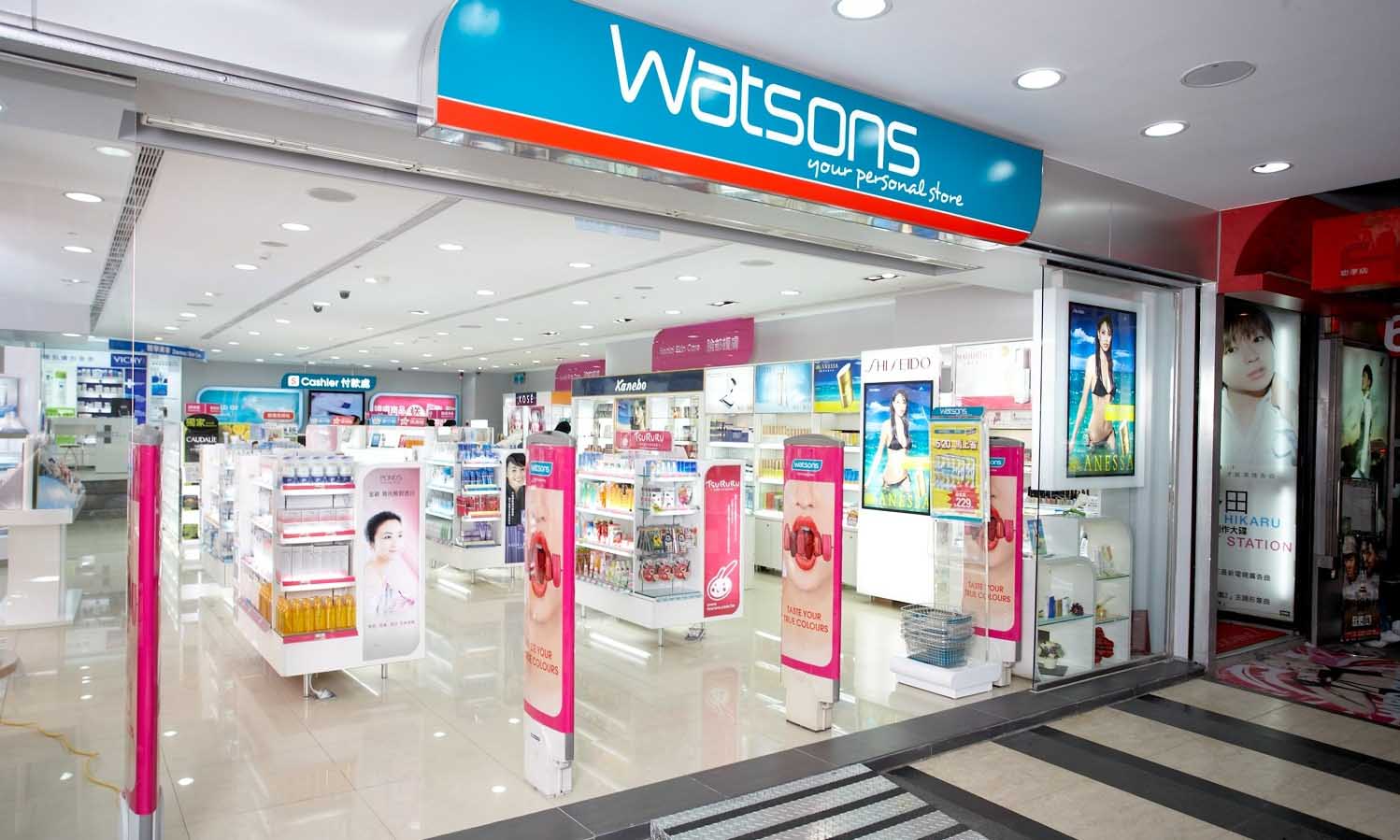
    The new addition is Watsons first entry into Qatar at Doha Festival City, the destination for beauty shoppers in the country, just opened in January 2022. This follows the new store opening in Dubai Mall, Dubai Festival City, Mall of the Emirates and Al Wahda Mall in United Arab Emirates (UAE), and Mall of Dhahra in the Kingdom of Saudi Arabia (KSA).

    Skin Expert for Beauty Enthusiasts
    Jonathan Watts, General Manager of Watsons GCC at Al-Futtaim, commented on the latest new door, “Watsons signed a franchise agreement with Al-Futtaim in early 2020 with the vision to bring fashionable and affordable beauty and lifestyle products to customers in the GCC region. Despite the COVID-19 pandemic interruption, these stores were opened in less than 24 months.

    “Qatar is a truly vibrant and unique market. While customers are getting more and more sophisticated about beauty and personal care, Watsons as the skin expert is delighted to bring our customers exclusive international brands. The excitement is overwhelming as customers have been eagerly waiting for Watsons to expand across the GCC via our O+O (Offline plus Online) retail model, allowing beauty lovers of all generations to shop offline and online.”

    With the purpose to inspire customers to “LOOK GOOD, DO GOOD, FEEL GREAT”, Watsons as a beauty authority is bringing over 200 brands from around the world, offering makeup, skincare, haircare to personal care. Close to half of its products are exclusive at Watsons, including brands from the UK, France, Japan, and Korea. Some of the top pick brands include Deweytree, Holika Holika, Leaders, Superdrug, Target Pro by Watsons, and more.

    Now in Qatar, customers have the chance to explore the nearly 3,000 sq. ft. beauty-land with designated zones like Natural & Clean Beauty which features the Sustainable Choices products, and an open makeup area so that customers can try out different looks and play around with a wide range of latest and trendiest colour cosmetics. Follow @WatsonsGCC on Instagram and Facebook to stay up to date on exclusive deals and promotion offers all year round.

  • Harley-Davidson Announces 8 New Models For 2022

    Harley-Davidson Announces 8 New Models For 2022

    Harley-Davidson has announced seven new bikes for its 2022 line-up, including a trike, and all these are powered by the Milwaukee Eight 117 engine, with 1,920 cc displacement and 170 Nm of peak torque. The new models feature two new baggers, two new Low Riders, and four updated models in the brand’s Custom Vehicle Operations (CVO) range which includes a trike. The new models for 2002 are the Street Glide ST, Road Glide ST, Low Rider S, Low Rider ST, and three CVO bikes and one CVO trike. As the names suggest, all bikes are evolutions of existing models, with significant updates.

    “As part of our focus on stronghold segments, including Grand American Touring and Cruiser, the 2022 product line is designed for power and performance,” said Jochen Zeitz, Chairman, President, and CEO, Harley-Davidson. “Each of these new models features the unrivaled power of the Milwaukee-Eight 117 for those riders who want nothing but the biggest and the best, building on our position as the most desirable motorcycle brand in the world.”

    The Low Rider S and Low Rider ST both have styling reminiscent of earlier Harleys, but have the more powerful and bigger engines. Suspension duties on both the Low Rider models are handled by a 43 mm upside-down fork and a longer rear mono-shock, and also added rear-wheel travel. The Low Rider ST looks like the most distinctly new model, with a fairing that looks like a neo-retro job, and with hard-case panniers. The Low Rider S also gets the same Milwaukee Eight 117 engine but employs a more stripped-down design.

    The Street Glide ST and Road Glide ST have the same engine but are equipped with Reflex linked Brembo brakes with ABS, Boom! Box GTS infotainment system with color touchscreen and navigation, cruise control, and Daymaker LED headlamps. Harley-Davidson’s Cornering Rider Safety Enhancements are optional, offering cornering traction control with ride modes, cornering ABS with linked braking, hill-hold control and tire pressure monitoring.

    The Street Glide ST and Road Glide ST are new additions in the range, which will sit along with the 2022 Street Glide and Street Glide Special, and the Road Glide and Road Glide Special.

    The 2022 CVO models include a CVO Street Glide, CVO Road Glide, CVO Road Glide Limited, and CVO Tri Glide, which is the trike. All the CVO models come with exclusive hand-crafted paint schemes, premium audio systems and Harley’s Cornering Rider Safety Enhancements as standard. The most touring-oriented model in the 2022 CVO range is the CVO Road Glide Limited. At this point of time, it’s unclear if Harley-Davidson will introduce all of the 2022 range in India, but at least the Low Ride and Street Glide ST and Road Glide ST can be expected to be introduced in limited numbers for India.

  • iPhone 14 might be the last iPhone with a SIM tray, Apple to go full eSIM forwards

    iPhone 14 might be the last iPhone with a SIM tray, Apple to go full eSIM forwards

    Apple is no stranger to making radical decisions with its phones. While not the first to do so (OPPO did it before it was cool), ditching the headphone jack with the release of the iPhone 7 was without a doubt a risky decision, especially back in 2016.

    Well, another hole in the iPhone is said to soon face the same fate as the headphone jack. There have been some rumors of Apple ditching the SIM card tray for a while, and now an analyst Emma Mohr-McClune has predicted the same, further cementing this statement.

    Mohr-McClune, a Technology Service Director at GlobalData, believes Apple will start slow with this initiative, beginning with the iPhone 14 that’s expected to come out this September.

    The tech giant won’t immediately force future iPhone owners to move to eSIM. Instead, it will give the option to carriers to decide what type of iPhone they want to sell—a nano/eSIM hybrid that includes the SIM card tray, or an eSIM-only version.

    We don’t believe that Apple will take the ‘big bang’ approach—getting rid of existing systems and transferring all users to eSIMs—but rather launch an eSIM-only variant of its upcoming new model—retaining the dual eSIM-plus-physical SIM slot model for the mass market and its key carrier channel. To that end, we believe telecom companies will be given the choice of whether to stock and sell a new eSIM-only iPhone variation alongside more cellular business-friendly dual eSIM/physical SIM support models.

    Following the path of logic here, it would then be natural for Apple to make the next generation, the iPhone 15, eSIM only. After all, the option is already available on today’s iPhones (since iPhone XS) and is how iPads can have 4G and 5G connectivity.Unlike when Apple ditched the headphone jack, the lack of a SIM card tray should be less of an issue for future owners. Admittedly, it would be a slight bother for people who are not as tech-savvy, but when put into perspective the pros should outweigh the cons.

    One less entry inside the phone means better rigidity, fewer ways for water and dust to get in and ruin the phone’s parts, and more space for other ones.

    A “seemingly legitimate document” discovered by the folks at 9to5Mac in December last year supports the rumor of an eSIM-only iPhone. It states that we will see one this September.

  • Victoria’s Secret sells stake in China business to new JV partner

    Victoria’s Secret sells stake in China business to new JV partner

    In a statement, Victoria’s Secret CEO Martin Waters called Regina Miracle “a valued merchandise supplier partner for more than twenty years.”

    The brand is maintaining control of its business in China, but has turned to a local, known player to run it, and that makes sense, according to Jane Hali, chief executive at Jane Hali & Associates.

    “This seems to be a wise solution to distribution in China,” she said by email. “Companies are successful when they are consumer-centric and know their customers wants and needs. Victoria’s Secret was in China but it was unsuccessful under their management.”

    The brand’s results in China have nevertheless represented a bright spot in its global performance, according to UBS analysts led by Jay Sole. Victoria’s Secret’s international growth has been disappointing for the last five to seven years, possibly due to an over-emphasis on its Victoria’s Secret Beauty and Accessories stores in some places and because “the intimate apparel category is proving to be more nuanced than previously thought, in terms of what styles, sizes, price points, and brand messaging consumers want in each market,” according to the UBS research note. The analysts pointed to several ways that Victoria’s Secret has sought to gain traction abroad, including via joint ventures like the one announced Tuesday, along with franchising, wholesale and company-operated stores.

    Waters said the establishment of this joint venture finishes up a multi-year repositioning of the brand’s international operations. “We expect the partnership will positively impact the speed and agility of the business to benefit consumers and provide us with a platform for a strong future in this important market,” he said.

    UBS analysts do see room for growth in China. They crunched WeChat data and found the brand to be “on a solid path,” even improving among Chinese consumers while other U.S. brands weathered backlash there. Furthermore, Victoria’s Secret’s social media initiatives seem to be resonating with Chinese consumers, and the brand could probably add to the 63 stores it was running there as of October, UBS also said this week.