Author: Mei Ling Tan

  • Google Drive is restricting users’ files by mistake, Google AI strikes again

    Google Drive is restricting users’ files by mistake, Google AI strikes again

    A little over a week ago, Google announced a new Google Drive policy. It stated that the tech giant would start to actively search for files breaching its abuse program policies and/or Terms of Service and locking the ones that do.

    Simply put, if such a file was found and restricted, the owner wouldn’t be able to send it to others, and all access to the file, except that of the owner, would be revoked. Google stated that this change had the aim to control the spreading of malware, hate speech, explicit content, etc.

    That said, complaints about Google Drive locking files that were neither of those things started piling up recently. From the looks of it, it seems that the AI system in charge of sifting through which files should be deemed dangerous is acting up and failing to do its job properly. Algorithms—the ultimate example of a double-edged sword.

    There are even examples of .txt files containing a single number inside that are falsely marked as inappropriate. One of the best examples comes from a Michigan State University assistant professor Dr. Emily Dolson.

    Dr. Dolson was uploading a large set of files to Google Drive while preparing to send her students’ programming assignments. The files consisted of the “inputs and the expected outputs” of said cases. “Shortly after uploading them,” she explains ”I received a string of emails from Google indicating that those files had been flagged for copyright infringement.”

    Now, in its announcement of this new policy, Google has stated that in situations such as the one with Dr. Dolson, the user should “receive an email with details and potential actions they can take to request a review.” Unfortunately, however, that did not happen in her case.

    After posting her issue on Twitter, a Google engineer going by Misha Brukman replied to Dolson, assuring her that they are working on a solution.
  • Decathlon names new CEO

    Decathlon names new CEO

    French sports retailer Decathlon named 45-year old Barbara Martin Coppola, a former executive at companies such as IKEA and Google, as its new global chief executive.

    Coppola will replace Michel Aballea, who had held the role since 2015, in mid-March this year, added Decathlon, which competes in France with companies such as Go Sport.

    Decathlon said it was in good financial shape, echoing bullish updates recently given by sportswear companies such as Puma and JD Sports which have performed well despite the COVID-19 pandemic.

    “The current good health of Decathlon and our strong ambitions encourage us to accelerate the transformation of our business model to better assert our position as a world leader in sport,” said Decathlon chairman Fabien Derville.

    “We are convinced that Barbara will be able to lead this transformation while respecting our values,” added Derville.

    According to Decathlon’s website, the company registered sales of 11.4 billion euros ($12.9 billion). The Mulliez family, which also owns the Auchan supermarket chain, owns the majority shareholding in Decathlon.

  • Cebu Pacific provides added protection through CEB Travelsure

    Cebu Pacific provides added protection through CEB Travelsure

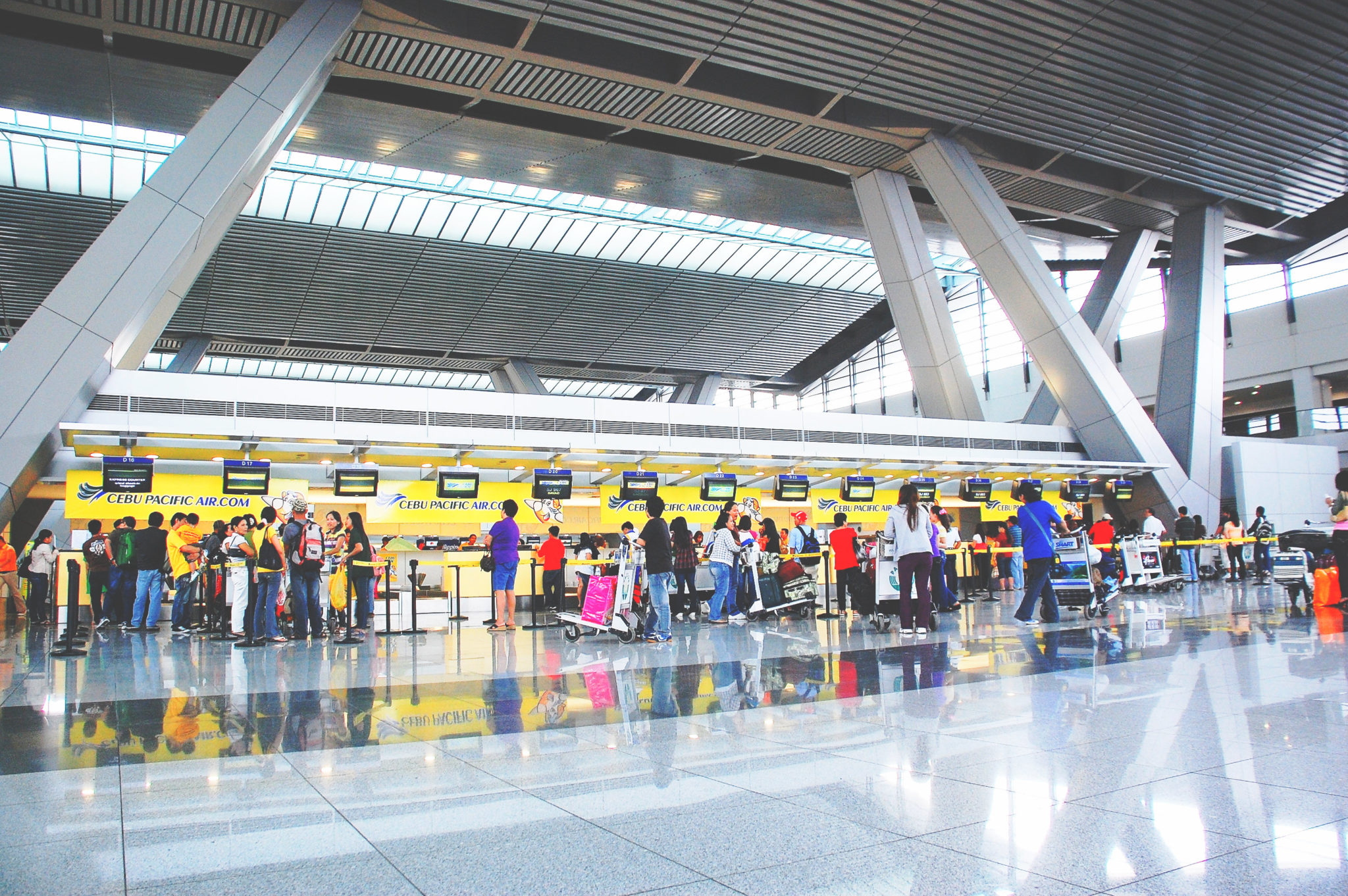
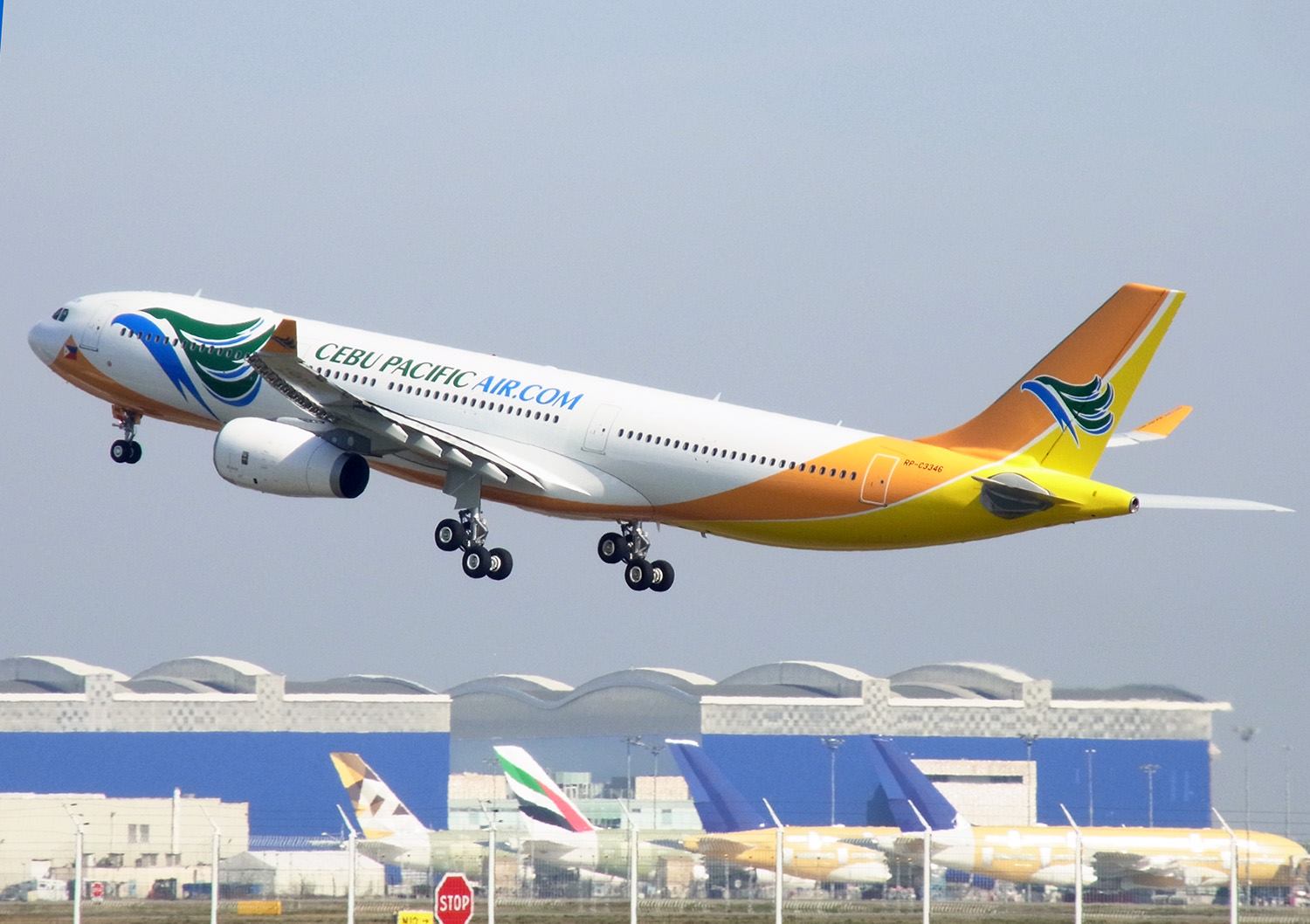
    The Philippines’ leading airline, Cebu Pacifi upgrades its CEB Travelsure “Basic Protect” insurance product to now include “COVID Protect”, to inspire travel confidence amidst the current situation. CEB is the first local carrier to offer this type of enhanced coverage in one product.

    Starting January 13, 2022, CEB Travelsure “Basic Protect” becomes even more comprehensive as it now covers COVID-related hospitalization and treatments, on top of up to PHP 2,500,000 medical expenses benefit, in case of an injury or other illnesses, and up to PHP 2,500,000 personal accident coverage during the trip.

    CEB Travelsure “Basic Protect” may be availed by passengers with domestic and international itineraries, as long as their trip starts in the Philippines, for as low as PHP 492 round-trip.

    CEB Travelsure is underwritten by Insurance Company of North America (a Chubb Company). Chubb is the world’s largest publicly traded property and casualty insurance company.

    Passengers can conveniently avail themselves of CEB Travelsure when booking flights on the CEB website or select as an add-on up to two hours prior to their flight via the ‘Manage Booking’ portal on the Cebu Pacific website. Insured passengers will receive their group policy Confirmation of Cover with the details of the travel insurance benefits via email. Customers should contact Chubb directly if they have specific questions about their insurance coverage.

    Chubb also offers a 24/7 Emergency Medical and Travel Assistance Hotline.

    CEB TravelSure is the airline’s comprehensive travel insurance plan which provides extensive trip protection with coverage for costs related to having injuries, illnesses, loss of personal belongings, trip cancellations, emergency assistance, and other unforeseen travel circumstances (subject to the full terms & conditions of the Group Policy). For more information, passengers may visit: https://www.cebupacificair.com/pages/plan-trip/add-ons/travelsure

    CEB has attained 100% vaccination rate for its active flying crew through its very own employee vaccination program, JG Summit COVID Protect, and various partnerships with local government units in the country.

    The airline has been rated 7/7 stars by airlineratings.com for its COVID-19 compliance as it continues to implement a multi-layered approach to safety, in accordance with global aviation standards. These include daily extensive cleaning and disinfection protocols for all aircraft and facilities, on top of its contactless flight procedures. Its jet fleet are equipped with hospital-grade HEPA filters, known to eradicate viruses with 99.9% efficiency.

  • Tesla Countersues JP Morgan, Claims Bank Sought ‘Windfall’ After Musk Tweet

    Tesla Countersues JP Morgan, Claims Bank Sought ‘Windfall’ After Musk Tweet

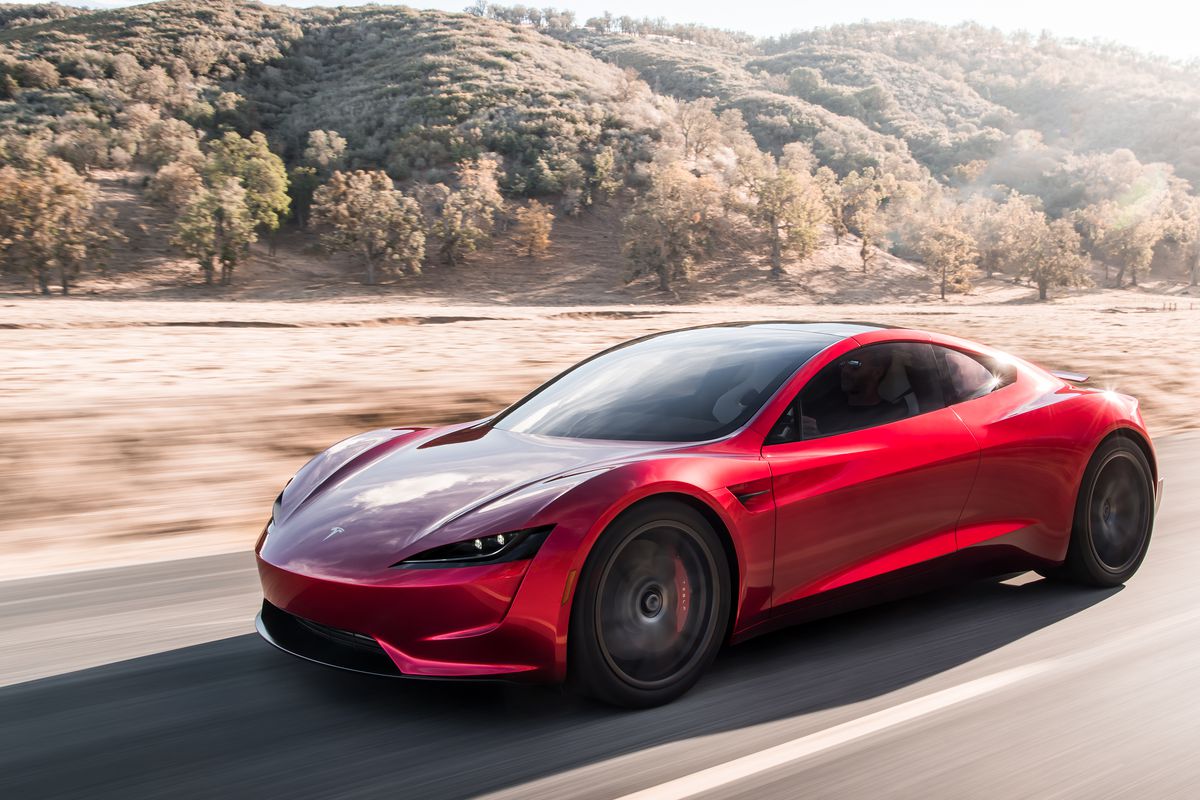
    Tesla Inc on Monday fought back against JPMorgan Chase & Co over a disputed bond contract, countersuing the bank for seeking a “windfall” following Elon Musk’s notorious 2018 tweet that he might take his electric car company private.

    In a filing in Manhattan federal court, Tesla accused JPMorgan of “bad faith and avarice” for demanding $162.2 million after the bank had unilaterally changed the terms of warrants it received when Tesla sold convertible bonds in 2014.

    “JP Morgan pressed its exorbitant demand as an act of retaliation against Tesla both for it having passed over JPMorgan in major business deals and out of senior JPMorgan executives’ animus toward Mr. Musk,” Tesla said.

    By changing the terms of the warrants, JPMorgan “dealt itself a pure windfall” after receiving a “multibillion-dollar payout” from Tesla’s soaring share price, Tesla added.

    Musk is Tesla’s chief executive, and according to Forbes, is the world’s richest person.

    JPMorgan spokesman Brian Marchiony said in an email: “There is no merit to their claim. This comes down to fulfilling contractual obligations.”

    The countersuit escalates the battle between the largest U.S. bank and world’s most valuable car company, which have done little business with each other since the disputed contract.

    Warrants give holders the right to buy company stock at a set “strike” price and date.

    In its Nov. 15 lawsuit, JPMorgan said the Tesla warrants let it lower the strike price to counteract any economic impact from “significant corporate transactions” involving that company.

    JPMorgan said Musk’s Aug. 7, 2018 tweet that he might take Tesla private and had “funding secured,” followed by his reversing course 17 days later, was such a transaction because it made Tesla’s share price more volatile.

    The bank accused Tesla of defaulting because it failed to hand over shares or cash when the warrants expired in June and July 2021, by which time Tesla’s share price had risen about 10-fold.

    Musk’s tweets resulted in a U.S. Securities and Exchange Commission civil lawsuit. It ended with Musk giving up Tesla’s chairmanship, and he and Tesla each being fined $20 million.

    Tesla’s lawsuit seeks unspecified damages.

  • Woman obsessed with Tim Cook accuses him of fathering her twins

    Woman obsessed with Tim Cook accuses him of fathering her twins

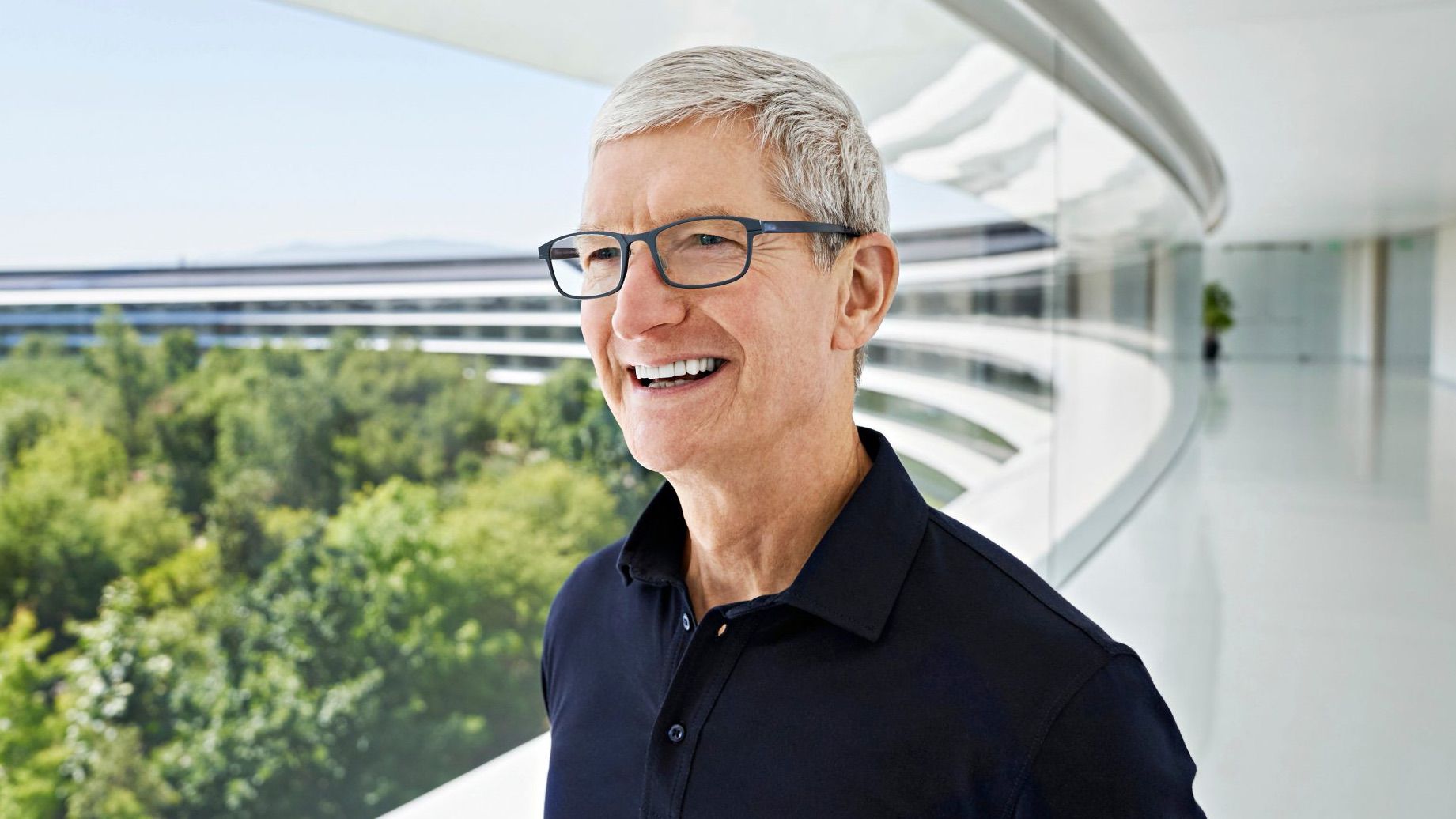
    There are Apple fans, there are Apple fans, and then there are those that need some kind of mental help. A woman named Julia Lee Choi has been stalking Apple CEO Tim Cook since October 2020 according to court documents. Choi, who lives in Virginia, claims that Cook was the father of her twin children. Choi calls herself Julia Lee Cook and threatened the executive on social media.

    Choi has sent approximately 200 emails to Cook with some of them including photos of loaded handguns. On Monday, Santa Clara County Superior Court issued a restraining order against Choi on behalf of Cook and all Apple employees. A court hearing has been scheduled for March 29th.

    Choi, 45, started tweeting about Apple’s CEO on Halloween in 2020 when she sent out 18 tweets calling him her “husband” and “bed man.” Posting about Cook on that one day, she wrote, “‘My bed MAN! My bathroom MAN! My kitchen MAN! My Cleaning MAN! My Husband! My MAN is Tim Cook ! My kids Daddy~!’” It is no secret that Cook is gay, having announced his orientation back in 2014.

    It seems obvious that Choi has some issues. She got upset at Microsoft CEO Satya Nadella for sending a  tweet to Cook and wrote, “You should unfollow my husband Tim Cook as soon as possible.” She also sent a tweet to Google CEO Sundar Pichai apparently thinking that he was a female named Sandra Pichia. With her claws out, Choi wrote, “While we two of us reached our love final decision, and in progress, Sandra Pichia, CEO of Google insisting to interrupt Cook’s love and tried to hurt me several times.”

    The court said that the emails demonstrated ‘a significant escalation in tone.’ Some of the messages, described by Cook’s attorney as ‘threatening and highly disturbing,’ were sexual in nature, and some were downright violent. One of the messages reportedly read: ‘What you have done is criminal defense, murdered.’

    Lawyers for the Apple CEO, in a petition for a restraining order, stated that on November 3, 2020, she emailed him a photo of a package of ammunition: the following day, she wrote: “I warned and told you stop trying to kill me. You made me to buy this instead of going for Christmas. I will NEVER forgive forget you.” Choi then started to register fake corporation names described as “highly offensive.”

    The fake corporations that she filed were located in California, New York, and Virginia, and each one listed Cook as a chief executive or director and used his home address or an Apple corporate address. And her actions became even more frightening. Last September she sent Cook an email that said that she was filing to become his roommate in Palo Alto.

    And in the application for the restraining order, it was noted that “she drove from Northern Virginia to Palo Alto twice within two months in a Porsche Macan; the second time, in October 2021, she showed up at Cook’s home and told security officials that she wanted to speak to Cook. She remained on the property until Palo Alto police arrived on the scene, and said she ‘could be violent’.”

    Last month Choi amped up her threats by sending an email to Cook that said, ‘we do not have to meet. give me 500 millions cash. then I will forget and forgive all better listen to me.’ She continued to threaten the CEO and even sent a tweet threatening to burn down Cook’s home. Apple believes that she is still in the South Bay and might be armed.

    The temporary restraining order was filed last Thursday and was granted on Friday. It requires Choi to stay away from any Apple employee or any Apple-owned building.

  • Panasonic To Invest $700 Million To Produce Tesla EV Battery

    Panasonic To Invest $700 Million To Produce Tesla EV Battery

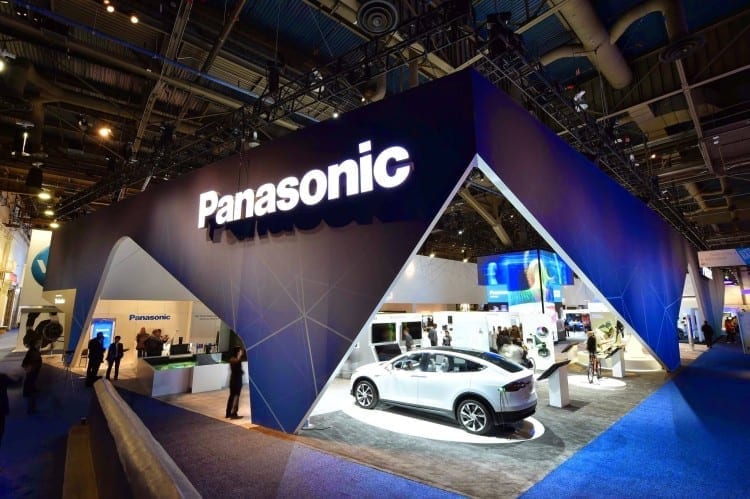
    Japan’s Panasonic will begin producing its new lithium-ion battery for Tesla from as early as 2023, with plans to invest about 80 billion yen ($705 million) in production facilities in Japan, the Nikkei reported on Monday. The powerpack could help make electric vehicles (EVs) more attractive to motorists by extending cruising range by about a fifth, the Nikkei reported, without saying where it obtained the information.

    “We are studying various options for mass production, including a test production line we are establishing this business year. We don’t, however, have anything to announce at this time,” Panasonic said in a statement sent to Reuters.

    Panasonic unveiled the 4680 format (46 millimetres wide and 80 millimetres tall) battery in October. At around five times as big as batteries it currently supplies to Tesla, it is also expected to help the U.S. electric vehicle maker lower production costs.

    Panasonic will make the 4680 batteries at a plant in Wakayama prefecture in Western Japan, with output of less than 10 gigawatt hours a year, equivalent to around 150,000 vehicles, the Nikkei said.

    Panasonic is the sole maker of the more advanced Tesla battery, ensuring it remains a key supplier to the U.S. company, at least for its pricier models, even as the EV maker seeks out battery suppliers in China and elsewhere.

  • Moody’s Expects Tesla To Stay At EV Leader Spot, Upgrades To ‘Ba1’

    Moody’s Expects Tesla To Stay At EV Leader Spot, Upgrades To ‘Ba1’

    Moody’s upgraded Tesla Inc’s debt rating by two notches to “Ba1” from “Ba3” on Monday, reflecting the ratings agency’s expectations that the Elon Musk-led company will maintain its position as the leading battery electric vehicle manufacturer. Moody’s affirmed in a note that Tesla’s outlook remains positive and the company will continue to increase its scale rapidly and improve its profitability notably.

    Tesla’s financial policy is likely to be prudent and liquidity would remain very good, Moody’s said, adding that a more competitive offering of battery electric vehicles by other automakers could start to exert some pressure on the company’s margins in 2023.

    In January, Tesla reported record quarterly deliveries that far exceeded Wall Street estimates, riding out global chip shortages as it ramped up China production. It was the sixth consecutive quarter that the world’s most valuable automaker posted record deliveries.

    The ratings agency also anticipated that Tesla will deliver nearly 1.4 million vehicles in 2022, up from about 936,000 in 2021.

  • iPhone 12 Pro, Pro Max out of stock in Vietnam

    iPhone 12 Pro, Pro Max out of stock in Vietnam

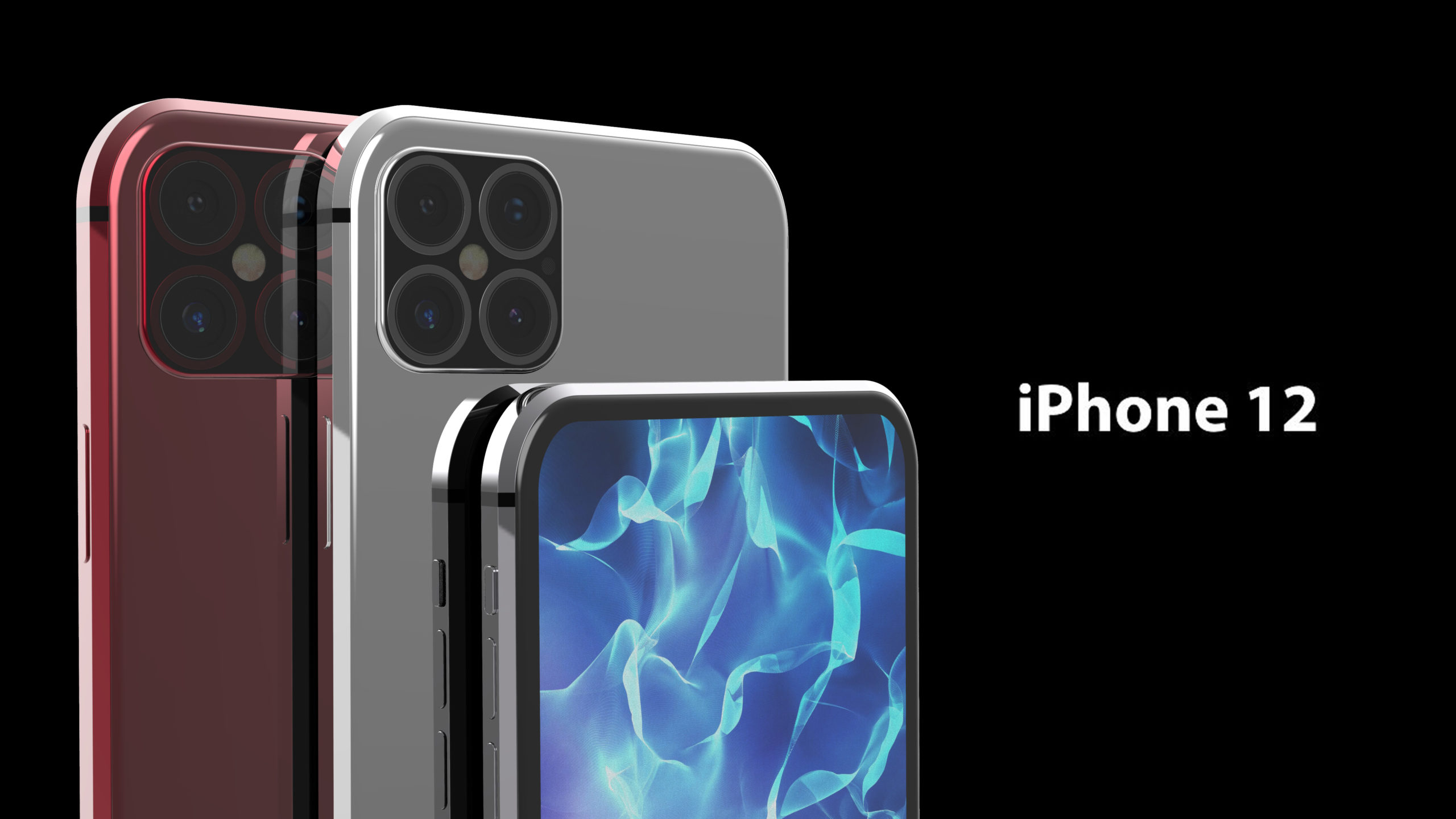
    Major iPhone authorized resellers in Vietnam have stopped importing iPhone 12 Pro and Pro Max models, seeking to boost iPhone 13 sales.

    “Most retail chains told me iPhone 12 Pro and Pro Max are out of stock. Some chains still sell them but in only a few stores,” said Que Chi in Hanoi.

    The salespeople she talked to all referred her to the new iPhone 13 models, which are readily available.

    iPhone 12 Pro Max, the best-selling iPhone model in Vietnam last year, is now marked as “out of stock” on the websites of major retail chains.

    A media representative of FPT shop said iPhone 12 Pro and Pro Max are sold out and the chain does not plan to import more.

    The same comment was given by other chains like ShopDunk and Minh Tuan Mobile.

    Although there is still high demand for these products in Vietnam, most buyers now only have the option to buy used phones or pay more for the latest iPhone 13, a media representative of Minh Tuan Mobile said.

    Nguyen Lac Huy, the media representative of CellphoneS, said the chain still has iPhone 12 Pro and Pro Max but in low quantity.

    “We cannot buy more as Apple does not have plans to continue production of these models.”

    iPhone 12 Pro Max with a storage of 128 gigabytes is being sold at around VND28.5 million, while the iPhone 13 Pro Max with the same storage is on sale for just VND2 million higher, which explains why distribution chains are focusing on the newer model.

  • UBS Acquires U.S. Digital Wealth Platform for Affluent Segment

    UBS Acquires U.S. Digital Wealth Platform for Affluent Segment

    UBS has agreed to acquire California-headquartered digital-only wealth platform Wealthfront, amidst broader plans to tap into the affluent segment worldwide.

    UBS has signed an agreement to acquire Wealthfront in an all-cash transaction valued at $1.4 billion, according to a statement.

    The deal will allow UBS to accelerate its growth plans in the U.S., increase reach into the affluent segment as well as expand distribution and other capabilities.

    Wealthfront complements our core business in the U.S. providing wealth management to high net worth and ultra-high net worth investors through trusted relationships with financial advisors, and will enhance our long-term ambition to deliver a scalable, digital-led wealth management solution to affluent investors, said UBS group chief executive Ralph Hamers.

    After the transaction, which is expected to complete in the second half of 2022, Wealthfront will become a wholly-owned subsidiary of UBS and operate as a business within UBS Global Wealth Management Americas.

    Based in Palo Alto, California, Wealthfront is a digital-only platform providing access to financial planning capabilities, banking services and investment management solutions with a focus on affluent millennial and ‘Gen Z’ investors.

    Currently, Wealthfront has over $27 billion of assets under management with more than 470,000 clients in the U.S. Following integration, Wealthfront clients will also benefit from access to UBS’ wealth management capabilities including content from its chief investment office, its global footprint alongside its shelf of products and services.

    The newly signed agreement follows recent comments by Hamers about UBS’ plans to target mass affluent customers worldwide via an offering that combines digital capabilities and access to human advice.

    It is clear that we should cater for the entrepreneurs, but we should also cater for that segment of the market that may not be completely digitally engaged, but also doesn’t want to have 100 percent client-advisor coverage, but something in the middle, he said during the bank’s third-quarter results last year, calling the segment a sweet spot.

    According to Hamers, the plan is to first make a push in the U.S. before rolling out an offering to target affluent clients globally.

  • FLC launches jewelry brand

    FLC launches jewelry brand

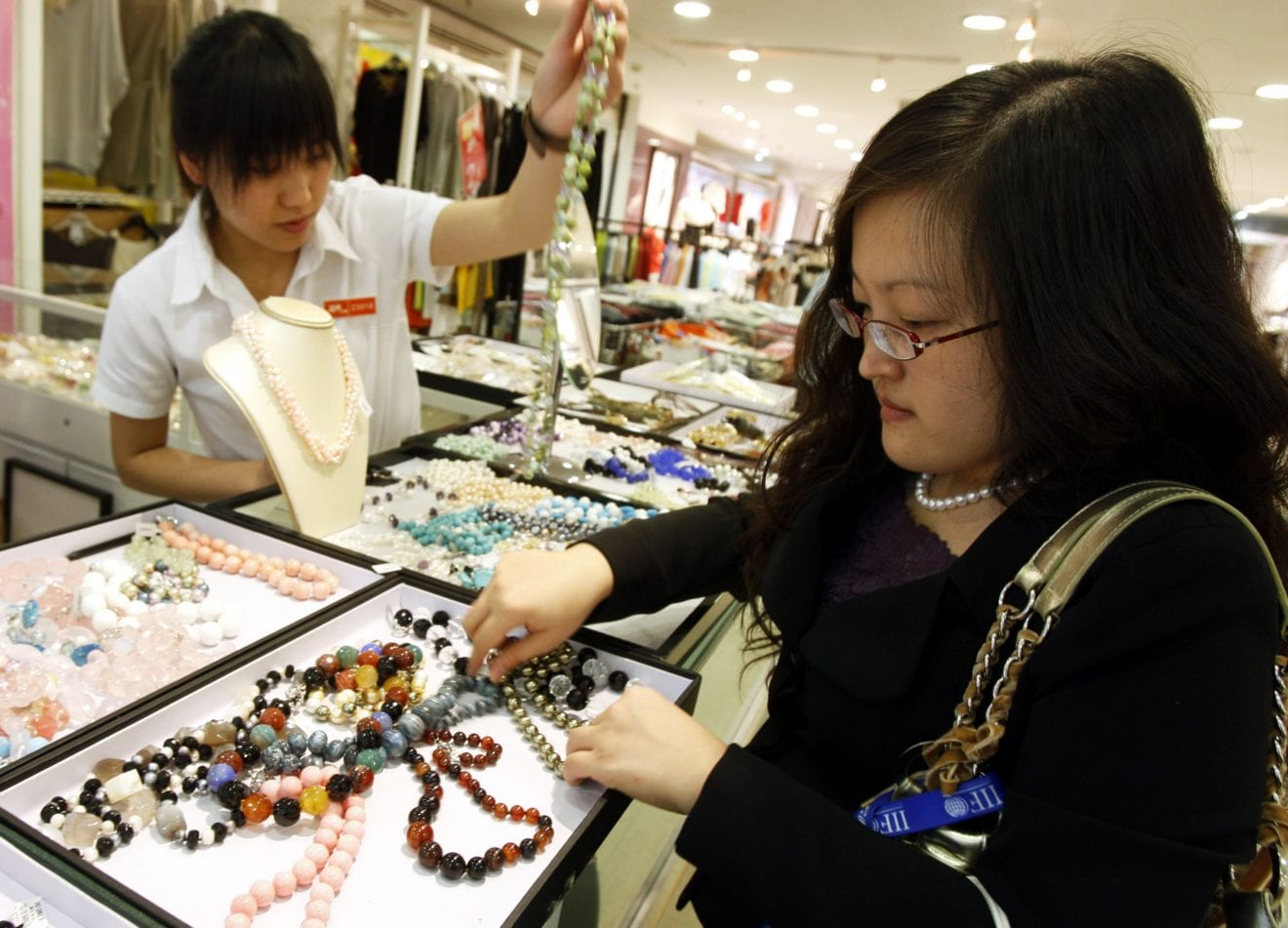
    Conglomerate FLC on Wednesday entered the jewelry industry with the new brand FJC, establishing its first store in Hanoi.

    Located at Bamboo Airways Tower in Cau Giay District, FJC’s first store sells 24-karat gold, jewelry, diamond and fengshui accessories.

    The jewelry business will help FLC complete its ecosystem, which already includes real estate, aviation and tourism, said FLC Deputy Chairwoman Dang Luu Van, who is also the chairwoman of FJC.

    More FJC stores will be set up at FLC resorts and urban areas across the country, she added.

    The main competitors of FJC will be long-established jewelry brands like Saigon Jewelry Company (SJC), Phu Nhuan Jewelry (PNJ) and DOJI.

    FLC targets a revenue of VND27 trillion and profit of VND2.1 trillion this year, double from last year.

  • iPhone dominates smartphone market in China

    iPhone dominates smartphone market in China

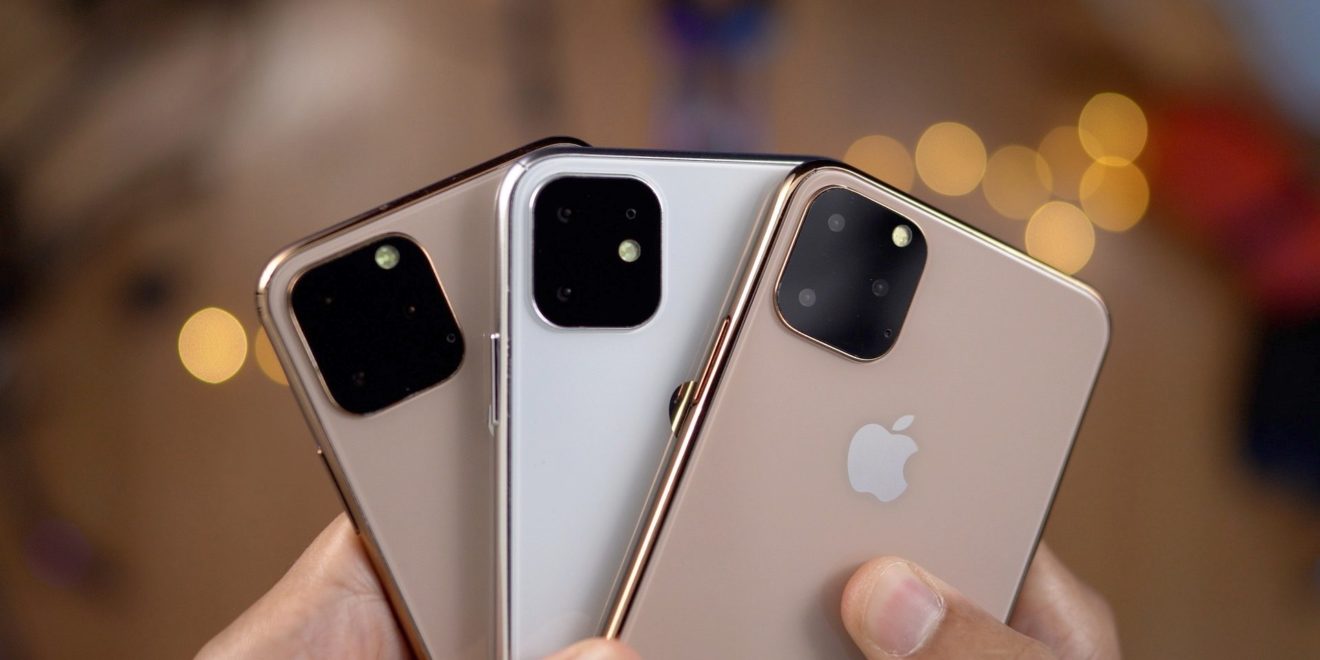
    Someone over at Apple is popping the champagne as an extremely successful holiday season for the iPhone 13 made Apple the top brand in the world’s largest smartphone market — China. We’ve known that the new iPhone models (minus the iPhone 13 mini) have been doing extremely well there, but now that the numbers have been crunched, we have definitive stats.

    Apple outsold giants such as Oppo, Vivo, Xiaomi, and Huawei on their own turf, which probably stings a little bit. The market used to be dominated by Huawei, but the company has sadly been in a freefall in the past couple of years, and we can see it falling all the way down to the sixth spot in Q4 of 2021.

    This isn’t the first time that Apple sells crazy amounts of iPhones in China. Back in 2014, the iPhone 6 Plus made huge impact in Asian markets, since it was a long-awaited big-screened iPhone. Up until then, Apple simply refused to upsize its screens, despite the fact that phablets were the obvious future trend — especially in Asia. When the iPhone 6 Plus and iPhone 6s Plus launched, they became the new craze in China. No joke — some retailers would bundle the iPhone 6 Plus with free tailor services to enlarge pants pockets!

    At the height of the iPhone 6 / iPhone 6s craze (2015), Apple was the top smartphone brand in China. The No1 spot was later taken by Vivo, then Huawei. Now, six years later, Apple is back with a vengeance, taking 23% of the market share — that’s the highest it has ever had.

    As per Counterpoint’s report, Apple rose to the top as soon as the iPhone 13 series launched and held the top spot for most of Q4 2021. The reasons for the wild success are a perfect storm of Huawei customers jumping ship, good pricing strategy by Apple, the 5G implementation in the new iPhones, and the new camera, which is highly praised.

  • Cebu Pacific cancels 24 flights due to workforce shortage

    Cebu Pacific cancels 24 flights due to workforce shortage

    Low-cost carrier Cebu Pacific canceled 24 domestic and international flights on Wednesday, citing workforce shortage.

    “Cebu Pacific continues to manage the impact of Covid-19 (coronavirus disease 2019) on its workforce with employees who are either sick or under home quarantine,” it said in an advisory Tuesday night.

    The following flights have been canceled:

    5J893/894 Manila – Boracay (Caticlan) – Manila
    5J905/906 Manila – Boracay (Caticlan) – Manila
    5J787/788 Manila – Butuan – Manila
    5J567/568 Manila – Cebu – Manila
    5J581/582 Manila – Cebu – Manila
    5J975/976 Manila – Davao – Manila
    5J447/448 Manila – Iloilo – Manila
    5J373/374 Manila – Roxas – Manila
    5J653/654 Manila – Tacloban – Manila
    5J506/507 Manila – Tuguegarao – Manila
    5J5054/5055 Manila – Narita (Tokyo) – Manila
    5J310/311 Manila – Taipei – Manila

    Affected passengers may rebook or refund their tickets, or store the value in a travel fund, until 30 days from the original flight schedule.

    The airline said because the situation is still fluid, those with flights until January 23 may also opt to refund their ticket or rebook their flight for travel within 60 days.

    They can also store the amount to a travel fund valid for two years.

  • Gold prices hit new peak

    Gold prices hit new peak

    Vietnam’s gold price hit a new historic peak of VND62.7 million ($2,769.32) per tael Tuesday, surpassing the previous record in August 2020, even as global rates went flat.

    Saigon Jewelry Company (SJC) sold its gold at VND62.7 million per tael Tuesday, up 1.2 percent to a new record. A tael equals 37.5 grams or 1.2 ounces.

    Jewelry company DOJI sold its gold at around VND62.6 million and Phu Nhuan Jewelry, for VND62.3 million.

    Global rates were little changed at $1,840.49 per ounce Tuesday afternoon as concerns about a faster pace of policy tightening by the U.S. central bank countered safe-haven demand, fueled by escalating tension over Ukraine.

    Vietnam’s gold is now VND12 million, or 23.7 percent, higher than global rates.

  • Uniqlo set to come to Hai Phong

    Uniqlo set to come to Hai Phong

    Japanese fashion brand Uniqlo plans to open its first store in the northern city of Hai Phong this summer.

    It will be a 2,000-square-meter outlet at Aeon Mall Le Chan.

    Uniqlo, which came to the Vietnamese market two years ago, now has 10 stores in Hanoi and HCMC.

    Globally, it has over 2,300 in 25 countries and territories.

    German research firm Statista estimates Vietnam’s fashion industry to grow at an average annual rate of 22.5 percent in 2017-22 to reach US$988 million.

  • Twitter’s Trusted Friends feature is now called Flock

    Twitter’s Trusted Friends feature is now called Flock

    Last year, Twitter showed an early concept of a feature called Trusted Friends. As the name suggests, this feature allows you to tweet to a close group of friends, instead of spamming all your followers.

    This pre-announced feature now has a new name – Flock. Reverse engineer Alessandro Paluzzi has dug up parts of the feature and posted examples on his Twitter page. As you can see from the screenshots, Twitter Flock allows users to add up to 150 people to this privileged group.

    It’s worth noting that people will get a notification when they have been added to somebody’s Flock but won’t get one if they’ve been removed. The idea behind this feature is quite logical and it’s been implemented in other social networks such as Instagram (Close Friends).

    Unfortunately, there’s no official information about a potential rollout date, or whether this feature will be available across all platforms from the get-go. Chances are you’d need to use the official Twitter app on your mobile to get the Flock feature (when it’s officially released).

    Twitter keeps on adding new features lately, with the social network launching Super Follows and Safety Mode last Autumn, and finally starting to roll out the Twitter Spaces record and replay feature earlier this month.