Author: Mei Ling Tan

  • Tesla’s Bumper Delivery Numbers Charge Up Shares

    Tesla’s Bumper Delivery Numbers Charge Up Shares

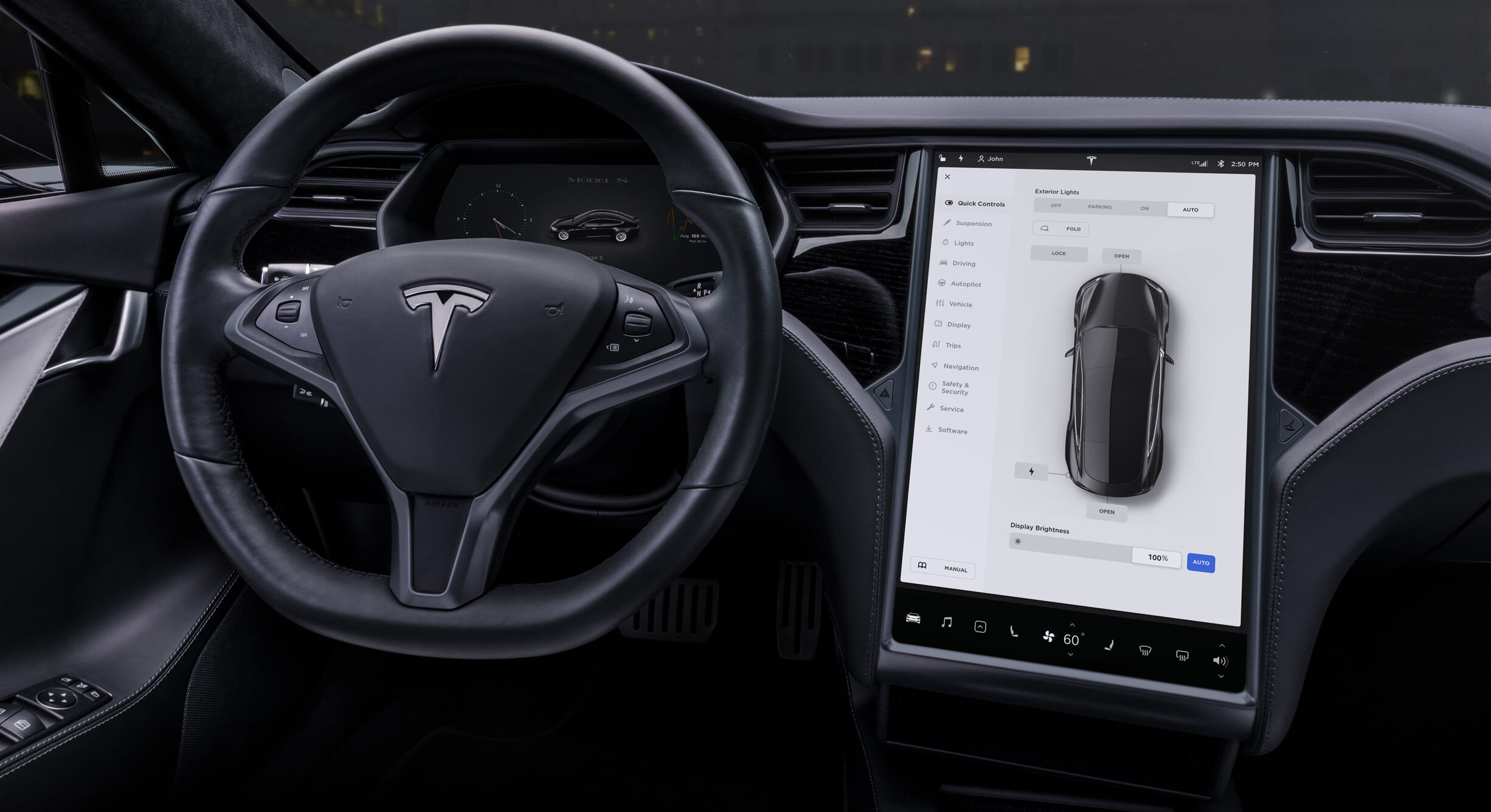
    Tesla Inc’s shares started the year with stellar gains after the electric carmaker reported record deliveries for the fourth quarter, allaying fears of supply chain woes that have hit automakers. Shares of the world’s most valuable carmaker ended up 13.5% at $1,199.78 each on Monday, marking the biggest daily percentage gain in nearly 10 months. Analysts expect the strong delivery numbers to bolster 2022 expectations and see the pace of expansion of its new factories in Berlin and Texas to be large determinants.

    “We expect a gradual ramp of Berlin and Austin and anticipate those ramps will lead to a deceleration of exports from Shanghai, many of which have been bound for Europe in 2021,” Cowen analyst Jeffrey Osborne said.

    The company, like others, faces component shortages as a global logistics crunch and factory closures due to the pandemic limited supply. But Tesla managed to overcome much of the problems by reprogramming software to use less scarce chips. Tesla delivered 308,600 vehicles in the fourth quarter, higher than analysts’ forecasts of 263,026 vehicles, which includes its Model 3 compact cars and Model Y sport-utility vehicles and flagship Model S and Model X vehicles, the company reported on Sunday.

    RBC Capital Markets revised its quarterly revenue estimate, bumping it up by $2.3 billion. J.P. Morgan boosted its profit estimates. Still, analysts said Tesla has a lot to watch out for in 2022 as competition heats up with several startup EV companies scheduled to launch their first cars on the road. Legacy automakers such as Ford and General Motors also are shifting focus to electric cars.

    “We see 2022 being a more challenging year than 2021 was in light of increasing competition, and we believe the design of the four vehicles on the road are getting long in the tooth which likely decelerates growth,” Osborne said.

    Some analysts also said Tesla’s stock is over-valued, given its relatively smaller production volume. Tesla, which produced some 930,000 vehicles last year, is about four times more valuable than Toyota Motor which aims to produce 9 million vehicles in the year that ends in March.

  • Product fraud could be costing Australia $3bn a year

    Product fraud could be costing Australia $3bn a year

    Fibre fraudulence involving the ‘high risk’ commodities of veal, wine, fish and mollusks fell between $700 million to $1.3 billion.

    According to the report, the cost of fraud in the sheep meat, wool, wheat, horticulture and dairy products sectors is believed to cost the industry up to another $700 million annually.

    Georgia Townsend, Agrifutures’ National Rural Issues Manager said producers’ pockets are at risk of being raided if the fraudulent activity isn’t addressed:

    “Farmers can’t combat this issue alone; a coordinated supply chain approach is needed if we are to overcome the billion-dollar problem and stamp out fraudulent practices.”

    “This work is important in quantifying the situation and gives producers, exporters and retailers market mechanisms and technologies to detect and mitigate fraudulent activity.”

    The report was conducted by Deakin University and Professor Rebecca Lester, Director of Deakin University’s Centre for Regional and Rural Futures said it is vital that the industry mitigates risks attached to high-level fraud:

    “Guaranteeing a product’s origins can be costly, but authenticity testing places emphasis on early detection and prevention, rather than responding to problems once they occur.”

    “Fortunately technology has come a long way and avenues now exist to guarantee product authenticity through analytical testing of the product itself. Technologies such as next-generation DNA sequencing, DNA chips, and lab-on-a-chip technology offer great potential for effective, low-cost and rapid onsite solutions for a broad range of authenticity testing of products.”

    aware of the risk of food fraud once their product leaves the farm or boat, but it may be costing them dearly. Industry must arm itself with better information about what to look for and strategies to respond if confronted by fraudulent activity. Getting on top of the problem could save the sector up to $3 billion annually.”

  • Aeon eyes 100 grocery stores in Vietnam

    Aeon eyes 100 grocery stores in Vietnam

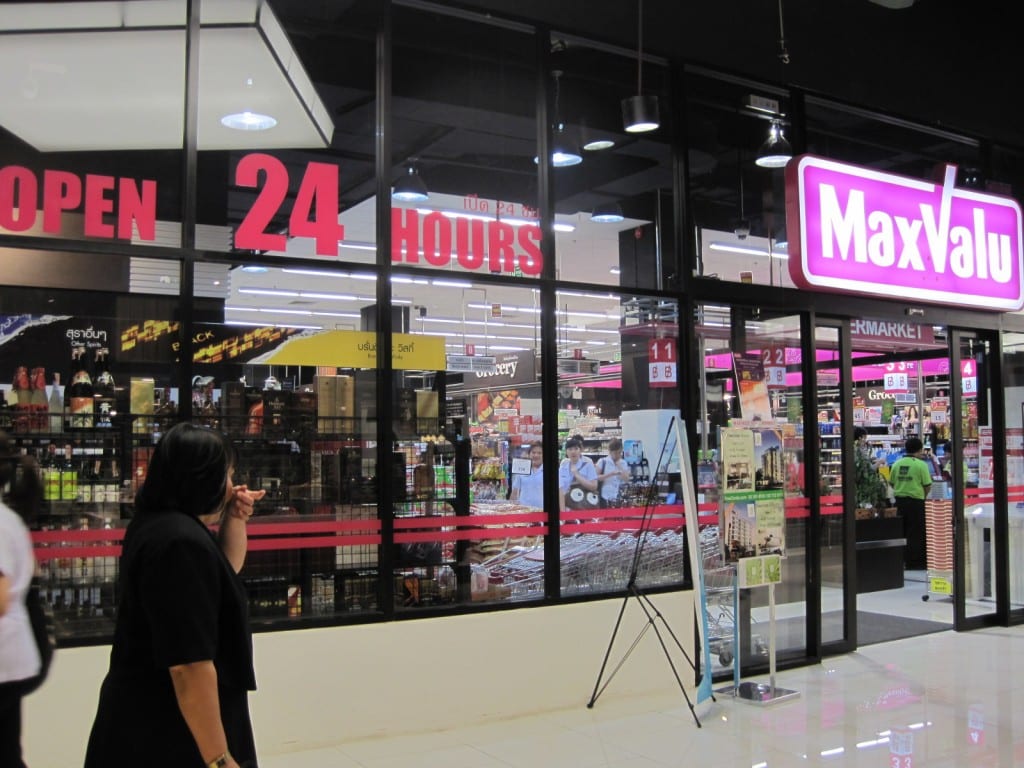
    Aeon has unveiled plans to expand its network of MaxValu compact supermarket stores in Vietnam, eyeing about 100 new locations across the country by 2025.

    According to Nikkei Asia, the expansion will include a larger store format with floor space spanning 500sqm or more. MaxValu currently operates four Vietnam stores, all in Hanoi. In addition, Aeon Group’s subsidiary, Aeon Mall, aims to expand its network of malls in Vietnam from six to 16 by 2025.

    Despite the challenges of the Delta-variant wave hitting the country, the group sees significant opportunity in the Southeast Asian market, where customers are gradually shifting from shopping at local markets to supermarkets due to hygiene concerns.

    “Next year, Aeon Vietnam will focus on opening more business locations with diverse retail models including shopping malls, department stores, supermarkets, convenience stores and specialized stores,” Furusawa Yasuyki, general director of Aeon Vietnam, told local press.

    The expansion plan also helps Aeon further strengthen its position in the market, where retail giants such as locally-owned Masan Group and Thailand’s Central Group are ramping up the competition.

    Last week, Masan Group unveiled an expansion plan for its mini-mall chain WinMart+, which will integrate a to-go cafe and mini bank offices including ATMs and customer-service reps. The group is set to have 20,000 franchised stores together with an addition of 10,000 outlets owned by the group by 2025. WinMart+ is expected to expand the multi-utilities concept in the future.

  • Retail sales in Hong Kong continue to recover slowly

    Retail sales in Hong Kong continue to recover slowly

    Hong Kong’s economy lost some momentum in the second quarter but still expanded by 7.5% from a year earlier, as domestic and global activity continued to recover from last year’s pandemic-induced slump.

    Despite some slowdown in robust export growth, the government said the city’s economic recovery remains on track as global demand picks up and local coronavirus fears ease.

    The preliminary gross domestic product (GDP) estimate released on Friday compares with a revised growth rate of 8% in the first quarter and forecasts of 8.4% by DBS and 8.5% by ING.

    On a quarterly basis, the economy contracted by a seasonally adjusted 1% in April-June, its first decline since the second quarter of 2020. That compared with a revised 5.5% growth in the previous quarter.

    “The global economic recovery should continue to support Hong Kong’s exports of goods in the near term, though there may be some moderation from the exceptionally strong performance in the first half of 2021,” a government spokesman said in a statement along with the GDP figures.

    “Exports of services should likewise sustain growth,” the spokesman said, adding that a stabilized pandemic situation locally and a consumption voucher scheme will help stimulate consumer demand.

    For the first half of 2021, the economy grew by 7.8% over a year earlier. The government maintained its full-year growth forecast at 3.5%-5.5%.

    Analysts caution, however, that the recovery will be uneven. While consumer spending is improving as coronavirus worries ebb, international travel restrictions will continue to weigh on tourism and related retail and services sectors.

    The trade-reliant city is also benefiting from mainland China’s swift recovery from the COVID-19 crisis, though China’s growth rates are slowly returning to more normal levels.

    Hong Kong’s economy fell into its longest recession on record in early 2019, weighed down by huge anti-government protests followed by the pandemic in 2020.

    Seasonally adjusted unemployment slipped to 5.5% in April-June, from 6% in March-May and 6.4% in February-April. Exports jumped 33% in June, their eighth straight month of growth.

    Retail sales rose 10.5% in May from a year earlier, the fourth consecutive monthly gain, but growth lagged pre-pandemic levels as inbound tourism is virtually non-existent.

    Hong Kong reported two new imported COVID-19 cases on Friday, with no local community infections recorded in over 50 consecutive days.

    The government has urged more people to get vaccinated to pave the way for a reopening and broader based economic recovery. About 35% of the population has received the recommended two doses and 47% have had their first dose.

  • China’s telecom sector grows 8.1%

    China’s telecom sector grows 8.1%

    China’s telecom sector recorded a strong 8.1% year-on-year growth in the first 11 months of this year.

    According to official figures released by China’s Ministry of Industry and Information Technology, the combined industrial revenue grew by over RMB 1.35 trillion. This represents a decline of 0.1 percentage points for the period from January to October.

    The number of 5G mobile subscribers has reached 497 million by the end of November, representing an increment of 298 million from the end of last year. Of which, China Mobile, China Telecom, China Unicom added over 35 million 5G mobile subscribers in November alone.

    The world’s largest operator in term of subscribers, China Mobile has added a total of 209.38 million 5G subscribers since the start of 2021.

  • Vietnam trade ministry asks China to reopen border gates

    Vietnam trade ministry asks China to reopen border gates

    Vietnam’s Ministry of Industry and Trade has requested China’s Guangxi region to reopen its border gates with Vietnam and extend customs clearance hours to resolve the container congestion.

    Guangxi’s “zero Covid” measures, including shutting the border and suspending the imports of certain fruits, were unnecessary, senior trade ministry officials told Guangxi trade officials Friday. The policy has disrupted the supply chain and caused negative impacts on bilateral trade development, resulting in big losses for businesses and people of both countries, the Vietnamese officials said.

    The ministry proposed that Guangxi recruits more drivers and workers on its side to deal with the staff shortage. It also suggested that fully vaccinated Vietnamese be sent across the border to work. It wants Guangxi to facilitate shipment via trains and ships; as also resume importing Vietnamese dragon fruits.

    Guangxi trade officials said that they would increase the duration of customs clearance based on the agreement between the local authorities of the border gates. They will forward other proposals to higher authorities, Guangxi officials said. Thousands of container trucks have been stuck at the border for over a month after China tightened its Covid-19 preventive measures.

    On Friday 2,945 container trucks were stuck at the border in Vietnam’s Lang Son Province, down 191 from a day earlier.

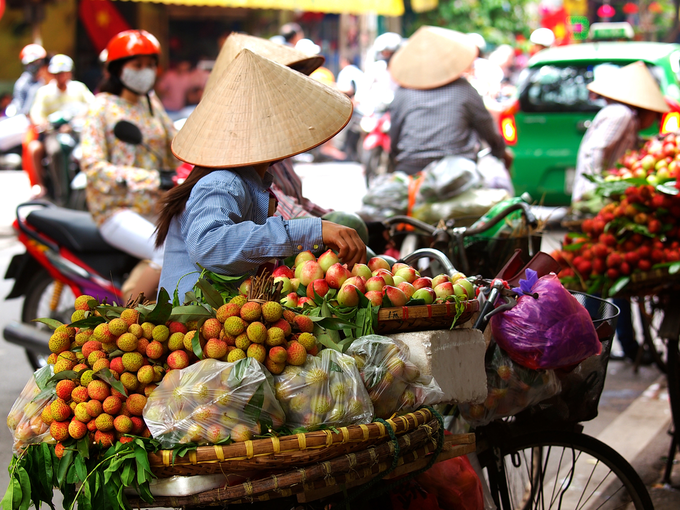
    Many trucks have had to turn around and distribute their products locally for a loss as the fruits were beginning to rot.

    Of the three major borders gates in Lang Son, two are operating with limited capacity while one is still shut.

    Lang Son authorities estimate that it would take more than a month to resolve the container jam at the current speed.

    Minister of Industry and Trade Nguyen Hong Dien has sent four letters to China’s Ministry of Commerce, China Customs and secretaries of the two localities – GuangXi and Yunnan – requesting the agencies’ intervention in resolving the issues.

  • Amid pandemic, e-commerce reigns supreme

    Amid pandemic, e-commerce reigns supreme

    With Covid-19 forcing people to stay at home and spend time online, e-commerce has been thriving.

    When Tet, the Lunar New Year, was a month and a half away e-commerce platforms had already achieved a strong increase in revenues during their December-12 promotion program. Lazada said sales doubled from the same period in 2020, while the number of sellers was up by 2.5 times. Shopee also reported a strong rise in sales during the event, with most of the orders being for skincare products and house decorative items.

    But Dec. 12 was not the only occasion when e-commerce sites recorded such strong sales: In 2021 they also had major promotions for Oct. 10, Nov. 11, Black Friday, and Cyber Friday.

    Tiki saw sales soar nine times from normal days on Nov. 11.

    According to the ‘e-Conomy Southeast Asia’ report released last November by Google, Temasek and Bain & Co., Vietnam’s Internet economy is expected to grow by 31 percent to $21 billion in 2022.

    Tran Tuan Anh, executive director of Shopee Vietnam, said, “the digital transformation process has been shortened thanks to the pandemic.”

    The report said eight million new digital consumers had been added between the start of the pandemic and the first half of this year, 55 percent of them living in non-metropolitan areas.

    “Stickiness of adoption remains high as digital consumption has become a way of life,” it said, pointing out that 97 percent of new consumers are still using online services and 99 percent said they intend to continue using them in future.

    Some 30 percent of digital sellers believe they cannot make it through the pandemic without digital platforms.

    Lazada Vietnam CEO James Dong said at an event held recently that the pandemic has stimulated millions of new customers to experience online shopping for the first time.

    “E-commerce has really transformed from a side channel to a core part of the growth strategy of brands and sellers”.

    Because of the pandemic, e-commerce sites started to sell food and groceries during the social distancing period.

    According to a study by Malaysia’s iPrice Group last September, online groceries are the only category to achieve steady and consistent growth since the beginning of the pandemic.

    Google searches related to online grocery stores increased by 223 percent in the second quarter of 2021 and 11 times in July compared to May, when stringent social distancing restrictions were in place in some provinces and cities.

    What next?

    iPrice points out three trends in its forecast for Vietnam’s e-commerce market this year.

    The first is the personalization of the shopper experience, with consumers needing e-commerce businesses to help them find the products they need, offer coupons and streamline the supply chain to shorten delivery times and ensure product quality.

    The ‘Personalization Pulse Check’ report in 2018 by Accenture Interactive, an Irish multinational professional services company, had found that 91 percent of consumers were more likely to shop with brands that recognize, remember and provide them with relevant offers and recommendations.

    The second trend is the rise of cashless payments.

    For the first time in 2021 cash payments saw the risk of being dethroned as the most common method of payment in Vietnam after decreasing to only 42 percent of payments from 60 percent in 2020, the ‘Southeast Asia, the Home for Digital Transformation’ report by Facebook and U.S. consulting firm Bain & Company said in November.

    The final trend is that of environment-friendly consumption.

    Consumers have become aware that the products they use not only need to be of good quality but also safe for health and do not leave negative impacts on the environment.

    The report by Facebook and Bain said environmental, social and governance (ESG) factors now count as among the top reasons for consumers to switch brands in Southeast Asia.

    “People are willing to pay more for a product that is sustainably and responsibly sourced, although some product categories are more sensitive to ESG factors than others,” it said.

    According to iPrice, it is hard to predict if sustainability and eco-friendliness will become the main trend in 2022, but it certainly has importance in e-commerce in the future.

  • Vietnam set for robust rebound in 2022

    Vietnam set for robust rebound in 2022

    Organizations have pegged Vietnam’s GDP growth at 6.5-7.5 percent in 2022, citing solid recovery potentials in manufacturing and domestic demand.

    The World Bank has forecasted Vietnam’s growth at 6.5-7 percent from 2022 onward as it expects a sustained global recovery will ensure strong demand for Vietnamese products in its main export markets of the U.S, the E.U. and China.

    “The rebound will also be supported by the vaccination of at least 70 percent of the adult population by mid-2022, preventing severe new outbreaks,” it said in a report.

    Vietnam has achieved this vaccination target by the end of 2021 and is focused on giving the booster shot to deal with the new Omicron variant.

    The World Bank also announced this week it would finance a $221.5 million loan to support Vietnam’s recovery from the pandemic, with a focus on several policy reforms, including easing tax burden on businesses and improving access to financial assistance among vulnerable groups.

    The Asian Development Bank (ADB) pegs Vietnam’s growth at 6.5 percent in 2022, driven by expanding vaccination coverage and other factors, while brokerage VNDirect has an even more optimistic growth forecast at 7.5 percent.

    The brokerage sees growth-driven manufacturing and exports regaining momentum, strong foreign direct investment, and increased domestic demand triggered by stimulus packages.

    One of the key supporting factors for growth is that the country will likely achieve its target to fully vaccinate 70 percent of the population this year, it said.

    Services are likely to recover with the resumption of tourism and entertainment in the second quarter if the Covid-19 situation remains under control.

    Revenue from retail and services therefore could grow 10-12 percent in 2022.

    Several companies are drawing up roadmaps to boost recovery.

    The Thanh Cong Textile Garment Company plans to increase its number of employees by 20 percent as it has secured several major orders that will ensure jobs for the first half of the year.

    “In addition to the main export markets like Asia and America, we plan to expand to more European and African countries this year,” said deputy general director Tran Nhu Tung.

    Phan Phuc Son, deputy director of the Saigon – Ha Long Hotel Tourism Jsc in the northern province of Quang Ninh, is hopeful that the tourism industry will rebound this year.

    “Quang Ninh Province is expected to welcome the first international tourist group in January 2022, giving us more of recovery.”

    The hotel is working with state agencies as well as businesses in the Quang Ninh Tourism Association to establish a “green corridor” for package tours, meeting the needs of international guests coming to Vietnam.

    Targets achievable

    2021 was another challenging year for Vietnam as the Delta variant forcing many economic activities to shut down in the third quarter.

    GDP growth dropped for the second year in a row to 2.58 percent.

    But the National Assembly expects growth to rebound in 2022 and has set a target of 6-6.5 percent for the year.

    Tran Hoang Ngan, head of the Ho Chi Minh City Institute for Development Studies, said that the growth target is feasible and actual rate could even exceed it thanks to the recovery of major export markets such as the U.S. and Europe, and the many free trade agreements Vietnam has signed, including 14 that have taken effect.

    To ensure growth, the government needs to focus on disbursing VND526 trillion ($23.25 billion) worth of public investment, which is “both an opportunity and a challenge,” he said.

    Other experts said that the size of the stimulus package will determine how fast and effective economic recovery will be.

    “Without special support programs, without fiscal and monetary stimulus packages, Vietnam will miss opportunities, be left behind, and not realize its five-year economic development targets,” said economist Can Van Luc.

    Bui Quang Tuan, director of the Vietnam Institute of Economics, said that overall economic recovery program, to be implemented from 2022 to 2023, could amount to some VND666 trillion, or 8 percent of the 2020 GDP.

    The aid package needs to be large and strong enough to support both supply and demand, and growth-supporting solutions should be associated with digital transformation and green growth, he said.

    The scale of the stimulus package is set to be decided at an eight-day extraordinary session of the National Assembly in January.

    The World Bank has advised the government to improve the implementation of its cash relief programs to reach more households, informal workers, and those unregistered in existing social assistance registries who have been affected.

    Cash support should last for several months instead of a one-time transfer, it has said

    Obstacles remain

    But some lawmakers have expressed concerns that the public debt ratio could rise as the government plans stimulus packages, posing financial risks.

    The estimated public debt ratio of 44 percent of GDP this year looks low, but this has come about after adjusting some data, which caused GDP to increase by VND1,000 trillion, said Nguyen Huu Toan, deputy chairman of the National Assembly’s Finance and Budget Committee.

    “The ratio looks low but it is actually a matter of serious concern.”

    Another concern is inflation, which is set to be very high in 2022, said Nguyen Thi Huong, head of the General Statistics Office.

    As Covid-19 is expected to remain under control, demand for manufacturing and consumption will rise, and so will prices of materials, fuels and transportation, she said.

    Other factors that will push up inflation are rising prices of animal feed, construction and education, she added.

    Although Vietnam’s inflation hit a six-year low of 1.84 percent in 2021, the ADB has forecast it could reach 3.8 percent next year on the volatility of global price movements and pressure coming from a weaker dong against the U.S. dollar if capital outflows happen due to a more front-loaded response of advanced economies to curb inflation.

    Regardless of these challenges, CEO of HSBC Vietnam Tim Evans has expressed optimism that the country will reach new heights in 2022.

    “So as 2021 draws to a close, it is time to take a deep breath, believe that the worst is really behind us this time and that Vietnam will resume its economic cadence from 2019,” he said.

    HSBC forecasts that growth will hit 6.8 percent, driven by a return to strong FDI investment with a clear focus on the manufacturing sector which should further drive the Vietnamese export sector.

    Continued middle class growth and the rising affluent sector in particular will further drive the consumer story in Vietnam, which will lead changes in consumption as Vietnamese start spending more and more on leisure and travel, he added.
  • Understaffed businesses need 300,000 plus workers in HCMC

    Understaffed businesses need 300,000 plus workers in HCMC

    Facing labor shortages, businesses and factories in HCMC need around 310,000 workers this year should Covid be controlled.

    According to a recent survey by the HCMC Center of Forecasting Manpower Needs and Labor Market Information (Falmi), the city’s labor market faces two scenarios depending on future Covid development.

    If Covid-19 is brought under control, businesses need to recruit 280,000-310,000 workers. The demand for human resources in the first quarter would be nearly 87,000, second quarter over 72,000, third quarter 74,000, and fourth quarter, 77,000.

    Should the pandemic situation remain complex, the city’s labor demand would be about 255,000-280,000 staff. The highest would be in the first three months of the year at over 78,000.

    The trade and service sector has shown the sharpest increase in recruitment demand this year, accounting for nearly 66 percent and including commerce, transportation and warehousing, accommodation, catering and others.

    Recruitment demand for the industry and construction group accounts for over 33 percent, including mechanical engineering, electronics production, food processing, beverage, and pharmaceuticals.

    The report found up to 86 percent of recruitment demand does not require workers to have a college degree.

    Regarding market response, Falmi stated that on average, the city produces about 500,000 students and graduates each year, including from university, college, intermediate, elementary and vocational training levels.

    Therefore, it is expected the city’s labor force would meet recruitment demand among enterprises this year.

    The agency noted that this year the city’s labor force would reach nearly 5 million employees, of which more than 3 million work in enterprises and factories.

    Last year, according to a Falmi survey, nearly 65,000 businesses across HCMC had to recruit more than 174,000 workers, though the number of job seekers was only around 135,000.

  • How to Choose a Sports Car?

    How to Choose a Sports Car?

    Sports cars have always been and still are the object of lust of a true car enthusiast, regardless of his nationality, age, and financial situation. Beautiful, powerful, and high-speed cars look extremely spectacular on the screens and on the glossy pages. But how practical are they in real life?

    Is it worth buying such a masterpiece of design, if you have the necessary sum in your pocket, or is it better to spend them on more practical SUVs?

    General information about sports cars

    It is known that a sports car can provide fast driving, and it is worth noting that the concept “sports car” covers quite a large set of the most effective qualities of cars in general. But there are fundamental differences between sports cars and “ordinary mortal” passenger cars. Here are these differences:

    • An extremely powerful engine, giving you the ability to develop high speed immediately after starting;

    • a typical sports car has just two doors;

    • low landing; a light body, the weight of which is much less than in conventional cars.

    It must be said, however, that today’s market has advanced so much that these attributes are not always respected today. Some famous companies already make sports cars with four doors.

    Manufacturers producing sports cars can be divided into three categories:

    • The first category includes those concerns that produce sports cars in the most sought-after price range. These firms produce sports cars in limited numbers: Bugatti, Pagani, AC Cobra, MG.

    • The second category includes manufacturers who are exclusively engaged in the production of sports cars and racing cars: Alfa Romeo, Ferrari, Porsche, Jaguar, Martin, McLaren, Maserati.

    • And the third category is those manufacturers who produce both sports and simple cars. These are world-famous Mazda, Nissan, BMW, Bentley, Mercedes-Benz, Nissan, and others.

    How to choose a worthy sports car and not to make a mistake

    If you decide to buy a sports car, you should, first of all, get rid of a very common false public opinion: sports cars and sports racing cars are not the same.

    Sports cars are mass-produced for sale to the public, so they require state registration. And, like any other car, it is possible to carry passengers in the sports car. Although there is a popular opinion, that the car is not a luxury, a means of transport, this truth almost does not apply to the sports car. The matter is that the automobile is really luxurious because it indicates refined taste, a certain style of life, and the high financial position of its owner.

    A sports car is a rather expensive purchase, and in order not to make up your mind, you should thoroughly analyze to what extent you need exactly such a car, and what you would like to expect from it. These are quite serious issues that need to be addressed. In this respect, your expectations may not be met because real sports cars have much less comfort compared to conventional cars. So the main advice in our article will be to get used to the character of sports cars. To rent a car sports will be a great solution to this issue.

    Conclusion

    At the end of the article, I would like to add that everything depends only on your preferences. The final decision in the choice of a sports car, in any case, remains for you. And in this case, we would like to hope that our small review will be useful to you. We wish you a successful choice and a safe road!


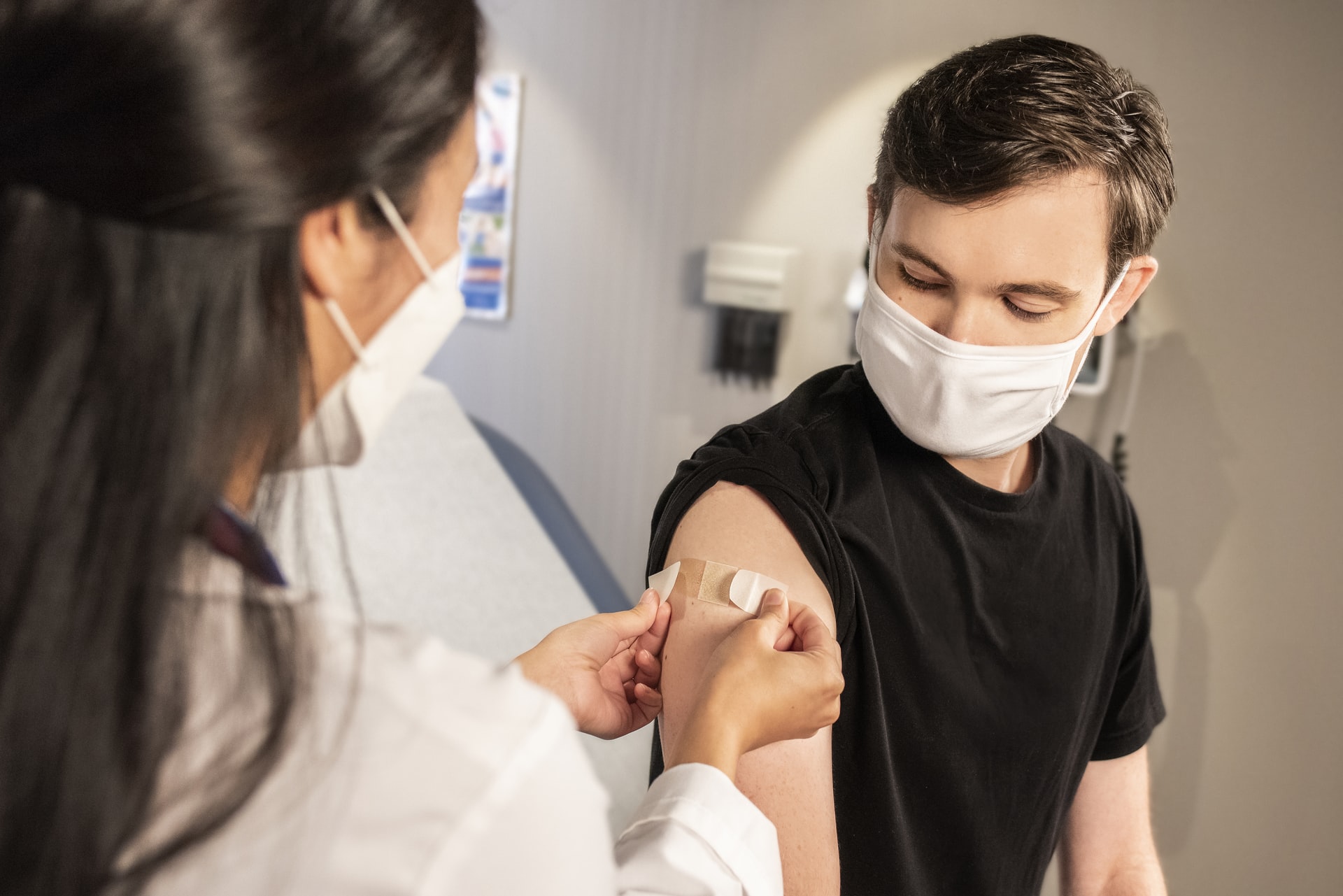
  • Should we keep our mask on after getting vaccinated?

    Should we keep our mask on after getting vaccinated?

    Day by day, more and more people are getting vaccinated with the COVID-19 vaccine. The vaccine makes the person’s body recognise the pathogen and create the appropriate antibodies, and are considered immune to the virus. When more in the community get vaccinated, collective immunity grows.

    However, the vaccinated can still contract the virus and show no symptoms at all. If careless, they could spread the disease to those who have not taken the vaccine yet. That is why it is essential to still keep the masks on even after vaccination.

    What is Collective Immunity and How to Increase It?

    Collective immunity is also known as population immunity or herd immunity. When a large percentage of people in a community, the herd, is immune to a specific disease. The possibility of the disease infecting people is very low when most are immune. This occurrence protects even those who are not immune to the pathogen.

    A threshold proportion is the percentage of a population that can catch the disease that leads to its spread. The percentage of immunised people is greater than the threshold proportion is termed as herd immunity threshold.

    The percentage of needed immune people to contain infection depends on the disease itself. When it is more contagious, population immunity requires a higher percentage of immune people to be effective. For example, measles needs at least 95% of the population immune to the disease to have a successful population immunity.

    We can achieve collective immunity through natural infection or when previous active cases have recovered and developed the needed antibodies against the disease. However, this approach has high setbacks, leading to unwanted and unnecessary severe cases or even death to the immunocompromised.

    Another method of increasing herd immunity is through vaccination.

    Does the vaccine increase it?

    Vaccination is a safer method of obtaining herd immunity than natural infection.

    Vaccines have the pathogen’s inactivated or only some key components, and exposure elicits the body’s reaction of developing and creating antibodies. The only sickness a person may feel is the side effects, but they are milder than catching the disease itself. Compared to the natural method, immunisations prevent unwanted complications and deaths.

    Collective immunity also protects those who cannot get the vaccine, like new-borns, those with underlying health conditions, or have allergies to specific components found in the vaccine; when more people in the community are immune and vaccinated, the possibility of infection declines.

    Vaccines and herd immunity have successfully stopped diseases and risk of infection before. Examples are wild poliovirus, measles, tetanus, and meningitis. Due to the polio vaccines, many countries are now poliovirus-free.

    However, vaccines do not bar you from contacting the virus. They only give about 94-95% of protection. Experts are concerned that the vaccinated may be asymptomatic when infected and are silently spreading the virus.

    Shall we keep Social Distancing and Masks after Being Vaccinated?

    Even when vaccinated with the COVID-19 vaccine, you can still get infected with the disease. Though the chance of infection is meagre, it does not mean a zero chance of infection. The vaccine helps make cases less severe, so you only experience mild symptoms and prevent possible severe symptoms or death.

    With new variants of the virus still present, it presents many unknowns and risks. Some countries still have a high rate of COVID-19 cases, even with the vaccine roll-out. If you’re considering international travel, it is best to read up on its regulations regarding international visitors and COVID-19.

    If you are vaccinated and infected with the virus, you can still infect others when you’re not careful enough. Vaccinated people infected with the virus may present as asymptomatic. This possible risk of infection could be vital for unvaccinated people, as they may experience severe cases with their compromised immune system.

    Therefore, it is still best to follow the preventive measures set by authorities. We should continue keeping social distancing and wearing medical face masks even after being vaccinated, especially a FFP2 or KN95 mask, which appears to be more efficient.

    Following the preventive measures lowers the chance of contacting COVID-19 and the possible spread of infection.

    Conclusion

    Even when fully vaccinated with the COVID-19 vaccine, we must remain vigilant and keep our masks on. Immunised people may still catch the disease and be an asymptomatic case, but can still be a reservoir of infection and spread it when not careful enough.

    We must keep in mind that some people cannot receive the vaccine, and it will be up to the immunised population to keep them safe from the virus. If able, take the vaccine and keep your mask on.


  • Retail News Asia Wishes you a Fantastic 2022

    Retail News Asia Wishes you a Fantastic 2022

    Wishing you a very joyful New Year despite these difficult times. We really wish things were different and that we could visit you! We hope that the new year brings your family much happiness and prosperity, and that in time the world will be a safe place again. Take care of yourselves and see you online soon!

    The entire Retail News Asia team wishes you, your family and friends all the best.

  • Inmarsat successfully launched new commercial communications satellite

    Inmarsat successfully launched new commercial communications satellite

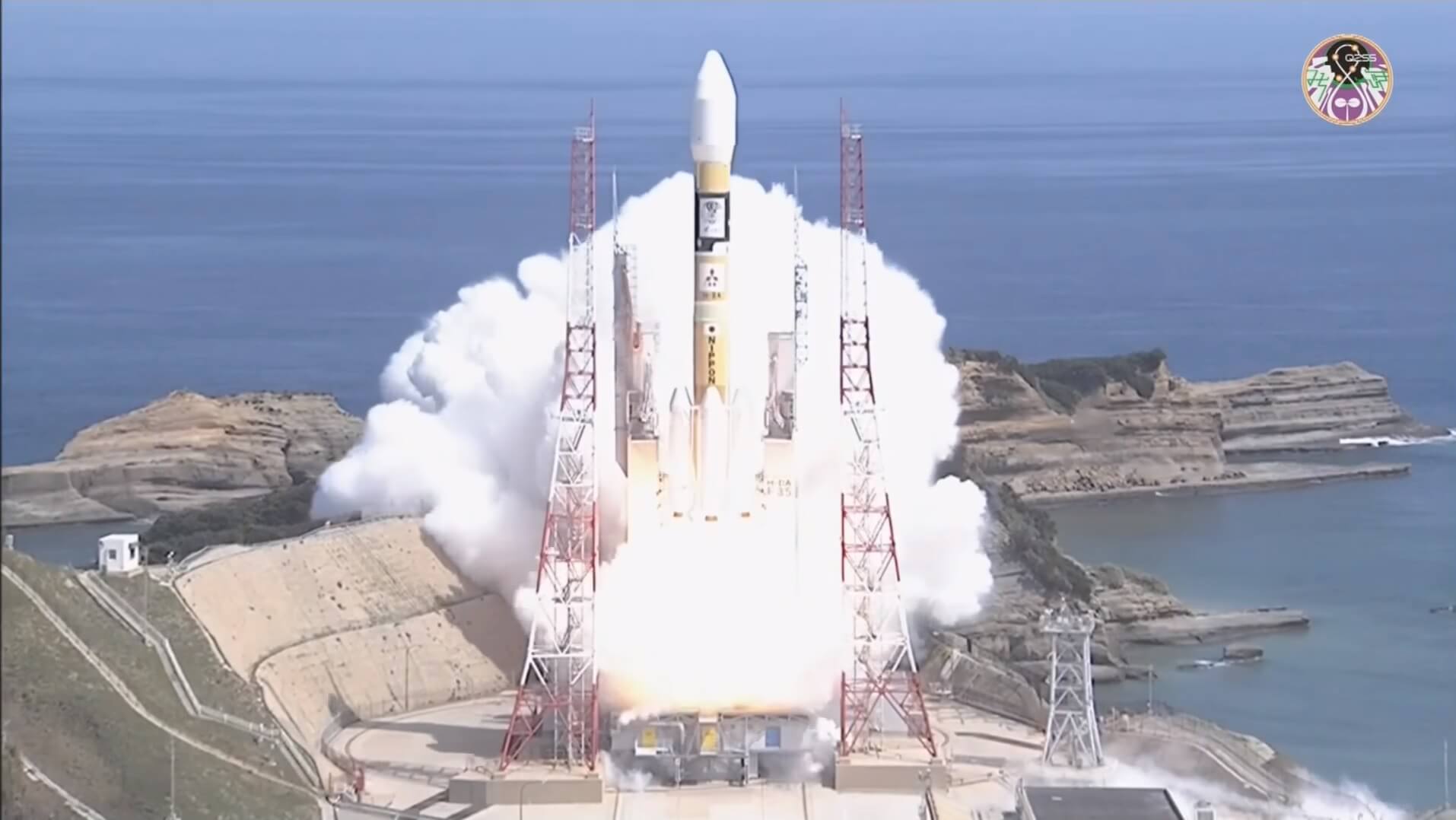
    Inmarsat has successfully launched its first Inmarsat-6 satellite, I-6 F1, by Mitsubishi Heavy Industries (MHI) from the JAXA Tanegashima Space Center in Japan.

    The Inmarsat-6s (I-6) are Inmarsat’s first-ever hybrid L- and Ka-band satellites, incorporating increased capacity and new technological advances for ELERA’s transformational L-band services alongside additional Global Xpress (GX) high-speed broadband capacity. Adding to an existing global fleet of 14 geostationary satellites they extend Inmarsat’s commitment to mission-critical services while enabling a new generation of pioneering technologies to connect and sustain the world.

    This launch is the first of seven planned for Inmarsat by 2024 in the company’s fully-funded technology roadmap. Launch success was confirmed by MHI at 15:59 UK time on 22 December following satellite separation from the H-IIA launch vehicle, with successful signal acquisition soon afterward.

    The most sophisticated commercial communications satellite ever launched, I-6 F1 is comparable in size to a London double-decker bus, with a deployed solar arrays ‘wingspan’ similar to a Boeing 767 and a 9 meter wide L-band reflector that will be deployed over the coming days. The satellite will then be raised to geostationary orbit (GEO) approximately 36,000km (~22,500 miles) above the Earth via its all-electric propulsion system and then undergo a thorough and extensive testing program. I-6 F1 will enter service in 2023. Ground stations in Western Australia will support I-6 F1.

    Rajeev Suri, CEO of Inmarsat, said, “This launch marks Inmarsat’s newest technological leap forward as we maintain our strong commercial momentum and sector leadership. It gives me great pleasure and pride to confirm the successful launch of I-6 F1. This satellite extends our world-leading mobile satellite communications services for our customers and partners, especially in the Indo Pacific region. My warmest thanks and congratulations go to the Inmarsat team that delivered flawlessly on this project as well as our launch provider Mitsubishi Heavy Industries and our satellite manufacturing partner Airbus Defence and Space.”

    The I-6 satellites demonstrate Inmarsat’s ongoing investment and commitment to its global leadership in L-band satellite services to 2040 and beyond for the benefit of mobility customers worldwide. They deliver an enhanced platform for those looking to embrace the next wave of world-changing technologies that ELERA enables, including the rapidly growing Industrial Internet of Things (Industrial IoT) satellite connectivity market segment, by providing dramatically increased network capacity and resilience.

    These new capabilities from the I-6s mean greater capacity and coverage, greater speeds and a greater portfolio of innovative connectivity solutions for ELERA and Global Xpress (GX) networks. The I-6 satellites, like all Inmarsat ELERA and GX spacecraft, are backward-compatible with existing terminals, ensuring that current and future customers will continue to benefit from new advances.

    The I-6s also substantially increase the effective capacity of the network available to ELERA customers with double the beams, 50% more spectrum per beam and double the power of the I-4s, matching customer demand as and where it is needed. They also add further depth in Inmarsat’s global coverage for even greater assurance to customers of the redundancy and resilience of Inmarsat’s L-band network.

  • Young Vietnamese look to cryptocurrencies to get rich quick

    Young Vietnamese look to cryptocurrencies to get rich quick

    Cryptocurrencies are becoming a new investment favorite in the country, but many are learning what goes up rapidly could come down at the same speed. This year Minh Quan of Hanoi started to study the cryptocurrency market for the first time after a friend urged him to invest in it. The real estate broker started with a $1,000 investment in a startup he barely knew.

    “I invested because the founders have good physiognomy,” he says.

    The startup picked up and the founders were able to secure funding from foreign funds, and Quan’s investment appreciated five-fold within a month.

    Young Vietnamese like Quan are becoming increasingly interested in cryptocurrencies, hoping to get rich quick despite a lack of legal support for them and high risk.

    Vietnam is among the top 15 countries in the world by number of cryptocurrency investors, with most being under 35 years old, Lynn Hoang, Vietnam country director for trading platform Binance, said.

    Though the government does not recognize Bitcoin and other cryptocurrencies, it still led globally in cryptocurrency adoption with 41 percent of respondents claiming to have bought Bitcoin and others, according to a survey in August by U.S. financial consultancy Finder.

    Minh Anh, who is in his 20s, has found that while predicting the market is nearly impossible, a thoughtful and safe investment strategy could help him navigate the cryptocurrency world.

    He only invests a small amount in it and only in cryptocurrencies managed by experienced people, he says.

    “I only invest 25 percent of my total assets into crypto. After placing an order I turn off the app to not be distracted by the volatility”.

    This year he made profits of hundreds of millions of dong (VND100 million = $4,380).

    But with great profit potential come great risks.

    With bank deposit interest rates sharply down, Hanh, a bank teller, withdrew money from stocks to invest in cryptocurrency futures, which allow investors to predict the market future and bet on it.

    However, lacking sufficient knowledge of the market, she lost all her money and decided to stop investing in futures altogether.

    Le Trong and his wife invested all their savings into cryptocurrencies in 2017 when the market was booming. They even borrowed to invest.

    But then the market fell, hurling them into a crisis as debt collectors began to call constantly. Trong’s wife went into a depression, and it took the couple several years to repay their debts.

    “I’ll never get involved with crypto again,” he says.

    Lynn Hoang of Binance says the two basic rules for cryptocurrency investment are knowing how to protect your investment and not using leverage.

    New investors should opt for cryptos with a large market cap, she says, likening it to buying blue chips in the stock market.

    Whether one’s strategy is to invest for the long term or short term, it is important not to be greedy, she warns.

    Thuong, an investor in Hanoi, has learned that lesson.

    When Bitcoin dropped to around $54,000 on December 4, she poured most of her savings into it, thinking she had found the bottom.

    But the fall continued down to $43,000, and, without cash, she has been unable to buy more to average the price.

    “Controlling your greed sounds easy, but it is not,” she says.

  • Apple may enable iPhones and iPads to charge accessories through their screens

    Apple may enable iPhones and iPads to charge accessories through their screens

    A new Apple patent, published by the US Patent & Trademark Office, may enable iPhones to charge accessories through their screen glass.

    According to the patent drawings, wireless charging may be functional on one section of the screen while the other stays usable. However, it is unknown whether the charging area of the screen would display anything while the accessories are being charged. The applicable accessories must also support wireless charging in order to charge through the wireless charging screen.

    The “Through-Display Wireless Charging” patent may only support accessory charging. So, if Apple incorporates this patent into its iPhones and iPads, they may be able to charge such as earphones, smartwatches, or styluses, for example through their screens, rather than other smart devices.

    The wireless charging screen may be especially useful when using the Apple Pencil. When a user finishes working with the Apple Pencil, they may simply place the pencil on the screen of their iPhone or iPad to begin charging it.

    Currently, you can charge your second-generation Apple Pencil wirelessly, but in order to do that, you need to attach it to the right side of your iPad.