Author: Mei Ling Tan

  • Ferrari Signs Deal With Tech Firm Velas To Create Digital Products For Fans

    Ferrari Signs Deal With Tech Firm Velas To Create Digital Products For Fans

    Ferrari has signed a multi-year accord with Swiss technology firm Velas Network to create digital content for its fans, the luxury sports car maker said on Monday.

    From next season, Velas, a provider of digital products and services, will become a partner of Ferrari’s Formula 1 racing team.

    “In addition, Velas will be Title Sponsor of the Ferrari Esports Series, the online mono-brand series of the Prancing Horse, and of the Esports team that will compete in the F1 Esports Series, the official digital championship competed in by all teams participating in the FIA Formula 1 World Championship,” Ferrari said in a statement.

    Velas is a leading provider of blockchain technology and non-fungible tokens (NFTs), cryptographic assets stored on a blockchain that have an identification code that makes them unique and has gained popularity as a way to sell digital art.

  • EVRE Partners With Zyngo To Offer 5,000 EV Chargers

    EVRE Partners With Zyngo To Offer 5,000 EV Chargers

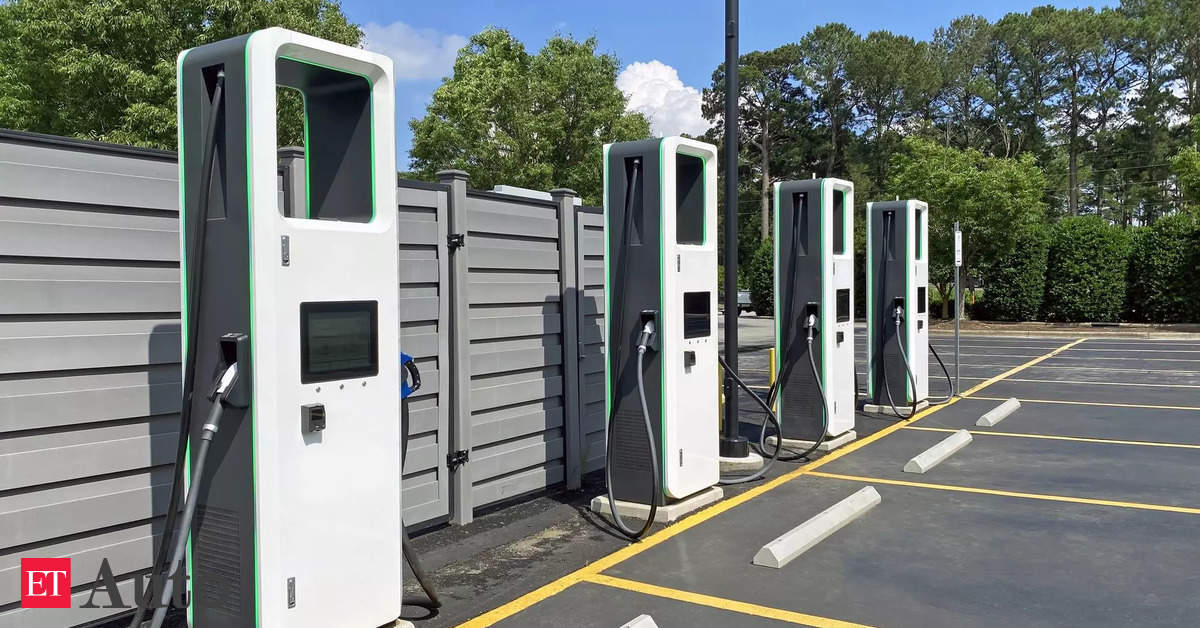
    EVRE, India’s leading EV charging infrastructure player, has announced a partnership with Zyngo, a last-mile delivery provider for parking and charging infrastructure solutions. Zyngo operates an existing 500+ strong fleet across 10 cities and is working towards achieving a 10,000-strong electric vehicle fleet by 2023. Under the partnership, EVRE will offer 5,000 EV charging stations across India within the next 24 months, which will be utilized by Zyngo and other EV fleet owners. Zyngo will use these chargers to extend its last-mile access and expand its reach, while EVRE will design, manufacture and execute the operation and maintenance of the EV charging infrastructure.

    During the first phase of the partnership, EVRE will support Zyngo with 500 charging stations for its fleet of 500 EVs. EVRE will lease the land, provide the parking and charging infrastructure operate and maintain, and take care of the insurance, safety and security of these hubs. According to a press statement, over the next few months, EVRE will provide the support to park and charge this dedicated EV fleet with its existing and upcoming infrastructure.

    Speaking on the partnership Prateek Rao, Founder & CEO, Zyngo said, “We are driving ahead the electrification of hyperlocal delivery services across E-commerce spectrum. This initiative requires such collaborations to enable the empanelment of EV ecosystem in the last mile delivery space. EVRE’s tech advanced charging infra combined with Zyngo’s fully competent and advanced Logistics tech platform and fleet management will strive the EV ecosystem and enable faster adoption.”

    Commenting on this partnership, Krishna K Jasti, Co-Founder and CEO of EVRE said, “We aim to increase new business value through co-creation with services and businesses, such as the advancement of computer vision technology. Through such partnerships, we are looking towards developing an integrated ecosystem for EV fleet owners as well as EV users across the country. Zyngo, with its unique proposition, is an apt partner as both the organizations will mutually benefit from the cross-utilization of resources in the EV ecosystem”.

    The 5,000 chargers will be integrated with the rest of the EV ecosystem across the country through the EVRE App. This will enable electric two-wheeler and three-wheeler Zyngo fleet operators with slow and fast unmanned smart chargers that are capable of metering, billing, and payment collection. EVRE is India’s leading integrated charging infrastructure company that follows EAAS (Energy-as-a-Service) model, offering public charging infrastructure in a pay-per-use model in nine cities across India. EVRE is focused on establishing and maintaining 50,000 EV charging stations by 2023.

  • Low-cost café franchising booms despite Covid

    Low-cost café franchising booms despite Covid

    Despite the Covid-19 pandemic, more and more low-price cafés are franchising and doing well. At 9.00 every day a Napoli café franchisee on Dong Nai Road, District 10, HCMC is crowded. Its owner, Hoang, says: “We directly serve hundreds of customers a day. The number of customers making orders via apps is double that.”

    A café franchised by Milano on Pham Van Chieu Road, Go Vap District, also gets hundreds of customers daily, one of its employees says.

    Many other similar outlets are also making good profits despite the pandemic, mainly selling through apps and e-commerce websites.

    Nguyen Duc Hung, the founder of Napoli Coffee, said that after starting in 2010 his company has so far franchised 3,000 outlets which fetch hundreds of billions of dong annually.

    “We franchise an average of two to three coffee shops a month. Some of our partners want to open more shops though they already own five”.

    Now there are thousands of Milano franchisees across the country. Trung Nguyen E-Coffee franchised coffee shops are present in 54 cities and provinces.

    The franchisors do not seek royalties for their trademarks or other such fees, and most of their profits come instead from the construction and decoration of coffee shops or sales of packaged coffee and beverages they produce

    Napoli offers three franchising packages costing VND70-350 million for cafes of 50-100 square meters in size. The packages include a five-year warranty, decoration, furniture, lighting, uniforms, and the coffee-making process, and exclude the costs of sanitary equipment and salaries.

    Trung Nguyen E-Coffee offers franchising packages worth VND65-175 million.

    Le Anh Tu, a lecturer at Van Lang University in HCMC, said the low-price café franchising model thrives despite Covid because franchisors support franchisees a lot, and products are sold at reasonable prices like VND12,000-30,000 for a cup of coffee.

  • Apple’s AirTag gets a limited edition in Japan

    Apple’s AirTag gets a limited edition in Japan

    Designed to act as a key finder that helps people find lost objects, the AirTag is surely one of Apple’s most controversial products. Although the Cupertino-based company included various technologies on the AirTag to prevent unwanted tracking or stalking, it’s still very easy to bypass the device’s software.

    Frightening reports about people that have been tracked to their homes in order to have their cars stolen have been making headlines throughout the year. Not to mention that Android users aren’t even alerted by the built-in audible alarm that’s usually triggered by a smartphone when an AirTag is detected nearby.

    Tile-like item trackers have existed before and will continue to exist, but one manufactured by Apple was deemed to attract a lot of buzzes. Although the AirTag got a lot of negative publicity, there’s no reason not to buy one as long as Apple continues to sell the Tile-like item tracker.

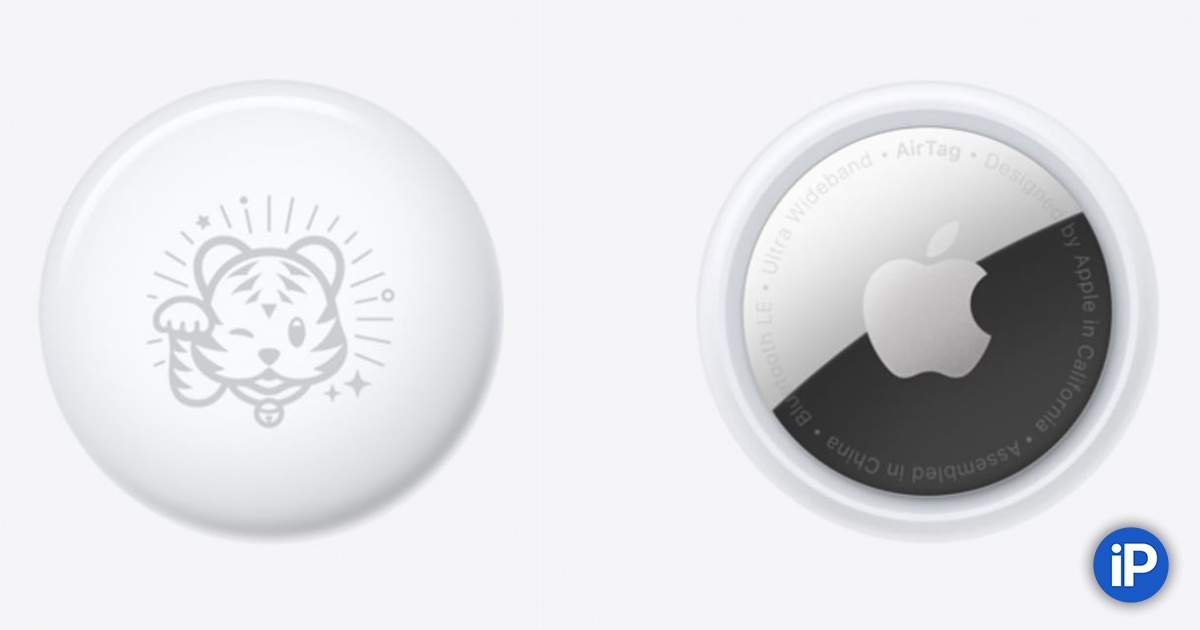
    All the more so if you live in Japan where Apple has just launched a limited edition AirTag that celebrates the Japanese New Year. You can’t get this one from anywhere else in the world, and even if you live in Japan, just the first 20,000 customers who purchase an eligible iPhone will receive a limited edition AirTag.

    The tiger logo on the limited edition AirTag signifies the year of the Tiger in Japan, which will start on January 1, 2022. You’ll have to buy an iPhone 12, iPhone 12 mini, or iPhone SE on January 2 or January 3 to qualify for the limited edition AirTag.

    On top of that, customers buying various Apple products in the first few days of 2022 will receive

  • Aeon plans to expand MaxValu supermarket chain in Vietnam

    Aeon plans to expand MaxValu supermarket chain in Vietnam

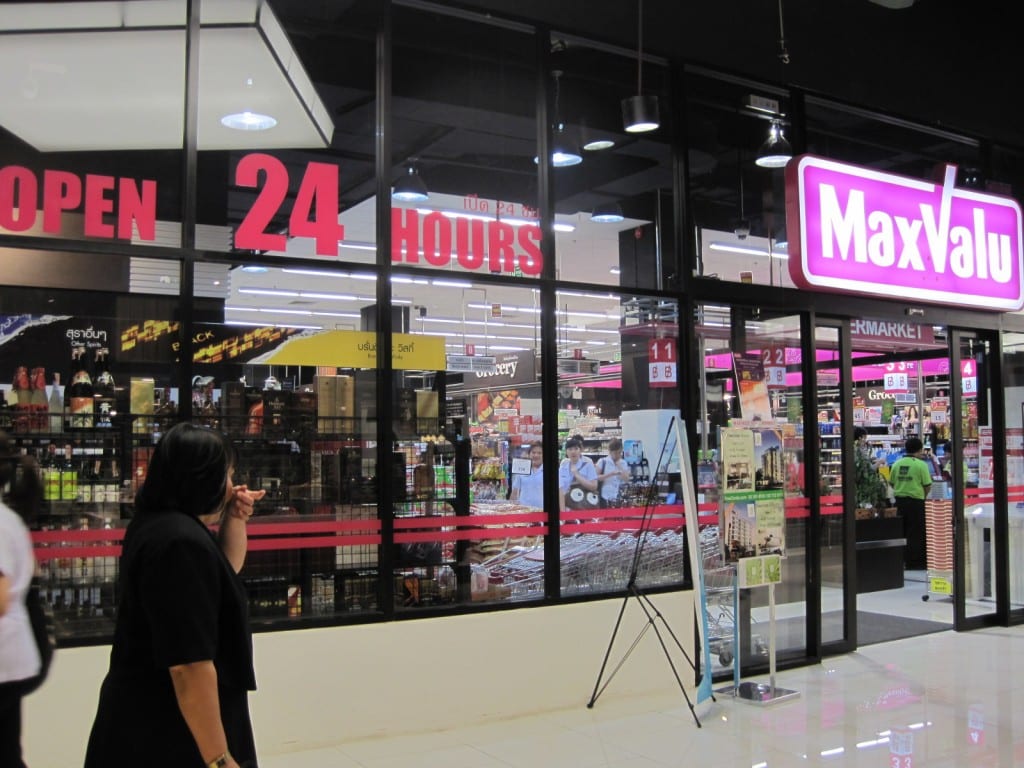
    Japanese retailer Aeon plans to open an additional 100 of its MaxValu supermarkets in Vietnam by 2025 in the context of wet markets suffering difficulties following Covid outbreaks.

    Aeon, which has four MaxValu stores in Hanoi at present, would add bigger stores with 500 sq.m or more as part of its overall expansion strategy.

    “Vietnam is the most important market for our overseas strategy,” it quoted Soichi Okazaki, the executive in charge of the group’s Southeast Asian business, as saying.

    Supermarkets are one part of the Tokyo-listed company’s vision for growth. It plans to increase its shopping centers in Vietnam to 16 locations by 2025 from the current six.

    Aeon, which has invested $1.18 billion in Vietnam, has also said it plans to list shares on the Vietnamese stock market, and facilitate the export of Vietnamese seafood, garments, and other products to Japan.

  • Viettel to get new chairman

    Viettel to get new chairman

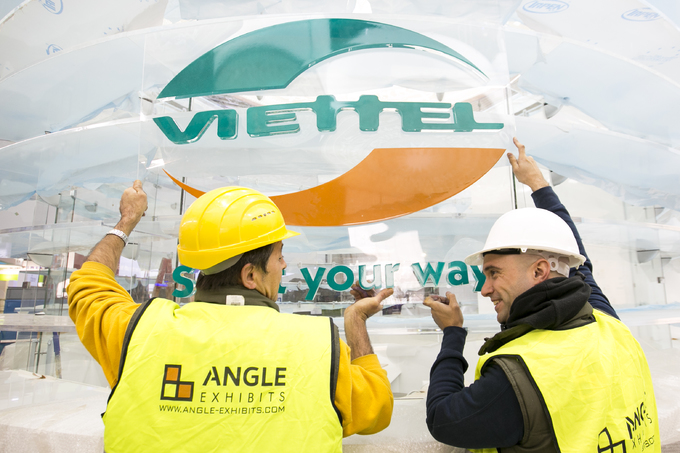
    Colonel Tao Duc Thang is set to take over as chairman and CEO of military-owned telecom giant Viettel from Le Dang Dung, who retires on December 31.

    Thang, 48, who has been the deputy CEO since 2015, has an M.A. in electronics and communications and worked for Hanoi Phone Company and Hanoi Post before joining Viettel in 2005.

    He has held several key positions since, including as CEO and chairman of Viettel Global, which manages the company’s overseas businesses.

    Viettel, the country’s largest telecom company with operations in nine countries in Southeast Asia and Africa, reported pre-tax profits of VND19.9 trillion ($867.2 million) for the first half of 2021, a year-on-year increase of 3.1 percent.

  • Waze users say they are not always being alerted about speed traps

    Waze users say they are not always being alerted about speed traps

    Google Maps is the most popular mapping and navigation app in the U.S. Google also owns Waze which it purchased for a price believed to be in the $1.1 billion to $1.3 billion range. Like Maps, Waze is an app that delivers turn-by-turn directions to help users safely and quickly get from point “A” to point “B.” However, Waze uses information that is crowdsourced to help enhance the data that users receive.

    The information crowdsourced includes police presence, accidents, traffic jams, and more. While Google has taken some features from Waze and added them to Google Maps (such as showing the speed limit on the screen, and the ability to report accidents, and police presence), there are still some major differences between the two apps. Waze’s navigation is mostly suited for cars while Google Maps provides directions for those walking, driving, biking, or taking public transportation.

    In addition, the Waze UI is less detailed than Google Maps as it focuses on the driver experience instead of listing places to go, things to do, and hotels to stay at every destination (which you’ll find on Google Maps). Waze also requires an internet connection while Google Maps will work even if you’re offline. If you drive along rural roads in the U.S. and use Waze, you might want to have Google Maps installed just in case you find yourself in an area without an internet connection.

    Waze users have recently been experiencing inconsistency, especially when dealing with police reports and speed traps. These users say that they are no longer receiving a speed trap alert when they drive toward a location where one was previously reported. While the speed trap does appear on the display as you move closer to it, there is no alert which means that in order to know that a police trap is ahead, the driver has to take his eyes off of the road and put them on the display.The Waze help page includes a question from a Waze user which asks, “I have alerts and notifications selected but I no longer get notified (about police and speed traps) and .. wondering if Waze is no longer allowed to do this? Or is anyone else experiencing this?” A Googler  responded that “People should still be receiving these alerts, we’re not aware of any bugs surrounding this at the moment.”

    He goes on to say, “Do keep in mind that there is a bit of a delay (some minutes) for these to appear. Also, if several people downvote the report when they get it, it becomes more likely that the report will disappear quite quickly. There is also a system that determines how trustworthy reports are from each user. While not too likely, it could always be that someone’s reports don’t actually get shown to other users based on their history.”

    Another thing to consider is that these alerts are directional. A notification alert about a temporary speed trap that you report will most likely not result in a notification for Waze drivers motoring in the opposite direction from you, even though it will be viewable on the app.

    The big issue here is the inconsistency of the feature. One Waze user pointed out that she is hearing the app alert her by saying “police ahead, but only “50% of the time.” Hearing that the odds of receiving an alert about a speed trap before driving into that trap is the same as picking heads or tails is not going to placate Waze users who depend on the app for that early warning so that they can slow down in time and avoid receiving a ticket from their friendly neighborhood police officer.

  • Parent Car Companies That Own Most Car Brands

    Parent Car Companies That Own Most Car Brands

    For instance, automakers shrink to become more profitable and efficient, historic names like Mercury, Oldsmobile, and Pontiac are fading from history. Names like Chrysler, Jaguar, and Volvo are looking for new parent companies outside their home countries. And new companies have sprung up, like Rivian and Tesla.

    Everywhere you look, a seemingly independent company is owned by someone else. Many liked car companies are owned by someone else.

    Car Brand Guide

    List of some car brands and their proprietors:

    1. Acura by Honda Motor Company
    2. Alfa Romeo by Stellantis
    3. Audi by Volkswagen Group
    4. BMW by BMW Group
    5. Bentley by Volkswagen Group
    6. Buick by General Motors
    7. Cadillac by General Motors
    8. Chevrolet by General Motors
    9. Chrysler by Stellantis
    10. Dodge by Stellantis
    11. Fiat by Stellantis
    12. Ford by Ford Motor Co.
    13. GMC by General Motors
    14. Genesis by Hyundai Motor Group
    15. Honda by Honda Motor Co.
    16. Hyundai by Hyundai Motor Group
    17. Infiniti by Renault-Nissan-Mitsubishi Alliance
    18. Jaguar by Tata Motors
    19. Jeep by Stellantis
    20. Kia by Hyundai Motor Group
    21. Land Rover by Tata Motors
    22. Lexus by Toyota Motor Corp.
    23. Lincoln by Ford Motor Co.
    24. Lotus by Zhejiang Geely Holding Group
    25. Lucid by Lucid Motors
    26. Maserati by Stellantis
    27. Mazda by Mazda Motor Corp.
    28. Mercedes-Benz by Daimler AG
    29. Mercury by Ford Motor Co.
    30. Mini by BMW Group
    31. Mitsubishi and Nissan by Renault-Nissan-Mitsubishi Alliance
    32. Polestar by Zhejiang Geely Holding Group
    33. Pontiac by General Motors
    34. Porsche by Volkswagen Group
    35. Ram by Stellantis
    36. Rivian by Rivian Automotive
    37. Rolls-Royce by BMW Group
    38. Saab owned by Saab AB
    39. Saturn by General Motors
    40. Scion by Toyota Motor Corp.
    41. Smart by Daimler AG
    42. Subaru by Subaru Corp.
    43. Suzuki by Suzuki Motor Corp.
    44. Tesla by Tesla Inc.
    45. Toyota by Toyota Motor Corp.
    46. Volkswagen by Volkswagen AG.
    47. Volvo by Zhejiang Geely Holding Group

    Know About Car Brands and their Owners

    BMW

    • Mini Cooper is owned and manufactured by the German luxury car company BMW.
    • The BMW Group has a simple structure, and it owns- BMW, BMW Motorrad, Mini, and Rolls-Royce.

    Volkswagen Group

    • Volkswagen Group, the German car giant, owns many famous car brands.
    • The Volkswagen Group sensibly chooses its car brands as they own some of the best and most recognized car brands globally.
    • It owns- Volkswagen, Audi, Porsche, SEAT,Bentley, Lamborghini, Skoda, Bugatti, MAN, Scania, and Ducati

    Daimler AG

    • Daimlerwas founded in 1899, merged with Benz etCie in 1926 to become the name we know today as DaimlerBenz AG.
    • The famous Mercedes brand has been around since 1900.
    • Daimler AG now controls: Mercedes-Benz, Western Star,  Smart Freightliner, Fuso, Bharat Benz, Setra, and Thomas Built

    General Motors Company

    • William C Durant founded General Motors in 1908, who then owned Buick.
    • It was later acquired from other automakers such as Cadillac and Oldsmobile.
    • This brand used to own many popular models in the US before going bankrupt in 2009, forcing famous brands such as Saturn, Hummer, Pontiac, and Oldsmobile to close.
    • General Motors at present is controlling: Aubobaoijun, Buick, Cadillac, Chevrolet, GMC, Holden, OpelJiefang, and Wuling.

    Hyundai Motor Company

    • In 1947, Hyundai started as a construction company that quickly grew and entered the auto industry in 1967.
    • They first started building a licensed and economical version of the Ford Cortina
    • Hyundai Motor Company, at this time, owns Hyundai, Genesis, and Kia.

    Honda Motor Company

    • Honda Motor Company was established in 1948 by Takeo Fujisawa and Soichiro Honda.
    • In 1963, the company entered the automotive industry officially with an S500 sports car and T360 pickup truck.
    • Honda Motor Company’s headquarter is situated in Tokyo, Japan.
    • The brand currently owns Honda Powersports, Acura and Honda.

    Fiat Chrysler Automobiles (FCA)

    • As Italy’s largest automaker, there’s no contradicting that Fiat has an incredible variety of brands.
    • The Italian automaker can be proud of its offspring with Alfa Romeo, Ferrari, Chrysler, and Lancia among its subsidiaries.

    The Solo Wanderers

    While many companies control other vehicle brands in the automotive sector, some prefer to remain independent and isolated. Among those vehicles are:

    • Suzuki and Mazda mainly flying alone;
    • And Mitsubishi is a singleton.

    It becomes simpler for potential car buyers to see which brands and companies they can trust by knowing the car brands and their parent companies based on their previous knowledge of their vehicles.

  • AirAsia India, SpiceJet make discount offers to spur ticket bookings

    AirAsia India, SpiceJet make discount offers to spur ticket bookings

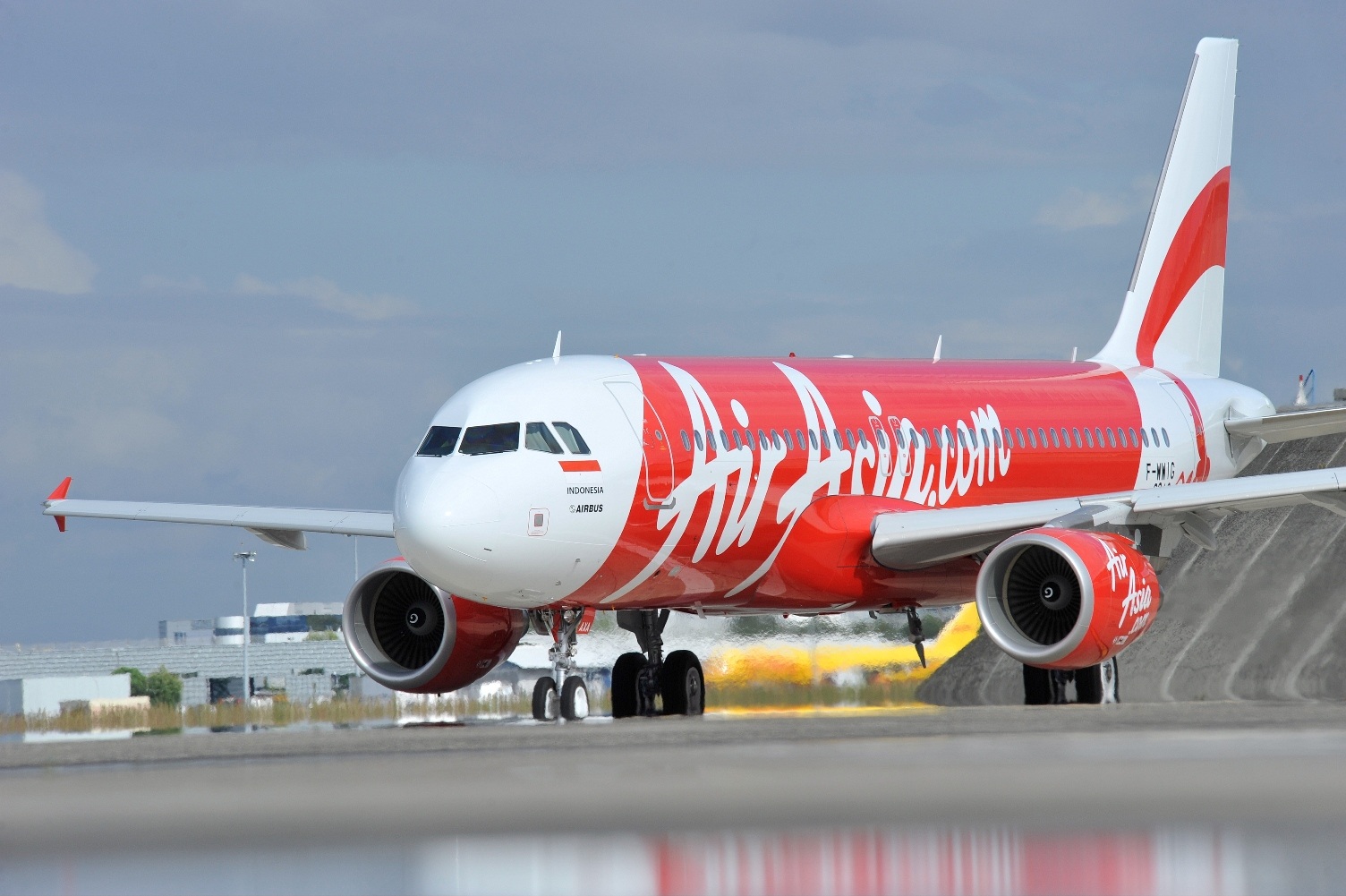
    Domestic airlines AirAsia India and SpiceJet launched disco­unt schemes on Monday, offering tickets upwards of Rs 1,122. Bookings can be made between De­c­ember 27 and 31 and the discount is for tickets between Jan­uary 15 and April 15.

    The move is ex­pe­cted to stimulate forward bookings amid the Omicron scare that has led to increased curbs across states. While travel dem­and in Dec­ember remains str­ong and airlines continue to see around 380,000 daily passeng­ers, forward bookings are looking weak. Additionally, airlines are offering waivers in date change and rescheduling fees to provide better travel flexibility to customers.

    “We have not seen an impact in December but clearly Omicron is a dampener. With rising cases, people are in a wait-and-watch mode,” said a travel industry executive. Generally, airlines launch such offers for travel beginning February or March when demand gets weak, but this time around forwarding bookings are slow given Covid-19 uncertainties, he added.

  • Ericsson, Telstra, and Qualcomm Technologies achieve highest uplink peak rate

    Ericsson, Telstra, and Qualcomm Technologies achieve highest uplink peak rate

    Ericsson, Telstra, and Qualcomm Technologies have achieved the highest uplink peak rate ever recorded on a commercial network during a live demo in Queensland, Australia. Together, they reached an uplink data speed of close to 1Gbps, paving the way for more seamless experiences in use cases such as live video streaming and social media content sharing.

    Using Ericsson’s New Radio-Dual Connectivity (NR-DC) and carrier aggregation software features together with a smartphone form-factor test device powered by Snapdragon® X65 5G Modem-RF System on Telstra’s network, this new uplink speed record marks another significant milestone for the ecosystem collaboration between the three companies.

    The high uplink peak rate was reached by combining the data rates from both mid-band and high band (millimeter wave) to fully utilize Telstra’s spectrum for improved user experience. The demo used Ericsson’s NR-DC software feature with uplink four-component carrier aggregation (UL 4CC CA), in which four contiguous carriers of 100MHz are combined, resulting in higher data speeds.

    Delivering uplink peak rates of close to 1Gbps will enable Telstra to more than double the current uplink throughput in its 5G network. This is particularly important for supporting applications and services that involve uploading vast amounts of data.

    Sibel Tombaz, head of product line 5G RAN, Ericsson, says: “We continue to pursue new and innovative ways of enhancing the end-user impact of 5G. An uplink speed of close to 1Gbps using NR-DC and four-component carrier aggregation is the latest in a series of 5G milestones we have achieved in collaboration with Telstra and Qualcomm Technologies. This means users can enjoy vastly improved experiences from applications where quicker upload time makes a difference.”

    Nikos Katinakis, group executive networks & IT, Telstra, says: “We have a history of world firsts with Ericsson and Qualcomm Technologies. In 2016 we broke the 1Gbps barrier on 4G; in January this year, we set a new download record on 5G, and now we have set a new record in the uplink on a commercial 5G network. It is a testament to the continuous efforts of our team to innovate, and I take pride in how, together, we continue to push the boundaries of what this technology can deliver.”

    Sunil Patil, vice president, 5G product management, Qualcomm Technologies says: “Qualcomm Technologies is pleased to collaborate with Ericsson and Telstra on this 5G dual connectivity and carrier aggregation milestone. By achieving the highest uplink peak rate ever recorded on a commercial network in Queensland, Australia, we’re underscoring our commitment to enabling differentiated 5G experiences across a variety of use cases beyond mobile. Together, we are realizing the full potential of 5G through new breakthroughs that will drive transformative benefits for consumers and enterprises alike.”

    Ericsson, Telstra and Qualcomm Technologies achieved the first on a commercial network in Queensland, Australia with a theoretical maximum uplink speed of 986 Mbps, integrating four-component 100MHz carriers of millimeter-wave, combining with the 100MHz of 3.6GHz spectrum. NR-DC was implemented with n78 and n258.

    The testing was conducted at Telstra’s 5G Innovation Centre (5GIC) using Telstra’s commercial network resulting in a throughput of roughly 1Gbps, more than doubling the current uplink speed on the market. The smartphone form-factor test device powered by Snapdragon X65 was used with Ericsson Radio System’s Baseband 6648 and AIR 6488 for mid-band, which has been widely deployed in Telstra’s network, and Baseband 6648 with the AIR 5322 for high-band.

    Ericsson’s NR-DC software combines 5G frequency ranges below 7.125 GHz (mid-band, Time Division Duplex, TDD) and above 24.25 GHz (high-band TDD) and is now available for commercial deployment. The UL 4CC carrier aggregation software is slated to go commercial globally in the second quarter of 2022.

  • Viettel to get new chairman

    Viettel to get new chairman

    Colonel Tao Duc Thang is set to take over as chairman and CEO of military-owned telecom giant Viettel from Le Dang Dung, who retires on December 31.

    Thang, 48, who has been the deputy CEO since 2015, has an M.A. in electronics and communications and worked for Hanoi Phone Company and Hanoi Post before joining Viettel in 2005.

    He has held several key positions since, including as CEO and chairman of Viettel Global, which manages the company’s overseas businesses.

    Viettel, the country’s largest telecom company with operations in nine countries in Southeast Asia and Africa, reported pre-tax profits of VND19.9 trillion ($867.2 million) for the first half of 2021, a year-on-year increase of 3.1 percent.

  • Samsung Clock app receives update with nice-sized list of changes

    Samsung Clock app receives update with nice-sized list of changes

    Samsung Clock is a pre-installed app found on every Galaxy device. The app features an alarm clock, a stopwatch, and gives you the day and date whether you tap on the widget or open the app. A world clock gives you the current time in major cities around the world along with the weather in these cities,, and there is a countdown timer included as well.

    Samsung has pushed out an update to Samsung Clock. The new version of the app is 12.1.05.15 and the update weighs in at 25.53MB. According to the changelist, the update will allow users to skip only one alarm repetition. In the changelist, Sammy writes “If you press the [Restart] button when the alarm repeat is turned off, the alarm will only be skipped once, and then restarted automatically.”

    The Clock app will now provide the clock function for Bixby Routines (Android 12 or above). The latter uses Artificial Intelligence and Machine Learning to figure out when you want certain features on your phone to appear based on the time of day, the user’s location, and more. For example, if you fall asleep at night without having the phone in the charger, the device will automatically close unnecessary applications and functions to preserve battery life.

    With the update, users can turn the alarm function on or off, or start the timer or smartwatch using Bixby Routines. Select the gradually increase volume option on the alarm ringtone menu and the volume of the alarm will rise gradually over time. The update also adds controls allowing users to snooze at a custom set interval between 1 minute and 60 minutes.

    The update to the Samsung Clock app adds UTC time (Coordinated Universal Time) to both the world clock and the dual-clock widget. This time zone is used by the Canary Islands, most of Portugal, and the western part of Ireland.

    In addition, day/night background colors will be used on both the dual clock and digital clock widget. If the time in a specific country is nighttime, the background of that clock will be black. If it is daytime, the background will be white. In the widget settings select Day and Night Color and the background colors will change based on the time.

    If the Galaxy phone you’re using is running Android 12, select to view the time in analog (as opposed to digital) and a second hand will become visible in the analog clock widget. Another change moves the cancel button on the timer to the left. The same change is made to the cancel button on the stopwatch.

    Lastly, users can change the position of the buttons on the notification screen from the external screen. In other words, the alarm/timer on the external screen indicates that the position of the buttons on the screen has been changed.

    To see if you’ve received the update, open the Play Store and tap your profile picture or first initial in the upper right corner. From there, go to Manage apps & device > Updates available. Tap on Update on the Clock app or Update all to start all possible app upgrades available for your phone.

    To add the Samsung Clock widget to your Samsung Galaxy phone’s screen, follow these four directions:

    1. Touch and hold (long-press) on any empty section of the Home screen.
    2. At the bottom of the screen, you should tap on Widgets.
    3. Touch and hold (long-press) on a clock widget.
    4. You’ll see images of your Home screens. While holding the clock widget you’ve selected, slide it to a Home screen that has enough empty space for the widget.
  • Google Maps bug prevents useful feature from working perfectly

    Google Maps bug prevents useful feature from working perfectly

    Google Maps has a location-sharing feature that allows you to share your location with others. Users can set a time limit that shuts down this peek at your current location after the set time period has been reached. Or, the user can decide to keep this information available by choosing the setting that shares the current location “Until I turn it off.”

    However, it appears that there is a problem, and some Google Maps users on the app’s support page are complaining that they are no longer able to select the “Until I turn it off” option. This bug is preventing Google Maps users from allowing someone to continue to monitor their current location until they turn off the location sharing feature.

    A member of the Google Maps support page, Loes Frank, wrote, “Hi! I am sharing my location for a long time with my parents and brother. Always ‘until I turn it off’ instead of a limited time. For a while I shared my location with my boyfriend without a time limit but it suddenly doesn’t work anymore.”

    Loes continues, “I am still sharing my location with my family without a time limit but with my boyfriend it’s impossible. Also with new people, it’s impossible. How can I fix this?” In other words, she complains that the option to keep sharing her location until she’s done is still showing up on her phone, but it is not working when she presses on it.

    A Google Platinum Product Expert tried to blame the problem on Loes’ lack of verification which he says prevents Google from knowing her age which blocks her from using “features like enabling location history and browsing your Google Timeline. These features are only available for users whose accounts have been verified to meet the minimum age requirements.”

    But the expert was quickly proven wrong when another Google Maps user wrote, “This is happening for me too, no option to verify the account so it’s already verified. On other family members’ phones they can still see the option saying ‘until you turn it off.’ Any ideas, Google?”

    And another post in the Google Maps support page says, “My fiancés’ phone has been sharing locations with me for years and it stays on, on my phone, but every day his location sharing is set to ‘until I turn it off.’ When he gets near his own home maps, location disconnects yet he can see mine when neither one of us touched it.” The location-sharing feature is a handy tool for those who would like to be tracked as they travel just in case a situation arises where they need help.

    Every person complaining about this issue says that Google Maps runs perfectly on their device with the location sharing issue the only problem that they are having with the navigation and mapping app. The problem started earlier this month and this timing has led some to believe that the bug was introduced via a recent software update. Whatever the cause of this issue, it seems to prevent the ‘until I turn it off’ option from working with certain contacts.

    Google continues to work on Maps as it continues the evolution of the app which started as an application tasked with getting users from point “A” to point “B” safely, and in the fastest possible time. Besides additions to the navigation part of the app that warn you of delays, accidents, speed traps, tolls, and speed limits, Google Maps now helps you find places to eat, places to see, hotels where you can stay and famous landmarks to visit once you get to “B.”

  • Microsoft Joins Google, Amazon, Others In Canceling In-Person Presence At CES

    Microsoft Joins Google, Amazon, Others In Canceling In-Person Presence At CES

    Microsoft Corp said on Friday it will not participate in person at the Consumer Electronics Show (CES) 2022 in Las Vegas, joining a list of companies opting not to have a physical presence at next month’s event on concerns over the rapid spread of the Omicron COVID-19 variant.

    The U.S. software giant added that it will continue to participate at CES remotely, according to an emailed statement. The Verge was the first to report on Friday that Microsoft will not participate physically AT CES.

    Several other companies including U.S. automaker General Motors Co, Alphabet Inc.’s Google, and its self-driving auto-technology company Waymo, Facebook parent Meta Platforms Inc, Twitter Inc, Lenovo Group, AT&T Inc, and Amazon.com Inc dropped in-person attendance plans earlier this week.

    CES officials on Thursday said the event will still be held in person Jan. 5-8 with “strong safety measures in place,” which include vaccination requirements, masking and availability of COVID-19 tests.

  • Which Cryptocurrencies Are Best for Gambling Online in Singapore?

    Which Cryptocurrencies Are Best for Gambling Online in Singapore?

    Online casinos have swept through the world like a storm, and Singapore has been no exception. The state has seen a huge influx of online casino sites in recent years, and many of them come with brand-new and exciting features. Even though officially online gambling is banned in Singapore, offshore casinos offer their services to players from the state.

    The best Singapore online betting sites offer plenty of bonuses and promotions, thousands of games, and safe and secure payment methods. While many players ignore the importance of fast payment options, they’re vital for a proper online gambling experience. In recent times, more and more casinos have been jumping on the crypto hype train. And rightfully so. Cryptocurrencies are fast and very easy to use, and considering the number of people that own cryptos in Singapore, it’s no wonder why they’re so popular in casinos.

    Why Are Cryptocurrencies So Popular?

    Unless you’ve been living under a rock, you’ve surely heard about Bitcoin and Ethereum. The two biggest names on the cryptocurrency market, both have soared to incredible heights in 2021. By many accounts, Bitcoin is just as worth, if not more than gold.  This is a big win for cryptocurrencies after the 2017 bubble burst that all but made them obsolete. With financial instability and inflation rampaging traditional markets, people are looking for promising assets to invest in.

    The price of cryptocurrencies is much more volatile than gold or crude oil. That’s a big problem for governments and financial organizations, yet it doesn’t faze investors around the world. Everyone’s willing to invest in Bitcoin instead of trading stocks or investing in bonds or gold. Even people who have never invested money in anything before are pouring money into cryptos now. Bitcoin has infiltrated nearly any aspect of our lives, including gaming online.

    Online casinos have been looking for reliable payment methods with fast transactions for a while. E-wallets were and still are a great option, but they can’t compete with the speed Bitcoin offers. Deposits made with cryptos in online casinos are instant, and so are withdrawals for the most part. Fees are almost non-existent. The blockchain is a piece of technology that’s perfect suitable for the online gambling market, offering fast and safe transactions.

    Cryptocurrencies are not just another payment method in online casinos. They aim to completely revolutionize the market, and so they will in the future. If you’re looking for the best cryptos to play in online casinos, check our list below.

    Bitcoin

    The world’s leading cryptocurrency by market volume and popularity, Bitcoin is the most commonly used crypto. It’s available across all crypto casinos and can easily be bought on legit exchanges such as Binance. Its price is 10 times higher than the second cryptos on the list, Ethereum. Bitcoin is the world’s first cryptocurrency that started the trend. It offers fast deposits and withdrawals and a price over $50,000, which no other crypto will reach anytime soon.

    Of course, the main problem is that it’s highly volatile, but that’s the trade off for the price. Still, it remains a highly popular payment option in online casinos, and that won’t stop anytime soon.

    Ethereum

    Ethereum was first thought of as a Bitcoin killer, but it never really became that. That wasn’t its purpose at all. By ‘fixing’ some of the original Bitcoin mistakes and adding features such as smart contracts, it’s in a league of its own. Currently the second-most valuable cryptocurrency in the world, it’s a very popular crypto to use at the best online casinos in Singapore.

    It’s fast, can be used with ease, and most importantly, many altcoins are built on an ETH network.  The gas (transaction) fees are a bit higher than expected, but if you own a lot of Ether, that shouldn’t be a problem.

    Litecoin

    Another coin that exceeded all expectations, Litecoin is a very popular crypto in Singapore casino sites. Most sites will accept Bitcoin, Ethereum, and Litecoin deposits all in tow, so you’re welcome to use the one you want. The great news is that just like the others, Litecoin is a fantastic option for online casinos.

    It allows instantaneous deposits and withdrawals for much lower fees when compared to Ethereum. If you invested in it years ago, you’re probably reaping the benefits of Litecoin’s record price now.

    Ripple

    Ripple is a cryptocurrency, but also a stablecoin. Stablecoin’s have a 1:1 price ratio with USD, so it’s always worth $1 (with small variations). This is the best crypto to use in Singapore online casinos if you want to use cryptos, but are afraid of the volatility. You can buy XRP for dollar a coin, and connect your wallet to the casino for fast deposits and withdrawals.

    All on the blockchain, of course, so you won’t have to worry about the security.