Author: Mei Ling Tan

  • Vietnam’s Fruit and Vegetable Exports Skyrocket 17.8% in First Half of 2026: A Boom in Durian Trade

    Vietnam’s Fruit and Vegetable Exports Skyrocket 17.8% in First Half of 2026: A Boom in Durian Trade

    In the first half of 2026, Vietnam saw a significant increase of 17.8% in its fruit and vegetable exports, reaching a total of US$3.65 billion. This upward trend was notably reflected in the second quarter, where exports alone generated a revenue of $2.18 billion, as reported by the Ministry of Agriculture and Environment.

    Strong Export Performance and Market Expansion

    The Ministry predicts that the continued growth of fruit and vegetable exports throughout 2026 will have minimal impact on domestic prices, facilitated by a steady demand from international markets and abundant local supply. Durian, one of Vietnam’s leading fruit exports, is currently shipped to 28 global markets and has yielded nearly $562 million within the first five months of 2026. This represents a notable increase of 46% compared to the previous year.

    Vietnam currently possesses approximately 192,000 hectares dedicated to durian farming. The Crop Production and Plant Protection Department anticipates that durian output will surge from 1.8 million tonnes in 2025 to around 2-2.1 million tonnes this year. Additional exports, including lychees and coconuts, have also experienced double-digit growth due to robust demand from major markets such as China, the U.S., and South Korea.

    Nguyen Quoc Manh, the deputy director of the department, highlighted China as Vietnam’s primary market for fruit and vegetable exports. The country has witnessed an annual growth of approximately 65-70% in shipments to China over recent years. To reduce reliance on one market, the Ministry is working to secure access to more fruits within high-value markets like the U.S., Japan, South Korea, and Australia.

    The Future of Vietnam’s Fruit and Vegetable Industry

    Manh emphasized that Vietnam’s fruit and vegetable industry has been transitioning towards a different growth model. The focus is now on enhancing the quality of produce, increasing its value, and driving sustainable development, as the capacity for further cultivation expansion is restricted. Strict quality and food safety standards imposed by high-value markets such as the European Union and China present significant challenges for the industry.

    In addition, producers face mounting pressure from increasing input costs brought about by global economic and geopolitical uncertainties. Manh shared that over the coming five years, the ministry intends to amplify research and breeding of fruit and vegetable varieties that align with domestic production capabilities and market demand. This will include promoting deep processing, expanding export markets, and implementing a low-emission crop production strategy for 2025-2035. The aim is to foster a greener, more competitive, and sustainable fruit and vegetable industry that can boost farmers’ incomes.

    Questions & Answers

    What led to the significant increase in Vietnam’s fruit and vegetable exports in 2026?
    The increase was driven by an abundant supply of produce, stable market demand, a notable surge in durian exports, and double-digit growth in lychees and coconuts exports.

    What challenges does Vietnam’s fruit and vegetable industry face?
    The industry faces challenges imposed by strict quality and food safety standards in high-value markets, and increasing input costs due to global economic and geopolitical uncertainties.

    What measures is the Ministry taking to sustain the growth of Vietnam’s fruit and vegetable industry?
    The Ministry plans to increase research and breeding of suitable fruit and vegetable varieties, promote deep processing, expand export markets, and implement a low-emission crop production strategy to drive a greener and more sustainable industry.

  • Thailand Auto Industry Braces as Car Exports Skid amid Middle East Tensions and EV Competition

    Thailand Auto Industry Braces as Car Exports Skid amid Middle East Tensions and EV Competition

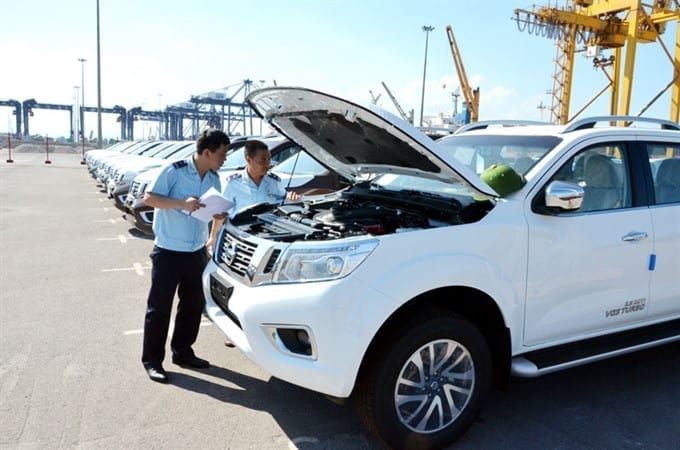
    In May, Thailand’s automotive industry experienced a sharp decline in vehicle production, which fell 17.94% year-on-year to 114,214 units. The slump was primarily due to decreased exports amidst political tensions in the Middle East and reduced demand in key markets. Consequently, the combined production for the first five months of the year fell by 1.13% to 587,759 units, as reported by the Federation of Thai Industries.

    Factors Influencing the Decline

    According to Surapong Paisitpattanapong, an advisor to the federation’s Automotive Industry Club chairperson, production for exports decreased by a staggering 36.20% in May. Completely built-up (CBU) vehicles saw a significant drop, down 26.69% year-on-year to 59,434 units in the same month.

    The federation identified two major contributors to this downturn. The first was the political instability in the Middle East, which resulted in a 66.14% plunge in exports due to the conflict between the U.S. and Iran. The second was the Australian and Oceania market, where exports slipped 37.18% due to stricter carbon control regulations and increased competition from Chinese electric vehicles. Consequently, exports of CBUs fell 24.36% year-on-year to 41.72 billion baht (approximately US$1.28 billion) in May.

    Growth in Domestic Sales and Electric Vehicles

    Contrary to the declining exports, domestic vehicle sales in Thailand increased by 10.6% year-on-year to 57,765 units in May. This was majorly driven by the increasing popularity of battery electric vehicles (BEVs). Electric passenger car sales surged by 61.19% to 18,034 units as consumers sought to mitigate higher fuel costs.

    Over 150 billion baht was invested in the industry in the first five months of the year. Government economic stimulus measures also helped to increase confidence. However, growth in the pickup truck market, a significant segment of Thailand’s automotive industry, was minimal at 0.21%.

    Despite mixed production figures, Thailand’s EV industry remained optimistic. New registrations for BEVs hit 21,619 units in May, marking an increase of 55.14%. The total registered BEVs in Thailand reached 468,757 units as of May 31. Meanwhile, motorcycle production also saw an uptick in May, growing 9.67% year-on-year to 230,691 units.

    Questions & Answers

    What led to the decline in vehicle production in Thailand?
    The reduction was primarily due to a decrease in exports, fuelled by geopolitical tension in the Middle East and lower demand in major markets.

    Which segment of the automotive industry in Thailand saw an increase despite the overall decline?
    Domestic sales and the electric vehicle segment experienced growth, with the latter seeing new registrations rise to 21,619 units in May.

    What is the outlook for the electric vehicle industry in Thailand?
    Despite mixed production numbers, the electric vehicle industry in Thailand is showing positive signs of growth, with increasing new registrations and consumer interest.

  • Vietnam’s Gold Prices Soar Amid Global Bullion Rally and Softened US Jobs Data

    Vietnam’s Gold Prices Soar Amid Global Bullion Rally and Softened US Jobs Data

    On Friday morning, gold prices in Vietnam saw a significant rise, in sync with the worldwide increase in gold rates, marking the first weekly gain in the past five weeks. The key driver behind this surge was the gold bar price offered by Saigon Jewelry Company, which saw a leap of 2.02%, equating to VND151.4 million (US$5,756.11) per tael. For context, a tael is equivalent to either 37.5 grams or 1.2 ounces.

    Over the course of the week, local gold rates have climbed by 1.9%, putting them roughly VND18 million per tael above global rates. This trend was mirrored by the price of gold rings, which increased by 2.02%, bringing it to VND151.3 million per tael on Friday.

    Global Gold Prices on the Rise

    On the global stage, Friday saw an increase of more than 1% in gold prices, setting the stage for the first weekly gain in the past five weeks. This shift has been attributed to a recalibration of investor expectations in light of less than anticipated U.S. employment figures, leading to a decrease in anticipations of Federal Reserve interest rate hikes.

    Spot gold saw an increase of 1.4%, taking it to $4,179.94 per ounce, its highest value since June 23. Additionally, U.S. gold futures for August delivery saw a rise of 1.6%, bringing it to $4,193.20.

    According to Kelvin Wong, a senior market analyst at OANDA, despite this uptick in gold prices, there has not been a complete revocation of rate hike pricing. He predicts that by the end of the year, there may still be another phase of potential gold weakness, with prices possibly reaching the $3,500/oz level.

    Central Banks Resume Gold Purchases

    The World Gold Council has reported that there has been a resumption of gold purchases by central banks. As per the most recent data, official gold reserves saw a net increase of 41 tons in May.

    Questions & Answers

    What factors led to the rise in gold prices in Vietnam?
    The rise in gold prices in Vietnam was driven by the gold bar price offered by the Saigon Jewelry Company and the increase in the global gold rate.

    What is the anticipated impact of the U.S. employment figures on gold rates?
    The less than expected U.S. employment figures have led to a reduction in expectations of Federal Reserve interest rate hikes, contributing to the rise in gold prices.

    What is the projected future trend for gold prices as per the senior market analyst at OANDA?
    Despite the recent increase in gold prices, Kelvin Wong predicts a potential phase of gold weakness towards the end of the year, with prices potentially reaching the $3,500/oz level.

  • Electronics Retail Giant Dien May Xanh Soars with $505m IPO in Vietnams Largest Market Listing in Two Years

    Electronics Retail Giant Dien May Xanh Soars with $505m IPO in Vietnams Largest Market Listing in Two Years

    Mobile World Investment Corporation, a renowned retail conglomerate in Vietnam, recently made a significant move in the business world by separating its electronics retail chain, Dien May Xanh, through an initial public offering (IPO) valued at US$505 million. This event has been one of the most substantial stock market listings in Vietnam over the past couple of years.

    According to internal documents from the company, investors showed substantial interest in the offering, with registrations to buy around 166 million shares. These shares accounted for 92.5 percent of the total 179.5 million shares available, effectively raising around 13.29 trillion dong (equivalent to US$505 million).

    Implications of the IPO

    This development was not unexpected as Dien May Xanh had earlier, in May, expressed its intent to raise approximately US$546 million. This fund-raising was to be accomplished by selling 179.5 million shares at a fixed price – 80,000 dong a share. The raised funds are targeted towards fueling the next phase of the company’s growth and solidifying its place in Vietnam’s consumer electronics market.

    It is expected that Dien May Xanh will make its debut appearance on the Ho Chi Minh Stock Exchange in the first week of August.

    As one of Mobile World Investment Corporation’s key business arms, Dien May Xanh is one of the largest electronics retailers in Vietnam. Its nationwide network comprises stores selling a wide range of consumer technology products, including smartphones, televisions, and home appliances.

    The company has set ambitious financial goals for the next decade. It aims to achieve a compound annual revenue growth of 11 percent and an annual net profit growth of 16 percent through to 2030, as it further broadens its market reach.

    Questions & Answers

    What is the significance of Dien May Xanh’s IPO?
    The IPO is a strategic move by the company to raise funds for its next growth phase and to bolster its position in Vietnam’s consumer electronics market.

    When is Dien May Xanh expected to join the Ho Chi Minh Stock Exchange?
    Dien May Xanh is expected to make its debut on the Ho Chi Minh Stock Exchange in the first week of August.

    What financial targets has the company set for the next decade?
    The company aims for a compound annual revenue growth of 11 percent and an annual net profit growth of 16 percent through 2030.

  • EU Imposes New €3 Duty on Chinese E-commerce Imports, Shaking up Online Retail Giants

    EU Imposes New €3 Duty on Chinese E-commerce Imports, Shaking up Online Retail Giants

    As part of its agenda to curb perceived unfair competition from online retailers like Shein, Temu, and AliExpress, Europe has initiated a €3 charge on low-value e-commerce imports from China that were previously duty-free. This move constitutes a significant challenge for platforms which leveraged customs exemptions in order to offer goods at extremely competitive rates, driving fast-paced growth. The new charges, effective since Wednesday, apply to each customs classification within a shipment. For instance, the total fee for a shipment with three different item categories would be €9, while a single-category shipment, such as multiple dresses or toys, will cost €3.

    Duty Exemptions and e-Commerce

    Duty exemptions for low-value imports have been a norm for many years, with the current threshold of €150 introduced in 2008. However, the surge in the number of e-commerce parcels entering the European Union under exemption rules has led to a rethink. The number of such parcels increased from 1.4 billion in 2022 to 5.8 billion by 2025. Dirk Gotink, an EU lawmaker spearheading customs reform in the European Parliament, argued that these exemptions were manipulated on an industrial scale to secure a competitive edge at the expense of EU businesses. He stated that the old trading world, which justified these exemptions, has been upended by the rise of e-commerce, particularly from China.

    Impact on Air Cargo and Consumer Prices

    In the aftermath of this decision, experts predict that e-commerce air cargo volumes to the EU could decrease by 10% to 35%. This could have wider repercussions on global air cargo volumes. Online platforms may also pressurize suppliers to offset some of the additional costs to avoid significant price hikes for consumers and maintain profitability.

    The €3 charge is a temporary measure, slated to be replaced by category-specific duties from July 1, 2028, in accordance with the new EU Customs Authority’s operational timeline. Consumer prices are likely to increase as platforms pass on some of the additional costs to buyers. Amazon, after its rival platforms Temu and Shein’s rapid growth, has argued that 97% of its EU shipments last year were delivered from warehouses within the bloc.

    Questions & Answers

    What is the new charge imposed by Europe on low-value e-commerce imports from China?
    A €3 fee has been imposed on each customs classification within a shipment of low-value e-commerce imports from China.

    What was the reason behind the implementation of this new charge?
    The charge is designed to curb what Europe perceives as unfair competition from online retailers who leveraged customs exemptions to offer goods at extremely low prices.

    How might this charge impact consumers?
    With the imposition of this charge, consumer prices are likely to increase as platforms pass on some or all of the additional costs to buyers.

  • OCE Debuts in Bangkok: Nordic Brand Spreads Wings in Thai Retail Market

    OCE Debuts in Bangkok: Nordic Brand Spreads Wings in Thai Retail Market

    OCE, a lifestyle brand inspired by Nordic culture, has launched its first retail location in Thailand, marking another stride in its ongoing global expansion efforts. The brand, originally based in Guangzhou, set up shop in Bangkok’s Central Chaengwattana shopping centre, introducing the Thai market to its “Nordic laid-back aesthetics”. Customers are offered a diverse selection of over 2000 unique products to choose from within the store.

    A Positive Outlook on Thai Retail Market

    Kenneth Tng, the International Leasing Head at Central Pattana, the parent company of the shopping centre, expressed optimism about OCE’s new venture. He stated that the store’s launch underscored the growing vitality and appeal of Thailand’s retail sector.

    “It’s a privilege for Central Pattana to be chosen as a collaborator for such a pivotal moment in OCE’s worldwide growth,” Tng added. He further stated that the new concept was unveiled at Central Changwattana on June 19.

    Tng reassured that Central Pattana will persist in its commitment to deliver innovative, fresh, and globally pertinent retail experiences to its clientele. The company also plans to continue supporting international brands, like OCE, making their entry and expansion in the Thai market.

    OCE has a strong presence in Mainland China, operating over 50 stores, primarily in the major cities. Last year, the brand extended its reach to Europe with a flagship store opening in Copenhagen, Denmark, and also made its debut in Malaysia with a store launch in Kuala Lumpur.

    Questions & Answers

    What is OCE’s brand inspiration?
    OCE takes inspiration from Nordic culture to create its unique, laid-back aesthetic.

    Where is OCE’s first store in Thailand located?
    OCE’s first Thai store is positioned in Central Chaengwattana shopping centre in Bangkok.

    Does OCE have a presence outside of Asia?
    Yes, OCE expanded its reach beyond Asia in 2020 with the opening of its European flagship store in Copenhagen, Denmark.

  • DBS Leads Singapore Banks in $1B Synthetic Securitization Deal: Unveiling a New Era of Corporate Lending

    DBS Leads Singapore Banks in $1B Synthetic Securitization Deal: Unveiling a New Era of Corporate Lending

    DBS Group, the largest bank in Southeast Asia in terms of assets, recently completed a pioneering synthetic securitization transaction. This transaction, which is tied to a corporate loan portfolio worth $1 billion, marks the first of its kind to be carried out by a Singaporean bank.

    A New Approach to Risk Management

    The transaction, known in the financial sector as a significant risk transfer transaction, provides an opportunity for investors to shoulder a portion of the loan portfolio’s credit risk. This was confirmed in a statement released by DBS on Tuesday. DBS retains and services the loans, but this new approach reduces the amount of regulatory capital that the bank is required to hold against them.

    This innovative transaction is expected to assist DBS in managing its capital more efficiently. It is also intended to bolster client financing as the bank continues to grow its presence across Southeast Asia.

    According to DBS, the deal also sets a precedent for future transactions of a similar nature. The bank plans to selectively undertake more such transactions in the future.

    Maintaining a Robust Balance Sheet

    Philip Fernandez, the Group Corporate Treasurer at DBS, expressed that this new approach would facilitate the bank in maintaining a strong balance sheet while simultaneously pursuing growth opportunities. DBS also confirmed that its capital ratios are comfortably exceeding regulatory requirements.

    Questions & Answers

    What is a synthetic securitization transaction?
    A synthetic securitization transaction, also known as a significant risk transfer transaction, allows investors to assume part of the credit risk of a loan portfolio.

    How does this transaction benefit DBS?
    The transaction assists the bank in managing capital more efficiently, supports more client financing, and reduces the regulatory capital DBS must hold against the loans.

    What does this transaction mean for the future of DBS?
    The successful completion of this transaction paves the way for DBS to selectively perform more of these transactions in the future. It also indicates the bank’s commitment to maintaining a strong balance sheet while seeking out growth opportunities.

  • Manila’s Record-Breaking 12% Minimum Wage Boost Benefits Over a Million Workers

    Manila’s Record-Breaking 12% Minimum Wage Boost Benefits Over a Million Workers

    The Philippine government has sanctioned an unprecedented 12% increase in the daily minimum wage for Metro Manila, providing an additional 85 pesos (US$1.4) in two separate instalments beginning later this month. This decision is set to impact over 1.1 million minimum wage workers in Metro Manila with the largest single wage adjustment ever made in the capital region.

    Increased Wages and Phased Approach

    The wage hike will be implemented in two parts, with an initial 60 pesos increase on July 19, and a follow-up rise of 25 pesos on January 20, 2027. Once both increases have been fully enacted, non-agriculture workers will earn a daily minimum wage of 780 pesos (US$12.73). The hike also extends to other sectors, with workers in agriculture, service and retail establishments employing 15 or fewer staff, and manufacturing companies with fewer than 10 workers experiencing a 13% increase to their daily minimum wage, reaching 743 pesos.

    The adjustment comes at a time when the price of fuel and basic goods in the Philippines have surged since March, due to the conflict between the U.S. and Iran. This has consequently escalated inflation and diminished consumer purchasing power.

    Inflation in the Southeast Asian nation decreased to 6.8% in May from a three-year peak of 7.2% in April, though it still considerably surpasses the central bank’s maximum target of 4%.

    Metro Manila: Highest Minimum Wage in the Country

    Metro Manila, which is composed of 16 cities, currently holds the record for the country’s highest legislated daily minimum wage. According to research, the living wage for an average family of five in the capital region is 1,289 pesos.

    John Paolo Rivera, a senior research associate at the government-operated Philippine Institute for Development Studies, has expressed that the wage increase will provide “meaningful relief” to workers by “boosting purchasing power in a high-inflation environment and facilitating household consumption.” However, he also cautioned that it could elevate costs for small and medium-sized businesses, which may respond by increasing prices or slowing recruitment.

    “The overall effect will hinge on the adaptability of firms and whether productivity improvements accompany higher wages,” he stated. The Trade Union Congress of the Philippines, however, has criticized the two-part implementation and characterized the increase as “grossly inadequate considering the erosion of workers’ purchasing power.”

    Questions & Answers

    What is the new minimum wage for Metro Manila?
    The new minimum wage for non-agriculture workers in Metro Manila will be 780 pesos (US$12.73) once both increases have been fully implemented.

    When will the wage increase take effect?
    The wage increase will be implemented in two stages, with the first increase of 60 pesos starting on July 19, and the second increase of 25 pesos on January 20, 2027.

    What are the potential impacts of this wage increase?
    While the wage hike is expected to provide “meaningful relief” to workers by boosting purchasing power in a high-inflation environment, it may also raise costs for small and medium-sized enterprises, potentially leading to higher prices or slower hiring.

  • Swiss Banking Giant Sygnum Expands Reach in Europe with New Micar Licence

    Swiss Banking Giant Sygnum Expands Reach in Europe with New Micar Licence

    Swiss digital asset banking conglomerate, Sygnum, is amplifying its expansion efforts throughout Europe following the procurement of a Markets in Crypto-Assets (MiCA) license for its Liechtenstein-based subsidiary. This approval paves the way for the firm to engage directly with clients across the European Union and European Economic Area, marking a significant development in its global expansion agenda.

    The granting of the license arrives as the EU’s MiCA transition phase winds down, permitting Sygnum Europe to operate under the bloc’s standardized cryptocurrency regulatory framework. With its robust banking infrastructure spanning Switzerland, Singapore, and the Middle East, the firm seeks to broaden its client base among wealthy individuals, institutional investors, and financial institutions throughout Europe.

    Banking Platform at the Forefront

    Sygnum differentiates itself from other recently licensed crypto service providers by integrating its MiCA license with a well-grounded banking platform, institutional-quality custody and digital asset investment products, and an immediately deployable Bank-to-Bank infrastructure.

    Simon Schneider, the Chief Executive of Sygnum Europe, emphasized that the blending of traditional and digital finance makes trust Europe’s most precious asset. He further stated that having direct access to the European market would enable the firm to offer its regulated digital asset services to a wider range of clientele.

    Concentration on Private Wealth and Institutions

    Sygnum is primarily targeting Europe’s burgeoning pool of ultra-wealthy individuals open to investing in digital assets. Clients will have the opportunity to trade cryptocurrencies, including Bitcoin, through integrated accounts, all under the protection of regulated institutional custody. They will also have access to products like the Sygnum Crypto Yield Fund.

    Sygnum is also keen on capturing the interest of institutional investors. The firm plans to offer its off-exchange custody platform, Protect, to hedge funds, asset managers, and proprietary trading firms. The platform’s design, which disassociates custody from trading locales, aims to diminish the counterparty risks linked with cryptocurrency exchanges.

    Sygnum also identifies a significant opportunity in catering to Europe’s banking sector. The company highlights that the majority of the continent’s approximately 5,000 banks have not yet integrated digital asset services due to the stringent infrastructure and regulatory prerequisites.

    Through its Bank-to-Bank platform, Sygnum empowers financial institutions to roll out regulated digital asset offerings more swiftly, while cutting down on execution costs and operational intricacy. The company currently offers digital asset capabilities through over 25 partner banks, reaching over a third of Switzerland’s population. By 2027, it expects to be one of Europe’s largest regulated Bank-to-Bank digital asset networks by client reach.

    As part of its European growth strategy, Sygnum continues to invest in artificial intelligence. The bank was the first regulated Swiss bank to carry out live AI-facilitated digital asset transactions using a human-supervised approach that blends AI with human oversight.

    Questions & Answers

    What is the significance of Sygnum acquiring a Markets in Crypto-Assets license?
    Securing the MiCA license enables Sygnum to operate directly with clients across the European Union and European Economic Area, marking a key milestone in its global expansion plans.

    What services will Sygnum provide to its targeted clientele in Europe?
    Sygnum aims to offer its regulated digital asset services, including a well-established banking platform, institutional-quality custody, digital asset investment products, and an immediately deployable Bank-to-Bank infrastructure.

    What strategy does Sygnum plan to implement to capture the interest of institutional investors?
    The firm plans to offer its off-exchange custody platform, Protect, to hedge funds, asset managers, and proprietary trading firms. This platform, designed to separate custody from trading locales, seeks to reduce counterparty risks associated with cryptocurrency exchanges.

  • Chat with Your Inbox: Googles New Gmail Live Feature Set to Revolutionize Email Search

    Chat with Your Inbox: Googles New Gmail Live Feature Set to Revolutionize Email Search

    Google is currently in the process of testing a new feature for both iOS and Android known as Gmail Live. This innovative feature will allow users to engage in a conversational interaction with the Gmail application, particularly when seeking information from a specific email. This function is particularly beneficial for users like myself who have hundreds of emails crowding their Gmail inbox, providing a more efficient method to retrieve information rather than manually searching through the inbox.

    Understanding the Gmail Live Feature

    Upon opening the Gmail application and tapping the search bar, an option labeled “Ask Gmail” will be visible. This option represents the text version of the new feature wherein users can type in a natural language query and receive an AI Overview in response. If a user prefers to utilize voice commands, they can do so by tapping an icon situated within the search bar which resembles the Gemini Live icon, distinguished by a sound wave and a sparkle.

    Tapping this icon will present a full-page user interface (still in the testing phase), similar to Gemini Live, providing examples of prompts that can be used. For instance, if a user wishes to check the status of orders placed with Amazon, they could ask, “What are the updates on my latest orders?” This question is then transcribed on the screen and is subsequently answered after Gmail Live processes the question. The response is simultaneously displayed on the screen and read aloud.

    The Future of Gmail Live

    The Gmail Live feature, which is currently under testing for both Android and iOS, is set to be launched later this summer for Google AI Pro and Ultra subscribers. Subscribers to these Google AI services will discover the ability to interact with Gmail in a conversational manner.

    Google AI Pro is priced at $19.99 per month and is crafted for power users without the high costs associated with an enterprise subscription. It includes YouTube Premium Lite, 5TB of storage, and a $10 monthly credit for Google Cloud. Google AI Ultra, on the other hand, is priced between $99.99 to $199.99 per month, providing 20TB of storage, a full YouTube Premium subscription, and a $40 monthly Google Cloud credit.

    Questions & Answers

    What is the new feature that Google is testing?
    Google is testing a feature called Gmail Live which allows users to interact with the Gmail application in a conversational manner.

    How does the Gmail Live feature work?
    Users can either type a natural language query or use voice commands to ask Gmail a question. The question is processed, and an answer is provided both visually on the screen and audibly.

    Who can access the Gmail Live feature?
    The Gmail Live feature will be made available to Google AI Pro and Ultra subscribers.

  • Gojek Co-Founder Sentenced to Decade Behind Bars, Stirs Investor Anxiety Amid Corruption Scandal

    Gojek Co-Founder Sentenced to Decade Behind Bars, Stirs Investor Anxiety Amid Corruption Scandal

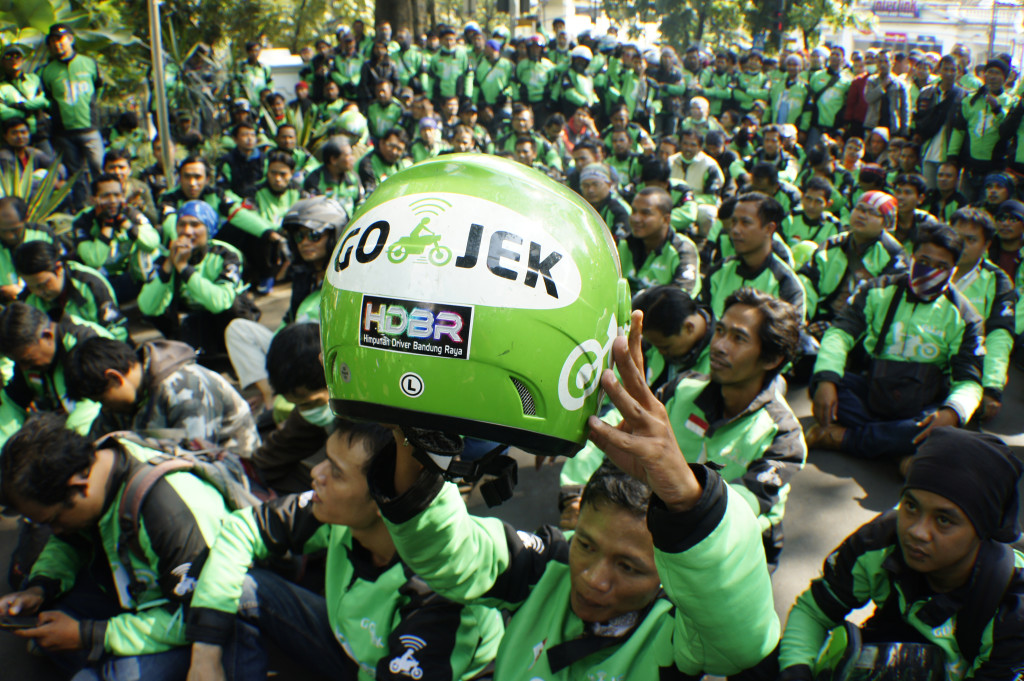
    Nadiem Makarim, a co-founder of tech giant Gojek and former education minister, has been found guilty of some charges in a corruption case by an Indonesian court and sentenced to ten years in prison. Makarim, aged 41, has contested the charges, declaring that the case against him is politically driven, an opinion that has garnered support from scholars and rights activists.

    The Potential Impact on Investor Confidence

    This verdict could potentially further weaken investor confidence in Indonesia. The nation’s currency, the rupiah, and stocks have seen a downturn this year following cuts to projections by credit rating agencies due to erratic policy decisions and governance worries. Additionally, the index provider MSCI is considering downgrading Southeast Asia’s largest economy due to concerns over market transparency.

    Makarim was accused of profiting from the government’s decision to purchase Google Chromebook laptops for Indonesian schools during his tenure as education minister from 2019 to 2024 under the former administration of Joko Widodo. This decision allegedly resulted in state losses amounting to US$125 million.

    Details of the Verdict

    Delivering the ruling at Indonesia’s Corruption Court in Jakarta, Chief Judge Purwanto Abdullah declared that a panel of judges had found Makarim guilty of misusing his authority and causing state losses. However, Makarim was acquitted of the charge of directly seeking personal enrichment.

    Makarim was ordered to pay a fine of 1 billion rupiah and return over 800 billion rupiah (US$45 million), an amount the judges determined was personal gain from the deal. Failure to return the money would add an additional five years to his prison term, the judges said.

    Surrounded by his family and friends, a tearful Makarim expressed his intention to appeal the verdict. He claimed the facts supporting the sentence were unreasonable, adding that he couldn’t meet the payment amount ordered by the court.

    Prosecutors alleged that Gojek’s parent company’s investment from Google influenced the procurement decision. They also claimed that Makarim created tender specifications that only matched the Chrome system, making Google the sole controller of the educational environment in Indonesia.

    Google, however, wasn’t indicted. Makarim has refuted these allegations, stating there was no personal enrichment, and the investment from Google in Gojek’s parent company had no relation to the procurement.

    Questions & Answers

    What were the charges against Nadiem Makarim?
    Makarim, former education minister and co-founder of Gojek, was found guilty of abusing his authority and causing state losses.

    What are the potential ramifications of this ruling on Indonesia’s economy?
    This ruling may further weaken investor confidence in Indonesia, exacerbating existing concerns over unpredictable policymaking, governance issues, and market transparency.

    What was the penalty imposed on Makarim by the court?
    Makarim was sentenced to ten years in prison and ordered to pay a 1 billion rupiah fine. He was also directed to return over 800 billion rupiah, an amount the judges said he personally gained from the deal.

  • Miniso Initiates $255M Share Buyback Plan Aiming for Steady Returns Amid Rapid Growth: Founders Stake Boost Imminent

    Miniso Initiates $255M Share Buyback Plan Aiming for Steady Returns Amid Rapid Growth: Founders Stake Boost Imminent

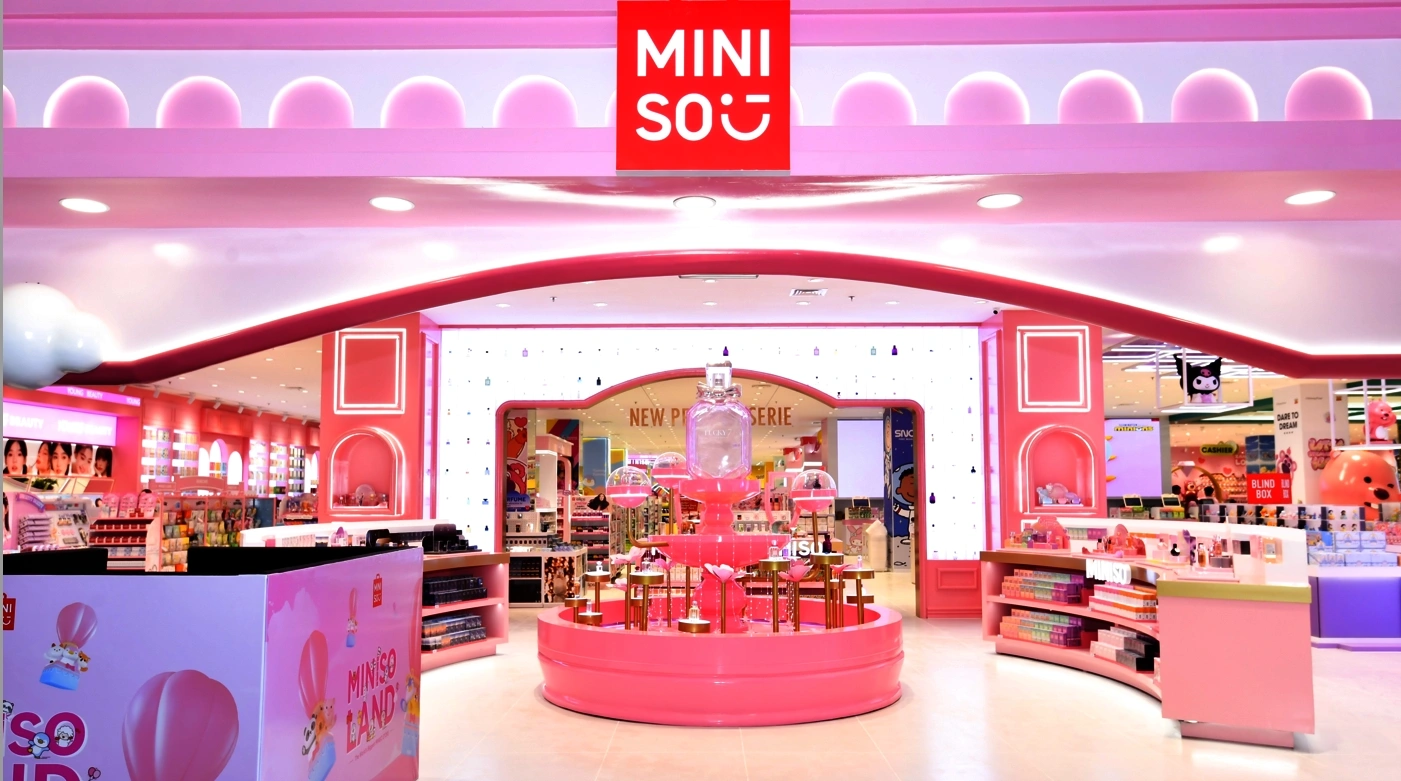
    Retail giant Miniso has unveiled a HK$2 billion (approximately US$255 million) share buyback initiative. This strategic move comes several months after Guofu Ye, Miniso’s founder, chairman and CEO, vowed to augment his personal stake in the company. The 12-month scheme, which became effective as of June 30, allows the company to buy up to HK$2 billion worth of its standard shares and American depositary shares (ADSs).

    Funding and Confidence in Growth

    The funding for this repurchase program will come from the company’s surplus cash reserves. The company’s board believes this decision mirrors their confidence in Miniso’s long-term growth. They also believe that the current share price does not adequately represent the company’s true worth.

    This new buyback scheme follows a previous one in which approximately HK$1.37 billion worth of shares and ADSs were reacquired by the company. The main objective of this most recent initiative is to balance the group’s quick expansion with consistent and reliable returns for shareholders.

    CEO’s Confidence in Continued Growth

    This new repurchase program closely follows Ye’s April pledge to increase his shareholding by purchasing at least HK$50 million worth of Miniso shares over a one-year period using his personal finances. At that point, Ye had ownership of approximately 63.7% of the company’s shares. He stated that his planned purchase was an indication of his faith in the ongoing growth of the retailer.

    Questions & Answers

    What is the main goal of Miniso’s new share repurchase program?
    The program aims to balance the company’s rapid growth with stable, predictable returns for its shareholders.

    How is Miniso funding its share buyback program?
    The funds for the repurchase program will come from the company’s surplus cash on its balance sheet.

    What led to the launch of this new share repurchase program?
    This decision followed a pledge made in April by Miniso’s CEO, Guofu Ye, to increase his personal shareholding in the company. This new initiative reflects the company’s confidence in its long-term growth and its belief that the current share price does not fully represent its intrinsic value.

  • Revamped Pokémon Center Singapore Unveils Cultural Heritage-Inspired Store and Exclusive Merchandise

    Revamped Pokémon Center Singapore Unveils Cultural Heritage-Inspired Store and Exclusive Merchandise

    After a three-month refurbishment, Pokémon Center Singapore celebrated its reopening at Jewel Changi Airport, presenting a fresh store design influenced by Singapore’s rich cultural heritage and an array of exclusive new merchandise. The updated store boasts unique interiors inspired by traditional local architecture and features a variety of themed spaces, such as a food court-inspired zone and an ocean-themed event section.

    Revitalizing Pokémon Center Singapore with New Symbol and Exclusive Products

    In addition to its fresh new look, the store has adopted Solgaleo as its new emblem Pokémon. The iconic Legendary Pokémon now graces the official logo and stands proudly at the entrance, accompanying Pikachu.

    The Pokémon Center Singapore, strategically placed at Jewel Changi Airport, continues to serve as a lively community hub and a cherished destination for locals and global travelers. The reopening is a significant step in enhancing relationships with local consumers and Pokémon enthusiasts worldwide.

    To commemorate the grand reopening, the Pokémon Singapore team is set to launch 20 exclusive celebratory products in two stages. The first wave, released on July 1, includes Singapore-inspired lifestyle items. A second collection, expected to be available on August 7, comprises locally-themed merchandise such as Pikachu bag charms, Peranakan-inspired pouches, T-shirts, and tote bags.

    Established in 2019, the Pokémon Center Singapore was the first permanent Pokémon Center in Southeast Asia. The brand is progressing its regional expansion with the planned opening of its second Southeast Asian store at CentralWorld in Thailand.

    Questions & Answers

    What is the new design concept of the refurbished Pokémon Center Singapore?
    The newly refurbished Pokémon Center Singapore features a design concept inspired by traditional local architecture and Singapore’s cultural heritage.

    What is the new symbol Pokémon for the store?
    The store has chosen Solgaleo as its new symbol Pokémon, which now features on the official logo and at the entrance alongside Pikachu.

    Are there any special events or products to mark the reopening?
    Yes, the reopening is being marked with the launch of 20 exclusive commemorative products in two waves. The first wave includes Singapore-inspired lifestyle items, and the second wave features locally-themed merchandise such as Pikachu bag charms, Peranakan-inspired pouches, T-shirts, and tote bags.

  • Unlocking Sustainable Growth in Southeast Asia: The Power of Multi-Channel Logistics for Brands

    Unlocking Sustainable Growth in Southeast Asia: The Power of Multi-Channel Logistics for Brands

    The e-commerce sector in Southeast Asia is witnessing significant growth, with its Gross Merchandise Value (GMV) projected to reach around US$350 billion by 2030 and escalate to US$630 billion by 2035.

    For businesses aiming to tap into this growth, achieving success is no longer merely about attracting customers. It is equally critical to ensure a consistent customer experience, regardless of where the consumers decide to make their purchases. This applies to all sales channels, whether consumers purchase through online marketplaces, direct-to-consumer websites, social commerce platforms, or physical stores. They anticipate a seamless shopping experience, speedy and dependable delivery. This demonstrates that logistics isn’t just a back-end operation anymore; instead, it significantly influences the customer’s buying experience and impacts their perception and interaction with a brand, both online and offline.

    To cater to these expectations, logistics providers are rethinking the traditional fulfillment styles centered around specific platforms. They are investing in more comprehensive solutions that can meet customers’ expectations on a larger scale.

    Challenges in Managing Multi-Channel Operations in a Diverse Region

    In Southeast Asia, brands are broadening their omnichannel presence. The region’s diverse market landscape poses unique operational challenges. Brands need to handle different consumer expectations, various levels of infrastructure maturity, unique regulatory environments, and diverse operational requirements across multiple markets.

    Brands also must manage inventory across various sales channels and logistics providers. Separate warehousing arrangements, fragmented stock pools, and disconnected fulfillment systems can directly impact the customer experience, leading to delayed deliveries, inaccurate stock information, and inconsistent service across channels. These gaps can lead to increased costs, reduced stock visibility, and complicate demand planning.

    A Streamlined Approach to Scaling through a Unified Fulfillment Infrastructure

    Lazada Logistics acknowledged the growing need for more integrated fulfillment solutions and introduced its Multi-Channel Logistics (MCL) offering. The MCL enables brands to streamline fulfillment operations across channels through a single logistics network.

    The MCL is available across several countries in Southeast Asia, including Singapore, Thailand, Vietnam, Indonesia, the Philippines, and Malaysia. It combines Lazada Logistics’ proprietary regional infrastructure with an extensive third-party logistics network to provide comprehensive inventory management, warehousing, and fulfillment services on a larger scale. This allows brands to rapidly respond to fluctuating consumer demand while maintaining consistent service standards across the region.

    Thanks to MCL, brands can optimize logistics costs without compromising service quality, allowing them to concentrate resources on customer acquisition, product development, and market expansion. With a simplified fulfillment structure and more efficient inventory utilization, businesses can strike a balance between cost management and customer experience objectives.

    Questions & Answers

    How is the e-commerce market in Southeast Asia growing?
    The e-commerce sector in Southeast Asia is expanding significantly, with its Gross Merchandise Value (GMV) projected to hit around US$350 billion by 2030 and increase to US$630 billion by 2035.

    What challenges do brands face in managing multi-channel operations?
    Brands must deal with various consumer expectations, different levels of infrastructure maturity, unique regulatory environments, and diverse operational requirements across multiple markets. Additionally, they need to handle inventory across various sales channels and logistics providers.

    How does Lazada Logistics’ Multi-Channel Logistics (MCL) help brands?
    The MCL offering by Lazada Logistics enables brands to consolidate fulfillment operations across channels through a single logistics network. It helps brands optimize logistics costs without compromising service quality, allowing them to concentrate resources on customer acquisition, product development, and market expansion.

  • Birkenstock Takes a Giant Step: Unveils Biggest Indian Mall Store in Chennai, Expands Network to 63

    Birkenstock Takes a Giant Step: Unveils Biggest Indian Mall Store in Chennai, Expands Network to 63

    Birkenstock, a well-known German footwear brand, continues to broaden its reach in India with the opening of its largest in-mall store in Chennai. This latest endeavour elevates the brand’s presence in India to a whopping 63 stores, a remarkable leap since its first store opening in the country just six years ago.

    A Strategic Move

    While Birkenstock continues to operate its 1,600-square-foot flagship store in Mumbai, the opening of its third store in Chennai, the capital of Tamil Nadu, is of particular significance. Birkenstock recognizes Chennai as a crucial market within India, attributing this to a rapidly expanding base of high-end consumers with a strong preference for quality and comfort-oriented products.

    The new store features an impressive array of Birkenstock’s offerings, ranging from their iconic sandal and clog styles to contemporary closed shoe designs. In addition, customers can explore seasonal designs, accessories, and the brand’s essential care range.

    Global Expansion Efforts

    Birkenstock’s expansion isn’t limited to India; the brand recently celebrated the opening of its Japanese flagship store in Osaka in April. The company has expressed its active commitment to strengthening its direct-to-consumer store footprint globally.

    Questions & Answers

    What is the significance of Birkenstock opening its largest in-mall store in Chennai?
    This move reflects Birkenstock’s recognition of Chennai as a strategically important market within India due to its growing base of premium consumers and strong demand for quality, comfort-driven products.

    What can customers expect to find in Birkenstock’s new Chennai store?
    The store features a wide variety of Birkenstock’s products, including their iconic sandal and clog styles, contemporary closed shoes, seasonal designs, accessories, and the essential care range.

    Is Birkenstock’s expansion limited to India?
    No, Birkenstock is actively expanding its global footprint. Most recently, the brand opened a flagship store in Osaka, Japan.