Author: Mei Ling Tan

  • Watson’s Celebrates 185 Years with Exclusive Heritage Concept Store in Hong Kong, Offering Unique Merchandise and Experiential Retail

    Watson’s Celebrates 185 Years with Exclusive Heritage Concept Store in Hong Kong, Offering Unique Merchandise and Experiential Retail

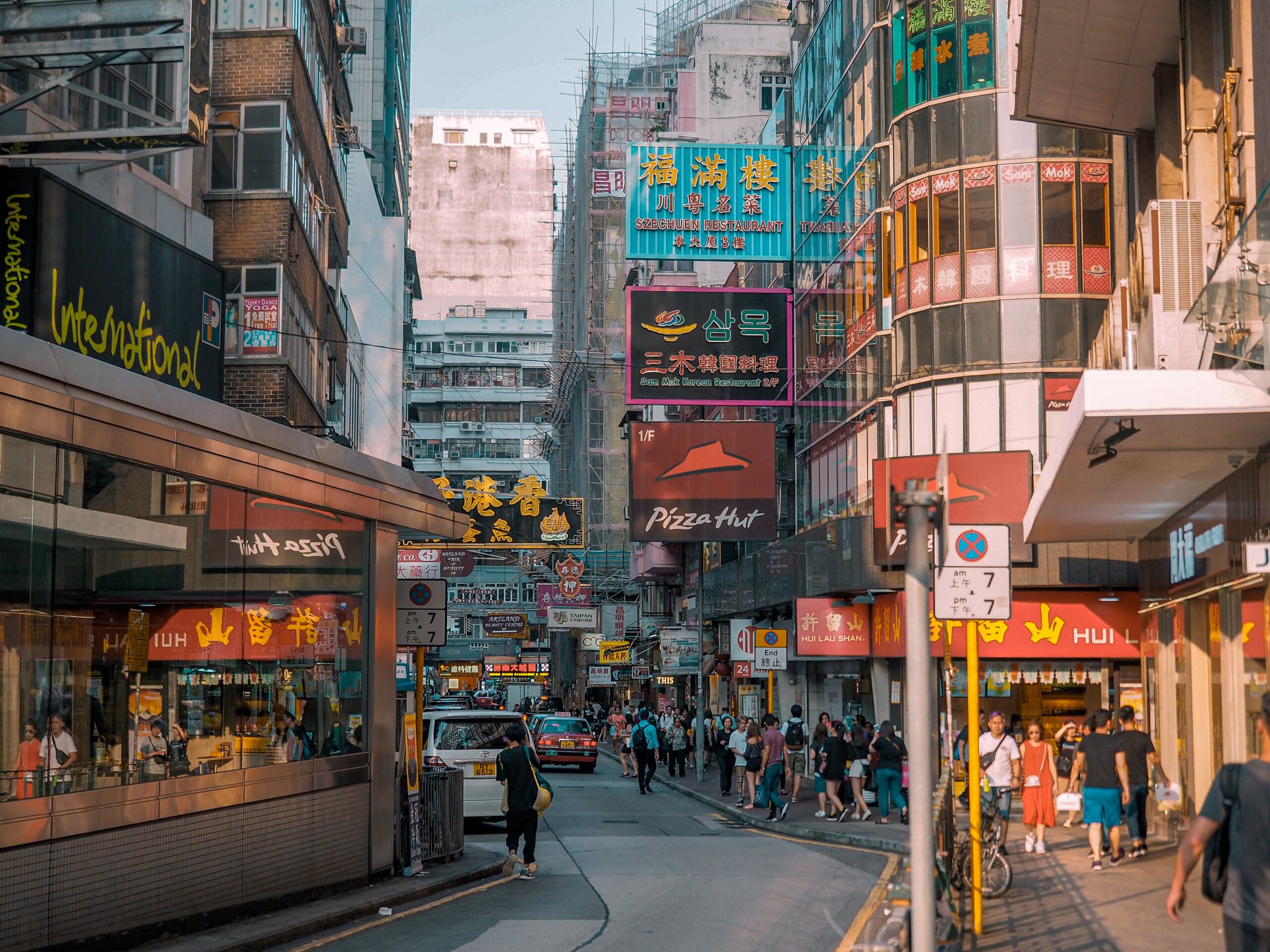
    In celebration of its 185th anniversary, Watsons Hong Kong has unveiled a heritage concept store in Yau Ma Tei. This innovative store seeks to blend the brand’s long-standing pharmacy heritage with the excitement of experiential retail and exclusive anniversary merchandise.

    Situated on Nathan Road, the store pays homage to AS Watson’s pharmacy origins with interiors that take design cues from yesteryears, interactive spaces for customers to engage with, and exclusive merchandise created especially for the anniversary. This experiential retail space features three themed photo zones which are inspired by the rich culture of Hong Kong’s pharmacies: a vintage medicine cabinet, a retro vanity corner, and a bathroom-themed display.

    To commemorate its opening, Watsons has launched a series of anniversary-exclusive products. Among these are a vintage-themed ‘Watjai’ mascot plush collection and a unique ‘Love Your Organs’ blind box series. In addition, a collaboration with popular brands Bioré, Colgate, and Darlie has resulted in the introduction of retro-inspired packaging for select products.

    In conjunction with the 185th anniversary campaign, other retail brands under the AS Watson Group umbrella, such as ParknShop, Fortress, and Watsons Water, are also participating. Exclusive merchandise from these brands will make their debut at the heritage concept store. Customers can look forward to items like lightbox-style magnets that pay tribute to ParknShop’s signage, a retro film camera from Fortress, and a vintage-style bottle opener courtesy of Watsons Water.

    This heritage concept store forms an integral part of Watsons’ overarching 185th-anniversary campaign, encapsulating the brand’s commitment to honoring its history while incorporating more experiential elements into its physical store network.

    Questions & Answers

    What is the heritage concept store?
    The heritage concept store is a new retail space by Watsons Hong Kong that combines the brand’s pharmacy history with experiential retail and exclusive anniversary merchandise.

    What can customers expect at the new heritage concept store?
    Customers can engage with vintage-inspired interiors and interactive experiences at the store. They can also purchase exclusive anniversary merchandise, including a ‘Watjai’ mascot plush collection and a ‘Love Your Organs’ blind box series.

    Which other brands are participating in Watsons’ 185th-anniversary campaign?
    Other retail brands under the AS Watson Group, such as ParknShop, Fortress, and Watsons Water, are also taking part in the anniversary campaign with exclusive merchandise debuting at the heritage concept store.

  • Domino’s Pizza China Hits 1550 Outlets: Unveils Expansion Strategy and Partners with Megamall Operator SCPG Group

    Domino’s Pizza China Hits 1550 Outlets: Unveils Expansion Strategy and Partners with Megamall Operator SCPG Group

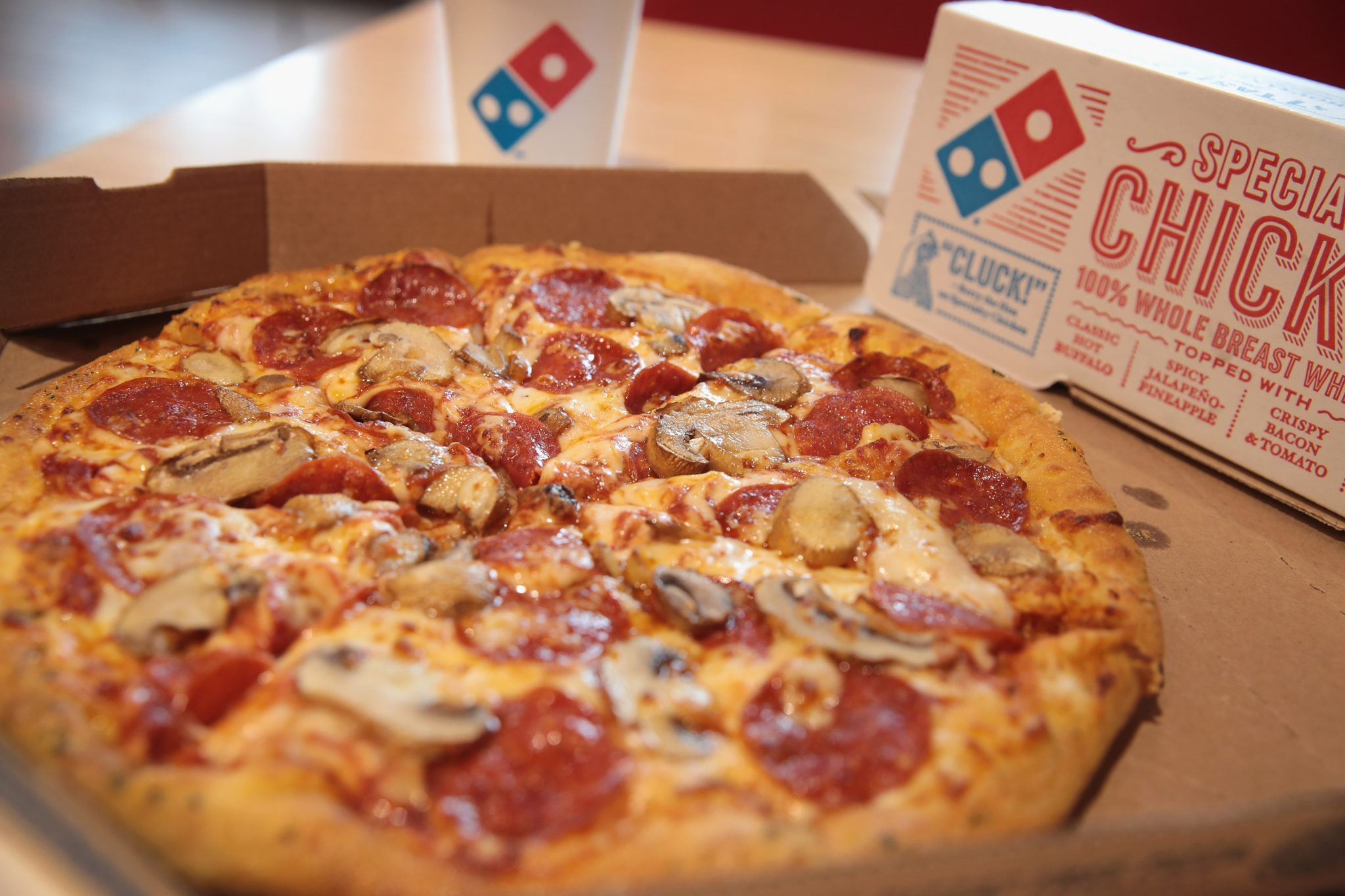
    Domino’s Pizza China has made significant strides in expanding its presence across the country, with its total number of outlets now reaching 1550. This was achieved through the addition of 235 new stores during the first half of the year, a move that has led to an increase in sales momentum as reported in the second quarter.

    The growth of the pizza chain has been overseen by DPC Dash, who moved into 15 fresh urban markets within this six-month period. This has brought the total number of cities with a Domino’s presence to 75. The brand’s expansion strategy, dubbed ‘Go Deeper, Go Broader’, has proven successful, focusing on amplifying store density in current markets while simultaneously branching out into new ones. Lower-tier markets now account for 1018 stores, leaving 532 in Tier 1 cities.

    Strategic Partnerships and Expansion Targets

    DPC Dash formed a strategic alliance with SCPG Group, one of the largest shopping mall operators in China, within the quarter to hasten their store launch process. This collaboration will facilitate Domino’s expansion into new markets while reinforcing its presence in the cities it already operates in. By the end of June, the number of stores that were opened, under construction, or signed for accounted for about 89% of DPC Dash’s full-year 2026 opening target. This was a progressive leap from the 65% recorded at the end of the first quarter.

    Domino’s now considers mainland China as its second-largest international market in terms of store count. The company now holds all top 70 positions in the first 30-day sales ranking, illustrating the potential of China’s market, and the efficacy of DPC Dash’s store execution model.

    The successful performance has been credited to its ‘4D’ strategy, a blend of network expansion, value-oriented products, effective delivery capabilities, and a robust digital investment.

    Leadership Changes and Future Plans

    On the personnel front, DPC Dash bolstered its leadership team during the quarter, by appointing Joanne Xie as the new Chief Marketing Officer. Xie, who has previously held senior positions at McDonald’s China, Coca-Cola, and Mondelez, will now be responsible for brand strategy, digital marketing, customer engagement, and product innovation.

    Looking forward, the company anticipates maintaining its expansion momentum for the remainder of the year while continuing its investment in operations, product development, and enhancing the customer experience.

    Questions & Answers

    What is Domino’s expansion strategy in China?
    Domino’s expansion strategy in China, supervised by DPC Dash, is titled ‘Go Deeper, Go Broader’. It focuses on increasing store density in existing markets and extending into new cities.

    Who is the new Chief Marketing Officer of DPC Dash?
    Joanne Xie has been appointed as the new Chief Marketing Officer of DPC Dash. She has previously held senior roles at McDonald’s China, Coca-Cola, and Mondelez.

    What does Domino’s ‘4D’ strategy entail?
    Domino’s ‘4D’ strategy combines four elements: network expansion, value-focused products, delivery capabilities, and digital investment.

  • Singapore Retail Sales Continue Upward Trend, Albeit at a Slower Pace in May

    Singapore Retail Sales Continue Upward Trend, Albeit at a Slower Pace in May

    Singapore’s retail sector experienced continued growth in May, albeit at a slower pace than in April. Statistics from the Department of Statistics indicate that retail sales, excluding motor vehicles, parts, and accessories, rose by 3.7% in May. This increase represents a slight slowdown when compared to April’s 4.5% growth. Nevertheless, this marks the continued progression of the positive trend that started in February.

    The total value of retail sales in May was estimated at SG$3.8 billion (US$2.9 billion). Interestingly, online sales made up 17.7% of the total. However, on a seasonally adjusted basis, retail sales decreased by 1.8% compared to the previous month.

    Trends by Category

    Examining the growth by category, recreational goods and watches and jewelry saw the most significant increases, with sales jumping 23.6% and 11.7% year-on-year, respectively. A 9.5% increase in sales was also noted at petrol service stations, primarily due to rising petrol prices.

    Other categories that noted sales boosts between 4.5% and 7.7% include cosmetics, optical goods and books, furniture, and telecommunications equipment.

    On the other hand, food and alcohol retailers and department stores experienced declines, reporting decreases of 3.7% and 3.3%, respectively. The sector of food and beverage services maintained a steady level in May, showing no significant increase when compared to the 0.1% growth in April.

    Questions & Answers

    Which retail categories experienced the most growth in May?
    Recreational goods and watches and jewelry saw the most significant growth, with sales increasing by 23.6% and 11.7% year-on-year, respectively.

    What percentage of total retail sales were made online?
    In May, online sales constituted 17.7% of the total retail sales.

    Did all retail categories see an increase in sales?
    No, not all categories saw an increase. Food and alcohol retailers and department stores reported declines in sales of 3.7% and 3.3%, respectively.

  • 10 Ways to Save Money Using Free Apps and Online Tools

    10 Ways to Save Money Using Free Apps and Online Tools

    Saving money doesn’t always mean giving up the things you enjoy. Whether you’re shopping online, streaming your favorite content, or exploring digital entertainment such as Jili games, making smarter financial choices can help you get more value from your budget. Thanks to a wide range of free apps and online tools, it’s easier than ever to track expenses, find discounts, and manage everyday spending.

    The best part is that many of these solutions are completely free to use. Whether your goal is to reduce monthly expenses, stay on top of your finances, or simply spend more wisely, these practical tools can help you save money without sacrificing convenience. Here are 10 effective ways to make the most of free apps and online resources.

    1. Track Your Spending with a Budgeting App

    One of the easiest ways to save money is to know where it is going. Budgeting apps that are free help you keep track of your income and expenses, categorise purchases, and monitor your monthly spending habits.

    When you can see where your money goes, you can spot expenses you don’t need to be paying and make better financial decisions, but still be free. 

    2. Search for Coupons Before You Buy

    Take a few minutes to look for coupon codes or promotional offers before you buy something online. Many free browser extensions and coupon websites automatically find and apply available discounts at checkout.

    Even small discounts add up over time, especially if you shop online regularly. 

    3. Compare Prices Across Multiple Stores

    Never jump at the first price you see. Price comparison websites are useful for comparing different retailers before you buy.

    If you’re shopping for electronics, household goods or everyday necessities, price comparisons can help you get better deals and not overpay. 

    4. Set Price Alerts

    Thinking about buying something but waiting for a better deal? Many shopping sites and price-tracking tools let you set alerts for specific products.

    No need to check prices every day, you’ll get a notification when the price drops, this helps you to buy at the right time. 

    5. Use Cashback and Rewards Platforms

    Cashback sites and rewards apps allow you to earn points or a cut of your purchase back when you shop with participating retailers.

    Even if the savings on one purchase seem small, the regular use can result in considerable savings over the year. 

    6. Organize Bills and Payment Reminders

    Late payment fees are an avoidable expense that you can often avoid.

    Free calendar apps and reminder tools help you remember when to pay bills, subscriptions and recurring payments: This means you can better manage your monthly finances and not get charged penalties. Being organized… 

    7. Cancel Unused Subscriptions

    There’s still a lot of people paying for streaming services, software or memberships they hardly ever use.

    Subscription management apps can help you find recurring charges and see what you’re actually using. Cancelling one or two unnecessary subscriptions can release some extra cash every month. 

    8. Use Free Cloud Storage and Productivity Tools

    Use free cloud storage, document editors, spreadsheets and collaboration tools online instead of paying for pricey software.

    These services provide everything many users need for work, school, or personal projects without the need for expensive subscriptions. 

    9. Take Advantage of Free Learning Resources

    You don’t have to pay for expensive courses to learn new skills.

    There are many trustworthy sites that provide free tutorials, online courses, educational videos, and digital libraries on topics such as personal finance, technology, design, business, languages, and more. You could even get better career opportunities without any additional educational costs by improving your skills. 

    10. Choose Entertainment That Fits Your Budget

    Entertainment is important, but it doesn’t have to be a financial burden.

    Many digital entertainment platforms offer welcome offers, loyalty programmes, free content, or special promotions that enable users to get more value. So before signing up for any platform, be sure to compare available features, understand the terms and select services that fit your interests and your budget.

    For online gaming and digital entertainment, it is also worth choosing licensed platforms that encourage responsible play via functions such as deposit limits, time management tools and self-exclusion options. Responsible entertainment ensures that having fun stays fun and affordable. 

    Tips for Saving Even More Money Online

    Free apps are only part of the equation. Building smart financial habits can help you maximise your savings over the long term.

    Here are some simple practices to adopt:

    • Review your monthly expenses.
    • Look up prices before you buy something big.
    • Avoid impulse buying by waiting 24 hours before making non-essential purchases.
    • Instead of running after every bargain, look for legitimate promotions.
    • Protect your personal information using trusted websites and strong passwords.
    • Don’t fall for deals that sound too good to be true.

    Small changes to your daily habits can add up to the biggest savings over the long run. 


  • Vietnamese Lobster Exports to China Skyrocket to $506M in 5 Months, Up 44.3% YoY

    Vietnamese Lobster Exports to China Skyrocket to $506M in 5 Months, Up 44.3% YoY

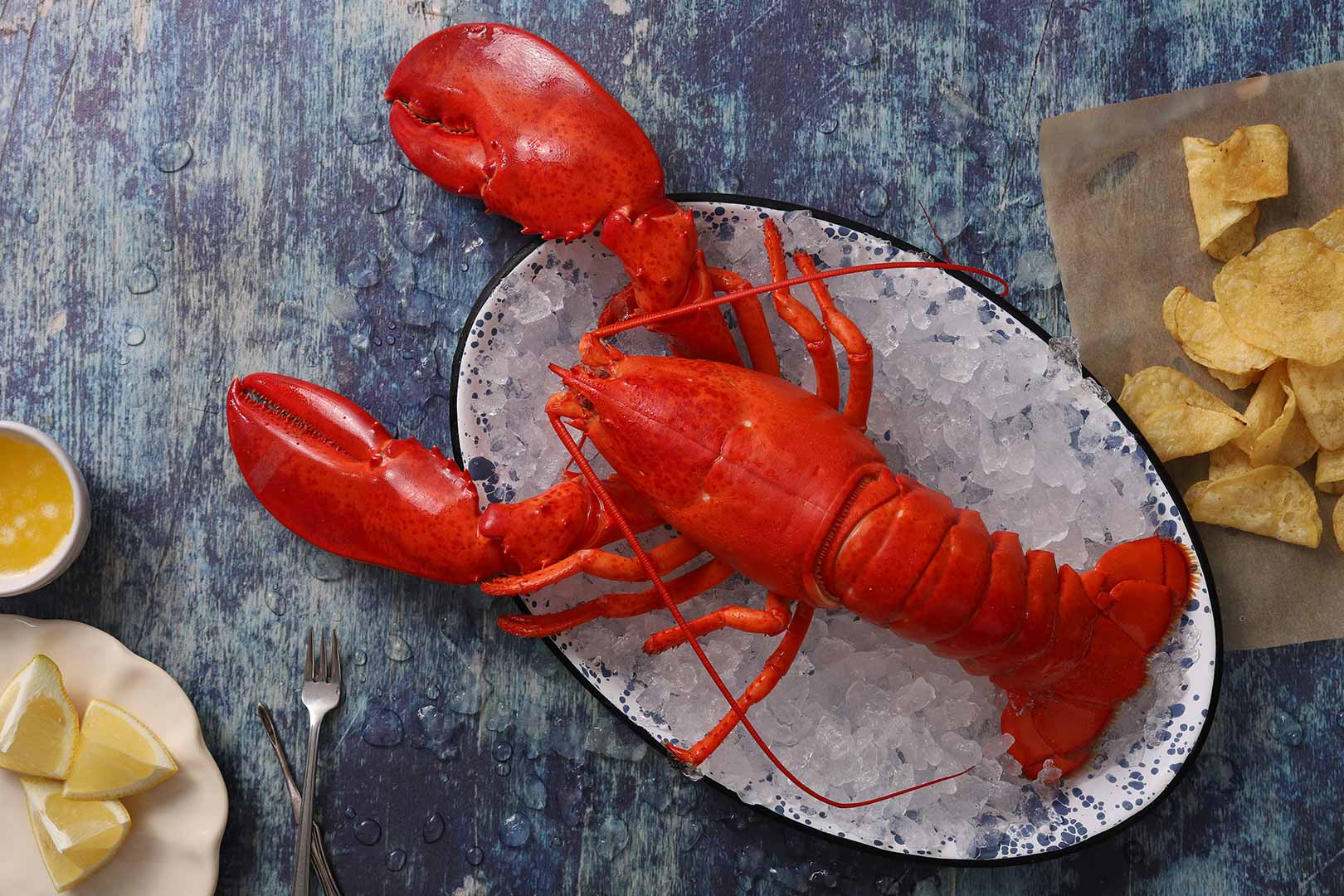
    China has solidified its position as the leading consumer of Vietnamese lobster for the first five months of this year, purchasing over $506 million worth of the seafood delicacy. This figure represents an impressive increase of 44.3% compared to the same period last year. The surge in imports reached its zenith in February, when China imported $154 million worth of Vietnamese lobster, a staggering 150% increase year-on-year. In the subsequent months, the importation figures have remained consistently strong, ranging between $78 million and $87 million.

    Unwavering Demand and Favorable Conditions

    The steady consumption of Vietnamese lobster in China is largely attributable to the incessant demand for live seafood, particularly within the more opulent spectrum of the market such as restaurants, banquets, and gift-giving. Vietnamese lobster boasts several competitive advantages in the Chinese market, such as its geographical proximity which guarantees shorter transportation times, thereby maintaining the quality of live shipments.

    Additionally, transportation methods are diverse, with exporters having the capacity to supply the market via both land and air transport. Notably, small to medium-sized blue lobsters have proven to be competitively priced and well aligned with the taste preferences of Chinese consumers.

    The Changing Dynamics of Seafood Supply

    Apart from these natural advantages, shifts in the global supply chain have opened doors for Vietnamese exporters. In recent times, several traditional suppliers, such as Canada, the U.S., and Australia, have been impacted by tariffs, trade disruptions, or slow recovery in production. This has created a niche for Vietnamese lobster to broaden its market share.

    As a result, Vietnam has evolved into one of China’s critical suppliers of lobster. This progression has laid a strong foundation for continued export growth within this year.

    Industry specialists project that if the consumer demand in China remains steady and exporters persist in supplying high-quality products, there will be additional room for growth in Vietnamese lobster exports in the second half of the year. However, it will be crucial for the industry to keep a close eye on any changes in China’s import policies, quarantine requirements, and quality standards to retain its competitive advantage and sustain its growth.

    Questions & Answers

    What has contributed to the increase in Chinese imports of Vietnamese lobster?

    The surge in Chinese imports of Vietnamese lobster can be attributed to the steady demand for live seafood, particularly in upscale settings, as well as the competitive advantages Vietnamese lobster offers, including close geographical proximity and diversity in transport methods.

    How have global supply chain shifts benefited Vietnamese lobster exporters?

    Changes in the global supply chain, including tariffs, trade disruptions, and slow production recovery affecting traditional suppliers, have created opportunities for Vietnamese lobster to expand its market share.

    What factors will be crucial for the future growth of Vietnamese lobster exports?

    The future growth of Vietnamese lobster exports will depend on the stability of consumer demand in China, the ability of exporters to maintain a reliable supply of high-quality products, and careful monitoring of changes in China’s import policies, quarantine requirements, and quality standards.

  • Thriving Live Commerce: TikTok Boosts Thai Durian Sales by Tenfold

    Thriving Live Commerce: TikTok Boosts Thai Durian Sales by Tenfold

    In a collaborative effort, TikTok and Thailand’s Department of Internal Trade have drastically elevated durian sales on TikTok Shop, underscoring live commerce as a significant conduit for Thai agricultural commodities. The initiative led to a tenfold surge in durian sales, facilitated by more than 89,000 live durian broadcasts on the platform in the past quarter. Remarkably, a new live session was initiated approximately every 90 seconds, lasting an average of 118 minutes.

    During the apex of the durian harvest season, the gross merchandise value for the fruit surged by a factor of 10.6 in comparison to the average weekly sales recorded prior to the campaign. A key contributor to the success of this venture has been TikTok’s creator ecosystem. Over 1.8 million creators generate content that correlates with products available on TikTok Shop.

    Engaging Farmers and Influencers

    Content creators aren’t the only ones to credit for the success of this fruitful venture; farmers and local influencers have also climbed aboard the bandwagon. By actively promoting their produce through live streams, they’ve facilitated consumer discovery of agricultural products. The campaign has effectively doubled the number of fruit purchasers on TikTok Shop, year on year. Furthermore, total fruit orders have seen an impressive 134% increase in the first half of 2026.

    Notably, almost half of the consumers who bought durian via the platform returned for another purchase within the same season. This indicates a trend of stronger repeat-buying behavior among online shoppers.

    Looking Beyond Durian

    Yanee Srimanee, the Deputy Director-General of the Department of Internal Trade, anticipates that Thailand will produce approximately 2.07 million metric tons of durian this year. The majority (70%) of this yield is slated for export, with the remaining being distributed in the domestic market.

    The department aims to bolster domestic consumption and sees the collaboration between public and private sectors as a key strategy in connecting farmers with consumers. TikTok Shop has been a crucial tool in enhancing digital skills and creating new avenues for agricultural products to reach online markets.

    Chanida Klyphun, TikTok’s Director of Public Policy for Southeast Asia, characterized the departmental partnership as a crucial step towards broadening Thai farmers’ entry into the digital economy. This includes skill development and the adoption of live commerce as a sales strategy.

    As the eastern Thailand durian season wraps up, TikTok and the department have plans to continue supporting durian sales from the southern region of the country. The collaboration also aims to expand the program to other agricultural products and farming communities and to leverage content, creators, and e-commerce to widen market opportunities.

    Questions & Answers

    What has been the impact of the TikTok and Department of Internal Trade initiative on durian sales?
    The collaboration led to a tenfold increase in durian sales on TikTok Shop, with over 89,000 live durian broadcasts in the past quarter.

    What strategies were key to the success of the campaign?
    The success of the initiative can be attributed to the active participation of content creators, farmers, and influencers, and a strong emphasis on live commerce.

    What are the future plans of this collaboration?
    The partnership plans to continue supporting durian sales in the southern region of Thailand and aims to expand the program to other agricultural commodities and farming communities.

  • US Dollar Takes a Dive Against Vietnamese Dong in Black Market Amid Global Weakness

    US Dollar Takes a Dive Against Vietnamese Dong in Black Market Amid Global Weakness

    Over the weekend, the U.S. dollar experienced a dip against the Vietnamese dong on the informal currency exchange market. The dollar was traded 0.34% lower at VND26,560 at unofficial exchange points, while Vietcombank maintained its rate at VND26,463.

    Global Dollar Weakness

    On the global stage, the U.S. dollar was on track for its most significant weekly loss in 12 weeks. This downturn resulted from a lukewarm U.S. employment report, which led to diminished market predictions for an imminent Federal Reserve interest rate increase. This development brought some relief to the Japanese yen.

    The overall weakening of the dollar also boosted the euro, which reached $1.1440, following a nearly two-week high the previous day. The euro ended the week up by 0.5%. Simultaneously, the British pound solidified its position to $1.3352, marking a 1.1% weekly gain, its highest in almost three months.

    Impact on other Currencies

    The increased strength of the dollar also brought relief to the Japanese yen. The yen increased to less than 161 per dollar, a welcome shift after the sudden increase on Thursday, which took the currency from a 40-year low of 162.84 to 161.25. Despite this, market uncertainty surrounding potential intervention risks persisted.

    The dollar’s decline came in response to slowed U.S. job growth in June. Further, the reduced payroll gains for the preceding two months triggered traders to scale back on predictions of a near-term Federal Reserve rate increase.

    Questions & Answers

    What triggered the U.S. dollar’s dip against the Vietnamese dong?
    The dip was triggered by the overall weakening of the U.S. dollar on the global stage, which was a result of a lukewarm U.S. employment report diminishing market predictions for an immediate Federal Reserve interest rate increase.

    How did the global dollar weakness impact the euro and the British pound?
    The weakness of the U.S. dollar led to the strengthening of the euro, reaching $1.1440, and the solidifying of the British pound’s position at $1.3352.

    What caused the shift in the strength of the Japanese yen?
    The shift in the Japanese yen was due to the overall increase in the strength of the U.S. dollar, which took the yen from a 40-year low of 162.84 to less than 161 per dollar.

  • How Better Product Visuals Are Changing Furniture Retail in Asia

    How Better Product Visuals Are Changing Furniture Retail in Asia

    A customer in Jakarta sees a sofa on a marketplace at lunchtime, saves it, compares finishes on the brand’s website that evening, visits a showroom on the weekend to sit on it, then buys it online the following week from her phone on the commute home. Five touchpoints, two of them physical, three of them digital, spread across nine days. At every one of them, she was looking at images of the same sofa — and if those images did not agree with each other, some of her confidence leaked away at each step.

    This is the shape of furniture retail across much of Asia now, and it has quietly turned product visuals from a marketing expense into a piece of retail infrastructure.

    Furniture is hard to sell on a screen

    Most retail categories survive a weak product photo. Furniture does not. A customer buying a sofa is making a large, infrequent, difficult-to-return decision, and the questions they need answered are exactly the ones a single flattering image cannot address: How big is it, really, against a normal living room? What does the fabric actually feel like? Is that grey warm or cool? Does the modular version come apart the way I think it does? Will it fit up the stairwell of an apartment block?

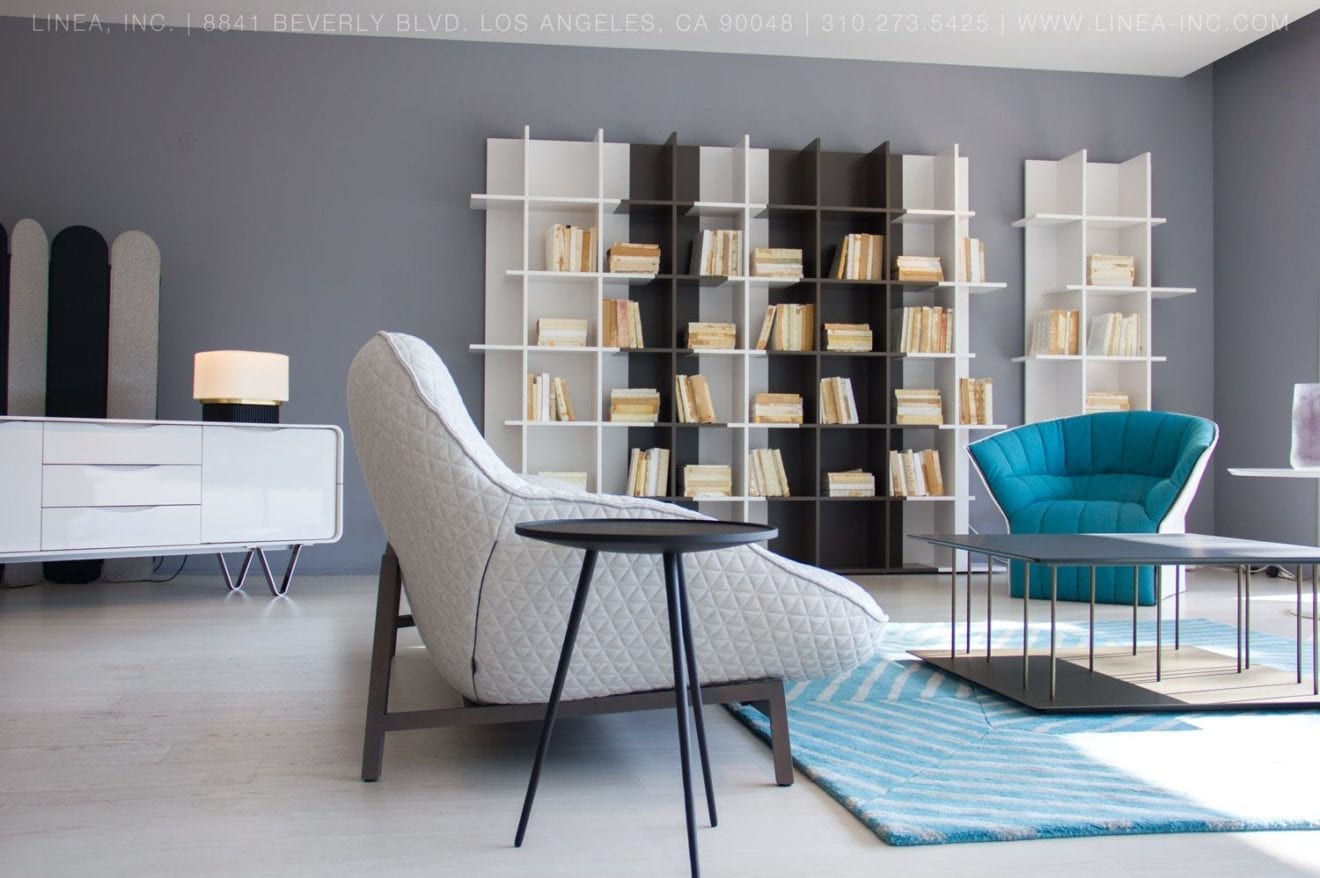
    As furniture retailers expand across ecommerce, marketplaces, showrooms, and reseller networks, working with a 3d rendering company can help them create consistent product visuals before every item, finish, or room scene is physically photographed. The commercial logic is straightforward: the more of those questions the visuals answer, the fewer customers abandon the purchase out of uncertainty — and the fewer who buy, misjudge, and return, which in furniture is an expensive event for everyone.

    The showroom and the screen should tell one story

    The temptation is to treat each channel as its own project — the website team shoots one set of images, the marketplace team adapts another, the showroom runs whatever the catalogue provided, the resellers use whatever they can find. The result is a brand that looks slightly different everywhere a customer meets it.

    In an omnichannel journey, that inconsistency is felt directly, because customers now move between channels within a single purchase. The sofa on the marketplace should be visibly the same sofa, in the same finish, photographed to the same standard, as the one on the brand site and the one on the showroom screen. Retailers like IKEA have built their Asian growth partly on exactly this kind of coherence between localised store formats and a growing ecommerce presence — the channels reinforcing one another rather than competing.

    When the visuals align across touchpoints, each channel builds on the confidence the last one created. When they do not, each channel makes the customer start over.

    Large catalogs break under one-off production

    A furniture brand with forty products can photograph its way to a decent catalogue. A brand with six hundred SKUs — each in several finishes, some modular, some seasonal, some assorted differently for different markets across the region — cannot. At that scale, treating every image as an individual shoot guarantees inconsistency, because the shoots happen at different times, in different conditions, by different hands.

    For furniture brands managing large catalogs, finish variations, modular collections, and reseller assets, resources such as https://cgifurniture.com/service/3d-furniture-rendering-services/ show how one visualization workflow can support lifestyle renders, silo images, PDP content, animations, 360° views, configurators, and ecommerce listings. The structural advantage is that the visual standards are set once and applied to everything — a new finish does not require a new shoot, a new market’s assortment draws from the same library, and the catalogue stays coherent as it grows. For a regional retailer adding SKUs and markets simultaneously, that repeatability is the difference between a managed catalogue and a sprawling one.

    Consistency is a retail operations problem, not a design preference

    It is easy to file visual consistency under “branding” and leave it to the creative team. In omnichannel furniture retail, it belongs closer to operations.

    The places it breaks are operational places. A marketplace listing that looks cheaper than the brand’s own site, undercutting the premium the brand is trying to charge. A reseller portal full of outdated images showing a finish that was discontinued two seasons ago. Lifestyle scenes shot for one market that look wrong to customers in another. Each of these is a small leak in the brand’s pricing power and trust, and each is fixed not by better taste but by a system: approved assets, current and complete, supplied to every channel that represents the brand.

    Static photos answer only some of the questions

    Furniture customers ask questions that a flat image cannot answer, which is why the format mix matters as much as the consistency.

    White-background silo images do the clean catalogue work. Lifestyle renders place the piece in a room so customers can judge scale and atmosphere. Close-ups carry the material story — the weave, the grain, the stitch. A 360° view lets a customer inspect the back and sides the way they would in a showroom. AR previews answer the single most common furniture worry by placing the actual piece, at actual size, in the customer’s actual room. Configurators let modular and multi-finish products be explored without a hundred separate product pages. Each format exists because a customer somewhere had a question, and the right format is the one that answers the question that customer is actually holding.

    Visual readiness is launch readiness

    Furniture launches in retail run on a calendar — seasonal collections, regional rollouts, marketplace campaign windows. And the assets are often needed before the products physically exist in quantity: the marketplace listing, the reseller kit, the campaign creative, the showroom screen content, all due before the first container of stock has cleared.

    A launch is not ready if its visual assets are not ready, however complete the inventory. Retailers who can produce launch visuals from approved product data, in parallel with manufacturing rather than after it, hit their campaign dates and their reseller-onboarding deadlines. Those who wait for physical samples and photography slip — and a furniture launch that misses its season has missed a meaningful share of its year.

    A checklist before the catalog goes live

    Worth confirming across the team before product visuals publish: Are all priority SKUs visually covered, including the variants? Are the PDP images consistent in standard and treatment across the catalogue? Are material close-ups available for the products where finish drives the decision? Do the lifestyle scenes match the customer the brand is actually selling to in each market? Are the marketplace-specific formats prepared to each platform’s spec? Are the reseller kits current and using approved imagery? Are the launch assets ready ahead of the campaign date, not on it? And for complex modular or multi-finish products, are 360° or configurator assets needed to do them justice?

    A gap found on this list is a quick fix. The same gap found by a customer comparing your marketplace listing to your website is a lost sale.

    Furniture retailers across Asia are competing in an environment where the same customer will meet a product on a phone, a marketplace, a showroom floor, and a reseller’s page before deciding. Treating product visuals as a reusable asset system — consistent, complete, and ready ahead of need — is becoming part of how that competition is won. The retailers building these systems are not just producing nicer images. They are removing friction from a journey their customers are already taking.
  • Timex Takes Time to Triumph: Full Acquisition of Daniel Wellington Finalized

    Timex Takes Time to Triumph: Full Acquisition of Daniel Wellington Finalized

    Timex Group has successfully finalized the acquisition of Daniel Wellington, a distinguished Swedish watch and jewellery brand. This follows an initial 25% investment made by Timex three years prior. Throughout this time, the two entities have collaborated extensively in various areas including product development, sourcing, brand storytelling, and commercial operations.

    As Timex takes over complete ownership, they intend to propel Daniel Wellington’s forthcoming growth phase. The expansion will be achieved through various strategies such as product innovation, brand building, and increased global capabilities.

    Daniel Wellington: A Unique Brand Identity

    Despite the acquisition, Daniel Wellington will maintain its individuality as a unique brand. It will continue to embody its Scandinavian minimalistic design heritage, distinctive style, and a direct connection with its consumer base. The brand is expected to leverage Timex’s expertise in design, product development, sourcing, manufacturing, distribution, and digital engagement to its advantage.

    The acquisition has further solidified Timex’s standing in the realm of design-oriented watches and jewellery. It also aligns with Timex’s strategic plan to build and expand a distinctive global brand portfolio.

    Tobias Reiss-Schmidt, Timex Group’s President and CEO, opined on the acquisition. “Our association with Daniel Wellington over the past three years, and our increasing involvement with the team, has bolstered our belief in the brand’s potential,” he said. He lauded the team’s efforts and the progress they’ve made in reviving Daniel Wellington’s growth.

    Daniel Wellington’s founder, Filip Tysander, acknowledged Timex Group’s respect for the brand’s identity. “They’ve provided the experience and scale needed to facilitate our brand’s continued growth,” he stated. Tysander is proud of his team’s accomplishments and is confident in the brand’s success in the future.

    The financial particulars of the transaction were kept private.

    Questions & Answers

    What does Timex Group’s acquisition of Daniel Wellington signify?
    It indicates Timex’s commitment to building and growing a portfolio of distinctive global brands. It also strengthens its position in the field of design-led watches and jewellery.

    Will Daniel Wellington maintain its brand identity post-acquisition?
    Yes, Daniel Wellington will continue to operate as a distinct brand preserving its Scandinavian minimalistic design heritage, unique style, and direct connection with consumers.

    How is Daniel Wellington expected to benefit from this acquisition?
    The brand is expected to benefit from Timex’s expertise in design, product development, sourcing, manufacturing, distribution, and digital engagement, thereby propelling its growth.

  • Asics Boosts Japan Presence with Second Flagship Store Launch in Tokyos Shinjuku District

    Asics Boosts Japan Presence with Second Flagship Store Launch in Tokyos Shinjuku District

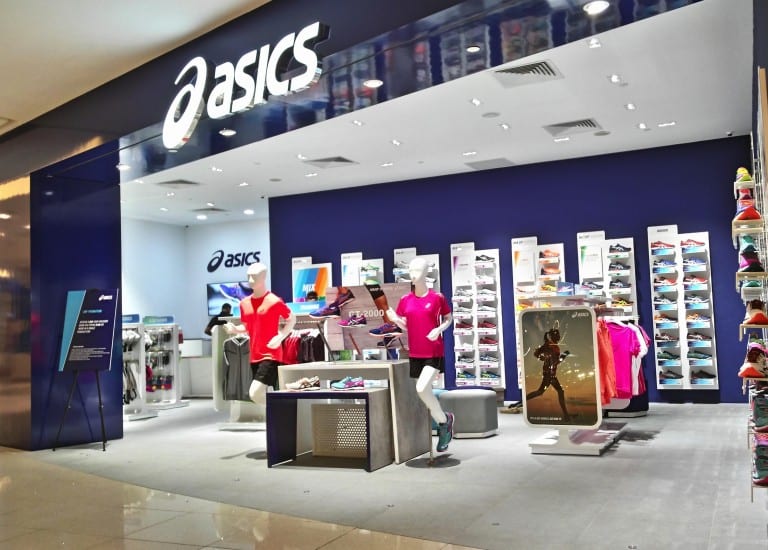
    Asics, the renowned Japanese sportswear brand, is set to open its second flagship store in Japan. The grand opening is scheduled for later this month, and the new store will be located in the bustling heart of Tokyo’s Shinjuku district. This four-storey retail expansion signifies Asics’ commitment to increasing its local presence and enhancing its customer engagement platform.

    A New Flagship Store with Innovative Offerings

    Spanning approximately 605 square meters, the Shinjuku store will serve as the company’s third global flagship location. This follows the establishment of the initial flagship stores in Harajuku, Japan and Shanghai, China. The store will feature a broad selection of Asics’ products, including its popular running, tennis, basketball, and golf collections. Customers can also look forward to exploring the SportStyle lifestyle range and a variety of collaborative products.

    One innovative feature of the new store is the introduction of Asics Create, a unique apparel customization service. This will be the first time the service is available in a directly operated store, providing customers with the opportunity to personalize select garments with embroidered designs.

    The flagship store also boasts an exclusive private lounge, accessible only by reservation. This lounge is designed to provide personalized one-on-one consultations for select members of the OneAsics loyalty program.

    Sustainable and Strategic Expansion

    In line with increasing global consciousness about sustainability, the Asics Shinjuku store incorporates various recycled materials in its construction. For instance, the flooring in the fitting rooms is partly fabricated from foam that has been salvaged from discarded shoes.

    The opening of the Shinjuku store marks another step in Asics’ strategic investment in expanding its branded retail network. It also aligns with the company’s broader goal of reorganizing its business portfolio. Just last month, Asics announced its plan to spin off its rapidly growing premium lifestyle label, Onitsuka Tiger, into a standalone subsidiary named OT Group starting in January 2027. This move aims to give the brand more operational freedom and catalyze its global expansion.

    Questions & Answers

    What is unique about Asics’ new flagship store in Shinjuku?
    The new store will introduce Asics Create, a unique apparel customization service, in a directly operated store for the first time. It will also feature a private lounge for personalized consultations with select members of the OneAsics loyalty program.

    How is Asics addressing sustainability in its new store?
    The Asics Shinjuku store incorporates various recycled materials, including fitting room flooring partly fabricated from foam salvaged from discarded shoes.

    What is the significance of the new store opening?
    The opening of the new flagship store in Shinjuku is a part of Asics’ strategic plan to expand its branded retail network and to reorganize its business portfolio.

  • Berjaya Food Exits Paris Baguette Joint Venture, Redirects Focus on Core Businesses

    Berjaya Food Exits Paris Baguette Joint Venture, Redirects Focus on Core Businesses

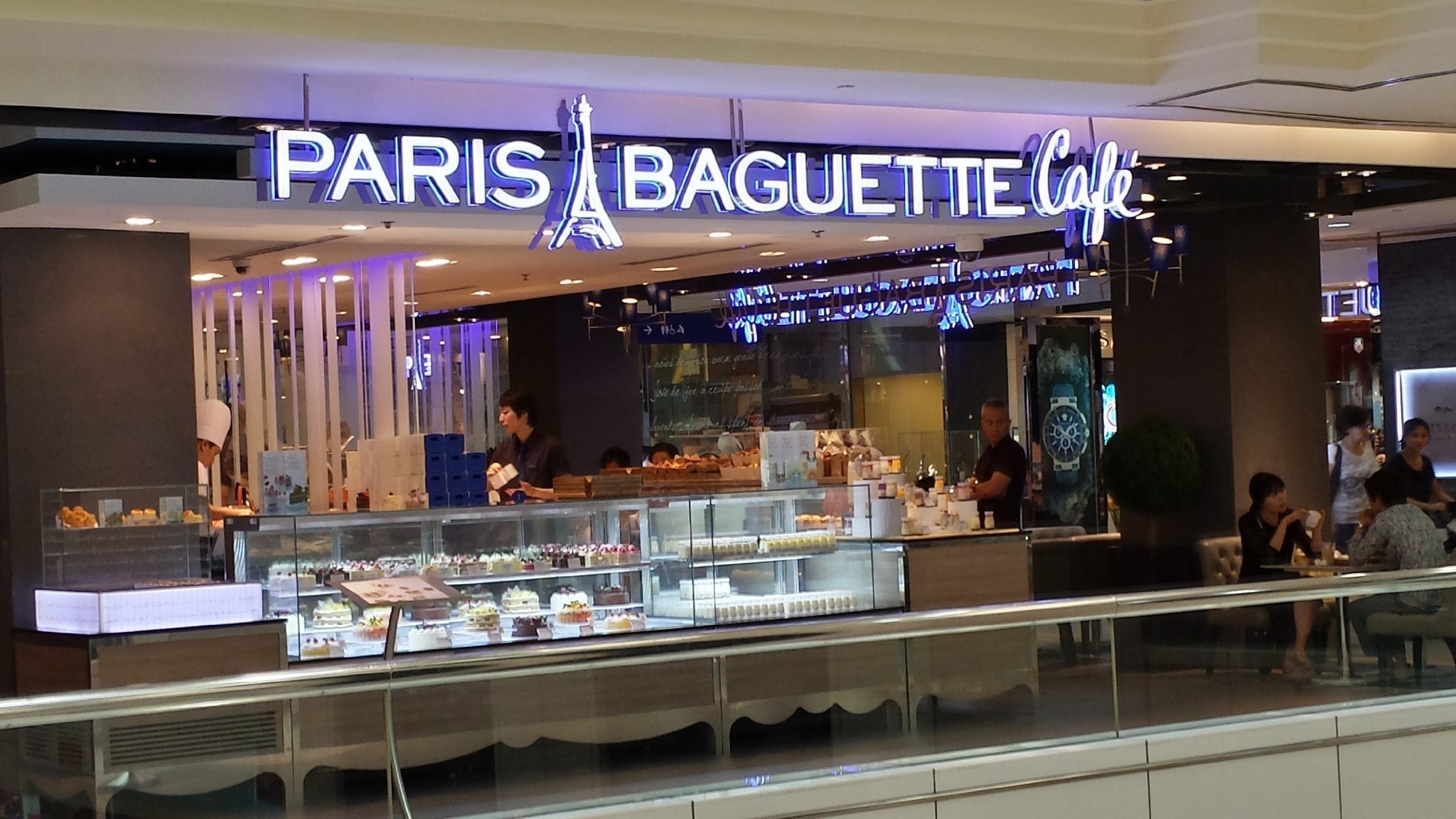
    Berjaya Food, a major player in the food and beverage industry, has concluded their collaboration with Paris Baguette, marking the end to the alliance that brought the esteemed South Korean bakery chain to Malaysia in 2023.

    In an effort to sever ties with the financially draining venture, Berjaya Food divested its 50% share in Berjaya Paris Baguette (BPB) to Paris Baguette Singapore for a token sum of RM1 (US 24 cents). Executed on June 30, this transaction included the transfer of 20 million ordinary shares. This was accompanied by Berjaya Food’s settlement of RM3.91 million (about $960,920) in outstanding liabilities.

    A Challenging Operation

    The Malaysian branch of the business has persistently reported losses since its commencement. As per recent records, BPB reported an unaudited, post-tax loss of RM67.09 million ($16.49 million) and net liabilities of RM33.41 million ($8.2 million). The RM20 million ($4.9 million) pumped into the venture by Berjaya Food is fully impaired.

    Berjaya Food has clarified that the divestiture of BPB is a strategic move to step away from the “Paris Baguette” chain of bakery and retail stores in Malaysia, which has continually underperformed since its introduction in the country. This decision, they explain, will help to eliminate the group’s exposure to BPB’s continuous financial losses.

    Looking Ahead

    Berjaya Food can now channel its resources and managerial attention to its principal businesses and future growth prospects. Paris Baguette, on the other hand, first set foot in Malaysia in 2023 and currently manages 16 locations across the country.

    Berjaya Food’s decision to divest comes at a time when the group is grappling with wider earnings pressure. Last year, the company reported its fifth consecutive quarterly loss, largely contributed by weaker performance at its Starbucks Malaysia business.

    Questions & Answers

    Why has Berjaya Food chosen to exit the joint venture with Paris Baguette?
    Berjaya Food decided to exit the joint venture due to consistent financial losses, deciding instead to focus on their core businesses and future growth opportunities.

    What was the extent of Berjaya Food’s investment in Berjaya Paris Baguette?
    Berjaya Food’s investment in the venture amounted to RM20 million ($4.9 million), which has now been fully impaired.

    What has been the impact of the divestment on Paris Baguette’s presence in Malaysia?
    Paris Baguette continues to operate in Malaysia, currently managing 16 locations across the country. The divestment has not affected its operational presence.

  • Korean Coffee Giant, TheVenti, Brews up Philippine Expansion with Local Franchise Deal

    Korean Coffee Giant, TheVenti, Brews up Philippine Expansion with Local Franchise Deal

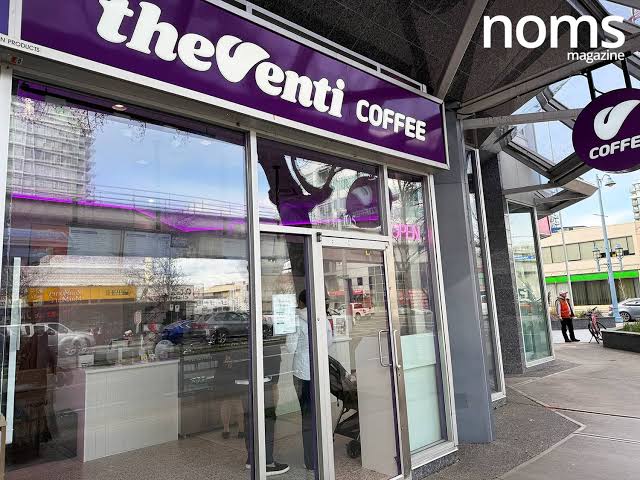
    TheVenti, a leading coffee chain from South Korea, has recently announced its introduction to the Philippine market in partnership with JJR Brothers, a local distributor of food and beverages.

    Known for its large 20-ounce servings, TheVenti was established in 2014 and has since become popular for its unique offerings such as espresso drinks, Korean grain lattes, and fruit teas. It currently operates over 1,600 stores in South Korea and has expanded its footprint to various international markets including Vietnam, Canada, and Jordan.

    Adapting to Local Preferences

    The coffee chain has shared plans to adjust its menu and store operations progressively in line with local consumer tastes and trade locations. This initiative aims to strengthen its foothold in the country and ensure the successful integration of its brand into the local market.

    TheVenti views its Philippine venture as a stepping stone towards further expansion in the Southeast Asian market. “We are thrilled to introduce TheVenti’s unique coffee and beverage experience to local consumers, with the goal of progressively augmenting our global brand’s competitive edge,” stated the company spokesperson.

    TheVenti is set to open its inaugural Philippine store in the third quarter of this year.

    Questions & Answers

    What is TheVenti known for?
    TheVenti is renowned for its sizeable 20-ounce servings and a unique menu that includes espresso drinks, Korean grain lattes, and fruit teas.

    What is TheVenti’s plan for the Philippines?
    TheVenti plans to adapt its menu and store operations gradually in line with local tastes and trading locations in the Philippines. It aims to build its presence by catering to local consumer preferences.

    When is TheVenti opening its first store in the Philippines?
    TheVenti plans to open its first store in the Philippines in the third quarter of this year.

  • Booming Retail Sales in Hong Kong Predicted to Persist Amid Positive Economic Climate

    Booming Retail Sales in Hong Kong Predicted to Persist Amid Positive Economic Climate

    The retail sector in Hong Kong experienced a healthy growth in May, a trend that is anticipated to sustain, given the positive economic climate. Data from the Census and Statistics Department reveals a 7.9% year-on-year increase in retail sales, reaching HK$33.8 billion (US$4.3 billion) for the month of May. This extends the revised growth of 8.7% witnessed in April.

    Sales Performance in Different Retail Categories

    In the first five months of the year, retail sales showed an approximate increase of 10.6% compared to the same timeframe last year. When considering the effect of price changes over the same period, retail sales witnessed an improvement of 4.8% in May.

    A government representative stated that majority of the retail categories demonstrated gains in May, continuing the growth observed in the retail sector. The highest growth was seen in valuable gifts with a rise of 25.8%. This was followed by electrical goods and other consumer durable goods with a 13% increase, optical shops at 10.3%, and department store commodities at 9.2%.

    Meanwhile, other categories like apparel and footwear, cosmetics, and furniture experienced modest growth ranging between 3% and 5%.

    However, not all categories thrived. Fuels, Chinese medicines and herbs saw a significant decline in sales by 12.2% and 9.5% respectively. Food, alcoholic beverages, and tobacco also experienced a slight dip of 0.3%.

    Anticipated Trends and Government Overview

    Looking into the future, the government spokesperson is hopeful about the continued growth in the retail sector. The ongoing economic expansion, increasing local labour earnings, and a rise in inbound visitors are expected to keep benefiting retail businesses.

    The government, in response, has pledged to keep a close watch on any potential impact of changing external uncertainties on the local consumption market.

    Questions & Answers

    What was the growth rate for retail sales in Hong Kong in May?
    Retail sales in Hong Kong recorded a 7.9% year-on-year increase in May.

    Which retail category observed the highest growth?
    The highest growth was recorded in the category of valuable gifts, which saw a rise of 25.8%.

    What are the government’s expectations for the future of the retail market?
    The government anticipates continued growth in the retail market, backed by economic expansion, increasing local labour earnings, and a rise in inbound visitors.

  • Dutch Yacht Giant Alumax Sets Sail in Vietnam with First International Shipyard

    Dutch Yacht Giant Alumax Sets Sail in Vietnam with First International Shipyard

    Alumax Boats, a Dutch firm known for supplying water taxis for the 2012 London Olympics, has launched its first shipyard outside its homeland in Vietnam, through a joint venture partnership. This expansion was marked with a grand inauguration ceremony held on Wednesday at the Thuan Thanh Industrial Park situated in the northern province of Bac Ninh. The joint venture, Alumax Amsterdam, is a collaborative effort between Alumax Boats, the local conglomerate Son Ha Group, and shipbuilder James Boat.

    The Lego of Shipbuilding

    The process of production at the shipyard has been likened to ‘playing with Lego’ by the joint venture representatives. Here, the workers assemble precut aluminium components to create the final product. This is a testament to Alumax Boats’ specialization in constructing aluminium vessels, the expertise that the firm first exported to Vietnam in 2021 during the Covid-19 pandemic through its alliance with James Boat.

    As a part of the joint venture, Alumax Boats stands as the provider of core high-performance aluminium shipbuilding technology. On the other hand, Son Ha Group brings to the table its industrial manufacturing capacity, management acumen, and financial resources, while James Boat serves as the technological conduit amongst the partners. The responsibility of vessel design is shared between Alumax Boats and James Boat, with the production designs subsequently transferred to Son Ha’s manufacturing facilities.

    The Rise of Marine Tourism

    The leaders of the joint venture have expressed their optimism about the growing demand in Vietnam for catamaran party yachts. These are open-deck leisure vessels capable of hosting 30 to 50 passengers. Typically, these yachts feature sound systems, dining areas, bars, bedrooms, and spacious decks for the guests to soak in the panoramic ocean views. Acknowledging this, a spokesperson for the joint venture stated, “This has been identified as one of our strategic products to capitalize on the growth of marine tourism in Vietnam and across the region.”

    The joint venture has planned to manufacture three yachts, ranging from 6.5 to 16.5 meters in length, this year. It has already bagged orders for government service vessels and yachts worth US$20 million. Son believes that building yachts in Vietnam could result in a price reduction of about 40% compared to imported ones.

    The lightweight properties of aluminium lead to improved fuel efficiency. After 40 to 50 years of service life, these vessels can be recycled far more effectively than their steel and composite counterparts, which are still commonly produced in Vietnam.

    Questions & Answers

    What makes the joint venture’s production process unique?
    The joint venture compares its production process to ‘playing with Lego,’ where workers assemble precut aluminium components to form the final product.

    What role does each party play in the joint venture?
    Alumax Boats provides core high-performance aluminium shipbuilding technology, Son Ha Group contributes its industrial manufacturing capacity, management expertise, and financial resources, and James Boat serves as the technological bridge between the partners.

    What are the benefits of manufacturing yachts in Vietnam?
    Manufacturing yachts in Vietnam could result in a price reduction of about 40% compared to imports. Additionally, the use of aluminium leads to improved fuel efficiency and allows for effective recycling after 40 to 50 years of service.

  • Global Uncertainties Trigger Gasoline Price Tumble in Vietnam: Implications for U.S.- Iran Peace Talks

    Global Uncertainties Trigger Gasoline Price Tumble in Vietnam: Implications for U.S.- Iran Peace Talks

    In Vietnam, gasoline prices experienced a minor decrease on Thursday amidst the ongoing global price instability due to the uncertainties surrounding the peace talks between the U.S. and Iran. E10 RON95, a commonly used fuel, saw a 3.73% drop, bringing its price down to VND20,410, or $0.78, per liter.

    The biofuel E5 RON92 also recorded a decline of 5.05%, reducing its cost to VND19,730 per liter. Diesel, another widely used fuel, fell by 3.16% to VND21,170 per liter.

    Global Fuel Price Fluctuations

    Over the past week, global fuel prices have demonstrated mixed trends when compared to the previous week. These fluctuations are, in part, due to the ongoing negotiations between the U.S. and Iran, as stated by the Ministry of Industry and Trade and the Ministry of Finance.

    In an effort to minimize the impact of the escalating conflict in the Middle East on its economy, Vietnam has made a decision to continue its zero-tax policy on petroleum products until the end of September. However, the special consumption tax on gasoline will remain in place.

    Following the introduction of E10 gasoline for mass sale, approximately 980 million liters of biofuel have been consumed across the country in the first month. Out of this total, E10 accounted for a whopping 924 million liters, or 96%, while E5 consumption amounted to about 56 million liters.

    Steps to Ensure Continuous Fuel Supply

    In light of the persistent uncertainty in global energy markets, the Domestic Market Management and Development Agency under the Ministry of Industry and Trade has directed fuel importers and distributors to formulate supply plans. The goal is to ensure a steady availability of fuel across all distribution networks.

    There has also been an instruction for businesses to avoid hoarding fuel in anticipation of price hikes or supply disruption. The businesses are required to guarantee adequate deliveries to retail gas stations, particularly in remote and rural areas.

    Questions & Answers

    What caused the decrease in fuel prices in Vietnam?
    The decrease in fuel prices in Vietnam is due to the ongoing global price instability caused by uncertainties in the U.S.-Iran peace talks.

    How is Vietnam dealing with the impact of the conflict in the Middle East?
    To mitigate the impact of the conflict in the Middle East, Vietnam is continuing its policy of zero tax on petroleum products until the end of September, with the exception of the special consumption tax on gasoline.

    What measures are being taken to ensure continuous fuel supply in Vietnam?
    The Domestic Market Management and Development Agency has instructed fuel importers and distributors to develop supply plans to ensure uninterrupted fuel availability across their networks. They have also been instructed not to hoard fuel in anticipation of price increases or disrupt supply and to ensure adequate deliveries to retail gas stations, especially in remote and rural areas.