Author: Mei Ling Tan

  • Hong Kong’s Luxury Hotels Triumph in Recovery, Surpassing Pre-Pandemic Levels

    Hong Kong’s Luxury Hotels Triumph in Recovery, Surpassing Pre-Pandemic Levels

    The luxury hotel sector in Hong Kong has shown remarkable resilience, bouncing back stronger than the broader hospitality industry in the city. According to the property consultancy JLL, room rates have even surpassed those of 2018, indicating a significant rebound in demand.

    A Robust Recovery for Luxury Hotels

    JLL reports that luxury properties were the only hotel segment to return to their 2018 average daily rates by 2025, reaching HKD2,169 (US$277). This figure represents a 1% increase over rates recorded before 2019 and during the Covid-19 pandemic.

    Meanwhile, the general hotel market in Hong Kong recorded average daily rates of HKD1,263, an 8% decrease from the 2018 level. In the first quarter of this year, luxury hotels maintained their strong performance, with average daily rates rising 12.3% year-on-year to HKD2,452. In contrast, non-luxury segments posted increases between 7% to 8.7%.

    Cleavon Tan, Senior Vice-President of JLL’s Hotels and Hospitality Group in Hong Kong, notes that the luxury hotel segment’s recovery in 2025 was more robust than that of the broader hotel market. He attributes this to the combination of improved demand in conjunction with a constrained supply environment, which allowed luxury hotels to rebuild occupancy while maintaining pricing power.

    Tan suggests that Hong Kong’s hotel recovery and long-term growth prospects will depend on specific segments and assets. Luxury hotels may experience slower physical-supply growth but potentially stronger pricing power, whereas selected mid-market hotels may capture broader visitor growth if their location, product, and cost structure remain competitive.

    Demand Drives Transaction Volumes Across Asia-Pacific

    The demand for luxury hotels across the Asia-Pacific region has also significantly increased. JLL’s report noted that this surge in demand has driven transaction volumes, including sales and acquisitions, up 77% between 2017 and 2025, totalling about US$2.1 billion.

    Luxury hotel transactions accounted for almost 20% of all hotel deals in the region in 2025, a sharp increase from 8% in 2017 and surpassing the previous pre-pandemic peak of 16%.

    In Hong Kong, prime luxury hotel assets are primarily held by local conglomerates, family offices, strategic long-term owners, and high-net-worth investors, resulting in a limited supply. Recent market activity has predominantly focused on refurbishments, repositioning projects, and reopenings rather than adding new supply.

    Noteworthy developments include the 2023 return of The Regent in Hong Kong, the launch of Mondrian Hong Kong, the upcoming Andaz Hong Kong Central, and the recent reopening of The Landmark Mandarin Oriental.

    Questions & Answers

    Why are luxury hotels in Hong Kong experiencing a stronger recovery than the broader hotel market?
    The stronger recovery in the luxury hotel sector is attributed to increased demand in tandem with a constrained supply environment, enabling these establishments to increase occupancy rates while retaining their pricing power.

    What does the future look like for Hong Kong’s hotel industry?
    The long-term outlook for Hong Kong’s hotel industry will vary depending on specific segments and assets. Luxury hotels may see slower growth in physical supply but potentially stronger pricing power. In contrast, selected mid-market hotels could capture more extensive visitor growth if their location, product, and cost structure remain competitive.

    What are some notable developments in Hong Kong’s luxury hotel market?
    Significant developments in Hong Kong’s luxury hotel sector include the 2023 return of The Regent, the launch of Mondrian Hong Kong, the upcoming Andaz Hong Kong Central, and the recent reopening of The Landmark Mandarin Oriental.

  • Bangkoks Ultra-Rich Population on Pace to Lead Southeast Asias Wealth Boom

    Bangkoks Ultra-Rich Population on Pace to Lead Southeast Asias Wealth Boom

    Bangkok is emerging as Southeast Asia’s most dynamic hub for ultra-high-net-worth (UHNW) individuals, illustrating Thailand’s increasing allure for global wealth despite ongoing economic and geopolitical instability. The UHNW populace in Thailand’s capital is anticipated to expand to approximately 1,840 by 2030, up from 1,210 in 2025. This growth represents a surge of over 50%, equating to an average yearly increase of 8.7%.

    In 2025, Thailand recorded 2,090 UHNW individuals, with 1,210 primarily residing in Bangkok. UHNW individuals are classified as those possessing net assets exceeding US$30 million. This predicted growth positions Bangkok as the twelfth fastest expanding major UHNW city globally among the 100 largest urban economies by nominal GDP, rendering it the quickest growing wealth center in Southeast Asia, surpassing Jakarta.

    Bangkok’s Wealth Creation: A Unique Blend

    Bangkok’s wealth generation is notable not just for its speed but also for its unique blend of robust domestic entrepreneurship and increasing international appeal. Predictions suggest that, among major global cities, Bangkok will experience one of the swiftest increases in its ultra-wealthy population over the next five years. This growth will further consolidate its position as an emerging global wealth center.

    Most UHNW individuals based in Bangkok are self-made entrepreneurs. However, many benefitted from inherited capital during their businesses’ early development stages. The global UHNW population reached an all-time high of 556,850 individuals in 2025, a 14.4% rise from the previous year. This growth marked the second successive year of double-digit expansion and the strongest growth since 2017.

    In Asia, Hong Kong has the highest number of UHNW people, with 18,290, ranking second only to New York globally, which boasts 23,785 individuals. By 2030, the global UHNW population is expected to reach 746,570, with total wealth swelling to $85 trillion.

    Questions & Answers

    What is the projected number of ultra-high-net-worth individuals in Bangkok by 2030?
    The number of ultra-high-net-worth individuals in Bangkok is predicted to rise to about 1,840 by 2030, up from 1,210 in 2025.

    What factors contribute to Bangkok’s wealth generation?
    Bangkok’s wealth generation is characterized by robust domestic entrepreneurship and an increasing international appeal, making it a global wealth center.

    How does Bangkok’s ultra-high-net-worth population growth compare globally?
    Bangkok is projected to have the twelfth fastest-growing major ultra-high-net-worth population among the 100 largest urban economies by nominal GDP. This places it as the quickest growing wealth center in Southeast Asia.

  • Vietnam’s Economy Skyrockets: UOB Predicts Record-Breaking 8.5% Growth Amidst AI Boom

    Vietnam’s Economy Skyrockets: UOB Predicts Record-Breaking 8.5% Growth Amidst AI Boom

    United Overseas Bank (UOB), a leading financial institution based in Singapore, has increased its prediction concerning Vietnam’s GDP growth for the current year. Previously, the bank estimated a 7% increase; however, based on the country’s stronger-than-anticipated economic performance in the first six months, moderating energy costs, and the influence of artificial intelligence, UOB has revised its forecast to an 8.5% growth rate.

    Encouraging Economic Performance

    This revised prediction follows the announcement that Vietnam’s economy expanded by 8.18% in the first half of the year. This growth rate, which surpassed UOB’s initial projections, is the highest in Southeast Asia. The robust economic performance is attributed to widespread growth across various sectors, including industrial, construction, services, and agriculture.

    Manufacturing emerged as a key driver of this growth, bolstered by a global surge in demand for artificial intelligence, as stated by UOB. The bank also noted an impressive 61% upswing in foreign direct investment (FDI) during the first six months, reaching a total of US$34.7 billion. This significant increase strengthens the prediction that 2026 could set a record for Vietnam in terms of attracting FDI.

    Demonstrating Economic Resilience

    Despite the impacts of political tensions in the Middle East, Vietnam’s economy has displayed remarkable resilience which is expected to provide a solid foundation for economic growth in the second half of the year. UOB’s GDP growth prediction is currently one of the most optimistic among international organizations.

    In fact, the Asian Development Bank recently released a report forecasting Vietnam as the fastest-growing economy in Southeast Asia this year with a projected growth rate of 7.2%. Vietnam itself is aiming for a minimum growth rate of 10% this year and has outlined a plan that necessitates an 11.9% growth rate in the second half of the year.

    UOB will continue to observe global economic developments, particularly the impending U.S. tariffs expected to be implemented in late July. These tariffs could potentially add more strain on global trade and impact Vietnam’s economic growth trajectory.

    Despite general weakness among Asian currencies in June, the Vietnamese dong demonstrated notable resilience. UOB maintains its outlook that the dong will remain relatively stable, potentially strengthening against the dollar to 26,500 in the third quarter and 26,400 in the fourth.

    Questions & Answers

    What factors led UOB to increase its GDP growth prediction for Vietnam?
    This decision was influenced by Vietnam’s stronger-than-expected economic performance in the first half of the year, moderating energy prices, and the impact of artificial intelligence.

    Which sector was identified as a primary driver of Vietnam’s economic growth?
    Manufacturing has emerged as a key contributor to Vietnam’s economic growth, supported by surging global demand for artificial intelligence.

    What is the projected stability of the Vietnamese dong in the near future?
    UOB maintains that the Vietnamese dong will remain relatively stable, potentially strengthening against the dollar to 26,500 in the third quarter and 26,400 in the fourth.

  • Vietnam’s Sparkling Affair: $121.5M Diamond Imports in H1 2026, India Emerges as Top Supplier

    Vietnam’s Sparkling Affair: $121.5M Diamond Imports in H1 2026, India Emerges as Top Supplier

    In the first half of 2026, Vietnam saw diamond imports totalling an estimated US$121.5 million. Of this figure, India emerged as the main supplier, accounting for approximately 52% of the total imports, around $63.2 million. This figure is a significant increase compared to the previous year, where diamond imports from India totalled $107.6 million over the year.

    Other Notable Diamond Suppliers

    Belgium, another key player in the diamond market, came in second as a supplier. The country’s diamond exports to Vietnam amounted to $17.9 million, a decrease from the previous year’s total export value of $51.7 million. Israel followed closely as the third largest supplier with $9 million worth of diamond imports. Botswana and Thailand completed the list of top five suppliers, with imports valued at $7.7 million and $5.1 million, respectively.

    Other noteworthy suppliers to Vietnam included the U.S., contributing $3.6 million worth of diamonds, Hong Kong at $2.8 million, Japan at $2.7 million, and finally China at $2.2 million.

    Under current regulations, the Department of Customs stated that rough diamonds can only be imported from markets that participate in the Kimberley Process Certification Scheme (KPCS). The accompanying shipment must have a valid KPCS certificate issued by the appropriate authority of the exporting market, and it must comply with all customs documentation and clearance procedures.

    Customs authorities bear the responsibility of examining documentation, inspecting consignments, issuing certificates for imported rough diamond, and managing imports in line with the law. Customs clearance is executed based on import declarations, KPCS certificates, and other relevant documents submitted by importers.

    Recent Diamond Smuggling Incident

    These import figures have come under public scrutiny following the recent crackdown on a significant cross-border diamond smuggling operation. This operation, dismantled by police in the central province of Thanh Hoa, led to charges against 22 suspects and the seizure of 1,100 diamonds. According to police reports, the network had conducted 141 smuggling operations since 2024, trafficking more than 28,000 diamonds from Hong Kong into Vietnam. The estimated turnover of this operation was VND280 billion (roughly US$10.6 million).

    Questions & Answers

    Who is Vietnam’s largest diamond supplier in the first half of 2026?
    India was Vietnam’s largest diamond supplier in the first half of 2026, accounting for 52% of total imports.

    What is the Kimberley Process Certification Scheme (KPCS)?
    The KPCS is a scheme that regulates the trade of rough diamonds, ensuring the diamonds are legally mined and sold, to prevent the sale of conflict diamonds.

    What were the details of the recent diamond smuggling incident in Vietnam?
    A major cross-border diamond smuggling operation was recently dismantled by police in the central province of Thanh Hoa. The operation had trafficked more than 28,000 diamonds from Hong Kong into Vietnam since 2024, netting an estimated turnover of VND280 billion (roughly US$10.6 million).

  • Saxo Bolsters APAC Growth Strategy with New Institutional Business Head

    Saxo Bolsters APAC Growth Strategy with New Institutional Business Head

    Saxo, a leading digital broker, has named Gift Muthita Anankaphannan as their new Regional Head of Institutional Business for Asia-Pacific, in a move to strengthen their foothold in a prime market. Anankaphannan will be based in Singapore, and her role will involve leading the institutional business throughout the Asia-Pacific region while partnering with clients to enhance the offerings of Saxo.

    Anankaphannan’s Wealth of Experience

    Anankaphannan has an impressive career history, having previously served as a Senior Relationship Manager at Saxo. She brings over 16 years of experience spanning both the technology and institutional financial services sectors.

    Before her tenure at Saxo, she spent over a decade at Google, holding senior positions in sales, product strategy, and go-to-market execution, with her work encompassing AI-powered solutions. Anankaphannan kick-started her career in financial services at Bloomberg, where she specialized in equities and equity derivatives. Here, she provided data-driven insights to traders, analysts, and portfolio managers.

    Mahesh Sethuraman, the CEO of Saxo Singapore, praised Anankaphannan’s extensive experience with institutional partners and her deep understanding of Saxo’s FinTech DNA. He cited her excellent ability to foster long-term client relationships and lead high-performance teams.

    Saxo’s Institutional Business Growth

    Institutional clients make up a significant portion of Saxo’s international business, contributing to nearly one-third of the group’s overall income. Over the past year, the number of global institutional end-clients witnessed a 23 percent growth.

    Saxo recently collaborated with Singapore’s Trust Bank to roll out TrustInvest, a unique in-app investment tool that enables users to directly trade US stocks and exchange-traded funds (ETFs) via the Trust Bank app, with investments starting from a minimum of $10.

    Anankaphannan’s main role will be to steer the next stage of Saxo’s institutional growth in the Asia-Pacific. She stated that the region remains a crucial growth market for Saxo, and the company is dedicated to further scaling their institutional offering in the region.

    Questions & Answers

    What is Gift Muthita Anankaphannan’s new role in Saxo?
    She is the new Regional Head of Institutional Business for Asia-Pacific at Saxo.

    What is Anankaphannan’s professional background?
    She has over 16 years of experience in the technology and institutional financial services sectors, having previously worked at companies like Google and Bloomberg.

    What efforts is Saxo making to grow their institutional business?
    Saxo is focusing on enhancing their offerings and has recently launched an in-app investment tool called TrustInvest in collaboration with Trust Bank.

  • Embrace the Digital Detox: Join KitKat’s Rawdog Your Commute Challenge for a Chance to Win a Weekend Escape

    Embrace the Digital Detox: Join KitKat’s Rawdog Your Commute Challenge for a Chance to Win a Weekend Escape

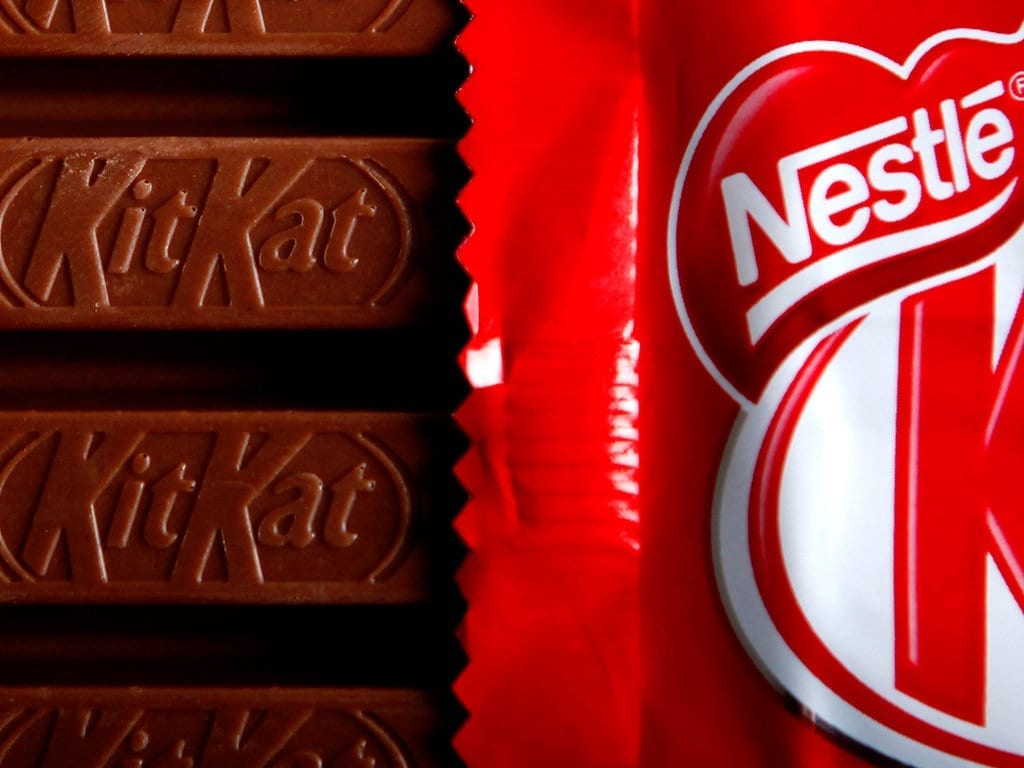
    KitKat, the renowned confectionery brand, is inviting Australians to embrace the growing trend of going entirely phone-free during their daily commute. This trend, aptly named ‘rawdogging’, has rapidly permeated everyday culture, with evidence of its popularity evident in the over 45 million posts on the social media platform, TikTok.

    KitKat ‘Rawdog your Commute’ Challenge

    In a bid to encourage individuals to take a break from their phones, KitKat has introduced the ‘Rawdog your Commute’ Challenge. This initiative involves a game that challenges commuters to see the length of time they can go without using their phones. Participants stand a chance to win one of 10 Unyoked 2-night weekend getaway e-gift cards, valued up to $626, which can be used anywhere in Australia. The longer the phone-free period, the higher the probability of winning.

    To participate in the game, individuals can scan a QR code on billboards positioned near commuting locations. Alternatively, they can visit the campaign’s website to start a timer that tracks the duration they can abstain from using their phone.

    Australians Crave a Break from Their Phones

    The launch of this campaign is timely as recent research commissioned by KitKat reveals that a significant 84% of Australians desire a break from their mobile devices. Additionally, 23% of respondents expressed that being phone-free would make their commute more enjoyable. Among those who have inadvertently been without their phones, 40% reported feeling happier, liberated, relieved, and more present.

    Shannon Wright, Nestlé Oceania’s Head of Marketing for Confectionery, commented on the campaign, stating, “KitKat has always been about aiding Australians in taking better breaks. However, disconnecting has become increasingly challenging in today’s digital age. This is why we’re encouraging commuters to rawdog their commutes via our new Phone Break game. We aim to make it achievable by rewarding those small, everyday moments that are transformed into a proper break.”

    KitKat asserts that this campaign is a contemporary take on its longstanding efforts to promote healthier breaks. It taps into the burgeoning consumer interest in digital well-being.

    Questions & Answers

    What is the aim of the KitKat ‘Rawdog your Commute’ Challenge?
    The challenge aims to encourage commuters to take a break from their phones during their daily journeys, making their commute more enjoyable and relaxing.

    How can one participate in the ‘Rawdog your Commute’ Challenge?
    Participants can join the challenge by scanning a QR code on billboards near commuting locations or by visiting the campaign’s website.

    What are the rewards for the challenge?
    Participants stand a chance to win one of 10 Unyoked 2-night weekend getaway e-gift cards, valued up to $626, to be used anywhere in Australia. The longer one goes without using their phone, the higher the probability of winning.

  • Cocoa Crisis Averted: Swiss Chocolatier Barry Callebaut Unfazed by Potential El Niño Impact

    Cocoa Crisis Averted: Swiss Chocolatier Barry Callebaut Unfazed by Potential El Niño Impact

    Swiss confectionery manufacturer, Barry Callebaut, anticipates that the cocoa market will remain stable, despite the potential emergence of a strong El Niño weather pattern in the upcoming months. This statement was made by the company’s Chief Financial Officer, Peter Vanneste, earlier this week.

    The United Nations weather agency recently announced an increased likelihood of a powerful El Niño weather pattern emerging soon. This weather phenomenon is known to significantly impact the cocoa industry and could potentially elevate global temperatures. However, Vanneste maintains a positive outlook, stating that the circumstances differ substantially from those experienced during the 2023 and 2024 cocoa market crises.

    Stability Amidst Uncertainty

    “Unlike the situation in 2023/2024, when El Niño coincided with the primary harvest season and triggered a third consecutive year of cocoa deficit, we are currently in a position of significant surplus,” Vanneste explained. “We have large volumes of cocoa stocks ready for the upcoming harvest season.”

    In addition to maintaining a strong surplus, Barry Callebaut, which supplies key chocolate industry giants such as Nestlé and Hershey, has fortified its resilience by diversifying its sources, enhancing its cocoa bean blending capabilities, and implementing several financial measures.

    Monitoring Market Trends

    Vanneste also noted that his firm is keeping a keen eye on cocoa grind data. This is a key indicator of chocolate demand, particularly important as they approach the second quarter of the year.

    Recent data from May shows a 39.7% year-on-year increase in cocoa grinding in the Ivory Coast, the world’s largest cocoa producer. “The expectation is for this trend to continue,” said Vanneste. “However, it’s important to remember that demand recovery will take time. This is something we will be closely monitoring moving forward.”

    Questions & Answers

    What is the potential impact of a strong El Niño on the cocoa industry?
    A strong El Niño weather pattern can have profound effects on the cocoa industry, often disrupting cocoa production and leading to a deficit in supply.

    How has Barry Callebaut prepared for potential market instability?
    Barry Callebaut has fortified its market stance through origin diversification, increased sourcing flexibility, enhancing its cocoa bean blending capabilities, and implementing financial measures.

    What is the significance of monitoring cocoa grind data?
    Cocoa grind data serves as a proxy for chocolate demand. Monitoring this data allows companies to effectively track and forecast market trends.

  • Experience Hybrid Work Life at Logi Cafe: Logitechs Pop-Up Office Oasis with Ten Thousand Coffee in Taiwan

    Experience Hybrid Work Life at Logi Cafe: Logitechs Pop-Up Office Oasis with Ten Thousand Coffee in Taiwan

    Logitech, the global leader in computer peripherals, has teamed up with Ten Thousand Coffee to present Logi Café, a temporary initiative in Taiwan designed to transform cafés into flexible workspaces. This unique experience allows customers to interact with and explore Logitech’s extensive collection of innovative productivity devices.

    Creating Mobile Workspaces with Logi Café

    Active until the end of August, this experience is hosted in five different Ten Thousand Coffee locations across Taiwan, all under the banner ‘Work Anywhere With Logi.’ There are two primary venues, the Breeze Center and Q Square in Taipei, which offer dedicated experiential zones. Here, visitors have the unique opportunity to test the functionality of Logitech products within the authentic setting of a café environment.

    The Logi Café display features Logitech’s diverse array of portable and ergonomic devices. Visitors can engage with products such as the Mobi wireless folding mouse, the Keys-To-Go 2 Bluetooth keyboard, the MX series peripherals, and the complete Ergo collection. Additionally, customers can discover the AI-powered productivity features offered by Logitech’s Options+ software.

    This unique campaign was designed to reflect the contemporary shift towards hybrid work patterns. Cafes are increasingly seen as alternative workspaces for both professionals and students. The Logi Café initiative seeks to illustrate how Logitech’s lightweight peripherals can enhance productivity not only within traditional office spaces but beyond.

    Logitech’s Expansion into Retail

    In 2023, Logitech Singapore joined forces with Watsons to distribute a curated range of lifestyle and technology items across Singapore’s brick-and-mortar stores. This move into physical retail spaces further exemplifies Logitech’s commitment to delivering its innovative products directly to the consumer in a variety of settings.

    Questions & Answers

    What is Logi Café?
    Logi Café is a temporary initiative launched in Taiwan by Logitech in partnership with Ten Thousand Coffee. It transforms cafés into mobile workspaces where consumers can experience Logitech’s latest productivity devices.

    What products can visitors test at Logi Café?
    Visitors to Logi Café can explore a range of Logitech’s portable and ergonomic devices, including the Mobi wireless folding mouse, Keys-To-Go 2 Bluetooth keyboard, MX series peripherals, and the Ergo collection. They can also discover the AI-powered productivity features offered by Logitech’s Options+ software.

    What is the aim of Logi Café?
    Logi Café is designed to reflect the current shift towards hybrid working, demonstrating how Logitech’s lightweight peripherals can enhance productivity not only within traditional office spaces but also in alternative workspaces such as cafés.

  • Australian Fashion Powerhouse Zimmermann Unveils First Boutique in Hong Kong, Accelerating Asian Expansion

    Australian Fashion Powerhouse Zimmermann Unveils First Boutique in Hong Kong, Accelerating Asian Expansion

    Zimmermann, the esteemed Australian fashion label, has unveiled its first boutique in Hong Kong at the upscale Pacific Place, further solidifying its foothold in the Asian market.

    The boutique is strategically situated in the posh sector of Pacific Place, offering a significant contribution to the opulence of the area. The label collaborated with Studio McQualter, a familiar partner, to design the store, resulting in an amalgamation of interconnected spaces. These areas are meticulously curated to showcase Zimmermann’s ready-to-wear and accessories collections.

    A Blend of Elegance and Artistry

    The boutique is a perfect blend of elegance and artistry, featuring an eye-catching glass facade with terrazzo flooring. It is further adorned with stained-oak fixtures and an array of vintage furnishings that enhance the aesthetic appeal. The interior also exhibits pieces from Australian artists Angus Gardner and Elliot Watson, adding a cultural touch to the shopping experience. Taking a step further to offer comfort and exclusivity, the boutique includes a private lounge for clients. The boutique’s debut coincides with the launch of Zimmermann’s High Summer 2026 collection, offering the latest fashionable trends to its customers.

    Over the past couple of years, Zimmermann has rapidly expanded its physical presence in Asia. This started with the inauguration of a flagship store in Beijing at Taikoo Li Sanlitun, which was followed by outlets in Shanghai and Chengdu. More recently, the brand broadened its reach by opening its first boutique in Thailand at IconSiam.

    This latest addition in Hong Kong signifies a new growth phase for Zimmermann under the leadership of CEO Roberto Eggs. Having joined the Australian luxury brand in May, after spending over ten years at Moncler Group, Eggs has been instrumental in Zimmermann’s expansion and success.

    Questions & Answers

    What is unique about Zimmermann’s new boutique in Hong Kong?
    The boutique is designed with interconnected spaces, showcasing the brand’s ready-to-wear and accessories collections. It features a glass facade, terrazzo flooring, stained-oak fixtures, vintage furnishings, and also showcases works by Australian artists.

    When did Zimmermann’s expansion into Asia begin?
    Zimmermann started expanding its physical presence in Asia over the past two years, with the opening of a flagship store in Beijing.

    Who is leading Zimmermann’s expansion?
    The brand’s new phase of growth is being spearheaded by CEO Roberto Eggs, who joined Zimmermann in May after spending over a decade at Moncler Group.

  • Philippine Airlines Soars with $300M Bond Sale: Billionaire Lucio Tans Strategy for Expansion and Recovery Post-Bankruptcy

    Philippine Airlines Soars with $300M Bond Sale: Billionaire Lucio Tans Strategy for Expansion and Recovery Post-Bankruptcy

    Philippine Airlines, under the ownership of billionaire Lucio Tan, renowned for his ventures in the tobacco and banking sectors, has successfully garnered US$300 million via a five-year bond sale. This strategic move is aimed at financing the carrier’s ambitious plans for fleet modernization and growth.

    The bonds, which have been guaranteed as senior unsecured, were issued at a rate of 7.75% by Primero Agila, a fully owned subsidiary of the airline. The statement issued by the carrier also revealed the overwhelming response received for the offering, which was subscribed to 4.5 times more than anticipated, resulting in an order book surpassing $1.4 billion.

    First Bond Sale Since Bankruptcy Clearance

    Significantly, this bond sale is the first for Philippine Airlines following its emergence from Chapter 11 bankruptcy proceedings in the U.S. in December 2021. The funds raised will be used to bolster the carrier’s international expansion plans, which include augmenting the frequency of flights to major North American hotspots including Chicago, New York, Toronto, and Vancouver.

    In the words of Lucio C. Tan III, president of PAL Holdings and the grandson of the tycoon, “This landmark bond offering is a powerful affirmation of Philippine Airlines’ transformation and the confidence that global investors have in our long-term vision and growth ambitions. This allows us to strengthen our network and continue to elevate the travel experience for our customers.”

    A Landmark Achievement

    The bonds, which have received an unconditional and irrevocable guarantee by Philippine Airlines and its wholly-owned subsidiary, Air Philippines Corp., will be listed on the Singapore Exchange. The $300 million bond sale has been recognized as the first rated high-yield bond offering by a Philippine issuer in over a decade and the first unsecured rated high-yield bond issued by an Asian airline.

    Moreover, the airline has demonstrated a robust earnings recovery since the height of the Covid-19 pandemic. Its net profit witnessed a rise of 2.6% to $78.6 million in the first quarter, compared to the same period in the previous year, while revenue experienced a healthy increase of 9.7% to $895.7 million.

    In addition to aviation, Tan maintains interests in multiple sectors including banking, beer, spirits, tobacco, and real estate via his publicly listed flagship company, LT Group. His net worth stands at an impressive $3 billion, making him one of the wealthiest tycoons in the Philippines.

    Questions & Answers

    What will the proceeds from the bond sale be used for?
    The funds raised from the bond sale will be used to support Philippine Airlines’ international expansion plans, including the increase of flight frequencies to major North American cities.

    Why is this bond sale significant for Philippine Airlines and the aviation industry?
    This bond sale is the first for Philippine Airlines since it emerged from bankruptcy proceedings last year. It is also the first rated high-yield bond offering by a Philippine issuer in over a decade and the first unsecured rated high-yield bond issued by an Asian airline.

    How has Philippine Airlines performed financially since the height of the Covid-19 pandemic?
    The airline has shown a strong earnings recovery, with net profit rising 2.6% to $78.6 million in the first quarter from a year earlier, while revenue increased 9.7% to $895.7 million.

  • Gasoline Takes a Dip while Diesel Climbs: Fuel Price Fluctuations Amid Global Tensions

    Gasoline Takes a Dip while Diesel Climbs: Fuel Price Fluctuations Amid Global Tensions

    On Thursday afternoon, fluctuations in global rates resulted in a decrease in gasoline prices and an increase in diesel prices. The popular gasoline variant, E10 RON95, saw a 2.01% drop pricing it at VND20,000 (US$0.76) per liter.

    Diesel Prices Rise as Biofuel Demand Increases

    Contrarily, diesel prices experienced a 2.73% surge, amounting to VND21,740. Despite the recent increase, the cost of diesel has seen a significant reduction, dropping by half from its peak price in April of this year. In addition, Biofuel E5 RON92 saw a 2.69% increase, bringing the price to VND19,190.

    Global fuel prices have been considerably influenced by recent tensions in U.S.-Iran relations, as reported by the Ministry of Industry and Trade and the Ministry of Finance. Over the last week, the price of RON95 fell 2.6% to $97.5 per barrel, while diesel prices increased 4.2% to $116.5 per barrel. The cost of Mazut also decreased by 1% to $428.3 per ton.

    Vietnam’s Fuel Consumption Trends

    Vietnam authorities have announced that they will continue to eliminate fuel-related taxes, excluding the special consumption tax, through the end of September. Following the widespread introduction of E10 gasoline just a month ago, Vietnam has reported a consumption of approximately 980 million liters of biofuel gasoline. Out of this total, E10 gasoline made up for 924 million liters or 96%.

    Questions & Answers

    What changes were observed in the fuel prices recently?
    Gasoline prices fell by 2.01%, while diesel prices increased by 2.73%.

    What factors are influencing the global fuel prices?
    The recent U.S.-Iran tensions have had significant impacts on the global fuel prices.

    What has been the consumption trend for biofuel gasoline in Vietnam?
    In the past month, Vietnam consumed around 980 million liters of biofuel gasoline, out of which E10 gasoline accounted for 96%.

  • Uniqlo Owner Fast Retailing Reports Stellar 45.7% Profit Boost Amidst Global Challenges

    Uniqlo Owner Fast Retailing Reports Stellar 45.7% Profit Boost Amidst Global Challenges

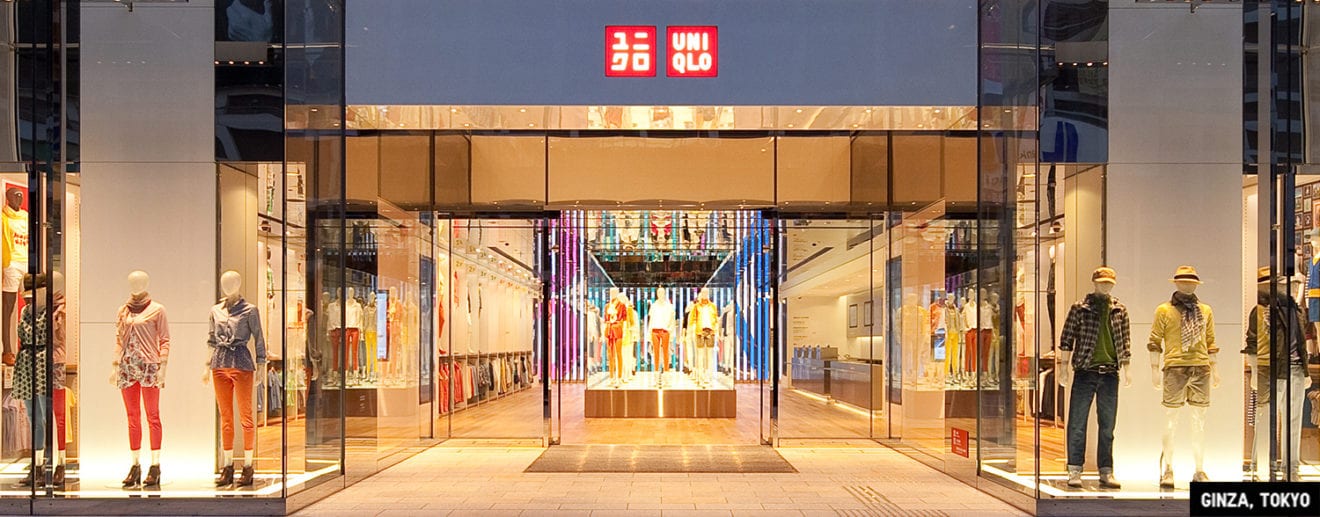
    Fast Retailing, the Japanese firm that owns the popular clothing brand Uniqlo, reported a 45.7% quarterly profit surge, despite facing challenges from the Iran war’s impact on supply chains and logistics. Achieving this milestone puts the company on track for its fifth consecutive year of record earnings.

    Over the three months through May, Fast Retailing’s operating profit reached 213.79 billion yen (US$1.32 billion), a substantial increase compared to 146.74 billion yen during the same period in the previous year. This figure significantly surpassed the average estimate of seven analysts, which stood at 177.73 billion yen. As a result of this positive performance, Fast Retailing raised its full-year operating profit forecast from 700 billion yen to 730 billion yen.

    Uniqlo’s Global Appeal and Challenges

    Fast Retailing’s success is a key indicator of consumer spending trends in Japan and mainland China, with nearly 900 stores in these regions. Starting as a single store in Hiroshima, western Japan, in 1984, the company now operates more than 2,500 Uniqlo stores worldwide, with its products primarily manufactured in Asian hubs.

    In recent times, the brand has seen rapid expansion in Europe and North America as it seeks growth beyond China, its largest overseas market. However, this expansion has come with challenges. In Japan, sales have been bolstered by a tourism boom and a weak yen, but growth in China has slowed, leading to store closures and restructuring.

    The ongoing Middle East conflict and changing weather patterns have also posed challenges for Fast Retailing, along with other global fashion retailers. Supply and logistic disruptions, as well as weather impact on clothing demand, have become significant concerns.

    Fast Retailing’s CFO, Takeshi Okazaki, highlighted these issues earlier this year, indicating that the Iran war had complicated air freight from production bases in Southeast Asia, and that sustained oil price increases could affect the costs of synthetic fibers.

    Questions & Answers

    What was Fast Retailing’s operating profit for the three months through May?
    The company’s operating profit was 213.79 billion yen (US$1.32 billion) during this period.

    How has Fast Retailing’s expansion into Europe and North America impacted the company?
    While the expansion has opened up new markets for Fast Retailing, it has also presented challenges such as coping with the effects of the Middle East conflict on supplies and logistics, and adapting to changing weather patterns impacting clothing demand.

    What factors have affected Uniqlo’s growth in China?
    The growth of Uniqlo in China has been affected by weak consumer sentiment, which led to store closures and restructuring.

  • Luxshare Skyrockets, Raking in $3bn from Hong Kong Listing for AI and Auto Tech Expansion

    Luxshare Skyrockets, Raking in $3bn from Hong Kong Listing for AI and Auto Tech Expansion

    Luxshare Precision Industry, headquartered in China, announced on Tuesday that its Hong Kong listing has been priced at the upper limit of its target range, resulting in the raising of approximately HK$24.27 billion (US$3.09 billion).

    The Apple supplier, listed in Shenzhen, revealed the offer price was set at HK$63.28 per H-share, resulting in the sale of 383.5 million shares.

    Luxshare plans to use the proceeds from the listing to enhance its manufacturing capacity within the automotive and consumer electronics sectors. The raised capital will also be used to fund artificial intelligence-powered factory upgrades, facilitate potential acquisitions, repay existing debt, and bolster the firm’s working capital.

    A significant part of the raised funds will be dedicated to the expansion of Luxshare’s automotive electronics business. This is indicative of the firm’s strategic move beyond consumer electronics and into the rapidly expanding field of intelligent vehicle supply chain.

    Luxshare revealed that it anticipates announcing the level of investor demand for its international offering, as well as the allocation results, on July 8. The company’s shares are expected to commence trading on the Hong Kong Stock Exchange at 9:00am local time on July 9.

    Luxshare was founded by Chinese billionaire Wang Laichun and is counted among Apple’s largest suppliers. The firm is responsible for the manufacturing of a range of electronic devices, comprising routers, wireless charging modules, and video conferencing equipment.

    Questions & Answers

    What does Luxshare Precision Industry plan to do with the proceeds from its Hong Kong listing?
    Luxshare plans to use the raised capital to expand its manufacturing capacity, fund factory upgrades, pursue acquisitions, repay debt, and support working capital.

    How is the company expanding its business?
    Luxshare is looking to move beyond the sphere of consumer electronics and delve deeper into the rapidly growing intelligent vehicle supply chain.

    When does Luxshare plan to begin trading its shares?
    Trading of Luxshare’s shares is expected to begin on the Hong Kong Stock Exchange at 9:00am local time on July 9.

  • Mr DIY Unveils Expanded Plus Concept Store at The Mines, Offering a One-Stop Shopping Experience

    Mr DIY Unveils Expanded Plus Concept Store at The Mines, Offering a One-Stop Shopping Experience

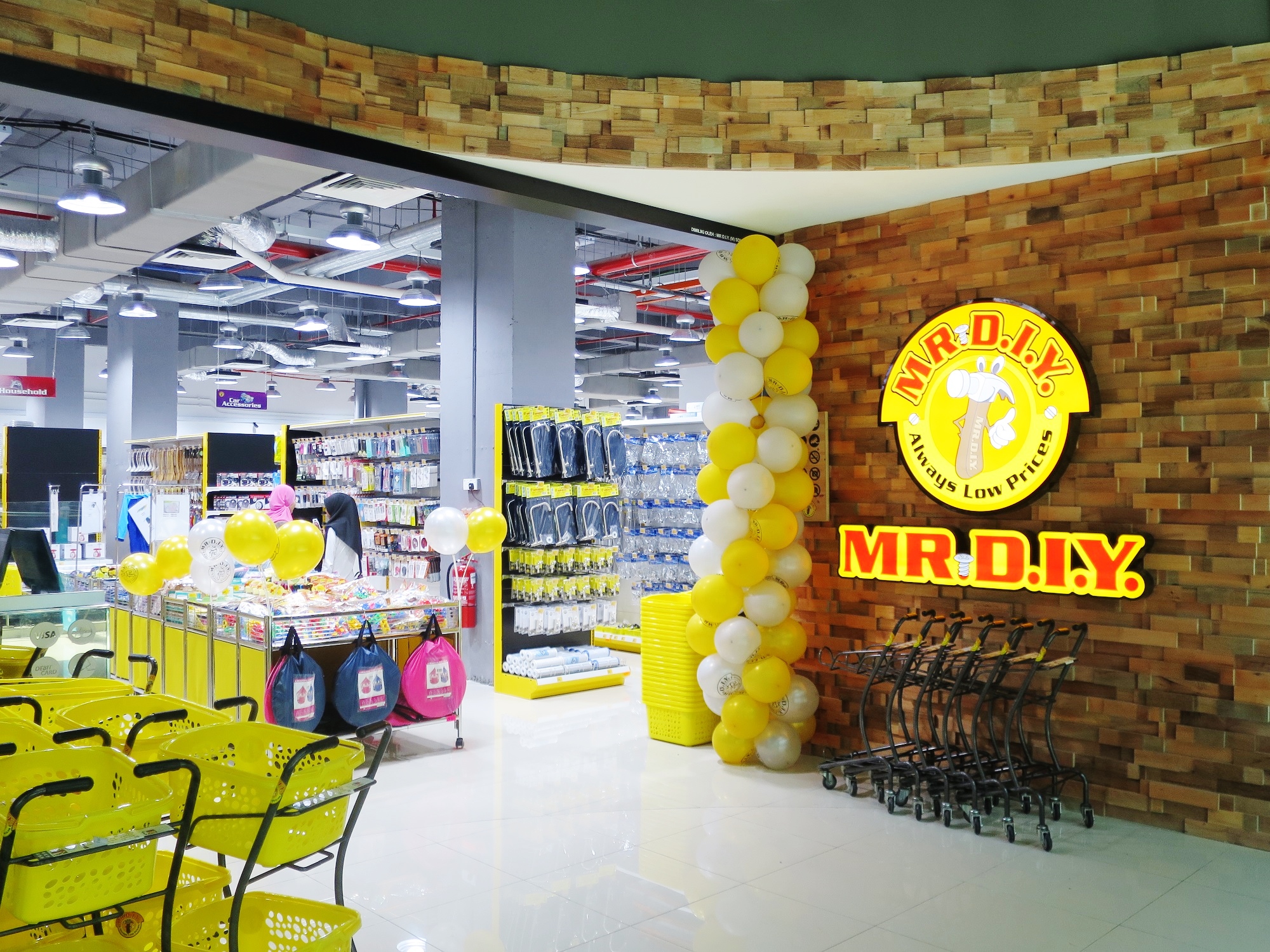
    Mr DIY, a renowned retailer, has broadened its retail scope by launching a new larger-format store, known as Mr DIY Plus, located in The Mines, Malaysia. This latest addition encapsulates the company’s four diversified retail brands: Mr DIY, Mr Toy, Mr Dollar, and Emtop. Providing a more comprehensive selection of products, the store caters to customer needs in various categories such as home improvement, household, hardware, electrical, stationery, toy, automotive, and lifestyle.

    The new store is not just a shopping spot, but an interactive community hub. The outlet features innovative community-focused attributes such as dedicated spaces for weekend workshops and activities, along with captivating retail displays to foster customer engagement. The overarching goal of this larger-format concept is to enhance customer convenience by amalgamating a multitude of product categories into one single, easy-to-navigate shopping destination.

    Adrian Ong, CEO of Mr DIY, shared his insights on the evolving shopping habits of customers. He stated that customers no longer have to compromise on variety or value in search of convenience, as the new Mr DIY Plus store is designed to cater to these needs. In addition to providing everyday essentials, the store encompasses a wider range of products, creating a unique and refreshed shopping experience. By positioning itself as a community destination, Mr DIY Plus aims to further integrate into the daily routines of its customers.

    This inaugural event comes as Mr DIY maintains its growth trajectory in the region. The retailer marked an impressive milestone earlier in the year as it expanded to over 1000 stores in Thailand. Reflecting on its expansion plans, Mr DIY has set an ambitious goal of reaching 3000 stores in Thailand by 2031, with an anticipated addition of 210 outlets within the current year.

    Questions & Answers

    What new concept has Mr DIY introduced with its latest store?
    With the new Mr DIY Plus store, the company has introduced a larger-format retail concept. This includes an amalgamation of the group’s four retail brands, offering a wider range of products and an easier-to-navigate design.

    What unique features does the new Mr DIY Plus store offer?
    The store introduces community-focused features, such as dedicated spaces for weekend workshops and activities, as well as interactive displays to engage customers.

    What are Mr DIY’s expansion plans in Thailand?
    Earlier this year, Mr DIY surpassed 1000 stores in Thailand. The retailer plans to add another 210 outlets this year, with a target of reaching 3000 stores in Thailand by 2031.

  • Jollibee Billionaire-Backed Hotel101 Pours $200M into Thai Hotel Expansion

    Jollibee Billionaire-Backed Hotel101 Pours $200M into Thai Hotel Expansion

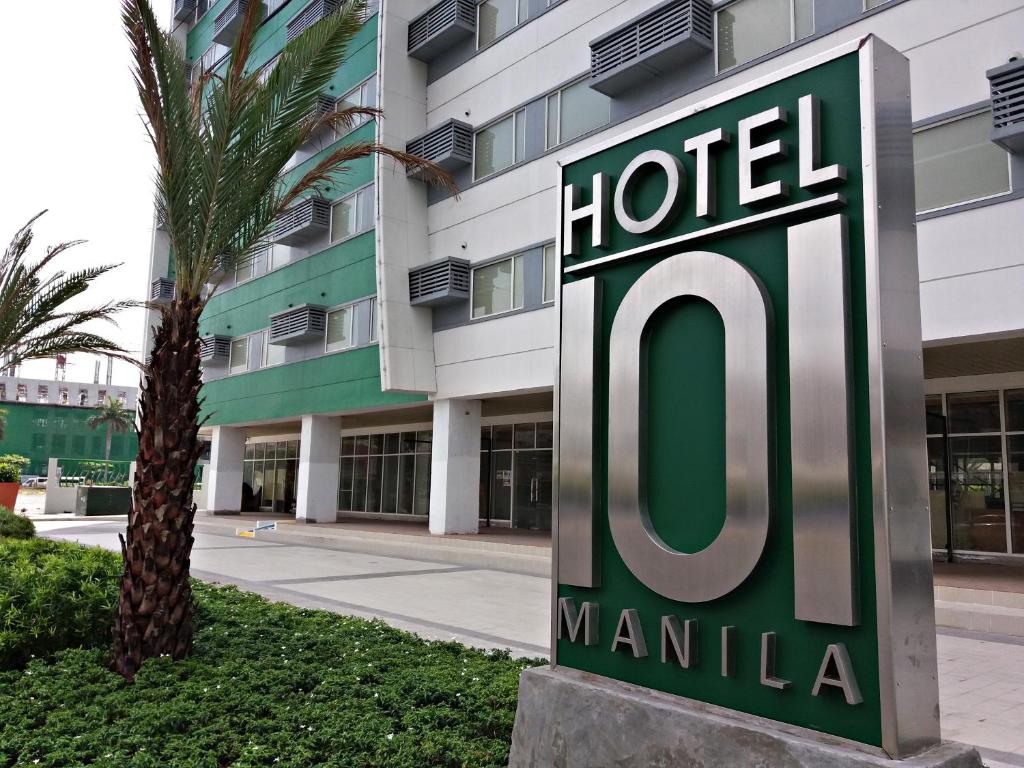
    Hotel101 Global, a venture supported by Jollibee Foods founder Tony Tan Caktiong, is marking its expansion into Thailand with an investment of US$200 million. This investment is aimed at the development of three new hotels in Southeast Asia’s top tourist destination.

    Expansion and Development Plans

    The company plans to launch these developments over the next three years. The first hotel will be situated in Bangkok, with the subsequent projects planned for Pattaya and Phuket. Collectively, these three hotels are expected to provide over 2,000 rooms.

    Hotel101 Global is a division of DoubleDragon, a collaborative enterprise between Caktiong, who has a net worth of $1.1 billion, and property tycoon Edgar Sia II, who holds $310 million in assets.

    Hotel101-Bangkok is projected to produce 1.9 billion baht ($57 million) in sales once all units are sold. This hotel is set to be completed by 2029 and will occupy an 8,336-square-meter site on Phahon Yothin Road, close to Don Mueang International Airport. Guests can expect a variety of amenities, including meeting spaces, a conference center, modern rooms, all-day dining, a swimming pool, a full-size gym, a business center, a children’s pool, parking, and luggage storage.

    Hotel101, which inaugurated its first property in the Philippines in 2016, joined Nasdaq in July of the previous year. This listing is anticipated to aid Sia in his ambition of constructing 1 million hotel rooms across 100 countries by 2050.

    Existing Ventures and Future Projects

    At present, the company runs two hotels in the Philippines, which together comprise 1,124 rooms. As part of its global expansion, Hotel101 unveiled its first international property, the 680-room Hotel101-Madrid, in March. The 482-room Hotel101-Niseko in Hokkaido, Japan, is set to open in December.

    This year, the company is also planning to launch the 519-room Hotel101-Davao and the 548-room Hotel101 Cebu in the Philippines. According to Hotel101, these new additions, along with Hotel101-Niseko, will introduce a record 2,229 new hotel rooms by 2026.

    In addition to these, Hotel101 is working on projects in Los Angeles and Saudi Arabia, where it aims to construct 10,000 rooms worth $2.5 billion across several cities.

    The company’s approach is centered on building a global hotel network characterized by identical, standardized rooms at all of its properties to enhance efficiency and affordability.

    Questions & Answers

    What is the investment plan of Hotel101 for their expansion into Thailand?
    Hotel101 Global plans to invest US$200 million to develop three hotels in Bangkok, Pattaya, and Phuket.

    What amenities can guests expect at the new hotels?
    Guests can anticipate amenities such as meeting spaces, a conference center, modern rooms, all-day dining, a swimming pool, a full-size gym, a business center, a children’s pool, parking, and luggage storage.

    What is the company’s long-term goal?
    The long-term goal of Hotel101 is to develop 1 million hotel rooms across 100 countries by 2050, as facilitated by their listing on Nasdaq.