Author: Mei Ling Tan

  • Peters Ice Cream Launches Lotus Biscoff Frozen Range in 2 Formats

    Peters Ice Cream Launches Lotus Biscoff Frozen Range in 2 Formats

    Peters Ice Cream partnered with Belgian brand Lotus Bakeries in September 2026 on a co-branded frozen dessert line in Australia. The rollout covers two initial formats.

    Both lines combine the speculoos biscuit brand with frozen dairy to contest freezer space in supermarkets and convenience outlets.

    Two Formats for Australian Freezers

    The range includes the Biscoff Sandwich and a 425ml tub. In the sandwich, Biscoff-flavoured frozen dessert sits between two whole biscuits. The tub blends a frozen base with biscuit pieces and Biscoff spread.

    Dessert makers increasingly turn to co-branding to secure retail distribution quickly. It bypasses years of building flavour equity from scratch. For Peters, Lotus Bakeries brings established recognition from bakery aisles to drive impulse purchases in the freezer.

    Rivalry in the Premium Freezer Aisle

    This deal pits Peters against Unilever and private-label rivals selling licensed snack flavours in Australian grocery aisles. Freezer space is tight. Supermarket buyers regularly drop slow-moving stock keeping units to make room for high-turnover co-branded products.

    Lotus Bakeries expands its Asia-Pacific freezer reach via local manufacturing deals. Brand licensing lets the Belgian baker step outside ambient biscuit aisles. It avoids building regional cold-chain plants.

    Prior Brand Crossovers

    Earlier crossover projects paired Peters’ Maxibon label with heritage confectionery and ice cream flavours to gauge demand before full production runs. The Lotus partnership expands that strategy into year-round tub and sandwich sales rather than seasonal novelty releases.

    Supermarket buyers are tracking early sell-through rates on the 425ml tub format as grocers finalise upcoming summer freezer planograms.

  • Fonterra Annual Profit Jumps to NZ$2.6 Billion on Mainland Sale

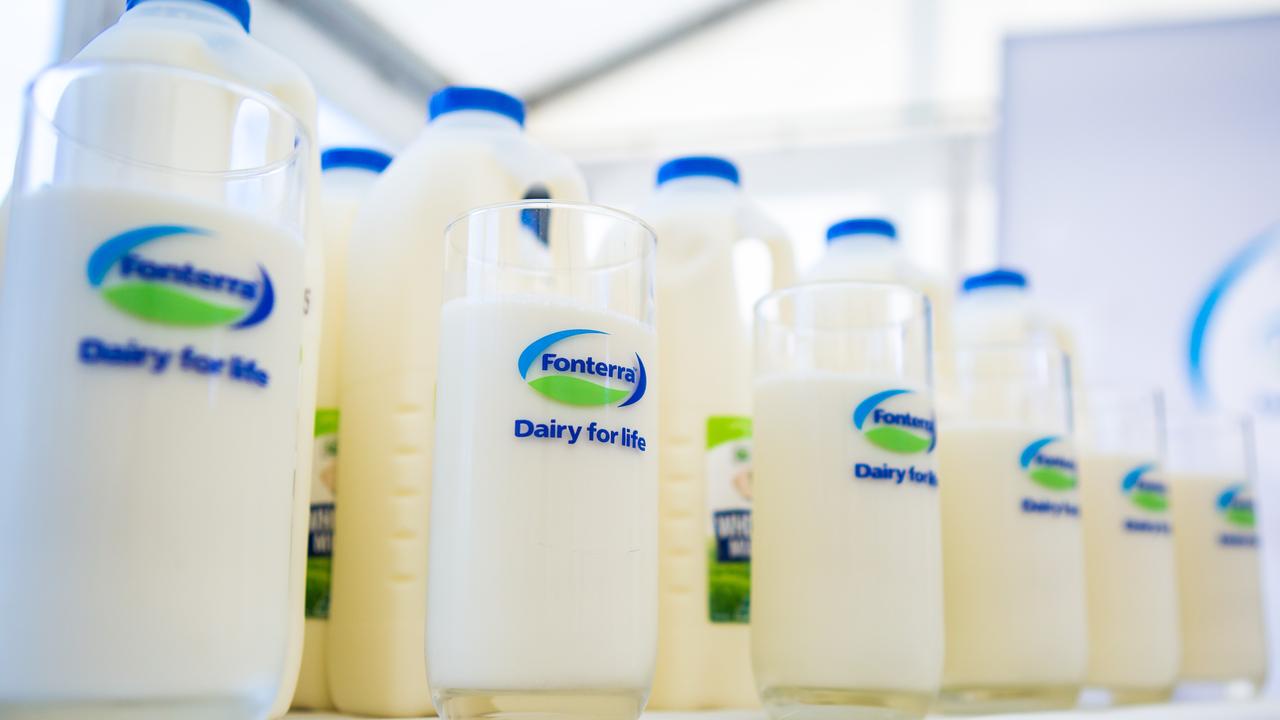
    Fonterra Annual Profit Jumps to NZ$2.6 Billion on Mainland Sale

    Fonterra lifted its full-year net profit after tax by 142 per cent to NZ$2.6 billion ($1.6 billion) following the sale of its consumer arm.

    Operating profit jumped 97.6 per cent to NZ$3.4 billion for the fiscal year ended July 31. That figure included a NZ$1.2 billion gain from selling the Mainland Group consumer business.

    The Auckland-based dairy co-operative completed the Mainland sale in March, handing over brands including Anchor, Mainland, Perfect Italiano and Anmum. Stripping out the divestment, underlying operating profit rose 20 per cent to NZ$1.8 billion from NZ$1.5 billion a year earlier. Total cash distributions reached NZ$12.42 per fully shared-up farmer shareholder. That comprised a NZ$10.42 operating payout and a NZ$2.00 capital return from sale proceeds.

    Balance sheet overhaul and debt reduction

    Fonterra used the divestment proceeds and operating cash flow to cut adjusted net debt by NZ$967 million. Total debt fell to NZ$1.7 billion. Gearing dropped to 21 per cent from 24 per cent twelve months prior. Debt to earnings before interest, tax, depreciation and amortisation fell from 1.1 times to 0.7 times, giving the business headroom to absorb farmgate commodity swings.

    Underlying earnings per share rose 31 per cent to 71 New Zealand cents from 54 cents in FY25. Underlying return on capital reached 14.2 per cent. That result beat the co-operative’s target band of 10 to 12 per cent.

    Processing volumes counter farmgate price drop

    Milk collections reached 1,571 million kilograms of milk solids across the season, up 4.1 per cent year-on-year. That set a ten-year processing record for the group. Higher factory throughput spread fixed costs across a larger volume base and improved plant utilisation.

    Higher processing volumes helped shield earnings from softer commodity rates. The final Farmgate Milk Price settled at NZ$9.69 per kilogram of milk solids, down from NZ$10.16 in the previous season. Global milk supply recovered across Europe and the Americas during the period.

    Early recovery against post-sale targets

    The co-operative beat its internal recovery schedule by two years. Management had planned to take three years following the Mainland exit to rebuild underlying operating profit to NZ$1.7 billion. Higher product stream margins pushed the core business past that mark in year one.

    For food manufacturers and retail private-label buyers across Southeast Asia and Greater China, the restructured business now functions strictly as an ingredients and foodservice supplier. It no longer competes as a brand owner on retail shelves. The divestment removed channel conflict with Asian supermarket clients, though it concentrates group revenue on volatile global dairy trade benchmarks and industrial buyers.

    Earnings momentum into the next milk season

    Asset sales in South America and China farming hubs preceded this final exit from overseas retail consumer operations. Fonterra shares traded at NZ$8.30 in Wellington after the release. That put the stock near the upper limit of its 52-week trading range of NZ$6.14 to NZ$8.49.

    Chief Financial Officer Andrew Murray stated that holding product stream returns near FY26 levels would keep earnings on track through the next cycle. Investors and ingredient buyers now look to Fonterra’s opening farmgate forecast update in November to gauge early Southern Hemisphere spring production volumes.

  • Japan Factory Output Drops 1.7% as Vehicle Assembly Halts

    Japan Factory Output Drops 1.7% as Vehicle Assembly Halts

    Japan’s factory output shrank 1.7 per cent in August from July. Severe weather and seismic disruptions hit automotive assembly lines, reversing expectations of a rebound.

    A Reuters poll had pointed to a 1.7 per cent expansion. Instead, output missed median forecasts and fell for a second straight month.

    Disruptions Hit Automotive Assembly

    Vehicle production slumped 6.8 per cent month on month, according to Ministry of Economy data. Plant operations halted after an earthquake and a typhoon disrupted domestic logistics and assembly schedules in August.

    General-purpose and business machinery output fell 6 per cent over the same period. Those steep drops in vehicles and machinery wiped out modest gains across other manufacturing categories.

    Pressure on Regional Supply Chains

    Automakers across Asia depend on precision components and sub-assemblies exported directly from Japan. When domestic plants halt, regional supply chains feel the shock within weeks. That pinches vehicle availability for dealerships across Southeast Asia and Australia.

    Production volatility in Japan complicates inventory planning for regional parts suppliers and downstream car retailers. Dealership networks running lean stock models face delayed order fulfilments whenever Japanese assembly hubs stall.

    Central Bank Rate Calculations

    This two-month slide lands at a delicate moment for central bank policymakers. Bank of Japan officials continue to review economic indicators before deciding whether to raise interest rates in the near term.

    Slowing factory output complicates that plan. Raising borrowing costs during an industrial slump risks cooling domestic capital investment and consumer spending.

    Forecasts Point to Autumn Rebound

    Repeated natural disasters tested the industrial base throughout the summer, extending a volatile run for domestic goods producers.

    Manufacturers surveyed by the Ministry of Economy expect seasonally adjusted production to rebound 3.2 per cent in September and expand 3.1 per cent in October.

  • Toyota to Expand ¥27 Million Century Luxury Brand Globally

    Toyota to Expand ¥27 Million Century Luxury Brand Globally

    Toyota Motor is preparing to expand sales of its ultra-luxury Century badge beyond Japan. The nameplate was historically reserved for domestic heads of state. Now, Toyota is positioning it above Lexus in international showrooms.

    The rollout follows the introduction of a Century sport utility vehicle priced from ¥27 million ($171,651) in Japan. Annual Century deliveries there dropped to roughly 500 units last year from 1,700 cars in 1997.

    Shipments of the Century SUV have already started to mainland China, alongside small export volumes to select markets in Asia and the Middle East. Executive leadership is now assessing wider entries, including North America. Chairman Akio Toyoda recently appeared at the Automotive Hall of Fame in Detroit in a custom Century SUV fitted with gold badging and bespoke trim.

    Building a Tier Above Lexus

    Carving out Century as a standalone crown brand resolves an internal ceiling that capped Lexus for decades. Lexus competes against volume luxury producers such as BMW, Mercedes-Benz and Audi. Yet it has struggled to justify price tags above $150,000 on standard production lines. Placing Century at the top allows Toyota to enter the ultra-luxury bracket without disrupting Lexus fleet and retail sales.

    Work on the shift began in October 2025 when Toyota unveiled a Century coupe concept at the Japan Mobility Show. Toyota then launched an English-language portal and opened a dedicated brand exhibition space in downtown Tokyo in March. The structure mimics European automotive groups by separating mass luxury from low-volume coachbuilding.

    Dealership networks and regional importers across Asia face a distinct retail model. Century models remain partly handmade, using traditional Japanese craftsmanship like Nishijin-ori brocade weaving and urushi lacquer trim. Output is tight. Because artisanal lines limit production, dealers will handle Century through bespoke allocations rather than standard floor inventory.

    Pricing Against European and Chinese Competitors

    Entering this tier puts Toyota against established European marques and aggressive Chinese electric vehicle makers. At ¥27 million, the Century SUV undercuts traditional benchmarks. The Bentley Bentayga starts near $230,000. Rolls-Royce commands base pricing around $355,000 for the Ghost sedan.

    Chinese automakers are also pushing into the bracket with software-heavy alternatives. BYD is marketing its Yangwang U8 SUV around $150,000. Meanwhile, Huawei-backed Maextro is preparing the S800 executive sedan to challenge the Mercedes-Maybach S-Class at roughly $100,000. These challengers rely on rapid software integration and extreme vehicle dynamics.

    Distributors plan to counter that tech pitch with mechanical refinement and quiet cabins. The Century nameplate dates back to 1967, giving it a pedigree newer Asian brands lack. But export networks still face a basic test: convincing overseas buyers to pay six figures for a Japanese badge with no European heritage.

    Powertrains and Production Hurdles

    Homologation presents an immediate hurdle under the hood. Historical Century sedans gained cult status through a proprietary 5.0-litre V12 engine introduced in 1997 and retired in 2017. Today’s variants rely on electrified setups. The sedan uses a V8 hybrid system, while the new SUV runs on a 3.5-litre V6 plug-in hybrid drivetrain.

    Engineers are evaluating future powertrain architectures for production iterations of the coupe concept. Automotive trade publications reported development of a modern V12 hybrid setup, but Toyota has declined to confirm specifications. Stricter emissions rules across Europe and tier-one Chinese cities make high-displacement engines costly to certify.

    Gray-market importers have already proved that international demand exists at lower price points. Under US laws exempting 25-year-old cars from modern safety rules, collectors buy 1990s V12 Century sedans through specialty dealers for around $25,000. Translating that niche enthusiasm into sales for a new $170,000 vehicle requires building elite retail infrastructure from scratch.

    The Next Steps for Export Markets

    Initial work to build global visibility started with diplomatic fleets and private previews across East Asia. The company is now gauging response from dealer groups in North America and Southeast Asia. Factory tooling for left-hand-drive variants at higher volume will wait on those findings.

    Toyota will review market feasibility studies and dealer allocation standards before presenting the Century lineup at international auto shows scheduled for 2027.

  • Vietnam Tea Exports to the US Jump 36% to $7.64 Million

    Vietnam Tea Exports to the US Jump 36% to $7.64 Million

    Vietnam shipped $7.64 million worth of tea to the United States in the first eight months of 2026. That is a 36.4 percent jump year-on-year.

    Volume climbed 22 percent over the period. At the same time, average prices gained 12 percent to $1,649 per ton, customs data shows.

    Value gains offset volume drop

    American demand outpaced Vietnam’s overall tea trade, which shrank by volume. Worldwide shipments totaled 77,256 tons worth $143.5 million through August. Volume dropped 9.8 percent. Even so, total export value fell just 1.5 percent because the global average price rose 4.5 percent to $1,778 per ton.

    Sales to Saudi Arabia jumped 27 percent, and exports to Russia rose 15 percent across the eight months. Pakistan went the other way. Shipments to the longtime buyer fell by more than half after it enforced strict halal certification rules.

    Premium blends drive export pricing

    Vietnam’s Export-Import Department linked the price resilience to a structural pivot away from bulk raw leaves. Foreign buyers now order more processed green tea, oolong, and flavored blends. These specialty products yield higher retail margins.

    Growers in production hubs like Lam Dong province are converting acreage to specialty teas. They want higher wholesale prices in premium consumer markets instead of chasing raw volume. The mix shift helps protect revenues when total shipments slow.

    Divergence across agricultural commodities

    Similar price dynamics played out across other Vietnamese agricultural sectors. Coffee exports brought in over $6 billion on nearly 1.7 million tons through August. Seafood shipments generated $3.3 billion, led by Chinese demand for shrimp.

    Perishable domestic crops faced steeper swings. Farm-gate dragon fruit prices in Lam Dong crashed 53 to 90 percent earlier in the season to between 2,000 and 7,000 dong per kilogram. Meanwhile, tight supply in Dak Lak lifted Monthong durian prices 20 to 30 percent to 105,000 dong per kilogram.

    Targeting the final quarter

    Government trade officials expect export volumes and pricing to stay strong through the fourth quarter of 2026. Holiday retail purchasing across North America, East Asia, and the Middle East should anchor year-end demand.

    Industry groups are now watching September data to see if steady North American sales can cover the volume lost in South Asia through year-end.

  • BYD Builds Ten-Millionth Dynasty Vehicle as Da Han Sedan Nears Launch

    BYD Builds Ten-Millionth Dynasty Vehicle as Da Han Sedan Nears Launch

    BYD rolled its ten-millionth Dynasty series car off the assembly line in China on September 29. An upcoming Da Han flagship sedan logged the production record.

    Production of the lineup began nearly thirteen years ago with the Qin plug-in hybrid in December 2013. The final 1.14 million units took less than nine months to build.

    Lu Tian, general manager of the Dynasty sales division, announced the figure ahead of the sedan’s October 13 commercial launch. Presales opened August 21 at the Chengdu Auto Show. Three battery-electric variants are priced between 249,900 yuan and 299,900 yuan ($37,070 to $44,670).

    The five-seat vehicle measures 5,256 mm long with a 3,130 mm wheelbase. Both rear-wheel-drive editions claim 1,008 km of range under China light-duty vehicle test cycle standards. The all-wheel-drive trim offers 880 km. Dual-chamber air suspension, rear-wheel steering, flash charging and LiDAR-based driver assistance come standard across all versions.

    Mainstream Models Squeeze Upmarket Sales

    Sales for the domestic lineup have shifted downward into mass-market segments. The earlier Han sedan and Tang sport utility vehicle established BYD in the premium tier, but both nameplates have lost retail share.

    August retail deliveries for Dynasty reached 170,842 vehicles, up 13.88 per cent year on year. The Han family contributed 2,997 units and the Tang line delivered 12,340 units, making up roughly 9 per cent of the monthly total. Cheaper volume rested on the Yuan, Song and Qin families. Together they delivered 153,726 vehicles, or 89.8 per cent of August Dynasty sales.

    Export Strength Offsets Domestic Softness

    Adding higher-margin models like the Da Han helps hedge against price competition across China. Group new energy vehicle sales climbed 17.84 per cent to 440,293 units in August. Total deliveries across the first eight months fell 6.84 per cent to 2,668,015 vehicles.

    Foreign sales have offset slower domestic growth. Shipments outside China rose 134.6 per cent in August to 188,700 passenger cars, generating 43 per cent of group volume. First-half international revenue reached 181.27 billion yuan. That accounted for 52.57 per cent of total turnover, overtaking domestic sales receipts for the first time.

    Expanding the Upper Dynasty Portfolio

    The Da Han follows the June 17 rollout of the Da Tang SUV, which delivered its 10,000th unit on July 23. Both larger vehicles sit above the original Han and Tang lines to defend higher price tiers against domestic rivals.

    Year-to-date Dynasty deliveries reached 1,045,805 units through August, down 13.15 per cent from the same period in 2025. That contraction narrowed from 22.44 per cent in the first half of the year. Volume has now grown year on year for three straight months since June.

    Regulatory filings show BYD has registered a plug-in hybrid variant of the Da Han, though pre-orders currently cover only electric trims. Commercial pricing and delivery dates for the hybrid will follow after battery-electric handovers start on October 13.

  • Daesang Expands US Kimchi Output as Brand Captures 56% of South Korea Exports

    Daesang Expands US Kimchi Output as Brand Captures 56% of South Korea Exports

    South Korea’s Daesang Corporation captured 56 per cent of the country’s total kimchi exports in the first half of 2026, generating 48 million dollars in overseas shipments.

    Total South Korean kimchi exports reached 86 million dollars during the six-month period, cementing the United States as the group’s largest foreign market.

    California Plant and Supply Sourcing

    The Seoul-listed food group expanded output across North America through its 10,000-square-metre facility in the City of Industry, California, and its 2023 purchase of food maker Lucky Foods. The California factory provides 2,000 metric tons of annual processing capacity, holding dedicated cold-storage rooms and running lines for regular, vegan, white, cucumber and extra-spicy Silbi recipes.

    Daesang buys napa cabbage, radishes and green onions directly from growers in the United States. Sourcing produce locally allows the manufacturer to bypass trans-Pacific shipping schedules and preserve crispness across its mainstream supermarket accounts in western and central states.

    Mainstream Retail and Product Tweaks

    Asian packaged food producers face flat domestic populations and high ocean freight expenses, pushing operators to build manufacturing inside export destinations. By establishing factory lines in California, Daesang avoids refrigeration surcharges and port congestion that erode margins on perishable shipments sent from South Korea.

    Building local production networks introduces new supply-chain liabilities. Processing regional crops exposes the company to North American harvest price swings, while reformulating recipes for western supermarket chains risks alienating traditional Asian diaspora shoppers who built the brand’s initial market share. Daesang is calculating that volume from mainstream retail shelves will easily offset higher US factory overheads.

    Portfolio Shift Beyond Korean Grocers

    Jongga began expanding out of Asian supermarket channels into broadline American grocery stores in 2019. The company completed its California plant in early 2022, becoming the first Korean food maker to operate a commercial-scale kimchi facility on American soil, before buying Lucky Foods a year later to add the Seoul Kimchi brand to its stable.

    Global export sales for the brand tripled from 32 million dollars in 2017 to 90 million dollars in 2025. The United States overtook Japan in 2023 as the label’s highest-volume international destination, supported by distribution agreements that put jars into mainstream grocery aisles.

    Global Scale and Product Formats

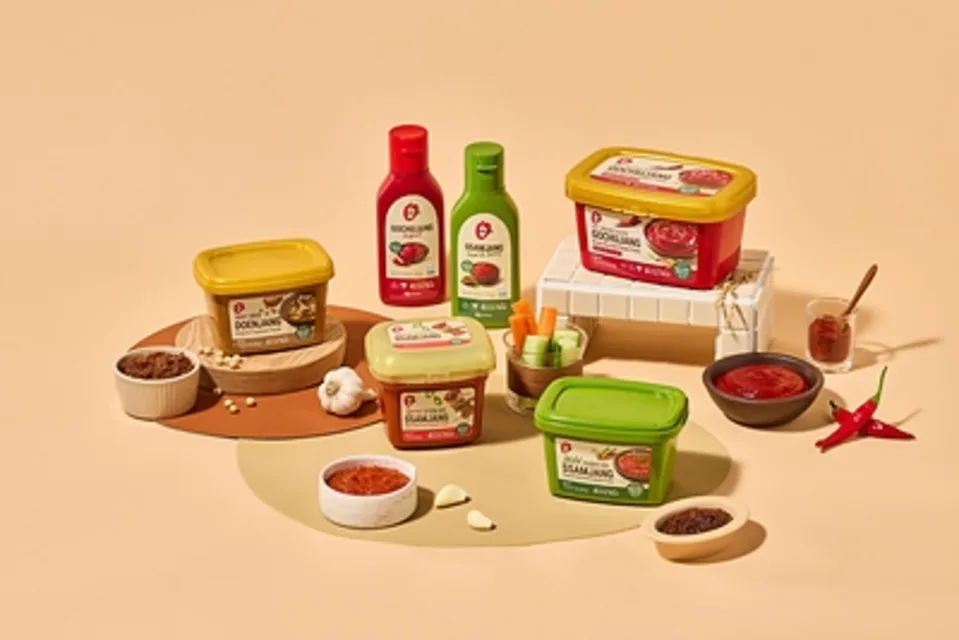
    To match western consumer eating habits, Daesang widened its catalog beyond whole fermented cabbage. The lineup includes shredded carrot and green cabbage blends, mild white varieties, apple-beet-carrot mixtures, spreadable kimchi pastes for bread and crackers, and portioned Crunchy Bites containers.

    Commercial collaborations have also entered the schedule. In 2024, Daesang partnered with San Francisco chef Corey Lee to sell San Ho Won Kimchi lines under its Gourmet Edition badge.

    The United States has emerged as Jongga’s largest export market and is a key market for our global kimchi business.

    Retail analysts will track Daesang’s full-year 2026 sales reports to see whether overseas kimchi revenue tops the 90 million dollar total booked in 2025.

  • SUBCO Unveils 24,000-Kilometre Indo-Pacific Subsea Cable Network for AI Traffic

    SUBCO Unveils 24,000-Kilometre Indo-Pacific Subsea Cable Network for AI Traffic

    Australian digital infrastructure operator SUBCO will build three subsea cable systems spanning 24,000 kilometres across the Indo-Pacific by 2029. The network will carry surging artificial intelligence data traffic.

    Each of the three links will feature 24 fiber pairs connecting Australia, Japan, Guam, the United States, Singapore, and Indonesia.

    Three routes across 24,000 kilometres

    The build program divides into three lines named APX North, APX East-2, and APX West. Together, they create a multi-point transit web across Asian commercial centres and trans-Pacific landing points.

    APX North runs 9,500 kilometres from Sydney to Japan by way of Guam. It is the first hypercable connecting Australia directly to the Guam interconnection hub. It also provides the first direct commercial line between Australia and Japan.

    Connecting Guam and Los Angeles, APX East-2 spans 10,000 kilometres. SUBCO designed the link to carry trans-Pacific traffic between Asian markets and the United States, while routing data into Australia and Japan via APX North.

    Across Southeast Asia, APX West covers 4,600 kilometres between Perth and Singapore. The system includes dedicated branches into Jakarta and Batam in Indonesia.

    Direct links bypass traditional hubs

    On APX North, switched branching units sit along the deep-sea route. This equipment allows operators to direct selected fiber pairs straight between Australia and Japan without landing traffic on Guam. That cuts transit latency for direct users.

    Similar switching architecture runs across APX West in Southeast Asia. Customers can route traffic in and out of Batam and Jakarta to tap local compute clusters, or bypass them entirely when routing directly into Singapore data centres.

    “People have been slow to understand that AI factories are dead without massive subsea connectivity to carry tokens from factory to customers. Hundreds and hundreds of terabits per second,” Slattery said.

    Bandwidth race shifts to artificial intelligence

    Hyperscale cloud operators and Asian enterprise tech groups are realigning their balance sheets toward dedicated AI processing clusters. Those computational facilities require continuous, high-volume data pipes to exchange training datasets and model outputs across regions.

    Retail networks, regional logistics platforms, and financial institutions across Southeast Asia rely on cloud-hosted algorithmic models for daily inventory, pricing, and fraud detection. Any bottleneck in trans-Pacific or Southeast Asian trunk capacity directly caps how fast those platforms process transactions.

    Adding 24-fiber-pair capacity along routes that previously relied on older cables reduces reliance on congested transit corridors through the South China Sea and Luzon Strait. The primary operating risk sits in naval installation logistics. Specialized cable-laying vessels face tight global scheduling constraints.

    Vessel deals and contract milestones

    The three cables form the core of SUBCO’s broader target to lay more than 40,000 kilometres of subsea fiber across the Indo-Pacific in just over three years. The company previously built the 9,800-kilometre Oman Australia Cable, establishing direct connectivity between Perth and Muscat.

    Management is finalizing cable manufacturing contracts and vessel charter agreements. SUBCO targets Contract in Force status for APX North, APX East-2, and APX West by early 2027 ahead of the planned 2029 operational launch.

  • Pakistan Opens Sovereign Debt Trading to Retail Investors Under IMF Reform Plan

    Pakistan Opens Sovereign Debt Trading to Retail Investors Under IMF Reform Plan

    Pakistan opened public trading of government securities through the national stock exchange on Tuesday. The step advances financial market overhauls tied to a 1.2 billion dollar International Monetary Fund review.

    Commercial lenders hold 78 per cent of all government securities in Pakistan. Sovereign debt accounts for 62 per cent of total banking system assets. That concentration crowds out credit access for corporate borrowers, retailers, and private businesses across the country.

    Opening Debt Markets to Retail Capital

    Under the strategic plan for the Local Currency Bond Market, retail bank customers will trade exchange-listed treasury bills and bonds through their commercial banks. Four institutions will oversee trading: the State Bank of Pakistan, the Securities and Exchange Commission of Pakistan, the Pakistan Stock Exchange, and the Central Depository Company.

    The Ministry of Finance and the central bank will overhaul the primary dealer framework for fiscal year 2027-28. Dealers will face mandatory performance metrics based on executable secondary-market quotations drawn directly from the electronic trading platform. They will also gain access to a new securities-lending facility to support liquidity.

    Addressing the Banking Sector Bottleneck

    These reforms tackle structural distortions that have starved Pakistani enterprise of long-term local capital. Shallow domestic debt markets keep commercial borrowing costs high across South Asia. That forces retail networks, logistics operators, and consumer manufacturers to rely on short-term bank loans with volatile floating rates.

    Broadening the buyer base beyond commercial banks to retail, institutional, and foreign accounts aims to establish a transparent benchmark yield curve. Without one, domestic corporate debt issuance has stayed dormant.

    Origins of the Strategic Roadmap

    A joint diagnostic study by the IMF and the World Bank served as the foundation for the blueprint. The review found that Pakistan maintains basic money market mechanics. Secondary market liquidity and investor diversification, however, trail peer emerging economies across the Asia-Pacific region.

    Publishing the bond market development roadmap before September 30 was a binding benchmark under Pakistan’s IMF Extended Fund Facility and Resilience and Sustainability Facility. Finance Minister Muhammad Aurangzeb presented the measures directly to an IMF mission led by Iva Petrova during review meetings in Islamabad.

    Talks Advance Toward November Disbursement Target

    Discussions between Islamabad and the visiting mission also spanned revenue shortfalls from regional trade friction, state enterprise privatisations, power-sector reforms, and the medium-term automotive development plan. Successful completion of the review clears the path for the IMF executive board to approve a 1.2 billion dollar disbursement by early November.

  • Musinsa Helps 15 Korean Fashion Brands Enter China via Shanghai Pop-Up

    Musinsa Helps 15 Korean Fashion Brands Enter China via Shanghai Pop-Up

    South Korean fashion platform Musinsa is helping 15 domestic apparel brands enter China through a dedicated pop-up store at Shanghai’s Jing An Kerry Centre. The temporary retail space drew more than 10,000 visitors between Aug. 21 and Sept. 21.

    Running through Nov. 30 on Nanjing West Road, the initiative covers product certification and in-store sales operations. Backed by South Korea’s Ministry of Trade, Industry and Energy alongside the Korea Trade-Investment Promotion Agency, the project aims to reduce costs and hurdles for small and midsize brands entering the market.

    State backing and regulatory clearance

    Participating labels include Lookast, Lebah, Tillaidie, and RSSC. Musinsa selected brands based on local demand and consumer preferences, assisting them with Chinese product standards required for local distribution and managing on-site sales.

    Small apparel exporters face steep barriers in mainland China, where localized testing, labeling rules, and import certifications routinely stall foreign market debuts. Handling store staffing and inventory management centrally removes upfront capital expenditure for the labels, letting them test mainland consumer appetite without signing long-term commercial leases.

    Testing demand on Nanjing West Road

    Securing prime frontage at Jing An Kerry Centre places these emerging Korean names beside established global luxury flagships. The high-traffic shopping corridor gives independent streetwear and contemporary labels immediate exposure to Shanghai’s core fashion demographic.

    Foot traffic numbers indicate solid curiosity, but footfall does not guarantee recurring wholesale orders. Chinese consumer spending across mid-tier fashion remains selective, and domestic Chinese streetwear brands have taken market share by responding to local trends faster than overseas competitors.

    The platform approach across Asian markets

    Musinsa’s export model shifts financial risk away from single designers and turns the platform into a consolidated distributor. The company is replicating this physical playbook across the region, pairing its domestic roster with localized retail partners, as seen in Southeast Asia where its Musinsa Standard private label partnered with ACx Retail to enter the Philippines.

    For commercial landlords, the arrangement provides a rotating roster of trending Korean brands without the lease default risks tied to single-label tenants. For the fashion brands, the structure caps downside exposure while testing whether Chinese shoppers will buy beyond short-term novelty.

    Anfu Road pipeline and next steps

    The Kerry Centre project builds on Musinsa’s permanent footprint in Shanghai. The company opened a flagship retail space on Anfu Road in December, which serves as a dedicated launchpad for Korean apparel labels seeking Chinese distribution.

    That location has already hosted individual pop-ups for brands including Ronron, Sculptor, and Stand Oil. Accessories label Find Kapoor starts a monthlong residency at the Anfu Road store on Oct. 30, while the Jing An Kerry Centre multi-brand show runs until Nov. 30.

  • Indonesia Cyber Attacks Inflict US$6.2 Billion in Losses This Year

    Indonesia Cyber Attacks Inflict US$6.2 Billion in Losses This Year

    Cyber attacks caused an estimated US$6.2 billion in financial damage across Indonesia during 2026, Bank Indonesia Governor Destry Damayanti announced in Jakarta on Thursday.

    Central bank officials linked the losses directly to automated tools and artificial intelligence. These technologies multiply payment fraud, scam operations, and data theft across consumer networks.

    Surging Risks in Digital Payments

    Destry urged government ministries and commercial agencies to tighten payment security standards and enforce direct consumer protections. The central bank holds the statutory mandate to supervise and develop the country’s payment infrastructure.

    Digital networks expand domestic economic output. Still, the governor warned that interconnected systems leave merchant acquiring channels and retail banking endpoints exposed to automated intrusion. Joint security literacy programs with the Financial Services Authority are planned to train consumers and retail operators.

    ISP Group Pushes Security Bill

    Backing the central bank’s warning, the Indonesian Internet Service Providers Association (APJII) demanded swift passage of the Cyber Security and Resilience Bill. Commercial internet providers require uniform technical standards and legal clarity to defend national digital infrastructure against automated threats, according to APJII Chair Muhammad Arif.

    “Indonesian service providers need legal certainty to grow, not disruptive regulations,” said Arif.

    Monitoring data from APJII tracked 246.4 million connections to dangerous IP addresses between June 13 and August 28, 2026. A separate three-day network scan by the association recorded roughly 68 million distinct cyber attack events targeting domestic routes.

    Direct Pressures on Retail and Finance

    For retail merchants, digital lenders, and e-commerce platforms operating across Southeast Asia’s largest market, these financial losses raise basic operating costs. Acceptance of QR codes and instant transfer rails expanded rapidly over the past three years. Back-end defense budgets frequently lagged that growth.

    Platforms now face higher chargeback rates, elevated verification costs, and direct liability when account credentials leak. Operators that fail to upgrade transaction authentication face friction at checkout. Financial institutions risk regulatory penalties if compromised channels disrupt daily settlement flows.

    Escalating Breach Scale Since 2025

    The US$6.2 billion tally reflects climbing attack sophistication following major infrastructure breaches over the previous eighteen months. Regional lender Bank DKI suffered repeated network intrusions that produced over US$15 million in irregular transactions, showing how attackers breach core accounting ledgers.

    Parliamentary debate on the Cyber Security and Resilience Bill now enters committee reviews. Enterprise software providers and payment processors are tracking whether mandatory incident-reporting rules will carry statutory fines before the legislative session closes.

  • Rolex Tops Asia Brand Advocacy Ranking as Wholesale Revenue Hits $13.38 Billion

    Rolex Tops Asia Brand Advocacy Ranking as Wholesale Revenue Hits $13.38 Billion

    Rolex took the top spot in Asia’s inaugural Brand Conviction Index, outranking regional retail competitors as its brand valuation jumped 36 per cent to US$18.8 billion.

    Morgan Stanley and Luxe Consult estimate the Geneva-based watchmaker generated wholesale sales of just over US$13.375 billion in 2025, taking market share even after trimming production volume for two consecutive years.

    Advocacy outpaces actual purchasing power

    The index evaluated consumer sentiment across three primary metrics: current purchasing activity, willingness to recommend the brand to peers, and future purchase intent. Rolex led the regional table because its advocacy extends far beyond its active customer base.

    Most respondents who recommend Rolex across Asian markets do not own one. A substantial share of shoppers who stated an intention to buy a piece have never completed a transaction with the company, giving the brand unmatched mental real estate across the region.

    Disciplined output maintains secondary pricing

    For multibrand luxury retailers and department store operators across Hong Kong, Singapore and Tokyo, this dynamic protects floor productivity. While Swiss competitors flooded wholesale channels during the post-pandemic correction, Rolex restricted supply allocations to authorized dealers, keeping secondary market premiums intact.

    The deliberate scarcity shifts inventory risk away from retail partners and onto aspiring buyers who remain on multi-year waiting lists. Department store landlords in key Asian shopping districts continue to prioritize Rolex boutique footprints because the footfall generated by unfulfilled demand feeds surrounding luxury concessions.

    Artificial intelligence mirrors human consensus

    Machine learning platforms reflect the same concentration of consumer desire. A recent survey evaluating how leading artificial intelligence engines answer luxury watch recommendations showed all major systems named Rolex more frequently than any competing manufacture.

    Brand Finance’s 2025 Luxury and Premium 50 ranking confirmed the financial momentum, listing the company’s valuation gain among the steepest in the personal luxury goods sector.

    Sustained strategy through sector pullbacks

    Executive leadership has maintained this positioning through broader market downturns. In 2024, Rolex chief executive Jean-Frederic Dufour rejected discounting and short-term volume expansion during an industry-wide sales contraction, keeping retail distribution tight across Asia and North America.

    Industry attention now turns to upcoming Swiss export data and secondary watch price indices for the final quarter of 2026, which will reveal whether Rolex can sustain its wholesale margins as wider luxury demand moderates.

  • PepsiCo Backs Australia Foods Unit with $150 Million Produce Spend

    PepsiCo Backs Australia Foods Unit with $150 Million Produce Spend

    In September 2026, PepsiCo highlighted the scale of its Australian supermarket presence, supported by an annual spend of about $150 million on locally grown produce.

    The company’s domestic foods business spans household snack brands including Smith’s, Red Rock Deli and Doritos, backed by three manufacturing sites and more than 1,700 employees.

    For Alexia Horley, CEO of PepsiCo’s Australia and New Zealand foods business, a key focus is keeping its familiar brands relevant and visible across store shelves.

    Sourcing and Factory Operations

    Local agricultural supply chains form the backbone of the manufacturer’s domestic processing network. The company directs approximately 150 million Australian dollars each year into domestic farm produce, primarily processing potatoes and grains across three dedicated factories.

    Those production hubs include manufacturing facilities such as its Regency Park operations in South Australia. Plant operations run round-the-clock shift schedules covering bulk liquid intake, grain handling, automated frying, seasoning and high-density palletised distribution into national retail distribution centres.

    Rivalry in the Snack Aisle

    Competition in Australian grocery aisles is tightening as supermarket chains Coles and Woolworths push private-label alternatives against multinational branded goods. Discount retailers like Aldi continue to squeeze standard packet pricing across core chip segments.

    Branded manufacturers face pressure on margins from elevated ingredient input costs, transport tariffs and retail listing fees. To defend volume without discounting away brand equity, packaged goods suppliers must push established names into premium formats, alternative grain bases and cross-category pantry lines.

    Supply Chain Priorities

    Sustaining local manufacturing gives multinational consumer groups an operational hedge against international shipping volatility and foreign currency swings. Processing close to farm gates cuts transport lead times and secures direct supply agreements with domestic growers.

    The group has kept its regional manufacturing base intact while many consumer goods competitors outsourced production to lower-cost Southeast Asian packing hubs. That domestic manufacturing base allows fast product turnover and seasonal flavour runs tailored directly to Australian shoppers.

    Next Steps for Retail Distribution

    PepsiCo plans to roll out line extensions under its Smith’s and premium snack banners across supermarket networks over the coming retail quarters. Procurement teams are tracking raw material contracts across eastern state farming districts ahead of the next seasonal harvest cycles.

  • Toys R Us to Open 120 Stores in the US Ahead of Christmas

    Toys R Us to Open 120 Stores in the US Ahead of Christmas

    WHP Global and Go! Retail Group plan to open around 120 Toys R Us stores across the United States in the lead-up to Christmas.

    Most locations will operate on leases of 12 months or less, featuring footprints substantially smaller than the brand’s historic warehouse stores.

    Seasonal foot traffic drives the rollout rather than permanent anchor tenancies, with Go! Retail Group managing store operations and buildouts.

    Smaller footprints and short leases

    The strategy departs sharply from the sprawling suburban stores that defined the brand before its 2017 collapse. Short leases limit downside exposure if footfall drops in early 2027.

    Landlords gain temporary tenants for vacant mall space during peak trading months. Short-term agreements restrict investments in custom fixtures, so stores must generate fast sales to cover fit-out costs.

    The shift toward adult collectors

    New store assortments target adult buyers alongside children. Data from Circana shows overall toy sales climbed 17 percent in the first half of 2026. Adult purchases for personal use rose 25 percent.

    Key drivers include building sets, trading cards, and licensed character collectibles. Older consumers bring larger discretionary budgets than traditional child-focused shoppers.

    Adults are increasingly buying toys, collectibles, and trading cards for themselves, and fandom has become an important part of the category.

    Adult buyers now represent a core retail pillar rather than a secondary demographic, said Jamie Uitdenhowen, executive vice president at WHP Global.

    Rebuilding after liquidation

    Toys R Us filed for Chapter 11 bankruptcy nine years ago, which led to the closure and liquidation of over 800 North American stores.

    WHP Global acquired a controlling interest in parent company Tru Kids Inc. In 2021 to manage global licensing, retail partnerships, and digital extensions. Earlier revival attempts included airport shops and department store concessions.

    The test for temporary real estate

    Running more than 100 temporary stores simultaneously tests supply chains and staffing during the busiest quarter on the retail calendar. Inventory planning must balance collector goods with mass-market holiday toys across dozens of regional sites.

    Openings will run through November 2026. Holiday performance across the 120 locations will determine how many convert into multi-year leases in 2027.

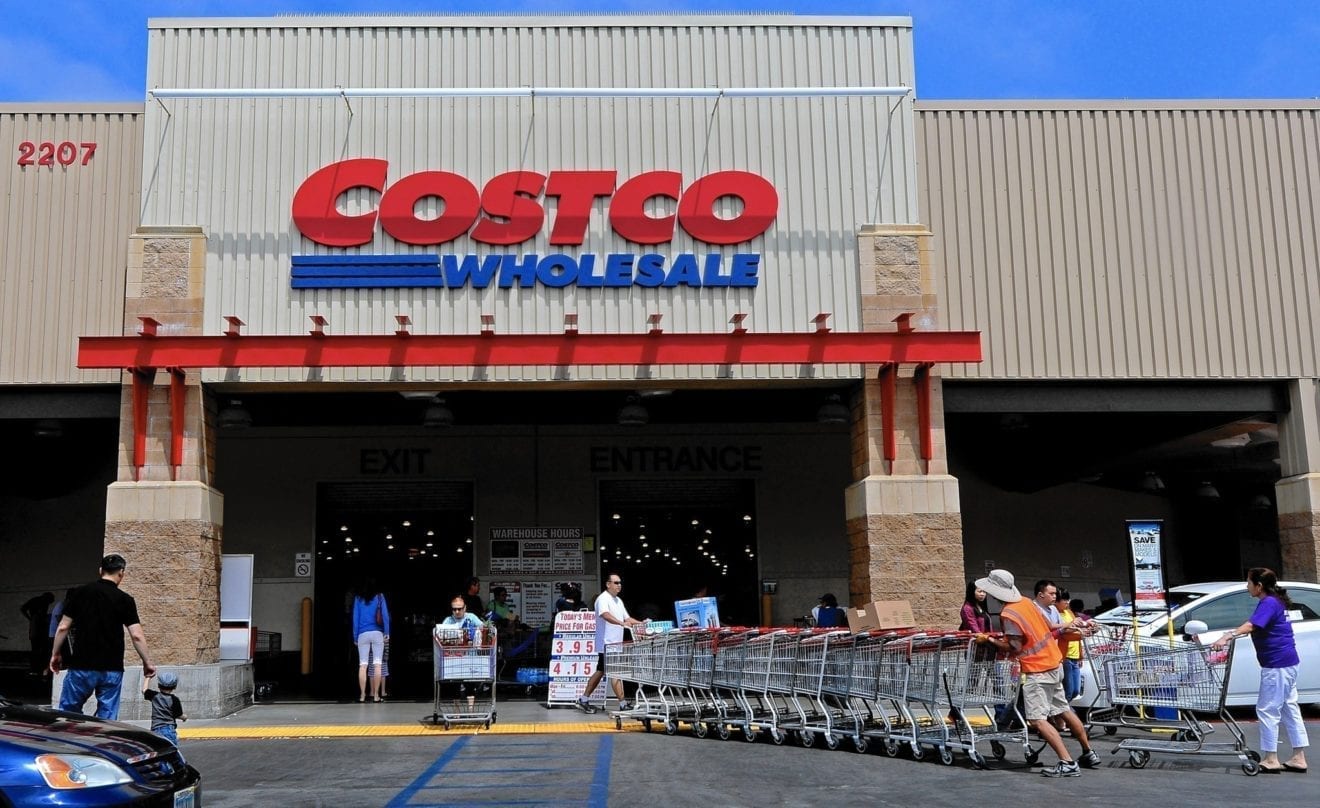
  • Costco Posts Stronger Sales as Fuel Savings Drive Membership Traffic

    Costco Posts Stronger Sales as Fuel Savings Drive Membership Traffic

    Costco Wholesale beat earnings expectations for its fiscal fourth quarter. Cheap fuel prices drove customer traffic, lifting full-year petrol savings for members to US$3.2 billion.

    Higher pump prices across global markets inflated raw, unadjusted comparable warehouse sales by close to 270 basis points in the quarter ended August 31.

    Fuel traffic feeds warehouse volume

    Chief executive Ron Vachris told investors that lower forecourt pricing drove foot traffic across the international warehouse network all year. Costco undercut conventional service stations on fuel. That pulled motorists onto the property and straight into aisles for bulk groceries and merchandise.

    Fuel inflation added close to 2.7 percentage points to unadjusted comparable store sales between June and August alone. Shares in the warehouse club rose 2.93 per cent after the release as investors tracked steady renewal rates and volume gains.

    Inflation alters shopper spending

    Warehouse operators benefit when energy costs climb and household budgets tighten. Higher pump prices squeeze discretionary spending. Discount retailers with forecourts grab market share from traditional grocers by offering immediate relief on petrol bills.

    That forecourt pricing creates a hurdle for competing supermarket chains and suppliers. Rivals without petrol pumps struggle to match the footfall conversion wholesale clubs generate during spikes in energy costs.

    Energy markets shake wholesale margins

    International oil markets saw sharp swings alongside rising debt yields during the period. Benchmark crude climbed on regional supply tensions and export route threats. Prices then pared gains as diplomatic talks sought to protect shipping flows.

    Costco absorbed volatile commodity costs by leaning into high transaction volumes. It kept fuel margins thin while collecting predictable recurring revenue from core annual memberships.

    Monitoring the next renewal cycle

    Persistent input cost pressures continue as interest rates stay elevated across major economies. Results from the August quarter show membership loyalty holds firm when value pricing is visible at the pump.

    Attention now turns to whether fuel volume gains continue to translate into general merchandise sales across overseas networks. Investors will track membership renewal rates and comparable store sales in the filing for the first quarter of fiscal 2027.