Author: Mei Ling Tan

  • Xiaomi Enters China Range-Extended SUV Market with Sky Nomad from 209,900 Yuan

    Xiaomi Enters China Range-Extended SUV Market with Sky Nomad from 209,900 Yuan

    Xiaomi launched its Sky Nomad sport utility vehicle series in China with a starting price of 209,900 yuan. It is the company’s first commercial entry into extended-range electric vehicles. The lineup adds hybrid powertrains to a catalogue previously limited to pure battery models.

    Four new sport utility variants give the Beijing-based company a way to eliminate highway range anxiety while keeping entry prices below 210,000 yuan. Deliveries will feed directly into Xiaomi’s target of shipping 550,000 vehicles during 2026.

    Four variants and camping hardware

    Pricing starts with the five-seater N70 Pro at 209,900 yuan, followed by the all-wheel-drive N70 Max at 239,900 yuan. Larger family buyers get the seven-seater N90 Max at 269,900 yuan. An outdoor-focused Explorer version tops the range at 299,900 yuan with a factory-fitted pop-up roof and folding beds.

    Every model pairs an electric drivetrain with a 1.5-litre turbocharged petrol engine. The engine acts purely as an onboard generator. The entry N70 Pro runs a 52 kilowatt-hour lithium iron phosphate battery and a 210 kilowatt front motor. That provides 351 kilometres of pure electric driving and 1,351 kilometres of total range under China Light-Duty Test Cycle standards.

    Higher grades adopt a 76 kilowatt-hour ternary pack and dual motors producing 310 kilowatts. That setup gives the N70 Max up to 505 kilometres of electric range and 1,461 kilometres overall. The larger 5.29-metre N90 Max delivers 464 kilometres on battery power and 1,705 kilometres combined.

    Dragonscale battery and fire replacement pledge

    Power packs across the lineup use Xiaomi’s Dragonscale architecture, developed jointly with Chinese battery manufacturers CALB and Sunwoda. The systems link to cloud-based monitoring and high-voltage cutoff switches. They charge the battery from 20 to 80 per cent in 18 minutes.

    Non-commercial first owners receive lifetime coverage against spontaneous battery combustion. Xiaomi attached the warranty commitment directly to the hardware. It offers a full vehicle replacement if a fire occurs due to a manufacturing defect.

    Compute hardware matches the pricing. All variants install Nvidia Drive Thor processors delivering 700 trillion operations per second, supported by roof-mounted LiDAR sensors. Qualcomm Snapdragon 8 Gen 3 chips run Xiaomi’s HyperOS cockpit software.

    Challenging domestic hybrid heavyweights

    Entering the range-extended market pits Xiaomi straight against Li Auto, Seres Group’s Aito brand, and BYD in China’s family vehicle segment. Pure electric SUVs still face consumer hesitation in northern provinces and lower-tier cities where charging networks thin out during holiday travel.

    Adding combustion generators solves regional infrastructure bottlenecks without redesigning the digital cabin experience. The primary operational risk shifts to supply chain margins. Carrying both high-voltage batteries and internal combustion engines compresses unit profitability unless factory volumes scale rapidly.

    Scaling beyond pure battery platforms

    The launch builds on Xiaomi’s initial automotive rollout, which started with the SU7 electric sedan and continued with the YU7 electric SUV. Those two models carried the brand past 800,000 cumulative deliveries since production began.

    Xiaomi delivered 216,322 vehicles during the first seven months of 2026, up 14.8 per cent from the same period a year earlier. Maintaining that pace requires the Sky Nomad series to capture family trade-ins throughout the fourth quarter, where the company must deliver roughly 333,000 additional units across all model lines to meet its 550,000 full-year target.


  • FedEx Transports Two Giant Pandas from China to the US

    FedEx Transports Two Giant Pandas from China to the US

    FedEx transported two giant pandas from Chengdu, China to Atlanta, Georgia in September 2026 aboard a Boeing 777 freighter known as the FedEx Panda Express.

    The airline partnered with Zoo Atlanta to move six-year-old male Ping Ping and five-year-old female Fu Shuang, donating the full transportation cost as part of its conservation efforts.

    Custom handling on the transpacific route

    Both bears departed Chengdu Shuangliu International Airport and landed nonstop at Hartsfield-Jackson Atlanta International Airport. Ping Ping and Fu Shuang traveled in custom-built travel crates under the care of Zoo Atlanta animal specialists as the sole cargo aboard the aircraft.

    Ground logistics teams in Atlanta managed the final truck transfer directly to the zoo’s veterinary facilities. FedEx provided the transport under its conservation charter program, which operates at zero cost to the receiving institution.

    Specialized charters and express capacity

    Specialized live-animal charters require dedicated aircraft allocation, temperature-controlled main deck space, and direct routings that bypass standard transshipment hubs. For global integrators with large transpacific networks, these single-mission flights show charter responsiveness. They also demonstrate cold-chain precision across long-haul Asian corridors.

    Animal transports pull main deck capacity out of commercial rotation on high-demand export lanes out of western China. Chengdu remains a primary air cargo gateway for electronics and industrial exports. Slot management and widebody availability are central to carrier yields in the region.

    Two decades of Chengdu animal transport

    This operation follows a series of conservation flights handled by the 86 billion dollar logistics operator over the past 24 years. The company first carried giant pandas out of China in 2000. It has since run multiple dedicated missions between Chinese breeding centers and international zoological facilities.

    We have had the privilege of transporting giant pandas for more than two decades, and every time the FedEx Panda Express is called into service, our entire team feels the significance of the mission.

    Quarantine and public debut schedule

    Ping Ping and Fu Shuang are now in mandatory quarantine at Zoo Atlanta. Veterinary staff are monitoring their adjustment to the facility. Zoo management plans to clear the pair for public exhibition later this year once routine health checks conclude.

  • Canada Goose Opens 254-Square-Metre Chatswood Store in Sydney

    Canada Goose Opens 254-Square-Metre Chatswood Store in Sydney

    Canada Goose opened its third Australian store on September 30 at Sydney’s Chatswood Chase. The retailer secured 254 square metres on the centre’s new luxury level.

    That space sits inside a 625 million Australian dollar redevelopment targeting affluent shoppers across Sydney’s lower north shore.

    The location introduces the brand’s 2.0 Luxury Retail Concept to Australia. Norwegian architecture firm Snøhetta co-developed the design. It combines limestone, terrazzo, and local Australian timber with Canadian elements, including tactile walls depicting Canadian mountain ridges and river valleys.

    The Snøhetta Layout and Materials

    Interior finishes mix regional sourcing with brand heritage. Snøhetta avoided purely functional alpine aesthetics, choosing polished stone and textured surfaces common in high-end fashion boutiques.

    Flagship stores in Paris, Milan, Chicago, and Vancouver already use the layout. Sydney represents the concept’s first installation in the southern hemisphere.

    Adapting Product for Southern Seasons

    Chatswood stock spans womenswear, menswear, and kidswear, plus dedicated areas for footwear and eyewear. The floor carries the Fall/Winter 2026 collection designed by creative director Haider Ackermann.

    Merchandising heavy thermal parkas in a temperate coastal market demands adjustments. To draw shoppers outside peak winter, the store holds exclusive regional launch rights for the Loma Half Zip and Loma Fleece Jacket. Those garments anchor a wider lightweight fleece line built for transitional weather.

    Chatswood Chase Luxury Expansion

    Landlords across major Australian retail hubs are shifting lower floors toward luxury labels to protect foot traffic from e-commerce. Developer Vicinity Centres pointed its 625 million dollar capital expenditure directly at building this luxury precinct.

    For luxury brands, Chatswood captures wealthy suburban shoppers who skip trips to Sydney’s central business district. High rents per square metre present clear risks if demand for expensive performance wear drops during long warm spells.

    From Milan to Sydney Suburbs

    Canada Goose first entered Australia with shops in Melbourne and downtown Sydney. Opening in Chatswood shifts that focus from downtown flagships into dense suburban luxury enclaves.

    Ackermann’s upcoming seasonal collections will reveal whether the Toronto outerwear brand can sustain year-round apparel sales through the Australian calendar.

  • Casino Tycoon Angela Leong Sells Sai Kung House for $8.9M

    Casino Tycoon Angela Leong Sells Sai Kung House for $8.9M

    Macau casino billionaire Angela Leong On-kei has sold her detached house in Hong Kong’s Sai Kung district for HKD70 million ($8.9 million).

    The sale closes a 14-year holding period with a nominal capital gain of HKD1.2 million. It follows years of asking-price cuts.

    Fourteen Years for a Marginal Gain

    Located within the Royal Castle development on Pik Sha Road, the detached home covers 210 square metres. The layout includes four bedrooms, a private garden, a swimming pool, and a rooftop terrace. Leong originally bought the property through a corporate vehicle in early 2012 for HKD68.8 million. She is co-chairwoman and the largest individual shareholder of Macau casino operator SJM Holdings.

    Initial listings put the property on the market several years ago at HKD168 million. Securing HKD70 million represents a steep cut from that target. It reflects the concessions wealthy vendors now accept to exit non-core residential holdings in secondary luxury enclaves.

    Discounting Drives Volume in Sai Kung

    Sellers across Sai Kung have adjusted expectations downward to clear stock. Price cuts of up to 10 per cent helped lift deal numbers across high-value residential brackets in recent months as opportunistic buyers moved in.

    Frankie Liu, sales director at Century 21 Goodwin Property, said: “With the batch of discounted luxury homes now cleared, I expect luxury residential transaction activity in the area to slow down in the fourth quarter.”

    Super-Prime Demand Splits Across Districts

    Pricing trends in Sai Kung contrast with demand patterns in traditional top-tier neighbourhoods. Buyers in The Peak and Southern districts continue to focus on established luxury estates. Local business owners there are trading up to consolidate family holdings, according to Centaline Property district sales director Joseph Yan.

    Deutsche Bank ranked Hong Kong as the world’s most expensive residential property market this year, trailing only Dubai in overall super-prime transaction volume. Knight Frank data shows that sales of homes priced at $10 million or higher surged 75 per cent quarter on quarter to $1.67 billion in the second quarter. Purchases in core prime postcodes drove those gains rather than deals in outlying districts.

    Borrowing Costs Loom Over Next Quarter

    Financing conditions remain a headwind for broader turnover. On September 17, the Hong Kong Monetary Authority lifted its base rate to 4.25 per cent in lockstep with the US Federal Reserve. Hong Kong’s three note-issuing lenders held their prime lending rates steady after that adjustment. Another Federal Reserve rate decision in late October could force local commercial banks to increase mortgage borrowing costs before year-end.

  • Mitsubishi Heavy Plans $638M Commercial Shipyard Expansion

    Mitsubishi Heavy Plans $638M Commercial Shipyard Expansion

    Mitsubishi Heavy Industries will invest approximately 100 billion yen ($638 million) to expand commercial shipyard capacity by 25 percent by fiscal 2028. The capital outlay targets yards building commercial tonnage as global fleet replacement orders accelerate across Asian trade lanes.

    Operations at facilities including the Shimonoseki shipyard in western Japan focus on commercial vessels such as liquefied natural gas-fueled ferries and specialized freight carriers. Rising demand for lower-emission vessels and fleet renewals has tightened shipyard availability across Northeast Asia, pushing builders to add yard space and modernize fabrication lines.

    Expanding Berth Space for Freight Vessels

    The capital program will lift Mitsubishi Heavy’s commercial output capacity across its domestic yard footprint over the next four years. Commercial fleet operators face tightening delivery schedules through the late 2020s, with regional berths in Japan, South Korea, and China booked years ahead for container ships, gas carriers, and roll-on/roll-off cargo ferries.

    Expanding domestic yard capacity allows Japanese operators to secure construction slots closer to home rather than relying entirely on overseas yards. The investment focuses on high-value, specialized commercial ships that require complex engineering, including alternative-fuel propulsion systems.

    Competition Across Regional Yards

    Shipbuilders across East Asia are racing to lock in high-margin commercial contracts as freight networks retool for stricter marine emissions rules. Chinese and South Korean yards continue to dominate high-volume standard container vessel builds, forcing Japanese groups to specialize in advanced fuel technologies and specialized domestic freight tonnage.

    For regional supply chain operators, the expanded capacity provides additional construction throughput for coastal and regional trade vessels. The primary commercial risk rests on rising steel prices and chronic labor constraints in Japanese industrial manufacturing, which can erode project margins during multi-year build cycles.

    Policy Support for Domestic Shipyards

    The expansion aligns with broader Japanese industrial policy aimed at rebuilding domestic maritime manufacturing capacity. Tokyo has rolled out 1.4 billion dollars in support programs for shipbuilders, backing yard modernization, robotics, and the revival of domestic production for vessels such as liquefied natural gas carriers.

    Japanese builders are also constructing new large-scale docks for the first time since 2017 to handle larger hull designs. Mitsubishi Heavy and peer yards are pairing structural expansion with automated welding and digital yard management to counter skilled labor shortages in the sector.

    Timeline for Yard Delivery

    Work on the yard upgrades will roll out in phases toward the fiscal 2028 completion target. Cargo operators and logistics planners will monitor construction timetables and berth commissioning dates as Mitsubishi Heavy allocates new build slots over the coming financial quarters.

  • Ethereum Falls to $2,694 as BlackRock Outflows Snap Seven-Day ETF Inflow Streak

    Ethereum Falls to $2,694 as BlackRock Outflows Snap Seven-Day ETF Inflow Streak

    Ethereum dropped 1.26 per cent to $2,694.64 in 24 hours as institutional buyers paused after a seven-session run of net inflows into spot exchange-traded funds.

    United States spot Ethereum funds logged $2.81 million in net outflows on September 29, abruptly ending a week of sustained capital allocation.

    Institutional Outflows Snap Buying Streak

    BlackRock’s ETHA led the reversal, recording $8.94 million in net withdrawals in a single session. That outflow broke the momentum that had carried the token through its recent recovery, stripping away the primary source of spot market absorption. Without steady fund buying to soak up sell orders, the market turned defensive as short-term traders took profits.

    Institutional flows dictate price floors in this cycle far more than retail volume. When spot ETF allocations stall, spot books thin out rapidly, exposing used positions across major derivatives exchanges.

    use Flush Triggers Liquidation Cascade

    Derivative markets amplified the downturn within hours of the ETF flow reversal. Forced closures erased $11.88 million in used long positions in a single one-hour window on September 29.

    Total liquidations across all Ethereum trading pairs reached $56.64 million over the 24-hour period. That cascade pushed prices down through intraday bids, creating automatic selling pressure as brokerages closed under-margined accounts. Funding rates and open interest contracted as over-used traders were cleared out of the order books.

    Technical Support Levels Under Pressure

    Ether is now trading below overhead resistance at $2,786. The immediate support zone sits between $2,612 and $2,626, matching the token’s 20-day exponential moving average.

    A failure to hold the $2,612 floor opens a direct path toward secondary support at $2,544. Conversely, buyers must clear the $2,786 level on a daily closing basis to create momentum toward the next resistance target at $2,894.

    Macro Inflation Data Dictates Next Range

    Trading desks have shifted focus to broader macroeconomic indicators to gauge whether institutional allocators will resume spot buying. Risk appetite across digital asset markets remains tied to monetary policy expectations and interest rate differentials.

    Market participants are watching the United States Personal Consumption Expenditures price index release on September 30, with trading desks tracking whether the 20-day average near $2,612 holds through the macro print.

  • NTT and Cailabs Sign MoU to Link Space Optics with Terrestrial Data Centers

    NTT and Cailabs Sign MoU to Link Space Optics with Terrestrial Data Centers

    NTT and French photonics company Cailabs signed a Memorandum of Understanding this month to explore optical connectivity between satellite networks, ground stations, and terrestrial data infrastructure.

    The partnership will examine how NTT’s All-Photonics Network technologies can integrate with Cailabs optical ground stations to connect directly into data centers under the NTT C89 space business.

    Routing Lasers from Orbit to Data Centers

    Engineers from the 2 companies will combine NTT’s digital coherent transmission and network control software with Cailabs ground station hardware. The project connects selected ground sites to nearby NTT data centers across Japan and international hubs, allowing optical signals from orbit to pass directly into terrestrial networks without converting them into standard electrical data streams first.

    Satellite operations have traditionally depended on radio-frequency bands, which face bandwidth congestion and regulatory spectrum caps. Optical laser links carry substantially higher data volumes across orbital paths, but transmitting them through Earth’s atmosphere requires specialized ground receivers capable of correcting beam distortion.

    Technical Hurdles in Laser Communications

    For network operators and data center landlords across the Asia-Pacific region, orbital laser links offer a way to bypass terrestrial backhaul bottlenecks and connect remote facilities directly to core processing hubs. Direct fiber-to-space links reduce latency for high-throughput cloud workloads and artificial intelligence processing clusters that require massive, uninterrupted data feeds.

    Operational risk remains concentrated in atmospheric weather conditions such as heavy cloud cover, rain, and turbulence, which scatter laser signals. NTT plans to manage this vulnerability by orchestrating a distributed grid of optical ground stations, routing orbital data to alternative terrestrial reception nodes when local weather degrades line-of-sight laser performance.

    Expanding the Space Communications Portfolio

    This initiative builds on earlier steps by the Japanese carrier to secure optical hardware for orbital networks. In June 2026, NTT established a joint venture with Irish photonics manufacturer Mbryonics to develop space-grade optical transceivers, establishing proprietary hardware pipelines across Europe and Asia.

    Connecting optical ground stations directly to terrestrial optical networks is a critical step toward making satellite optical communications operational at scale. Our shared objective is to help turn high-capacity optical communications into scalable infrastructure for future satellite services.

    Minako Tsumenaga, Senior Vice President and Head of the Alliance Division at NTT’s Research and Development Marketing Headquarters, confirmed the project aims to establish standardized operational infrastructure across both orbital and terrestrial segments.

    Next Steps for Commercial Space Links

    The immediate operational phase focuses on testing orchestration protocols between Cailabs ground terminals and NTT core optical switches. Once integration trials finish, NTT plans to roll out commercial space-data transport services under its NTT C89 space enterprise division.

  • Apple Pay Enters India with Axis Bank in 16.3 Million Card Rollout

    Apple Pay Enters India with Axis Bank in 16.3 Million Card Rollout

    Apple Pay launched in India on Wednesday through an exclusive initial partnership with Axis Bank. The rollout enters the world’s most populous consumer market.

    Axis Bank is India’s fourth-largest credit card issuer. It held 16.3 million cards outstanding out of 124 million nationwide as of August, according to central bank data.

    How the Axis Bank Rollout Works

    The private lender, India’s third-largest, is the first domestic institution to support the payment service. Cardholders can link eligible Visa and Mastercard credit cards through the Axis Bank mobile app or directly inside Apple Wallet.

    Transactions operate across physical retail checkouts, mobile apps, and online merchant portals using iPhone, Apple Watch, and iPad hardware. The service enables contactless checkout without a physical card PIN or a one-time password. Instead, it authenticates charges through Face ID, Touch ID, or a device passcode.

    Domestic cards issued on India’s homegrown RuPay payment network remain excluded from the service at launch.

    India is home to a dynamic and digitally savvy population that continues to embrace a cashless future while expecting the highest standards of security and privacy, and we’re so excited to bring Apple Pay to users in India today.

    The Battle Against UPI Dominance

    Entering India puts Apple directly up against the Unified Payments Interface. The domestic real-time bank settlement architecture processes 84 per cent of digital transaction volumes. According to a 2025 International Monetary Fund report, the protocol ranks as the world’s largest retail fast-payment network by transaction volume.

    For retailers and consumer brands across India, adding Apple Pay provides a direct checkout route for premium smartphone owners. These shoppers frequently transact on credit rather than direct bank debit. The system shifts point-of-sale interaction toward tap-and-pay hardware readers, bypassing the QR-code scanning routines that dominate local merchant counters.

    Merchant Margins and Bank Negotiations

    Commercial terms have slowed broader adoption among top Indian credit issuers. Apple held talks with larger domestic rivals HDFC Bank and ICICI Bank. It has not agreed commercial terms with either institution.

    Interchange fee sharing and integration expenses remain the central tension in a market where UPI merchant transactions carry minimal processing costs. Axis Bank took the opening position to attract affluent device owners. In doing so, it accepted Apple’s ecosystem rules to secure an early advantage in premium card acquisition.

    Next Steps for Indian Card Expansion

    India was one of the last major global economies without local wallet support after earlier rollouts across East Asia and Southeast Asia. The launch coincides with Apple’s widening retail footprint in Mumbai and New Delhi, where direct store openings have accelerated hardware sales.

    Attention now turns to whether HDFC Bank and ICICI Bank resolve fee discussions to link their respective card portfolios. A deal with both lenders would open Apple Pay to more than half of India’s total credit card base.

  • Bangladesh Drugmakers See Little Gain from US 100% Tariff Exemption

    Bangladesh Drugmakers See Little Gain from US 100% Tariff Exemption

    Bangladesh’s pharmaceutical industry will see limited immediate export gains from a US tariff adjustment exempting specialty medicines, according to industry leaders including Shawkat Haider of Beximco Pharmaceuticals Limited.

    Under Section 232 of the Trade Expansion Act, the US announced a 100 percent ad valorem tariff on certain licensed pharmaceutical products and ingredients from September 29, while granting zero-tariff entry on selected specialty drugs to eligible jurisdictions.

    The zero-rate list covers rare-disease orphan drugs, nuclear medicines, plasma-derived therapies, fertility treatments, cell and gene therapies, and antibody-drug conjugates from approved partners including Bangladesh, India, Japan, and the European Union.

    The Manufacturing Gap

    Exemption on paper means little without production lines on the ground. Bangladesh built its drug export trade on generic small-molecule tablets, capsules and basic formulations rather than complex biologics.

    Commercial production of gene therapies or antibody-drug conjugates requires sterile cleanrooms, specialized bioreactors and years of clinical validation. Shawkat Haider, executive director of Beximco Pharmaceuticals Limited, confirmed the structural limitation facing domestic producers.

    “Bangladesh will not get any significant benefit from the tariff adjustment because we do not manufacture this type of highly sophisticated medicine,” Haider said.

    Regional Competition and Compliance

    Regional competitors hold a wide lead in the specialty segments covered by the US order. Contract manufacturers in South Korea and India already operate US Food and Drug Administration-cleared biologic plants. They supply licensed ingredients directly to North American distributors.

    Local producers attempting to enter these niches face steep capital costs and strict US regulatory audits. Domestic veterinary medicine manufacturers also lack the international certifications needed to clear US border inspections, leaving that market segment out of reach for now.

    Earlier Tariffs and Trade Timelines

    The revised pharmaceutical duties follow an earlier round of US trade enforcement under Section 232. Washington activated the first phase of 100 percent tariffs on July 31 for an initial annex of listed companies before widening enforcement to broader pharmaceutical categories on September 29.

    Industry lobby BAPI, the Bangladesh Association of Pharmaceutical Industries, is reviewing product lists to identify whether any existing formulation pipelines qualify under the zero-tariff rules. Abdul Muktadir, president of BAPI and chairman of Incepta Pharmaceuticals, said individual product assessments will determine if future export openings exist.

    What to Watch

    Dhaka drugmakers are reviewing capital expenditure plans for dedicated biotech and oncology plants to evaluate their long-term viability under US export specifications.

    Government trade officials are tracking whether the US Trade Representative adds conventional oral generic categories to future Section 232 exemption schedules before the next tariff review cycle opens in 2027.

  • Shein Net Profit Drops 67 Percent to 228 Million Dollars as Air Freight Squeezes Margins

    Shein Net Profit Drops 67 Percent to 228 Million Dollars as Air Freight Squeezes Margins

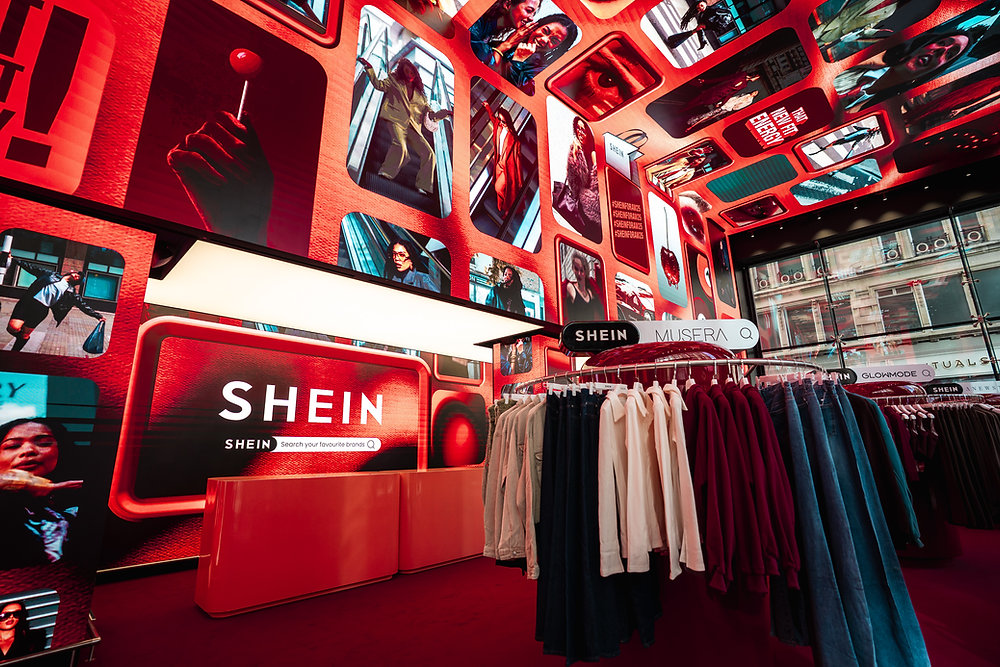
    Shein reported a 66.6 per cent slump in second-quarter adjusted net profit to $228 million, hit by surging air cargo rates and falling revenue in Western markets.

    Net profit margins narrowed to 2.1 per cent from 6.2 per cent a year earlier, even as the platform fulfilled 298 million orders between April and June.

    Group revenue inched up 0.9 per cent year-on-year to $11.08 billion during the period. Active customers climbed to 291 million over the 12 months to June, up from 254 million, but shoppers spent less per order while overhead surged.

    Higher shipping costs hit the bottom line

    Fulfillment costs surged 18.1 per cent during the three-month period. Shein relies on direct air shipments from contract factories in southern China to consumers worldwide, leaving operating margins exposed to sudden swings in aviation fuel and commercial cargo pricing caused by Middle East route disruptions.

    Growth in Latin America compensated for contractions in primary markets, preventing top-line sales from shrinking outright. Total order volume increased by 21 million transactions compared with the second quarter of last year.

    Tariffs and parcel fees bite in the West

    Revenue from Europe fell 13.9 per cent to $3.77 billion as Shein pulled back on digital marketing spend and lifted retail prices ahead of regional regulatory changes. The European Union introduced a flat 3-euro customs fee on low-value e-commerce packages on July 1.

    United States revenue declined 6 per cent to $2.5 billion. Price adjustments followed the removal of de minimis duty exemptions by US authorities, which had previously allowed parcels valued under $800 to enter the country free of import tariffs.

    Warehouses and premium labels

    Cross-border operators in Asia now face the end of the frictionless air-freight model that built ultra-fast fashion. Temu and AliExpress face identical regulatory scrutiny in Brussels and Washington, but Shein carries heavier direct inventory risk as it attempts to reposition itself toward higher-priced apparel categories.

    Shifting higher up the price ladder creates direct competition with established European apparel chains such as Inditex and H&M without guaranteeing the same local store network or brand equity. Shein must absorb heavy fixed property costs across Europe while defending its low-cost apparel base against newer discount apps.

    Hong Kong stock slides

    The company listed in Hong Kong on September 1 at an offer price of HK$48.56 per share. Trading has dropped 27.3 per cent since the debut, reflecting investor concern over margin erosion and sluggish Western revenue.

    To reduce dependence on individual air parcels, the group is expanding land-based logistics hubs inside the European Union. Shein opened a 740,000-square-metre distribution facility in Wroclaw, Poland, in December and leased an additional 66,000 square metres of warehouse space from industrial developer CTP earlier this year.

    Investors now await third-quarter earnings figures in November, which will show the full impact of the European Union’s 3-euro parcel surcharge during the peak autumn trading period.

  • DHL Express Names Julian Neo Managing Director for Hong Kong and Macau

    DHL Express Names Julian Neo Managing Director for Hong Kong and Macau

    DHL Express appointed Julian Neo as managing director for Hong Kong and Macau on October 1. He brings 25 years of company experience to the regional role.

    Neo led operations across Malaysia and Brunei from 2019. Over that period, he delivered consecutive gains in revenue and operating earnings.

    His career across the logistics group spans commercial, sales and regional management roles in Singapore, Malaysia and the wider Asia-Pacific territory. Before running the Malaysian unit, Neo served as vice president for global multinational customers across the region. He succeeds Andy Chiang.

    Leadership change in Hong Kong and Macau

    Neo takes on the role with extensive commercial experience in Southeast Asia. Hong Kong serves as a primary air express gateway for the Pearl River Delta manufacturing region, handling high-value tech components, cross-border e-commerce parcels and time-critical trade documentation.

    Annual price adjustment from January 1, 2027

    DHL Express will raise average shipping rates in Hong Kong and Macau by 4.9 per cent on January 1, 2027. According to the company, it adjusts its prices annually to account for inflationary pressures, currency fluctuations and industry-specific cost developments.

    Investment in air freight capacity and security

    DHL Express has completed deliveries for its global order of 28 Boeing 777 dedicated freighters. The aircraft add long-range capacity while reducing fuel burn per ton-kilometer.

    The company also surpassed 500 Transported Asset Protection Association (TAPA) certified sites globally in 2026 and expanded deployment of its MyExpress cross-border shipping platform.

  • Over 1,500 Telecom Leaders Gather in Bangkok for Telecoms World Asia 2026

    Over 1,500 Telecom Leaders Gather in Bangkok for Telecoms World Asia 2026

    More than 1,500 telecommunications executives gathered in Bangkok on 27 October 2026 for Telecoms World Asia 2026 to address how operators can turn network scale into profit.

    The two-day conference, held at the Centara Grand and Bangkok Convention Center at CentralWorld, brings together mobile network operators, MVNOs, wholesalers, regulators, and technology companies from across Asia and international markets.

    Terrapinn Managing Director (Asia) Paul Clark noted that the region’s industry has reached a critical inflection point, with more than 130 leaders speaking across five tracks and over 120 exhibitors showing network platforms and infrastructure solutions.

    Monetising Generative AI and Advanced Networks

    Day One opened with an executive panel assessing whether generative artificial intelligence can generate direct commercial returns for carriers rather than inflating software costs. Speakers included Telekom Malaysia Group Chief Executive Amar Huzaimi Md Deris, XLSMART President Director and Chief Executive Rajeev Sethi, Circles.Life Chief Revenue Officer Sanjay Kaul, and Jazz Chief AI Officer Hamza Khokhar. EQator Director Jayanth Nagarajan moderated the session.

    Network evolution remains a major operational challenge across Southeast Asia. Average revenue per user remains compressed across the region, even with heavy capital outlays on spectrum and fiber backhaul. Vodafone Business International President Bhupinder Singh delivered an address examining execution gaps on the path from standalone 5G to 5G-Advanced deployments.

    APAC’s telco industry is at a critical inflection point. The operators, regulators, and technology leaders gathering in Bangkok this week know it better than anyone, and Telecoms World Asia 2026 is where the most senior voices in Asian telco come to move beyond the conversation and into action.

    Autonomous Networks and Executive Reorganisation

    Sessions on Day Two address structural operating changes required to integrate automated tools into network management. Telkom Indonesia President Director and Chief Executive Dian Siswarini, True Corporation Head of Corporate Strategy Tarit Nimmanwudipong, Axiata Group Head of Cyber Security Suresh Srinivasan, and Deutsche Telekom Managing Director Asia George Aprane join a keynote panel on executive restructuring models. APTelecom Co-Founder Sean Bergin moderates.

    China Telecom Chief Engineer Xinhua Shao presents technical frameworks for self-evolving autonomous networks. These architectures handle dynamic traffic routing and automated maintenance at scale. Title sponsor China Telecom leads regional carrier participation alongside Gold sponsors CommScope, China Mobile International, Equinix, NTT DATA, Plume, Tejas Networks, and Yango Tech, with lanyard sponsorship from China Unicom Global.

    Read-Across for Asian Carriers and Enterprise Tech

    Regional operators face a structural margin squeeze. Consumer mobile broadband yields are flattening, while enterprise cloud migration demands ongoing infrastructure spending. Thai host operator True Corporation and regional groups Axiata and Telkom Indonesia are reallocating capital away from pure base-station density. They are pivoting toward enterprise software integrations and wholesale managed services.

    This shift alters the commercial balance for enterprise technology suppliers and data center operators across Southeast Asia. Carriers demand clear payback periods on AI compute integration before committing to large-scale vendor licenses. That forces enterprise suppliers to structure contracts around verifiable operational cost cuts rather than speculative consumer revenue growth.

    Shifting Capital Deployment Strategies

    Debates in Bangkok follow two years of regional operator consolidation. Major carrier mergers in Thailand and Indonesia aimed to curb destructive price competition. Those balance-sheet combinations provided short-term cash-flow relief. However, carriers now face the reality that consolidated market share alone cannot offset the high capital costs of next-generation infrastructure.

    Mobile operators from Bangladesh, Cambodia, India, Indonesia, Japan, Laos, Malaysia, Myanmar, Pakistan, the Philippines, Singapore, Sri Lanka, Taiwan, and Thailand are reviewing commercial terms for shared wholesale infrastructure and enterprise private networks. The key metric to watch across participating carriers through the next reporting cycle will be non-mobile enterprise revenue as a share of total corporate earnings.

  • Vinarchy Appoints Nicole Battistessa as Managing Director for ANZ

    Vinarchy Appoints Nicole Battistessa as Managing Director for ANZ

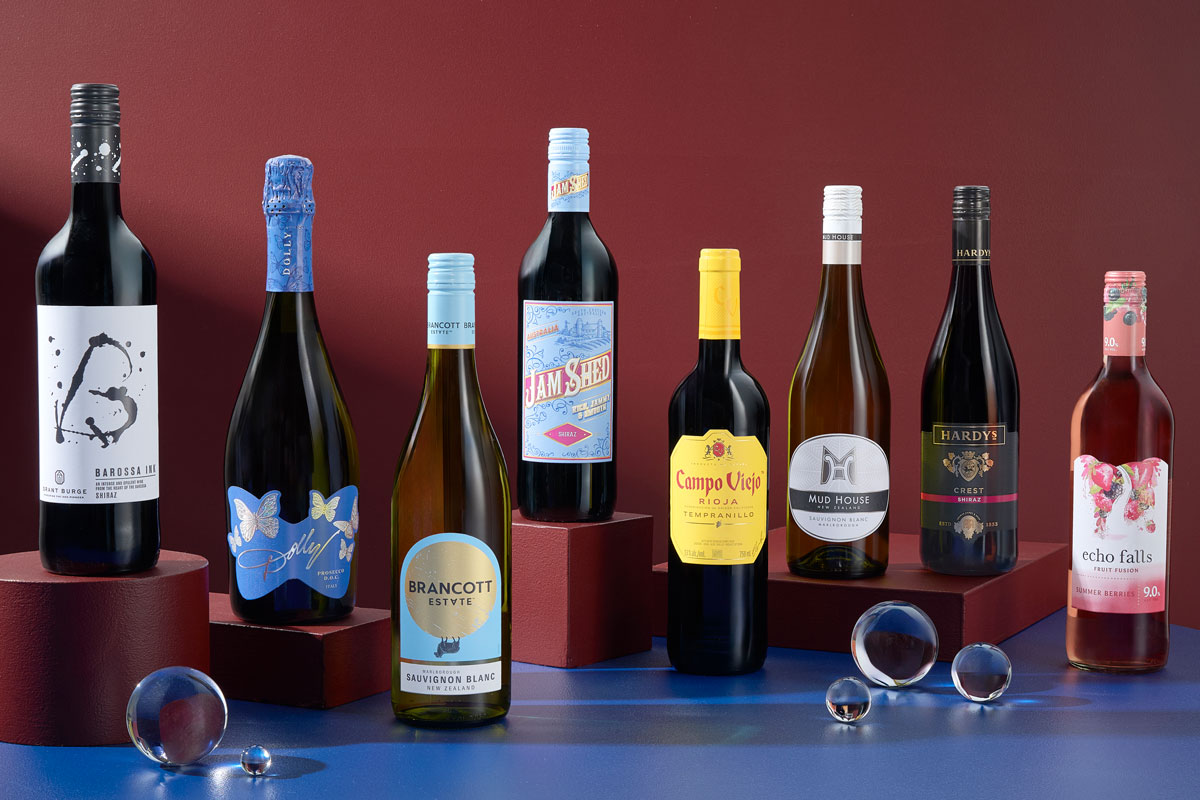
    Vinarchy appointed former Nestlé and Unilever executive Nicole Battistessa as managing director for Australia and New Zealand earlier this year to overhaul how the wine group targets younger consumers.

    The appointment brings more than 20 years of packaged goods experience to a wine group formed barely 12 months ago.

    FMCG Playbook for Wine

    Battistessa joined Vinarchy after senior commercial roles across Nestlé, Unilever and Kimberly-Clark. Her remit focuses on importing standard fast-moving consumer goods discipline into a domestic wine market long shaped by heritage branding and traditional cellar-door distribution.

    Wine producers across Australasia face falling consumption rates among legal-drinking-age consumers under thirty-five. Beer, ready-to-drink spirits and zero-alcohol substitutes have steadily taken retail shelf space from mid-tier wine labels across major retail banners.

    Portfolio Modernisation

    Vinarchy manages a blended portfolio that combines heritage regional labels with newer commercial lines. Applying packaged goods discipline means tighter stock management, faster product development cycles and packaging formats tailored to grocery aisles rather than fine wine specialists.

    For liquor retailers and supermarket groups across Australia and New Zealand, dealing with FMCG-trained leadership usually means firmer volume targets, structured promotional calendars and data-driven category management. The operational friction sits between established winemaking cycles and the speed demanded by modern convenience retail.

    Category Pressure

    The Australian wine sector entered 2026 working through supply imbalances and shifting export patterns across Asia-Pacific. Domestic consumption volume has contracted as household budgets tightened and younger demographics diversified their alcohol spend.

    Winning those consumers requires rethinking entry-level price points, brand messaging and format sizing. Traditional 750ml glass bottles carry less appeal for casual social occasions than single-serve cans and lighter alcoholic alternatives.

    What to Watch

    Battistessa has completed her first seven months running the Australia and New Zealand operation. The next operational test will be the release of Vinarchy’s upcoming commercial product slate and retail ranging agreements ahead of the peak summer trading quarter.

  • Metcash Expands Coveo AI Partnership for AskRoss Portal

    Metcash Expands Coveo AI Partnership for AskRoss Portal

    Wholesale distributor Metcash expanded its partnership with Coveo on September 29, 2026, to bring generative artificial intelligence conversational experiences to its AskRoss business-to-business customer communications portal.

    The expansion builds on Metcash’s existing deployment of Coveo alongside technology partner Publicis Sapient, with retail general manager Madeleine Fitzpatrick noting the system will allow partners to self-serve routine needs and access support.

    Upgrading the AskROSS Merchant Network

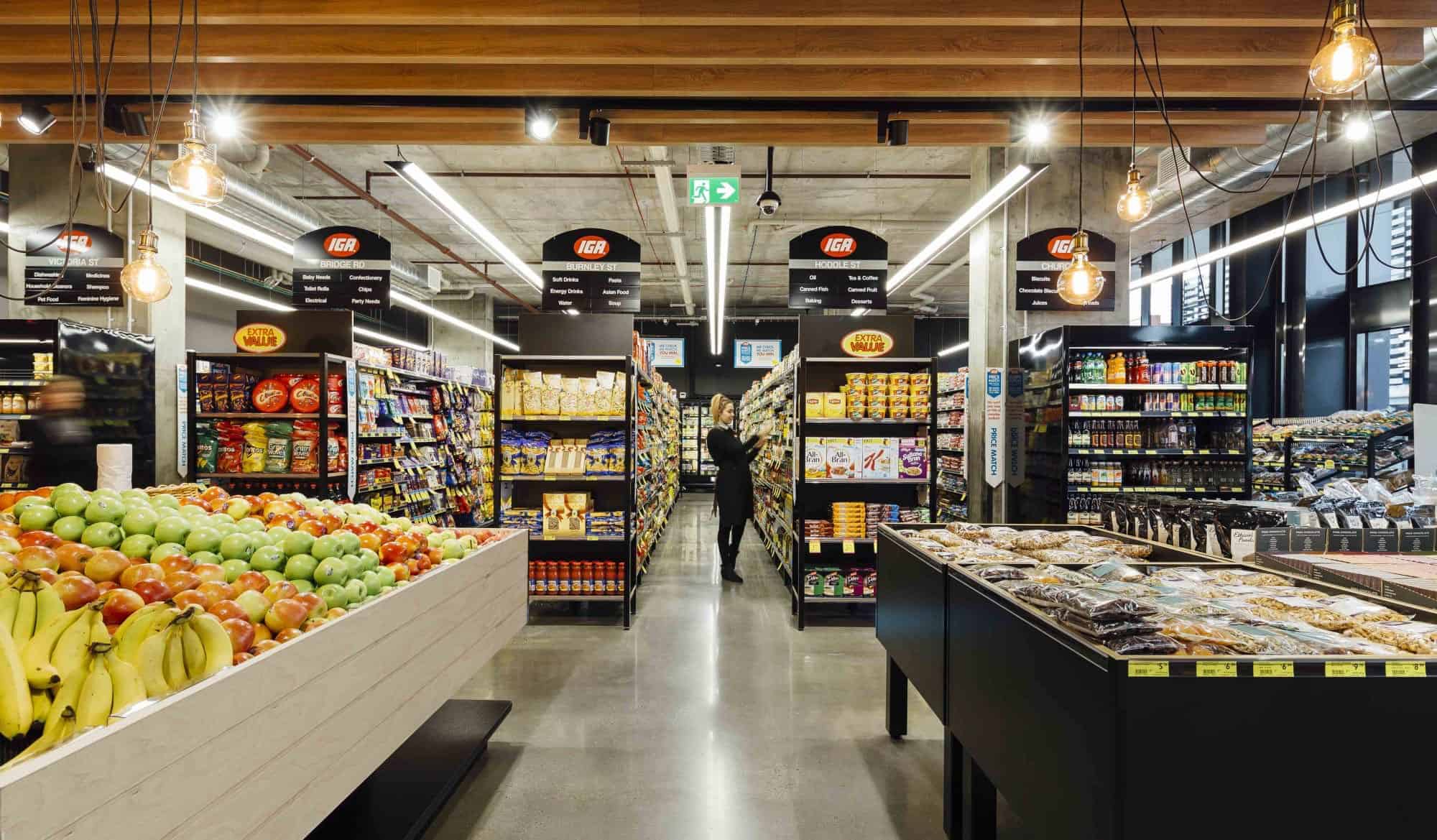
    Metcash runs supply chains that underpin thousands of independent Australian storefronts, including IGA supermarkets, Mitre 10 hardware outlets and Cellarbrations bottle shops. The updated AskROSS platform allows store owners to query inventory rules, stock availability and operational support in natural language instead of hunting through manual menus.

    Support personnel inside Metcash will receive identical conversational search tools within their internal agent interfaces. That setup gives both store owners and backend staff the same reference data during ordering disputes or stock inquiries.

    “Retailers can now ask questions in natural language and receive fast, trusted answers that help them make better decisions,” said Madeleine Fitzpatrick, general manager of retail at Metcash.

    The Wholesale Shift to Machine Search

    Wholesale distribution in Australia operates on thin margins and dense product catalogues. Independent grocers ordering through Metcash deal with tens of thousands of fast-moving consumer goods lines where supply snarls or incorrect pack sizes quickly erode shopkeeper profits.

    For independent operators, moving administrative queries from call desks to automated natural language search cuts administrative overhead during peak morning restocking hours. For Metcash, routing routine catalog queries into automated self-service frees internal account teams to focus on commercial contract disputes and wholesale supplier terms.

    Integration Across Sorted and Distribution Systems

    Publicis Sapient served as the systems integrator on the project, working with Metcash over two years to build the data foundation across the distributor’s commerce architecture. The AskROSS rollout follows an earlier integration of Coveo search tools across Metcash’s digital wholesale marketplace, Sorted.

    Competitors across Australasia are making parallel investments to automate merchant portals. Woolworths and Coles have both poured capital into automated supply interfaces and predictive fulfillment systems, forcing Metcash to upgrade its digital interfaces to retain independent supermarket owners who can switch wholesale agreements.

    Building Out Enterprise AI Portals

    Metcash first integrated Coveo indexing tools into its Sorted marketplace to streamline catalogue searches across thousands of supplier stock keeping units. Expanding that index into merchant communications deepens Metcash’s multi-year digital transformation program across its food and liquor divisions.

    The deployment moves next into Metcash’s central support agent network, where internal service desks are scheduled to adopt conversational search assistance across upcoming trading cycles.

  • Valley Eyewear Receives 7 Formal Offers in Liquidation Sale

    Valley Eyewear Receives 7 Formal Offers in Liquidation Sale

    Sunglasses brand Valley Eyewear has received seven formal written offers after entering liquidation in mid-August following a legal battle between its owners.

    The Gold Coast-based business drew 120 registrations of interest and 72 executed confidentiality agreements from prospective purchasers across Australia, New Zealand, Asia, and the US.

    Global distribution draws turnaround buyers

    Federal Court-appointed liquidators James Robba and Jason Bettles of Worrells led the sale campaign, confirming that the outcome is expected to deliver a return to creditors.

    Founded in 2011 by Michael Crawley, Tenielle Crawley, and Matthew Grippo, the independent label expanded beyond its domestic base to stock products in more than 100 wholesale accounts across 20 countries. That international wholesale footprint proved the primary draw for offshore distributors seeking established design assets without the overhead of company-owned retail storefronts.

    Cross-border interest in premium accessories

    Regional retail operators face tight consumer spending in discretionary fashion, yet niche eyewear assets continue to attract trade buyers looking to consolidate wholesale relationships. A buyer acquiring the label out of liquidation avoids legacy shareholder liabilities while gaining established shelf space across independent boutiques in Asia and Australasia.

    For retail stockists and wholesale partners, the outcome determines whether product shipments and seasonal range deliveries resume under new ownership or splinter across regional licensing agreements. The risk for prospective buyers sits in reviving brand momentum and preserving design credibility after months of courtroom paralysis among the original creators.

    There was considerable interest from prospective purchasers throughout the campaign, which culminated in multiple competitive offers being submitted for our consideration.

    Shareholder deadlock forced liquidation

    The sale follows a protracted legal battle among the three co-founders that culminated in Australia’s Federal Court placing the business into liquidation in mid-August 2026. The court mandated an urgent sale process to preserve asset value before wholesale distribution channels eroded.

    Worrells confirmed that the volume and pricing of the seven competing offers are expected to generate sufficient proceeds to deliver a financial return to unsecured creditors.

    Finalising the asset transaction

    Robba and Bettles are currently assessing the seven formal submissions to select a preferred bidder and execute definitive asset purchase agreements. Creditors will receive a formal report detailing the winning offer, transaction terms, and estimated dividend distribution timetable once contracts are exchanged.