Author: Mei Ling Tan

  • Chinese Visitors Spent A$11.2 Billion in Australia as Brands Shift to RedNote

    Chinese Visitors Spent A$11.2 Billion in Australia as Brands Shift to RedNote

    Retailers and tourism operators across Australia and New Zealand are shifting digital marketing budgets to Chinese lifestyle platform Xiaohongshu, known internationally as RedNote, according to Jeffrey Hau, CEO of digital marketing agency Prizm Group.

    Chinese travelers spent A$11.2 billion in Australia in 2025, up 39 per cent year on year, cementing China as the country’s second-largest inbound tourism market, according to data from Tourism Research Australia.

    Search Behavior Replaces Social Broadcasting

    Unlike Western platforms such as Instagram or TikTok where visual polish and direct checkout links drive engagement, Xiaohongshu operates primarily as a recommendation search engine. Users rely on user-generated reviews, detailed itineraries, and sizing guides to make purchase decisions before visiting stores or booking attractions.

    This dynamic shifts the marketing model from broad awareness campaigns to answering specific consumer queries. In Australia, more than 730,000 residents were born in mainland China, according to the Australian Bureau of Statistics. 24 per cent of Chinese arrivals enter on student visas compared to 7 per cent across all international markets, creating multi-year domestic spending cycles across retail, groceries, telecommunications, and housing.

    Tourism Campaigns Drive Measurable Search Volume

    Destination marketing boards have already tested the platform at scale. Tourism New Zealand ran dedicated campaigns on the network that generated more than 500 million impressions and drove a 127 per cent increase in searches for New Zealand travel guides.

    Commercial operators are tracking similar conversion patterns. BridgeClimb Sydney structured its campaigns around Mandarin-language climb options, family packages, and photography pricing, fielding direct queries in comment sections and routing prospective climbers directly to official booking channels.

    Localized Creator Networks Alter Campaign Economics

    For sportswear and fashion retailers, influencer pricing and reach metrics operate under different thresholds in Oceania than in East Asia. Retailer JD Sports activated local creators in Australia and New Zealand during Lunar New Year, using tracked promotional codes to connect creator posts directly to online checkouts and physical store traffic.

    Agency data shows a top-tier creator in the Australian market typically commands between 50,000 and 200,000 followers. In mainland China, that follower count represents only a mid-tier account, giving local brands access to influential community voices at lower production costs.

    The Operational Shift for Asia-Pacific Retailers

    Targeting Chinese-speaking consumers through native platforms requires brands to rethink customer support and community management. Comment sections on Xiaohongshu function as customer service desks where users demand immediate answers regarding sizing, inventory availability, and localized payment options such as Alipay and WeChat Pay.

    Brands that treat the network as an image repository fail to generate sales traction. The operational risk lies in resource allocation: businesses must maintain active, Mandarin-literate moderators to convert queries into completed transactions before prospective shoppers look elsewhere.

    Consumer brands across Sydney, Melbourne, and Auckland are now aligning their upcoming seasonal inventory plans with regional travel calendars, targeting the Golden Week and Lunar New Year retail cycles.


  • Indonesia Money Supply Hits Rp10.45 Quadrillion as Bank Lending Rises 13.3%

    Indonesia Money Supply Hits Rp10.45 Quadrillion as Bank Lending Rises 13.3%

    Bank lending across Indonesia reached Rp 9,019.3 trillion in August, driving an 8.2 per cent annual expansion in broad money supply to Rp 10.45 quadrillion.

    Total bank credit growth accelerated to 13.3 per cent year on year from 13.0 per cent in July, according to data released by Bank Indonesia.

    Corporate demand accounted for the bulk of new loan volumes. Business borrowing expanded 21.6 per cent from a year earlier, quickening from 20.9 per cent in July, while dedicated investment facilities grew 23.4 per cent over the same period.

    Corporate borrowing outpaces consumer appetite

    Consumer borrowing showed a different trajectory. Household credit growth softened to 5.0 per cent in August, down from 5.3 per cent in July, reflecting tighter household budgeting for discretionary purchases.

    Narrow money supply (M1), which tracks cash and transactional accounts readily available for day-to-day shopping, slowed to 9.0 per cent growth from 10.0 per cent in July to reach Rp 5,943 trillion. Quasi money, composed of less liquid store-of-value funds, gained pace, rising 6.5 per cent to Rp 4,426.2 trillion as foreign-currency demand deposits surged 11.8 per cent.

    For consumer brands and commercial retailers, this widening gap between enterprise borrowing and household debt points to a market where suppliers are funding production capacity faster than shoppers are taking on debt to buy goods. Retailers dependent on big-ticket financed spending face softer footfall conversion, while business-to-business suppliers benefit from funded industrial order books.

    Slump in vehicle financing tests consumer demand

    Auto financing took the sharpest hit among consumer categories. Motor vehicle loans fell 10.3 per cent year on year, extending a prolonged downturn across vehicle dealerships and related equipment supply chains.

    Mortgage lending remained in positive territory, growing 4.2 per cent. Total bank customer deposits reached Rp 9,732.8 trillion, holding steady at 7.7 per cent annual growth, led by a 9.5 per cent rise in consumer savings balances and a 9.4 per cent increase in current accounts.

    Automotive retailers and showroom operators across Southeast Asia have seen similar financing headwinds where high base borrowing costs discourage consumer installment plans. The risk sits squarely with durable-goods distributors holding high-ticket inventory against weakening consumer credit uptake.

    Commercial property and construction lead credit gains

    Property development emerged as a major bright spot for credit distribution. Overall property sector lending climbed 18.3 per cent year on year in August.

    Construction loans surged 49.5 per cent, while direct real estate lending increased 15.8 per cent. The rapid pace of physical build-outs continues to add retail floor space, logistics warehousing, and industrial park capacity across Java and regional hubs.

    Commercial landlords and mall operators are managing this new capacity at a time when tenant leasing decisions require careful assessment of local store profitability and retail basket sizes.

    Small business working capital stays constrained

    Financing for micro, small, and medium enterprises showed mixed signals. Total credit to the sector improved to 2.3 per cent growth from 1.6 per cent in July, supported by a 14.9 per cent rise in investment loans.

    Working-capital facilities for small merchants and local distributors contracted 3.1 per cent. The drop in short-term operational credit limits inventory procurement for neighbourhood trade and wholesale stockists.

    The August liquidity figures follow the decision by Bank Indonesia to maintain its benchmark interest rate at 5.75 per cent to protect the rupiah and anchor domestic financial stability.

    All eyes now turn to third-quarter bank earnings and September monetary aggregates to see whether small-business working capital can return to growth ahead of peak year-end retail inventory ordering.

  • Momenta Secures Stellantis Deal to Supply Peugeot and Jeep from 2027

    Momenta Secures Stellantis Deal to Supply Peugeot and Jeep from 2027

    Momenta signed a global partnership with Dongfeng Stellantis Automotive Technology in Shanghai to supply intelligent driving systems for Peugeot and Jeep vehicles rolling out from 2027.

    The agreement covers battery-electric and plug-in hybrid models sold across China, Europe and other international markets, taking the Chinese software developer into mass-market export vehicles.

    Under the deal signed on September 24, Momenta will integrate its R7 World Model software into new production models engineered by Dongfeng Stellantis Automotive Technology (Wuhan), known as DSAT. The joint venture will combine chassis tuning, steering calibration, braking response and powertrain controls with Momenta’s software platform. Peugeot variants will focus on handling and road dynamics, while Jeep models will adapt the system for off-road use. The technical scope also includes joint development of Level 3 automated driving functions.

    Expanding From German Luxury to Volume Fleets

    The contract shifts Momenta’s commercial footprint away from a reliance on German premium brands toward high-volume vehicle manufacturing. The software developer already provides driver assistance for Mercedes-Benz on the electric CLA in China, alongside joint projects with BMW and Audi. Those existing German deployments remain confined to the Chinese domestic market. Partnering with DSAT gives Momenta immediate factory access to European showrooms through Stellantis distribution channels.

    Supplying mainstream brands across multiple continents presents structural software challenges that domestic Chinese rollouts avoid. Road infrastructure, road user habits and regulatory testing requirements in Europe differ substantially from urban traffic conditions in eastern China. If Momenta succeeds in validating Level 3 features under European safety rules, it will establish a blueprint for Chinese software firms to bypass regional trade barriers by exporting code inside legacy Western nameplates.

    Competitive Shift for Western Automakers

    Western automakers operating in Asia have abandoned attempts to develop proprietary driving stacks in isolation. Stellantis established DSAT with Dongfeng in August to address rapid market share losses in China, where domestic electric vehicle brands hold a decisive software advantage. Sourcing production-ready algorithms from an established local supplier reduces development spending and accelerates time to market for refreshed model ranges.

    Competitors face rising pressure from this supplier integration model. Japanese and South Korean manufacturers that rely on legacy Tier 1 component vendors risk lagging in software response times and over-the-air update cycles. By outsourcing autonomous architecture to Momenta while maintaining control over vehicle dynamics and suspension tuning, DSAT keeps its brand identities distinct while closing the digital feature gap.

    Scale Across Production Platforms

    Momenta expanded its commercial deployment rapidly in early 2026 before completing the Stellantis agreement. The company installed its driver-assist software in roughly 321,000 additional vehicles during the first half of 2026, an 83.7 percent increase compared with the same period a year earlier. Total installations have surpassed 1.2 million vehicles across 105 production models, backed by supplier relationships with 26 automakers.

    Chinese AI is taking a growing role in the development of intelligent vehicles worldwide.

    DSAT general manager Lv Haitao signed the agreement alongside Momenta chief executive Cao Xudong, who confirmed the software developer is positioning its architecture ahead of a broader global market shift toward automated driving platforms.

    Target Dates for Global Production

    Automotive supply chains now turn to hardware validation ahead of the scheduled 2027 market introduction. DSAT has not disclosed initial production volumes, factory allocation or the specific vehicle nameplates that will debut the R7 system. Momenta will prepare software localized for European roadway certifications ahead of 2028, the target year its management expects global adoption of advanced driver assistance to accelerate sharply.

  • Heavy Rains Trigger Bangkok Flooding and Disrupt Tourist Travel

    Heavy Rains Trigger Bangkok Flooding and Disrupt Tourist Travel

    Torrential downpours triggered widespread street flooding across Bangkok on Sunday, snarling traffic on key arterial roads and disrupting travel plans for thousands of international visitors.

    The gridlock halted surface transit corridors across the capital, prompting the Chinese Embassy in Thailand to issue an official travel notice.

    Transport Snarls Across Key Districts

    Intense monsoon rainfall overwhelmed drainage channels across multiple low-lying municipal sectors during the afternoon peak. Waterlogged road surfaces forced buses, taxis, and ride-hailing fleets into hours of standstill traffic, stalling access to major shopping complexes and riverside tour departure points.

    The embassy advisory urged Chinese nationals and tourists to exercise caution, monitor municipal weather bulletins, and plan transit routes with substantial buffer times to avoid missed flights and stranded excursions.

    Operational Pressure on Retail and Hospitality

    Sudden municipal inundations deliver an immediate check to daily footfall for street-level retail strips, open-air night markets, and ground-floor food and beverage operators. While enclosed elevated transit networks like the BTS Skytrain maintain passenger throughput, surface-dependent consumer venues experience immediate dips in evening patron volume during severe rain events.

    Hotels and travel operators in flood-prone zones have had to reroute guest transfers toward rail connections to bypass submerged road junctions. For logistics operators delivering fresh provisions and retail stock across the metropolitan core, delivery schedules faced multi-hour delays across central business districts.

    Drainage Readiness and Seasonal Pressures

    Late September routinely represents the height of Thailand’s wet season, testing the operational capacity of Bangkok’s municipal pump stations, retention basins, and drainage tunnels. Previous seasonal storms in recent years have demonstrated that even short bursts of localized precipitation can overwhelm secondary road networks before floodwaters recede into the Chao Phraya River basin.

    City administration crews deployed mobile pumping assets across recurrent flood hotspots to clear primary thoroughfares ahead of the weekday morning commute.

    Travel Monitoring and Weather Outlook

    Regional transport operators and consular authorities continue tracking meteorological forecasts across the central plains through the remainder of the monsoon cycle. Tourism operators are advising inbound travelers to rely primarily on elevated rail links and real-time municipal traffic maps until road drainage stabilizes across outer districts.

  • SM Retail Keeps 15 Forever 21 Stores Open in the Philippines

    SM Retail Keeps 15 Forever 21 Stores Open in the Philippines

    SM Retail will keep all 15 Forever 21 stores open across the Philippines following a bankruptcy filing by the brand’s US parent company in October 2019.

    SM Retail, which holds the majority stake in the local joint venture, confirmed that domestic operations will remain unaffected by the overseas restructuring.

    Insulation From Global Closures

    The voluntary bankruptcy in the United States ensures the parent company retains control of its assets while restructuring, even as it is expected to close around 350 stores worldwide, primarily in its main US market.

    Ponciano Manalo, president and chief executive officer of SM Retail, confirmed that domestic sales diverge sharply from struggling Western markets.

    There is no effect on our Philippine operations. Forever 21 Philippines continues to be one of the stronger global operations.

    Joint Venture Structure Protects Footprint

    Local ownership shields the Philippine network from overseas insolvency fallout. SM Retail controls domestic operations and houses the stores inside its nationwide mall network. This structure spares the brand from the heavy standalone lease liabilities that broke its Western counterpart.

    Across flagship commercial centres, the steady 15-store footprint prevents sudden vacancies. North American landlords face empty retail space as hundreds of large-format units wind down. Philippine commercial tenancy under SM Retail remains fixed.

    Decade of Local Expansion

    Do Won and Jin Sook Chang founded Forever 21 in California in 1984. The chain expanded rapidly across international shopping centres on a fast-turnaround, budget apparel model.

    Its Philippine debut arrived in 2010 through the SM Retail partnership, opening at SM Megamall in Mandaluyong. The domestic footprint expanded steadily across metropolitan retail hubs over the following nine years.

    Marketing Push for Peak Quarter

    Fresh capital is now moving into inventory and promotional campaigns for the fourth-quarter shopping period. Year-end consumer spending in the Philippines represents the most lucrative sales window for apparel merchants.

    Regular merchandise shipments will reach retail floors throughout the final quarter as marketing campaigns roll out across all 15 branches.

  • Alo Plans Eight Greater China Stores After Record Tmall Debut

    Alo Plans Eight Greater China Stores After Record Tmall Debut

    Alo will open eight stores across seven Greater China cities through 2027. The rollout follows a 10 million yuan sales haul generated within one minute of its Tmall presale launch.

    That Aug. 12 debut broke the sales record for Tmall’s sports and outdoor category, bringing in roughly $1.5 million right at checkout opening. The Los Angeles activewear brand announced its physical store pipeline on Sept. 16.

    Where the stores will open

    The retail footprint covers two locations in Shanghai alongside single sites in Beijing, Hong Kong, Macau, Shenzhen, Chengdu and Hangzhou. These additions build on an earlier commitment to open a flagship at Hong Kong’s K11 Musea this autumn.

    Expansion follows eight weeks of Shanghai marketing events spanning run clubs, cycling sessions and outdoor yoga. Alo used the events to introduce local shoppers to the Alosphere. The company describes this as a lifestyle ecosystem blending wellness classes, community gatherings and sportswear.

    Trouser sales outpace leggings

    Early checkout data shows Chinese shoppers treat the label as fashion lifestyle wear rather than pure gym gear. Figures from China Daily show the bestselling item through Aug. 14 was the 1,150-yuan Suit Up straight-leg trouser. Full-price sales topped 10,000 units.

    Footwear posted similar pricing power. Alo sold more than 3,000 pairs of its 1,750-yuan sneaker over the same window without discounting. Meanwhile, brand campaign tags racked up 240 million views on RedNote before the launch.

    Divergence in China sportswear

    Mainland retail entry coincides with a sharp split in Chinese consumer spending. Total retail sales rose just 0.4 per cent year over year in August, missing consensus expectations. Second-quarter GDP growth slowed to 4.3 per cent.

    Specialist premium labels continue to find growth despite the slowdown. Arc’teryx expanded to 79 company-owned stores across Greater China by late 2025, up from 18 in 2019. Swiss running brand On grew its second-quarter Asia-Pacific sales by 43.1 per cent.

    Market leader Lululemon faces tougher trading conditions. The brand counted 174 stores across mainland China as of Aug. 2. Yet comparable store sales in the territory fell 8 per cent on a constant-currency basis during its fiscal second quarter.

    Building beyond presale spikes

    Presale turnover drew support from gray-market buyers and targeted promotions, including limited-edition tote bags. Celebrity campaigns featured Wang Yibo, Zhao Lusi and Sui He. The next test is converting one-day web traffic into repeat store visits across tier-one mall sites.

    Alo international chief executive Benedetta Petruzzo outlined the target: “Our ambition goes beyond opening stores: we are building an Alosphere.”

    Property operators will monitor performance at the K11 Musea location in Hong Kong this autumn before the first mainland stores open in Shanghai and Beijing.

  • At Least 12 Chinese Banks to End Retail Used Precious-Metals Trading

    At Least 12 Chinese Banks to End Retail Used Precious-Metals Trading

    At least a dozen Chinese banks intend to wind down retail used precious-metals trading following directives from the Shanghai Gold Exchange, ending a practice where everyday investors post margin deposits to speculate on gold and silver contracts without owning physical metal.

    Sources at two lenders, including Industrial and Commercial Bank of China, confirmed the retreat was mandated by the exchange amid sharp swings in international gold prices.

    Exchange Mandate Halts Retail Exposure

    Beijing-based China Everbright Bank said on Friday that it would phase out retail used precious-metals trading for gold and silver after October 19, following a comparable notice from Shanghai Pudong Development Bank earlier this month.

    For almost twenty years, domestic banks allowed retail investors to open precious-metals positions using margin ratios aligned with the Shanghai Gold Exchange. That setup granted individual accounts between five-fold and six-fold use. The current directive instructs lenders to shut these channels completely, pushing individual clients toward physical purchases and fixed-price accumulation plans.

    Regulators Eliminate Speculative use

    Market turbulence in precious metals forced commercial banks to tighten trading rules throughout the past year. By the end of the first quarter, state-owned lenders had raised margin requirements for retail precious-metals contracts to 100 percent. That step removed operational use before the formal shutdown.

    Orient Futures analyst Xu Ying said: “This represents an inevitable shift, and I anticipate that all the lenders will eventually exit the business.”

    Shifting Retail Capital Into Physical Bars

    The forced wind-down alters precious-metals distribution across mainland China. Commercial lenders will no longer act as clearing brokers for individual speculative traders. Instead, banks will redirect foot traffic into physical bullion counters, minted commemorative coins, and non-used regular accumulation plans.

    Wealth-management desks will lose fee income generated by short-term contract turnover. However, the closures eliminate retail customer default risks during sharp intraday commodity swings. Retail exposure will transfer directly into settled physical ownership.

    Precedents and Margin Escalation

    Chinese authorities have worked in stages to ring-fence households from high-volatility commodity derivatives. State lenders initiated the first round of account restrictions during previous commodity price spikes. They capped new account openings first, then raised margin thresholds across all retail tiers.

    Member commercial banks and the Shanghai Gold Exchange will now finalize account liquidation schedules, with Everbright Bank carrying out its formal operational cutoff after October 19.

  • Asahi Life to Hire 1,000 Staff in Vietnam MVI Life Acquisition

    Asahi Life to Hire 1,000 Staff in Vietnam MVI Life Acquisition

    Japan’s Asahi Mutual Life Insurance plans to build a sales force of around 1,000 workers in Vietnam following its planned acquisition of domestic carrier MVI Life.

    President Kenichiro Ishijima detailed the expansion plans in September 2026 as the Tokyo-based insurer begins aggressive investment with its improving balance sheet.

    Dual sales channels in Southeast Asia

    Plans call for selling health insurance products tailored to the local market across dual distribution channels. Securing local sales agents forms the operational core of that entry. Direct reach gives the Japanese firm access to households instead of relying purely on third-party broker networks.

    Insurance penetration in Vietnam remains low relative to regional peers. To capture consumer demand, Asahi Life is structuring the unit to handle underwriting and agency distribution under a unified management framework once the purchase formally closes.

    Capital deployment outside Japan

    Demographic decline and low domestic margins continue to squeeze Japanese life insurers, pushing mid-tier and mutual operators to seek underwriting growth in ASEAN markets. Larger peers such as Dai-ichi Life and Nippon Life entered Southeast Asia through multi-billion-dollar joint ventures years ago. Asahi Life is taking a different route, using targeted entity acquisitions to establish operating footprints with lower initial overhead.

    Execution risks center on agency retention and distribution productivity. Vietnam’s life sector has faced regulatory scrutiny over sales practices and agent turnover. Onboarding 1,000 productive sales agents will test the group’s operational controls and local compliance systems.

    Digital systems and operational background

    Behind the regional push are internal technology upgrades in Tokyo. Asahi Life recently deployed the TechTouch digital adoption platform across its internally developed systems. The rollout aims to improve operational efficiency and software accessibility for staff.

    Integrating those digital workflows with an acquired foreign subsidiary will determine how quickly the Tokyo office can standardize cross-border reporting and policy administration.

    Regulatory close and next milestones

    Closing the MVI Life acquisition remains subject to customary regulatory approvals in Vietnam. Once cleared, Asahi Life will begin onboarding the 1,000-member sales organization and filing local health insurance policies for clearance.

  • Luckin Coffee Opens 100Th Singapore Store in Bugis Expansion

    Luckin Coffee Opens 100Th Singapore Store in Bugis Expansion

    Luckin Coffee opened its 100th store in Singapore on September 29, 2026, setting up in the commercial and transit hub of Bugis. The milestone establishes the Chinese chain as the city-state’s second-largest coffee operator by store count three years after its local launch.

    Customer volumes drove the physical expansion. More than 1.9 million cumulative transacting customers have bought drinks through the brand’s app-led ordering system in Singapore since the first outlet began trading in 2023.

    Footprint Strategy in Transit Nodes

    The Bugis site follows Luckin’s standard format across Southeast Asia: compact footprints near high-density commuter pathways and retail developments. Placing locations directly inside transport interchanges and office basements reduces seating overhead while maintaining order throughput during morning and lunch rush hours.

    Digital pickups handle the bulk of transactions. By requiring customers to order and pay via mobile application before collecting at the counter, the chain keeps queue times low and processes hundreds of drinks per hour with small front-of-house teams.

    Shifting Market Dynamics for Local Operators

    Reaching 100 outlets in three years puts immediate pressure on established mid-market chains and legacy regional brands. Fast store rollouts backed by aggressive digital discounting force competing operators to protect market share by upgrading their own mobile ordering apps and matching promotional drink pricing.

    Commercial landlords benefit from the format’s flexibility. Luckin takes micro-units and irregular floor plans that sit outside traditional full-service cafe requirements, generating steady rental income from transit corridors that previously housed service kiosks or sat vacant.

    International Growth Beyond the Domestic Base

    Singapore served as Luckin’s first international testing ground when the company entered the market in early 2023. Building a profitable operating model outside mainland China required adapting supply chains and menu profiles for Southeast Asian consumer tastes while retaining its core low-cost automated store design.

    Sustained transaction growth in Singapore validates the exportability of the grab-and-go model across high-rent Asian cities. The rapid climb to 100 units demonstrates that digital-first coffee retail can secure substantial market penetration even in mature, highly competitive metropolitan markets.

    Next Steps for Southeast Asian Expansion

    Attention now turns to whether Luckin can sustain repeat purchase frequency without deep promotional couponing. As the network reaches saturation in central commercial districts, subsequent sites must extract volume from suburban housing estates and secondary retail malls.

    Market watchers will track upcoming company filings for unit-level margins and regional store target updates across neighbouring Southeast Asian markets.

  • Misto Group Opens 1St Taiwan Store for Korean Label Mucent

    Misto Group Opens 1St Taiwan Store for Korean Label Mucent

    Misto Group has partnered with Korean streetwear brand Mucent to open the label’s 1st store in Taiwan, launching in Taipei in September 2026.

    The contemporary casualwear label is recognised for its monochromatic aesthetic with black as a signature colour, blending streetwear influences with everyday wear targeted at younger female consumers.

    The Store Network Across Three Cities

    Following the Taipei debut, Misto Group plans to open additional Mucent stores in Taichung and Kaohsiung by the end of the year.

    Opening three prime urban locations within a single calendar quarter requires dedicated retail floor space in top-tier shopping districts. By targeting Taiwan’s three largest metropolitan centers at once, the distributor bypasses a slower test-and-learn strategy in favor of immediate national visibility.

    Targeting the Young Fashion Consumer

    Mucent built its domestic reputation in South Korea around everyday casualwear combined with functional streetwear accents. The brand focuses heavily on monochrome design palettes, using black textiles as its core visual identity to attract young female consumers.

    Taiwanese department stores and street-level shopping strips have steadily increased their allocation of floor space to independent Korean apparel labels. Streetwear concepts that emphasize affordable styling and daily wearability compete directly against Japanese fast-fashion operators and domestic boutique chains.

    Pressure on Regional Distributors

    Distributors managing imported fashion brands face compressed shelf-life cycles driven by social media trends. Physical retail commitments across three separate cities demand consistent replenishment logistics and strong sell-through rates to offset rising retail lease costs in central Taipei.

    Local retail landlords in Taichung and Kaohsiung continue to court imported lifestyle concepts to draw younger foot traffic into physical malls. Misto Group relies on Mucent’s existing online traction among regional shoppers to drive footfall into the new brick-and-mortar units.

    Expansion Timeline for Southern Doors

    South Korean apparel exporters have broadened their presence across East Asia by leaning on established local distribution partners to manage store buildouts and inventory risk.

    Work now shifts to site preparation in central and southern Taiwan. RetailNews Asia will track the opening schedules for the Taichung and Kaohsiung stores as Misto Group works toward its year-end target.

  • H&M Shrinks Asian Footprint to 886 Stores as Regional Sales Edge up 4 per Cent

    H&M Shrinks Asian Footprint to 886 Stores as Regional Sales Edge up 4 per Cent

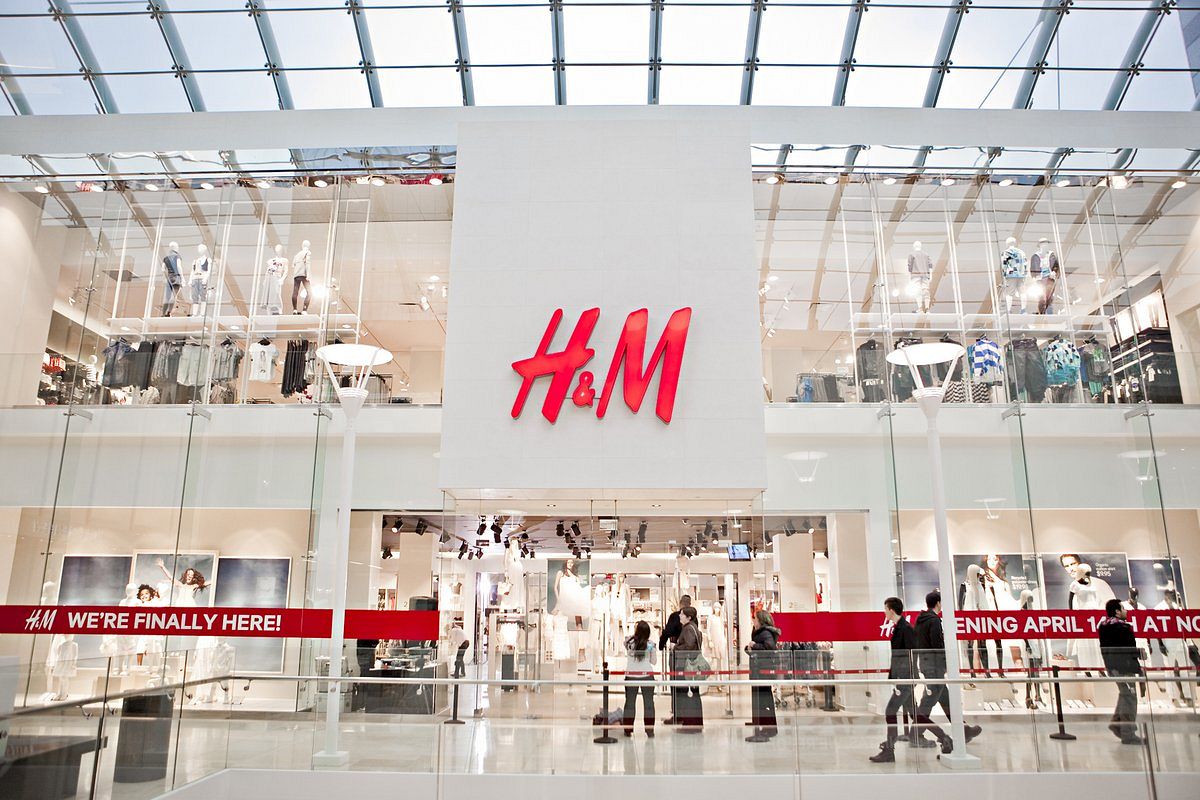
    H&M Group closed 54 stores across Asia, Oceania and Africa over nine months to August. That trimmed its regional footprint to 886 locations. Regional sales for the quarter still rose 4 per cent.

    Group-wide revenue for the three months to August 31 reached SEK 57.2 billion ($5.8 billion). That was an increase of just 1 per cent in local currencies, as a stronger Swedish krona erased top-line gains.

    Operating profit climbed 23 per cent to SEK 6.04 billion, beating market forecasts of SEK 5.14 billion. The operating margin widened to 10.6 per cent from 8.6 per cent a year earlier. One-off refunds from US tariff payments accounted for 1.6 percentage points of that margin increase. The company confirmed those credits will not repeat in coming quarters.

    Pruning the Asian Store Network

    Physical retail space continues to shrink across Asia, Oceania and Africa. The regional network stood at 940 locations in November 2025 before net closures reduced the tally to 886 by the end of the third fiscal quarter.

    Management has paired store closures with selective rollouts for higher-margin labels. The group introduced COS to India in October 2025. It is betting affluent urban shoppers will back premium concepts as core H&M outlets leave marginal shopping centres.

    “We are able to get product from having a first rough idea to the customer in six weeks, and when we talk about shortening the lead times, it is about increasing the share that we buy in that way,” said chief executive Daniel Erver.

    Online transactions now generate more than 30 per cent of total sales. That growth has accelerated the push to refit existing flagships. The company has modernised a fifth of its 4,000 global stores rather than adding floor space.

    Rival Pace and Regional Margins

    H&M faces pressure from both ends of the fashion market in Asia. Zara owner Inditex reported a 9 per cent sales increase in constant currency in August, outpacing H&M through rapid stock turnover.

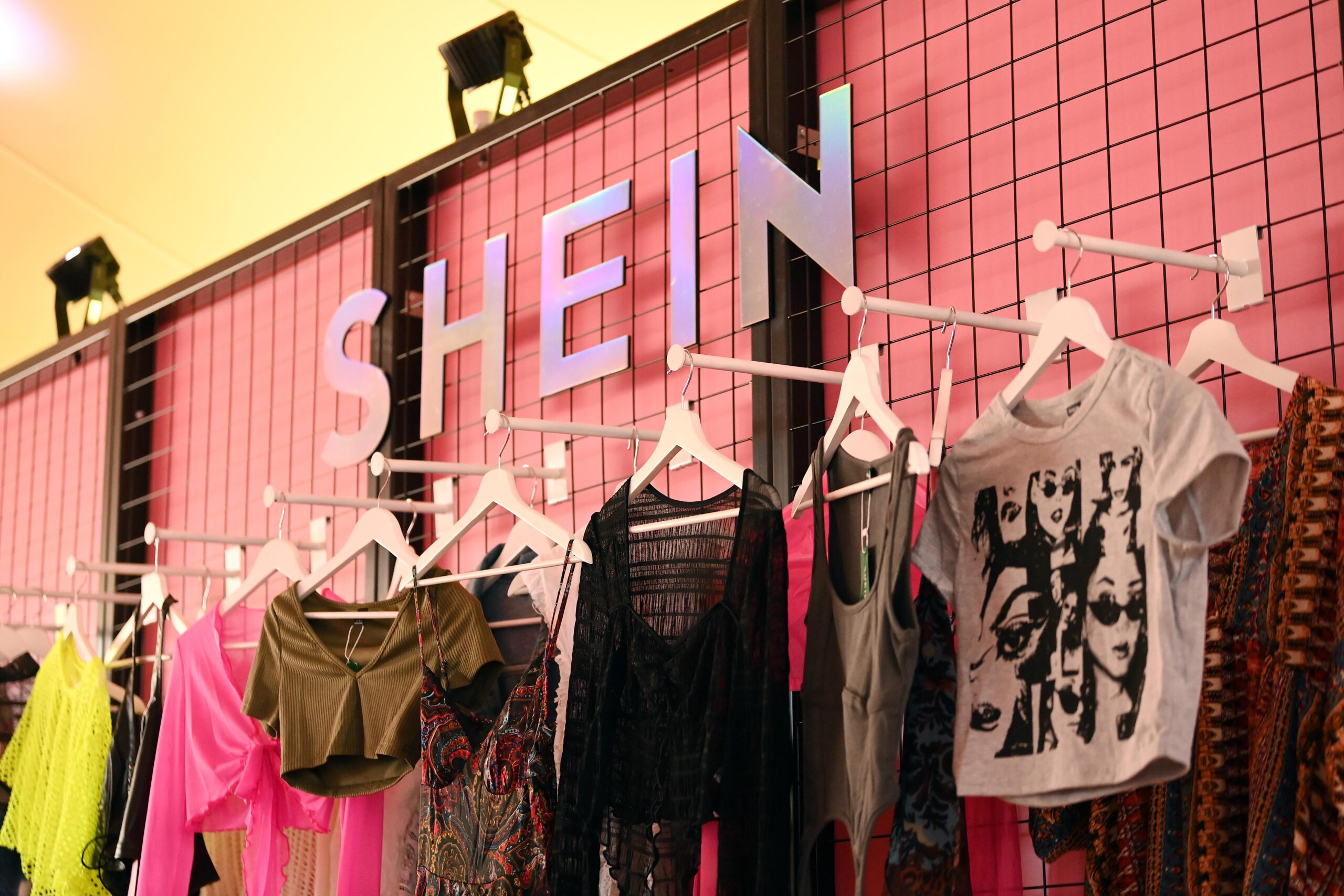
    Discount competitor Shein continues to capture budget market share across Southeast Asia and East Asia, squeezing the middle price bracket where H&M operates. Landlords in tier-two Asian malls face falling footfall. That drop leaves retailers with less bargaining power over fixed leases unless their sales density improves.

    Shifting logistics hubs has added further friction. A warehouse closure in Belgium disrupted stock flows into international distribution channels earlier this year. Transport bottlenecks in the Middle East compounded those freight delays.

    Decarbonising the Manufacturing Base

    Supply chain costs remain exposed to rising energy expenses across South Asia. Fuel price hikes in Bangladesh, a major manufacturing centre for the group, prompted H&M to push suppliers toward renewable power.

    Direct suppliers must complete the phaseout of coal-fired boilers by the end of 2026. This energy shift targets long-term operational resilience as regional fossil fuel tariffs fluctuate.

    European logistics operations are also expanding through 2027 with new facilities. These hubs aim to shorten shipping cycles and improve product availability across digital channels.

    The Next Trading Targets

    Recent store closures follow a difficult 2025 fiscal year. H&M shuttered a net 105 stores across Asia, Oceania and Africa during that period, driving a 7 per cent reported revenue drop in Swedish krona terms.

    Early autumn trading shows little acceleration. September sales are projected to grow 1 per cent in local currencies, matching the flat trajectory of the third quarter.

    Investors and retail partners are watching the fourth-quarter gross margin to see if shorter lead times can protect full-price sales without discounting once temporary tariff credits vanish.

  • Cargill Commits $130 Million to Expand Asian Poultry Production

    Cargill Commits $130 Million to Expand Asian Poultry Production

    Cargill will spend more than $130 million over the next two years to expand its poultry processing and feed manufacturing operations in Thailand and the Philippines.

    The investment will lift the company’s cooked poultry output in Thailand to 160,000 metric tons annually. It targets THB 25 billion in yearly export revenue.

    Automation in Saraburi and Thai Storage Expansion

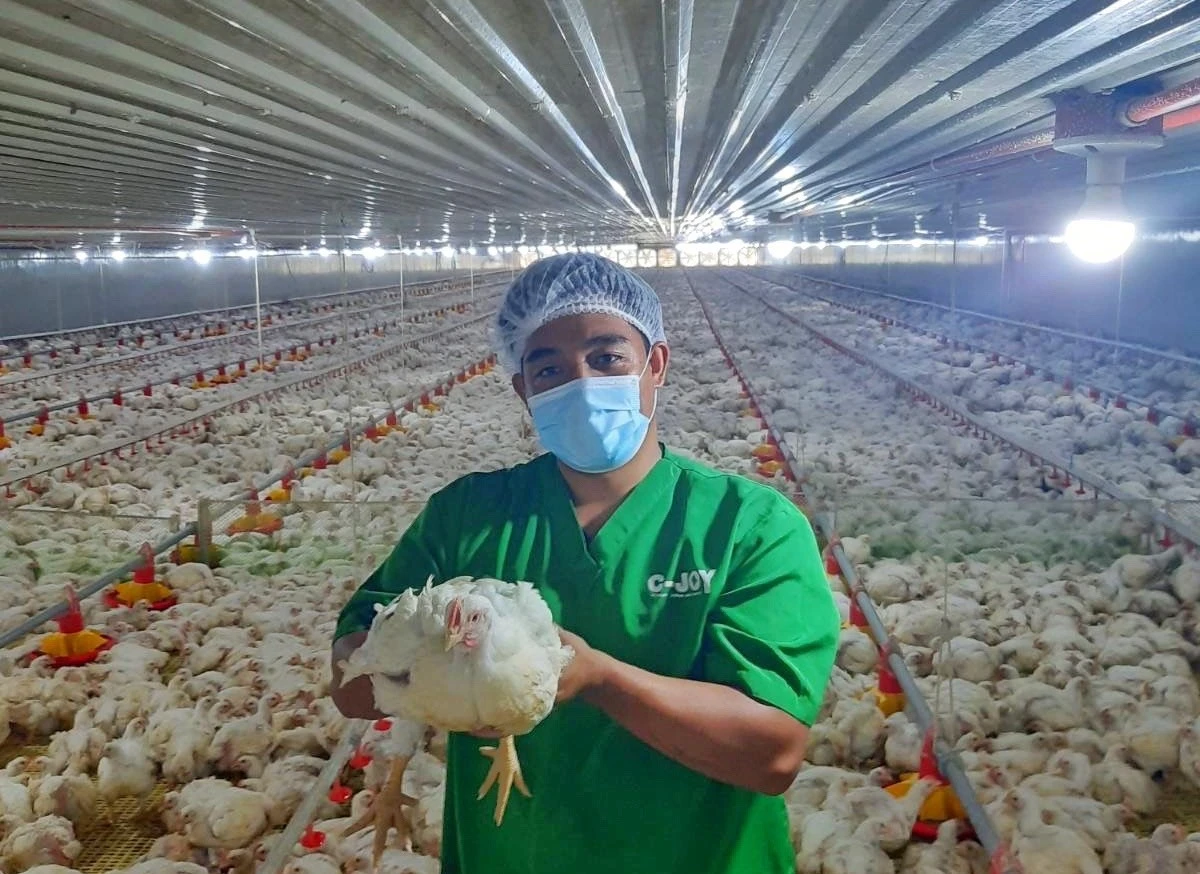
    At its central processing plant in Saraburi, Thailand, Cargill is installing an automated cooked chicken production line. The system uses robotic machinery and artificial intelligence to process real-time sorting and quality data. Work will run through 2028. It will create more than 300 manufacturing jobs in the province.

    Upstream feed operations in Thailand get direct support through a new 30,000 metric ton grain silo. Ground was broken on the facility this year, with commissioning planned for early 2027. The extra holding capacity lets the company buy grain outside standard harvest cycles. That buffers feed costs against seasonal price swings.

    Feed Milling and Retail Brands in the Philippines

    Across the Philippines, capital spending focuses on domestic feed supply and farm networks. An animal feed mill with an annual capacity of 190,000 metric tons is now under construction for late 2027 completion. It will employ over 100 workers and supply commercial producers nationwide.

    Beyond the mill, capacity is expanding across local hatcheries, breeder facilities and broiler farms. The extra volume supplies contracted foodservice buyers. It also stocks Tip-Top, Cargill’s retail chicken brand sold in Philippine supermarkets.

    Demand for high-quality protein continues to grow across global markets, and customers are looking for reliable innovation partners who can help them scale with confidence.

    Watcharapon Prasopkiatpoka, vice president and managing director for Cargill’s Asia-Pacific poultry business, oversees the program across both markets.

    Supply Chain Realignment for Export Markets

    Two distinct strategies define the regional split. Thailand serves as the primary export base, shipping cooked poultry to supermarkets and restaurants in Japan, Europe, North America and Asia. Automation at Saraburi addresses industrial labor shortages in central Thailand. It also enforces consistent portion control for strict overseas food safety audits.

    Philippine investments target domestic food security and price stability rather than exports. Local integrators face frequent raw material bottlenecks and volatile feed prices. Controlling the feed mill and hatchery network shields Cargill from spot-market disruptions. That gives its retail pack business a cost edge over smaller domestic processors.

    Earlier Footprint and Regional Competition

    Global agribusiness groups have spent recent years retooling Southeast Asian protein units around processed, cooked meat instead of raw commodities. Thailand became a processing hub through bilateral sanitary agreements with the European Union and Japan. That sparked heavy capital spending from regional competitors CP Foods and Betagro.

    Cargill previously focused regional spending on standalone feed mills and local joint ventures. This capital plan shifts that focus toward integrated infrastructure. It links grain storage directly to automated cooking lines.

    Work on the Thai grain silo wraps up in early 2027. The Philippine feed mill follows late that year, and the Saraburi processing line comes online in 2028.

  • Shein Second Quarter Profit Plunges 67 per Cent to US$228 Million

    Shein Second Quarter Profit Plunges 67 per Cent to US$228 Million

    Shein posted an adjusted net profit of US$228 million for the second quarter, down 67 per cent from a year earlier. Freight costs surged while sales across Europe fell.

    Net margin shrank to 2.1 per cent from 6.2 per cent a year ago. Flying low-cost parcels directly from Asian factories to consumers worldwide became far more expensive. Total revenue edged up 0.9 per cent to US$11.08 billion for the three months to June 30. Gains in Latin America counterbalanced declining receipts in Western markets.

    European sales dropped 13.9 per cent to US$3.77 billion during the quarter. The retailer raised prices and trimmed marketing budgets across the region ahead of July 1, when the European Union introduced a 3-euro customs charge on low-value parcels. United States revenue declined 6 per cent to US$2.5 billion. That drop continued a slide that began after American authorities ended duty-free treatment under de minimis rules last year.

    Air Freight and Customs Squeeze Margins

    Conflict in the Middle East disrupted aviation routes and pushed up jet fuel prices. That drove an 18.1 per cent increase in quarterly fulfillment costs. Shein’s direct-to-consumer model depends entirely on affordable air cargo capacity out of southern China. When air freight rates spike, the margin on five-dollar apparel vanishes.

    Shares in Hong Kong have fallen 27.3 per cent below their HK$48.56 offer price since the company went public on September 1. Institutional investors had already priced in regulatory scrutiny. Even so, the rapid deterioration in core operating earnings caught market analysts off guard.

    European Warehouses and On-the-Ground Logistics

    Shein is shifting inventory onto European soil to insulate operations from cross-border customs fees and volatile air cargo rates. The group opened a 740,000-square-metre logistics hub in Wroclaw, Poland, in December. It secured an additional 66,000 square metres of Polish warehouse space through developer CTP earlier this year.

    Holding stock locally cuts delivery transit times and skirts per-parcel import tariffs. Yet it also creates lease liabilities and inventory holding risks the platform once avoided. For suppliers in Guangdong province, bulk sea shipments to European distribution centres require longer production planning cycles. That slows down the ultra-fast test-and-reorder batches that built the brand.

    Pivot to Higher Price Points and Brand Acquisitions

    Executive leadership plans to adjust the product catalogue toward higher price tiers to rebuild profitability. Moving beyond ultra-cheap garments requires winning market share from established mid-market apparel groups. It also means managing higher marketing and acquisition costs.

    “As the product mix shifts towards brands at higher price points, the platform’s overall average selling price will rise accordingly,” Shein chief executive and chair Yangtian Xu said in a statement.

    Potential fast-fashion acquisition targets are under review as the company seeks to build a portfolio of distinct labels across different price tiers. Buying regional brands gives the group immediate recognition in overseas territories. It avoids relying purely on paid online advertising to acquire customers.

    Next Steps on Customs and Third Quarter Results

    Second-quarter figures reflect business conditions before the European Union’s 3-euro parcel levy took effect in July. Shein cautioned that the full financial hit could exceed the disruption caused by the end of American de minimis exemptions.

    Investors will watch third-quarter trading updates to see whether European warehouse operations can restore gross margins before the peak year-end holiday shopping rush.

  • Uzbektelecom Launches 2 Data Centers in Bukhara and Kokand

    Uzbektelecom Launches 2 Data Centers in Bukhara and Kokand

    Uzbektelecom has launched two Tier III-certified data centers in Bukhara and Kokand, expanding its national cloud network to support enterprise artificial intelligence workloads and remote computing services.

    Both facilities sit more than 300 kilometres from Tashkent, providing disaster recovery connected to Uztelecom’s backbone network and the TAS-IX national internet exchange ahead of a fifth site due in the third quarter of 2026.

    Regional Expansion and GPU Deployment

    The state-owned operator built the facilities to run under its UzCloud platform, offering infrastructure-as-a-service, platform tools, software hosting, S3 object storage, and automated backups. Uzbekistan’s Ministry of Digital Technologies confirmed the sites feature dedicated graphics processing unit servers designed for training neural networks, running machine learning jobs, video analytics, and rendering digital twins.

    Distributing compute power across regional commercial hubs reduces latency for businesses operating outside the capital. Local retail operations, logistics firms, and financial institutions gain access to high-density compute without building proprietary server rooms or relying exclusively on overseas cloud providers.

    Decentralised Infrastructure for Enterprise Users

    Placing critical hardware in Bukhara and Kokand alters how domestic enterprises handle data sovereignty and operational redundancy. Central Asian businesses face rising compliance pressures to store user records within national borders, creating captive demand for domestic compute capacity.

    For enterprise users, leasing GPU hours locally avoids foreign currency outlays tied to global hyperscalers. The primary operational risk shifts to power stability in secondary cities, where grid reliability must match Tier III continuous uptime standards through redundant generation systems.

    Uzbekistan’s digital economy is growing rapidly, and with it, the demand for reliable, world-class sovereign infrastructure is increasing. The launch of the new data centers continues the development of the national digital infrastructure.

    Integration with National Cloud Services

    Uztelecom structured the roll-out as an extension of its sovereign cloud strategy, centralising public sector digital transformation under the UzCloud architecture. Umar Izbasarov, director of Uztelecom’s advanced development and investment projects department, noted that the infrastructure allows commercial tech firms to deploy software products without capital expenditures on hardware.

    Connecting the nodes to Uztelecom’s primary optical backbone ensures throughput across the Fergana Valley and central agricultural provinces. The architecture allows regional industrial operations and logistics networks to process sensor telemetry and inventory feeds locally before syncing with central administrative systems.

    Next Steps for Tashkent and Advanced Networks

    The dual opening marks the company’s third and fourth operational facilities under the program. Earlier phases focused on centralising government databases in the capital district before network planners pushed server farms out to secondary economic zones.

    Construction is underway on a fifth Tier III-certified facility in the Zangiata district of the Tashkent region, scheduled for completion in the third quarter of 2026. That upcoming hub will host an all-photonic network pilot based on Japan’s Innovative Optical and Wireless Network architecture, developed alongside Toyota Tsusho, NTT Docomo Business, and NEC.

  • CJ Foods Oceania Names Jamie Henderson Managing Director

    CJ Foods Oceania Names Jamie Henderson Managing Director

    CJ Foods Oceania, a subsidiary of South Korea-based food giant CJ Foods, appointed Jamie Henderson as its new managing director on September 28, 2026.

    Henderson brings extensive commercial and leadership experience across the Australian fast-moving consumer goods sector to the role.

    Local FMCG Leadership

    Henderson joins the Oceania unit following senior leadership roles at poultry producer Inghams. His commercial track record spans several major Australian packaged goods suppliers, including Capilano Honey, Goodman Fielder, and Primo Foods, the smallgoods brand owned by JBS.

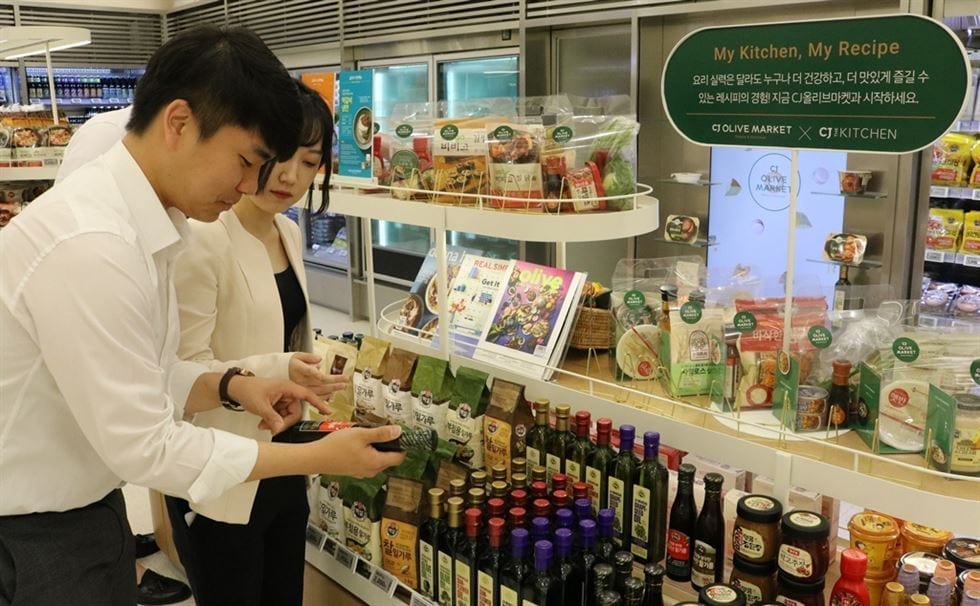
    CJ Foods Oceania operates as the regional arm of CJ Foods, the packaged food division of South Korea’s CJ Group. The business distributes Korean packaged staples, frozen foods, and ready meals across Australian and regional retail channels.

    Broader Push Into Western Grocery Channels

    Asian packaged food groups face an ongoing challenge in Oceania: crossing over from specialty Asian grocers into mainstream supermarket aisles at Coles and Woolworths. Bringing in leadership from established domestic suppliers like Goodman Fielder and Inghams directly addresses retail buyer relationships and domestic distribution terms.

    The risk sits in category demand. While consumer appetite for Korean food brands has climbed across Western markets, securing permanent shelf space in Australian chilled and frozen sections requires heavy trade spending and consistent promotional support.

    Commercial Track Record

    CJ Foods has steadily built out dedicated regional subsidiaries across Asia-Pacific, North America, and Europe over the past decade to localize sales and distribution. The Oceania unit handles the company’s retail rollout across Australia and neighboring markets.

    Henderson will oversee retail account growth, supply chain operations, and product placement across Australian supermarket chains as CJ Foods Oceania builds out its product lineup for the coming financial year.