Author: Mei Ling Tan

  • NTT DOCOMO and Nokia Launch Multi-Vendor O-RAN Base Station Platform

    NTT DOCOMO and Nokia Launch Multi-Vendor O-RAN Base Station Platform

    NTT DOCOMO began commercial operations on September 9 for a multi-vendor base station platform built on open radio access network standards in Japan.

    The deployment allows DOCOMO to combine Nokia base station equipment with O-RAN-compliant radio units supplied by different vendors across LTE and 5G networks.

    DOCOMO deployed Nokia AirScale equipment incorporating Levante data-processing and Ponente control-processing technologies to handle more radio units while reducing power consumption.

    Hardware Details and Power Savings

    This updated equipment handles more radio units per site than DOCOMO’s previous Nokia gear while drawing less power. Lower electricity demand directly reduces operating costs across dense urban grids where base station density is highest.

    Under open interface specifications, engineers can pair the central processing base with high-power transmitters for suburban coverage or compact transceivers for city spaces. DOCOMO uses this modular mix to adjust capacity without replacing full base station stacks.

    Multi-Vendor Flexibility in the Field

    Japanese mobile operators have adopted open architecture faster than carriers in North America or Europe. By ending single-supplier reliance on base stations and antennas, DOCOMO forces vendors to compete on unit price, form factor, and power efficiency.

    Field maintenance and troubleshooting carry the main technical risks. Coordinating software upgrades and diagnosing network faults across hardware from different vendors creates operational friction that proprietary setups avoid.

    High-Density Event Deployments

    On September 12, the carrier brought the multi-vendor setup into field service at the 59th Joso Kinugawa Fireworks Festival. DOCOMO mounted the platform inside a mobile cellular vehicle, pairing it with Nokia Dual Boost Massive MIMO hardware to handle surges in data uploads and voice traffic.

    Engineers plan to expand the base station architecture nationwide. Initial site conversions will focus on metropolitan sectors, stadiums, exhibition centers, and outdoor entertainment venues where mobile traffic spikes.

    Roadmap to Autonomous Networks

    Work on the rollout stems from a technical memorandum of understanding DOCOMO and Nokia signed on August 12. That agreement established joint trials for virtualized radio access networks, cloud infrastructure, and AI-directed network management systems.

    Joint testing now focuses on running Self-Organizing Networks and RAN Intelligent Controller automation tools across mixed-vendor hardware fleets as DOCOMO prepares its transmission grid for 5G-Advanced and early 6G standards.

  • Mini-Supermarkets Challenge Southeast Asia’s Large Food Formats

    Mini-Supermarkets Challenge Southeast Asia’s Large Food Formats

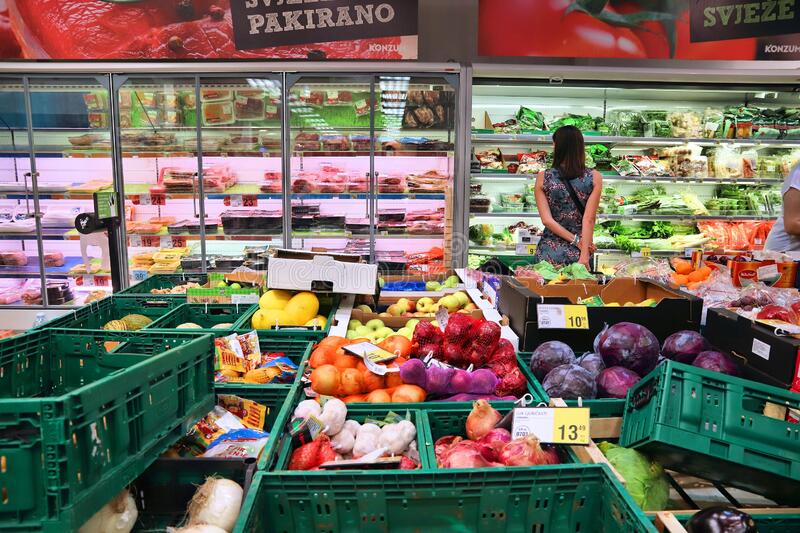
    In October 2026, neighbourhood convenience chains are driving deeper into provincial Southeast Asia, pulling daily food spending away from large-format hypermarkets as small-box networks expand across rural farming communities.

    The push into lower-tier population centres shows how compact grocery footprints now compete directly with destination retail hubs across markets such as Thailand.

    Rural Demand Shifts to Local Doors

    In farming hubs like Duan Yai in southern Sisaket province, where roughly 5,000 residents anchor the surrounding agricultural trade, consumer demand for modern retail is outstripping local physical supply. Shoppers in the district currently travel 10 kilometres west to Bu Sung, a town of 10,000 people, to access the nearest 7-Eleven branch.

    That distance illustrates the remaining runway for convenience operators. The appetite for modern trade in smaller towns creates immediate footfall whenever corporate operators consider new postcodes.

    Format Pressure on Destination Stores

    Large grocery formats built their business models on weekly car trips and high average basket sizes. Mini-supermarkets and convenience operators upend that calculation by positioning fresh staples and daily packaged goods within minutes of residential clusters.

    For regional operators, smaller floor plans lower upfront capital expenditure, shorten opening timelines and reduce exposure to mall lease cycles. The operational challenge shifts entirely to logistics density and cold-chain route efficiency across secondary highways.

    Supply Chains Adapt to Fragmented Stops

    Servicing fragmented rural stores requires automated replenishment schedules and higher delivery frequencies per route. Distributors that fail to match the delivery cadence of corporate convenience networks lose shelf space to direct operator contracts.

    Suppliers must also tailor packaging formats to smaller baskets, swapping bulk family packs for single-serve items and everyday portion sizes suitable for local farm workers and rural households.

    Network Density Decides Format Winners

    Convenience networks in Thailand have steadily filled urban corridors and are now systematically mapping tier-three administrative subdistricts. Each new branch in a secondary town cuts into the trade radius of the nearest regional commercial centre.

    Network expansion now hinges on whether store operators can maintain gross margins on rural logistics routes as store density spreads into districts with fewer than 10,000 residents.

  • Who Gives A Crap Launches Halloween Range at 42.50 Australian Dollars

    Who Gives A Crap Launches Halloween Range at 42.50 Australian Dollars

    Who Gives A Crap launched a limited-edition Halloween toilet paper range priced at 42.50 Australian dollars for a 24-pack, expanding its seasonal direct-to-consumer line ahead of October 31.

    A bulk two-pack containing 48 rolls sells for 69.50 Australian dollars on the brand’s online store. The Spooky Edition uses 100 per cent bamboo material across seven character wrappers, including Frankenstein’s monster, a vampire, a mummy, a skeleton, a black cat, spiders and a jack-o’-lantern. Each printed roll wrapper incorporates three separate faces that rotate as users spin the paper.

    Retail Expansion Beyond Online Channels

    The seasonal rollout follows the brand’s push into physical retail shelves across international markets. British supermarket chains Tesco and Waitrose, alongside online grocer Ocado, began stocking a six-pack version of the Halloween line on September 2 at a recommended retail price of 6.75 pounds, two weeks before the company opened web sales on September 17.

    Diverting seasonal inventory into grocery aisles reduces customer acquisition costs that have climbed across digital marketing channels. For fast-moving consumer goods suppliers, holiday packaging creates temporary visual differentiation without requiring formula modifications or permanent shelf allocation. The physical retail presence gives direct-to-consumer hygiene brands access to standard weekly shopping baskets.

    Direct-to-Consumer Seasonal Strategy

    Seasonal runs carry distinct supply chain risks for tissue manufacturers relying on offshore bamboo production. Unsold decorative inventory loses retail value immediately after October 31, forcing brands to accurately balance stock allocations between direct web fulfilment hubs and retail partner distribution networks.

    Who Gives A Crap relies on limited production volumes to prevent surplus decorative stock from lingering in warehouses past November. The strategy treats household paper products as disposable home decor, encouraging existing subscribers to bring forward reorders while testing impulse purchasing among retail shoppers.

    Sanitation Funding and Market Presence

    Founded in 2012, the Melbourne-born B Corp directs 50 per cent of its operating profits toward global sanitation and clean water initiatives. Filings and company data show the business has distributed more than 11 million pounds to hygiene projects worldwide since its establishment.

    The company expanded from its initial recycled paper subscriptions into bamboo bathroom rolls, paper towels and facial tissues before entering major retail supermarket partnerships in Australia and the United Kingdom. Inventory for the Halloween collection remains on sale online through October 31 or until initial batch allocations run out.

  • Mamee-Double Decker Launches Corntoz Curry Boomz in Malaysia

    Mamee-Double Decker Launches Corntoz Curry Boomz in Malaysia

    Mamee-Double Decker has introduced 1 new flavour, Corntoz Curry Boomz, across Malaysia in September 2026. The release adds a local curry profile to its extruded corn snack line.

    Retailers will carry the product under the marketing banner “Rasa Kari, Terus Boomz!” to capture impulse snack purchases in convenience and grocery aisles.

    Local Flavour Formulation

    The line blends Malaysian curry spices into an extruded corn base. Mamee built the campaign around the tagline “Kari dalam bentuk snek? Tak payah imagine dah”. Marketing frames the product as everyday comfort food turned into portable snacking.

    Shelf-ready packaging targets younger shoppers at point-of-sale displays. Mamee relies on strong flavour intensity to stand out against potato and corn competitors.

    Competitive Shift on Snack Shelves

    Southeast Asian extruded snacks face pressure from regional brands and multinational giants. Adapting domestic curry recipes to the Corntoz format allows Mamee to defend its home market share without altering production lines.

    Fast-moving flavour variations drive quick inventory turns for convenience stores and supermarket chains. Category fatigue remains a risk, however, as shoppers often try novelty flavours once before returning to salted or cheese staples.

    Portfolio Expansion Strategy

    This launch follows several domestic product experiments. Mamee partnered with ZUS Coffee in August 2026 on limited-edition nasi lemak products. That followed an April 2026 campaign for Mamee Monster So Crunchy featuring singer Iman Troye, and a November 2025 crossover between Daebak and Nongshim.

    Supermarket buyers across Malaysia will track sales volumes through the final quarter of 2026 to decide whether Curry Boomz earns permanent shelf placement.

  • Adairs Chief Elle Roseby Resigns Following 39.4 Million Dollar Loss

    Adairs Chief Elle Roseby Resigns Following 39.4 Million Dollar Loss

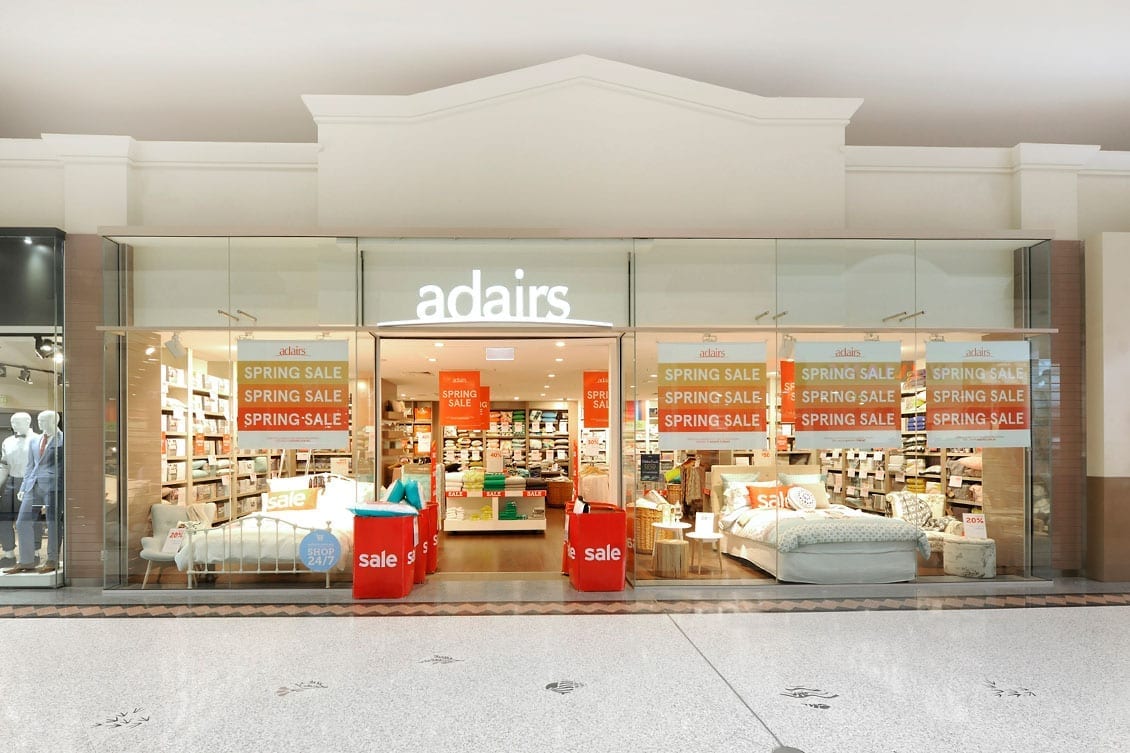
    Adairs chief executive and managing director Elle Roseby has resigned following a fiscal 2026 statutory net loss of $39.4 million, the Australian homeware group announced on Tuesday.

    Roseby will stay in the post through her notice period ending in March 2027. Meanwhile, the board is conducting an executive search across its three retail brands.

    Executive changes and management shuffle

    Rachel Taylor stepped into the newly created role of executive general manager at the flagship Adairs brand. Chief financial officer Matt Edmonds expanded his duties. He now oversees daily operations alongside his finance brief.

    She joined Adairs in January 2025 after running Country Road and Trenery at Country Road Group. The board said the restructured team will maintain operational momentum while recruiting a permanent successor.

    With Elle continuing to lead the business and supporting the transition, we are well placed to maintain momentum through an orderly change in leadership.

    Impairment charges drag down balance sheet

    An asset impairment against Focus on Furniture drove the $39.4 million statutory loss. Softer spending on bulky home goods and higher borrowing costs reduced the book value of the furniture unit. That hit the bottom line despite sales gains at the core Adairs banner and online brand Mocka.

    Homeware operators across the region face tighter discretionary spending as higher living costs deter shoppers from large interior purchases. For Adairs, the non-cash write-down exposed the volatility of furniture acquisitions compared to bedding and linen sales.

    Retreat from New Zealand retail

    During her tenure, Roseby closed all seven Adairs brick-and-mortar stores in New Zealand to concentrate capital and logistics on Australia. Exiting physical shops across the Tasman Sea ended an expensive regional footprint. Offshore demand shifted to e-commerce channels.

    Landlords and suppliers now see a business focused exclusively on Australian retail parks and shopping malls. Eliminating loss-making overseas leases reduced fixed property costs. However, it leaves the company dependent on domestic consumer confidence.

    What the leadership transition leaves open

    The incoming chief executive inherits three distinct businesses in Adairs, Mocka, and Focus on Furniture. Stabilising margins across the bulky furniture portfolio represents the primary test for the next administration.

    Roseby will continue running group operations and supporting Taylor and Edmonds through to her departure in March 2027.

  • TCL Opens Industrial Museum in Huizhou to Mark 45 Years in Hardware

    TCL Opens Industrial Museum in Huizhou to Mark 45 Years in Hardware

    TCL opened its new Industrial Museum in Huizhou on Monday, celebrating 45 years since its establishment as a local electronics maker in 1981. The facility shows the company’s evolution from a domestic magnetic tape workshop to an international consumer tech and display hardware manufacturer.

    The installation documents four and a half decades of factory automation, semiconductor display engineering, and overseas expansion.

    From Magnetic Tapes to Global Displays

    Founded as TTK Home Appliances Co., the company began by manufacturing cassette tapes before shifting into landline telephones, television sets, and mobile handsets. Today, the group operates across two listed entities, TCL Technology and TCL Electronics, spanning display panels, photovoltaics, and smart home appliances.

    Exhibits at the new museum track key shifts in manufacturing capability. These include the development of early cathode-ray tube televisions through to modern Mini-LED panels and automated fabrication facilities.

    Industrial Heritage and Corporate Strategy

    Corporate museums in China increasingly serve as public relations anchors for industrial conglomerates seeking to demonstrate domestic supply chain maturity. By establishing a dedicated site in its home base of Huizhou, TCL mirrors moves by Japanese and South Korean hardware giants that built legacy centers to project technical longevity to enterprise clients and government partners.

    For supply chain partners and component buyers, the facility highlights how vertically integrated Chinese panel production has become. TCL’s panel subsidiary, TCL CSOT, now supplies display modules to global television and monitor brands, competing directly with BOE Technology and LG Display.

    Display Capacity and Panel Investments

    The 45-year milestone follows aggressive expansion across high-generation display lines over the past decade. TCL CSOT invested heavily in 8.5-generation and 11-generation liquid crystal display lines in Shenzhen and Wuhan to capture share in large-screen home televisions and commercial monitors.

    That panel footprint allowed the company to secure lower manufacturing costs for its branded televisions in key export markets across North America, Europe, and Southeast Asia. Rivals such as Hisense and Skyworth have taken alternative routes by purchasing panels externally while focusing capital on retail distribution and branding.

    Next Steps on Next-Gen Displays

    Operational attention now shifts to the commercial output of printed OLED panels and advanced Mini-LED backlighting modules across the group’s production lines. TCL CSOT continues to run pilot validation for inkjet-printed OLED screens, with commercial yield rates remaining the key performance benchmark to watch through the next production cycle.

  • Pakistan Lowers Petrol and Diesel Pump Prices for September 29

    Pakistan Lowers Petrol and Diesel Pump Prices for September 29

    Pakistan cut petrol prices by Rs2.27 per litre and high-speed diesel by Rs3.56 per litre on September 28, adjusting retail fuel rates for nationwide transport and retail supply chains.

    The revision sets the ex-depot price of petrol at Rs389.03 per litre and high-speed diesel at Rs404.97 per litre, with the updated rates taking effect on September 29.

    Tax burdens and daily pricing

    Official levies remain unchanged despite the downward revision. The federal government maintains Rs114 per litre in duties and taxes on petrol and Rs100 per litre on high-speed diesel, according to the Petroleum Division notification.

    Daily price adjustments now govern the pump rate under an arrangement handed to the Oil and Gas Regulatory Authority in July. Petroleum Minister Ali Pervaiz Malik introduced daily revisions to track swings in imported cargo costs directly, replacing the previous weekly adjustment framework established in March.

    Operating hours and transport pressure

    For commercial store operators and logistics fleets, fuel costs remain a heavy overhead. Petrol and high-speed diesel drive nationwide freight and personal transit, with monthly consumption running between 700,000 and 800,000 tonnes each, compared with roughly 10,000 tonnes for kerosene.

    Physical retailers face operational curbs alongside pump price volatility. The government has enforced early market shutdowns at 9pm to conserve energy, while cutting fuel quotas for official vehicles by 50 per cent over a three-month window.

    Trajectory from April peaks

    Pump rates remain below the record highs set earlier in the year. High-speed diesel traded at a peak of Rs520.35 per litre on April 3, climbing from Rs281 per litre before international market disruptions escalated in late February.

    Petrol followed an identical track, starting from Rs266 in early March to reach a record Rs458.41 per litre in April. Targeted subsidies introduced by Prime Minister Shehbaz Sharif on September 13 attempt to shield two-wheelers, auto rickshaws and passenger vehicles up to 800cc from high base rates.

    Supply monitor

    Commercial transport operators continue to watch the daily regulatory adjustments from the Oil and Gas Regulatory Authority. Further price notifications depend on international crude benchmarks and the duration of the current retail operating curbs.

  • Sixty-One per Cent of Shoppers Use AI for Grocery Decisions, EY Finds

    Sixty-One per Cent of Shoppers Use AI for Grocery Decisions, EY Finds

    Sixty-one per cent of respondents have used artificial intelligence to help make grocery decisions, according to a report released by EY in September 2026.

    The study, titled What Happens When Shoppers No Longer Do the Shopping?, found that almost half of surveyed consumers would likely use a tool that reliably sourced their usual basket across several supermarkets, though only 17 per cent were very likely to do so.

    Richard Rome, associate director for consumer industry at EY, examined whether shoppers would allow an AI assistant to plan, compare and purchase groceries, noting that the shift represents a more human-centric model with less human touch rather than humanless shopping.

    What Drives Automated Basket Decisions

    Cost reduction remains the main hurdle before consumers surrender control of their shopping carts. EY found that 40 per cent of respondents demand clear financial savings on their total grocery bill before delegating purchases to an automated system.

    Time savings offer a faster route to practical adoption. Fifty-eight per cent of shoppers said they would hand over an online order if software saved them up to 30 minutes a week, while 47 per cent would do so for trips to physical stores. Another 25 per cent pointed to practical assistance with dietary rules, label verification, health goals and ethical sourcing as sufficient incentive to use automated tools.

    Families Lead Early Adoption Rates

    Younger households with children show the highest appetite for delegating routine shopping chores. In the EY data, 70 per cent of families with children under 18 ranked as potential early adopters, followed closely by consumers aged between 18 and 34, full-time workers and higher-income earners.

    The concentration among busy households points to an immediate opportunity for automated replenishment tools. Consumers with packed schedules want to eliminate the mental friction of tracking household staples, checking ingredient lists and comparing pack sizes across multiple store apps.

    Why Supermarkets Face Platform Risk

    Retail incumbents such as Woolworths and Coles face a structural shift if third-party software takes over product discovery. When an independent algorithm chooses brands based on unit price or nutritional parameters, traditional investments in eye-level shelf placement, endcap displays and on-site search advertising lose their pull.

    Trust in automated shopping requires tools to remain entirely neutral between competing retail chains. Software created by a single supermarket chain restricts the selection pool, opening the door for price comparison portals, payment platforms, meal planners and standalone AI applications to capture the customer relationship instead.

    How Suppliers Must Structure Product Data

    Packaged goods manufacturers now need clean, machine-readable specifications to ensure autonomous agents select their items. If an algorithm filters out products lacking explicit dietary tags, standardized ingredient data or clear unit pricing, those products drop out of the basket before a human ever sees them.

    The research builds on earlier consumer shifts across Asia-Pacific toward algorithmic grocery planning and quick-commerce meal kits. Richard Rome, associate director for consumer industry at EY, will present detailed data from the report during an Australian Food & Grocery Council webinar on October 28.

  • Australia Central Bank Raises Cash Rate to 4.6 per Cent in Fourth 2026 Hike

    Australia Central Bank Raises Cash Rate to 4.6 per Cent in Fourth 2026 Hike

    The Reserve Bank of Australia lifted its cash rate target by 25 basis points to 4.6 per cent on Tuesday. The benchmark is now at its highest level since 2011.

    This is the central bank’s fourth rate hike of 2026, decided unanimously by its monetary policy committee. Higher borrowing costs take effect immediately across the banking sector. Household discretionary budgets across the country now face fresh pressure.

    Energy Costs and Inflation Drivers

    Persistent inflationary pressures and climbing global energy prices triggered the tightening, officials said. Several upside risks identified during the August meeting have now materialised. Conflict in the Middle East also pushed oil markets above baseline projections. The committee said its priority is stopping elevated inflation from becoming permanently embedded in price-setting behaviour.

    Market intelligence firm Circana warned that the rate rise will alter household buying habits immediately. Shoppers will reduce visit frequency and trade down to cheaper goods. They will also concentrate purchases around discount events.

    Tighter Margins Ahead of Peak Season

    Store operators and brand owners face this policy squeeze at a vulnerable time. Discretionary retail chains rely on the fourth quarter, particularly Black Friday and the weeks before Christmas, to generate cash flow and rebuild financial reserves. Higher debt servicing costs and elevated transport fuels directly erode retail operating margins.

    Passing cost increases to value-conscious shoppers is difficult. Merchants must absorb rising logistics and operational expenses through compressed margins, or risk losing transaction volume to cheaper rivals.

    Productivity and Regulatory Debate

    Industry groups are challenging the macroeconomic policy mix behind the repeated rate adjustments. Top-line retail turnover held up through mid-2026, according to the Australian Retail Council. Spending momentum is now showing signs of fatigue under concurrent rate and fuel increases.

    Lagging domestic efficiency is driving inflation rather than demand alone, the Business Council of Australia said. The group called for a 25 per cent cut in regulatory compliance costs. Returning productivity growth to historical averages would provide substantial long-term relief to household budgets.

    The Trajectory Leading to 4.6 Per Cent

    Tuesday’s adjustment follows three consecutive rate increases earlier in 2026, designed to cool domestic price pressures without triggering an outright contraction. Previous policy statements in August had assumed stabilizing energy import prices. Subsequent global supply disruptions invalidated that assumption.

    Analysts will now track fourth-quarter retail sales volumes and November promotional discounting data to determine whether consumer demand can withstand the 4.6 per cent benchmark.

  • Chobani Enters Australia High-Protein Milk Category with Five Flavours

    Chobani Enters Australia High-Protein Milk Category with Five Flavours

    Chobani entered Australia’s high-protein drinks category on September 29 with a five-flavour line of ready-to-drink yogurts packing up to 30 grams of protein per bottle.

    The rollout targets health-focused shoppers across the country, selling in 270ml and 400ml bottle sizes with 20-gram and 30-gram protein formulations.

    Formulation and format specifications

    Chobani’s new line arrives in Vanilla, Mixed Berry, Tropical, Mango and Strawberry. The company sources the protein content entirely from fresh milk rather than added milk powders.

    Each bottle is lactose-free and contains no added sugar or artificial sweeteners. The formulation gives supermarket buyers a clean-label dairy option in grab-and-go refrigerated beverage cases, where shelf competition from RTD shakes and functional milks has sharpened.

    Shifting fridge space beyond traditional yogurt

    Australian retailers are allocating more linear shelf space to high-protein dairy beverages as consumer demand shifts toward functional snacking. Chobani built its market position in Australia on traditional tub Greek yogurt, but chilled beverage aisles offer higher purchase frequency and faster inventory turn.

    Entering liquid drinks puts the brand into direct competition with established functional milk processors and sports nutrition brands. The clean-ingredient profile is Chobani’s main lever to pull shoppers away from powder-reconstituted protein shakes that dominate convenience coolers.

    Broader protein and ready-to-drink expansion

    The Australian rollout aligns with the group’s global pivot toward high-protein formats and functional ready-to-drink beverages. Chobani recently introduced its 20-gram Protein Flip yogurt snacks in North America, pairing strained dairy bases with nuts and freeze-dried fruit mix-ins across four varieties.

    Beverage diversification has also accelerated through coffee. Chobani expanded into ready-to-drink cold brews and liquid creamers after acquiring La Colombe, which has generated more than 30 per cent annual growth in ready-to-drink coffee formats.

    Manufacturing investment backs volume goals

    Capacity expansions underpin this product pipeline across international territories. The company recently committed $1.2 billion to acquire and expand a 1.5 million square-foot manufacturing facility in Allentown, Pennsylvania, to support production scale for dairy, coffee and prepared foods.

    Supply chain control remains central to the brand’s margin strategy. Sourcing liquid milk directly from regional dairy farm networks allows the group to avoid processed whey concentrates while sustaining production volumes across expanding product categories.

    Australian retail stockists are expected to complete nationwide shelf resets for the new beverage line across supermarket and convenience channels over the coming quarter.

  • South Korea Retail Sales Fall 1.8% as Auto Output Plunges in August

    South Korea Retail Sales Fall 1.8% as Auto Output Plunges in August

    South Korean retail sales dropped 1.8 percent in August from the prior month, dragged down by sharp pullbacks in automobile deliveries and durable goods spending.

    Industrial production contracted 1.3 percent over the same period while facility investment tumbled 9.5 percent, marking the first simultaneous decline across all three economic measures since May.

    Data released by the Ministry of Data and Statistics showed mining and manufacturing output fell 4.8 percent, driven by a 24.8 percent slide in automotive production. The drop in vehicle manufacturing was the steepest single-month decline recorded since May 2020, when output collapsed 34.9 percent during early pandemic disruptions. Component suppliers absorbed direct hits, with rubber and plastic sector production dropping 11 percent as tire orders shrank.

    Auto production slide hits retail

    Auto assembly lines faced dual disruptions during the month from concentrated plant shutdowns and earlier labor actions. Assembly lines slowed after worker walkouts in July interrupted delivery schedules, while domestic automakers clustered annual plant maintenance and worker holidays into August rather than spreading them across two months.

    “In July, workers at some automakers staged strikes, which partly affected output in August. While summer vacations were previously spread across July and August, they were concentrated in August this year.”
    Lee Doo-won, Senior Statistics Official, Ministry of Data and Statistics

    The manufacturing shortfall moved straight through the supply chain into retail showrooms. Recreational vehicle shipments took the largest hit, leaving dealerships short on inventory and curbing consumer purchases of high-ticket items across the country.

    Durable goods lead consumer pullback

    Consumer spending across retail channels showed deep divergence by category. Durable goods sales, which include passenger cars and large household purchases, dropped 4.5 percent month on month. Non-durable goods, covering everyday consumer items such as cosmetics, fell 1.6 percent.

    Softlines provided limited relief against the wider consumer retreat. Sales of semi-durable goods, including apparel and footwear, rose 0.4 percent as seasonal autumn fashion collections entered stores. Total wholesale and retail trade output still finished down 0.7 percent for the month.

    Factory spending drops across sectors

    Capital expenditure among Korean businesses saw severe cutbacks led by fleet and transport orders. Facility investment dropped 9.5 percent in August, driven by a 32.8 percent contraction in transportation equipment procurement.

    General factory equipment investment showed modest resilience despite the broader slide. Machinery investment grew 1.6 percent, and machinery output rose 3.1 percent over the month, though the gains failed to offset the heavier drop across mobility hardware.

    Service sector provides isolated cushion

    Services output expanded 0.5 percent in August, preventing a steeper fall in headline gross output. Gains centered heavily in the information and communication sector, which expanded 4.7 percent to offset contractions in wholesale distribution channels.

    The August figures follow an uneven recovery cycle where strong technology and semiconductor demand masked softer domestic consumer sentiment. Automotive manufacturing normalization in September and third-quarter earnings from major carmakers will show whether the production slump was purely seasonal or reflects softer vehicle export orders.

  • Indonesia Middle Class Shrinks to 7.1 Percent as Graduate Joblessness Rises

    Indonesia Middle Class Shrinks to 7.1 Percent as Graduate Joblessness Rises

    Indonesia’s pool of middle-class earners shrank to 7.1 percent of the workforce last year, down from 14.5 percent in 2018, as hiring across major corporate sectors stalled.

    The contraction leaves approximately one million university graduates without employment as commercial enterprises halt capital expenditure and delay operational expansion in Jakarta and regional hubs.

    Corporate Expansion Freezes

    Companies across key commercial sectors have postponed new investments, responding directly to elevated regulatory uncertainty. The freeze has hit white-collar hiring tracks that previously absorbed waves of university leavers entering the formal economy.

    High-skill employment opportunities have contracted sharply across metropolitan centers. Even experienced media and tech staff face extended redundancy periods following broadcast and enterprise budget cuts.

    Middle-Class Purchasing Power Drops

    For consumer brands and retailers, the collapse in middle-class workforce participation reshapes demand across discretionary categories. When salaried positions vanish, household spending pivots immediately toward basic necessities and value formats.

    Operators in apparel, electronics, and specialty food and beverage face thinner margins as middle-income traffic recedes. The risk sits squarely with mid-tier retail chains that expanded footprints on assumptions of steady purchasing power growth.

    Labor Realities Pressure Targets

    Official economic growth ambitions confront deteriorating employment fundamentals across Java and outer provinces. Public job fairs in Jakarta continue to draw thousands of applicants competing for a shrinking roster of entry-level openings.

    The earlier economic trajectory that lifted millions into formal salaried roles during the mid-2010s has reversed. Rising living costs and corporate headcount rationalization now drive skilled workers toward the informal economy or overseas labor markets.

    Regulatory Revisions to Watch

    Enterprise operators are tracking upcoming government policy adjustments on investment rules and labor compliance schedules. Market recovery hinges on whether policy clarity can unlock stalled private sector capital before the next annual graduation cycle adds hundreds of thousands more job seekers to the registry.

  • S&P Dow Jones Indices Tests New Strategies in South Korea Ahead of Global Markets

    S&P Dow Jones Indices Tests New Strategies in South Korea Ahead of Global Markets

    S&P Dow Jones Indices is introducing its newest investment strategies in South Korea before other markets, using the country as a launchpad for global innovation.

    The index provider is testing products ranging from multi-asset and covered call strategies to thematic indices and blockchain-based versions of core benchmarks such as the S&P 500.

    Cameron Drinkwater, chief product and operations officer at S&P DJI, outlined the expansion in Seoul this week during Korea Premium Weeks. Drinkwater, who joined the firm in 2019 and previously served as chief financial officer, said local investor acumen and inventive financial firms make the country a prime testing ground.

    Tokenised Benchmarks and Retail Crypto Demand

    Digital asset infrastructure anchors the push into Seoul. South Korea maintains one of the highest retail cryptocurrency participation rates in Asia. That creates a consumer base accustomed to 24-hour trading, direct custody inside unified digital wallets and fractional share purchases. S&P DJI plans to match these trading habits by putting traditional benchmark exposures onto distributed ledger networks.

    On-chain indices allow asset managers to offer fractionated index units without the clearing overhead of traditional depository receipts. Tokenised index units reduce settlement friction for institutional distributors in Seoul. They also permit instant rebalancing across multi-asset portfolios. Local brokerages that run separate desks for domestic equities, offshore derivatives and digital tokens can merge those channels into unified mobile platforms.

    “It is a very important market for us not only because it is growing so quickly but also because of the amount of innovation that has been originating here,” Drinkwater said.

    Institutional Infrastructure and Product Design

    South Korean asset managers have become prolific issuers of complex exchange-traded products, particularly covered call strategies linked to major US equity indices. These yield-focused instruments sell call options against underlying index holdings to generate cash distributions for local retail accounts. Local firms frequently modify standard option-writing schedules to maximise monthly payouts. That push forces index providers to supply custom calculation algorithms and dynamic strike selection models.

    Execution plumbing carries the operational risk. Retail appetite for high-distribution strategies is strong, but covered call structures cap upside capital gains during market rallies. If domestic issuers flood the Seoul exchange with overlapping derivative-income products, secondary market liquidity could fragment. That would widen bid-ask spreads during periods of elevated equity volatility.

    Derivatives Expansion and Regulatory Timelines

    Expansion in Korea aligns with a broader buildout of S&P DJI’s global derivatives ecosystem. S&P DJI signed a 25-year extension of its exclusive licensing agreement with Cboe Global Markets through 2051. The agreement preserves Cboe’s exclusive rights to trade S&P 500 Index options while establishing joint work on tokenised option contracts. SPX options trading hit an annual record of 970.6 million contracts in 2025. Average daily volume reached 3.9 million contracts, up 25 per cent from 2024.

    Rollouts for on-chain indices in Seoul depend on final policy guidelines from domestic financial authorities. South Korean regulators are drafting frameworks for digital asset classification and tokenised securities through 2026. Technical operating standards are scheduled for completion in early 2027.

  • Seven & I in Final-Stage Talks to Invest in Poland’s Zabka Group

    Seven & I in Final-Stage Talks to Invest in Poland’s Zabka Group

    Japan’s Seven & i Holdings is in final-stage talks to invest in Zabka Group, Poland’s largest convenience store operator, in July 2026.

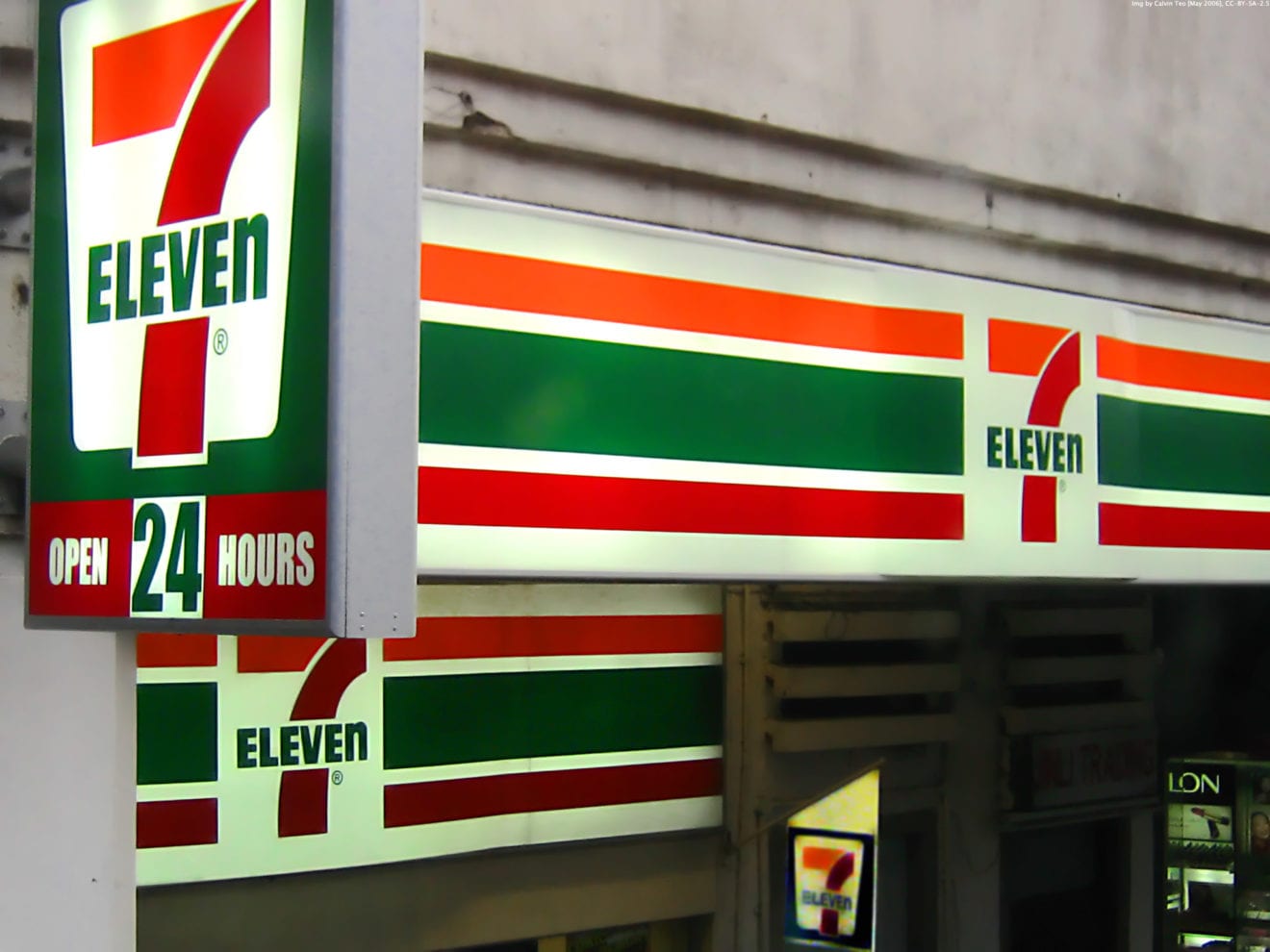
    The Tokyo-based operator of 7-Eleven eyes expansion into Eastern Europe through the planned transaction.

    Pushing Beyond Saturated Home Turf

    Negotiations center on exporting Japanese supply chain models and proprietary fresh food formats to Poland. Zabka dominates the domestic modern convenience sector through high-density urban franchises, automated micro-stores, and app-driven loyalty programs.

    A shrinking population in Japan now restricts domestic store additions. Seven & i needs overseas expansion. Replicating its Japanese convenience model gives the group a platform to scale private-label merchandise outside North America and Asia.

    Shifting Capital Out of North America

    Seven & i is currently overhauling its United States footprint. The Japanese retailer plans to close more than 600 underperforming North American stores while lifting capital spending across remaining profitable sites by 50 per cent.

    High fuel margins lifted US net profit by 24 per cent. Volatile gasoline demand still led the company to delay the public listing of its US convenience division. Capital once set aside for North America is shifting toward European targets.

    Operational Risks in Eastern European Grocery

    Entering Poland exposes the group to unfamiliar labor structures and local supplier networks. Competition is stiff from supermarket giants Biedronka and Dino Polska. European Union convenience chains also face Sunday trading bans and higher compliance costs than Asian operators navigate.

    Local operations will require Seven & i to adapt its prepared food logistics to regional tastes without slowing Zabka’s fast turnover. A minority stake prevents direct management control. Tokyo must lean on Polish executives for day-to-day execution.

    Building on Suzuki’s Global Legacy

    Former leader Toshifumi Suzuki built the global network of more than 80,000 stores before his death at age 93. Suzuki turned 7-Eleven from a licensed American format into Japan’s dominant retail system before taking full control of the US business.

    Both parties are now finalizing terms. Official filings detailing equity pricing and transaction scale will land before the current fiscal quarter concludes.

  • SAS Cargo Names Allied Aviation GSSA for Five Weekly India Flights

    SAS Cargo Names Allied Aviation GSSA for Five Weekly India Flights

    SAS Cargo appointed Allied Aviation as its general sales and services agent in India on 1 October to fill bellyhold capacity across five weekly flights between Mumbai and Copenhagen.

    The scheduled widebody service runs on Airbus A330 passenger aircraft, opening direct air freight corridors between western India and Scandinavian distribution hubs.

    Under the agreement, Allied Aviation handles local cargo sales, ground supervision, and revenue management across the country. The sales push targets five primary export sectors: pharmaceuticals, temperature-controlled perishables, garments, engineering machinery, and cross-border e-commerce parcels.

    Network coverage across major manufacturing hubs

    Allied Aviation will market the Scandinavian capacity through its established regional branch network. That footprint spans nine major export and logistics centres: Mumbai, Ahmedabad, Hyderabad, Kolkata, Delhi, Chennai, Bengaluru, Kochi, and Thiruvananthapuram.

    Exporters based in automotive and textile clusters across southern and western India gain direct routing into northern Europe without transiting through Gulf hubs. That eliminates one transfer point and reduces transit times for time-sensitive cargo.

    “This is an important addition to our airline portfolio, giving Indian exporters direct capacity into Copenhagen and access to SAS Cargo’s wider network across Scandinavia and beyond,” said Kritika Seth, executive director, Allied Aviation.

    Shifting trade flows and airline representation

    Competition among general sales agents in India has intensified as foreign carriers rebuild long-haul networks into South Asia. WestJet Cargo appointed AVIAREPS as its Indian cargo sales agent in mid-September, highlighting how North American and European carriers rely on local agencies rather than dedicated sales forces to manage regional freight demand.

    For retailers and industrial suppliers, dedicated Scandinavian lift provides direct access to Nordic consumer markets. The commercial risk sits squarely on yield management, where agents must secure high-paying pharmaceutical and electronics contracts to balance lower-yielding garment and general freight volumes.

    Fleet deployment and scheduled operations

    Deploying the Airbus A330 on the Copenhagen-Mumbai city pair gives SAS Cargo predictable lower-deck container capacity on every flight. Long-haul bellyhold operations depend on rapid turnaround times and tight coordination with freight forwarders in tier-one and tier-two industrial corridors.

    The carrier previously focused its Asian cargo footprint primarily on East Asian manufacturing gateways. Adding five weekly frequencies into Mumbai connects Nordic industrial supply chains directly to Indian contract manufacturers.

    Next commercial steps in Miami

    Allied Aviation will take its expanded carrier representation portfolio to international forwarders at the TIACA Air Cargo Forum in Miami, scheduled for 26 to 29 October. The agency plans to finalise winter booking allocations and forwarder block space agreements at the event.