Author: Mei Ling Tan

  • Cambodia Drafts Nationwide Rules on Plastic Packaging Waste

    Cambodia Drafts Nationwide Rules on Plastic Packaging Waste

    Cambodia has begun drafting 1 unified set of nationwide rules this week to curb plastic packaging waste, the Khmer Times reported. The policy targets non-biodegradable refuse generated across commercial distribution and consumer retail channels.

    The draft rules focus on packaging materials used by domestic manufacturers, importers, and retailers.

    Regulating commercial packaging

    Covered items include single-use plastics, protective wrappers, and commercial containers that dominate urban waste streams in major commercial centres. Regulators are designing compliance measures that force businesses to track the volume of plastic packaging they distribute to consumers.

    For retailers and fast-moving consumer goods suppliers, the framework demands operational shifts in inventory management. Supermarkets, convenience chains, and beverage brands must adjust procurement to meet tighter material standards as enforcement begins.

    Regional packaging shifts

    Governments across Southeast Asia are accelerating extended producer responsibility policies. These mandates push consumer brands to finance collection systems or replace virgin plastics with recycled alternatives. Cambodia is aligning its policy with regional neighbours that already tax single-use bags or mandate packaging recyclability targets.

    Supply chain compliance and cost absorption present the primary operational hurdles. Smaller vendors and independent grocers face higher procurement costs for alternative materials. Meanwhile, large multinationals must restructure local distribution contracts to meet standard packaging requirements.

    Policy timeline

    Environmental authorities previously tested localized bag fee schemes and voluntary recycling partnerships with modern trade operators in Phnom Penh and Siem Reap. Those pilot measures laid the groundwork for this nationwide framework.

    Ministries are now finalizing compliance thresholds, reporting guidelines, and implementation timetables for commercial enterprises nationwide.
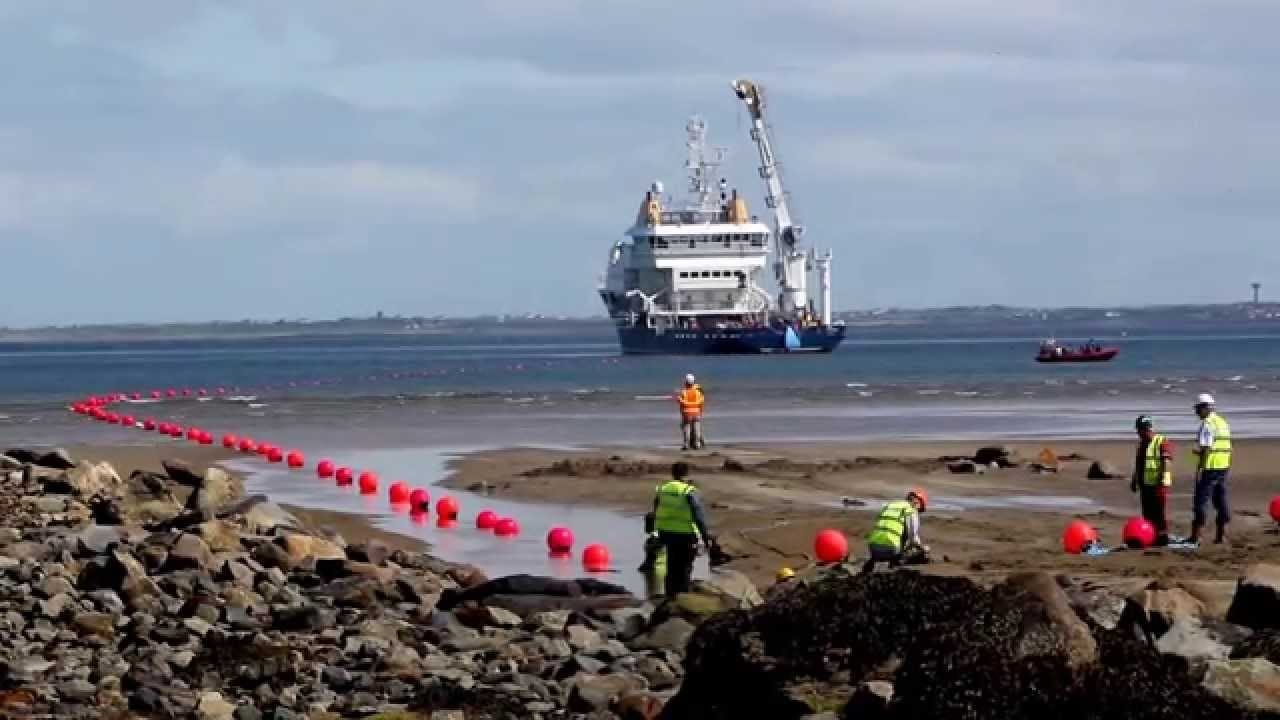
  • Mobily to Add 140 Tbps Red Sea Cable Between Saudi Arabia and Egypt

    Mobily to Add 140 Tbps Red Sea Cable Between Saudi Arabia and Egypt

    At Submarine Networks World 2026, Mobily Chief Wholesale Officer Adel Alaskah detailed plans for the Mobily Red Sea Cable, which will add 140 Tbps of capacity between Saudi Arabia and Egypt.

    The wholly Saudi-owned cable will connect Duba with Sharm El Sheikh, opening an east-west route toward Europe for hyperscalers, OTT platforms, and network operators.

    Building Route Diversity on the Red Sea Corridor

    Mobily operates four subsea gateways across two coasts to handle transit between Asia, the Middle East, and Europe. In Jeddah, the carrier ties into Asia-Africa-Europe 1 (AAE-1) alongside the TGN-EA and SEACOM systems. At Al Khobar on the eastern coast, it routes regional traffic through TGN-Gulf.

    Northern landings handle heavier long-haul transit. Mobily serves as the domestic landing party and consortium member for the SEA-ME-WE 6 cable at Yanbu. Its Duba station hosts the Africa-1 system, which landed in 2025.

    Wholesale Capacity for Hyperscalers and Asian Carriers

    Asian telecom operators and cloud providers face chronic bottlenecks along traditional Red Sea transit points. Duba to Sharm El Sheikh gives international carriers a bypass path. The route runs independently of existing lines through Jeddah.

    This build shifts wholesale dynamics across the Gulf. Mobily is pairing subsea landings with local data centers and domestic backhaul fiber. The goal is keeping regional computational workloads inside the Kingdom instead of losing hosting revenue to hubs in Europe or East Asia.

    Sovereign Infrastructure and Regional Digital Hubs

    National infrastructure targets drive the project under Saudi Arabia’s Vision 2030 economic program. The framework prioritizes digital sovereignty alongside non-oil commercial growth. Hyperscalers, over-the-top content platforms, and regional internet service providers need low-latency transit backed by neutral terrestrial interconnection.

    Mobily pitches its four-station network as a unified gateway rather than standalone landing contracts. The strategy mirrors competing investments from Gulf operators trying to capture data flows between Singapore, Mumbai, and European financial centers.

    Expanding Physical Landings Beyond Yanbu

    Landing rights secured on major international consortium cables over the past decade laid the groundwork for the network. Integrating Africa-1 at Duba in 2025 provided the northern anchor point now paired with the Egyptian link.

    Future capital deployments will target local data center builds, domestic fiber expansion, and sovereign artificial intelligence hosting clusters. Delivery timelines for optical activation on the 140 Tbps Red Sea span will dictate when wholesale carriers can switch active commercial loads onto the corridor.

  • 7-Eleven Taiwan Generates Five NT$10 Million Lottery Winners in July-August Draw

    7-Eleven Taiwan Generates Five NT$10 Million Lottery Winners in July-August Draw

    Five shoppers at 7-Eleven outlets across Taiwan won the NT$10 million special prize in the July-August uniform invoice lottery, operator President Chain Store Corp. Announced.

    The largest payout came from transactions as low as NT$27. Routine convenience store runs turned into multimillion-dollar windfalls.

    Low Basket Sizes and Top Prizes

    Taiwan holds the uniform invoice lottery every two months to curb merchant tax evasion by encouraging shoppers to request receipts. The Ministry of Finance released the winning numbers on Sept. 25. The NT$10 million special prize number is 89996565.

    President Chain Store Corp. Confirmed that winning tickets for the top tier were issued across four metropolitan areas: Taipei, Taoyuan, Taichung, and Kaohsiung. The smallest winning transaction was an NT$27 photocopying charge at a branch in Taipei’s Zhongzheng District.

    Other top prizes went to routine small purchases. A customer in Taoyuan’s Zhongli District won after spending NT$29 on snacks. Another shopper in Kaohsiung’s Fengshan District won after spending NT$33 on ready-to-eat food.

    Photocopying and Coffee Fuel Wins

    In Taipei’s Xinyi District, a customer secured the NT$10 million prize after spending NT$139 on CITY CAFE coffee and daily necessities. Another winning ticket came from a store in Taichung’s Wuqi District, where a shopper bought NT$100 worth of household goods.

    Convenience chains in Taiwan rely on non-grocery services such as printing, parcel collection, and bill payments to draw daily foot traffic. These transactions frequently produce winning receipts because cashiers must issue a receipt for every register action.

    High transaction counts across thousands of branches consistently place convenience chains at the center of the bi-monthly draws. The system reinforces customer habits around demanding itemised receipts.

    Cloud Invoices and Grand Prizes

    The chain also produced two winners of the NT$2 million grand prize for winning number 91098182. One winner spent NT$10 on photocopying at a branch in Taipei’s Songshan District. The second spent NT$149 on daily goods and ice cream in Neihu District.

    Four additional shoppers won the NT$1 million prize dedicated to digital cloud invoices. Qualifying purchases included NT$39 in snacks in Keelung’s Qidu District and NT$213 in frozen food, snacks, drinks, and bags in Taoyuan’s Zhongli District. The other two were NT$58 in ready-to-eat food in New Taipei’s Banqiao District and NT$189 in daily necessities in Kaohsiung’s Daliao District.

    Tax officials also drew three first-prize numbers worth NT$200,000 each: 54348835, 44991397, and 06595111.

    Tax Compliance and Claim Deadlines

    The state-run lottery turns consumers into informal tax auditors by offering cash incentives for every formal receipt logged. By tying digital and paper invoices directly to draws, tax authorities capture micro-transactions that might otherwise go unreported.

    All winners from the July-August cycle must claim their prize money between Oct. 6, 2026, and Jan. 5, 2027, according to the Ministry of Finance.

  • Toyota and Honda Halt Thai Production as Floods Cause $38M in Losses

    Toyota and Honda Halt Thai Production as Floods Cause $38M in Losses

    Toyota Motor Thailand and Honda Automobile (Thailand) have temporarily suspended vehicle production at all their assembly plants in Thailand as severe flooding disrupts transport routes and parts deliveries.

    The disruption followed accumulated rainfall of more than 320mm in three days, leaving major transport corridors heavily flooded and preventing suppliers from reaching assembly lines.

    Honda Shuts Ayutthaya And Prachin Buri Lines

    Honda Automobile (Thailand) suspended vehicle production at its Prachin Buri and Ayutthaya plants from October 2 to 6 after suppliers in Chonburi and Rayong provinces were hit by flooding, cutting off component deliveries.

    Koji Iwanami, president and chief executive of Honda Automobile (Thailand), confirmed the target restart timetable while granting emergency leave to affected facility staff.

    “The company has temporarily suspended vehicle production at the Prachin Buri and Ayutthaya plants from Oct 2 to 6 because parts suppliers have been unable to deliver components required for vehicle production after being affected by flooding, particularly in Chonburi and Rayong provinces,” Iwanami said.

    Plant managers plan to introduce overtime shifts once lines restart to clear model order backlogs and recover lost output.

    Toyota Halts Four Thai Assembly Facilities

    Toyota Motor Thailand ceased work across its three primary manufacturing plants in Samut Prakan and Chachoengsao, alongside affiliate facility Toyota Auto Works. The company runs the Samrong facility in Samut Prakan together with the Ban Pho and Gateway plants in Chachoengsao.

    Submerged access routes broke the parts delivery cadences needed to support Toyota’s just-in-time production system. Plant managers are scouting alternate logistics bypasses and assessing inventory buffers to restart operations once floodwaters drain.

    Supply Chain Bottlenecks Expose Tight Logistics

    The manufacturing halts show how little inventory cushion exists in Southeast Asia’s primary automotive export hub. When arterial roads connecting the Eastern Economic Corridor’s parts cluster in Rayong and Chonburi get blocked, assembly lines outside Bangkok stall within hours regardless of plant floor safety.

    Car manufacturers in Thailand remain heavily exposed to single-route logistics risks. While suppliers upgraded localized drainage barriers after historic monsoon disasters in past cycles, external transport corridors between provinces remain vulnerable to acute flash flooding.

    Industrial Losses Mount Across Fifteen Provinces

    Federation of Thai Industries data show that flooding between September 24 and September 30 hit Bangkok and 14 surrounding provinces, affecting roughly 40 per cent of member operations in flooded districts. The group calculated preliminary losses of at least 1.018 billion baht ($38.7 million) across automotive assembly, parts suppliers, machinery damage, damaged vehicles and lost factory shifts.

    Industrial estates across Chonburi absorbed the bulk of direct supplier delays. Toyota and Honda are watching municipal drainage rates on key industrial arteries ahead of Honda’s scheduled production restart on October 7.

  • PepsiCo Introduces STING Energy as Official Formula 1 Partner in Southeast Asia

    PepsiCo Introduces STING Energy as Official Formula 1 Partner in Southeast Asia

    PepsiCo introduced its STING Energy brand as an official partner of Formula 1 in Malaysia and Singapore on September 28, 2026. The debut links the multinational’s regional energy beverage line directly to Southeast Asian motorsport race calendars.

    The push expands PepsiCo’s sports sponsorship presence in core ASEAN convenience and retail channels. STING centers its promotional activations on high-speed brand association across retail shelves and consumer engagement events in both territories.

    Race Season Rollout

    Activations roll out across hypermarkets, mini-marts and petrol stations throughout peninsular Malaysia and Singapore. Retailers receive co-branded point-of-sale displays and seasonal packaging designed to capture race-weekend shoppers.

    STING Energy uses the global motorsport platform to target young, mobile consumers seeking functional beverages at affordable price tiers. The campaign coordinates convenience-store placement with digital race-week content.

    Energy Drink Market Dynamics

    Energy drinks continue to generate consistent velocity for modern trade operators in Southeast Asia. Category volumes benefit from high turn rates at petroleum forecourts and 24-hour convenience chains, where grab-and-go purchases drive basket margins.

    Rival brands have long dominated motorsport sponsorships across the region. By stepping into Formula 1, PepsiCo challenges established competitors for prime counter placement and cold-vault real estate in urban hubs.

    Channel Strategy Across Southeast Asia

    Distributors face the task of keeping store shelves stocked through high-traffic race periods. Regional convenience chains routinely report beverage volume surges during major regional sports broadcasts.

    For retail buyers, tiered sports partnerships provide predictable promotional calendars. Stocking commitments tied to international race circuits allow supermarkets and regional distributors to plan inventory buys months ahead of key fixtures.

    What to Track Next

    Attention turns to distribution figures across regional retail chains following the race season launch. Inventory turnover numbers across Malaysian and Singaporean convenience outlets during upcoming race fixtures will show how effectively global sports branding converts to sustained register receipts.

  • Global-e and DHL Urge Retailers to Address Four Key Cross-Border Buyer Demands

    Global-e and DHL Urge Retailers to Address Four Key Cross-Border Buyer Demands

    Australian retailers targeting overseas markets risk losing sales if they fail to provide upfront pricing and clear customs information, industry executives warned this week. Stewart Smith, MD of Asia Pacific at Global-e, said merchants must show full costs in local currency while customers browse.

    According to Smith, shoppers bring four practical questions to an international purchase: total cost, familiar payment options, delivery timeframes, and ease of returns. Presenting unexpected duties or foreign currency conversions at checkout undermines buyer confidence at the critical moment of purchase.

    Upfront Landed Cost Replaces Checkout Surprises

    Denise McGrouther, MD of DHL eCommerce Australia, noted that operational compliance and accurate dispatch data are equally vital to prevent customs delays and unexpected charges upon delivery.

    Smith noted that true market localisation requires more than surface translation or mechanical currency conversion. Merchants must tailor the entire transaction structure, including local payment methods and clear return protocols, to match the domestic standards of each target territory.

    A surprise charge upon delivery can feel like a broken promise, damaging customer trust and satisfaction

    Customs Compliance Dictates Delivery Success

    The operational friction of cross-border commerce extends directly into customs processing and logistics documentation. Denise McGrouther, managing director of DHL eCommerce Australia, said export data captured at checkout determines whether shipments clear borders or face impoundment.

    Customs agencies rely on electronic shipment manifests to evaluate duties, tax liabilities, and regulatory clearance. Inaccurate product descriptions or incorrect valuation data trigger physical inspections, delivery delays, and costly returns to origin warehouses.

    McGrouther explained that compliance functions serve as an active element of the customer experience rather than a post-sale back-office task. Correct product classification codes and accurate tariff calculations entered during order placement ensure packages move through international sorting hubs without manual holds.

    Tracking Visibility During Transit Delays

    Cross-border carriers require direct data integration with merchant storefronts to maintain parcel visibility across overseas distribution legs. When border authorities hold shipments for routine inspections, automated carrier tracking alerts prevent customer disputes by explaining transit pauses immediately.

    Unclear tracking status drives inbound customer service inquiries and chargebacks for cross-border operators. Providing milestone updates from dispatch through final customs clearance allows merchants to maintain buyer confidence even when international transit encounters unavoidable inspection delays.

    Operational Alignment Across Border Checkpoints

    Retailers scaling export volumes must coordinate checkout software calculations directly with freight carrier documentation pipelines. Discrepancies between the landed cost paid at checkout and the commercial invoice submitted at customs cause tax reassessments at destination ports.

    Aligning upfront catalog pricing with downstream logistics documentation protects brand equity in competitive international markets. Merchants that automate duty calculations and customs data filing eliminate clearance bottlenecks while establishing predictable delivery timeframes for overseas buyers.

  • DFI to Take over 1,100 Starbucks Stores in $340 Million Deal

    DFI to Take over 1,100 Starbucks Stores in $340 Million Deal

    DFI Retail Group said on Wednesday that its unit will take control of more than 1,100 Starbucks stores across seven Asian markets through a deal with Maxim’s Caterers.

    Maxim’s will pay DFI US$340 million in cash to buy back the 50 per cent stake the pan-Asian retail group currently holds in the Hong Kong catering giant.

    The mechanics of the seven-market swap

    Under the reorganization agreement, a DFI business unit takes over Maxim’s operating interests in licensed Starbucks stores across Hong Kong, Macau, Singapore, Thailand, Vietnam, Cambodia and Laos. The transfer converts DFI from a passive joint-venture shareholder in a broad food-service group into the direct operating licensee for the world’s largest coffee brand across Southeast Asia and Greater China.

    Management expects the absorbed coffee business to generate between US$600 million and US$650 million in subsidiary revenue during the nine months from April to December 2027. Full-year contributions are projected to reach roughly US$900 million by 2028.

    Immediate gains in group revenue and operating margins will follow completion. Additional financial upside will stem from retail procurement and logistics integration across existing store networks.

    Shifting risk from broad dining to branded coffee

    Swapping a diversified dining portfolio for a focused coffee business sharpens DFI’s retail profile during intense regional competition. Running full-service restaurants and traditional bakeries across Hong Kong has exposed operators to shifting consumer habits, rising labor overheads and cross-border spending leakage to mainland Chinese cities. Direct ownership of the Starbucks network gives DFI a single, high-frequency format backed by strong customer loyalty and higher gross margins.

    For retail landlords and supply partners, the consolidation brings Starbucks operations under the corporate umbrella behind major grocery, health and beauty, and convenience store chains. That operational scale provides use over prime mall leases, freight routes and warehousing across Bangkok, Singapore and Ho Chi Minh City. Execution risks center on sustaining store productivity and managing beverage price points across developing markets like Laos and Cambodia as consumer budgets tighten.

    Starbucks overhauls its Asian footprint

    Chief executive Brian Niccol is orchestrating a broader restructuring of Starbucks licensed and equity holdings across the Asia-Pacific region. The Seattle-based coffee chain has cut corporate headcount and closed underperforming North American outlets to protect operating margins while reworking partner equity in Asian territories.

    In mainland China, Starbucks finalized a joint venture structure in April, selling a 60 per cent controlling stake in retail operations to private equity firm Boyu Capital while keeping a 40 per cent interest. Seattle headquarters is also evaluating the divestment of a majority stake in its Japanese retail arm, delegating operational weight to capitalized regional specialists.

    Earnings guidance and payout targets

    Alongside the transaction terms, DFI lifted its 2027 dividend payout ratio target to 80 per cent to return more operational cash flow directly to shareholders. Management reaffirmed its standalone 2028 underlying profit forecast within a range of US$310 million to US$350 million.

    Both companies plan to close the transaction ahead of April 2027, when the initial US$600 million revenue run rate begins registering in group financial statements.

  • Japan’s Seto Inland Sea Targets Wealthy Visitors Across 700 Islands

    Japan’s Seto Inland Sea Targets Wealthy Visitors Across 700 Islands

    Tourism operators across Japan’s Seto Inland Sea have begun expanding private cruise services to attract high-spending international and domestic travellers across the archipelago of more than 700 islands.

    Solarina Setoda Marina opened in September on Ikuchijima Island off the coast of Hiroshima prefecture to support the growing demand for private marine excursions.

    Infrastructure Constraints Across the Islands

    Regional operators report that current port infrastructure limits expansion. Existing docking points cannot handle higher volumes of private vessels without congestion.

    Adding dedicated piers across key islands is now the primary operational requirement to raise visitor capacity. Without more berthing facilities, maritime operators cannot scale vessel schedules or add exclusive route stops.

    Targeting Affluent Travel Spend

    The push toward private charters shifts the regional tourism model away from mass-market sightseeing toward higher-margin hospitality. Private cruises allow operators to package island-hopping itineraries with regional dining, art sites, and luxury accommodation.

    For regional businesses, capturing higher average spend per visitor provides revenue without overcrowding small island communities. The strategy mirrors premium charter models in the Mediterranean and Southeast Asian island chains.

    Marine Transport and Local Supply Chains

    Expanding cruise services creates direct demand for marine services, fuel supply, vessel maintenance, and shore-side hospitality. Marina developments like the facility on Ikuchijima serve as anchor nodes for island supply chains.

    Suppliers and local vendors gain access to premium customer traffic arriving directly by water. However, execution depends on municipal coordination and coastal development permits to build the required docks.

    Pier Capacity Remains the Key Metric

    The opening of Solarina Setoda Marina in September established an initial hub on Ikuchijima Island. Regional tourism groups are now tracking municipal approvals for additional pier construction across the Seto Inland Sea to determine how fast charter fleets can expand.

  • NBTC Board Resolves to Clear Backlog in 30 Days

    NBTC Board Resolves to Clear Backlog in 30 Days

    Six commissioners of Thailand’s National Broadcasting and Telecommunications Commission met without chairman Sarana Boonbaichaiyapruck on Friday. They pledged to clear an accumulated regulatory backlog within 30 days.

    It was the board’s first formal gathering since July. Twelve previous attempts had collapsed without a quorum because commissioners boycotted proceedings over the chairman’s disputed legal standing.

    Twice-weekly schedule to tackle stalled files

    Five commissioners attended the Friday session in person, while one joined by videoconference. Rather than voting on specific policy measures, the group established an operating schedule to process pending industry cases. Members agreed to meet twice a week throughout October. They targeted Wednesdays and Thursdays to work through accumulated files.

    Board members appointed Suphat Suphachalasai to preside over Friday’s meeting. For future sessions, they plan to select a presiding officer meeting by meeting. The members scheduled their next two gatherings for Oct. 6 and Oct. 8.

    Legal dispute surrounding the board chairmanship

    Dr Sarana, a cardiologist, has contested his removal since July. That was when an NBTC selection panel determined he lacked the qualifications to serve. An investigation concluded he continued to receive compensation for external medical work after joining the regulatory agency. That violated statutory prohibitions against commissioners holding outside paid employment or engaging in conflicting commercial activities. The commission’s chairmanship pays 450,000 baht a month in salary and official allowances.

    Citing a Central Administrative Court ruling, the selection panel ordered Dr Sarana to cease performing official functions within seven days of receipt. The panel transmitted that directive to the regulator’s offices on Sept. 30.

    Enforcement risks for commercial operators

    Sarana rejected the validity of separate board sittings. He argued that regulatory meetings must strictly adhere to administrative rules so subsequent rulings remain legally enforceable. An NBTC official speaking on condition of anonymity warned that resolutions approved without the official chairman could face challenges in administrative courts, given that Dr Sarana still claims statutory authority to convene formal meetings.

    For mobile network operators, broadband providers and digital media groups in Thailand, split leadership at the regulator prolongs uncertainty over licensing approvals, spectrum allocation and merger compliance monitoring. Corporate compliance officers must now balance the risk of implementing decisions that opposing factions may challenge in court.

    Administrative pressure on internal staff

    Commissioner Pirongrong Ramasoota defended the board’s independent action, stating that the regulator operates on collegial authority where royal appointment grants all six members equal legal weight. Meeting minutes from Friday’s session will head directly to the NBTC administrative office for execution.

    Pirongrong said: Everyone has equal rights under the law. She added that agency personnel who refuse or fail to carry out administrative instructions under the governing statute could face disciplinary or legal penalties.

    Agency staff must now decide whether to execute the resolutions submitted from the Oct. 6 and Oct. 8 sessions while Dr Sarana’s seven-day response window under the Sept. 30 panel directive elapses.

  • Shein Net Revenue Rose 1 per Cent in First Report as Public Company

    Shein Net Revenue Rose 1 per Cent in First Report as Public Company

    Shein reported that its net revenue rose just 1 per cent year on year in its first earnings report as a public company, as rising shipping costs and changing customs rules squeezed profits.

    The fast-fashion retailer built its business on delivering cheap clothing to shoppers quickly, but the economics behind that promise have become harder to sustain while attempting to broaden its appeal without losing low prices.

    While orders and active customer numbers grew, retail advisor Deanna Andersen noted on October 1, 2026, that rules changed faster than Shein’s model could.

    Regional Sales Slump in Western Markets

    Western consumers pulled back sharply during the quarter as import rules tightened. Revenue across European markets dropped 13.9 per cent to $3.77 billion. In the United States, sales contracted 6 per cent to $2.5 billion. Growth across Latin America offset the Western downturn just enough to keep overall group revenue marginally above the prior year.

    Cross-border direct dispatch from Chinese factories made Shein a global retail power, but that direct-to-consumer logistics network is facing regulatory resistance. Customs authorities in North America, Europe and South Africa have tightened de minimis duty exemptions on small postal parcels. The introduction of handling fees and import duties immediately chips away at low-ticket transactions, forcing the company to decide between absorbing extra fees or hiking list prices.

    “The rules changed faster than Shein’s model could,” said advisor Deanna Andersen.

    The Limits of Centralised Air Freight

    For Asia-Pacific supply chains, the squeeze on Shein signals a forced restructuring of cross-border e-commerce. Chinese manufacturing networks configured solely for fast-turnaround, air-shipped parcels are losing their cost edge when border duties apply. Domestic apparel brands and established department store chains in regional markets are holding their ground against offshore competitors as price parity narrows.

    Rival platform Temu has also stepped up pressure by broadening its product catalogue beyond apparel into general merchandise and home goods. That rivalry has inflated digital advertising acquisition costs across search and social channels, compounding the margin decline for pure-play fashion sellers.

    Inventory Risk Shifts to Local Warehouses

    To bypass package-level border scrutiny and lower delivery times, cross-border sellers must move bulk inventory into regional warehouses closer to target consumers. Doing so breaks the core mechanism that made Shein profitable: producing tiny batches on demand with zero local inventory carrying cost.

    Bulk sea shipping and local distribution centres demand working capital and introduce markdown risk on unsold inventory. Passing higher freight and warehousing expenses onto shoppers risks alienating the core demographic that uses the app strictly for bargain pricing.

    Losses in Early 2026 Followed by Weak Rebound

    The margin contraction follows a difficult start to the financial year. Shein posted a net loss of $99 million in the first quarter of 2026, reversing a $395 million net profit recorded in the corresponding period of 2025. Although the business returned to positive net income in the second quarter, profitability remains far below historic performance.

    Investors now await third-quarter trade volume data and customs clearance metrics ahead of the peak year-end holiday shopping quarter.

  • Indian Parents Can Tap USD 500,000 Annual LRS Quota for Overseas Property

    Indian Parents Can Tap USD 500,000 Annual LRS Quota for Overseas Property

    Indian parents can remit up to $500,000 jointly per financial year under central bank rules. The funds can cover overseas residential property acquisitions for non-resident children.

    The Reserve Bank of India caps individual transfers under the Liberalised Remittance Scheme at $250,000 across each twelve-month period running from 1 April to 31 March.

    Under the Foreign Exchange Management Act, eligible resident parents can pool quotas to finance offshore real estate alongside their Non-Resident Indian or Overseas Citizen of India children. The scheme applies strictly to individuals. Companies, partnership firms, Hindu Undivided Families and private trusts cannot access the facility. Family offices and high-net-worth buyers must structure offshore capital deployments directly through individual banking channels.

    Structuring Remittances as Gifts or Loans

    Capital sent abroad must be classified either as an outright gift or an interest-bearing debt instrument. Gifts received by non-resident children from resident parents carry an exemption from Indian income tax, regardless of transaction value. Remitters must complete Form A2 at an Authorised Dealer bank branch. They must also verify permanent account number records and maintain documentation including gift deeds and proof of familial relationship.

    Loan structures require formal loan agreements detailing repayment schedules, governing law and applicable interest rates. Sudhakar Sethuraman, Partner at Deloitte India, said that a comprehensive agreement should specify the “tenure, interest, repayment schedule, governing law, etc.” Capital transfers routed as rupee gifts into Non-Resident Ordinary accounts remain legally permissible under the annual quota. However, repatriation hurdles make direct foreign currency wire transfers the preferred conduit for property buyers.

    Tax at Source and Banking Friction

    Outbound capital transfers trigger Tax Collected at Source once remittances cross the threshold of Rs 10 lakh in a single financial year. Authorized dealer banks levy source taxes at 5 percent or 20 percent depending on transaction codes. Buyers can adjust the deduction against total domestic tax liabilities when filing annual returns.

    Cross-border buyers also absorb banking fees, currency conversion margins and foreign exchange spreads that trim net transaction proceeds. Unused annual quotas expire each year on 31 March and do not roll over. Buyers pursuing multi-year overseas asset acquisitions must stage payments across financial calendars.

    Regulatory Compliance for Offshore Buyers

    Indian buyers entering overseas housing markets face dual-jurisdiction compliance checks before closing property purchases. Authorized dealer banks conduct know-your-customer assessments. They scrutinize tax records to confirm the domestic source of funds before approving Form A2 foreign exchange releases.

    Non-resident children receiving the capital must concurrently comply with local asset disclosures and foreign investment filings in the jurisdiction where the real estate asset sits. Cross-border banking compliance teams routinely review source-of-wealth documentation. They verify that offshore transfers match domestic regulatory filings.

    Cross-Border Wealth Flow Dynamics

    The framework mirrors capital controls across emerging Asian markets, where regulators balance private wealth mobility against domestic currency stability. Restricting offshore real estate funding to resident individuals rather than corporate vehicles preserves direct visibility over private wealth outflows.

    Families financing high-value residential assets in gateway cities like London, Dubai and Singapore remain reliant on strict annual remittance windows. With individual caps fixed at $250,000, multi-million-dollar property purchases require combining offshore earnings with multi-year domestic transfers while absorbing upfront source taxes.

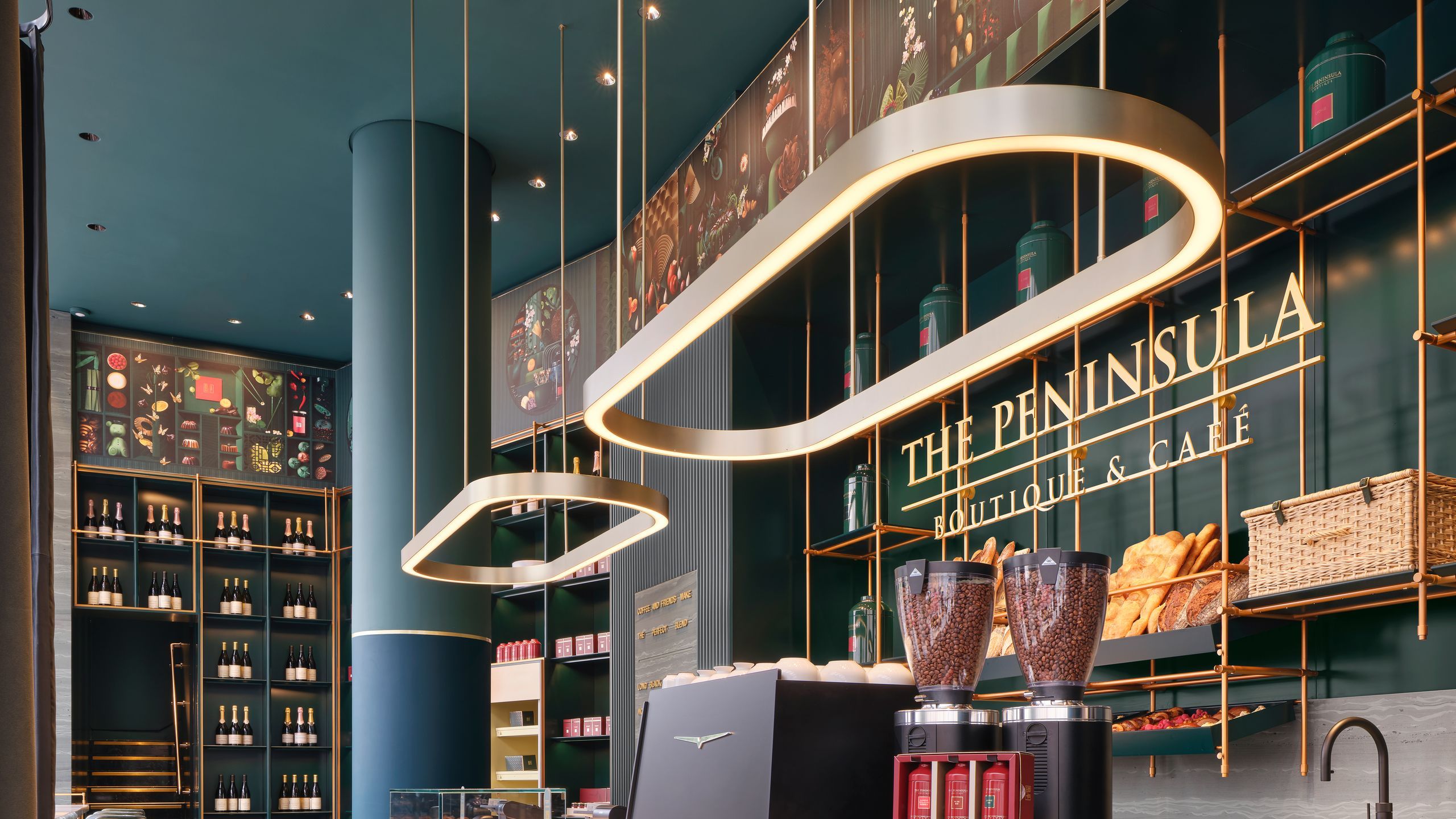
  • The Peninsula London Wraps Six Fleet Vehicles in Art Ahead of Frieze

    The Peninsula London Wraps Six Fleet Vehicles in Art Ahead of Frieze

    The Peninsula London transformed six fleet vehicles into moving art installations for October. The hotel partnered with Brooklyn artist Eden Kozokaro ahead of the Frieze London art fair.

    Custom vinyl wraps now cover two Rolls-Royce Phantom IIs and a Bentley Bentayga. The lineup also includes an electrified Austin Taxi, a BMW i7 and a London Electric Vehicle Company hybrid model.

    Custom wraps across six vehicle models

    Kozokaro, known professionally as Kozo, designed original scenes depicting British pastoral landscapes beneath an illustrated torn-paper exterior. The visuals simulate peeled pages of Peninsula stationery. Parklands, rivers, wooded hills and country estates show across the green coachwork.

    Detailing specialists at Topaz adapted the artwork to each model’s dimensions before applying the bespoke wraps. Preparation took three months. Work began with digital sketches aligned with the contours, doors and reflectors of each vehicle.

    “The collection brings past and present into conversation, creating unexpected juxtapositions that allow history and myth to feel alive again,” said Kozokaro.

    Extending a signature Hong Kong tradition

    Art consultancy Cart Department organized the collaboration between the hotel and the artist. Founder Larry Warsh linked the installation directly to the brand’s long record of bespoke luxury transport.

    The Peninsula brand built its identity around distinctive green vehicle fleets, starting at its Hong Kong flagship with record fleet purchases of Rolls-Royce Phantoms. Replicating that visual asset in London ties the newer European property to the operating playbook developed across Asian capitals.

    Connecting hospitality fleets with seasonal art traffic

    Vehicle fleets serve as prominent mobile advertising for luxury hoteliers during major cultural weeks when high-net-worth visitors arrive in concentration. Wrapping working guest transport turns routine airport runs and city transfers into visible brand statements without disrupting fleet operations.

    Operators rely on this mix of brand heritage and contemporary art patronage to capture international travelers during premium event weeks. Competing brands face higher marketing hurdles when attempting to stand out around major auctions and exhibitions in mature European markets.

    The rollout schedule for October

    All six wrapped vehicles will operate throughout London during the October art season, ferrying hotel guests and appearing outside exhibition venues across the city.

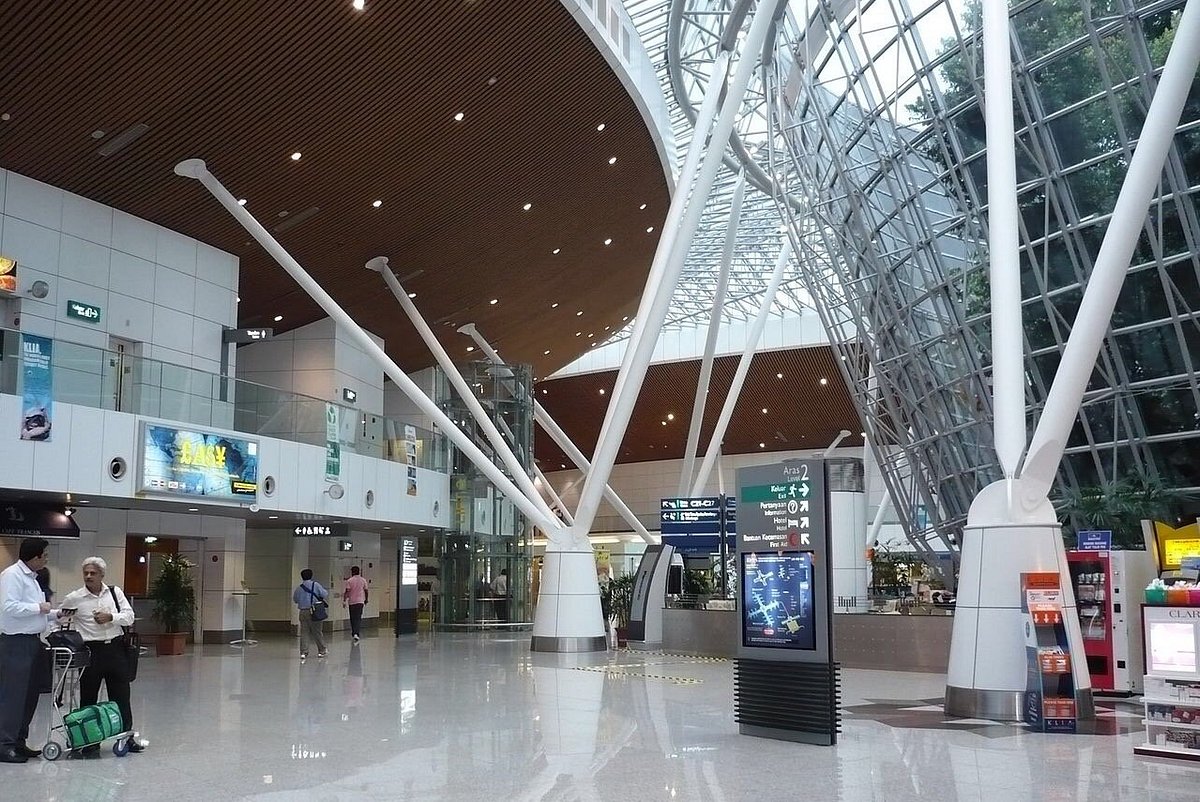
  • KLIA Terminal 2 Retail Occupancy Reaches 93% Despite Traffic Dip

    KLIA Terminal 2 Retail Occupancy Reaches 93% Despite Traffic Dip

    Malaysia Airports Holdings Bhd maintained a 93 percent commercial occupancy rate at Kuala Lumpur International Airport Terminal 2 through August. That is up from 92 percent a year earlier.

    Tenancy held steady despite a 5 percent year-on-year drop in terminal passenger traffic to 17.48 million travellers across the first eight months of the year. Boarded-up storefronts across the concourse reflect terminal reconfigurations rather than retailer departures, the airport operator confirmed.

    Floor Layouts Under Reconfiguration

    Current hoardings inside the terminal cordon off spaces undergoing renovation to improve circulation and passenger processing. Selected commercial lots in those targeted zones will be phased out before the end of December.

    MAHB withheld tenant sales figures and per-passenger spend, citing commercial sensitivity. Shop revenues depend on traveller profiles, store placement, and individual retail categories rather than gross passenger volume alone, the operator noted.

    “Some of the hoardings currently visible within the terminal are part of a planned reconfiguration of space to improve passenger processing and circulation,” MAHB said in an email response to questions from The Edge Malaysia.

    Jet Fuel Volatility Pressures Low-Cost Carriers

    Traffic declines at Terminal 2 follow route and seat cuts by budget airlines reacting to elevated fuel overheads. Global average jet fuel prices touched US$194.90 per barrel in mid-September. That represents a 116.5 percent surge from the prior year, based on Platts and S&P Global tracking data.

    Fuel expenses represent between 30 percent and 50 percent of operating costs for regional carriers. Unhedged operators such as AirAsia Group Bhd and Batik Air Malaysia absorbed the bulk of the price shock. Both cut flight capacity by up to 30 percent starting in April.

    AirAsia, the anchor operator at Terminal 2, trimmed third-quarter seat capacity by 20 percent to 25 percent. Other carriers using the terminal include Scoot, Spring Airlines, Cebu Pacific Airways, Lucky Air, Qingdao Airlines, and Shandong Airlines.

    Traffic Divergence Between Terminals

    Budget flight cuts created an operational split between the two KLIA terminals. Terminal 1, which houses full-service international carriers, recorded an 8 percent increase in passenger traffic to 24.46 million travellers between January and August.

    Total passenger volume rose 2.1 percent to 41.95 million travellers across the combined facility over the eight-month stretch. Terminal 2 footfall gained month on month during the third quarter. It rose from 1.83 million passengers in June to 1.86 million in July and 1.98 million in August.

    Across both terminals, monthly throughput reached 5.2 million passenger movements in August, up from 4.7 million in June and 5.0 million in July.

    Capacity Adjustments Ahead of Peak Season

    Reduced airline capacity directly alters the sales environment for airport concessionaires by concentrating footfall into tighter flight banks. Higher occupancy rates protect rental revenue for the landlord. However, extended capacity discipline risks dampening overall retail turnover if seat supplies do not rebound.

    Maybank Investment Bank Research calculated that every US$1 rise in jet fuel prices reduces AirAsia annual earnings by RM75 million. AirAsia shares closed at 52.5 sen on Monday, valuing the carrier at RM1.76 billion after a 70 percent drop since January.

    Attention now turns to AirAsia planned capacity restoration during the fourth quarter, alongside the completion of the airport layout modifications before the end of December.

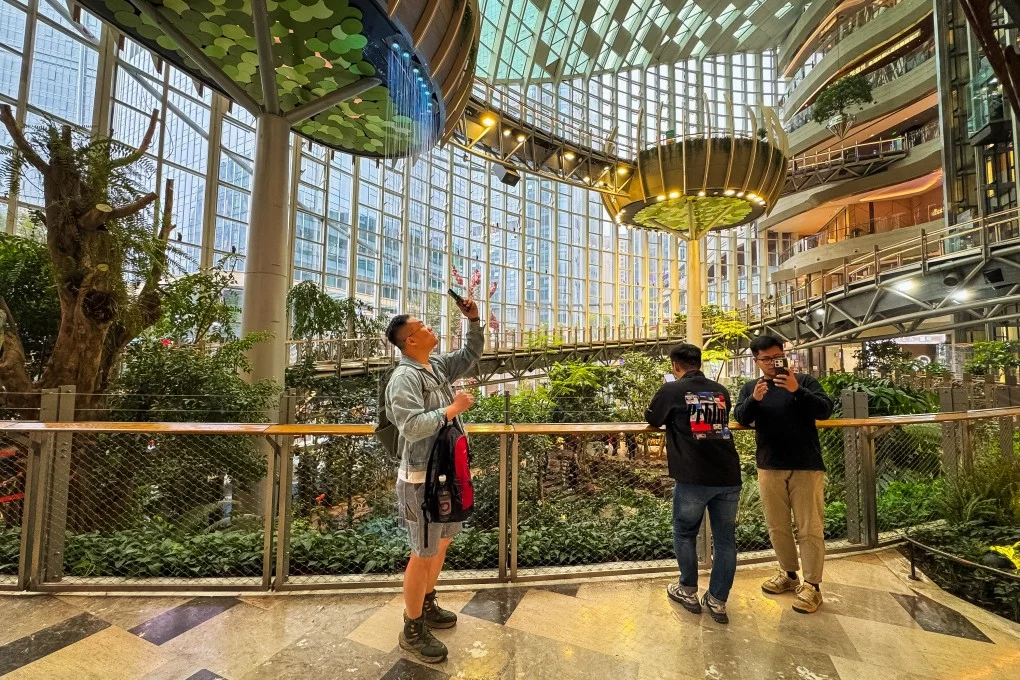
  • China Luxury Malls Expand Footprint Despite Retail Gloom

    China Luxury Malls Expand Footprint Despite Retail Gloom

    Luxury mall operators across China are pressing ahead with major retail expansion projects this week despite persistent weakness across the broader consumer economy, Nikkei Asia reported. High-end property developers are securing footprint commitments from top global fashion and jewelry houses across primary commercial centers.

    The physical expansion push comes as top-tier landlords separate their performance from standard mass-market department stores. Premium commercial destinations continue to attract long-term brand commitments because affluent shoppers maintain higher discretionary budgets than middle-market consumers.

    Bifurcation across commercial real estate

    Commercial leasing data across mainland tier-one and tier-two cities shows a sharp split between mass retail centers and destination luxury complexes. While mid-market shopping centers struggle with tenant turnover and rent concessions, prime luxury properties maintain tight occupancy rates and multi-year waiting lists for prime ground-floor frontages.

    Global luxury houses require expansive multi-level flagships with dedicated VIP lounges, private salons, and custom architectural facades to serve high-net-worth clients. Operators of luxury centers are reconfiguring existing floor plans and building new wings to meet these spatial specifications.

    Brand strategy shifts in mainland centers

    International fashion groups are consolidating their retail networks rather than retreating from mainland China. Brands are closing underperforming satellite boutiques in secondary malls to concentrate capital and inventory into larger experiential flagships inside leading luxury complexes.

    For mall landlords, securing anchor flagships from premier European luxury houses guarantees footfall from top-tier spenders. It also allows developers to command premium rental yields on adjacent specialty dining, lifestyle, and beauty spaces.

    Landlord competition and regional exposure

    Competition among high-end landlords is intensifying across regional hubs beyond Shanghai and Beijing. Commercial developers are competing aggressively to bring exclusive boutique concepts and direct-operated flagships to regional centers such as Chengdu, Shenzhen, and Hangzhou.

    The execution risk rests on whether local high-end consumption can absorb the expanded commercial floor space without diluting sales density per square meter. Landlords that overcommit capital to new luxury builds in saturated micro-districts face longer lease-up schedules if brand partners limit their capital expenditure.

    Pipeline targets across major markets

    Earlier retail cycles established luxury retail hubs around historical downtown commercial districts. The current construction cycle focuses on mixed-use commercial developments that combine luxury retail with prime office towers, cultural spaces, and five-star hospitality.

    Commercial developers have scheduled their new luxury mall openings and phased retail extensions through the next several operating quarters. Occupancy rates, flagship delivery schedules, and initial tenant sales productivity across these new developments will determine whether landlords maintain their current expansion pace.

  • Only 50% of Australian Loyalty Program Members Actively Use Accounts

    Only 50% of Australian Loyalty Program Members Actively Use Accounts

    A record 93 per cent of Australian consumers hold loyalty memberships, but only 50 per cent actively used all their cards over the past 12 months, according to a 2026 survey by consultancy The Point of Loyalty.

    The Australian loyalty program market is expanding by 13.5 per cent annually toward a valuation of $1.57 billion in 2026, as rising living costs push shoppers to seek savings.

    The Scale of Inactive Accounts

    A survey of more than 800 customers across Coles, Woolworths, Aldi, IGA and FoodWorks by Edith Cowan University researchers examined why consumers join retail reward programs only to neglect them.

    Researchers Sanjit K Roy and Saalem Sadeque from Edith Cowan University found financial rewards alone fail to retain active users. Fatigue sets in quickly when redemption rules require high baseline spend, such as outlays of $2,000 to earn a $10 voucher. Shoppers abandon programs that demand excessive tracking or complicated checkout app interactions.

    Supermarket Duopoly Dominance

    Two major operators control most of the domestic membership base. Woolworths counts 14 million registered accounts in its Everyday Rewards network. Coles reports more than 9 million active members in Flybuys, which links grocery baskets with Wesfarmers-owned chains including Bunnings, Kmart and Target.

    For retail operators across the Asia-Pacific region, these enrolment numbers look impressive on paper but mask balance sheet liabilities. Unredeemed points sit as deferred revenue obligations. Inactive accounts generate zero incremental basket value. Rivals that rely on upfront shelf discounting, such as ALDI, continue to capture price-sensitive volume without funding complex points administration.

    Trust and Data Exchange

    Shoppers surrender personal details, contact lists and payment patterns in exchange for program benefits. When retail pricing feels opaque or discounts appear trivial, participation drops immediately.

    The university study identified three distinct operational levers that dictate whether a member remains active: institutional trust, relationship commitment and clearly visible return value. Programs that fail to send targeted offers lose out to straightforward discount mechanics. High-frequency users expect direct discounts on regular purchases rather than generic promotions on slow-moving inventory.

    Friction in Reward Redemption

    Security concerns also weigh on consumer willingness to maintain secondary retail memberships. Major corporate data breaches across Australia over recent years raised shopper scrutiny regarding who stores their purchase histories and contact records.

    Competition will test whether broad coalition ecosystems hold an advantage over single-banner apps. Flybuys relies on cross-category earning power across home improvement and department store networks to keep accounts active. Woolworths counters by integrating fuel, insurance and pharmacy tie-ins directly into its digital wallet ecosystem.

    Supermarket executives will watch the active redemption rate per registered member as annual retail data filings land later this year.