Author: Mei Ling Tan

  • Public Outcry in China as Louis Vuitton Wins Trademark Case Against Popular Beverage Chain Molly Tea

    Public Outcry in China as Louis Vuitton Wins Trademark Case Against Popular Beverage Chain Molly Tea

    French luxury fashion giant Louis Vuitton is currently in the midst of public disapproval in China, following its array of trademark lawsuits including a significant victory against the well-liked beverage chain, Molly Tea. In June, a court in Suzhou, Jiangsu province, concluded that Molly Tea, based in Shenzhen, had violated seven of LV’s registered four-petal floral trademarks. The beverage chain was subsequently ordered to pay 10.3 million yuan (approximately US$1.5 million) in damages and legal costs. Despite Molly Tea’s indication of appealing the decision, the verdict has garnered public discontent and stimulated a fervent debate across the country.

    The Dispute Fuels Chinese Public Opinion

    Initially, the argument centered on the resemblance between Molly Tea’s logo and LV’s trademarks, and the reasoning behind the fashion house’s lawsuit against a company operating in a completely different sector. However, the debate soon shifted towards determining the fine line between protecting intellectual property rights and monopolizing elements of shared cultural heritage. As seen from public discourse, a large proportion of Chinese citizens compared the four-petal floral trademarks to various elements of their cultural heritage, including the baoxiang floral designs on Tang dynasty pipa instruments, decorative window patterns in Suzhou’s classical gardens, and even older public toilet ventilation grilles and floor tiles. The critics argue that while the LV monogram has a history of about 130 years, the four-petal flower motif has been a part of Chinese culture for more than a millennia. This case has also rekindled public resentment over perceived cultural appropriation by international luxury brands.

    Public Relations Woes Despite Legal Victories

    Despite its legal defeat, Molly Tea appears to have garnered significant public support. The beverage chain’s official social media account on Weibo witnessed a surge in followers in the days following the lawsuit. Moreover, the brand gained even more backing after donating to the Guangxi Zhuang Autonomous Region, which had been affected by a typhoon.

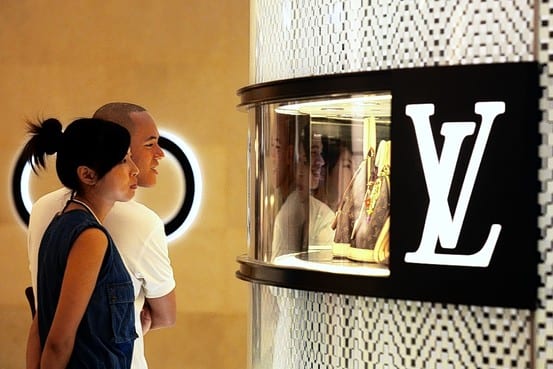
    Meanwhile, Louis Vuitton continues to actively enforce its trademark rights in China, with numerous cases of opposition filed against designs similar to its four-leaf or four-petal trademarks. Despite some defending the luxury brand’s actions, many have accused it of monopolizing ancient Chinese motifs and exploiting smaller businesses. This controversy has impacted the brand’s foot traffic and resale market prices of popular handbags.

    Spring Chang, founding partner of IP law firm Chang Tsi and Partners, considers these controversies to highlight the gaps in legal application and communication. “If public opinion swings entirely to the view that any enforcement by a big company is bullying, that will weaken the basis for legitimate enforcement and confidence in the system over time,” she noted.

    Questions & Answers

    What is the source of the conflict between Louis Vuitton and Molly Tea?
    The conflict stems from a lawsuit filed by Louis Vuitton, claiming that Molly Tea infringed on seven of its registered four-petal floral trademarks with its logo.

    What has been the public’s reaction to the lawsuit in China?
    The lawsuit has ignited a public debate about cultural appropriation and intellectual property rights. While some defend Louis Vuitton’s actions, many see it as an example of a global luxury brand exploiting smaller businesses and monopolizing shared cultural symbols.

    How has this controversy affected Louis Vuitton’s business in China?
    The controversy has led to a noticeable drop in foot traffic in Louis Vuitton boutiques in several cities, including Shanghai, and a decline in the resale market prices of some of its popular handbags.
  • Thailand Elevates Trade Prospects with $750M Railway Project Boosting Port Connectivity

    Thailand Elevates Trade Prospects with $750M Railway Project Boosting Port Connectivity

    Thailand’s Ministry of Transport has confirmed its dedication to constructing a dual-track railway, a $750 million (27 billion baht) project that is viewed as a critical component in the nation’s logistics chain. Deputy Transport Minister Sanphet Boonyamanee, who talked about the project on Wednesday, highlighted it as a pivotal move towards bridging a “missing link” in Thailand’s nationwide logistics structure. This statement aligns with infrastructure strategies laid out by the government.

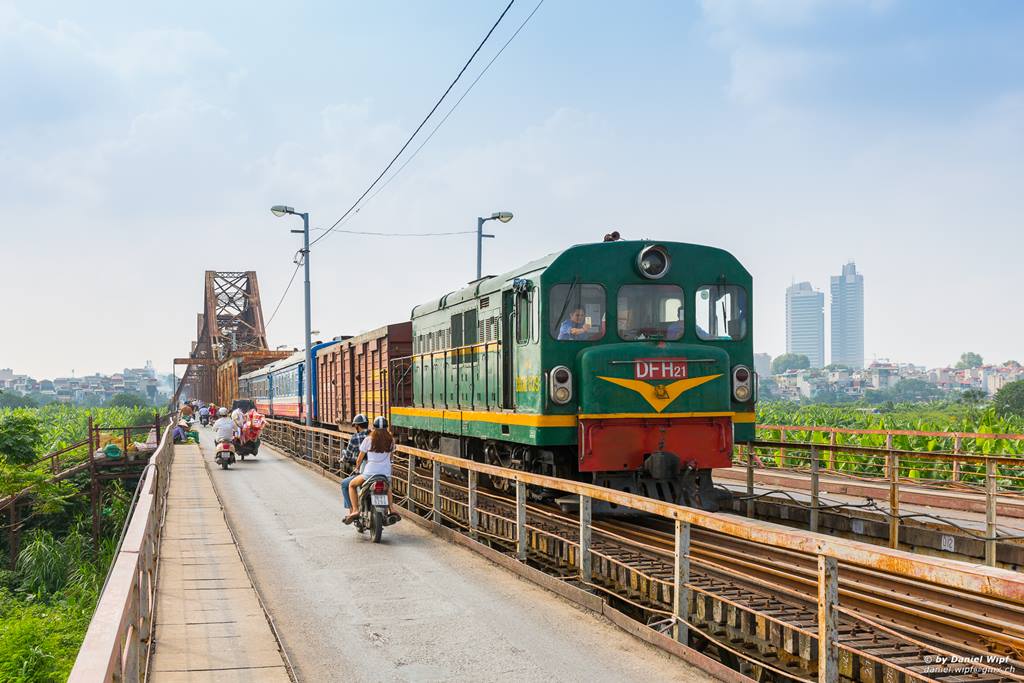
    The project in question is a 110-kilometer railway that will connect Chumphon and Ranong Port. This railway will directly link the country’s main rail system to its only deep-sea port, paving the way for a new trade conduit to the Indian Ocean. This railway is intended to facilitate an integrated multimodal transportation network that encompasses roads, railways, seaports, airports, and border crossings.

    Despite being smaller than many of Thailand’s main railway lines, this particular railway is predicted to function as a key land bridge. Once the railway is completed, freight from the agricultural and industrial areas in the north, northeast, central, and southern regions will be able to travel directly to Ranong Port via rail. This would render the need for road transport on the last leg of the journey obsolete.

    Another significant benefit of the new railway is that it will provide direct rail access to both Thailand’s coasts. The existing network links to the Gulf of Thailand ports, including Laem Chabang, Bangkok, and Map Ta Phut. However, the new route will create direct access to the Andaman Sea and the Indian Ocean, thereby broadening access to markets in the Middle East and Africa.

    A Project with Multiple Advantages

    In addition to facilitating international trade, officials also anticipate the project to stimulate economic growth in Chumphon and Ranong. They believe it will attract private investment towards warehouses, distribution centers, and logistics facilities.

    Government agencies are currently assessing the project’s economic, environmental, and social impacts. These studies are also determining whether to extend existing facilities at Ranong Port or to construct a new deep-sea terminal capable of accommodating larger container vessels.

    The State Railway of Thailand has finalized the project’s detailed engineering design and submitted its Environmental Impact Assessment report for review. The construction contract is expected to be up for bidding in 2027, subject to environmental approval later this year.

    The government had initially explored the possibility of this project in 2019 but later postponed it due to economic feasibility concerns.

    Questions & Answers

    What is the purpose of the new railway project in Thailand?
    The new railway is intended to establish a multimodal transportation network integrating roads, railways, ports, airports, and border crossings. It will also open a new trade gateway to the Indian Ocean.

    What benefits does the railway project bring to Thailand?
    The railway project is expected to boost international trade and spur economic growth in Chumphon and Ranong by attracting private investment in warehouses, distribution centers, and logistics facilities.

    When is the construction of the railway expected to start?
    Pending environmental approval, the bidding for the construction contract is expected to commence in 2027.

  • Vietnam’s Fuel Prices Skyrocket to Two-Month Peak amid US-Iran Tensions

    Vietnam’s Fuel Prices Skyrocket to Two-Month Peak amid US-Iran Tensions

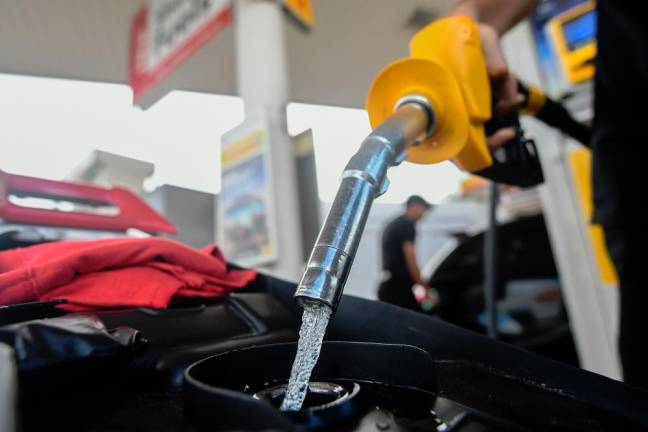
    In Vietnam, gasoline and diesel prices soared to their highest levels since May 28 on Thursday afternoon. The popular fuel E10 RON95 rose by 6.6%, reaching VND22,850 (US$0.87) per liter, while Biofuel E5 RON92 experienced an increase of 7.2%, costing VND22,380 per liter. Diesel prices also jumped by 7.2%, coming in at VND27,620 per liter.

    Global Fuel Prices and Local Shortages

    This surge in fuel prices aligns with a global trend observed over the past week, primarily driven by the escalating conflict between the U.S. and Iran. The Ministries of Industry and Trade and Finance note that RON95 has increased by 5%, costing $121.3 per barrel, and diesel has followed suit with a 5.4% hike, amounting to $159 per barrel.

    Alongside these rising costs, Vietnam has been contending with fuel shortages, particularly of diesel. Fuel retailers across Hanoi, HCMC, and other areas have reported difficulties in stocking enough supplies. Some tanker trucks have had to wait up to four days to collect supplies. Meanwhile, certain gas stations have either limited their sales or temporarily halted operations due to lack of inventory.

    Fuel Procurement and Market Dynamics

    Tran Huu Linh, the director general of the Agency for Domestic Market Management and Development under the Ministry of Industry and Trade, attributes these issues to the Middle East conflict disrupting fuel procurement by petroleum wholesalers. Additionally, amplified demand in certain areas has put a strain on supply, leading wholesalers to ration the volume of fuel distributed to the market temporarily.

    However, Linh maintains that the nationwide fuel supply remains stable, although localized shortages, especially of diesel, may occur. Linh also suggests that some businesses might be withholding inventory, anticipating a potential increase in prices.

    Questions & Answers

    What caused the recent rise in fuel prices in Vietnam?
    The escalating conflict between the U.S. and Iran has driven up global fuel prices, directly impacting prices in Vietnam.

    How has the conflict in the Middle East affected the fuel market?
    The conflict has disrupted fuel procurement by petroleum wholesalers, leading to delays in supply and temporary restrictions on the volume of fuel released to the market.

    What measures are being taken to manage fuel supply shortages?
    Despite localized shortages, the nationwide fuel supply remains stable. Wholesalers are temporarily rationing fuel distribution to the market to manage demand and maintain supply levels.

  • Revolutionizing Health Checkups: Vietnam Embraces AI-Assisted Preventive Screening

    Revolutionizing Health Checkups: Vietnam Embraces AI-Assisted Preventive Screening

    AI-supported comprehensive health screening is becoming increasingly accessible in Vietnam, granting both local and overseas Vietnamese the opportunity to access preventative diagnostic services. In the past, these services were usually sought after in countries like Japan, South Korea, and Thailand, where advanced screening programs were more readily available.

    One factor driving the growing interest in preventative screening, according to healthcare providers, is early detection. Statistics from Nura, an AI-powered health screening center network, show that 73.5% of Vietnamese cancer patients do not survive their illness, compared to around 30% in Japan, where regular screenings are commonplace.

    In Japan, the long-standing ningen-doku program screens approximately 80% of the population annually. In contrast, Vietnam’s screening rate is estimated to be around 3.5%.

    AI-Assisted Screening

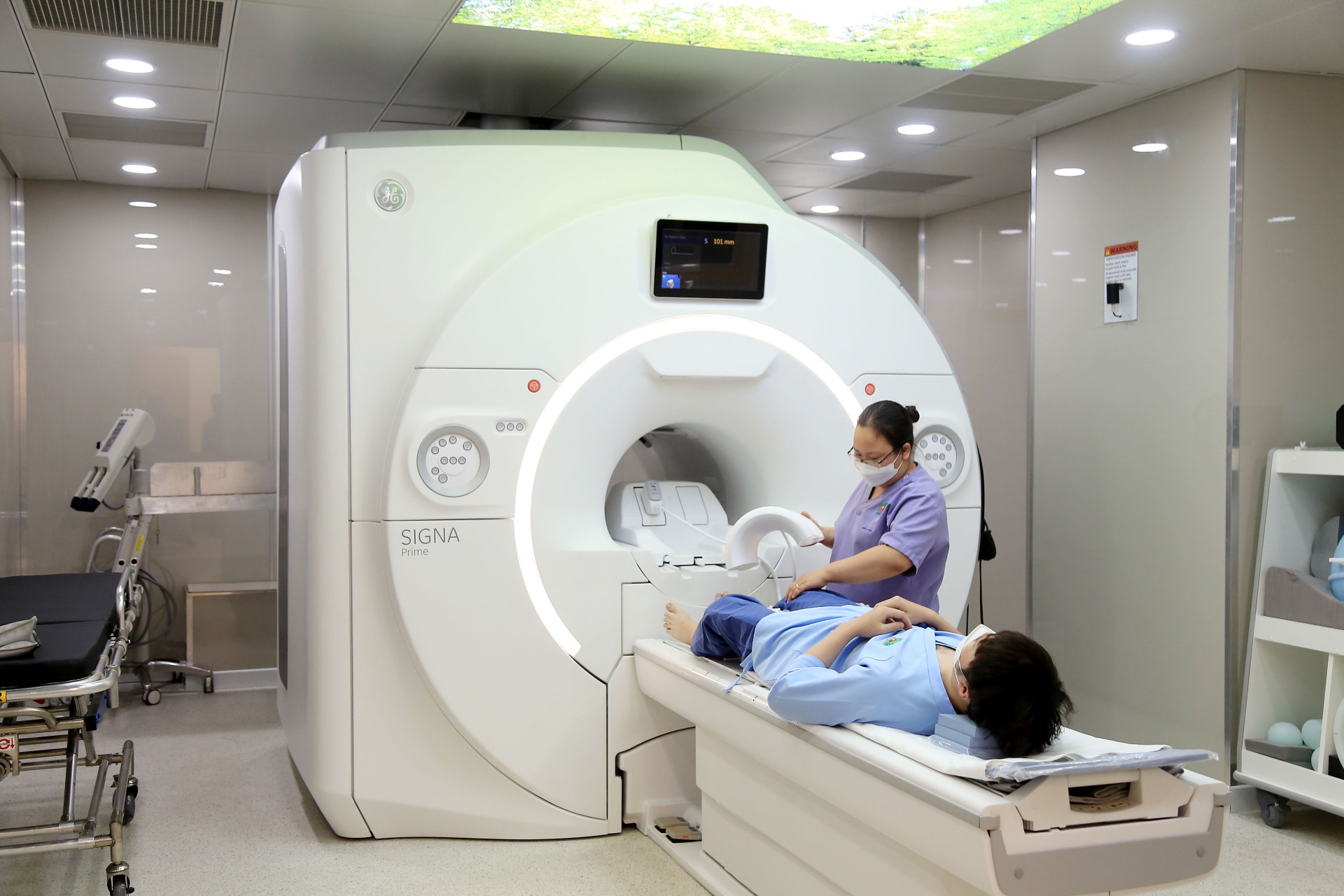
    Since July 2024, Nura has been providing AI-assisted full-body screening services in Hanoi and Ho Chi Minh City. The company reports that over the past two years, they have conducted more than 33,000 screenings, identifying over 160 early-stage cancers in asymptomatic individuals.

    Nura’s AI system is designed to aid doctors by supporting medical image analysis, not replace them. The platform, developed in conjunction with Fujifilm and partially trained on approximately 400 million medical images from Stanford Medicine, utilizes around 50 AI models to identify various types of abnormalities. Physicians review areas flagged by the AI before finalizing and sharing examination results with patients.

    Supporting Clinical Decisions

    According to Nura, AI-assisted imaging can assist doctors in evaluating complicated cases. In one instance, a 45-year-old man who was initially advised to undergo a lung biopsy after a suspected malignant lesion was detected at another medical facility. After an AI-assisted scan and specialist review, the abnormality was deemed consistent with benign inflammation. The patient was treated for pneumonia and recovered without needing a biopsy.

    Nura’s services are not only convenient for local residents but also for overseas Vietnamese and expatriates living in Vietnam. The company’s AI-assisted screening services provide an alternative for those seeking preventative healthcare without having to travel outside of Vietnam.

    One of the prominent concerns for people considering CT-based screening is radiation exposure. Nura states that its ultra-low-dose CT protocol, cleared by the U.S. Food and Drug Administration (FDA), is aimed at reducing radiation exposure while maintaining image quality through AI-supported image reconstruction.

    Questions & Answers

    What is the main purpose of Nura’s AI-assisted screening?
    The main purpose of Nura’s AI-assisted screening is to facilitate early detection of diseases, such as cancer, by providing comprehensive health screenings.

    How is Nura’s AI system used in clinical decision making?
    Nura’s AI system aids in clinical decision making by supporting medical image analysis, flagging areas of concern for physicians to review and make an informed medical decision.

    What measures has Nura taken to address concerns about radiation exposure during CT-based screening?
    To alleviate concerns about radiation exposure during CT-based screenings, Nura has developed an ultra-low-dose CT protocol, designed to reduce radiation exposure while maintaining image quality. This system has received clearance from the U.S. Food and Drug Administration (FDA).

  • Indosat Ooredoo Hutchison Delivers Double-Digit Growth, Accelerating Its AI-Led Transformation

    Indosat Ooredoo Hutchison Delivers Double-Digit Growth, Accelerating Its AI-Led Transformation

    PT Indosat delivered strong financial and operational performance in the first half of 2026, demonstrating how its AI-led transformation is strengthening the business today while building the foundation for Indonesia’s next phase of digital growth.

    For the six months ended 30 June 2026, Indosat recorded revenue of IDR30.7 trillion, up 13.1% year-on-year (YoY). EBITDA increased 14% YoY to IDR14.6 trillion, growing faster than revenue and maintaining a healthy EBITDA margin of 47.6%. Normalized figure of net profit attributable to owners of the parent rose 49.2% YoY to IDR3.2 trillion, supported by sustained business growth, disciplined cost management, and increasing operational efficiency.

    AI is now becoming an integral part of customers’ everyday digital experience. Through services such as Anti-Spam and Anti-Scam feature, Sahabat-AI, Gemini AI, and Adobe Express, Indosat is delivering greater productivity, creativity, and digital security as part of its connectivity offering. These differentiated experiences helped drive a 19.9% YoY increase in data traffic and a 17.3% YoY increase in Average Revenue Per User (ARPU) to IDR46 thousand, while maintaining a healthy mobile subscriber base of 93.4 million.

    Vikram Sinha, President Director and Chief Executive Officer of Indosat Ooredoo Hutchison, said, “Our AI North Star has always been about creating long-term value by transforming Indosat beyond connectivity into an AI-driven technology company. The double-digit growth we are achieving demonstrates the strength of this strategy and the momentum behind our transformation journey. This progress gives us the confidence to accelerate the next phase of our transformation, strengthening the capabilities that will become our future growth engines while helping build Indonesia’s AI ecosystem.”

    Investing Today’s Performance into Tomorrow’s Growth

    Strong operating performance has enabled Indosat to accelerate investments that will shape its next phase of growth. With a stronger financial foundation, Indosat is investing in the capabilities that will expand its technology business and unlock new long-term growth opportunities.

    A significant milestone during the first half was the establishment of PT Infra Fiber Teknologi (IFT) together with Arsari Group. Through the transfer of management of more than 86,000 kilometres of national fibre infrastructure, Indosat unlocked approximately IDR11.7 trillion in gross proceeds while adopting a more asset-light operating model. This transaction provides greater financial flexibility to accelerate investments in higher-growth opportunities that support Indosat’s long-term transformation.

    Building on this stronger capital position, Indosat continues to scale its AI Cloud business as enterprises accelerate AI adoption. During the first half of 2026, AI Cloud generated US$33 million in revenue, already surpassing its full-year 2025 revenue of US$28 million. This strong performance reflects accelerating enterprise demand for sovereign AI infrastructure and positions AI Cloud as one of Indosat’s key emerging growth engines.

    To support this growing AI ecosystem, Indosat also continues strengthening its connectivity. Indosat recently secured 80 MHz of spectrum across the 700 MHz and 2.6 GHz bands, expanding network capacity and enhancing service quality as demand for AI-powered digital experiences continues to grow. Together with its continued focus on Customer Love, these investments will enable Indosat to deliver more reliable, intelligent, and personalized digital experiences, while unlocking new opportunities to monetize 5G services, including Fixed Wireless Access (FWA).

    Building Sustainable Growth

    As Indosat expands its AI-powered growth platforms, the Company remains committed to ensuring innovation creates lasting value for society and the environment. AI-powered network optimization and intelligent energy management reduced carbon emissions intensity by 50.89%, while Indosat’s commitment to responsible business practices was recognized through its inclusion in all three KEHATI ESG Indices—SRI-KEHATI, ESG Sector Leaders, and ESG Quality 45—for the June–November 2026 period.

    Indosat is also investing in Indonesia’s AI future through its partnership with the Ministry of Manpower (Kemnaker RI) and the Wadhwani Foundation, with the ambition to develop one million digital talents and 100,000 AI-driven entrepreneurs by 2029. Together, these efforts reinforce the Company’s belief that long-term AI leadership must be built on responsible innovation, sustainable growth, and inclusive talent development.

  • Hong Kong Land Buys Singapore’s Wheelock Place for $900 Million, Boosting Its Commercial Footprint

    Hong Kong Land Buys Singapore’s Wheelock Place for $900 Million, Boosting Its Commercial Footprint

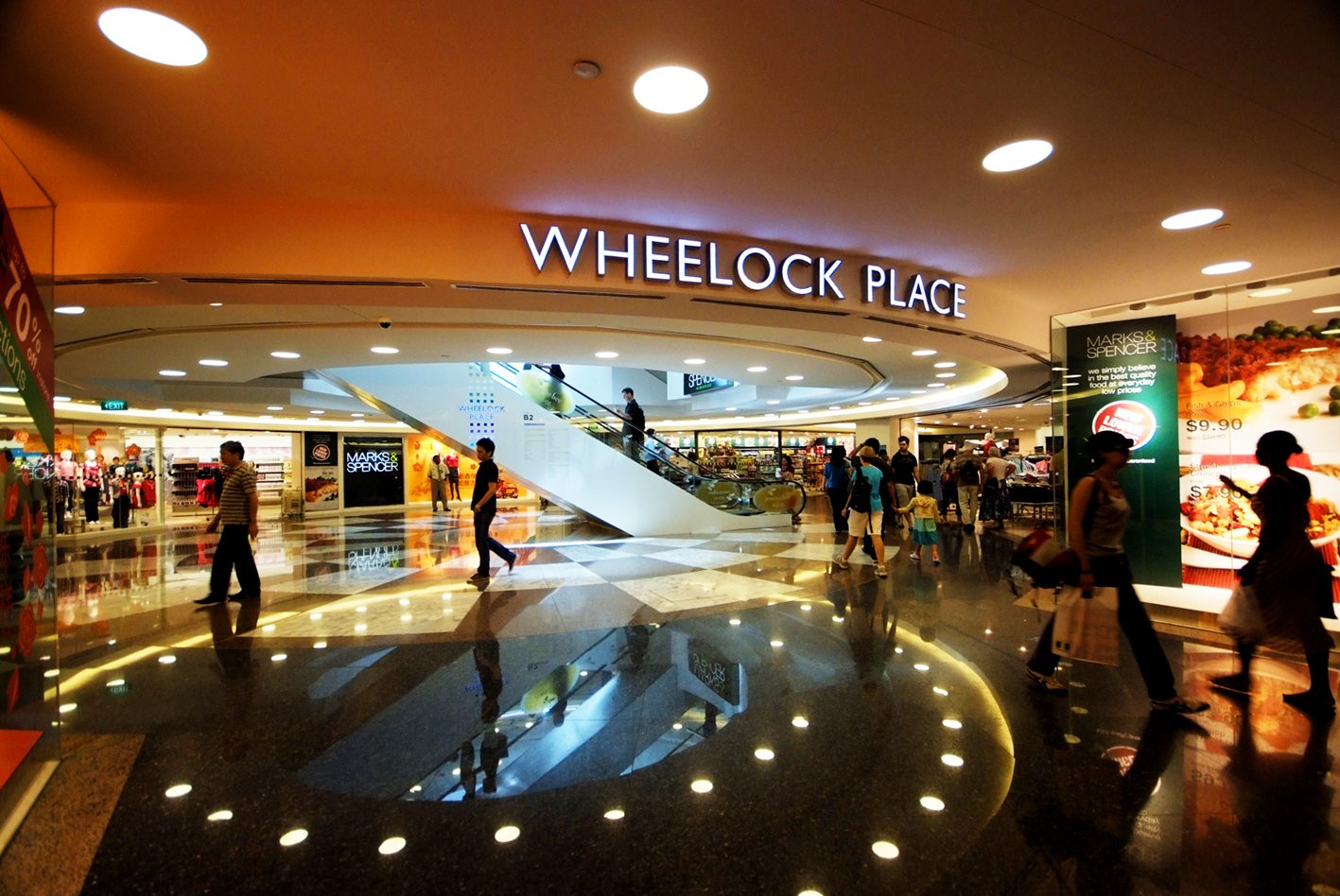
    Hongkong Land, a leading property investment, management, and development group, has successfully secured a deal to purchase Singapore’s premium shopping centre, Wheelock Place. The purchase, valued at approximately US$900 million, is being transacted through the company’s Singapore Central Private Real Estate Fund (SCPREF). This deal marks the first acquisition for the fund since its establishment in February.

    Wheelock Place, situated on the iconic Orchard Road, is a multi-faceted commercial property. It consists of a 21-story commercial building that houses office spaces, a retail podium, and two levels of basement that offer more shopping outlets and car parking facilities. The shopping centre boasts over 4000 square meters of retail space, within a total gross floor area of 43,280 square meters.

    In the past year, Wheelock Place demonstrated robust financial performance, generating nearly $100 million in profit after tax. This marks a significant 160 per cent growth from the previous year.

    The deal is anticipated to be finalized by the end of August. Following the completion of this acquisition, the assets under management for SCPREF will surge to $7.3 billion. This brings the fund closer to achieving its target of approximately $11.6 billion.

    Michael T Smith, the Group CEO of Hongkong Land, commented on the acquisition, highlighting the rarity and premium nature of the asset. He stated that securing Wheelock Place within months of the fund’s launch reflects positively on their fund management team and validates the trust their capital partners have in their strategic decision-making capabilities.

    This acquisition also symbolizes Hongkong Land’s strategic expansion into the Orchard Road precinct, a move that further enhances its commercial portfolio in Singapore.

    Questions & Answers

    What is the significance of this acquisition for Hongkong Land?
    This acquisition marks Hongkong Land’s strategic entry into the Orchard Road precinct, expanding its commercial footprint in Singapore. It also reflects a successful start for their Singapore Central Private Real Estate Fund.

    What is the financial impact of this deal on the Singapore Central Private Real Estate Fund?
    Once the deal is completed, the assets under management for the Singapore Central Private Real Estate Fund will increase to $7.3 billion, bringing it closer to its target of around $11.6 billion.

    What type of commercial property is Wheelock Place?
    Wheelock Place is a multi-faceted commercial property located on Orchard Road. It comprises a 21-story commercial building housing offices, a retail podium, and two basement levels containing additional shops and car parking facilities.

  • Retail News Asia Completes Platform Migration, Launches New Features

    Retail News Asia Completes Platform Migration, Launches New Features

    Retail News Asia, the leading platform for retail news and analysis across Asia with over 13.6 million readers, has completed a migration to a new platform over the past few days. The transition is now finished, and the editorial team is fully operating on the new infrastructure.

    The migration caused some disruptions and irregularities for readers this week. We acknowledge this and sincerely apologizes. The team worked to keep the impact to a minimum and thanks readers for their patience during the transition.

    New features on the platform

    The migration is more than a technical operation — it also brings a number of new features:

    The Retail Brief — a daily five-minute audio briefing covering the top headlines, deals, and consumer shifts across Asian retail, freshly published every morning.

    RNA-10 Index — Retail News Asia’s own index, a basket of ten major listed Asian retailers. The index tracks how these companies move together on a daily basis, with five years of historical data and a detail page per constituent. It is an editorial experiment, not a tradeable instrument or investment advice.

    Events — an overview of retail events across the region, with the option for readers and organizers to submit their own events.

    Looking ahead

    With the new platform, we are building a more stable foundation along with deeper data and tools for retail professionals in the region. The editorial team continues to deliver daily news, market analysis, and sector updates from eighteen Asian markets, from China and Japan to Singapore and Vietnam.

    Readers with questions can reach out via retailnews.asia/contact.

    Question & Answers

    Why did Retail News Asia migrate to a new platform?

    The migration was carried out to build a more stable, faster foundation for the site and to support new features such as The Retail Brief, the RNA-10 Index, and Events.

    Will I need to do anything as a reader, such as resetting my account?

    No action is required. Existing accounts and subscriptions carry over to the new platform automatically.

    What should I do if I still experience issues on the site? Readers who continue to experience problems can reach the team via retailnews.asia/contact, and any remaining issues will be resolved as quickly as possible.

  • Lvl Up Breaks Into Sports Hydration Market with Complete Nutrition Solution

    Lvl Up Breaks Into Sports Hydration Market with Complete Nutrition Solution

    Supplement brand Lvl Up has broadened its product offerings by venturing into the sports hydration segment with the introduction of Lvl Up Sports. This new line-up includes a variety of products such as hydration powders, ready-to-drink sports beverages, electrolyte capsules, and energy gels.

    Filling a Market Gap

    Co-founders Madison Verrochi and Austin Xenos reported that the inspiration to diversify into the sports nutrition domain came from identifying an unmet need in the market. They observed that consumers were often procuring hydration, electrolytes, and fuel products from multiple different brands due to the absence of an all-inclusive solution from a single brand. They expressed their intent to rectify this situation by offering a comprehensive sports nutrition range under the Lvl Up brand.

    The Lvl Up Sports range includes an array of products: Sports Hydration Formula, which comes in 600g containers and single-use packs, Sports Hydration RTD, Electrolyte Capsules, Sports Fuel Isogel, and Sports Fuel + Caffeine Isogel.

    The newly launched products are currently available for purchase through Lvl Up’s online store and Chemist Warehouse, with plans to extend distribution to 7-Eleven stores starting in August. The product prices vary, ranging from $4.99 to $59.99.

    Questions & Answers

    What inspired Lvl Up to develop a sports hydration range?
    The decision to develop a sports hydration range came from co-founders Madison Verrochi and Austin Xenos identifying a gap in the market where consumers were sourcing hydration, electrolytes, and fuel products from multiple brands due to a lack of a comprehensive offering from a single brand.

    What products are included in the Lvl Up Sports range?
    The Lvl Up Sports range includes the Sports Hydration Formula, available in both 600g tubs and single-serve sachets, Sports Hydration RTD, Electrolyte Capsules, Sports Fuel Isogel, and Sports Fuel + Caffeine Isogel.

    Where can customers purchase the Lvl Up Sports range?
    Customers can purchase the Lvl Up Sports range through the Lvl Up online store and Chemist Warehouse. There are also plans to expand availability to 7-Eleven stores from August.

  • DC Coffee Unveils New Fuel Your Creativity Range, Exclusively at Woolworths

    DC Coffee Unveils New Fuel Your Creativity Range, Exclusively at Woolworths

    DC Coffee, a specialty coffee roaster based in Melbourne, has broadened its unique range of offerings at Woolworths by introducing a new 600g variety under the ‘Fuel Your Creativity’ line.

    DC Coffee’s Growth and Expansion

    Established in 2004, DC Coffee had an impressive reach of over 200 wholesale cafe clients across the country by 2016. The brand’s exclusive move into Woolworths in the previous year was a significant landmark in its retail growth journey. This move allowed the coffee brand to bring its signature blends and distinctive packaging to regular supermarket shoppers in Australia.

    The latest addition to its collection, a 600g range priced at $23, enhances DC Coffee’s existing portfolio. This expansion portrays the brand as an easily accessible specialty coffee provider, reinforcing its sustained investment and commitment to the grocery channel.

    Supporting Campaign and Refreshed Brand Identity

    To augment the retail introduction, DC Coffee has launched its inaugural integrated campaign, bringing its ‘Fuel Your Creativity’ platform to life. This initiative aims to redefine coffee and applaud those who use it as a source of inspiration and motivation, interpreting and acting on it in their unique ways.

    In collaboration with the creative agency Hellions, the campaign will be implemented nationally across various channels such as BVOD, YouTube, out-of-home, paid and organic social, e-commerce, and emails.

    Commenting on the campaign, Trevor Simmons, CEO of DC Coffee, said that DC Coffee is the most dynamic and engaging coffee brand present today. The campaign perfectly encapsulates the brand’s unique, irreverent post-specialty attitude.

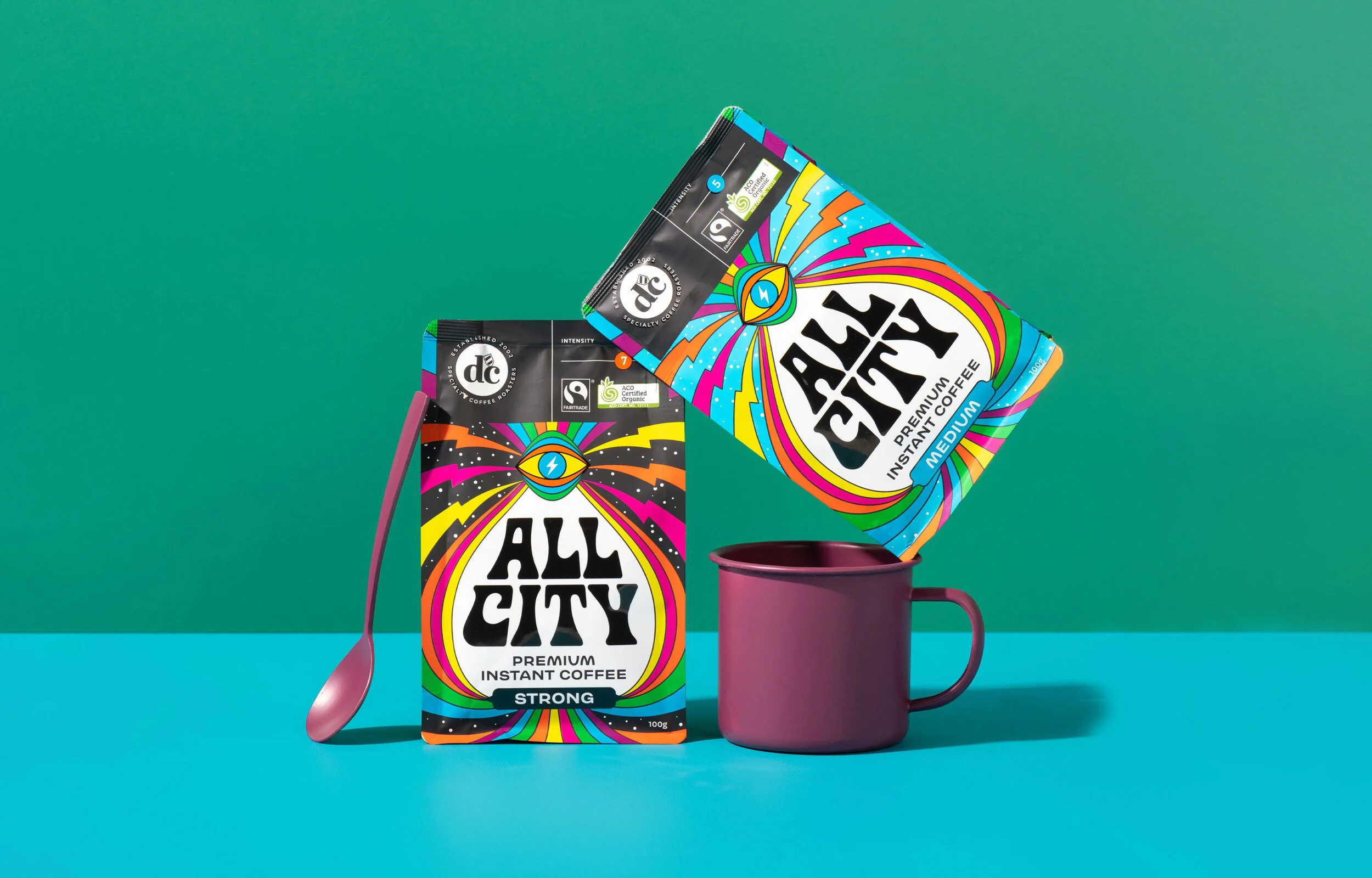
    The brand enhancement also includes an updated packaging design aimed at enhancing shelf impact and fortifying brand recognition. The new packaging continues to feature the brand’s artist-led creative direction across various elements like typography, illustration, colour, photography, and motion.

    “DC Coffee is synonymous with awesome coffee, unique packaging, and incredible value. It’s all about fuel and energy,” added Simmons.

    Questions & Answers

    What is DC Coffee’s new initiative ‘Fuel Your Creativity’ about?
    DC Coffee’s ‘Fuel Your Creativity’ is an integrated campaign aimed at redefining the perception of coffee. It celebrates individuals who use coffee as a source of inspiration and motivation to interpret and act uniquely.

    How will the new ‘Fuel Your Creativity’ campaign be implemented?
    In collaboration with the creative agency Hellions, the ‘Fuel Your Creativity’ campaign will be implemented nationally across various channels, including BVOD, YouTube, out-of-home, paid and organic social, e-commerce, and emails.

    How does the new packaging design impact DC Coffee’s brand?
    The updated packaging design, featuring various elements like typography, illustration, colour, photography, and motion, is aimed at enhancing shelf impact and strengthening brand recognition.

  • Me Today Skincare Brand Boosts Earnings Outlook Amid Global Expansion Opportunities

    Me Today Skincare Brand Boosts Earnings Outlook Amid Global Expansion Opportunities

    New Zealand’s publicly traded skincare company, Me Today, is adjusting its earnings forecast upwards, spurred by promising growth and robust global prospects.

    Boosting Revenue and Slowing EBITDA Decline

    In advance of the company’s forthcoming disclosure of its annual financial results, Me Today has announced that it anticipates a significant increase in gross revenue. Furthermore, the EBITDA decline is projected to be less severe than previously estimated.

    The company’s accomplished performance in its home territory, New Zealand, has paved the way for possible international growth. The co-founders of Me Today have recently come back from trips to Southeast Asia and China, where they participated in events aimed at promoting their brand.

    Expansion into Asia and New Product Rollouts

    During a visit to Malaysia, Me Today was launched at the second anniversary celebration of its distributor. Michael Kerr and Stephen Sinclair, co-founders of the brand, shared the brand’s origin story and introduced the initial product range to an audience of over 600 influencers and reseller partners.

    Ahead of its official launch in Southeast Asia, the company has shipped its products to the region, with nine products now up for sale in that market. Additionally, Me Today had the opportunity to exhibit its brand to an estimated 100,000 purchasers at the Children, Baby, and Maternity Expo in Shanghai.

    Back home in New Zealand, Me Today is preparing to further expand its product portfolio. The company has plans to launch an additional 20 products before the year’s end.

    Questions & Answers

    What are Me Today’s plans for international expansion?
    According to the brand’s co-founders, Me Today is focusing on Southeast Asia and China for its international expansion. The company has already begun promoting its brand in these regions and has introduced its product range to hundreds of potential partners and influencers.

    How many products does Me Today plan to introduce by the end of the year?
    Me Today aims to introduce 20 new products in its home market, New Zealand, by the end of the year.

    What is the company’s revised earnings guidance?
    While the exact figures are yet to be released, Me Today anticipates a rise in gross revenue and a slower decline in EBITDA than previously predicted.

  • Tim Ho Wan Set to Double Taiwan Presence by 2030: A Growth Strategy Focused on Convenient Dining

    Tim Ho Wan Set to Double Taiwan Presence by 2030: A Growth Strategy Focused on Convenient Dining

    Tim Ho Wan, under the ownership of Jollibee Group, is set to expand its retail footprint in Taiwan by doubling its store count from 16 to 32 by 2030. This growth strategy will be spearheaded by Hoyii Life, Tim Ho Wan’s Taiwan franchise partner, in line with Jollibee Group’s ongoing objectives for international growth via franchising.

    Strengthening Presence in Established Markets

    Taiwan holds a significant place in Tim Ho Wan’s international market portfolio, having been operational in the region since 2015. The planned expansion is not merely numerical, but also includes the introduction of a fresh store format. This new concept aims to cater to customers who prefer quicker and more accessible dining solutions.

    Lee Yeong Sheng, the CEO of Tim Ho Wan, expressed confidence in the brand’s future growth in Taiwan, attributing this optimism to the brand’s strong standing, the proficiency of the Taiwan franchisee, and the long-term potential of the market. He further elaborated, “The novel concept store layout that we are planning to test run in Taiwan is aimed at engaging with an increasingly mobile consumer base and gathering insights that can bolster Tim Ho Wan’s expansion in other markets.”

    A Journey from Hong Kong to the World

    Jollibee Foods Corporation took complete control of Tim Ho Wan in November 2024, purchasing the remaining 8 per cent stake in Titan Dining LP for SG$20.2 million (US$15.1 million). This acquisition brought the dim sum brand, which originated in Hong Kong in 2009, directly under the umbrella of Jollibee’s portfolio. As of now, Tim Ho Wan operates over 80 restaurants globally, spanning several international markets.

    Questions & Answers

    What is the plan for Tim Ho Wan’s expansion in Taiwan?
    Tim Ho Wan, partnering with its Taiwan franchisee Hoyii Life, plans to double its store count from 16 to 32 by the year 2030.

    What is the idea behind the new store format?
    The new store format is designed to cater to customers who prefer quicker and more accessible dining solutions. The concept is set to be pilot tested in Taiwan.

    When did Jollibee Foods Corporation take full control over Tim Ho Wan?
    Jollibee Foods Corporation assumed complete ownership of Tim Ho Wan in November 2024.

  • Boosting Retail Margins: Uniting Fragmented Product Data through AI

    Boosting Retail Margins: Uniting Fragmented Product Data through AI

    While customers continue to make purchases across various channels, several retail businesses struggle with outdated and disconnected systems. These systems were designed during a simpler time and are now proving to be inadequate in handling the dynamic market trends.

    As products’ lifecycles become shorter and sales channels multiply, businesses that fail to connect product data to their decision-making processes are at a disadvantage. Disconnected systems can result in losses even before a customer reaches the checkout counter. However, retailers that integrate these systems can improve their speed, profit margins, and customer experience.

    The Challenge of Retail Market

    The shift from physical purchases to online buying or social media shopping has made the retail market more challenging. This trend has highlighted the fragmented product management within many organizations. Different departments often manage design and development, merchandise planning, pricing, and product information. This lack of integration introduces delays, inconsistencies, and missed opportunities which become more costly as businesses expand across various channels and markets.

    To cope with this, some businesses are focusing on brand management and outsourcing manufacturing, while others own product design and pass production to manufacturing partners. Regardless of the strategy, Artificial Intelligence (AI) provides an opportunity to connect teams across different geographies and stages of the product lifecycle.

    However, retailers are faced with more than the challenge of selling through various channels. They also have to navigate an increasing number of online shopping events and promotions where demand can change rapidly, and inventory decisions carry greater financial implications.

    Balancing product assortment with inventory levels is a constant struggle. Having too much stock results in markdowns, while offering too little causes customers to shop elsewhere. Thus, the ability to react quickly to market demands has become a crucial factor in the retail industry.

    The Role of AI and Data in Retail

    AI and data play a crucial role in making informed decisions. Without reliable and accessible product data, the impact on businesses can be immediate and severe. Customers now expect accurate information, competitive pricing, and immediate availability, regardless of where they choose to shop.

    AI can support better commercial decision-making, but only if organizations first establish a trusted data foundation. Beyond its use in language translation and communications, AI has a far greater potential in product management. It can enable retailers to better understand customer demand and reduce the time between product concept and market launch.

    Speed to market is often a key focus, but it’s equally important to identify where profitability is being lost throughout the product lifecycle. Retailers often overlook customer feedback within their own businesses. The information needed to make better decisions is already there; it’s just a matter of utilizing it.

    Retailers can identify changing customer preferences earlier by using AI to analyze their daily or weekly data, improving product selection while reducing excess inventory and missed sales opportunities.

    Questions & Answers

    How can retailers benefit from integrating their disconnected systems?
    By integrating their systems, retailers can improve their speed, profit margins, and overall customer experience.

    What role does AI play in the retail industry?
    AI can support better commercial decision-making by helping retailers understand customer demand, reduce time between product concept and market launch, and analyze existing data to identify changing customer trends.

    How can retailers utilize their existing data more effectively?
    Retailers generate vast amounts of customer, sales, and product data every day. By using AI, they can analyze this data to forecast future trends and make more informed decisions.

  • Hermès Witnesses Stellar Growth in Asia, Japan Leads Charge with 11% Sales Increase

    Hermès Witnesses Stellar Growth in Asia, Japan Leads Charge with 11% Sales Increase

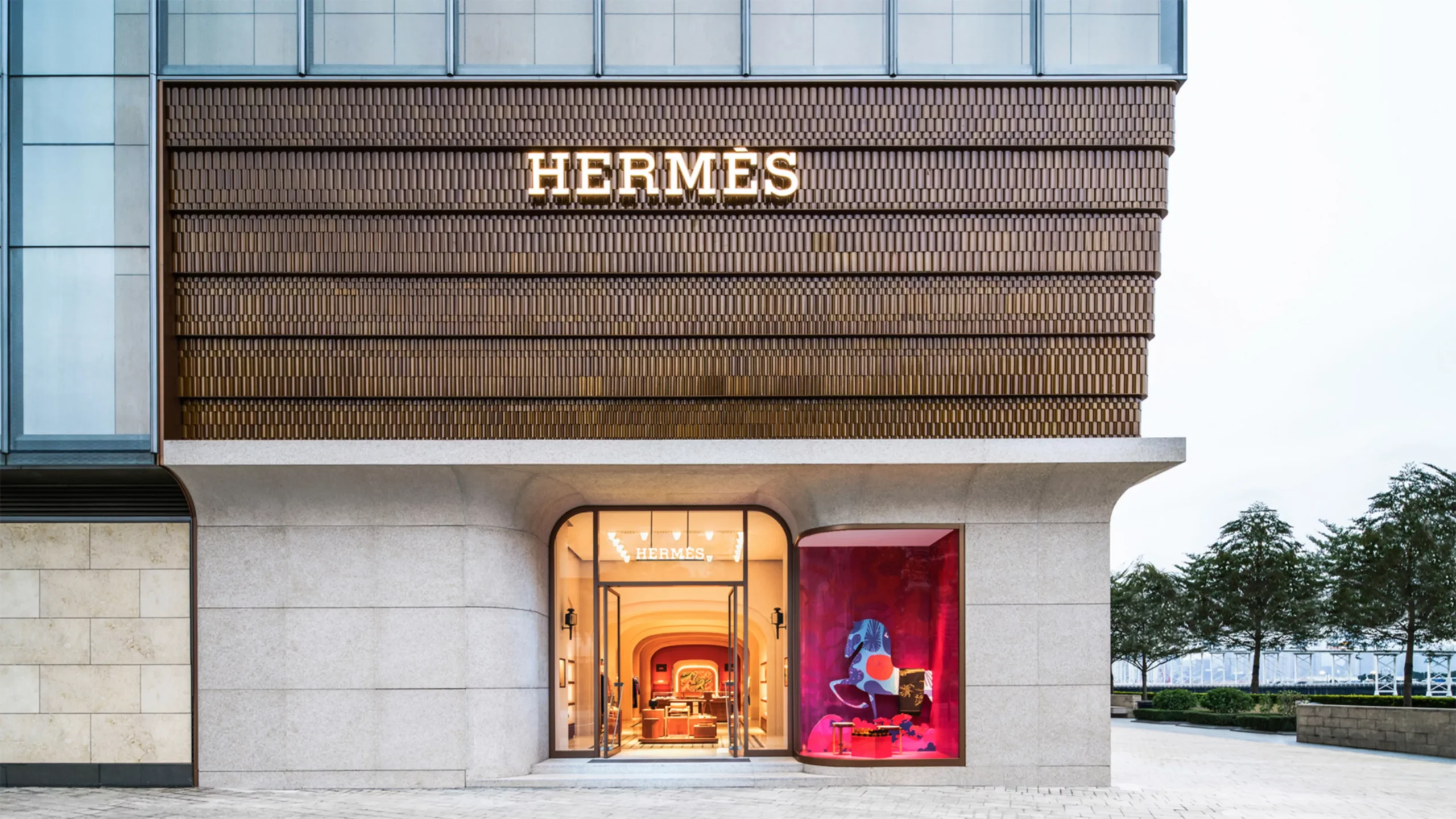
    Luxury goods retailer Hermès has reported a notable surge in sales for the first half of this fiscal year, with the Asian market, particularly Japan, demonstrating substantial performance.

    During the six-month period ending in June, the company garnered a revenue of €8.2 billion (US$9.39 billion), marking a growth of 6 per cent at constant exchange rates and 2 per cent at current exchange rates. The second quarter of the year witnessed a 7 per cent increase in sales at constant exchange rates, hitting €4.1 billion.

    Geographical Growth

    Although all regions exhibited growth, the Middle East was an exception, suffering the repercussions of ongoing turmoil. In Asia, Japan emerged as the region with the highest growth, witnessing an 11 per cent surge in sales in constant currency. This impressive performance was primarily backed by significant customer inflow and consistent customer loyalty. Following the expansion and renovation of Osaka’s Hilton Plaza East store in May, Hermès introduced its new store in Nagoya in June.

    Other Asian markets, including Greater China and South Korea, experienced a 2 per cent growth. In January, the company opened a store in Hanoi, subsequently launching the new Sanlitun store in Beijing and reopening the Hong Kong Elements and Taipei Sogo Fuxing stores in April.

    Sales in the Americas rose by 15 per cent, France saw a 2 per cent improvement, and Europe excluding France reported a 9 per cent growth. In contrast, the Middle East experienced a 4 per cent decline in sales. Despite the unstable geopolitical climate, Hermès noted that the market demonstrated resilience, with the second quarter showing signs of gradual recovery.

    Sales by Category

    In terms of product categories, both leather goods and textiles segments posted sales growth of 10 per cent. The ready-to-wear and accessories sector observed a modest 2 per cent increase, while perfume and beauty suffered a 4 per cent decline. Watch sales remained steady.

    From a financial perspective, the recurring operating income rose slightly to €3.4 billion, whereas the consolidated net profit remained steady at €2.2 billion.

    Looking ahead, Hermès confirmed its medium-term revenue growth outlook at constant exchange rates, despite the prevalent economic, geopolitical and monetary uncertainties.

    Questions & Answers

    What were Hermès’ first-half fiscal year sales results?
    For the first half of the fiscal year, Hermès reported strong sales growth, particularly in Asian markets, with revenue totalling €8.2 billion (US$9.39 billion).

    How did Hermès perform in different geographical markets?
    The company witnessed growth in all regions except the Middle East. The Americas reported a 15 per cent increase in sales, France a 2 per cent rise, and Europe excluding France a 9 per cent growth. Asian markets, particularly Japan, demonstrated significant performance.

    How did different product categories at Hermès perform?
    Leather goods and textiles witnessed a sales growth of 10 per cent, ready-to-wear and accessories experienced a slight 2 per cent increase, while perfume and beauty saw a 4 per cent decline. Watch sales remained stable.

  • GoTo Sees Second Quarter of Profit, Fueled by Fintech Boom

    GoTo Sees Second Quarter of Profit, Fueled by Fintech Boom

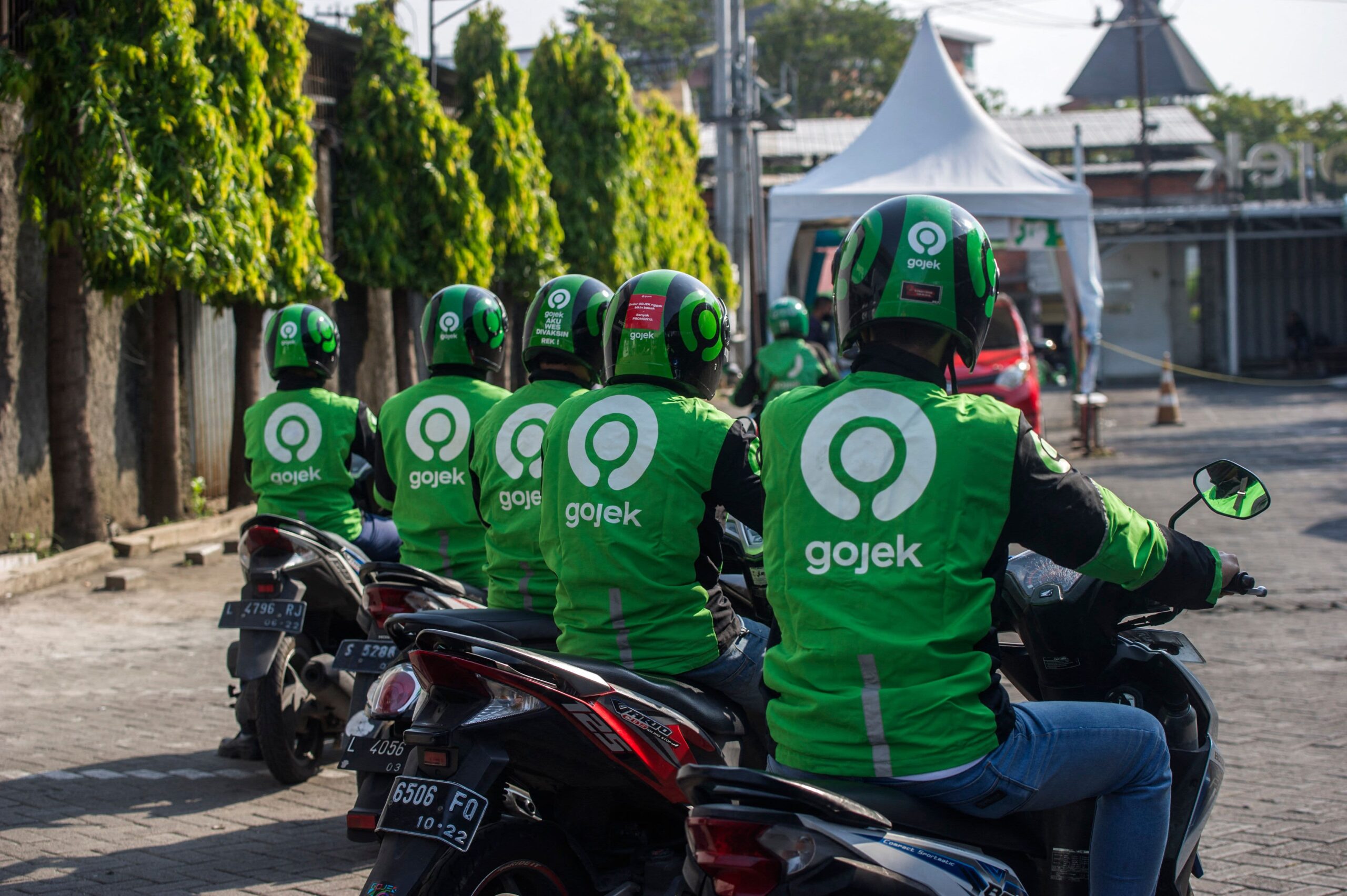
    Indonesia’s leading ride-hailing company, GoTo, announced its second successive quarterly net profit on Wednesday. The positive financial outcome was underpinned by significant expansion in its fintech sector and continued fiscal prudence.

    For the quarter ending June 30, the firm posted earnings of 350 billion rupiah (US$19.40 million). This marks a significant turnaround from the same period last year, which saw a loss of 297 billion rupiah. GoTo’s second quarter net revenues amounted to 5.7 trillion rupiah, reflecting a year-on-year increase of 31%.

    Fintech Outperforms On-Demand Services

    The adjusted EBITDA of GoTo’s fintech operation, GoPay, experienced an impressive growth of over five times to reach 481 billion rupiah in the quarter. Intriguingly, this is the first time it has surpassed the company’s on-demand services, Gojek.

    GoTo also noted the potential impact of Indonesia’s cap on ride-hailing commissions, which came into effect on July 1. The cap is anticipated to affect Gojek’s two-wheel ride-hailing services – contributing to approximately 7% of its total net revenue – and could potentially impact third quarter earnings.

    Despite this, GoTo maintains its full-year adjusted EBITDA prediction of between 3.2 trillion rupiah and 3.4 trillion rupiah. This projection anticipates a reduced contribution from its on-demand services and a greater contribution from its fintech operations.

    GoTo’s first-half attributable profit was 607 billion rupiah, in contrast to a loss of 50 billion rupiah in the previous year.

    Sustained Profitability Through Cost Discipline

    The company attributes its sustained profitability to disciplined cost management, which was first flagged in the previous quarter. This approach has been effective in tandem with the implementation of its technology and AI strategy.

    Questions & Answers

    What contributed to GoTo’s second successive quarterly net profit?
    The profit was mainly aided by strong growth in its fintech business, GoPay, and a commitment to cost control.

    How has the introduction of a cap on ride-hailing commissions in Indonesia affected GoTo?
    The cap, which came into effect on July 1, might potentially impact GoTo’s third quarter earnings, as it affects Gojek’s two-wheel ride-hailing business.

    What is GoTo’s full-year adjusted EBITDA forecast?
    The company expects its full-year adjusted EBITDA to be between 3.2 trillion rupiah and 3.4 trillion rupiah, with a decreased contribution from on-demand services and a larger one from fintech.

  • Taco Bell’s Former Asia Pacific MD, Anita McDonnell, Snapped Up by Pret A Manger as New International President

    Taco Bell’s Former Asia Pacific MD, Anita McDonnell, Snapped Up by Pret A Manger as New International President

    Anita McDonnell, formerly the Managing Director for Taco Bell in the Asia Pacific region, has recently been designated as the International President for Pret A Manger. This new appointment will commence in late August.

    McDonnell comes to the position with a wealth of experience spanning over twenty years in the food and beverage franchise industry. Her professional journey includes impressive stints at Domino’s and Costa Coffee. Pret A Manger’s CEO, Pano Christou, expressed his delight at her appointment, citing her substantial global experience and profound knowledge of franchise businesses as key assets. He commended her proven leadership abilities, which have been continually demonstrated across numerous markets.

    In her new role, McDonnell will be cooperating with Felipe Athayde, the President for North America, and Ross Warnes, the company’s representative for the UK and Ireland. Christou expressed his anticipation of working with her to fortify Pret A Manger’s international business and offer support to the franchise partners worldwide. He acknowledged the rarity of finding an individual with such comprehensive expertise in the food, coffee, and hospitality sectors across an array of Asian markets.

    McDonnell is replacing Eira Jarvis, who has dedicated thirteen years of service to Pret A Manger. Jarvis will remain in her current role until the year concludes to ensure a smooth transition of duties. Recognizing her impactful contributions, Christou praised Jarvis for her instrumental role in laying the foundation for the company’s international business and her unwavering support to teams and franchise partners across various markets. Jarvis’ role as a mentor to many colleagues, wherein she has generously imparted her experience and nurtured the future leaders of Pret, was also highly commended.

    Questions & Answers

    Who has been appointed the International President of Pret A Manger?
    Anita McDonnell, the former Managing Director for Taco Bell in the Asia Pacific region, has been appointed as the International President of Pret A Manger.

    What experience does Anita McDonnell bring to her new role at Pret A Manger?
    Anita McDonnell brings over two decades of experience in the food and beverage franchise industry to her new role. Her impressive track record includes roles at Domino’s and Costa Coffee.

    Who will Anita McDonnell be succeeding in her new position?
    Anita McDonnell will be succeeding Eira Jarvis, who has served Pret A Manger for thirteen years and will continue in her role till the end of the year to facilitate a smooth transition.