Author: Mei Ling Tan

  • Vietjet Skyrockets in H1 2026 with Soaring Profits and Massive 600-Aircraft Investment for 2030 Expansion

    Vietjet Skyrockets in H1 2026 with Soaring Profits and Massive 600-Aircraft Investment for 2030 Expansion

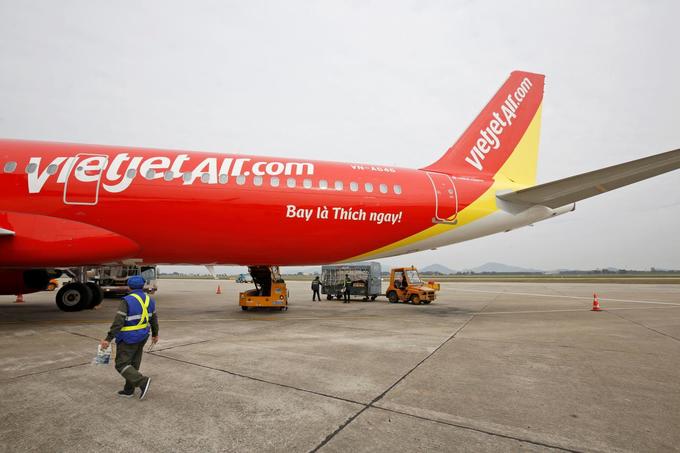
    Vietjet Aviation Joint Stock Company, a leading player in the commercial aviation sector, experienced robust financial and operational outcomes in the second quarter and first half of 2026. This growth was fuelled by stable travel demand, the airline’s ongoing international growth, and its long-term commitment to a order for more than 600 next-generation aircraft, one of the most substantial in the Asia-Pacific region. In addition, Vietjet is creating an all-encompassing aviation ecosystem that includes passenger travel, ground services, air freight, training, engineering, financial services, and technology.

    Strong Performance in the First Half of 2026

    In the second quarter of 2026, Vietjet reported a standalone revenue of VND25.542 trillion (around US$972 million) and a consolidated revenue of VND30.499 trillion (approximately US$1.16 billion), indicating respective year-on-year growths of 44% and 71%. Profits after tax for the standalone and consolidated results were VND204 billion (approximately US$7.77 million) and VND349 billion (around US$13.3 million), respectively.

    For the initial half of 2026, the company achieved standalone revenues of VND45.030 trillion (about US$1.71 billion) and consolidated revenues of VND51.536 trillion (approximately US$1.96 billion), presenting a year-on-year increase of 26% and 44%, respectively. These results accounted for 58.5% and 59.4% of each of the total annual targets.

    The standalone and consolidated after-tax profits for the first half of 2026 were VND1.126 trillion (around US$42.6 million) and VND1.372 trillion (approximately US$52.2 million), respectively, reaching 55.9% and 64.5% of their total annual targets.

    As of June 30, 2026, Vietjet’s total assets were worth VND149.093 trillion (approximately US$5.68 billion). Its net debt-to-equity ratio was maintained at 2.37 times, while the liquidity ratio stood at 1.36 times, both within safe operating levels for the aviation industry.

    Investment in Next-Generation Aircraft and AI Integration

    Vietjet continues to invest in more than 600 Airbus and Boeing aircraft, one of the largest orders in the Asia-Pacific region, to aid its international expansion and global network development through 2030.

    Earlier this year, Vietjet finalized agreements with Pratt & Whitney for GTF engines to power 44 Airbus A320neo-family aircraft and arranged financing for 12 Boeing 737-8 aircraft.

    At the Singapore Airshow 2026, Vietjet and its partners announced the establishment of the Asia-Pacific Aviation Financial Centre, an initiative designed to draw leading financial institutions and aviation companies to Vietnam and bolster the country’s ambition to become a regional aviation hub.

    In addition, Vietjet is integrating artificial intelligence into its operations and management through partnerships with international solution providers, including OpenAirlines and Satair, to optimize fuel consumption, enhance efficiency, and reduce emissions.

    Questions & Answers

    What contributed to Vietjet’s growth in the first half of 2026?
    The growth was driven by stable travel demand, Vietjet’s ongoing international expansion, and its long-term commitment to a large order for next-generation aircraft.

    What major agreements did Vietjet finalize earlier in the year?
    Vietjet finalized agreements with Pratt & Whitney for GTF engines to power 44 Airbus A320neo-family aircraft and arranged financing for 12 Boeing 737-8 aircraft.

    What initiatives is Vietjet implementing to enhance operations and management?
    Vietjet is integrating artificial intelligence into its operations and management through collaborations with global solution providers, OpenAirlines and Satair, to optimize fuel consumption, improve efficiency, and lower emissions.


  • ThunderDonks New Twist: Launches Bold Campfire Coffee Whisky Blend, Igniting Flavoured Whisky Trend

    ThunderDonks New Twist: Launches Bold Campfire Coffee Whisky Blend, Igniting Flavoured Whisky Trend

    New Zealand whisky maker, ThunderDonk, has recently introduced its latest blend, Campfire Coffee. This unique combination of Colombian coffee beans and aged single malt whisky is the latest in ThunderDonk’s innovative offerings.

    ThunderDonk’s journey began last year in New Zealand, where the brand was crafted by the team at Scapegrace Distilling. Since its inception, its Spiced Maple and Salted Caramel flavours have made quite an impression, selling over 5,000 cases across both New Zealand and Australia within a year.

    A Unique Blend

    The Campfire Coffee blend pairs rich Colombian coffee beans with toasted coconut flakes and a finely aged single malt whisky from New Zealand. This results in a flavour profile that features strong espresso notes, an undercurrent of toasted coconut, and a pleasant, tropical sweetness.

    ThunderDonk’s Managing Director, Mark Neal, expressed enthusiasm about this unusual combination. “Whisky and coffee may seem like an unexpected pairing, but that’s exactly the surprise we’re aiming for,” he said. “Campfire Coffee is the perfect accompaniment for those late-night conversations around the fire. It offers a bold, smooth, coffee-driven flavour, making it ideal for cocktails, a chilled shot, or to be savoured neat.”

    Availability and Market Trends

    The new Campfire Coffee blend is now available across the nation and comes in three sizes: 700ml, 200ml, and 50ml. The whisky is bottled at an alcohol by volume (ABV) of 33%.

    The introduction of this new flavour aligns with current market trends, as flavoured whisky is experiencing a significant surge in popularity. This segment of the whisky market is expanding at a pace that is 50% faster than traditional whisky, making it the fastest-growing segment globally.

    Questions & Answers

    What is the new flavour that ThunderDonk has launched?
    The New Zealand whisky brand, ThunderDonk, has launched a new flavour named Campfire Coffee, blending Colombian coffee beans with aged single malt whisky.

    What makes the Campfire Coffee blend unique?
    The blend is unique due to its combination of rich Colombian coffee beans, toasted coconut flakes, and aged New Zealand single malt whisky. It offers a bold and smooth coffee-led flavour.

    What is the trend in the whisky market?
    Flavoured whisky is the fastest-growing segment in the global whisky market, growing 50% faster than traditional whisky.

  • Mammut Gears Up for Swift Asia Expansion Under New Chinese Ownership

    Mammut Gears Up for Swift Asia Expansion Under New Chinese Ownership

    Swiss outdoor brand Mammut is poised for an international growth surge following its acquisition by Chinese investment firm CPE from Jacobs Capital. The transaction will make CPE the majority stakeholder in the distinguished 164-year-old outdoor brand. The financial details of the transaction, however, remain undisclosed.

    The acquisition follows a five-year period under Jacobs Capital, during which Mammut significantly established its international presence, bolstered its direct-to-consumer business, and enhanced its profitability. CPE intends to promote Mammut’s next expansion stage by boosting its presence in Asia and North America. The investment firm also plans to continue pouring investments into Mammut’s retail network, digital capabilities, and product innovation.

    A New Phase, A Strong Commitment

    Upon the completion of the transaction, CPE has expressed its full commitment to preserving and enhancing the brand value, technical prowess, and authentic heritage that have made Mammut a globally esteemed outdoor brand. The investment company also plans to support Mammut’s continued global expansion, according to Mark Mao, Managing Director of CPE.

    Mammut’s CEO, Heiko Schafer, will maintain his leadership role in the enterprise following the transaction. He assured employees, customers, and partners that Mamut’s values and dedication to quality and performance will remain unchanged. Schafer went on to say that the company’s strategy is on track, and its global journey has just begun.

    Established in 1862, Mammut markets climbing, hiking, mountaineering, and winter sports apparel and equipment to over 50 countries. The company has been expanding its footprint across Asia in recent years, given the growing demand for premium outdoor products in markets like China, Japan, and South Korea.

    Questions & Answers

    What are CPE’s plans for Mammut following their acquisition?
    CPE plans to support Mammut’s next phase of growth by expanding its presence in Asia and North America and continuing to invest in the brand’s retail network, digital capabilities, and product innovation.

    Who will lead Mammut after the acquisition?
    Mammut’s current CEO, Heiko Schafer, will continue to lead the business following the acquisition by CPE.

    What is Mammut’s market presence?
    Mammut, founded in 1862, sells climbing, hiking, mountaineering, and winter sports apparel and equipment in more than 50 countries, with a growing presence in Asian markets such as China, Japan, and South Korea.

  • Mother Pearl Diversifies with Debut Food and Cocktail Bar at Lan Kwai Fong Flagship

    Mother Pearl Diversifies with Debut Food and Cocktail Bar at Lan Kwai Fong Flagship

    Mother Pearl, a wellness beverage company, has broadened its horizon with the opening of its two-story flagship store in Lan Kwai Fong, Hong Kong. This expansion sees the brand venture into new frontiers, launching its debut cocktail bar and adopting an all-day food and beverage model.

    A Comprehensive Retail Strategy

    The new store, located in Central, perfectly embodies the brand’s wider retail strategy. It aims to cater to customers throughout the day, blending its signature functional drinks with a wide array of grab-and-go meals, specialty coffee, and sugar-free vegan gelato. The ground floor maintains the brand’s focus on wellness-oriented beverages, providing a variety of functional drinks and coffee infused with unique ingredients like lion’s mane mushroom, berries, and botanicals.

    A Great Leap into Mixology

    The entrance into mixology is marked by the Crafted Bar housed on the upper floor. The cocktail menu masterfully pairs superior spirits with traditional ingredients like pearl powder and aged chen pi. In a bid to cater to a wider clientele, all signature cocktails are offered in non-alcoholic versions as well.

    According to Po Chen, the founder of Mother Pearl, the new flagship store is a place where “people can be inspired to stay curious, keep asking questions about what nourishes them, and feel empowered to embrace a mindful lifestyle.”

    The Lan Kwai Fong flagship signifies a significant evolution for the Mother Pearl brand. It extends beyond its foundational wellness beverage offerings, aiming to combine functional beverages, dining, and social experiences all under one roof. This positions the brand firmly within Hong Kong’s wider lifestyle and hospitality market.

    Questions & Answers

    What is the concept behind the new flagship store of Mother Pearl?
    The new flagship store represents an evolution of the brand beyond its original wellness beverage offerings. It combines functional beverages, dining, and social experiences all under one roof.

    What is the Crafted Bar?
    The Crafted Bar is the first cocktail bar launched by Mother Pearl. It’s located on the upper floor of their flagship store in Lan Kwai Fong, Hong Kong.

    What’s unique about the new cocktail menu at the Crafted Bar?
    The cocktail menu features a blend of top-shelf spirits with traditional ingredients, including pearl powder and aged chen pi. All signature cocktails are also available in non-alcoholic versions.

  • Chinese Brand Nice Rice Debuts First Store in Hong Kong’s Fashion Hotspot, Causeway Bay

    Chinese Brand Nice Rice Debuts First Store in Hong Kong’s Fashion Hotspot, Causeway Bay

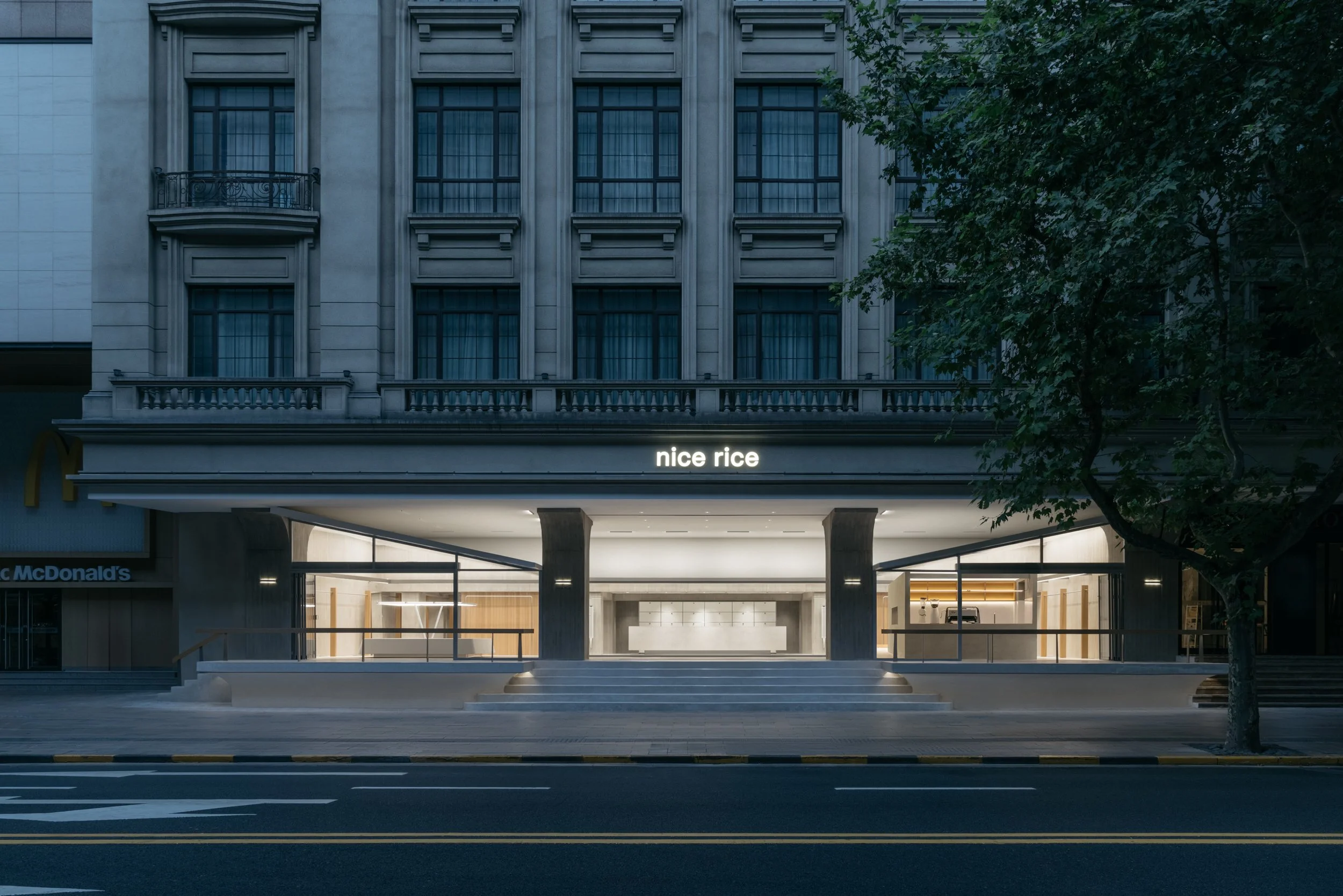
    Nice Rice, a popular Chinese fashion brand, has debuted its first outlet in Hong Kong, marking a crucial step in the brand’s expansion outside of Mainland China.

    Innovative Flagship Store in a Premium Retail Location

    The brand’s flagship store, which spans an impressive 1500 square feet, is located in Causeway Bay, a highly sought-after retail destination. The new Nice Rice store stands alongside a slew of top-tier streetwear brands such as Stussy, Inc., and Carhartt, thereby reinforcing Pak Sha Road’s reputation as a premier fashion retail hub.

    Nice Rice, the brainchild of One Sun, was founded in 2018. It has approximately 20 stores spread across China. The brand’s Shanghai flagship stands out, operating as a unique fusion of a coffee and fashion store.

    Aligning with Expansion Trends

    The move to expand Nice Rice beyond China’s domestic market aligns with a growing trend among Chinese retailers. Causeway Bay, with its international appeal, robust retail infrastructure, and a diverse consumer base, remains a popular choice for brands seeking to establish a flagship presence. The location offers a unique opportunity for brands to engage with both local shoppers and international tourists.

    Questions & Answers

    What is Nice Rice?
    Nice Rice is a popular fashion brand from China that was established in 2018 by One Sun.

    Where is the Nice Rice flagship store situated in Hong Kong?
    The flagship store of Nice Rice is located in Causeway Bay, a premium retail destination in Hong Kong.

    What is unique about the Shanghai flagship store of Nice Rice?
    The Shanghai flagship store of Nice Rice operates as a dual coffee and fashion store, which sets it apart from other outlets.

  • Urban Revivo Unveils Cutting-Edge Flagship Store in Beijings Sanlitun District

    Urban Revivo Unveils Cutting-Edge Flagship Store in Beijings Sanlitun District

    Urban Revivo, a well-known fashion retailer, recently established a flagship store in Beijing’s bustling Sanlitun district, thereby offering shoppers another destination for their retail therapy.

    Modern Design with Traditional Inspirations

    The store, designed by MVRDV, a Dutch architectural company, spans an impressive 4120 square meters. Its design intricately incorporates features of traditional Chinese architecture – a nod to the local culture. The façade is inspired by conventional Chinese roofing tiles and showcases suspended aluminum panels in the brand’s distinctive blue. The store’s main entrance and display windows are framed by seven circular openings, reminiscent of traditional moon gates.

    The store’s interior design is a homage to Beijing’s historic hutong neighborhoods. It introduces grey brick finishes and presents a unique layout and material palette on each floor. The flagship store also houses six specially themed ‘Bold Rooms’, devised for product displays, seasonal presentations, and collaborations with other brands.

    Jacob van Rijs, founding partner of MVRDV, said, “The aim of this project was to design a space that resonates with its surroundings while also mirroring the international ambitions of Urban Revivo. As such, we integrated local elements, such as Beijing’s roof tiles, with modern techniques to craft spaces that evolve with the customer’s experience, right from the color-changing façade down to the minutest design detail inside.”

    Urban Revivo’s Global Presence

    Established in 2006, Urban Revivo has successfully expanded its presence to over 380 stores worldwide. The Chinese fashion retailer made its foray into the Hong Kong market in the previous year with an 813 square-meter flagship store at the Harbour City shopping center.

    Questions & Answers

    What is unique about Urban Revivo’s new flagship store in Beijing?
    The store’s design incorporates elements of traditional Chinese architecture and is inspired by Beijing’s historic hutong neighborhoods.

    Who designed Urban Revivo’s new flagship store?
    The Dutch architectural firm MVRDV designed Urban Revivo’s new store in Beijing.

    When did Urban Revivo expand into the Hong Kong market?
    Urban Revivo ventured into the Hong Kong market last year with a flagship store at the Harbour City shopping center.

  • Malaysia Boosts Digital Infrastructure with New SALAM Submarine Cable Network

    Malaysia Boosts Digital Infrastructure with New SALAM Submarine Cable Network

    Malaysia is making strides in its efforts to enhance digital connectivity within the country. The nation’s communications regulatory body is encouraging licensed telecommunications entities to consider participating in the construction of a new domestic underwater cable network.

    The Malaysian Communications and Multimedia Commission (MCMC) has prompted qualified license holders to indicate their interest in this groundbreaking project on July 16. They were also asked to present an initial Universal Service Plan for evaluation. The regulator requested draft proposals, however, they did not provide a final date for submissions.

    The planned network, named SALAM (Sambungan Kabel Dasar Laut MADANI), is projected to extend over 5,582 kilometers. It will consist of four submarine cable segments connecting ten landing stations scattered throughout the nation. SALAM’s primary objective is to bolster Malaysia’s internal communications infrastructure by creating a new underwater backbone that connects Peninsular Malaysia with Sabah and Sarawak.

    According to Communications Minister Fahmi Fadzil, the new network is expected to eventually replace the ageing SCREAM cable system. This system has been a significant domestic link for over a decade.

    With the introduction of SALAM, the MCMC plans to further augment domestic transmission capacity. It also aims to support multiple services and industries such as nationwide 5G expansion, broadband services, cloud computing, artificial intelligence applications, data centers, and other digital industries. Funded under Malaysia’s USP framework, SALAM will assist in financing communications projects in underserved regions, with contributions sourced from qualifying telecommunications license holders.

    Oscar Ling, a Sibu Member of Parliament, applauded the project, stating that it would enhance connectivity between Peninsular Malaysia, Sabah, and Sarawak. He also noted that it would help deliver more reliable internet services to communities in Sibu and across Sarawak.

    The progression of the project is contingent on the expressions of interest and draft Universal Service Plans submitted by eligible telecommunications companies. The MCMC has not yet announced when these submissions will be made public.

    Questions & Answers

    What is the aim of the SALAM network?
    The SALAM network aims to bolster Malaysia’s domestic communications infrastructure by creating a new underwater backbone that connects Peninsular Malaysia with Sabah and Sarawak.

    What services and industries will SALAM support?
    SALAM plans to support multiple services and industries such as nationwide 5G expansion, broadband services, cloud computing, artificial intelligence applications, data centers, and other digital industries.

    Who is funding the SALAM project?
    The SALAM project will be funded under Malaysia’s USP framework, which finances communication projects in underserved regions with contributions from qualifying telecommunications license holders.

  • Indonesian Telecom Boom: Mobile Data Revenue Fuels Market Surge Amid Decline in Voice Services

    Indonesian Telecom Boom: Mobile Data Revenue Fuels Market Surge Amid Decline in Voice Services

    The mobile services sector in Indonesia is anticipated to observe a compound annual growth rate (CAGR) of around 3.4%, thus escalating from USD 10.2 billion in 2025 to USD 12.1 billion by 2030. This expansion is principally fueled by the escalating proceeds from mobile data services, offsetting the continuous decrease in mobile voice and messaging revenues.

    Shift in Mobile Services Revenue

    The forecast for mobile services in Indonesia suggests that the revenue from mobile voice services is slated to reduce during the predicted period. This reduction is ascribed to a gradual decrease in mobile voice ARPU as consumers increasingly opt for OTT communication platforms, whereas service providers are incorporating free voice minutes in their offerings. In contrast, mobile data service revenue is projected to grow at a CAGR of 4.8% from 2025 to 2030. This growth is stimulated by the increasing number of mobile internet subscriptions and the growing adoption of high-ARPU 5G services. The demand for data services is further boosted by cross-border travelers, business users, and high data consumption in urban areas, signifying a market shift towards data-centered monetization.

    The average monthly data usage over mobile networks is anticipated to escalate from 20 GB in 2025 to 30.3 GB in 2030. This rise can be attributed to the surge in consumption of online video and social media content on mobile networks, spurred by the expansion of 5G networks and enticing data-focused plans provided by mobile network operators.

    The Rise of 5G and Role of Telkomsel

    Even though 4G is expected to maintain its stronghold in mobile technology subscriptions in 2025, its share of total subscriptions is forecasted to reduce as users transition to faster, more reliable 5G services. There will be a considerable increase in the number of 5G subscriptions in Indonesia, credited to the wider availability of reasonably priced 5G-enabled smartphones and an increasing variety of premium data plans for high-bandwidth applications. The Indonesian government has set an aim to expand 5G network coverage to over 30% by the end of 2030.

    In 2025, Telkomsel is set to dominate the Indonesian mobile services market in terms of subscriptions and is predicted to uphold this supremacy throughout the forecast period. This is attributed to its comprehensive 4G coverage and aggressive expansion of its 5G infrastructure, with over 97% population coverage with 4G by March 2026 and more than 2,500 5G base stations across 56 cities by mid-2025.

    The future of Indonesia’s consumer mobile market will revolve around increased mobile data consumption, accelerated 5G migration, and rising demand for high-speed digital experiences. As users gravitate towards video streaming, social media, and data-intensive applications, operators will concentrate on expanding 4G/5G coverage and introducing segmented data plans to drive adoption and monetization.

    Questions & Answers

    What is driving the growth of the mobile services market in Indonesia?
    The growth is primarily being driven by escalating revenue from mobile data services, which offsets the ongoing decline in mobile voice and messaging revenues.

    What is the projected average monthly data usage over mobile networks by 2030?
    The average monthly data usage over mobile networks is anticipated to escalate from 20 GB in 2025 to 30.3 GB in 2030.

    Who is expected to lead the Indonesian mobile services market in 2025?
    Telkomsel is expected to dominate the Indonesian mobile services market in terms of subscriptions in 2025. It will likely maintain this position throughout the forecast period due to its comprehensive 4G coverage and aggressive expansion of 5G infrastructure.

  • Aldi Slashes 20% Off Fresh Meat and Deli Products: A Relief to Budget-Bound Shoppers

    Aldi Slashes 20% Off Fresh Meat and Deli Products: A Relief to Budget-Bound Shoppers

    In response to the increasing financial strain their customers are experiencing, Aldi, the third largest supermarket in Australia, is implementing a consistent 20% discount on a selection of fresh meat, poultry, seafood, and deli items. Along with this significant price reduction, Aldi is also investing over $170 million in permanent price cuts for an additional 300 products.

    Jordan Lack, Chief Commercial Officer at Aldi Australia, highlighted the importance of making high-quality meat accessible to all consumers, regardless of their financial situation. “The challenge of balancing a family’s meal budget should not prevent them from enjoying quality meat,” explained Lack.

    The discounted range encompasses a variety of popular proteins including lamb, bacon, beef mince, and beef silverside. According to Aldi, these cuts are geared towards reducing the cost of living expenses, which is a prominent concern for many families.

    Lack further emphasized Aldi’s commitment to making everyday groceries affordable and helping consumers get more value for their money. “The aim of these permanent markdowns on some of the most frequently purchased proteins is to provide genuine savings that can significantly impact family meal times,” he stated.

    In recognition of the budget constraints many families are grappling with, Aldi’s goal is to make quality meat products more affordable. “We acknowledge the strenuous efforts families are making to stretch their budgets. Our role is to support this endeavor by making quality meat more attainable at the lowest possible price,” Lack concluded.

    Questions & Answers

    What is Aldi’s initiative in response to cost-of-living pressures facing its customers?
    Aldi is implementing a permanent 20% discount on a range of fresh meat, poultry, seafood, and deli items, and is also investing over $170 million in permanent price cuts for an additional 300 products.

    What products are included in the discount range?
    The discounted range includes popular proteins such as lamb, bacon, beef mince, and beef silverside.

    What is the purpose of these permanent reductions, according to Aldi?
    Aldi aims to make quality groceries affordable for every customer and provide real savings that can make a meaningful difference at family meal times. They are committed to making quality meat more attainable at the lowest possible price.

  • Social Media Fuels Australias Product Discovery: A $12 Billion Opportunity by 2030

    Social Media Fuels Australias Product Discovery: A $12 Billion Opportunity by 2030

    Research shows that social media is increasingly shaping consumer behavior in Australia, with 60% of consumers taking some form of action after viewing a product on these platforms. These findings come from the 2026 Marketplace Consumer Report by Pattern.

    The Rise of Social Commerce

    According to Pattern Australia’s Managing Director, Merline McGregor, the country’s social commerce market is slated to grow by an estimated 20 percent annually. It’s projected to reach a staggering 12 billion dollars by 2030. McGregor emphasizes the opportunities this growth presents, urging brands to adjust their strategies accordingly in order to maintain relevance and market share.

    Interestingly, consumers don’t rush to purchase a product immediately after discovering it on social media. Instead, the majority (60 percent) opt to search for additional information on Google. Half of them visit the brand or retailer’s official website, while 41 percent check out the product on Amazon. This behavior indicates that while social media often initiates product discovery, the actual purchasing process unfolds across various channels.

    Over a third of consumers finalize their purchases on the brand or retailer’s own website, 28 percent opt for Amazon, and 19 percent prefer to buy in-store. This suggests that while social media is instrumental in generating demand, transactions are typically completed through other retail channels.

    Influence of Content Creators and Trust

    The impact of content creators on consumer behavior is also evident, although it wanes with age. Overall, 38 percent of consumers are more likely to purchase a product endorsed by an influencer they follow. This percentage soars to 60 among consumers aged 18 to 34 but dips to a mere 8 percent for those 65 years and older.

    McGregor advises brands to transition from sporadic influencer campaigns to sustained, creator-led content strategies. Trust continues to be a significant factor in determining where consumers decide to complete a transaction. Twenty-six percent of Australians save products for further research, and a quarter seek recommendations from friends or family before making a purchase. Additionally, 42 percent choose to shop with retailers they have previously patronized due to their trusted customer service and returns policies.

    McGregor concludes that the findings confirm consumers’ tendency to cross-verify what they see on social media before making a purchase. This is done by conducting further research, seeking recommendations, or purchasing from retailers they are already familiar with.

    Questions & Answers

    What role does social media play in consumer behavior?
    It plays a significant role in product discovery. Around 60% of consumers take some form of action after seeing a product on social media.

    What is the projected growth of Australia’s social commerce market?
    The social commerce market in Australia is expected to grow by approximately 20% annually, reaching around $12 billion by 2030.

    How do consumers respond after finding a product on social media?
    Most consumers don’t buy the product immediately. Instead, they search for more information online, visit the brand’s website, or check the product on Amazon.

  • Sydney Grocers Slapped with $706,000 Fine for Massive Staff Underpayment: Rights Watchdog Takes Action

    Sydney Grocers Slapped with $706,000 Fine for Massive Staff Underpayment: Rights Watchdog Takes Action

    Asian grocery chains Thai Kee Grocer Pty Ltd and G Grocer Kingsford Pty Ltd, both based in Sydney, have been imposed with a combined fine of $706,000. This fine resulted from underpaying a total of 146 employees, as discovered by investigations from the Fair Work Ombudsman (FWO).

    Investigation and Findings

    FWO launched investigations into Thai Kee Grocer and G Grocer Kingsford, also known as Gong Grocer World Square and Kingsford, last year. The investigation uncovered that the underpaid workers held positions as shop assistants and office administrators. Of these underpaid employees, 32 were on visas, and three were between 18 and 19 years of age.

    The two grocery firms were found to have underpaid their staff by a total of $657,469 over an 18-month period. Between August 2023 and February 2025, Thai Kee Grocer underpaid 104 of its employees $446,379, while Gong Grocer Kingsford underpaid 42 workers by $211,090.

    Thai Kee Grocer and G Grocer Kingsford have since corrected the underpayment issues.

    FWO’s Statement

    Fair Work Ombudsman, Anna Booth, emphasized that all employers must adhere to their obligations under relevant awards and the Fair Work Act. She stated, “Employees have a right to their full range of entitlements. For instance, increased pay rates on weekends are intended to compensate for working during hours that are typically inconvenient when most others do not work.”

    The FWO acknowledged Thai Kee Grocer and G Grocer Kingsford’s commitments to enhance their payroll process in the future, and expressed gratitude to the employees for voicing their concerns.

    Questions & Answers

    What were the companies under investigation for?
    The companies Thai Kee Grocer and G Grocer Kingsford were under investigation for underpaying their employees.

    How many employees were affected and what were their roles within the companies?
    A total of 146 workers were affected by the underpayment. These workers held roles as shop assistants and office administrators.

    What actions have the companies taken since the underpayments were discovered?
    Since the underpayments were discovered, both Thai Kee Grocer and G Grocer Kingsford have rectified the underpayment issues and have committed to enhancing their payroll process in the future.

  • Nokia Hitches a Ride on the AI Supercycle: Q2 Financial Triumph Fueled by Soaring Cloud Demand

    Nokia Hitches a Ride on the AI Supercycle: Q2 Financial Triumph Fueled by Soaring Cloud Demand

    Nokia, a leading global technology and communications company, has reported a marked improvement in its financial results for the second quarter of 2026. This financial uplift has been driven by robust demand for AI-related networking infrastructure and continued momentum across its primary network businesses.

    Stronger Financial Results and Network Performance

    Nokia’s Q2 earnings revealed net sales of EUR 4.8 billion, demonstrating a growth of 9% YoY on a constant currency basis, and a rise of 8% on a reported basis. The period’s comparable profit experienced a significant surge of 64% YoY to EUR 414 million, reflecting improved operational performance and a more favorable business landscape.

    The Network Infrastructure segment proved to be the company’s strongest-performing area, with net sales increasing by 12% YoY on a constant currency basis. The growth stems from a 20% hike in Optical Networks and a 16% rise in IP Networks. Sales to AI and cloud clients more than doubled, showing an impressive rise of 105% compared to the same period last year.

    The Mobile Infrastructure segment also turned in a solid performance. Net sales rose by 7% YoY, while maintaining a stable profit contribution, which was supported by an improved product mix.

    In the meantime, Nokia’s Portfolio Businesses recorded a 6% YoY growth on a constant currency basis. The company reclassified its Fixed Wireless Access (FWA) Customer Premises Equipment (CPE) and Enterprise Campus Edge businesses as discontinued operations.

    Profitability and Restructuring Efforts

    Profitability also saw an improvement during the quarter. The comparable gross margin grew by 70 basis points to 46%, and the reported gross margin increased by 60 basis points to 44.6%. The comparable operating margin improved by 70 basis points YoY to 9%, indicating a stronger underlying performance. However, the reported operating margin declined to negative 1.0%, down 430 basis points from a year earlier, primarily due to an accelerated pace of restructuring activities.

    In line with Nokia’s objective of increasing agility and resource allocation toward growth opportunities, the company has accelerated certain restructuring actions. This means that Nokia now expects related charges of EUR 800 million in 2026.

    Questions & Answers

    What was Nokia’s net sales for the second quarter of 2026?
    Nokia’s net sales for the second quarter of 2026 were reported to be EUR 4.8 billion.

    What led to the increase in sales in the Network Infrastructure segment?
    The increase in sales was driven by a 20% increase in Optical Networks and a 16% rise in IP Networks. Sales to AI and cloud customers doubled, climbing 105% compared to the same period last year.

    What restructuring efforts is Nokia undertaking?
    Nokia has accelerated certain restructuring actions to increase agility and allocate more resources toward growth opportunities. The company expects related charges of EUR 800 million in 2026.

  • SK Telecoms New Venture SK Hyper Powers South Koreas AI Infrastructure Expansion

    SK Telecoms New Venture SK Hyper Powers South Koreas AI Infrastructure Expansion

    SK Telecom, a prominent South Korean telecommunications company, has recently announced the formation of a new subsidiary, SK Hyper. This initiative aims to advance the company’s artificial intelligence data center (AIDC) division, and expedite South Korea’s AI infrastructure objectives. The communications company has earmarked an investment of up to KRW 750 billion for SK Hyper, extending until 2030.

    Roles and Responsibilities of SK Hyper

    The newly established subsidiary will be tasked with leading the evolution of hyperscale AI data centers. This includes a wide range of responsibilities such as securing locations, establishment and management of substations, customer acquisition, and the commercialization of AIDC projects. SK Telecom will maintain complete ownership of SK Hyper, and is committed to providing capital contributions in phases, as and when required, within the preapproved investment budget.

    The inception of SK Hyper follows the creation of SK Telecom’s AIDC Integrated Development Division. This division brings together the operator’s comprehensive AI capabilities to bolster the deployment of large-scale AI infrastructure.

    In line with its objectives, SK Hyper aims to foster the development of 15 GW of AI data center capacity. The first phase involves achieving a target of 5 GW of capacity by 2029, with an expansion plan to reach 15 GW by 2035. The development will commence with a gigawatt-scale AI data center cluster in Ulsan, subsequently extending to additional facilities in the Chungcheong and Honam regions.

    Leadership and Future Plans

    SK Telecom has appointed Chung Suk-geun as the first CEO of SK Hyper. In addition to this role, Chung also holds the position of Head of the operator’s AI Company-in-Company (AI CIC) and leads the AIDC Integrated Development Division. He is responsible for coordinating SK Group’s AI data center initiatives.

    According to Chung Suk-geun, the primary role of SK Hyper is to materialize SK Group’s vision of becoming Asia’s AI Infrastructure Hub. By implementing a systematic and swift execution plan, SK Hyper will secure essential infrastructure and customers, thereby contributing to Korea’s progression in the AI sphere.

    Reinforcing its broader AI strategy, SK Telecom will continue expanding its partnerships and investments in cutting-edge technologies. Earlier this year, the company entered into an agreement with Ericsson to work on AI-powered radio access networks, autonomous and open network technologies, cybersecurity, and 6G research, including strategies related to spectrum, energy efficiency, integrated sensing and communication, and advanced MIMO technologies.

    Questions & Answers

    What is the main objective of SK Hyper?
    The main objective of SK Hyper is to lead the development of hyperscale AI data centers and support the expansion of South Korea’s AI infrastructure.

    Who has been appointed as the CEO of SK Hyper?
    Chung Suk-geun has been appointed as the inaugural CEO of SK Hyper.

    What future plans does SK Telecom have regarding AI?
    SK Telecom plans to consistently enhance its AI strategy by expanding partnerships, investing in next-generation technologies, and continuing its collaboration with Ericsson on various technological fronts.

  • Telecom CapEx Stabilization: A New Era of Smarter, Not Bigger Networks

    Telecom CapEx Stabilization: A New Era of Smarter, Not Bigger Networks

    The telecommunications industry is entering a new era. Mobile data traffic is surging, artificial intelligence (AI) implementation is speeding up, and government digital transformation investments are heavy. However, the capital expenditure of telecom companies, known as CapEx, doesn’t seem to be aligning with these trends. Instead of continuously increasing, spending has begun to stabilize as companies shift their focus from network expansion to extracting more value from their existing infrastructure.

    According to industry analysts, the worldwide CapEx of telecom operators is projected to remain relatively unchanged throughout the second half of the decade. While this could be mistaken as a sign of reduced innovation, it instead indicates a strategic shift. Companies are now investing more in areas such as fiber, cloud-native architectures, AI, automation, and software-defined infrastructures. These investments promise better long-term returns and improved operational efficiency. Today, the industry is less about building larger networks and more about building smarter ones.

    Moving Beyond the 5G Buildout

    The period leading up to the stabilization of CapEx saw one of the highest infrastructure investment cycles in telecommunication history. Commercial 5G deployments that began in 2019 called for significant investments in areas such as spectrum licenses, Massive MIMO radios, cloud-native core networks, fiber backhaul, and urban networks. Today, this capital-intensive rollout has largely concluded in many developed markets.

    However, the demand for network services continues to rise. Mobile operators are projected to invest approximately USD 1.5 trillion through 2030, with the majority of this supporting 5G infrastructure. While the total investment is considerable, yearly spending is predicted to level off, in contrast to the rapid growth seen during the initial years of deployment.

    In the near future, global 5G subscriptions are projected to exceed six billion. The rise in mobile data traffic is expected to continue, driven by the growing popularity of AI applications, cloud computing, fixed wireless access, video streaming, and immersive digital services. This divergence between traffic growth and relatively stable CapEx illustrates the significant evolution of network technology. Modern mobile networks can handle much more data than previous generations without corresponding increases in physical infrastructure.

    The Rising Influence of AI

    One of the most significant shifts in telecom investment is the growing influence of AI. Operators are moving away from simply opening new radio sites, instead investing more in areas such as AI-ready optical transport, edge computing platforms, and intelligent network automation.

    AI is transforming network operations both internally and externally. Predictive maintenance, intelligent traffic management, AI-driven fault detection, and automated energy management are all made possible by AI, improving efficiency across large network footprints. AI also creates new revenue opportunities for operators through cloud connectivity, edge computing, managed AI infrastructure, and digital platform services.

    Questions & Answers

    What is the current trend in telecom CapEx?

    Telecom CapEx is stabilizing rather than continually increasing. Telecom operators are focusing on extracting greater value from their existing infrastructure.

    How is AI influencing telecom investment?

    AI is having a significant impact on telecom investment. Operators are investing more in AI-equipped areas, such as edge computing platforms, intelligent network automation and AI-ready optical transport.

    What is the future outlook for telecom growth?

    The next growth phase in telecom will be fueled by the integration of fiber, AI, cloud-native networks, automation, and shared infrastructure into smart digital platforms.

  • Boeing Veteran Michael Vu Soars to Vice Chairman Role at FLC Group, Eyes Aviation Revamp

    Boeing Veteran Michael Vu Soars to Vice Chairman Role at FLC Group, Eyes Aviation Revamp

    FLC Group, the parent company of Bamboo Airways, has appointed former Boeing Vietnam country director, Michael Vu, as vice chairman. Vu formally assumed his position on Saturday, as announced by FLC, and will supervise the group’s aviation business and airport infrastructure investments.

    In his new position, Vu will work in conjunction with FLC’s board and executive management to develop strategic plans, grow the group’s international partnership network, and engage with investment resources.

    Michael Vu’s Background and Role

    With over four decades of professional experience in the aviation industry, Vu is well-positioned for this leadership role. He is a graduate of the Wharton School at the University of Pennsylvania and has held several distinguished positions. These include chairman of the U.S.-ASEAN Business Council, co-chair of the Vietnam Business Forum, chairman of AmCham Hanoi, and leadership roles in numerous multinational corporations.

    FLC has stated that Vu’s appointment aligns with the group’s strategy to attract top executives with strong leadership abilities and international experience. This decision is expected to bolster the firm’s leadership team and pave the way for its long-term developmental objectives.

    Challenges Facing Bamboo Airways

    Vu steps into his role at a challenging time for Bamboo Airways, which has recently faced considerable operational disruptions, including a drastic reduction in its fleet size and consistent flight delays and cancellations.

    On July 28, the airline expressed an apology to passengers for frequent adjustments and cancellations of flights, launching a dedicated portal to manage refund requests. Although, the majority of flights listed on the airline’s booking website currently display a “no flights available” status beginning next month.

    In September 2025, FLC reacquired Bamboo Airways after selling it to a consortium of private investors. The airline subsequently expanded its fleet to eight planes during Q1 of this year.

    Questions & Answers

    What is Michael Vu’s role in FLC Group?
    Michael Vu, former country director of Boeing Vietnam, has been appointed as vice chairman of FLC Group. He will oversee the group’s aviation business and airport infrastructure investment activities.

    What are the challenges currently facing Bamboo Airways?
    Bamboo Airways has recently been dealing with significant operational disruptions, including a sharp reduction in its fleet size and persistent flight delays and cancellations.

    What is the strategy behind Vu’s appointment?
    The appointment of Vu is part of FLC’s strategy to attract executives with strong management capabilities and extensive international experience. The move aims to strengthen the company’s leadership capacity and lay the foundation for its long-term development goals.