Author: Mei Ling Tan

  • Surge in Vietnams Raw Cashew Imports Hits Record $3B in Less than 7 Months

    Surge in Vietnams Raw Cashew Imports Hits Record $3B in Less than 7 Months

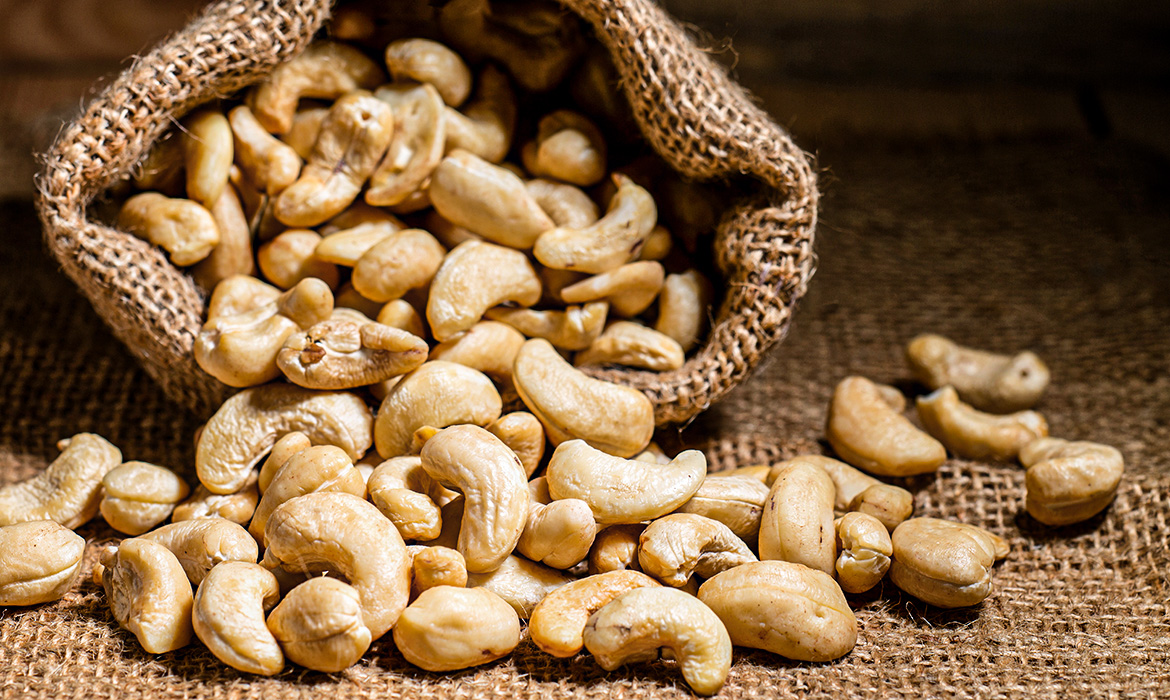
    As of mid-July, businesses in Vietnam have allocated over US$3 billion towards the importation of raw cashew nuts, primarily sourced from Cambodia. This represents the highest recorded amount for the same period. According to customs data, Vietnam had imported 1.81 million metric tons by July 15, reflecting a 4% increase in volume and a 12.3% rise in value compared to the equivalent period in the previous year.

    Cambodia: The Leading Supplier

    Cambodia remains the top supplier of raw cashew nuts to Vietnam, providing 54.2% of the total import volume and 56.3% of the total import value. Vietnam received 980,700 tons of cashews from Cambodia, valued at over $1.7 billion. This constitutes a 10.3% increase in volume and a 25.9% rise in value.

    Though Vietnam is the world’s leading exporter of cashew kernels, the nation’s domestic raw material supplies only satisfy a portion of the processing industry’s needs. This necessitates large-scale importation of raw cashew nuts. Once the nuts have undergone preliminary processing and have been transformed into cashew kernels and other products, they are exported to key markets such as the U.S., China, and Europe.

    Data from the Customs Department reveals that, by July 15, Vietnam had exported nearly 373,800 metric tons of cashew products, generating approximately $2.63 billion in export revenue. Compared to the same period last year, export volumes saw a minor reduction while export value experienced a 3.1% increase.

    An Ongoing Trade Deficit

    Despite being a global leader in cashew kernel exports, Vietnam’s cashew industry continues to experience a trade deficit. The import value exceeds the export value as demand for processing materials persists and the domestic supply fails to meet the country’s processing capacity.

    Questions & Answers

    What is the current situation of cashew nut importation in Vietnam?
    Businesses in Vietnam have spent over $3 billion on the importation of raw cashew nuts as of mid-July, a record high for this period.

    Which country is the primary supplier of raw cashew nuts to Vietnam?
    Cambodia is the leading supplier of raw cashew nuts to Vietnam, accounting for over half of the total import volume and value.

    What is the condition of Vietnam’s cashew industry in terms of trade balance?
    Despite being the largest global exporter of cashew kernels, Vietnam’s cashew industry faces a trade deficit. The import value surpasses export earnings due to a high demand for processing materials and insufficient domestic supply.


  • Indonesia Dominates Gold Market, Outshines Thailand and Vietnam Combined

    Indonesia Dominates Gold Market, Outshines Thailand and Vietnam Combined

    In the first half of this year, Indonesia witnessed a significant surge in sales of gold bars and coins, amounting to 38.1 tonnes, according to the newly-released statistics. This figure surpasses the combined sales of Thailand and Vietnam, which stood at 36.5 tonnes. When compared with the combined figure of Malaysia and Singapore, Indonesia’s demand for gold tripled their total of 12.1 tonnes.

    Indonesia Outperforms in Southeast Asia’s Gold Market

    The second quarter of the year saw Indonesia, the largest economy in Southeast Asia, leading in regional sales with an impressive 14.5 tonnes. The nation also emerged as one of the world’s strongest-performing gold markets, with the demand for gold bars and coins surging by 40% year-on-year.

    The World Gold Council attributes this remarkable performance to several factors. The weakening currency and uncertainties surrounding the domestic economic outlook have emphasized gold’s role as a store of value. To capitalize on this, the Indonesian government launched a strategic initiative called the bullion system roadmap earlier this year. This initiative aims to strengthen the national bullion ecosystem and support the downstream development in the gold sector.

    However, it wasn’t all positive for the gold market in Indonesia. Despite the impressive sales in bars and coins, the demand for gold jewelry took a downturn. The council reported a 10% year-on-year drop to 3 tonnes. This decline marks the thirteenth consecutive year-on-year decrease as consumers, grappling with a challenging economic climate, have started to opt for lower-purity jewelry.

    Gold Market Trends in Southeast Asia and Globally

    Other countries in Southeast Asia, including Malaysia, Singapore, Thailand, and Vietnam, collectively reported gold bar and coin sales of 36.7 tonnes in the second quarter, up 7.6% year-on-year.

    In contrast, the global demand for gold bars and coins in the second quarter fell by 3% to 307.1 tonnes. Despite this, Louise Street, a senior markets analyst at the World Gold Council, projected that bullion investment is likely to drive growth in the second half of the year.

    She further added that the demand mix might shift in the near future. Asian investors and over-the-counter activity are predicted to play a more prominent role, while Western gold exchange-traded fund interest could become more closely linked to real yields, U.S. monetary policy expectations, and the dollar.

    Questions & Answers

    What was the level of gold bar and coin sales in Indonesia in the first half of this year?
    The sales reached 38.1 tonnes, surpassing the combined sales figures of Thailand and Vietnam.

    What initiative did the Indonesian government launch to bolster the gold market?
    The Indonesian government launched the bullion system roadmap, a strategic initiative aimed at strengthening the national bullion ecosystem and supporting downstream development in the gold sector.

    What trends are expected in the global gold market in the second half of the year?
    Bullion investment is predicted to drive growth. There may also be a shift in demand, with Asian investors and over-the-counter activity playing a more prominent role, and Western gold exchange-traded fund interest potentially becoming more closely tied to real yields, U.S. monetary policy expectations, and the dollar.

  • Gold Demand Drops in Vietnam Alone Amid Southeast Asias Rising Market Trend

    Gold Demand Drops in Vietnam Alone Amid Southeast Asias Rising Market Trend

    In the most recent quarter, Vietnam became the only Southeast Asian country to experience a decrease in the demand for gold bars and coins. This drop in interest from consumers is largely attributed to the steep decline in gold prices.

    In the second quarter, the demand for investment gold in Vietnam fell by 31% year-on-year to 6.5 tonnes, according to the World Gold Council. This placed Vietnam third in Southeast Asian sales, following Indonesia, which sold 14.5 tonnes, and Thailand, which sold 10.9 tonnes.

    Factors Influencing the Decline

    According to a recent report by the World Gold Council, several factors contributed to the weakened demand in Vietnam. Lower local prices dampened consumer sentiment, while import quotas distorted market conditions. This made the local price premium high, discouraging potential buyers.

    As of now, Vietnam’s gold bar price has fallen by 7.7% since the beginning of the year, marking a 26% decrease from its peak at the end of January.

    In the first half of the year, Vietnam’s total sales of gold bars and coins amounted to 15.6 tonnes. This figure is considerably lower than that of Indonesia, which sold 38.1 tonnes, and Thailand, which sold 20.9 tonnes.

    Regional Comparison

    In tandem with the decline in gold bar and coin demand, Vietnam also reported the region’s most significant year-on-year decrease in jewelry demand, which fell by 28% to 1.8 tonnes.

    Meanwhile, other countries in the region experienced growth in their gold markets. Indonesia emerged as one of the fastest-growing gold markets globally in the second quarter, with its demand surging by 40% year-on-year.

    Thailand also had a strong second quarter, marking its best since 2019, as the drop in local gold prices stimulated bargain hunting.

    Overall, Southeast Asia – comprising Indonesia, Malaysia, Singapore, Thailand, and Vietnam – saw an increase in gold bar and coin sales in the second quarter, reaching 36.7 tonnes, a 7.6% increase from the previous year. This contrasts with the global demand for bars and coins in the second quarter, which fell by 3% to 307.1 tonnes.

    Questions & Answers

    Why is there a declining gold bar and coin demand in Vietnam?
    The declining demand is largely due to the falling gold prices, which have dampened consumer sentiment. Additionally, import quotas have distorted market conditions, leading to discouragingly high local price premiums.

    How does Vietnam’s gold market compare to other Southeast Asian countries?
    Vietnam ranks third in gold bar and coin sales in Southeast Asia, following Indonesia and Thailand. However, unlike these countries, Vietnam has experienced a decrease in demand for gold bars and coins as well as jewelry.

    What trends are emerging in Southeast Asia’s gold market?
    The region saw an overall increase in gold bar and coin sales in the second quarter, with Indonesia emerging as one of the fastest-growing markets. Conversely, Vietnam experienced a decline in demand across all categories.

  • Rain-Soaked Dragon Fruit Yields Spike Prices Amid Diminished Supply

    Rain-Soaked Dragon Fruit Yields Spike Prices Amid Diminished Supply

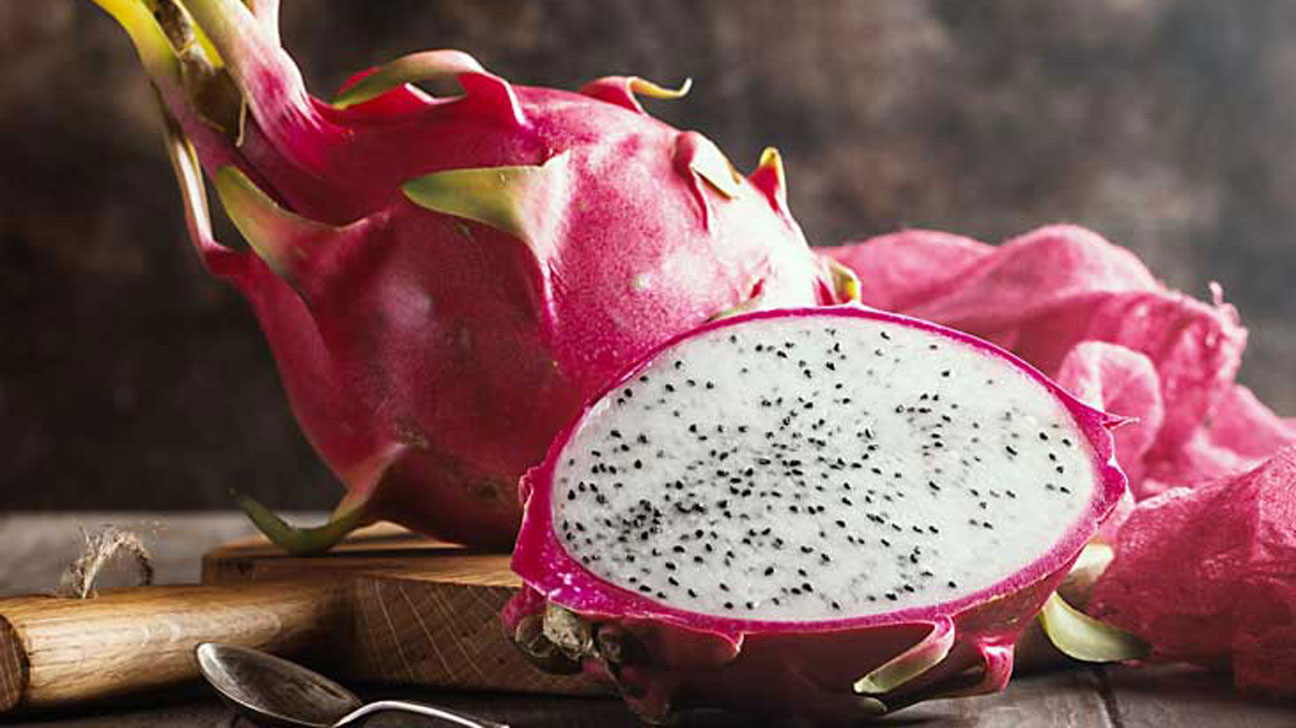
    Extended periods of rainfall have negatively impacted dragon fruit production, resulting in a doubling of farm-gate prices since May to VND15,000 (US$0.57) per kilogram. The price of the red-fleshed variety has seen an increase to VND20,000 in the Central Highlands province of Lam Dong, the current harvesting location for this fruit.

    Impact on Farmers and Retailers

    Back in May, farmers were selling at a loss, but they now report profits of VND3,000-4,000 per kilogram. Retail prices have followed a similar trend, doubling since May. The standard dragon fruit is now retailing at VND25,000 per kilogram while the red-fleshed variety is priced at VND40,000.

    One trader in Lam Dong province, Xuan, mentioned that yields have decreased 10% compared to the previous year due to heavy rains, although demand remains steady. Meanwhile, Canh, the president of the Binh Thuan Dragon Fruit Association in Lam Dong, reported that output has been on the decline in recent years as many farmers have turned to different crops following a long period of low dragon fruit prices.

    Impact on Export and Overall Output

    Canh also stated that weather conditions have decreased the supply available for export. Customs data indicates a 3% year-on-year fall in dragon fruit exports, amounting to $280 million in the first half of the year. Vietnam currently cultivates dragon fruit on 55,000-60,000 hectares, with an annual output of around 1.4 million tons.

    Questions & Answers

    What has been the impact of prolonged rainfall on dragon fruit production?
    The extended rainfall has led to a decrease in the production of dragon fruit, causing farm-gate prices to double and yields to decrease by 10% compared to the previous year.

    How have the changing prices affected farmers and retailers?
    In May, farmers were selling at a loss but they are now seeing profits of VND3,000-4,000 per kilogram. Retail prices have also doubled since May.

    What has been the impact on the export of dragon fruit?
    Due to weather conditions affecting supply, there has been a 3% year-on-year decrease in dragon fruit exports in the first half of the year.

  • Chinese Online Retailer Temu Faces EU Charges Over Non-Cooperation in Subsidy Investigation

    Chinese Online Retailer Temu Faces EU Charges Over Non-Cooperation in Subsidy Investigation

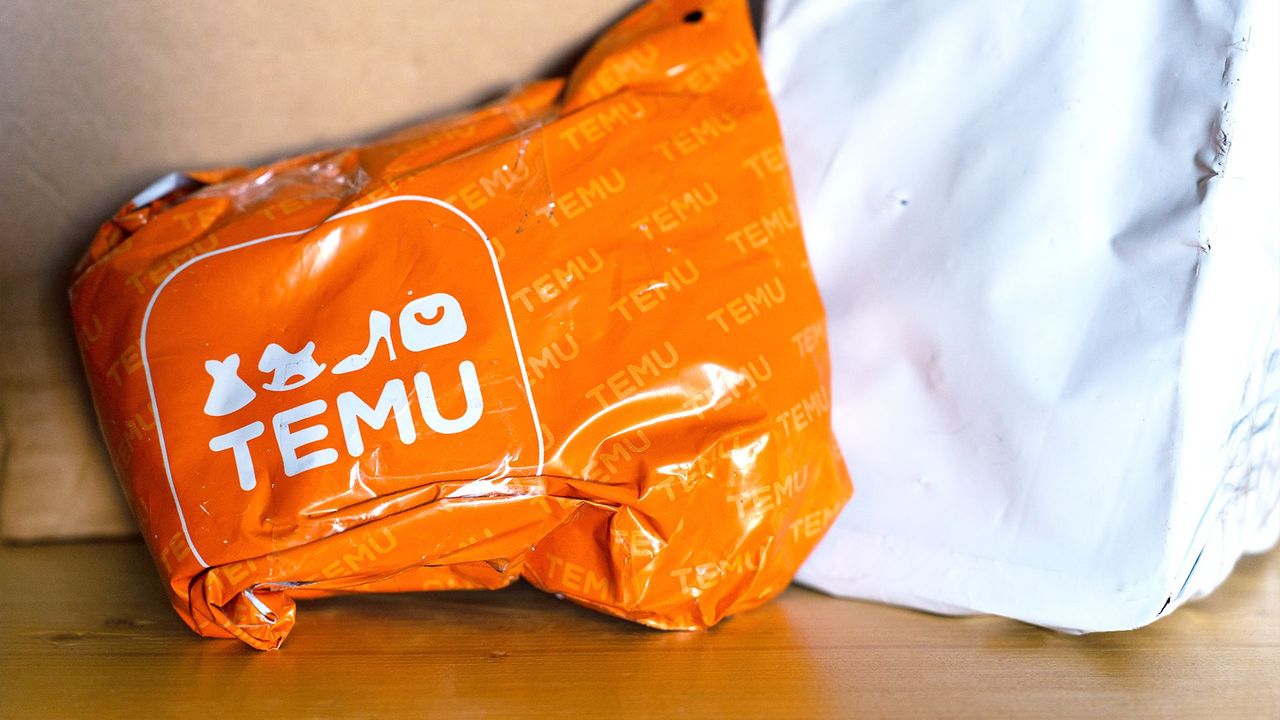
    The European Commission has recently accused Temu, a Chinese online retailer, of failing to adequately cooperate during an investigative raid in December last year. The raid was conducted at Temu’s European headquarters in Dublin and forms part of an ongoing subsidy probe.

    Allegations and Potential Penalties

    Temu, a subsidiary of PDD Holdings, could face a fine amounting to 1% of its total annual profit if found guilty of the charges. The investigation forms part of the EU Foreign Subsidies Regulation’s efforts to determine whether the company has received any state aid that could give it an unfair edge in the European market.

    Despite the allegations, Temu has publicly disagreed with the charges, denying that it has received any distortive subsidies. The European Commission, which operates as the EU’s competition regulator, maintains, however, that Temu did not comply with several information requests during the investigation.

    These requests covered a range of topics, including queries about the company’s management and organization of its European activities, the IT tools and systems used within the EU, and the provision of specific books and records relating to the company’s operations in the EU.

    Temu’s Response and Previous Charges

    In response to the charges, Temu insists that it has fully complied with all requests made during the inspection. The company has also clarified that its operations in the EU are sufficiently funded by its own operating activities, negating the need for foreign subsidies to fuel any competitive activities or to create a competitive advantage.

    The ongoing investigation is not the first run-in for Temu with the European Commission. In a separate incident in May, Temu was penalized €200 million (US$230 million) for failing to adequately prevent the sale of illegal products on its platform.

    Questions & Answers

    What are the charges against Temu?
    The European Commission has accused Temu of failing to cooperate during an investigative raid at its European headquarters. The Chinese online retailer is also under investigation for potentially receiving state aid that could give it an unfair advantage in the European market.

    How has Temu responded to these allegations?
    Temu has disagreed with the charges, stating that it has fully complied with all requests made by the Commission during the inspection. The company also denies receiving any distortive subsidies.

    Has Temu faced any previous charges from the European Commission?
    Yes, in a separate case in May, Temu was fined €200 million (US$230 million) by the Commission for not doing enough to prevent the sale of illegal products on its platform.

  • AI Investment Cycle Unfazed by Semiconductor Stock Volatility – Insights from HSBC

    AI Investment Cycle Unfazed by Semiconductor Stock Volatility – Insights from HSBC

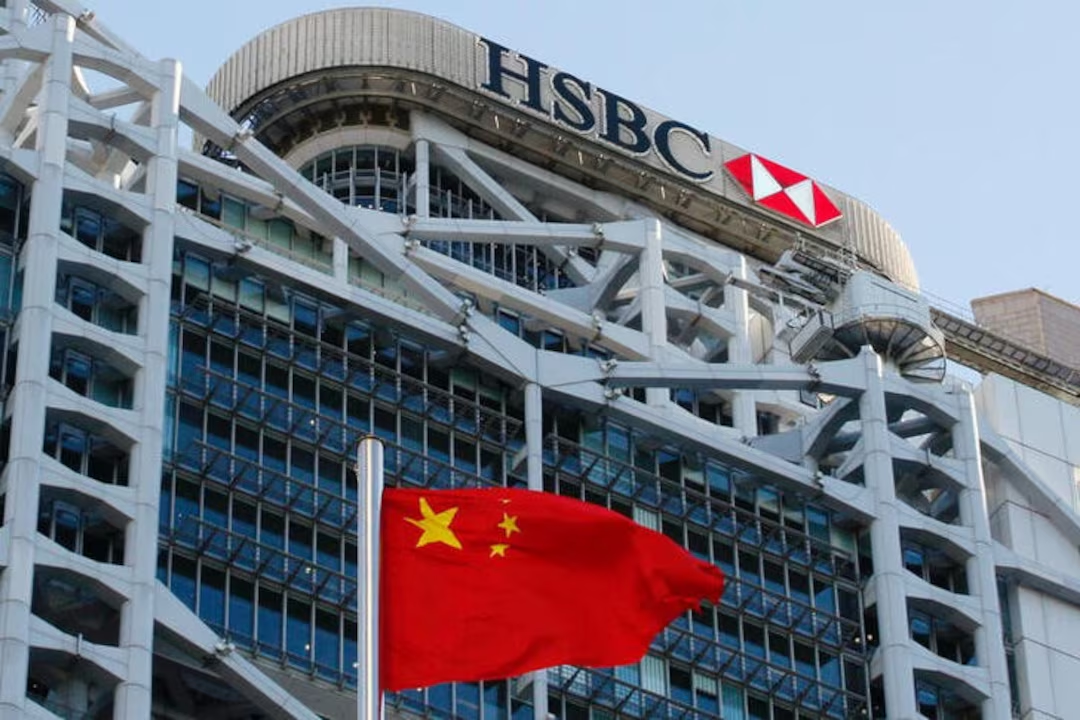
    The recent downturn in Asian semiconductor stocks is not indicative of a decline in the artificial intelligence (AI) investment cycle, but rather reflects investors re-evaluating high earnings expectations. This is according to Patrick Ho, Chief Investment Officer for North Asia at HSBC Private Bank and Premier Wealth.

    Currently, there is a shift in semiconductor and memory stocks rather than a complete surrender. Despite the sharp profit growth for manufacturers driven by skyrocketing memory prices, investors are growing more skeptical of whether future earnings will continue to substantiate high valuations. South Korean equities, in particular, have seen increased volatility, with domestic retail investors purchasing and foreign investors reducing their exposure. Meanwhile, regulators have toughened leverage rules to control speculative trading.

    Asia: The Future Hub of AI Expansion

    Despite the current market instability, HSBC holds that the long-term investment case for AI remains solid. Predictions from the bank suggest that global AI capital expenditure will rise from under USD 400 billion in 2025 to over USD 1 trillion by 2028, bolstering demand across the entire AI ecosystem.

    Asia is predicted to become the nucleus of the global data centre expansion, with regional capacity expected to more than double by 2030, eventually making up approximately 40 percent of worldwide capacity. This growth is anticipated to positively impact a variety of industries, including semiconductor manufacturers, semiconductor equipment suppliers, server producers, cooling technology providers, power generation companies, energy storage firms, and commodity suppliers. Thus, HSBC continues to favour companies positioned across the broader AI infrastructure value chain.

    China’s Resurgence in AI Competition

    HSBC also spotlighted the rapidly evolving AI landscape in China, positing that the country’s large language model ecosystem could represent a market valued at over USD 150 billion by 2030. Chinese AI developers are becoming increasingly competitive, with foundation models closing the performance gap with top international systems while offering significantly lower costs. In tandem, providers are progressively shifting from subsidised AI services towards commercial business models, such as Model-as-a-Service (MaaS).

    Apart from AI, HSBC also recognizes promising opportunities in China’s advanced manufacturing sector, especially in areas such as electric vehicles, autonomous driving technologies, energy storage, and biotechnology. According to Ho, these sectors showcase China’s scale advantages and endorse the bank’s ongoing preference for the country’s technology and manufacturing leaders.

    Questions & Answers

    What does the recent downturn in Asian semiconductor stocks indicate?
    The recent downturn suggests investors are re-evaluating high earnings expectations, rather than signaling an end to the AI investment cycle.

    What is predicted for the AI investment landscape in the future?
    HSBC predicts that global AI capital expenditure will rise from less than USD 400 billion in 2025 to more than USD 1 trillion by 2028.

    What are some potential growth areas in China’s technology sector?
    HSBC sees potential growth in areas such as AI, electric vehicles, autonomous driving technologies, energy storage, and biotechnology.

  • Boost for Vietnam Durian Exports as India Welcomes the King of Fruits

    Boost for Vietnam Durian Exports as India Welcomes the King of Fruits

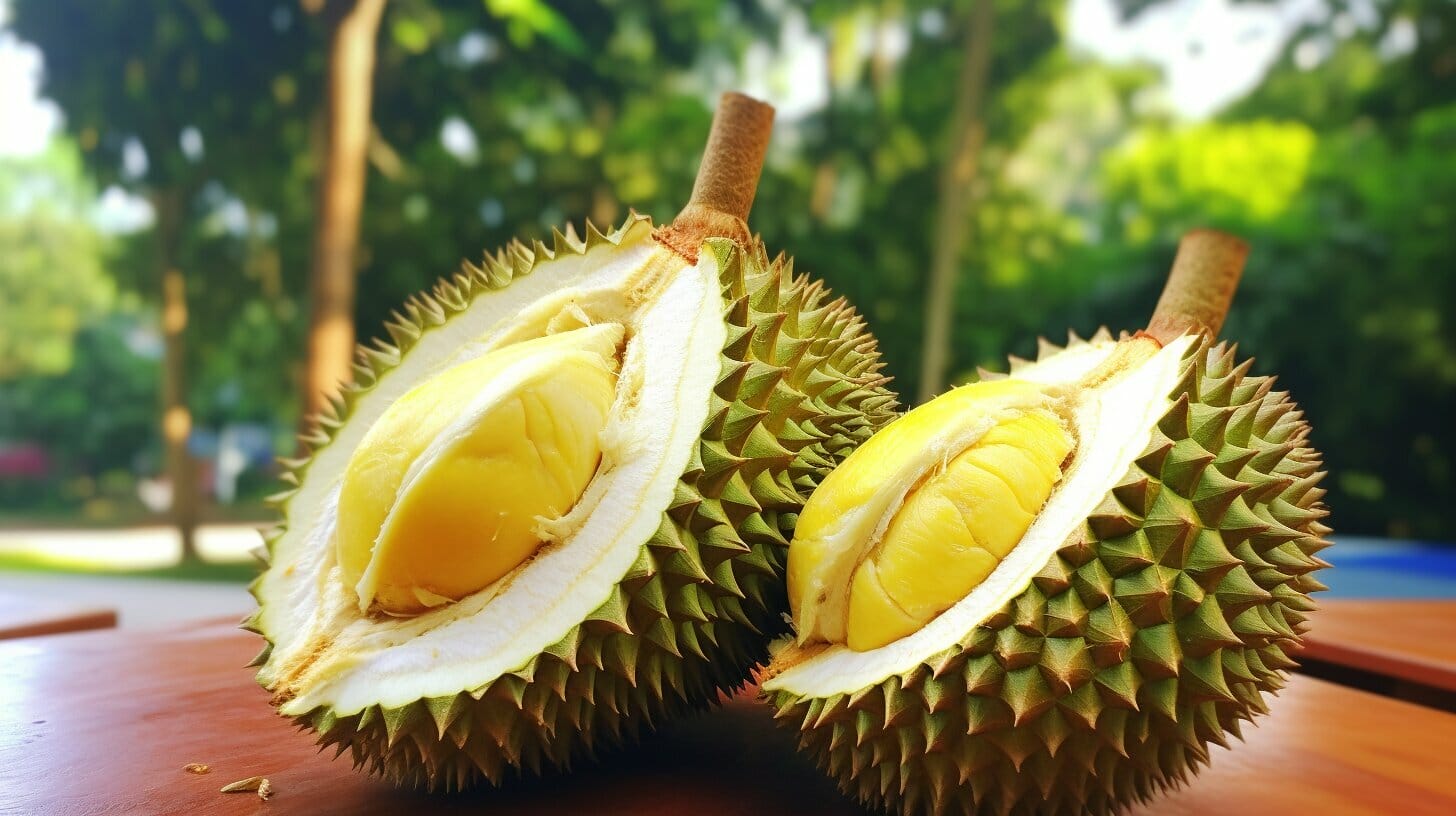
    India recently greenlit fresh durian imports from Vietnam. This move gives exporters the opportunity to tap into a market boasting 1.47 billion consumers, and also offers them an alternative to their traditional target destinations. The decision to include Vietnam in its list of approved countries came in mid-July, as announced by the Department of Crop Production and Plant Protection.

    There are no special import conditions or further phytosanitary declaration requirements imposed by Indian authorities. This comes in the aftermath of successful negotiations between the two nations. However, the department points out that India is still a fresh market. In the preliminary phase, it is expected that Vietnamese durian will predominantly be sold in major cities, through high-end retail chains, eateries, hotels, and online commerce platforms.

    The department has therefore urged exporters to thoroughly research consumer preferences in India, product specifications, transportation logistics, and distribution networks to craft suitable market entry strategies.

    Impact on Vietnamese Durian Exports

    At the beginning of this year, there was a drastic decrease in durian exports to China, Vietnam’s primary market. This was a result of Chinese authorities intensifying quality control measures and traceability requirements, as well as escalating inspections for chemical residue. Many shipments encountered delays due to extended customs procedures, leading to a significant drop in farm gate prices in Vietnam.

    This situation occurred during the peak harvest period, leading to an abrupt increase in the supply of the fruit. The first half of this year saw a rise by 12.7% in output, the highest among any major fruit, totaling 603,300 metric tons.

    Despite the price pressures in China, their main market, Vietnam’s durian exports are projected to exceed $2 billion by the end of July, as reported by the Vietnam Fruit and Vegetable Association.

    Questions & Answers

    What is the potential impact of India approving durian imports from Vietnam?
    The approval opens up a new market of 1.47 billion people for Vietnamese durian exporters, potentially reducing their dependence on traditional export destinations.

    What is the current state of Vietnam’s durian exports?
    Despite stricter quality controls and traceability measures in China, durian exports from Vietnam are projected to surpass $2 billion by the end of July.

    What advice has been given to Vietnamese durian exporters with regard to the Indian market?
    The Department of Crop Production and Plant Protection has advised exporters to study consumer preferences in India, product specifications, transportation logistics, and distribution networks to formulate suitable market entry strategies.

  • Globe Joins Forces with e& to Boost International Voice Services, Ensuring Secure, High-Quality Traffic

    Globe Joins Forces with e& to Boost International Voice Services, Ensuring Secure, High-Quality Traffic

    Globe, a prominent name in the telecommunication industry, recently revealed a strategic collaboration with e& Carrier & Wholesale Services (C&WS), internationally recognized as the global technology group e&’s wholesale division. The primary objective of this partnership is to supervise Globe’s international voice traffic.

    Enhancing Global Voice Services

    Under the terms of this agreement, e& is set to be Globe’s preferred partner for international voice services, providing a safe, reliable, and superior entry point for voice traffic aimed at the Globe network. e&’s international voice network, routing expertise, and security capacities will couple with Globe’s extensive market influence to offer carrier partners a safe and efficient route to the Globe network.

    Nabil Baccouche, e&’s Group Chief Carrier & Wholesale Officer, stated that this collaboration will not only enhance service quality but also ensure traffic protection and support future growth. Real-time monitoring and AI-enabled fraud detection will bolster these services.

    On the other hand, Darius Delgado, Chief Commercial Officer of Globe, expressed that the partnership signifies a significant leap in solidifying Globe’s international voice business. By collaborating with a global technology leader like e&, Globe aims to improve service quality, bolster fraud protection, and offer more value to international carrier partners.

    Prioritizing Security and Efficiency

    The service will benefit from e&’s voice security features, which include a voice firewall, AI-driven fraud prevention, real-time traffic monitoring, advanced analytics, and SIM-box detection. These features will play a crucial role in ensuring revenue protection, maintaining traffic integrity, and minimizing fraud on international voice routes.

    Globe’s strong presence in the Philippine market paired with e&’s extensive global carrier network and wholesale expertise will offer international operators an efficient connection to the Globe network. Carrier partners are expected to benefit from intelligent routing, improved traffic visibility, and consistent service management through e&.

    Questions & Answers

    What does the strategic partnership between Globe and e& aim to achieve?
    The partnership aims to supervise Globe’s international voice traffic and improve service quality, bolster fraud protection, and offer more value to international carrier partners.

    What security features will the service leverage?
    The service will leverage e&’s voice security features, including a voice firewall, AI-driven fraud prevention, real-time traffic monitoring, advanced analytics, and SIM-box detection.

    What benefits will carrier partners potentially gain from this partnership?
    Carrier partners can expect benefits such as intelligent routing, improved traffic visibility, and consistent service management through e&.

  • Skyrocketing Demand: Docomos Starlink Direct Soars to 5 Million Subscribers in Just Two Months

    Skyrocketing Demand: Docomos Starlink Direct Soars to 5 Million Subscribers in Just Two Months

    NTT DOCOMO, a prominent telecommunications company, has reported a remarkable surge in subscribers for its innovative Docomo Starlink Direct service. The subscription numbers exceeded 5 million just over two months after the service was launched, signaling a robust initial demand for direct-to-device (D2D) connectivity in Japan.

    A New Era in Mobile Connectivity

    The Docomo Starlink Direct service, which was launched on April 27, achieved this impressive milestone within approximately two months. The service facilitates a direct link for compatible smartphones to SpaceX’s Starlink satellites, bypassing the need for terrestrial base stations. It provides comprehensive coverage across Japan, extending up to 12 nautical miles offshore.

    The company attributes this rapid adoption to the growing interest in satellite-enabled mobile connectivity. Among the operator’s 92 million mobile subscribers, a substantial percentage of users with compatible devices have already activated the feature.

    Currently, the company supports 89 smartphone models for the service. Over 25 million compatible devices are already in operation. The Docomo Starlink Direct service contrasts with traditional satellite services, which necessitate specialized hardware. Instead, this service operates intuitively on supported smartphones, eliminating the need for users to register or subscribe separately. Furthermore, the company ensures that satellite data usage is not deducted from customers’ monthly mobile data allowances. Currently, the service is offered at no extra charge.

    The service allows for text messaging, location sharing, and compatible data applications in places where terrestrial mobile networks cannot reach.

    The Future of D2D Satellite Market

    The launch of this service firmly establishes NTT DOCOMO’s foothold in Japan’s burgeoning D2D satellite market. In this space, all major mobile operators are introducing satellite-supported connectivity.

    Operators in Japan view satellite connectivity as a solution to close the remaining mobile coverage gaps in the country’s remote and mountainous regions. This is despite the fact that terrestrial networks already cover over 99% of the country’s population. In addition to extending coverage, these services aim to ensure resilient communication when typical mobile infrastructure is compromised by natural disasters, such as earthquakes and tsunamis.

    Questions & Answers

    What is the Docomo Starlink Direct service?
    The Docomo Starlink Direct is a service offered by NTT DOCOMO that allows compatible smartphones to connect directly to SpaceX’s Starlink satellites, providing coverage across Japan and up to 12 nautical miles offshore.

    How is the service different from traditional satellite services?
    Unlike traditional satellite services which require dedicated hardware, Docomo Starlink Direct operates automatically on supported smartphones, without requiring users to register or subscribe separately.

    What is the purpose of these satellite connectivity services?
    The main purpose of these services is to close the remaining mobile coverage gaps in remote and mountainous regions and provide resilient communications when conventional mobile infrastructure is disrupted by unforeseen circumstances like natural disasters.

  • Digital Bridge Unveiled: China and Cambodia Debut Historic Subsea Cable System

    Digital Bridge Unveiled: China and Cambodia Debut Historic Subsea Cable System

    China Unicom Global, in partnership with Cambodia’s Ministry of Posts and Telecommunications (MPT), has made significant strides in the global telecommunications arena with the successful landing and installation of the Sihanoukville-Hong Kong (SHV-HK) submarine cable system. This monumental achievement establishes a direct digital link from Sihanoukville, Cambodia to the Tseung Kwan O Industrial Estate in Hong Kong SAR.

    First State-Owned International Submarine Fiber-Optic System in Cambodia

    The collaborative venture between the MPT and China Unicom Global has produced the inaugural state-owned international submarine fiber-optic system in Cambodia. Produced and deployed by HMN Tech, this significant investment, costing an estimated USD 165 million, is set to enhance high-capacity optical transport across the South China Sea.

    The SHV-HK subsea system spans an impressive 2,938 kilometers and features a main trunk with two additional stub cables, paving the way for potential expansions in the future. Boasting a design capacity of a whopping 80 Terabits per second across four fiber pairs, this cable has the capacity to support over 3.2 million simultaneous streams of 4K ultra-high-definition video or manage massive enterprise cloud transfers.

    Hong Kong’s Role in the Ambitious Project

    China Unicom Global is managing the Hong Kong segment of this ambitious project. The cable reaches the shore at a Beach Manhole (BMH) specifically located in the Tseung Kwan O Industrial Estate. Supplementing the overall infrastructure are the Power Feeding Equipment (PFE) and Submarine Line Terminal Equipment (SLTE) located at China Unicom Global’s global center and cable landing station in the Tseung Kwan O Industrial Estate. These installations will guide traffic effectively into the major local carrier-neutral data centers.

    Questions & Answers

    What is the length of the SHV-HK submarine cable system?
    The SHV-HK submarine cable system stretches for approximately 2,938 kilometers.

    What capacity does the SHV-HK submarine cable system hold?
    The cable system has a design capacity of up to 80 Terabits per second, which can support over 3.2 million simultaneous streams of 4K ultra-high-definition video or extensive enterprise cloud transfers.

    Who are the key players involved in this project?
    China Unicom Global and Cambodia’s Ministry of Posts and Telecommunications (MPT) have partnered to complete this project, with HMN Tech manufacturing and deploying the cable system.

  • Our New Website Is Live, A Thank You To Our Loyal Readers

    Our New Website Is Live, A Thank You To Our Loyal Readers

    The moment has arrived: Retail News Asia is now running on a brand-new platform. Over the past few days we worked hard to make this move happen, and we’re proud of the result. But just as important to us is taking a moment to recognize the people we do this for: you, our readers.

    Since we started in 2014, Retail News Asia has grown into the trusted source for retail news across Asia. With a team of 18 editors, analysts and correspondents, we bring more than 50 stories a week to 13.6 million readers — from shopkeepers and founders to executives at global retail brands. We would never have reached this point without your trust, which is exactly why we approached this migration as carefully as we could. We know the transition caused some disruption this week, and we remain grateful for your patience.

    Our founder Sven put it this way: “We’re here to keep you in the loop – every single day. Whether you’re running a local shop, scaling an online business, or part of a global brand making moves in Asia, we’ve got something for you.”

    Everything we offer you

    With the new platform as our foundation, we wanted to lay out everything Retail News Asia offers today.

    Daily news from across the region. We cover General, E-commerce, Fashion, Food, Finance, Living, Electronics, Supply Chain, Real Estate, Automotive, Startups, Tech and Crypto — across eighteen markets, from China, Japan, Korea and India to Singapore, Hong Kong, Indonesia, Thailand, Vietnam and beyond.

    The Retail Brief. A five-minute audio briefing every morning covering the top headlines, deals and consumer shifts across Asian retail.

    The RNA-10 Index. Our own editorial index of ten major listed Asian retailers — including Alibaba, PDD, JD.com, Sea Limited and Coupang — with daily index levels, five years of history and a detail page per company. It’s an editorial experiment, not tradeable and not investment advice, but a sharp gauge of how the sector is moving.

    Data & Insight. Alongside the RNA-10 Index, we offer an earnings calendar, a directory of retailers & brands, our Research coverage, People moves (who’s going where), and the ability to save articles for later.

    Events. An overview of retail events across the region, with the option for readers and organizers to submit their own events.

    The Retail Leaders Circle. For senior operators, our private membership offers closed-door roundtables, C-level dinners across six Asian cities, curated industry travel and a vetted peer network — deliberately kept small, with no sales pitches.

    The weekly newsletter. One carefully curated email a week, no spam, with the most important retail news and sharpest insights from across Asia.

    Thank you

    This new platform isn’t for us — it’s for you: the readers who come back day after day, week after week. Thank you for your trust and your patience during the transition. We can’t wait to serve you even better from here, on a stronger foundation.

    — The Retail News Asia team

    Questions & Answers

    How much content does Retail News Asia actually publish? We publish more than 75 articles and podcast episodes a week across our news sections, The Retail Brief and our other formats — all curated by our team of 18 editors, analysts and correspondents.

    Did the migration affect existing accounts, subscriptions or saved articles? No. Everything carried over automatically to the new platform, including newsletter subscriptions, saved articles and Retail Leaders Circle memberships.

    Where can I go if I still run into issues on the new site? Reach out to us anytime via retailnews.asia/contact and we’ll sort it out as quickly as we can.

  • DNA Brands Pledges $1M Refunds for Coerced Purchases: Singapore Beauty Giant on Road to Redemption

    DNA Brands Pledges $1M Refunds for Coerced Purchases: Singapore Beauty Giant on Road to Redemption

    DNA Brands Co, a Singapore-based firm that operates a chain of beauty and wellness centers, has pledged to issue refunds worth up to $1 million in response to accusations of coercing clients into making unwanted purchases. The firm, which oversees brands such as The Mineral Boutique, Beautique, Sae-Ren, Jingran, Harmonix, Allura, and Comfeet, has reportedly employed these controversial sales strategies since 2023.

    Manipulative Sales Tactics

    According to an investigation by the Competition and Consumer Commission of Singapore (CCS), these high-pressure tactics were deployed by an area manager and certain staff members and were portrayed as “deliberate and calculated.” The inquiry uncovered that staff had been applying facial masks onto clients even after their treatments had concluded, essentially confining them within treatment rooms for sales pitches. Staff members would then inquire about the number of credit cards clients possessed, purportedly to check for applicable promotions, but actually to gauge their potential spending capacity.

    In the case of elderly clients, staff members would probe about their CPF balances and coerce them into utilizing these savings to purchase beauty packages and products. The investigation by the CCS, however, found no evidence that DNA Brands’ directors either directed or participated in these practices.

    Company Response

    In response to these findings, DNA Brands has promised to set aside up to $1 million with an independent escrow agent to refund affected consumers. Refunds may be available to those who made purchases from specified outlets since January 1, 2023, and experienced undue pressure or distressing circumstances during their transactions.

    The company has further taken disciplinary action against the involved staff, either through dismissal or suspension, and has revoked their ability to earn sales commissions. In addition, DNA Brands has vowed to cease all unfair trade practices and to implement enhanced compliance measures. All outlets will also prominently display a 14-day refund policy for customers’ benefit.

    Questions & Answers

    What actions has DNA Brands taken in response to the investigation?
    DNA Brands has pledged to issue refunds worth up to $1 million to affected customers, dismissed or suspended the staff involved, and committed to ending all unfair trade practices. The company will also implement stricter compliance measures.

    Who is eligible for the promised refunds?
    Customers who made purchases from specified DNA Brands outlets since January 1, 2023, and experienced pressure or uncomfortable situations during their transactions may be eligible for a refund.

    What changes will be made at DNA Brands outlets?
    All DNA Brands outlets will prominently display a 14-day refund policy. The company has also committed to ending all unfair sales practices and implementing stronger compliance measures.

  • Riding High on KFC, Pizza Hut Success, Yum China Accelerates Expansion to Surpass 20,000 Stores in 2021

    Riding High on KFC, Pizza Hut Success, Yum China Accelerates Expansion to Surpass 20,000 Stores in 2021

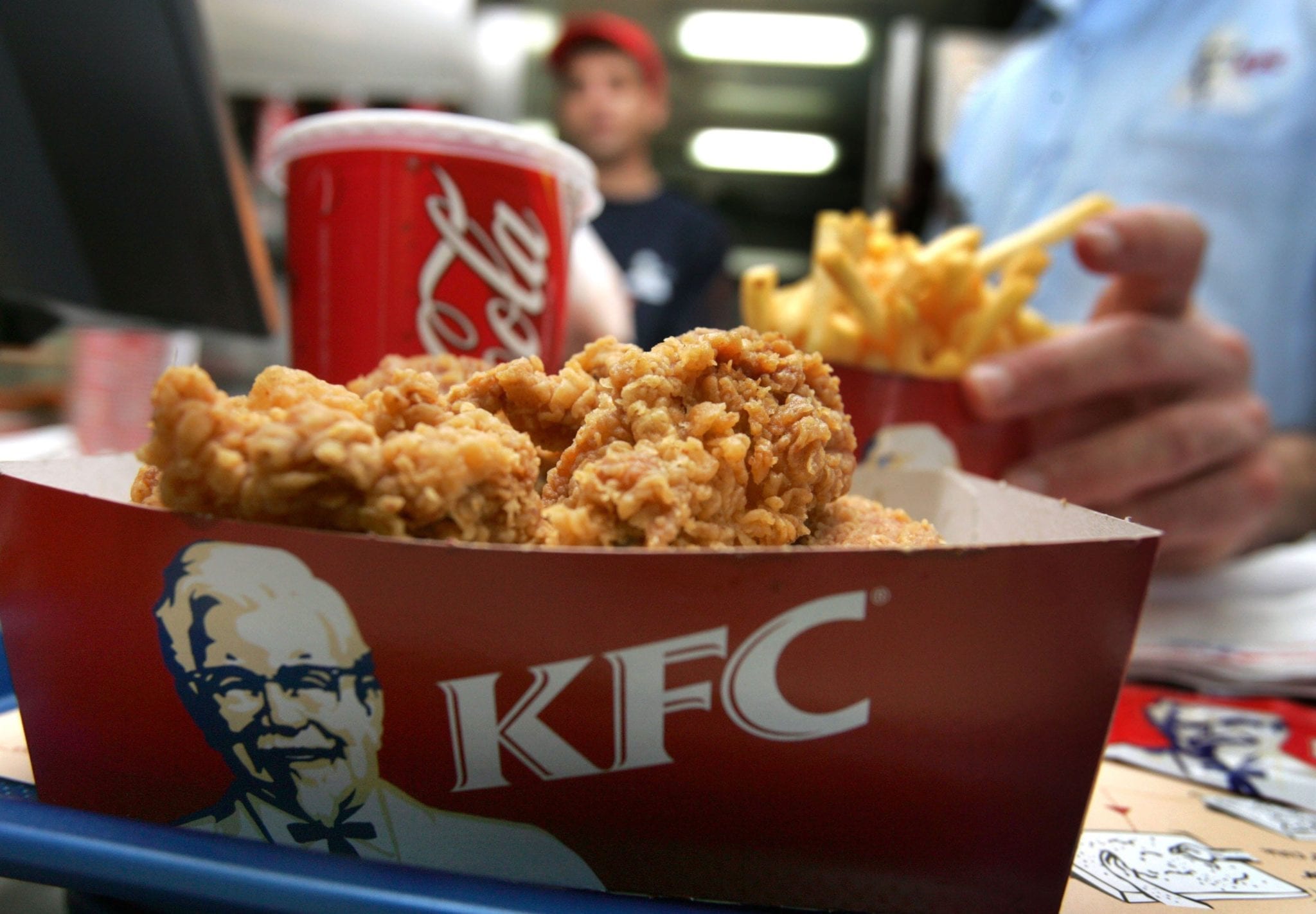
    Yum China, the company behind KFC and Pizza Hut, has expressed its plans to further expand its footprint after a profitable second quarter. The robust financial performances from both KFC and Pizza Hut were significant factors in the company’s growth.

    Strong Quarterly Performance Fuels Expansion Plans

    Yum China’s revenue rose 13% YoY to $3.1 billion for the second quarter, which concluded on June 30. A 6% increase in system sales, discounting foreign exchange impacts, exceeded the broader performance of China’s catering industry. The company also marked a second-quarter record, with an operating profit of $348 million.

    Customer demand has shown resilience, with same-store sales witnessing a marginal 1% growth. This growth, driven by a 5% increase in transactions, marks the 14th consecutive quarter of transaction growth. The quarter saw the opening of 560 new stores, a 67% increase from the previous year, elevating the total number of restaurants to 19,297. Yum China has also indicated its plans to surpass the 20,000 store milestone by the end of the year.

    KFC and Pizza Hut Lead the Way

    KFC has spearheaded growth for Yum China, opening 335 new stores to reach a staggering total of 13,789 locations. System sales for KFC have climbed by 7%, while same-store sales have grown by 1% for the fifth consecutive quarter.

    Pizza Hut has also seen increased traction, with the addition of 174 new stores – nearly double the number opened during the same period last year. System sales for Pizza Hut have grown by 6%, while same-store transactions have surged by 13%.

    Joey Wat, CEO of Yum China, spoke about the company’s imminent breakthrough: becoming the owner of the Pizza Hut brand in Mainland China. She mentioned that the company anticipates savings in license fees to facilitate margin expansion.

    Newer concepts are also gaining momentum. Kpro, Yum China’s light-meal business, is projected to reach about 800 locations this year. KCoffee Café has expanded to more than 3,300 locations, and Pizza Hut’s Burger Bar, with plans to reach 500 to 600 locations by year-end, now operates in more than 200 outlets.

    The company has reaffirmed its 2026 outlook, predicting high single-digit operating profit growth and double-digit EPS growth. This excludes the anticipated impact of the acquisition of the Pizza Hut brand in mainland China, expected to finalize next month. Following the acquisition, Yum China aims for more than 800 net new store openings annually from 2027.

    Questions & Answers

    What financial growth did Yum China witness in the second quarter?
    Yum China saw a 13% YoY rise in revenue, reaching $3.1 billion.

    What has been the contribution of KFC and Pizza Hut to Yum China’s growth?
    KFC opened 335 new stores, and Pizza Hut added 174 new ones, contributing significantly to the company’s growth.

    What is Yum China’s outlook for 2026?
    Yum China predicts high single-digit operating profit growth and double-digit EPS growth for 2026, excluding the impact of the anticipated Pizza Hut brand acquisition in mainland China.

  • Love, Bonito Exposed: Singaporean Fashion Retailers Data Breach Puts Customer Information at Risk

    Love, Bonito Exposed: Singaporean Fashion Retailers Data Breach Puts Customer Information at Risk

    The Personal Data Protection Commission (PDPC) of Singapore is currently conducting an inquiry into a cybersecurity event involving fashion retailer Love, Bonito. The company revealed recently that a vulnerability on its website might have exposed some of its customers’ personal details.

    Love, Bonito discovered the security glitch on July 26 and promptly addressed the issue on the same day, upon uncovering unauthorized access to select customer account data. Following immediate actions to manage the incident, the retailer has also boosted its security measures to thwart similar incidents in the future.

    Customer Information at Risk

    According to Love, Bonito, the data that was potentially accessible includes customers’ names, birth dates, email and shipping addresses, as well as phone numbers. The company also acknowledged that customers who made card payments on their website might have had certain card information revealed. This includes the final four digits of their card number and the card’s expiration date. However, they were quick to reassure customers that full credit card details were not exposed in the incident.

    Love, Bonito did not divulge the number of customers impacted by the breach or provide any detailed description of the security vulnerability.

    The retailer has advised all affected customers to be on high alert for any possible phishing attempts, refrain from sharing one-time passwords or verification codes, and consistently monitor their accounts and payment cards for any suspicious activities.

    Questions & Answers

    What information was potentially accessed during the security breach?
    Customer names, birth dates, email and shipping addresses, and phone numbers might have been accessed. Limited card information may also have been exposed, including the last four digits of the card number and the expiration date.

    Did the security breach expose full credit card details?
    No, Love, Bonito has assured that full credit card details were not compromised during the incident.

    What measures has Love, Bonito taken following the incident?
    The company has taken immediate steps to contain the incident and has since strengthened its security safeguards to prevent future occurrences. They have also advised affected customers on measures to protect themselves.

  • Lululemon Debuts in Japan with Innovative Flagship Store in Tokyos Fashionable Harajuku District

    Lululemon Debuts in Japan with Innovative Flagship Store in Tokyos Fashionable Harajuku District

    Lululemon, the well-known Canadian athleisure brand, is set to break into the Japanese market with its first flagship store in Harajuku, Tokyo. The store is scheduled to open on August 19, marking a significant milestone for the brand’s international expansion.

    Lululemon’s Harajuku Connection

    The choice to situate their flagship store in Harajuku district, a melting pot of fashion and community spirit, was a strategic move by Lululemon to align with the brand’s identity. The brand expressed how the unique blend of history, culture, creativity, and freedom in Harajuku and Jingumae districts echoes the core values of Lululemon, which include movement, connection, and community. The brand’s appreciation for the diverse cultural energy in Harajuku, the historical significance of Meiji Jingu Shrine, and the vibrant vivacity of Yoyogi Park, is reflected in the ethos of their new store.

    The Harajuku flagship store will feature artwork inspired by the local culture and landmarks such as the Meiji Jingu Shrine and Yoyogi Park. This distinctive artwork, a result of collaborations with local artists, will add an authentic touch of the locale to the store.

    A Unique Shopping Experience

    In addition to offering their signature athleisure line, the store will also provide a unique shopping experience with a personalization service exclusive to the Harajuku store. Customers will be able to customize select products, such as embossing on the Everywhere Belt Bag and engraving on the Back to Life Sports Bottle.

    Stewart Tudor, President of Lululemon Japan, stated that the flagship store is not just a retail outlet, rather it aspires to be a community hub that fosters connections, ideas, and inspiration.

    Questions & Answers

    What is unique about Lululemon’s Harajuku store?
    The Harajuku store will incorporate artwork inspired by local culture and landmarks, created in collaboration with local artists. This store will also offer a unique personalization service for select products, exclusive to this location.

    What does Lululemon’s new store aim to be?
    According to Stewart Tudor, President of Lululemon Japan, the store aims to be more than a retail outlet. It aspires to function as a community hub that connects people and ideas, fostering new inspiration and possibilities.

    Why did Lululemon choose Harajuku for its first Japanese store?
    Harajuku and Jingumae districts are known for their unique blend of history, culture, diverse creativity, and free self-expression. These qualities align with Lululemon’s core values of movement, connection, and community, making it an ideal location for their flagship store.