Author: Mei Ling Tan

  • Authentic Brands Group Boosts Nautica and Spyder Growth in China with New Operating Partner, Shanghai Hui Zhong

    Authentic Brands Group Boosts Nautica and Spyder Growth in China with New Operating Partner, Shanghai Hui Zhong

    Authentic Brands Group has announced Shanghai Hui Zhong as its primary operational partner for the Nautica and Spyder brands in mainland China, Hong Kong, and Macau. The new appointment aims to bolster the brands’ growth trajectory in these regions.

    Strengthening Local Operations

    Shanghai Hui Zhong will be responsible for managing local operations, encompassing supply chain management, wholesale distribution, and the operation and expansion of the brands’ physical retail stores. Leveraging its understanding of the local market and its robust distribution channels, the company will support the expansion of Nautica and Spyder in the region.

    The partnership, according to Authentic, is a strategic blend of its global brand development platform with Hui Zhong’s local capabilities. This is expected to reinforce Nautica’s and Spyder’s presence in the Chinese market.

    Authentic stated, “This partnership demonstrates our continued dedication to collaborating with top-tier partners to extend the reach and influence of our global brands in the Chinese market. Through global brand management and localized operations, Authentic and Huizhong will cooperate to unveil new growth avenues for Nautica and Spyder in China.”

    Transition from Tristate Holdings

    Since 2018, Tristate Holdings had maintained the management of Nautica and Spyder in China through licensing agreements with Authentic Brands Group. This agreement was extended through December 2032 for Nautica following amendments to the licensing agreements in 2021.

    According to the 2025 annual report, Nautica’s revenue saw a 12% decrease year over year, and Spyder’s experienced a 24% drop due to weakened consumer spending affecting China’s retail market. This led to the company optimizing its store network, ending 2025 with 70 directly managed Nautica stores, 44 partner stores, and 42 Spyder stores spread across China.

    Tristate recently disclosed in a Hong Kong Stock Exchange filing that Authentic had issued notices to terminate the Nautica and Spyder license agreements, which are still under legal proceedings. Authentic did not comment on the status of its licensing arrangements with Tristate in its announcement of the Shanghai Hui Zhong partnership.

    Earlier in the year, Authentic had also chosen NewRee Sports as Reebok’s main operating partner for mainland China, Hong Kong, and Macau, marking a shift in the brand’s operating structure in the region.

    Questions & Answers

    Who has been chosen as the new operating partner for Nautica and Spyder in mainland China, Hong Kong, and Macau?
    Shanghai Hui Zhong has been selected as the new operating partner for these brands in the specified regions.

    What led to the decline in Nautica’s and Spyder’s revenues in 2025?
    The brands’ revenues were impacted by weakened consumer spending in China’s retail market.

    Who was previously managing Nautica and Spyder in China?
    Prior to the new appointment, Tristate Holdings held the management responsibilities for these brands under a licensing agreement with Authentic Brands Group.

  • Edible Adventures: Pop Marts Toy-Inspired Desserts Invade Singapore in Global Bakery Debut

    Edible Adventures: Pop Marts Toy-Inspired Desserts Invade Singapore in Global Bakery Debut

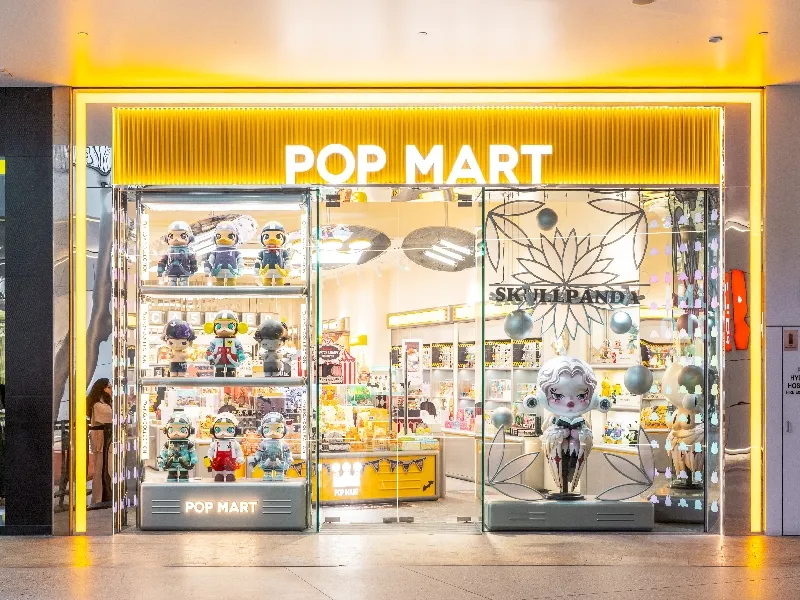
    Beijing-based creator of popular ‘blind box’ toys, Pop Mart, is branching out with a new line of business, launching its premiere international bakery in Singapore. The company is giving a fresh, three-dimensional, and edible spin to its famous characters, such as the wide-eyed Labubu and the adorable Molly. From black sesame Labubu popsicles to double cheesecake Molly, these delightful treats will now take the form of pastries and beverages. The bakery, located opposite Universal Studios Singapore, showcases a line-up of 45 toy-inspired treats with prices ranging from S$5 to S$32 (approx. US$3.87 to US$24.77).

    From Toys to Tasty Treats: Pop Mart Expands

    Singapore is just the beginning for Pop Mart’s global culinary conquest. The company is contemplating setting up bakeries in Europe and the United States, according to Zhang Xiaoyang, the head of Pop Bakery at Pop Mart. However, the company is aware that it will have to navigate complex issues such as establishing local supply chains. The company’s strategy also includes launching dessert shops across Southeast Asia, specifically in Thailand, Indonesia, and Malaysia.

    This move to extend the brand into the bakery business follows the successful launch of Pop Mart’s first bakery in the Chinese coastal city of Qinhuangdao in April. Before this, the company had tested the concept through over 30 dessert truck pop-ups within China.

    A Strategic Move Amidst Challenges

    The foray into the bakery business comes at a time when Pop Mart is grappling with inflated production costs. The company’s business model has recently been met with skepticism from analysts as they have observed the company’s annual sales and earnings growth fall short of expectations in recent quarters.

    “Pop Mart’s diversification into the bakery business is a smart move. There’s only so much a toy company can do, and they’ve likely reached their limit with toy manufacturing,” said Laura Pan, a lecturer at a prominent school of management. However, she notes that the reception of Pop Mart’s bakeries in the United States remains uncertain, considering the waning popularity of the Labubu series.

    In the face of a global surge in demand for its plush toys, bag charms, and collectibles, Pop Mart has been innovatively expanding its business beyond toy selling. The company hopes to emulate Disney’s success in transforming short-term popularity into long-lasting success.

    In line with this strategy, Pop Mart has made notable strides this year. It has announced a collaboration with Sony Pictures to produce a Labubu movie and has expanded its Beijing theme park, Pop Land.

    “We aim to integrate our IP (intellectual property) into all aspects of consumers’ lives, and desserts are one part of this mission,” Zhang said.

    Questions & Answers

    What is Pop Mart’s new business venture?
    Pop Mart has launched its first international bakery in Singapore, featuring pastries and beverages inspired by their popular toy characters.

    Is Pop Mart planning to open bakeries in other countries?
    Yes, the company is considering setting up bakeries in Europe and the United States and also plans to launch dessert shops across Southeast Asia, specifically in Thailand, Indonesia, and Malaysia.

    How is Pop Mart diversifying its business?
    Aside from launching a bakery business, Pop Mart is also developing a Labubu movie in partnership with Sony Pictures and has recently expanded its Beijing theme park, Pop Land.

  • Thai Gem and Jewelry Industry Shines in China: New Deal to Skyrocket Exports

    Thai Gem and Jewelry Industry Shines in China: New Deal to Skyrocket Exports

    The Gem and Jewellery Institute of Thailand (GIT) has formalized a strategic partnership with two prominent Shanghai-based firms with the aim of bolstering Thai gem and jewellery enterprises’ market penetration in China. The collaborations have been established with the Shanghai Jing’an Real Estate Group Import and Export Co. and the China Gems & Jade Exchange. Their collective goal is to establish industry standards, streamline market access, fortify trade connections, and heighten the competitiveness of Thai gemstone and jewellery enterprises.

    Looking into the Collaboration

    As part of this alliance, GIT will contribute its technical proficiency, establish product standardization, and offer quality assurance services. It will also aid in bridging the gap between Thai businesses and prospective associates. On the other hand, the Chinese collaborators will provide critical insights into import regulations, guide through customs procedures, offer bonded warehouse services, handle logistics, arrange product exhibitions, and create business opportunities within the Chinese market.

    The importance of China as a primary market for Thailand’s gemstone and jewellery industry has been recognized by GIT. It anticipates that this reinforced collaboration with Chinese partners will allow Thai businesses to penetrate the market more efficiently while fostering bilateral cooperation in the sector.

    Aligning with SMART JEWELER Program

    This move is in line with the objectives of the SMART JEWELER scheme by GIT. The program is designed to enhance the competitiveness of players in the industry. This is achieved through brand development, fostering design innovation, analyzing consumer trends, and creating international business networks.

    Questions & Answers

    What is the primary objective of the collaboration between GIT and the two Shanghai firms?
    The aim is to establish industry standards, streamline market access, fortify trade connections, and heighten the competitiveness of Thai gemstone and jewellery enterprises in the Chinese market.

    How will GIT contribute to this collaboration?
    GIT will offer its technical expertise, establish product standardization, and provide quality assurance services, along with connecting Thai businesses with potential partners.

    What role will the Chinese partners play in this collaboration?
    The Chinese partners will offer insights into import regulations, guide through customs procedures, provide bonded warehouse services, manage logistics, and arrange product exhibitions, creating business opportunities within the Chinese market.

  • Vietnam Sets Stage for Globally Competitive CEO’s: Launches Trailblazing Leadership Program

    Vietnam Sets Stage for Globally Competitive CEO’s: Launches Trailblazing Leadership Program

    The Vietnam Chamber of Commerce and Industry (VCCI) recently rolled out a leadership advancement initiative aimed at fostering a new cohort of globally competitive CEOs within the nation. The undertaking, dubbed “CEO Vietnam The New Era,” aims to imbue top executives with globally recognized management acumen and ready them for digital metamorphosis, ecological transitioning, and further integration into global supply chains.

    Shaping Leadership for Economic Growth

    This move coincides with Vietnam’s accelerated economic growth ambitions, and an intensified focus on cultivating business leadership that is in sync with governmental priorities of expanding the private sector’s role. Ho Sy Hung, the chairman of the chamber, emphasized at the initiative’s unveiling that Vietnamese enterprises require leaders who possess a future-oriented vision, modern managerial abilities, and the flexibility to navigate swift technological and geopolitical shifts.

    The VCCI has plans to draw on the support of its extensive in-country networks, business organizations, training collaborators, industry experts, international bodies, and the wider business sector to execute this program.

    Educational Collaboration and Curriculum Highlights

    Prof. Dr. Nguyen Thi Thanh Mai, president of Vietnam National University–Ho Chi Minh City, highlighted the program’s goal of fortifying collaboration amongst the government, educational institutions, and businesses in the areas of education, research and knowledge-sharing.

    The university, collaborating with partners such as A11 Management Consulting Vietnam and INSEAD Business School, has developed a comprehensive curriculum suitable for a broad spectrum of participants, ranging from top-tier corporate heads to executives of small to medium-sized businesses, family-run ventures, and startups. Key focus areas of the program will encompass strategic leadership, corporate governance, digital transformation, finance, sustainability, ESG, and international business growth.

    In the words of Professor Sameer Hasija, Dean of Executive Education and Dean of the Asia Campus at INSEAD, as Vietnam maintains its impressive economic stride, the cultivation of future-ready business leaders will be pivotal to sustaining growth and pioneering innovation.

    Questions & Answers

    What is the purpose of the “CEO Vietnam The New Era” program?
    The program aims to equip business leaders with globally recognized management skills and prepare them for digital transformation, green transition, and deeper integration into global value chains.

    Who are the key partners in developing the curriculum for this program?
    The Vietnam National University–Ho Chi Minh City has partnered with A11 Management Consulting Vietnam, INSEAD Business School, and other partners to create the curriculum.

    What will be the primary focus areas of the program?
    The program will cover strategic leadership, corporate governance, digital transformation, finance, sustainability, ESG, and international business development.

  • Singapore Announces $230 Boost in Living Support Vouchers Amid Rising Mid-East Conflict Costs

    Singapore Announces $230 Boost in Living Support Vouchers Amid Rising Mid-East Conflict Costs

    In response to escalating costs associated with the Middle East conflict, the government of Singapore has announced its intention to provide each household with an additional allotment of Community Development Council (CDC) vouchers, valued at SGD 300 (USD 230). This additional distribution, set for January of next year, supplements the SGD 500 in CDC vouchers that were disbursed recently.

    Voucher Distribution and Utility Rebates

    Fifty percent of these vouchers can be utilized at select local merchants and food stalls, with the remainder to be used at participating supermarkets. The validity of these vouchers extends until December 31, 2027. Alongside these vouchers, eligible households can anticipate double the usual amount in U-Save utility rebates in October of this year and in January of the next. These rebates will range from SGD 110 to SGD 190.

    These additional vouchers and rebates are part of a SGD 900 million assistance package designed to alleviate the burden of heightened energy costs linked to the Middle East conflict. This package represents the second round of support measures initiated by the government in response to the conflict, following an initial SGD 1 billion package launched in April. The first package expedited the delivery of CDC vouchers and provided SGD 200 in cash to workers in the platform industry, private-hire car drivers, and taxi drivers. It also increased a cash assistance program called the Cost-of-Living Special Payment, enabling eligible Singaporean adults to receive SGD 400 to SGD 600 in September.

    Economic Forecast and Support Measures

    Despite a stronger than anticipated performance from Singapore’s economy, which saw a 6.3% growth in the first quarter and an estimated 5.7% growth in the second quarter, the government continues to listen to sectors of the economy indicating the need for ongoing assistance. Predicting the future is challenging given the considerable uncertainty over the coming months, and it remains unclear whether current economic conditions will deteriorate or if strong economic performance will continue.

    Implemented in 2020 and subsequently expanded, the CDC vouchers have been distributed annually to assist households in managing increasing living costs and to support businesses. Senior Minister of State for Trade and Industry, Low Yen Ling, reported that between January and July 28, households have spent about SGD 1.03 billion worth of CDC vouchers and SG60 vouchers which were distributed last year to celebrate Singapore’s 60th anniversary.

    Questions & Answers

    What is the purpose of the Community Development Council (CDC) vouchers?
    The CDC vouchers were introduced by the Singapore government to help households manage rising living costs and to support local businesses.

    Who are the recipients of the CDC vouchers and the U-Save utility rebates?
    Every household in Singapore is eligible to receive the CDC vouchers. The U-Save utility rebates are given to specific households that meet certain criteria.

    How can the CDC vouchers be used?
    Half of these vouchers can be used at eligible local merchants and food stalls, and the remaining half can be spent at participating supermarkets.

  • Singapore’s Affluent Investors Neglect Retirement Plans, Despite Confidence in Financial Future: HSBC Survey

    Singapore’s Affluent Investors Neglect Retirement Plans, Despite Confidence in Financial Future: HSBC Survey

    Affluent investors in Singapore are optimistic about their financial future, though many are overlooking the crucial aspects of retirement and wealth-transfer planning. This is according to recently released data from a survey by HSBC.

    There’s a noticeable contradiction among these investors; despite their confidence in their future financial status, their readiness for significant life-stage events is still lacking. HSBC’s Global Affluent Investor Snapshot 2026 reveals that a mere 20% of affluent investors in Singapore currently utilize retirement-planning services. Even fewer, just 9%, use wealth-transfer planning services, despite both being high on their list of financial priorities.

    Opportunities for Private Banks and Wealth Managers

    The survey’s findings indicate a sizable opportunity for private banks, wealth managers, and family-office advisors. This comes as Singapore’s wealthy population expands and the complexity of portfolios increases.

    The trend of international diversification is being led by younger investors. More than half (55%) of affluent Gen Z investors in Singapore prefer investing outside their home market. This surpasses both the average of 50% for Singapore and the global Gen Z average of 49%.

    However, the confidence of Gen Z investors has significantly declined. This is especially apparent in their medium-term financial goals, with confidence dropping from 73% the previous year to just 48%. HSBC reports that despite this decline, the younger generation remains strongly focused on wealth creation and financial security. The rising market uncertainty seems to be impacting their expectations.

    Investor Confidence Remains Robust

    Despite these concerns, the overall investor sentiment in Singapore is still strong. Confidence in achieving short-term financial goals increased to 78%, while faith in medium- and long-term goals reached 63% and 65% respectively. Retirement planning, wealth preservation and financial security continue to be high priorities for affluent investors.

    International diversification continues to be a crucial strategy. Half of Singapore’s affluent investors are now looking for investment opportunities beyond their domestic market, which is above the global average of 47%.

    Increasing Demand for Diverse Investment Products

    The study also points to a growing demand for a wider variety of investment products. Across the globe, investors plan to raise allocations to insurance products, alternatives and gold over the next year. Ownership of insurance products is anticipated to rise from 39% to 57%, and alternative investments could increase from 27% to 44%. Interest in gold is also on the rise.

    Younger investors are projected to be the main drivers of demand for alternative investments, private equity, and digital assets. Ashmita Acharya, Head of International Wealth and Premier Banking at HSBC Singapore, says the findings underline the necessity for more comprehensive wealth-planning solutions.

    She points out that as portfolios become increasingly international and diversified in nature, many investors are finding it challenging to turn financial ambitions into actionable plans.

    Questions & Answers

    Why are affluent investors in Singapore overlooking retirement and wealth-transfer planning?
    The exact reasons vary, but one possible explanation could be the lack of awareness or understanding of the importance of these financial planning aspects.

    What is the significance of the growing trend towards international diversification among Singapore’s investors?
    This trend indicates that Singapore’s investors are seeking to spread their investments geographically to mitigate risk and potentially take advantage of higher returns in other markets.

    How are financial institutions responding to the growing demand for a broader range of investment products?
    Financial institutions are increasingly offering more diverse and sophisticated products to meet the evolving demands of their clients, including alternative investments and digital assets.

  • Wild Game to Wholesome Meals: New-Zealand Hunters and Butchers Unite for Local Foodbanks

    Wild Game to Wholesome Meals: New-Zealand Hunters and Butchers Unite for Local Foodbanks

    Food banks in Wellington have experienced a significant boost due to a cooperative initiative that integrated the hunting industry, community organizations, and local enterprises. A total of 775 meals were contributed due to the joint effort of the NZ Game Animal Council, Game Changer NZ, the Wellington Branch of the New Zealand Deerstalkers Association, and Cameron Harrison Butchery. These meals are a much-appreciated result of a unique project that combines community involvement with natural resources.

    Wild Game as a Resource

    Corina Jordan, CEO of the Game Animal Council, explained the importance of these meals to families under economic strain. “As many households are experiencing strain due to the cost of living, the provision of high-quality protein can considerably impact their wellbeing,” she said. The New Zealand wild game is an incredibly valuable resource, Jordan pointed out. This project demonstrates how hunters can convert wild venison into nourishing meals for families in need, embodying a remarkable example of hunters applying their abilities and enthusiasm to make a positive impact on their communities.

    The project was financed by Game Changer NZ through the Game Animal Council’s hunt-and-share meat platform. Wayne Langford, the founder and chair of the Wild Game Recovery Trust, confirmed the effectiveness of this new model.

    Community Collaboration for a Greater Good

    Showcasing the benefits of community funding, proficient hunters, accommodating butchers, food banks, and charities, Langford highlighted how we can transform a valuable wild game resource into high-quality meals. “This project offers a practical model that could be reproduced in communities all around New Zealand, allowing more hunters and local businesses to make a significant contribution,” he stated.

    Questions & Answers

    What impact did the project have on food banks in Wellington?
    The project led to the donation of 775 meals, providing a significant boost to local food banks.

    Who are the primary participants in this initiative?
    The initiative is a collaboration between the NZ Game Animal Council, Game Changer NZ, the Wellington Branch of the New Zealand Deerstalkers Association, and Cameron Harrison Butchery.

    How does this project utilize the resource of wild game?
    Hunters harvest wild venison, which is then turned into high-quality, nutritious meals for families in need, showcasing an effective utilization of the wild game resource.

  • Solbevi’s Limoncello Spritz Makes a Splash in Singapore with Nationwide Relaunch

    Solbevi’s Limoncello Spritz Makes a Splash in Singapore with Nationwide Relaunch

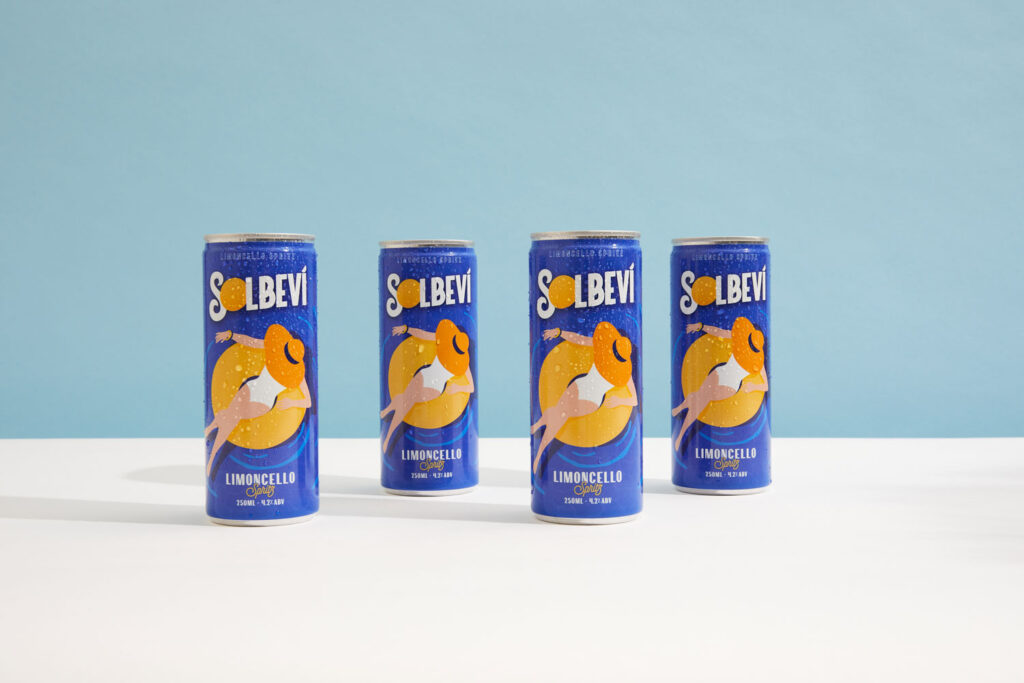
    Solbevi, the Australian creator of an Italian-inspired Limoncello Spritz, has recently revitalised its distribution in Singapore. This development follows a shift in local distribution partners, which confirms the availability of the company’s canned Limoncello Spritz at all Cold Storage supermarkets across Singapore.

    Marking a Distribution Milestone

    The recent relaunch signifies the first country-wide distribution for a canned Limoncello Spritz in Singapore. The brand debuted in the Singaporean market nine months ago but faced logistical constraints. This limitation restricted its preliminary retail exposure to on-board sales with Scoot Airlines.

    Solbevi, with its headquarters in South Melbourne, Australia, markets its Limoncello Spritz in a 250ml can that holds 4.2 per cent Alcohol By Volume (ABV). In addition to the canned spritz, Solbevi also offers a bottled limoncello liqueur. The brand has maintained a robust retail distribution across Australia and New Zealand (ANZ), coupled with a continual expansion overseas into markets such as Malaysia and Thailand.

    Learning and Growing

    In response to this relaunch, Stefan Di Benedetto, founder and CEO of Solbevi, expressed his insights into the competitive yet fulfilling Singaporean market. He highlighted the value of selecting the right distribution partner, a lesson derived from Solbevi’s initial market entry attempt.

    The achievement of securing 100 per cent distribution with Cold Storage, along with forging partnerships with Mondrian and Mama Shelter, marks a significant turning point for Solbevi in Asia. The relaunch events are not just about celebrating this accomplishment, but also a way of expressing gratitude to the city for providing a second opportunity to succeed.

    Questions & Answers

    What is Solbevi?
    Solbevi is an Australian-based company that produces an Italian-inspired Limoncello Spritz. They offer their product in both canned and bottled forms.

    What change has recently taken place with Solbevi’s distribution?
    Solbevi has revitalised its distribution in Singapore, successfully securing placements for its canned Limoncello Spritz across all Cold Storage supermarkets in the country.

    What challenges did Solbevi face when they entered the Singaporean market?
    When Solbevi first entered the Singaporean market, they faced distribution challenges that limited their early retail presence to on-board sales with Scoot Airlines.

  • Bluebell Group’s BlueSpace: A New Retail Star in Shenzhen’s Premium Market

    Bluebell Group’s BlueSpace: A New Retail Star in Shenzhen’s Premium Market

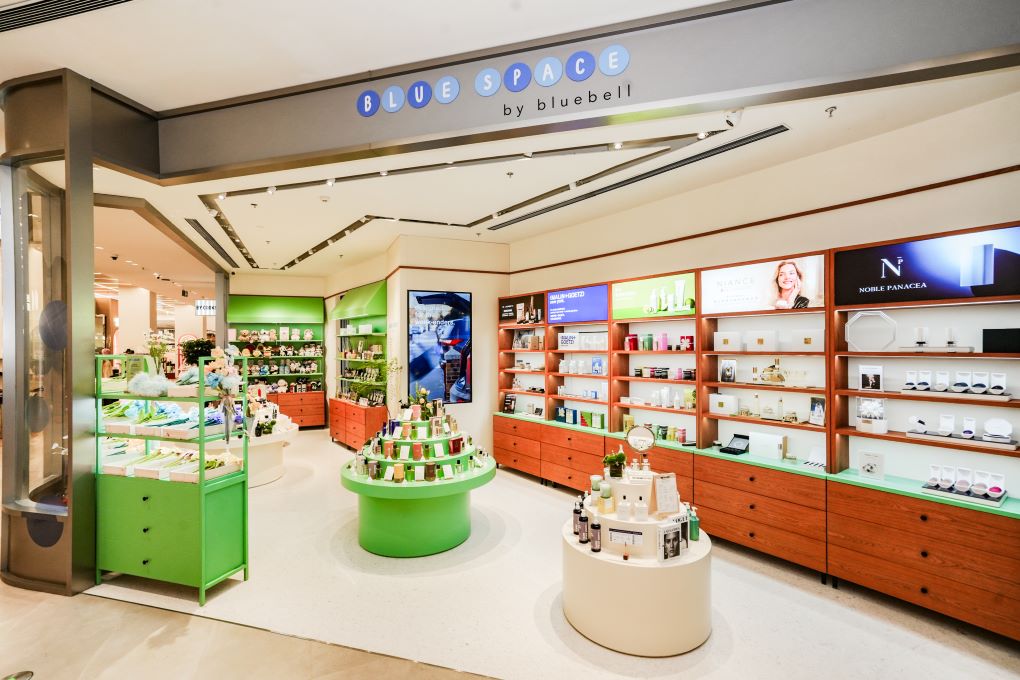
    Bluebell Group has unveiled BlueSpace, an innovative multi-brand retail platform in Shenzhen, offering a curated selection of beauty products, fragrances, lifestyle items, and collector’s pieces all under one roof. This strategic move is part of the company’s ongoing expansion of its high-end retail offerings in the Chinese market.

    The first BlueSpace store is located at the Galeries Lafayette Shenzhen in UpperHills mall. The store carries a diverse selection of international and Chinese brands such as Malin+Goetz, Noble Panacea, Niance, The Different Company, Rose et Marius, Notes for Later, Chujian, To Wild, Bobo Nuts, and CosMouni.

    Aiming for Broader Growth

    BlueSpace is a significant component of Bluebell Group’s overarching growth strategy. It provides a unique retail format intended to assist brand partners in exploring and expanding their reach in China’s upscale consumer market. According to Philippe Guettat, the group’s president and CEO, this progressive model offers their brand partners an unprecedented, low-risk platform to forge meaningful connections with high-end consumers throughout China.

    Earlier in the year, Bluebell Group named Guettat as their permanent group president and CEO in a broader leadership reshuffle. This was done with the aim of reinforcing alignment across their Asian operations.

    Questions & Answers

    What is BlueSpace?
    BlueSpace is a multi-brand retail concept launched by Bluebell Group in Shenzhen. It offers a wide range of beauty, fragrance, lifestyle products, and collectibles under one roof.

    What is the significance of BlueSpace in Bluebell Group’s strategy?
    The introduction of BlueSpace is a key part of Bluebell Group’s growth strategy. It aims to provide a unique retail format for their brand partners to test and expand their presence in China’s high-end consumer market.

    Who is Philippe Guettat?
    Philippe Guettat is the group president and CEO of Bluebell Group. He was appointed to this permanent position earlier this year as part of a broader leadership reshuffle within the company.

  • US FTC Investigation Threatens Sheins Financial Health Amid Hong Kong IPO Plans

    US FTC Investigation Threatens Sheins Financial Health Amid Hong Kong IPO Plans

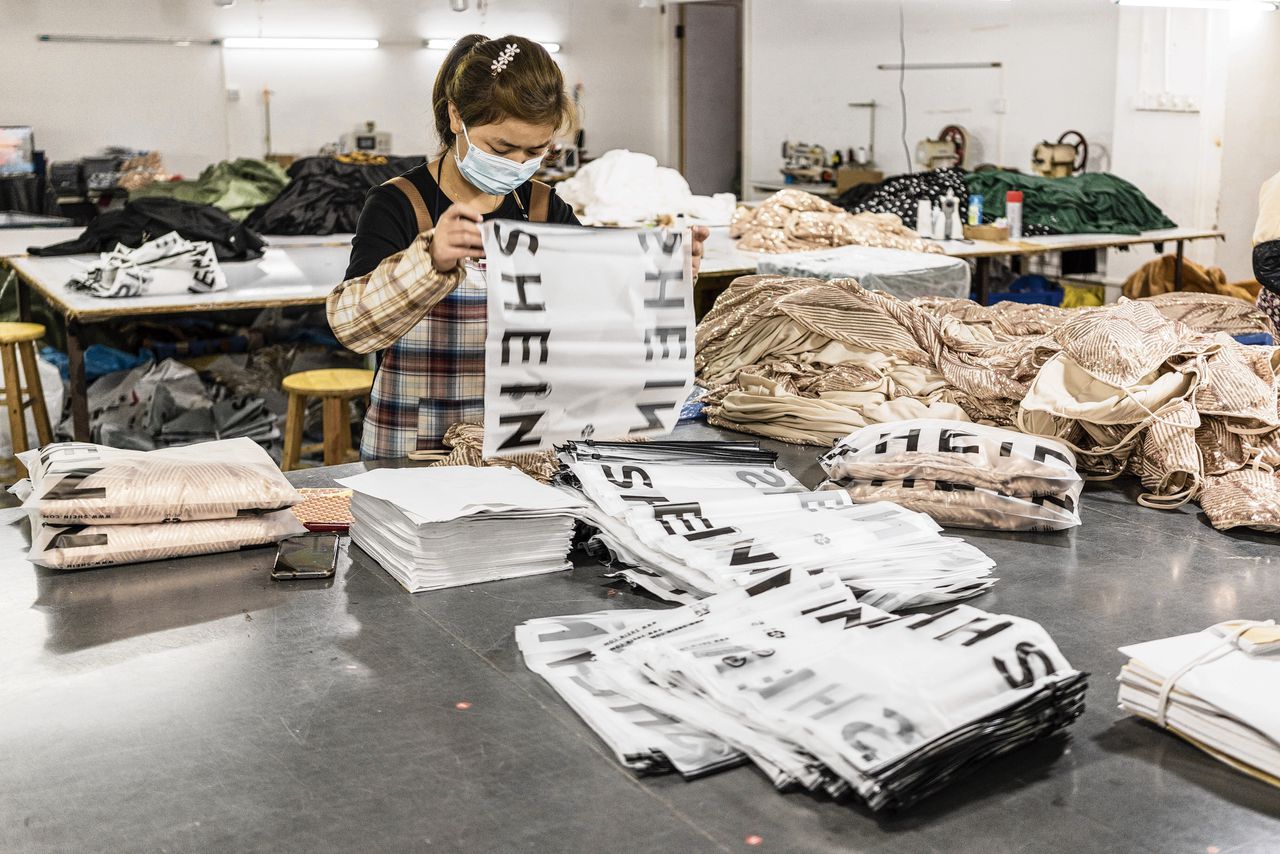
    Fast-fashion online retailer, Shein, recently disclosed that its US operations are currently under investigation by the US Federal Trade Commission (FTC). This news comes from documents related to its intended Hong Kong initial public offering (IPO), suggesting that the company might face significant fines as a result of the investigation.

    Shein, a company of Chinese origin, has confirmed that it is cooperating with the FTC investigation. The company stated in its filing, “The outcome of the investigation, whether in settlement or otherwise, may require us to make significant monetary payments that could have a material adverse effect on our financial condition and results of operations.”

    The FTC, whose role is to enforce US laws against unfair and deceptive business practices, confirmed on Tuesday that it is conducting a consumer protection investigation into Shein. However, Shein did not disclose the specific reason for the investigation and has not responded to requests for comments thus far.

    Shift in IPO Plans and Supply Chain Issues

    Previously, Shein intended to list its IPO in New York and London. However, due to supply-chain risk disclosures becoming a significant hurdle, the company shifted its plans to Hong Kong.

    The company has consistently stated that there is no forced labor in its supply chain. Despite this, language in the filing that identified Uyghur forced labor as a potential risk faced objections from China’s regulator.

    Last year, Shein admitted to finding two instances of child labor in its supply chain in both 2023 and 2024. This admission came in a letter to British lawmakers after the government questioned the company’s labor conditions and supply chain practices.

    The company has also faced scrutiny from the US government over the years concerning its business practices. Last year, Shein had to pay $700,000 to settle a lawsuit brought by four California counties over shipping delays. Furthermore, Texas Attorney General Ken Paxton announced in December that he was investigating Shein’s supply chain and manufacturing practices.

    Despite these challenges, Shein was able to secure a nearly $100 billion valuation in a 2022 fundraising round due to excitement about its lean business operating model. However, the company reported a quarterly loss on Sunday, partly attributed to slowed sales after the US removed the de minimis tariff exemption on small packages.

    Questions & Answers

    What is the nature of the investigation into Shein by the FTC?
    The investigation by the FTC into Shein is a consumer protection inquiry, focused on ensuring the company is not engaging in unfair or deceptive business practices.

    Why did Shein change its IPO listing location from New York and London to Hong Kong?
    Shein shifted its IPO listing to Hong Kong due to supply-chain risk disclosures becoming a major obstacle to proposed listings in New York and London.

    What issues has Shein faced concerning its supply chain and labor practices?
    In the past, Shein has faced scrutiny over its labor conditions and supply chain practices. The company admitted to finding two instances of child labor in its supply chain in 2023 and 2024. Additionally, Shein has faced inquiries from the US government regarding its business practices.

  • Surge in Electric Vehicle Sales: Vietnam Outpaces Southeast Asia with 71% Growth

    Surge in Electric Vehicle Sales: Vietnam Outpaces Southeast Asia with 71% Growth

    During the first half of this year, Vietnam emerged as the leader in Southeast Asia for battery electric vehicle (BEV) sales, with 115,986 units sold. This impressive figure marked a 71% increase compared to the previous year. Furthermore, BEVs accounted for 35.3% of all new vehicles sold, thereby claiming the highest share in the region’s four largest automotive markets – Vietnam, Indonesia, Malaysia, and Thailand.

    Leading BEV Players

    VinFast, Vietnam’s top automotive brand across all vehicle categories, was responsible for the vast majority of the BEVs sold during this period. A small number of sales were attributed to Ford’s Mustang, while some electric vehicle manufacturers did not disclose their specific sales figures.

    BEVs, vehicles powered solely by electricity, stand out from hybrids, which utilize both electricity and gasoline. In Vietnam, BEVs are bolstered by an exemption from registration fees and a favorable 3% special consumption tax, both in effect until the end of 2030.

    Regional BEV Market Overview

    Thailand followed closely behind Vietnam in BEV sales, with a total of 104,418 vehicles sold. Nonetheless, it exhibited the quickest growth rate among the region’s four largest markets, posting a 91% increase.

    In Indonesia, which continues to hold the title of Southeast Asia’s biggest auto market, BEVs made up 16% of new vehicle sales in the first half of the year. Chinese auto manufacturers BYD, Aion, and MG collectively boasted the largest share of Indonesia’s BEV market. According to local auto news outlet DetikOto, the top ten best-selling BEV models in the country all originated from Chinese automakers such as BYD, Jaecoo, and Geely.

    Meanwhile, VinFast sold 1,934 vehicles in Indonesia, with their mini SUV VF 3 model accounting for 1,355 of these sales.

    Despite reporting the lowest BEV sales among the four major markets, Malaysia achieved an 85% growth rate, the second-fastest in the region following Thailand.

    Questions & Answers

    Which country led Southeast Asia in BEV sales in the first half of the year?
    Vietnam led Southeast Asia in battery electric vehicle (BEV) sales during the first half of this year.

    What contributed to the substantial growth of BEVs in Vietnam?
    The growth of BEVs in Vietnam can be attributed to the country’s policy incentives, including an exemption from registration fees and a 3% special consumption tax.

    Which country showed the fastest growth rate in BEV sales among the four largest markets in Southeast Asia?
    Thailand posted the fastest growth rate among the region’s four largest automotive markets.

  • Kering Bounces Back with Revenue Growth in Q2 Amidst Operational Changes

    Kering Bounces Back with Revenue Growth in Q2 Amidst Operational Changes

    The luxury group Kering has reported an upturn in its performance for Q2, indicating a return to revenue growth. CEO Luca de Meo has attributed this encouraging development to the early signs of progress across Kering’s portfolio, following recent operational and commercial modifications.

    Kering’s revenue for the second quarter reached $4.16 billion, a 1% year-on-year increase, bolstered by an improved retail performance. Comparable sales from directly operated stores witnessed a 2% surge, while wholesale and other avenues of revenue saw a 3% increase. De Meo expressed his satisfaction with Kering’s improved Q2 performance, pointing out the sequential acceleration of growth within the organization, including its Gucci brand, thanks to concerted actions carried out in recent months.

    However, for the first half of the year, revenue stood at $8.22 billion, marking a 3% dip compared to the previous year. On a more positive note, recurring operating income hit the $1.04 billion mark, and the recurring operating margin saw an improvement, reaching 12.8%.

    Kering attributes these results to its ongoing efforts to optimize its store operations. Following the closure of 75 net stores in 2025, the company closed an additional 84 net stores in the first half of 2026, in line with its objective of shuttering 100 stores this year.

    Despite this positive trajectory, Kering noted the persistent geopolitical instability as a factor impacting trade in the Middle East, causing a slight reduction in the group’s second-quarter revenue growth by around one percentage point.

    Sharing the company’s future plans, de Meo revealed that Kering would remain committed to execution, technology investments, and brand development. He emphasized the positive effects of the decisive steps taken by the company to enhance the uniqueness of its brands, streamline its organization, and boost effectiveness throughout the group.

    Questions & Answers

    What was Kering’s revenue for Q2?
    Kering reported a Q2 revenue of $4.16 billion, marking a 1% year-on-year increase.

    What steps is Kering taking to improve its performance?
    Kering is focusing on enhancing the distinctiveness of its brands, streamlining its organization, and boosting effectiveness throughout the group. It has also been closing down stores and investing in technology and brand development.

    What challenges is Kering facing in its operations?
    Geopolitical instability, specifically in the Middle East, has been identified as a significant challenge. This has had a slight impact on Kering’s Q2 revenue growth.

  • DFI Retail Triumphs: H1 Profits Leap by 44% Amid Sales Surge in All Business Sectors

    DFI Retail Triumphs: H1 Profits Leap by 44% Amid Sales Surge in All Business Sectors

    DFI Retail Group has announced a substantial surge in profits for the first half of the year, with all its subsidiaries showing positive sales growth for the period. The company’s underlying profit from ongoing operations leapt by 44 per cent, reaching an impressive US$117 million for the six months ending in June.

    Rising Sales Across Segments

    In terms of like-for-like (LFL) sales, the company saw a 3 per cent improvement. This was driven by the robust performance of the health and beauty sector and a return to growth for the convenience and home furnishings segments. Health and beauty witnessed a 6 per cent increase in LFL sales, with Mannings in Hong Kong contributing a 5 per cent growth. This was fuelled by an expanded basket size and a boost in visitor numbers. Guardian in Southeast Asia posted a strong growth of 9 per cent, with Indonesia and Vietnam experiencing close to a 20 per cent enhancement.

    The company’s convenience segment, responsible for 7-Eleven stores in Hong Kong, Macao, Singapore and South China, saw a 2 per cent rise in LFL sales. The home furnishings division, which operates Ikea stores in Hong Kong, Macau, Taiwan and Indonesia, reported a 4 per cent LFL sales hike, a considerable improvement from last year’s 6 per cent decline. The food division, managing supermarket and grocery chains in East and Southeast Asia, noted a modest 0.5 per cent uplift in LFL sales.

    Affirming the Company’s Strategy

    DFI’s CEO, Scott Price, attributed the first-half results to the effectiveness of the company’s strategy, which is defined by its customer-centricity, focus on returns and principled execution. He stated, “As we continue to deepen customer engagement and build new profit pools through the DFI Omni Platform, we are well-positioned to deliver sustainable long-term value with greater earnings resilience.”

    DFI recently made news with its acquisition of Cody Hong Kong, an outdoor advertising solution provider, to the tune of approximately $3.8 million. This move is in line with DFI’s strategy to create an all-encompassing advertising solution in Hong Kong via DFIQ Media.

    DFI has also made some changes to its leadership team this month, appointing Andrew Wong as the CEO of DFI Ikea, Curtis Liu as CEO of health and beauty, Tom van der Lee as CEO of Food, and Kaizhi Wu as group CFO.

    DFI has revised its full-year outlook, projecting organic revenue growth of 3-4 per cent and an underlying profit of between $285 and $305 million. Despite a higher oil price forecast for the rest of the year, the group anticipates stronger profitability backed by improved operational efficiency.

    Questions & Answers

    What is the expected organic revenue growth for DFI Retail Group?
    DFI anticipates an organic revenue growth of 3-4 per cent.

    Who was recently appointed as the CEO of DFI Ikea?
    Andrew Wong was recently appointed as the CEO of DFI Ikea.

    What led to the strong performance of DFI’s health and beauty sector?
    The strong performance of DFI’s health and beauty sector was driven by an expanded basket size and a boost in visitor numbers in Hong Kong, and significant growth in Southeast Asia.

  • Vietnam’s E-commerce Boom: Soaring Online Sales Triple Traditional Retail Growth Rate

    Vietnam’s E-commerce Boom: Soaring Online Sales Triple Traditional Retail Growth Rate

    During the first half of 2026, online retail sales have seen a significant surge, growing by over 40% year-over-year on key e-commerce platforms. This is triple the growth rate of Vietnam’s overall retail sector.

    Online Marketplaces Experience Rapid Growth

    According to a report from an e-commerce data analytics platform, the four main multi-category online marketplaces – Shopee, TikTok Shop, Lazada, and Tiki – experienced growth in gross merchandise value (GMV) ranging from 38-52%. These platforms collectively hosted 613,900 stores, with a total GMV of VND291.6 trillion (US$11.07 billion). These stores sold more than 2.18 billion products, marking a 41% and 12% increase respectively. On average, consumers spent around VND1.6 trillion a day, purchasing 12 million products, with the majority of spending in the beauty, fashion, home and living, groceries and food, and household appliances categories.

    Many brands have reaped the benefits of this e-commerce boom. For instance, JBL, an audio equipment retailer, reported that its second-quarter sales on Lazada were double those of the previous year.

    The Impact of Livestreaming and Discounts

    The rapid growth of online retail has been partly attributed to the rise of livestreaming shopping, which has become the primary purchasing channel for online shoppers, accounting for 67% of their online expenditure. In addition to this, discounts have greatly influenced consumers’ preference for online shopping over traditional brick-and-mortar stores, with 82% of consumers citing discounts as a key factor in their purchasing decisions. Shoppers are encouraged to make immediate purchases due to livestream-exclusive vouchers and limited-time promotions.

    However, increased fees for merchants on both Shopee and TikTok Shop have led to some sellers raising their prices. The National Competition Commission has requested reports from these platforms on the impact of their increased fees.

    Questions & Answers

    What is contributing to the rapid growth of online retail sales?
    Factors such as the rise of livestream shopping, discounts, and the convenience of express delivery have contributed to the rapid growth of online retail sales.

    How are brands benefiting from the e-commerce boom?
    Brands are gaining high traffic and reaching more consumers through online channels, which also serve as effective platforms for promotional campaigns targeting younger consumers.

    How are increased fees on e-commerce platforms affecting sellers?
    Increased fees on e-commerce platforms like Shopee and TikTok Shop are leading some sellers to raise their prices. The impact of these increased fees is currently under review by the National Competition Commission.

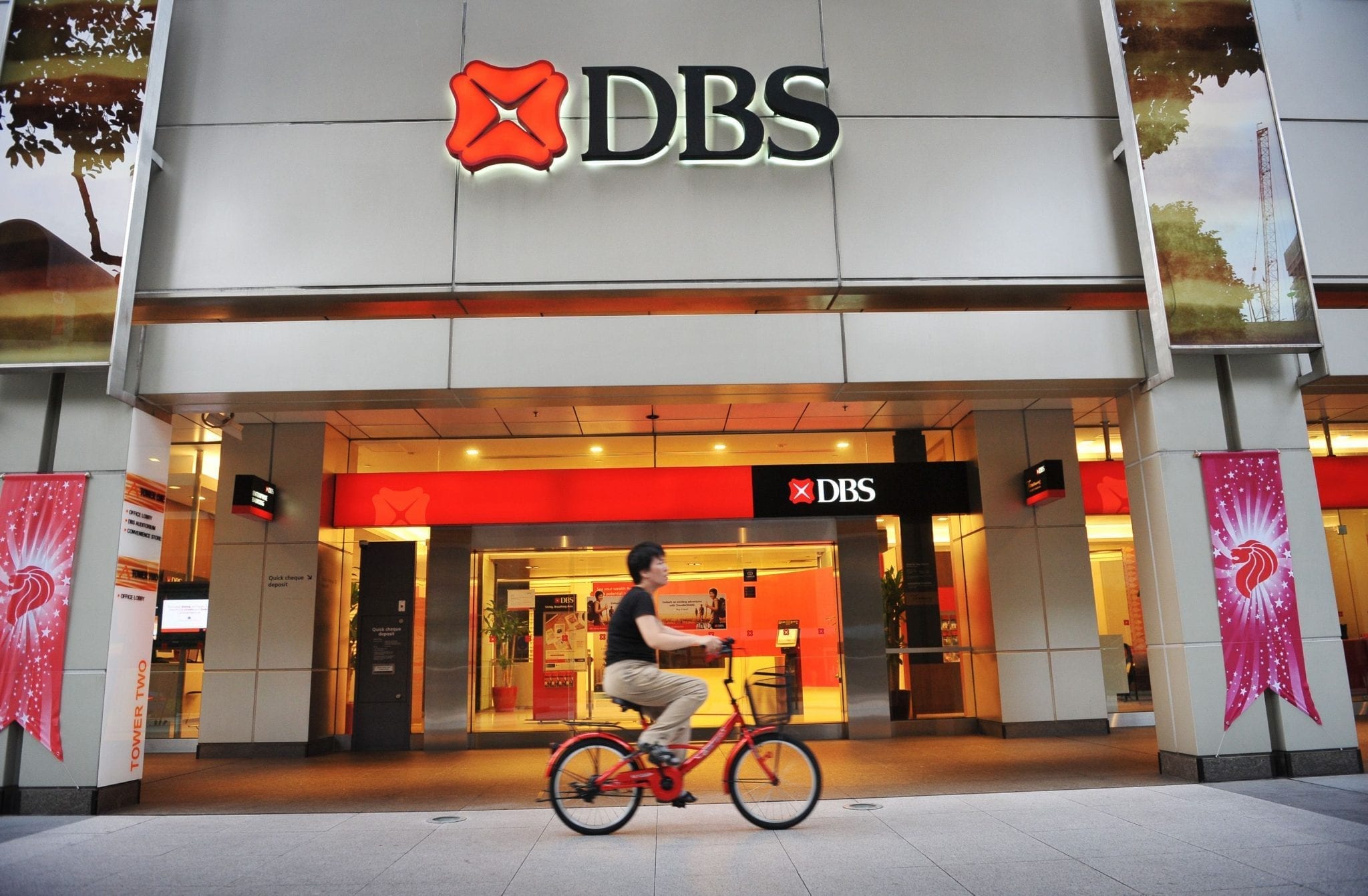
  • DBS Amplifies Banking Experience with AI-Powered Virtual Assistants

    DBS Amplifies Banking Experience with AI-Powered Virtual Assistants

    DBS is advancing in the realm of artificial intelligence (AI), transforming its virtual banking assistants from mere information tools to digital agents with the ability to perform banking tasks on behalf of customers.

    The Singapore-based bank has introduced enhanced generative AI and agentic AI capabilities to over 10 million customers across Singapore, Hong Kong, and Taiwan. This has been achieved through its corporate banking assistant, DBS Joy, and retail banking assistant, DBS digibot. The progression signifies a wider shift in the banking sector, where AI is increasingly anticipated to perform not only as a source of information but also as an efficient and secure executor of routine tasks.

    Corporate Banking Revolutionized

    The most notable enhancement has been observed in the area of corporate banking. DBS Joy has evolved into a fully agentic AI assistant for business and SME clients in Singapore. Instead of merely guiding users to the relevant screens, the assistant is now capable of retrieving transaction information, analyzing account activity, and executing certain banking requests through a single interaction.

    Approximately 350,000 corporate clients are already utilizing the improved assistant. DBS aims to extend this service to an additional 100,000 business users in Hong Kong in September, before further expanding it to other key Asian markets.

    The bank has indicated that the most frequent requests from business clients are inquiries about payments, transactions, and account activity. By enabling customers to ask questions in natural language and receive immediate responses based on authenticated account data, DBS intends to streamline everyday treasury and cash management activities. The improved platform will also offer easier access to human advisors through an integrated live chat feature. Additional voice capabilities are planned for release later this year.

    Expanding AI in Wealth Management

    DBS is also broadening the use of AI in its retail and wealth sectors. The bank’s Gen AI-powered digibot, which already serves over nine million retail customers across Singapore, Hong Kong, and Taiwan, will be incorporated into the bank’s digiWealth platform from August.

    The assistant will assist customers with investment-related inquiries and connect them to dedicated wealth planning managers when personalized advice is needed. Later in the year, DBS plans to introduce agentic functionalities that will allow customers to complete routine tasks – such as checking card usage, tracking reward points, requesting fee waivers, and blocking or replacing payment cards – directly through the conversation. The bank predicts that the virtual assistants will handle over one million customer conversations each month.

    Questions & Answers

    What enhancements has DBS made to its corporate banking assistant, DBS Joy?
    DBS Joy has been transformed into a fully agentic AI assistant capable of retrieving transaction information, analyzing account activity, and completing selected banking requests through a single conversation.

    How is DBS expanding the use of AI in its retail and wealth sectors?
    DBS’s Gen AI-powered digibot will be integrated into the bank’s digiWealth platform, enabling it to assist customers with investment-related questions and connect them with wealth planning managers when personalized advice is required.

    What is the anticipated capacity of DBS’s virtual assistants?
    The bank predicts that its virtual assistants will handle over one million customer conversations each month.