Author: Mei Ling Tan

  • CIMB Expands Wealth Services into Singapore and Thailand, Targeting Southeast Asias Rising Affluent Class

    CIMB Expands Wealth Services into Singapore and Thailand, Targeting Southeast Asias Rising Affluent Class

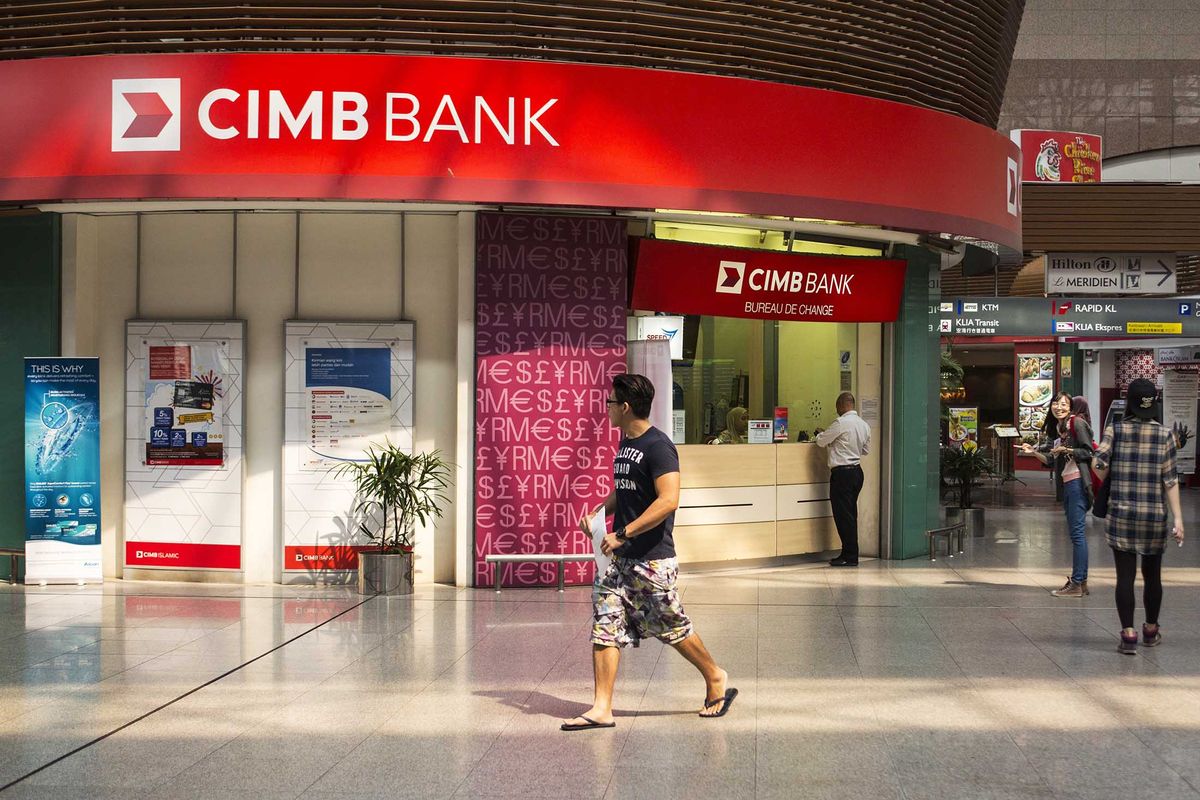
    CIMB Group, Malaysia’s second-largest bank in terms of assets, has announced its intention to expand its private wealth business to Singapore and Thailand by the end of the year. This move is part of a larger plan to double the bank’s wealth assets under management by 2030.

    Targeting Southeast Asia’s Growing Affluent Segment

    Haniz Nazlan, the CEO of group consumer banking at CIMB, revealed on Monday that this expansion activity is targeting the rapidly increasing affluent segment in Southeast Asia. This strategic move follows the successful launch of the bank’s private wealth business in Indonesia earlier in the year and in Malaysia on the same day.

    According to Nazlan, the ASEAN economy, worth US$4 trillion, has been experiencing robust annual economic growth rates of approximately 4%, which is significantly higher than many developed markets. This economic dynamism is expected to stimulate a 5% to 6% annual increase in the region’s affluent population. Furthermore, the middle class is projected to comprise between 65% and 70% of the ASEAN population by 2030.

    Factors such as growing incomes, escalating cross-border investments, and a notable surge in intergenerational wealth transfers are propelling the market.

    A New Service for High Net-Worth Clients

    Daniel Cheong, CIMB’s head of consumer banking for Malaysia, revealed that the new private wealth service is tailored to clients who have at least RM1 million ($244,612) in assets under management. This offering is positioned above CIMB Preferred, the bank’s mass-affluent priority banking segment, which requires a minimum of RM250,000 in assets.

    CIMB’s Private Wealth service offers clients dedicated relationship managers, treasury solutions, investment advisors, customized investment products, succession planning, and digital wealth capabilities.

    Nazlan noted that affluent clients are progressively seeking advice that goes beyond mere investment product selection. He explained that they want guidance on wealth protection, preparation of their children’s futures, access to global opportunities, and making informed decisions in an unpredictable world.

    Nazlan disclosed that CIMB’s wealth assets under management (AUM) were approximately RM250 billion in the preceding year. However, he refrained from providing interim growth targets or customer acquisition figures, stating that it is still the early stages of the Private Wealth proposition’s rollout.

    Questions & Answers

    What is CIMB Group’s plan for its private wealth business?
    CIMB Group plans to expand its private wealth business to Singapore and Thailand by year-end, aiming to double its wealth assets under management by 2030.

    Who are the target clients of the new CIMB private wealth service?
    CIMB’s private wealth service targets high net-worth clients who have at least RM1 million ($244,612) in assets under management.

    What are the key services offered by CIMB’s Private Wealth service?
    CIMB’s Private Wealth service offers dedicated relationship managers, investment advisors, treasury solutions, succession planning, customizable investment products, and digital wealth capabilities.
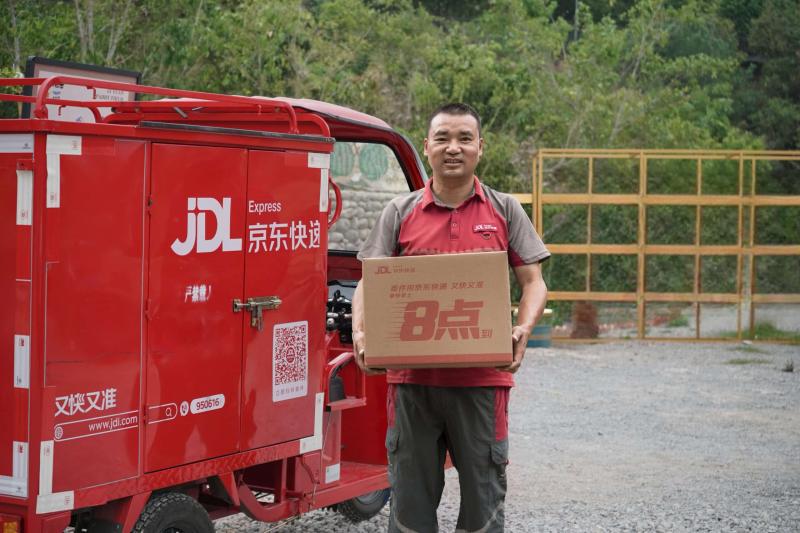

  • JD.com Faces EU Scrutiny Over $2.5B Ceconomy Deal Amid Suspected Unfair State Aid

    JD.com Faces EU Scrutiny Over $2.5B Ceconomy Deal Amid Suspected Unfair State Aid

    JD.com, the powerful e-commerce platform based in China, has been officially notified of regulatory apprehensions related to their proposed $2.5 billion acquisition of the German electronic retailer, Ceconomy. This development could potentially necessitate substantial compromises on JD.com’s part.

    A Deeper Investigation Underway

    The European Commission has initiated an exhaustive probe into the transaction under the Foreign Subsidies Regulation, which tackles unjust foreign state aid. The Commission’s primary focus is to determine if JD.com has been the recipient of preferential financial support, tax benefits, and subsidies from the Chinese government. Such allowances could have assisted JD.com in proposing a more substantial acquisition offer for Ceconomy.

    In response to the concerns, JD.com has been given the opportunity to propose solutions to assuage the apprehensions of the European Union. The Chinese e-commerce giant has defended its position stating that the Commission’s statement of grounds is merely a routine procedural step.

    In a statement, the company expressed their belief that the transaction aligns with Europe’s overarching goals surrounding innovation and competitiveness. “We remain optimistic about a favourable conclusion to the process in the second half of 2026,” said a company spokesperson prior to the Commission’s announcement.

    The European Commission has set an October 2 deadline for its final decision on whether to greenlight the deal.

    Expansion Plans for the Chinese Retailer

    The successful acquisition of Ceconomy would pave the way for JD.com, one of China’s largest retailers, to broaden its influence beyond its native market. This expansion would be achieved via Ceconomy-owned electronic product retailers MediaMarkt and Saturn.

    Questions & Answers

    What is the European Commission’s concern with JD.com’s acquisition of Ceconomy?
    The Commission is investigating if JD.com has received preferential financing, tax incentives, and subsidies from the Chinese government, which may have enabled it to propose a higher acquisition price for Ceconomy.

    How has JD.com responded to these concerns?
    JD.com has been given the opportunity to propose solutions to the EU’s concerns. The company remains confident that the transaction supports Europe’s broader objectives around innovation and competitiveness.

    What would the acquisition of Ceconomy mean for JD.com?
    The acquisition would provide JD.com, one of China’s largest retailers, with an opportunity to extend its reach beyond its domestic market, specifically through Ceconomy-owned electronic products retailers MediaMarkt and Saturn.

  • Lucio Tans Sky-High Ambitions: Philippine Airlines to Boost Fleet with 20 Boeing Dreamliners

    Lucio Tans Sky-High Ambitions: Philippine Airlines to Boost Fleet with 20 Boeing Dreamliners

    Philippine Airlines, under the leadership of banking and tobacco magnate Lucio Tan, intends to acquire up to 20 Boeing 787-10 Dreamliner jets as the company upgrades its fleet in response to increased demand in air travel. The national airline has committed to purchasing at least 15 Dreamliners, with the option to buy another five, as stipulated in a preliminary agreement established in the United Kingdom.

    A Historic Purchase for Philippine Airlines

    The new order represents Philippine Airlines’ initial acquisition of Boeing aircraft in nearly 20 years, with delivery slated between 2031 and 2034. While the financial details of the agreement were not disclosed, the overall deal could potentially exceed $7.1 billion based on listed prices. A single Dreamliner typically ranges from $150 million to $200 million, even though its list price can reach a peak of $355 million.

    The procurement follows Philippine Airlines’ successful fundraising of $300 million from its inaugural bond sale after emerging from Chapter 11 bankruptcy in the U.S. in December 2021. The generated funding will contribute to the rejuvenation and expansion of the 85-year-old airline’s fleet.

    Lucio Tan III, president of PAL Holdings, the airline’s parent company, said, “This investment exemplifies our faith in the future of Philippine Airlines and the projected growth of air travel.” He added, “The Boeing 787-10 will augment our medium and longhaul fleet, enabling us to offer an enhanced travel experience for our passengers while improving operational efficiency.”

    A Broader Strategy for Efficiency and Sustainability

    The acquisition of the 787 Dreamliners is part of a larger plan to build a more efficient, sustainable, and competitive airline. The new aircraft will be powered by GE Aerospace’s GEnx-1B engines. Philippine Airlines, which boasts a fleet of over 80 aircraft, provides service to various destinations across the Philippines and 40 international routes in Asia, North America, Australia, and the Middle East.

    Since 2024, the airline has been actively expanding and upgrading its fleet, following a record profit in 2023 spurred by a post-pandemic travel surge. In December, the airline also added five Airbus A320 aircraft to its fleet.

    In addition to aviation, Tan’s business portfolio extends to banking, beer, spirits, tobacco, and real estate through his publicly traded LT Group. His net worth is estimated to be $2.9 billion.

    This purchase also represents a significant win for Boeing, which has also recently secured orders for 100 aircraft from leasing company SMBC and 28 jets from Riyadh Air.

    Questions & Answers

    What is the significance of this purchase by Philippine Airlines?
    This is the first time in nearly two decades that Philippine Airlines has placed an order for Boeing aircraft, marking a significant milestone in the company’s fleet upgrade strategy.

    How will this acquisition benefit Philippine Airlines?
    The acquisition of the Boeing 787-10 Dreamliner aircraft is expected to enhance operational efficiency and the overall travel experience for passengers, particularly for medium and long-haul flights.

    What are Lucio Tan’s other business interests besides aviation?
    Apart from aviation, Lucio Tan’s business interests span across various sectors, including banking, beer, spirits, tobacco, and real estate through his publicly listed LT Group.

  • Thailand Rolls Out Plans to Promote 300,000 Tons of Southern Durian amidst Oversupply Concerns

    Thailand Rolls Out Plans to Promote 300,000 Tons of Southern Durian amidst Oversupply Concerns

    Thailand is working to stimulate the consumption and distribution of 300,000 metric tons of southern durian due to an oversupply caused by a decline in exports to China, primarily related to quality issues. The director-general of the Department of Internal Trade, Wittayakorn Maneenetr, revealed that the durian production in southern Thailand is expected to reach 752,515 tons this year, marking an increase of 30% compared to the last season. Around 35% of the produce has already hit the market, with almost 489,199 tons remaining undistributed.

    According to Maneenetr, the early-season price drop is linked to China’s temporary halt in orders due to the quality concerns associated with unripe durians, and the growing competition from foreign suppliers and domestic production from Thailand’s eastern and northeastern regions.

    Market Stabilization Measures

    To balance out prices, the department has stepped in with initiatives like advance purchases and consumer-targeted promotional campaigns. Currently, Southern Monthong durians are priced at 85-105 baht (US$2.5-3.1) per kilogram for AB grade, 60-80 baht for C grade, and 40-55 baht for D grade.

    The designed plan to distribute 300,000 tons of southern durian involves selling 3,700 tons through advance purchase contracts, 9,000 tons via consumption promotion campaigns, and 281,000 tons through off-farm distribution networks. Additional measures encompass establishing direct sales outlets, subsidizing postal delivery costs, and encouraging processing initiatives.

    Under its medium-term strategy, the Ministry of Commerce is aiming to engage tourists through consumption campaigns, collaborate with food brands to create durian-based menus, and organize field trips for foreign ambassadors to the major durian-producing provinces, including Chumphon, Surat Thani, and Nakhon Si Thammarat.

    Despite the seasonal challenges, the overall durian exports from Thailand remain strong. From the start of the year until July 5, Thailand has exported 908,047.46 tons of durian in 55,831 shipments, which generated more than 104.19 billion baht.

    Questions & Answers

    What were the main reasons for the drop in durian exports to China?
    The decline in exports was primarily due to quality issues associated with unripe durians, leading to a temporary suspension of orders from China.

    What are the prices for different grades of Southern Monthong durians?
    AB grade durians are priced at 85-105 baht per kilogram, C grade durians at 60-80 baht, and D grade durians at 40-55 baht.

    What strategies are being implemented to boost durian consumption and distribution?
    Strategies include advance purchases, consumption promotion campaigns, setting up direct sales outlets, subsidizing postal delivery costs, and supporting processing initiatives. Furthermore, there are plans to engage tourists and collaborate with food brands to create durian-based menus.

  • Happy Potato Sizzles Across Asia: Malaysian Fries Chain Captures Four New Markets

    Happy Potato Sizzles Across Asia: Malaysian Fries Chain Captures Four New Markets

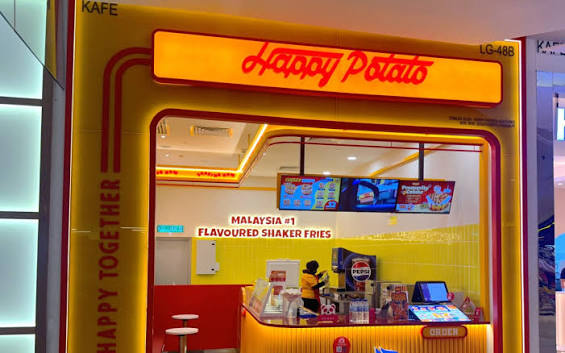
    Happy Potato, a fries chain originally from Malaysia, has successfully extended its operations to four international markets within half a year. The company’s rapid growth has seen it establishing new outlets in Bangladesh, Indonesia, China, and Cambodia as a core component of its aggressive regional expansion strategy.

    This ambitious expansion has boosted Happy Potato’s network to a total of 126 outlets spread across five countries. The majority of the outlets, 117, are located in Malaysia, while Bangladesh hosts three, and Indonesia, China, and Cambodia each accommodate two.

    The origins of Happy Potato trace back to Kota Kinabalu in 2019 where it began with just one outlet. The company opened its initial directly operated store in Peninsular Malaysia in 2023, and has since then been on a fast-paced journey of expansion through its franchising network.

    Between 2024 and 2025, Happy Potato saw a surge in its growth, adding 98 outlets across the nation. This domestic surge set the stage for its current international growth, which began this year.

    Edmund Lim, the CEO and co-founder of Happy Potato, shared that the firm dedicated years to solidifying its franchise model and operational systems before breaking into international markets.

    “Establishing a new outlet is merely one aspect of expansion. The real challenge is ensuring that customers receive the same experience, product quality, and service standards irrespective of the outlet’s location. Achieving this consistency necessitates having robust operational systems, franchise support, and local partners,” he said.

    The international journey for Happy Potato started in February with the first outlets opening their doors in Bangladesh and Indonesia. This was followed by China in May, and Cambodia in July.

    Lim expressed that this recent expansion has bolstered the company’s confidence in scaling its business, while maintaining its commitment to consistent quality across all markets.

    “Happy Potato started as a humble Malaysian fries brand, and now we are catering to customers in five different markets. But this is only the beginning,” he said.

    As part of its 2028 growth plan, Happy Potato has set its sights on expanding its Malaysian network to 200 outlets, while also making its mark in another three to five countries across Asia.

    Questions & Answers

    What are Happy Potato’s plans for future expansion?
    Happy Potato plans to expand its Malaysian network to 200 outlets and enter another three to five countries across Asia by 2028.

    What is noteworthy about Happy Potato’s expansion strategy?
    The company spent years strengthening its franchise model and operating systems before expanding internationally, ensuring that customers receive the same high-quality experience and service at all locations.

    What was the sequence of Happy Potato’s entry into international markets?
    Happy Potato first entered Bangladesh and Indonesia in February, followed by China in May, and Cambodia in July.

  • Singapore’s Sky-High Home Sale: Record-Breaking $539K for a Two-Room Flat

    Singapore’s Sky-High Home Sale: Record-Breaking $539K for a Two-Room Flat

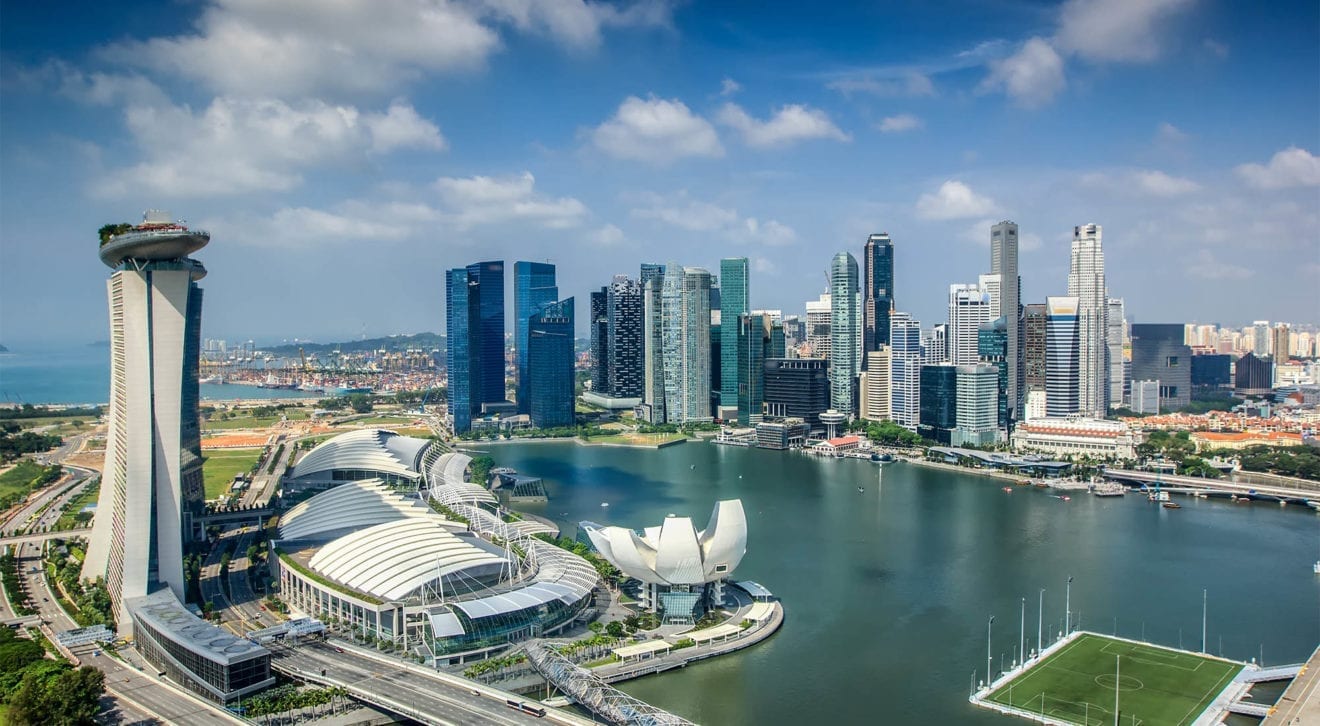
    A new national resale record has been set in Queenstown, Singapore, after a two-bedroom public housing flat fetched a whopping SGD696,000 (US$539,000). The sale, completed on July 16, involved a unit located on a high floor at SkyParc @ Dawson. This transaction didn’t just set a record for the highest price for a two-room Housing and Development Board (HDB) resale flat; it also appears to have established a new national record for the price per square foot for this type of flat.

    Sky-High Sale

    The 506-square-foot flat that set the new record is situated between the 31st and 33rd floors and was sold for approximately SGD1,375 per square foot. This unheard-of sum represents the highest price per square foot ever recorded for a two-bedroom HDB resale flat in Singapore. SkyParc @ Dawson, where the flat resides, comprises three high-rise residential blocks at 94 to 96 Dawson Road, with heights ranging from 34 to 43 stories. The record-breaking flat is located in block 95, which stands at 40 stories high. The upper floors offer stunning panoramic views of the surrounding greenery, the city skyline, and neighboring low-rise districts.

    Property Features

    The lease for the flat began in 2021, with approximately 94 years and four months remaining as of July 2026. This gives potential buyers a significantly longer lease than many older resale flats in Queenstown. The SkyParc @ Dawson development offers a blend of commercial, recreational, and community facilities. On the ground floor, residents have access to a minimart, two retail shops, and a café facing Dawson Road. The complex also features a preschool, adding convenience for families with young children. Additional amenities include fitness zones, sheltered communal areas, bicycle parking, and a jungle-themed playground. The estate is further embellished with murals and landscaped common spaces, giving it a unique character compared to a typical residential development.

    Questions & Answers

    What record has the SkyParc @ Dawson sale set?
    The transaction set a new national resale record in Singapore as the most expensive two-bedroom HDB flat, and also established a new price per square foot record.

    What amenities does SkyParc @ Dawson offer its residents?
    Residents have access to a minimart, shops, and a café, as well as a preschool, fitness zones, sheltered communal areas, bicycle parking, and a playground.

    How long is the lease for the record-breaking flat?
    The lease for the flat began in 2021 and has approximately 94 years and four months remaining as of July 2026.

  • Aussie Swimwear Sensation Seafolly Dives into China Market: A Global Expansion Milestone

    Aussie Swimwear Sensation Seafolly Dives into China Market: A Global Expansion Milestone

    Seafolly, the renowned Australian swimwear brand, has officially entered the Chinese market, marking another significant milestone in its ongoing global expansion. This move trails closely behind the brand’s recent launches in the United States and the United Arab Emirates.

    Engaging the Chinese Market with a Tailored Strategy

    Recognizing the increasing demand for high-quality swimwear in China, Seafolly has developed a unique ‘go-to-market’ strategy. This approach is designed to facilitate consumer discovery and engagement with the brand while promoting its shopping experience.

    To bolster this expansion, Seafolly has laid the groundwork by inaugurating an office in Shanghai. This move equips the brand with an on-site team to manage local operations, forge partnerships, and steer the brand’s development in the Chinese market.

    In addition, Seafolly has marked its presence on popular Chinese social commerce platforms such as Rednote, Douyin, and Tmall. This digital outreach aims to leverage the advantages of these platforms to introduce the brand to potential customers and engage with them effectively.

    Creating Connections through Influencer Partnerships

    As part of its introductory phase, Seafolly has partnered with influencers and launched livestream campaigns. These initiatives have already garnered high engagement rates and positive consumer sentiment, paving the way for a successful official launch.

    Brendan Santamaria, CEO of Seafolly, commented on the expansion, stating that their international markets have demonstrated impressive momentum, and there is a growing affinity for premium Australian lifestyle brands in China. He further added that having a local base in Shanghai enables the brand to establish an authentic connection with its consumers and build the brand effectively.

    In the coming months, Seafolly plans to launch physical stores in China, providing a tangible, immersive experience to its customers.

    Questions & Answers

    What is Seafolly’s strategy for its expansion into China?
    Seafolly’s approach is a locally tailored ‘go-to-market’ strategy, aimed at helping Chinese consumers discover and engage with the brand. The company has also opened an office in Shanghai to manage local operations and brand development.

    How is Seafolly leveraging digital platforms in its Chinese market entry?
    Seafolly has marked its presence on multiple Chinese social commerce platforms, including Rednote, Douyin, and Tmall. It has also established partnerships with influencers and launched livestream campaigns, which have generated strong consumer engagement.

    What are Seafolly’s future plans in China?
    In addition to its digital outreach, Seafolly plans to establish physical stores in China later this year, providing customers with a more immersive, tangible brand experience.

  • School Dropout to Billionaire: The Remarkable Journey of Chua Thian Poh, Singapores Sentosa Cove Property Mogul

    School Dropout to Billionaire: The Remarkable Journey of Chua Thian Poh, Singapores Sentosa Cove Property Mogul

    After dropping out of school at 16, Chua Thian Poh embarked on a business venture that would ultimately lead him to become a pioneer in Singapore’s prestigious Sentosa Cove with his company, Ho Bee Land. Today, Sentosa Cove is an exclusive residential district, and Ho Bee Land stands as its largest private developer.

    The Journey to Sentosa Cove

    Back in the early 2000s, Sentosa Cove was nothing more than a reclaimed segment of land with few believing in its potential to become a prime residential enclave. However, Ho Bee Land was the first private developer to take a bold risk on the area. Chua recounts, “At that time, the concept of luxury waterfront living was new to Singapore, but we saw Sentosa Cove’s potential to become a world-class seafront precinct.”

    While this is arguably his most recognised success, the establishment of Ho Bee Land predates Chua’s move to Sentosa Cove. As one of fourteen siblings, Chua left high school early and borrowed S$15,000 (roughly US$11,600) from his mother to start a business manufacturing hooks and spikes for logging companies. He later ventured into commodity trading in Indonesia, generating the capital needed to launch his property business back in Singapore in 1987. With the purchase of an industrial building, Ho Bee Land began developing small and medium-sized projects, eventually going public on the Singapore Exchange in 1999.

    A significant move was made in 2003 when Chua and Ho Bee Land ventured into Sentosa Cove. They built eight buildings in the following years, with buyers from numerous countries quickly purchasing the first five buildings at increasingly high prices. The profits from these projects pushed Ho Bee Land into the spotlight as one of Singapore’s stock market’s standout performers between 2006 and 2010.

    However, by the early 2010s, housing prices in Sentosa Cove began to fall from their 2008 peak in response to Singapore’s property cooling measures. Instead of selling in a weak market, Chua cleverly converted a major project into a rental property. Sales of the project finally began in 2022, with half of the 50 units released being sold on the launch day.

    Expanding A Global Approach

    Over the years, Chua has made several strategic moves that have transformed Ho Bee Land into a leading property developer with presence extending to Australia, China, the UK and Europe. In 1996, Chua shifted his investment focus from Singapore to London, a move which fortuitously shielded Ho Bee Land from the 1997-98 Asian financial crisis.

    Ho Bee Land continued its expansion with The Metropolis, a 23-story twin-tower office development at one-north on the city fringe. This put Ho Bee Land ahead of the curve yet again, attracting a number of multinational tenants and establishing one-north as a flourishing business and research hub.

    In addition, the company has also been expanding its investments in Australia, purchasing a 181-hectare landholding in Queensland for A$318.5 million (around US$220 million) earlier this year. Ho Bee Land also contributes to the community through the Ho Bee Foundation, supporting causes such as education, healthcare, social welfare, and the arts.

    Chua, now ranked among Singapore’s wealthiest individuals with an estimated net worth of US$1.4 billion, has gradually been handing over the reins to his eldest son, Nicholas Chua, who joined Ho Bee Land in 2002 and is now its CEO and executive director.

    Questions & Answers

    What was Chua Thian Poh’s first business venture?
    Chua Thian Poh’s first business venture involved manufacturing hooks and spikes for logging companies, which he started with a loan from his mother.

    How did Ho Bee Land become a standout performer in Singapore’s stock market?
    Ho Bee Land became a standout performer in Singapore’s stock market through the profits it earned from its projects in Sentosa Cove between 2006 and 2010.

    What was Ho Bee Land’s strategy when housing prices in Sentosa Cove began to fall?
    When housing prices in Sentosa Cove began to fall, Ho Bee Land chose not to sell in a weak market. Instead, they converted their major project into a rental property, generating income to cover the cost of holding the development until a more opportune time for sales arrived.

  • Nike Revamps China Strategy, Directs Online Sales to Exclusive Channels Amid Rising Domestic Competition

    Nike Revamps China Strategy, Directs Online Sales to Exclusive Channels Amid Rising Domestic Competition

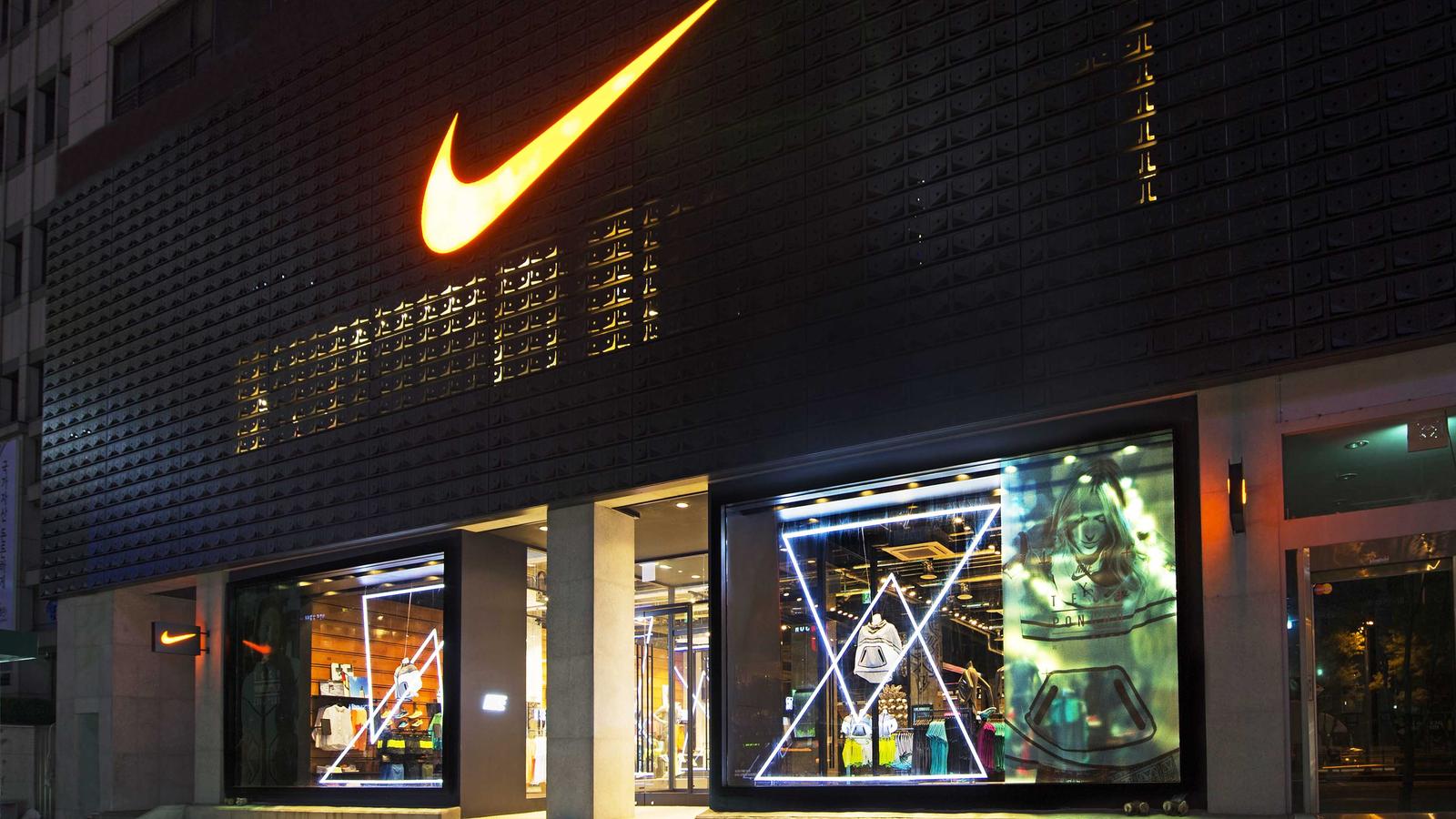
    In a move to regain customer loyalty in China, American athletic wear giant, Nike, is taking control of its online product distribution. The company aims to drive consumers to official Nike channels and implement full-price sales as it faces increasing competition from domestic brands.

    Nike’s new strategy includes limiting online sales by wholesale distributors, according to Cathy Sparks, VP and GM of Greater China. From January, major sportswear retailers in China will cease online sales of Nike’s clothing and footwear, focusing instead on in-store transactions. Online, Nike merchandise will be available through new Nike-branded digital storefronts on popular Chinese e-commerce platforms such as Tmall, JD.com, and Douyin, as well as Nike’s own website and app.

    Sparks, who has spent 25 years at the company and was appointed to oversee Chinese operations earlier this year, stated, “Our marketplace has become so fragmented and cluttered.” She added that consumers desire a premium brand experience that is reliable and seamlessly integrates digital and physical aspects.

    Recovery Challenges in China

    China, the third largest market for Nike, presents a significant area of concern. As the company seeks to recover growth, it’s implementing a comprehensive strategy that includes this shift towards e-commerce.

    The company reported last month that sales in Greater China declined by 17% on a constant-currency basis in the fourth quarter. This drop is even more significant than the 10% decrease seen in the previous quarter. Nike’s market share has been impacted by the rise of local competitors Anta and Li Ning, as well as international brands like On and Hoka.

    Investors are keenly observing Nike’s recovery strategy led by CEO Elliott Hill. Despite facing substantial challenges, Hill, who has been at the company’s helm for nearly two years, is determined to refocus on sports, rebuild wholesale relationships in North America, and introduce new products.

    In line with these changes, most of Nike’s 16 store partners in China, who manage thousands of Nike stores, will halt their online sales, a Nike spokesperson confirmed.

    Topsports, a leading Chinese sportswear retailer that makes 22% of its revenue from online sales of Nike products, is among the distributors expected to be impacted. The company has warned of a “significant” short-term negative effect but remains committed to collaborating closely with Nike on offline sales arrangements.

    Nike’s decision to alter its e-commerce strategy was criticized by BNP Paribas senior analyst Laurent Vasilescu, who called it a “strategic misstep” that could benefit competitors.

    Furthermore, Sparks highlighted the need for Nike to launch products that resonate more with Chinese consumers. The company has appointed a vice president of local product creation in Greater China to address this need.

    Questions & Answers

    What is Nike’s strategy to regain customer loyalty in China?
    In an attempt to regain customer loyalty, Nike is controlling its online distribution by driving consumers to official Nike platforms and implementing full-price sales, despite facing competition from domestic brands.

    How is Nike’s market performance in China?
    Nike reported a 17% decline in sales in Greater China on a constant-currency basis during the fourth quarter, showing a larger decrease than the 10% drop in the previous quarter.

    Why does Laurent Vasilescu, BNP Paribas senior analyst, consider Nike’s e-commerce strategy changes a strategic misstep?
    Vasilescu believes that Nike’s problem is not with distribution in China and elsewhere, but with its product. He suggests that the changes in e-commerce strategy could give opportunities to the company’s competitors.

  • ThaiBev Mulls Over Sale of Thailands Premier KFC Franchise Amid Profit Drop

    ThaiBev Mulls Over Sale of Thailands Premier KFC Franchise Amid Profit Drop

    ThaiBev, owned by Charoen Sirivadhanabhakdi, is reportedly contemplating the sale of its KFC franchise business in Thailand – the largest of its kind in the country. The fast-food chain’s operations are overseen by The QSR of Asia. This takeover was initiated when the subsidiary purchased 240 restaurants from Yum Restaurants International in 2017 for an estimated US$335 million.

    ThaiBev’s Expanding Portfolio and Challenging Profits

    Since the initial acquisition, the number of outlets has more than doubled to over 500 across Thailand, solidifying QSR’s position as the country’s largest franchise. However, this expansion has brought its own set of challenges for ThaiBev. The company, known for producing Chang, has experienced a 21.7% decrease in profits, according to its latest annual fiscal statements.

    The drop in profits is reportedly due to the expenses incurred from the continual expansion of the restaurant chain. Nonetheless, ThaiBev remains a significant player in the market, despite the challenges and costs associated with operating a booming fast-food business.

    The Future of ThaiBev’s KFC Franchise

    Currently, ThaiBev is working with the Bank of America Corp to gauge interest in potential transactions relating to the KFC franchise. However, it is important to note that there are no guaranteed sales at this point. The future of the KFC franchise under ThaiBev’s ownership remains uncertain.

    Questions & Answers

    Who currently owns the largest KFC franchise business in Thailand?
    ThaiBev, owned by Charoen Sirivadhanabhakdi, currently holds the largest KFC franchise business in Thailand.

    What has been the impact of the franchise expansion on ThaiBev’s profits?
    The expansion of the franchise has led to a 21.7% drop in ThaiBev’s profits, largely due to the costs associated with the ongoing growth of the restaurant chain.

    What is the future of ThaiBev’s KFC franchise?
    ThaiBev is contemplating the sale of its KFC franchise and is working with the Bank of America Corp to assess interest in potential transactions. However, no sale is guaranteed at this time.

  • Singapore’s Metro Redefines Retail, Plans Closure of Two Major Stores for Smaller Multi-Concept Outlets

    Singapore’s Metro Redefines Retail, Plans Closure of Two Major Stores for Smaller Multi-Concept Outlets

    Metro, a well-known retailer based in Singapore, has announced plans to shutter its department stores located at Paragon on Orchard Road and Causeway Point. This decision comes in line with the company’s strategic pivot away from traditional large-format department store models, as their leases approach expiration.

    Embracing a New Retail Model

    Metro’s future plans revolve around introducing a flexible retail model that focuses on smaller-format and multi-concept stores. The company is currently exploring potential locations and liaising with landlords to advance the rollout of these innovative multi-concept stores.

    To ensure the financial viability and success of its new retail approach, Metro is considering several key factors. These include the location, rental terms, and implementation timelines of these proposed stores. This strategic move is aimed at meeting the fundamentally different consumer expectations of today’s market, while allowing more flexibility for the introduction of new concepts, brands, and partnerships.

    Commenting on the new direction, Yip Hoong Mun, Group CEO and Executive Director of Metro, said that the company’s refreshed retail strategy is designed to tackle the challenging operating environment and align with customers’ evolving expectations.

    Transforming the Retail Landscape

    Tan Soo Khoon, the chairman of Metro, further highlighted that this repositioning would pave the way for a more agile retail platform. This transformation is expected to support the company’s long-term growth ambitions. “As the retail landscape continues to transform, it is vital for us to evolve alongside it,” Tan noted.

    In the past year, Metro has been revamping its offerings through various partnerships and experiential concepts. However, despite its initiatives, the company reported a net loss of US$8.8 million for the fiscal year ending March 31, attributing the downturn to lower revenue, weaker margins, and impairment charges.

    Meanwhile, potential plans are being reviewed to optimise and selectively reconfigure parts of the Orchard Road mall, which presently houses Metro.

    Questions & Answers

    What is the new retail model that Metro is adopting?
    Metro is shifting towards a flexible retail model centred on smaller-format and multi-concept stores.

    Why is Metro shifting away from traditional department stores?
    Metro’s shift is prompted by changing consumer expectations and a desire for greater flexibility to introduce new concepts, brands, and partnerships.

    Will Metro continue to operate in the Orchard Road Mall?
    Metro has expressed interest in remaining at the Paragon on Orchard Road under its new retail concept, and discussions are ongoing.

  • EU Slaps AliExpress with Record $629 Million Fine Over Counterfeit Goods Crackdown Failure

    EU Slaps AliExpress with Record $629 Million Fine Over Counterfeit Goods Crackdown Failure

    On Monday, AliExpress, Alibaba’s subsidiary, was slapped with a record-breaking €550 million (US$629 million) fine by the European Union for its failure to address sales of illegal, dangerous and counterfeit items on its platform. This penalty is considered to be the largest to date, issued by the European Commission in line with the EU’s Digital Services Act, a prominent law that mandates online platforms of substantial size to augment their efforts in combating harmful and illicit content.

    This penalty is the third of its kind issued by the European Commission, following charges placed on AliExpress in June of the previous year for non-compliance with a Digital Services Act stipulation. This regulation requires platforms to evaluate and reduce the risk of distributing illegal products. AliExpress was given until October 20 to suggest corrective actions. Should the regulatory body determine in December that the company has failed to meet the requirements of the Digital Services Act, further sanctions may be levied.

    The EU’s tech chief, Henna Virkkunen, expressed concern over this issue, describing it as highly risky for consumers and unfair to companies that abide by the rules. She highlighted the vast user base of AliExpress in Europe, standing at 193 million last year, compared to Shein’s 156 million and Temu’s 130 million. Temu has also been subject to fines under the Digital Services Act, and Shein is currently under investigation.

    AliExpress has voiced its intention to contest the fine, deeming it as excessive. “Today’s decision and disproportionate fine disregards our robust risk management structure and the substantial, proactive improvements we’ve implemented,” AliExpress stated via email. The company also indicated its active collaboration with the Commission to satisfy its evolving expectations.

    Assessment and Criticism of AliExpress’s Risk Management Practices

    The Commission criticized AliExpress for not adequately assessing whether it had sufficient personnel to manage risks and for overestimating the efficacy of its system in identifying and removing illicit products. Furthermore, the Commission took issue with the company’s ineffective penalty policy, which allowed penalized businesses to continue selling illegal products on its platform.

    The regulator also noted that AliExpress’s “brand authorisation” system, designed to deter counterfeit sales, was insufficient and easily bypassed by traders selling fraudulent items. There was also criticism of the company’s advertising and recommender systems for contributing to the spread of illicit products and relying on one quantitative indicator to assess the moderation system’s effectiveness in preventing the appearance or re-emergence of illegal products in similar forms.

    However, the regulator did consider the novelty of the Digital Services Act as a mitigating factor when determining the fine, which could have been even larger. This penalty far surpasses the €120 million fine imposed on Elon Musk’s social media platform X and the €200 million fine on Temu, both for Digital Services Act violations.

    Questions & Answers

    What is the significance of the fine imposed on AliExpress by the European Union?

    This penalty, amounting to €550 million (US$629 million), is a record-breaking fine issued by the European Commission under the EU’s Digital Services Act. It highlights the EU’s stance on ensuring large online platforms take more responsibility in preventing the distribution of illegal and harmful content.

    How has AliExpress responded to the fine?

    AliExpress has expressed its intention to appeal the fine, deeming it as excessive. The company asserts that this penalty neglects the robust risk management framework they have established and the proactive enhancements they’ve implemented in their operations.

    What criticisms has the European Commission voiced regarding AliExpress’s operations?

    The Commission has criticized AliExpress for inadequately assessing risks and overestimating its system’s effectiveness in identifying and removing illicit products. Other criticisms include the company’s ineffective penalty policy, its “brand authorisation” system’s shortcomings, and its advertising and recommender systems’ role in spreading illegal products.

  • Sheraton Saigon Elevates Event Experience with Level 23: New Multipurpose Venue and Skyline Bar

    Sheraton Saigon Elevates Event Experience with Level 23: New Multipurpose Venue and Skyline Bar

    In celebration of its 23rd anniversary, the Sheraton Saigon Grand Opera Hotel, located in the heart of Ho Chi Minh City, has recently unveiled Level 23. This innovative space showcases a convergence of meeting venues, event spaces, and a rooftop entertainment area, designed to meet the increasing demand from business travelers, international delegations, and local patrons for multi-functional destinations.

    Exploring the Offerings of Level 23

    Level 23 brings together the private event space Altitude 23, Summit – a versatile meeting and event area, and Hai Bar, one of the most elevated rooftop bars in Dong Khoi. This promising project was officially introduced to the public during the “High Above Saigon” event held on June 26, 2026.

    Summit, the meeting and event space, features five adaptable rooms that provide natural daylight and sweeping views of iconic landmarks such as the Nguyen Hue Boulevard, Bitexco Tower, and the city’s skyline. With the largest room, Grand Summit, capable of accommodating up to 212 guests in a theater-style arrangement, 180 for cocktail events, and 160 for banquets, Summit offers a venue solution for a variety of events. The rooms can be used individually or combined, providing the perfect setting for anything from executive meetings, product launches, and corporate events, to galas, weddings, and private celebrations.

    Adding to the allure of Level 23 is Hai Bar, the hotel’s renovated rooftop cocktail bar. Open from 5 p.m. daily, the bar offers breathtaking views of the Saigon Opera House, Notre-Dame Cathedral, the Saigon River, and Ba Son Bridge. Patrons can choose from 23 signature cocktails, each inspired by different regions of Vietnam and made with locally sourced ingredients.

    Introducing Altitude 23

    Altitude 23, the private event venue, is a spacious 260-square-meter area that offers panoramic views of Ho Chi Minh City. It can comfortably accommodate up to 200 guests in theater-style seating and up to 150 for banquets or cocktail receptions. The venue, which once housed the Night Spot nightclub, has been redesigned for contemporary events while preserving elements of the original space.

    According to Julian Wong, General Manager of the Sheraton Saigon Grand Opera Hotel, the introduction of Level 23 is a significant milestone for the hotel. He emphasized that the concept is not just about height but rather about providing a tranquil, elevated perspective of the vibrant city. Wong affirmed that guests are increasingly seeking destinations that can accommodate multiple purposes within a single visit, and Level 23, with its high-floor experience, perfectly fits the bill.

    The unveiling of Level 23 marks the hotel’s third substantial development in less than a year. Earlier, it opened the Grand Opera Tower, added 120 renovated rooms and suites, and became the first Marriott International hotel in Vietnam to receive LEED Gold Certification under the LEED v4.1 Operations and Maintenance standard.

    Questions & Answers

    What is the concept behind Level 23 at the Sheraton Saigon Grand Opera Hotel?
    Level 23 is designed to accommodate the increasing demand for multi-functional destinations that can cater to a variety of events, from business meetings to private parties, all within a single space.

    What unique features does Level 23 offer?
    It brings together three distinct venues: Summit, a versatile meeting and event space; Hai Bar, a rooftop cocktail bar; and Altitude 23, a private event venue. Each offers a unique high-floor experience with panoramic views of Ho Chi Minh City.

    What is the capacity of the venues at Level 23?
    Grand Summit, the largest space at Summit, can accommodate up to 212 guests. The rooftop bar, Hai Bar, is open to all guests, while Altitude 23 can seat up to 200 guests in a theater-style arrangement.

  • Vietnam’s Economic Surge: Standard Chartered Uplifts 2026 GDP Growth Forecast to 9.5%

    Vietnam’s Economic Surge: Standard Chartered Uplifts 2026 GDP Growth Forecast to 9.5%

    Standard Chartered has increased its projection for Vietnam’s economic growth in 2026 to 9.5%, a considerable increase from its previous estimate of 7.2%. This revision comes on the heels of Vietnam’s robust economic performance in the first half of the year, with key growth sectors showing continuing momentum. Moreover, the bank expects this positive trend to extend into 2027, anticipating a GDP growth of 11%. This revision signifies one of the most substantial forecast upgrades the bank has made for Vietnam in recent times.

    Forecast Adjustments and Economic Stability

    In tandem with this increased growth projection, Standard Chartered has decreased its inflation forecast for 2026 and 2027 to 4.4% and 3.3% respectively. This reduction comes as the bank predicts a further easing of price pressures. Consequently, the State Bank of Vietnam is expected to keep its policy rates unchanged, maintaining a balance between supporting economic growth and ensuring macroeconomic stability.

    According to Tim Leelahaphan, Senior Economist for Vietnam and Thailand at Standard Chartered, Vietnam has shown significant resilience and adaptability during the first half of 2026. Growth has exceeded expectations, largely due to the robust recovery of the manufacturing-processing industry, services, and investment sectors, as well as the beneficial impact of pro-growth policy measures.

    Outlook for the Future

    Despite existing global economic uncertainties and inflationary risks, Vietnam is stepping into the second half of the year with a solid foundation. Continuous domestic demand, persistent investment in infrastructure, enhanced production capacity, and ongoing economic restructuring are expected to cultivate a balanced and sustainable growth model. These factors are predicted to support the nation’s long-term development goals.

    With its revised 9.5% growth projection for 2026, Standard Chartered stands as one of the most optimistic international institutions regarding Vietnam’s economic future. Other international financial institutions have also echoed this upbeat outlook. This growing confidence in the resilience and prospects of the Vietnamese economy emphasizes the positive direction the country is headed in, despite varying forecasts. The principal factors supporting this economic expansion include recovering domestic demand, sustained investment inflows, pro-growth policies, and accelerated infrastructure development. However, external uncertainties still necessitate careful monitoring to ensure sustainable growth.

    Questions & Answers

    What is Standard Chartered’s revised economic growth projection for Vietnam in 2026?
    The bank has revised its growth projection to 9.5%, up from its previous forecast of 7.2%.

    What factors have contributed to Vietnam’s positive economic performance in the first half of 2026?
    The robust recovery of the manufacturing-processing industry, services, and investment sectors, along with the positive impact of pro-growth policy measures, have contributed to this positive performance.

    What are the main drivers expected to support the Vietnamese economy’s expansion in the coming years?
    Factors such as recovering domestic demand, sustained investment inflows, pro-growth policies, and accelerated infrastructure development are expected to remain the principal drivers supporting the country’s economic expansion.

  • Sunway Malls Revolutionizes Shopping with Malaysias First AI-Powered Smart Mall

    Sunway Malls Revolutionizes Shopping with Malaysias First AI-Powered Smart Mall

    Sunway Malls, one of Malaysia’s leading shopping center operators, has launched a pioneering artificial intelligence (AI) system designed to transform its locations into the nation’s first “smart malls.”

    The innovative AI network will work in tandem with Sunway’s existing ‘Internet of Things’ (IOT) framework to enhance operational efficiency and productivity while simultaneously enriching the consumer experience. This technological advancement builds on the successful integration of IOT at the Sunway Pyramid shopping center in Subang Jaya last year.

    Embracing Digital Transformation

    HC Chan, Group Managing Director of Sunway Malls, emphasized the growing importance of digital technology in the business landscape. He explained that the precision, timeliness, and relevance provided by this technology facilitates more insightful and strategic responses in an intensely competitive market.

    According to the company, all 16 Sunway Mall locations will be incorporated into a comprehensive IOT network. This integration will facilitate a cohesive management system that relies on automated, data-driven insights for decision-making processes. The company pledged to allocate resources “intelligently,” anticipating and resolving maintenance issues before they become problematic.

    Expanding Technological Features

    The extensive technological upgrade will introduce a range of features, including a 5G network, smart toilets and escalators, AI-enabled CCTV, and digital sustainability initiatives.

    Furthermore, Sunway Malls will launch a new AI customer chatbot and the Sunway Super lifestyle app, designed to enhance the customer experience. These digital services will offer smart parking, in-mall navigation, and a virtual shopping assistant, revolutionizing the shopping experience for customers.

    Questions & Answers

    What is the purpose of Sunway Malls’ new AI ecosystem?
    The AI ecosystem has been developed to enhance operational efficiency and productivity, while also improving the consumer experience at Sunway’s shopping centers.

    What other technological features will be introduced in the smart malls?
    In addition to the AI and IOT systems, the smart malls will feature a 5G network, smart toilets and escalators, AI-enabled CCTV, digital sustainability programs, and a customer chatbot.

    How is the decision-making process influenced by this digital transformation?
    Decision-making at Sunway Malls will be guided by a unified management system that uses automated, data-driven insights, allowing for intelligent resource allocation and proactive maintenance issue resolution.