Author: Mei Ling Tan

  • Trading value jumps to six-session high

    Trading value jumps to six-session high

    Vietnam’s benchmark VN-Index fell 0.01 percent to 1,476.02 points Tuesday with trading value the highest in six sessions.

    The index closed 0.19 points lower after gaining nearly 13 points Tuesday.

    Trading value on the Ho Chi Minh Stock Exchange (HoSE), on which the index is based, rose 6.75 percent to VND27.65 trillion ($1.2 billion).

    The VN30 basket, comprising the 30 largest capped stocks, saw 19 tickers in the red, with PDR of Phat Dat Real Estate Development losing 5.9 percent to a near three-week low.

    The ticker has gone sideways for over two months.

    PNJ of Phu Nhuan Jewelry lost 2.3 percent, having fallen nearly 13 percent since its peak in mid-November.

    KDH of real estate firm Khang Dien House fell 2.2 percent, and STB of Ho Chi Minh City-based lender Sacombank, 1.9 percent.

    Nine blue chip tickers closed in the green, with HPG of steelmaker Hoa Phat Group and POW of electricity producer Petrovietnam Power Corporation gaining 2.5 percent each.

    Foreign investors were net sellers for the third straight session to the tune of VND879 billion, the highest in nine sessions.

    They focused on selling HPG of steelmaker Hoa Phat Group and VPB of private lender VPBank.

    The HNX-Index for stocks on the Hanoi Stock Exchange, home to mid and small caps, fell 0.63 percent while the UPCoM-Index for the Unlisted Public Companies Market dropped 0.19 percent.

  • Vietnam Airlines to sell 27 planes

    Vietnam Airlines to sell 27 planes

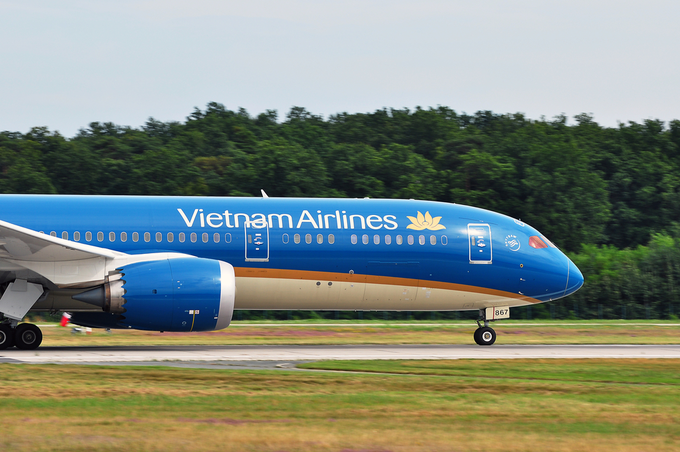
    Vietnam Airlines plans to sell 15 planes this month and 12 others in the next two years, its CEO said.

    “Vietnam Airlines plans to sell nine A321s and six ATR-72s in December. From 2022 to late 2023, an additional 12 A321s will be sold,” CEO Le Hong Ha told the extraordinary general meeting of shareholders Tuesday.

    The plan is aimed at reducing the number of aircraft Vietnam currently owns and accelerating its fleet modernization, replacing planes aged over 12 years, he explained, predicting that there would still be an aircraft surplus by 2025.

    Vietnam Airlines is estimated to have an excess of eight wide-body planes and 22 narrow-body equivalents next year. It currently has 106 aircraft, including 29 wide-body planes, and seven ATR-72s. It has sold two A321s in the last five months.

    With the civil aviation industry hard hit by Covid-19, Vietnam Airlines has removed seats from eight wide-body passenger planes and seven A321s to use as cargo- aircraft.

    The national flag carrier recorded a net loss of over VND3.5 trillion ($154.3 million) in the third quarter, a decrease compared to the first two quarters.

    As of September, the airlines’ total assets were valued at more than VND67 trillion, up more than VND4.5 trillion over the beginning of the year.

    Vietnam’s domestic aviation market in 2022 will be 70-75 percent of that in 2019, before the pandemic’s onset, and fully recover in 2023, he predicted.

  • WhatsApp is crashing on iOS

    WhatsApp is crashing on iOS

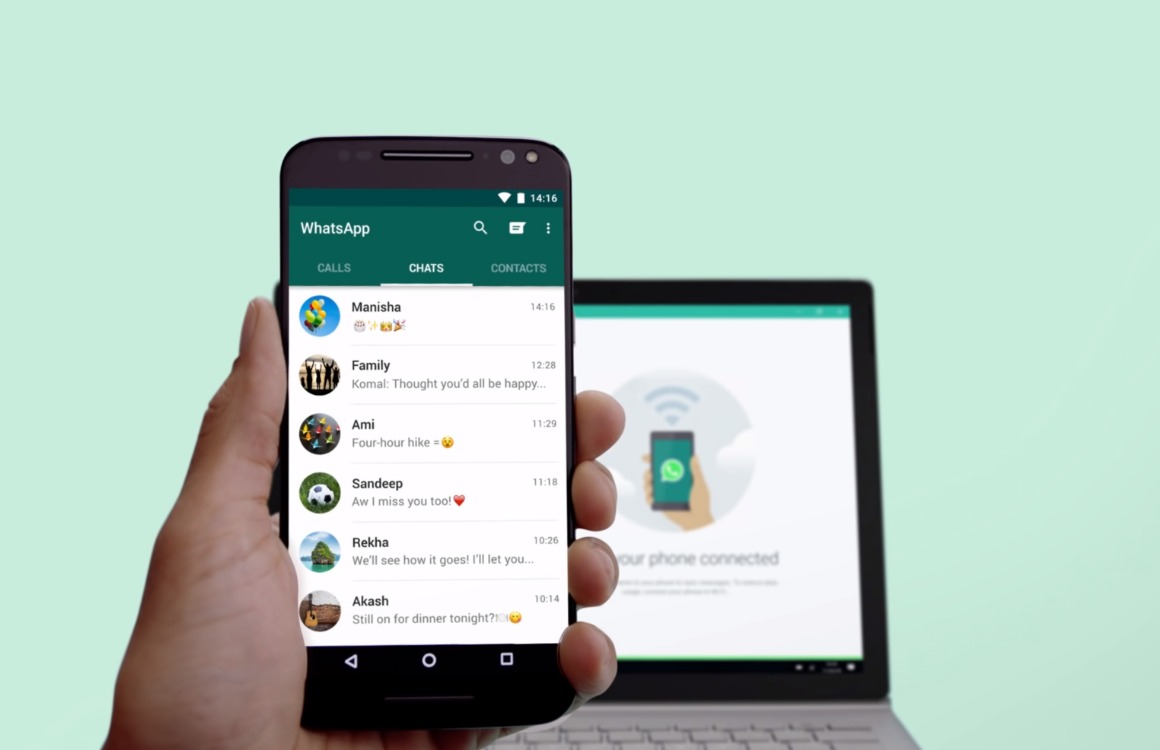
    Several tweets on Twitter today were about issues that some iPhone users were having with the WhatsApp app. Those suffering from this bug just could not open the messaging app on their iOS-powered handset as it would crash immediately after the icon was tapped on their iPhone home screen. With no recent WhatsApp updates to speak of, and with the beta version of the app crashing on Test Flight, the problem could be Facebook’s fault (the company is the parent of WhatsApp, Instagram, and Facebook Messenger).

    While some users made a connection between the bug and yesterday’s release of iOS 15.2, WhatsApp has been having problems with previous iOS versions putting the kibosh to that theory. Regardless of what is causing it to crash on iOS, WhatsApp hasn’t even made a public statement of any kind regarding the app’s inability to stay open for iPhone users. The bug is affecting both the regular version of WhatsApp and WhatsApp Business.

    With end-to-end encryption maintaining your privacy, WhatsApp sends texts through your phone’s internet connection similar to how Apple’s iMessages and Google’s Rich Communication Service (RCS) works. The ability to send larger video files and messages, support for large group chats, Read Receipts, and more features have made WhatsApp the most popular messaging app in over 100 countries. The app has been installed over 5 billion times.

    While Facebook doesn’t break out financials by individual apps, “experts” believe that WhatsApp helped generate between $5 billion and $10 billion in revenue for Facebook last year. It is estimated that the app has 2.3 billion daily active users (DAU), second behind parent Facebook’s 2.9 billion daily active users. As of this past July, the number of Monthly Active Users on WhatsApp was calculated at 2 billion.

    If you’ve been experiencing these same problems with WhatsApp on your iPhone, let us know by dropping your comment in the comment box below.

  • Grab to buy Malaysia’s Jaya Grocer grocery chain

    Grab to buy Malaysia’s Jaya Grocer grocery chain

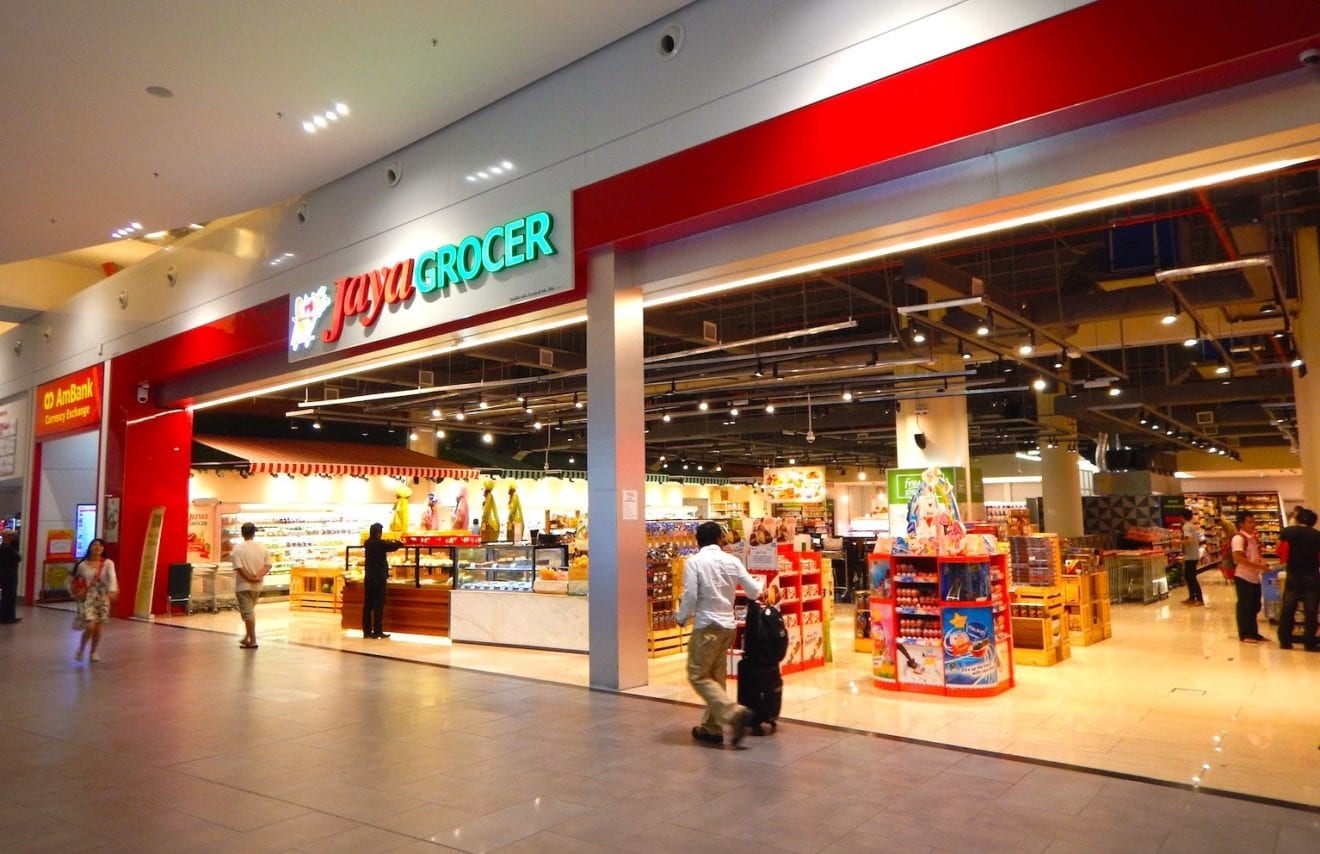
    Southeast Asian ride-hailing and food-delivery giant Grab is to acquire Malaysian grocery chain Jaya Grocer, according to a filing with the US Securities and Exchange Commission.

    Under the agreement, Grab will acquire Jaya Grocer’s ordinary shares and 75 per cent of preference shares. The company also has the option to buy the remaining 25 per cent of the preferred shares of Jaya Grocer after the closing of the transaction.

    In addition, Grab plans to partner with a local investor which will own 50 per cent of the voting shares in Jaya Grocer. The deal, the value of which has not been disclosed, is expected to close in the first quarter of next year.

    “Following closing, Jaya Grocer is expected to become a subsidiary of GHL (Grab Holdings Limited) and its financial results will be consolidated by GHL,” the company said in the filing.

    The acquisition follows Grab’s IPO debut on the Nasdaq earlier this month.

    Jaya Grocer was founded in 2007 by the Teng family with its first outlet opened in Petaling Jaya. It was acquired by the Asean Industrial Growth Fund in 2016. Last month, the private-equity firm sold its stake back to the Teng family.

    Jaya Grocer currently operates 40 stores across Peninsular Malaysia, with the majority being located in the Klang Valley near Kuala Lumpur.

  • Kraft Heinz to take control of DTC brand Just Spices

    Kraft Heinz to take control of DTC brand Just Spices

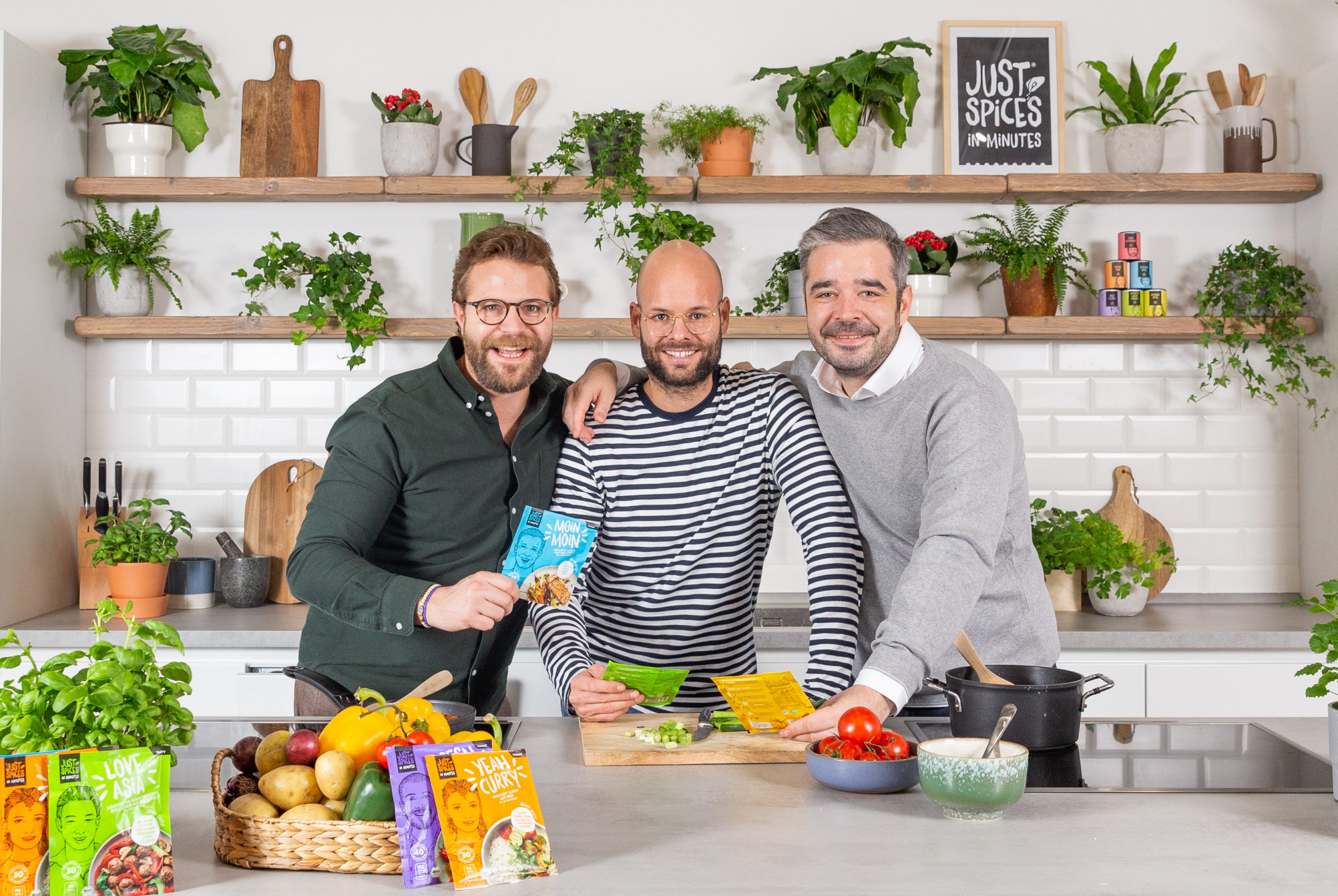
    The Kraft Heinz Company KHC is committed to accelerating its international growth strategy focused on the Taste Elevation platform. In this regard, the company entered into an agreement to buy 85% stake in Germany-based Just Spices GmbH (“Just Spices”). The other 15% stake will be retained by Just Spices’ founders. Kraft Heinz expects to conclude the deal by the first quarter of 2022.

    Just Spices supplies various spice blends, pure spices, and quick-fix meal kits. Just Spices’ data-driven product innovation is designed to meet the needs of Gen Y and Gen Z consumers. The company’s modern analytics knowledge helps it recognize early consumer trend signals, promote product innovation, grasp customer sentiment along optimize customer targeting.

    Through this deal, Kraft Heinz expects to accelerate its growth strategy by ramping up its innovations and better-understanding consumers’ tastes and preferences. The buyout will enhance its direct-to-consumer operations and go-to-market expansion. Certainly, the combination of Just Spices’ innovation and brand power with Kraft Heinz’s team and scale bodes well.

    In September 2020, Kraft Heinz laid out a new operating model that incorporates five key elements, which include People with Purpose, Consumer Platforms, Ops Center, Partner Program, and Fuel Our Growth. The Consumer Platforms represents a portfolio of six consumer-driven platforms like Taste Elevation, Easy Meals Made Better as well as Real Food Snacking among others.

  • Lyre’s adding three more alcohol-free spirits

    Lyre’s adding three more alcohol-free spirits

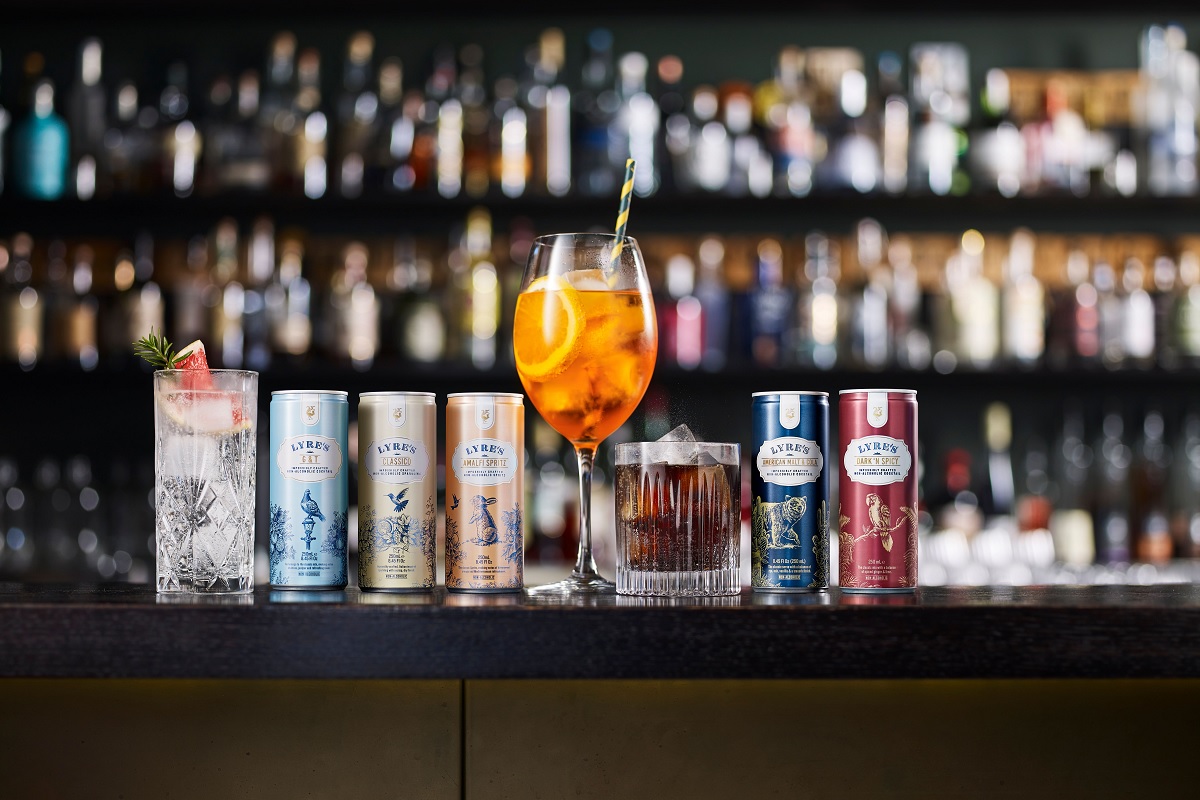
    The world’s most awarded non-alcoholic spirits company continues to lead strong growth and awareness of the non-alcoholic category with the introduction of six new products.  Introducing Pink London Spirit, an alcohol-free homage to pink gin and five ready-to-drink premix drinks: G&T, Amalfi Spritz, Classico, American Malt & Cola, and Dark ‘n Spicy.  Distribution is available to the UK via Proof Drinks and via Lyres.co.uk and showcasing at Imbibe Live (13-14 September 2021).

    Lyre’s Pink London Spirit has been developed exclusively for the UK and will appeal to mindful drinkers and the 1.6 million British drinkers who already love pink gin but may want to enjoy their favorite tipple in a non-alcoholic version without compromising on taste or serve. Easily enjoyed in your favorite craft cocktail, Pink London Spirit also delights over ice with a splash of premium tonic water and the addition of sliced fresh strawberries and a sprig of mint.

    “Following the huge demand for pink gin in the UK, we created Pink London Spirit to bolster the Lyre’s collection and provide even more options for the sophisticated drinker to enjoy their favorite drink or cocktail of choice without the alcohol,” says Mark Livings, Lyre’s CEO and Co-Founder. “The impossibly-crafted Pink London Spirit will be a great alternative for moderate drinkers within the pink gin category, which is currently the 2nd biggest seller within the UK spirit market.”

    Lyre’s five RTD premix drinks including G&T, Amalfi Spritz (Lyre’s interpretation of the popular Aperol Spritz), Classico (a sparkling prosecco style), Dark ’n Spicy and American Malt & Cola are signature drinks that can be enjoyed at any time and contain the perfect ratio of ingredients to deliver a great tasting non-alcoholic cocktail.

    Mark continues: “The popularity of the Lyre’s core non-alcoholic spirits range and consumer demand for low calorie, premium non-alcoholic beverages for multiple occasions have driven the development of this RTD range.  In 2020, ISWR* reported RTDs as the only drinks category that saw significant growth in the UK, up 8.6%, and the only category expected to be larger in 2024 than it was in 2019.  With reports highlighting almost one in three adults in the UK having trialed a no/low-alcohol beer, wine, or spirit within a recent six-month period, it’s important for us to have a portfolio of products available for consumers to enjoy whether that’s in the home, a bar or on the go.”

    Lyre’s portfolio which already includes 13 impossibly-crafted non-alcoholic spirits and liqueurs is fast becoming a back-bar staple of celebrated drinking dens around the world. Available in more than 50 countries, Lyre’s can be found in venues of the highest distinction, including The Ivy London, Eleven Madison Park in New York, Quay Restaurant in Sydney, and The Tippling Club in Singapore.

  • Starbucks shuts China outlets after reports they used expired ingredients

    Starbucks shuts China outlets after reports they used expired ingredients

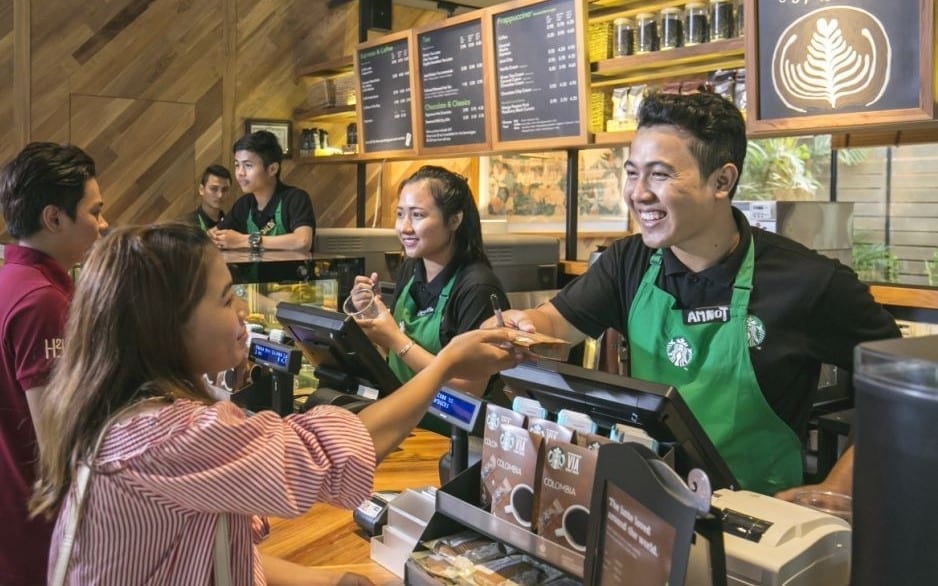
    US coffee chain Starbucks said on Monday it had shut two outlets in China and was conducting an investigation after a state-backed newspaper reported that they used expired ingredients to make drinks, violating food safety rules. The incidents occurred at two stores in the eastern Chinese city of Wuxi.

    “We take what was reported by local media very seriously, and have immediately closed the two stores in question to conduct a thorough investigation,” a Starbucks spokesperson said.

    “Since entering the Chinese mainland market 22 years ago, we have been committed to implementing strict food safety standards and adopting a ‘zero-tolerance policy towards food safety issues. We welcome the continued supervision of members of the media and the public.”

    The incident became a trending topic on China’s Twitter-like Weibo social media site after the report was published.

    Chinese consumers and media have become more aggressive about protecting customer rights and monitoring the behavior of big brands, especially from overseas.

    Some targets, such as Canadian winterwear brand Canada Goose which drew complaints about its refund policies, have been subjected to government reprimands, while Chinese brands such as milk tea chain Nayuki have also drawn public attention.

    China is the largest market for Starbucks outside the United States with 5,360 stores as of Oct 3, the firm’s latest earnings report showed.

    One of the Starbucks stores used expired matcha liquid to make lattes, while another had put pastries up for sale that was meant to be thrown away.

    As of Monday afternoon, the topic of Starbucks’ response report had received more than 50 million views on Weibo. Commenters expressed both disappointment and worries over more widespread problems.

    “If Starbucks is like this, the other shops really worry me,” said one Weibo user named Revario. “They suffer the scrutiny because it is a foreign brand.”

  • Elon Musk Named Time’s 2021 ‘Person Of The Year’

    Elon Musk Named Time’s 2021 ‘Person Of The Year’

    Tesla Chief Executive Officer Elon Musk was named Time magazine’s “Person of the Year” for 2021, a year that saw his electric car company become the most valuable carmaker in the world and his rocket company soar to the edge of space with an all-civilian crew. Musk is also the founder and CEO of SpaceX, and leads brain-chip startup Neuralink and infrastructure firm The Boring Company. Tesla’s market value soared to more than $1 trillion this year, making it more valuable than Ford Motor and General Motors combined.

    Tesla produces hundreds of thousands of cars every year and has managed to avert supply chain issues better than many of its rivals while pushing many young consumers to switch to electric cars and legacy automakers to shift focus to EV vehicles.

    In 2021, Tesla’s market value soared to more than $1 trillion this year, making it more valuable than Ford Motor and General Motors combined.

    “For creating solutions to an existential crisis, for embodying the possibilities and the perils of the age of tech titans, for driving society’s most daring and disruptive transformations, Elon Musk is TIME’s 2021 Person of the Year,” the magazine’s editor-in-chief, Edward Felsenthal, said.

    “Even Elon Musk’s spacefaring adventures are a direct line from the very first Person of the Year, Charles Lindbergh, whom the editors selected in 1927 to commemorate his historic first solo transatlantic airplane flight over the Atlantic.”

    From hosting Saturday Night Live to dropping tweets on cryptocurrencies and meme stocks that have triggered massive movements in their value, Musk has dominated the headlines and amassed over 66 million followers on Twitter. Some of his tweets have also attracted regulatory scrutiny in the past.

    According to the magazine, “The Person of the Year” signifies somebody “who affected the news or our lives the most, for better, or worse.”

    Time magazine named the teenage pop singer Olivia Rodrigo as its “Entertainer of the Year”, American gymnast Simone Biles “Athlete of the Year” and vaccine scientists were named “Heroes of the Year”.

    Last year, U.S. President-elect Joe Biden and Vice President-elect Kamala Harris were jointly given the “Person of the Year” title. Time began this tradition in 1927. Facebook CEO Mark Zuckerberg and Amazon founder Jeff Bezos have also received the title in the past.

  • Huawei celebrates decade long Seeds for the Future to cultivate tech talent in Singapore

    Huawei celebrates decade long Seeds for the Future to cultivate tech talent in Singapore

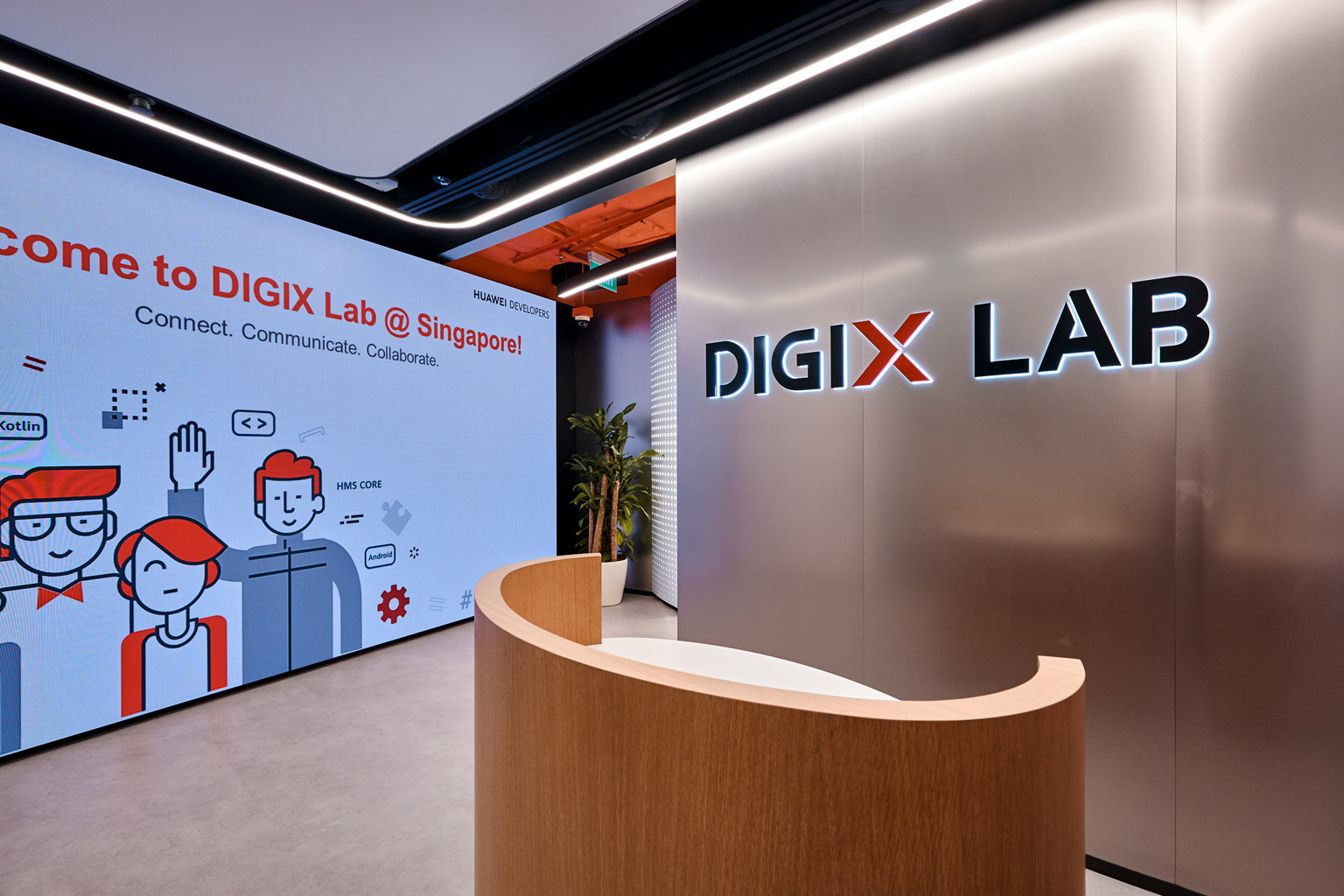
    Global leading ICT provider Huawei today hosted the closing ceremony for Seeds for the Future, its flagship global CSR program which aims to engage and inspire local ICT talents through a study trip to China, and bridge communication between countries and cultures, as well as address the digital talent gap in Singapore.

    With cross-border limitations brought upon by the pandemic, Huawei substituted its China study trip with an eight-day online program. This program is designed as a Virtual Teaching Lane (VTL) between Singapore and China to help students in Singapore overcome travel restrictions brought about by the pandemic and continue their learning.

    The program provides students in Singapore with a deep dive into the latest developments in information and communications technologies (ICT), including cloud computing, Internet of Things (IoT), and 5G, to truly immerse themselves in China’s traditional and modern culture. They also gained first-hand insights into China’s highly competitive digital economy, a pivotal aspect for Singapore’s future success.

    This year marks the 10th anniversary of the program in Singapore. In July 2021, Huawei announced, Seeds for the Future Program 2.0, where the company plans to invest US$150 million in digital talent development over the next five years globally. To date, nearly 200 Singapore students have joined the program and have become Seeds Alumni.

    Mr Foo Fang Yong, CEO of Huawei International, spoke about the importance of grooming talent to shape the digital future. “We are proud to help bridge this divide by supporting local talents through our Seeds of the Future program. This year also marks Huawei’s 20th anniversary in Singapore, I hope that this program will revert to a physical one next year for a wholly immersive experience. In the meantime, we will continue to work with the local government, our partners, and the institutes of higher learning through our dedicated curriculum, training, and leadership programs as well as collaborations to further cultivate and grow local talent as we train them to become the leaders of tomorrow.”

    The Seeds for the Future program is open to all outstanding undergraduates/graduates from universities or polytechnics with a strong interest in ICT industry and China. Students who have recommendations from their university or polytechnics, IMDA SG:D Scholarship Winners or IMDA recommended students will be shortlisted for the program.

    Scaling beyond local boundaries with cross-cultural learning 

    To further boost resources, Huawei also launched a wider range of courses including the latest Huawei Mobile Services (HMS) development, Android APP development, TECH4ALL sessions, and entrepreneurship training this year. Participants also explored various learning opportunities via Huawei exhibition hall live visits, live Chinese cultural sightseeing, pre-recorded visits, and live Q&A sessions with growing companies.

    To continue the learning journey, all Seed Alumni will also be granted access to The Smart Urban Co-Innovation Lab @ East Coast which brings together Grassroots Organisations, schools, and businesses in East Coast to offer better jobs, more opportunities for collaboration and co-creating of solutions for the community and businesses, as well as equip students and working adults with future-ready skills.

    The closing ceremony culminated with a panel discussion joined by industry experts including Mr Pang Yan, Associate Professor from the National University of Singapore, Ms Jessica Tan, MP of East Coast GRC and Seeds Alumni, Mr Yu Peng Fei, Associate Cybersecurity Specialist, GovTech, and Mr Ivan Low, Chief Strategy Officer of Huawei International, discussing the importance of developing local ICT talent, its challenges and Huawei’s role in expanding collaboration, and the exchange of resources, knowledge, and new ideas between Singapore and China.

    Strengthening local partnerships with the National University of Singapore 

    At the closing ceremony, Huawei also announced a Memorandum of Understanding (MOU) with the National University of Singapore Business Analytics Centre (NUS BAC), jointly formed by the NUS School of Computing and NUS Business School, as part of its commitment to nurture talent and upskill students to help Singapore fill the talent gap in the technology sector.

    This collaboration aims to empower NUS students and researchers, giving them the opportunity to tap into Huawei’s expertise and resources in ICT technology, Big Data, Cloud Computing, and software development. The students in the NUS Master of Science in Business Analytics (MSBA) programme can also look forward to capstone internship opportunities with Huawei and its partners.

    In addition, NUS BAC will organize a Huawei-NUS analytics innovation challenge for students and researchers in the developer community to create innovative solutions for problem statements based on realistic business challenges from Huawei and its partners.

  • 2022 MINI Cooper S Electric Images Leaked

    2022 MINI Cooper S Electric Images Leaked

    The MINI Cooper has always been loved for its quirky design and the upcoming MINI Cooper S electric retains that character. Well! At least that’s what the latest leaked images from China suggest. These images have been doing rounds on the internet for the last couple of days and besides the white MINI EV, you can also see the prototype test mule wrapped in camouflage.

    The Cooper S is finished in green and the traditional dual exhaust tips mounted in the middle, quite obviously, have been ditched. The white body fiber on the radiator grille area leaves us in no doubt of it being a MINI and the face is quite familiar sporting the big and round circles of the headlights, but the lower lights have been removed to give the bumper a simplified look. Well, the face still doesn’t look alien to us, but it’s the rear that has completely surprised us.

    The rear end looks much wider and the taillights get a completely new shape. A thick black bar runs the entire width of the tailgate and incorporates the ‘Cooper S’ lettering. If that’s not camouflage, the Mini logo has a dark look at both the front and rear of the prototype. The vehicle appears to have the full production body and lights since it even boasts a rear-view camera hanging from underneath that bar.

    The cabin of the new MINI Cooper S electric looks even more futuristic and simplified. It digital instrument cluster has been given a miss, but it does get a head-up display. Taking cente stage is the big circular touchscreen. It does get a few conventional controls mounted below the air vents to provide quick access to the climate settings.

    The company has already started accepting pre-bookings for the model for a token amount of ₹ 1 lakh. Going by the global-spec model, the MINI Cooper SE packs an electric motor that develops 181 bhp and 270 Nm of peak torque. Power comes from the 32.6 kWh lithium-ion battery pack with a range of 270 km on a single charge. The electric hatchback can sprint from 0-100 kmph in 7.3 seconds and has an electronically limited top speed of 150 kmph. Compared to the petrol model, the electric version is about 145 kg heavier.

  • Adobe Creative Cloud Express just launched, and it’s free for iPhone

    Adobe Creative Cloud Express just launched, and it’s free for iPhone

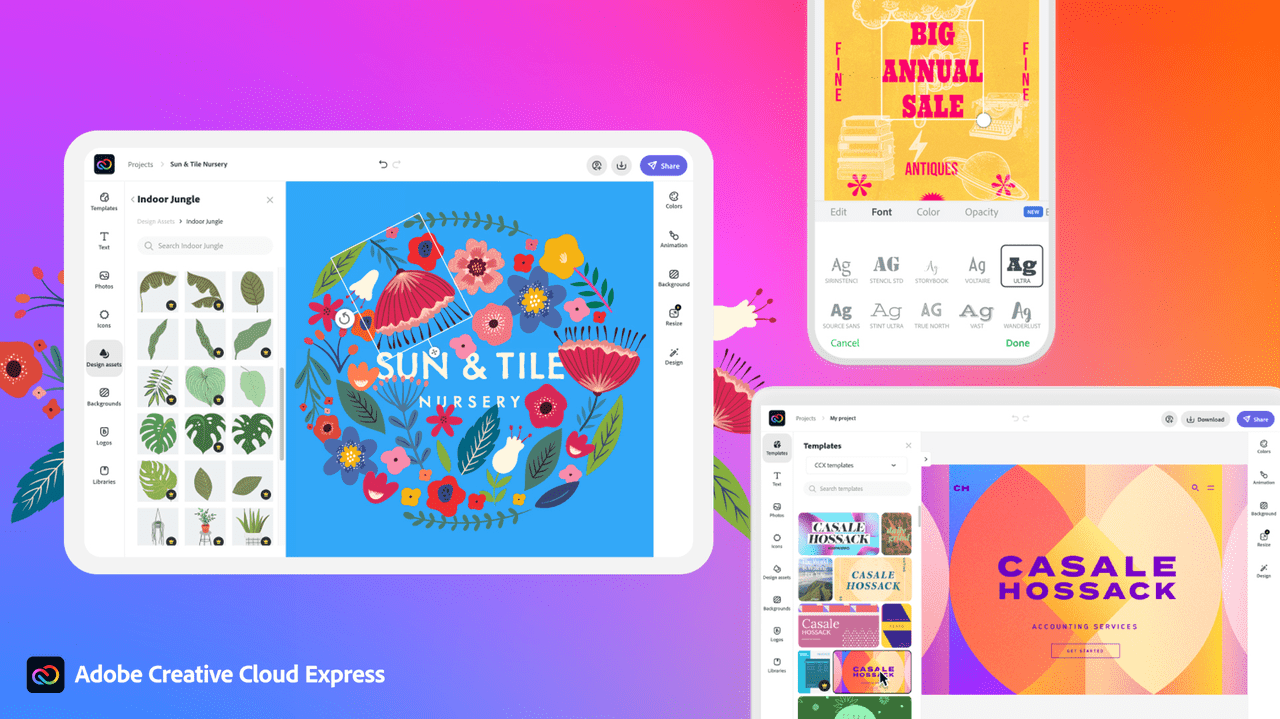
    Adobe has announced the launch of Creative Cloud Express as the newest member of its Creative Cloud Suite, and some of its enticing features will also be made available for iPhone and iPad, as well as accessible from any browser.

    Creative Cloud Express appears to come as a direct competitor to Canva, and aims to provide digital graphic design creators with the best canvas and tools to do their job. This includes thousands of Adobe templates, fonts, and stock images to choose from, with the ability to create presentations, slideshows, logos, banners, and all other kinds of visual content right from your browser.

    The company made the announcement today through a press release:

    Adobe today launched Creative Cloud Express, a unified task-based, web and mobile product that makes it easy to create and share beautiful rich multimedia content – from social media posts and stories to invitations to marketing materials like logos, flyers, and banners. Creative Cloud Express enables drag-and-drop content creation, empowering every user to express their creativity with just a few clicks.

    What’s more, users will be able to easily share their work, or specific elements of it, with other colleagues via the Creative Cloud Libraries, without having to export anything outside of the platform first.

    Here is a rundown of the range of features that will be available on Creative Cloud Express, as published by Adobe:

    • Simple drag-and-drop functions to quickly customize thousands of beautiful templates.
    • 20,000 premium Adobe fonts and 175 million royalty-free licensed Adobe Stock images.
    • Advanced search and discover capabilities, powered by the Adobe Stock Marketplace.
    • “Quick Actions” powered by Adobe Sensei to remove background features from photos, trim and merge videos, turn videos into GIFs, and convert/export PDFs in a few clicks.
    • Shared Templates and Shared Brands to ensure brand consistency across teams.
    • Seamlessly manage social media publishing workflows with ContentCal features, once integrated with Adobe.
    • Integration with Creative Cloud Libraries.

    While the full feature load of Creative Cloud Express is evidently most efficiently used on a computer with a screen, much of its content is also already available in Apple’s iOS App Store for iPhone and iPad, under the name Creative Cloud Express: Design. Despite barely being up for 24 hours, the app has already garnered a full five-star rating from nearly two hundred thousand users.

    While both the app and browser version are completely free, Adobe also offers a Creative Cloud Express premium plan, which brings a bunch of extra features to users for $9.99 per month.

  • Huawei announces P50 Pocket foldable flip phone will be unveiled

    Huawei announces P50 Pocket foldable flip phone will be unveiled

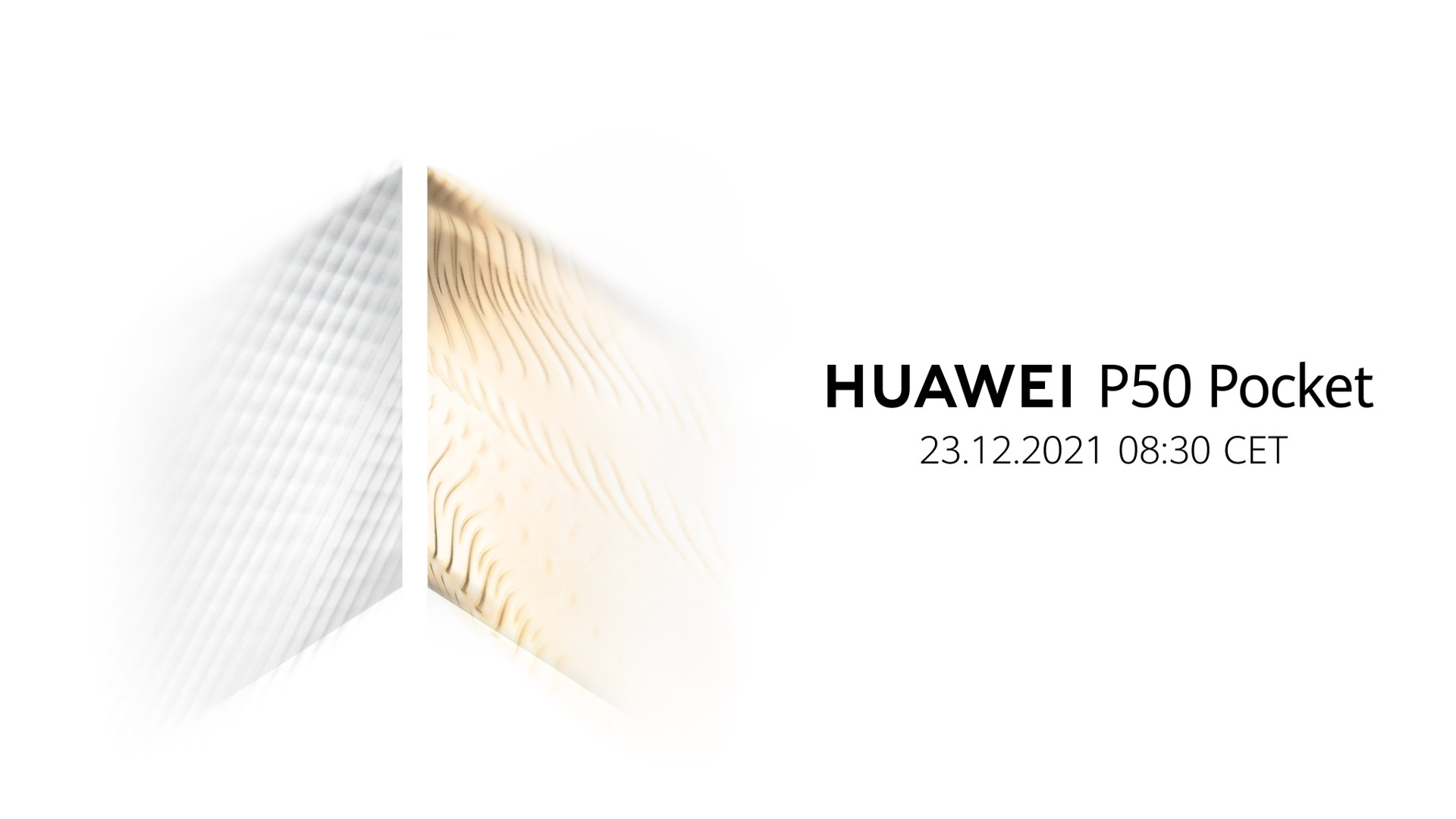
    Huawei announced today on Weibo that its new flagship product launch winter conference will take place on December 23rd. On that date, the company said that it will announce the Huawei P50 Pocket which is believed to be a foldable phone that shuts vertically like the Samsung Galaxy Z Flip 3 and the Motorola Razr.

    The new Huawei foldable flip phone will supposedly sport a next-generation hinge from Zhaoli Technology. It contains fewer parts making it not as expensive and more reliable compared to the hinges used on previous generations of flip phones. Some who have seen the device say that there are no creases on the display, which have become the bane of the modern foldable handset.

    According to images on Huawei’s verified Weibo post, the P50 Pocket will be available in White and Gold. A leaked image of a protective case for the device indicates that the back of the P50 Pocket will have two large camera lenses in the back, similar to the design of the Huawei P50. Volume rockers and the power button are on the right.

    Other products that we expect to see announced a week from Thursday include the Huawei Watch D. As we mentioned just the other day, a leaked image of the device’s box revealed that the timepiece will be able to provide blood pressure readings, and will be powered by HarmonyOS. Also, a possibility to be unveiled at the event could be Huawei’s Bluetooth glasses.

    Huawei has already released three variants of foldable phones. The Mate X and Mate XS both folded outward to reveal their larger tablet-sized display. Because the screen folded outward, the two panels that created the larger display were available for use as smaller “exterior” screens when the device was closed. Earlier this year, the Mate X2 was launched with a design similar to the Galaxy Fold 3.

    The Mate X2 closes like a book and features a 6.5-inch front cover display and an 8-inch tablet-sized screen. As for the P50 Pocket, we could see a 6.5-inch to 6.7-inch 21:9 display when opened. Will it support 5G? Huawei socked enough Kirin 9000 chips away for the foldable Mate X2 to offer 5G support for that model. But if it didn’t keep enough inventory of the chip for the P50 Pocket, it might have to resort once again to a 4G version of the Snapdragon 888 which it used on the P50 series earlier this year.

    As you probably know, the U.S. government’s export rules prevent any foundry using American technology to build chips from shipping any cutting-edge chips to Huawei without a license from the U.S. Commerce Department.

  • Moleskine opens its first retail store in SEA

    Moleskine opens its first retail store in SEA

    It’s been a big year for Brioni. The fashion house has marked its 65th year by collaborating with us on our ’Wallpaper* Handmade… in Italy’ exhibition, opening several new stores and – of course – throwing a large party. And now it is celebrating the milestone with a commemorative Moleskine notebook, which it’s giving to friends of the brand, illustrated by the whimsical hand of the artist, Carlo Stanga.

    Eschewing fashion’s customary glossy images, Stanga has created a series of playful and informal vignettes depicting the tailoring brand’s history and identity. On one page, a team of tiny characters spills from the pockets of a giant suit jacket as they carry out its finishing touches. And on another, there are a series of Brioni-clad Oscars, with a caption that reads: ’Brioni conquers Hollywood.’

    ’We were attracted to Carlo’s work by his fresh and modern stroke,’ says Brioni. The brand has a large archive of illustrations. From its inception in 1945, up until the 1970s, it collaborated with artist, Luigi Tarquini. ’We feel that illustration is a warmer art form than photography,’ the fashion house explains.

    Next up for Brioni is the opening of its new stores in China and Düsseldorf, plus September will see its first fashion show with Alessandro Dell’Acqua at the creative team’s helm.

  • AirAsia clarifies high fares

    AirAsia clarifies high fares

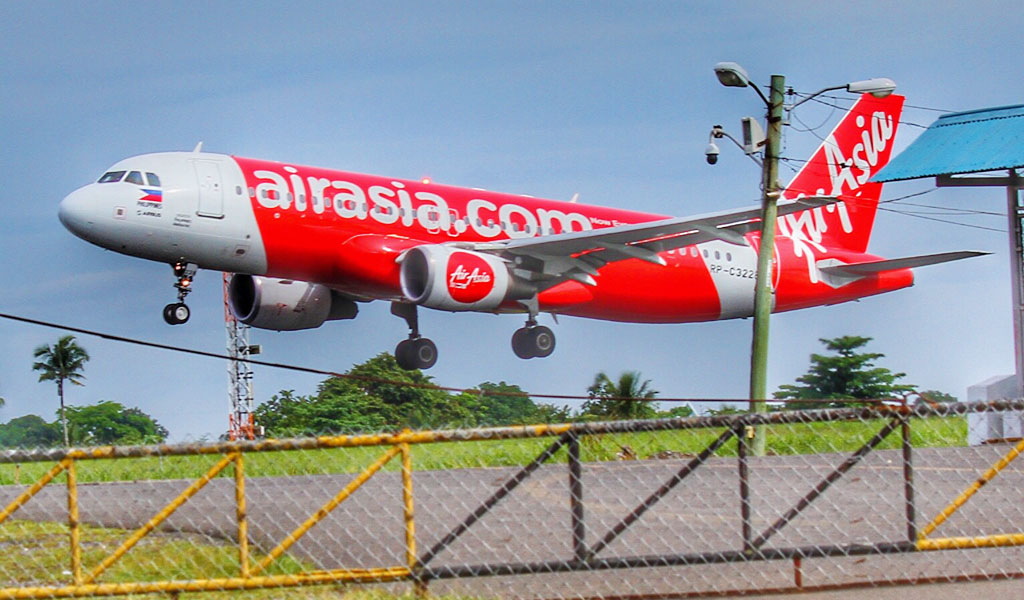
    AirAsia has denied that its airfares between the Peninsula and Sarawak are high as well as its unavailability for the Christmas and state election period.

    The low-cost airline operator said it has engaged continuously with the Ministry of Transport Sarawak (MoTS) and submitted applications to permanently increase its scheduled flight frequencies from Peninsular Malaysia and Sabah into Sarawak on several occasions since early this year, including the latest request submitted last week which included the operation of extra flights for the upcoming holiday season, Christmas and Chinese New Year.

    The airline said it received confirmation from MoTS and the Sarawak State Disaster Management Committee (SDMC) today for an additional 42 weekly flights from Peninsular Malaysia and Sabah into the state for a limited period from Dec 4 to Jan 5, 2022.

    This has brought the fares down from around RM1,000 one way to below RM200 for a Kuala Lumpur to Kuching flight and these were very quickly snapped up, it said.

    “AirAsia wishes to clarify its position with regards to the views and concerns expressed on social media that the airline is charging high fares for flights between Peninsular Malaysia and Sarawak for the upcoming Christmas and holiday season that coincides with the state election scheduled for Dec 18”, it said in a statement.

    Chief Executive Officer of AirAsia Malaysia Riad Asmat said as a low-cost carrier, the airline is in a volume business to pass on the lowest fares to its guests.

    “AirAsia’s operation is all about economies of scale where we need to achieve a high passenger volume so that costs can be spread among a sizable number of passengers, allowing us to offer travelers low fares and giving them great value for money.

    “Historically, our average fare for flights between Sarawak and Peninsular Malaysia has been around RM160 per one-way passenger. This takes into account the highest fares and the lowest, including when we offer zero fare promotional sales,” he said.

    Riad said AirAsia’s pricing model is similar to other airlines around the world and is based on supply and demand.

    “In abiding with the limited flight frequencies imposed by the SDMC resulting in a reduced supply of flight seats, AirAsia’s demand-based dynamic pricing mechanism has inevitably derived prices seen as unfavorable to buyers at this time. It must be remembered that this is also the same mechanism that we used to offer guests promotional fares from as low as RM99 one way earlier in October,” he said.

    He added that as a general rule, fares will be higher, closer to the travel date, and during peak holiday periods when their flights are already near full.

    “Buyers have already taken up to 90 percent of our capacity on most flights. The limitation on the number of flights available in the market is a key factor that has pushed the prices higher across all airlines”.

    Riad said for the record, AirAsia used to fly over 300 weekly flights into Sarawak pre-Covid, connecting Kuching, Sibu, Miri, and Bintulu to Kuala Lumpur, Penang, Johor Baru, Kota Kinabalu, and various other destinations in Malaysia.

    “Just for Kuala Lumpur – Kuching alone, we used to fly between 12 and 15 flights daily on this hugely popular route before Covid, but with the latest approval today, AirAsia will be flying 5 daily flights between Kuala Lumpur and Kuching which is a 67 per cent reduction in our capacity due to the restrictions by SDMC.

    “We comprehend that demand is there but at the moment we are unable to meet it until more flight approvals are given,” he said.

    Riad also expressed AirAsia’s sincere appreciation to SDMC and MoTS for the additional flight approval for the Christmas holiday season.

    “However, we would like to appeal to MOTS and SDMC to also approve our request for extra Chinese New Year flights, and to remove frequency restrictions on all the approved flights entirely to enable us to better manage cost efficiency and lower the fares for passengers.”

    AirAsia, Riad said has always pledged its full commitment and support towards the full reopening and resumption of travel and tourism activities in Sarawak.

    They were also looking forward to keep working closely with all relevant regulators, the federal and state governments, civil aviation and health authorities, and tourism bodies to ensure the highest conformity to standard operating procedures for every flight.

  • Check out this render of the 5G Honor Magic Fold

    Check out this render of the 5G Honor Magic Fold

    Talk about a foldable Honor handset started all the way back in February of this year when we passed along a report that the former Huawei sub-brand would release a foldable model later this year. Then in June, we let you know that the Honor Magic Fold was going to be inward folding like the Samsung Galaxy Z Fold 3.

    The Magic Fold is expected to be introduced sometime in the first quarter of 2022. But that doesn’t stop us from showing you renders of the device which were posted on Twitter. Similar to Samsung’s last two Galaxy Z Fold models, the exterior screen runs the complete length of the back of the phone’s left panel (when fully opened with the large tablet-sized display showing).

    Rumored specs for the device include an 8-inch display when the phone is fully unfolded, sporting a resolution of 2200 x 2480. An octa-core CPU is reportedly under the hood featuring one Cortex A-77 core running at a clock speed of 3.13GHz, three Cortex A-77 cores running at a clock speed of 2.54GHz, and four Cortex A-55 cores running at a clock speed of 2.05GHz.

    The chipset will be paired with 8GB of memory and 256GB of storage. The render shows a rear camera with a 108MP sensor for the primary snapper. After taking into account the likelihood of 9:1 pixel binning, it would appear that the device will deliver 12MP images. Besides the obligatory ultra-wide and telephoto cameras, we could see a 16MP camera grace the front of the handset for selfies and video chats.

    A 4500mAh battery could be called on to keep the lights on, and Android 11 will be pre-installed. No word on when to expect an update to Android 12.

    You might recall that Huawei ended up selling Honor last year to prevent the firm from having to abide by all of the restrictions placed on Huawei by the U.S. While it was a Huawei sub-brand, Honor could not access its U.S. supply chain which forced it to stop using Google mobile services (GMS). It also prevented the company from purchasing cutting-edge chips after a revised U.S. export rule prevented foundries using American tech from shipping cutting-edge chips to Honor.

    But once Honor became free after its sale to a consortium for a reported $15.2 billion, Honor was free to use the Google version of Android, and could receive shipments of any chip it wanted to buy. As a result, the Honor 50 Series was launched with the GMS version of Android and was powered by the Snapdragon 778G allowing the device to support 5G.

    Honor is rapidly growing in China with its third-quarter handset shipments in the country rising a whopping 96% on an annual basis. It now has a 15% slice of the Chinese smartphone market which is good enough for third place after Vivo’s leading 23% and Oppo’s 20%. Xiaomi is fourth, followed by Apple.

    While last year Huawei was the top smartphone brand in China with 30% of the market, the U.S. restrictions are biting and biting hard. Now, the beleaguered manufacturer has seen its share of the Chinese smartphone market declined to just 8%.

    Some Huawei executives are surprised that they continue to be on the U.S. Entity List. In 2019, then-President Donald Trump cited security as his reason for placing Huawei on the list. After all, both Huawei and ZTE are considered national security threats to the U.S. Exactly a year to the day that its inclusion on the Entity List had been announced, the U.S. changed its Export Rules that prevent a foundry using American technology to manufacture chips from shipping cutting-edge components to Huawei.

    It doesn’t appear that Huawei will be removed from U.S. restrictions for some time. Meanwhile, we should continue to see Honor go from strength to strength as it takes the knowledge it gained from being a Huawei sub-brand and uses it to move up the league tables in China.