Author: Mei Ling Tan

  • Car demand up following news of registration fee cut

    Car demand up following news of registration fee cut

    Car dealers have seen the number of customers triple after a 50 percent registration fee discount for locally assembled cars was announced last week.

    Toyota, Honda, Hyundai, Kia and Mazda dealers in Cau Giay District reported 30 and even 50 customers a day last weekend, compared to the average 10-15 .

    The number of signed contracts rose from an average 10 a day to 30.

    A Peugeot dealer locked in seven deals on the weekend even though it was often deserted.

    Customers were still viewing cars at 8 p.m. during the two days, while on normal days the last customers often leave at 6 p.m., a manager of a Toyota dealer in Ho Chi Minh City said.

    “We needed six employees, double from before,” he added.

    The surge in demand for cars came as the government announced a decision to cut car registration fees by half for six months starting Dec. 1.

    This is the second time in the last two years that such a cut is introduced to mitigate difficulties faced by the auto industry due to the Covid-19 pandemic.

    For this reason, accountants and managers had to show up at dealers to finalize contracts when needed.

    Some salespersons said they sold two or three cars last week, while before it often took them several days to sell one.

    Customers can be divided into two main groups: those who want to prepare for the registration process when the fee drops by half starting Wednesday, and those who want to learn more about cars.

    Dealers have ended some prior promotions because of the fee discount, which urge customers to come and make purchases.

    “I am selling my existing car to buy a new one,” said Le Luan, a customer, adding he plans to put down a deposit Tuesday fearing promotions would end Wednesday.

    Registration fees are calculated based on car prices in each locality. The rates are 12 percent in Hanoi and Hai Phong, and 10 percent in HCMC.

    In the first six months last year, 17,600 cars were bought on average each month. In the second half, when the 50 percent cut took effect, sales doubled.

    Last year, car sales had fallen by 8 percent to 296,634 units as the Covid-19 pandemic badly affected the economy, hitting incomes and discretionary spending.

  • Tim Hortons China to open coffee shops in Metro’s China stores

    Tim Hortons China to open coffee shops in Metro’s China stores

    Tim Hortons China (Tims China) is ready to further expand its presence in the Chinese market by entering a strategic partnership with Metro China, a joint venture of Wumart and Metro.

    Under the terms of the partnership, Tims China will become the exclusive coffee shop brand in Metro stores across the country.

    Tims China CEO Yongchen Lu said: “Through this agreement, we can reach millions of new customers to share our welcoming guest experience and extensive high-quality product offerings.

    “Over the next few years, we plan to strategically open Tims Go coffee shops in Metro China stores across 60 cities, growing our brand, revenue, and margins.”

    To mark the beginning of this partnership, Tims China opened seven Tims Go coffee shops across four cities using Tims China’s compact-store model.

    By next January, the partners intend to open at least nine Tims Go shops across six Chinese cities, namely Shanghai, Chengdu, Qingdao, Nanjing, Langfang, and Dalian.

    Additionally, the partnership will benefit Tims China with preferred site selection, delivery services, and complimentary marketing initiatives.

    With the new openings, Tims China will operate more than 335 stores across the country.

    Metro China deputy CEO Chen Zhiyu said: “We are delighted for Tims China to become one of our anchor tenants as we believe the brand will bring convenience and quality coffee products at great value to our members.

    “Our partnership will also create a strong link between daily shopping and coffee consumption in our stores that will greatly improve the overall shopping experience for our middle-class customers.”

    In March, Tims China secured funds in a financing round that was led by Sequoia Capital China and Tencent Holdings.

  • Vinomofo bets on in-person events with latest acquisition

    Vinomofo bets on in-person events with latest acquisition

    Vinomofo has purchased Melbourne-based events company Revel in an effort to better ingrain itself in the events industry – betting that as life in Australia continues to move toward normality, more Australians will want to get out and attend in-person events.

    Vinomofo chief executive Paul Edginton said the deal will give the online wine firm’s customers ‘special access’ to events and offers.

    “As our customer base grows year-on-year, we are seeing demand for a more extensive offering, with tactile, engaging, fun experiences at the top of the must-have list,” Edginton said.

    “Today’s news to acquire Revel further builds our capabilities to continue meeting the growing needs of our customers who love wine, food and the adventure of experiencing it all.”

    And, Edginton hinted that more projects outside of Vinomofo’s core wine business are well underway and will be launched in 2022.

    “The time was right for us to look at new opportunities to add more diverse offers for our tribe. The Revel acquisition allows us to do this,” Edginton said.

    Revel handles a number of events in the food industry already, namely: Pinot Palooza, Game of Rhones, Mould: A Cheese Festival, and Gauchito Gil’s Malbec Day.

  • PepsiCo names new CEO for Australia/New Zealand

    PepsiCo names new CEO for Australia/New Zealand

    PepsiCo has announced the appointment of Kyle Faulconer as the new CEO of Australia and New Zealand, effective January 2022.

    Faulconer will replace outgoing CEO, Danny Celoni, who was recently appointed to the Asahi Beverages Oceania Executive Leadership Team as the new CEO of Carlton & United Breweries, effective February 2022.

    To take up the new position, Faulconer will relocate to Sydney from the US, where he is currently Vice President and General Manager at PepsiCo’s Frito-Lay snacks business.

    He has had a 14-year tenure at PepsiCo and is a passionate advocate for consumer-centric innovation. Most recently he was responsible for leading the strategic agenda for Walmart, one of PepsiCo’s largest global customers.

    Wern-Yuen Tan, CEO, PepsiCo APAC, says that Faulconer’s strong market experience and people-first approach will be a great asset to the Australia and New Zealand team.

    “We are delighted to welcome Kyle to ANZ and know he will lead the team to new heights,” said Tan.

    In his new role, Faulconer will work to strengthen operations and drive innovation and growth across PepsiCo’s portfolio of drinks and snacks.

    He said: “I’m thrilled to join the world-class team and help the PepsiCo business continue to grow across Australia and New Zealand. I look forward to creating new opportunities to accelerate our positive, purpose-led impact for our partners, customers ad consumers.”

  • Qualcomm unveils Snapdragon 8 Gen 1, the S22 chipset, with 10 Gigabit 5G

    Qualcomm unveils Snapdragon 8 Gen 1, the S22 chipset, with 10 Gigabit 5G

    Qualcomm just took the stage to announce the long-rumored Snapdragon 8 Gen 1 chipset that is going to power a number of Android flagships in the next year or so, including Samsung’s upcoming Galaxy S22 series phones.

    Previously rumored as Snapdragon 898, the processor got a name change, as Qualcomm decided to simplify and streamline how it calls its mobile chipsets. This, and the fact that the team from San Diego is branching out into processors for Microsoft Windows 11 devices, as well as into a gaming platform. We are most interested in mobile applications, however, so here are the most interesting Snapdragon 8 Gen 1 details.

    Here’s a list of the most important new Snapdragon 8 Gen 1 features:

    • Up to 3GHz Kryo CPU with Cortex-X2 cores.
    • 30% faster Adreno GPU with 25% lower power consumption.
    • The world’s first X65 5G modem to reach 10 Gigabit download speeds.
    • First 18-bit image signal processor for mobile.
    • First 8K HDR10+ video capture for mobile.
    • Mega low-light capture snaps 30 images and merges the best parts into one shot.
    • Always-On ISP for fast face unlocking and locking.
    • 7th Gen Qualcomm AI Engine for voice analysis and Leica Leitz Look bokeh filters.
    • Bluetooth Low Energy audio features like broadcasting, stereo recording, and voice back-channel for gaming.
    • First platform with Android Ready Secure Element support, the new standard for digital car keys or drivers’ licenses.
    As for how does the new Snapdragon 8 Gen 1 stacks up against its Snapdragon 888 predecessor and Apple’s A15 monster in the iPhone 13, here’s a quick comparison of their specs and features.
    Snapdragon 8 Gen 1 Snapdragon 888 Exynos 2100 Apple A14
    Production process Samsung 4nm EUV Samsung 5nm EUV Samsung 5nm EUV TSMC 5nm 2nd gen
    Processor cores 1xCortex-X2@3GHz

    3xCortex-A710@2.5GHz

    4xCortex-A510@1.8GHz

    1x Cortex-X1@2.84GHz

    3x Cortex-A78@2.42GHz

    4x Cortex-A55@1.80GHz

    Exynos X1@2.91GHz

    3x Cortex-A78@2.8GHz

    4x Cortex-A55@2.2GHz

    2x Avalanche@3.23GHz

    4x Blizzard@1.8GHz

    GPU Adreno 730, 30% faster and 20% more frugal Adreno 660 @ 800MHz ARM Mali-G78 Apple custom quad-core (5-core on the iPhone 13 Pro models)
    Modem X65 5G modem (integrated)

    up to 10 Gbps over 5G

    Global iSIM multi-SIM card support

    X60 5G modem (integrated)

    up to 7.5Gbps over 5G, and 3 Gbps download speeds on LTE

    Exynos 5123
    (Category 24)Downloads up to 7.3Gbps (mmWave), 5.1Gbps (sub-6GHz), or 3Gbps (4G LTE), 8xCA

    Uploads: up to 422 Mbps

    Qualcomm X60 5G modem
    AI co-processor 7th Gen Qualcomm AI Engine Hexagon 780 Tri-core NPU, up to 26 TOPS 16-core Neural Engine, up to 15.8 TOPS
    Video encode 8K HDR10+ 8K HDR at 60fps
    4K HDR at 120fps
    8K HDR at 60fps
    4K HDR at 120fps
    4K HDR+ at 120fps
    Features support QHD+ @144Hz or 4K@60Hz display refresh

    Demura and subpixel rendering for OLED uniformity

    First 18-bit ISP, mega low light capture merges 30 images in one shot for brighter, sharper pictures

    Qualcomm FastConnect 6900: Bluetooth 5.2, Wi-fi 6E (up to 3.6GBps)

    QHD+ @144Hz or 4K@60Hz display refresh

    Triple 14-bit Spectra 580 ISP, up to 200MP sensor

    4K computational HDR, low-light capture architecture

    Qualcomm FastConnect 6900: Bluetooth 5.2, Wi-fi 6E (up to 3.6GBps)

    UFS 3.1 storage support for up to 2.9GB/s speeds

    Single-camera up to 200MP

    up to 16 GB DDR5

    Variable 120Hz display refresh rate

    Computational photography

    Cinematic Mode video bokeh

    Machine learning capable of 15.8 trillion operations per second.

    As you can see, Qualcomm isn’t playing around and offers some unique 5G connectivity and other features that Apple will have to catch up with when its next-generation A16 processor hits the iPhone 14 in the fall of 2022. That one is reportedly also being done on the 4nm process, but until then the Snapdragon 8 Gen 1 may stay the undisputed connectivity king for the 5G era..

    We are also very curious to test the new 18-bit ISP and the 8K HDR10+ video capture it brings, not to mention the digital keys and cards or the integrated iSIM multi-SIM functionality. There’s is little doubt that the Galaxy S22 series will be powered by Qualcomm’s new Snapdragon 8 Gen 1, but the chipmaker also lists many other manufacturers lining up for it.
    Black Shark, Honor, iQOO, Motorola, Nubia, OnePlus, OPPO, Realme, Redmi, SHARP, Sony, vivo, Xiaomi, and ZTE are all in the Snapdragon 8 Gen 1 mix, with the first phones powered by the new chipset expected as soon as next month.
  • Flash Coffee opens Outlets in South Korea

    Flash Coffee opens Outlets in South Korea

    Flash Coffee has launched its first two South Korea stores in Seoul’s Gangnam district as part of its expansion in Asia, with two more stores scheduled to open before the year ends.

    The launch marks the brand’s sixth market in the region, after Singapore, Indonesia, Thailand, Hong Kong, and Taiwan. Spanning two stories, the new Flash Coffee flagship store is located at Sinsa, while the other store is opened in Yeoksam.

    “South Korea is filled with coffee enthusiasts and our coffee consumption rate ranks within the top 10 in the world,” said Un Koh, MD of Flash Coffee South Korea.

    “We are confident that our high-quality beverages crafted by award-winning baristas at Flash Coffee will appeal to South Korean coffee lovers.

    “Our goal is to make our specialty coffee accessible to all, so for those who’ve not come across Flash Coffee yet, you will find us brewing very soon in a location near you.”

    The two new stores opening later this year will be located in Apgujeong and Yangjae. After South Korea, Flash Coffee aims to set foot into Japan with its first store in Tokyo., having recently appointed Shu Matsuo Post as its MD in Japan.

    Flash Coffee currently operates more than 200 locations across Asia.

  • Deutsche Adds Over a Dozen Private Bankers in India

    Deutsche Adds Over a Dozen Private Bankers in India

    Deutsche Bank Wealth Management has made a significant expansion in India with the hire of more than a dozen for the front office and product units.

    Deutsche Bank Wealth Management in India has made over 15 hires across relationship management and investment advisory join this year and early 2022, according to a statement.

    The business opportunity in India has become very compelling with the material wealth creation driven by entrepreneurial activity, said Amrit Singh, head of wealth management, global South Asia.

    We are now shifting gears and expanding our long-standing and established team as we seek to support our clients and reach new ones with our full suite of products and solutions.

    For the front office, the German private bank hired Rajasekar Ayyalu to join as a director in Chennai with a focus on expanding and deepening its presence in that region.

    Ayyalu was most recently with Julius Baer where he was an executive director for investments. Previously, he also worked at Merrill Lynch and Royal Bank of Scotland.

    The bank has also hired four vice presidents – Jai Bhatia, Sanyam Sharma, Anjali Vashisth and Manish Lalwani – to join as relationship managers in the Delhi and Mumbai offices.

    Deutsche Bank has also been bolstering its product capabilities in India, including the hire of Mayank Khemka as chief investment officer in December 2019 which subsequently led to the launch of a domestic discretionary portfolio management business.

    Adding to its existing shelf of equity multi-cap and multi-asset customized strategies, the bank introduced a fixed income strategy following the hire of Bhupendra Meel as a fixed income fund manager.

    We are delighted to bring on board some of the most promising talents in the private banking industry, said Atinkumar Saha, head of wealth management, Deutsche Bank, India.

  • Deliveroo Singapore offers hawker food delivery partnering with WhyQ

    Deliveroo Singapore offers hawker food delivery partnering with WhyQ

    Deliveroo Singapore is set to onboard more than 50 hawker centres under Mix & Match concept next year in partnership with Singapore’s largest hawker food-delivery service, WhyQ.

    Under the partnership, the companies bring hawkers together under Mix & Match menus, allowing customers to select dishes from multiple hawker stalls in one single order for a single delivery fee.

    “Deliveroo understands the challenges that hawkers face while trying to pivot to online delivery during the pandemic,” said Sarah Tan, GM of Deliveroo Singapore. “We hope this partnership will help to address some of these challenges.

    “This initiative affirms our commitment to keeping Singapore’s hawker culture alive.”

    The two companies will pilot 15 hawker centres from December 13, before rolling out to more than 50 by the end of next year.

    “Our partnership with Deliveroo will not only enable hawkers to expand their income streams but also broaden their customer base more effectively so that they can continue to delight our palettes with Singapore’s favourite hawker dishes,” said Varun Saraf, CEO at WhyQ.

    Deliveroo’s hawker-focused initiatives also include a recent partnership with Food From the Heart for its Project Belanja! program, where Deliveroo customers can support local hawkers during Singapore’s Phase Two last August by feeding themselves and the less fortunate.

  • Singapore and Philippines Step Up Digital Payment Cooperation

    Singapore and Philippines Step Up Digital Payment Cooperation

    The regional neighbors aim to boost cross-border collaborations that will strengthen Asean regional payments and provide financial inclusivity to Overseas Filipino Workers (OFWs) and micro-small-to-medium-sized enterprises (MSMEs).

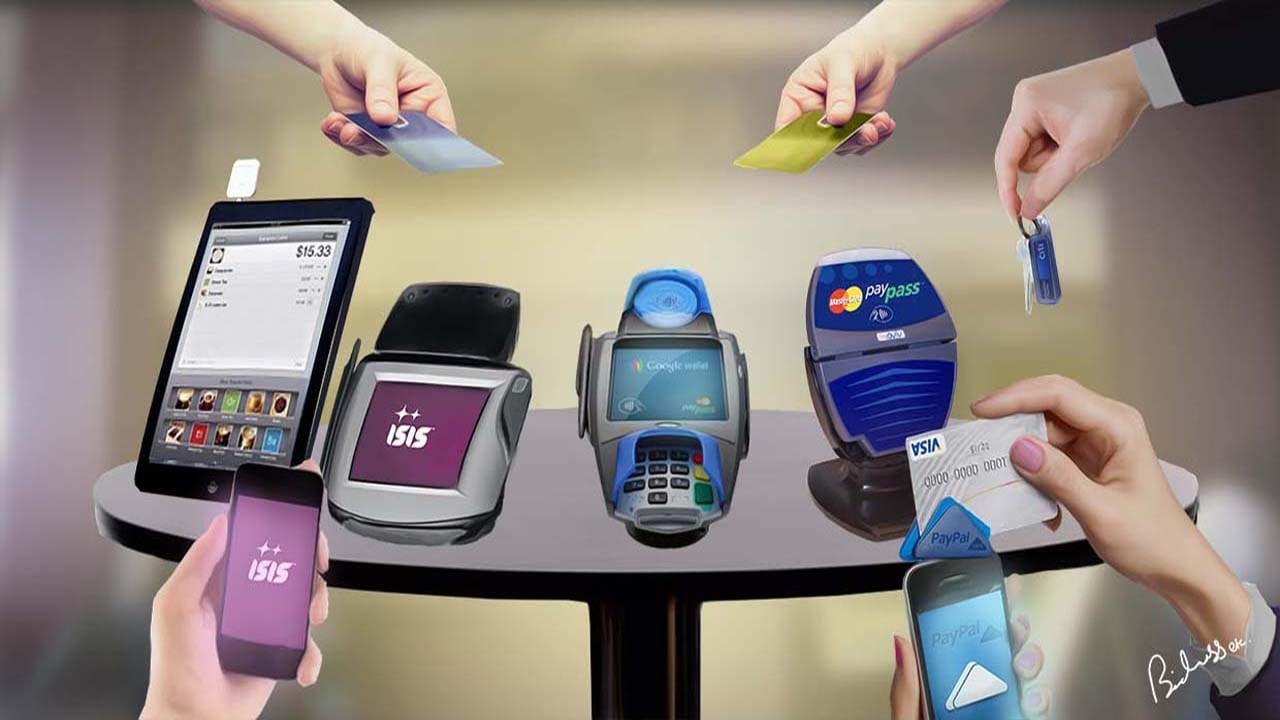
    The central banks of Singapore and the Philippines have signed an agreement at the World Fintech Festival Philippines to boost payments cooperation, which includes the linkage of the two countries’ QR and real-time payment systems.

    The agreement expands on the Fintech Innovation Function Cooperation Agreement, which was signed between the two countries in 2017. According to the announcement, the 2021 agreement will make cross-border payments cheaper, more inclusive, and more transparent and drive financial inclusion, particularly underserved Filipinos.

    MAS managing director Ravi Menon called the agreement a concrete step towards the vision of an ASEAN network of interconnected real-time payment systems.

  • Union Bank Chosen as Citi’s Preferred Philippines Bidder

    Union Bank Chosen as Citi’s Preferred Philippines Bidder

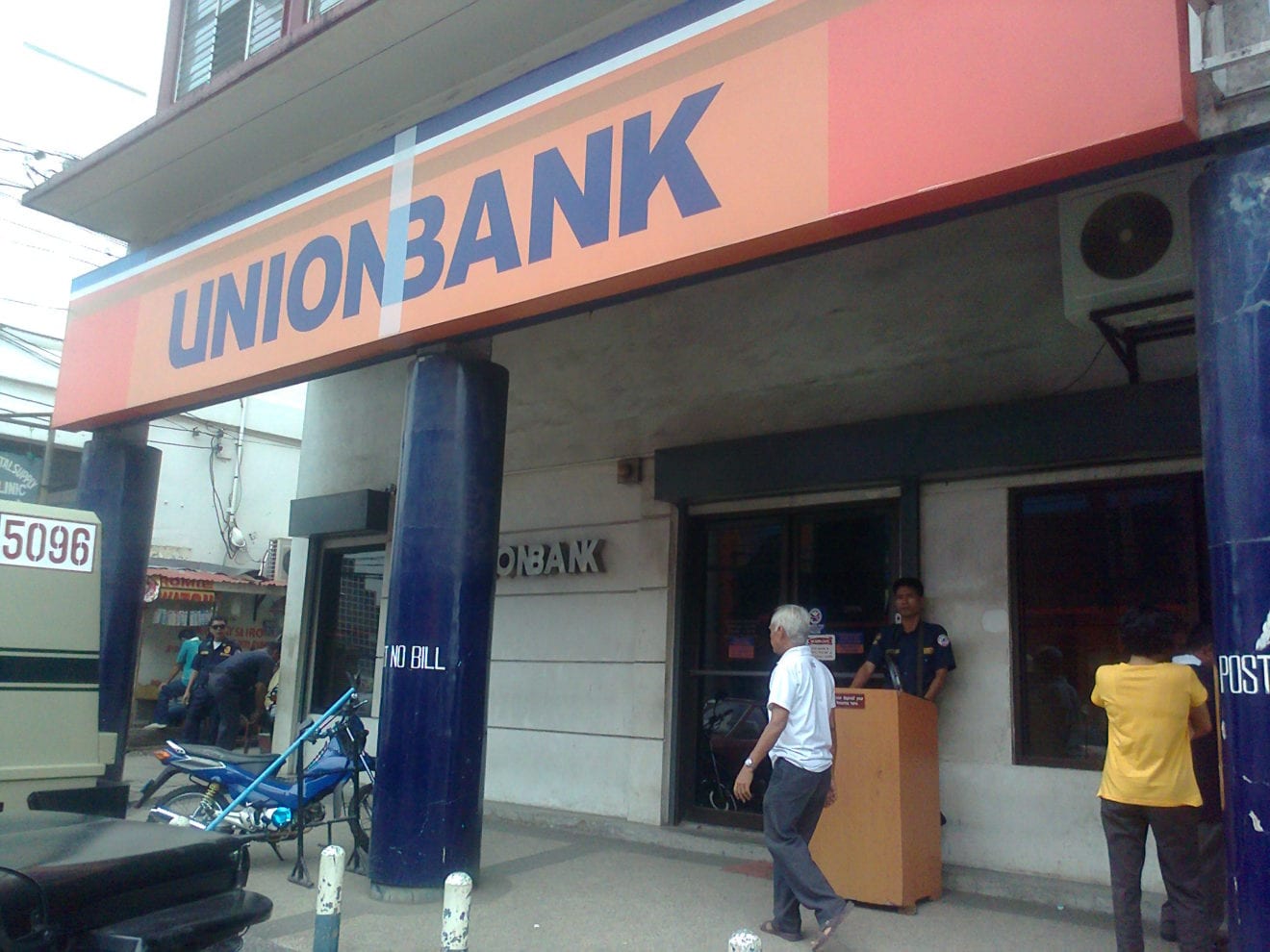
    Citigroup has reportedly selected the Union Bank of Philippines as its preferred bidder for its consumer banking assets in the country.

    Citi has chosen Union Bank as its preferred bidder for a potential sale valued at an estimated $1 billion, according to a report citing unnamed sources.

    Talks are still ongoing and no conclusive decisions have been made with other bidders still interested.

    Other reportedly interested bidders for the Philippines consumer banking assets include BDO Unibank, Metropolitan Bank & Trust Co. and Bank of the Philippines Island.

    The sale is part of Citi’s broader plan to exit from 13 markets where it lacks scale and focus its wealth efforts around hubs in Hong Kong, London, Singapore and the United Arab Emirates.

  • Binance Resumes Dogecoin Withdrawals

    Binance Resumes Dogecoin Withdrawals

    Binance has fully reopened withdrawals for cryptocurrency Dogecoin after a technical glitch that led to a heated exchange between founder Changpeng Zhao and Tesla’s Elon Musk.

    According to a blog post by the crypto giant, the glitch which prevented Dogecoin withdrawals for more than two weeks was an unlikely and unfortunate coincidence.

    No single entity was at fault, neither Binance nor DOGE Network had prior knowledge of this rare issue. So rest assured, as Zhao said – no one’s getting fired, Binance said in a post linking to a previous update from Zhao where he made the commitment.

    Last week, Musk challenged Binance on social media with a post leveled directly at Zhao that said the glitch sounds shady.

    This subsequently led to exchanges with Zhao who not only defended Binance but also questioned a glitch on the side of Telsa which led to the recall of nearly 12,000 vehicles.

    It was an unlikely and unfortunate coincidence for Binance, the DOGE network, and DOGE holders, Binance said. If we at Dogecoin Core maintainers and Binance had tried to plan this, we simply would not have been able to — not quite the shady circumstances that some had suggested.

  • Samsung To Supply New Advanced Auto Chip To Volkswagen

    Samsung To Supply New Advanced Auto Chip To Volkswagen

    Samsung Electronics on Tuesday revealed new auto chips targeting demand for advanced chips in cars, including one mounted in Volkswagen’s infotainment system developed by LG Electronics. Demand is rising for “high-tech” automotive chips that can handle more entertainment consumption and increased electrical components in cars, Samsung said in a statement, saying that it plans to actively respond to the growing demand.

    The chips, developed by Samsung’s logic chip design business System LSI, includes a chip enabling 5G-based telecommunications for downloading high-definition video content during transit, and a power management chip for stable electricity supply.

    A third chip, an infotainment processor that can control up to four displays and 12 cameras at once, has been mounted in Volkswagen’s high-performance computer called In Car Application Server (ICAS) 3.1, developed by LG Electronics’ vehicle components business, Samsung said.

    Samsung and cross-town rival LG Electronics have both targeted the expansion of the global electric vehicle market and the rapid electrification of cars as opportunities to sell more high-tech chips and sophisticated components, analysts said.

  • AirAsia clarifies high fares

    AirAsia clarifies high fares

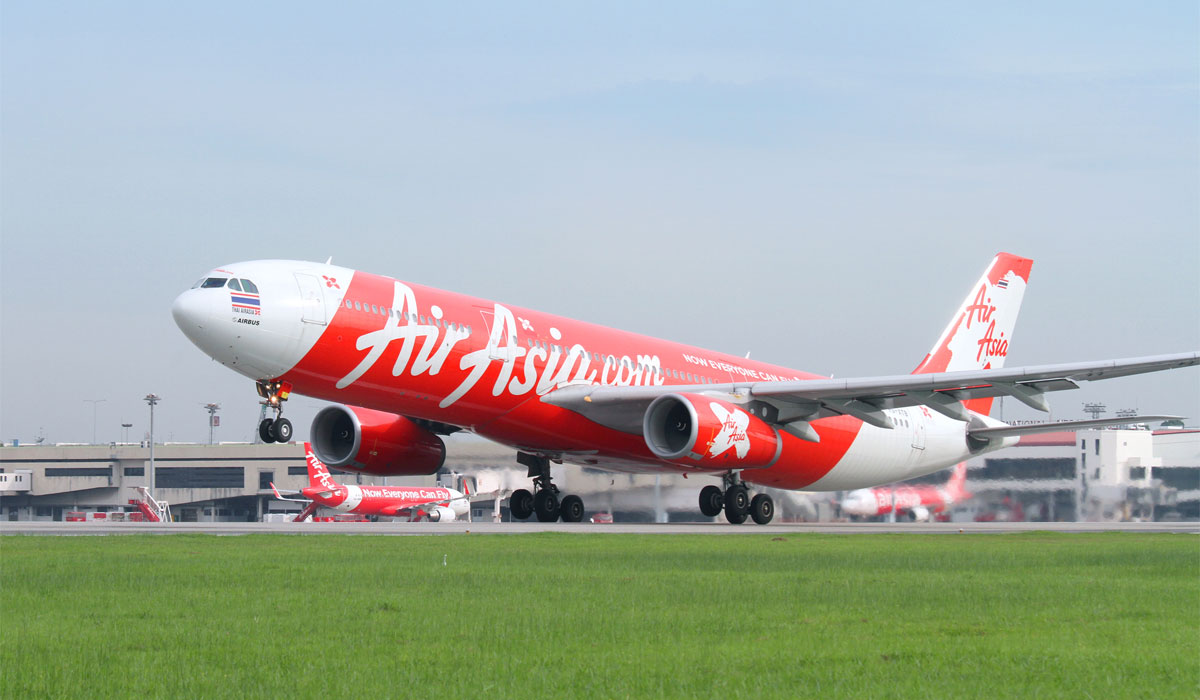
    AirAsia has denied that its airfares between the Peninsula and Sarawak are high as well as its unavailability for the Christmas and state election period.

    The low-cost airline operator said it has engaged continuously with the Ministry of Transport Sarawak (MoTS) and submitted applications to permanently increase its scheduled flight frequencies from Peninsular Malaysia and Sabah into Sarawak on several occasions since early this year, including the latest request submitted last week which included the operation of extra flights for the upcoming holiday season, Christmas and Chinese New Year.

    The airline said it received confirmation from MoTS and the Sarawak State Disaster Management Committee (SDMC) today for an additional 42 weekly flights from Peninsular Malaysia and Sabah into the state for a limited period from Dec 4 to Jan 5, 2022.

    This has brought the fares down from around RM1,000 one way to below RM200 for a Kuala Lumpur to Kuching flight and these were very quickly snapped up, it said.

    “AirAsia wishes to clarify its position with regards to the views and concerns expressed on social media that the airline is charging high fares for flights between Peninsular Malaysia and Sarawak for the upcoming Christmas and holiday season that coincides with the state election scheduled for Dec 18”, it said in a statement.

    Chief Executive Officer of AirAsia Malaysia Riad Asmat said as a low-cost carrier, the airline is in a volume business to pass on the lowest fares to its guests.

    “AirAsia’s operation is all about economies of scale where we need to achieve a high passenger volume so that costs can be spread among a sizable number of passengers, allowing us to offer travelers low fares and giving them great value for money.

    “Historically, our average fare for flights between Sarawak and Peninsular Malaysia has been around RM160 per one-way passenger. This takes into account the highest fares and the lowest, including when we offer zero fare promotional sales,” he said.

    Riad said AirAsia’s pricing model is similar to other airlines around the world and is based on supply and demand.

    “In abiding with the limited flight frequencies imposed by the SDMC resulting in a reduced supply of flight seats, AirAsia’s demand-based dynamic pricing mechanism has inevitably derived prices seen as unfavorable to buyers at this time. It must be remembered that this is also the same mechanism that we used to offer guests promotional fares from as low as RM99 one way earlier in October,” he said.

    He added that as a general rule, fares will be higher, closer to the travel date, and during peak holiday periods when their flights are already near full.

    “Buyers have already taken up to 90 percent of our capacity on most flights. The limitation on the number of flights available in the market is a key factor that has pushed the prices higher across all airlines”.

    Riad said for the record, AirAsia used to fly over 300 weekly flights into Sarawak pre-Covid, connecting Kuching, Sibu, Miri, and Bintulu to Kuala Lumpur, Penang, Johor Baru, Kota Kinabalu, and various other destinations in Malaysia.

    “Just for Kuala Lumpur – Kuching alone, we used to fly between 12 and 15 flights daily on this hugely popular route before Covid, but with the latest approval today, AirAsia will be flying 5 daily flights between Kuala Lumpur and Kuching which is a 67 percent reduction in our capacity due to the restrictions by SDMC.

    “We comprehend that demand is there but at the moment we are unable to meet it until more flight approvals are given,” he said.

    Riad also expressed AirAsia’s sincere appreciation to SDMC and MoTS for the additional flight approval for the Christmas holiday season.

    “However, we would like to appeal to MOTS and SDMC to also approve our request for extra Chinese New Year flights, and to remove frequency restrictions on all the approved flights entirely to enable us to better manage cost efficiency and lower the fares for passengers.”

    AirAsia, Riad said has always pledged its full commitment and support towards the full reopening and resumption of travel and tourism activities in Sarawak.

    They were also looking forward to keep working closely with all relevant regulators, the federal and state governments, civil aviation and health authorities, and tourism bodies to ensure the highest conformity to standard operating procedures for every flight.
  • Singapore, UK sign MOUs on digital trade, digital identities and cybersecurity

    Singapore, UK sign MOUs on digital trade, digital identities and cybersecurity

    Singapore and the United Kingdom will work more closely to facilitate digital trade between the countries, as part of a partnership that will make digital transactions by businesses easier, safer, and cheaper.

    The partnership was deepened by the inking of three memorandums of understanding (MOUs) by the two countries on Monday (Nov 29).

    The MOUs will strengthen the digital connectivity between them, said Singapore’s Ministry of Communications and Information and the UK’s Department for Digital, Culture, Media and Sport in a joint statement.

    “In 2019, 70 percent of UK cross-border services exports to Singapore were digitally delivered,” said the government organizations. The exports amounted to £3.2 billion (S$5.8 billion) in value.

    “These MOUs will further support opportunities to grow digital delivery of cross-border services between the UK and Singapore, provide a basis for working closely with like-minded digital partners, and help set a global benchmark on high-standards digital cooperation to bring economic and societal benefits to both countries,” they added.

    The MOUs will also support the shared goals and key tenets of the UK-Singapore Digital Economy Agreement, which seeks to promote trusted, robust and connected digital markets for people and businesses.

    The agreement, which is being negotiated, will establish rules to enable trusted cross-border data flows and ensure high standards in data protection.

    Singapore’s Minister for Communications and Information Josephine Teo and the UK’s Secretary of State for Digital, Culture, Media and Sport Nadine Dorries signed the MOUs in London on Monday.

    Mrs. Teo is also in London to attend the London Future Tech Forum, which aims to facilitate discussion on the role of technology in supporting open societies and tackling global challenges, among other things. Participants include governments and those from academia.

    Under the first MOU, the countries will share knowledge and implementation of pilot projects in areas such as electronic trade documents and invoicing.

    This will help drive the development and adoption of digital trade facilitation solutions at a bilateral and international level, said the ministries.

    Benefits to the digitalization of trade include improving accessibility for small and medium-sized enterprises to engage in cross-border trade, among other things.

    “The sharing of best practices will also influence the creation of secure global supply chains and interoperable digital ecosystems,” added the ministries.

    Under the second MOU, Singapore and the UK will work more closely to develop mutual recognition of digital identities between the countries.

    The MOU is “an important step in the route to achieving interoperability of digital identity regimes between different jurisdictions”, which can allow for more reliable identity verification and faster processing of applications, among other things, the ministries added.

    “This would, in turn, reduce barriers in cross-border trade and enable businesses and individuals to navigate the international digital economy with greater ease, confidence and security.”

  • Apple is now the biggest smartphone brand in China

    Apple is now the biggest smartphone brand in China

    It seems that Apple has finally conquered China (again). According to new research by Counterpoint, the Cupertino brand saw the highest growth of all smartphone brands on the Chinese market, scoring 46% month-over-month growth. Apple surpassed Vivo in October 2021 to become the largest smartphone OEM in the country.

    “Apple could have gained more if it were not for the shortages, especially for the Pro versions,” commented research director Tarun Pathak. “But still, Apple is managing its supply chain better than other OEMs.”

    The iPhone 13 series is the major culprit behind the growth, as iPhone 13 sales grew 46%, while the entire Chinese smartphone market saw only a minor 2% month-to-month increase in October 2021.

    Of course, looking at the graph it’s clear to see that Huawei has lost its dominance in China since the US trade ban, and that’s another reason for Apple’s rise in the country. Apple is retaking the number 1 place in China for the first time since December 2015.

    “Due to supply issues, the normal wait time for the iPhone 13 Pro and iPhone 13 Pro Max ranges between four and five weeks in China. Some Chinese customers choose to pay premiums to get the new phones delivered immediately. Overall, the China market has been slow throughout the year and Apple’s growth is a positive sign. It indicates that Chinese smartphone users are maturing fast and are looking to buy more high-end devices, which can be a good opportunity for brands. The supply chain is also prioritizing higher-end and higher-margin devices amid the shortages,” said Counterpoint analyst Varun Mishra.