Author: Mei Ling Tan

  • Cryptocurrency Mana, Surged to an All-Time High amid Excitement over Facebook Rebranding

    Cryptocurrency Mana, Surged to an All-Time High amid Excitement over Facebook Rebranding

    With Facebook announcing a name change to Meta to demonstrate its new focus on the metaverse, something exciting happened in the cryptocurrency sphere. The price of MANA, a cryptocurrency dealing in virtual land, rose to an all-time high.

    On Saturday, CoinMarketCap data reported that the price was at $4.16, a 400% rise. That was after posting a paltry $1.47 per token only a few days earlier.

    MANA falls under the Decentraland platform that emerged in 2017, around the same time Margex was established. To know more about Margex, it is where users can transact properties on this metaverse platform using nonfungible tokens. Like ether, MANA revolves around Ethereum.

    The Dentraland platform offers users the opportunity to acquire land and upgrade it in their preferred environment – for instance, theme parks and casinos.

    Companies that operate in this space are interested in the developments at Facebook. Other metaverse-centered crypto currencies like AXS and SAND showed investor interest. However, MANA was the strongest performer, especially immediately after Facebook’s CEO made the announcement.

    Facebook CEO announced the name change to META on October 28 and demonstrated the giant company’s determination to steer away from its social media identity. The CEO Mark Zuckerberg said this in his address, “Today we are seen as a social media company, but in our DNA we are a company that builds technology to connect people, and the metaverse is the next frontier just like social networking was when we got started.”

    Facebook changes to Meta

    It is not surprising that Facebook made this bold move. The industry and the society at large are leaning towards the futuristic online world where they can enjoy new experiences. They desire to be at the meeting point of the virtual and real worlds.

    Augmented reality, immersive technologies, and virtual reality have been gaining popularity in recent years. These technologies were bound to grow through investments from giants like Facebook. It is inevitable because they are part of the digital reality. Experts opine that soon, even gazes, motions, and gestures will be part of the experiences.

    The question on everyone’s mind is whether this token will remain on fire for long.  Currently, MANA appears to be in a consolidation period. Consolidation is usually welcome because it not only offers the token the chance to wind down on the relative strength index (RSI) but also prepares for upcoming rallies.

    At the time of writing this piece, MANA, like SAND, seemed to be moving sideways. Oppositely, AXS has consolidated its position for the last month and is recovering after Facebook’s announcement, albeit without many strides. MANA and the likes may be consolidating and cooling off, but you still need to consider them for your portfolio.

    Margex, a cryptocurrency derivatives trading platform that was formed only a year ago is one such option. Within a short period, the platform has proven itself as reliable for professional trading. Its simplicity means that even new traders are at home here.

    One of the key features of this platform is 100x leverage that means that one can earn high profits, as long as he or she knows how to maneuver the market.


    The market has been awash with negative reviews related to price manipulations and unwarranted liquidations. None of these price controls are at Margex. Your profits are your profits.

    With the virtual reality market poised to be worth $1 trillion within five years, blockchain-based platforms are expected to benefit the most. The internet as all know it today is bound to manifest differently thanks to the metaverse as 3-D environments develop. It is at the backdrop of this fact that the metaverse token prices are most likely to strengthen in the future and offer many opportunities to traders.


  • AirAsia X narrows operating losses in quarter to 30 September

    AirAsia X narrows operating losses in quarter to 30 September

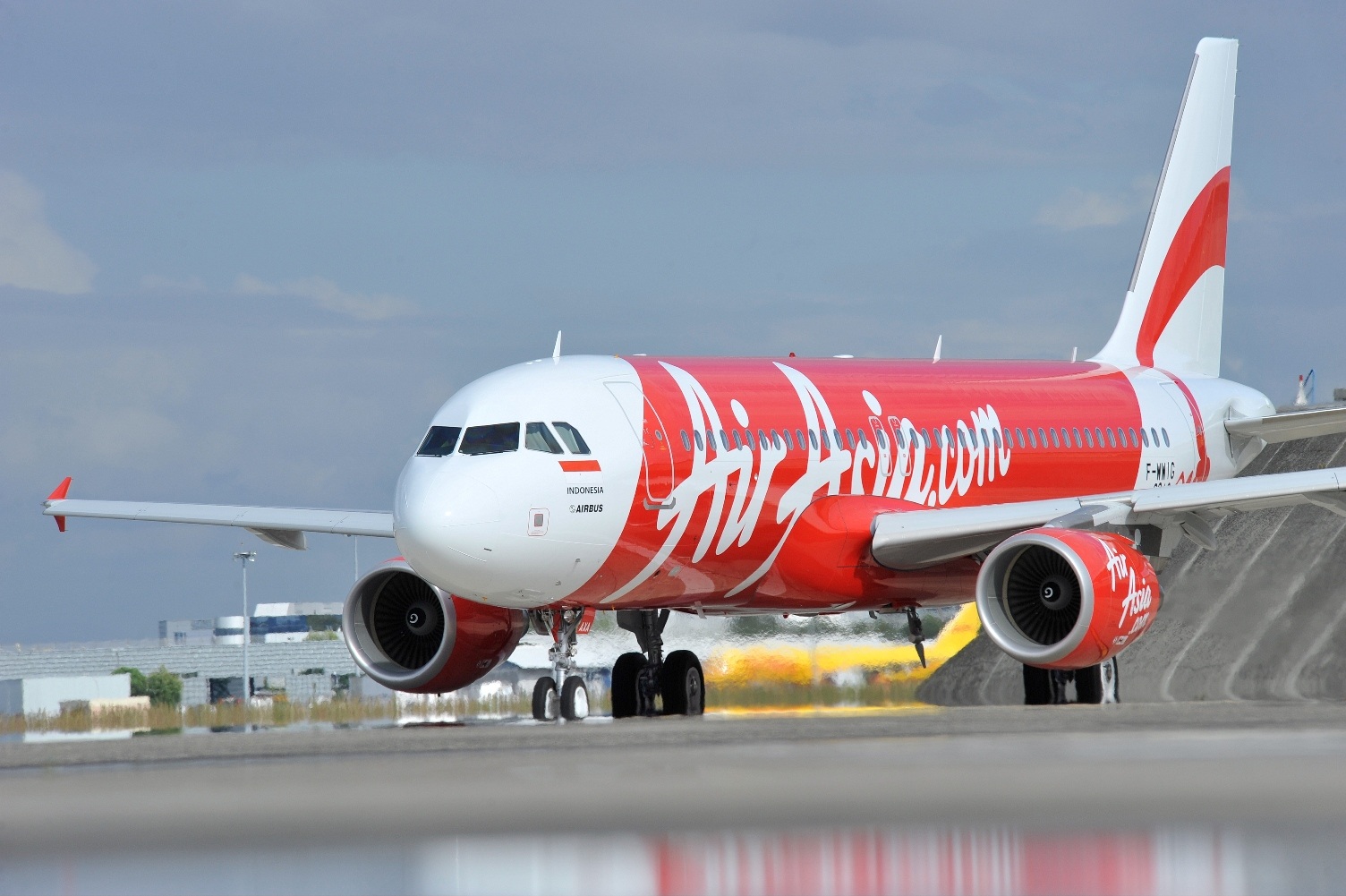
    Long-haul, low-cost carrier AirAsia X has reported an operating loss of MYR82.5 million ($19.6 million) for the first quarter of its 2022 financial year. The carrier generated revenue of MYR99.3 million for the three months ended 30 September, and a net loss of MYR149 million, it says.

    The carrier did not provide corresponding figures for the same period in 2021, given that it changed its financial year. Still, its performance improved across key metrics.

    In the three months to 30 September 2020, it generated an operating loss of MYR498 million, revenues of MYR60 million, and a net loss of MYR308 million. The airline adds that it remains largely grounded, apart from a “limited number of cargo and charter flights.”

    AirAsia X also provided some details about Thai AirAsia X (TAAX) and Indonesia AirAsia Extra, in which it holds 49% stakes, during the three months to 30 September.

    TAAX suffered a net loss of MYR353 million, while Indonesia AirAsia Extra generated a net profit of MYR12.3 million.

    The group adds that there is “meaningful uncertainty about the reopening of international borders,” which affects its prospects. Earlier this month, AirAsia X received crucial approval from creditors for debt restructuring, following a series of court-convened meetings on 12 November.

    This paved the way for restructuring and recapitalization, which it hopes to wrap up in early 2022.

    The carrier has labeled the restructuring a “wide and deep reset,” that covers all creditors.

    “With the completion of this exercise, AirAsia X will be one of the very few airlines worldwide that has no gearing and a restructured cost base that is significantly below that of its competitors in the region and will be

  • Vietnam shipping company begins service to Malaysia, India

    Vietnam shipping company begins service to Malaysia, India

    The Vietnam Maritime Corporation has launched a container shipping route to Malaysia and India.

    The route from Vietnam’s Hai Phong Port to Malaysia’s Port Klang, India’s Calcutta, Port Klang, and SP-ITC International Container Terminal in HCMC takes 10 days less than foreign shippers’ itineraries, VIMC said.

    It is the first time Vietnamese container ships are sailing through the Malacca Strait to the Indian Ocean to transport cargo to Malaysia and India, both large import and export markets for goods and raw materials for Vietnamese enterprises.

    VIMC said it plans to expand its large-tonnage container ship fleet and operations in the region as well as globally.

    Amid the Covid-19 outbreak, Vietnam’s importers and exporters have been hit by the high freight rates demanded by foreign shipping lines and finding it hard to book their services.

    Freight rates to Europe and North America have surged by four to eight times to around $20,000 for a 40-foot container.

    Many Vietnamese shipping companies saw profits surge in the third quarter as a result of the rising freight rates.

    VIMC reported revenues of VND4.127 trillion ($179.4 million), up 71 percent year-on-year, and profits of VND760 billion, compared to a loss of nearly VND30 billion in the same quarter last year.

    According to the Vietnam Maritime Administration, the country’s ports handled over 535 million tons of cargo in the first nine months of this year, a year-on-year rise of 3 percent.

  • Malaysia PM launches Huawei’s Customer Solution Innovation Center

    Malaysia PM launches Huawei’s Customer Solution Innovation Center

    The newly refurbished and upgraded Huawei Customer Solution Innovation Center (CSIC) has been officially launched by prime minister, Dato’ Sri Ismail Sabri Bin Yaakob, as part of celebrations to commemorate Huawei’s 20th anniversary in Malaysia.

    The state-of-the-art technology and solutions displayed in Huawei Technologies (Malaysia) Sdn Bhd’s (Huawei Malaysia) CSIC also aim to assist the nation in becoming the ASEAN Digital Hub.

    Huawei’s CSIC was designed as an Information and Communications Technology (ICT) Hub and Centre of Excellence to drive the industry’s open ecosystem and accelerate digital economy transformation in Malaysia.

    The CSIC, located in Integra Tower at the heart of Kuala Lumpur, aggregates the company’s over 120 reference applications and services globally.

    Huawei’s customers and partners are able to leverage this innovative platform to design and test technology solutions, verify new business models, and nurture innovative applications and services to both the public and private sectors.

    Present during the ceremony was the chief executive officer of Huawei Malaysia, Michael Yuan.

    Delivering the keynote address during the launch, Dato’ Sri Ismail Sabri said the CSIC is a testament to Huawei Malaysia’s commitment to the nation’s digital transformation.

    “Thank you Huawei for accelerating digital transformation and strengthening the development of Malaysia’s innovative platforms since 20 years ago. For that, I would like to wish Huawei a happy 20th anniversary! We will always appreciate and value your contribution towards the nation’s digital talent development.”

    “I was informed that most of Huawei Malaysia’s employees are local. Talents are a crucial part in accelerating digital transformation for the nation,” he said.

    The prime minister added that he believes Malaysia has the capacity and capability to achieve 100% digital inclusivity, especially among the vulnerable communities.

    “I am proud to say, in embracing the concept of Keluarga Malaysia, Huawei has taken an important role in helping the government address this matter. I hope more corporations will come forward to follow in your footsteps,” he said.

    Yuan said that through the CSIC, Huawei Malaysia would continue to bring global experiences to serve the needs of the ICT industry in Malaysia and to assist local stakeholders in succeeding in their businesses.

    “This center will act as a catalyst to accelerate Malaysia’s digital transformation and to capitalize on the potential of advanced technologies and assist in driving investments in the digital economy for the nation at the same time,” added Yuan.

    He further pointed out, “It is our belief that a better-connected Malaysia will have a prosperous future. We are currently in a period where ubiquitous connectivity is no longer a luxury, but a vital requirement for a country to achieve fully developed status. Therefore, we look forward to growing together with Malaysia, to playing an integral part in the nation’s technology-based economy and to building a better future for all Malaysians.”

    Among the business-to-business solutions available and showcased at the CSIC included Huawei’s 5G solutions around the world, including those for smart cities and autonomous vehicles as well as Huawei’s Smart Education system, including hybrid learning, which increases participation and engagement between students and teachers, and allows for some students attending class in-person while others join virtually.

    Cloud computing was another highlight – where Huawei is working with Telekom Malaysia Bhd (TM) on their Alpha Edge, the only Malaysian-owned cloud and AI infrastructure and services to enterprises and government institutions that ensures data sovereignty.

    Also showcased were agro-tech systems with AI technology that could save time, monitor quality, as well as predict yield and output. This included the production of premium caviar in Malaysia using this technology.

    The CSIC also displayed network infrastructure devices that utilize the latest technological advances in 5G and telecommunications as well as Huawei’s RuralStar, which overcomes the technical challenges of connecting remote areas, bringing connectivity to hard-to-reach communities.

    Huawei also presented the Huawei RuralStar solution to Dato’ Sri Ismail Sabri as part of its corporate social responsibility initiative to bridge the digital divide in the prime minister’s constituency of Bera.

    This initiative is part of Huawei’s global vision of bringing digital to every person, home and organization for a fully connected, intelligent world.

  • Car registration fee cut by half again

    Car registration fee cut by half again

    A government decree has cut registration fees for locally made cars by 50 percent for six months starting December 1.

    This is the second time in the last two years such a cut is being made to mitigate the difficulties faced by the auto industry due to the Covid-19 pandemic.

    In the first six months of last year, 17,600 cars were bought on average each month. In the second half, when the 50 percent cut took effect, sales doubled.

    The registration fees are calculated based on car prices in each locality.

    The rates are 12 percent in Hanoi and Hai Phong, and 10 percent in HCMC.

    Last year, car sales had fallen by 8 percent to 296,634 units as the Covid-19 pandemic badly affected the economy, hitting people’s incomes and discretionary spending.

  • Kawasaki To Unveil Three New Electric Motorcycles In 2022

    Kawasaki To Unveil Three New Electric Motorcycles In 2022

    Kawasaki Motors President and CEO Hiroshi Ito have announced that the Japanese brand will introduce not one, but three new electric models in 2022. Addressing the assembled crowd at the EICMA 2021 show in Milan, Italy, Hiroshi Ito laid down a broad outline for Kawasaki’s immediate future plans, including alternative fuels, as well as new products. What is clear from the comments from EICMA 2021 quoted by several sources, is that Kawasaki intends to fully embrace a carbon-neutral society. And what is important is that Kawasaki seems to be almost ready with several new electric models.

    “I would like to share a new commitment with you now. Next year, in 2022, we will show a minimum of three electric vehicles globally. That is a promise,” said Hiroshi Ito, President and CEO, Kawasaki Motors.

    The news seems to be part of Kawasaki’s plans to introduce 10 electric and hybrid motorcycles by 2025. But what is also interesting is Kawasaki’s plans to evaluate other forms of cleaner transportation. In his address, the Kawasaki Motors President and CEO also made mention of the Japanese brand’s commitment to exploring other power sources, including hydrogen, hybrids, and eFuels.

    “In addition to electric vehicles, Kawasaki is looking at all options as we work towards achieving a carbon-neutral society. One example is a hydrogen engine. In Japan, all industries supported by the government are making great efforts to make hydrogen a practical domestic alternative are currently moving forward. The Kawasaki Group is taking on a key role in this project, leading the way in hydrogen production, transport, storage, and use.

    “And just recently, on November 13, Kawasaki Motors decided to take the first steps in developing a hydrogen-powered motorcycle engine with Yamaha. Of course, we will look at the possibilities of other alternative fuels, like biofuel and eFuels,” added Hiroshi Ito.

    The announcement is a clear indication that Kawasaki is serious about cleaner transportation and is leading the development and pursuit of alternative power sources. And it will be interesting to see what the three new electric products will be, but even more interesting will be the development of alternative fuels, including hydrogen power.

  • Apple warns Thai rapper of state hacking

    Apple warns Thai rapper of state hacking

    Apple has sent messages to a Thai rapper and at least five other government critics warning that state-sponsored hackers could be accessing their data remotely, as well as accessing their iPhones’ camera and microphone.

    Previously arrested for sedition but subsequently released, Dechathorn “Hockhacker” Bamrungmuang from the Rap Against Dictatorship group, expressed shock of a possible hack. He posted a screenshot of the message that read: “Apple believes you are being targeted by state-sponsored attackers who are trying to remotely compromise the iPhone associated with your Apple ID.”

    On Tuesday, Apple filed a lawsuit against NSO Group, an Israeli company, for surveilling and targeting Apple users. Apple is also seeking a permanent injunction to ban NSO Group from using any Apple software, services or devices to safeguard the interests of its users.

    After Dechathorn spoke out on this, two political activists in Ghana, an opposition politician in Uganda, and a dozen journalists from Salvadoran have stepped forward with similar warning messages from Apple.

  • Uber To Halt App In Brussels, Belgium From Friday After Court Ruling

    Uber To Halt App In Brussels, Belgium From Friday After Court Ruling

    Uber Technologies Inc. said it would halt operations in Brussels from Nov. 26 after a court ruled that a 2015 ban on private individuals offering taxi services also applies to professional drivers.

    Uber said the decision by the Brussels Appeals Court on Wednesday will affect around 2,000 drivers, and it urged the Belgian government to quickly change taxi service laws.

  • Spotify is testing a TikTok-like video feed

    Spotify is testing a TikTok-like video feed

    Spotify wants to become more TikTok-like… sort of. Apparently, the music streaming service is testing a new feature called Discover for its app. The feature will allow artists to post vertical videos to their songs and allow listeners to discover new songs more easily.

    The new Spotify Discover feature was spotted by Chris Messina in the music app’s latest iOS TestFlight beta version. The new Discover button is located between the Home and Search buttons. When you Discover, you are presented with a TikTok-style video feed of artists and their songs. You can like the song by tapping on the heart icon or hitting the three-dot button for more information.

    Spotify declined to comment on whether the new feature will make it into the official version of the app or if it will be ditched entirely. A spokesman for the streaming service gave the following statement:“At Spotify, we routinely conduct a number of tests in an effort to improve our user experience. Some of those tests end up paving the way for our broader user experience and others serve only as an important learning. We don’t have any further news to share at this time.” – Spotify spokesperson.

    The new Discover feature could prove very useful for artists as it will allow them to add a visualization to their songs without the need for an expensive music video. The feature will also allow Spotify to differentiate itself more from its biggest competitor, Apple Music, as the latter doesn’t have a video feed section.

    A couple of artists have already made vertical music videos in the past. For example, back in February and April of 2019, British singer MARINA published vertical videos for her songs Handmade Heaven and Orange Trees, which ere posted on all social media, taking advantage of the smartphone form factor. Later, Billie Eilish jumped on the new trend as well. The American music artist posted a vertical video of her hit song Bad Guy in August of 2019.

    If Spotify indeed adds the new Discover section to its app, vertical music videos could become mainstream. If that happens, Apple will probably add a similar feature to its music streaming service too.

    Spotify isn’t the first popular app to work on a TikTok-like video feed. Instagram introduced a very similar feature in its app called Instagram Reels. YouTube also introduced its own version of a vertical video feed called YouTube Shorts.

    Both Reels and Shorts proved to be quite successful, and it isn’t surprising that other big companies want to add similar features to their apps. Netflix also recently introduced a video feed to its app containing comedy content. The new Netflix feature is called Fast Laughs.

  • WhatsApp to add built-in sticker maker on the web

    WhatsApp to add built-in sticker maker on the web

    WhatsApp is always improving in order to remain competitive. Although new features aren’t always coming to all platforms, sooner or later all WhatsApp users get to benefit from them. The most recent improvement added to the messaging app, a built-in Sticker Maker, is only available on WhatsApp’s web version.

    It will allow WhatsApp users to quickly create stickers directly within the app, thus removing the need to use third-party apps. The new Sticker Maker can be accessed via the paperclip icon. Simply select Sticker and choose an image to upload.

    The images uploaded can then be edited to your heart’s desire. The picture can be cut and cropped, but you can also add emoji, text, as well as more WhatsApp stickers on top of the ones you create.

    Of course, Android and iOS users must continue to use third-party apps to make their own stickers. Keep in mind that the built-in Sticker Maker announced today won’t be available on the web until next week.

  • PPRO Grows in Indonesia

    PPRO Grows in Indonesia

    The payments infrastructure provider has announced the integration of Indonesian buy now pay later (BNPL) pioneer Kredivo to its platform.

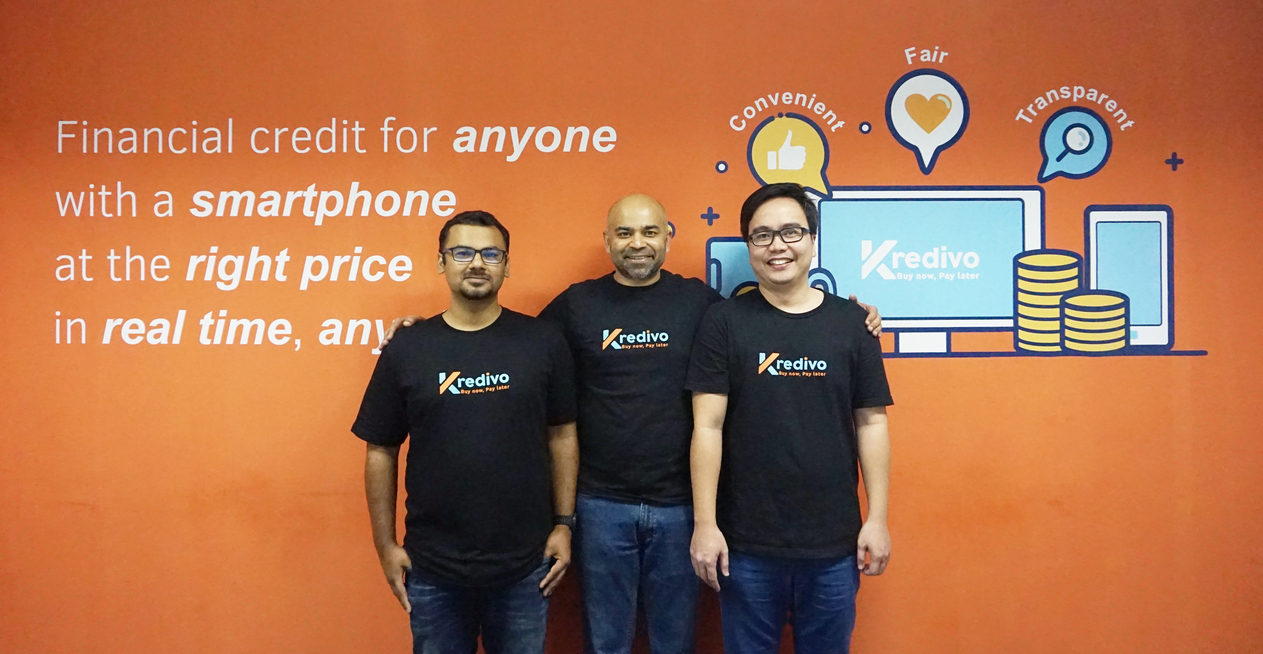
    PPRO is partnering with Kredivo – one of Indonesia’s largest and fastest-growing digital credit platforms – to allow more merchants to reach a large pool of underbanked or unbanked Indonesians.

    The integration is a cooperation between PPRO, Kredivo, and DOKU, a leading payment technology company, and enables PPRO to offer the increasingly popular BNPL payment option, as well as split payment and flexible instant credit offerings via Kredico.

    Indonesia continues to be recognized as the world’s hottest battleground for digital payments. The addition of Kredivo to our platform is a milestone in our Indonesia expansion, Kelvin Phua, PPRO head of global market development, said.

    Kredivo currently has more than 4 million users in Indonesia, representing over 50 percent of the local BNPL market.

    The news follows the recent announcement of the integration of two of the most popular payment methods in Indonesia, Jenius Pay and LinkAja, to the PPRO platform. Other payment methods on PPRO’s wider global network include Alipay, WeChat Pay, GrabPay, Bancontact, iDEAL, BLIK, and Boleto Bancário. PPRO raised $180 million earlier this year, taking the firm’s total value to over $1 billion.

    Kredivo has also been expanding of late – it inked a partnership with Standard Chartered in October to offer BNPL loans to the mass market segment via digital channels. The company also launched in Vietnam in August through a joint venture. FinAccel, Kredivo’s parent company also announced plans to go public via a $2.5 billion SPAC merger. The firm had raised US$90 million in 2019 during a Series C funding round to double down on its Southeast Asian expansion plans.

  • AirAsia to resume Bangkok-Phnom Penh flights following Cambodia’s reopening

    AirAsia to resume Bangkok-Phnom Penh flights following Cambodia’s reopening

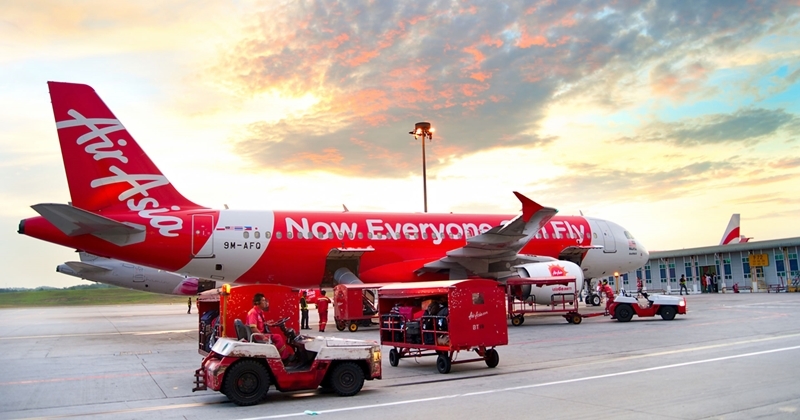
    AirAsia is resuming flights from Bangkok to Cambodia’s capital Phnom Penh starting December 22. The Southeast Asian country recently lifted restrictions to allow fully vaccinated foreign travelers to enter without undergoing quarantine.

    Next month, flights from Bangkok’s Don Mueang International Airport to Phnom Penh will take off on Wednesdays, Fridays, and Sundays. Travelers who are considered fully vaccinated under the World Health Organisation requirements within 14 days of departure will be allowed to enter under the quarantine-free travel scheme.

    Visitors will also need to test negative in a RT-PCR Covid-19 test at least 72 hours before departure and take a rapid antigen test on arrival. Those who have not been fully vaccinated will need to undergo a 14 day quarantine.

    For AirAisa BIG members, tickets start at 1,690 baht per trip with pre-booking from November 18 to 28 for flights from December 22 to March 25.

  • Feeding a Nation – RedMart West Fulfilment Centre, Singapore

    Feeding a Nation – RedMart West Fulfilment Centre, Singapore

    Providing productivity, space efficiency, speed, and accuracy – with the bonus of increased safety and social distancing.

    An Advanced Grocery Online Fulfilment Centre – Scaling Up to Meet Growing Demand

    Occupying 32,500 square metres (350,000 square feet), one of the largest logistics facilities in the country belongs to the biggest online grocery platform in Singapore –RedMart. RedMart is the online grocery service of e-commerce giant, Lazada, which serves all of Singapore. The RedMart West Fulfilment Centre has been able to build up its logistical prowess through automation, thanks to intelligent, innovative solutions from Dematic.

    “At RedMart, we offer over 100,000 assorted products to Singaporeans”, said Mr. Gerald Glauerdt, Co-Founder & Chief Logistics Officer at RedMart and Lazada. “This RedMart Fulfilment Centre is our main hub, seeing a lot of hustle and bustle as we are open 24/7, fulfilling orders for our customers as soon as they are placed.”  Mr. Glauerdt also went on to add that this advanced fulfilment centre for groceries is the first one of this scale and complexity in Singapore.

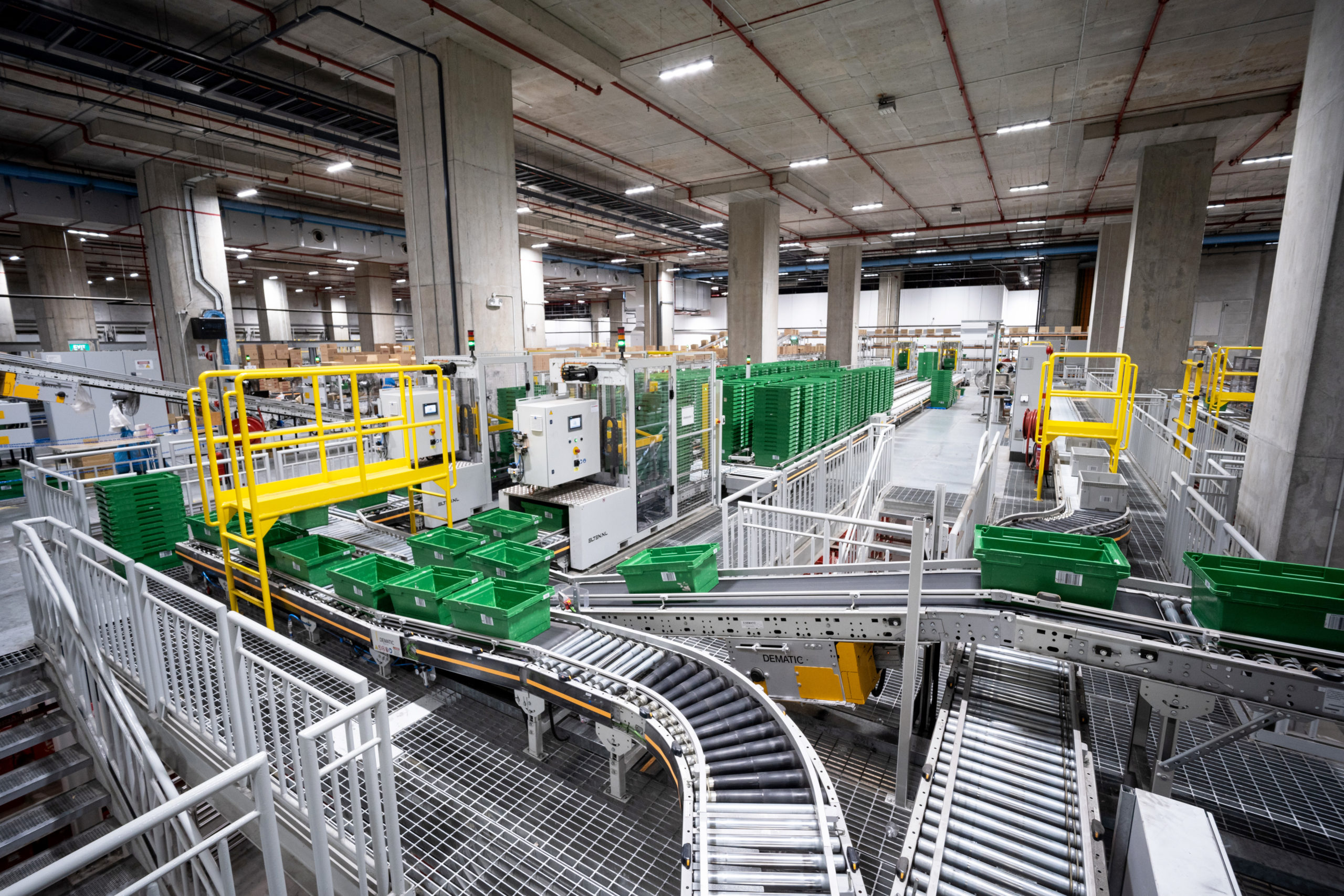
    RedMart’s West Fulfilment Centre is powered by market leading automation from Dematic to meet the increasing demand for online grocery shopping. The Dematic automated solution includes robotic shuttles, ergonomic high-speed pick stations, an intelligent conveying system, and a high-rate sortation system, all managed by a sophisticated software platform to make processes incredibly easy and efficient for pickers, packers, and management staff.

    In its previous setup, RedMart operators would have to manually travel around aisles and aisles of shelving to pick the items required for orders. In addition to spending a lot of time travelling, pickers would need additional time for receiving instructions, locating products, and loading and unloading trolleys, resulting in a highly inefficient process that was not only time-consuming, but prone to errors. Errors made by the pickers in such a manual process are difficult to detect, hard to prevent and extremely costly to resolve. With the automated solution provided by Dematic, RedMart’s productivity and accuracy have both improved significantly.

    Another key factor in developing the overall infrastructure for the RedMart West Fulfilment Centre was the building footprint. In Singapore, a big component for businesses is the cost of space. When RedMart first started talking to Dematic, they were receiving less than 2,000 orders per day, and had around 5,000 products in their range. However, the RedMart West Fulfilment Centre needed to be designed to handle a significantly greater number of orders and products on a daily basis. RedMart realised they would not be able to find the space or the workforce to meet their growth target using their current practices.

    The COVID-19 Pandemic – Providing Solutions to meet this Disruption

    Online grocery shopping had been experiencing strong growth in Singapore for several years but saw some explosive growth because of the pandemic.

    Mr. Glauerdt mentioned that the decision to install a high level of automation at this facility was made well before the onset of COVID-19, but the importance of the automated solution to RedMart’s business has been underscored by the pandemic, where the rate at which consumers have turned to online platforms to purchase their groceries has grown exponentially.

    According to RedMart, sales jumped by more than four times during the start of the pandemic, with unique visitors to the website rising by more than 11 times.

    “A lot of elements that we designed into these solutions put RedMart in a really good position to adapt and respond to the pandemic”, said Mr. Michael Bradshaw, Senior Regional Director, Sales & Solutions Development, Dematic. “They now have operators working at socially distanced workstations, rather than crossing paths, pushing a trolley around to pick an order. With the pandemic, we saw an incredible surge in demand for online grocery shopping, and the volume that Redmart had planned for several years in the future, was brought forward.  With the capacity they had available with the automated solution, Redmart were able to take on the increased demand and service their new customers.”

    Challenges faced by RedMart – Exponential Growth Required Scalable Infrastructure

    The online market for groceries had seen a growth rate of 300% since 2017, however with RedMart’s previous infrastructure and manual processes, it would not have been able to cost-effectively take advantage of this growth opportunity.

    “Our previous model was no longer working for us as we continued to grow. To meet the demand of consumers when it comes to online grocery shopping, the old method of manually hand-picking an order to pack and send to customers was too time-consuming, inefficient, and low in productivity,” said Mr. Glauerdt. “We knew we needed to scale our model of operations up, and we needed to find a solutions provider who was highly experienced in warehouse and logistics automation. Dematic was chosen as they were able to provide us with highly customisable solutions that would bring us the productivity increases that we were looking for.”

    One of the technologies Dematic has provided as part of the automated solution is the Dematic Multishuttle® system. Products are placed in totes, which are automatically stored in high-density racks by robotic shuttles. The Dematic Multishuttles automatically transport totes between storage locations and operator pick stations, eliminating the need for operators to travel and preventing them from picking the wrong product. These towering racks extend from floor to ceiling, maximising the storage density of the warehouse.

    “The automated solution uses robotic shuttles to store and retrieve products automatically and deliver them to goods-to-person (GTP) workstations where operators can work up to 5 times faster than they were previously”, said Mr. Bradshaw. “This part of the solution covers a huge product range in a small footprint, with an extremely effective picking method. The shuttles are also used to automatically replenish pick locations allocated for faster moving products where we use light picking technology to direct the operators, making the picking process as fast and accurate as possible.”

    Whenever there is an order to be fulfilled from the goods-to-person area, the Dematic Multishuttle system automatically retrieves totes containing the required items. Totes are retrieved in a specific sequence and conveyed to the GTP workstations where they are picked and placed into order containers. The operator stays in one place while items are delivered to their pick station automatically, increasing picking speeds and productivity by eliminating the need for the picker to walk around many aisles of shelving.

    “This example of the GTP brings a highly productive solution in terms of processes, where a picker could now pick and pack 500 items in the same time that it used to take us to pick and pack 100 items in the past using the manual process”, said Mr. Glauerdt. “Dematic was able to offer this customised solution to help reduce the burden on our pickers, whilst boosting productivity and efficiency, helping us to meet the growing demand of online grocery shopping.”

    Dematic’s system also includes order fulfilment of fresh produce in multiple temperature zones including a freezer pick area. Customer orders are transported through the various picking areas of the facility as required using an intelligent routing conveying system and consolidated at ergonomic packing stations in preparation for despatch. Once packed, orders are conveyed and automatically sorted to specific delivery vehicles using one of Dematic’s high rate sliding shoe sorter. The solution minimises customer orders touch points, maximising both productivity and hygiene.

    Challenges met with Challenges – Maintaining Customer Service Levels

    “To make sure that the system keeps running around the clock, Dematic provides service and support that’s available 24/7”, said Mr. Bradshaw. “We have technicians located on-site to help look after the equipment and attend to any issues faced by RedMart during their operations. The early warning system integrated into our software tells us about something that might cause us a problem before it actually does, ensuring that our system runs at the highest level of availability for RedMart and its customers.”

    The whole system is covered by support from the Dematic Software Centre, staffed by a dedicated team of specialist engineers available 24 hours a day, who can be dialled into the system in a matter of minutes to provide help whenever needed.

    RedMart Fulfilment Centre System Benefits

    • Increased productivity with intelligent order routing, paperless picking technology, automated replenishment and Goods to Person picking stations supported by the Dematic Multishuttle
    • Improved ergonomics and safety at operator workstations
    • Reduced order fulfilment times
    • Improved space efficiency and storage capacity, with high-density storage provided by the Dematic Multishuttle.
    • Improved inventory and order accuracy ensures customer orders are fulfilled correctly and reduces the cost of resolving errors and addressing returns
    • Products in multiple temperature zones handled by the one system streamlining the order fulfilment process and speed of delivery to customers.
    • Flexibility to handle a growing product range and diversity of order profiles.
    • Improved operational efficiency with real-time monitoring of inventory, orders, workload progress and system performance.

  • Malaysian Tycoon Tony Fernandes’ AirAsia Launches Parcel Delivery Service To Tap E-Commerce Boom

    Malaysian Tycoon Tony Fernandes’ AirAsia Launches Parcel Delivery Service To Tap E-Commerce Boom

    AirAsia Group controlled by Malaysian tycoon Tony Fernandes has launched a parcel delivery service as the loss-making budget airline seeks to tap the e-commerce boom across Southeast Asia.

    The new service, called AirAsia Xpress, is the company’s latest venture as it expands its digital business to shore up the airline’s revenues that have been hard hit by the Covid-19 pandemic, AirAsia said in a statement on Tuesday. The service will initially be available in Kuala Lumpur and other areas around the densely populated Klang Valley, before rolling out to other parts of Malaysia and Southeast Asia.

    Powered by Teleport—the group’s logistics arm—AirAsia Xpress gives its super app users two options: instant delivery to receive their packages in less than an hour or same-day delivery to receive their packages within six hours. The new venture complements the airline’s food delivery and ride-hailing services, which are part of initiatives to build a super app that will compete with Southeast Asia’s tech titans such as Indonesia’s GoTo and Singapore’s Grab and Sea Group.

    “As we move forward with the post-pandemic recovery, we believe that people will remain greatly dependent on efficient and affordable delivery services—one of AirAsia’s core strengths,” said Lim Ben-Jie, head of e-commerce delivery at AirAsia’s superapp. “Combining our ease of usability and network reach across ASEAN and beyond, AirAsia Xpress will support individuals and micro-businesses with fast and convenient deliveries.”Southeast Asia is among the fastest-growing regions in the world, with gross merchandise value from the digital economy climbing 49% to $174 billion this year from the previous, according to a new study jointly published by Google, Temasek, and Bain & Company this month. As consumers across the region increasingly embrace e-commerce and other digital platforms, the study predicts the GMV to grow to $363 billion by 2025 and surpass $1 trillion by 2030.

    This strong growth trajectory bodes well for AirAsia, which is seeking to grow the share of its digital businesses to 50% of the group’s revenue by 2025. The group has been pivoting into digital businesses as Covid-19 travel restrictions drag passenger and cargo traffic lower.

    Earlier this week, AirAsia reported its third-quarter revenue declined 37% from the previous year to 296 million ringgit ($70 million). In a research note, Raymond Choo, an analyst at Kuala Lumpur-based Kenanga Research, cut his full-year earnings estimate for AirAsia by 17% to a net loss of 2.41 billion ringgit.

    “As a group, we have taken advantage of the downtime in flying to tap new revenue streams and fully transform ourselves into an investment holding company with a portfolio of synergistic travel and lifestyle businesses,” Fernandes, CEO of AirAsia Group, said in a statement when the group announced its third-quarter results. AirAsia’s superapp, along with Teleport and the group’s fintech unit BigPay, are gaining traction and building a strong presence in key markets, he added.

    Fernandes and his business partner, Kamarudin Meranun, took over AirAsia in 2001 to build a low-cost carrier that would make air travel affordable. Fernandes—who dropped out of this year’s ranking of Malaysia’s 50 Richest people—also has interests in hospitality, insurance, and education.

  • 7-Eleven introduces autonomous delivery robot in Seoul

    7-Eleven introduces autonomous delivery robot in Seoul

    Korea Seven, which operates 7-Eleven stores in South Korea, has partnered with Neubility, a South Korean autonomous robot startup, to commercialize autonomous robots for short-range delivery.

    Most large convenience store chains in South Korea offer delivery to customers via third-party food delivery apps. For example, the popular Yogiyo food delivery app delivers groceries and other products from CU and GS25 chains. Typically, third-party delivery services receive about $3.51 per delivery.

    The domestic food-delivery services market hit $19.8 billion last year, according to the South Korean Fair Trade Commission.

    Korea Seven’s agreement with Neubility calls for it to commercialize the autonomous robot Neubie in Seoul and surrounding areas by the end of this year. Neubie robots can navigate deliveries in urban areas in any weather conditions.

    However, it can be difficult for these robots to operate in the Gangnam district because the numerous skyscrapers could block the satellite signals needed for the robot’s GPS system. To overcome this, Neubie robots have cameras and sensors in addition to GPS, so they are more adaptable for those areas.

    “The two companies will cooperate to build a model for [a] next-generation delivery service that brings convenience to store management as well as increased profits,” said Choi Kyung-ho, CEO of 7-Eleven in South Korea.

    Elsewhere in Asia, 7-Eleven Japan this week announced plans to launch national delivery services by 2026. The country’s top c-store chain will mobilize its national network for last-mile delivery to take on Amazon.