Author: Mei Ling Tan

  • Vietravel invests $25.8 mln in its carrier

    Vietravel invests $25.8 mln in its carrier

    Tourism company Vietravel has decided to invest an additional VND593.5 billion ($25.8 million) in Vietravel Airlines this year.

    The additional capital lifts its total investment in the new carrier to nearly VND1.3 trillion.

    Based at the Phu Bai International Airport in the central province of Thua Thien Hue, Vietravel Airlines was licensed in April 2020 with a charter capital of VND700 billion.

    Early this year, it began operating flights on several domestic routes with three aircraft and is not expected to break even for at least a few years.

    The company’s operations have been hit by the Covid-19 pandemic over the past two years. It resumed business on Oct. 18.

    It has reported losses of VND90 billion in 2020, twice the profits it earned in 2019, but is targeting pre-tax profits of VND10 billion this year.

  • Vietnam lowers power capacity in latest national plan update

    Vietnam lowers power capacity in latest national plan update

    Vietnam eyes to reduce its planned power capacity by 2030 by over 13 percent to 155,700 megawatts in the latest revision of the national power plan.

    This equates to a drop of nearly VND800 trillion ($34.48 billion) in investment, Deputy Minister of Industry and Trade Dang Hoang An told a meeting Friday, referring to Power Development Plan VIII for the 2021-2030 period with vision to 2045.

    The ministry also lowered the planned capacity for 2045 by 9.7 percent to 333,590 megawatts.

    In the update, the ministry has excluded solar power capacity from the country’s energy backup capability to ensure power security.

    This is because solar power is unstable, and “a cloud passing by could reduce capacity by 40 percent,” An said.

    Without solar power, backup capacity is 43 percent the total, which can ensure system safety.

    Some investors and experts also contributed ideas for power development over the next decade.

    Mathias Hollander, senior manager at Copenhagen Offshore Partners, said Vietnam could develop 5-10 gigawatts of offshore wind power by 2030, creating $60 billion in added value to the economy.

    Strong offshore winds could increase power by 50 percent to the level of hydropower, he added.

  • TomTom Shares Rise 9% After European Union Decision

    TomTom Shares Rise 9% After European Union Decision

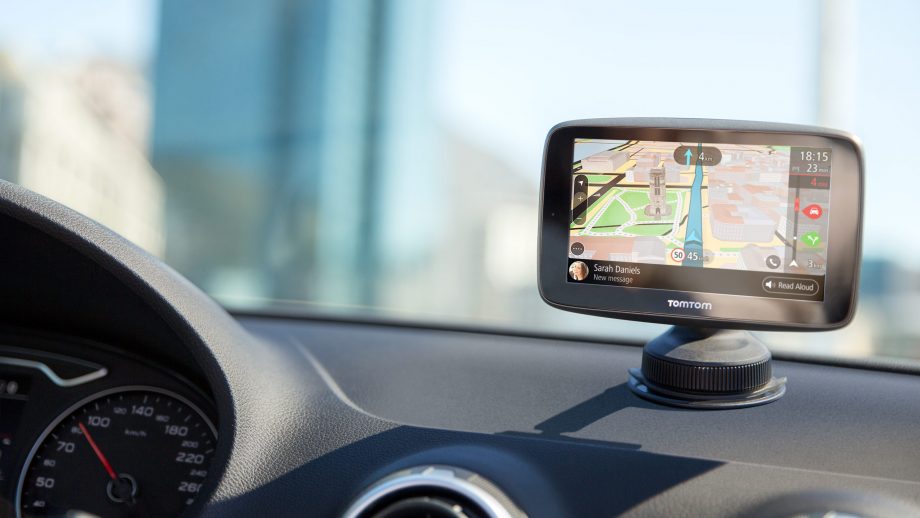
    Shares in Dutch navigation and mapping company TomTom closed 9.3% higher on Wednesday, after the European Union published rules specifying that cars must incorporate a technology that the company supplies, starting in 2022.

    TomTom works with carmakers to provide the technology that helps drivers comply with speed limits, called “intelligent speed assistance.”

    The publication in the Official Journal of the European Union specified that new car models must use the technology starting in July 2022, and all cars sold must have it by 2024.

    Chief Executive Harold Goddijn was scheduled to meet with investors at a conference during the day, though it was not clear whether he discussed potential financial benefits to the company.

    A spokesperson for TomTom could not immediately comment. Sebastian Marland, an equity research analyst at AFS Group, said he believed the news was the trigger for the stock’s surge.

    “This creates a momentary opportunity for TomTom as it provides the tech required to ‘add-on’ to the cars,” he said.

    However, “from 2024 onwards, all cars in the EU must have it installed, making TomTom’s tech redundant in the long term.”

  • Royal Enfield’s Parent Company Eicher Motors Debuts On Dow Jones Sustainability Index

    Royal Enfield’s Parent Company Eicher Motors Debuts On Dow Jones Sustainability Index

    Eicher Motors Limited (EML), the parent company of Indian motorcycle brand Royal Enfield, has made its debut on the Dow Jones Sustainability Indices (DSJI) – Emerging Markets category. Eicher Motors is one among only ten global automotive companies to feature on the list for 2021, and is one among three Indian automobile companies on the list. With more than 100 percent year-on-year improvement in its score, Eicher Motors Limited is ranked at an overall 8th position in the list of sustainability leaders in emerging markets.

    The DJSI rankings highlight EML’s increased focus on developing and shaping a robust Environmental, Social, and Governance (ESG) vision, with measured commitments, targets, and direction for the future. These include improving and adopting effective and environment-friendly manufacturing processes, working towards attaining carbon neutrality, eliminating the usage of single-use plastics, focus on road safety, community development and vocational training programs, among other initiatives.

    Speaking about this achievement, Siddhartha Lal, Managing Director of Eicher Motors Ltd, said, “As we chart EML’s next stage of growth with an immense focus on our strategic business plans and goals, an effective and impactful Environmental, Social and Governance (ESG) vision is a key aspect to define this growth for us. Over the last few years, we have made significant strides across all parameters to deliver positive results in line with a renewed ESG vision. Our inclusion in the DJSI index is a testament to the success of our initiatives and direction. We are committed to making concerted efforts to further realize this vision and deliver a positive impact across the entire product value chain.”

    Royal Enfield’s highest-selling model is the Classic 350, which has sold over 40 lakh units during the past decade. The 2021 Royal Enfield Classic 350 is better in every aspect. It has better engine refinement, better dynamics, and comes with more features and color options.
    Created jointly by S&P Dow Jones Indices and SAM (Suitable Asset Management), the DJSI combines the experience of an established index provider with the expertise of a specialist in Sustainable Investing to select the most sustainable companies from across 61 industries. The indices serve as benchmarks for investors who integrate sustainability considerations into their portfolios and provide an effective engagement platform for investors who wish to encourage companies to improve their corporate sustainability practices.

    Eicher Motors Limited registered an overall score of 61 points and featured in the 76th percentile in FY21 as compared to a score of 29 points and a percentile position of 50 in FY20. The company has marked a significant uptick as compared to its previous performance in the DJSI across all parameters including Governance & Economic Dimension and Environment Dimension amongst others. A total of 360 Indian companies were invited to participate in DJSI in 2021, out of which EML made it to an exclusive list of 15 Indian companies which became a member of the DJSI Emerging Markets Index across all sectors.

  • Waze blames a glitch for sending drivers into dead end roads

    Waze blames a glitch for sending drivers into dead end roads

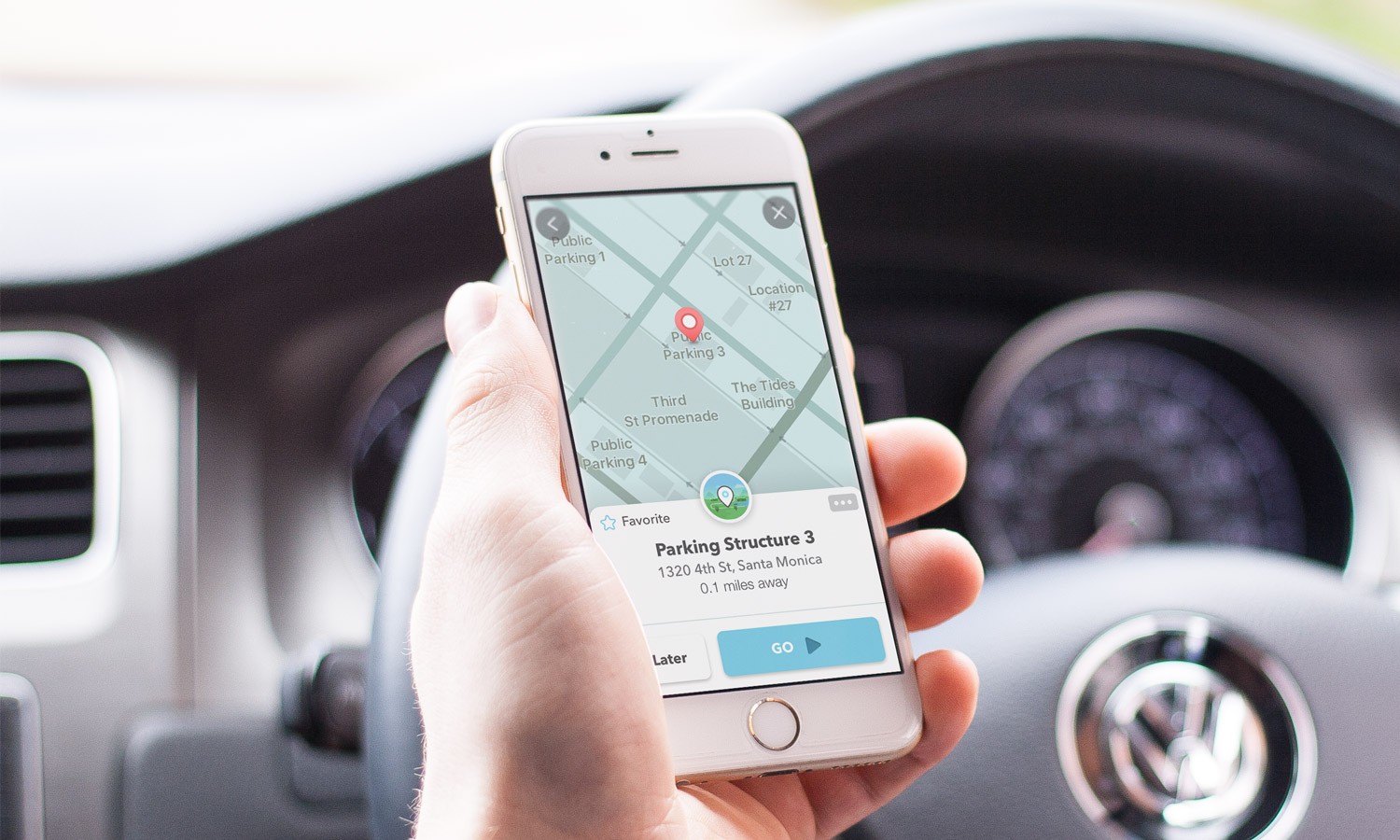
    Back in late October, we told you that Google-owned mapping and navigation app Waze was giving drivers the wrong directions and sending them right into the heart of traffic jams. Waze CEO admitted that “We have a problem with the algorithm. The more people we serve, the more it’s affected. The coronavirus has put us in a situation where we have to reinvent our algorithm.”

    Those problems that Waze was having were affecting their Israeli users. Now, according to road.cc, Waze is having problems directing users in the U.K. through the Royal Parks of London. A tweet sent from the charity to Waze said that it “would like to talk to someone about several of the reasons you [sic] we’d prefer you not directing drivers down closed roads in a park, what’s the best way to reach you please?”

    The tweet included a screenshot from Waze that showed the app directing drivers through Richmond Park. Waze at first said that it would look into the matter, and eventually, it acknowledged that it routed drivers through closed roads. While the company said that it wasn’t sure why it happened, it added that it wasn’t seeing any issues with routes at that moment and wondered whether the earlier problem was nothing more than a temporary glitch.

    Social Media users did what social media users do best; they criticized both Waze and The Royal Parks for not doing everything that they could to end the problem. The Department of Parks & Recreation told The Royal Parks: “We welcome your engagement with routing providers, although we think you should tell the providers not to route through the park at all.”

    Richmond Park, the subject of the initial tweet, is known for hosting cyclists leading Merton Cycling Campaign to complain to The Royal Parks, “You’re enabling this. You own the problem. Just close the gates to through traffic as responsible stewardship of a national nature reserve during a climate emergency requires.” Another tweet from a “Marty Velo” also blamed The Royal Parks and said, “why have you guys not tried to get in touch with them since the app was released years ago? It’s a bit late now, isn’t it? The parks are overrun with dangerous rat-running drivers.”

    And yet another tweet, this one disseminated by Madeleine Baines, showed directions inside the same park from Google Maps and the latter also navigated users to closed routes.

    Waze started life as a crowdsourced navigation app that depended on the Waze community to inform users about accidents, traffic jams, police speed traps, and more. After Google bought Waze in 2013, many questioned why Google would make the deal considering that Google Maps was (and still is) the most popular mapping and navigation app. But over the years Google took some of the most innovative features from Waze and added them to Google Maps.

    For example, back in August Google Maps started showing the cost of tolls on bridges and roads that are crossed as part of the user’s journey. This came from Waze as did incident reporting. This was one of the first features that Google added to its Maps app and it came just months after the acquisition of Waze was announced by the gang at Mountain View.

    Six years later, Google announced that Google Maps users could report slowdowns on their journey from “A” to “B” along with crashes and speed traps. Waze still has some popular features such as setting up the app to give you turn-by-turn directions in your own voice.

  • El Salvador Plans to Build World’s First Bitcoin City

    El Salvador Plans to Build World’s First Bitcoin City

    El Salvador continues to position itself as a crypto hub leader with its latest plans to build a Bitcoin City with bonds backed by the same digital currency.

    El Salvador President Nayib Bukele announced plans to build the world’s first Bitcoin City on Saturday as part of a week-long event to promote the South American nation as the hub of choice for cryptocurrency.

    Invest here and make all the money you want, Bukele said. If you want bitcoin to spread over the world, we should build some Alexandrias.

    El Salvador became the world’s first country to adopt bitcoin as legal tender in September.

    According to the tech-savvy 40-year old, the city would be built in the eastern region of La Union and be powered by geothermal energy from a volcano.

    Also, no taxes will be levied except for value-added tax of which half will be used to fund related bonds issued with the other half used to pay for services like garbage collection.

    El Salvador plans to issue the bitcoin-backed bonds in 2022, Bukele added.

  • UBS Fund Managers to Exit Amid China Property Crisis

    UBS Fund Managers to Exit Amid China Property Crisis

    Another two portfolio managers are leaving the bank after a fund was hit by China’s high-yield bond market slump triggered by China Evergrande’s debt woes.

    Singapore-based Jiayi Yew and Brian Lou in China will leave the bank in January, citing a company spokesperson.

    The pair reported to Ross Dilkes, who is also leaving the company after more than 16 years. Dilkes was the lead manager of the $3 billion Asian High Yield fund, which was established around nine years ago.

    UBS has 26 staff in its emerging market and Asia-Pacific fixed-income team and it is looking to replace the departing managers with four new hires, the spokesperson said.

    Currently, UBS is amongst the top five holders of Evergrande bonds at $274 million as of September 30, according to public data, which includes holdings invested client money like the Asian High Yield fund.

    The fund also has sizeable positions in other troubled developers like Sunac China and Kaisa Group.

    Year-to-date, Dilke’s fund has lost around 18 percent with approximately half of its holdings in real estate.

  • UBS Names Successor to Chairman Axel Weber

    UBS Names Successor to Chairman Axel Weber

    The Swiss bank’s board is nominating a veteran of Morgan Stanley as chairman. UBS will also elevate a Swiss stalwart as his deputy.

    Zurich-based UBS is nominating Colm Kelleher as its next chairman, it said in a statement on Saturday. The 64-year-old Irishman, who spent most of his career at Morgan Stanley in the U.S., is to replace Axel Weber, who will step down in April when he hits term limits.

    UBS will also propose Lukas Gaehwiler as vice-chairman, it said. The 56-year-old is a former corporate banker who ran the bank in Switzerland until 2017, and now chairs the same domestic unit.

    Kelleher in 2019 left Morgan Stanley, where he had overseen both institutional securities business as well as wealth management. He is battle-tested, having been finance chief and co-head of strategy at the U.S. bank during the 2008/09 financial crisis.

    Gaehwiler is to ensure a Swiss balance in its board, a person familiar with the matter said. The search to replace Weber involved both the outgoing chairman himself as well as CEO Ralph Hamers, UBS said in March.

    Kelleher’s nomination comes one year after that of António Horta-Osório at UBS’ crosstown rival Credit Suisse – and on the same day that Germany’s Deutsche Bank nominated Alex Wynaendts, a former insurance CEO who now sits on Citi’s board, as its new chairman.

    UBS considered candidates such as Roche’s overseer Christoph Franz, Swiss ex-central banker Philipp Hildebrand, and ex-Unicredit boss Jean-Pierre Mustier.

  • Julius Baer Profits Rise on Asset Growth and Improved Costs

    Julius Baer Profits Rise on Asset Growth and Improved Costs

    Profitability in the first ten months of 2021 at Julius Baer «rose significantly», according to the Swiss bank, on the back of client asset growth and improved cost efficiency.

    Julius Baer’s profitability rose significantly in the first ten months of 2021 on the back of strong growth in client assets and substantial improvements in cost efficiency, complemented by a near absence of credit losses, according to a statement from the Swiss lender.

    Assets under management climbed 12 percent year-on-year to 484 billion Swiss francs with net new money inflows growing 4.4 percent.  Gross margin during the first ten months of the year was around 82 basis points, down from 88 basis points from the full year of 2020.

    According to the bank, this is due to «softening in client activity from the exceptionally high levels witnessed last year». It also noted that initial results this month indicate a potential recovery for the final months of the year.

    Meanwhile, Julius Baer’s 200 million Swiss francs gross cost reduction program announced in 2020 is underway with cost-income ratio inching lower to 63 percent during the period, compared to 66 percent for the full year of 2020.

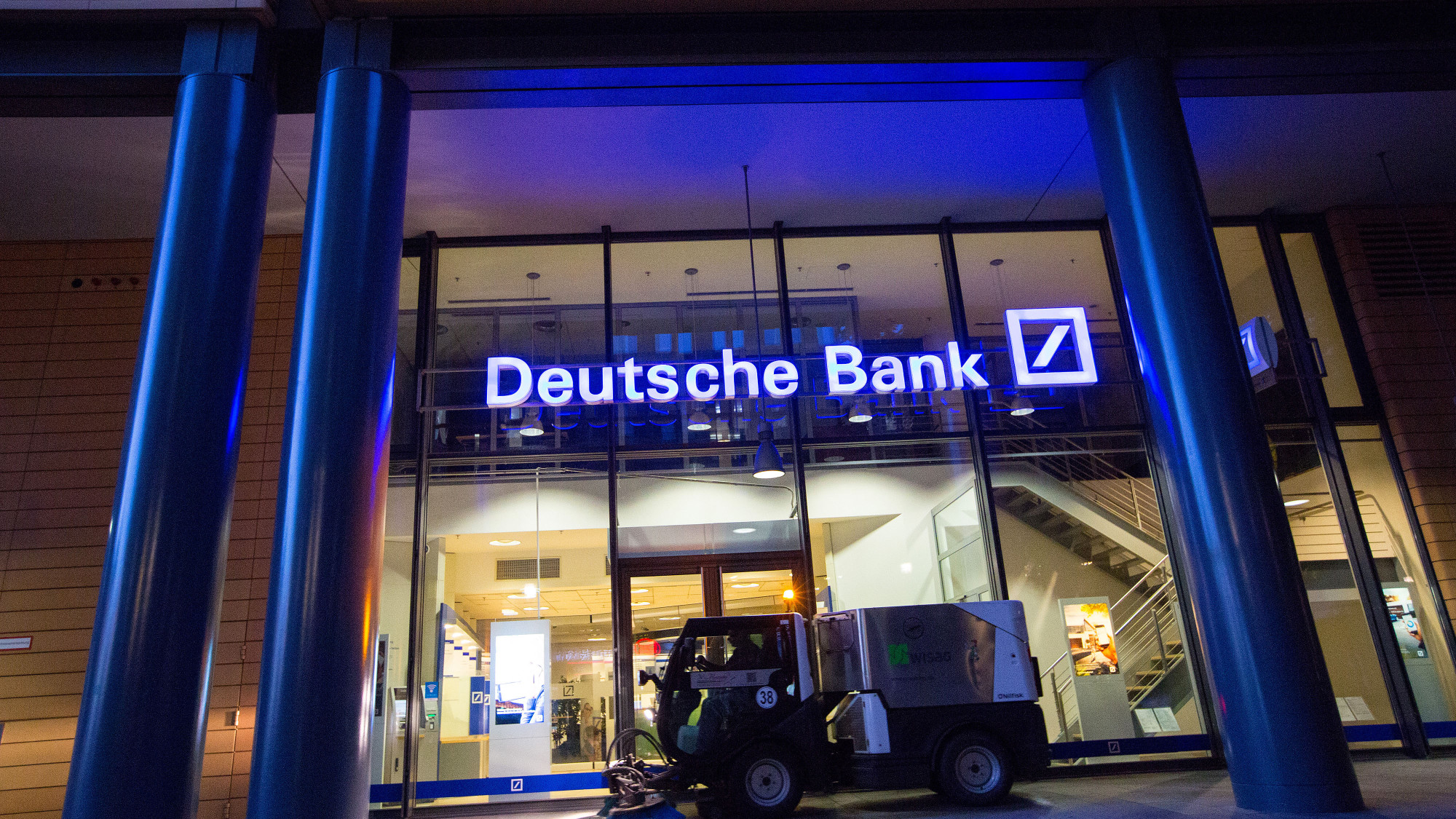
  • Deutsche Bank Backs Nomination of Ex-Aegon Chief as Chairman

    Deutsche Bank Backs Nomination of Ex-Aegon Chief as Chairman

    Deutsche Bank’s supervisory board committee supported the nomination of a new chairman, formerly from Dutch insurance firm Aegon.

    The supervisory board committee fully backed the nomination of Alexander Wynaendts as the German lender’s new chairman and he now awaits the appointment to be confirmed by shareholder votes in May, according to a report citing an internal memo.

    If successful, Wynaendts will succeed current chairman Paul Achleitner, another former insurance executive from Allianz.

    Wynaendts has experience in the fields that always made Deutsche Bank stand out: strong expertise in retail, corporate, and capital markets business as well as in asset management – and a global network, said Deutsche Bank chief executive Christian Sewing in the memo.

    Wynaendts has over 30 years of experience in the financial sector, serving as CEO and chairman of Aegon from 2008 to 2020 after first joining the Hague-headquartered insurer in 1997.

    At Aegon, Wynaendts led the insurer through a 3 billion euro ($3.39 billion) state bailout and restructuring in the midst of the 2008 financial crisis.

    He began his financial services career with ABN AMRO in 1984, working in the Dutch lenders’ private banking and investment banking operations in Amsterdam and London.

  • Harley-Davidson Sportster S To Be Launched At India Bike Week

    Harley-Davidson Sportster S To Be Launched At India Bike Week

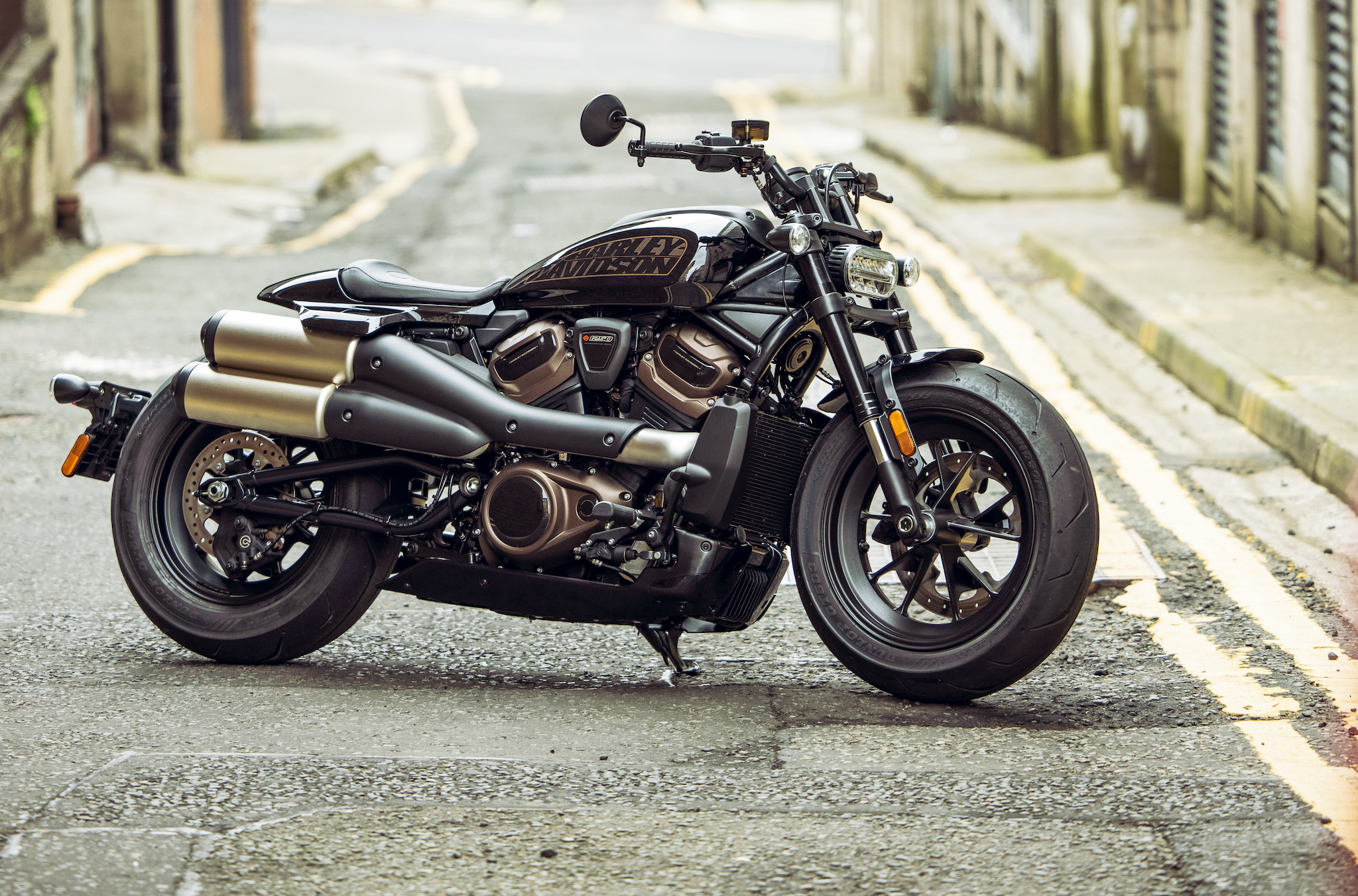
    Harley-Davidson India will launch its second new model based on the new Revolution Max 1250 platform, after the Pan America 1250. The new Sportster S, will make its India debut at the upcoming India Bike Week 2021 at Aamby Valley, Lonavla on December 4-5, 2021. On the Sportster S, the 1,252 cc, v-twin is tuned for more torque lower in the rev range and makes less horsepower. The new Harley-Davidson Sportster S will be the second Harley-Davidson model to be launched in India, after the American motorcycle brand revamped its India business, now in association with Hero MotoCorp.

    The 1,252 cc v-twin puts out 121 bhp, (instead of the 150 odd bhp on the Pan America 1250), but peak torque has been moved down the rev range, with 127 Nm hitting at 6,000 rpm. The redline is quite high too, at 9,500 rpm, and with variable valve timing on both the intake and exhaust ports, the Revolution Max 1250 promises sporty performance across the rev range. The suspension comes from Showa, featuring 43 mm inverted forks and a piggyback reservoir rear shock with remote preload adjustment. But suspension travel is limited, with just 91 mm on the front, and a measly 50 mm travel on the rear monoshock.

    The bike was originally unveiled as the Harley-Davidson 1250 Custom, and looks stocky and muscular, with fat tires that complete the buffed-up look. The short front mudguard is reminiscent of a classic bobber, while the tail section, with the high-mounted exhaust, as well as solo seat are a nod to Harley-Davidson’s XR750 flat tracker. A round, 4-inch TFT screen displays all instrumentation and supports Bluetooth-enabled infotainment. All-LED lighting includes a Daymaker Signature LED headlamp, a similar front headlight from the Harley-Davidson Fat Bob. Once it’s launched in India, we expect the new Sportster S to be priced at around ₹ 14-15 lakh (Ex-showroom).

  • Apple reportedly accelerates ‘Project Titan’ as fully self-driving car could arrive by 2025

    Apple reportedly accelerates ‘Project Titan’ as fully self-driving car could arrive by 2025

    It might not fit in your pocket, but you might consider the Apple Car to be a mobile product. And today Apple has decided to produce a car that will be able to drive without any help from humans. Apple reportedly had been deciding between producing a car with limited self-driving capabilities similar to models currently available, and an auto that requires no human intervention.

    Sources familiar with the situation told Bloomberg that under team leader and VP of technology Kevin Lynch, Apple is working to take humans out of the equation right off the bat with its first vehicle. And we might see the Apple Car released as soon as 2025. But today’s report says that this date can change and Apple also could decide to offer limited autonomy (steering and acceleration) with its first model if need be.

    Many inside the team are not optimistic that the product will be available to consumers as soon as 2025. The timeline is aggressive and Apple still needs to find partners to help it build the vehicle. Still, investors liked the sound of what they were hearing and Apple’s shares hit an all-time high today of $158.40, up over 3% on the day.

    Apple has called its work on a self-driving car “Project Titan” as it competes with Tesla and others who are racing to complete what is obviously a complex task. Still, the company has shaved some years off of its timeline from the five-to-seven years that Apple engineers had been planning to the four years mentioned in today’s report. Apple’s car would be expected to go without a steering wheel and a large iPad-like touchscreen would be placed in the middle of the vehicle for the passengers to use.

    In case of an emergency, Apple has considered the inclusion of an emergency takeover mode. The company also has finished much of the work required to develop the chip needed to, uh, drive the car. The same team inside Apple that designed the chips used on the iPhone, iPad, and Mac did the work for the car’s processors instead of the Project Titan team. This component is the most advanced ever designed by Apple and consists mostly of neural processes needed for the vehicle to self-drive.

    Apple is also looking to include stronger safeguards for its self-driving cars than those available from Tesla and Waymo. This includes layers of backup systems just in case something in the car fails while it is going 65 miles per hour on the highway with your family inside. The tech giant is looking to hire engineers to develop test and safety features related to Project Titan.

    A recent job posting for engineers says, “The Special Projects Group is seeking an accomplished mechanical engineer to lead the development of mechanical systems with safety-critical functions. You will use your passion for figuring things out to help design safety systems and to lead the testing and countermeasure of those systems.” Apple also recently hired Tesla’s former self-driving software director CJ Moore.

    Another Apple job listing for software engineers mentions that those hired will work on “experiences for human interaction with autonomous technology.” The listing also hints that the software being developed will be based on similar technology used on the iPhone’s iOS operating software.

    Apple also has talked about using the combined charging system (CCS) to power up the vehicle allowing it to be used with a “global network of chargers.” This would be a big change from the firm’s current use of its proprietary Lightning charging platform used for the iPhone and iPad.

    With Apple looking to sell the cars for individual ownership, it will have to develop a global network of dealers, repair centers, and more. Apple might also be counting on more availability of faster 5G signals in order to make sure that there is no lagging with the mapping and navigation systems that will be used for the vehicle.

  • Volkswagen Powers Up The Grid To Take On Tesla

    Volkswagen Powers Up The Grid To Take On Tesla

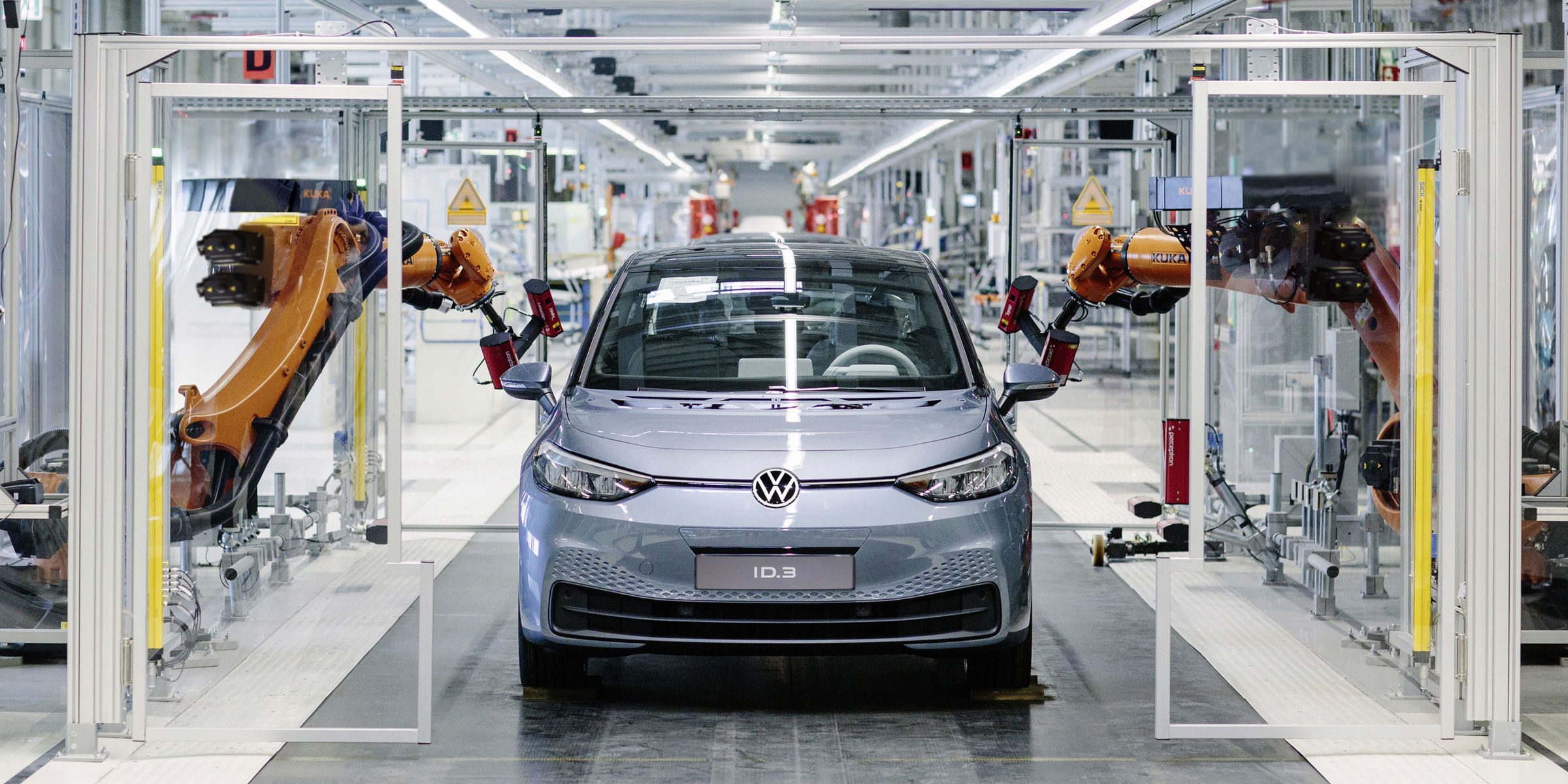
    Volkswagen plans to double staff numbers at its charging and energy division, roll out new payment technology next year and strike more alliances to take on Tesla in a key electric vehicle (EV) battleground: power infrastructure. By ensuring there are enough fast-charging plugs – and enough power – for the EVs it wants to sell, Europe’s biggest carmaker hopes to convince drivers worried about battery ranges that they can ditch their fossil fuel cars for good.

    Underlining its electric ambition, Volkswagen has drafted in power industry veteran Elke Temme, who spent nearly two decades at German energy companies RWE and Innogy, to help the carmaker get in better shape to take on Tesla. In the job since January, Temme, 53, has been tasked with bundling the carmaker’s various power activities such as procuring energy, enabling customers to charge their cars at home, and on the road, and selling the electricity required.

    Getting this done will require a bigger workforce and Temme plans to double the staff at Volkswagen’s European charging and energy division, known as Elli, to about 300 in 2022, having already tripled it this year, she told Reuters in an interview. “We’re investing in huge growth areas that don’t always have to be profitable right away. We always see these investments in the overall context of our group strategy,” she said. “That’s why building up a comprehensive infrastructure is key.”

    Temme declined to specify the budget she has been given but said Volkswagen, led by Tesla admirer Herbert Diess, has approved the investment requests for the division, which also sells home battery storage systems similar to Tesla’s Powerwall. Volkswagen leads the pack worldwide by far with its investment plans for EVs and batteries through 2030, according to a Reuters analysis, and it is planning to spend 35 billion euros on battery EVs by 2025.

    But when it comes to the networks of fast-chargers that many analysts believe are crucial for bringing EVs into the mainstream, VW has some catching up to do. Tesla has been rolling out high-performance Superchargers for years and has a global network of about 30,000 fast-chargers that it says can give a 200 km (125 mile) boost in 15 minutes. The company said in October that its own network has doubled in the past 18 months – and will triple over the next two years.

    Volkswagen, meanwhile expects its network of fast-chargers to nearly quadruple to about 45,000 by 2025 – when it aims to overhaul Tesla as the global EV market leader – with 18,000 EV pumps in Europe, 17,000 in China and 10,000 in North America. Volkswagen in March said it plans to spend 400 million euros on expanding its fast-charging network on the continent by then. But that’s a drop in the ocean compared with the 5 billion euros the European Union reckons is needed every year until 2040 to expand charging infrastructure on the continent, and it is raising the pressure on utilities and governments to step up.

  • Alibaba expects slowest annual growth in eight years

    Alibaba expects slowest annual growth in eight years

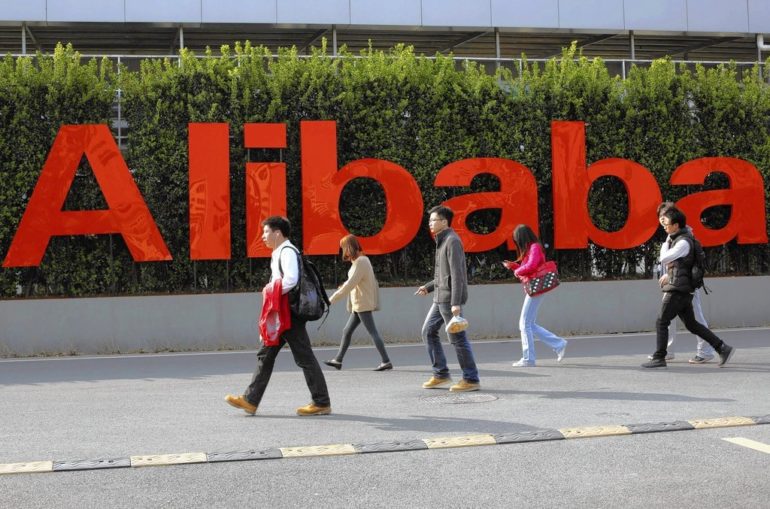
    China’s Alibaba forecast annual revenue to grow at its slowest pace since its 2014 stock market debut as second-quarter results missed expectations due to slowing consumption, increasing competition, and a regulatory crackdown.

    U.S.-listed shares of Alibaba Group Holding Ltd, which expects the fiscal year 2022 revenue to grow by 20% to 23%, tumbled 10.3% in pre-market trading on Thursday.

    Beijing has come down hard on China’s big tech, citing antimonopoly and security reasons, hitting bottom lines and stock prices at companies including Alibaba and gaming giant Tencent Holdings Ltd. Tencent last week posted its slowest revenue growth since it went public in 2004.

    This, along with supply disruptions, has contributed to China’s economy suffering its slowest growth in a year in the third quarter.

    On an earnings call on Thursday, Alibaba CEO Daniel Zhang said increasing competition and slowing consumption in China were the primary causes for slowing growth, adding that it was hard to say which one hurt earnings more.

    For the quarter ended Sept. 30, the e-commerce juggernaut’s revenue growth rose 29% to 200.69 billion yuan ($31.44 billion), its slowest rate of growth in six quarters. Analysts on average had an expected revenue of 204.93 billion yuan, according to Refinitiv data.

    Revenue at Alibaba’s China commerce retail business, its main e-commerce unit, rose 33%. On an adjusted basis, Alibaba earned 11.20 yuan per share, below the average estimate of 12.36 yuan.

    Separately, Alibaba’s chief rival JD.com Inc, said it expects weak demand will weigh on the company’s overall performance in the year’s second half.

    Alibaba, which last week recorded its slowest sales growth during its annual Singles’ Day online shopping fest, said it will continue to invest heavily in areas such as Taobao Deals, an e-commerce service targeting lower-tier cities, and offline retail initiatives.

    Alibaba’s fintech affiliate Ant Group recorded a quarterly profit of about 19.7 billion yuan for the quarter ended June. Alibaba records its profit from Ant one quarter in arrears.

    Authorities forced the suspension of Ant’s $37 billion initial public offering last November and imposed a record $2.8 billion fine on Alibaba for anti-competitive business practices in April.

    Alibaba logged its first operating loss as a public company the same quarter it faced the penalty and has lost about a third of its market value so far this year.

  • Tidal launches free music tier

    Tidal launches free music tier

    Tidal announced a few major changes to its music streaming plans in an attempt to attract more customers. The most important part of today’s announcement is the launch of Tidal Free, a new plan that is exclusive to the United States.

    According to Tidal, customers who opt for the free music tier will be able to access its entire music catalog and playlists, “with limited interruptions.” It’s also important to add that streaming quality won’t exceed 160kbps.

    Meanwhile, Tidal’s standard plan is getting a few improvements. For example, for the same $10 monthly fee, subscribers will get lossless and high-resolution audio. Also, the Tidal HiFi plan now offers improved music quality (up to 1411kbps), offline support, as well as access to features like Tidal Connect and My Activity.

    Finally, Tidal introduces a more expensive subscription plan called HiFi Plus, which promises to offer “best-in-class immersive sound formats” such as Dolby Atmos and Sony 360 Audio tracks. For only $20, customers will also have access to Tidal’s MQA (Master Quality Authenticated) recordings.