Author: Mei Ling Tan

  • Cold storage rent soars as supply dwindles

    Cold storage rent soars as supply dwindles

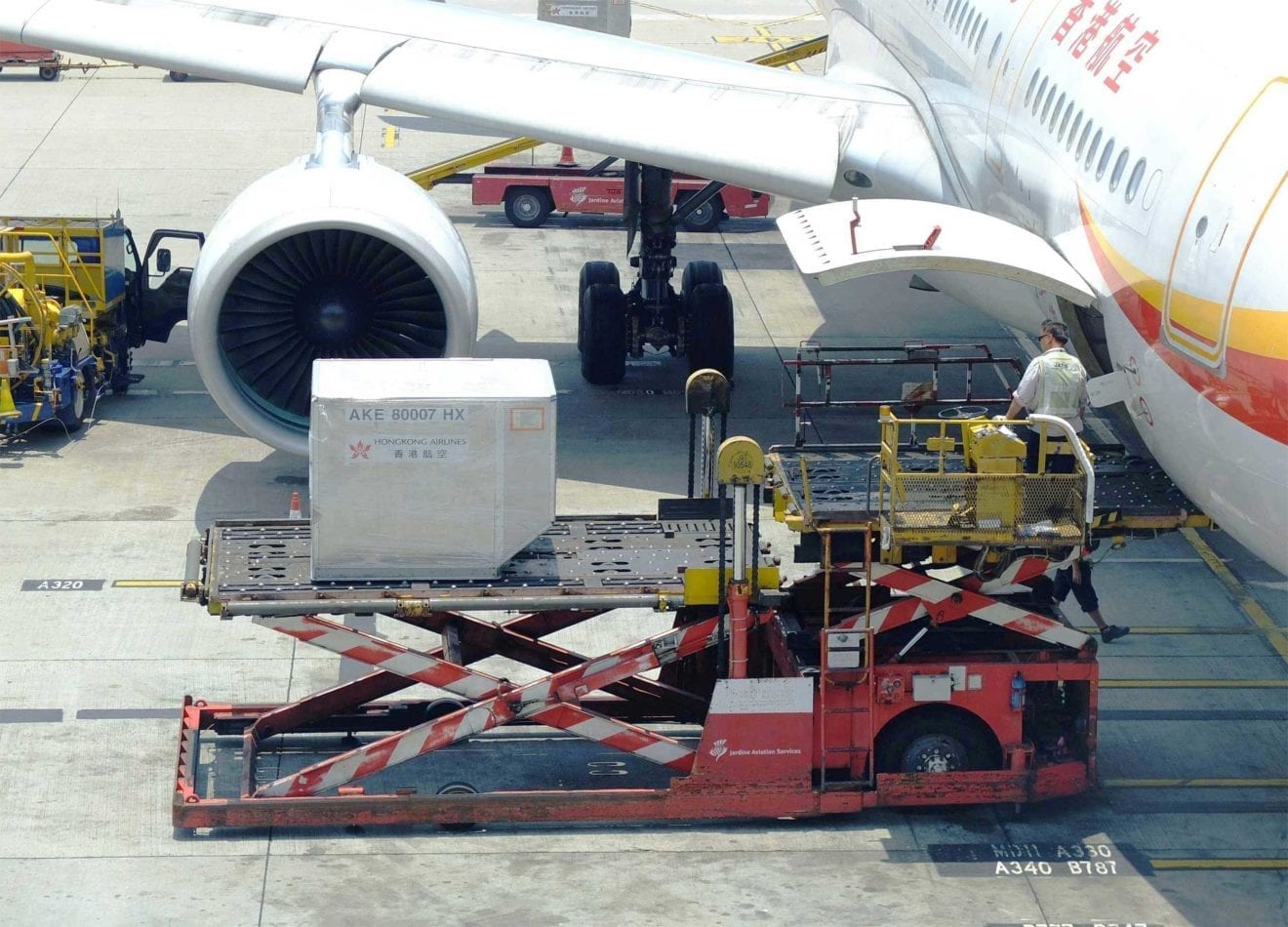
    Rent for cold storage in the south stands at $87 per ton in Q4, up 1.67 times against Q1 last year due to limited availability.

    Vietnam’s e-commerce boom amid the Covid-19 outbreak has fueled demand for cold storage facilities, according to the latest report on the cold supply chain released by real estate consultancy Savills Vietnam.

    According to the cold storage warehouse report by real estate services provider JLL, more consumers have opted for online shopping during Covid-19, leading to bigger demand for cold storage warehouses mainly located in the south and managed by medium- and small-sized suppliers. Foreign investors currently hold a share of some 60 percent in the local cold storage market.

    Trang Bui, JLL senior director in charge of the Vietnamese market, predicted demand for cold storage warehouses would increase sharply in the next five years, opening opportunities for investors.

    The country currently has a meager 48 cold storage warehouses with some 600,000 shelves, and over 700 refrigerated trucks.

    The local cold storage warehouse market is projected to annually grow 12 percent to reach $295 million in 2025, stated Savills Vietnam.

  • Apple and Meta/Facebook war is coming

    Apple and Meta/Facebook war is coming

    There is no denying that Apple and Google are rivals. Think of all the battles they have fought on the field over the dead wallets and credit cards of consumers. There is the iOS vs. Android battle which has been turned by consumers posting on tech forums into the Uncivil War. There are competing apps such as the up-and-coming Apple Maps vs. the currently reigning champion, Google Maps.
    And now that Google has taken the Pixel to a new level for hardware, the Pixel 6 series is a true iPhone challenger. But as Bloomberg’s Mark Gurman reminds us in the latest edition of his weekly Power On newsletter, Apple has a newer rivalry that might lead to another tech war. This rival is Meta Platforms Inc., the company you probably still think of as Facebook.
    It’s not that Facebook and Apple haven’t had verbal battles before and we all remember when Apple CEO Tim Cook told the media that he would never make his customer the product like Facebook does (this came in the aftermath of the Cambridge Analytica scandal that saw 87 million Facebook subscribers have their personal data sold without their permission). Facebook CEO Mark Zuckerberg criticized Apple’s App Tracking Transparency feature for damaging small businesses.
    But now it appears as though the Facebook-Apple skirmish will be more than just a war of words. Back in October, we passed along a photo of a smartwatch that Meta is supposedly going to release next year. With looks borrowed from Apple, the upcoming wearable will also include a camera for video chats. As Gurman points out, if Meta can successfully integrate video chat with its timepiece, Apple will have no choice but to add a similar feature for the Apple Watch using its FaceTime platform.
    Both Apple and Facebook are rumored to release mixed-reality headsets next year. Mixed reality includes both virtual realities (VR) and augmented reality (AR). Facebook, which already makes the Oculus brand of VR headsets, calls its mixed reality device by the codename of Project Cambria. Apple’s mixed-reality product is expected to be a premium device sold at a premium price (in the area of $2,000 Gurman forecasts) vs. the Meta device which will probably be more affordable than Apple’s headset.
    Virtual reality immerses the headset wearer and makes him feel as though he is in a different location and even a different time period. Augmented reality places an overlay over a real-time image. Both companies could feature content for their mixed reality headsets that would allow users to exercise at different venues using VR. As Gurman suggests, Apple could make its Fitness+ exercise app available for its mixed reality headset.
    One area where Apple may or may not decide to get in Meta’s face is with home products. Meta has its smart display and video chat products that it calls Portal and even offers a battery-powered mobile unit called Portal Go. These devices use Facebook Messenger and WhatsApp for video chat and Alexa as its voice-activated digital assistant.
    Apple has its HomePod smart speakers. The full-sized model was released at a ridiculously high price of $349 before Apple slashed the price. A year ago it launched the HomePod mini, which at $99 has seen more demand than the OG model ever did. Gurman says that Apple is about to get more involved in such devices and points out two such products that Apple is rumored to be working on.
    One of the two devices is a smart screen that might end up competing with the Portal lineup, and the Amazon Echo Show. The other product reportedly combines a speaker and a TV set-top box with a camera.
    While the Apple-Google battles have been genteel for the most part, the Apple-Meta battles should be closer to a rough and tumble street fight.
  • Google tests new notification dots inside the Google Messages app

    Google tests new notification dots inside the Google Messages app

    Android’s notification dots allow users to see which of their apps has a notification that they have yet to open. With iOS, the number of unread notifications is placed inside the dots. A tipster named Nick Cipriani has revealed how Google is looking to use notification dots inside Google Messages to highlight the messages that the user has yet to open.

    In the latest beta version of Google Messages (version 10.6.240), a bright blue dot can be seen to the right of the time when a message has not been opened. At the same time, the unread message is in bold type similar to how the subject line of unread emails appears in bold print in the Gmail app. The update is apparently being sent out via server-side update so it will be up to you to see if you notice this change when you open the Google Messages app.

    It isn’t clear when or even if this will roll out to all Android users. It might not be a very important new feature since you will still see the notification dot on the home page next to the Google Messages icon alerting you to at least one unread message. That alone should give you the motivation to open the app whether or not you know how many messages are unread.

    Sometimes if the number of unread notifications in an iOS app is too large, you could get overwhelmed with the number of notifications to read and you might decide to skip opening that app completely. Google is known for running through a number of tests which means that not everyone will end up making it to a future build of Android.

  • AirAsia in $246mn fundraise, creditors back AAX restructure

    AirAsia in $246mn fundraise, creditors back AAX restructure

    AirAsia Group shareholders voted on November 11 in favour of a cash call to raise up to MYR1,024,058,370 ringgit (USD245.9 million) to recapitalize the group. Separately, on November 12, reports emerged that all three groups of creditors of AirAsia X (D7, Kuala Lumpur Int’l) had agreed to the airline’s radical restructuring scheme.

    The cash call, which will take the form of a renounceable rights issue of seven-year Redeemable Convertible Unsecured Islamic Debt Securities (RCUIDS) with a nominal value of MYR0.75 (USD0.18) each, was approved by 461 shareholders to 69 against at the company’s extraordinary general meeting, AirAsia Group said in a Bursa Malaysia stock exchange filing.

    The 461 shareholders hold a total of 2.23 billion shares, which indicates 99.95% support for the measure, the disclosure added.

    The issue gives shareholders the right to buy two of the debt securities, together with one detachable warrant, for every six AirAsia Group shares held. The RCUIDS have a profit rate of 8% per year and are convertible to new shares on a one-to-one basis.

    Half of the proceeds will be channeled towards working capital; up to 12% to funding its digital business and for marketing; and the rest for lease, maintenance, and fuel hedging payments. Tony Fernandes and Kamarudin Meranun, AirAsia’s largest shareholders with a 26.4% stake, have said they will put MYR257.27 million (USD61.8 million) towards the cash call via a special purpose vehicle called Sky Accord.

    Meanwhile, in consecutive meetings that had been scheduled for November 12, the first and second of three groups backed AirAsia X’s proposal to pay only 0.5% of its MYR33.65 billion (USD8.1 billion) of liabilities owed, with 100% and 97.6% voting in favor, respectively. The plan also terminates all existing contracts.

    The first group includes airports, financial institutions, and maintenance providers, the second one lessors, engine suppliers, travel agents, and passengers. Airbus (AIB, Toulouse Blagnac), the low-cost long-haul carrier’s biggest creditor, is the sole entity in the third “group”, and AirAsia confirmed earlier media reports that it too approved the deal.

    AirAsia said in a statement that across all three classes, 99.0% of all creditors had voted in favor of the scheme.

    “When the scheme was initially announced in October 2021, it was comprehensively rejected and widely derided as being wholly inadequate and unreasonable. However, through a process of many transparent discussions on our business plan and alignment of common business interests, all major creditors have agreed that the combined interests of the various groups of stakeholders are best served by allowing the airline to proceed with the scheme intact and without substantial changes to what was initially presented,” it said.

    The approvals will now be presented for court sanction in the coming weeks and, once approved, AirAsia X will embark on its recapitalization which shareholders approved in June. Completion is expected in the first quarter of 2022, after which the airline “will be well poised to compete very effectively in the markets where it will operate,” it added.

    The airline also reached a deal with Airbus to cut its outstanding order book for seventy-eight A330-900s and thirty A321-200NX(XLR)s to just fifteen A330neo and twenty A321neo(XLR)s.

  • Musk Sells Nearly $7 Billion Worth Of Tesla Shares This Week

    Musk Sells Nearly $7 Billion Worth Of Tesla Shares This Week

    Tesla CEO Elon Musk offloaded a combined $6.9 billion worth of shares in the electric car company this week, taking advantage of a meteoric rally that vaulted the firm’s value to over $1 trillion. The billionaire sold 1.2 million shares held by his trust for more than $1.2 billion on Friday, the latest in a flurry of his stock transactions, according to U.S. security filing released later in the day.

    The world’s richest person and Tesla’s top shareholder last Saturday tweeted that he would sell 10% of his shares if users of the social media platform approved the move. The 10% would be about 17 million shares at the time of his tweet.

    He has sold 6.36 million shares this week – around 37% of 17 million. He now needs to offload about 10 million more shares to fulfill his pledge to sell 10% of his holdings.

    Shares of Tesla Inc closed lower on Friday, down 2.8% at $1,033.42, snapping an 11-week winning streak. The shares are up more than 46% this year following a sharp rally in October.

    The stock sales, which marked the first time that Musk cashed out on a stake of that size since the company was founded in 2003, were massive by capital market standards, eclipsing the initial public offerings of most companies.

    By getting Twitter users to green-light the move, he has blunted potential criticism of cashing out at a time when Tesla’s valuation has become frothy and shares are at record highs.

    Tesla shares fell 15.4% this week and lost some $187 billion in market value, more than the combined market capitalizations of Ford Motor Co and General Motors Co.

    Despite the week’s losses, Tesla is still the most valuable automaker in the world. Recent strong gains in the stock have underscored demand for shares of electric vehicle (EV) makers.

    After the blockbuster market debut of Rivian Automotive Inc on Wednesday, the two most valuable U.S. automakers are EV companies.

    In a veiled jab at the Irvine, California-based rival, Musk tweeted on Thursday: “There have been hundreds of automotive startups, both electric & combustion, but Tesla is (the) only American carmaker to reach high volume production & positive cash flow in past 100 years.”

    Musk had previously said he would have to exercise a large number of stock options this year, which would create a big tax bill. Selling some of his stock could free up funds to pay the taxes.

    Prior to the sale, Musk owned a stake of about 23% in Tesla, including stock options. After his exercise on 2.15 million stocks on Monday, he has options for 20 million more shares he needs to exercise by next August.

    “We expect the share sales will continue, as Musk holds millions of options worth billions of dollars that would otherwise expire worthlessly, and he has also prearranged share sales under 10b5-1 plans,” said Jason Benowitz, senior portfolio manager at the Roosevelt Investment Group LLC in New York.

  • GM Says Seeing Better Flow Of Semiconductors

    GM Says Seeing Better Flow Of Semiconductors

    General Motors Co is seeing a better flow of semiconductors, and most of its assembly plants in North America are now back to running regular production, including Mexico, a GM spokesperson told Reuters in emailed comments.

    “In fact, the week of November 1 represented the first time since February that none of our North American assembly plants were idled due to the chip shortage,” the spokesperson said.

    GM’s third-quarter earnings were hit by a global semiconductor shortage and rising commodity prices, factors it has said it expects to continue until late 2022.

  • Infineon Sees Chip Shortage Extending Into 2022 As Quarterly Revenue Beats

    Infineon Sees Chip Shortage Extending Into 2022 As Quarterly Revenue Beats

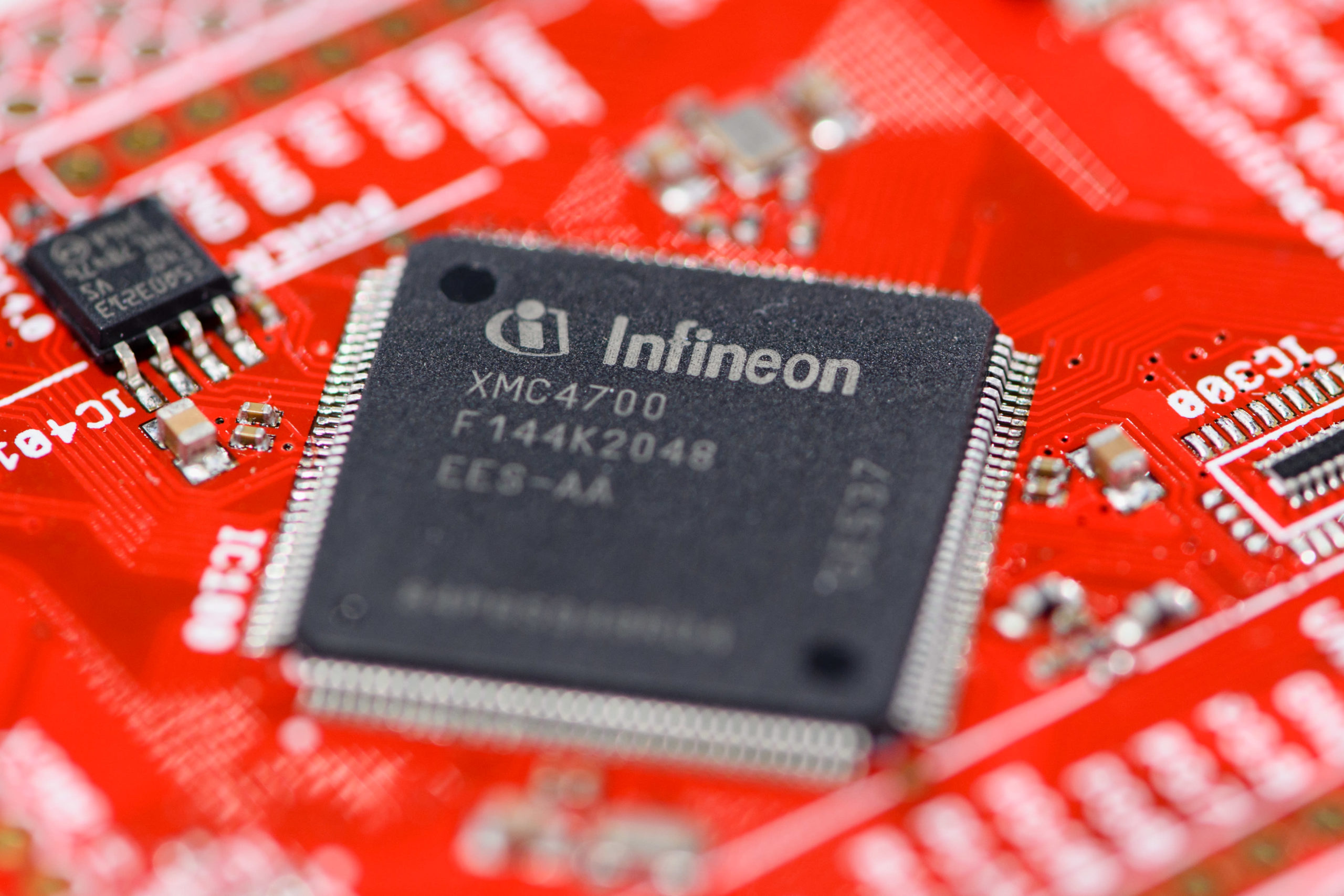
    German chipmaker Infineon expects the global semi-conductor shortage to remain well into 2022, it said as it posted a 10% rise in fourth-quarter revenue on soaring demand for chips used in everything from cars to home appliances. Shares of the company rose 2% in Wednesday morning trade.

    Infineon, which gets about 40% of sales from the automotive sector, also forecast revenue of 3 billion euros for its coming first quarter, exceeding the 2.97 billion euros expected in a poll of 19 analysts by Vara Research.

    “Demand is by far outstripping supply,” Chief Executive Reinhard Ploss said on a call with analysts.

    “Supply is bound to catch up with demand eventually, but we do not see this happening on a broader scale within 2022,” he said.

    The leading supplier of chips to the auto industry is benefiting from a tailwind as more carmakers shift to electric vehicles, along with demand for chips used in consumer appliances and industrial equipment.

    The company is also investing heavily to expand its manufacturing capacities – for silicon as well as for the compound semiconductors silicon carbide and gallium nitride.

    Last month, the Munich-based chipmaker said it would invest about 2.4 billion euros ($2.8 billion) in 2022, up from about 1.6 billion this year.

    Infineon’s revenue rose to 3 billion euros ($3.47 billion) from 2.72 billion in the fourth quarter, ahead of expectations of 2.93 billion, according to IBES data from Refinitiv.

    Rival chipmaker STMicroelectronics also reported bullish earnings in its latest quarterly report.

    Infineon forecast 2022 revenue of between 12.2 billion and 13.2 billion euros, in line with expectations. It also increased its dividend by 5 euro cents to 27 euro cents per share.

    Guidance for segment result margin – a measure of operational profitability – is predicted to come in at about 21%, up from 18.7% this year.

  • OneDegree Offers Crypto-Linked Insurance

    OneDegree Offers Crypto-Linked Insurance

    Hong Kong-based OneDegree has launched a new insurance solution that provides digital asset protection for cryptocurrencies.

    Digital insurer OneDegree has partnered with crypto exchange Hong Kong Digital Asset Exchange (HKbitEX) to offer protection for digital currencies, according to a statement.

    In its bid to strengthen the exchange’s safety and security for institutional investors, OneDegree will offer up to $100 million in coverage to HKbitEX to cover covering losses from damage, hacking, and theft.

    In addition to private key loss, OneDegree will also cover misappropriation due to physical damage to wallets caused by natural events; cybersecurity threats and employee theft.

    We have witnessed a very strong inbound demand for insurance to protect against threats to digital assets, said OneDegree co-founder Alvin Kwock.

  • Dubai Sued Over PE Firm Audit in Dubai

    Dubai Sued Over PE Firm Audit in Dubai

    KPMG is being sued over its role in the insolvency of Dubai private equity firm Abraaj Group which claims the big four accounting company failed to maintain independence and breached its duty of care.

    KPMG was sued for at least $600 million by two units of Abraaj now in liquidation, according to a report citing court documents filed earlier this month.

    The claimants allege that KPMG accountants – Abraaj’s auditor for six years – failed to maintain independence and an appropriate attitude of professional skepticism and breached their duty of care when auditing the private equity firm.

    Irregularities relating to the firm’s financial statements would have been identified sooner had KPMG and its local Lower Gulf subsidiary complied with their duties, the claimants added.

    In 2018, Abraaj collapsed into insolvency after being accused of misusing investor funds in the private equity firm which had $14 billion in assets under management at its peak.

    Founder and chief executive Arif Naqvi allegedly stole more than $250 million, according to U.S. prosecutors, though he denies any wrongdoing.

    Naqvi has been under house arrest in London and faces a whopping maximum sentence of up to 291 years if extradited to the U.S. and convicted.

    This marks yet another scandal for the Big Four accounting firm this year after the Malaysian government filed a lawsuit seeking more than $5.6 billion from 44 KPMG Malaysia partners in July for their role in auditing state investment fund 1MDB.

  • UBS Asia Bond Manager Exits With Large Evergrande Exposure

    UBS Asia Bond Manager Exits With Large Evergrande Exposure

    The manager of a $3 billion Asia bond fund at UBS has reportedly left with sizeable year-to-date losses and significant holdings in China’s real estate sector including debt issued by Evergrande.

    Singapore-based Ross Dilkes has left UBS Asset Management after first joining 16 years ago, according to a report, though the Swiss firm did not provide a reason for the departure.

    Dilkes is the lead manager of the Asian High Yield fund, which was established around nine years ago.

    UBS’ head of global emerging markets and Asia Pacific fixed income Hayden Briscoe, who co-manages the fund, will take over as lead manager until a successor is found, according to fund analyst Morningstar.

    Currently, UBS is amongst the top five holders of Evergrande bonds at $274 million as of September 30, according to public data, which includes holdings invested client money like the Asian High Yield fund.

    The fund also has sizeable positions in other troubled developers like Sunac China and Kaisa Group.

    Year-to-date, Dilke’s fund has lost around 18 percent with approximately half of its holdings in real estate.

  • TPG Telecom triples 5G coverage

    TPG Telecom triples 5G coverage

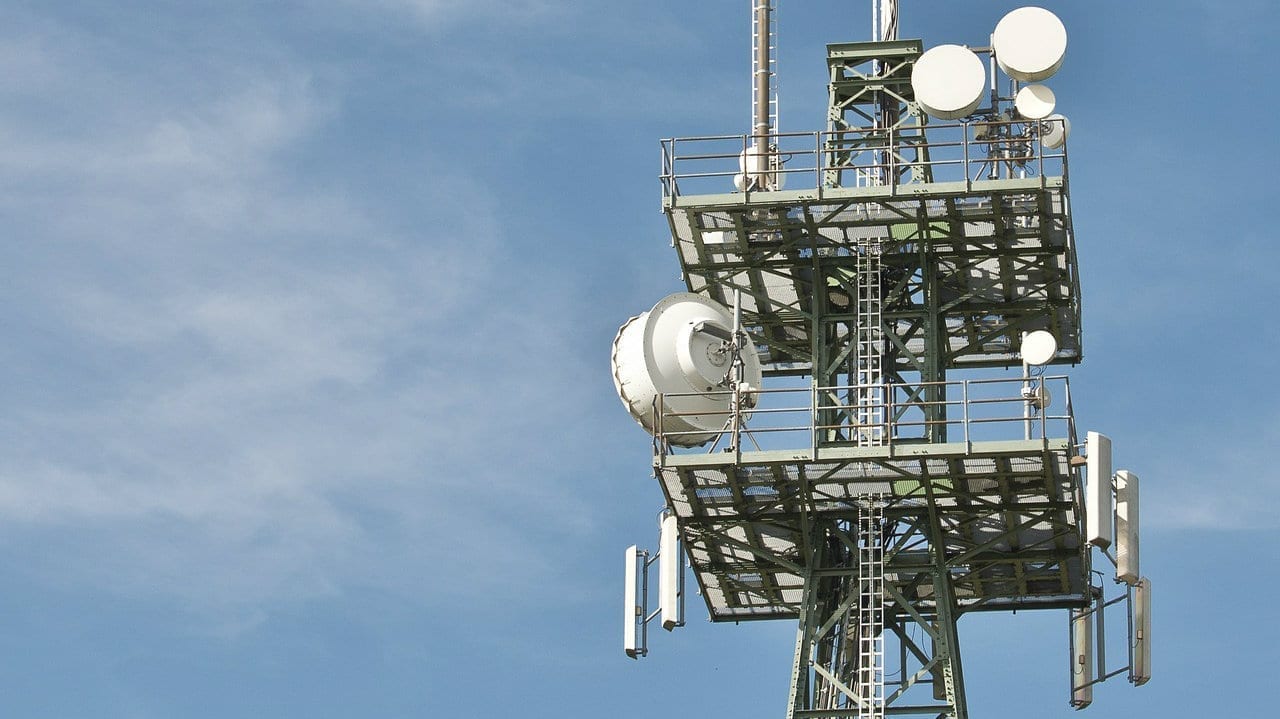
    TPG Telecom has reached over 85 percent 5G population coverage in ten of Australia’s largest cities and regions as it delivers a smarter 5G network faster following last year’s merger.

    Capable of delivering speeds of more than 400Mbps, 5G coverage is available in Sydney, Melbourne, Brisbane, Adelaide, Perth, Canberra, Gold Coast, Sunshine Coast, Wollongong, and NSW Central Coast.

    The milestone has been achieved with the launch of the company’s 5G standalone core, which connects devices directly to 5G without the need for a 4G connection, supercharging its 700MHz spectrum holdings.

    TPG Telecom Chief Executive Officer Iñaki Berroeta said the 5G standalone core is a game-changer for the company and its mobile and home internet customers.

    “This is truly a pivotal moment for TPG Telecom and sets us up to deliver 5G’s full potential,” Mr Berroeta said. “The upgraded core network has amplified our 700 MHz spectrum, tripling our 5G coverage and giving us greater reach across suburbs and in densely populated areas. This will give us a competitive boost going forward, with our 5G coverage on par or ahead of other mobile networks in many areas. It not only means more coverage in more places for mobile customers, it also significantly increases our 5G fixed wireless footprint.”

    “Two in three Australians are now covered by our 5G where they work and live, and with the first major device due to be upgraded to work with standalone 5G in just a few weeks, the new coverage is ready.”

    Mr Berroeta said the 5G standalone core was a multi-year project as part of the company’s 5G network roadmap.

    “This puts us firmly on the 5G map, and the project completion is a testament to our network team who skillfully navigated challenges including lockdowns and the 5G vendor restrictions,” he said.

  • Violence on College Campuses: Understanding its Impact on Student Well-being

    Violence on College Campuses: Understanding its Impact on Student Well-being

    College campuses are usually regarded as protected environments which makes incidences of violence more shocking and evoking questions about whether any environment can be protected today.

    Various studies indicate that students generally experience a lower victimization rate for all crimes except rape/sexual assault. Sexual assaults are a serious concern on college campuses and in most cases, they involve people who know each other and the use of alcohol or drugs. Any type of violence can have a severe impact on student well-being.

    Types of violence

    Students may experience many types of campus violence – including rape, assault, dating violence, sexual harassment, hate and bias-related violence, stalking, and even self-harm and suicide.

    Estimates of college violence often vary widely because students may be too embarrassed to report certain types of violent crime, such as sexual violence. All types of violence have significant consequences for the victims, perpetrators, and the college community.

    A wide range of consequences

    Victims of violence experience a wide range of physical and emotional consequences, often leading to social and academic difficulties. Students may restrict their activities due to fear for their safety and violence also affects the bottom line of colleges as it increases costs, lowers retention and absorbs resources that could otherwise be used to further their academic mission.

    A failure to institute basic measures such as educating students about common types of violence, creating and enforcing strong anti-violence policies, addressing alcohol abuse and reviewing incidents with the aim of preventing future incidents may expose colleges to legal action. Any programs to address violence have to be based on data to be effective.

    Mental health problems

    Victims of sexual violence usually report feelings of shock, fear, agitation, confusion and social withdrawal immediately after being assaulted. They are at higher risk for mental health problems, such as anxiety, depression, anorexia, bulimia, insomnia, and suicide. Anxiety may present as generalized anxiety disorders, social phobia, or post-traumatic stress disorder (PTSD). PTSD includes symptoms such as problems sleeping, flashbacks, nightmares and emotional detachment.

    Emotional health consequences

    Fear of violence can prevent students from attending lectures which in turn affects their academic performance. They may even drop out of college altogether. Fear, therefore, introduces barriers to a safe and healthy learning environment. Students who are victimized by others and experience hate and bias-related violence can suffer from fear for their safety. Emotional trauma can linger for years and affect nearly every area of students’ lives.

    Essay help for students on the topic of college violence

    Students often experience difficulty at college when they have to complete assignments, study for exams and attend lectures. Reading a free essay sample is often a good way to improve their own essay writing skills, which helps in their future education. They can find selected essays on violence on Samplius, such as “The impact of violence on television and in video games on society” etc.

    Anti-social, risky behavior

    Significant amounts of research show that within a week of a sexual assault, a victim shows most of the diagnostic criteria for PTSD and this leads to higher rates of self-medication. Victims are at higher risk of abusing alcohol and other substances.

    Victims who did not use alcohol or other substances before the sexual assault tend to use frequently after, and those who did use before use at a much higher rate than before. This also tends to lead to more high-risk, anti-social behavior. Victims of sexual violence may have an obsession with sexual activity and an inability to sustain healthy relationships.

    Academic performance consequences

    The impact of sexual violence on the progress and success of college students is well documented in academic reports and statistical information based on self-reported surveys and general research. One explanation for this is that the sleep patterns of victims change, which increases the amount of the stress hormone cortisol in the body.

    Both sleep disruption and increased cortisol production have been shown to negatively affect academic performance. More research needs to take place into why violence and academic underachievement is related.

    Conclusion

    Campus violence in all its forms is a complex problem with no easy solution. Sexual violence is one of the biggest problems and it can have serious mental, emotional and physical consequences on the victims and the college communities in which they live. The consequences can affect every area of students’ lives and follow them long after they leave college so it’s imperative that colleges do everything they can to find solutions.

    Author’s Bio 

    Michael Turner loves writing and it’s his passion for writing that has helped him scale new heights in the writing industry. Whether it’s blogging for premium sites or freelance academic writing assignments from college students, he works on everything diligently and loves delivering the best work that people would love.


  • Apple settles with Qualcomm outside of court

    Apple settles with Qualcomm outside of court

    Ever since 2017, Apple and its primary modem chip supplier Qualcomm have been dealing with some severe falling-outs. First, Apple had accused Qualcomm of charging it unfairly high prices compared to other competitors.

    Then after Apple had diversified its partnerships with other modem suppliers to curtail its sole reliance on Qualcomm, the chipmaker, in turn, launched multiple lawsuits against Apple, alleging that it was stealing trade secrets and passing them along to competing suppliers Intel.

    The quarrels haven’t stopped since then, with the latest court case consisting of Apple suing Qualcomm for forcing it to pay licensing fees in order to even be allowed to buy Qualcomm 5G modem chips for its iPhones. Apple attorney Ruffin Cordell equated this policy to asking Kentucky Fried Chicken customers to buy licenses to eat fried chicken before it would sell them any.

    The two companies managed to reach a settlement on Tuesday, however, right when things were about to get heated in the courts. Apple and Qualcomm struck a deal that put a stop to further prosecution for both parties (Qualcomm was also simultaneously running a case against Apple’s contracted manufacturers), at least for the time being.

    And on Wednesday (the day following the settlement outside of court), the Federal Circuit officially ruled that as a consequence to Apple’s agreement to the settlement, the Cupertino giant has lost its right to invalidate Qualcomm patents.

    This is in reference to a series of claims Apple had previously made on Qualcomm intellectual property, which were first rejected but then re-appealed by Apple to the Patent Trial and Appeal Board (PTAB).

    And now that Apple has chosen to make peace with Qualcomm—in a deal which includes a global patent license and a chipset supply contract for years to come—Apple has now precluded its ability to continue pursuing its patent claims on Qualcomm.

    “We do not write on a blank skate in assessing Apple’s standing here,” the Federal Circuit stated in the ruling yesterday. “Rather, as presaged above, the writing is already on the wall.”

  • Bulla range hits 7-Eleven freezers

    Bulla range hits 7-Eleven freezers

    The Bulla Choc Top is launching into the freezer section of 7-Eleven outlets from this month and in time for summer.

    The new 86ml snack-sized Bulla Choc Tops can be enjoyed as an after-school treat, midnight snack, or Choc Top fix this summer.

    Flavors include Vanilla Choc Top, Mint Choc Top, and Boysenberry Choc Top.

    Family-owned and operated dairy company Bulla has been in the Australian market for 111 years. Bulla Choc Tops are made in Victoria with the fresh milk and cream used in the ice cream sourced from “the rich, fertile soil of Colac,” 150km from Melbourne.

    “We know that Australians love our Bulla Choc Tops, and now it is even more convenient for them to enjoy them. We can’t wait for our three most popular flavors to hit the freezer section of a 7-Eleven near you,” says Bulla General Manager of Marketing & Innovation Jane Wyatt.

    The snack-sized Bulla Choc Top 86g (RRP $5) is available at 7-Eleven nationally.

  • Amazon and the pros of getting personal

    Amazon and the pros of getting personal

    if you want people to use your application and give you their money and information, you must provide them with speed, efficiency or time savings in exchange. The average user looks at his phone 150 times a day (and rising), but each of those interactions is growing shorter. Users perceive value when their technology interfaces enable them to get done what THEY need to do more efficiently.  Lingering on a screen, scrolling through options…these are not things most users like. But every user is different. You can model behavior, and you can create 80/20 rules to hit a majority of users, but there is nothing like an application or an experience that just gets you. For users, feeling known is no longer a nice-to-have feature: it is an expectation.

    My own experience with personalization pre-dates the modern mobile phone era.  I was wrapping up my college career just as the first Internet boom was winding down.  At the time, Amazon was not nearly the behemoth it is today, and clouds were still puffy collections of moisture in the sky. Personalization of content on the still nascent internet was limited, to put it nicely. In order to graduate college, I had to complete my senior project. I drew inspiration from my own career history as a restaurant manager, and decided to create a Restaurant Food Delivery service website, which allowed a user to order food from any number of area restaurants, and arrange for that delivery through a third party. The project was narrowly focused on the creation of the website, and the rest of the necessary workflow was completely fake, so no I did not create an early, cave-man version of DoorDash. But, the user experience screamed the need for some kind of personalization, some way to make reasonable recommendations to users about meals they may enjoy.

    Enter Amazon.com.  

    As a student and technologist, the access to the knowledge provided to me by Amazon, through purchasing and delivery of books, was astounding. And as I bought books, Amazon would recommend other books, and these recommendations would get better and better, and this became the inspiration for the recommendation engine I would implement in my senior project.  In my attempts to reverse engineer the algorithm that Amazon uses, I implemented a basic engine that looked across the items a person ordered and matched other food orders with similar items, and then selected an item not on the current user’s list as a recommendation. It was basic, but it did the trick…I was allowed to graduate.

    Years later, well into my career, I learned this method of recommendation is called Collaborative Filtering, and was in fact the approach used by the nascent Amazon.com shopping system to make recommendations. As an early pioneer in the online shopping space, Amazon had the data to sign up the game in personalized recommendations. The eCommerce space has been using recommendation engines for many years now. Shopping platforms like Magento have plugins and extensions to enable recommendations, and while these tools are great and perform a similar function to Amazon.com’s engine, they are domain and platform-specific.

    “The Cloud” expands the pure volume of data available for making recommendations. This expansion, with no other technology changes, brings an opportunity for better recommendations. But that is not where the Cloud stops. By expanding access to high-performance computation, high-speed data storage, and high volumes of data, The Cloud has enabled an explosion in machine learning and artificial intelligence. And this has brought the concept of personalization to a whole new level.

    With Personalize, Amazon takes advantage of all that has gone into building the largest Cloud on the planet, and all that was learned through Amazon.com and what started as a Collaborative Filtering approach, and expanded, matured, and brought it to the technology community as a general-purpose platform for personalization.

    Amazon Personalize sets out to empower us, as technologists, to meet the expectation with which our CCO has challenged us. It brings an easy-to-use, highly scalable platform to power recommendations, and more, across nearly any domain. By allowing you to define a schema + additional metadata, and apply an HRNN based Machine Learning algorithm to that data, Personalize is able to surface recommendations about clothing, news articles, doctors, and even food. The model that is used for training is your data, and can be updated as frequently as you choose. This allows you to create a feedback loop to regularly enhance your recommendations. It also provides for preferential ranking of content. Enabling you to surface the most likely needs for your users when performing searches.

    Typically, the barrier to entry for this kind of machine learning technology has always been the complexity of establishing the machine learning data pipeline and processing model, which would typically include these activities:

    • Build a machine learning engine
    • Train one or more models
    • Test those models and then retrain as needed
    • Design and implement a method of generating inferences from those models
    • Create the data pipeline to serve the model
    • Deploy the model with an integrated data pipeline
    • Etc…

    By building on their other technologies, AWS reduces this barrier significantly by providing the machine learning engine that trains the model from your curated data and an easily accessible RESTful API for generating inferences across this trained model by user or by item. This also allows for sorting a list of items in a way that is most useful to the individual. It does this all on top of the core AWS services, like SageMaker and IaaS capabilities, which allows this engine to run at scale servicing all of your consumer personalization needs.

    Amazon Personalize does not solve everything, however. It does not eliminate the need to know and understand your data. It does not replace your data science or development teams. Extracting, transforming, and loading data into Personalize is still something that needs to be done. Testing the validity of the trained model, and the accuracy of the recommendations is an absolutely necessary step you need to take, and Personalize does not change that.

    In addition to the concept of “fair exchange of value,”  another thing our CCO likes to talk about is the anxiety and fear users have when interacting with technology, and the importance of frictionless experiences to reduce that anxiety and eliminate that fear. The barrier to entry for many in the machine learning space is also anxiety and fear. It is anxiety about whether they can really build a machine learning pipeline, fear about both how long it will take and whether they will be finished just in time to miss this train of AI and machine learning-driven experiences. Amazon Personalize’s biggest accomplishment for technologists like us is the reduction of that anxiety and the elimination of that fear. It doesn’t solve all problems related to personalization, but it leaves space for data manipulation and reduces the problem space to something consumable and solvable.

    In a world where a user’s attention span is approximately 12 seconds, Personalize allows us to meet them where they want to be: in a precisely aligned window of time, with an interaction that is a fair exchange of value.