Author: Mei Ling Tan

  • Uniqlo’s Beijing global flagship store opens doors

    Uniqlo’s Beijing global flagship store opens doors

    Global apparel retailer UNIQLO today announces that UNIQLO BEIJING SANLITUN Global Flagship Store will open on Saturday, November 6. The company’s third global flagship store to open in Mainland China and the first in Beijing, the new store will engage with Chinese traditions and society, incorporating technology, art, culture, creativity, and sustainability to create China’s first in-store curated LifeWear experience. UNIQLO will also feature a preview of the new store at the China International Import Expo (CIIE) 2021, taking place in Shanghai from November 5 to 10.

    “Over the past nearly 30 years, UNIQLO has grown together with our customers and partners in China. The UNIQLO BEIJING SANLITUN Global Flagship Store, our first global flagship store in Beijing, is the latest achievement of this relationship,” said Tadashi Yanai, UNIQLO Founder and Chairman, President & CEO of the Fast Retailing Group. “We are very pleased to be offering customers in Beijing with the ever-evolving concept of LifeWear that meets the daily lifestyle needs of people everywhere. The new Beijing store is an important step in our vision to become a truly global digital consumer retailing company,” he added.

    The new UNIQLO BEIJING SANLITUN Global Flagship Store will provide customers inventive and unique shopping experiences through installations conveying the functionality of representative UNIQLO products, art displays, and Mainland China’s first UNIQLO FLOWER, which offers fresh flowers and potted plants as another way to brighten up the lives of everyone.

    As an extension of the UNIQLO Miao Embroidery Project – a sustainability initiative created to preserve the traditional embroidery techniques of the Miao people that helps ensure important cultural traditions are not lost – a huge Miao embroidery titled “Life and Growth in Nature” will be showcased for the first time at the store. The one-square-meter work created by Students from Tsinghua University in Beijing and Miao embroiderers expresses humanity’s desire to live sustainably for the benefit of nature and future generations.

    The new store features Beijing’s first special UT floor, where a range of popular global contents express the power of pop culture and creativity through t-shirts and other items, as well as Beijing’s first UTme! customization workshop, where customers can design their own UT using thousands of specially designed contents, including Chinese-style Universal Studios and Disney motifs, and Chinese-calligraphy-themed patterns.

    UNIQLO will also debut “New Culture Style,” the first UT collection created in collaboration with Chinese artist Lao Shu (real name Liu Shuyong), who specializes in depicting contemporary life with ink painting. Three dedicated artworks have been created for the new collection – “Genuine Affection,” “Benevolent Love,” and “Beautiful Thing” – to capture the traditional Asian aesthetic and philosophy of truth, virtue and beauty in this special collaboration.

    As a global flagship store, UNIQLO BEIJING SANLITUN will carry the full lineup of UNIQLO LifeWear, including Uniqlo U and such 2021 fall/winter collaboration collections as “UNIQLO and White Mountaineering”. The store will also carry limited-edition fleece available in 11 colors for the opening, as well as the Premium Cashmere Collection, seasonal essentials made from 100% cashmere to provide unparalleled softness and warmth.

    UNIQLO opened its first store in China in September 2002, and currently the company is operating nearly 850 retail locations throughout the mainland. Participating in the China International Import Expo (CIIE) for the second year, UNIQLO will demonstrate its commitment to the Chinese market and showcase innovative apparel created through the Art and Science of LifeWear at its 1,000-square meter “Tomorrow Wonderland.”


  • Ikea launching online marketplace for second-hand goods

    Ikea launching online marketplace for second-hand goods

    It might not be as good as picking up those meatballs on your way home, but IKEA is launching an online marketplace for Aussies to buy and sell second-hand products.

    The new ‘As-is’ scheme will be piloted, allowing their members to browse second-hand IKEA products online and reserve items they’d like to buy before then heading to the store to collect. It sounds like a real game-changer.

    According to Mellisa Hamilton, IKEA Australia’s Sustainability Manager, the company are aiming to have the marketplace ready early in 2022. It will initially be available only to members but will likely be opened up to everyone else later.

    Hamilton believed that a change in mindset in Aussie consumers was key to any success of the marketplace. “I think people will look at (used) items and (consider) maybe they’re not perfect anymore, but ask are they less valuable? Are they less useful? I think the shift of people understanding, I don’t need new all the time, and there’s nothing wrong with the item …,” she explained.

    “And this is the thing that we’ve also received from our consumer insights is that they feel to make an individual action to support the people and the planet it tends to be more expensive and at a premium,” Hamilton added.

    “But I think in terms of this action or this initiative is actually more looking at why pay full price for something new when I could get something just as functional just as beautiful.

    Maybe it’s not directly out of a box, or maybe it’s barely been used, but you could get it at a cheaper price. So I think if we’re looking at that affordability piece and how we can also impact the planet this is probably a really good action that anybody can take.”

  • Over 130,000 investors enter stock market

    Over 130,000 investors enter stock market

    More than 130,000 new investors opened stock trading accounts in October, including 129,750 local investors, according to the Vietnam Securities Depository.

    129,200 of the local investors were retail ones.

    At the end of October there were over 3.86 million accounts. The number increased for a third straight month amid news of government economic stimulus of around VND800 trillion ($34.78 billion).

    The benchmark VN-Index rose to a new peak of 1,456.51 points on Friday, led by energy stocks, though trading on the Ho Chi Minh Stock Exchange dipped slightly to VND26.14 trillion.

    The government targets having 3 percent of the population participating in equity markets by the end of this year and 5 percent by 2025 under its Scheme for Restructuring Securities and Insurance Markets, which it finalized in early 2019.

  • Grammarly update brings major improvements to iPhone and iPad apps

    Grammarly update brings major improvements to iPhone and iPad apps

    Grammarly, the cloud-based app that checks your spelling, grammar, punctuation, and clarity to suggest better solutions for your writing style is getting an important update, which adds important features to iPhone and iPad apps.

    Apart from bumping the app to version 2.0, Grammarly developers introduced a brand-new editor for iPhone and iPad, which promises to offer users writing feedback on long-form documents, as well as personal statistics and milestones to help them improve while using the app. More importantly, the new editor is compatible with hardware keyboards too.

    Next in line, we have support for Safari extensions, which allows users to bring the app to just about any mobile web app. Last but not least, Grammarly Keyboard, one of the several apps included in Grammarly, now allows users to access the service’s writing suggestions in any mobile app.

    Of course, the usual bug fixes and performance improvement changes are included in the update too, so if you’re a long-time Grammarly user, then you’ll probably notice some of these too. Keep in mind that Grammarly requires a monthly subscription, but it will considerably improve your writing style, as well as highlight mistakes and makes suggestions for non-native speakers.

  • WhatsApp removes online requirement for use on multiple devices

    WhatsApp removes online requirement for use on multiple devices

    WhatsApp is finally introducing an important feature that’s been promised since July, the option to remove the online requirement for use on multiplayer devices. As some of you may already know, if you want to use WhatsApp on a desktop, you must have your smartphone connected to the internet to have your conversations synced.

    The new feature that’s been in beta testing for several months allows WhatsApp users to disable the requirement and have WhatsApp run on any linked device without your smartphone being connected to the internet.

    For the time being, there’s a limit of four devices that can be connected to WhatsApp at the same time. Those who received the update should find the new feature under the “Linked devices” tab. Once enabled, WhatsApp will remove all previously connected devices, so you’ll have to add them again following the app’s instructions.

    After adding all devices that you’d like to use with WhatsApp, you won’t be needing your smartphone to be connected to the internet to sync the conversation or have access to the app. Keep in mind that the feature will not work on tablets and that there are some limitations on iPhones, such as the fact that you can’t clean or delete conversations on connected devices if your main device is an iPhone.

    Last but not least, for security reasons, if you don’t open WhatsApp on your phones for 14 days, the app will automatically disconnect all other devices and you will have to add them again.

  • Tiki raises $258 mln from global investors

    Tiki raises $258 mln from global investors

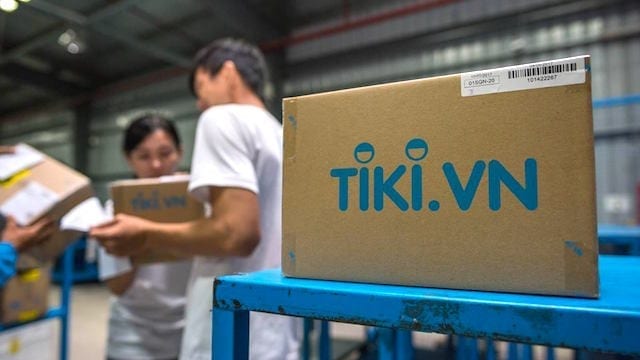
    E-commerce company Tiki raised $258 million in its latest funding round as it eyes a U.S. IPO.

    The Series E funding round was led by AIA Insurance, and included UBS AG London Branch, Mirae Asset-Naver Asia Growth Fund, and Taiwan Mobile Co.

    Tiki had planned to list in the U.S. by 2025, but it now plans to do so in a year’s time, Tiki founder and Chief Executive Officer Tran Ngoc Thai Son said in an interview.

    The company expects revenue growth of 40-50 percent in the next few years, he added.

    Vietnam is expected to have 53 million online consumers, or 71 percent of its population aged 15 and older, by the end of this year, an 8 percent rise from 2020, according to a report in August by Facebook and Bain & Co.

    Tiki in June raised VND1 trillion dong ($44 million) from bonds issuance.

  • The Role Of Ribbon Mixers In The Food Industry

    The Role Of Ribbon Mixers In The Food Industry

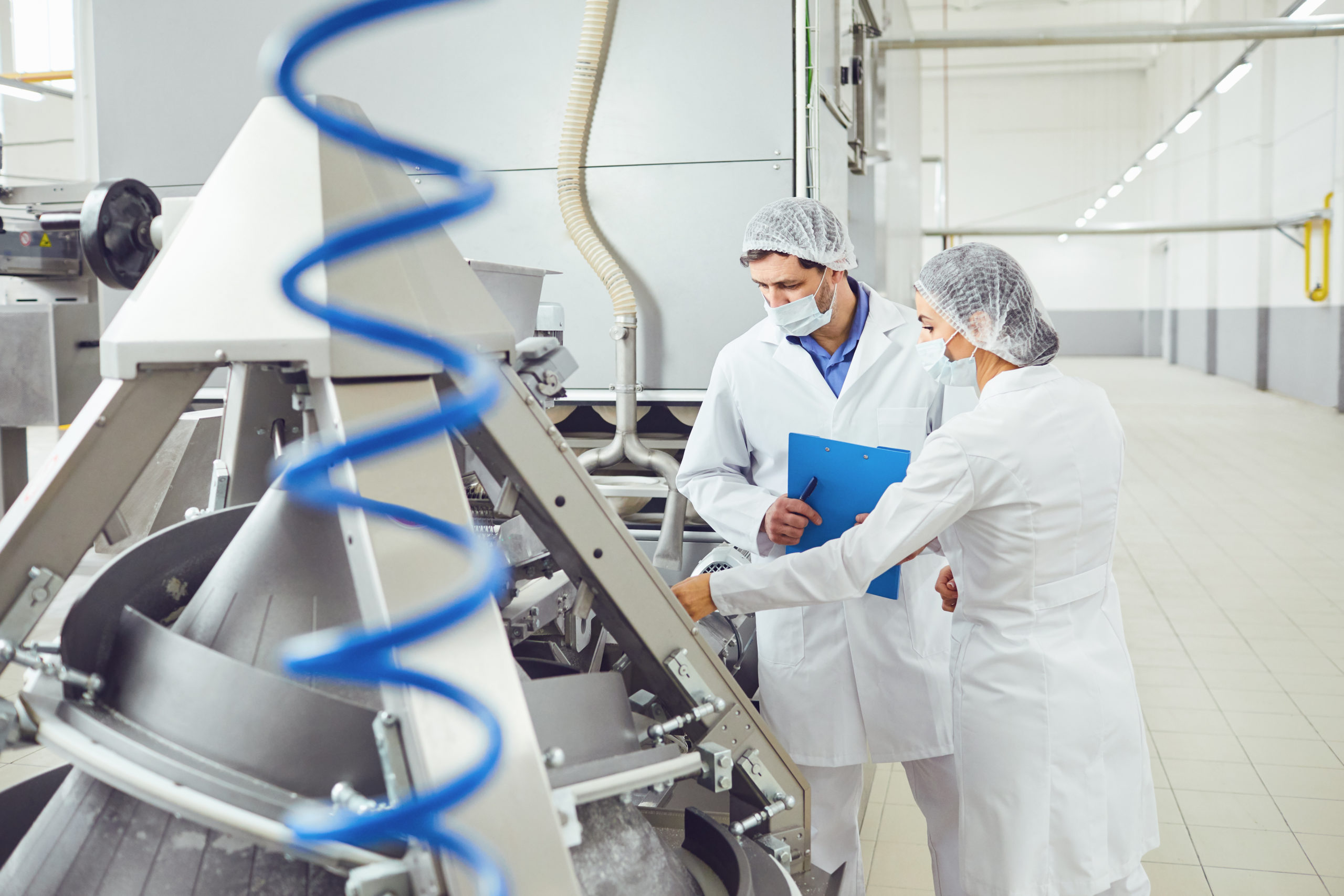
    Mixers and blenders play a critical role to transform raw ingredients for human consumption. Whether it’s blending multiple ingredients in high volume or small-scale mixing by hand, proper mixing is essential to create consistency. Even with the right amounts of flavors and ingredients, a great recipe won’t transform into good food unless its components are well-incorporated.

    Appearance, color, taste, and texture are critical parameters influenced by the mixing process. Consumers expect their food items to be the same as their last experience. So, within the food industry, the right blender for the job can provide a high level of consistency. This could be present through each batch and also from one facility to another.

    One of the most universal types of blenders in the food industry is the ribbon mixer. This article talks about the basics of a ribbon mixer and its role in the food industry. It also includes choosing the right machine, whether finding used ribbon mixers or investing in new ones.

    What Is A Ribbon Mixer?

    A ribbon mixer consists of a U-shaped horizontal trough with a double or single helical ribbon agitator rotating within it. The outer and inner helical ribbons are pitched to axially move the material in opposite directions, as well as radially.

    The ribbon tip speeds can rotate up to 300 feet per minute. This ensures blending and mixing to the highest degree of efficiency and accuracy regardless of the available quantities of ingredients.

    The Role of Ribbon Blenders In The Food Industry

    A ribbon mixer is popularly used in a variety of industries, but mostly in the beverage and food industries.

    1. Dry Blending

    The design of a ribbon blender makes it cost-effective and highly efficient for mixing dry applications. It is used in mixing dry food products such as muffin and cake mixes, cereals, bread improvers, spices and herbs, snack bars, trail mixes, infant food, and dietary supplements.

    In terms of beverages, ribbon blenders can mix coffee, including ground or whole beans.   Tea, such as tea powders or leaves, chocolate drinks, whey protein, energy drinks, and powdered juices are some products that could use a ribbon mixer.

    1. Dry To Liquid Blending

    Although dry blending is its more popular function, a ribbon mixer can also be used in the preparation of flowing pastes or slurries.  This could be used in food extrusion operations. Food extrusion is a processing technology to produce a wide variety of food products from ready-to-eat cereals and pasta to pet food and snack chips.

    The role of a ribbon mixer in the extrusion process is to homogeneously mix two or more flour, grains, emulsifiers, sugar, extrusion aids, oil, and other powders. Once the constituents are blended, water is typically added to the batch to raise the existing moisture content to a proper level of extrusion.

    Liquid ingredients are often added through a charge port on the cover. For critical applications, a liquid ingredient is added via spray nozzles installed in a spray bar located just above the ribbon agitator. Oftentimes, liquid flowrate and blender speed are fined-tune during mixing to avoid the formation of wet clumps of powder or flooding the mixture’s consistency.

    1. Other Purpose

    Unlike other machines, a ribbon mixer features a double ribbon agitator, making it a highly versatile machine not only for mixing but also for other purposes such as:

    • Granulation,
    • Vacuum drying,
    • Coating of solid particles.

    How To Choose The Right Ribbon Blender

    If you’re into the food processing business, then you need to get a ribbon mixer. Here are some tips on choosing the right one for your business.

    1. Volume And Size

    The size and volume of the ribbon mixer are the most important factors to consider when choosing a ribbon blender. This depends on the number of food materials you’re mixing and the required speed to blend them all.

    As a general rule, a ribbon blender should be filled to its swept volume, which is the area occupied by the agitator, to get an efficient mix. So, if you’re processing materials that overfill its swept volume, you need to get a larger one.

    To get the best mix in the shortest period, the mixer size is also essential. The mixer length should not exceed two and a half times the diameter of the agitator. Also, consider the width, length, volume, and height of the machine, as well as the agitator size, to ensure the perfect size for your food processing needs.

    1. Material And Finish

    Ribbon blenders are usually made from mild steel or stainless steel. However, the materials of construction and its finish will depend on the ingredients being mixed and how these ingredients are going to be used.

    For instance, in the case of food-grade ingredients, blenders should be stainless steel with special weld finishes. This is so that the machine can be easily sanitized and cleaned. Meanwhile, the exterior or non-contact areas of the ribbon blender can be made from mild steel and painted. This is in contrast with its interiors where paint can contaminate the ingredients being mixed.

    The machine can also be layered with a material such as ceramic or Ultra-High Molecular Weight (UHMW) plastic.  This might be used to enhance its longevity and performance.  Also, this is usually seen when a material is abrasive and can prematurely wear out the interior parts.

    1. Horsepower

    To choose a mixer that’s both efficient and effective, you need to use a motor with enough horsepower. Choosing a motor that’s too powerful can mean extra expenses. However, underestimating the motor power can result in the mixer not being able to process your general ingredient load.

    Most ribbon blenders operate at 20 revolutions per minute. Mixers with wider ribbons or dual agitators will require more power. A general rule of thumb for medium density material in single-agitator ribbon mixers is 10 horsepower per ton of the ingredient being mixed.

    1. Discharge Gate

    How the ingredients exit the blender is also an essential factor to consider. Some processes will need immediate discharge. In this case, a full-length drop bottom discharge gate is essential.   It releases the ingredients immediately after mixing.

    Some processes may require a pneumatic slide gate that releases gradual discharge, allowing a set amount of material to escape.  This is useful for batching, measuring, and bagging ingredients after mixing.  If you need a faster discharge rate and a tight seal, you can use multiple gates to speed up the process.

    Conclusion

    There’s no doubt that mixing and blending is the heart of the food processing and manufacturing industry. Thanks to its high-speed and efficient blending abilities, ribbon blenders have always been a necessity for getting the right consistency in your food products.


  • 6 Ways Inspection And Packaging Solutions Can Grow Your Retail Business

    6 Ways Inspection And Packaging Solutions Can Grow Your Retail Business

    A primary objective for those in the retail business is to pack good quality products in the least amount of time possible. Seamless product packaging and inspection are critical in today’s competitive business environment, and this can be attained with automated solutions.

    Unfortunately, costs associated with new equipment and employee training can make some retail businesses wary of taking that particular route. Still, there are considerable advantages to automated inspection and packing solutions. Here are just some of the ways they can increase productivity and help you grow your retail business:

    1. Speedier Production With Fewer Errors

    As competition between businesses becomes more prominent, companies face constant pressure to expand their product lines and introduce innovative products to the market, thus increasing production volume. Having the right automation solutions in your retail business can drastically improve your production speed and allow you to meet increasing production requirements.

    Quality inspections systems can help cut down on revision times, speed up the entire quality control process, and get products ready for packaging. By centralizing inspections and enabling employees to detect errors early on, a quality inspection system can fast-track the process without sacrificing quality.

    Meanwhile, the proper packaging solutions can help pack items far more quickly and safely than the average employee. They’re also capable of multitasking and folding multiple steps of the packaging process, such as sealing and labeling, into a single step.

    In addition, as production becomes more complex, quality control and packaging processes also become more challenging to manage. With workloads increasing and the demand for higher production, using manual quality control inspection and packaging means a greater chance of bottlenecks happening within the production process because of human errors.

    By switching to automated inspection and packaging machines, you can eliminate the risk of human error. These solutions help maintain a seamless flow in your production line, ensuring less room for poor quality and packing errors and ultimately resulting in less downtime and speedier production.

    1. Designed To Requirements

    Most industrial inspection and packaging machines can be designed to meet the requirements and needs of your business. Automated inspection and packaging solutions are becoming more innovative.

    From the testing period and inspection instructions to the product’s shape and how it fits in the packaging, you can customize the process as you want, ensuring that it stays in line with your business’ vision and goals.

    While most providers will only tell you what the scope of their work is when you contact them, some companies take it a step further. On websites such as the TDI Packsys website, you can click through a variety of solutions and the services they offer, so you can easily find out what they’re capable of achieving.

    1. Save On Costs

    Allowing a critical error slip or damaging products during packaging can cause significant financial implications. When an error is detected in their packaging or labels, companies will have to recall the products affected, which would cost them thousands of dollars. Also, entire batches will become unsellable inventory.

    Quality inspection and packaging systems can save you from considerable product recalls that’ll result in significant loss. Detecting even the most minor errors during quality control and ensuring that items are packed securely and safely can help improve your production floor’s overall quality and reduce returns and complaints from your customers.

    Material management is another expensive area for any retail and production company. Wasted materials for packaging and the products themselves can cost money and time should they need to be replaced.

    With quality inspection and packaging systems, you can eliminate the risk of quality issues and packaging damage that result in wasted materials and lost time. Not only that, but by effectively reducing waste as a result of minimizing errors, you can conduct business more sustainably and remove that problem’s financial and environmental impact.

    1. Differentiating Your Business

    A quality inspection and packaging system can also help set your business apart from your competition by using it to position yourself as an industry leader in automation when it comes to quality and packaging.

    You can use quality inspection and packing technology to open doors for new business opportunities by showing your customers that you’re willing to invest in systems that ensure speedier production and an extra layer of security. As mentioned before, producing the highest product quality and packaging reduces the risk of recalls, saving customers money and time while also preventing reputational damage to your business.

    Verified inspection and packaging technology gives your customers the assurance that extensive checks on quality control and packaging are being carried out in the production facility. It shows customers that you’re doing everything you can to ensure that jobs are correctly done during the production stage.

    1. Improved Ergonomics And Minimized Risk Injury

    During production, inspection, and packaging operations, it’s common for employees to perform repetitive tasks over long shifts. This can result in work-related musculoskeletal disorders (MSDs), sometimes known as repetitive strain injury or ergonomic injuries.

    Such injuries are common in the production industry and account for a third of all workplace injuries. In general, these require more than a week of recovery time, which can result in production downtime.

    Reducing the amount of repetitive work that your employees do can naturally reduce their risk of MSDs. By automating your inspection and packaging processes, you can eliminate the tedious and repetitive tasks and allow your employees to focus on more critical tasks, ultimately increasing business productivity while meeting production demands.

    1. Reduce Labor Costs

    As consumer demand continues to rise, the production industry starts to feel the effects of an increasingly competitive labor market. Nowadays, workers have more options for employment in retail, which increases wages and ultimately drives up labor costs.

    A possible solution to this minimizing labor cost is automation. By automating as much of your inspection and packaging line as possible, you can ensure that workers are only employed when needed or completely remove human intervention from the production process. Doing so would give you significant savings on labor costs.

    Conclusion

    Switching to automated inspection and packaging solutions can bring you a plethora of benefits. Although they may be costly, their efficiency in optimizing repetitive tasks and ensuring error-free production generally outweighs your initial investment in the long term.

  • Allianz Asia Pacific Appoints CEO

    Allianz Asia Pacific Appoints CEO

    The Asia Pacific unit of Allianz has named a new chief executive officer to succeed Solman Altin, who has decided to leave the firm after first joining 13 years ago.

    Anusha Thavarajah has been named regional CEO of Allianz Asia Pacific, according to a statement.

    In her new role, Thavarajah has been tasked with delivering long-term growth and driving ongoing transformation efforts.

    Thavarajah has over 30 years of financial services experience and is currently Allianz Asia Pacific’s regional CEO of life and health after joining the business in December 2019 from AIA Malaysia.

    «Having joined our Asia senior leadership team since 2019, [Thavarajah] is also no stranger to our management philosophy and will bring valuable experience and insights, built over a long and illustrious career in insurance,» said Sergio Balbinot, member of the management board of Allianz SE.

  • ZaloPay reports losses of $36.5 mln

    ZaloPay reports losses of $36.5 mln

    Zion JSC, which owns e-payment service ZaloPay, said it racked up losses exceeding VND840 billion ($36.5 million) in the first nine months this year.

    Incurring losses of VND667 billion last year, Zion has heavily invested in boosting ZaloPay coverage, competing with other payment intermediaries in recent years.

    Vietnamese online gaming giant VNG, which holds a major stake in ZaloPay, made revenues of nearly VND5.7 trillion in the first nine months of this year, up more than 28 percent year-on-year, and gross profits of over VND2.7 trillion, up 34 percent.

    VNG, which targets revenues of over VND7.6 trillion this year, up 26 percent against last year, is diversifying business by focusing on payments, artificial intelligence, and cloud computing.

    According to VNG’s 2020 annual report, the number of monthly ZaloPay users quadrupled against 2019.

  • Vietnam’s VinFast eyes over $200 mln capital investments in California

    Vietnam’s VinFast eyes over $200 mln capital investments in California

    VinFast said Friday it will make over $200 million in capital investments and place its U.S. headquarter in California as part of its plan to expand operation in North America.

    VinFast, the automobile arm of Vietnam’s largest conglomerate Vingroup, became the country’s first fully-fledged domestic car manufacturer when its gasoline-powered models built under its own badge hit the streets in 2019.

    It is aiming to debut in the U.S. with two battery-electric SUVs and inaugurate 60 showrooms across the country next year, the company said.

    VinFast has said it will keep an eye on the possibility of a manufacturing facility in the U.S.

  • Lower Allowances Fuel DBS Profit Growth

    Lower Allowances Fuel DBS Profit Growth

    An improved credit environment coupled with lower allowances enabled DBS to post a surge in third quarter profits.

    DBS registered a 31 percent year-on-year increase in net profit to S$1.7 billion ($1.26 billion) for the third quarter, according to its latest results.

    Not unlike its peers, this was driven primarily by a significant improvement in allowances for credit and other losses – minus S$70 million compared to S$554 million booked in the same period last year.

    Excluding the allowances, the bank posted S$1.893 billion in profits, a 7 percent year-on-year decrease.

    Although DBS saw loans grow 2 percent and fee income reach the second-highest level on record, a 10 percent drop in other non-interest income led total income to stay flat (minus 1 percent) at S$3.561 billion.

    Expenses also climbed 8 percent higher to S$1.668 billion.

    Although the DBS’ profits were in part affected by lower net interest income, the bank expects a change in the rates environment to support upcoming improvements to the bottom line.

    A progressive normalization of interest rates in the coming quarters will be beneficial to earnings, said DBS chief executive Piyush Gupta.

    Asset quality continues to be resilient and total allowances are likely to remain low. These positives will offset expected cost pressures as the economic recovery takes hold.

  • Coca-Cola to fully acquire Gatorade rival BodyArmor for $5.6 bln

    Coca-Cola to fully acquire Gatorade rival BodyArmor for $5.6 bln

    Coca-Cola said on Monday it would buy the remaining stake in BodyArmor it did not already own for $5.6 billion, as the soda maker amps up its sports drink portfolio to take on market leader, PepsiCo Gatorade.

    The deal marks a shift in strategy for the world’s largest beverage maker after it spent the last year offloading or discontinuing brands, including its own energy-drink brand, to focus on Coca-Cola sodas.

    The deal, which values BodyArmor at about $6.59 billion, is Coca-Cola’s largest for a single brand; It comes about three years after the company bought British coffee chain Costa for $5.1 billion.

    BodyArmor, which markets itself as an electrolyte-filled energy recovery drink for athletes, currently makes about $1.4 billion in annual retail sales and has a 50% growth rate, Coca-Cola said.”It gives Coke a strong stable of products in the rapidly growing sports hydration category. It’s a nice premium brand that has an opportunity for expansion over time,” Edward Jones analyst John Boylan said about BodyArmor that gained popularity after basketball star Kobe Bryant backed it in 2013.

    However, Boylan believes the massive deal would only “give Coke a solid No. 2 position in an attractive category”.

    Coca-Cola, which had first acquired a 15% stake in BodyArmor in 2018, said the brand’s co-founder Mike Repole will stick around after the deal to advise on the marketing and packaging of products.

    At the time Coca-Cola took its initial stake, BodyArmor was valued at $2 billion, according to a Sunday Wall Street Journal.

    The deal comes as Coca-Cola and rival PepsiCo face immense supply chain bottlenecks, forcing the companies to raise prices to counter higher freight and raw material costs. PepsiCo has even said it has had to deal with a shortage of Gatorade bottles.

  • Nestlé calls on FMCG companies to help end recycling confusion

    Nestlé calls on FMCG companies to help end recycling confusion

    The Flexible Plastic Fund is a UK industry first and is being led by producer compliance scheme, Ecosurety, with support from the environmental charity, Hubbub.

    In collaboration with manufacturers, retailers and recyclers, the fund intends to improve flexible plastic recycling and reduce plastic pollution by giving the material a stable value. This will in turn increase the supply of recycled plastic enabling the industry to become more ‘circular’ and meet the forthcoming UK plastic packaging tax obligations. The fund should motivate investment in much-needed jobs and infrastructure to make flexible plastic recycling a financially sustainable system in the UK.

    New research from the University of Sheffield suggests there is strong consumer demand for recycling flexible plastic with 95% of participants saying they would be willing to recycle their flexible plastics1. Sainsbury’s and Waitrose have already signed up to support the initiative by hosting flexible plastic collection points in selected stores across the UK. Several other major retailers are set to follow suit. As a result, recycling this material will become increasingly accessible to consumers, as they will be able to recycle all types of flexible plastic packaging with participating retailers.

    With just 16% of UK local authorities2 currently offering a household collection of flexible plastics, the amounts of this material collected for recycling are low. Flexible plastics include plastic bags, wrappers, films, pouches, packets and sachets and is described as ‘plastic bags and wrapping’, ‘soft plastics’ or ‘flexible plastics’. The fund will guarantee a minimum value of £100 per tonne of recycled product to incentivize recyclers to process flexible plastic.

    The long-term ambition of the fund is to drive progress towards creating a circular, UK-based flexible plastic recycling market that allows flexible plastic recycling via household collections. As part of the UK’s drive to boost recycling, WRAP recently announced new recommendations to support flexible plastic recycling.

    Flexible plastic represented 22% of all UK consumer plastic packaging in 2019 but only 6% was recycled. This type of plastic must be processed in a different way to other plastics due to its unique properties – it often contaminates rigid plastic recycling and clogs up machinery – something that could be overcome by creating a separate flexible plastic recycling stream.

    The initiative will provide fully audited transparency – at least 80% of the plastics collected will be recycled in the UK – rising to 100% by 2023. Until 2023, where there are currently limits in UK capacity and technology, up to 20% could be exported to qualifying facilities in Europe only. All material will be fully traceable and tracked from the collector through to new products. Unlike many other schemes, recyclers will only be paid if the plastic is definitely recycled. The manufacturers contributing to the Flexible Plastic Fund will then be able to access the Packaging Recovery Notes (“PRNs”) generated by this high-quality, tracked recycling scheme.

    The recycled plastic will be turned into a range of products including non-food-grade plastic, non-food-grade film and food-grade film. Through its graded payment hierarchy, the Flexible Plastic Fund is actively incentivizing the development of a circular model of production where flexible plastic packaging can be recycled into plastic packaging, including food-grade, again and again.

    The Flexible Plastic Fund is calling for recyclers, manufacturers and retailers to get in touch to play their role in this vital scheme that is driving solutions to flexible plastic waste in the UK.

  • Soaring demand delays iPhone 13 delivery in Vietnam

    Soaring demand delays iPhone 13 delivery in Vietnam

    A global chip shortage and rising demand is delaying iPhone 13 delivery in Vietnam, with distributors reporting shortages in the Pro models.

    “We do not currently have the iPhone 13 Pro Max model you have ordered and you might have to wait until next month at the earliest,” a salesperson with a smartphone distribution chain in Vietnam told Thuy Linh, who is planning a smartphone upgrade.

    Linh, an English teacher in Hanoi, has tried several stores in Hanoi but the 128-gigabyte option is either out of stock or does not have the color she wants.

    The model she desires is available in the unofficial market, but prices are around 20 percent higher, the 28-year-old teacher said.

    Duc Anh, who works for a marketing company in HCMC, is also finding it difficult to get his hands on the latest Apple smartphones. Several stores have informed him that it would take weeks until the next delivery.

    “Gold and Sierra Blue models are not available in most of the shops I’ve contacted. Some have pushed up prices so I am waiting for the market to cool down.”

    The most expensive iPhone 13 models, Pro and Pro Max, are in short supply in Vietnam as the ongoing global chip shortage hampers Apple’s production.

    Apple is expected to cut its iPhone 13 production by as many as 10 million units this year due to the global chip shortage, Bloomberg reports.

    Apple CEO Tim Cook admitted last week that chip shortage and supply chain problems related to Covid-19 have cut sales by $6 billion in the last fiscal quarter.

    But another reason for the delay in delivery in Vietnam is the high demand, distributors say.

    The supply of iPhone 13 in Vietnam only meets half of the customers’ orders, according to estimates by CellphoneS. The company has only received 20 percent of the total it has ordered from Apple.

    “Demand has risen by 50 percent compared to the same period last year, and it does not seem to have been affected by the pandemic,” a media representative for the company said.

    CellphoneS estimate iPhone 13 sales to rise 50-60 percent over that of iPhone 12 in the same period last year.

    FPT Shop, with over 700 outlets nationwide, saw sales of iPhone 13 in the launching week double that of iPhone 12 last year, and the same percentage is likely to be maintained throughout the last quarter, a representative said.

    The iPhone 13 Pro Max, the biggest and most expensive of the four new models, accounted for 72 percent of iPhone 13 sales in October, the company said.

    Sierra Blue and Gold are the most sought-after colors for the Pro Max and the Pro models at FPT Shop, which explains the shortage, industry insiders say.

    They also say that the large number of incentives that Apple is offering users this year is motivating more buyers to go to authorized stores instead of buying them from stores that pick up the devices in other countries and sell them in Vietnam.

    Apple accounted for around 7 percent of the smartphone market share in Vietnam in the second quarter, ranking fifth behind Samsung, Xiaomi, Oppo and Vivo, according to Counterpoint Research.