Author: Mei Ling Tan

  • Twitter tests “Liked by Author” label for tweeted responses

    Twitter tests “Liked by Author” label for tweeted responses

    Elon Musk might have put his acquisition of Twitter on hold temporarily, but that hasn’t stopped the social media platform from continuing to make changes to spruce up the app. People discovered a new label on the Android Twitter app that surfaces when the author of a tweet “likes” a response to his message. TechCrunch says that it was told by Twitter that the company is testing different labels.
    Once the author of a tweet “likes” a reply sent in response to that tweet, the reply receives a badge that shows a heart followed by the words “the Author.” It indicates that the person responsible for the original tweet liked the reply. The badge can be viewed by the person who posted the response and others viewing the original message and the replies. It isn’t clear whether this will be a global response but so far there have been reports that the “Liked by Author” label has been seen in multiple countries.
    The label is similar to the “Liked by Creator” badge that shows up on TikTok when a subscriber who created a video on the app likes a comment that someone posted about it. The new label would allow Twitter subscribers to brag when their tweet has been “liked” by a celebrity. And if there is one thing that Twitter is full of, it is celebrity users.
    The company has been playing musical chairs with employees in the wake of Musk’s $44 billion bid for the social media site. And now Musk is concerned that he is overpaying for Twitter; with the number of users possibly lower than what the company has previously acknowledged, even the richest man in the world needs to make sure that he isn’t overpaying for his purchase.
  • Macau Competing with Vegas as Global Gaming Capital

    Macau Competing with Vegas as Global Gaming Capital

    In the West, when someone thinks about flashy casinos and an exciting roulette table, their mind likely goes to Las Vegas. Images of the brightly lit Strip fill their mind, along with stills from movies like Rain Man and The Hangover.

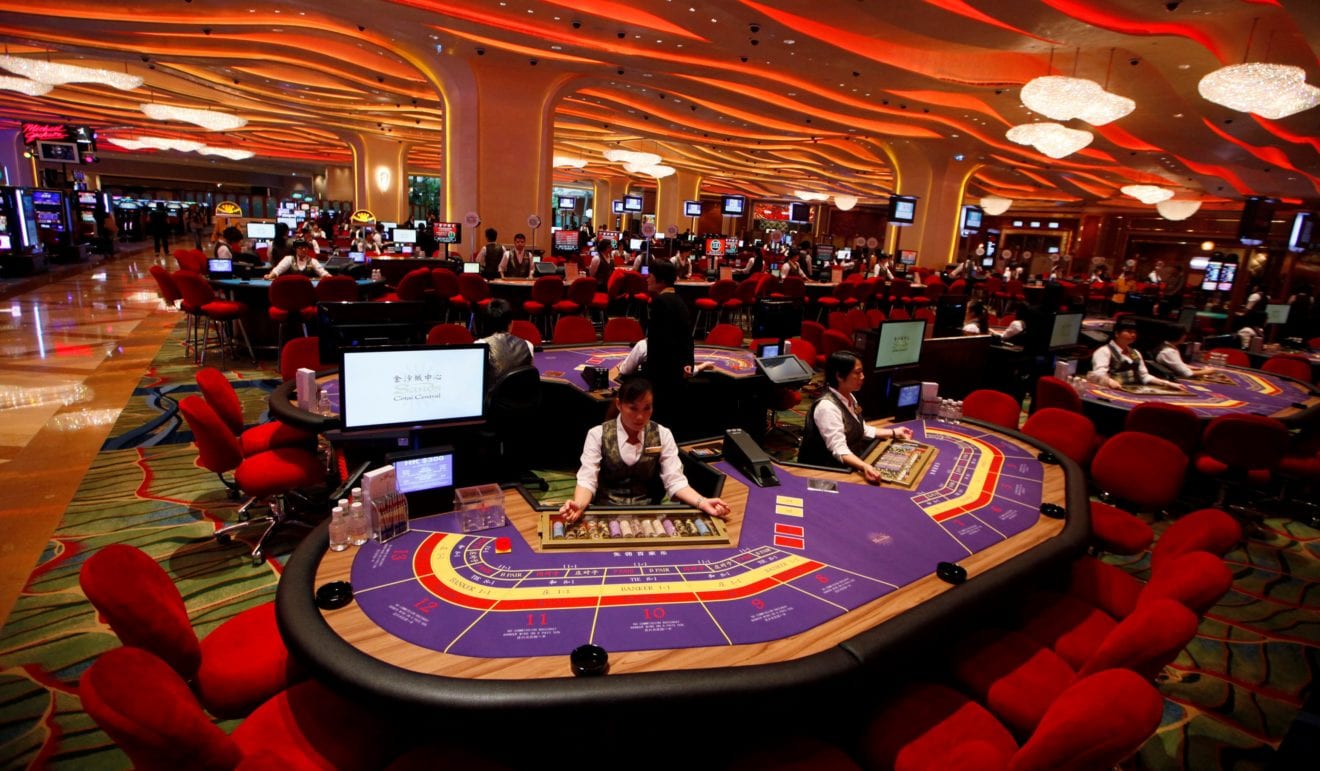
    However, farther East, the average person is more likely to think of Macau when casinos are brought up. The region is the most densely populated area in the world, with well over half a million residents in an area of less than thirteen square miles. And life in Macau focuses on the biggest, most lucrative, and luxurious casino-resorts in the world that line Cotai.

    While Vegas and Macau don’t often directly compete, as they’re located on opposite sides of the world, online gaming worldwide has changed the industry. Today, casino bonuses are available from brands like Caesars, BetMGM and DraftKings. The availability of online deals has greatly shifted the atmosphere in Vegas, though Macau looks a bit more resilient to virtual casinos.

    In fact, in terms of direct comparison, Macau’s gaming industry is the world’s most robust. Before we dive into the statistics, let’s cover a bit about each region’s history and focus.

    Distant Origins, Different Focuses

    Vegas and Macau, though each catering to casino-goers, each deliver a unique experience. Vegas got its start in the 1960s and 70s as a hideout for Los Angeles bigwigs looking to have a little fun; MGM remains a major presence from its early days as Metro Goldwyn Meyer, a film studio that still runs today and which contributed greatly to the area’s wealth.

    Macau, on the other hand, got its start as a trading post allocated to the Portuguese from the Ming Dynasty back in 1557. Since then, it’s become a multicultural hub that retains the early architectural collaborations between locals and Portuguese traders. Back in this time period, Vegas remained the territory of Paiute tribes.

    Today, these distinct origins can still be felt. Vegas remains an all-out entertainment stopover, of which casino gaming is only one facet. There are also big-name musical residencies, spectacles from groups like Cirque de Soleil, and plenty of sports action from the Big Four leagues.

    Meanwhile, Macau has kept its focus on heritage and gaming. The Historic Centre of Macau is a UNESCO World Heritage Site, with countless museums highlighting the area’s history. In other words, it’s not just a gaming stopover, but also a cultural adventure.

    Are the Tides Shifting?

    There’s one huge caveat that makes Macau a heavy hitter in the gaming industry: it’s the only region in China that allows traditional casino gaming. While Vegas is North America’s gaming capital, there are countless other counties and localities that play home to big-name casinos, such as Atlantic City in New Jersey.

    In 2021, 7.7 million visitors flocked to Macau, which included a 30% increase from 2020. However, back in 2019, Macau welcomed closer to 40 million. In 2021, Vegas saw over 32 million visitors back onto the Strip, though this number was closer to 42 million back in 2019. Clearly, in terms of tourists, each region handles a similar number of tourists in an average year.

    However, Macau posted 43.7% growth between 2020 and 2021, raking in close to $30 billion last year. Meanwhile, Vegas posted just over $13 billion in 2021 for gaming revenue statewide, according to Nevada state sources. Keep in mind that Macau’s numbers include revenue from restaurants and hotels; the government tax revenue stood at only $4.22 billion in 2021.

    Historically, Macau has been the global capital for gaming in terms of revenue. Back in 2014, for context, Macau raked in almost $30 billion in revenue, while Vegas posted just over $6 billion. Are the tides shifting—or are expanded Vegas entertainment opportunities, such as bundled casino-resort plans, muddying the revenue waters?

    The World’s Largest Casino-Resort & Most Expensive Hotel

    Though Macau has a much smaller area than Vegas, the region is home to some of the world’s biggest and most impressive casinos. Though Vegas also isn’t short on incredible designs from leading architects and gold-star luxury experiences, Macau’s skyline looks noticeably different.

    The Venetian Macao, for example, is the largest casino-resort in the world. Its casino spans over 550,000 square feet, while its extravagant design and grounds blow its Vegas inspiration out of the water. Nearby sits the City of Dreams, a joint casino-resort-shopping center that was designed by the Zaha Hadid architectural firm.

    The structure is supported by a mesh exoskeleton, which makes it one of Cotai’s most visually striking designs. Meanwhile, the 13 is the most expensive hotel ever built. Each villa includes a private elevator lobby, while guests are treated to complimentary transportation in a Rolls-Royce.


    Jeju & Philippines Expanding Gaming Options

    Clearly, Macau is Asia’s premier gaming destination, with no expense spared when it comes to creating an all-out entertainment experience. Though not quite as varied as the Strip in terms of showbiz, Macau has replaced flash with class—but is it enough to keep the region ahead of Vegas in terms of revenue in the coming years?

    One huge change for Macau has been the growth of Jeju Island, a gaming destination located just offshore from South Korea. In the third quarter of 2021 alone, Jeju Dream Tower raked in $10 million in revenue, hinting that the region is becoming more popular for traveling gamers.

    Meanwhile, the Philippines also has a strong gaming market that regularly attracts visitors from around the world. Last year, the country brought in $2.2 billion in revenue from casinos nationwide. In fact, the Philippine gaming industry has been the subject of top brands from both Macau and Vegas.

    For example, the City of Dreams project mentioned above has since expanded into Manila. The location is now the country’s top-rated casino-resort. So far, Vegas brands have yet to touch down in the island nation, though it seems inevitable. For both of the world’s gaming capitals, expanding into new regions like the Philippines will be integral for expanding their brands. However, with Macau geographically and culturally nearer to the country, it looks like Vegas is one step behind.


  • Marketing Value Across Language Barriers: The Worth of Translation in a Commodified Economy

    Marketing Value Across Language Barriers: The Worth of Translation in a Commodified Economy

    In this fast-paced and commodified economy, it just seems that you can put a price tag on almost anything. But there are certain things that you can’t mass produce and expect the same results every single time. An example of this is translations.

    Even if we can’t commodify translations, it can’t be denied the significant role of marketing translations for retail goods, especially when it comes to luxury items. Unlike conventional retail products, luxury items have a different value system that makes them worth more.

    But we come across a problem in not commodifying translations: how do we guarantee their quality, especially when communication is crucial in globally marketing luxury items?

    Today, we will examine this issue and take a hard look at how we as a society perceive value and meaning not only in translations but in certain commodities, like luxury items.

    If you want to learn more about what we discovered through our interview with a leading language expert and owner of a marketing translation agency regarding this issue and the unique relationship between the language industry and the retail sector, keep on reading!

    Tomedes’ Pursuit of Meaning: Insights from 15 Years of Globally Marketing Brands

    In writing this piece, we were fortunate enough to talk with Ofer Tirosh, the CEO and founder of Tomedes, a marketing translation services agency trusted by thousands of international brands from small and medium enterprises to Fortune 500 companies in promoting them in any market across the globe.

    We interviewed Ofer not just because of his experience in managing marketing projects for retail and luxury brands but because of his interesting perspective on some issues in the language industry. For example, his point of view on machine translations and their application in preserving dying languages for future linguists and anthropology researchers to review and study.

    Before we get into the nitty-gritty details of our discussion on commodifying translations, we first had to go back to the basics and have him define what marketing translations are?

    According to Ofer, based on his experience in handling marketing projects for 15 years, unlike other forms of translations, they’re not just hiring native translators but also SEO and marketing specialists knowledgeable of the target market the brand is trying to enter. The translation has a crucial role: to ensure that their branding is relatable to the target customers through various mediums, from hard copy materials to social media campaigns.

    For him, the brand’s messaging and meaning are vital because, in his line of work, the context of any marketing can get “lost in translation” and could lose its pervasiveness to its audience. Marketing is all about making the audience aware of a brand and catching their attention that would compel them to buy its products and services.

    The Similarities and Differences of Luxury Brands and Translations

    During our discussion, we asked Ofer about his opinion if there were any shared similarities between luxury brands ( a commodity) and translations (a non-commodity).

    “If there was one similarity between luxury brands and translations, it would be the meaning in their product. For luxury brands, the value of their product comes from what it means for their customers to purchase their brand. As for the final product of translations, the meaning of the text is crucial as it connects and affects its target audience,” Ofer explained.

    The differences between luxury goods and translations come from one can be replicated and mass-produced as it’s tangible while the other can’t be duplicated because of different factors.

    For example, in marketing translations, Ofer explained that even though they were to translate the same marketing message across different countries, they would have to adjust the wording to fit the cultural preferences of their target audience.

    What Makes a Commodity a Luxury Item?

    Let’s get a bit philosophical for a bit. If we were to take a step back from how our society functions and our roles, there is no meaning to what we do. There’s only meaning when it comes down to how we perceive it to have meaning. This is essentially at the core of Existentialist philosophy.

    If we were to examine why some commodity goods are considered luxury items while others aren’t, it all comes down to how they have branded themselves and the psychology of the consumer. There has been significant research showing that some customers feel like their self-esteem increases or they have a sense of belongingness if they purchase a specific luxury item that they emotionally connect to.

    Many global luxury items heavily rely on the marketing translation agency to ensure that they maintain or enhance their emotional branding with their international customer. In this situation, it’s not just the commodity’s quality that becomes a factor in being deemed a luxury item but comes down to the relationship these brands have developed with their audience.

    What Makes Translation a Non-Commodity?

    Besides being an intangible commodity until you see the finished product, the translation process can’t be replicated for all projects. We asked Ofer what factors would make marketing translations and other types of translation impossible to commodify.

    “In managing a remote-first marketing translation agency, I’ve worked with several translators over the years. Because each person is different, the consistency in the quality of translations can vary from person to person. For this reason, we utilize advanced technology and have a clear work management system to ensure that we’re providing the best translations,” he explained.

    Another factor why translations can’t be commodified is that “meaning” is malleable. One word could mean something for one culture, and in another culture, even if they use the same language, it could have an entirely new context.

    The Issue of the Subjective Nature of Value

    In our conversation regarding the role of a marketing translation agency, Ofer brought up the issue of the subjectiveness of value and why it can be challenging for any business to market themselves, whether it’s their first time or they’ve been doing it for years.

    “For commodity brands, it’s easier because it’s tangible. For non-commodity brands, like translations, geared toward service-oriented purchases, it can be a little harder to sell the value of your brand,” Ofer explained.

    He continued, “But with our situation at Tomedes, what worked for us was the brand trust that we developed through the years with our long-time business clients. It’s also by how we deliver through with our brand promise in ensuring that their needs are our top priority.”

    In the Age of Machines, Can We Finally Commodify Translations?

    But we wondered if mass production is the problem, why translations cannot be commodified, and why can’t automated translations be a solution for any marketing translation agency seeking to have their multilingual marketing content be uniform?

    Ofer explained that although they use advanced translation technology in their operations, they have native translators managing the process because the current technology isn’t a hundred percent accurate.

    “When it comes to marketing translations, every word should move the customer through its meaning, which is why human expertise is needed for translation because machines can mimic but can’t create it,” He said.

    Marketing Translations’ Importance in Promoting a Brand Value Worldwide

    By now, we’ve hammered home how crucial marketing translations are in communicating to global customers about a brand’s value, especially for luxury brands.

    So let’s try to answer the why part. Why does this matter in promoting brand value worldwide?

    Throughout our talk with Ofer regarding the translation industry,  retail sector, and the intersection where these two meet through marketing, he said that before he begins to go through a marketing project, he first asks the client what they envision the multilingual content to be for their audience.

    “It always starts with their brand’s story. It’s either their origin or their aspirations for the future of their company. I guess that’s how life is for us humans. We try to make sense of the world through stories. Once you understand that core need for connection through story building, you can successfully build a better relationship with your customers,” Ofer explained.

    Should We Bother Commodifying Translations in the First Place?

    When I asked Ofer about it, he replied with a question: “Would that make much of a difference to my marketing translation agency  if we commodify it?”

    It could be because it would make all translations follow a specific price point and be uniform in their quality.

    But then again, if we were to go back on the definition of value, it is meaningless on its own but valuable to someone because they have placed value into it. You can’t really put a specific price tag on translations because it’s an act of human connection, which we can observe through how global consumers can relate with one another through a brand that they emotionally connect to.


  • Google introduces Emergency SOS feature for Wear OS

    Google introduces Emergency SOS feature for Wear OS

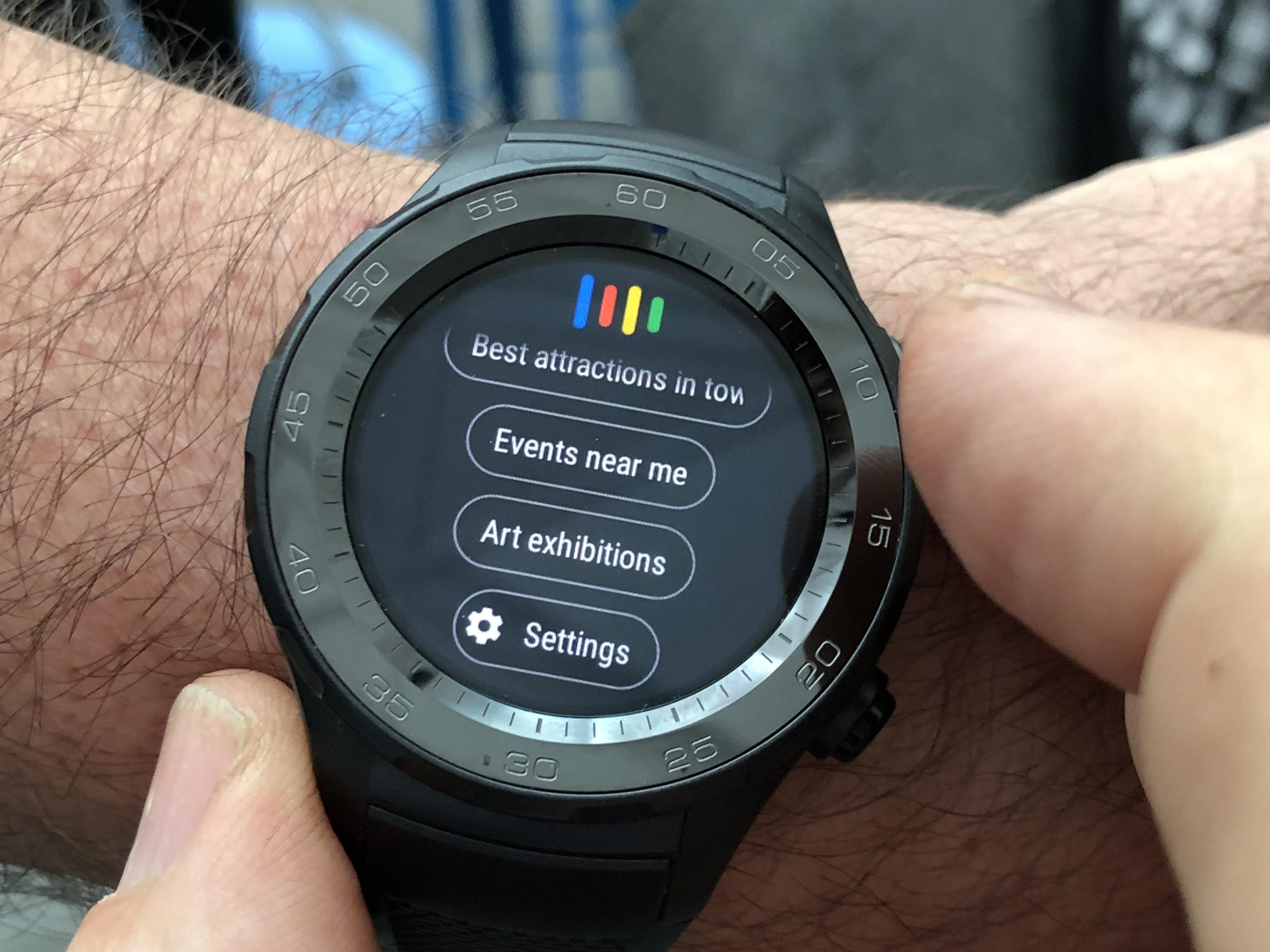
    Google will soon begin rolling out an Emergency SOS feature on Wear OS. It is going to work similarly to the one found on Android smartphones and will enable users to easily contact their relatives or the public authorities directly via their smartwatch in the case of an emergency.

    Amidst the slew of exciting hardware announcements that took place during the I/O 2022 keynote event, it is easy to see how some less flashy software tweaks could stay under the radar. Nevertheless, even if an Emergency SOS feature for Wear OS is not particularly thrilling, it is still no less important than that Pixel everyone is talking about.

    Emergency SOS in Android is by no means a new concept. Virtually every smartphone has their equivalent of such an option. The novelty lies in the fact that this feature will now be available for wearables with Wear OS as well. On Android phones, the user must press the power button 5 consecutive times to activate Emergency SOS. It’s not clear how the feature could be triggered in Wear OS, but a similar shortcut, with a voice command as an alternative method, sounds likely.

    Emergency SOS for Wear OS will function similarly to the one for Android. In order to enable it the user must begin by filling in the necessary contact details. Only once this has been done will they have the option to activate Emergency SOS. It is important to note that, as this is ultimately a smartwatch feature, in order for it to be used, the wearable must be linked with a smartphone with cellular connectivity, if the wearable does not support LTE.

    Turning Emergency SOS on will prompt users to select whom they would like to contact (either a particular contact or the emergency services directly). They will easily be able to cancel the call via a big red button on the main watch screen, and additional options will be provided once the call has ended.

    For the time being, it is unclear when exactly this feature will make its debut. Apple has already implemented a similar option in the Apple Watch. Based on Google’s track record, it could take a while before Emergency SOS makes its way to Wear OS. At the very least, we know it is coming.

  • UBS Data Thief Headed for Prison

    UBS Data Thief Headed for Prison

    An appeal by a former UBS banker who was convicted in absentia of espionage was denied by Switzerland’s highest court.

    The banker, only known as Rene S. was convicted of selling the data of wealth clients to tax authorities in Germany, and sentenced to 40 months in prison and fines and court costs of over 125,000 Swiss francs.

    In 2020, the verdict was upheld by an appeals court, and was again by the Swiss Federal Court, dismissing an argument that the lower appeals court did not correctly conduct the proceedings.

    At the heart of the case was the accusation that Rene S. pocketed 1.1 million euros ($1.14 million) from the sale of the documents and moved to a small town in Germany near the Swiss border.

    Swiss banks have paid billions in settlements related to charges they made it possible to wealthy foreigners to hide their wealth.

    Earlier this week, an attempt to change Swiss banking secrecy laws to exempt whistleblowers and journalists was blocked by lawmakers

  • Apple is no longer the world’s most valuable public company

    Apple is no longer the world’s most valuable public company

    Sorry Apple fans, your favorite company is no longer the most valuable publicly traded outfit in the world. That honor now belongs to oil firm Saudi Aramco. The latter is now worth just south of $2.43 trillion yesterday after converting its market capitalization to dollars. Apple, on the other hand, took a huge hit in the stock market on Wednesday with the shares declining 5%.
    Over the last five trading days, Apple’s shares have declined by $13.51 or 8.66%. Just after the regular trading session closed on Thursday, Apple’s market cap was down to $2.31 trillion. Since it set a 52-week high at $182.94 on January 4th, Apple has seen its value evaporate by 23%. On the other hand, Aramco’s shares are up 27% since the start of the year. In March, the company reported that its full-year earnings doubled thanks to booming oil prices.
    Over the last few years, Apple has become the first publicly traded U.S. firm to reach various valuation benchmarks at $1 trillion, $2 trillion, and $3 trillion. When we write about Apple’s valuation we are talking about its market capitalization which is computed by multiplying the current price of Apple’s stock ($142.56) by the number of shares outstanding.
    The only other U.S. companies giving Apple a run for the money include Microsoft ($1.91 trillion market cap), and Google parent Alphabet ($1.49 trillion market cap). Apple first went public on December 12th, 1980 at $22 per share. Since then, the company has split its shares several times with the latest taking place in August 2020 (4-1). Taking the stock splits into consideration, Apple’s IPO price was 10 cents per share.
    That means if you were lucky enough to buy 100 shares of Apple at the IPO price of $22, you would now own 22,400 shares of the company valued at $3.2 million.
  • Google Translate adds 24 languages using an incredible new technology

    Google Translate adds 24 languages using an incredible new technology

    At the Google I/O 2022 stage today, CEO Sundar Pichai announced that the company is supercharging Google Translate with 24 additional languages.
    As Translate is already quite a robust product, all 24 new languages that are being added today happen to be used by demographics around the world who aren’t all that well represented in today’s tech landscape. Even then, the company argues that these languages are spoken by a combine populace of about 300 million people every day.
    This impressive model is special because it has learned to translate these new languages by only looking at the languages themselves – meaning it hasn’t been shown any actual translation examples involving any of these languages. Google says that Zero-Shot Machine Translation has only looked at “monolingual text” – so, by just looking at text in any of these 24 languages, it seems to have gotten fluent enough so as to handle translations.
    Impressive! Still, Google warns us that while this new tech is already delivering incredible results, it’s also not perfect quite yet.
    But it sure will be better than nothing. Better than paying for a Guarani translator, that’s for use. What’s more, Google promises the model will only get better with time. If interested, here you can learn more about Zero-Shot Machine Translation.
    Finally, here’s the complete list of all 24 new languages being added to Google Translate:
    • Assamese, used by about 25 million people in Northeast India
    • Aymara, used by about two million people in Bolivia, Chile and Peru
    • Bambara, used by about 14 million people in Mali
    • Bhojpuri, used by about 50 million people in northern India, Nepal and Fiji
    • Dhivehi, used by about 300,000 people in the Maldives
    • Dogri, used by about three million people in northern India
    • Ewe, used by about seven million people in Ghana and Togo
    • Guarani, used by about seven million people in Paraguay and Bolivia, Argentina and Brazil
    • Ilocano, used by about 10 million people in northern Philippines
    • Konkani, used by about two million people in Central India
    • Krio, used by about four million people in Sierra Leone
    • Kurdish (Sorani), used by about eight million people, mostly in Iraq
    • Lingala, used by about 45 million people in the Democratic Republic of the Congo, Republic of the Congo, Central African Republic, Angola and the Republic of South Sudan
    • Luganda, used by about 20 million people in Uganda and Rwanda
    • Maithili, used by about 34 million people in northern India
    • Meiteilon (Manipuri), used by about two million people in Northeast India
    • Mizo, used by about 830,000 people in Northeast India
    • Oromo, used by about 37 million people in Ethiopia and Kenya
    • Quechua, used by about 10 million people in Peru, Bolivia, Ecuador and surrounding countries
    • Sanskrit, used by about 20,000 people in India
    • Sepedi, used by about 14 million people in South Africa
    • Tigrinya, used by about eight million people in Eritrea and Ethiopia
    • Tsonga, used by about seven million people in Eswatini, Mozambique, South Africa and Zimbabwe
    • Twi, used by about 11 million people in Ghana
  • Meta announces cuts in its RealityLabs division

    Meta announces cuts in its RealityLabs division

    Facebook parent company, Meta, has announced cutbacks in its RealityLabs division. This branch of the company focuses on Meta’s hardware efforts, develops the tech giant’s virtual and augmented reality products and is instrumental in the tech giant’s long-term strategy of establishing the “metaverse”.

    A spokesperson for Meta confirmed that some RealityLabs projects will be postponed, while others would be canceled altogether. For the time being, there are no concrete details on which ventures are going to be affected.

    For the most part, this news come as no surprise. Earlier in May, Meta announced that they will be cutting back on new hirings. The company has ruled out layoffs, at least for now.

    Meta’s earning reports published in past months indicate that the financial growth of the company is stagnating. The RealityLabs division in particular is operating at a loss. Some steps to address the concerns of investments were imminent.

    What is interesting, however, is that no one in Meta truly expected RealityLabs to reap financial success in the short-term. Mark Zuckerberg, the company’s CEO, has always made it clear that RealityLabs could take the better part of a decade? to start paying off.

    Hence, Meta is currently relying on revenue from their social media platforms to fund their long-term ambitions. This has been the financial strategy of the company, in theory, at least. Following the fluctuating number of daily Facebook users, some doubt has been cast on the viability of this business model in the long run.

    If anything, these cutbacks indicate a certain degree of hesitation on Meta’s part with regards to the company’s direction. When Facebook originally rebranded itself to reflect their newfound emphasis on the metaverse, its confidence in the project, however adventurous, seemed unwavering. It now seems that Meta is having second thoughts.

  • SoftBank Q3 profit collapses as Arm deal falls through

    SoftBank Q3 profit collapses as Arm deal falls through

    SoftBank Group Corp. reported on Tuesday a 97 percent tumble in quarterly profit and the collapse of a deal to sell chip designer Arm worth over $60 billion, mounting pressure on the Japanese conglomerate to support its sagging shares.SoftBank reported that it had squeezed out a net profit of 29 billion yen ($251 million) in the October to December quarter, compared with a record 1.2 trillion yen profit booked a year earlier as its portfolio rallied.Separately, SoftBank announced that the sale of Arm to Nvidia had fallen through amid regulatory hurdles in a major setback to its fund raising plans.

    The decision comes after US authorities filed a lawsuit seeking to block the sale and probes were launched into the deal in the United Kingdom and Europe.The Japanese investment giant said it would recognize a $1.25 billion breakup fee that Nvidia had deposited as a profit in the fourth quarter.After tech unicorns plunged into the “valley of the coronavirus” in the early days of the COVID-19 pandemic, SoftBank CEO Masayoshi Son rode a recovery in valuations as startups such as e-commerce firm Coupang came to market.

    Now valuations are again under pressure as investors cast a skeptical eye over tech firms promising future profits and central banks move toward paring pandemic stimulus.

    The Vision Fund unit posted an investment gain of 111.5 billion yen during the quarter, a sharp decrease from a 1.4 trillion yen gain a year earlier.

    “Even though some of the public companies have come down in value, there have been significant follow-on funding rounds where outside institutional investors have led those rounds,” Vision Fund’s Chief Financial Officer Navneet Govil told Reuters.

    Many SoftBank portfolio companies are trading below their listing price, with office-sharing firm WeWork, ridehailer Grab and used-car platform Auto1 all falling during the quarter.

    The group’s exposure to China has also affected performance, as regulators take action against tech firms. Shares of e-commerce giant Alibaba, in which SoftBank has a stake, dropped a fifth in the three months to the end of December.

    Such assets are used by the group for loans as it invests through its Vision Fund unit, which runs the $100 billion Vision Fund and a smaller second fund and has become the priority for the group.

    Vision Fund 2, which had $51 billion in committed capital at the end of December, had invested $43.1 billion in more than 200 startups. Industry observers have noted a disconnect between frothy private markets and skepticism in public markets.

    “We are seeing some healthy rebalancing… at some of the more extreme ends of the market,” Govil said. “We did turn down quite a few transactions because we thought valuations were rich.”

    Portfolio companies, including sports e-commerce firm Fanatics, held funding rounds during the quarter. Vision Fund has distributed $44.2 billion to its limited partners across both funds.

    The earnings come at a watershed moment for the conglomerate as senior executives exit the firm, including Chief Operating Officer Marcelo Claure , who led the restructuring of WeWork and launched the group’s Latin American-focused fund.

    The company has also seen internal turbulence recently following reports that Claure’s demands for as much as $1 billion in compensation had fuelled an internal clash.

    SoftBank launched a 1 trillion yen buyback in November.

    Group shares closed down 0.9 percent ahead of the earnings and have lost about half since highs in March last year.

    Son, who three months ago said SoftBank was in a “blizzard,” will speak at a news conference at 4:30pm local time

  • Central Retail reports solid growth in Thailand, Vietnam and Italy

    Central Retail reports solid growth in Thailand, Vietnam and Italy

    Mr. Yol Phokasub, Chief Executive Officer of Central Retail Corporation PCL (CRC), announced “Central Retail has achieved success hitting record-high in Q4/2021 performance, with a revenue of THB 58,765 million +15%. EBITDA THB 8,031 million +42% and a net profit of THB 2,464 million +124%. We ended 2021 on a high note with profit of THB 277 million. EBITDA THB 20,059 million and a total revenue of THB 195,654 million. Despite the ongoing challenges posed by the spread of COVID-19 for extended periods across Thailand, Vietnam and Italy, Central Retail achieved profitability and generated positive returns to shareholders, with dividend payment of THB 0.30 per share.

    Thailand: Sales in 2021, excluding tourist spendings, returned higher than pre-pandemic levels. Accounting for this achievement is Central Retail’s Multi-Category Platform, providing portfolio flexibility and adaptability to changing customer needs. The focus in 2021 was the hardline segment, which aligns with consumer trends during the pandemic, enabling the segment to rapidly grow and drive sales to levels higher than the pre-pandemic era by 26%. The company launched 5 new Thai Watsadu branches and new store formats under go! WOW banner of total 15 branches within three months in 2021, of which was positively received by customers, underlining the company’s leadership position in Omnichannel Home Improvement Platform. Additionally, Central Retail successfully acquired COL, including OfficeMate and B2S, and is prepared to list MEB, the leader in the e-book business and novel website for Thais, in the stock exchange of Thailand in 2022. For the food segment, Central Retail maintains its #1 position as The Best Food Destination in Thailand, driving business expansion in 2021 by opening 46 branches to reinforce its leadership position in the category. Tops Supermarket also received the Top Influential Brands award from Influential Brand Singapore and Neo Target, a leader in corporate reputation consultancy in Thailand. The company also implemented fixed prices of consumer goods from the end of last year until the first quarter of this year to alleviate financial burdens of consumers during turbulent times. For the fashion segment, the company drove the highest levels of growth in the fourth quarter when compared to previous quarters in the last two years and the segment is still strong in momentum.

    Vietnam: Despite the impact from COVID-19, Central Retail charged ahead with investment plans, including renovations and business expansion to strengthen its leadership in the hypermarket and lifestyle mall segment across urban and rural areas. The company also expanded into the food segment by launching new store format mini go! that targets mass consumers, as well as Tops Market to serve every customer segment in Vietnam. Although Vietnam faced a difficult situation during the pandemic that forced stores to close during the second and third quarters, our sales grew by 8% higher than 2019 whilst EBITDA grew 9% compared to the previous year.

    Italy: Central Retail initiated renovations of Rinascente across 3 flagship stores, including Milan, Florence and Rome. The renovations took place during the lockdown in Italy and were completed in time for the border reopening in mid-2021, which has successfully attracted a growing number of customers, resulting in strong business growth. The spending power from domestic customers along with the return of European tourists boosted sales growth in the fourth quarter, matching 99% of sales during the pre-pandemic era. The company’s annual sales in Italy saw a strong growth of 30% compared to the previous year and has achieved a fourfold increase in EBITDA compared to the year before.

    Property: Renovated and launched new branches across Thailand and Vietnam, including the opening of GO! lifestyle mall in Vietnam and Robinson Lifestyle in Thailand, totaling 6 branches. Robinson Lifestyle maintained an occupancy rate of over 90% and the number of customers has been increasing consistently. By the end of 2021, Central Retail has a total of 69 branches across Robinson Lifestyle, Tops Plaza and GO! lifestyle malls with total net leasable space over 650,000 square metres, a 10% increase from the previous year.

    Technology and Digital: Central Retail enhanced technology integration across the organisation and its people by adopting a digital-first culture and building on the most comprehensive omnichannel platforms, securing Central Retail’s unique leadership in omnichannel retailing. These efforts resulted in omnichannel sales accounting for 20% of total sales, and a 109% growth. The company also built on the CRC Data Ecosystem and developed new techn

  • Sportswear retailer Li Ning eyes in-store coffee brand

    Sportswear retailer Li Ning eyes in-store coffee brand

    As coffee gradually penetrates Chinese people’s daily life in recent years, some none-catering companies are starting to utilize the potential of this newly booming industry.

    Sportswear brand Li-Ning bursts into the coffee industry this year with Ning Coffee landing in its several offline stores in Beijing, Xiamen and some areas in Guangdong province.

    Li-Ning said it hopes to improve customers’ comfort level when shopping by optimizing its in-store services.

    In early February, China Post opened its first cafe in Xiamen, Fujian province, and will continue to open more stores in Beijing and Shanghai.

    Tongrentang, a traditional Chinese medicine pharmacy with a history dating back over 350 years, opened a shop featuring herbal coffee in 2020.

    According to market consultancy iMedia Research, China’s coffee market totaled 381.7 billion yuan in 2021, and is expected to maintain a high-speed development with a growth rate at about 27.2 percent.

  • Campos Coffee launches recyclable coffee capsules

    Campos Coffee launches recyclable coffee capsules

    Australian roaster Campos Coffee has announced the launch of its first range of recyclable aluminum coffee capsules. With more people working from home, loyal Campos Coffee drinkers have consistently asked to enjoy the distinctive Campos taste in a capsule format, and now it’s available.

    The new Campos Coffee Capsules range includes the brand’s signature Superior blend, a new blend called King St after the main drag in Sydney’s Newtown, and a Single Origin from Indonesia.

    “Campos is recognized as a symbol of quality and excellence in Australia because we have been sourcing and roasting specialty coffee for 20 years,” says Adam Matheson, Head of Coffee at Campos Coffee.

    “You’d be surprised to learn that there’s a lot more to developing a good coffee capsule than just roasting and grinding high-quality, fresh beans. Capsule design and technology are key to delivering a great coffee experience.

    “Our aluminum capsules are world-class and deliver the aroma and flavor our stunning coffees offer. We wouldn’t have it any other way.”

    Campos Coffee has also partnered with TerraCycle to make it easy and free for everyone to recycle their used Campos Coffee aluminum capsules.

    All three types of Campos Coffee Capsules

  • Heinz to test paper-based ketchup bottle for worldwide launch

    Heinz to test paper-based ketchup bottle for worldwide launch

    Pulpex, a packaging technology company co-founded by Diageo, has quickly grown in prominence with several CPGs working with the upstart. PepsiCo, which debuted a prototype of the world’s first fully recyclable paper bottle last year, and Unilever have committed to using Pulpex’s technology in their packaging as founding partners of a consortium of companies.

    For Kraft Heinz, the new bottle type will help in its broader sustainable packaging ambitions. The manufacturer of Velveeta cheese and Oscar Mayer cold cuts has pledged to make all of its packaging globally recyclable, reusable or compostable by 2025. It also is aiming to achieve net-zero greenhouse gas emissions by 2050.

    A big reason why companies are investing money to improve their packaging is not only to be altruistic but also because consumers are responding through their purchases.

    More than two-thirds of consumers consider it important that the products they buy are in recyclable packaging, according to Trivium Packaging’s 2021 Global Buying Green Report. The report also found 54% take sustainable packaging into consideration when selecting a product.

    It’s a big reason why General Mills’ Nature Valley Crunchy granola bars, for example, moved to fully recyclable plastic wrappers starting last year and PepsiCo’s Frito-Lay division introduced a compostable bag for its Off The Eaten Path brand.

    Coca-Cola has introduced bottles made from 100% recycled plastic material, Mars Wrigley has partnered with Danimer Scientific to create biodegradable wrappers for Skittles and Danone’s Evian bottled water brand has unveiled a new recycled plastic (rPET) prototype bottle using technology from Loop Industries. The Evian bottles will first appear at a commercial scale in South Korea in 2022 before debuting elsewhere in the future.

    In many cases, companies are testing out new sustainable technologies before determining whether to roll them out more broadly — a key step to ironing out any glitches and making production cost-effective. Kraft Heinz said it will test the prototype to assess performance before trying it with consumers and then eventually bringing the bottle to market.

    The fact that easily recognizable brands such as Heinz are embracing paper-based packaging adds significant momentum behind the shift.

    “The scope for paper-based packaging is huge, and when global household names like Heinz embrace this type of innovative technology, it’s good news for everyone — consumers and the planet,” said Pulpex CEO Scott Winston.

  • Ford Shelves Plans To Manufacture EVs In India

    Ford Shelves Plans To Manufacture EVs In India

    Ford India has shelved its plans to manufacture EVs in India. The carmaker had as part of its ongoing business restructuring applied for the Indian Government’s Product Linked Incentive (PLI) scheme. Under the PLI scheme, Ford had considered utilizing one of its two manufacturing facilities to manufacture EVs for exports and domestic markets though it has now announced that it is no longer pursuing that avenue.

    In a statement, the company said, “After careful review, we have decided to no longer pursue EV manufacturing for exports from any of the Indian plants. We remain grateful to the Government for approving our proposal under the Production-Linked Incentives and for being supportive while we continued our exploration.”

    Ford India had announced a halt to its domestic car manufacturing operations in September last year, with manufacturing for export markets ending by the end of the calendar year. The company though had carried on manufacturing engines for export markets which too are set to close this quarter (Q2 2022).

    Coming to how this would affect its manufacturing facilities in India Ford commented, “Ford India’s previously announced business restructuring continues as planned, including exploring other alternatives for our manufacturing facilities. We continue to work closely with unions and other stakeholders to deliver an equitable and balanced plan to mitigate the impacts of restructuring.”

    Ford’s current restructuring plans involve moving to a CBU only line-up for the Indian market with models such as the Mustang and the all-electric Mach-e expected to be on the card for India with other models from its global range also likely to be considered. The company is also looking to sell its existing manufacturing facilities in the country with Tata Motors and Hyundai reportedly interested in acquiring the plants.

  • Honda runs out of motorcycle parts, buyers take hit

    Honda runs out of motorcycle parts, buyers take hit

    Honda, which has an 80 percent share of the motorbike market in Vietnam, faces a shortage of parts. After years of using a semi-automatic motorcycle, Huy Manh of Hanoi decided to buy an automatic one, a Honda Vision listed at VND32-35 million (US$1,400-1,530).

    But the price quoted at HEADs (Honda Exclusive Authorized Dealers) was VND44 million, and he has to wait for two or three weeks for delivery.

    The production shortage and long queues in HCMC mean many showrooms have stopped taking deposits since they cannot guarantee delivery in time. It used to take buyers only around two or three days, and up to two weeks in case of special options, to get a Honda bike delivered. The waiting time is now two weeks to a month.

    Honda blamed it on a global disruption in the supply of parts and materials. Its locally assembled models like Vision, Lead and SH Mode are the worst affected. It is impossible to know when supply would return to normal levels, it said, adding it is trying its best to ensure supply to dealers.

    Buyers have to pay 20-30 percent more than the listed prices for a motorbike. They had been hiked by 1-5 percent only last month.

    Honda sold two million vehicles last year, or 80 percent of the market share, according to the Vietnam Association of Motorbike Manufacturers, whose members include all major companies.

    Supply is more stable for other producers, but their shares are too small to satisfy the market.

    Honda’s shortage not only affects its own sales but also related businesses such as accessories, painting and maintenance.