Author: Mei Ling Tan

  • Citi Posts All-Time High in APAC Net New Assets

    Citi Posts All-Time High in APAC Net New Assets

    Citi’s wealth management business in Asia Pacific registered a record-high in net new assets during the first half.

    Citi’s newly merged wealth management unit – Citi Global Wealth (CGW) – attracted nearly $15 billion in net new money across Asia Pacific, according to a statement, mostly from its wealth hubs in Hong Kong, Singapore, London and UAE.

    This included $8 billion from the second quarter with assets under management growing 21 percent year-on-year.

    Citi posted $6.19 billion of net income in the second quarter – a nearly six-fold increase compared to the same period last year.

    Asset growth was supported by ongoing expansion at CGW which includes plans to add an extra 2,300 staff – including 1,100 relationship managers and private bankers – in order to add $150 billion in total client assets by 2025.

    Year-to-date, the American bank has already added «several hundred wealth professionals» in APAC, the statement added.

    «We are capturing market share as Asian clients increasingly require portfolio advice, design and allocation geared toward diversification of asset types and geographic exposures,» said Citi’s APAC chief executive Peter Babej. «As the world’s most global bank, with broad-based expertise across investment products, we are strongly positioned and fully committed to serving these needs.»

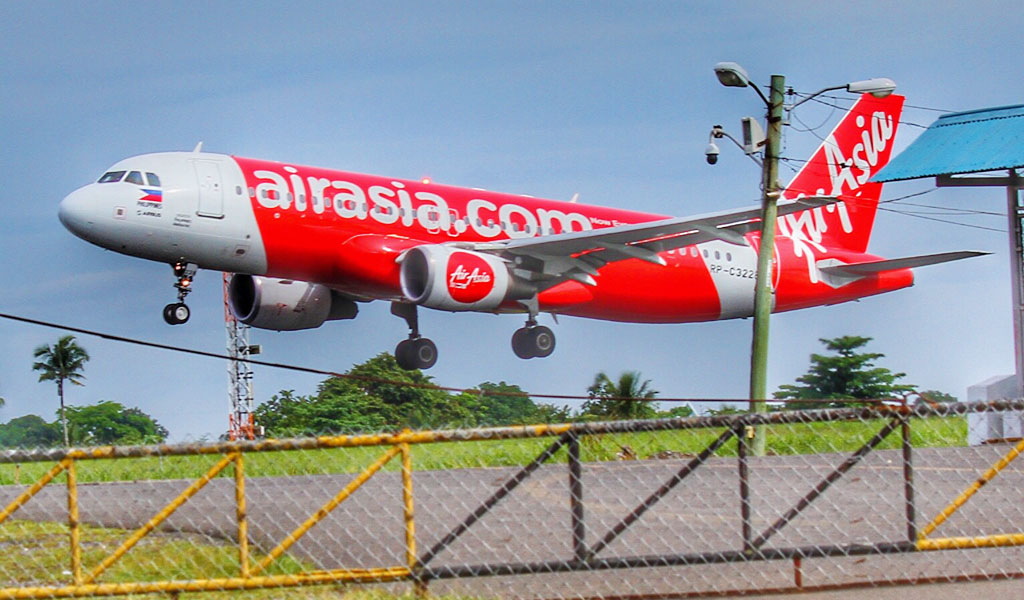
  • Airasia Philippines sees better performance in Q2

    Airasia Philippines sees better performance in Q2

    AirAsia Group Berhad announced on Wednesday that its Philippine unit, Philippines AirAsia, Inc., saw a 2% increase in passengers carried in the second quarter of the year.

    “AirAsia Philippines’ strong rebound seen in 1Q2021 (first quarter) further increased in 2Q2021 (second quarter), posting a 2% higher number of passengers carried quarter-on-quarter and 4 percentage points higher load factor to record a solid 78%,” AirAsia Group Berhad said in an e-mailed statement.

    “Monthly breakdown showed that load factor was as high as 83% in June 2021, boosted by active capacity management,” the airline group noted.

    “This was despite running a limited number of charter and passenger flights due to community quarantine restrictions and despite flying only from its Manila hub,” it added.

    AirAsia also said that expectation of high vaccination rates in Southeast Asian countries by the end of 2021 is lending confidence on upcoming recovery, supported by its “robust short-haul model in addition to leaner and more stabilized operations.”

    The group has said it expects domestic operations in the Philippines to be below 25% of pre-pandemic levels until at least September while the population awaits widespread vaccination against the coronavirus disease 2019 (COVID-19).

    Philippines AirAsia announced last week its plan to restore its hub in Clark by the fourth quarter of the year.

    AirAsia said it started its Philippine operations in Clark in March 2012.

    “Pre-pandemic, Philippines AirAsia flew to 10 domestic and three international destinations from Clark namely, Cagayan de Oro, Caticlan, Cebu, Davao, Iloilo, Puerto Princesa, Tacloban, Incheon, Kaohsiung, and Taipei,” it said.

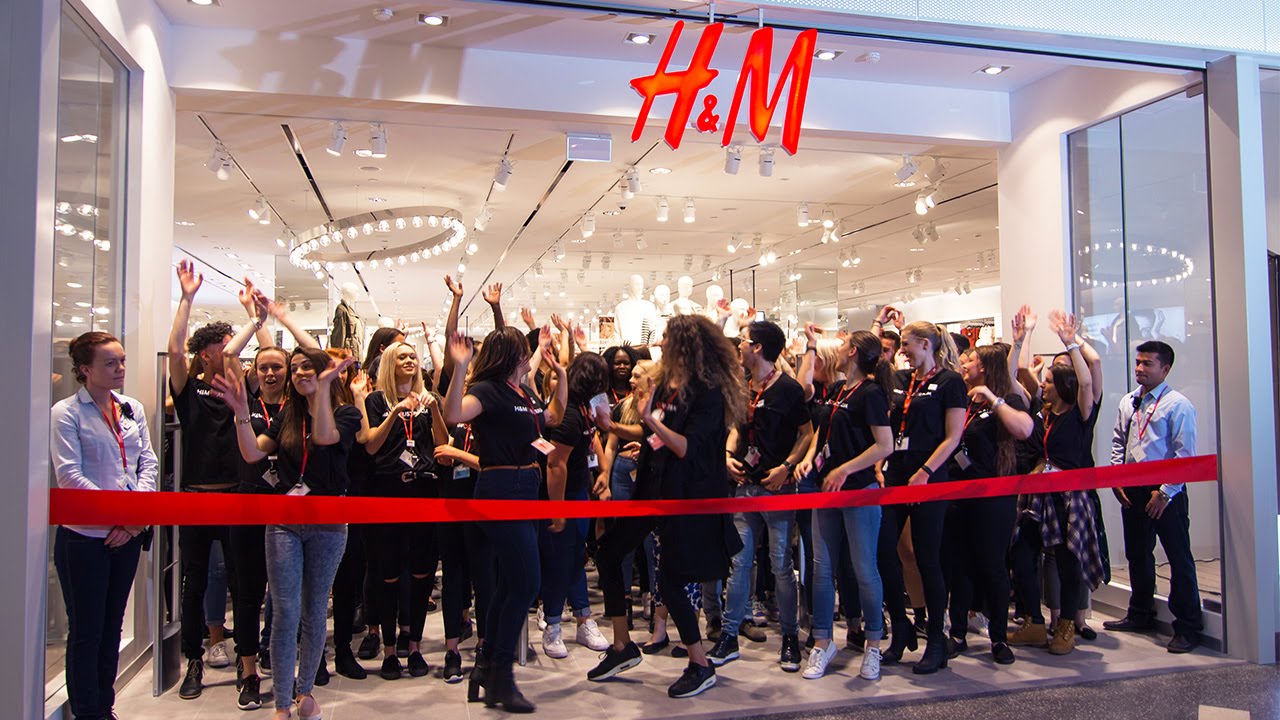
  • H&M to open first store in Cambodia next year

    H&M to open first store in Cambodia next year

    Swedish multinational clothing retail company Hennes & Mauritz AB (H&M) has announced the opening of its first store in Cambodia next year, according to a press release issued in early July.

    The firm, however, did not disclose the specific date and location of this first store.

    H&M already has a large presence in the region with 11 stores in Vietnam and 43 in Thailand.

    The decision to expand its stores to Cambodia was made after the company assessed the potential of Cambodia given the gradual increase of local purchasing power.

    The firm has been manufacturing its products in Cambodia since the 1990s.

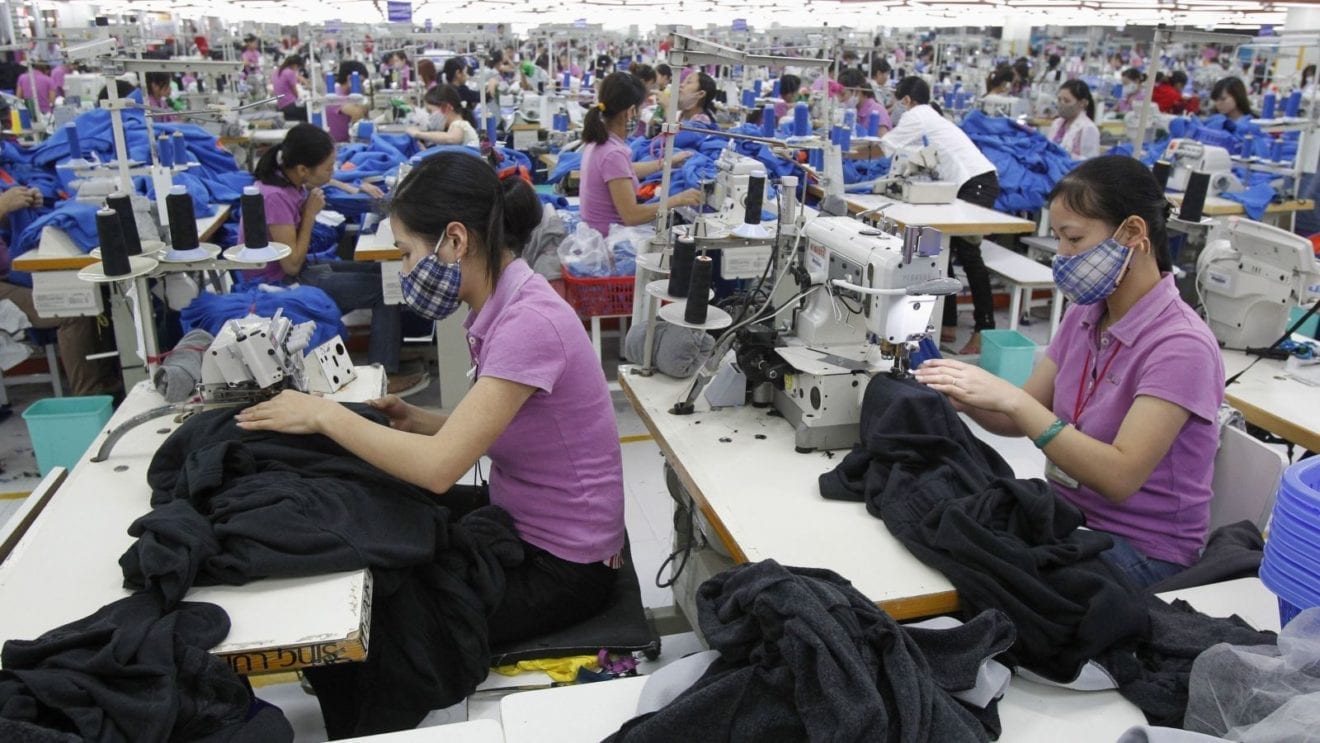
  • US apparel companies seek speedy vaccination of Vietnamese workers

    US apparel companies seek speedy vaccination of Vietnamese workers

    The American Apparel & Footwear Association (AAFA) has requested the U.S. and Vietnam governments to speed up the distribution of vaccines to major suppliers of Adidas, Gap and other brands.

    “We urge you to dramatically ramp up distribution of vaccines, including America’s stockpile of AstraZeneca vaccines, to countries like Vietnam now,” Steve Lamar, president and CEO of the association, said in a letter to U.S. President Joe Biden.

    Immediate and dramatic action by the U.S. will not only save millions of lives worldwide but could also promote America’s economic recovery, he added.

    Vietnam is the second-largest supplier of apparel, footwear and travel goods to the U.S., accounting for 20 percent of all U.S. imports, he said.

    “This is why the success of the U.S. apparel and footwear industry, and our three million American workers, is directly dependent on our suppliers around the world, including those in Vietnam, having healthy workforces,” he wrote.

    In a separate letter to Prime Minister Pham Minh Chinh, Lamar urged that the Vietnamese government takes “several key emergency actions to help control the spread of Covid-19, particularly in the south, to thwart a growing humanitarian crisis.”

    The U.S. has already provided five million doses, but the association is advocating that the government supplies more on an urgent basis, he said.

    Vietnam, particularly southern localities, is experiencing a severe Covid-19 wave that has recorded over 116,900 infections since the end of April, in which Ho Chi Minh City accounts for 66 percent.

    Major suppliers for global brands like Adidas and Nike in the country have shut down operations or operating at limited capacity under strict social distancing orders.

  • Nissan Raises Earnings Outlook, Optimistic Chip Crunch Will Ease

    Nissan Raises Earnings Outlook, Optimistic Chip Crunch Will Ease

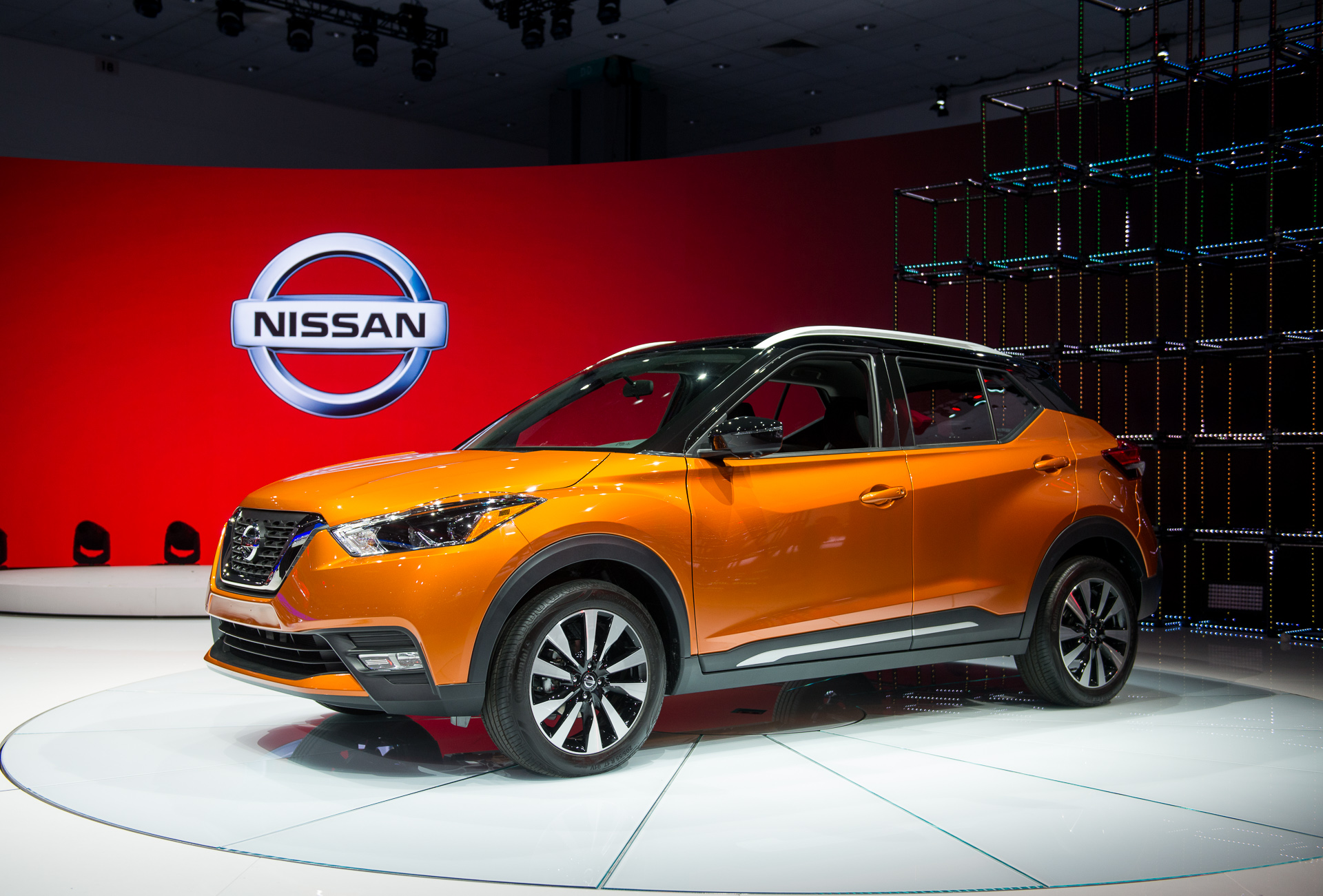
    Japanese automaker Nissan Motor Co on Wednesday raised its earnings outlook for the year, helped by a weaker yen and favorable demand in the United States and China, after reporting a surprise first-quarter operating profit. The company also warned that a global shortage of semiconductor chips will significantly hurt sales volume in the July-September quarter, but added that demand for its newly launched, pricier models will mitigate the impact on profits.

    Nissan hopes to make up for production and sales losses during the latter half of the fiscal year ending March 2022 and expects semiconductor shortages to ease during that period, Chief Operating Officer Ashwani Gupta told reporters.

    “Nobody has got a crystal ball. Nobody. But there are some assumptions,” he said, referring to an expected easing of the crisis, partly because a fire-hit Renesas Electronics chip plant in Japan is functioning again.

    Nissan, Japan’s No. 3 carmakers, maintained its global sales target of 4.4 million vehicles that it had set for the year in May.

    Nissan sold 1.048 million vehicles in April-June, up 63% from a year earlier, when global demand was hit by the COVID-19 pandemic. It sold 378,000 vehicles in North America (U.S., Canada and Mexico), up 70% from a year earlier, while sales in China totaled 352,000 vehicles, a 71% increase.

    Sales in the United States totaled 298,000 vehicles, up 68% from a year earlier.

    Chief Executive Makoto Uchida said Nissan will have to live with business uncertainties, including higher raw materials costs, for the remainder of the year.

    The auto industry has been grappling with a months-long shortage of semiconductor chips, which has forced them to cut production and delay car deliveries.

    Some companies such as Stellantis, owner of brands including Peugeot and Jeep, have said they expect the shortage to easily drag into next year.

    Some, though, like Taiwan chipmaker TSMC and Volkswagen said they are seeing some signs that the crunch is easing.

    Despite that, Nissan had a good start to the year, Gupta said, attributing the surprise first-quarter profit partly to the company efficiently managing supply chains and strategically using its chip stockpile, minimizing the impact of the shortage.

    Nissan reported an operating profit of 75.68 billion yen ($688.6 million) for the first quarter ended June 30. Analysts had expected a loss of 42.72 billion yen, according to Refinitive SmartEstimates.

    For the year ending March 2022, Nissan now expects an operating profit of 150 billion yen. In May, the company had forecast that it would break even in the period.


  • Oculus Quest 2 sales paused due to skin irritation issue

    Oculus Quest 2 sales paused due to skin irritation issue

    The Facebook-owned Oculus Quest 2—one of the leading headsets in the world of virtual reality—has been enjoying gargantuan sales this year, with Facebook reporting that this particular model “outsold not just its predecessor, but all of its predecessors combined” in 2021. However, that figure is about to take a hit as all sales of the Oculus Quest 2 have been put on hold for a few weeks due to a safety concern.

    Reportedly, only 0.01% of customers have been experiencing such irritation, with even these cases being very mild in their vast majority. However, a select few of them have been reported as quite severe, and for this reason, Facebook has chosen to pull the entire product and prevent further cases and perhaps a lawsuit in the future.

    This didn’t come out of the blue, however. The Oculus Quest 2 VR headset has been in the stores since last October, and people have been speaking up every so often for a very long time, posting pictures of their reddened skin on social media such as Reddit and Facebook.

    In April, Facebook suddenly addressed the issue, claiming they looked into the matter and found no real concern:

    “After conducting a comprehensive investigation into this issue, we did not find any contamination or unexpected substances in our manufacturing process. We identified a few trace substances that are normally present in the manufacturing process which could contribute to skin discomfort, and while these were already at levels below the industry standard, out of an abundance of caution we changed our process to reduce them even further. We’ve confirmed with expert dermatologists and toxicologists that these levels are considered extremely low. While this issue has only been reported by a very small percentage of Quest 2 users, with these changes, we believe that users are even less likely to experience irritation resulting from any substances in the foam facial interface. We encourage any customer who experiences irritation from using Quest 2 to contact Oculus Support for a facial interface replacement.”

    Somehow, this announcement didn’t fix the very real problem (surprise, surprise!) and many users continued to experience the blistering that whatever chemical was used in the foam seemed to be causing. Finally, a few days ago, Facebook apparently finally decided to face the problem and fix it for users once and for all.

    The company has paused sales of the Oculus Quest 2 on a global level, and the hold will last for a full month—resuming on August 24—while Facebook fits every single Quest 2 box around the world with a protective silicone cover that goes over the problematic foam (which, by the way, is also removable).

    Today, we’re introducing a new silicone cover for all customers globally, including as part of a joint voluntary recall of the Quest 2 removable foam facial interface with the U.S. Consumer Product Safety Commission (CPSC) and Health Canada. In addition, we’ve been communicating with global regulators and are taking the extra step of temporarily pausing sales of Quest 2 globally while we work to include the new silicone covers in all Quest 2 packages. The new silicone cover fits over the Quest 2 removable foam facial interface and starting on August 24, all Quest 2 headsets will come with a silicone cover included in every box. For more information, please visit the Oculus blog.

    Anybody who already owns the Oculus Quest 2 and wishes to get one of the protective silicone covers for free, can simply contact the company by following these instructions published on the official page.

  • Singapore Crypto Startups Join Mastercard Engagement Program

    Singapore Crypto Startups Join Mastercard Engagement Program

    Two Singapore startups will help the payment giant accelerate innovation around digital asset technology. Singapore-based Mintable, a non-fungible token (NFT) marketplace; and Stacs, which provides a blockchain infrastructure for the financial industry to unlock value and enable effective sustainable financing, are among of a new cohort of seven startups at Mastercard’s «Start Path» global startup engagement program.

    The program supports fast-growing digital assets, blockchain, and cryptocurrency companies by providing access to strategic partnership opportunities, insights, and tools to grow. Companies participating in the new program aim to address pain points including asset tokenization, data accuracy, digital security, and seamless access between the traditional and digital economy.

    The announcement comes amid increased enthusiasm for a broader range of payment technologies in the Asia Pacific region as a result of the pandemic, and growing awareness of cryptocurrencies among the general public. Mastercard also said consumers are increasingly showing interest in being able to spend crypto assets for everyday purchases.

    We believe we can play a key role in digital assets, helping to shape the industry and provide consumer protection and security. Part of our role is to forge the future of cryptocurrency, and we’re doing that by bridging mainstream financial principles with digital assets innovations, Jess Turner, Executive Vice President of New Digital Infrastructure and Fintech, Mastercard, commented.

    Mastercard announced last week that it was looking to simplify for its partners the conversion from cryptocurrency to traditional fiat currency, and would be leveraging partnerships to help crypto companies offer card programs.

    Earlier this month, rival Visa reported that consumers spent more than $1 billion worth of cryptocurrency on goods and services through Visa’s crypto-linked cards in the first half of 2021.

  • First Victorian Ampol Woolworths Metro store opens in Melbourne

    First Victorian Ampol Woolworths Metro store opens in Melbourne

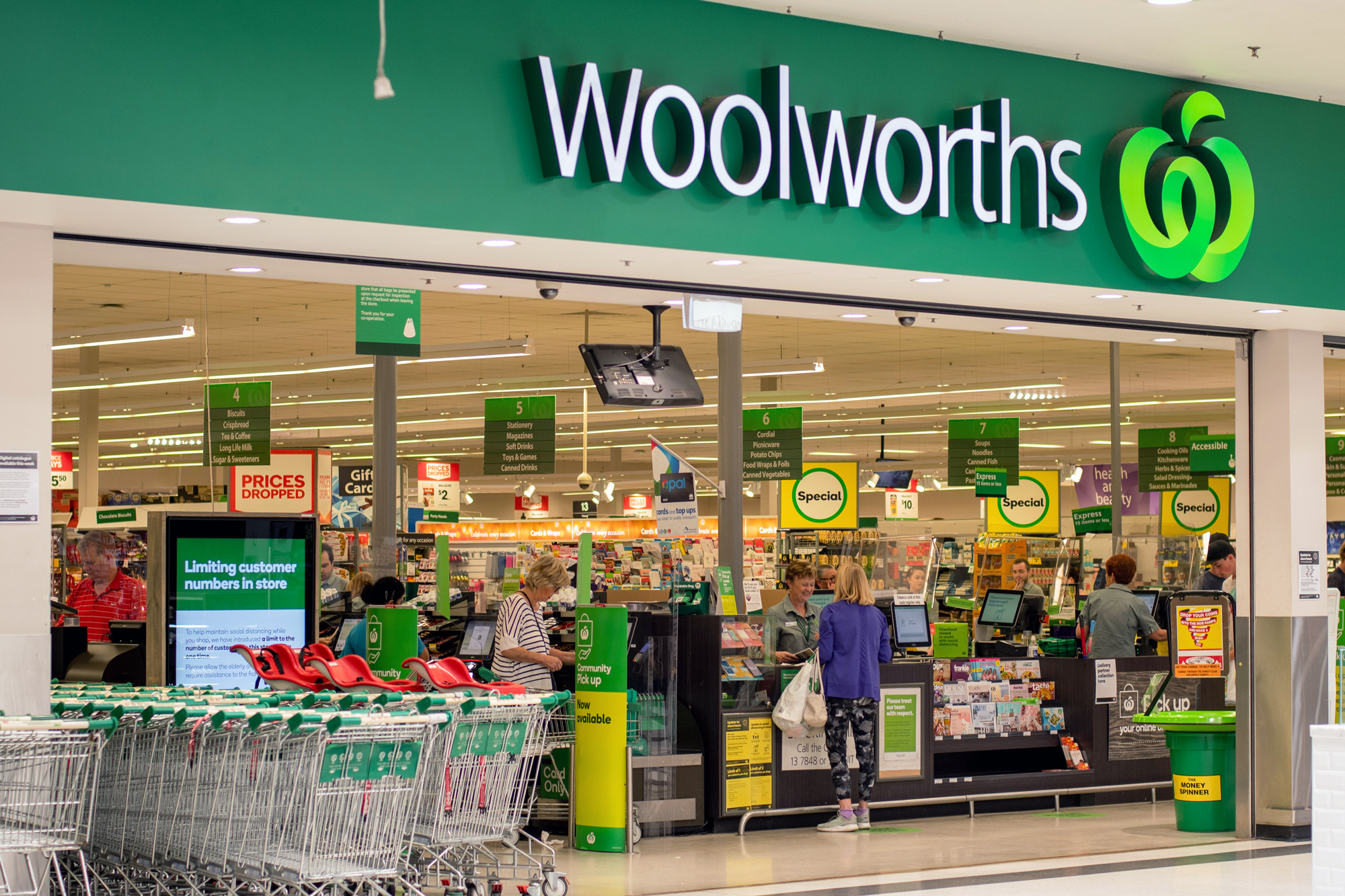
    The opening of Victoria’s first Ampol Woolworths Metro store in Sandringham has set a new benchmark for retail shopping in Melbourne.

    Owned and operated by Ampol, the new store brings together Ampol’s great service and world-class quality fuels with an inspiring range of quality fresh food and top-up essentials from Woolworths, to help on-the-go customers in Melbourne make the most out of every journey.

    The new Ampol Woolworths Metro Sandringham store will offer more than 1,400 grocery items, including more than 200 Woolworths Own brand products.

    With a focus on freshness and convenience, Ampol Woolworths Metro stores feature a curated product range perfect for customers looking to top-up on their groceries, along with fresh, quality food they can eat now, on the go, or grab for later. This offer is supported by Ampol’s quick-service restaurant partner, Boost. Customers will also benefit from the ability to earn points through Woolworth’s Everyday Rewards.

    Bringing the latest in convenience technology to Melbourne consumers, the shop features self-serve checkouts and access to the Ampol App, where consumers can pay from the convenience of their phone and access special offers. Consumers are also provided the ability to access the store’s broad range of products through Uber Eats.

    Ampol’s Executive General Manager, Retail, Brand and Culture, Jo Taylor said: “We know Australians are increasingly looking to shop local, in a safe and convenient way. Together with Woolworths, we’re making it easier for customers to pick up quality fresh food and grocery essentials in one place, along with our great quality coffee and premium fuels.

    “Our award-winning Ampol Woolworths Metro format has set a new standard of service, product quality and range, and we are thrilled to bring this outstanding offer to Melbourne.

    “We look forward to rolling out more sites across Victoria in the months ahead.”

    Woolworths General Manager – Metro Partnerships, Michelle White said: “At Woolworths, we’re always looking for new ways to make it easier to shop for your everyday needs.

    “Our Melbourne customers lead busy lives and are increasingly looking for convenient local food stores with the fresh and healthy foods they want.

    “This partnership brings the best of both brands together and delivers a whole new level of convenience for the benefit of our mutual customers.”

    The first Ampol Woolworths Metro store was launched in North Ryde, Sydney in 2019. Today, the retail format has presence in 13 locations strategically positioned around major arterials in key suburban areas of Sydney.

    Thirteen more sites are expected to open before Christmas, including three new stores in Melbourne in Mount Waverley, Elsternwick, and Kew.

  • Apple recruits more Vietnamese staff

    Apple recruits more Vietnamese staff

    Apple is recruiting 25 people in Vietnam, mostly for posts pertaining to operations and supply chain.

    Most of the job opportunities had been posted on Apple’s career website this month. On July 23 and 29, the U.S. tech giant posted information for the three posts of new product introduction-operation program manager (NPI OPM).

    Most of the 25 posts are for operations and supply chain workers in Hanoi, and sales and business development staff in Ho Chi Minh City. Some posts are for hardware engineers in charge of camera development working in both cities.

    For managerial posts, Apple requires candidates to have five to 10 years’ experience in hi-tech industries and a good command of English.

    Since early 2020, Apple has recruited some engineers and managers for software, screen quality, operation and product management units in Hanoi and HCMC.

    Apple recruitment started when it shifted production of new products to Vietnam, which currently hosts 21 suppliers of the U.S. giant, up 1.5 times against 2018. These suppliers include Samsung, LG Display, Intel, Biel Crystal, Foxconn, Luxshare, Goertek and Compal.

    Many big assembling partners of Apple have factories in the three northern provinces of Bac Ninh, Bac Giang and Vinh Phuc. Many factories assemble AirPod headphones, Apple watches and Homepod Mini speakers.

    Early this year, Foxconn signed a $270-million project on producing laptops and tables in Bac Giang. According to many sources, Foxconn’s new facility would assemble iPads and MacBooks for Apple.

  • Tesla Hikes Electric Car Prices In U.S.

    Tesla Hikes Electric Car Prices In U.S.

    Tesla Inc showed signs of divergent strategies in the world’s two biggest automotive markets, raising prices to boost profit margins in the United States while keeping prices steady in China and hoping to grow sales there. Tesla raised prices for the most affordable versions of Model 3 and Model Y about a dozen times this year in the United States, according to data tracked by Reuters. At the same time, Tesla recently introduced an affordable Model Y version in China, where it refrained from price hikes. Tesla posted record vehicle deliveries in the second quarter, and the price increases in North America boosted quarterly profits to a record.

    But in China, the world’s biggest electric vehicle (EV) market, Tesla faces competition from local rivals and problems that include product recalls, high-profile protests by consumers and pressure from regulators. Bernstein analyst Toni Sacconaghi said introduction of the lower-priced Model Y in China “may make sustained margin improvement difficult” for Tesla and raises questions about “the health of Chinese demand.” A study by Bernstein analysts found Tesla owners in China were less enthusiastic and had lower repurchase intentions than owners in the United States and Europe.

    Tesla raised prices for Model Y Long Range at least six times in the United States this year, bumping by $5,500 to $53,990. In China, the world’s most valuable carmaker raised prices of the Model Y SUV and Model 3 sedan only once this year. The Model Y version has a price tag of 276,000 yuan ($42,394). The company also has launched promotional campaigns in China such as loan offers.

    “I think Tesla is looking to be as competitive as it can be in China. Lower prices will be a part of that aggressive market positioning,” Roth Capital Partners analyst Craig Irwin said. “There is a very large difference in battery prices in the U.S. and China, as well as local vehicle manufacturing costs.”

    Tesla started production at its Shanghai factory in late 2019. It has boosted sourcing of cheaper local components, including batteries from China’s CATL and LG’s Chinese factory. “It wasn’t so long ago that the group was trimming prices in the U.S. to gain scale and maximize profitability, and it feels like we’re now seeing that in China too,” Hargreaves Lansdown analyst Nicholas Hyett said. The low cost of producing local EVs in China would have a lasting effect for Tesla, said Gene Munster at Loup Ventures.

    “Teslas are on average 3x the cost of a typical EV made in China so they have to be priced less than the U.S. to compete,” Munster said. “Prices of Teslas in China will be below (the) rest of the world for the next decade.” Tesla also cut costs and boosted margins in the U.S. market by getting rid of some parts like a radar sensor and lumbar support. Tesla shares closed up 0.3% on Wednesday after falling the previous session.

    In China, Tesla’s share slipped to 11% in the battery electric vehicle market, which excludes plug-in hybrid cars, in the second quarter from 18% a year earlier, according to GLJ research. But data from Morgan Stanley showed Tesla still held a U.S. battery-electric market share of nearly 70% as of February, although that was down from 81% a year earlier.

    China accounts for 44% of the global EV market, a much bigger share than the 17% held by the United States.

    In China, Tesla faces competition from electric vehicle makers like Nio Inc and Xpeng Inc. In the United States, Tesla’s brand is stronger and its main rivals are legacy automakers like Ford and General Motors, which generate only a fraction of their sales from EVs.

    Tesla CEO Elon Musk has reiterated that the company’s mission is to make electric cars affordable and has blamed vehicle price increases on a shortage of chips and raw materials.

    Tesla is coping with the chip shortage by using alternative chips and rewriting software, Musk said.

    He provided a cautious outlook for chip shortage. “It does seem like it’s getting better,” he said on the second-quarter earnings call, but added: “it’s hard to predict.”

  • MAS Lifts Dividend Restrictions on Local Banks

    MAS Lifts Dividend Restrictions on Local Banks

    The restrictions were measure introduced to ensure that local banks and finance companies have a strong lending capacity to support the economy throughout the pandemic.

    With the improving global economic outlook, the Monetary Authority of Singapore (MAS) has given the green light to locally incorporated banks and finance companies headquartered in Singapore will be able to issue dividends in full to shareholders again, according to an announcement on Wednesday.

    MAS previously asked banks and FI to cap their total dividends per share for FY2020 at 60 percent of FY2019’s DPS, and offer shareholders the option of receiving the remaining dividends to be paid for FY2020 in shares in lieu of cash.

    MAS noted in the announcement that local banks and FIs have maintained strong capital adequacy ratios and continued to meet the credit needs of individuals and businesses, despite higher levels of provisioning made during the pandemic.

    It also said that under the latest stress tests, these ratios are projected to remain resilient even under an adverse macroeconomic scenario of a stalled global recovery associated with delays in vaccine deployment and a global resurgence in the pandemic due to mutated virus strains, leading to the Singapore economy slipping again into recession in 2021.

  • Nike and Adidas face supply-chain disruption after Vietnam factory closure

    Nike and Adidas face supply-chain disruption after Vietnam factory closure

    Taiwan’s Pou Chen, which makes footwear for companies such as Nike and Adidas, suspended operations at its plant in Ho Chi Minh City on Wednesday as COVID-19 curbs hit factories in the country’s business hub.

    Vietnam’s health ministry said in a statement that production at Pou Chen’s Pouyuen Vietnam factory would be suspended for 10 days.

    State media said 49 infections had been detected at the plant in Ho Chi Minh City, which is at the epicenter of the country’s worst coronavirus outbreak.

    The company did not immediately respond to an email seeking comment.

    Shares in Pou Chen, the world’s largest manufacturer of branded athletic and casual footwear, closed down 1.3% on Wednesday.

    After successfully containing the disease for much of the pandemic, Vietnam has faced a more stubborn outbreak since late April.

    Record infections and strict curbs on movement have left plants operating below capacity in northern provinces where suppliers for Apple, Samsung Electronics and other global tech firms are located, sources have said.

    Pouyuen Vietnam, the largest employer in the city with 56,000 workers, was unable to arrange for its workers to sleep at the site as required by authorities to allow the business to remain open, the health ministry said on Wednesday.

    Last year, Pouyuen Vietnam was ordered to suspend its production for two days after failing to meet local social distancing rules.

    Earlier this week, state media said authorities also ordered 29 companies in the Tan Thuan Export Processing Zone, an industrial park, to suspend production due to the outbreak.

    In the neighboring Saigon Hi-Tech Park, which houses international companies, more than 700 infections were detected in recent days and authorities ordered companies to shut units with infected workers, state media reported.

    Despite the latest outbreak, Vietnam has recorded far lower caseloads than many other countries with 36,605 infections in total and 130 deaths.

  • Nokia secures first 5G contract in China

    Nokia secures first 5G contract in China

    Nokia secured a 5G RAN contract for China Mobile on Monday, making this the company’s first 5G contract in the country.

    Nokia was awarded a 10% share in one of three contracts tendered by China Mobile, while Ericsson obtained 9.6% of another contract. The total tender for all three contracts reached about $6 billion, with Nokia being awarded 4% of the overall tender. Comparatively, Ericsson was awarded 2%, dropping from about 11% last year.

    Together, Huawei and ZTE won the majority share in all three contracts to build 5G 700 MHz base stations for China Mobile and China Broadcasting Network. This is followed by a smaller local company Datang Corporation.

    China Telecom and China Unicom will also be disclosing awards of their respective 5G contracts.

    Currently, China is ahead of other countries in 5G deployments. According to data from the Ministry of Industry and Information Technology, China had deployed 820,000 5G base stations by the end of March.