Author: Mei Ling Tan

  • OCBC Creates Dozens of Sustainability-Related Jobs

    OCBC Creates Dozens of Sustainability-Related Jobs

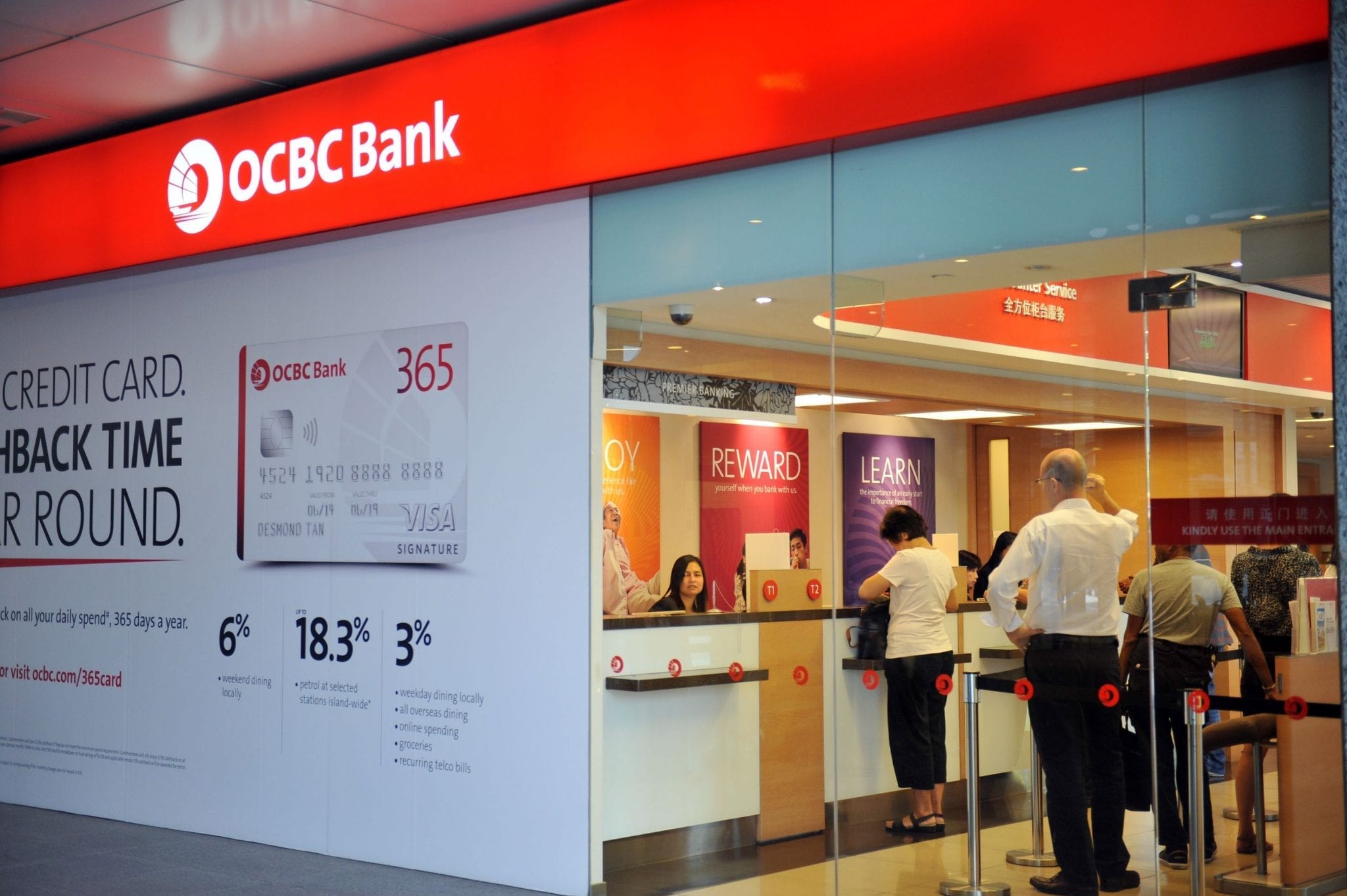
    Singapore’s OCBC has created more than 50 sustainability-related jobs over the last two years as part of a broader plan to internally promote the space.

    The 50 jobs span across sustainable business development, sustainable product development, sustainability research, ESG assessment, ESG reporting, ESG regulatory and compliance, sustainable stewardship, and community development and environmental conservation programs, according to a statement.

    This is part of the «OCBC Future Smart Program» which is now in its second phase with an investment of $30 million over the next three years.

    The program and its first phase were launched in 2018 with an investment commitment of $20 million over three years.

    Since the program kicked off, the bank has developed numerous training modules, sub-programs, certification pathways while further driving learning through desktop and mobile platforms.

    1,900 programs have been launched for OCBC’s 30,000 employees groupwide which have achieved more than 178,000 completions.

    Major change is afoot on the job front and roles that are available today may no longer be needed or will be significantly disrupted tomorrow, said OCBC’s head of group human resources Jason Ho. New threats to the business emerge continuously. We are confident that as long as we continue to learn, un-learn and re-learn as an organization, we will be able to turn threats into opportunities.

  • Tesla Sold 33,155 China-Made Vehicles In June

    Tesla Sold 33,155 China-Made Vehicles In June

    U.S. electric vehicle maker Tesla Inc sold 33,155 China-made vehicles, including those for export, in June, China Passenger Car Association (CPCA) said on Thursday.

    Tesla, which is making Model 3 sedans and Model Y sport-utility vehicles in Shanghai, sold 28,138 China-made cars in China and exported 5,017 cars in June.

    In May, Tesla sold 33,463 China-made cars.

    On Thursday, Tesla launched Model Y cars with a standard driving range in China, lowering the starting price for the vehicle to 276,000 yuan ($42,588) in the world’s biggest auto market.

    BYD sold 40,532 so-called new energy vehicles, which include battery-electric and plug-in hybrid vehicles, last month in China. General Motors Co’s venture with SAIC Motor sold 30,479 such cars.

    CPCA also said China sold 1.6 million passenger cars in June, down 5.3% from a year earlier.

  • Coles boosts baby products range with 150 new products

    Coles boosts baby products range with 150 new products

    Coles is expanding its baby products range by more than 150 new products while reducing retail price of major baby brands during the next four weeks.

    The 150 new products include reusable nappies and baby wipes such as Nat Baby and Cub Bare, bamboo feeding accessories, organic baby food pouches and limited-edition toys and clothing.

    Coles has also rolled out affordable items such as Little Tikes toddler toys, playpens and baby monitors part of the limited edition Coles’ Best Buys range which is available across 340 Coles supermarkets.

    “We know that more than ever, our customers are looking for baby products that are practical and affordable,” said Jonathan Torr, GM for health and home at Coles.

    Besides boosting the baby products range, Coles has also reduced prices for selected products, including Huggies nappies, Ecostore, Aveeno Baby and Johnson & Johnson bath and body products.

    “The new baby range and slashed prices across the baby aisle are another way we can provide more value to our customers when trying to manage the weekly shopping budget for their growing family,” said Torr.

  • Citi Private Bank Hires Global Market Head for China

    Citi Private Bank Hires Global Market Head for China

    Citi Private Bank has named a new global market head for China-based in Singapore.

    Lillian Liao joins Citi Private Bank as a managing director and global market head, China, sources said, reporting to North Asia head of private banking Rudolf Hitsch. A spokesperson for the bank declined to comment.

    Liao joins from Credit Suisse where she spent nearly 13 years last as a managing director and senior client partner.

    Citi Private Bank continues to bolster senior talent in the region following a reorganization that saw it merge retail, wealth management and private banking into a single unit – Citi Global Wealth (CGW). Citi Private Bank’s APAC head Steven Lo was named as co-head of the CGW unit in the region.

    Last month, the American private bank added ex-UBP wealth planner Faye Ong as head of the family office advisory, private capital group.

    And in May, it appointed 30-year Citi banker Lee Lung Nien as South Asia head of private banking.

  • EU may force Apple to allow app side-loading

    EU may force Apple to allow app side-loading

    Apple has been in some hot water around the world for a while now, regarding its monopolistic practices in the App Store (not to even mention the whole right-to-repair movement).

    The inability for mobile developers to offer iOS apps anywhere outside the official App Store has been a long-standing issue and the cause for many a lawsuit so far. Now, Reuters reports Apple has received a special warning by Margrethe Vestager, who is both Tech Chief and Executive Vice President of the European Commission.

    Vestager has accused Apple of “using privacy and security concerns to fend off the competition on its App Store,” which is the driving reason the company cites for forcing all developers to publish through the App Store, where Apple can approve or reject them, and levy the 30% commission fee from one and all (Apple has since loosened up a bit in that regard, to its credit).

    Apart from the official warning to Apple last Friday, since 2020, Vestager has also been working on implementing a new Digital Markets Act (DMA), which is a set of rules meant to force Apple into allowing the side-loading of apps from outside Apple’s native App Store onto iOS devices, be that from external app stores or downloaded straight from the web.

    While Tim Cook rejected the idea at a public speech in June, saying that this would destroy the privacy and security of the iPhone ecosystem, Vestager agreed about the importance of security but claimed that the argument is not necessarily always relevant.

    The important thing here is, of course, that it’s not a shield against competition because I think customers will give up neither security nor privacy if they use another app store or if they sideload… I think privacy and security is of paramount importance to everyone.

    Vestager’s proposal is open to change, and would have to go through multiple EU countries and lawmakers in order to be finalized and leave Apple legally bound to allow apps outside the App Store within countries in the European Union.

  • TikTok is testing a custom paid video format called Shoutouts

    TikTok is testing a custom paid video format called Shoutouts

    TikTok creators are about to get another tool to help them make money. The top-grossing app in H1 2021 is apparently testing a Cameo-like feature called Shoutouts.

    The new format will allow TikTok users to request custom videos from their favorite creators and pay for them with in-app currency.

    The new feature is available for some creators in Turkey and Dubai but there’s no information on when Shoutouts will arrive in other countries.

    You pay upfront when you submit a request and then wait for up to three days for your creator to accept. Then, in a week or so, you should receive your custom video in your direct messages (after it’s been reviewed and approved by TikTok – this isn’t OnlyFans, guys).

    Earlier this month, TikTok announced that it will be introducing longer videos (already rolling out), allowing users to upload up to three minutes’ worth of content.

    Shoutouts is the last addition to a slew of new TikTok features, including the recently introduced TikTok Jump – mini-widgets that creators can link to within their videos.

  • Paul Frank parent Futurity Brands names China CEO

    Paul Frank parent Futurity Brands names China CEO

    Futurity Brands Limited announced today the appointment of Mr. Zhu Jianshi, as Chief Executive Officer of Futurity Brands China. Stan Wan, Futurity Brands Chairman and Group CEO, said: “After a rigorous search, the Board concluded that Mr. Zhu’s expertise and considerable experience in the licensing, fashion and retail sector, along with his exemplary track record of achievements as a CEO and COO made him the outstanding candidate for the role.

    Mr. Zhu is an accomplished leader and has consistently demonstrated throughout his career the ability to innovate and introduce high-performance strategies in challenging environments yielding impressive growth and significant value creation. I look forward to his partnership in China to create a new chapter of success for the Futurity Brands Group.”

  • Malaysia’s AirAsia to buy Gojek’s Thai business for $50 million in shares

    Malaysia’s AirAsia to buy Gojek’s Thai business for $50 million in shares

    Malaysian budget carrier AirAsia Group will buy Indonesian ride-hailing and payments firm Gojek’s business in Thailand in return for $50 million of shares in part of the airline’s digital business, the companies said on Wednesday.

    The deal will give Gojek a 4.76% stake in AirAsia SuperApp, valuing the division at around $1 billion, more than the pandemic-hit airline’s current market value of $868 million at a time when it has been looking to raise more capital.

    The agreement with the Indonesian startup unicorn comes just a week after AirAsia applied for a digital banking licence in Malaysia, signaling a shift in focus towards digital business as most of its fleet remains grounded amid coronavirus restrictions.

    “By taking on Gojek’s well-established Thai business, we’ll be able to turbocharge our ambitions in this space to become a leading Asean challenger super app,” AirAsia Chief Executive Tony Fernandes said in a statement.

    AirAsia SuperApp, a lifestyle platform for travel, e-commerce and financial services, is one of three companies under the AirAsia Digital group. The others are logistics venture Teleport and the BigPay fintech business.

    Gojek’s Thai business, which includes ride-hailing, food delivery and payments, is its smallest overseas operation and has a far smaller share of that market than food delivery market leader Grab.

    Gojek will focus on increasing investment in Vietnam and Singapore after the deal is completed, the statement said.

    Gojek’s Thai business was loss-making in 2019 and 2020, according to accounts provided with the deal announcement.

    Nikkei Asia earlier reported that AirAsia was in talks with Gojek to acquire its Thai business.

  • Samsung expects 53% increased profits amid the global chip shortage

    Samsung expects 53% increased profits amid the global chip shortage

    Samsung is reportedly expecting a notable 53% increase in its quarterly profit following a very healthy demand for memory chips during the global semiconductor shortage. One of the largest electronics manufacturers in the world forecasts a profit of nearly $11 billion for the quarter that ended with June.

    This uptrend can be attributed to strong sales of memory chips, which is offsetting the weakened sales of TVs, phones, and other electronics in the first couple of months into the coronavirus pandemic and is shaping up to be Samsung’s biggest quarter since 2018. As more and more people stayed and worked from home, the demand for electronics has surged, and Samsung is finally bringing home the bacon thanks to this. This is all despite the chip shortage that’s plaguing not only the smartphone but many other industries and businesses as well.

    Of course, the exact figures remain to be confirmed in the financial report released later this month, but Samsung will easily beat analysts’ expectations by a lot.

    Samsung is one of the largest semiconductor manufacturers globally, a leading contractor that produces chips for Apple, Qualcomm, and others. Samsung is reportedly working closely with its overseas partners to mitigate any supply disruptions that may arise as a result of the disruption.

    Recently, we’ve heard rumors that Samsung might have been forced to postpone the release of its anticipated Galaxy S21 FE to Q4 2021 due to the chip shortage. Another concession is reportedly resorting to using Exynos chips alongside Qualcomm’s Snapdragon solution. There are even rumors that the phone could skip some markets due to the same reasons.<

  • Xiaomi patents an all edge curved screen phone

    Xiaomi patents an all edge curved screen phone

    Some trends in the tech world just don’t want to fade away, and one of those is the endless desire to curve screen edges. It all started with the Galaxy Note Edge in 2014, but it wasn’t until the Samsung Galaxy S6 Edge that the trend gained popularity.

    With time, however, curved displays started feeling more like a cumbersome gimmick than the beautiful innovation it was meant to be and its flame dwindled in the wind of progress. In recent years, the feature has boiled down to just a slight curve in flagship devices.

    Having said that, it would seem some mobile phone manufacturers out there are trying to light the fire once again. In February this year, Xiaomi patented a design with an 88˚ curved screen, covering almost everything besides the edges and the back. Now the company pushes the idea of the curved display even further to the extreme.

    The new patent envisions a waterfall display that envelops all four sides including the edges, which is much more difficult to achieve. The additional screen real estate could probably be used for displaying notifications, battery status, or other general information. There is also a possibility that pressure sensitivity could be added for additional functionality thanks to the whole lack of buttons thing.

    As the patent shows, Xiaomi has not only stretched the screen to hug all of the device’s front but has also removed all ports and buttons on the sides. What’s more, you won’t find any camera cutouts or notches to disrupt the beautiful flawlessness of the panel.

    How will you take selfies, you ask? Well, Xiaomi is one of the first to start experimenting with under-display cameras and has reached its third variation of that technology. The company is expected to release the Xiaomi Mi Mix 4 this year, which is rumored to have one.

    The back of the patеnted phone also features a peculiar design. We can see the large cutout for the camera, but there is also one right below it that doesn’t portray any clear purpose.

    Nevertheless, it is doubtful that such extreme designs will come back in fashion. They are not practical in more ways than one, and users seem to have lost interest in them. On the other hand, the idea of port- and buttonless mobile devices is starting to creep up, and it might not be too long until it becomes the new mainstream approach.

  • Bentley To Launch Electric Car By 2025

    Bentley To Launch Electric Car By 2025

    It was in 2020 that Bentley’s ‘Beyond100’ strategy was announced. It was a roadmap the company’s transformation into the world’s leading sustainable luxury mobility brand and of course, its commitment to an electric future. As a first step towards that, all three Bentley models will be available as luxury hybrid cars by 2023. Two of them – the Flying Spur and Bentayga – already are available in the hybrid avatar.

    However, when it comes to an all-electric model, Bentley will launch one only in 2025. The company also promises that it will also be the first luxury car in the world to be carbon neutral over its entire life. By 2026, the company’s entire range will be made up of electric and plug-in hybrid vehicles.

    As a result of these commitments, the company will evolve from the world’s largest producer of 12-cylinder internal combustion engines, into a purely electric vehicle manufacturer – and all in just ten years. With the goal of a fully electric Bentley line-up by 2030, there remains some way to go, but we can’t wait to see the cars pouring out.

  • US states allege Google ‘unlawfully’ preserves Play Store monopoly

    US states allege Google ‘unlawfully’ preserves Play Store monopoly

    Thirty-seven U.S. state and district attorneys general sued Alphabet. Google on Wednesday, alleging that it bought off competitors and used restrictive contracts to unlawfully maintain a monopoly for its app store on Android phones.

    The allegations about Google’s Play Store stem from an investigation involving nearly every U.S. state that began in September 2019 and have already resulted in three other lawsuits against the company. The cases threaten to force major changes to how it generates billions of dollars in revenue across its businesses, including advertising, in-app purchases and smart home gadgets.

    Google said on Wednesday the litigation was about boosting a handful of major app developers that want preferential treatment rather than about helping small businesses or consumers. It maintains that unlike Apple with its App Store on iPhones, Android supports competitors to the Play Store.

    “Android and Google Play provide openness and choice that other platforms simply don’t,” the company said in a blog post.

    The states, led by Utah, New York, North Carolina and Tennessee, argue that Google has generated “enormous profit margins” from the Play Store by engaging in illegal tactics to preserve monopolies in selling Android apps and in-app goods.

    In the United States, Google Play accounts for 90% of Android apps downloaded, according to the lawsuit.

    “Google leverages its monopoly power with Android to unlawfully maintain its monopoly in the Android app distribution market,” the lawsuit stated.

  • Pokemon GO still going strong, scores $5 billion in lifetime revenue

    Pokemon GO still going strong, scores $5 billion in lifetime revenue

    Well, what do you know? Even though we spent the past two years mostly locked up and homebound (pandemic and stuff), the AR game sensation Pokemon GO not only survived but managed to cross the $5 billion mark in lifetime revenue.

    According to a recent report by SensorTower, the AR title from Niantic has surpassed $5 billion from player spending since its launch back in 2016. The game remains vastly popular in the US, catching $1.9 billion, or 36.6 percent of its lifetime revenue in the country.

    People spending money on Pokemon GO seem to be almost equally distributed between Android and iOS, 52.8% and 47.2% respectively. The report also shows that the game generated $642 million in the first half of 2021, a 34% increase from the same period last year.

    Pokemon GO has been downloaded 632 million times to date, and there are no signs that the Pokemon craze will subside anytime soon.

  • Government to keep 65 pct stake in banks, airport operators

    Government to keep 65 pct stake in banks, airport operators

    The government will retain minimum ownership of 65 percent in state-owned banks and airport operators that privatize from now through 2025.

    It will keep a similar rate in large mining companies.

    The rates will be 50-65 percent in airlines and water utilities, basic chemical production and fuel importing companies.

    But companies that have a bearing on national security, such as landmine producers and map makers, will not be privatized.

    Others, where it will continue to own 100 percent, are power transmission and national grid management, currency printing and gold bullion production.

  • Apple blocks TikTok’s attempt to track iPhone users

    Apple blocks TikTok’s attempt to track iPhone users

    Ever wonder how you could look up a product online and all of a suddenly targeted ads for that product pop up on your phone and other connected devices? This, not witchcraft, readers. Third-party apps and websites track your travels across the internet and also know which apps you’ve been viewing. When Apple released iOS 14.5 in May, it gave iOS users the opportunity to opt-out of getting tracked with the App Tracking Transparency (ATT) feature.
    This feature gives iPhone users the ability to decide for themselves whether they want to be tracked by third-party apps and websites for the purpose of receiving online ads. More importantly, the ATT feature allows users to opt-out of being tracked which is the option that the vast majority of iOS users have selected. Facebook CEO Mark Zuckerberg was not pleased that Apple was giving users a way out of being tracked, but that isn’t surprising since the social media giant took in over $84 billion in ad revenue last year and 96% of iOS users had decided to opt-out of tracking in the early going.
    Another company decimated by ATT is TikTok and the popular short-form video app attempted a workaround to get around App Tracking Transparency called device fingerprinting. The latter can collect user data through the use of an algorithm and the entire workaround is called CAID for short.
    The Financial Times said that Apple was left with certain options: it could decide to look the other way and allow CAID to be used by app developers to obtain personal data, or it could block apps like TikTok from the App Store as long as the workaround continued to be employed. The latter is what Apple decided to do as it rejected TikTok updates that contained the CAID build.
    Alex Bauer, head of product marketing at adtech group Branch, told the Times that “The Chinese app ecosystem was collectively baiting the bull with CAID, under the theory that Apple couldn’t afford to ban every major app in the market. Apple called their bluff, and seems to have reasserted control over the situation by aggressively rapping knuckles on early adopters before the consortium gained any real momentum.”
    While TikTok tried to use a back door to get past Apple’s ATT, the tech giant was able to slam that door shut. The company remains serious about promoting privacy on the iPhone and its other devices.