Author: Mei Ling Tan

  • Apple Car Team Rejigged Again

    Apple Car Team Rejigged Again

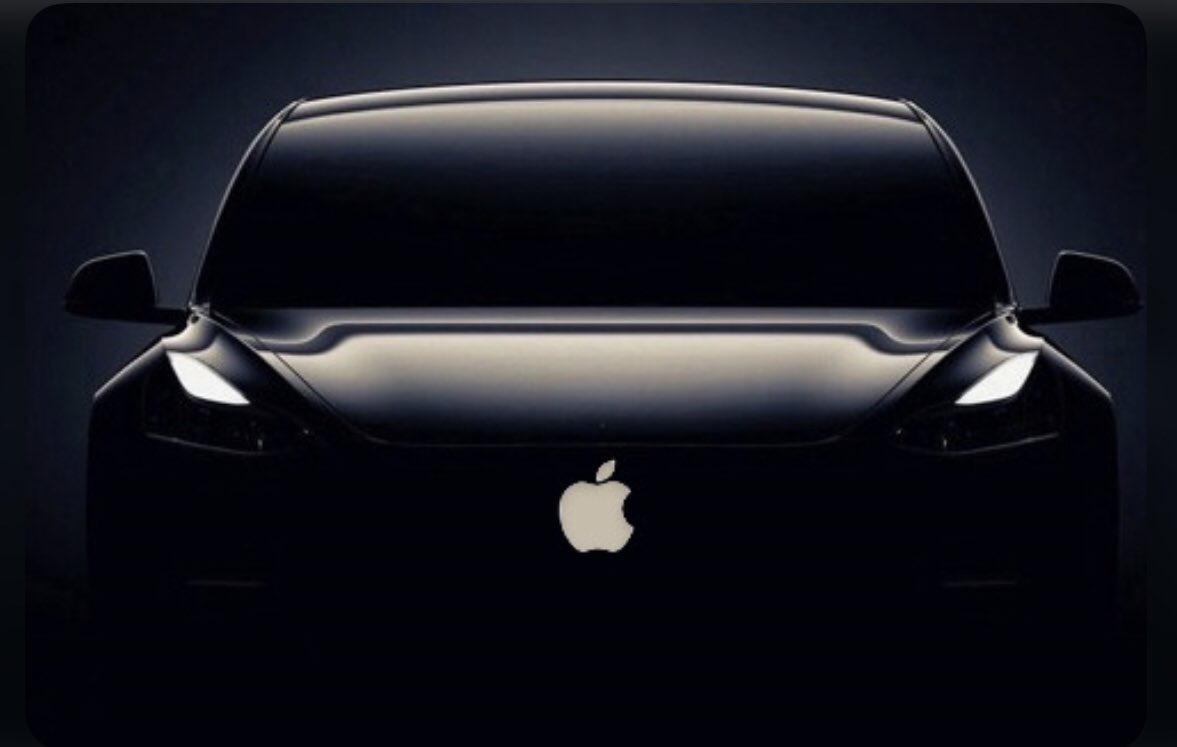
    The one thing that the Apple Car project at the legendary company has lacked is consistent management. After more changes late last year, a slew of executives left the Cupertino-based giant earlier this year revealed a report by Bloomberg. Three top members of the tear Benjamin Lyon, Jaime Way, and Dave Scott left, but Apple has made amends by hiring some more people like Ulrich Kranz who helped BMW make the i3 and i8 and was more recently the co-founder of Canoo.

    Apple has promoted Hanns Teppeiner, who was the co-founder and former president of robotic toy car startup Anki that was even featured by Apple at WWDC 2013. Similarly, Tim Cheng, formerly of Drive.Ai, a self-driving company Apple acquired two years ago has also been promoted.

    Apple also recently hired Hans Lee, the co-founder of Freedom Robotics which creates software to control fleets of robots. Martin Levihn, who now leads AI-based decision-making for self-driving cars has also been promoted. Apple also promoted Paul Costa who has been a longtime Apple hardware engineer.

    Day-to-day operations of the Apple Car project is run by Doug Fields who was a VP at Tesla for the Model 3’s development.  He spent five years at Telsa before returning to Apple where he used to be the VP for Mac hardware engineering. Before Apple, he used to be the CTO at Segway. He reports to Apple’s AI boss John Giannandrea who joined Apple previously in 2018 from Google. Giannandrea was handed reigns of the project from Bob Mansfield, an Apple veteran and a trusted confidant of Steve Jobs who used to run hardware engineering, before Dan Riccio.

    Bob Mansfield had retired but was pulled out of retirement by Tim Cook to run the project, but he has retired again and this time around it seems like it is for good. Recently at a conference, Tim Cook eluded to keep some secrets when asked about the Apple Car. In the past, he has called the self-driving car the mother of all AI projects.

  • Honda’s First All-Electric SUV To Be Called Prologue

    Honda’s First All-Electric SUV To Be Called Prologue

    Honda today announced that its first new mass-market battery-electric vehicle will be called Prologue, signaling a new electrified era that will lead to the company’s vision for 100% zero-emission vehicle sales in North America by 2040. An all-new SUV coming to market in early 2024, the battery-electric Honda Prologue will be, according to the company ‘highly competitive’ but specific details about the new vehicle will be released over the coming months.

    In addition to the Honda Prologue, the company will introduce an all-electric Acura SUV in the 2024 calendar year. Both will utilize the highly flexible global EV platform powered by Ultium batteries based on the company’s strategic partnership with General Motors. Honda also plans to launch a new series of EV models in the second half of the decade based on a new e:Architecture, with development led by Honda.

    In April 2021, Honda global CEO, Toshihiro Mibe, announced a vision to achieve carbon-neutrality for its products and corporate activities by 2050, including key targets for sales of electrified vehicles. This vision calls for the sales ratio of battery-electric and fuel cell electric vehicles in North America to progress from 40% by 2030 and 80% by 2035 to 100% by 2040.

    Honda has a long history in bringing electrified vehicles to market in the U.S., beginning almost a quarter-century ago with the EV Plus electric vehicle (1997); to America’s first hybrid, the Honda Insight (1999); the Honda FCX (2002), the industry’s first fuel cell vehicle in the hands of individual customers, and the Clarity series (2017). As Honda prepares for the launch of Prologue, the company will introduce hybrid-electric systems to more core models to continue to reduce CO2 emissions and bridge customers to the volume of battery-electric vehicles now in development.

  • Bank of Singapore Loses Market Head

    Bank of Singapore Loses Market Head

    Bank of Singapore has lost an industry veteran and market head for Greater China, sources said.

    Greater China market head Richard Hu has left Bank of Singapore, sources said, after joining in the role two years ago.

    Hu is an industry veteran with more than 20 years of experience in the region. He previously held multiple senior roles covering Greater China markets with Julius Baer, HSBC Private Bank, Credit Suisse, UBS, and Citi Private Bank.

    A spokesperson for the bank confirmed the exit. Although Bank of Singapore continues to be in hiring mode – it recently welcomed ex-UBS head of wealth planning for Singapore Paul Chua – it has also seen an outflow of executives in 2021.

    Earlier this month, we reported the departure of its head of Russia and Eastern Europe Vadim Bondarev.

    Several rival banks have been beneficiaries from recent exits such as RBC Wealth Management which named Vincent Cheng as a Hong Kong-based relationship manager and Credit Suisse which hired Rohit Narayanan to cover the India market. And In Janaury, Suresh Nair joined Standard Chartered Private Bank as a senior client partner.

  • Chinese EV Battery Maker CATL Extends Deal With Tesla

    Chinese EV Battery Maker CATL Extends Deal With Tesla

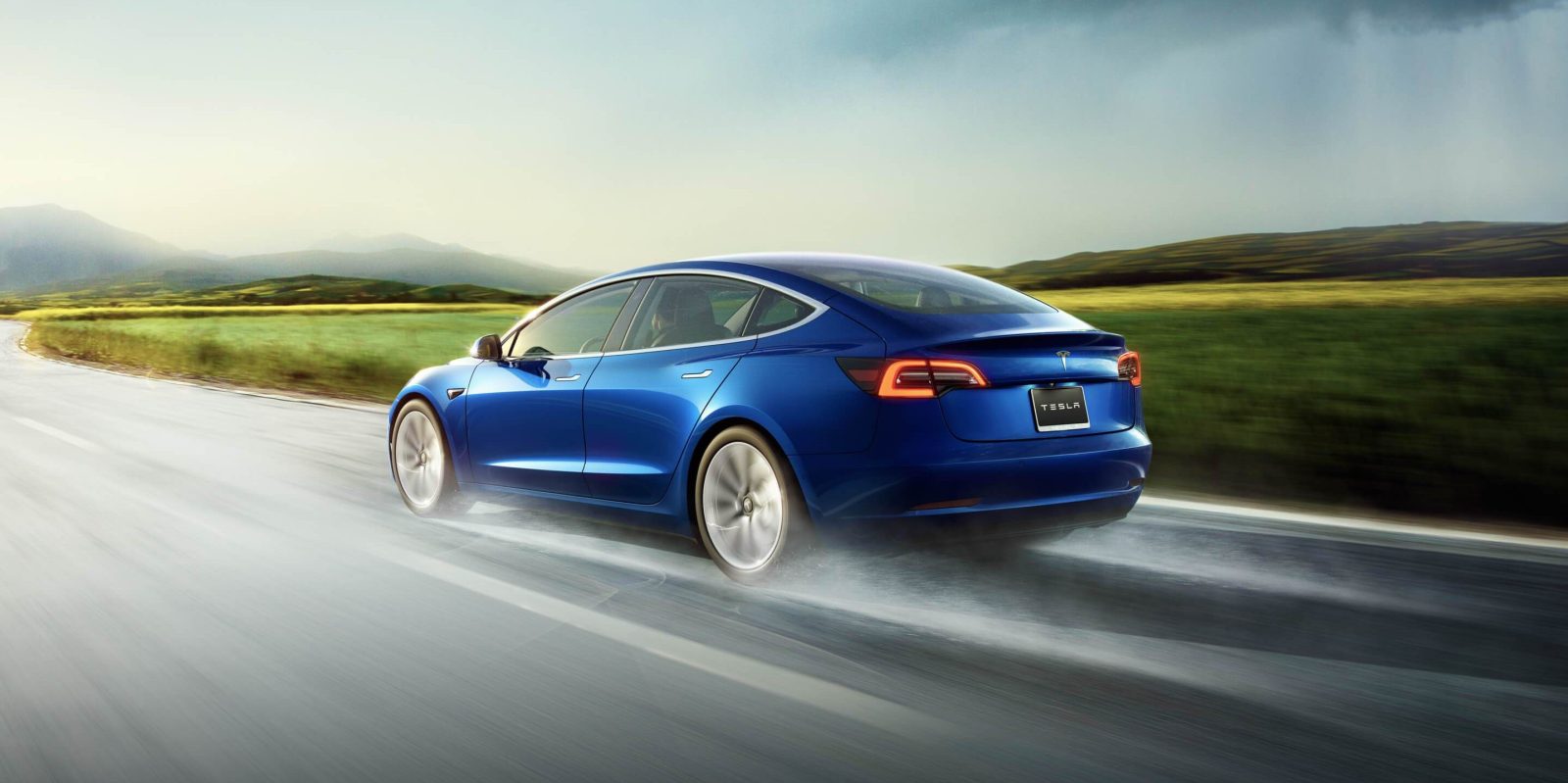
    Chinese electric vehicle battery maker CATL said on Monday it has extended a battery supply deal with U.S. EV maker Tesla Inc to 2025.

    Ningde-based CATL said in a stock exchange filing that it would supply battery cells to Tesla, which is making Model 3 sedans and Model Y sport-utility vehicles in Shanghai, until December 2025.

    Other Tesla battery suppliers include Panasonic Corp and LG Energy Solution.

  • Indosat partners Cisco for first commercial SRv6-based 5G-ready transport network in Southeast Asia

    Indosat partners Cisco for first commercial SRv6-based 5G-ready transport network in Southeast Asia

    Indosat Ooredoo, Indonesia’s leading digital telco, announced the first commercial deployment of Segment Routing over IPv6 (SRv6) in Southeast Asia to support the development of its 5G services across the country. Partnered with Cisco, Indosat Ooredoo is transforming its Transport infrastructure into a state-of-the-art, programmable, 5G-ready transport network supported by IPv6 segment routing technology (SRv6) with Network Slicing, which enables a simple, scalable, agile, and reliable network to meet the needs of retail and business segment customers.

    This new technology, along with Indosat Ooredoo wide fiber optic network expansions, will support the growing demand for mobile data consumption with the emergence of newer technologies like Cloud Computing and Network slicing. SRv6 intelligent routing functionality that enables deterministic routing paths will guarantee high quality and low latency on-demand services with faster data connectivity and full automation required to serve digital communities throughout Indonesia. In addition, network slicing allows Indosat Ooredoo to create new digital services for each customer by enabling the functions that cater to their needs.

    Indosat Ooredoo, in partnering with Cisco, will accommodate the new requirements of 5G use cases of many business segments and industries, including fixed and mobile broadband services, through fully automated SRv6 infrastructure, and seamlessly migrate the currently existing network to the next generation software-defined network to improve customer’s digital experience with optimized TCO as one of the key elements of its network automation and digital transformation strategy.

    “We are excited with the launch of Southeast Asia’s first SRv6-based 5G-ready transport network together with Cisco to support Indosat Ooredoo’s digital transformation journey, addressing our consumers and enterprise customers’ needs for on-demand and scalable network requirements. This is a major step in building our Next-Generation Programmable Transport Network that is future-ready, scalable, with automated operations enabled by Software Defined Network (SDN) and intelligent segment routing functions of SRv6. This will allow us to deliver fast, on-demand, high-quality low-latency connectivity services for 5G, cloud computing and IoT for both consumers and enterprises across Indonesia establishing a strong foundation for 5G architecture moving forward to support Indonesia’s vision as a fully digital nation” said Medhat Elhusseiny, Chief Technology and Information Officer of Indosat Ooredoo.

    “Indosat Ooredoo has an intense focus on improving service quality for its customers while driving the efficiency as well as the new revenue creation,” said Sanjay Kaul, President of APJ Service Provider, Cisco. “With the launch of SRv6 network programming, Indosat Ooredoo is pioneering the next phase of IP networking through simplification, automation, and championing the needs of its customers. With the capabilities provided by SRv6, Indosat Ooredoo, powered by Cisco, aims to support Indonesia as it continues its digital economic transformation to drive operational efficiencies, customer experience, as well as product and service innovation across their organizations. Together, Indosat Ooredoo and Cisco can ensure a better network, digital experience, and a more inclusive future for all Indonesians.”

  • Snapchat’s latest update fixes major crash bug on the iPhone app

    Snapchat’s latest update fixes major crash bug on the iPhone app

    Yesterday, Snap released an update for its iOS app which introduced a nasty bug that would prevent those who updated it to continue to use Snapchat. Basically, the app would crash at launch or just after the camera feed would pop up on the iPhone’s display.

    Although it was unclear how widespread the issue was, Snap acknowledged the problem and promised to fix it as soon as possible. That came after a wave of tweets that pointed out the bug, including one of The Verge’s writers who posted an article about the issue and tweeted it.

    True to its promise, the social company confirmed at the end of the day that the crash bug has been addressed. Snap also recommends those who are still having problems with the Snapchat app on their iPhones, to manually update to version 11.34.1.35 in the App Store.

    These things happen sometimes, but it rarely happens that they are fixed so soon. Kudos to Snap’s engineers for nailing this one so fast and props to users who patiently waited for the fix.

  • Minimalist Interior Design: Top 4 Tips for Creating a Stellar Look For Your Home

    Minimalist Interior Design: Top 4 Tips for Creating a Stellar Look For Your Home

    When it comes to modern interior design trends, if there’s one thing that designers swear by, it’s minimalism. The ‘less is more’ philosophy bodes well for millennials who wish to go for practical aesthetics that look good but also serve a purpose. The same is true for those in small spaces, such as 1 BHK, 2 BHK or 3BHK, where many are increasingly opting for HDB minimalist designs. In fact, the current generation is so inspired by this philosophy that they don’t just restrict it to design or fashion but have also adopted it as a way of life.

    The minimalist interior design doesn’t necessarily mean something boring or dulled-out. However, it can be tricky to find the right balance that prevents your décor from looking over the top while maintaining its appeal and beauty.

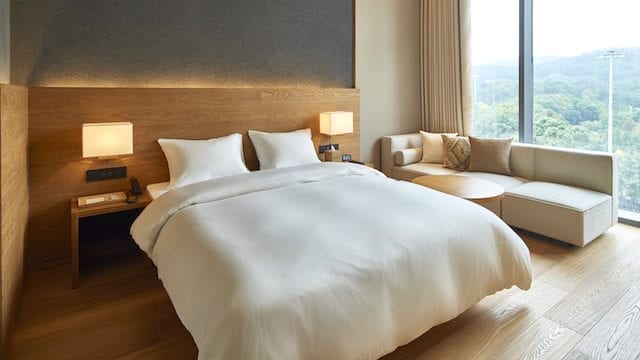
    Image Source: Shutterstock

    The best way to do this is by looking around your home and spotting things that don’t necessarily need to be there. In other words, minimal home décor is all about knowing when your home décor stops looking like décor and starts looking like clutter.

    Sounds confusing? To break this down, we’re sharing four tips that can help you transform your home into a minimalist’s heaven.

    # 1 Pick Your Colours Wisely

    Colours are a major part of your interior décor – exactly why you need to be particular about the colours you choose for your home. Neutral colours such as tan, brown, white, and grey are a big part of minimalist interior design as they tend to have a calming effect on your senses and do not look loud.

    However, when it comes to HDBs, know that HDB minimalist designs are not completely devoid of bright colours. You can go for contrasting accents and introduce a pop of brightness in your home. Colourful cushions, throw blankets, frames, or even rugs can be a great way to break the monotony and brighten up your space.

    # 2 Have a Single Focal Point

    Minimalist interior design is all about reducing the noise in your space and inviting openness. This is why minimal homes have a single focal point that acts as the centrepiece for the rest of your design. This focal point gives you a direction to base your décor around and gives you a starting point to draft your positive and negative space.

    A good example here could be the seating area of your minimalist living room. The couch or the sofa set could act as the focal point, while the open area around the sofa set could be your breathing space.

    # 3 Declutter, Declutter, Declutter

    Decluttering is a big part of minimalist interior design. Minimal homes have a lot of open space and do not hoard anything that’s not essential. So, if you’re dreaming of living in a minimal house, get ready to say goodbye to all those things that you haven’t used for quite some time.

    This also involves revaluating what you display on open shelves and what you hide away in cabinets. Investing in appropriate storage solutions is also a big part of minimalist interior design as it helps keep the house spacious and open.

    # 4 Be Tasteful With Art

    Many people believe that minimalist interior design has no room for art. However, this cannot be farther from the truth. But you need to be tasteful while choosing art for your minimal home. The art pieces should reflect your personality and go with the colour and theme of your room.

    Going monochrome with your art pieces is a great idea to incorporate character into your home without going too away from the minimalist interior design theme.

    So, these were a few tips that can help you realize your dream of living in a minimal home. However, it’s always a good idea to get professional inputs while redecorating your home – whether it is for HDB minimalist designs, minimalist living room designs, or minimalist interiors for your whole house. Expert professions can help and guide you to explore new ideas and also help you save time and money.

    Amongst the many, Livspace is known for offering a plethora of interior design services to make your décor dreams come true. Be it end-to-end solutions, procurement of raw materials, installation or handling carpenters, plumbers and other necessary service provides – they ensure timely execution, while you get to enjoy a hassle-free interiors’ service. To know more about Livspace, head to their website today!

     

  • Rakuten Mobile partners Cisco to advance network for 5G and IoT services

    Rakuten Mobile partners Cisco to advance network for 5G and IoT services

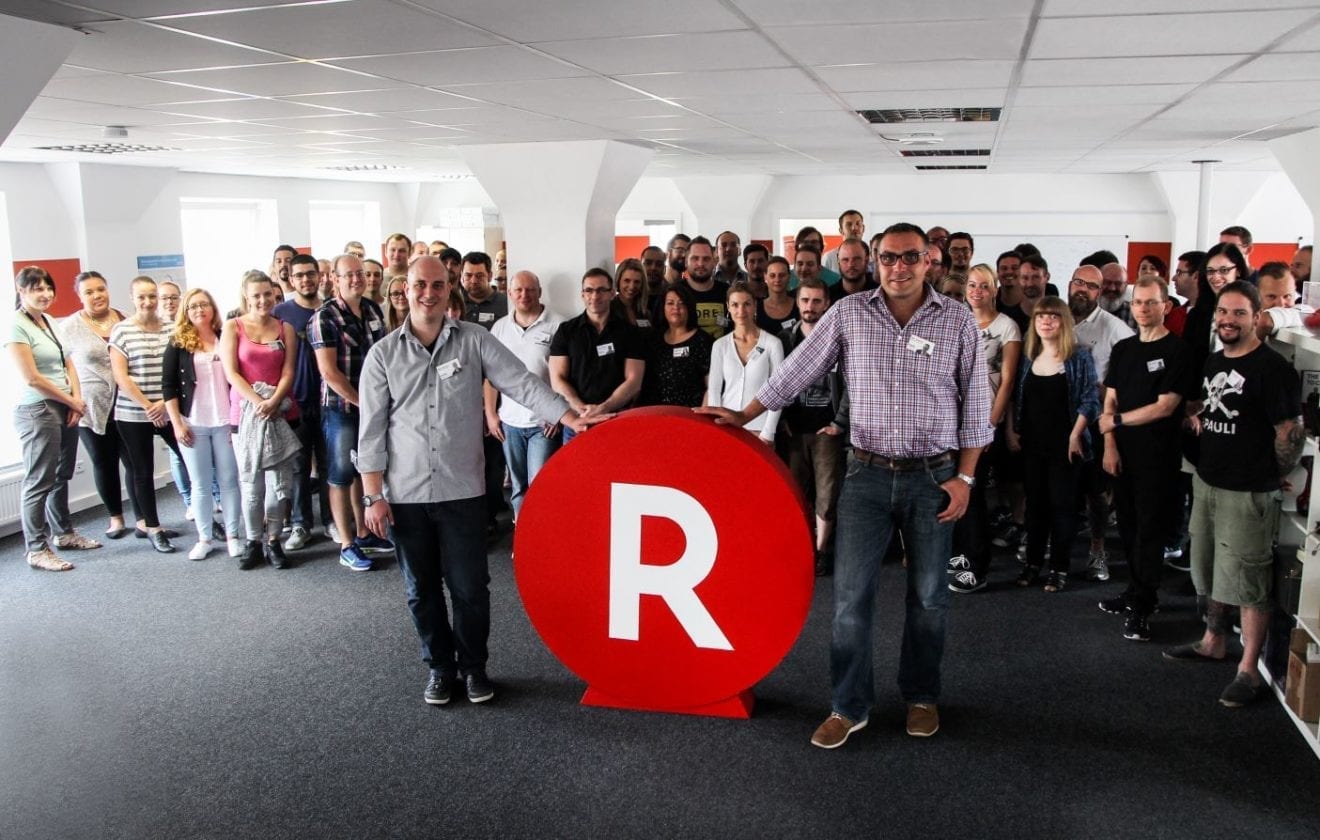
    Cisco and Rakuten Mobile, Inc. today announced a major milestone for Rakuten Mobile’s network infrastructure in support of efforts to build a better, more inclusive internet for the future.

    Rakuten Mobile operates the world first’s fully cloud-native mobile network. It launched 4G service in Japan in April 2020, and launched 5G non-standalone (NSA) services in September 2020 in record time. With four million subscribers today, Rakuten Mobile continues to advance and scale its network to support new demands driven by the growth of remote and mobile workers.

    With the implementation of Segment Routing over IPv6 (SRv6) and Cisco Routed Optical Networking, Rakuten Mobile plans to expand its capabilities to support enterprise customers with 5G and IoT services. To support its future 5G SA services with network slicing capabilities, Rakuten Mobile will introduce SRv6 micro-segments, an extension to the SRv6 network programming model that is key to addressing multi-domain 5G deployments across its network. Cisco Customer Experience (CX) will plan and implement the overall architecture and design.

    Transitioning to SRv6 will help Rakuten Mobile increase network resiliency and support a wider range of Service Level Agreements (SLAs) that are foundational for upcoming 5G and IoT services. With Cisco Routed Optical Networking, Rakuten Mobile can consolidate coherent pluggable optics into a router, making the entire network more automated to deploy services faster (from 100 days down to 40), reduce power consumption by nearly 30 percent, and increase profitability through high-quality services at a competitive price.

    “Reimagining mobile networking is at the very heart of Rakuten Mobile’s strategy, and our decision to go full-speed ahead on SRv6 and Cisco Routed Optical Networking demonstrates our effort to take advantage of technology innovation at every layer of the stack,” said Tareq Amin, Chief Technology Officer, Rakuten Mobile. “We knew that Cisco would walk in lock-step with us as we worked through each phase needed to implement this new technology and align it to our business goals.”

    “Cisco and Rakuten Mobile are on a path to profoundly change the way network infrastructure is built, in order to connect as many people as possible to quality internet services,” said Jonathan Davidson, Executive Vice President and General Manager, Mass-Scale Infrastructure Group, Cisco. “Rakuten Mobile continues to mark important milestones to take its network to the next-level, and together we are showcasing the blueprint for the internet for the future to support our world of wireless and cloud- powered experiences.”

  • Tiki raises $43.5 mln via corporate bonds

    Tiki raises $43.5 mln via corporate bonds

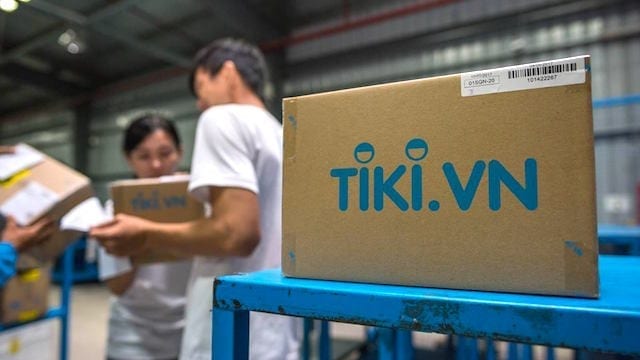
    E-commerce platform Tiki has raised VND1 trillion (nearly $43.5 million) over the last three months by issuing corporate bonds.

    Issued from 16 March to June 13, the bonds are non-convertible with a fixed interest rate of 13 percent per annum, one of the highest rates in the local market.

    Over 97 percent of Tiki bonds’ buyers are Vietnamese individual professional investors. Two domestic institutional investors and two foreign investors also bought the bonds.

    Tiki will use the VND1 trillion to increase its working capital, expand warehouses, invest in subsidiaries, and fund advertisement and marketing campaigns, among others.

    After suffering losses in recent years, Tiki still has to spend big to grab market shares from rivals like Shopee, Lazada, and Sendo.

    Tiki reported losses of over VND750 billion in 2018, and more than VND320 billion in 2019.

  • Cheer cheese formerly known as Coon hits shelves

    Cheer cheese formerly known as Coon hits shelves

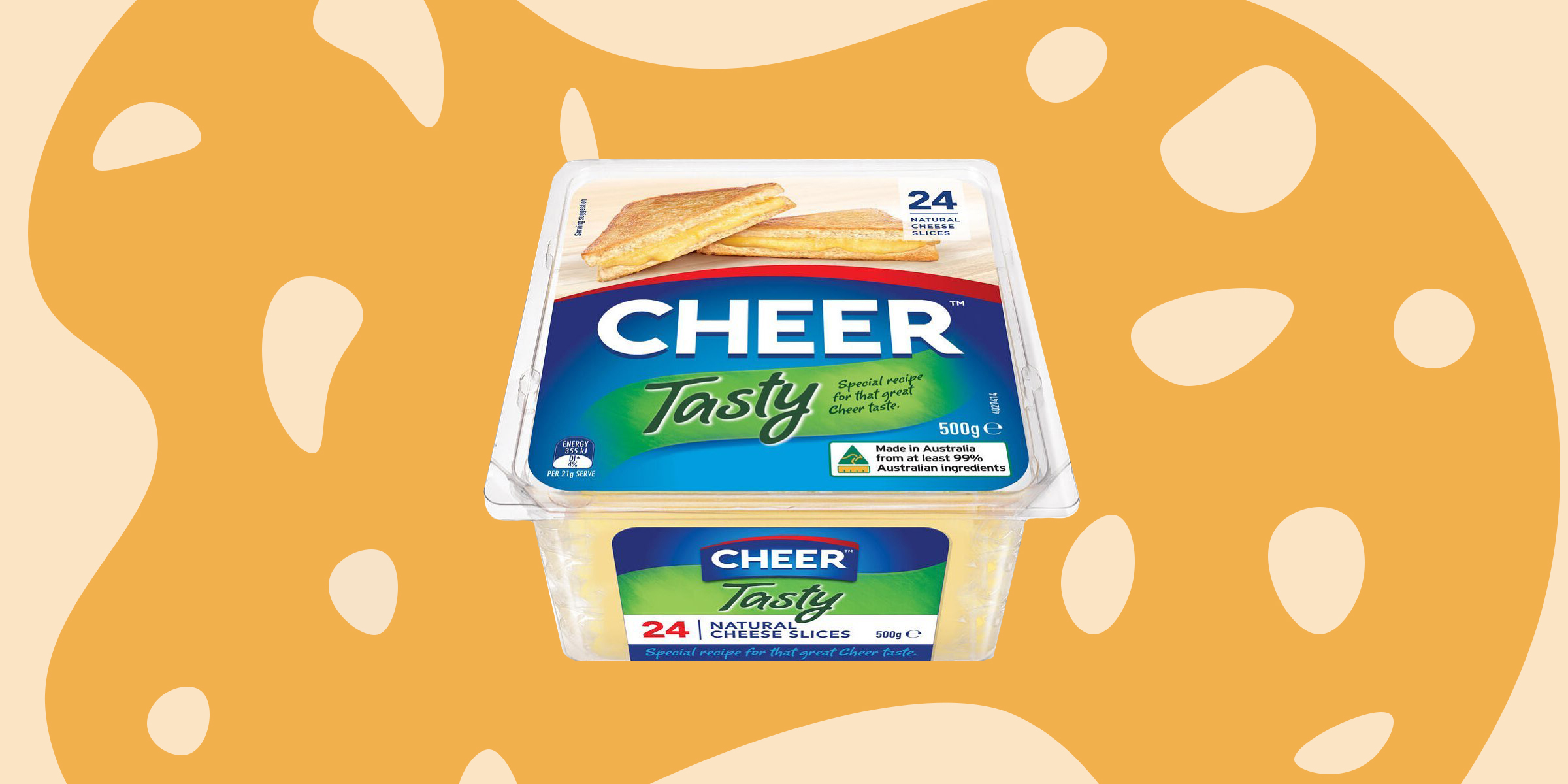
    Cheer, the cheese brand is formerly known as Coon, has rolled out its range under the new name and packaging across Australian supermarkets.

    The company said it aims to launch more products nationally over coming weeks. The new range comes with 10 items, ranging from Tasty Slices, Mozzarella Slices, Colby Block and Tasty Shred.

    Earlier this year, parent Saputo announced the change of its Coon cheese brand to Cheer due to suggestions of a racial slur associated with the name. While the old name was often inappropriately used to describe ethnic groups, the cheese was named after Edward William Coon, who patented a unique ripening process that was used to manufacture the original Coon cheese.

    “Cheer is the same great cheese that millions of Australians have grown up with and enjoyed for generations,” said Cam Bruce, commercial director at Saputo Dairy Australia. “We look forward to bringing that little bit of happiness to everyone’s day, whether it’s a sliced snack, part of the family dinner or a melty, midnight toastie.”

  • Chinese Automaker Geely Auto Scraps STAR Market Listing Plan

    Chinese Automaker Geely Auto Scraps STAR Market Listing Plan

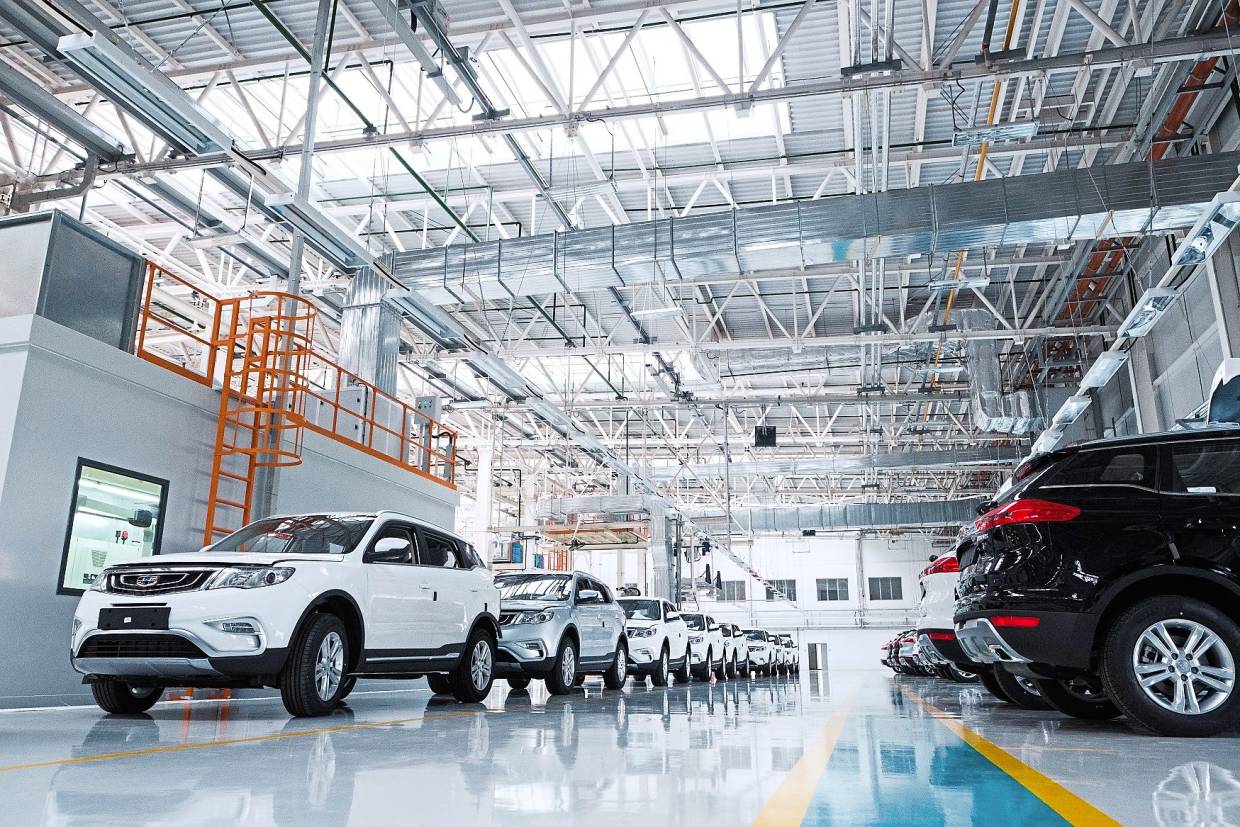
    China’s Geely Automobile Holdings Ltd said on Friday it is dropping plans to list new shares on the mainland’s Nasdaq-like STAR Market.

    Zhejiang-based Geely Auto, China’s highest-profile automaker thanks to parent Zhejiang Geely Holding Group’s investments in Daimler AG and Volvo Cars, is listed in Hong Kong with a market capitalization of HK$255 billion ($32.85 billion).

    In September, Geely Auto said in a filing that it planned to raise 20 billion yuan ($3.10 billion) from the STAR Market listing.

    Geely Auto is aiming to sell over 1.5 million vehicles this year. It also said would seek external funding for its newly-launched electric Zeekr brand.

    In February, Geely Auto said it abandoned the merger plan with sister company Volvo Cars.

  • UOB Taps Digital Innovation to Grow Wealth Franchise

    UOB Taps Digital Innovation to Grow Wealth Franchise

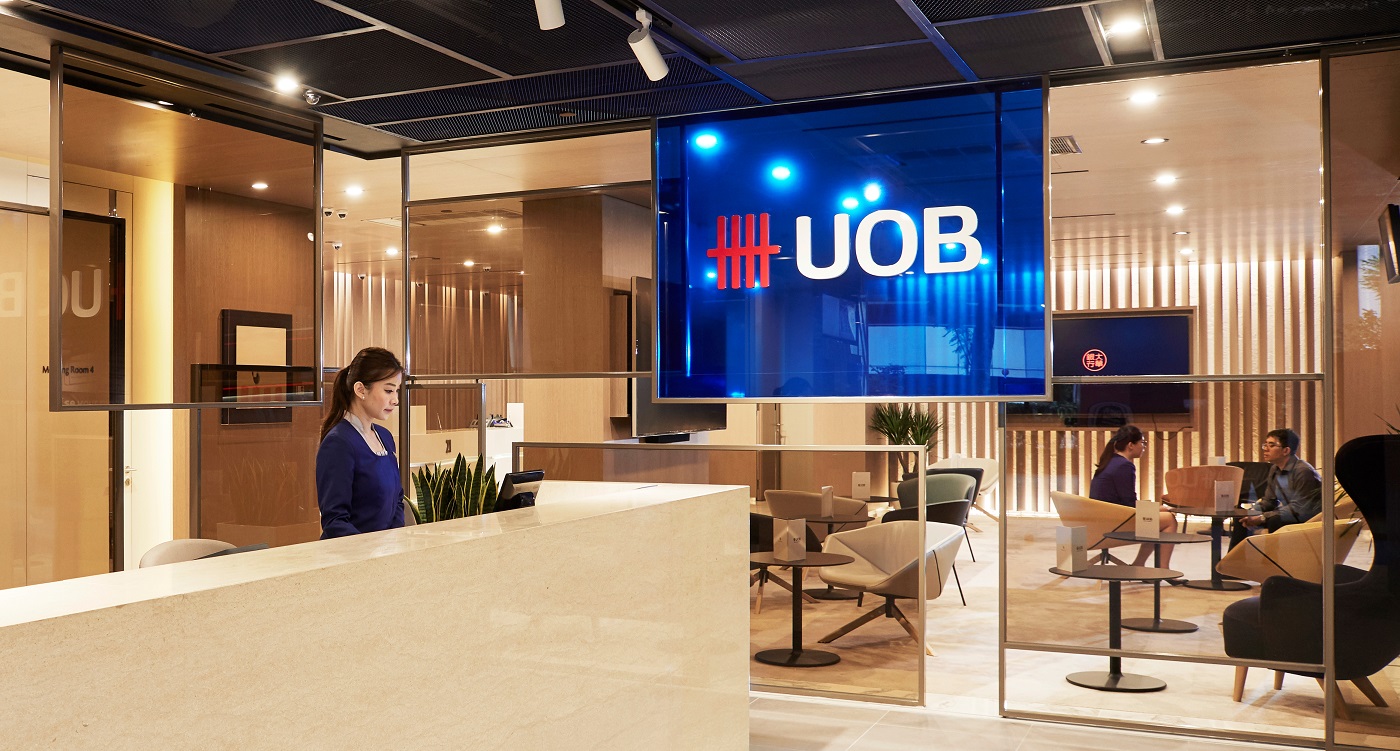
    The bank aims to double its wealth fee income by 2026, which translates to a compound annual growth rate of over 15 percent over the next five years.

    UOB is hoping get more of its customers to kickstart their investment journey by expanding its digital wealth offerings and investing in digital innovation, particularly as customers in the region are increasingly affluent but still underserved.

    On Thursday, the bank launched «SimpleInvest» on its UOB Mighty app, which aims to help customers grow their wealth via Liquidity, Income or Growth solutions that places their funds in either UOB Asset Management’s United SGD Money Market Fund, or a basket of actively managed funds by renowned international asset managers such as Allianz, Fidelity International, J.P. Morgan Asset Management, Schroders and UBS Asset Management.

    The digital self-serve solution was developed to lower the barriers first-time investors encounter when starting their investment journey, Jacquelyn Tan, UOB’s group head of personal financial services, said at a media launch.

    According to the bank’s, many of its customers who are new to investing think it is difficult and require significant sums, or do not have the knowledge or confidence to do.

    The bank is also hoping that the personalization of wealth management for each customer, such as by providing them information and insights that are relevant to their needs and lifestyle choices, based on their banking patterns, will enable them to have the confidence they need to make wiser financial decisions.

    To reach its wealth management targets, UOB will be investing S$200 million ($148.74 million) in digital innovation over the next three years.

    It will also be progressively rolling out its suite of digital wealth solutions across the region, and targets one in four of its customers across the region to tap on its digital wealth solutions.

  • Vietnam economy to expand 6.7 pct in 2021

    Vietnam economy to expand 6.7 pct in 2021

    Singaporean lender United Overseas Bank (UOB) forecast Vietnam’s GDP would grow by 6.7 percent this year.

    It said Vietnam’s economic growth trajectory remained on track, with exports in the first five months growing 35.5 percent year-on-year, while imports rose 54 percent.

    Foreign direct investment (FDI) inflows remain upbeat so far in 2021, a reflection of investor confidence and Vietnam’s relevance in the global supply chain. Registered capital FDI this year as of May hit $14 billion, rising marginally by 1 percent from last year.

    However, the fourth outbreak of Covid-19 that started on April 27 has resulted in movement restrictions and lockdowns that disrupted a range of business and manufacturing operations, it said in a Friday report.

    UOB said the recent outbreaks of Covid-19 and the discovery of new virus variants certainly pose a downside risk to the economy, as vaccination rates have been low relative to neighboring countries.

    One factor to watch, according to UOB, is Vietnam’s inflation rate, which has risen to 2.9% year-on-year in May. Inflation rates in May increased by 0.16 percentage points compared to April, the highest growth rate since September 2020, driven by the growth in transportation and housing prices.

    The government has a growth target of 6.5 percent this year.

  • Uber CEO Makes Deliveries For Uber Eats In San Francisco

    Uber CEO Makes Deliveries For Uber Eats In San Francisco

    Uber CEO, Dara Khosrowshahi, delivered food to people’s doorstep in San Francisco for those ordering from Uber Eats. He completed 10 trips and managed to rake in $98.91. He tweeted about this from his personal handle saying “Spent a few hours delivering for @UberEats. 1. SF is an absolutely beautiful town. 2. Restaurant workers were incredibly nice, every time. 3. It was busy!! – 3:24 delivering out of 3:30 online. 4. I’m hungry – time to order some”

    While it was great to see the CEO of the company getting into the groove and making deliveries, Twitter absolutely erupted calling this a ‘PR stunt’

    User Dan Skelley who has been the most vociferous of the lot in calling it a PR stunt questioned the stats presented. He said “Let’s discuss ur BOGUS stat page. U did 10 orders ON A BIKE in 3 hrs 24 min. First, U can’t get 45pts for 10 trips. Max is 30. U imply 1ride/18 min incl travel time to the pickup with no waiting. Short travel time EVERY time to perfect dropoff EVERY time + only 6 min of downtime”$

    Twitterati Brice Sopher too spoke out about the experience saying “Wow what a surprising conclusion that you, the ceo of Uber, had a great experience working this job. Now try doing it as your only source of income.

    There were many such replies questioning this exercise by the Uber CEO, suffice to say, that though it was all well-intentioned, there’s no wondering how social media will react to it.

  • China’s Automaker Great Wall Aims To Sell 4 Million Cars In 2025

    China’s Automaker Great Wall Aims To Sell 4 Million Cars In 2025

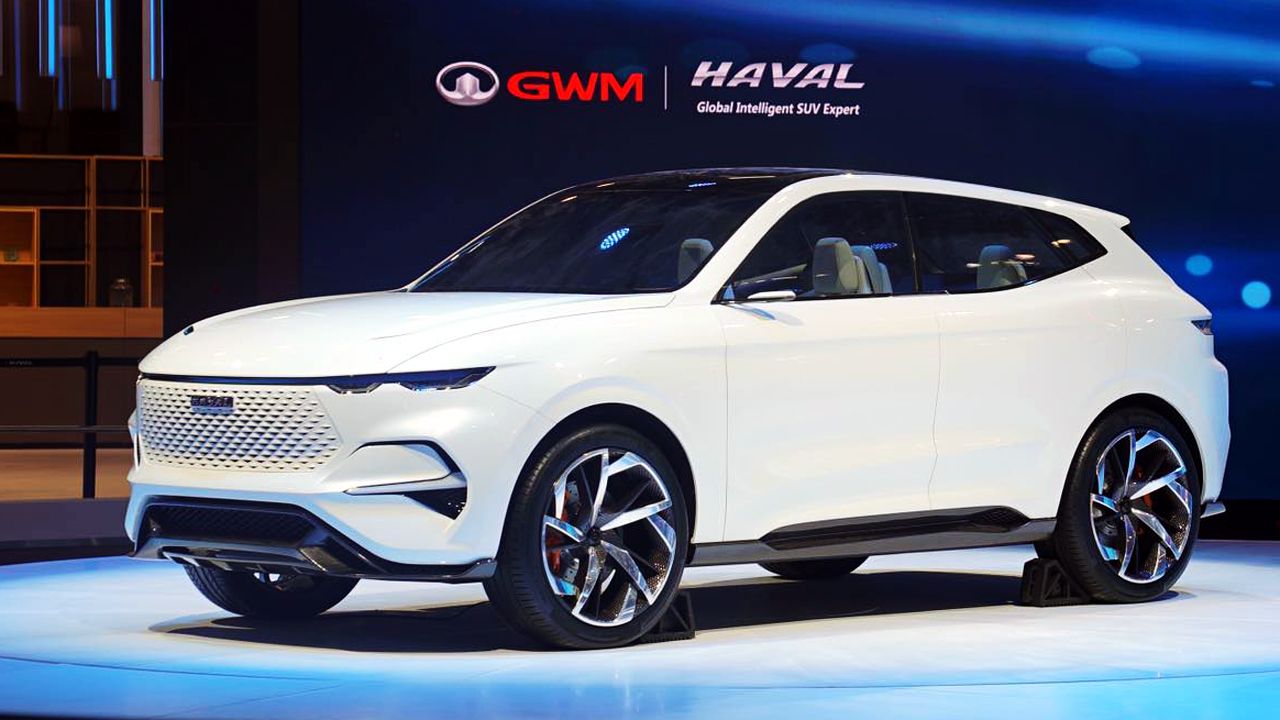
    Great Wall Motor is targeting an annual sales of 4 million vehicles in 2025, Chairman Wei Jianjun said on Monday, as China’s top pickup truck maker sees an increase in the demand for leisure use.

    Great Wall’s revenue is expected to reach 600 billion yuan ($92.86 billion) in 2025, Wei said in a briefing on the company’s strategy at its headquarters.

    Great Wall, which sold 1.1 million cars last year, aims for 80 percent of its annual sales in 2025 to be new energy vehicles, including battery-electric, plug-in hybrid, and hydrogen fuel cell vehicles.

    It targets to sell 2.8 million cars in 2023 with a product lineup of more than 60 models, Meng Xiangjun, a senior executive at Great Wall said.

    China, the world’s largest auto market, rolled out supportive policies for hydrogen fuel-cell vehicles last year, which require local governments and companies to build a more mature supply chain and business model for the industry.

    Baoding-based Great Wall is building a car plant in China with BMW for electric vehicles. The company plans to be carbon-neutral in 2045, earlier than China’s overall target of 2060.

    Great Wall, which competes with Geely and BYD, is also planning to manufacture cars in Russia and Thailand.